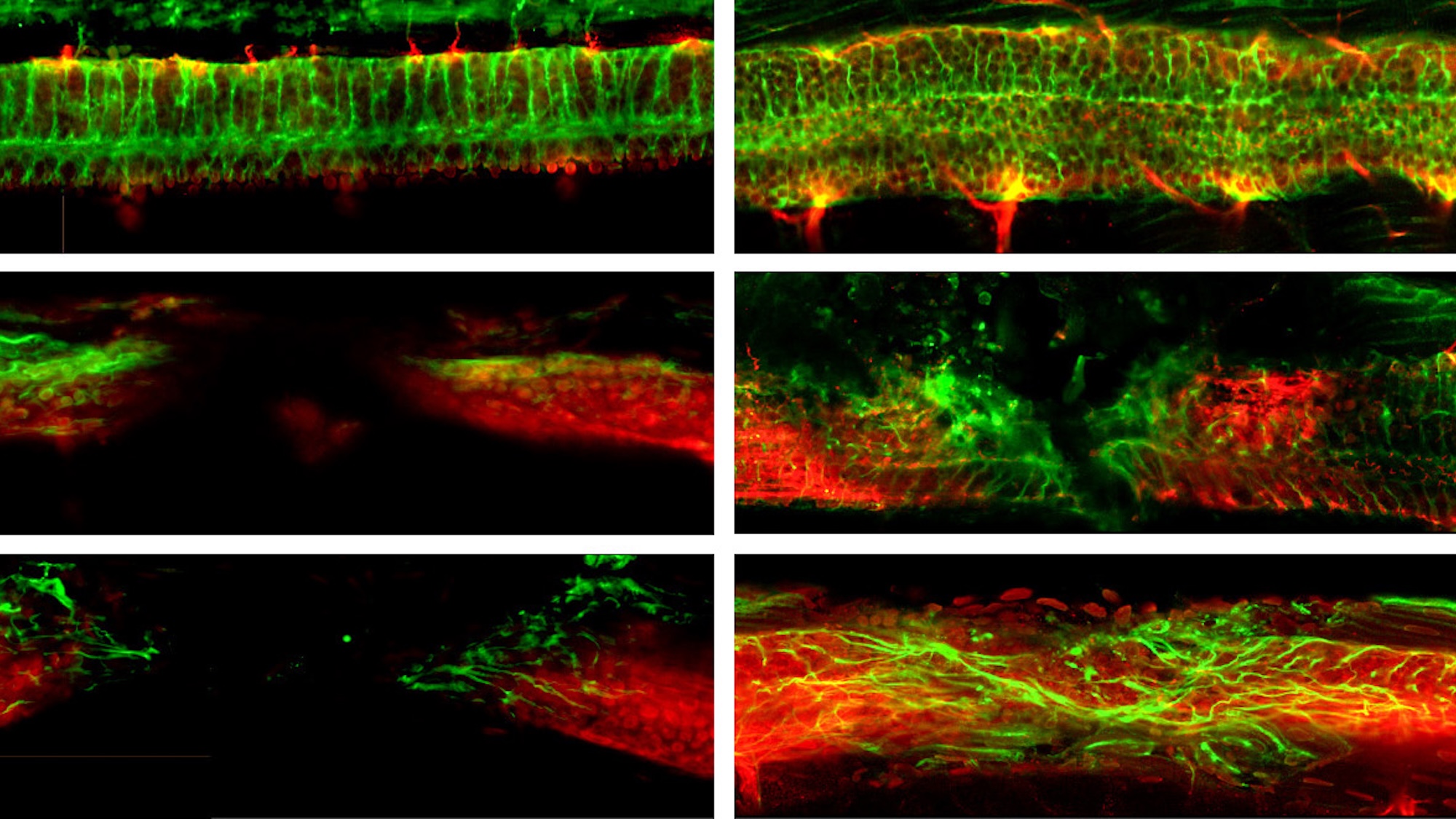
In a groundbreaking new study published in the journal Cell Death Discovery, researchers have unveiled a compelling link between replication stress and cell fate determination in embryonic stem cells. This revelation sheds fresh light on the molecular underpinnings guiding early developmental decisions, hinting at a finely tuned biological mechanism that primes embryonic stem cells toward a trophectoderm lineage under conditions of replication stress. These findings not only deepen our understanding of embryogenesis but may also herald novel approaches in regenerative medicine and developmental biology.
The study led by Gnocchi, El Kai, Castellan, and their colleagues explored the intricate relationship between replication stress—a condition where DNA replication is hindered or challenged—and the differentiation trajectory of embryonic stem cells (ESCs). Embryonic stem cells, characterized by their pluripotency, hold the extraordinary capacity to become any cell type in the diverse cellular repertoire of the body. The decision to commit to specific lineages, such as the trophectoderm which forms the outer layer of the blastocyst and eventually the placenta, is a critical juncture in early development.
Replication stress has traditionally been viewed through the lens of genomic instability and cellular pathologies, including cancer. However, this novel study pivots the focus toward a physiological role of replication stress as a signaling cue within stem cells. The researchers demonstrated that transient replication stress induces a cellular environment conducive to the upregulation of transcription factors and epigenetic markers associated with trophectoderm fate. By investigating this process at the molecular level, they revealed cross-talk between DNA damage response elements and differentiation pathways.
One of the pivotal findings involves the activation of specific checkpoint kinases that respond to stalled replication forks. These kinases, such as ATR and CHK1, are traditionally associated with safeguarding genome integrity by halting cell cycle progression upon detecting replication impediments. Intriguingly, in embryonic stem cells, their activation was linked not only to canonical cell cycle control but also to the initiation of lineage specification signals, particularly skewing cells toward a trophectoderm identity.
The investigators employed sophisticated single-cell transcriptomic analyses to chart the cellular heterogeneity that emerges under replication stress conditions. These high-resolution profiles revealed a transient, yet decisive, shift in gene expression patterns consistent with a commitment to trophectoderm lineage before any overt morphological changes occurred. This temporal ordering underscores the idea that stress signals can preemptively prime cell fate well before phenotypic differentiation manifests.
Epigenetic modifications also played a prominent role in this stress-induced commitment. The researchers observed alterations in histone marks associated with gene activation and repression, particularly at loci controlling key trophectoderm regulators such as Cdx2 and Eomes. These chromatin changes suggest that replication stress not only influences transcriptional programs but also reconfigures the epigenome to stabilize the new cellular identity.
Interestingly, the study also uncovered that the duration and intensity of replication stress are critical determinants of fate outcome. While mild, transient stress appears to prime cells toward trophectoderm differentiation, prolonged or severe replication perturbations trigger apoptosis or senescence pathways, highlighting a delicate balance between adaptive responses and cell death risk. This finding aligns with the idea that embryonic development is a tightly regulated process, sensitive to environmental and intracellular cues.
This research also carries profound implications for understanding pregnancy and placental formation. Trophectoderm contributes to the placenta, a vital organ supporting fetal development. Insights into how replication stress influences trophectoderm formation could illuminate mechanisms underlying placental insufficiencies and related disorders such as preeclampsia or intrauterine growth restriction.
Moreover, by dissecting the signaling cascades and molecular checkpoints involved, the work opens new avenues for manipulating stem cell fate in vitro. For example, controlled induction of replication stress or modulation of the ATR/CHK1 pathway could become tools to guide stem cells toward specific extraembryonic lineages for research or therapeutic applications.
Beyond its biological significance, this study contributes to the expanding view that cellular stress responses are not merely damage control systems but are integral to developmental decision-making. It challenges the classical perspective and posits that intrinsic stressors during early embryogenesis serve as instructive cues for lineage allocation, reflecting a sophisticated interplay between environmental inputs and genetic programming.
The methodologies employed were comprehensive and cutting-edge, combining DNA fiber assays, live-cell imaging, chromatin immunoprecipitation and sequencing, and bioinformatics-driven gene expression analyses. This multi-modal approach allowed the team to paint a cohesive picture of the mechanisms at work, tracing the journey from DNA replication perturbations to ultimate cell fate outcomes.
Importantly, the authors discussed potential implications for considering replication stress in the context of stem cell culture protocols. Optimizing conditions to mimic physiological stress levels could enhance directed differentiation efficiency and fidelity, contributing to improved models for developmental studies and drug screening.
The findings also raise thought-provoking questions regarding how early embryos manage replication challenges in vivo. Given the rapid cell cycles and extensive proliferation during preimplantation stages, it is conceivable that controlled replication stress is an evolutionarily conserved strategy to influence lineage segregation and patterning.
In sum, Gnocchi et al.’s work provides a paradigm-shifting perspective on how replication stress functions as a developmental signal rather than merely a genomic hazard. By linking replication stress to trophectoderm fate priming, it bridges gaps across stem cell biology, DNA damage response, and embryonic development, offering novel insights that are likely to stimulate further research and innovation.
As the field advances, future investigations will need to explore how these mechanisms operate across different species and developmental contexts, and whether similar stress-induced fate priming processes govern other lineage commitments. This knowledge could eventually translate to clinical strategies aiming at improving embryo culture conditions in assisted reproduction or refining stem-cell-based therapies.
The intersection of genome maintenance pathways and cell fate determination unveiled by this study marks an exciting frontier in developmental biology. It redefines replication stress from a detrimental event to a critical modulator of early embryonic fate decisions, highlighting the remarkable plasticity and adaptability of stem cells.
This pioneering research expands our grasp of the molecular choreography underlying life’s earliest steps, offering a captivating narrative of how cells navigate intrinsic stress to sculpt their destinies. It stands as a testament to the intricate balance of stability and flexibility that orchestrates embryogenesis at the genomic and epigenetic levels.
Subject of Research: The impact of replication stress on lineage specification in embryonic stem cells, specifically its role in priming trophectoderm fate.
Article Title: Replication stress primes a trophectoderm fate in embryonic stem cells.
Article References:
Gnocchi, A., El Kai, C., Castellan, C. et al. Replication stress primes a trophectoderm fate in embryonic stem cells. Cell Death Discov. (2026). https://doi.org/10.1038/s41420-026-03169-w
Image Credits: AI Generated
DOI: https://doi.org/10.1038/s41420-026-03169-w

 Login
Login