
Normal view

Self-Assembled Cardiac Organoids Model Heart Chambers

2 June 2026 at 21:56

In a groundbreaking leap for cardiovascular research, scientists have engineered self-assembled chamber-like cardiac organoids that faithfully mimic the complex architecture and functionality of human heart chambers. This pioneering development not only provides a transformative model for studying cardiac chamber formation but also establishes a robust platform for assessing drug-induced cardiotoxicity, potentially revolutionizing how new therapeutics are evaluated before clinical trials. Published this year in Nature Communications, the work by Zou, Wang, Zheng, and colleagues spotlights the convergence of stem cell biology, tissue engineering, and regenerative medicine, presenting an unprecedented window into the earliest steps of heart development and disease modeling.

The human heart’s intricate structure—comprising multiple chambers each with specialized functions—is notoriously challenging to replicate in vitro. Traditional two-dimensional cardiomyocyte cultures lack the spatial organization and mechanical cues necessary for proper cardiac maturation. While previous three-dimensional cardiac organoids have demonstrated contractile activity and cell heterogeneity, recreating chamber-like structures that resemble true heart morphology has remained elusive. Zou et al. surmount this hurdle by harnessing self-assembly principles, enabling pluripotent stem cells to organize autonomously into defined, chambered organoids. This architectural mimicry is essential, as the heart’s ability to pump blood relies heavily on the precise formation and interplay of distinct chambers.

Central to their approach is the optimization of culture conditions that guide stem cells down specific differentiation trajectories while promoting cellular interactions and biomechanical feedback mechanisms. Through a carefully orchestrated protocol, the research team modulated signaling pathways such as Wnt, BMP, and Notch, which are pivotal during embryonic heart development. This biochemical guidance, combined with tailored extracellular matrix components, facilitated the aggregation of cardiomyocytes, cardiac fibroblasts, and endothelial cells into a cohesive, hollow structure reminiscent of heart chambers. Notably, the organoids exhibited spontaneous contractions with coordinated electrical conduction, underscoring their functional maturity.

This model opens unprecedented avenues for interrogating the molecular and biomechanical determinants of cardiac chamber morphogenesis. Researchers can now probe how gradients of morphogens and mechanical forces sculpt chamber identity, valve formation, and myocardial patterning in a controlled laboratory environment. By recapitulating key developmental milestones in vitro, these organoids provide insight into congenital heart defects and allow for the dissection of complex gene-environment interactions that underlie cardiac malformations. The study paves the way for elucidating pathway-specific perturbations linked to heart disease.

In addition to developmental insights, the chamber-like organoids serve as a sophisticated platform for pharmacological screening. Drug-induced cardiotoxicity remains a pervasive challenge in drug development, often causing late-stage failures or post-market withdrawals. Current preclinical models, including animal testing and 2D cultures, only partially recapitulate human cardiac physiology, limiting predictive accuracy. These self-assembled cardiac organoids, by contrast, provide a human-relevant context to assess the electrophysiological, structural, and contractile effects of novel compounds, capturing subtle toxicities that conventional assays might overlook.

The research team demonstrated the utility of their platform by testing well-known cardiotoxic agents, revealing dose-dependent disruptions in organoid rhythm and contractile force. Their findings correlated with clinical manifestations observed in patients, suggesting that this model can forecast adverse cardiac responses with enhanced fidelity. This capability could streamline drug safety assessments, reduce reliance on animal models, and ultimately expedite the delivery of safer cardiovascular therapeutics to patients.

Crucially, the organoids produced by Zou et al. display remarkable reproducibility and scalability, addressing long-standing challenges in organoid research. By standardizing the self-assembly process, the team ensured consistent formation of chambers exhibiting uniform size, morphology, and cell composition across batches. This consistency lays the groundwork for larger-scale applications such as high-throughput drug screening and precision medicine initiatives, where patient-derived organoids could be tested against personalized therapeutic regimens.

Furthermore, the researchers leveraged advanced imaging and electrophysiological techniques to characterize organoid dynamics in real time. Using high-resolution confocal microscopy and multi-electrode arrays, they mapped calcium transients, electrical propagation, and mechanical contraction patterns within the chamber-like structures. These comprehensive analyses confirmed that the organoids not only structurally resemble heart chambers but also functionally emulate their synchronous beating and electrical coupling, hallmarks of a physiologically relevant cardiac model.

Beyond drug testing, the potential of these cardiac organoids extends into regenerative medicine. The ability to self-organize into chambered constructs suggests their suitability for bioengineered tissue grafts aimed at repairing damaged myocardium. Although clinical translation remains distant, the mechanistic insights gained from these models can inform strategies for enhancing cardiac regeneration, integrating stem cell therapies, and engineering next-generation heart patches.

Zou and colleagues also touched upon the ethical and logistical advantages of their organoid system. By reducing dependence on animal experimentation, their model aligns with the principles of the 3Rs (replacement, reduction, refinement) in biomedical research. Additionally, the use of human induced pluripotent stem cells enables studies on genetically diverse populations, enhancing our understanding of how individual genetic backgrounds influence heart development and drug responses.

The combination of bioengineering, developmental biology, and pharmacology embodied in this research illustrates a paradigm shift in cardiovascular science. Where once the heart was an impenetrable black box, the creation of chamber-like cardiac organoids offers a tangible window into its formation, function, and pathologies. This synthetic heart tissue platform promises to accelerate the discovery of novel treatments for heart disease, a leading cause of mortality worldwide, with profound implications for public health.

Looking forward, the research sets the stage for integrating other cell types critical to heart function, such as immune cells and specialized conduction system components, to achieve even more physiologically comprehensive organoids. Advances in microfluidics and tissue perfusion could further enhance nutrient delivery and waste removal, mimicking in vivo conditions and prolonging organoid survival. Such innovations will push the boundaries of what organoids can reveal about cardiac biology and therapeutic potential.

In summary, the self-assembled chamber-like cardiac organoids developed by Zou et al. represent an extraordinary technological and conceptual advance. By recapitulating the form and function of human cardiac chambers in vitro, they provide a powerful tool for unraveling the complexities of heart development and disease, enabling safer drug discovery, and opening new horizons for regenerative therapies. This landmark study heralds a new era in cardiovascular research where the heart’s mysteries can be explored with unprecedented clarity, precision, and relevance.


Subject of Research: Cardiac development, cardiac organoids, cardiotoxicity assessment, tissue engineering.

Article Title: Self-assembled chamber-like cardiac organoids for modeling cardiac chamber formation and cardiotoxicity assessment.

Article References:
Zou, X., Wang, F., Zheng, H. et al. Self-assembled chamber-like cardiac organoids for modeling cardiac chamber formation and cardiotoxicity assessment. Nat Commun (2026). https://doi.org/10.1038/s41467-026-73822-6

Image Credits: AI Generated
From Breakthrough to Business: How BTI Drives Scientific Innovation Worldwide

2 June 2026 at 21:43

In the realm of scientific innovation, the Boyce Thompson Institute (BTI) has long been synonymous with groundbreaking research and visionary entrepreneurship. With a history spanning over a century, BTI continues to ignite transformative ideas, propelling advances that resonate well beyond its Ithaca, New York campus. The Institute’s culture of curiosity-driven inquiry and rigorous mentorship has nurtured countless scientists whose work shapes global scientific landscapes. Among its most recent and compelling success stories is PrecizionIQ, an India-based health technology startup that exemplifies the intersection of advanced science and impactful healthcare solutions.

PrecizionIQ, co-founded by Pedro Rodrigues, a BTI alumnus and former postdoctoral researcher, is pioneering a revolutionary approach to prenatal diagnostics. The company’s mission centers on developing a non-invasive, highly accurate, and accessible methodology for early fetal chromosomal abnormality detection. This initiative has the potential to redefine prenatal care paradigms globally, offering earlier and clearer diagnostic insights through a straightforward blood or urine test. Their cutting-edge platform uniquely integrates high-resolution mass spectrometry with artificial intelligence-driven biomarker discovery, pushing the boundaries of existing prenatal screening technologies.

The roots of PrecizionIQ’s innovations trace back to Rodrigues’s formative research experience in the laboratory of Frank Schroeder at BTI. This scientific tutelage instilled a robust foundation in metabolomics and analytical chemistry, crucial for discerning subtle biochemical alterations tied to chromosomal anomalies in expectant mothers. While PrecizionIQ operates independently of BTI, the intellectual rigor and interdisciplinary collaboration cultivated within the Institute have left an indelible mark on the company’s ethos and strategic direction. This synergy underscores the enduring impact of academic research institutions on startup ventures aimed at real-world problem solving.

Recently, PrecizionIQ garnered significant acclaim by securing the top startup accolade at the PanIIT Bangalore Summit 2026. This prestigious recognition awarded the company the sought-after “Golden Ticket” to feature in Bharat Ke Super Founders, an Amazon series spotlighting India’s foremost deep-tech innovators. This milestone not only celebrates the company’s technological prowess but also highlights the vibrant ecosystem nurturing frontier scientific endeavors in India. Such platforms amplify the visibility of innovative startups, facilitating broader dissemination and adoption of revolutionary health technologies.

The scientific foundation of PrecizionIQ is deeply innovative. Employing mass spectrometry, the technology profiles maternal metabolic markers with unparalleled resolution, identifying nuanced biochemical shifts indicative of chromosomal disorders such as Down syndrome (Trisomy 21), Edwards syndrome (Trisomy 18), Patau syndrome (Trisomy 13), Turner syndrome, and Klinefelter syndrome. By capturing these physiological signatures as early as six weeks into pregnancy, the technology promises to revolutionize prenatal genetic screening by offering early, actionable information without the risks associated with invasive procedures like amniocentesis or chorionic villus sampling.

Furthermore, the implementation of AI algorithms fortifies biomarker analysis, enabling the discernment of complex metabolic patterns unrecognizable through traditional diagnostic means. This AI-enhanced biomarker discovery facilitates higher specificity and sensitivity in fetal risk assessments, reducing false positives and inconclusive results that often incite anxiety among expectant parents. The integration of data science with metabolomics manifests a new frontier in clinical diagnostics, paving the way for personalized, non-invasive prenatal care tailored to diverse populations, including those in resource-limited regions.

BTI’s influence extends beyond scientific training to fostering long-standing professional mentorship and collaborative networks, as evidenced by the ongoing involvement of former BTI faculty and staff in PrecizionIQ’s advisory team. Murli Manohar, a former BTI researcher, serves as a scientific and operational advisor, while emeritus professor Daniel Klessig, with his extensive background in BTI’s research environment, provides strategic insights. These enduring partnerships highlight how academic institutions can be vital incubators for sustained innovation, blending technical expertise with entrepreneurial acumen.

At its core, PrecizionIQ embodies a commitment to democratizing prenatal healthcare. The startup recognizes the disparities inherent in current prenatal diagnostic practices, which are often invasive, costly, or logistically unavailable in many parts of the world. By devising a scalable, non-invasive blood or urine-based test accessible at home, the company envisions bridging this gap, making early fetal health risk assessment universally attainable. This objective aligns with a broader global health ethos that prioritizes equity, early intervention, and precision medicine.

The company’s work carries a profoundly human dimension, driven by an acute awareness of the emotional and psychological toll ambiguous prenatal results impose on families. By delivering clearer, earlier diagnoses, PrecizionIQ aims to alleviate uncertainty and foster peace of mind during a critical period of pregnancy. This emphasis on patient-centric benefits underscores the transformative potential of scientific innovation when paired with compassionate healthcare frameworks.

Beyond its immediate technological ambitions, PrecizionIQ represents a testament to the power of interdisciplinary collaboration. The convergence of expertise in metabolomics, analytical chemistry, AI, and clinical medicine creates a robust platform capable of tackling complex biological questions. Such convergence is crucial in addressing multifaceted healthcare challenges, signifying a shift towards integrated research methodologies that transcend traditional disciplinary boundaries.

Looking ahead, PrecizionIQ plans to launch its pioneering prenatal risk test product in 2027. This upcoming release will mark a significant advancement in prenatal diagnostic capabilities and introduce a new standard for early, accessible fetal health screening globally. The anticipated product launch is poised to stimulate continued research and innovation, inspiring further technological advancements in prenatal care and beyond.

The journey of PrecizionIQ from a laboratory concept to an internationally recognized deep-tech startup highlights the potent role of academic alumni networks and cross-institutional mentorship in fostering successful scientific entrepreneurship. The collaboration among former BTI members and founders underscores how sustained academic relationships can translate into impactful innovations with global health implications.

In sum, PrecizionIQ’s evolution exemplifies the symbiotic relationship between cutting-edge scientific research and entrepreneurial vision. Fueled by BTI’s legacy of fostering curiosity, rigorous training, and interdisciplinary problem-solving, the company is poised to revolutionize prenatal diagnostics. As it moves toward commercial deployment, PrecizionIQ stands at the vanguard of a health technology movement striving to deliver earlier, more reliable, and more equitable prenatal testing worldwide, embodying the profound societal impact that science, mentorship, and innovation can jointly achieve.


Subject of Research: Development of non-invasive prenatal diagnostic tests using metabolomics and AI-enhanced biomarker discovery.

Article Title: From Laboratory Insight to Global Health Innovation: PrecizionIQ’s Revolutionary Leap in Prenatal Diagnostics

News Publication Date: 2026

Web References:

Image Credits: PrecizionIQ

Number of suspected Ebola cases falls by hundreds as testing ramps up

2 June 2026 at 18:10

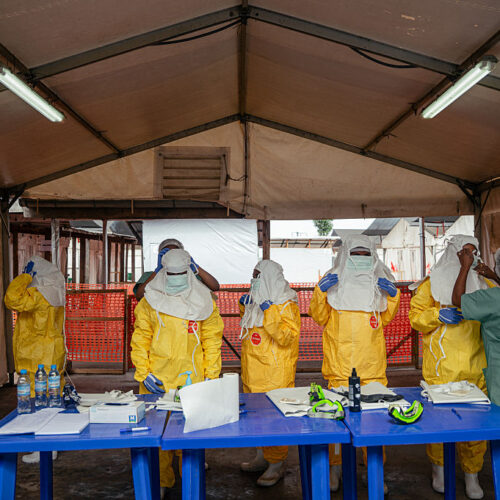
The estimated size of the Ebola outbreak in the Democratic Republic of the Congo has fallen by hundreds of cases as outbreak response efforts have ramped up and increased testing has ruled out illnesses.

On Tuesday, a representative for the World Health Organization confirmed to Reuters that Congolese authorities are now reporting 437 cases in the DRC, including 321 confirmed cases and 116 suspected. That's a significant difference from the case count the WHO relayed Friday, which totaled 1,041 cases, including 135 confirmed cases and 906 suspected. Over the weekend, the director-general of the Africa Centres for Disease Control and Prevention, Jean Kaseya, also wrote in an op-ed that there were more than 1,100 suspected cases.

The number of deaths has also been lowered to 48 confirmed deaths. On Friday, the WHO had reported 241 deaths, including 18 confirmed and 223 suspected.

Read full article

Comments

© Getty | Jospin Mwisha

Number of suspected Ebola cases falls by hundreds as testing ramps up

2 June 2026 at 18:10

The estimated size of the Ebola outbreak in the Democratic Republic of the Congo has fallen by hundreds of cases as outbreak response efforts have ramped up and increased testing has ruled out illnesses.

On Tuesday, a representative for the World Health Organization confirmed to Reuters that Congolese authorities are now reporting 437 cases in the DRC, including 321 confirmed cases and 116 suspected. That's a significant difference from the case count the WHO relayed Friday, which totaled 1,041 cases, including 135 confirmed cases and 906 suspected. Over the weekend, the director-general of the Africa Centres for Disease Control and Prevention, Jean Kaseya, also wrote in an op-ed that there were more than 1,100 suspected cases.

The number of deaths has also been lowered to 48 confirmed deaths. On Friday, the WHO had reported 241 deaths, including 18 confirmed and 223 suspected.

Read full article

Comments

© Getty | Jospin Mwisha

Convicted Harvard Scientist Rebuilds Career in China Through Controversial Brain-Computer Interface Lab

19 May 2026 at 13:47


A former Harvard chemistry professor convicted in the United States for concealing ties to a Chinese talent program is now leading a state-backed brain-computer interface laboratory in Shenzhen, raising fresh concerns about the geopolitical race for emerging technologies.

Former Harvard scientist Charles Lieber, 67, has rebuilt his research career in China, where he currently directs the Institute for Brain Research, Advanced Interfaces and Neurotechnologies (i-BRAIN). In 2021, he was convicted in the United States for lying to federal investigators about his financial ties to a Chinese talent recruitment program, as well as for tax-related offenses. He was sentenced to prison and later placed under home confinement before relocating to Shenzhen in 2025.

Considered a leading authority in BCI research and development, Lieber now serves as director of i-BRAIN, a laboratory operating under the Shenzhen Medical Academy of Research and Translation (SMART), a government-backed institution. The laboratory’s primary focus includes primate research and BCI chip development.

Lieber said during a Shenzhen government news conference in December, “I arrived on April 28, 2025, with a dream and not much more, maybe a couple bags of clothes.” He added, “Personally, my own goals are to make Shenzhen a world leader.”

According to Reuters, the lab provides Lieber with resources beyond what he had access to in the United States, including dedicated nanofabrication equipment and extensive primate research facilities.

Experts have previously warned U.S. officials and Congress about the privacy implications of BCI technologies, as well as potential military applications that enhance cognitive performance on and off the battlefield. Lieber’s return to cutting-edge research has renewed debate in the United States over technology security and scientific cooperation with China.

“China has weaponized against us our own openness and our own efforts for innovation,” Glenn Gerstell, an advisor at the Center for Strategic and International Studies and former general counsel for the U.S. National Security Agency (NSA), told Reuters on  May 1. “They’ve flipped that and turned it around against us, and they’re ​taking advantage of it.”

China’s policy of “military-civil fusion,” which encourages collaboration between civilian research institutions and the military, has increased those concerns in the United States. In July 2025, the Chinese government announced its goal of becoming the “gold standard” for BCI competitors worldwide. 

At i-BRAIN, Lieber’s team is reportedly currently hiring international researchers to conduct experiments involving rhesus monkeys, which have been used for BCI testing at many other companies, such as Elon Musk’s Neuralink.

In recent years, Neuralink employees have reported ongoing mistreatment and deaths of rhesus monkeys, where death certificates are openly available to see. But Musk took to the popular social media outlet X, stating that “No monkey has died as a result of a Neuralink implant. First, our early implants, to minimize risk to healthy monkeys, we chose terminal monkeys (close to death already).”

The i-BRAIN lab also offers chip-manufacturing tools, including ultraviolet lithography systems used to create tiny electronic circuits. 

Washington and Wall Street Brace for the BCI Era

In October of last year, Morgan Stanley released a private report titled, “Neuralink: AI in your brAIn” addressing that Elon Musk and Neuralink are at the forefront of a larger technological shift that society may not be ready for: one with staggering implications that could ultimately impact everything from healthcare to gaming, defense, investing, and society at large. The report also addressed the challenges of a potential “neuro-elite” evolving over time. 

“As AI moves into the physical world through expressions ranging from robotaxis to humanoids and autonomous weapons systems, we recommend paying closer attention to developments in brain-computer interface,” a portion of the paper states, under a section titled “Prometheus Shrugged.”

A month before this report was released, on September 24, Senate Majority Leader Chuck Schumer, along with Senators John Cornyn and Ron Wyden, proposed legislation to regulate BCIs, requesting that the FTC review the policy for long-term use.

Named the MIND Act, guidelines should be created alongside a framework to address ethical concerns and safeguard American interests.

Altogether, as the race to merge minds and machines intensifies, the broader consequences of who controls these technologies—and how they are used—remain in question.

Chrissy Newton is a PR professional and the founder of VOCAB Communications. She currently appears on The Discovery Channel and Max and hosts the Rebelliously Curious podcast, which can be found on YouTube and on all audio podcast streaming platforms. Follow her on X: @ChrissyNewton, Instagram: @BeingChrissyNewton, and chrissynewton.com. To contact Chrissy with a story, please email chrissy @ thedebrief.org.

❌