A newly described fossil goose shows that New Zealand’s bird history involved repeated arrivals, extinctions, and rapid island evolution. A rare fossil goose found in the remains of an ancient lake in Central Otago is changing how scientists understand the bird history of Aotearoa New Zealand, according to a researcher at the University of Otago [...]
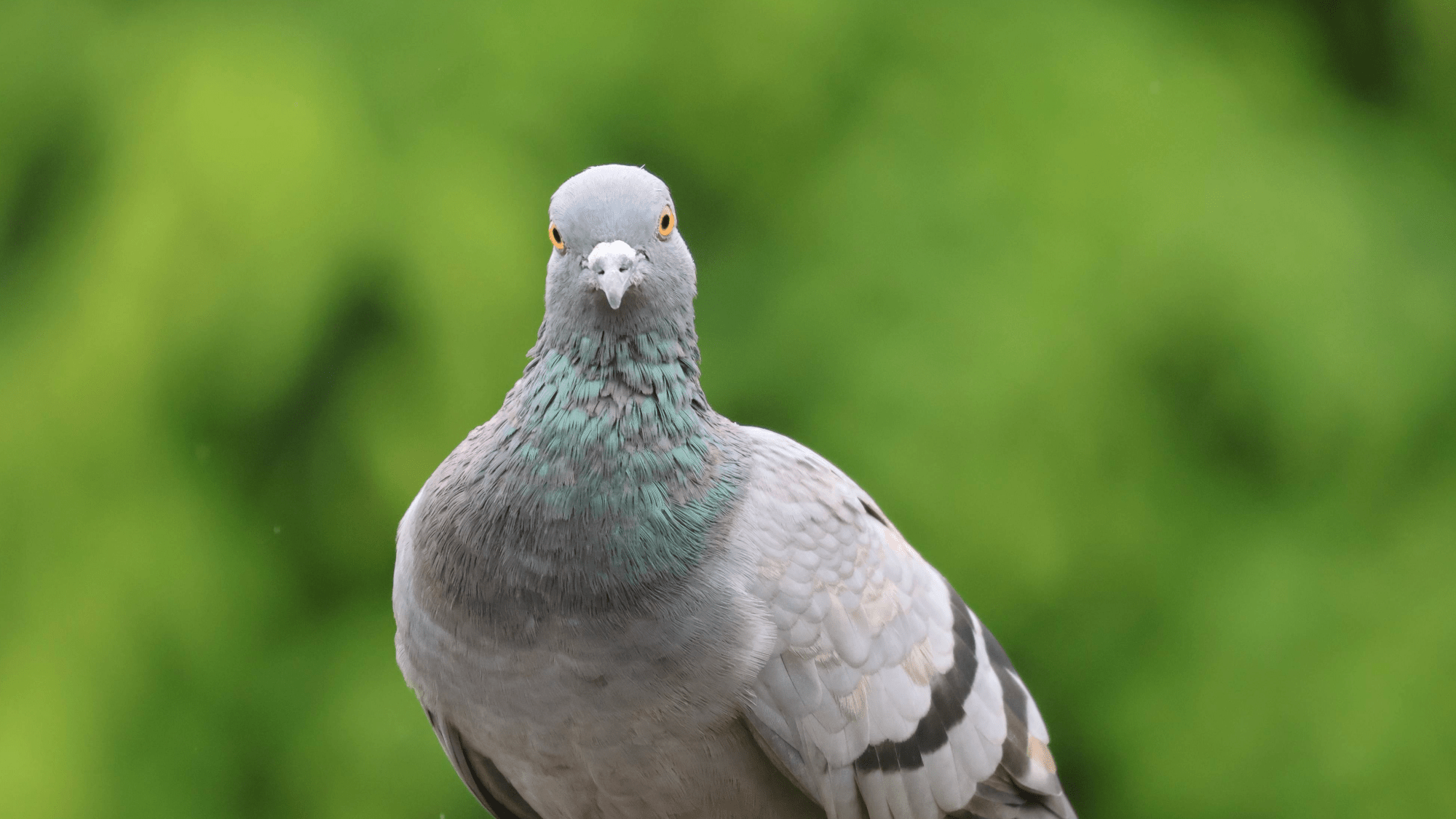
For decades, scientists have known that Earth’s magnetic field helps migratory birds and homing pigeons navigate. Just how our feathered friends sense the invisible sphere around the Earth, however, has been less clear.
At least part of the answer appears to be hiding inside a seemingly random organ. Immune cells inside pigeon livers called macrophages are sensitive to the planet’s magnetic field. These cells function like an internal compass, according to a new study published today in the journal Science.
Macrophages destroy old red blood cells, which makes them accumulate iron. The iron makes the macrophages superparamagnetic, a kind of magnetism that takes place in particular nanoparticles. The nanoparticles can then be magnetized if a magnetic field is applied to them.
“When pigeons fly, the nanoparticles align with the magnetic field and become ‘magnetized,’” Clivia Lisowski, a co-author of the study and a post-doctoral researcher in Immunology at the University of Bonn, tells Popular Science. “Like that, pigeons can sense Earth’s magnetic field.”
Electron microscopy image of pigeon liver tissue shows hepatic macrophage (blue) in contact with nerve fiber (yellow), which enables them to transmit (“magnetic”) information to the pigeon brain. Image: Lisowski et al. (2026) Science.
To understand how these particles help the pigeons navigate, Lisowski and her team tracked down where magnetic cells are in pigeons’ bodies. Because the liver and spleen store significant quantities of iron, researchers thought these might be good candidate organs. The liver had a significantly stronger magnetic response than any of the other tissues in the study, according to study co-author Ulf Wiedwald, an expert in nanoscience at the University of Duisburg-Essen in Germany,
From there they homed in on macrophages, and put these important immune cells to the test. They studied pigeons that were trained to fly back to their aviary in Konstanz, Germany, from over 12.4 miles away. Pigeons whose macrophages had been removed got lost when the weather was overcast. But when the sun was out, the pigeons reached the aviary, probably with the aid of solar cues.
The findings show how the birds employ magnetic sensing to find their way, as well as the sun’s orientation.
“Our study has implications for both the immune research landscape as well as for research on animal navigation or magnetoreception, respectively. For animal navigation it’s a new concept of how animals sense/perceive Earth’s magnetic field,” Lisowski says. “We think that this ferrimagnetic mechanism can actually explain how birds migrating at night, or sharks or bats or other animals migrating in dark environments can perceive Earth´s magnetic field.”
The team also found that the iron-rich macrophages are close to nerve fibers, indicating that magnetic information can get to the brain via this route. Ultimately, this shows how important interdisciplinary research, involving immunologists, behavioral biologists, and physicists, carries significance for more than just birds.
As for the immune system, Lisowski explains that to accomplish its different fuctions—such as defending our bodies from pathogens and healing wounds—it has to sense the environment.
“Our finding that the immune system can also sense the Earth´s magnetic field is a complete new layer in this concept of ‘immuno-sensation’ and opens the door to new research,” Lisowski explains.
If you’ve ever shared a bed with your child, you know the pain of flailing limbs at 3am. Bald eagle parents can relate.
Jackie and Shadow‘s 2026 eaglets, Sandy and Luna, have reach near-adult size, which has made sharing the nest bowl at night a difficult task. Viewers of the eagles’ 24/7 livestream have noticed that the parents no longer sleep right next to the young pair, instead resting on a nearby branch while the chicks doze at night.
“While it looks like she just needs a break from the kids, one of the most practical reasons is space management,” Friends of Big Bear Valley (FOBBV), the non-profit behind the livecam, explains. “By the time the chicks are 6 to 7 weeks old, they are nearly adult-sized. If you’ve ever tried to share a bed with someone who flails, kicks, and unexpectedly opens a 6-foot wingspan in the middle of the night, you would know exactly why Mama moves out!”
Just this morning, Jackie could be seen perched on the nest’s “front porch” as Sandy and Luna slept in the nest bowl. Image: FOBBV
To us humans, sleeping in a cozy nest likely seems more comfortable than catching zzzzzs while standing, but we don’t have bird legs. Bald eagles roost on branches thanks to a natural adaptation called a tendon locking mechanism. This mechanism allows the majestic birds to clamp onto a branch or prey without needing to constantly flex their muscles. By doing so, the birds conserve energy and reduce fatigue—think about how weak your puny human legs would feel after standing all night.
Mama Jackie still remains close to Sandy and Luna to watch for predators, but also far enough away to avoid random talon jabs.
It’s been another roller coaster nesting season for Jackie and Shadow, a pair of internet-famous bald eagle parents living in San Bernardino National Forest in Southern California. After two of their eggs were destroyed by ravens in January, Jackie and Shadow laid two new eggs that have successfully hatched.
Chick 1 hatched on April 4 at 9:33 p.m. PDT, while Chick 2 followed on April 5 at 8:30 a.m. Their large nest in Big Bear Valley east of Los Angeles is livestreamed 24 hours a day by nonprofit Friends of Big Bear Valley (FOBBV) and has captivated millions.
On May 1, FOBBV announced the chicks’ names: Sandy and Luna.
How long will the chicks stay in the nest?
Chicks usually stay in the nest until 10 to 14 weeks of age. This year’s chicks will likely fledge sometime between mid-June and mid-July.
What challenges do the eaglets face?
Before leaving the nest, the chicks face threats from other birds of prey, including hawks, ravens, other eagles, and owls. Inclement weather can also present challenges for the chicks. In 2025, a March snowstorm resulted in the death of one of Jackie and Shadow’s three chicks.
During fledging, only 70 percent of eaglets survive. One of the greatest threats is from cars that can injure or kill the birds while they scavenge for food on roadkill.
Who are Jackie and Shadow?
The pair first got together in 2018 and successfully raised chicks in 2019 and 2022. However, their eggs failed to hatch in 2023 and 2024. Only 50 percent of eagle eggs successfully hatch, so this pair has already beaten the odds.
What happened to Jackie and Shadow’s 2025 eaglets?
In 2025, Jackie laid three eggs that all hatched in early March. On March 13, a strong snowstorm dumped up to two feet of snow and battered the nest with strong winds. Only two of the chicks were visible on the live cam when the storm passed by the next morning. FOBBV later confirmed the passing of one of the chicks. The two surviving chicks were later named Sunny and Gizmo after 54,000 names were submitted by fans.
What happens after chicks fledge?
Young eagles usually fledge–or leave the nest and fly–when they can flatten their wings and have feathers capable of flight. This typically occurs when the birds hit 10 to 14 weeks of age. Males also tend to take their first flight a little sooner than females.
According to FOBBV, fledglings from Southern California have been spotted as far south as Baja California, as far north as British Columbia, and as far east as Yellowstone National Park.
About 70 percent of bald eagles survive the fledgling stage. FOBBV does not tag their eagles, so it’s not possible to follow the chicks’ journeys after they flee the nest.
Can I help Jackie and Shadow?
Yes. Environmental groups are currently fundraising $10 million to protect Jackie and Shadow’s foraging area from development. Learn more at SaveMoonCamp.org.
The spring’s hottest show is not on any streaming service. It’s the internet’s many live bird cams. Viewers can watch new life emerge, dramatic flights, plenty of eating, and more, all from the comfort of home. The Cornell Lab Bird Cams from Cornell University features birds from around the world, from delicate hummingbirds in South America to the wise-looking barred owls nesting in a backyard in Indiana.
“Our viewers tell us that watching the cams is a life changing experience: an unprecedented learning experience that they liken to virtual field trips or field biology in their living room,” the organization writes. “We’re excited to continue sharing and learning with the community as we watch the world of birds together.”
Below are a few of this season’s highlights, in no particular order.
A flying squirrel breakfast
On the morning of April 30, a mother barred owl brought a flying squirrel to her chicks, Artemis and Apollo, for breakfast. In the video, the squirrel’s patagium is visible. This special membrane connects the front and hind legs, allowing it to glide long distances between trees and separating it from other squirrel species.
Sweet nectar
For some birds, it’s all about the plants. This rufous-tailed hummingbird stops by the Panama Fruit Feeder Cam for a sip of nectar. This hummingbird species is commonly found in Central America and is known for its reddish tail and bright pink bill. Most hummingbirds are migratory, but there are easy ways to attract hummingbirds to your yard.
Hail the (sleepy) royal albatross chick
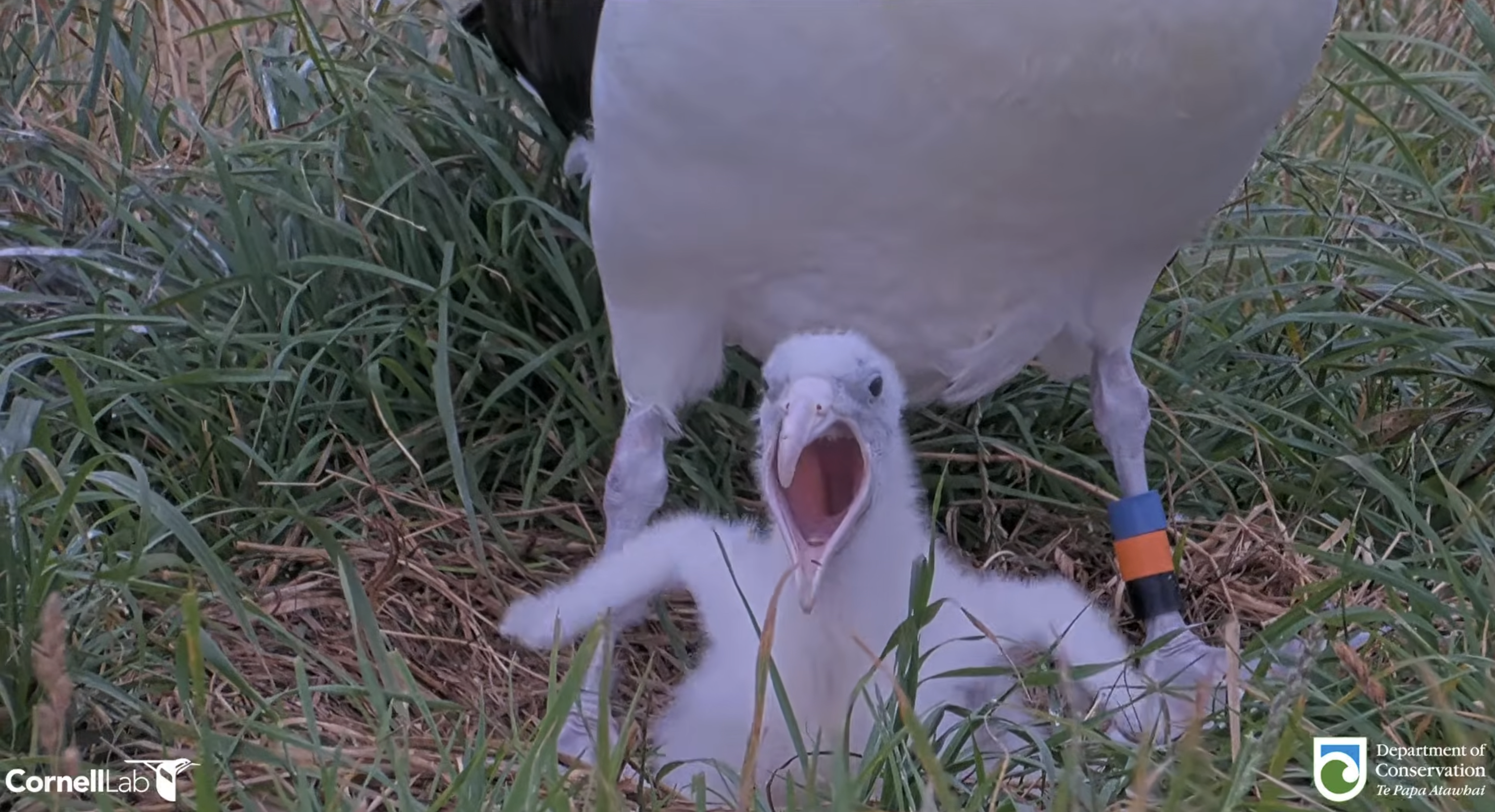
To greet the new day, a 20-day-old royal albatross chick opens wide and flaps its tiny wing nubs. This 24-hour live stream shows a northern royal albatross nest during the breeding season at Pukekura/Taiaroa Head on the southeast tip of New Zealand’s South Island. The world’s oldest known bird happens to be a Laysan albatross who nests about 4,393 north of New Zealand on the Midway Atoll.
Cuteness overload
In this compilation, this year’s owlets from the Wild Birds Unlimited Barred Owl Cam sleep, investigate the camera, and bob their heads. Technically called “motion parallax,” owls bob their heads to compensate for the fact that their eyes are fixed in their eye sockets. It helps them create a better view of their surroundings. Owlets use head bobbing to learn how to coordinate their sight with their hearing.
Bananas are not just for monkeys
A keel-billed toucan was spotted eating a banana in the tropical trees of Panama. Toucans eat bananas by tossing pieces of the fruit into the air and swallowing them whole. Keel-billed toucans mostly eat bananas and are vital seed dispersers for fruiting trees in their habitat. The Panama Hummingbird Feeder Cam is about 35 miles north of Panama City in a vibrant tropical rainforest on top of Semaphore Hill within Soberanía National Park.
An unexpected guest
Since anything can happen in a rainforest, more than just birds pop up on a birdcam. While a gecko was lounging on the hummingbird feeder cam, a moth tried to join in. After the insect and reptile stare at each other for a bit, the gecko tries to grab the moth, but the moth escapes.
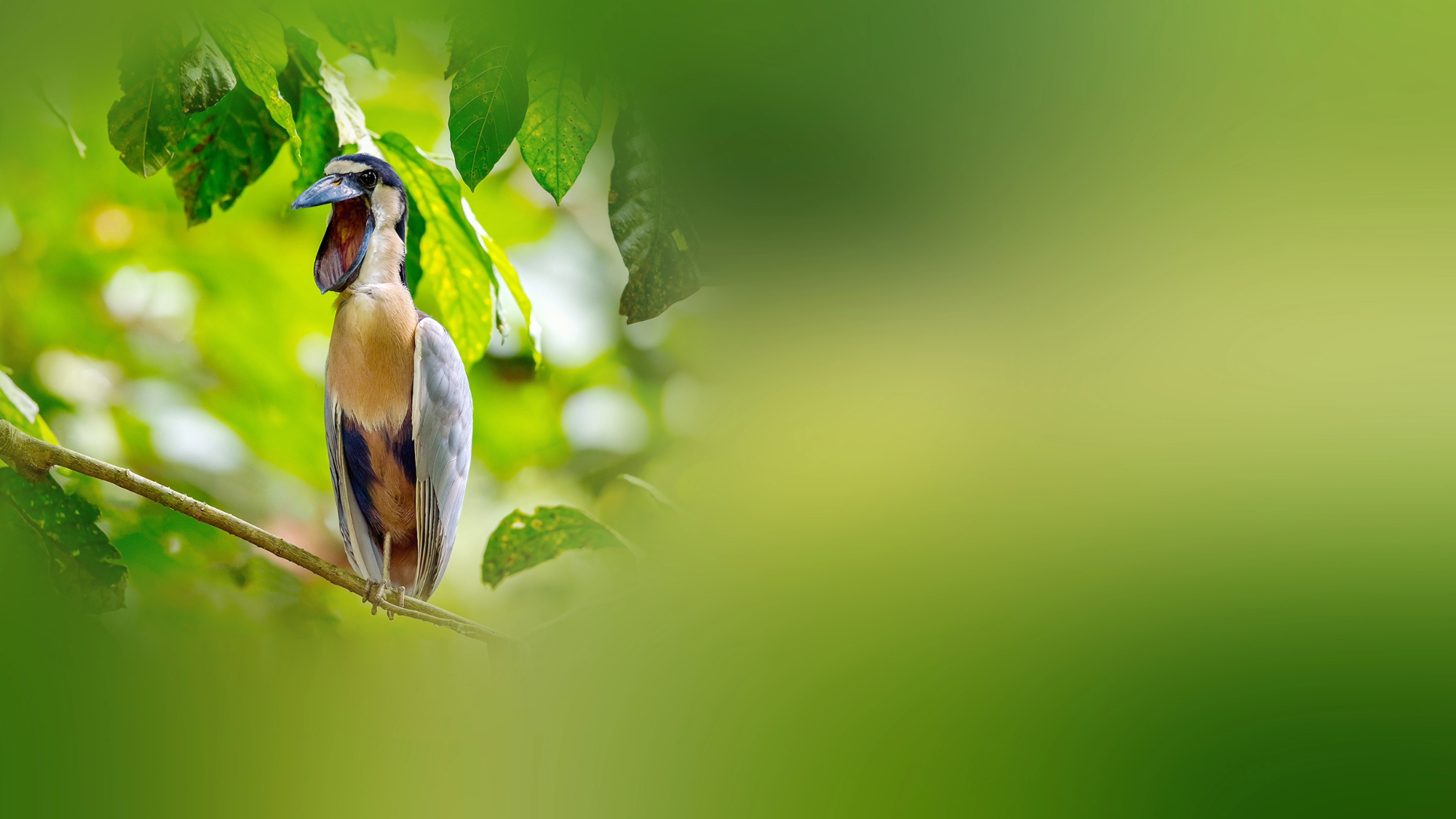
When you think of a heron, chances are you imagine an elegant, long-legged bird posing majestically on the edge of a body of water. If so, it’s time to set the record straight—not all herons are swan-necked ballerinas. In fact, the boat-billed heron (Cochlearius cochlearius) looks like someone stuck the head of a large bird onto the body of a small one, and you can forget about a graceful neck.
Roger Williams Park Zoo & Carousel Village in Rhode Island is home to a boat-billed heron. Image: Roger Williams Park Zoo & Carousel Village.
As for its bill, the large and rather flat appendage explains the bird’s name, and is extremely sensitive. “These unique birds get their name from its broad bill that resembles the hull of a boat, perfect for snatching up fish, crustaceans, insects, and amphibians,” the Roger Williams Park Zoo & Carousel Village in Rhode Island writes in a social media post, with pictures of a rather judgemental-looking boat-billed heron. “[Their] large, dark eyes are also adapted for nighttime hunting.”
The funny-looking bird doesn’t migrate and lives close to fresh or saltwater in Mexico, Central America, and parts of South America, and are usually solitary animals. They only come together to mate, and remain monogamous throughout the breeding season. Hatchling boat-billed herons come into this world blind and, unsurprisingly, completely rely on their parents, who feed them for between six to eight weeks before leaving.
Boat-billed herons are solitary animals, but are monogamous with their mates during breeding season. Image: Shutterstock.
These birds feature a type of feather called “powder down.” Instead of molting, their tips slowly turn into waterproofing powder. Interestingly, boat-billed herons produce vocalizations that sound a bit like human hand claps. And right when you think they can’t get any weirder, adults feature a black crown that makes them look like emo queens.
Though their population is decreasing, according to the IUCN red list, they are classified as a species of least concern, which is as good as it gets. However, not all heron species are doing as well as the boat-billed heron. The white-bellied heron (Ardea insignis) is considered critically endangered and the great white heron (Ardea occidentalis) is endangered.

 Login
Login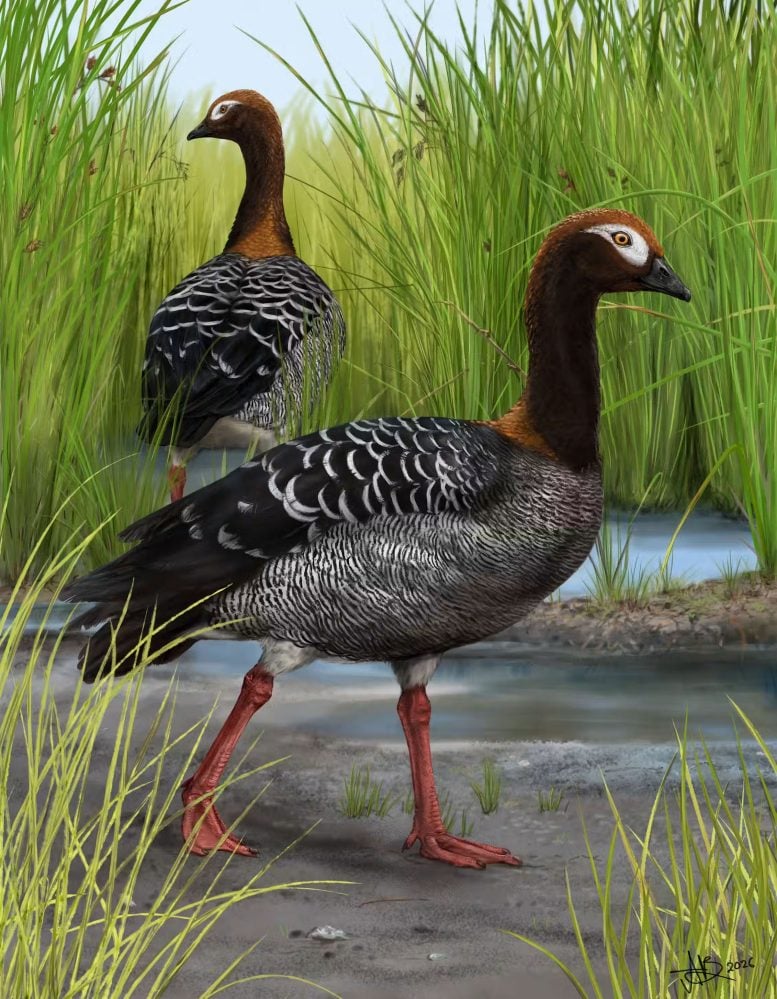

 A newly described fossil goose shows that New Zealand’s bird history involved repeated arrivals, extinctions, and rapid island evolution. A rare fossil goose found in the remains of an ancient lake in Central Otago is changing how scientists understand the bird history of Aotearoa New Zealand, according to a researcher at the University of Otago [...]