Login
LoginCould Magnesium and TikTok's 'Sleepy Girl Mocktail' Actually Help You Sleep?
16 February 2024 at 12:00
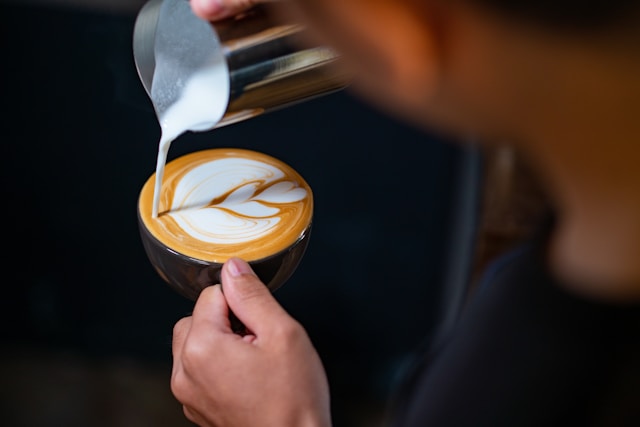
TikTok’s “sleepy girl mocktails” remind us how important magnesium is for sleep and health

© vorDa/Getty Images

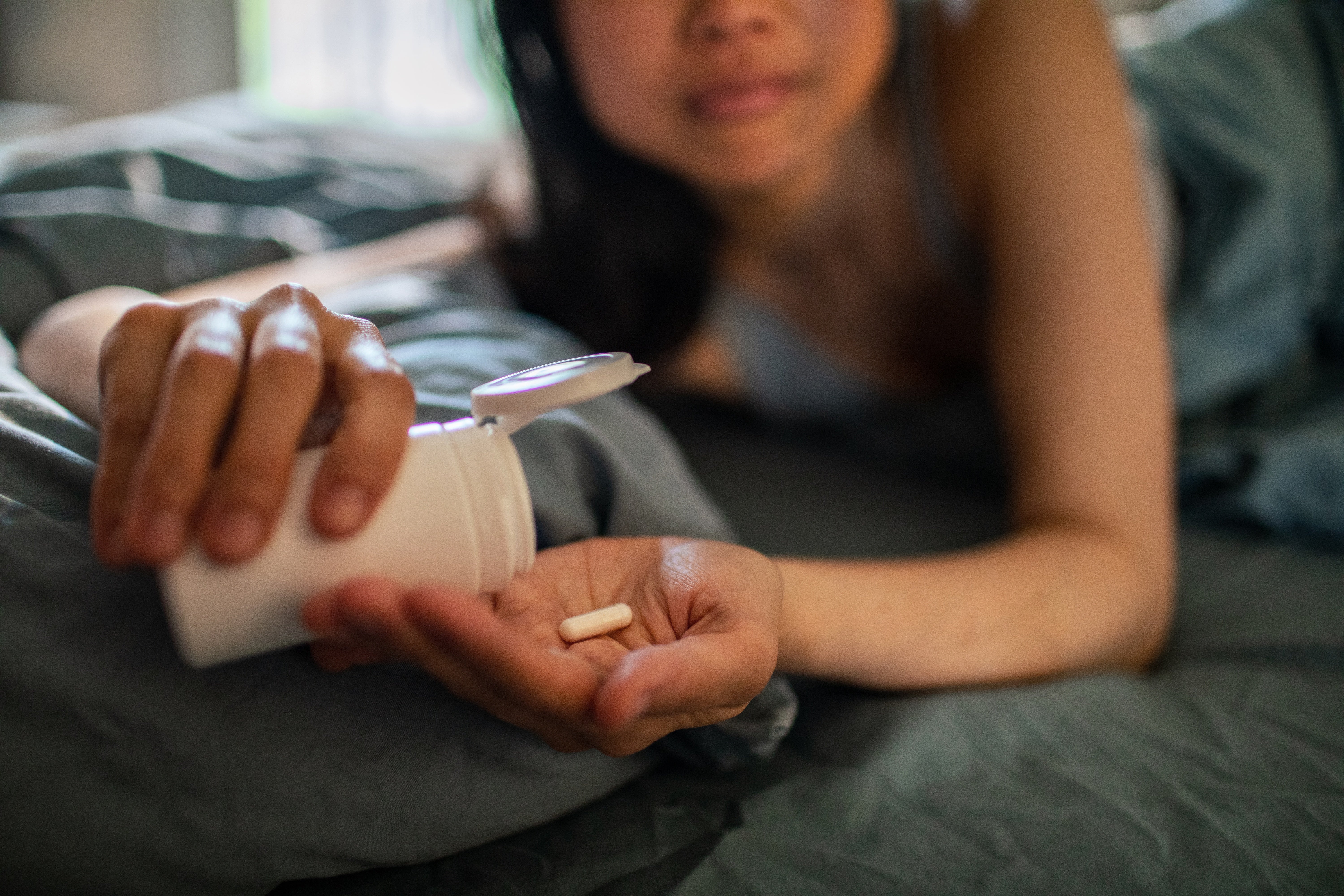

TikTok’s “sleepy girl mocktails” remind us how important magnesium is for sleep and health
© vorDa/Getty Images

The opium poppy (Papaver somniferum) has a weird double life. The plant’s seeds give a tasty, nutty flavor to bagels, breads, and cakes in bakeries around the world. But the plant’s seed pods also give the class A drug heroin its numbing and euphoric effects.
That’s because the seed pods exude a milky substance called latex, which is rich in natural chemicals called opiates, such as morphine. Dried-out poppy latex is called opium, and the chemicals it contains can be used as medical-grade painkillers or processed to make street drugs like heroin.
This doesn’t mean that your next deli bagel is going to send you into a stupor, because processed poppy seeds are carefully washed of any residual latex. But the washing process isn’t so thorough as to remove all traces of opiates from your body. Here’s why anyone in a job that requires random drug tests should try their next bowl of porridge without adding any black little poppy seeds.
The round structure that sits on top of a poppy plant’s stem is called a capsule. This is a pod that contains hundreds of tiny poppy seeds. The plant produces opiates, like morphine, codeine, and thebaine, within the capsule to help it grow. These are contained in the milky latex, which will drip from the pod if it’s broken or cut.
During harvesting, poppies that have died and dried out are mechanically harvested, removing the above-ground portion of the plant. Crushing, sieving, or other cleaning techniques separate the seeds from the seed capsules. The seeds that later end up on our bagels and breads are washed seeds, meaning they are carefully cleaned after being separated from their seed capsules to remove any opiate-containing latex.
This process means there isn’t any risk of getting high from washed poppy seeds. However, drug tests are incredibly sensitive, and these washed seeds may still trigger a positive result from trace chemicals.
Urbah Viqar, a doctor at Central and Northwest London NHS Foundation Trust, says that if you eat “one to two teaspoons” of poppy seeds, then you could return a positive opiate result. Given that some poppy seed bagel recipes recommend sprinkling a teaspoon of seeds on a single bagel, these breakfast treats should be treated with caution if you might be tested for drugs.
Importantly, opiates like morphine stay in your system for several days, so avoiding poppy seeds for a while before a drug test is a good idea, Viqar says. Some companies have developed low-opiate poppy seed blends to allow bagel enjoyers to get their fix without risks.
But this isn’t the whole story. If you eat unwashed poppy seeds, the effects are radically different.
In 2023, Viqar heard reports that men were reporting to their family doctors complaining of constipation. These patients, mainly from the local Indian Punjabi community, weren’t blocked up by a lack of fiber. Instead, their symptoms were a consequence of their unwashed poppy seed addiction.
Viqar explains that in some communities, unwashed poppy seeds have been a traditional remedy for generations. Without washing, the seeds retain the opiate-rich latex released during harvesting. As a result, consuming them can make you feel sleepy and relaxed.
But opiates are, of course, highly addictive. Viqar and her colleague Noah Stanton, who is also a doctor at Central and Northwest London NHS Foundation Trust, wrote a review summarizing the cases of 16 men, nearly all from the Indian Punjabi community, who had become addicted to unwashed poppy seeds.
“They start with a very small amount, maybe they’re just taking half a teaspoon,” explains Viqar. Many of the men would grind the seeds and consume them as a dry powder, or mixed with water, or brew them as tea.
The effects of the unwashed seeds are milder than a powerful opioid like heroin, but that made the patients’ addiction more “insidious,” says Stanton. “It took place over a much more gradual time period,” he adds. The unwashed seeds produce a drowsy, sedative effect.
But by the time Viqar and Stanton saw them, some of the men had seriously ramped up their poppy habit. Two men, who had each been consuming unwashed poppy seeds for over 15 years, were taking 20 tablespoons of seeds every single day. That dose would contain enough opiates to make someone without a strong tolerance overdose, said Viqar.
An opiate overdose would likely slow breathing until the heart stopped. Viqar wasn’t able to point to any cases she was aware of where people had died from unwashed poppy seeds, but said that there was little research into what a safe limit might be.
“You don’t know how much is a safe amount, how much is a lethal amount,” she explained. Long-term addiction could also impact a patient’s social life and relationships, said Stanton. Several of the men in the study worked with heavy machinery, which tends not to play well with opiate-related drowsiness.
Both Viqar and Stanton said that better regulation was badly needed. Unwashed poppy seeds can be purchased in bulk in the United Kingdom and the United States at low prices. Awareness among clinicians would also help, they added. Drug screening questionnaires regularly ask about alcohol and drug consumption. A new question to add to the list, Viqar says, is “Have you ever used poppy seeds?”
In Ask Us Anything, Popular Science answers your most outlandish, mind-burning questions, from the everyday things you’ve always wondered to the bizarre things you never thought to ask. Have something you’ve always wanted to know? Ask us.
The post Can poppy seeds actually make you fail a drug test? appeared first on Popular Science.
The human digestive system does much more than break down food. Inside the intestines is a protective barrier that acts like a security wall, allowing nutrients to enter the body while keeping harmful substances out. When this barrier becomes damaged, unwanted materials such as bacterial toxins and antigens can leak into the bloodstream. This condition, […]
The post Common Foods May Hold a Key to Repairing ‘Leaky Gut’ appeared first on Knowridge Science Report.

For many people, coffee is an essential part of daily life. Some start the day with a strong cup to wake up, while others enjoy coffee throughout the afternoon or even in the evening. Yet for decades, one question has sparked debate among coffee drinkers and scientists alike: does coffee interfere with sleep? The answer […]
The post Evening Coffee May Change Brain’s Sleep More Than You Realize appeared first on Knowridge Science Report.
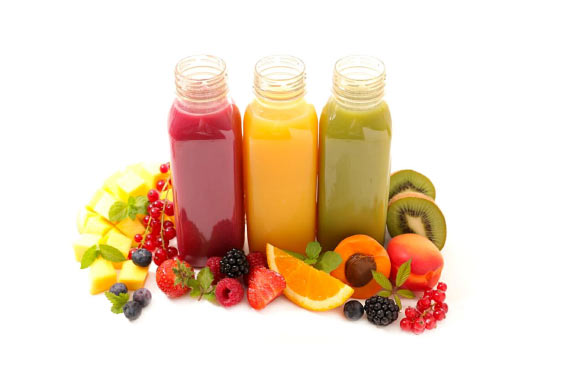
In a small randomized trial in the United Kingdom, adults who added a serving of 100% fruit juice or a smoothie to a healthier diet reported lower depression scores after four weeks.
The post Daily Glass of Fruit Juice May Lift Your Mood: Study appeared first on Sci.News: Breaking Science News.
Diseases such as Alzheimer’s disease, Parkinson’s disease, and Huntington’s disease affect millions of people around the world. These conditions slowly damage the brain over many years, causing nerve cells to die. As more of these cells are lost, people may develop memory problems, confusion, personality changes, difficulty moving, and trouble performing everyday tasks. For many […]
The post Vitamin K can be brain repair tool for Alzheimer’s and Parkinson’s appeared first on Knowridge Science Report.
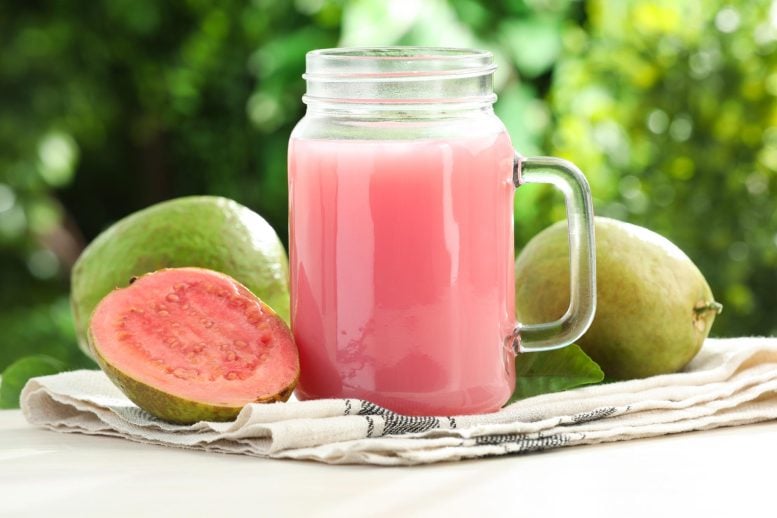
A tropical fruit best known for its sweet flavor may also help tackle one of the world’s most common nutritional problems. Regularly drinking guava juice could be a simple and affordable way to help reduce the risk of anemia among women in low and middle income countries, according to a review of existing research published [...]
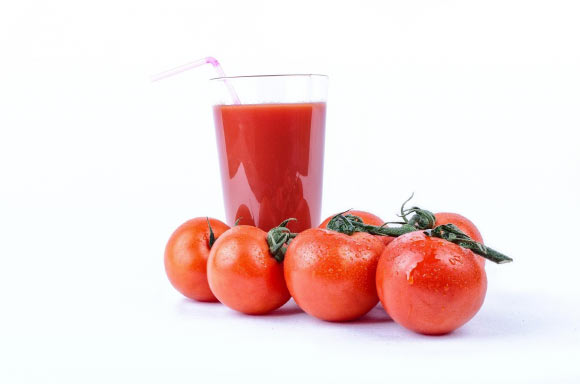
In a small clinical trial, researchers at the Ohio State University found that a tomato juice rich in lycopene and soy isoflavones lowered several proteins linked to chronic inflammation, raising hopes for food-based therapies.
The post Tomato-Soy Drink May Help Fight Chronic Inflammation in Adults with Obesity appeared first on Sci.News: Breaking Science News.
Can a glass of guava juice help against anemia?TikTok’s “sleepy girl mocktails” remind us how important magnesium is for sleep and health
© vorDa/Getty Images