Bloomberg’s Caroline Hyde and Ed Ludlow break down why Alphabet wants to raise $80 billion in equity to fund AI infrastructure expansion, while Anthropic makes its IPO move and files confidentially to go public, pulling ahead of rival OpenAI in the IPO race. Plus, Elon Musk's SpaceX is negotiating to pay razor-thin fees to Wall Street firms handling its IPO. And, HPE CEO Antonio Neri joins on the company's annual sales outlook beating estimates on the back of massive AI infrastructure demand. (Source: Bloomberg)
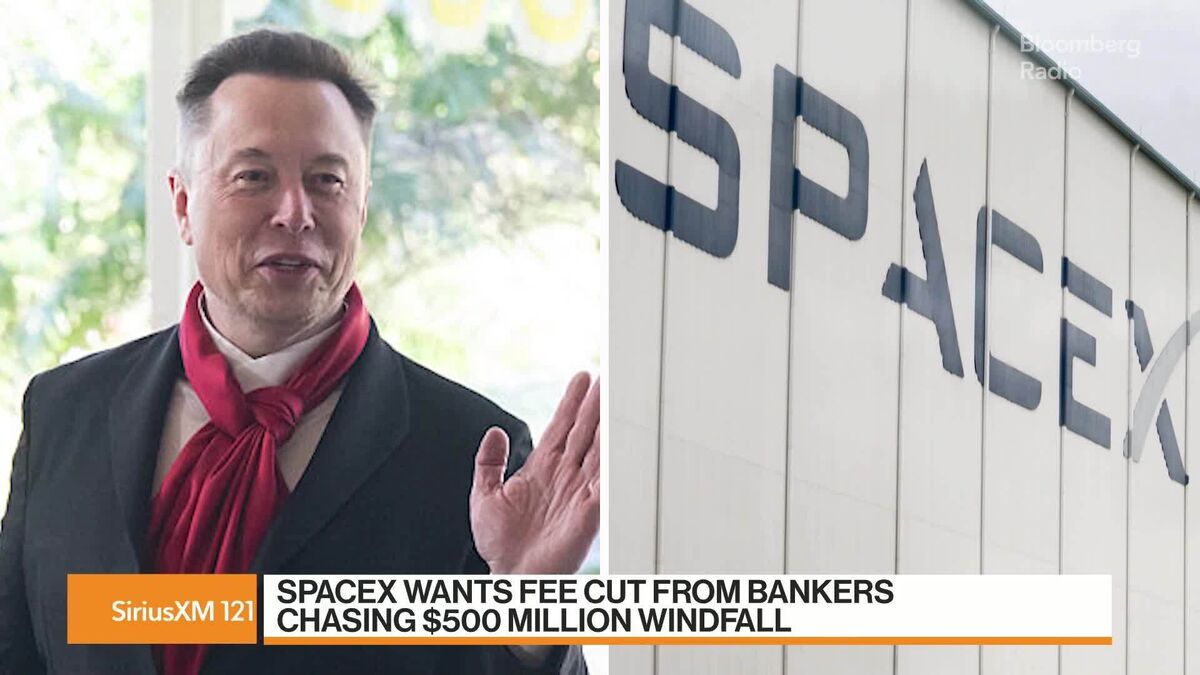
Elon Musk’s SpaceX is negotiating to pay razor-thin fees to Wall Street firms handling its IPO — but banks are still likely to rake in about $500 million from the record-setting market debut.
Musk’s space and artificial-intelligence conglomerate is negotiating to pay less than 0.75% for the $75 billion it aims to drum up in an initial public offering this month, according to people with knowledge of the matter. Even at that low spread, it will likely amount to one of the biggest fee events ever for Wall Street firms that arrange public listings.
The lead banks — Goldman Sachs Group Inc. and Morgan Stanley — are positioned to take in a bigger share of the fee pool than the other 21 brokers involved. For more, we speak with Sri Natarajan, Chief Wall Street Correspondent for Bloomberg News. (Source: Bloomberg)
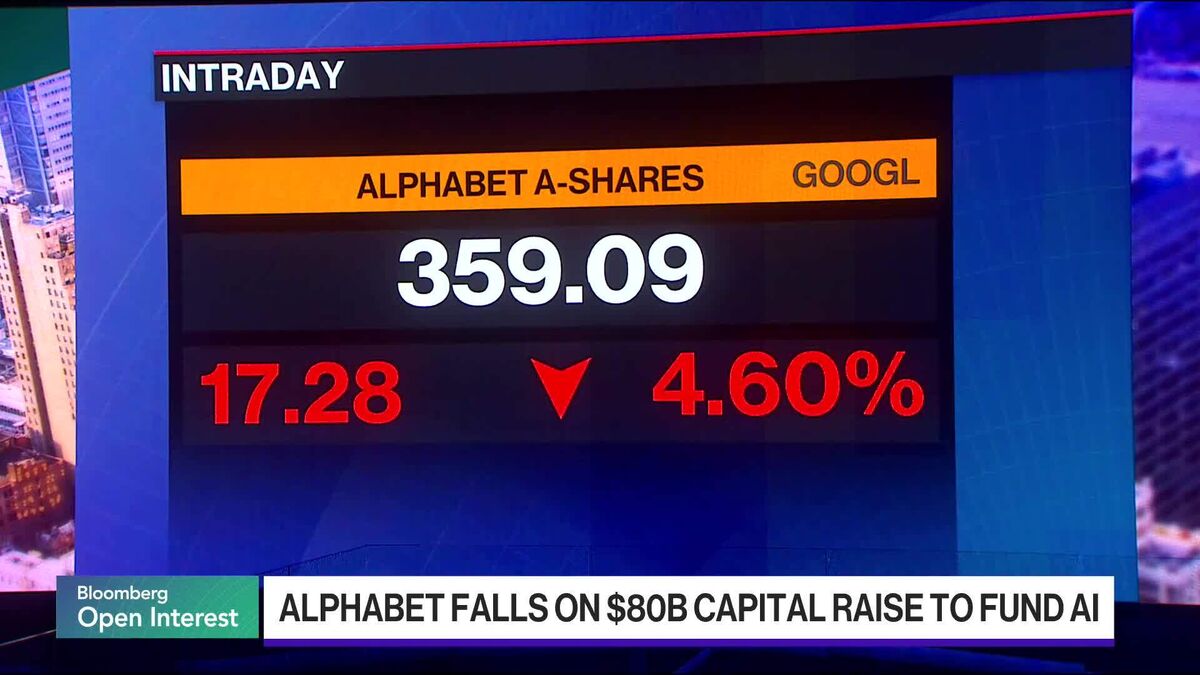
Google parent Alphabet Inc. is raising $80 billion through a package of equity offerings, including an investment deal with Berkshire Hathaway Inc., to help fund ambitious and growing artificial intelligence spending plans.
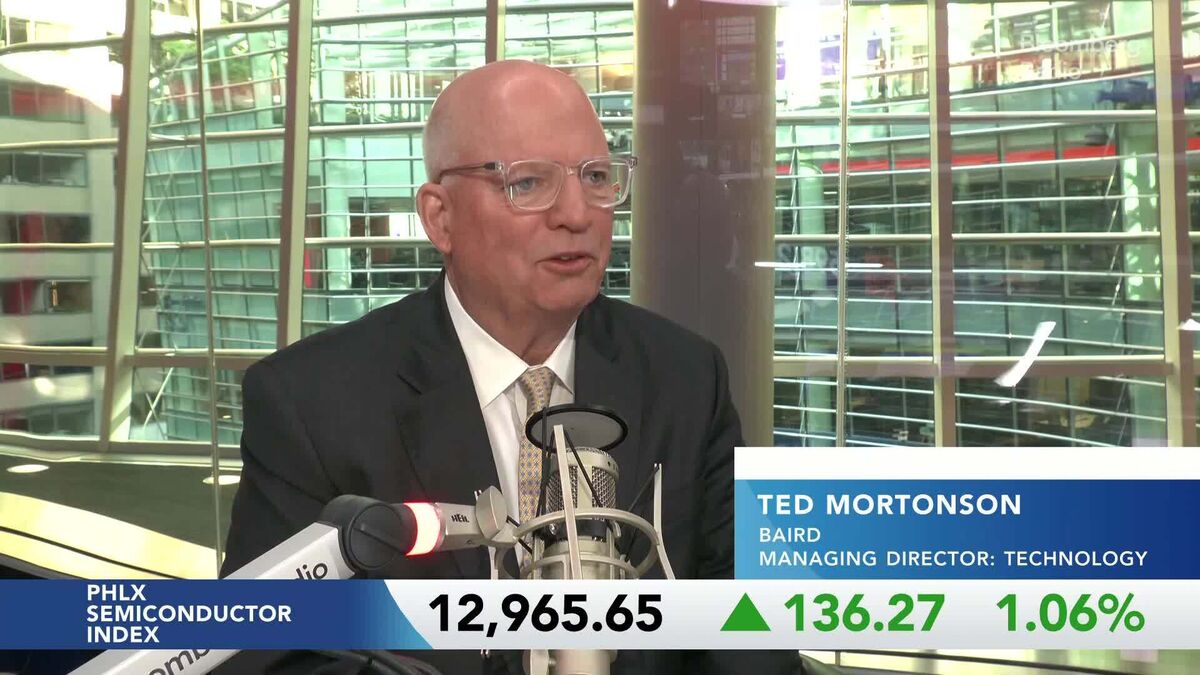
Ted Mortonson, Managing Director: Technology at Baird, discusses this offering, the historic AI infrastructure buildout, and the companies powering the current tech cycle. (Source: Bloomberg)
Alphabet's surprise $80 billion capital raise sparked debate, but Jefferies Equity Research Analyst Brent Thill says it's a power move, not a rescue mission. He joins Bloomberg Open Interest to explain why Google is racing ahead of potential OpenAI, Anthropic and SpaceX IPOs, why AI spending could exceed $1 trillion annually and how the AI boom could fundamentally reshape corporate hiring and investment decisions. (Source: Bloomberg)
A flood of lawsuits filed in recent years against social media giants claim that by engineering their platforms to be hard to resist, the companies are causing serious harm to young users. In the first case to go to trial, a jury in March found Meta Platforms Inc. and Google negligent in the design and operation of their platforms — a landmark verdict.
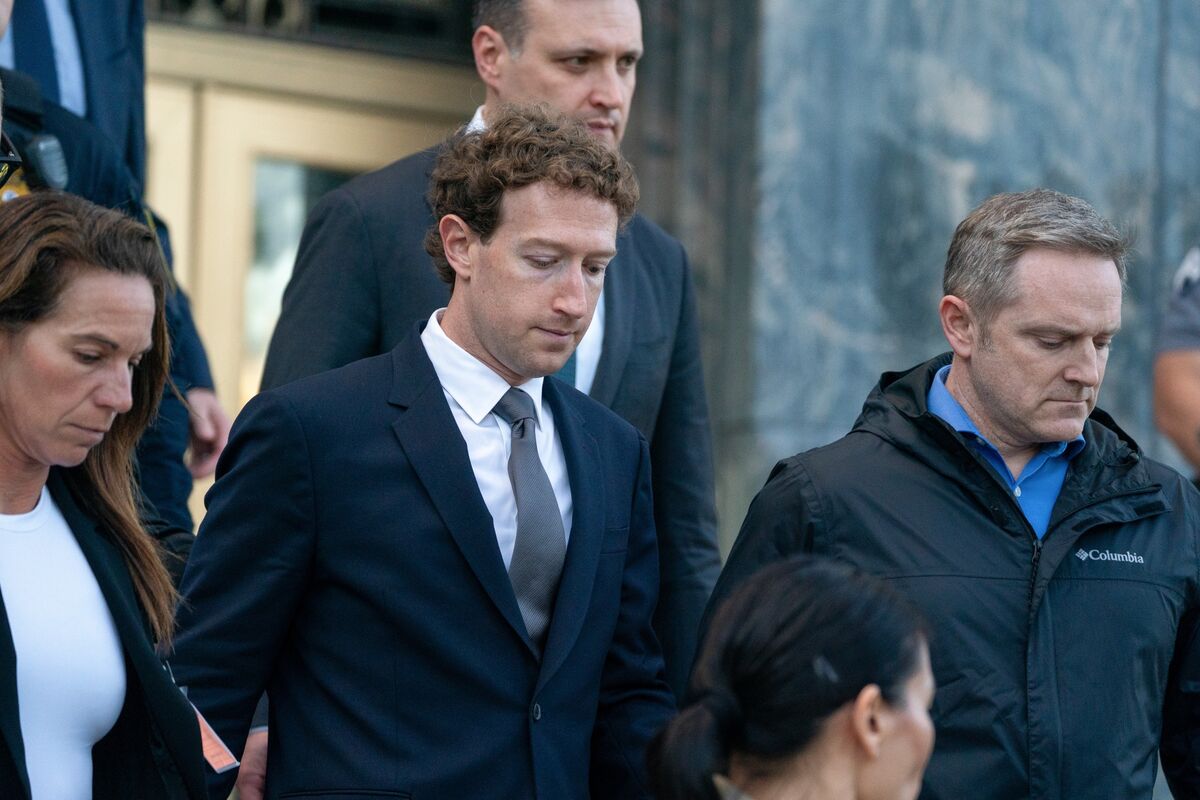
Mark Zuckerberg, chief executive officer of Meta Platforms Inc., exits Los Angeles Superior Court in Los Angeles, California, US, on Wednesday, Feb. 18, 2026. Zuckerberg testified that it’s “very difficult” to enforce Instagram’s age limits and downplayed how much teen users do for the company’s business during a landmark trial over social media addiction. Photographer: Kyle Grillot/Bloomberg
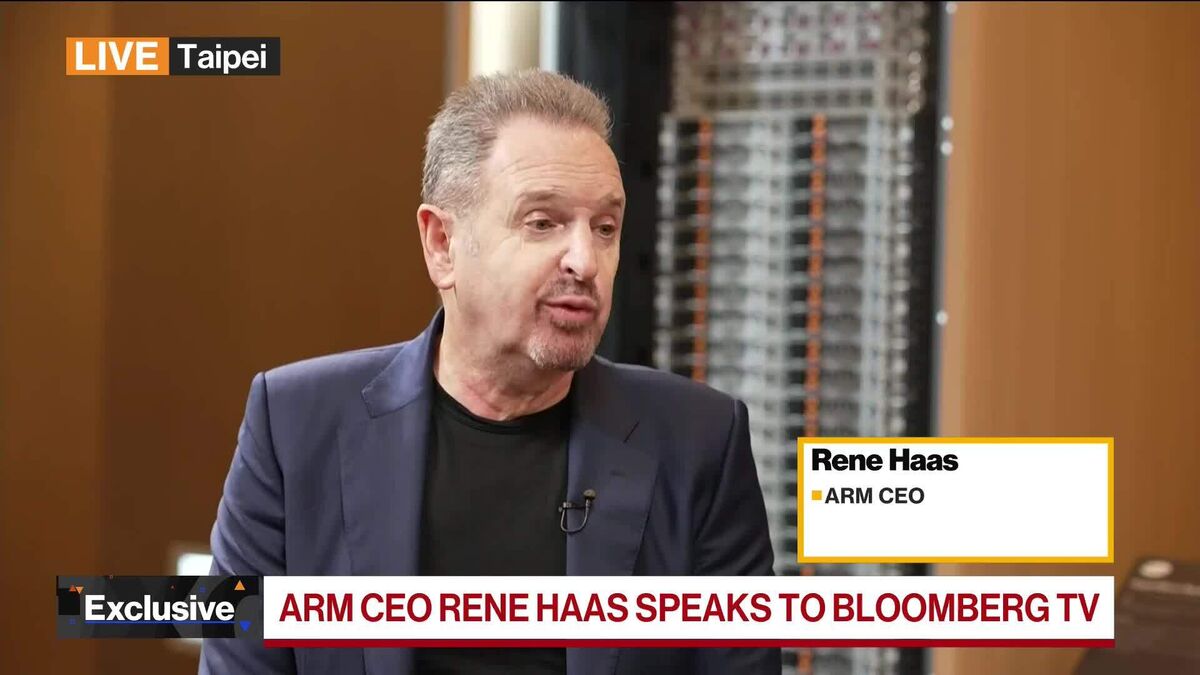
Arm Holdings Plc Chief Executive Officer Rene Haas says the firm may achieve its target of $15 billion in sales of its own-branded chips earlier than anticipated, reflecting stronger-than-projected demand from the AI boom. Haas speaks to Bloomberg's Stephen Engle on the sidelines of the Computex trade show in Taipei. (Source: Bloomberg)
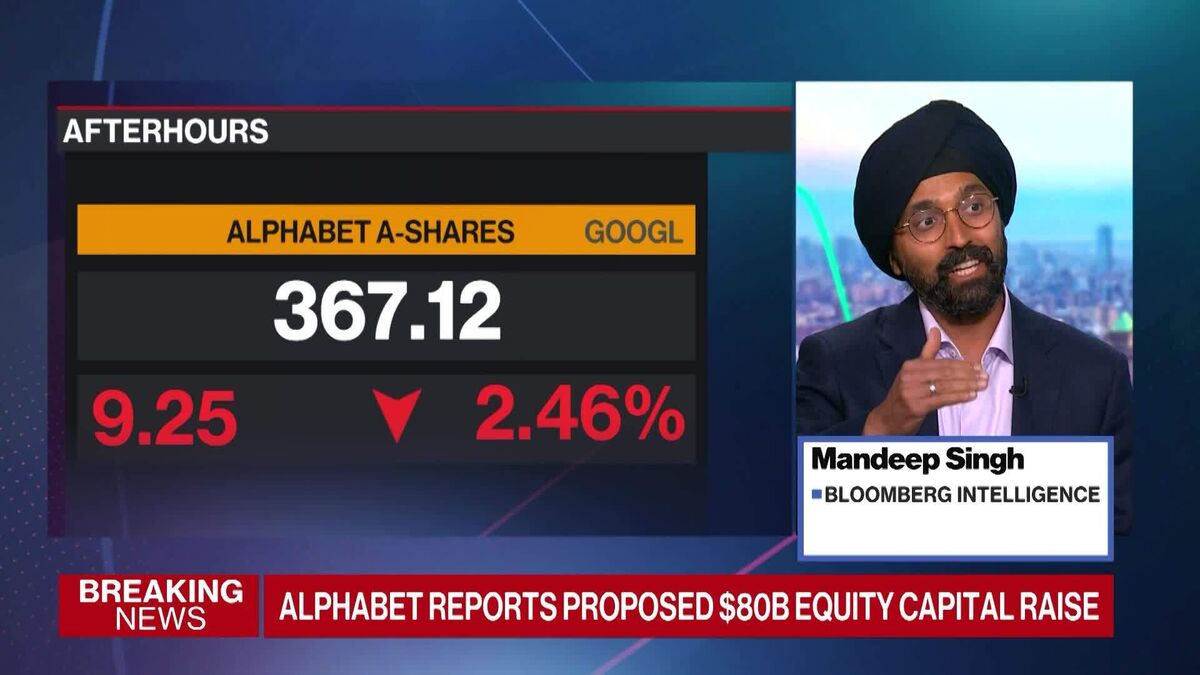
Google parent Alphabet will raise $80 billion in equity capital to pay for ambitious artificial intelligence spending plans. Mandeep Singh of Bloomberg Intelligence has more. (Source: Bloomberg)
Google parent Alphabet Inc. is raising $80 billion through a package of equity offerings, including an investment deal with Berkshire Hathaway Inc., to help fund ambitious and growing artificial intelligence spending plans.
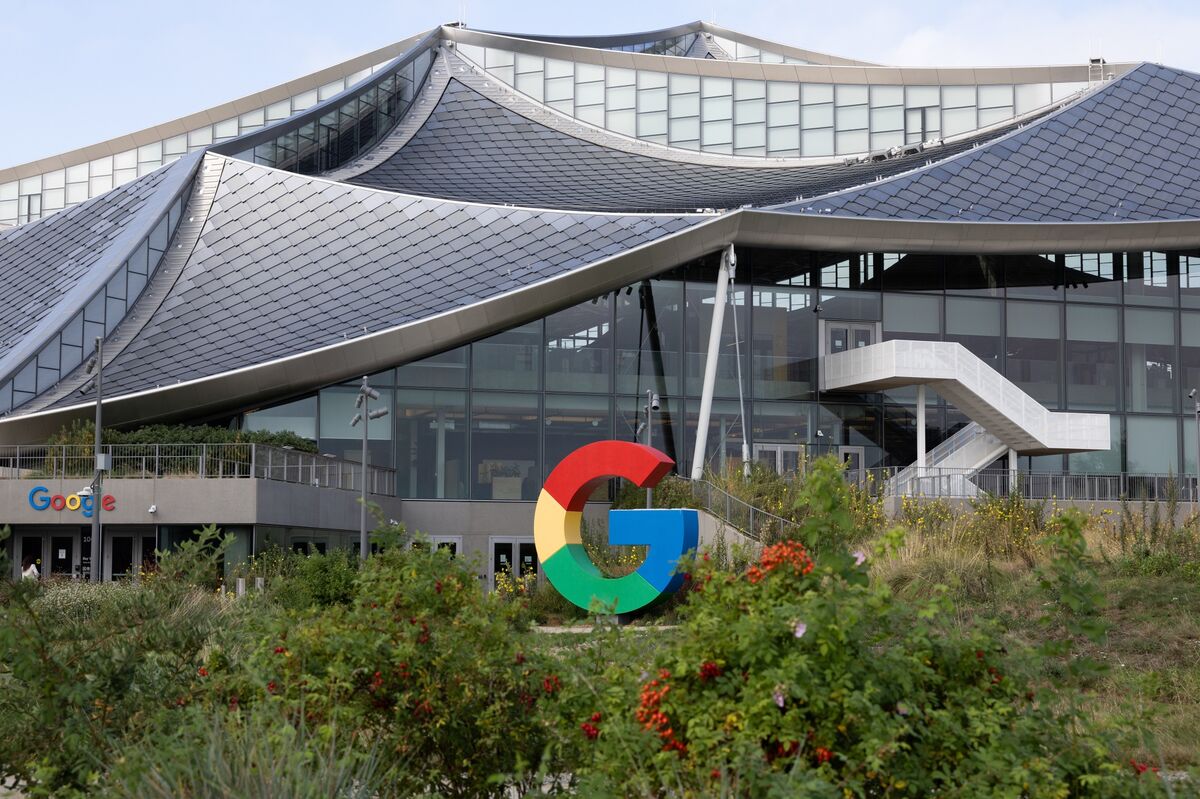
The Google headquarters in Mountain View, California.

 Login
Login