Normal view

Physicists create mechanical memory device from slap-bracelet-like structures

1 June 2026 at 16:24

In today’s technologies, mechanical mechanisms generally provide the brawn while electronics supplies the brains. This is partly because it is challenging to write information into mechanical memories without resetting each bit individually. However, that could change as researchers led by Pedro Reis at École Polytechnique Fédérale de Lausanne in Switzerland and Martin van Hecke at AMOLF in the Netherlands have now found a practical means of writing mechanical bits. Their technique, which they describe in Science Advances, uses structures that resemble children’s slap bracelets placed on a rotating turntable. While they acknowledge it is unlikely to replace electronic memories, they argue that it could have specialist applications and might produce insights that translate into electronic innovations.

“The framework we propose could be very useful, for example, in the domain of physical intelligence, where you provide hardware with capabilities that don’t require essentially a brain or an electronic control system to do individual tasks,” Reis says.

Mechanics for memory

Reis and van Hecke’s interest in mechanical memory stems from their research on metamaterials, which are materials that are defined not just by their composition, but also by the structures within them. Mechanical systems offer a tangible means of getting to grips with the complex behaviour of these metamaterials. “Often, all sorts of things that we do rely on nonlinear responses,” van Hecke notes, adding that such responses are much easier to study in mechanical systems than in optical devices.

A metamaterial made up of an array of switchable mechanical elements could function as a form of mechanical memory. However, to be practical, it needs to be possible to flip the states of individual mechanical bits using global controls, as opposed to addressing them individually. Otherwise, writing data will be very fiddly.

A solution emerged from Reis’ interest in rotating platforms, which he describes as “a very versatile way of loading mechanical systems”. While the pair had been friends for more than two decades, they had been working independently until, during a visit, the penny dropped and they realized that placing the metamaterial array on a rotating platform could provide the control they needed.

Because the angular velocity of the platform sends its momentum outwards, each mechanical object experiences a force in the radial direction, known as the centrifugal force. If this angular velocity is not constant, the object will experience an additional force in the orthogonal azimuthal direction, known as the Euler force. “So you have a complex force and bi-directional field that is highly tuneable,” says Reis. “And this tuneability is what we realized is very powerful.”

A rotating array

To construct their array, the researchers used clamped beams with two stable mechanical states – a little like a slap bracelet can be coiled up or flat, except these beams could either curve to the right or to the left. To individually address different beams, they ensured that each beam was unique in its width, the angle it was clamped at, and so on, all of which affect how much force is needed for a beam to ping into the opposite state. By tuning the parameters of each clamped beam and the angular acceleration of the rotating platform, they could engineer the applied force to switch (or not switch) specific beams, thereby writing data into the array purely by rotating the platform.

Doing this accurately requires a level of precision in acceleration control that surpasses what standard lab motors can achieve. However, the researchers say they were able to team up with a local company that had designed high-spec rotating platforms for its high throughput silicon chip production process. By programming platforms with five tailored clamped beams and the right rotation functions, they showed they could write the letters of the alphabet in ASCII script.

“This is a significant advance because it points toward future smart devices and robots that can be reprogrammed remotely without complex wiring or electronics, using only carefully designed motion‑based signals driven by a sole dynamic driving strategy,” explains Damiano Pasini of McGill University, Canada, who studies systems for mechanical computing but was not involved with this work directly.

Reis says he is excited about the scalability of the approach and its potential in high throughput experiments. Meanwhile, van Hecke is looking into how the idea might transfer to other systems, such as applying engineered force functions to crumpling sheets of complex glasses. “It just opens up possibilities for both studies, really fundamental studies of complex systems, but also real applications where you use this dynamic idea,” he tells Physics World.

The post Physicists create mechanical memory device from slap-bracelet-like structures appeared first on Physics World.
Scientists Create “Living Plastic” That Self-Destructs in Just Six Days

31 May 2026 at 16:06
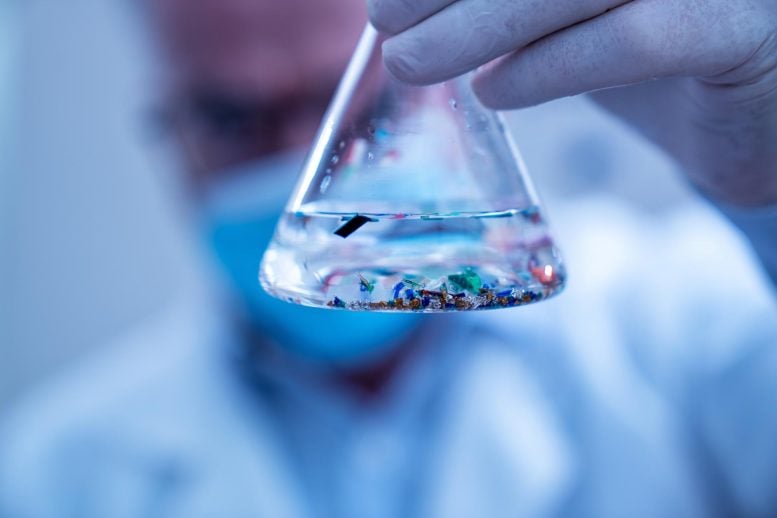
Scientist Examining Small Plastic Particles Laboratory FlaskScientists have developed “living plastics” that can be programmed to break themselves down when triggered. Many plastic items are made for one-time use, but the materials can remain in the environment for years. Researchers are exploring a different approach: living plastics, materials built with microbes that can be activated to break down the polymer when [...]

Electron beams rearrange atoms in a 3D crystal

20 May 2026 at 14:00

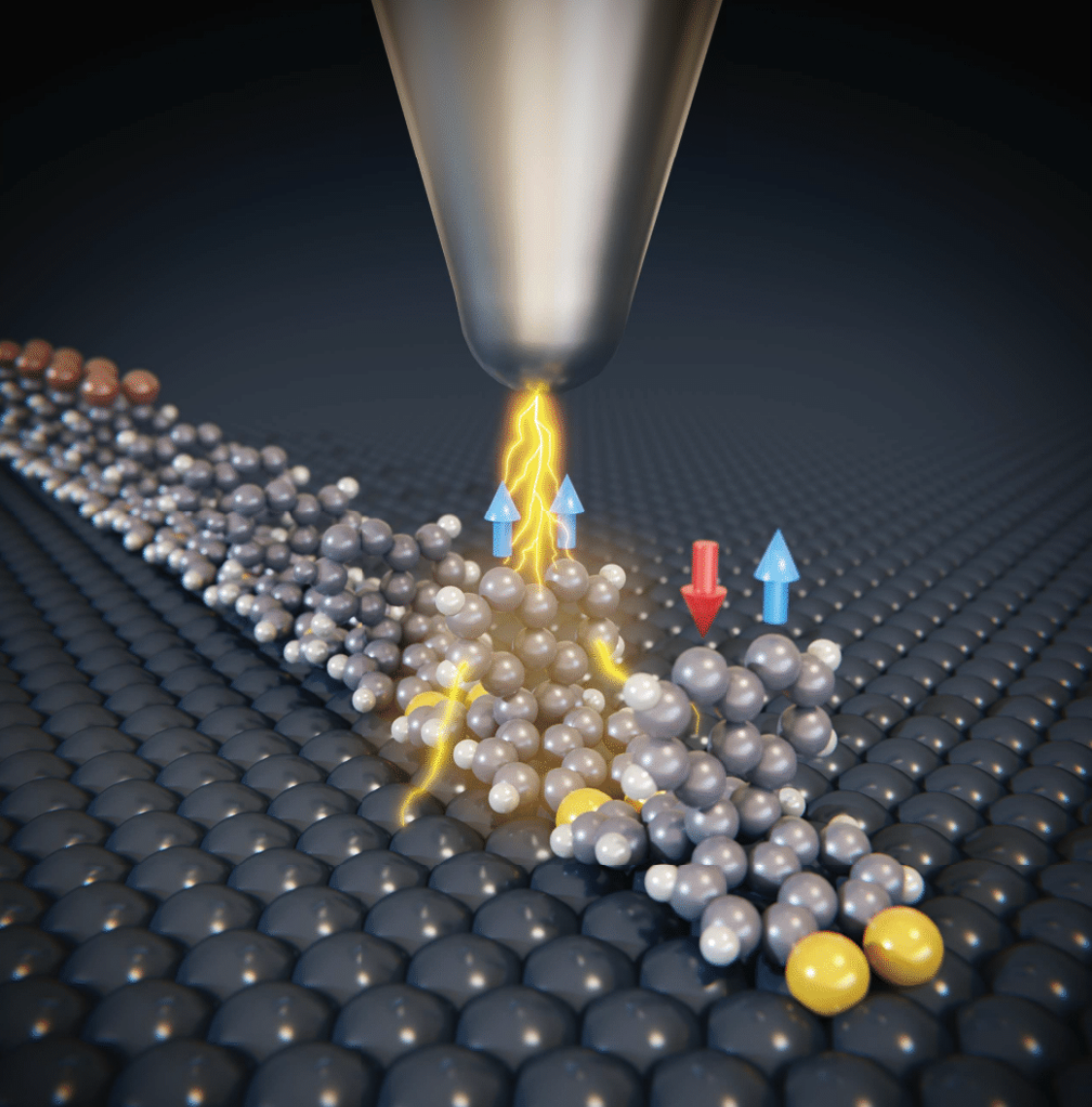
Ultra-precise electron beams can rearrange atoms in a 3D crystal lattice and create structures not found in nature, an international team of researchers has shown. The work could have implications for quantum simulation and atomic-scale manufacturing.

 The 1986 Nobel Prize for Physics was divided between three researchers. Half was split between Gerd Binnig and Heinrich Rohrer of IBM’s Zurich laboratory for their development of the scanning tunnelling microscope (STM). The STM’s ability not just to image but to move atoms was famously demonstrated three years later, when Don Eigler and Erhard Schweizer of IBM Almaden in California produced a picture of 35 xenon atoms precisely placed on a crystal of nickel to spell out the letters “IBM”. STMs have become widely used in surface analysis. However, they can only manipulate 2D surfaces, are painstakingly slow and require high vacuum and ultracold temperatures.

The other half of the 1986 prize went to Ernst Ruska of Germany’s Max Planck Society for his invention of the electron microscope – which can image samples with atomic resolution. Until now, however, electron microscopes had not been able to deterministically manipulate atoms because their high-energy electron beams tend to break bonds randomly within a crystal.

Now researchers in the group of Frances Ross at Massachusetts Institute of Technology led by Julian Klein, together with Kevin Roccapriore of Oak Ridge National Laboratory and others, used Oak Ridge’s ultra-precise, extremely stable, focused electron beam to penetrate around 13 nm into a crystal of the layered van der Waals material chromium sulphide bromide.

Interesting crystal structure

 “The material has a very interesting crystal structure,” says Klein; “One individual layer has a mixture of sulphur and chromium atoms, but then on both sides of this layer there are bromine atoms sticking out in both directions. And when you stack those crystals you create atom-sized gaps between the layers.”

When the electron beam is positioned within 20 pm of its target and then moved slightly in a specific direction, the electrons in the beam can nudge the chromium atoms in the line of fire out of their original positions into the target unoccupied sites. This creates lattice defects called vacancy–interstitial complexes. Computer simulations suggest that, owing to interlayer interactions, movement of the chromium atom in one layer should encourage the transformation of layers above or below. Ross says that “[the transformed layers] do form in a timed sequence, but we can’t tell in what order they’re transforming”.

 By carefully manipulating the electron beam across the surface of the crystal, the researchers can create an array of vacancy–interstitial complexes: “Julian and Kevin have a series of images at different times,” says Ross; “You can see the quality of the result just gets better and better…The beam has to be exactly on that column of atoms because otherwise some of the energy is going to go into the wrong place and disrupt the rest of the lattice.”

More robust crystals

The resulting 3D crystal is much more robust than an STM-created surface. “The defects created in the interior of the crystal are protected from the environment,” Ross explains. This allows measurements of different properties in different laboratories without needing cryogenic refrigeration or vacuum.

This could also ease the path to practical application for what is, say the researchers, an emergent many-body state. “That’s where the fun stuff comes in,” Ross says. “I’m excited because of the scalability of this that allows us to look at the interactions between the defects rather than just creating a defect itself. The stability of the microscopes that allows us to keep going and create a huge array is really exciting.” The researchers are examining various possible applications in, for example, quantum simulation and the manufacturing of matter with atomic-scale precision.

The team describes its work in Nature.

“It’s a fascinating paper,” says materials scientist and STM expert Ludwig Bartels of the University of California, Riverside. “It’s definitely above the scale of what scanning tunnelling microscopy could do…and, as they discussed in their paper, it’s probably a really interesting scale in which they can think about electronic states extending between the different defects they are making.”

He says that, while he does not believe this will ever be the way computer chips are made “it is definitely an order of magnitude above what was possible before”. Moreover, he says that the ideas used in the paper to monitor the motion of the atoms remind him of those developed 30 years ago for STM. “They are not exactly the same, but they are reminiscent, and they are just as ingenious,” he says.

The post Electron beams rearrange atoms in a 3D crystal appeared first on Physics World.

Ultrasound-activated nanoparticles shine a light deep within living tissues

12 May 2026 at 09:00

Researchers at Stanford University in the US have found a way to generate light deep within living tissues, potentially leading to new forms of gene and cancer therapies. The proof-of-concept approach uses ultrasound to trigger luminescence in nanoscale particles travelling through the bloodstream, and it has already been tested in tissue-mimicking “phantoms” and live mice. However, its developers caution that human trials are still some way off.

Light has numerous applications in medicine and biological research. It is widely used, for example, to stimulate cell growth and in photodynamic therapies for skin and eye conditions, as well as certain types of cancer.

The problem is that many potentially useful wavelengths of light are easily scattered by tissues and become attenuated over relatively short distances. This means they cannot penetrate very far into the body without help from invasive methods such as removing overlying tissue or inserting/injecting optical implants and light-emitting nanoparticles into the target area.

Sound and light

The new work by Stanford materials scientist and engineer Guosong Hong and colleagues involves nanoparticles made from a ceramic material with the chemical formula Sr4Al14O25:Eu,Dy. This material is mechanoluminescent, meaning that it emits light when subjected to mechanical stresses and deformations. In Sr4Al14O25:Eu,Dy, these mechanoluminescent effects can be induced by exposing the material to sound waves, which penetrate more deeply into tissue than light waves.

The Stanford researchers began by coating their nanoparticles with a biocompatible film. They then suspended the particles in a solution and injected the resulting colloid into the veins of mice. Thanks to the rodents’ vascular systems, the particles soon travelled to all parts of their bodies.

The researchers then showed they could make the nanoparticles emit blue light with a wavelength of 490 nm simultaneously in multiple locations (such as the brain, gut, hindlimb and spine) by applying sound waves to different parts of the mouse’s body. In addition, they showed they could create precise patterns of in-situ light generation throughout the three-dimensional volume of the animal, controlled over distances of 100 to 200-μm in the focal region. The ultrasound can also be used as a scanner to define where the light is generated.

A host of applications

The team picked the 490 nm wavelength because it has many applications, including neuron modulation and photodynamic cancer therapy. However, applying the same technique to different materials could produce other useful wavelengths, too. Indeed, Hong and his colleagues are exploring the possibility of using materials that emit ultraviolet light, which has antiviral and antibacterial properties.

The researchers say their approach is broadly applicable to virtually all therapeutic modalities that requires light to be delivered deep within the body, including optogenetics, phototherapy and photo-switchable gene editing. This last technique currently suffers from off-target effects, but the researchers say that by pairing light-producing nanoparticles with a light-activated gene-editing system, they may be able to use ultrasound to turn gene editing on and off in localized areas of the body.

“The overarching theme of my lab’s research is to develop new strategies to deliver and receive light throughout the body in its native, living state,” Hong tells Physics World. “In 2024, we reported on a method to render living tissue transparent using strongly absorbing dye molecules. In the present study we have taken a complementary approach: rather than modifying how light propagates through tissue, we leverage the intrinsic penetrative capability of ultrasound, together with the pervasive reach of the circulatory system, to generate light directly within deep regions of the body.”

Reporting their work in Nature Materials, the researchers are now working to integrate their approach with other light-activatable control systems, including photo-switchable Cas9 gene editing in collaboration with Michael Lin’s lab at Stanford. In parallel, they hope to develop alternative mechanoluminescent materials that will break down safely in the body. While the materials studied in this work did not seem to show adverse effects in mice, they also did not break down quickly, and the researchers say they could accumulate in organs such as the liver.

“What we’re demonstrating here is a proof-of-concept showing that you can produce light emission in a programmable manner deep within the body,” Hong says. “If we can replace the material with one that is safer to be used in humans, that will start to pave the way for clinical applications.”

The post Ultrasound-activated nanoparticles shine a light deep within living tissues appeared first on Physics World.
Tiny knotted fibre leaps into the air like a springtail bug

1 May 2026 at 14:00

Researchers at the University of Pennsylvania and the University of California, Los Angeles, have created a tiny, soft knot-like fibre that can jump metres into the air.

The fibre is less than a millimetre thick, and a few millimetres long and contains a Kevlar core surrounded by a shell of liquid crystal elastomer (LCE).

The Kevlar provides strength and stiffness while the LCE adds some flexibility and responsiveness.

“People think of a knotted fibre as something passive,” says Shu Yang from the University of Pennsylvania. “But if you design the elasticity and materials carefully, the knot itself becomes an active system.”

When the fibre is knotted it behaves like a spring held in place by a latch, which can be undone via changing the temperature.

When the temperature is increased to 60–90 °C, the LCE shell contracts and untwists, which loosens the knot just enough to trigger an abrupt untying.

All that stored elastic energy then converts into kinetic energy, propelling the fibre almost 2 m into the air – a feat comparable to the jumping capabilities of a springtail bug (for a video see here).

Changing the knot’s topology and the materials used allows the researchers to tune how the fibre moves after take-off. For example, a simple overhand knot results in a flipping motion while a figure-eight knot leads to the fibre spinning.

Inspired by the flight of Maple seeds, the team attached a thin, leaf-like appendage to the fibres, finding that where the wing is positioned on the knot resulted in the fibre landing far away or curving backwards towards its starting position.

Given the fibres can be activated with temperature, the researchers think the robot could find applications in agriculture and reforestation.

“We often start by exploring interesting phenomena,” adds Yang. “Then we ask how far we can push them and whether they can solve real problems.”

The post Tiny knotted fibre leaps into the air like a springtail bug appeared first on Physics World.

AI could help human scientists pick promising research topics

30 April 2026 at 09:36

Large language models (LLMs) could help human scientists identify interesting research topics that have not previously been explored, say scientists at Germany’s Karlsruhe Institute of Technology (KIT). By analysing abstracts in materials science publications and mapping connections between different concepts, the model was able to generate predictions for future areas of interest that the KIT team says are more precise than those produced by traditional, rule-based algorithms.

The number of research articles published each year is increasing so quickly that it is impossible for scientists to keep up with everything, observes team leader Pascal Friederich, who heads a KIT research group on artificial intelligence for materials sciences. While experienced scientists know how to find connections between research areas within their field, identifying links between these and other, unfamiliar topics is a different story.

Training the model

Friederich suspected that machine learning (ML) could help solve this problem by identifying hitherto unthought-of combinations of topics and expanding the list of areas to explore. To test this hypothesis, he and his colleagues used an open-source LLM called LLaMa-2-13B to zoom in on key words and phrases in abstracts of papers in materials science. They then used a database of manually labelled abstracts to train the model, fine-tuning it to focus on only the most relevant concepts. These initial training data can be iteratively extended by adding LLM annotations that have been checked and corrected by human researchers.

Using this model, the KIT team isolated approximately 510 000 chemical formulae and 3 600 000 concepts from the 221 000 abstracts in their database – an average of 2.3 chemical formulae and 16.3 concepts per abstract. After removing duplicates, these numbers dropped to around 52 000 unique formulae and 1 241 000 unique concepts.

The researchers then constructed a graph that included only the concepts that appeared at least three times in the journal articles, and that consisted of at least two words. The resulting knowledge network has approximately 137 000 nodes, one for each key word or phrase.

Connecting the nodes

The team used a second ML model to connect nodes when different terms are often mentioned together. “For example, if our LLM observes that terms like ‘perovskite’ and ‘solar cell’ appear more often together, it will draw a new link in the concept graph,” explains Thomas Marwitz, who began the study as part of his undergraduate thesis. “Then an ML model analyses trends in these links to predict which combinations of scientific concepts could become more significant in the next two or three years.”

Marwitz, who is now studying for a master’s in computer science, explains that the ML model does this by analysing how links between terms change over time. When certain concepts are becoming linked with increasing frequency, this may indicate that a new field of research is developing. On the other hand, a decrease in the number of links might imply than certain topics are attracting less attention.

The results of these analyses suggest that LLMs could indeed be used to direct researchers toward topic combinations that had previously received little attention, Marwitz says. In follow-up interviews conducted as part of the study, researchers in many fields confirmed that at least some of the AI-generated suggestions were genuinely innovative and promising. Some examples include: “conventional ceramic” + ”graphene oxide”, “tensile strain” + ”molecular architecture” and “multiphase structure” + ”selective laser melting”.

Not “an invention machine”

According to Friederich, the concepts extracted are more precise than was possible with rule-based approaches. The LLM’s capabilities also reduced the amount of manual annotation work required. For example, it was able to extract concepts that were not present verbatim in the text, while also removing “filler” words and making plural-to-singular conversions.

However, Friederich stresses that the technique is not an “invention machine” for automating scientific discoveries. “It is simply an analytic tool that can help to identify new ideas and opportunities for collaboration more effectively,” he says. “Our aim is to provide targeted support for scientific creativity.”

The study, which is detailed in Nature Machine Intelligence, is clearly only a first step on the way to true AI-supported science, he tells Physics World. “Much still needs to be done to improve the methodology behind our approach, extend its scope beyond just core materials science and extend the capabilities of the AI system from idea generation to autonomous hypothesis formulation, planning, execution, and analysis,” Friederich says.

He adds that the study was a departure from the group’s usual research, and it was not easy to get funding for it. “I hope that more such bold and exploratory research ideas will receive support in the future, given that LLM-based agentic systems are starting to perform standard research tasks with increasing reliability and complexity,” he says.

The post AI could help human scientists pick promising research topics appeared first on Physics World.
Darkness can travel faster than light

28 April 2026 at 14:00
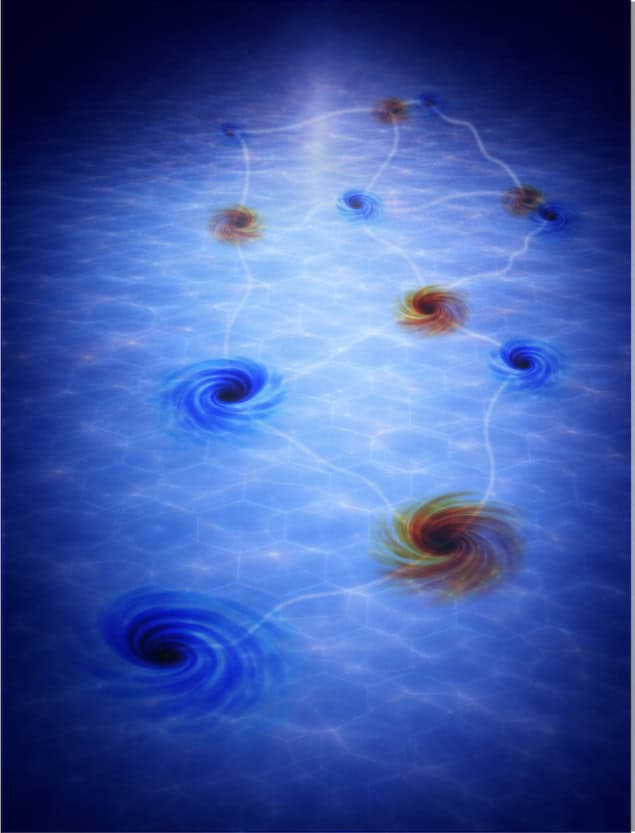
Conceptual illustration showing a glowing pool dotted with blue and orange vortices
A conceptual illustration of a glowing pool with blue and orange vortices, representing the measured dark points alongside the honeycomb atomic structure of the hBN material studied. (Courtesy: T Bucher and colleagues)

Dark points within light waves can travel faster than the waves themselves. This finding, which is based on new measurements by researchers at Technion – Israel Institute of Technology, confirms a 50-year-old prediction and could help push atomic-scale imaging past its current limits.

Formally known as optical phase singularities, dark points are vortices within light waves where the wave’s amplitude drops to zero. “Simply put, these ‘zero points’ are points of complete darkness embedded within the light field,” explains study team member Tomer Bucher.

In the 1970s, theoretical studies by the physicists John Nye and Michael Berry suggested that such points could move faster than the waves in which they form. Until now, though, no-one had managed to test this prediction by measuring these structures’ movement experimentally.

Unprecedented spatial and temporal resolution

The Technion team’s experiments did not involve beams of light propagating through a vacuum. Instead, the researchers searched for optical phase singularities within flakes of hexagonal boron nitride (hBN), an atomically thin, two-dimensional (2D) material. Light waves in this material travel in the form of polaritons, which are particle-like entities that develop when the electric field of a photon interacts with the conduction electrons in a material. “These hybrid structures can be thought of as light waves that have unusually low velocities (roughly 100 times slower than the speed of light in vacuum) or as sound waves that have unusually high velocities,” Bucher explains.

Even with these reduced velocities, Bucher and colleagues needed special instrumentation to observe the processes at play deep within a single cycle of light. For this, they turned to a modified ultrafast transmission electron microscope (UTEM) composed of a laser and advanced opto-mechanical apparatus. Using an interferometry technique known as free-electron Ramsay imaging, they achieved what Bucher calls “an unprecedented combination of spatial and temporal resolution” of 20 nm in space and 3 fs in time.

To make sense of the complex interference patterns they observed, the researchers developed advanced computational algorithms to extract the exact amplitude and phase of the light-matter waves and reveal their hidden “singular skeleton”. They also deployed automated tracking algorithms to follow the exact space-time trajectories of dozens of singularities simultaneously across massive datasets.

These techniques revealed that when singularities with opposite charge meet, they annihilate each other. Just before this happens, though, they accelerate to extreme (formally divergent) velocities that exceed the speed of light in a vacuum – something that is allowed under Einstein’s principles of special relativity because the singularities are massless and carry neither energy nor information. “This result highlights a beautiful ‘paradox’ where the slower light-matter waves are the ones found more likely to host topological features that ‘race’ across its surface at impossible, superluminal speeds,” Bucher says.

A bad cavity comes good

As is often the case, the study started out as a completely different project. The researchers’ original goal was to study unique light-matter interactions and high-resolution dynamics in high-quality hBN cavities fabricated by a colleague, Bar-Ilan University’s Hanan Herzig Sheinfux, during a stint with Frank Koppens at ICFO in Barcelona, Spain.

“Ironically, the specific sample that became the focus of this paper was initially considered a ‘bad’ cavity,” Bucher recalls. “However, my colleague Arthur Niedermayr noticed something surprising in the raw data: patterns that looked like multiple singularities moving around. We therefore pivoted our focus; reconstructed the full phase and amplitude from the raw measurements; and created a fully aligned temporal movie to track these singularities frame by frame.”

It was during this tracking that the researchers observed vortices that accelerated to extreme velocities right before vanishing. This unexpected finding triggered a deep dive into the possible origins of such behaviour. Eventually, their search led them to Nye and Berry’s 1974 paper, as well as related work by Berry and Mark Richard Dennis in 2000. “Our experimental measurements agree incredibly well with the old and the new theoretical predictions,” Bucher says.

A universal advanced theory

As well as confirming the spatial statistics of the singularities laid out in these previous works, Bucher tells Physics World that he and his colleagues were able to extend the theory to capture the singularities’ full joint distance-velocity dynamics. Importantly, the extended theory is universal, meaning that the phase-space correlations they observed should apply to phase singularities across all types of wave systems, not just in optics. “Our findings will thus deepen our understanding of topological defects, which are common to all areas of physics – from superfluids to superconductors,” Bucher says.

In terms of direct applications, Bucher says the singularities he and his colleagues studied could be used to advance super-resolution microscopy and to encode high-density information within the orbital angular momentum of light. “The analytical methods we developed could help mitigate common artifacts in electron microscopy (such as the notorious ‘bee-swarm’ effect), ultimately pushing atomic-scale imaging to new limits,” he adds.

The researchers, who report their work in Nature, say they now plan to probe 3D line singularities and higher-order topological defects, which offer an even richer landscape for information encoding. “We also plan to investigate topological phases in other 2D materials and heterostructures, with the goal of resolving exotic phenomena like ‘optical skyrmions’ in real-time,” Bucher reveals. “Finally, we are actively developing near-field tomography techniques to capture the full 3D bulk dynamics of these complex waves – which if successful, will be a major milestone in electron microscopy.”

The post Darkness can travel faster than light appeared first on Physics World.
Atomic-scale devices and quantum platforms

16 April 2026 at 14:12
(Courtesy: Dr Shigeki Kawai)

We are pleased to announce a forthcoming webinar that presents the very latest developments concerning atomic-scale devices and quantum platforms, and following on from two roadmap publications in Nano Futures that map out the potential pathways of these technologies. The webinar will feature four speakers who will present the status of four distinct research disciplines together with the key challenges and methodologies by which these may be overcome as quantum platforms and single-atomic devices are translated to the level of scalable quantum technologies.

Meet the esteemed panel of experts:

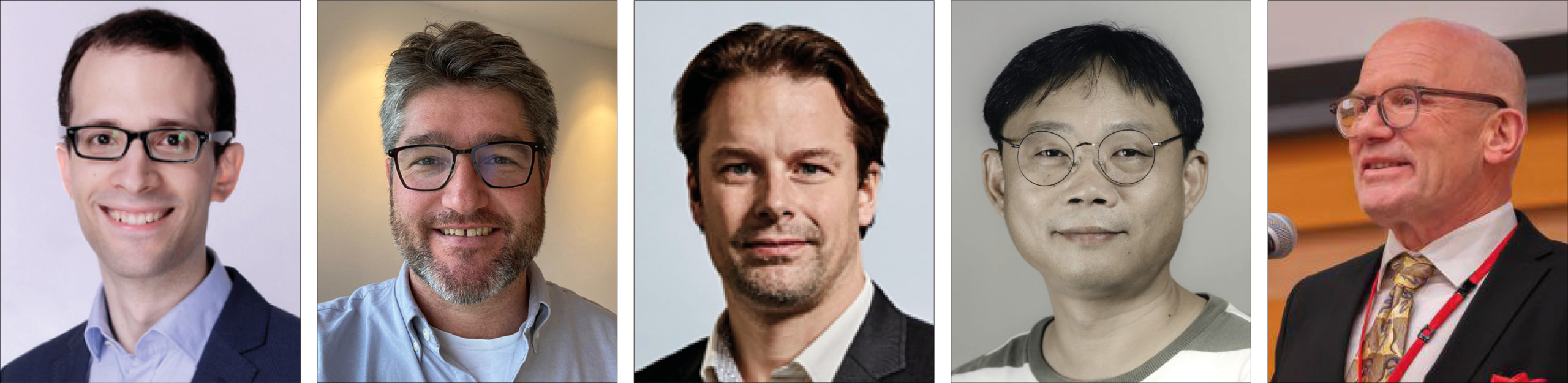
Left to right: Vincenzo Pecunia, Steven Schofield, Joris Keizer, Soo-hyon Phark, Franz Giessibl

Chair and moderator

Vincenzo Pecunia, Simon Fraser University, Canada
Vincenzo is an associate professor and the head of the Sustainable Optoelectronics Research Group at Simon Fraser University, Canada. His research focuses on printable semiconductors and their applications in photovoltaics and sensing. He earned his PhD in physics and conducted postdoctoral research at the Cavendish Laboratory, University of Cambridge, UK, from 2009 to 2016. Before that, he earned his BSc and MSc in electronic engineering at Politecnico di Milano, Italy. His research breakthroughs include pioneering lead-free-perovskite-based indoor photovoltaics, ultra-low-power printed-thin-film-transistor electronics, and advanced spectrally selective printable light sensors. In recognition of his contributions, Vincenzo has received many awards and honours, including the Fellowship of the Institute of Materials, Minerals & Mining (FIMMM), the Fellowship of the Institution of Engineering and Technology (FIET), and the Fellowship of the Institute of Physics (FInstP).

Speakers

Steven Schofield, University College London, UK
Steven studied physics in Australia at the University of Newcastle (BSc) and the University of New South Wales, Australia (PhD). Following his PhD, he was awarded an Australian Postdoctoral Fellowship, which launched his independent research career. In 2008, he moved to the UK and in 2009 was awarded a five-year EPSRC Career Acceleration Fellowship. He joined UCL as a lecturer in 2012 and has since progressed to professor of physics, with a joint appointment at the London Centre for Nanotechnology and the Department of Physics and Astronomy. His research focuses on understanding and controlling the quantum properties of materials at the atomic scale, combining scanning tunnelling microscopy, synchrotron-based experiments, and theoretical modelling, with a particular interest in how these properties can be harnessed for future electronic and quantum technologies.

Joris Keizer, University of New South Wales, Australia
Joris is a tenured associate professor at the School of Physics at the University of New South Wales, Sydney, Australia. Joris is widely respected as an expert in atomic-scale quantum device fabrication. He is currently the team lead for developing deterministic atomic-precise dopant placement and 3D fabrication techniques for error-correction at Silicon Quantum Computing (SQC). His work to date (six years in academia, seven years in industry) has focused on the fabrication of atomic-scale devices with the goal of realizing a surface code architecture in silicon.

Soo-hyon Phark, Center for Quantum Nanoscience, Institute for Basic Science, Republic of Korea
Soo-hyon is currently working as a PI at Center for Quantum Nanoscience (QNS) of Institute for Basic Science (IBS), where he is leading the research group “Atomic spin qubits on surfaces”. He got his PhD in solid-state physics from Seoul National University (SNU), South Korea, in 2006, for an experimental research on single molecule magnets on surface using scanning probes. He joined QNS in October 2016 and has been leading the project “Electron Spin Qubits on Surfaces” from 2019, using STM equipped with electron spin resonance. He has developed a novel qubit platform using atomic spins on a solid surface for the first time and demonstrated quantum-coherent manipulation of multi-qubit systems (2023). In recognition of these pioneering contributions to the quantum-coherent nanoscience field, he has been awarded the Minister’s Commendation for Outstanding Scientists of the Year 2024, The Best Award in Sciences and Infrastructures of the 100 National R&D Achievements, from Korean Ministry of Science and ICT in 2025, and The 1st ACS Nano Impact Awards from American Chemical Society in 2025. Currently, he continues and extends the projects using various atomic/molecular single spins towards quantum information science/technology using the bottom-up approach.

Franz Giessibl, University of Regensburg, Germany
Franz is the chair for Quantum Nanoscience at University of Regensburg in Germany. He obtained his diploma in physics after studies at the Technical University of Munich and ETH Zürich. He was the PhD student of Nobel laureate Prof. Gerd Binnig with the IBM Physics Group Munich at the Ludwig-Maximilians University, where he built the first atomic-force microscope (AFM) for ultrahigh vacuum and low temperatures. He continued his work on AFM at Park Scientific Instruments, a Stanford spinoff, where he established AFM as a surface science tool by obtaining for the first time the atomically resolved Si(111)-(7×7) reconstruction published in Science 267, 68 in 1995. During a two-year break from science, as a management consultant with McKinsey & Company, he invented the qPlus sensor, a new core for AFM, in his home laboratory and returned to academia. The qPlus sensor enabled transformative works in science since and Giessibl has been awarded 10 international science prizes for his work on AFM so far, including the Keithley award of APS, the Feynman Prize of Nanotechnology, the Heinrich Rohrer Grand Medal and the NIMS award of Japan.

About this journal

Nano Futures is a multidisciplinary, high-impact journal publishing fundamental and applied research at the forefront of nanoscience and technological innovation.

Editor-in-chief: Vincenzo Pecunia is an associate professor and the head of the Sustainable Optoelectronics Research Group at Simon Fraser University, Canada.


The post Atomic-scale devices and quantum platforms appeared first on Physics World.

Epitaxial Si/SiGe multilayers for novel logic and memory devices

15 April 2026 at 13:38


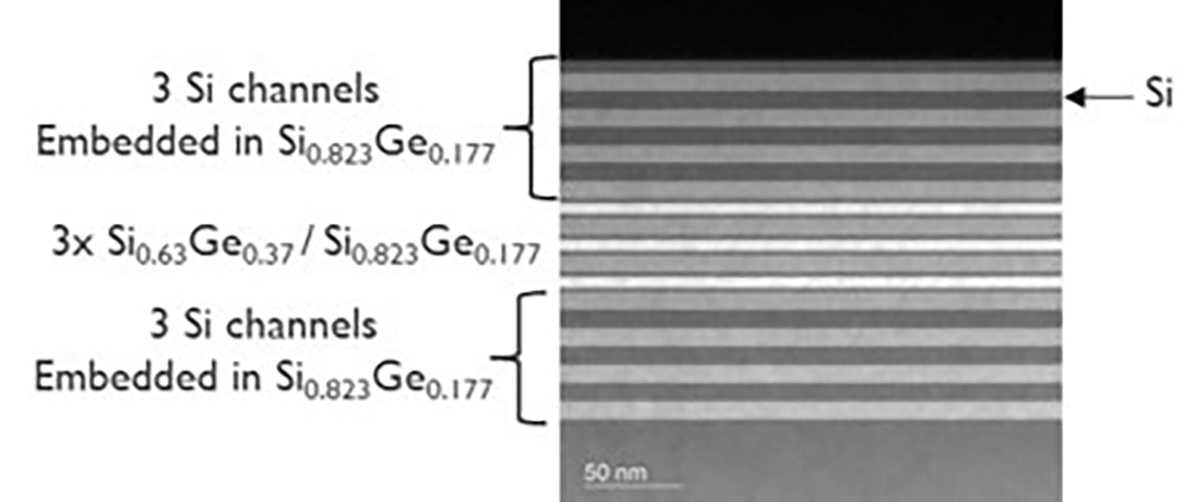
A description of the evolution of metal-oxide-semiconductor device architectures and the corresponding requirements on epitaxial growth schemes will be followed by a discussion of the obtained material properties of Si/SiGe multilayer stacks used for logic and 3D DRAM devices, grown on 300 mm Si (001) wafers.

The process used to deposit Si/SiGe multilayers for Nano-Sheet devices has been extended to 120 pairs (241 sub-layers) of {65 nm Si/10 nm strained Si0.8Ge0.2} for 3D DRAM concepts [1]. A more complicated layer stack with two different Ge concentrations is required for the monolithic fabrication of complementary field effect transistor (CFET) devices, where gate-all-around nFETs and pFETs are stacked on top of each other [2]. A relatively high growth temperature provides acceptable Si and SiGe growth rates while still suppressing 3D island growth for SiGe growth with up to 40% Ge. Excellent structural and optical material properties of the epi stack will be reported, with up to 3 + 3 Si channels in the top and bottom part of the stack, respectively. For all layer designs, the absence/presence of lattice defects has been verified by several techniques including photoluminescence (PL) measurements at both room-temperature and low temperature.

[1] R. Loo et al., JAP 138, 055702 (2025), https://doi.org/10.1063/5.0260979

[2] R. Loo et al., ECS SST 14, 015003 (2025), https://iopscience.iop.org/article/10.1149/2162-8777/ada79f

Roger Loo
Roger Loo

Roger Loo joined imec in January 1997. Since October 2013 he has been a principal scientist (principal member of technical staff) in the group IV epi team. Since September 2023, he has also been a visiting professor (5%) at the Ghent University. He has authored or co-authored more than 240 articles in peer-reviewed journals. He has been co-editor of eight journal special issues, (co-)authored more than 250 articles in proceedings listed in Web of Science and has given more than 30 invited talks at international conferences.  Loo regularly gives invited research seminars and tutorials at universities, institutes and companies. Loo has co-authored more than 90 patent filings (including provisional filings), among which more than 50 patents have been granted and are maintained. He has also (co-)organized about 24 international conferences.

The post Epitaxial Si/SiGe multilayers for novel logic and memory devices appeared first on Physics World.

Advent Research Materials wordsearch

9 April 2026 at 12:30

Advent Research Materials is an Oxford-based specialist supplier of high-purity metals, alloys and polymers to the global scientific research community.

With a catalogue of over 10,000 items, ISO 9001:2015 accreditation, and more than 35 years of experience supplying researchers, universities and industry, Advent is a precision materials partner trusted worldwide.

All products are held in stock and available for rapid dispatch.

The post Advent Research Materials wordsearch appeared first on Physics World.

Want to make a peptide material go from soft to stiff? Just add water

9 April 2026 at 09:36

Protein molecules are highly dynamic, continually changing shape in response to changes in external conditions. Scientists have long sought to mimic this behaviour in artificial materials, and now a team at the City University of New York (CUNY) in the US has done just that, constructing a crystalline solid that switches between several distinct architectures as the ambient humidity changes. Their work could make it easier to fabricate adaptive materials on a large scale for applications such as humidity-responsive coatings.

Proteins owe their shape-shifting character to a series of complex interactions that take place between two or more molecules. These supramolecular interactions, as they are known, allow proteins to adapt their properties – and therefore their functions – as needed. Water plays an important role in such interactions because it stabilizes certain structures while weakening others.

“Stripped-down” versions of protein behaviour

In the new work, researchers led by CUNY chemist Rein Ulijn and chemical engineer Xi Chen studied peptides, which are the molecular building blocks that make up proteins. In particular, they focused on leucine (L) and isoleucine (I), which are isomers, meaning they have the same chemical formula but different structures. “Such short peptides give us access to ‘stripped-down’ versions of protein behaviour,” explains Ulijn, who is also the founding director of CUNY ASRC Nanoscience Initiative. “They’re simple enough to design systematically, but still rich enough to encode sometimes surprisingly complex and dynamic behaviour.”

They found that when the chemical potential of water in the system – effectively, the humidity – changed, the solid-state porous architecture of LI crystals reorganized, reversibly switching between rigid perpendicular/parallel honeycomb structures and layered soft van der Walls structures. Importantly, Ulijn explains, this transformation occurs without compromising the peptides’ overall structural integrity.

“What makes this particularly significant is that most dynamic supramolecular systems are limited to relatively minor changes in organization,” he says. “In contrast, the peptide side chains in our system undergo very dramatic conformational reorganization, which translates into the topological changes observed.”

Uljin adds that this process offers a completely new way to design materials that can switch between distinct structural states. “This opens the door to solid materials that are both robust and highly adaptable, a combination that is difficult to achieve with existing approaches,” he tells Physics World.

A new toolbox for designing dynamic solid-state materials

The researchers say they undertook their study to address a “fundamental gap between biological systems and synthetic solid-state materials”. Although proteins routinely undergo sequence-encoded conformational changes to access multiple functional states in solution, replicating this kind of dynamic behaviour in solid materials has been a major challenge. “Our goal was to create a minimalist, peptide-based system that could mimic this adaptability without relying on large, complex structures and that could be triggered by low energy inputs,” they explain.

The team says the work provides a new toolbox for designing dynamic solid-state materials with tuneable topology and function, which could potentially impact a wide range of fields. One potential application is the development of adaptive materials with switchable mechanical properties, where stiffness and softness can be controlled through environmental humidity or temperature. “This could be useful in soft robotics, responsive coatings, or smart structural materials,” Chen notes.

The researchers are now studying other peptide structures in hopes of better understanding the fundamental rules for conformational control of short peptides. Ultimately, they say this programme should lead to specific design rules for porous peptide materials, making it possible to explore a broader range of sequences and side-chain chemistries. “We are also interested in scaling these materials to enable practical demonstrations in hydration-responsive coatings,” Chen adds.

The team reports its work in Matter.

The post Want to make a peptide material go from soft to stiff? Just add water appeared first on Physics World.

The dark heart of the lithium-ion battery revolution

8 April 2026 at 11:00

In a book about batteries, you might not expect the author to be detained by Congolese secret police because he attempted to meet a rebel warlord whose militia has been linked with cannibalism. But that’s exactly what happened when journalist Nicolas Niarchos was doing research for The Elements of Power: a Story of War, Technology and the Dirtiest Supply Chain on Earth.

In his debut book, Niarchos dives into the global supply chain of critical metals for lithium-ion (Li-ion) batteries. Nowadays Li-ion technology powers electric vehicles, laptops and smartphones, and provides backup for renewable energy when the Sun stops shining and the wind stops blowing. The critical metals in these batteries come from all corners of the Earth. In 2024 Australia, Chile and China were the top three producers of lithium; Indonesia produced over half of the world’s nickel; and the Democratic Republic of Congo (DRC) dominated the cobalt mining industry.

Building on his earlier reporting for The New Yorker and other outlets, Niarchos shines a light on the dark underbelly of green tech. He takes the reader from the underprivileged mining communities extracting the raw materials, to the global superpowers profiting from Li-ion technology.

This is a story of geopolitics, deep-rooted inequality, and history repeating itself. In recent decades, governments, corporations and opportunistic intermediaries have jostled for the lion’s share of resources in mineral-rich countries. As in colonial times, wealth has again concentrated in the hands of a few, while communities near the resources bear the costs of greed and corruption.

“The world is facing the biggest supply–demand dislocation in living memory with critical metals,” writes Niarchos.

The race to develop and commercialize

In The Elements of Power, Niarchos includes the history of Li-ion batteries and their commercialization. Key scientific figures include British chemist Stanley Whittingham, US solid-state physicist John Goodenough, and Japanese chemist Akira Yoshino, who all shared the 2019 Nobel Prize in Chemistry for their breakthroughs that led to commercial Li-ion batteries.

Whittingham laid the foundations in the 1970s when his work on fast ionic transport in solids led to a cathode made from titanium disulphide that could house (or “intercalate”) lithium ions. Goodenough then introduced a lithium cobalt oxide cathode – raising the battery voltage and making it less explosive – before Yoshino took the final step to a commercially viable battery by adding a carbon-based anode in 1985.

Niarchos highlights how Japan failed to capitalize on this early lead. Although Japanese firm Sony released the first Li-ion battery in 1991, production and commercial impetus soon switched to China and South Korea. In fact, at the turn of the millennium, Japan controlled 90% of the Li-ion market, but by 2012 Sony’s value had dropped to one-ninth of Samsung’s in South Korea.

The electrification of transport has been a key application of China’s push for Li-ion batteries – it drives economic growth and tackles air pollution. The speed of progress is striking. In 2018 China produced 1.26 million electric cars over the course of the whole year. By 2024 it was producing a million in a month.

To fuel battery demand, Beijing has steadily strengthened its foothold in places like the DRC and Indonesia. Niarchos highlights the 2007/2008 Sicomines “minerals-for-infrastructure” deal, which was a major, yet controversial, partnership made between the DRC government and a group of Chinese investors. It swapped massive copper/cobalt mining rights in the DRC for $6bn in Chinese-financed infrastructure, which has been slow to materialize.

Niarchos shows how China’s economic miracle has been fuelled by ruthless geopolitical pragmatism in strengthening its mining deals over decades, but also how the US administration’s manoeuvrings in places like Greenland are an unsubtle sign that it intends to catch up.

Inevitably, Elon Musk and Tesla make several appearances in the book. For example, Niarchos includes how a futuristic Tesla Gigafactory near Berlin, Germany, was attacked by protestors. The episode reveals the conundrum facing progressives in the West who want to go green but in the right way, led by the right people.

The people behind the metal

While Niarchos looks at how global superpowers profit from Li-ion technology, it’s his reporting on the sources of critical metals that reveals the truly dark side of the supply chain.

Cobalt, often used in Li-ion battery cathodes, is perhaps the starkest example of the problem, and the book gives particular attention to its production and the mining practices in the DRC. More than 70% of global supply comes from the DRC, with most mined in the mineral-rich Katanga region, comprising of the provinces Tanganyika, Haut-Lomami, Lualaba and Haut-Katanga. Extreme poverty is rife, cholera outbreaks are common, and conflict has displaced hundreds of thousands.

One of the book’s strengths is how Niarchos weaves the story of Li-ion batteries with the social history of the DRC. In works like this, the human sections often provide light relief from dense scientific explanations. Here, the opposite is true, as the cycles of violence and exploitation against the Congolese people – which goes back centuries – make for grim reading.

What is now the DRC was colonized in the 1870s by Belgium, and forced labour, starvation, violence and mass death were inflicted on the Congolese people in relation to the ivory and rubber trade. While the country gained its independence from Belgium in 1960, the turbulence of power struggles and civil war has led to deeper corruption, opaque webs of international finance, and foreign magnates whose dealings raise eyebrows among global watchdogs. Today the country seems haunted by its past, trapped by the cruelty of power dynamics and the corrupting influence of promised wealth.

The most resonant pages of The Elements of Power describe modern daily life in the Katanga region. Most people see barely a trickle of the vast mineral wealth they help dig up. In 2020 some 74 million Congolese lived below the poverty line of $2.15 a day, and 43% of children in the country were malnourished.

Many adults and children resort to digging for mineral seams using rudimentary tools and minimal safety gear. Referred to as “artisanal” miners by multinational corporations but known as creuseurs (French for digger or burrower) in the DRC, they often come from the very poorest stratum of society and do not have the education or the contacts to get jobs with the mining corporations that have official permits to extract the cobalt. Just in Kolwezi – the capital city of the Lualaba Province with a population of nearly 600,000 – an estimated 170,000 of these unofficial miners dig for the black ores, which they then sell to unscrupulous intermediaries.

One of the saddest passages is when Kolwezi resident Françoise Ilunga describes how her husband was crushed and suffocated, along with at least 150 other creuseurs, after a tunnel collapsed in the city. Unable to get official jobs, the miners had entered a secluded part of a cobalt mining site without permits or safety gear to find ore to sell so they could support their families. The mine was run by the Anglo-Swiss multinational Glencore (which incidentally had to pay $700m in 2022 relating to bribery offences in several African nations). Françoise and her family spent two days digging up her husband’s body.

It is easy to see how cycles of poverty have been sustained in the DRC. Niarchos interviews children who say they mined out of necessity for food and clothes. In their villages and towns, conflict still bubbles under. When Niarchos is detained by the DRC’s secret police, he had planned to meet a man called Gédéon, whose militia group, Bakata Katanga, has agitated for a separate Katanga state. Niarchos had heard a rumour that Gédéon was funding himself through artisanal mines. You’ll need to read the book for the full story, but it’s fair to say Niarchos won’t be returning to the DRC anytime soon.

Save solutions for another day

While The Elements of Power touches upon some solutions – such as recycling batteries, and sodium and sulphur-based alternatives to Li-ion batteries – no fully scalable solution is presented. And at times, I found the web of organizations and individuals hard to follow. I’m also a bit of a geology geek so I wish there was a bit more on why the DRC is blessed with so many critical minerals in the first place.

That said, the book feels incredibly timely given the current state of geopolitics. It is essential reading for anyone who cares about the origins of materials powering their phones, cars and many other aspects of daily life in wealthy nations. It shines a light on how difficult it is to know what percentage of critical minerals in your devices has come from ethical sources, despite what tech companies might say.

If there is a key takeaway, it’s that any system-wide solution for greener, ethical mining must consider the entire supply chain. Above all, we should listen to people on the ground sourcing the raw materials that make our shiny new technology possible. A supply chain is only as clean as its grubbiest link.

  • 2026 William Collins 480pp £25 hb

The post The dark heart of the lithium-ion battery revolution appeared first on Physics World.

‘Nano-aquariums’ deliver atomic-resolution imaging

7 April 2026 at 14:31

Graphene liquid cells have been used to study atoms dissolved in organic solvents at atomic-scale resolution. Through a combination of smarter material choices and machine learning techniques, a team led by Sarah Haigh at the University of Manchester showed how these graphene “nano-aquariums” can work with virtually any type of solvent – offering deeper insights into the atomic-scale properties of solids left behind when solvents dry out.

To understand the atomic interactions taking place at solid–liquid interfaces, researchers will often start by sandwiching liquid samples between pairs of transparent films. In most cases, they will then use transmission electron microscopy (TEM) to create atomic-scale images of these interactions. This involves irradiating the sample and films with a tightly focused electron beam.

“These windows need to be as thin as possible to get the best resolution,” explains Manchester’s Nick Clark. “Graphene is just about the thinnest window possible, and over the past decade or so it’s enabled atomic-resolution imaging of solid nanoparticles inside liquids.”

Uncontrollable evaporation

So far, however, these graphene liquid cells have proven difficult to work with. While sealing liquid samples inside these cells, the solution will often evaporate uncontrollably, creating significant variability in the sample’s concentration. In addition, most organic solvents are incompatible with the soft polymer membranes used to support the graphene films during the sealing process, limiting previous studies to mild aqueous solutions.

To address these challenges, Haigh’s team replaced the polymeric supports with stiff ceramic cantilevers. These offer similar levels of mechanical stability while being far more chemically inert. As a result, the cells can be sealed mechanically while fully immersed in liquid. This prevents the sample from drying out during sealing, while also making the process compatible with virtually any solvent.

The resulting graphene cells are remarkably stable, which allows the team to collect large numbers of images via repeated irradiation by the TEM electron beam.

“We combined this with neural-network based denoising to minimize the signal to noise ratio required to extract atomic coordinates, and a fully automated analysis workflow,” Clark adds. “This enabled us to collect enough atomic coordinates to draw representative conclusions.”

Individual gold atoms

With this combination of techniques, the team could resolve individual gold atoms and the graphene lattice beneath them, and examine how the behaviour of gold atoms at the graphene-liquid interface varied with their choice of organic solvent.

With their rapid TEM imaging, they could track over one million gold adatoms – single atoms which adsorb to a solid surface – and account for the dynamic, interconnected behaviours of structures formed from pairs, triplets, and larger clusters of adatoms.

Chemists have long known that these behaviours are strongly connected to the catalytic properties of the solid material left behind when the solvent dries out. For the first time, however, this approach allowed Haigh’s team to explore in detail how these properties depend on the choice of solvent.

“We were able to decouple the actual liquid phase dispersion from the drying process, and showed how both must be controlled to generate isolated atoms on the final dried support – which we know gives the most active catalytic materials,” Clark explains.

Through further improvements to their technique, Haigh, Clark and their colleagues are confident it could drive advances across a range of real-world technologies. “We hope that our new characterisation approach will allow us to help those working on catalysis, or batteries, or liquid filtration to understand what’s happening at the solid-liquid interfaces in their devices at atomic scale,” Clark says.

The research is described in Science.

The post ‘Nano-aquariums’ deliver atomic-resolution imaging appeared first on Physics World.

❌