Normal view

These tiny California wildflowers may hold the key to saving plants from climate change

1 June 2026 at 15:42

A small wildflower growing across California may help scientists understand how plants can survive a changing climate—and even offer clues for protecting other species in the future. The mountain jewelflower (Streptanthus tortuosus) grows in many different environments, from the rolling hills of wine country to the snowy slopes of the Sierra Nevada. At first glance, […]

The post These tiny California wildflowers may hold the key to saving plants from climate change appeared first on Knowridge Science Report.

A Hidden Arctic Ocean Crisis Is Unfolding Beneath the Melting Ice

31 May 2026 at 16:41
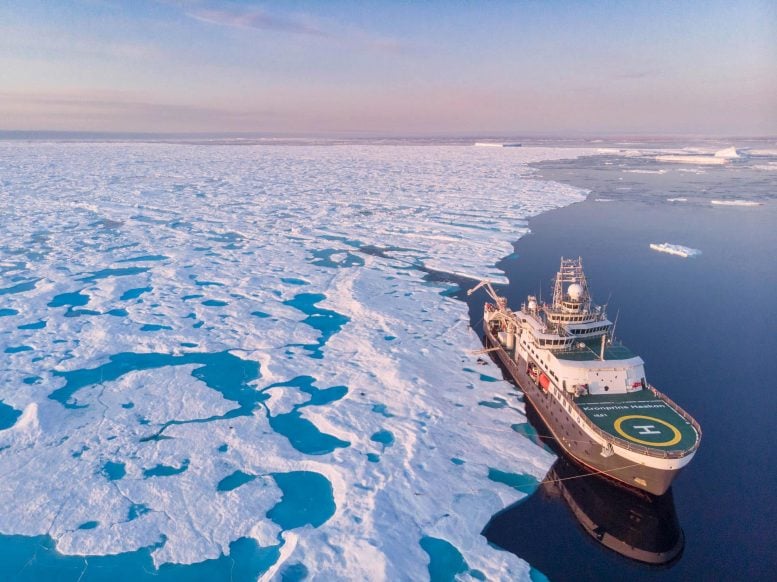
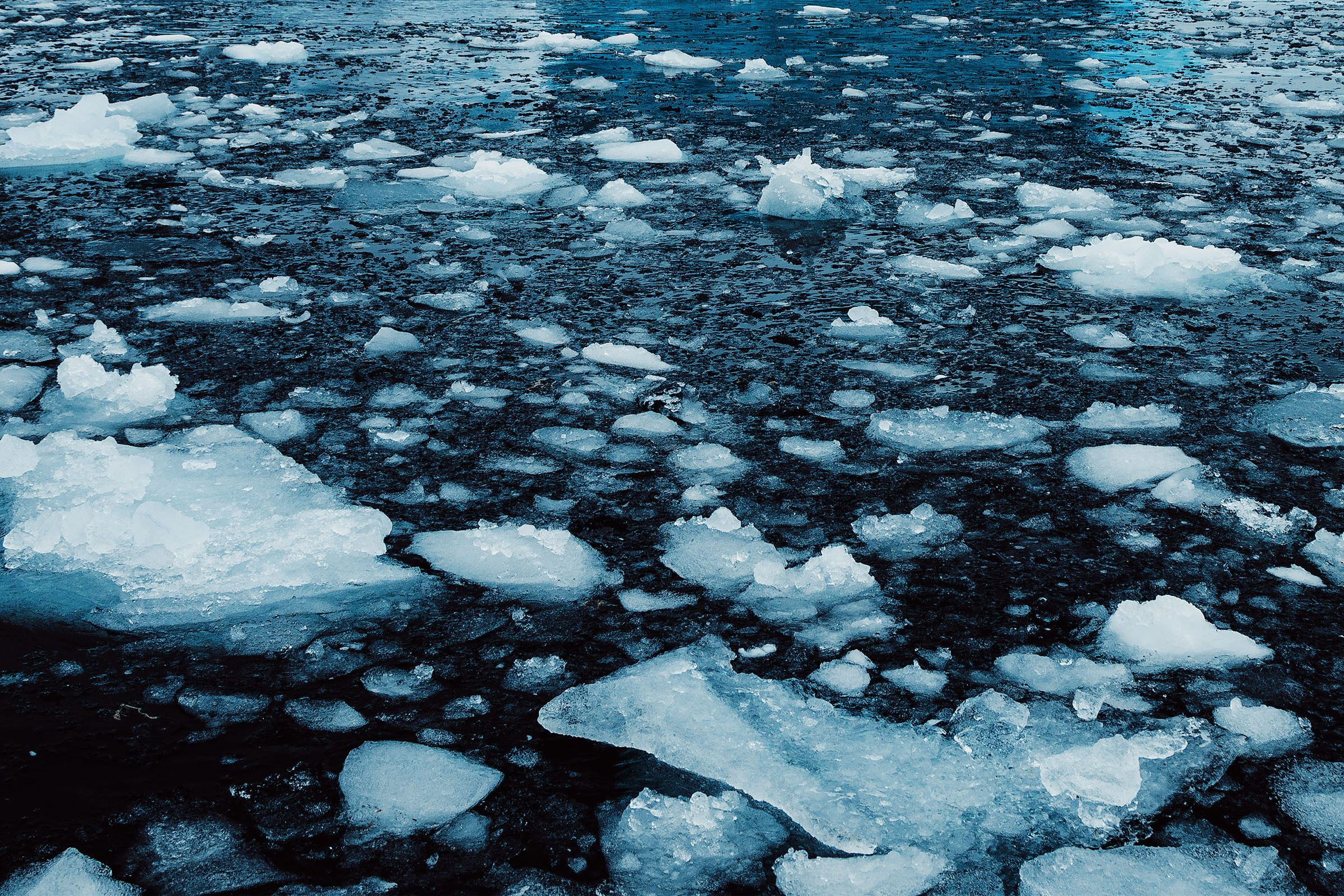
Polar Research Vessel RV Kronprins Haakon Fram Strait Arctic OceanScientists say melting sea ice may have pushed the Arctic Ocean past a tipping point, triggering changes that could reshape marine life for decades. Scientists have identified what appears to be a major and potentially irreversible change in the Arctic Ocean. According to a new study, climate-driven sea ice loss has altered the region’s chemistry [...]

10 images of Iceland’s changing landscape

23 May 2026 at 14:00

What happens when your homeland begins to melt? Icelandic poet and author Andri Snær Magnason explores this in Time and Water, a new documentary from National Geographic. Directed by Sara Dosa, archival and family photographs and folktales weave personal history with the story of the land in the face of climate change.

“In a time when the violence of the climate crisis ravages the earth, we need stories that can act as maps for our shifting world,” Dosa says in her director’s statement. “Time and Water is a gesture toward such a map, one that traces the ice of Iceland through the human story of one family, anchored by the first-person perspective and expansive archives of celebrated writer Andri Snaer Magnason.”

Images from the documentary are in the gallery below. (Click to expand images to full screen.)

A silhouetted person stands beneath the vaulted ceiling of a glacial cave in Iceland. Image: Archival Materials Courtesy of Andri Snær Magnason.
Icelandic Glaciological Society member, Árni Kjartansson, sits overlooking a glacier in Iceland. Image: Archival Materials Courtesy of Andri Snær Magnason.
Women walk in skis on glacier. Image: Archival Materials Courtesy of Andri Snær Magnason.
An ice cave in Iceland. Image: National Geographic.

The story of Andri’s grandparents is woven together with the glaciers and oceans that has sustained generations of Icelanders.

“As Andri’s grandfather Arni’s memory recedes, so too does Iceland’s ice. A story of the earth, which has been frozen for millennia inside glaciers, is rapidly melting away,” says Dosa. “But, through the framing of our film as a time capsule, which is also a nod to Andri’s work as a poet and sci-fi author, we illustrate how the transmission of stories and memories into the future can be an act of not just holding onto our beloved present world, but a way of dreaming up possibilities for a habitable future.”

A glacial tongue behind a waterfall. Image: National Geographic.
Glacial tongue descends into glacial lagoon. Image: National Geographic.
Melting arc made of glacial ice. Image: National Geographic.
Glacial ice formations. Image: National Geographic.
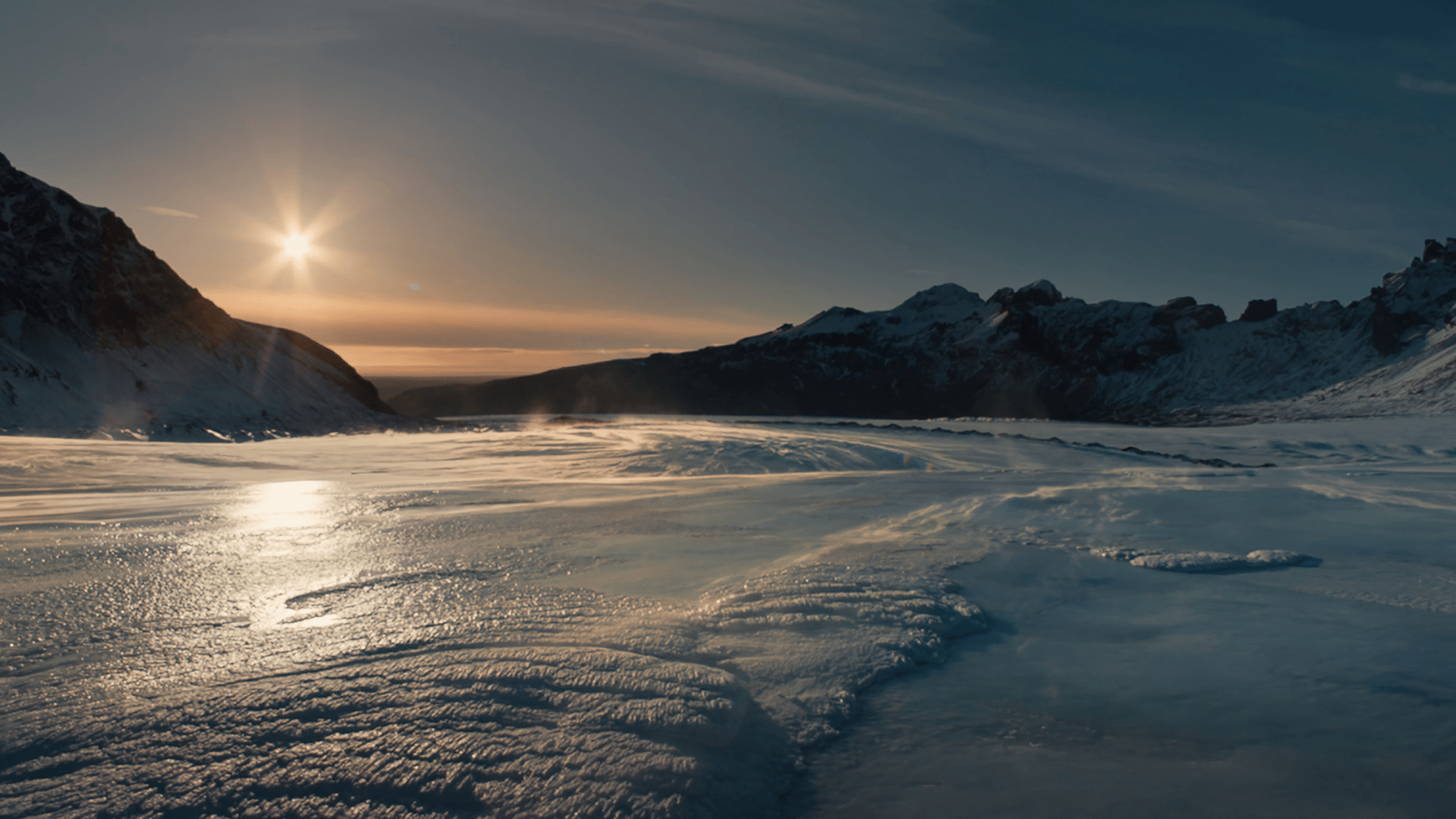
Strong winds lift snow off a glacial cap on a sunny day. Image: National Geographic.
Birdcliff in western Iceland. Image: National Geographic.

Time and Water opens in select theaters May 29 and later this year on National Geographic & Disney+.

The post 10 images of Iceland’s changing landscape appeared first on Popular Science.

Handyman adapts Barbie Dream Camper to handle soaring gas prices

21 May 2026 at 22:15

There are over 283 million cars cruising the United States, and over 90 percent of them are still guzzling gas. Apart from the obvious environmental problems, fuel prices also continue to skyrocket thanks to the ongoing war in Iran. The average price for gas is currently around 33 percent higher than it was before the crisis, and there is little sign that those numbers are going down anytime soon.

The strain is forcing many drives to reconsider how they get around—and they’re getting creative with it. In Georgia, a 30-year-old handyman is showing everyone how to properly adapt to uncertain times. According to a recent Reuters profile, Mali Hightower has retrofitted a discarded, bright pink Power Wheels Barbie Dream Camper with a two-gallon, one-piston engine for his shorter commuting needs.

“I drive this when I can,” Hightower said on May 19. 

To get it going, a driver simply pulls the rip cord that’s attached to the former power washer engine. At less than four-feet-tall, the Dream Camper may not be the most comfortable ride for a full-grown adult,but it’s definitely cheaper. Hightower likely still prefers driving his 1996 Mercedes-Benz convertible, but with a full tank costing him around $90 right now, he’s more than willing to use his Power Wheels alternative for errands like grocery runs.

While somewhat surreal to see at a gas pump, the DIY solution underscores a more important issue: the need for more people to divest from fossil fuel rides in favor of public transportation and electric vehicles (EVs). Unfortunately, that’s easier said than done for many people. The U.S. is dramatically underfunded when it comes to options like commuter bus routes and trains, while EVs are still out of many people’s price ranges. The Dream Barbie Camper may be one-of-a-kind right now, but there’s a good chance that similar, intentionally constructed alternatives are on the way. At least those will be able to comfortably fit the driver.

The post Handyman adapts Barbie Dream Camper to handle soaring gas prices appeared first on Popular Science.

French Open Descends Into Hellish Nightmare Thanks to Climate Change

30 May 2026 at 12:30

As sporting events go, the French Open, also known as Roland Garros, is usually a mild and sunny affair. Throughout the opening rounds of 2025’s tournament, temperatures fell squarely in the 60 degree Fahrenheit range, a perfectly agreeable conditions for players and spectators alike.

This year’s French Open, however, happens to be taking place during one of Europe’s worst springtime heat waves on record. Countries like France, the UK, Spain, and Germany have all notched record highs for the month of May as climate change fuels a massive heat dome — a situation turning the normally pleasant tennis championship into a hellish mess of sweat and red-hot clay.

As noted by CNN, every player is feeling the heat as France endures daily highs in the 90s, hotter than average temperatures in July.

After securing a victory in a four-hour contest with the Russian Roman Safiullin, Norwegian tennis star Casper Ruud told the BBC he was shambling around in a heat-induced daze. Ruud took multiple medical breaks throughout the match, covering himself with cooling towels, while both players took an extended break after the fourth set.

“It felt like it was a bit of a kind of heatstroke feeling,” Ruud explained. “I experienced something similar some years ago when I played in Washington DC and I had to retire in the third set… that’s the only time I had that same feeling as I had today in the fourth set where I felt at times really dizzy, really tired and walking around like a zombie almost.”

Days later, Czech star Jakub Menšík collapsed on the court after winning a nearly five-hour contest against Argentinian Mariano Navone. Though his opponent ran over to congratulate Menšík and help him up, the Czech player didn’t budge, prompting medical staff to dart over with ice packs and a wheelchair to help him off the court.

Menšík later told sports press his body “just turned off,” as temperatures as high as 91.2 degrees Fahrenheit baked the city of light — the lowest daily high in Paris over the past five days.

“It’s insane to play in this weather and especially in front of the Sun, to be there for more than four and a half hours is just insane,” the Czech player said. (Menšík was penalized at multiple points for taking too long to cool himself off during breaks in play, losing his first serve twice as a result.)

As Front Office Sports notes, the Roland Garros is regarded among the cooler of the four Grand Slams. That’s especially so compared to the Australian and US Opens, which are held in the dog days of their respective hemispheres’ summers.

Given the extreme heat expected once summer begins and El Niño settles in, those tournaments could make Roland Garros look like a picnic on the Champ de Mars.

More on climate change: Research Paper Warns That There’s a Massive Experiment at Work to Geoengineer the Earth’s Climate

The post French Open Descends Into Hellish Nightmare Thanks to Climate Change appeared first on Futurism.

Scientists Rush to Save One of the World’s Rarest Trees as It Literally Falls Off a Cliff

29 May 2026 at 17:26

Scientists are desperately racing to save one of the world’s rarest tree species from disappearing — by collecting seeds from the only surviving specimen, which is literally clinging to the side of a cliff on Robinson Crusoe Island, an extremely remote island off the coast of Chile.

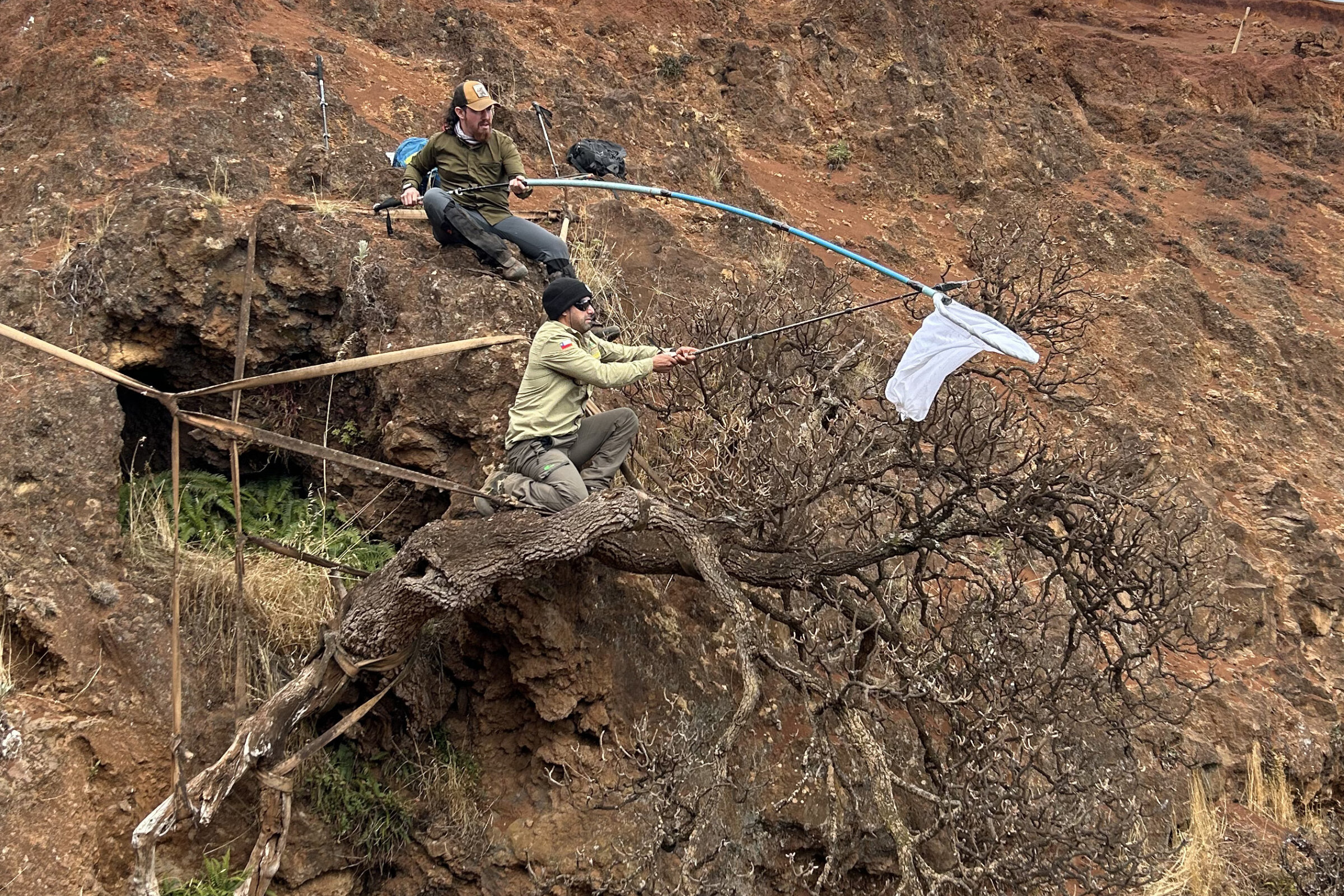
A photo shared by the Royal Botanic Gardens in the UK shows conservationists reaching out with a giant net in an attempt to recover seeds from the last known wild specimen of the Dendroseris neriifolia tree, native to Chile’s Juan Fernández Islands.

The action highlights how scientists are going to great lengths to ensure the survival of highly endangered species of plants, a prescient topic as global warming caused by human activity continues to put them at great risk. Scientists have previously found that twice as many plants have gone extinct in the last 250 years as all birds, mammals, and amphibians combined, a devastating and often less-talked-about loss of biodiversity.

The tree species has been heavily affected by habitat loss, encroaching invasive species, and failed attempts to ensure its survival, according to a statement by the Royal Botanic Gardens in Kew, near London, UK.

Twenty-nine seeds were recovered, 25 of which were identified to be potentially viable according to an X-ray analysis by scientists at the Botanic Gardens. Seven seedlings are already establishing, so the last-ditch effort may have a chance of paying off.

It’s not the first time scientists have attempted to ensure the survival of the Dendroseris neriifolia tree. By 1980, only seven surviving wild specimens remained following dramatic population declines. Park rangers attempted to recover the species in the 1990s, and reintroduction efforts in the early 2000s ultimately proved unfruitful.

At this point, there’s not a lot of room for error. Beyond the tree falling off the cliff, just single specimen is currently growing at the VerdeNativo botanic gardens in Chile.

“It is a race against time,” said VerdeNativo botanic gardens scientist Diego Penneckamp in a statement. “This international collaboration to support the last remaining individual could prevent the extinction of a species that represents a unique lineage with its own natural history.”

More on biodiversity: Wildlife Populations Have Shrunk a Shocking Amount in Just 50 Years, Report Finds

The post Scientists Rush to Save One of the World’s Rarest Trees as It Literally Falls Off a Cliff appeared first on Futurism.

Scientists Say Huge Dam Blocking the Bering Strait Could Slow Effects of Climate Change

24 May 2026 at 15:30

Sea levels are just the start of how climate change will upend the ocean. Rising temperatures are also threatening a critical artery that runs through the ocean known as the Atlantic Meridional Overturning Circulation, or AMOC. This current, in short, sends warm water northwards and dumps colder water southwards in a giant loop, massively influencing the world’s weather systems along the way. 

If temperatures keep soaring, scientists fear that AMOC could collapse — and with it, climate patterns across the globe. Temperatures in Europe would plunge without the injection of warm water it brings. Rainfall in the tropics would be disrupted. And sea levels on the US east coast would rise.

To save AMOC from demise, two researchers have proposed a daring Hail Mary: building a giant dam across the Bering Strait, the channel that separates Alaska from Siberia, to stop the proverbial bleeding. As outrageous as it sounds, the megaproject could in theory stabilize the ocean current, according to the findings of a new study they published in the journal Science Advances

Jelle Soons, a researcher from Utrecht University and one of the study’s two authors, stressed that the proposal was a “proof of concept,” but told the Financial Times that building the dam could be a “possible measure in a worst-case scenario.”

In their research, Soons and his colleague Henk A. Dijkstra focused on the Bering Strait because it’s through this choke point that AMOC pumps fresh water from the Pacific, then into the Arctic Ocean, and then finally into the Atlantic. Their view of the strait’s importance was buoyed by another study that found that AMOC was stronger three million years ago when the Bering Strait was a land bridge, forming a natural dam of sorts.

Running computer simulations, they found that a dam today would stymy the flow of fresh water from the Arctic Ocean into the Atlantic. That would keep the Atlantic salty, stabilizing the flow across the AMOC broadly.

For this to work, though, the dam would need to be constructed at just the right moment. If it’s built while the AMOC is still strong, then the dam would help it stay healthy, the study found. But if it’s built when AMOC is weak, it could accelerate it towards collapse, the FT noted. While it’s clear the AMOC is weakening, there’s still significant debate over its current health and how close it is to collapse.

The authors gladly concede that the engineering details of actually constructing a dam over fifty miles long is beyond their and the paper’s remit. As are other questions, like how it would impact the migration routes of aquatic life, or the shipping routes of huge oil tankers, or what would it entail for always-testy US-Russian relations, the FT cautioned.

Perhaps it’s for the best that the dam remains a thought-provoking proof-of-concept, and not the blueprint for climate action, was the opinion of the UK’s Met Office.

“The Met Office does not advocate geoengineering solutions to climate change, which can often bring dramatic and unintended consequences,” a spokesperson told the FT. ”Fighting to stave off every fraction of a degree rise of global temperature is the more sustainable and pragmatic approach.”

As it happens, the Bering Strait scheme isn’t the only desperate climatological option that involves building a gargantuan aquatic structure. Engineers have also proposed immuring the Thwaites “Doomsday” glacier in Western Antarctica in an over 60 mile long curtain that blocks out warm water to prevent it from melting.

More on climate change: $60 Million Startup Says It’s Invented a New Particle to Dim the Sun

The post Scientists Say Huge Dam Blocking the Bering Strait Could Slow Effects of Climate Change appeared first on Futurism.

Doomsday Glacier Shows Signs of Imminent Disintegration

23 May 2026 at 14:00

Bad news for anybody holding out hope for a future free of climate disaster: one of the largest glaciers in the world is about to splinter apart.

According to the New Scientist, a 45 kilometer ice shelf in front of the Thwaites glacier in Antarctica — nicknamed the “doomsday glacier” by some for its role as tipping point for the global climate — is about to break away.

Satellite imagery shows that the ice shelf is actively breaking away, with major fissures visible around the point where the sheet connects to the broader glacier. As University of Innsbruck in Austria geophysicist Christian Wild told the New Scientist, “suddenly, large areas are just falling to pieces. It looks like a windscreen that’s shattering.”

About the size of Britain, scientists are concerned the Thwaites’ collapse will set off a sort of domino effect across the West Antarctic Ice Sheet, which holds enough ice to raise the global sea level by anywhere from 13 to 16 feet.

Earlier this year, a team of researchers and engineers scrambled to set up camp on the rapidly decaying ice sheet, where they planned to fasten scientific instruments to monitor the ongoing collapse.

Though the team ultimately failed to plant monitoring equipment under the glacier as planned, they still managed to take some valuable measurements from beneath the “main trunk” of the glacier. That data showed the waters below the Thwaites are much warmer and faster flowing than previously thought, providing a hint as to why the glacier is collapsing at such a rapid pace.

While the sheet is still attached to the glacier for now, it’s really only a matter of time until it breaks off completely — ushering in a frightening new reality for humanity the world over.

More on climate change: Climate Change Is Getting So Bad That It’s Making Food Less Nutritious

The post Doomsday Glacier Shows Signs of Imminent Disintegration appeared first on Futurism.

Research Paper Warns That There’s a Massive Experiment at Work to Geoengineer the Earth’s Climate

23 May 2026 at 13:15

The idea of manually tampering with our atmosphere to combat climate change, such as by seeding clouds with reflective particles to dim the Sun, remains extremely controversial. These acts of geoengineering could deliver us from climate doom, the thinking goes, or backfire spectacularly in ways we never anticipated — which is why scientists are proceeding with caution.

But to an extent, something like this is already happening on a global scale. In a new study published in the journal Earth’s Future, researchers warn that the air pollution caused by satellites burning up in the Earth’s atmosphere is already decreasing the amount of sunlight reaching the Earth’s surface. And if the space industry continues growing at its current pace, the impact could eventually become significant enough to alter the entire climate.

Project lead and coauthor Eloise Marais, a professor of atmospheric chemistry and air quality at University College London, laid out the stakes in a striking comparison: “The space industry pollution is like a small-scale, unregulated geoengineering experiment that could have many unintended and serious environmental consequences,” she warned in a statement about the work.

Space launches have accelerated in the past decade and have tripled in the past five years, spearheaded by companies like Elon Musk’s SpaceX. A good chunk of the launches are to bring satellites into the Earth’s orbit. SpaceX’s Starlink internet service boasts nearly 12,000 of them (and Musk wants to launch a million more). These huge networks are referred to as megaconstellations, signaling a new paradigm in how satellites are used and deployed. Competitors are racing to build their own megaconstellations, including Jeff Bezos’ Blue Origin, which plans to deploy over 5,000 satellites.

These satellites are expendable. They’re designed to deorbit after a few years and then burn up — harmlessly, we’re told — in the Earth’s atmosphere, and constantly need to be replenished. But scientists have begun paying closer attention to the environmental impact of treating the atmosphere like a crematorium for satellites, with early studies finding that they release metals like lead and aluminum. Other research has raised the ominous possibility that some of these metal pollutants could trigger a chain reaction that lays waste to the ozone.

In this latest work, the researchers modeled the major pollutants from de-orbited megaconstellation satellites between 2020 and 2022. In 2020, the satellites accounted for 25 percent of the total climate impact from the space industry and will climb to 42 percent by 2029. By that same year, they project that the accumulated pollutants released by burning satellites will produce similar effects to solar geoengineering strategies, like aerosol injection.

The researchers also mapped the impact of rocket launches, which release soot particles. Once released in the upper atmosphere, the soot stays there for years, unlike soot released from the ground, which gets washed away by rainfall. By 2029, rocket launches will emit about 870 metric tons into the atmosphere annually, which is roughly equal to the total soot emissions from passenger cars in the UK, a release notes.

“Currently the impact on the atmosphere is small, so we still have the chance to act early before it becomes a more serious issue that is harder to reverse or repair,” Marais said in the statement. “So far there has been limited effort to effectively regulate this type of pollution.”

“The cooling effect from the reduction in sunlight that we calculate with our models may sound like a welcome change against the backdrop of global warming,” she added, “but we need to be extremely cautious.”

More on climate: Earth Screams in Agony as Microplastics Found to Increase Global Warming

The post Research Paper Warns That There’s a Massive Experiment at Work to Geoengineer the Earth’s Climate appeared first on Futurism.

They call it stupid hot for a reason: Heat muddles animal brains

31 May 2026 at 11:00

On a blazing hot day in South Africa, female southern pied babblers can’t think straight. The medium-sized black-and-white birds are trying to get at tasty mealworms behind a see-through barrier. On cooler days, the birds can quickly figure out that all they have to do is go around the small wall of plastic. But when the mercury goes up, the birds just keep stubbornly pecking at the barrier.

That experiment is part of a growing body of research showing that animals get their minds muddled during heat waves. When it’s hot outside, birds struggle to learn, dogs bite more often, goat-like chamois pick fights. This is bad news not just for those who get on Fido’s toasted nerves. If the animals can’t stay alert enough to find food or avoid predators, their chances of survival go downhill, says Amanda Ridley, a behavioral ecologist at the University of Western Australia who coauthored the pied babbler study.

With climate change making heat waves more common, such cognitive impairments across the animal kingdom could ripple through entire ecosystems, putting already fragile species at greater risk. If pollinators forget which flowers to visit, crops and wild plants may fail. If birds can’t find food as easily, their young may not survive. And on a warming planet, a sharp mind is particularly vital. “A changing climate means that your ability to behaviorally adapt is even more important,” Ridley says.

Read full article

Comments

© NurPhoto / Contributor

They call it stupid hot for a reason: Heat muddles animal brains

31 May 2026 at 11:00

On a blazing hot day in South Africa, female southern pied babblers can’t think straight. The medium-sized black-and-white birds are trying to get at tasty mealworms behind a see-through barrier. On cooler days, the birds can quickly figure out that all they have to do is go around the small wall of plastic. But when the mercury goes up, the birds just keep stubbornly pecking at the barrier.

That experiment is part of a growing body of research showing that animals get their minds muddled during heat waves. When it’s hot outside, birds struggle to learn, dogs bite more often, goat-like chamois pick fights. This is bad news not just for those who get on Fido’s toasted nerves. If the animals can’t stay alert enough to find food or avoid predators, their chances of survival go downhill, says Amanda Ridley, a behavioral ecologist at the University of Western Australia who coauthored the pied babbler study.

With climate change making heat waves more common, such cognitive impairments across the animal kingdom could ripple through entire ecosystems, putting already fragile species at greater risk. If pollinators forget which flowers to visit, crops and wild plants may fail. If birds can’t find food as easily, their young may not survive. And on a warming planet, a sharp mind is particularly vital. “A changing climate means that your ability to behaviorally adapt is even more important,” Ridley says.

Read full article

Comments

© NurPhoto / Contributor

They call it stupid hot for a reason: Heat muddles animal brains

31 May 2026 at 11:00

On a blazing hot day in South Africa, female southern pied babblers can’t think straight. The medium-sized black-and-white birds are trying to get at tasty mealworms behind a see-through barrier. On cooler days, the birds can quickly figure out that all they have to do is go around the small wall of plastic. But when the mercury goes up, the birds just keep stubbornly pecking at the barrier.

That experiment is part of a growing body of research showing that animals get their minds muddled during heat waves. When it’s hot outside, birds struggle to learn, dogs bite more often, goat-like chamois pick fights. This is bad news not just for those who get on Fido’s toasted nerves. If the animals can’t stay alert enough to find food or avoid predators, their chances of survival go downhill, says Amanda Ridley, a behavioral ecologist at the University of Western Australia who coauthored the pied babbler study.

With climate change making heat waves more common, such cognitive impairments across the animal kingdom could ripple through entire ecosystems, putting already fragile species at greater risk. If pollinators forget which flowers to visit, crops and wild plants may fail. If birds can’t find food as easily, their young may not survive. And on a warming planet, a sharp mind is particularly vital. “A changing climate means that your ability to behaviorally adapt is even more important,” Ridley says.

Read full article

Comments

© NurPhoto / Contributor

They call it stupid hot for a reason: Heat muddles animal brains

31 May 2026 at 11:00

On a blazing hot day in South Africa, female southern pied babblers can’t think straight. The medium-sized black-and-white birds are trying to get at tasty mealworms behind a see-through barrier. On cooler days, the birds can quickly figure out that all they have to do is go around the small wall of plastic. But when the mercury goes up, the birds just keep stubbornly pecking at the barrier.

That experiment is part of a growing body of research showing that animals get their minds muddled during heat waves. When it’s hot outside, birds struggle to learn, dogs bite more often, goat-like chamois pick fights. This is bad news not just for those who get on Fido’s toasted nerves. If the animals can’t stay alert enough to find food or avoid predators, their chances of survival go downhill, says Amanda Ridley, a behavioral ecologist at the University of Western Australia who coauthored the pied babbler study.

With climate change making heat waves more common, such cognitive impairments across the animal kingdom could ripple through entire ecosystems, putting already fragile species at greater risk. If pollinators forget which flowers to visit, crops and wild plants may fail. If birds can’t find food as easily, their young may not survive. And on a warming planet, a sharp mind is particularly vital. “A changing climate means that your ability to behaviorally adapt is even more important,” Ridley says.

Read full article

Comments

© NurPhoto / Contributor

Scientists Tweaked the Global Warming Outlook. So Trump Weighed In.

19 May 2026 at 14:49
Renewable energy has helped make the worst-case scenario a bit less bad. The president said, falsely, it shows that climate scientists were wrong all along.

© Agence France-Presse — Getty Images

Solar panels and wind turbines in north-central China. Renewable is becoming more affordable in many countries.

Does the Arctic Ocean regulate or amplify global warming?

14 May 2026 at 12:00

Greenhouse gases trap heat within the atmosphere. One such gas that exists beneath the ocean floor is methane. Ice-like substances on the seafloor that contain methane, known as methane hydrates, can break apart or melt, releasing methane gas into the ocean, risking further global warming. Melting permafrost, active tectonics, daily tidal patterns, and changing sea levels can similarly trigger methane’s escape from sediments. However, scientists don’t understand how these triggers will respond to future climate change.

A team of researchers hypothesized that future global warming could actually accelerate methane’s escape into the ocean. To investigate this hypothesis, they focused on an ancient global warming event approximately 56 million years ago, called the Paleocene-Eocene Thermal Maximum or PETM. Arctic Ocean temperatures at times exceeded 20°C (68°F) during this event. These elevated temperatures serve as an analog for today’s rapidly warming conditions. 

Once methane enters seawater, its fate is largely determined by 2 sets of biological processes. Today, 90% of methane released into the ocean from the seafloor is consumed by tiny organisms called microbes via a process known as anaerobic methane oxidation. During this process, microbes consume methane alongside sulfate, producing a solid iron-sulfur mineral, pyrite. Anaerobic methane oxidation prevents methane from escaping into the atmosphere by trapping it in minerals. In this case, the ocean becomes a reservoir, or sink, for methane. 

Despite this, too much methane could overwhelm the sulfate-dependent cycle. If that occurs, a different set of microbes consumes methane alongside oxygen in a process known as aerobic methane oxidation. Aerobic methane oxidation produces carbon dioxide, a potent heat-trapping greenhouse gas that escapes from the ocean. Aerobic oxidation accounts for 10% of methane consumption in oceans today, though this could have been different in the past. 

To determine how much anaerobic versus aerobic methane oxidation occurred during the PETM, the team extracted data from sediments retrieved from the Arctic Ocean floor. As sediment piles up on the seafloor, it compacts. Scientists can drill deep into the seafloor to extract a cylindrical sample, or core, of this compacted sediment. 

The age of sediments in a core increases with depth. Therefore, younger sediments exist at the top of the core, and older sediments exist at the bottom. For this project, the team used a previously extracted core from the Arctic Ocean that contained sediments dating back 100 million years. They found 56-million-year-old sediments from the PETM at a depth of 386 meters, or 1,266 feet, in this core. 

The researchers explained that microbes leave behind unique carbon-based molecules called organic biomarkers when they decompose. These organic biomarkers accumulate in seafloor sediments. The 2 different types of methane-consuming microbes leave behind 2 different biomarkers, one for anaerobic methane oxidation and one for aerobic methane oxidation. This team measured the amount of each biomarker in the sediment core to determine which microbes were dominant during the PETM. 

The biomarker left behind from microbes performing aerobic methane oxidation is called hop(17)21-ene. The researchers noticed that the amount of hop(17)21-ene increased by a factor of 4 during the PETM. At the same time, the biomarker left behind from microbes performing anaerobic methane oxidation, called glycerol dialkyl tetraether, decreased to half. They interpreted these trends to reflect the rise of aerobic methane cycling and the shutdown of anaerobic methane cycling, respectively. They attributed this transition to the release of enough methane to overwhelm the sulfate-dependent methane cycle under warming conditions.

To estimate the amount of carbon dioxide produced by aerobic methane oxidation during the PETM, the researchers located another biomarker in the sediment core, called phytane. Phytane is produced by organisms that consume carbon dioxide during photosynthesis, and its structure preserves clues to the amount of carbon dioxide available at the time. The researchers found that during and well after the PETM, the concentration of carbon dioxide in the Arctic Ocean was 4 times greater than modern levels. They concluded that the Arctic Ocean became a prolonged source of carbon dioxide to the atmosphere, even after the PETM.

The team suggested that the uptick in aerobic methane oxidation during the PETM serves as an analog for the modern Arctic Ocean, which continues to warm rapidly in the face of modern climate change. Their results highlight how the transformation of methane into carbon dioxide poses a threat. More carbon dioxide in the atmosphere warms the air, which heats the oceans, causing more methane to escape from the seafloor and eventually be converted into additional carbon dioxide. When triggered, this feedback would continue to amplify and could become difficult to recover from.  

The post Does the Arctic Ocean regulate or amplify global warming? appeared first on Sciworthy.

Why the 2023 El Niño broke records

30 April 2026 at 12:00

The years 2023 and 2024 were the warmest on record, coinciding with a powerful Pacific climate event known as El Niño. El Niño is the warm phase of a natural climate cycle in which surface waters in the eastern Pacific are unusually warm, bringing record-breaking heatwaves in the Amazon and heavy rainfall in the southern USA. Its counterpart, La Niña, is the cool phase that brings wetter conditions to the Northern USA. 

In a typical El Niño, warm water in the eastern Pacific weakens the winds blowing westward across the tropical Pacific, known as trade winds, allowing more warm water to flow eastward – a self-reinforcing cycle that amplifies the event. However, the 2023 El Niño differed because the ocean warmed intensely, but the trade winds remained strong. Researchers from the Scripps Institution of Oceanography, led by Qihua Peng and Shang-Ping Xie, recently investigated how and why this unusual event occurred.

First, the researchers tracked how air pressures changed across the Pacific during the event using a metric calculated by NOAA, known as the Southern Oscillation Index. When the eastern Pacific warms during an El Niño, the difference in air pressure across the Pacific typically decreases. In 2023, they found that temperatures in the eastern Pacific rose to more than 3°F (2°C) above normal, yet the drop in air pressure was only about 31% as strong as they expected. They also calculated that changes in wind speed and direction could only account for about 30% of the warming. So why was the 2023 El Niño so strong?

To answer this question, the research team then looked beyond the Pacific, analyzing sea surface temperatures from NOAA satellite data. They found that the North Atlantic and Indian Oceans also experienced record-breaking heat in 2023, with temperatures in the North Atlantic exceeding 2°F (1°C) above normal – the warmest in recent history. This suggested that El Niño events can develop in response to ocean conditions worldwide, not just those in the Pacific.

Next, the team used a computer program that simulates how the atmosphere responds to ocean temperatures, called the Community Atmosphere Model, to examine how heat from other oceans affects the Pacific. They found that heat in the North Atlantic and Indian Oceans generated large columns of hot air rising over those regions. This air cooled at high altitudes and then sank over the central Pacific, strengthening a large-scale loop of rising and sinking air that drives trade winds westward. Strengthening this circulation worked against El Niño by keeping trade winds blowing westward about 30% more strongly than Pacific warming alone would have. If the trade winds remained strong, why was the eastern Pacific so warm in 2023?  

To answer this question, the researchers studied 3 consecutive La Niña years between 2020 and 2023, analyzing ocean temperature and sea level data from NOAA’s Global Ocean Data System. During those years, strengthened trade winds transported heat into the western Pacific. As the seawater got warmer, it expanded, a process known as thermal expansion. Over those 3 years, thermal expansion and constant wind created a “pile” of warm water in the western Pacific, which reached its highest level of stored heat since 1982. When the trade winds eventually relaxed as La Niña faded, this piled-up warm water surged eastward, setting the stage for the El Niño event.

To test whether this stored heat alone could drive an El Niño, the team used a computer program that models oceanic and atmospheric interactions, called a coupled general circulation model. They input observed ocean temperatures from April 1, 2023, when La Niña ended, but removed all wind changes after that date. Their model successfully reproduced 87% of the warming observed between June and December 2023, which suggested that trade winds contributed just 13%. Stored heat was carried eastward by massive underwater waves traveling along the equator. As these waves reached the Eastern Pacific, they pushed cold water deeper, allowing surface water to warm. The researchers concluded that this oceanic process drove the 2023 El Niño to develop without the usual wind-driven feedback.

The team suggested that in a warming world, large heat reservoirs in the western Pacific will likely become more common, leading to more frequent strong El Niños. However, because their analysis focused on a single event, it remains unclear how often El Niños develop through oceanic processes alone. Ultimately, their study showed that the ocean can be more than a passive partner in El Niño – it can be the driving force.

The post Why the 2023 El Niño broke records appeared first on Sciworthy.

Una temporada de incendios sin precedentes arrasa uno de los puntos calientes de biodiversidad de la Tierra

20 February 2024 at 20:30

En Colombia han ardido más de 500 incendios, incluso en sus delicados y únicos humedales del altiplano, uno de los ecosistemas de más rápida evolución de la Tierra

© Raul Arboleda/AFP via Getty Images

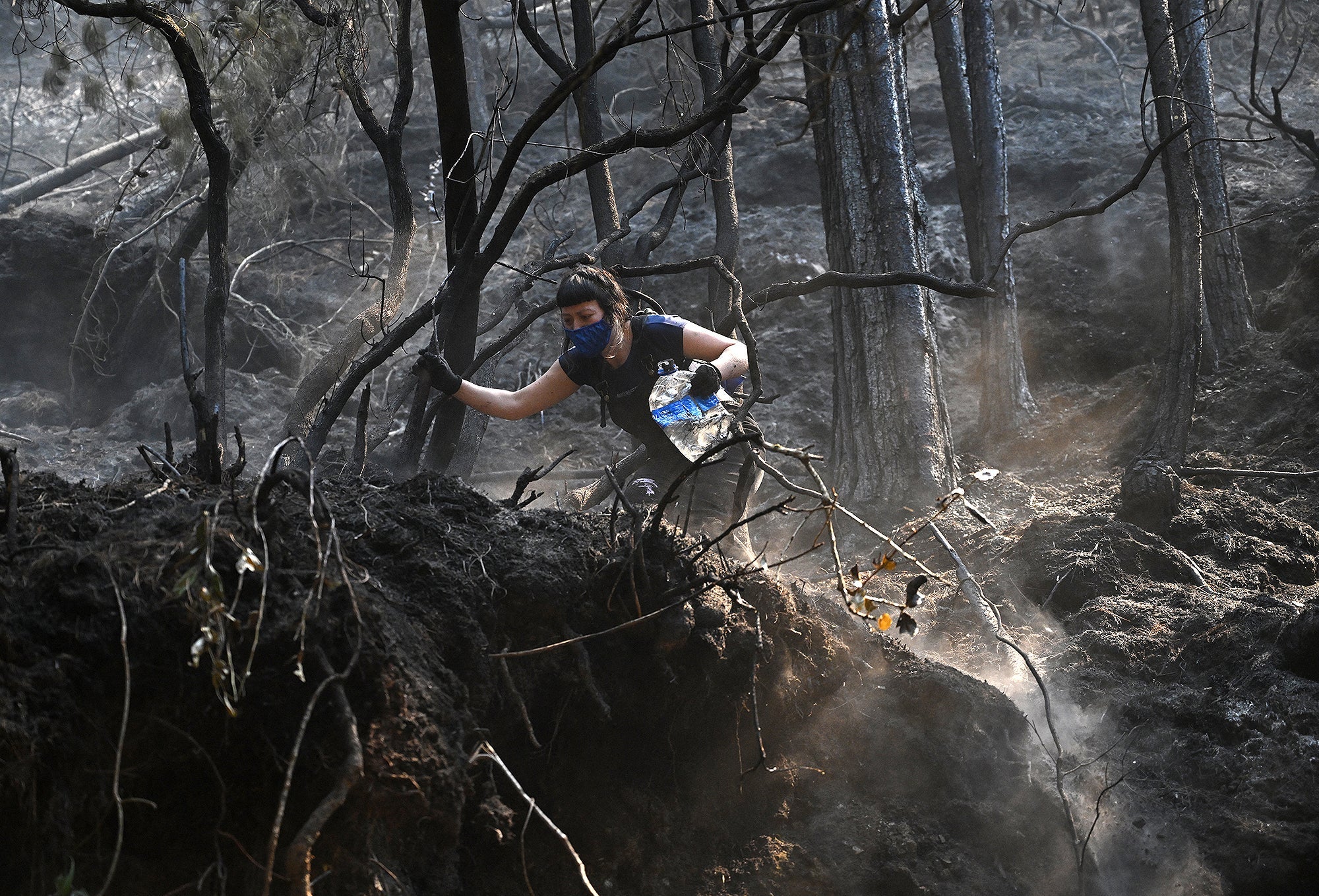
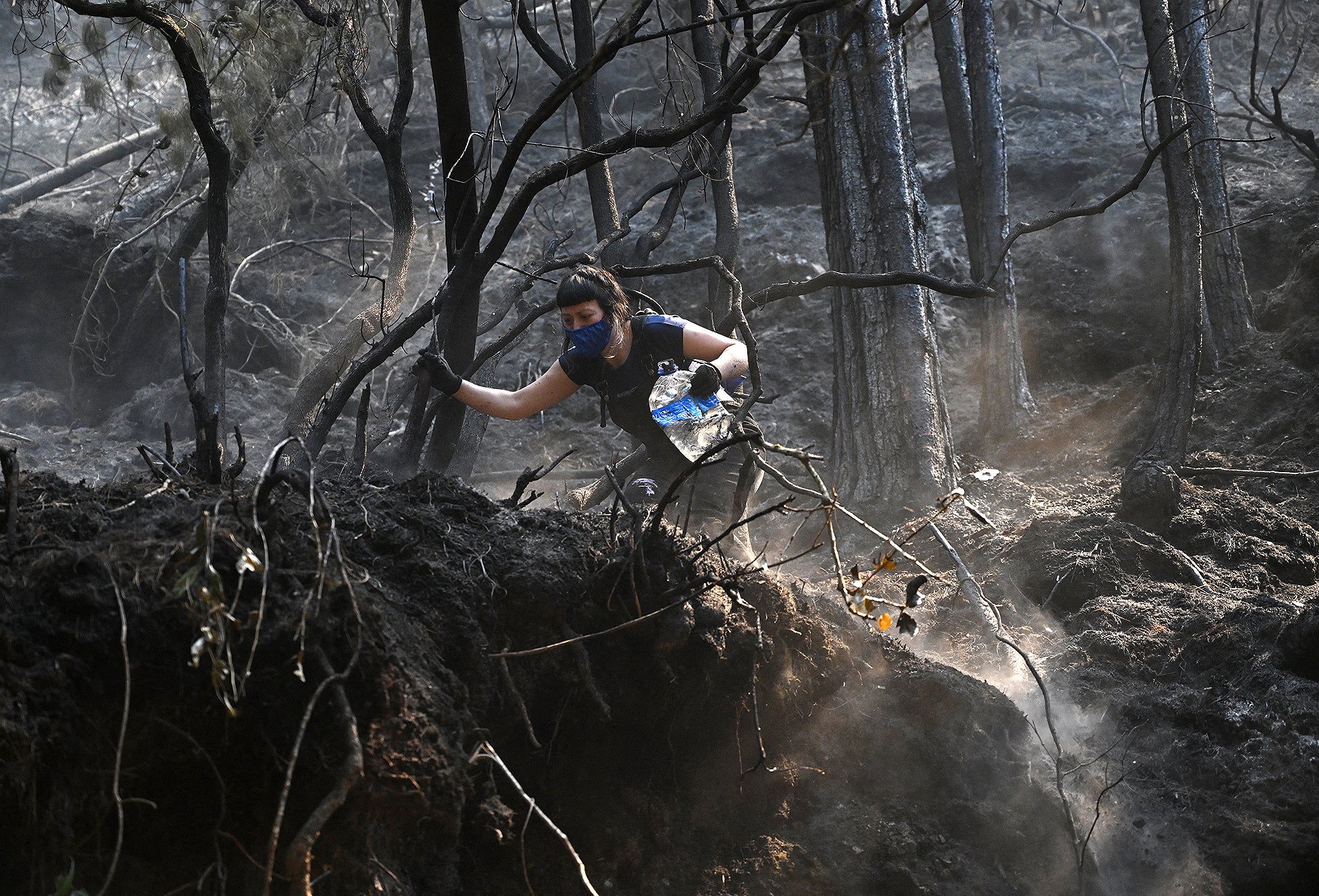
Más de 500 incendios han ardido en todo el país desde que comenzó 2024, consumiendo al menos 42.000 acres de bosques y pastizales y cubriendo la capital de Colombia, Bogotá, con una nube de humo contaminante.

Unprecedented Fire Season Has Raged Through One of Earth's Biodiversity Hotspots

16 February 2024 at 16:00

More than 500 fires have burned across Colombia, including in its delicate and unique highland wetlands, one of the fastest evolving ecosystems on Earth

© Raul Arboleda/AFP via Getty Images

A woman puts out a forest fire in Bogota on January 25, 2024. This Thursday, Colombia asked the member countries of the United Nations for help to extinguish around thirty forest fires that are ravaging several regions and drowning the capital, Bogota, in smoke.
❌