In a groundbreaking advancement set to revolutionize the field of organ transplantation, researchers at the University of Pennsylvania have successfully leveraged chimeric antigen receptor (CAR) T-cell therapy to enable kidney transplants in patients previously deemed impossible to match with donor organs. This pioneering clinical trial focuses on patients with end-stage kidney disease who are highly sensitized, a condition where their immune systems contain high levels of antibodies against potential donor kidneys, effectively barring them from transplantation.
Highly sensitized patients pose one of the most significant challenges in kidney transplantation today. Their immune systems are primed to reject most donor kidneys due to the presence of harmful alloantibodies, which are produced in response to prior transplants, blood transfusions, or pregnancies. This heightened immune response is quantified using a measure called the Calculated Panel Reactive Antibody (cPRA) score. Patients scoring above 99.9% on this scale have compatibility with fewer than one in one thousand donor kidneys, often languishing for years on transplant waiting lists without viable options.
Traditionally, attempts to desensitize these patients have involved plasma exchange therapies or immunosuppressive drugs aimed at reducing circulating antibodies. However, such approaches frequently fail to provide durable antibody suppression in the most sensitized individuals, leaving their transplant prospects bleak. The innovative approach developed by Penn Medicine researchers offers a promising new pathway by directly targeting and eliminating the immune cells responsible for antibody production.
The breakthrough hinges on the repurposing of CAR T-cell therapy, a method originally developed to combat certain blood cancers by engineering patients’ T cells to seek out and destroy malignant cells. In this trial, two distinct CAR T-cell populations were created: CD19-targeted CAR T cells, which obliterate B cells that form immune memory, and BCMA-targeted CAR T cells, which deplete plasma cells responsible for producing antibodies. This dual targeting effectively removes both the cellular sources of harmful kidney-targeting antibodies and offers a form of immune system “reset.”
The Phase I clinical trial, coordinated among Penn Medicine, NYU Langone, and Mass General, reports on two patients with cPRA scores near 100 percent, both of whom had been on waiting lists for several years without a single viable match. Post-treatment, these patients experienced profound reductions in deleterious antibody levels, opening the door to successful kidney transplantation. Not only did the antibody levels drop, but both patients maintained these improvements over time, with no evidence of antibody resurgence or rejection of the newly transplanted organs—outcomes previously unattainable in this demographic.
Safety profiles from the trial were encouraging. Unlike cancer patients undergoing CAR T-cell therapies who sometimes experience severe adverse effects such as cytokine release syndrome or neurotoxicity, these kidney disease patients tolerated the treatments well. The depletion of B cells and plasma cells was transient, and the immune system began to recover as anticipated, highlighting a careful balance between effective desensitization and overall immune competence.
One of the patients benefiting from this novel approach, Andrew Boyd from Philadelphia, encapsulates the transformative potential of this therapy. Living with focal segmental glomerulosclerosis since age 14, Boyd endured two failed kidney transplants and faced the grim certainty of a third transplant being out of reach due to his extreme sensitization. Upon receiving the dual CAR T-cell therapy, his antibody levels dropped sufficiently to receive a compatible kidney, restoring hope and marking a new chapter in his lifelong battle with kidney disease.
This achievement underscores the power of interdisciplinary collaboration, drawing expertise from transplant surgery, nephrology, hematology, oncology, and immunology. The seamless integration of these fields enables a new frontier in transplant medicine, where cellular immunotherapies can be tailored beyond oncology to solve historically intractable problems such as sensitization.
Looking ahead, subsequent phases of the trial aim to refine dosage, enroll more patients, and evaluate long-term safety and effectiveness. The prospect of expanding this therapy could dramatically increase the pool of eligible kidney transplant recipients, potentially saving thousands of lives annually and alleviating the immense pressure on organ donation systems.
The success of this trial also aligns with a broader trajectory of medical innovation at Penn Medicine, renowned for its leadership in CAR T-cell cancer therapies and its contributions to mRNA vaccine technology. By translating such cutting-edge cellular therapies to transplant immunology, the institution continues to push the boundaries of how immune modulation can restore health in previously untreatable conditions.
Funding from the National Institute of Allergy and Infectious Diseases and partnerships such as Blood Cancer United have been instrumental in making this transformative research possible, underscoring the essential role of sustained investment and collaboration in delivering breakthroughs to patients.
This story of scientific ingenuity and patient resilience offers a compelling glimpse into a future where immune-engineered therapies redefine the limits of organ transplantation, promising hope for countless patients who have long awaited a lifeline.
Subject of Research:
CAR T-cell therapy utilization to desensitize highly sensitized kidney transplant candidates, enabling successful transplants by eliminating memory B cells and plasma cells responsible for antibody-mediated rejection.
Article Title:
CAR T-cell Therapy Enables Kidney Transplantation in Highly Sensitized Patients: A New Frontier in Organ Transplantation
In the escalating battle against climate change, the agricultural sector faces an urgent challenge: protecting crops from the damaging impacts of cold stress. Recent groundbreaking research has illuminated a molecular mechanism that could revolutionize the way we safeguard crop yields under cold weather conditions, a phenomenon known to decisively impair pollen viability and reproductive success. At the heart of this discovery lies a novel peptide signaling pathway that confers resilience to cold-induced pollen abortion, a major contributing factor to severe yield losses in key crops such as tomato and rice.
The study focuses on a subset of small signaling peptides belonging to the RGF–GLV–CLEL family, specifically two cold-responsive peptides, SlRGF9 and SlRGF10, found in tomato plants (Solanum lycopersicum). Under optimal growth conditions, the absence of these peptides appears inconsequential; however, upon exposure to cold stress, plants deficient in SlRGF9 and SlRGF10 exhibit significant pollen abortion, pinpointing these peptides as pivotal protectors of reproductive development during environmental challenges.
At the cellular level, the perception of SlRGF9 and SlRGF10 is mediated by a receptor complex formed by leucine-rich repeat receptor-like kinases (LRR-RLKs), including SlRGFR6 and SlSERK proteins. This receptor complex localizes to the cell surface, where it specifically binds the cold-induced peptides. The subsequent activation of SlRGFR6 initiates a cascade that triggers calcium influx, predominantly through cyclic-nucleotide-gated channels, a critical signal that forestalls cold-delayed programmed cell death within the tapetum.
The tapetum, an inner layer of cells nourishing developing microspores, must undergo precise degradation to ensure successful pollen maturation. Cold stress disrupts this timing, leading to the failure of microspore development and ultimately, reproductive abortion. The SlRGF–SlRGFR6 signaling axis counteracts this disruption by modulating calcium signaling pathways, thus preserving tapetum function and enabling normal pollen development even under chilling conditions.
Importantly, the activation of this peptide signaling pathway shows remarkable conservation across a wide spectrum of plant taxa, encompassing both dicots and monocots. For example, upregulation of homologous RGF peptides in rice (Oryza sativa) confers enhanced pollen resilience, substantially mitigating cold-induced grain yield losses. These findings highlight the universal nature of this molecular defense mechanism and underscore its potential as a target for crop improvement across diverse agricultural systems.
From an applied perspective, genetically engineering tomato plants to overexpress SlRGF9 and SlRGF10 yields a striking 52% reduction in yield losses caused by cold stress. Such a substantial increase in yield resilience promises a viable strategy for enhancing food security in regions where unpredictable cold spells jeopardize agricultural output. Similarly, in rice, enhanced expression of RGF peptides restores approximately 18.3% of otherwise lost grain yield, showcasing the broad applicability of this peptide signaling module.
The implications of this discovery extend beyond cold stress tolerance. By elucidating the molecular underpinnings of pollen development resilience, this research paves the way for breeding programs and biotechnological interventions aimed at fortifying crops against a spectrum of adverse conditions affecting reproductive success. The integration of peptide signaling manipulation into crop science thus represents a frontier of innovation with meaningful agronomic and economic impacts.
The researchers employed meticulous genetic and physiological assays to dissect the roles of SlRGF peptides and their receptors. Loss-of-function mutants were analyzed under both normal and cold conditions, revealing that while vegetative growth remained unaffected, reproductive failure was unmistakably linked to the absence of these peptides during cold episodes. Advanced biochemical assays confirmed direct binding between SlRGF peptides and their cognate receptor kinases, affirming the specificity of this module.
Calcium signaling emerged as a central node downstream of the peptide-receptor interaction. Cyclic-nucleotide-gated channels (CNGCs) acted as conduits for calcium influx, a pivotal second messenger that modulates cellular responses to environmental cues. The cold-induced activation of CNGCs by SlRGF–SlRGFR6 signaling interrupts the cold-triggered delay in programmed cell death within the tapetum, restoring the developmental timeline critical for pollination success.
The study’s comprehensive approach also included cross-species analyses, demonstrating that manipulation of RGF peptide expression yields conserved phenotypic benefits in both tomatoes and rice. This cross-kingdom conservation underscores the evolutionary importance of this signaling module in cold tolerance and hints at its potential utility in a wide array of other crops affected by low temperature stress.
As climate change continues to drive erratic and extreme weather patterns, cold spells pose a growing threat to global food production. The discovery of the RGF peptide signaling axis as a master regulator of pollen resilience provides a powerful tool for developing crops capable of thriving despite these environmental uncertainties. Through targeted molecular breeding or biotechnological approaches, it may soon be possible to equip staple crops with a robust defense against cold-induced reproductive failures, enhancing yield stability on a global scale.
Beyond immediate agricultural applications, this research enriches our fundamental understanding of plant stress physiology. By connecting extracellular peptide signals with intracellular calcium dynamics and programmed cell death regulation, it exposes a finely tuned network governing plant reproductive success under thermal stress. This insight opens new vistas for exploring analogous peptide-receptor systems that might regulate other facets of plant development or stress adaptation.
In sum, this seminal work reveals a core peptide signaling axis that is essential for maintaining pollen viability during cold stress, securing crop yield, and thus holds transformative potential for global agriculture in the era of climate change. By harnessing the power of small peptides like SlRGF9 and SlRGF10, scientists have illuminated a promising path toward crops that are not only productive under ideal conditions but resilient amid the mounting challenges posed by a changing environment.
Subject of Research: Cold-induced peptide signaling pathways that confer pollen resilience and protect crop yields under cold stress conditions.
For decades, scientists have understood that plants can release volatile organic compounds—essentially airborne chemical signals—to attract the natural enemies of the things that eat them, like caterpillars. What we didn’t know was exactly how a plant translates the physical act of being eaten into a specific, predator-summoning distress signal.
“[One] thing we didn’t know is how the plant detects the caterpillar in the first place,” says Adam Steinbrenner, a biologist at the University of Washington. Now, after years of experimenting with common bean plants in the lab and in the agricultural fields of Oaxaca, Mexico, Steinbrenner’s team pinpointed a single immune receptor that orchestrates its anti-caterpillar defense system.
Drooling caterpillars
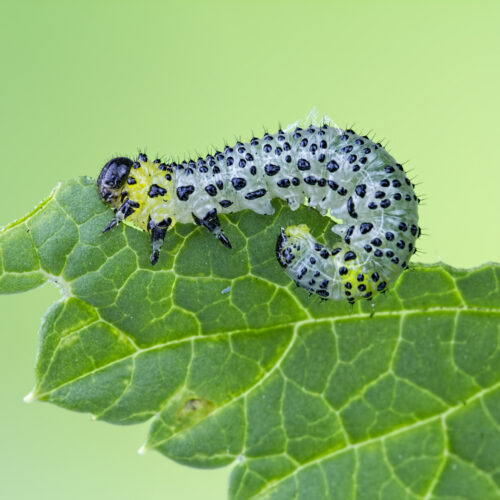
When an herbivorous insect like a caterpillar feeds on a plant, it introduces its saliva straight into the plant's damaged tissues. This saliva contains biological clues called HAMPs: herbivore-associated molecular patterns. One of the HAMPs molecules is a peptide called inceptin, and there’s an 11-amino acid fragment of inceptin named In11, as well. Both of them turn out to be a fragment of the ATP synthase found in chloroplasts—basically a piece of one of the plant’s own proteins. As the caterpillar ingests the leaf, its gut enzymes chop up the plant's cellular engines and their pieces, including In11, are regurgitated back onto the leaf’s surface, albeit at extremely small concentrations.
For decades, scientists have understood that plants can release volatile organic compounds—essentially airborne chemical signals—to attract the natural enemies of the things that eat them, like caterpillars. What we didn’t know was exactly how a plant translates the physical act of being eaten into a specific, predator-summoning distress signal.
“[One] thing we didn’t know is how the plant detects the caterpillar in the first place,” says Adam Steinbrenner, a biologist at the University of Washington. Now, after years of experimenting with common bean plants in the lab and in the agricultural fields of Oaxaca, Mexico, Steinbrenner’s team pinpointed a single immune receptor that orchestrates its anti-caterpillar defense system.
Drooling caterpillars
When an herbivorous insect like a caterpillar feeds on a plant, it introduces its saliva straight into the plant's damaged tissues. This saliva contains biological clues called HAMPs: herbivore-associated molecular patterns. One of the HAMPs molecules is a peptide called inceptin, and there’s an 11-amino acid fragment of inceptin named In11, as well. Both of them turn out to be a fragment of the ATP synthase found in chloroplasts—basically a piece of one of the plant’s own proteins. As the caterpillar ingests the leaf, its gut enzymes chop up the plant's cellular engines and their pieces, including In11, are regurgitated back onto the leaf’s surface, albeit at extremely small concentrations.
For decades, scientists have understood that plants can release volatile organic compounds—essentially airborne chemical signals—to attract the natural enemies of the things that eat them, like caterpillars. What we didn’t know was exactly how a plant translates the physical act of being eaten into a specific, predator-summoning distress signal.
“[One] thing we didn’t know is how the plant detects the caterpillar in the first place,” says Adam Steinbrenner, a biologist at the University of Washington. Now, after years of experimenting with common bean plants in the lab and in the agricultural fields of Oaxaca, Mexico, Steinbrenner’s team pinpointed a single immune receptor that orchestrates its anti-caterpillar defense system.
Drooling caterpillars
When an herbivorous insect like a caterpillar feeds on a plant, it introduces its saliva straight into the plant's damaged tissues. This saliva contains biological clues called HAMPs: herbivore-associated molecular patterns. One of the HAMPs molecules is a peptide called inceptin, and there’s an 11-amino acid fragment of inceptin named In11, as well. Both of them turn out to be a fragment of the ATP synthase found in chloroplasts—basically a piece of one of the plant’s own proteins. As the caterpillar ingests the leaf, its gut enzymes chop up the plant's cellular engines and their pieces, including In11, are regurgitated back onto the leaf’s surface, albeit at extremely small concentrations.
For decades, scientists have understood that plants can release volatile organic compounds—essentially airborne chemical signals—to attract the natural enemies of the things that eat them, like caterpillars. What we didn’t know was exactly how a plant translates the physical act of being eaten into a specific, predator-summoning distress signal.
“[One] thing we didn’t know is how the plant detects the caterpillar in the first place,” says Adam Steinbrenner, a biologist at the University of Washington. Now, after years of experimenting with common bean plants in the lab and in the agricultural fields of Oaxaca, Mexico, Steinbrenner’s team pinpointed a single immune receptor that orchestrates its anti-caterpillar defense system.
Drooling caterpillars
When an herbivorous insect like a caterpillar feeds on a plant, it introduces its saliva straight into the plant's damaged tissues. This saliva contains biological clues called HAMPs: herbivore-associated molecular patterns. One of the HAMPs molecules is a peptide called inceptin, and there’s an 11-amino acid fragment of inceptin named In11, as well. Both of them turn out to be a fragment of the ATP synthase found in chloroplasts—basically a piece of one of the plant’s own proteins. As the caterpillar ingests the leaf, its gut enzymes chop up the plant's cellular engines and their pieces, including In11, are regurgitated back onto the leaf’s surface, albeit at extremely small concentrations.
Researchers from Okinawa Institute of Science and Technology and Japan Agency for Marine-Earth Science and Technology have identified how bacteria can adapt to toxic metals released from hydrothermal vents. The study focused on Nitratiruptor sp. SB155-2, a species of bacteria isolated from vents in the Okinawa Trough. The researchers found that bacteria use transporter proteins […]
Scientists have discovered that some of Earth’s earliest complex life forms lived on the seafloor and depended on oxygen, challenging long-standing ideas about how advanced life evolved. The study, published in Nature, examined some of the oldest known fossils of eukaryotes—organisms whose cells contain a nucleus and other specialized structures. Eukaryotes include animals, plants, fungi, […]
In a groundbreaking advancement poised to reshape reconstructive surgery, researchers at Mass General Brigham have unveiled a new class of 4D-printed adaptive hydrogel tissue expanders designed for complex reconstructions of the ear and breast. This innovative technology harnesses the transformative potential of 4D printing — a cutting-edge process that creates materials capable of changing shape and properties over time once implanted. The team, led by Dr. Di Wang and senior author Dr. Y. Shrike Zhang from the Division of Engineering, has successfully addressed long-standing challenges associated with conventional tissue expanders that have plagued patients and surgeons alike for decades.
Tissue expansion remains a cornerstone technique in reconstructive procedures, wherein healthy skin adjacent to a defect site is gradually stretched to generate additional tissue required for restoration. The current gold standard employs silicone balloons incrementally inflated with saline injections over an extended period. While effective for many, this process demands repeated clinic visits, inflicts considerable patient discomfort through frequent needle punctures, and poses risks related to device migration, port malfunction, and hematoma formation. Furthermore, the requirement for secondary surgeries to excise surplus expanded skin often extends recovery and escalates medical costs.
Over the years, alternatives involving self-inflating materials have been explored to circumvent these limitations. However, prior iterations failed to gain clinical traction due to rapid uncontrolled expansion, insufficient mechanical strength, and a restricted ability to mimic complex anatomical forms. The shape fidelity of the expander is a critical factor since it directly sculpts the newly generated tissue, influencing both functional and aesthetic outcomes. Traditional approaches have been stymied by this inability to customize the device to patient-specific geometries, leading to suboptimal reconstructive results.
The central inquiry driving this study was to ascertain whether an advanced 4D-printed hydrogel device could seamlessly integrate controlled, gradual expansion without requiring external inflation, maintain integrity under biomechanical stress in situ, and be precisely tailored to replicate diverse anatomical contours. These objectives aimed to surpass traditional silicone expanders in performance, safety, and patient-centered convenience. The researchers posited that a smart biomaterial system with tunable swelling kinetics coupled with high-resolution 3D fabrication could fulfill these ambitious benchmarks.
To actualize this vision, the team synthesized a novel hydrogel formulation characterized by adjustable expansion rates and final achievable volume. Using sophisticated light-based 3D printing technology, they produced prototypes molded from patient-derived imaging data to replicate the intricate shapes of human ears and breasts. These devices exhibited remarkable swelling capacities, achieving up to 30-fold volumetric increases while preserving robust mechanical properties essential for reliable function under skin tension.
To validate in vivo efficacy, the researchers conducted rigorous trials in a rabbit model simulating clinical ear reconstruction surgery. The expanders were surgically implanted, allowed to autonomously swell over time, subsequently removed, and replaced with prosthetic implants. During these experiments, the hydrogel devices demonstrated steady, predictable expansion profiles that facilitated natural skin remodeling processes, including increased surface area, controlled epidermal thinning, and neovascularization. Importantly, the devices remained firmly anchored without undesired displacement.
When juxtaposed with conventional silicone balloon expanders requiring frequent saline injections, the 4D-printed hydrogels conferred multiple clinical advantages. The elimination of repetitive needle injections considerably reduced patient discomfort and diminished healthcare resource utilization by decreasing the number of required follow-up visits. Moreover, the inherently adaptive nature of the hydrogel circumvented the need for secondary excisions of excess skin, thereby streamlining treatment pathways and accelerating recovery. Surgical procedures were also expedited due to reduced incision sizes and enhanced device stability.
Among the most remarkable and unforeseen discoveries was the device’s intrinsic capacity to absorb minor amounts of postoperative bleeding. Hematoma formation is a critical complication in tissue expansion surgeries, as accumulated blood elevates pressure, jeopardizing blood flow and tissue viability. Current management strategies often involve drainage systems that can inadvertently elevate infection risks. The hydrogel’s ability to autonomously sequester blood while continuing phased expansion presents a potentially transformative feature that may obviate the need for invasive drainage tools, thereby improving surgical safety profiles.
Beyond the immediate clinical applications in ear and breast reconstruction, this breakthrough heralds broader implications for personalized medicine in regenerative therapies. The modularity of the 4D printing platform enables facile customization tailored to innumerable anatomical regions, offering the tantalizing prospect of bespoke implants engineered to harmonize perfectly with individual patient morphology. Furthermore, this work exemplifies a tangible leap toward integrating smart biomaterials into everyday medical practice, moving beyond proof-of-concept to scalable, practical solutions.
The ability to fabricate bio-responsive devices with programmable shape changes addresses fundamental limitations in medical device design. By controlling kinetics of swelling and mechanical resilience, the system balances expansive force sufficient to stretch skin against the need to maintain structural integrity and biocompatibility. This synergy ensures a gradual, gentle tissue expansion that mimics physiological growth, mitigating risks of skin necrosis or discomfort commonly encountered with traditional methods.
As this innovative technology moves closer to clinical translation, the promise of improved patient experiences with fewer invasive procedures and enhanced surgical outcomes becomes increasingly tangible. Reductions in clinic visits mean lowered burdens on healthcare systems and diminished patient time costs, while self-regulating devices fortify safety. Beyond reconstructive surgery, such materials could find exciting applications in cosmetic enhancements and other fields demanding on-demand, adaptive implants.
The research team acknowledges the multidisciplinary collaboration required to achieve this breakthrough, combining expertise in materials science, biomedical engineering, surgical techniques, and computational modeling. In silico predictions of device expansion aided in pre-fabrication tuning, optimizing in vivo performance. This integration of modeling with advanced manufacturing reflects the vanguard of precision medicine, transforming theoretical concepts into clinically meaningful tools.
Funding support from the Brigham Research Institute underpinned this work’s success, while transparent disclosure of potential conflicts maintains rigorous ethical standards. The implications of this study extend beyond the immediate community, inviting further exploration into 4D-printed biomaterials as a versatile platform for next-generation medical devices. The future of reconstructive surgery appears poised to be revolutionized by this seamless blend of technology and biology, offering patients compassionate, efficacious, and personalized care.
Subject of Research: Adaptive hydrogel-based tissue expanders employing 4D printing technology for reconstructive surgery.
Article Title: 4D-printed adaptive hydrogel tissue expanders for ear and breast reconstruction
News Publication Date: 1-Jun-2026
Web References: http://dx.doi.org/10.1038/s41551-026-01681-z
References: Wang, D, et al. “4D-printed adaptive hydrogel tissue expanders for ear and breast reconstruction,” Nature Biomedical Engineering, DOI: 10.1038/s41551-026-01681-z
A small wildflower growing across California may help scientists understand how plants can survive a changing climate—and even offer clues for protecting other species in the future. The mountain jewelflower (Streptanthus tortuosus) grows in many different environments, from the rolling hills of wine country to the snowy slopes of the Sierra Nevada. At first glance, […]
Superblooms are massive blooms of desert wildflowers. There isn’t an exact number of flowers required to make something a superbloom. But the word usually describes an above-average number of blossoms. These flowers create colorful carpets that blanket usually barren desert landscapes. They can even be seen from space!
In 2026, after a particularly rainy season, California’s Death Valley was overrun by a superbloom. Even after the bloom’s peak, yellow Desert Gold flowers could still be seen all over Death Valley National Park. Sofia Caetano Avritzer and James Lee
The few flowering plants that do grow in deserts live very short lives. They spring up after rainfalls and race through their life cycles in a few days or weeks before heat and drought wipe them out. Before they die, these plants produce lots of seeds. Those seeds can lie dormant in the soil for years or even decades, waiting for the right conditions to sprout.
This creates a buildup of seeds in the ground. So when deserts have an unusually wet year after many dry ones, the seeds sprout into a superbloom. This happens as long as it’s not too hot or windy for the flowers to grow.
For animals that eat wildflowers, such as desert tortoises and sphinx moth caterpillars, superblooms are quite a feast. For humans, the blooms make a beautiful spectacle. But it’s important for visitors to not step on the blossoms or pluck them from the ground. That way, they can seed the next flower extravaganza.
In a sentence
Because of climate change bringing record-breaking droughts and heatwaves, superblooms could become even rarer.
The evolution of land plants about 450 million years ago altered many of Earth’s geologic processes, like weathering and erosion. Due to the lack of evidence for meandering rivers before then, past scientists hypothesized that plants could have caused straight rivers to meander. However, in recent decades, researchers have challenged this idea. They’ve suggested that plants could have changed rivers without causing them to meander.
To understand how vegetation changed rivers in the past, researchers recently studied 49 modern meandering rivers. They sorted these rivers into 3 categories – vegetated, unvegetated, and semi-vegetated – by analyzing color images taken of them from the air. They identified 18 vegetated rivers located in South America, 24 unvegetated rivers in the western United States, and 7 semi-vegetated rivers in China and the Eastern United States.
To examine the impact of plants on these rivers, the researchers quantified how much each river channel curves, known as its sinuosity. They used opposite banks of each river bend to find its center point, then, using digital maps, drew a line along the river’s trajectory at an equal distance between the bend center points. They used this line to calculate the angle between the river’s curve and the center point. This angle, called the migration angle, shows how a river bend relates to the river’s downstream direction. By measuring it, researchers can tell whether a river is developing more vertically or horizontally, and how sharp its bends are, either of which could be influenced by plants.
The researchers compared migration angles across each river system to determine how river bends varied between vegetated and unvegetated rivers. They found that vegetated rivers tend to deposit sediments in the river bend, leading to curvier bends that develop horizontally and widen over time. In contrast, unvegetated rivers deposit sediment downstream, which means the rivers bend less and have greater variability in bend width.
The question remained whether plants were the primary cause of these differences or whether other factors were at play. To resolve this, the researchers investigated 3 additional factors. The first was the natural fluctuations in water flow across a river system, called its flow variability. They found that during storms, flow variability caused river bends to move downstream in unvegetated rivers, but not in vegetated rivers. This result suggested that flow variability alone didn’t drive downstream migration, although it can directly impact vegetation.
The second variable the researchers analyzed was the amount of sediment a river can carry, or its sediment flux. They found that rivers carrying more sediment can erode more banks, also shifting river bends. However, rivers with more sediment but the same level of plant coverage had statistically similar bend angles. Thus, the researchers concluded that sediment flux alone can’t drive bend development, and that the changes were instead dependent on vegetation cover.
The third variable they analyzed was riverbank strength. The researchers observed rivers with strong banks, made of rock or compacted sediment, and weak banks, made of loose sediment. They observed no difference in river bends with the same vegetation cover but different bank strengths. The researchers concluded that bank strength is also not the primary driver of bend migration in vegetated or unvegetated rivers.
Of the 4 variables the researchers examined – flow variability, sediment flux, bank strength, and vegetation cover – vegetation cover consistently had the greatest impact on the appearance of meandering rivers. They concluded that meandering rivers could have existed before plants, but would have looked different. Like modern unvegetated rivers, ancient meandering rivers likely had lower-angle bends. As plants evolved and grew on river banks, the bends would have developed differently, becoming curvier like modern vegetated rivers. They suggested that understanding this process provides insight into life on Earth before plants evolved 450 million years ago.
When soccer star Kylian Mbappé steps onto a field in the 2026 World Cup games, he won’t be thinking about the grass beneath his feet. Hopefully. Players and fans alike will be focusing on the game.
But not turf specialists, especially those at the University of Tennessee (UT) and Michigan State University (MSU). They’ve been working for the past few years with FIFA. That’s the governing body for World Cup Soccer. For these researchers, the goal is to ensure the playing fields — or pitches — support the upcoming games. And what they’ve learned may pay off in better grass athletic fields everywhere.
World Cup matches always take place on natural grass.
Groundskeepers usually start working on the pitches six to eight months before the games. The 2022 games took place in Qatar, the 2018 games in Russia. Both times, all fields (and their stadiums) had been designed and built specifically for those tournaments.
This year, none were.
This bird’s-eye view of the World Cup stadium outside Los Angeles shows the midway installation of sod over what had been a football field of synthetic grass. Notice the banks of pink LED lights rolled out over the new sod. Their wavelength is designed to boost the growth of grass indoors. Kjell Gerber/SoFi Stadium
The games this June and July will be held at 16 existing stadiums in the United States, Mexico and Canada. Some fields are outdoors, or largely outdoors. At least eight were built with artificial turf. But all will have to grow and sustain natural grass, at least for the 40 days they’ll be hosting the World Cup.
How do you keep fully indoor fields green and healthy through more than a month of punishing play? This is “literally what made me wake up at 1, 2, 3, 4 o’clock in the morning every night for the last two years,” says John Sorochan. With no natural sunlight, “what do you do to keep [their grass] alive for 10 weeks?” Sorochan heads the turfgrass program at UT-Knoxville.
FIFA’s charge to him: Make sure the balls will roll and bounce the same on all 16 fields — and that all feel the same underfoot to every player. Consistent conditions impact how athletes perform and the outcomes of the games.
To ensure this, Sorochan says, “We’ve done over 150 projects between the University of Tennessee and Michigan State since 2023.” Some lasted only a few weeks, others many months.
The groups helped work out which grasses should do best throughout the range of climates in which this year’s games will be played. They also had to figure out how best to grow, transport and install new fields quickly — and keep them consistent throughout the 104 matches in this year’s tournament.
A student runs across a plot of turfgrass to test its durability at a research facility at the University of Tennessee.Steven Bridges/University of Tennessee
What players want
Soccer isn’t the only sport played on natural grass. Baseball and football often are, too. But their needs are different.
For baseball, most of the action takes place on base lines. They’re bare dirt. And football’s lemon-shaped balls don’t need to roll on the ground. The athletes in these two sports just need fields firm enough to run on safely and give good traction.
Soccer is different. Its balls roll and bounce on the pitch. And this year, Sorochan says, they must do so the same way on fields that are up to 5,000 kilometers (3,100 miles) apart. That’s a big challenge: The farthest span between the eight World Cup stadiums in Qatar, he notes, was 48 miles. So the climatic conditions last time varied nowhere near as much as they will this year.
Getting soccer fields right is hard, says John Rogers at MSU in East Lansing. They’re like the well-manicured putting greens in golf. Everyone is expecting uniform grass across each field and between each field. The grass must be dense with no gaps. If some spot is too soft, the ball won’t bounce as far. Grass that’s too long will slow or alter the ball’s roll.
Elite players know just how a ball should bounce when it comes off their kick. If it doesn’t, they’ll blame the field.
Also, Rogers notes, athletes need to know that wherever they step, their feet will land on stable ground. They’re “looking for confidence they can cut, stop [or] turn with no fear that the grass is going to give out.” If the field isn’t right, he’s learned, the athletes may not play as hard because they’ll be trying to avoid injury.
The turf uniformity this calls for is “quite astounding,” says Rogers, “but a nice challenge.”
SoFi Stadium in Inglewood, Calif., needs to temporarily layer a soccer pitch of natural grass above its indoor field of synthetic grass (used for American football). Here’s how they tested the process. Years of planning and preparation — including this test field — were needed to prove it could do what FIFA requires.
Field tests
To test that turf uniformity, UT and MSU researchers turn to a machine known as fLEX. It models the ground-striking motion of the shoe on an average 168-pound (76.2-kilogram) soccer player.
“I came up with the idea to design and build [it] in 2018,” Sorochan recalls. He was doing work for the National Football League Players Association, after they had to move an international game to Los Angeles. It was supposed to be played on a field in Mexico City. But the intended field was deemed unsafe.
Field testing methods back then couldn’t gauge how the surface would feel and respond to a player. After analyzing the situation, Sorochan decided “we need something that hits the ground like a foot does.” He and a coworker, Kyley Dickson, came up with fLEX.
The fLEX technology uses a 3-D printed “foot” — fitted with cleats — to simulate how a player’s foot will interact with the athletic field. It can test for traction and firmness of the grass.Nick Schrader/Michigan State University
Its 3-D printed faux ankle and foot — fitted with cleats — are surrounded by sensors. They measure how much energy each step transfers back to a player. The researchers also look at how much traction feet will get on the turf. If a running athlete suddenly stops or plants a foot for a quick turn, they don’t want wet or unstable turf to pull out (which was the potential risk in Mexico City) or lock the cleats to the ground and trigger a foot or leg injury.
Since the fLEX system’s development, Sorochan says, “we’ve tested over 100 fields with it all over Canada, the U.S. and Europe.” At this year’s World Cup, it will be used to test 77 locations on a field to assess how uniformly hard the soil is. Grounds managers will also use heat maps to see how compact soil has become.
This fLEX technology was developed at the University of Tennessee, Knoxville, to better gauge how grass fields will feel and respond to an athlete during play. Sensors around a simulated foot measure how much energy each step transfers back to a player.
Often, he says, the grass won’t show wear, but these data will reveal places where the ground is getting firmer. You can then treat those parts of a field. If a lot of the field is affected, the solution might be “to put different cleats on,” Sorochan says, to give an athlete better traction.
One thing fLEX doesn’t measure is how the ball bounces, says Jackie Guevara. For this, researchers turn to sound-analyzing software. “We use an audio recording of the bounce,” says this MSU turfgrass scientist.
Researchers drop a ball from a set height and record the sound as it hits the ground, bounces and hits a second time. Software developed at UT measures the time difference between the two hits. It then translates this into how high the ball must have bounced up between those two hits.
Depending on the climate where soccer play will take place, different grass types will be selected and grown atop a sheet of plastic at sod farms.Nick Schrader/Michigan State University
Roles for plastic in natural turf
Over the past 60 years, breeders have created grasses that look nicer, need less water and resist disease. The 2026 World Cup will be held across a range of very different climates. So the same grass won’t work well at all sites. Some places will need a cool-season variety. Others will turn to ones bred to thrive in blistering heat.
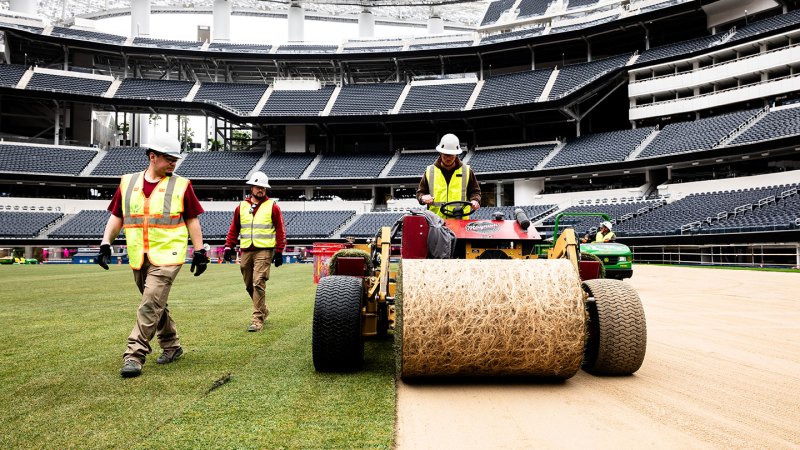
These grasses, which cover the ground like a carpet, are called sod. It’s grown at special farms. Most World Cup sod was planted between March and June of last year. It’ll be transported to the stadiums right before the games.
Some pitches may be less than two weeks old when the games begin. Players will be running atop grass that may have been grown 1,600 kilometers (1,000 miles) away, then shipped and installed in just a few days. And it must quickly root itself in place so that it stays put throughout punishing play.
The goal, says Rogers, is that when players step onto a field, they won’t know that a month earlier the grass had been on a sod farm in another state. The field should look and feel like it’s been there forever.
Take the stadium in Houston, Texas. It was hosting a rodeo through mid-April, just eight weeks before tournament play. Even “God,” Rogers says, “couldn’t get [the stadium owners] to give up the rodeo.”
Mature grass that is ready to be transported to soccer stadiums will be rolled up. Once it arrives at a soccer stadium in the spring of 2026, it will be unrolled and installed for World Cup soccer play.Nick Schrader/Michigan State University
Sod growers plant seeds into a special soil mix. Once the grass is dense enough to move, they typically cut through the lower roots. It’s a bit like slicing the icing off a cake. Cutting those roots shocks the plants. They normally have to recover before they can grow new roots and anchor themselves at a new site.
But this year, there’s no time for that. The solution: Sow grass seed in soil laid atop plastic, says Guevara. Once roots hit the plastic, they begin growing sideways and intertwine, she says. This creates an extremely strong sod. It’s a game changer for “instant fields.”
Grass is seen growing above a plastic trough. This setup makes it possible to install a natural grass field anywhere, even in an indoor stadium with no drainage. Spartan Magazine/Michigan State University
Shortly before the World Cup, the sod gets rolled up. No roots are damaged. “You’re literally peeling the plant up off the plastic, like you would peel pizza off a plate,” says Rogers. The roots are intact. No shock to the plant. Once installed at a new site, this turf can quickly send its roots down to anchor itself.
Sod rolls are huge — 1.1 meters (3.5 feet) wide and 10.7 meters (35 feet) long. Each weighs 1,600 kilograms (3,500 pounds), says Rogers. That helps them stay put. Growers have also been adding synthetic fibers into the grass to make it stronger. FIFA soccer fields in Europe and Russia have used such plastic-reinforced sod for several years, including in the last two World Cups.
Rogers doesn’t think his team’s strong sod needs the plastic bits. But they’ll use them anyway, since FIFA asked for it.
Below the sod, whether it’s laid indoors or out, will be a vacuum-ventilation system. It sends a flow of oxygen out to the roots of the grass. But it also hooks up to a line that drains water from under the field.
“If it’s raining really heavily, you can reverse [the flow] and create suction,” Sorochan says. That pulls water out through the bottom of the soil. In this way, he says, “you don’t get any standing water on the pitch.”
World-class grass care
Even perfect installation won’t guarantee a tip-top field. The new turf will need daily care to survive 40 days of whatever the weather and players throw at it.
Grounds crews will have to water, fertilize, mow — and groom it. “It’s a little bit like getting dirt out from under your fingernails,” says Rogers. Look at a normal field, and you’ll see dead plants or weeds between blades of grass.
Those intruders are a problem. As dead plants break down, they get slimy and affect how the ball rolls.
In a field used for pro soccer, says Rogers, grooming allows you to see the soil between each blade of grass.
Grounds managers tend to use data, such as on moisture, to guide their care, says Frank Rossi. He’s a turf scientist at Cornell University in Ithaca, N.Y. To be healthy and strong, the soil around the roots needs to stay moist. If allowed to dry, it will turn powdery and weak and risk blowing away.
Indoor stadiums, Rossi says, have an additional responsibility: prescribed light. If the light isn’t right, natural grass won’t thrive. So these stadiums will regularly roll out banks of lamps that imitate sunlight.
This LED lighting appears pink, though it’s a mix of hues. Sorochan says it’s 90 to 95 percent red light and 5 to 10 percent blue. The blue light is a bigger drain on electricity, he says. So a mostly red light is “the most economical, efficient way to grow grass.” But color also affects how grasses grow. Red “creates more of an elongated growth.” Blue leads to a shorter, sturdier plant — one that better tolerates foot traffic.
John Sorochan (left) and colleague Becky Bowling (right) collect research data on turfgrass growing under special pink LED grow lights in the FIFA Building, an indoor turfgrass research facility in Tennessee.Steven Bridges/University of Tennessee
From the pros to school and community fields
Turf science has been evolving, says Rossi. Today’s fields use less water and fewer resources. But to keep a natural field looking good, it’ll need plenty of upkeep. That includes mowing.
Frequent mowing keeps the grass dense and short, often around 3.8 centimeters (1.5 inches). The best mowing height differs for cool-season versus warm-season grasses, new research by the UT-MSU team finds. Mowing to the right height, Sorochan says, should ensure balls will bounce the same off of each type of grass and hold up to pounding foot traffic.
Paying grounds crews to mow can be costly, something many schools and communities find hard to afford. Seeing poorly maintained fields can make some people think artificial turf would be better.
However, those who switched to plastic turf, Rossi says, often “realized that the grass isn’t always greener on the other side.” Landing on artificial turf hurts more. It can be hard on a player’s legs. After hours in the sun, it also can get dangerously hot. Plus, it sheds plastic bits that pollute the environment.
To make natural grass more manageable, Rossi points to robotic mowing as an important innovation. These machines — the lawn equivalent of robotic home vacuums — now trim the grass on many athletic fields. Their benefit is huge for school districts and groups with lots of fields at different sites. The time saved by human mowers frees staff to do other maintenance, such as reseeding or even replacing sod in high-traffic areas.
Robotic mowing is just starting to take off, says Rossi. Frequent cutting with these small mowers makes turf healthier, one May 2025 study showed. And being lightweight, these devices don’t squish the soil as much as conventional mowers. Managers in Norman, Okla., are now using them on some university and community baseball fields. It helps keep their fields looking clean and green.
And yes, appearance matters — even at the World Cup. Once the players are happy, FIFA’s top priority for these fields is: How will it look on TV?
Rossi can’t wait for game day. And hopefully, everyone’s attention will be on the players and the games. All the effort and work that went into the grass will stay behind the scenes. If all goes well, he says, the fields are “never part of the story.”

 Login
Login