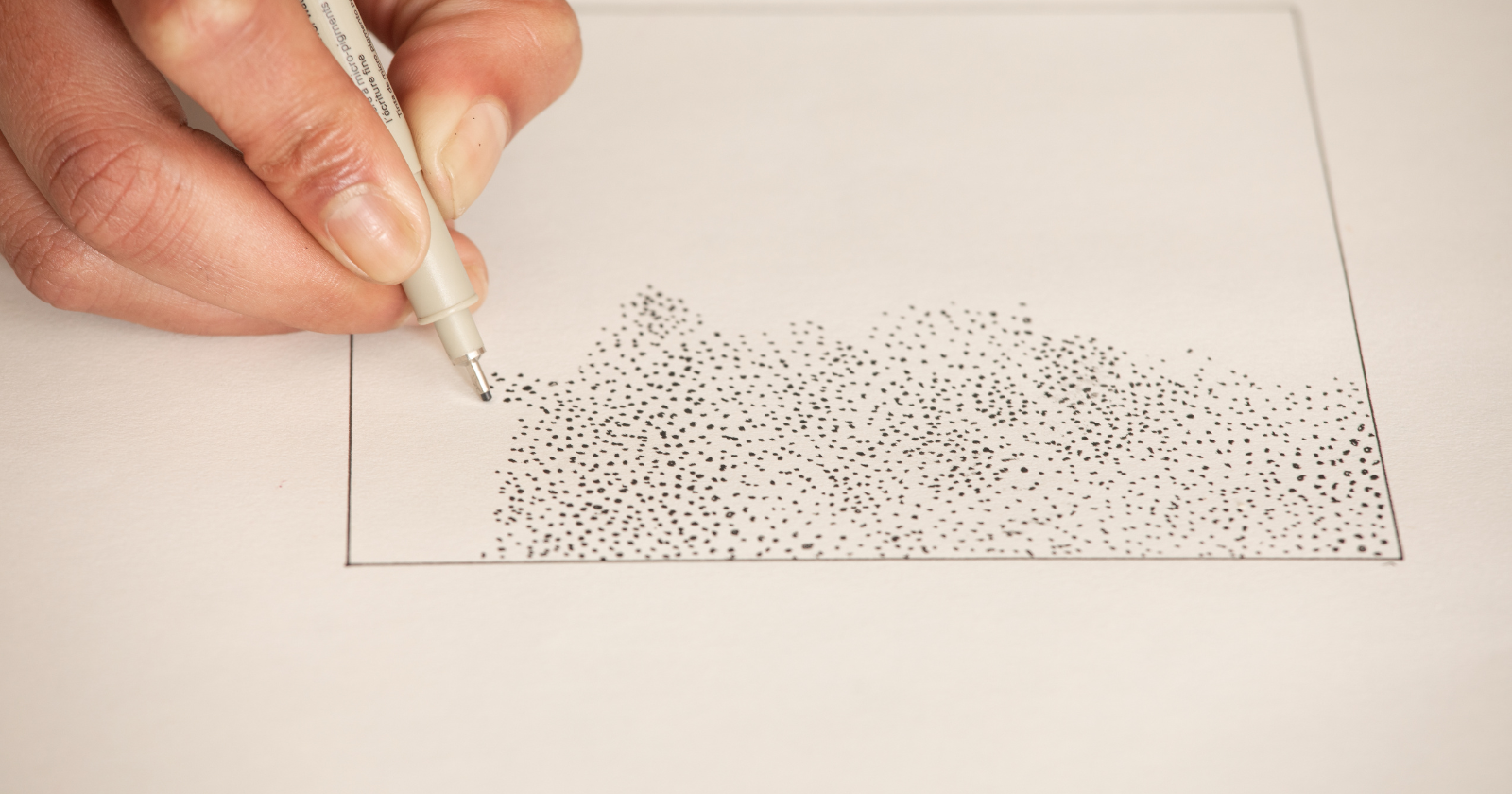
Normal view

A study of adults aged 62 to 92 found that basic motor control — drawing lines, placing dots — remains almost identical between people with and without cognitive impairment, meaning the hands stay capable long after the processes that organise thought have started to change

There is something quietly striking in the image. An older adult — perhaps 86, perhaps older — sits before a digitizing tablet and draws horizontal lines. The pen moves steadily across the surface. The lines come out clean and even. The hand does not falter. The hand, it turns out, does not know.

A new study published in Frontiers in Human Neuroscience has examined what happens to handwriting and motor control in older adults with and without cognitive impairment, and one of its most arresting findings is precisely this: when it comes to basic pen-motor tasks — placing dots on a surface, drawing horizontal lines — the two groups are effectively indistinguishable. The degradation of cognitive function that researchers can detect through standardized assessments leaves no measurable trace in the elementary mechanics of holding and moving a pen.

The basic motor infrastructure holds. What begins to separate the groups is something more demanding: the cognitive work that handwriting also requires.

What the study measured, and how

The research, led by Ana Rita Matias and colleagues at the Universidade de Évora and collaborating Portuguese institutions and published in May 2026, recruited 58 institutionalised older adults ranging in age from 62 to 99. Thirty-eight participants had been classified as cognitively impaired, with a mean age of 86.05 years. Twenty were cognitively healthy, with a mean age of 84.35 years. Cognitive status was established using two standard clinical instruments: the Mini-Mental State Examination and the Clock Drawing Test.

Each participant completed a series of tasks on a Wacom digitizing tablet fitted with an inking pen — a device that captures not just what is written but the kinematics of how it is written: pen velocity, pressure, the duration of strokes, the number of discrete movements, the pauses between them. This is the critical advantage of digital capture over conventional paper-based assessment. What the eye cannot see, the tablet records.

The tasks fell into two categories. The first were simple motor tasks: a dots task, in which participants were asked to place at least ten dots on the tablet surface within twenty seconds, and a lines task, in which they were asked to draw at least ten horizontal lines in the same time. These tasks required control of the pen but little else. No language processing. No memory retrieval. No composing of meaning.

The second category was more demanding: four handwriting-speed tasks involving the copying and dictation of sentences. Copying a sentence allows the writer to keep the source text in view. Dictation does not. The words arrive as sound, must be held in working memory, parsed for meaning, translated into motor sequences, and then committed to the page — all while the auditory trace is already fading.

Where the difference appears — and where it does not

The dots and lines tasks did not significantly discriminate between the two groups. This is the finding worth pausing on. Cognitive impairment, at the level where it is detectable by standard clinical tools, has not yet disrupted the peripheral motor system. The hand moves. The pen responds. The basic loop between intention and execution remains functionally intact.

The dictation tasks told a different story. Here the researchers found statistically significant differences between the cognitively impaired and cognitively healthy groups. One task in particular — referred to in the paper as WS3, a dictated sentence — produced the strongest discriminatory signal. Two features of the kinematic data were especially predictive: Duration, the total time taken to complete the task, and Number of Strokes, the count of discrete pen movements. Both variables significantly predicted cognitive group membership.

Participants with cognitive impairment took longer and produced more fragmented output — more individual pen movements to accomplish the same written result. The hand was still moving. But the coordination between the cognitive processes that organise language and the motor processes that execute it had become less fluent, more effortful, more interrupted.

As the authors write in their conclusion: “Handwriting kinematics, especially temporal and stroke-related features, are sensitive indicators of cognitive impairment when assessed under high cognitive–motor load.”

Why handwriting carries cognitive signal

Handwriting has attracted sustained interest from researchers studying cognitive decline precisely because it occupies a peculiar position: it is both a motor act and a cognitive one, and the two are difficult to disentangle by observation alone. The digitizing tablet changes that. By capturing kinematics in real time, it makes visible the hesitations, the micro-pauses, the multiplying strokes that a simple reading of the finished text would never reveal.

What the tablet captures, in effect, is cognitive load expressed through movement. When a task places high demands on working memory — as dictation does — the motor system has fewer resources available to it. The result is not necessarily illegible handwriting. The result is handwriting that takes longer, that requires more individual pen lifts, that shows the seams of the effort it took to produce.

The distinction between copying and dictation is not incidental to this research — it is the mechanism. Copying a sentence is primarily a perceptual-motor task. The writer looks at words and reproduces them. Dictation requires the writer to be, briefly, a language processor: receiving, holding, decoding, and transcribing without the safety net of visible text. That additional cognitive burden is where the between-group difference becomes measurable.

Earlier research in this area has identified kinematic features — pen velocity, in-air time, the ratio of time spent writing to time spent pausing — as markers that correlate with cognitive status in conditions including mild cognitive impairment and Alzheimer’s disease. What the Matias study adds is a careful separation between tasks that load the motor system alone and tasks that load the cognitive-motor system together. The separation clarifies which element of handwriting carries the diagnostic signal.

The case for handwriting-based screening

The researchers position their findings as support for digitally mediated handwriting tasks as screening tools for cognitive decline. The argument has practical force. A digitizing tablet is low-cost relative to neuroimaging and requires no specialist clinical infrastructure. Handwriting is, for most older adults, a deeply familiar act — ecologically valid in the language of assessment research, meaning it does not require participants to learn a new task or adapt to an unfamiliar paradigm. It is something people have done for decades, and the act of doing it again in a clinical or care context carries little of the anxiety or performance pressure that some formal cognitive assessments introduce.

For populations in institutional care — the population this study recruited — such considerations are not trivial. Fatigue, unfamiliarity, and distress can all contaminate cognitive assessment data. A brief handwriting task, completed at a table with a pen in hand, is a different kind of ask than a sustained battery of memory and attention tests.

The study also raises the possibility of longitudinal monitoring: repeated handwriting assessments over time could track subtle kinematic changes before they manifest as detectable impairment on conventional screening tools. The tablet captures what the eye misses. Over months or years, the data might record the earliest drift in the coordination between thought and hand.

What the hand does not know

The human detail at the centre of this research is the one that stays. An older adult draws horizontal lines on a tablet. The hand moves cleanly. The pen does not hesitate. By the measure of the task — ten lines in twenty seconds — the performance is equivalent to that of someone whose cognition, by clinical assessment, remains fully intact.

The hand, performing that task, is not reporting on what is happening elsewhere. The motor infrastructure is preserved. The elementary act of guiding a pen across a surface — the muscle coordination, the proprioceptive feedback, the fine motor loop that learned to hold a pen in childhood and has held one ever since — continues to operate as it has always operated.

What changes, and what the digitizing tablet can detect, is the integration. The moment handwriting becomes more than a motor act — the moment it requires the writer to hold language in mind, to compose and convert and commit — the kinematic signature of cognitive change begins to appear in the data. Not as tremor. Not as a loss of motor control. As duration. As the number of strokes it takes to get the words down.

The hands stay capable. The research is careful to say so. What shifts is the coordination between capability and the cognitive processes that direct it. That coordination, it turns out, is where cognitive impairment first makes itself legible to a machine that is paying close enough attention.

Produced with AI assistance. Reviewed by the Space Daily editorial team before publication.


The post A study of adults aged 62 to 92 found that basic motor control — drawing lines, placing dots — remains almost identical between people with and without cognitive impairment, meaning the hands stay capable long after the processes that organise thought have started to change appeared first on Space Daily.


Disgust Linked to Improper Waste Disposal, Study Finds

3 June 2026 at 17:56

A groundbreaking study emerging from the University of Gothenburg has shed new light on the persistent problem of improper waste disposal, revealing that the emotional response of disgust plays a critical role in shaping public behavior in shared environments. Traditionally, waste management failures have been attributed largely to social norms and carelessness. However, this new research emphasizes the powerful influence of sensory and emotional perceptions, particularly disgust sensitivity, on how individuals interact with waste disposal spaces.

The conventional wisdom posits that people’s waste disposal habits are mainly influenced by the behaviors of those around them—if littering is common, individuals are more likely to follow suit. While this social contagion effect is well-documented, it overlooks a vital psychological component: the visceral reaction humans have to unclean environments. When people perceive a space, such as a waste disposal room, as dirty or revolting, their discomfort and aversion can drive them to avoid engaging in proper disposal behavior, ironically exacerbating the original problem.

Dr. Jacob Sohlberg, a political scientist spearheading this research, explains that disgust—a fundamental human emotion designed to protect us from contamination—can paradoxically undermine environmental cleanliness. “People sensitive to disgust may actively avoid spending time in waste disposal areas if these spaces are perceived as repugnant, increasing the likelihood of haphazard waste disposal elsewhere,” Sohlberg notes. This new perspective shifts waste management research beyond the realm of pure social compliance and into the intricate interplay of human emotion and environmental cues.

The study focused on disadvantaged neighborhoods in Sweden, Finland, and Denmark, areas where littering is notably problematic and causes significant concern among residents. Prior empirical evidence uncovered that in these communities, residents view littering as a problem as severe as crime and unemployment, issues typically regarded as more pressing societal challenges. This underscores the urgency of addressing waste disposal inefficiencies comprehensively, taking into account not only social policies but human psychological tendencies.

The research team proposed three pivotal hypotheses. First, that unclean waste disposal environments heighten the incidence of improper waste disposal. Second, that individuals with heightened disgust sensitivity are disproportionately likely to dispose of waste incorrectly. Third, that the adverse effect of dirty surroundings on waste disposal behavior is magnified in those with high disgust sensitivity. These hypotheses guided a multifaceted research design involving field intervention, experimental manipulation, and large-scale surveys.

In a hands-on field study conducted over three weeks in Gothenburg, researchers allied with a local municipal housing company to observe waste disposal behavior in real time. Two waste stations were meticulously cleaned daily, while eight stations served as controls with no intervention. The results were revealing: stations subjected to extra cleaning saw a marked decrease in littering and erroneous waste disposal. Conversely, control stations showed no significant change, highlighting the tangible benefits of environmental maintenance on public behavior.

To directly examine the psychological mechanisms at play, the team designed a controlled experiment involving more than 300 residents from a disadvantaged Gothenburg neighborhood. Participants were exposed to images of either a pristine or a filthy waste disposal station. Those who viewed the dirty environment reported a significantly lower willingness to use the waste station properly, particularly among those scoring high on a disgust sensitivity scale. This experimental approach confirmed a causal link between perceived environmental cleanliness, disgust, and waste disposal intentions.

Expanding on these results, a third study reached over one thousand participants across socioeconomically challenged neighborhoods in Sweden, Denmark, and Finland through an online experiment that mirrored the earlier design. The data robustly supported the preliminary findings: perceptions of dirty waste disposal spaces increased self-reported intentions to mismanage waste, with disgust sensitivity intensifying this effect. Such consistency across different populations and methodologies affirms the generalizability of the emotional response’s role in waste behavior.

From a policy standpoint, this research translates into actionable strategies. Municipal authorities and housing agencies aiming to mitigate littering and improve waste management efficacy should prioritize the cleanliness and aesthetic quality of waste disposal areas. A well-maintained waste station not only encourages proper disposal but also fosters a community-wide perception of care and order, potentially creating a virtuous cycle of environmental stewardship and social norm adherence.

The societal implications of these findings extend beyond mere environmental tidiness. Cleaner waste disposal areas improve residents’ quality of life, enhancing neighborhood attractiveness and reducing public health risks associated with waste mismanagement. Moreover, better-managed waste systems facilitate the achievement of broader sustainability goals, lowering contamination risks and enhancing recycling efficacy.

Researchers anticipate that integrating psychological insights such as disgust sensitivity into urban planning and public health campaigns will refine waste management interventions. This emotionally informed approach moves beyond traditional messaging and enforcement, incorporating environmental design considerations that shape unconscious behavioral drivers effectively.

Ultimately, the research from the University of Gothenburg propels the discourse on waste disposal into new dimensions, showcasing the synergy between human psychology, environmental conditions, and collective action. It serves as a reminder that solving public sanitation issues necessitates nuanced understanding of both societal structures and the fundamental, innate emotional systems governing human behavior.

As cities worldwide grapple with mounting waste challenges, the integration of emotion-focused research provides a promising avenue to foster healthier public spaces. Keeping waste disposal environments not only clean but also psychologically inviting may very well be the key to reducing littering and promoting sustainable waste habits in vulnerable urban communities.


Subject of Research: Waste disposal behavior and disgust sensitivity in socioeconomically disadvantaged public environments.

Article Title: How Disgust Sensitivity Shapes Waste Disposal Behavior in Everyday Public Environments: Experimental and Difference-in-Differences Studies in the Nordic Countries

News Publication Date: 28-Apr-2026

Web References:
DOI Link

Image Credits: Photo: Emelie Asplund, featuring Jacob Sohlberg, political scientist at University of Gothenburg.

Keywords: Disgust sensitivity, waste disposal behavior, littering, public environment, environmental psychology, socioeconomically disadvantaged neighborhoods, waste management, recycling, behavioral intervention, urban sanitation.

I’ve been studying emotion regulation for 6 years, and I think the most practical skill you can learn is to notice your nervous system before your mind starts writing tragic fiction.

3 June 2026 at 16:00

Six years of studying emotion regulation has not given me what people tend to assume it would.

I am not unflappable. I don’t move through difficult days with particular grace. I still get activated by things that are, in the cold light of later, not as catastrophic as they felt in the moment. I still spiral sometimes. And I’ve made peace with the fact that the academic literature — as dense and illuminating as it is — doesn’t deliver anything resembling immunity from the ordinary turbulence of being a person.

What it has given me is something smaller and, I’ve come to think, considerably more useful: a particular kind of noticing. Not the dramatic insight that reorganises your inner life but the unglamorous, repeatable skill of catching something a fraction of a second earlier than you used to. That fraction of a second turns out to matter more than I would have predicted when I started this work.

The insight that keeps recurring across the research, across my own practice, and across everything I’ve read and studied is this: there is a gap between what your body does first and what your mind does with it. And most of us spend our lives living almost entirely in the second half of that sequence — in the story the mind has already written by the time we arrive — without ever clearly registering that the sequence has two distinct parts.

What the body does before the story begins

Here is what happens, physiologically, when you perceive a threat. Your nervous system registers something — a shift in tone, an unexpected message, a door that closes too firmly — and it responds before you have consciously processed what you’ve encountered. Heart rate changes. The chest tightens. Breath becomes shallower. These are not symptoms of a problem. They are the nervous system doing its job, providing information in the form of sensation.

The problem is not the signal. The problem is what the mind immediately does with it.

Given a physiological cue it cannot yet explain, the mind does not sit with the sensation and wait. It begins writing. It reaches for a narrative — quickly, efficiently, with remarkable confidence — and the narrative it reaches for tends toward worst-case. It assumes the threat is as large as the feeling suggests. It assumes permanence. It reads a single data point as evidence of a pattern. It extrapolates. And because the mind is very good at its job, the story it writes is coherent and internally consistent and feels, in the moment, like perception rather than interpretation.

By the time the spiral is well underway — by the time you’re three or four chapters into the tragedy the mind has constructed — the nervous system is no longer responding to the original cue. It is responding to the story. The story has become the signal. And so the physiological activation intensifies, which gives the mind more material to work with, which deepens the narrative, which intensifies the activation.

This is not pathology, though. This is the mind doing precisely what it evolved to do in environments where threat assessment needed to be fast and errors in the direction of danger were cheaper than errors in the direction of safety. But in contemporary life, the fictional elaboration often becomes more frightening than the initial cue ever was.

The science of intervening early

James Gross, whose process model of emotion regulation is among the most replicated and cited frameworks in the field, identified something that sounds obvious in retrospect but has profound practical implications: the earlier in the emotion-generative sequence you intervene, the less effort the intervention requires and the more effective it tends to be.

Gross distinguishes between antecedent-focused strategies — things you do before the emotional response has fully unfurled — and response-focused strategies, which are efforts to manage an emotion that is already in full expression. His research consistently shows that cognitive reappraisal, which involves changing how you interpret a situation and is largely antecedent-focused, is both more effective at reducing distress and less taxing to deploy than suppression, which attempts to manage the emotional response after it has already arrived.

Suppression works, after a fashion, but it costs more — physiologically, cognitively, over time.

The implication of this model is not complicated, but it is demanding: if you want to regulate emotion more effectively, you need to catch the process earlier. And you cannot reappraise something you haven’t yet noticed.

You cannot reappraise something you haven’t yet noticed. The gap between sensation and story is where the leverage lives — and most of us skip it entirely.

What state is the nervous system in?

Stephen Porges’s polyvagal theory — a framework that remains the subject of active scientific debate around its neurophysiological foundations, though its clinical applications are widely used — adds another layer to this that I find practically useful. Porges proposed that the autonomic nervous system operates in distinct states — not simply a binary of calm and aroused, but a more nuanced hierarchy. Ventral vagal activation is the state of felt safety, social engagement, openness. Sympathetic activation is the mobilised state: fight or flight, high energy, urgency. Dorsal vagal activation is the collapse state: freeze, shutdown, disconnection. These states are not chosen. They arise. But they are also not fixed — movement between them is possible, and specific practices can facilitate that movement.

What matters for the skill I’m describing is this: you cannot move deliberately between nervous system states if you don’t know which one you’re in. Noticing which state has been activated — and recognising it as a state, a physiological condition with a duration, rather than a permanent truth about your situation — is a prerequisite for everything else. It doesn’t resolve the difficulty. But it opens the possibility of a different relationship to it.

The body as the place to begin

Interoception — the capacity to notice and interpret internal bodily signals — is the underlying mechanism that makes any of this possible. Research has shown that interoceptive awareness is trainable, and that for many people, higher interoceptive accuracy is associated with better emotional regulation outcomes, including greater emotional clarity — though the research also notes that for those prone to anxiety, increased attention to bodily sensation requires care and is not straightforwardly beneficial. The ability to notice that the chest is tight, that the breath has changed, that the jaw is held — these are not trivial observations. They are, in a real sense, the data.

What the research also shows is that many people have spent decades being more attuned to what is happening around them than what is happening in them. The orientation outward — toward other people’s states, toward environmental cues, toward what is needed or expected — often develops at the expense of attunement inward.

The result is that the body’s signals arrive, but they arrive without being clearly received. They get interpreted directly as emotion, or as evidence of a problem, rather than as sensation that the mind is then working with. The sequence collapses into a single event, and the gap — the few seconds between physiological response and narrative elaboration — gets bypassed entirely.

The practical skill, specifically

The skill is not to stop the narrative. Stopping the narrative is hard, and it is largely unnecessary. The mind will write its stories. That is what minds do. The skill is to notice, in that brief window before the story has fully taken hold, that the nervous system fired first — and that what comes next is interpretation, not raw perception.

This window is small. A few seconds, sometimes less. It requires a kind of attention that has to be built, because it runs counter to the natural momentum of emotional activation, which pulls awareness into the content of the story rather than its origins. But the window exists. And locating yourself in it, even imperfectly, changes something about your relationship to both the sensation and the narrative that follows.

You are not trying to be unmoved. You are not trying to assess whether the threat is real. You are simply noting the sequence: the body fired first, and the story is subsequent. That noting — which sounds minor and possibly is — has the effect of creating a small distance from the narrative. Not dissociation. Not detachment. But enough space to recognise that what you are experiencing is a nervous system response plus a story the mind has constructed around it, and that these are two different things that can be considered separately.

How I came to know this in my body, not just my head

I want to be honest about something, because I think it matters. I understood this framework intellectually for a long time before it became practically useful to me. I could have explained Gross’s process model to you with accuracy and reasonable fluency well before I had any reliable ability to catch myself in the window he describes. Academic understanding and embodied practice are not the same thing, and in this area the gap between them is particularly wide.

What changed it for me was treating this as a body practice rather than a cognitive one. Not analysis during the activation — I was already doing that, and it wasn’t landing — but something slower and more physical: breath-based practices, body scanning, the deliberate cultivation of the habit of checking in with physical sensation at neutral moments throughout the day, so that the recognition of a bodily state became available as a skill when activation made it harder to access. The academic framing gave me the map. The practice gave me some ability to actually navigate.

I can now often catch the nervous system firing before the story has fully begun. Not always. There are days when I am well into the tragic fiction before I realise that’s what’s happening, and the best I can do is notice it mid-chapter rather than before the first line. But often enough that it changed something real about my relationship to difficult emotional experiences. The storms don’t pass faster, necessarily. But I am less confused about what I’m in the middle of, and that confusion, it turns out, was doing a significant amount of the damage.

The data and the interpretation

I want to close with this, because I think it is the part that matters most. The tragic fiction the mind writes in the wake of a threat signal is not necessarily wrong. The threat might be real. The fear might be warranted. The relationship might be in trouble, the situation might be genuinely precarious, the worst case might arrive. I’m not arguing for optimism as a regulatory strategy, and the research doesn’t support that either.

What I’m arguing for is a clearer relationship to the sequence. The nervous system gives you data. It tells you something registered as significant, something that warranted mobilisation, something that your body assessed as requiring a response. That is real information. But the mind gives you a narrative — an interpretation, a story built from the data and from memory and from pattern and from fear, woven together with remarkable speed and presented as obvious truth.

Both of these things matter. Neither should be dismissed. But they are not the same thing, and conflating them — treating the mind’s story as if it were the raw sensation — is where much of the unnecessary suffering lives.

Not all of it. But enough that the distinction seems worth making. The body told you something.

What the mind makes of that is a second step. And in between those two steps, for a few seconds that are easy to miss, there is a window that is worth learning to find.

The post I’ve been studying emotion regulation for 6 years, and I think the most practical skill you can learn is to notice your nervous system before your mind starts writing tragic fiction. appeared first on Space Daily.

The more I work with AI, the less interested I am in whether it’s conscious and the more interested I am in what happens to human consciousness around it

3 June 2026 at 15:00

Today, I came across a note on Substack by Karly V Studio that stopped me mid-scroll.

It was a single sentence: The more I work with AI, the less interested I am in whether it’s conscious and the more interested I am in what happens to human consciousness around it. 

That was it. No elaboration. Just the sentence sitting there. I read it three times, put my phone down, and spent the next hour thinking. This piece is the result.

There was a period when the question of AI consciousness felt genuinely live to me.

I have a background in psychology, I’ve spent years thinking about cognition and inner experience, and the question — does anything like experience accompany what these systems do? — seemed like one of the most interesting open problems of our moment.

I read the papers. I followed the debates. I found myself, occasionally, genuinely unsure.

At some point, without quite deciding to, I stopped. Not because the question got answered — it didn’t, and it may not for a very long time. But because a different question had started to feel more urgent, more observable, more real in my day-to-day life. Less philosophical, more immediate. The question I couldn’t stop turning over wasn’t about what’s happening inside AI. It was about what’s happening inside us when we’re around it constantly.

The question that displaced the other one

What happens to human consciousness when it operates alongside AI — not in the speculative sense, not the sci-fi sense, but in the specific, textured, daily sense? What happens to attention? What happens to the capacity to sit with uncertainty long enough to let it resolve into something? What happens to the experience of thinking something through, fully, from start to finish, when you know that a machine can generate fifty variations of your half-formed idea in the time it takes you to finish a sentence?

These aren’t rhetorical questions. I notice things now that I didn’t notice three years ago. A faint impatience when my own thinking feels slow. A slight deflation when I’ve worked something out and find that the AI had already gone there. A recalibration — gradual, unannounced — in what I expect thinking to feel like, and how long it should take.

Nicholas Carr documented something adjacent to this in The Shallows, his examination of how internet use rewires the neural pathways involved in reading and sustained attention. His argument, drawing on neuroscience and media theory, was that the medium isn’t just a vessel for content — it actively reshapes how the brain processes information. We adapted to search engines. We adapted to hyperlinks. The adaptation happened quietly, at the level of habit and expectation, and most of us noticed the change only in retrospect, if at all. AI is a different order of tool, but the principle holds — and may hold more sharply.

Cognitive offloading, turbocharged

There’s a well-established phenomenon in cognitive science called cognitive offloading — the tendency to stop retaining information you know you can retrieve later. We’ve done this with phone numbers for twenty years. We do it with dates, addresses, facts that used to live in memory and now live in a search bar. The research on this has been building for years, examining how external memory storage affects internal cognition and what we lose (and gain) when we outsource recall to devices.

What AI introduces is something more radical than retrieval offloading. It’s what I’d call reasoning offloading. You can now hand off not just “what is the capital of Portugal” but “work through the implications of this argument for me” or “tell me what I’m probably missing here.”

The cognitive steps between question and answer — the searching, the synthesizing, the holding of multiple possibilities in tension — can be skipped. The result arrives. The journey doesn’t happen.

I don’t think this is simply bad. There are genuinely liberating things about having a capable thinking partner available at all times. But I’d be lying if I said I hadn’t noticed a change in the texture of my own reasoning on the days I lean into AI heavily versus the days I work without it. There’s something different about the feel of an idea you arrived at slowly, on your own, compared to one you arrived at quickly, with assistance. I can’t prove that difference matters. But I notice it, and I think the noticing is worth something.

AI as an unexpected mirror

Here is the thing that has surprised me most, working with these tools as extensively as I do: being around AI has made me more aware of my own cognition, not less. The consciousness debate about AI centers almost entirely on whether the machine has inner experience. But there’s an underexplored symmetry at play. Being around something that processes, generates, retrieves, and responds at speed — without (apparently) any of the friction of genuine uncertainty, any of the experience of reaching for a word and not quite finding it — throws your own processing into relief.

I have started to notice the seams in my own cognition in ways I didn’t before. The moments where I’m genuinely generating something versus where I’m retrieving a cached response I’ve given a hundred times. The difference between thinking through a problem and pattern-matching to a solution I already hold. I had, before this, a vague sense that these were different activities. Working with AI has made the distinction feel specific and detectable. The tool, unexpectedly, became a mirror.

The observer the tool created

There’s something else specific that I’ve noticed, and it’s difficult to articulate without sounding either precious or alarmed, when really it’s neither. It’s more like: a thing worth paying attention to.

When you use AI for thinking tasks regularly, you start to notice the moment just before you think — the moment when you’re about to engage with a problem — and you catch yourself reaching for the AI instead. That pause, that noticing, is a form of metacognitive awareness that many people didn’t have access to before. The friction created the observer.

Metacognition — thinking about thinking — has a substantial research base linking it to better learning outcomes, improved self-regulation, and stronger decision-making, particularly when explicitly developed. What’s interesting about AI as a metacognitive prompt is that it’s not deliberate at all. It’s incidental. You reach for the tool. You notice yourself reaching. You get a brief, clear view of what you were about to do and why. That view is new. It wasn’t forced by a therapist or a mindfulness practice. It was forced by the availability of an alternative.

I don’t want to romanticize this. The pause doesn’t always lead anywhere useful. Plenty of times I notice it, ignore it, and hand the task over anyway — because that’s the right call, because the AI will do it better, because I have seventeen other things competing for the same attention. But sometimes the pause leads to a realization that I actually want to think this one through myself. That I’d lose something by not doing so. That the thinking is the point, not just the output.

What I’m watching

I’m not worried, exactly. I find all of this more interesting than alarming. The relationship between humans and cognitive tools has always been generative and strange — writing changed memory, printing changed authority, the internet changed attention, and we’re still sorting out what those changes mean. AI is the next chapter of that story, not a rupture from it.

But I’d rather pay attention to it than not. Because if the tool is changing the nature of thinking — changing what it feels like to have an idea, what it means to understand something, what we expect from our own minds — and we’re not watching that happen, we’ll notice the change only after it’s already settled in. Only after the new baseline has become invisible, the way all baselines eventually do.

The question of whether AI is conscious is still genuinely open. Smart people are still working on it, and I don’t dismiss it. But it has, for me, become the less pressing question. The pressing one is what’s happening in here — in the human mind that now has, available to it at all times, something that thinks alongside it, faster and without fatigue. What that does to attention, to patience, to the felt sense of cognition. What it makes visible that was always there. What it quietly changes that we won’t see clearly for years.

I’d rather be watching now.

And I’m grateful to the author of the Subtstack note for putting it into one sentence so cleanly that I had no choice but to think it through.

The post The more I work with AI, the less interested I am in whether it’s conscious and the more interested I am in what happens to human consciousness around it appeared first on Space Daily.

The case for jotting down a few things we are grateful for

3 June 2026 at 11:00

The image most of us have of a gratitude journal is a little precious. A leather notebook, a quiet corner, a candle maybe, and a person carefully composing several lines about the sunset and the smell of coffee. It looks like a ritual you have to earn the time for.

This was the image I used to have of it at least, and I think because it looks like that for some, many of us never start, or start once and quietly let it go.

When I went looking at the actual research on this, I expected it to be flimsier than the hype. It was, in fact, sturdier than I thought, and also much smaller and less precious than the candle version suggests.

A quick note before we go further: I am a curious generalist, not a psychologist. What follows is my reading of the research, not advice for your situation. The studies here are observational or short experimental trials, and population-level patterns are not promises about what any one person will feel.

The modern science of this traces back to a 2003 paper by Robert Emmons and Michael McCullough, “Counting Blessings Versus Burdens.” As put by the researchers, across three experiments, “gratitude-outlook groups exhibited heightened well-being across several, though not all, of the outcome measures across the 3 studies, relative to the comparison group.” The findings suggested that taking account of what we have in life has emotional and interpersonal benefits. 

The benefits are also well backed up by experts like those at UCLA Health who not that gratitude can help to reduce depression and anxiety, relieve stress and even improve heart health. 

But here’s the twist. Doing it more often does not always appear to be better. A frequency study led by Sonja Lyubomirsky, reported by the Greater Good Science Center, found that people who journaled once a week for six weeks felt happier afterward, while people who did it three times a week did not. The likely reason is the thing that quietly undermines most good feelings. As Emmons puts it, “We adapt to positive events quickly, especially if we constantly focus on them. It seems counterintuitive, but it is how the mind works.” That single line reframes the whole thing for me. The instinct, if you believe something is good for you, is to do it harder and more often.

The writing is something I think we should touch on, too. It’s not just a way of recording the gratitude, it seems. It might be where a lot of the work happens. Emmons describes it this way: “Writing helps to organize thoughts, facilitate integration, and helps you accept your own experiences and put them in context.”

I think most of us already feel grateful for things in a vague, passing way. The dog is fine, the work email got sorted, a friend texted back. These thoughts float by and dissolve. Putting one of them into a sentence forces you to decide what it actually was and why it mattered, and that small act of naming is what seems to give it weight. The guidance that has settled out of this body of work leans toward depth over breadth, one thing properly felt rather than ten things listed flat.

The reassuring thing is that the experts do not ask for the candle. Emmons is blunt about it: “You don’t need to buy a fancy personal journal to record your entries in, or worry about spelling or grammar.” And against all the tidy tips, he keeps one honest caveat in play, that “there is no one right way to do it.” That line matters more than any of the prescriptions around it, because it takes the pressure off getting it right.

So the version I would actually defend is almost embarrassingly small. A few lines, once or twice a week, on whatever is at hand. Not a ritual, not a system, just the act of jotting down a few things we are grateful for. 

If the reason you are reading about gratitude is that things have felt heavy lately, that is worth taking seriously. A journal is a fine thing, but a good therapist is a better one when the weight is real.

The post The case for jotting down a few things we are grateful for appeared first on Space Daily.

The conversation women aren’t having with their doctors about menopause and memory loss isn’t just overdue — it may be one of the most important health decisions of their fifties

Most conversations about menopause, to the extent they happen in a clinical setting at all, start and end at the same set of symptoms. Hot flashes. Night sweats. Sleep disruption. Mood changes. These are real, they are common, and for many women they are severe enough to significantly affect quality of life. But they are also, in an important sense, the surface of a much deeper physiological story — one that involves the brain directly, in structural and functional terms, and one that most women are not hearing from the people who are supposed to be helping them navigate this transition.

The cognitive dimension of menopause — the memory changes, the concentration difficulties, the particular kind of mental fatigue that many women in their late forties and fifties describe — has been systematically underrepresented in clinical guidance and research funding for decades. That is beginning to change, but the change is arriving slowly, and the practical consequence is that women are frequently left to interpret their own symptoms without context, without a framework, and without information about interventions whose effectiveness is, at this point, reasonably well supported by evidence — provided the timing is right. The timing, it turns out, is everything.

What the brain actually goes through

A 2026 review published in The Lancet titled “Advances in understanding of cognitive symptoms during menopause” brought together the current state of evidence on what happens neurologically during this transition, and the picture it presents is more specific and more structural than the popular understanding of menopause typically includes. Estrogen is not merely a reproductive hormone. It has well-documented neuroprotective effects — it supports synaptic plasticity, promotes the production of acetylcholine (a neurotransmitter central to memory and attention), and appears to modulate the brain’s inflammatory response. When estrogen levels decline during the menopausal transition, the brain is not simply losing a hormone. It is losing a system of support it has relied on throughout adulthood.

The structural consequences are measurable. Research cited by the Menopause Society has documented reductions in gray matter volume in the frontal and temporal cortex and in the hippocampus — precisely the regions involved in memory formation, executive function, and the ability to hold and manipulate information in working memory. These reductions are not subtle on a population level. They are consistent enough across studies to be considered a feature of the menopausal transition rather than an incidental variation. What this means, practically, is that the brain fog many women report during perimenopause is not psychosomatic, not a side effect of stress or poor sleep alone, and not a symptom that politely awaits acknowledgment before making itself felt in daily life.

The cognitive symptoms women are experiencing but not naming

There is a particular kind of suffering that comes from experiencing symptoms you cannot name, in a domain where your reports have historically been met with skepticism or normalization. Many women going through perimenopause describe a cognitive texture that is difficult to articulate precisely because it is diffuse — not a single dramatic deficit but a constellation of subtle difficulties that compound over time. Forgetfulness that feels qualitatively different from ordinary absentmindedness. Difficulty holding a thread of thought through a complex task. A kind of mental friction that wasn’t there before, an extra effort required to do things that previously felt automatic.

The research vocabulary for this cluster of experiences covers attention, working memory, verbal memory, and executive function — all the cognitive capacities associated with the prefrontal and hippocampal regions where gray matter reductions have been documented. The SWAN (Study of Women’s Health Across the Nation) cohort, which has followed women longitudinally through the menopausal transition for over two decades, found that cognitive performance declines measurably during perimenopause. Crucially, the SWAN data also suggests that this decline may not be permanent — there is evidence of possible reversal, or at least stabilization, in the postmenopausal phase as the brain adapts to its new hormonal environment.

That potential reversal is important information. It means that what women experience during perimenopause is not necessarily a preview of permanent cognitive decline but a transition period with its own arc — one that the brain navigates, imperfectly and with varying degrees of difficulty, toward a new equilibrium. The problem is that understanding this arc, and making informed decisions about whether and how to intervene, requires a conversation that is not yet happening routinely in clinical settings.

The timing problem with hormone therapy

The most consequential piece of information in the current evidence base — and the one most likely to remain unshared in a routine clinical visit — is that the effectiveness of hormone therapy for cognitive outcomes is not uniform across time. It depends critically on when treatment is initiated, and the window during which initiation appears most beneficial is the same window during which most women are still actively navigating the transition and most actively need support.

An observational study published in Neurology found that estrogen therapy initiated in midlife — during or shortly after the menopausal transition — was associated with improved verbal memory. The same intervention initiated later in life showed no such association. This is not a minor calibration note. It is a fundamental characteristic of how the intervention works, and it means that a woman who waits until her sixties to discuss hormone therapy with a doctor, perhaps because the cognitive conversation never happened in her fifties, may have missed the window during which that therapy could have meaningfully supported brain health.

This timing dependence is sometimes described as the “critical window hypothesis” — the idea that the neuroprotective effects of estrogen are most available when the brain’s estrogen receptors are still responsive and the menopausal transition is still underway. The research supporting this hypothesis is actively contested. A 2025 meta-analysis in The Lancet Healthy Longevity, applying stricter risk-of-bias criteria, found no evidence for a cognitive benefit tied to the timing of hormone therapy. Other analyses, including a Weill Cornell meta-analysis of 34 randomised trials, found timing-dependent effects on verbal memory for certain formulations. The broad signal is present in parts of the literature, but it is not yet settled science. Individual variation, hormonal formulation, and interaction with other risk factors all affect outcomes in ways the research has not fully resolved.

But the broad signal — that earlier intervention is more effective than later intervention for cognitive outcomes — is consistent enough that leading researchers have begun calling explicitly for earlier, more routine discussion of these options with patients.

The UK Royal College of Obstetricians and Gynaecologists identified the cognitive effects of menopause as one of its top ten research priorities — a designation that reflects both the seriousness of the issue and the relative thinness of the clinical infrastructure currently built around it.

Why the conversation isn’t happening

The reasons the conversation isn’t happening are multiple, and none of them are particularly flattering to the systems involved. Menopause has historically been undertreated and under-researched relative to its prevalence and impact. The WHI study of the early 2000s, which raised concerns about hormone therapy and was widely interpreted as a broad warning against it, cast a long shadow over the field — even though subsequent analysis substantially revised that picture, particularly for younger women and for the specific question of cognitive outcomes. That shadow has been slow to lift from clinical practice.

There is also the matter of consultation time. A standard appointment is not well structured for a conversation that requires explaining neurological mechanisms, walking through evidence about timing and formulation, discussing individual risk factors, and arriving at a genuinely informed decision. Many women do not bring the cognitive symptoms up, partly because they are uncertain whether they are real or significant, partly because they have absorbed the cultural message that menopause is something to be endured rather than managed. And many clinicians, even those who are receptive, do not ask — either because it falls outside their training, because they are uncertain of the evidence, or simply because the appointment ends before the topic arises.

What changes if the conversation does happen — earlier, more routinely, and with better information on both sides — is that women can make decisions about their own brain health during the window in which those decisions carry the most weight. Not all women will want or be appropriate candidates for hormone therapy. There are legitimate individual differences in risk profile, personal preference, and clinical judgment that should shape those decisions. But the decision cannot be made well if the information never arrives. The current situation, in which timing matters enormously and most women are not told that timing matters, is not an acceptable equilibrium — and the evidence base is strong enough that calling for more routine clinical discussion is not premature.

The post The conversation women aren’t having with their doctors about menopause and memory loss isn’t just overdue — it may be one of the most important health decisions of their fifties appeared first on Space Daily.

Laughter activates many of the same brain reward circuits as food and sex, and a 2025 study finds it measurably lowers cortisol and may restructure how the developing brain builds resilience to stress

We tend to think of laughter as a social performance — the audible signal that something is funny, the punctuation on a joke well received. Even people who study emotion professionally can drift into treating laughter as essentially expressive, as the outward visible surface of an inner state. But a growing body of research is pushing back against that framing, and the pushback is coming from neuroscience rather than philosophy.

Laughter, it turns out, is a biological event with measurable consequences for the hormonal environment, the neural reward system, and — in the case of children — the actual architecture of the developing brain. It is not merely the sign of a good mood. It is, in important respects, a driver of one.

A 2026 book, “The Brain Loves to Laugh” by Dr. Jacqueline Harding, an early childhood researcher at Middlesex University, published by Routledge, brought a degree of biological specificity to this question that has rarely been attempted at the developmental level. Harding’s analysis synthesized research across neuroscience, developmental psychology, and endocrinology to ask what laughter does to the brain — not in the abstract, but in the physiological and structural sense, and particularly during the period when the brain is most susceptible to experience-dependent shaping. The findings complicate the idea that laughter is something that happens to children. They suggest it is something that happens inside them, at a level that shapes who they become.

The reward circuit connection

One of the more striking findings in Harding’s analysis is the mapping of laughter onto the brain’s mesolimbic reward system — the same distributed network activated by food, sex, social bonding, and other stimuli that evolution has decided are worth pursuing. This is not a metaphor about how laughter feels good. It is a description of neural architecture. The experience of genuine laughter recruits the ventral tegmental area, the nucleus accumbens, and the prefrontal cortex in patterns that overlap substantially with other primary rewards. Dopamine is released. So are serotonin, endorphins, and oxytocin.

What this means, from a developmental standpoint, is that laughter is not a secondary or incidental feature of a child’s emotional life. It is wired into the same motivational circuitry that drives learning, attachment, and the pursuit of pleasure more broadly. The child who laughs is not simply reacting — their brain is generating the same neurochemical conditions associated with reward and approach behavior that are foundational to motivated engagement with the world.

This helps explain something that developmental researchers have noted for decades but struggled to fully account for: the surprising intensity with which young children seek out the experiences and people that make them laugh, long before they have language to explain why.

It also reframes laughter’s developmental timeline. Laughter precedes speech — children laugh reliably before they produce words, and the emergence of shared laughter between caregiver and infant is one of the earliest markers of social bonding. The fact that this emerges so early, and that it maps onto the same reward circuitry as other primary biological drives, is not coincidental. It appears to be how the social brain bootstraps itself into function before language is available to do the same work.

What the cortisol data shows

Beyond the reward system, Harding’s analysis is specific about what laughter does to the hormonal environment — and the finding that has attracted the most attention is the effect on cortisol. Cortisol is the primary stress hormone in humans, produced by the adrenal glands in response to perceived threat or demand. It is not inherently harmful — cortisol plays important roles in metabolism, immune function, and alertness — but chronically elevated cortisol is associated with a wide range of negative outcomes, and in developing children, sustained cortisol elevation has particular consequences for neural development that research has tracked with increasing precision.

Laughter, Harding’s analysis found, physically lowers circulating cortisol. This is not a claim about mood or subjective wellbeing. It is a measurable change in the hormonal environment, and it comes paired with a reduction in epinephrine — the other major stress-response neurochemical — while simultaneously raising the neurochemicals associated with positive affect and social connection. A systematic review and meta-analysis of interventional studies on spontaneous laughter and cortisol levels provides convergent evidence for this effect across populations, and a 2025 meta-analysis of laughter interventions in children found large effect sizes for anxiety reduction in pediatric patients — specifically in hospital settings using structured clown-therapy interventions. This suggests the hormonal mechanism has meaningful real-world consequences, not just lab-based correlates.

The phrase “physically lowers cortisol” is worth pausing on. It is not unusual, in popular writing about emotional states, to describe psychological experiences in language that implies biological reality without committing to it. The research here does commit. When a person laughs — genuinely laughs, not a performed social laugh but the involuntary kind — the body produces less of the hormone associated with threat-response and more of the hormones associated with approach, bonding, and reward. That is a biological event. Its consequences are biological consequences.

How this restructures the developing brain

The most significant dimension of Harding’s analysis, from a developmental perspective, is the argument about what repeated emotional experiences do to the architecture of a young brain. Early emotional states, she argues, do not merely pass through a child — they become embedded in its neural structure. The brain develops in the context of its dominant emotional environment, and the circuits that are most frequently activated during early childhood are the circuits that develop most robustly. This is a version of the Hebbian principle — neurons that fire together wire together — applied to affective experience at scale.

The implication is that a child who experiences frequent shared laughter is not simply having more pleasant moments than a child who does not. They are developing, gradually and through repetition, a brain that has built stronger infrastructure around the states associated with those moments: reward, safety, approach, connection, the resolution of playful tension. The prefrontal network that laughter activates — and that humor, as a cognitively demanding activity requiring the resolution of conflicting ideas, exercises with particular intensity — is the same network involved in executive function, emotional regulation, and the management of stress.

This last point about humor as cognitive work is underappreciated. Harding’s analysis notes that humor is genuinely demanding — understanding a joke requires holding two incompatible frameworks simultaneously and resolving the incongruity between them. That is not a trivial cognitive task, and doing it repeatedly appears to exercise the neural machinery of flexible thinking in ways that have downstream effects on cognitive and emotional resilience. The child who laughs a lot is, in this account, also a child whose brain is being worked in particular ways that matter for development.

The co-regulation dimension of this is equally important. When an adult and child share laughter — when the adult’s face and voice and body communicate delight, and the child’s nervous system responds to that signal — what is happening is not merely bonding in the social sense. Research into parent-child co-regulation during positive shared experiences — including play and laughter — has found measurable physiological coordination between caregiver and child, including heart rate alignment and coordinated brain activity, suggesting their nervous systems are actively attuned during these moments.

The child’s limbic system is, through that alignment, acquiring a working model for what regulated emotional states look like and feel like — a model it can eventually deploy independently. Co-regulation through shared joy is, in this sense, a form of instruction in self-regulation that requires no words and no deliberate teaching.

What remains when the laughter fades

There is a temptation, when encountering research like this, to reach immediately for prescriptions — to convert findings about laughter and neural development into a program, a set of recommendations, a checklist of things parents should do more often. That is probably not the most useful response to what the science is showing. The research does not describe a deficit to be corrected. It describes a mechanism that is already operating in most children’s lives, in the ordinary texture of play and silliness and shared delight that tends to happen naturally when adults and children spend time together without too much pressure on either side.

What the neuroscience adds is a more accurate description of what is actually happening during those moments. The child who collapses in giggles is not simply expressing happiness. Their hypothalamic-pituitary-adrenal axis is producing less cortisol. Their reward network is receiving a signal that the present moment is safe and worth approaching. Their prefrontal circuitry is being exercised in ways that contribute to cognitive flexibility and emotional regulation.

Their nervous system is synchronizing with the nervous system of the person laughing with them, and that synchrony is building a model they will carry forward. None of this requires anything more complicated than what most adults, at their best, already bring to the children in their lives. The science is not an instruction manual. It is an explanation for something that was already working.

The post Laughter activates many of the same brain reward circuits as food and sex, and a 2025 study finds it measurably lowers cortisol and may restructure how the developing brain builds resilience to stress appeared first on Space Daily.

Scientists Locked ‘Virtual’ Astronauts in a Moon Base with Equipment Failures, Moonquakes and Extreme Radiation. Here’s What Happened.

29 May 2026 at 12:49


When George Mason University‌‌ scientists ran thousands of virtual simulations looking for the best ways to optimize group dynamics in future Moon bases, including NASA’s planned ARTEMIS mission base facility, they found that smaller crew sizes and longer mission durations adversely affected task completion, whereas shorter missions and frequent astronaut replacement mitigated challenges.

The Moon base simulations also found that extreme events such as moonquakes and radiation exposure increased group stress, resulting in what they described as an “emotional penalty that is applied multiplicatively” to the likelihood that the entire crew would execute the task.

Although the team behind the model reported no scenarios that resulted in a complete Lord of the Flies-level breakdown of crew cooperation, they said that their simulations explored the internal human and external environmental factors “that are more likely to lead to sustainable versus catastrophic scenarios on the Moon in the next couple of decades,” including planned NASA missions to the Moon and Mars as well as the burgeoning commercial space market.

Virtual Astronauts Evaluated on Task Performance

In a published paper detailing the study’s results, the George Mason University team behind the Lunar Base simulations noted that recent technological advancements and the emergence of the burgeoning commercial space industry “have led to substantial leaps in planning for future space missions.”

“The largest planned upcoming mission is the Artemis program, supported by NASA and the international Artemis Accords, which aims to create the first permanent human presence on the Moon and in deep space (the Moon to Mars architecture),” the study authors explain.

While engineers will test and plan for potential equipment failures, the authors also note that the success of any future base on the Moon, Mars, in orbit, or elsewhere in deep space will depend on how well the astronauts interact with each other in an extremely challenging environment. This gap led researcher Raymond Vera and colleagues at George Mason University in Virginia, USA, to develop their agent-based module (ABM) simulation tool for the Lunar Base.

According to the study authors, the model’s main objective is to “simulate a theoretical lunar mission environment” including the primary surface habitat (Moon Base) and the orbiting Gateway station, “for astronauts to perform relevant space mission tasks.”

“The successful completion of the mission is measured by task performance, which is significantly influenced by cognitive skills, psychological state, and interpersonal relationships, in addition to the exogenous factors of the extreme environment,” they explain.

Different Personality Types and Skillsets Improve Simulation Accuracy

To make their simulated astronauts as realistic as possible, the George Mason team said they randomly assigned each one with “DISC personality types” such as dominant, influential, steady, or conscientious. The virtual astronauts were also given different professional skills, physical health parameters, and what the researchers termed “other characteristics.”

With their virtual astronauts programmed and ready, Vera’s team had to create the perfect simulated Moon base, complete with task assignments, base operations requirements, and environmental factors gleaned from previous isolated, extreme environment missions and simulations.

moon base lunar base
Lunar Base ABM input-output flow diagram. This diagram illustrates the mapping between exogenous parameters (left, in blue), endogenous astronaut and task-related parameters (top and bottom, in red), and the model output indicators (right, in green). The flow of information represents how simulation inputs are processed to generate key performance metrics such as TLX score, coping capacity, tension, and task completion. Image Credit: Vera et al., 2026, PLOS One, CC0 (https://creativecommons.org/publicdomain/zero/1.0/)

“Drawing from the literature on proxy environments (extreme environments on Earth (i.e., Antarctica), space analogs, and past space missions), and on theories of small group complex systems and team science, we created a highly probable representation or simulation of expected social interactions between astronauts, and astronauts with the lunar environment for the Artemis program (i.e., Artemis IV (Lunar Gateway) and Artemis V (Lunar South Pole Base)),” the study authors explained.

Like real humans, the virtual astronauts learned to adapt over time in response to interpersonal dynamics and environmental conditions, becoming more efficient at performing routine tasks. These improvements resulted in the virtual astronauts advancing in skill level over time.

Because the Moon, Mars, and space itself are all challenging environments for humans, Vera’s team periodically introduced ‘extreme’ events into the virtual astronauts’ daily routine. In more basic scenarios, the astronauts had to work together to overcome broken equipment or a malfunctioning rover. During more challenging conditions, the virtual astronauts inhabiting the simulated Lunar Base were exposed to moonquakes and “intense radiation events.”

Thousands of Simulations Including Moonquakes and Radiation Events

First, the researchers noted that “Monte Carlo simulations consisting of tens of thousands of iterations show trade-offs in productivity and psychological well-being.” For example, a subset of the thousands of Moon base simulations involving more mundane tasks was mostly successful, with compatible personality and skill types working together to complete tasks accurately and in a timely fashion.

However, as mission duration became extended, incidents of task failure and virtual astronaut stress increased. To address this issue, a statement announcing the findings noted that “increasing crew size helped to optimize advancement in professional skill levels and boosted chances of teamwork-enhancing personality compatibility.” In short, adding more virtual astronauts with more diverse skills and personality types to the existing group of overworked or overtasked astronauts helped to stabilize the base’s operations.

To evaluate psychological health, the model evaluated coping capacity (the astronaut’s internal emotional state), and group tension defined by the researchers as “interpersonal strain.”

“These factors change over time based on personality interactions, environmental stressors, and unexpected activities,” the researchers explained.

For example, while increased crew size and improved virtual astronaut skills “boosted chances of teamwork-enhancing personality compatibility,” the team found that factors such as “longer mission duration and lack of astronaut replacements” introduced unnecessary psychological stress that “decreased performance on mission tasks” across the entire crew.

When the virtual astronauts experienced more extreme events, such as simulated radiation or moonquakes, they showed increased signs of stress, including reduced coping capacity and higher tension levels. The researchers said this convergence of stresses and reduced coping capacity can add up over time, resulting in an “emotional penalty that is applied multiplicatively to the task execution likelihood.”

“Scenario analysis shows that increasing crew size results in optimizing skill specialization and increasing the chance of teamwork personality compatibility,” the team explained in their findings. “In contrast, prolonged mission durations, higher learning rates, and the absence of astronaut replacements introduces additional psychological stress resulting in a decrease of task performance.”

Human Factors Increasingly Important in the Commercial 21st Century Space Age

The researchers suggested that future efforts could include examining the physiological effects of extended space missions and communication delays with Earth, which can reach several minutes depending on the base’s distance.

When discussing the implications of their work, the team said that using simulations like theirs “demonstrates how agent-based modeling can help mission planners evaluate operational resilience, team structures, and workload dynamics in support of future lunar exploration.”

“As humanity prepares to establish a permanent presence on the Moon, understanding human behavior becomes just as important as understanding engineering systems,” the study authors conclude. “Although human psychology and team science have been crucial for the success of past space missions, from the Apollo program and Skylab to the Space Shuttle (STS) and the International Space Station (ISS), human factors and social behavior will become even more ubiquitous and essential for space missions in the new era of commercial space.”

The study “Lunar base agent-based modeling – A benchmark for simulating crewed space missions” was published in PLOS One.

 Christopher Plain is a Science Fiction and Fantasy novelist and Head Science Writer at The Debrief. Follow and connect with him on X, learn about his books at plainfiction.com, or email him directly at christopher@thedebrief.org.

Cannabis, Not Psychedelics, Is the Most Common Microdosing Drug in the U.S.

13 May 2026 at 13:12


Microdosing is typically associated with psychedelics, specifically small, sub-perceptual doses of psilocybin or LSD that some people use to improve focus, mood, or anxiety. However, a new national survey upends this common association.

A research team at the University of California, San Diego, found that cannabis is the most widely microdosed substance in the United States. An estimated 24 million adults reported having microdosed cannabis at some point, nearly double the number who reported microdosing psilocybin or LSD. The study, published in the American Journal of Preventive Medicine, is among the first to examine national patterns of microdosing across multiple substances.

“Microdosing is often discussed in the context of psychedelics like psilocybin or LSD, but what surprised us most was that cannabis microdosing was almost twice as common,” said Kevin Yang, MD, a resident physician in the Department of Psychiatry at UC San Diego School of Medicine and first author of the study. “That suggests conversations about microdosing may be overlooking a large group of people who are using small amounts of cannabis in similar ways.”

Survey Results

The team surveyed 1,525 adults across the U.S. in late 2023 using a probability-based panel designed to reflect the U.S. population to understand these trends nationally. They asked people whether they had ever intentionally taken very small amounts—roughly one-fifth to one-twentieth of a usual recreational dose—of substances like cannabis, psilocybin, LSD, or MDMA. The idea behind microdosing is to avoid the strong psychoactive effects while still hoping for subtle benefits.

About 9.4% of adults said they had microdosed cannabis at some point, compared to 5.3% for psilocybin, 4.8% for LSD, and 2.2% for MDMA. While fewer people reported currently microdosing, cannabis still led the way, with 3.3% of adults saying they use it in this way now.

People’s reasons for microdosing varied depending on the substance. Most cannabis microdosers said they were looking for medical benefits, like easing anxiety, depression, or chronic pain. On the other hand, those who microdosed psychedelics or MDMA tended to be after a gentler version of the recreational effects, rather than using them for health reasons.

Mental Health and Policy Patterns

The study found that people who rated their mental health as poor were more likely to report microdosing any substance. About 21% of adults with poor mental health said they had microdosed cannabis, compared to about 8% of those who described their health as excellent.

It is not yet clear whether people are microdosing as a way to cope with mental health challenges or for other reasons. Since the study was cross-sectional, capturing data at a single point in time, the researchers could not determine whether microdosing influences mental health or if people with mental health concerns are simply more drawn to the practice.

The study also found that people microdosed psychedelics more often in places that have decriminalized possession. This suggests that changes in policy may influence both access to these substances and people’s willingness to report using them.

The Evidence Gap

Although many people report microdosing, the researchers note that scientific evidence of its effects remains limited. Researchers have conducted few placebo-controlled trials, and those studies have produced inconsistent results so far. Most people who microdose do not test their substances, which raises concerns about contamination and dosing mistakes, especially with unregulated psychedelics.

Senior author Eric Leas, PhD, MPH, an assistant professor at the UC San Diego Herbert Wertheim School of Public Health, pointed to a gap between public enthusiasm and clinical evidence. “There’s a lot of anecdotal enthusiasm around microdosing, especially for mental health,” Leas said. “But we still need rigorous studies to determine whether these perceived benefits are real, who might benefit and what the potential risks could be.”

These findings come at a time when cannabis legalization and psychedelic policy reforms are changing laws across the United States. As these changes continue, the researchers emphasize that understanding how and why people microdose will become increasingly important.

Austin Burgess is a writer and researcher with a background in sales, marketing, and data analytics. He holds an MBA, a Bachelor of Science in Business Administration, and a data analytics certification. His work focuses on breaking scientific developments, with an emphasis on emerging biology, cognitive neuroscience, and archaeological discoveries.

“This Compound Can Selectively Dampen Escalated Social Conflict”: Fish ‘High’ on Key Ingredient in Magic Mushrooms Become Lazy and Less Aggressive

13 May 2026 at 13:03


A team of Canadian researchers studying the possible anxiety-reducing effects of psilocybin, the psychoactive ingredient in so-called magic mushrooms, has revealed that the chemical compound makes an innately aggressive species of fish less aggressive and lazier compared to undrugged fish without reducing its overall social activities.

The research team behind the discovery said future research will be needed to confirm their findings, explore how the active ingredient in magic mushrooms alters neural signaling, identify the active serotonin pathways involved in these behavioral changes, and determine why certain behaviors are altered by exposure while others appear to remain unaffected.

Testing Magic Mushrooms to Evaluate Changes in Fish Aggressiveness

According to a statement announcing the research, over 200 mushroom species contain the active compound psilocybin. The majority of these species belong to the genus Psilocybe, including the well-known magic mushrooms popularized in the counterculture era for their psychoactive properties.

When this substance is ingested by mammals, it can bind to serotonin receptors that are involved in the regulation of behavior and emotions. Notably, these chemically induced changes can affect aggression, appetite, and overall mood. However, the researchers note, the effect of psilocybin on animals “remains largely undescribed.”

Since conducting experiments on human subjects poses significant challenges and limitations, the researchers examined whether these behavioral and mood changes also occur in fish. This led the team to choose the amphibious mangrove rivulus (Kryptolebias marmoratus), which they described as “innately aggressive,” especially when paired with another fish.

magic mushrooms psilocybin aggressive fish
A mangrove rivulus fish. Credit: Vassil, CC0, via Wikimedia Commons.

“Their aggressive behaviors are straightforward, and subtle changes can easily be detected,” the team explained. “Therefore, this model ensures all observed effects are caused by psilocybin treatment rather than genetic differences between fish.”

‘Dosed’ Fish Appear to Selectively Reduce Energetically Costly Behaviors

After selecting three genetically distinct laboratory-bred lines of mangrove rivulus, they exposed one to psilocybin, whereas the second line served as  “stimulus fish,” intended to trigger behaviors in the ‘drugged’ fish. The team said that the third selected line was used to “quantify whole-body concentrations and absorption of psilocybin” rather than for behavioral evaluation.

During the experiment’s first phase, fish from the first group were placed in a tank already containing the second line of ‘stimulus’ fish. Critically, the two groups were separated by an opaque cover placed over a fiberglass mesh barrier. The researchers said this arrangement allowed the fish to see and smell each other but prevented direct contact.

During this five-minute adjustment period, the team measured behavior to establish a baseline. When the five minutes expired, the barrier was removed, and the interaction between the two fish groups was closely monitored for signs of behavioral or mood changes.

Twenty-four hours after the first phase was completed, the team placed the fish from the first ‘focal’ group in a water tank containing dissolved psilocybin. The fish remained in the psilocybin-enriched tank for 20 minutes to ensure sufficient saturation, then were returned to the tank with the stimulus fish from the previous day’s experiments. Like before, the fish remained separated for five minutes by the opaque mesh barrier before it was removed.

Once again, the team monitored interactions between the two groups to determine whether the ‘drugged’ fish exhibited any behavioral changes. They also looked for potential clues to the fish’s mood. This included measuring the time the fish spent moving and their aggression levels, such as the frequency of swimming ‘bursts’ toward other fish.

According to the researchers, when they compared the fish in the first group’s activities before and after exposure to psilocybin, several changes were observed. Among the most prevalent was an overall reduction in activity after exposure to magic mushrooms’ key ingredient.

“Dosed fish (spent) less time moving than control fish when paired with a conspecific,” they explained, “and performed fewer swimming bursts compared to specimens that hadn’t received psilocybin treatment.”

The study’s senior author, Dr. Suzie Currie, a biologist at The University of British Columbia, defined swimming bursts as “high‑energy attack behaviors that represent an escalation of aggression towards the stimulus fish” but stop short of making physical contact.

“Other types of aggressive behaviors, like head‑on displays, are more about communication and social assessment and require very little energy,” Dr. Currie explained.

The study’s first author, Dayna Forsyth, a research associate and former MSc student at Acadia University in Nova Scotia, said the calming effect of psilocybin observed during their experiments appeared to “selectively reduce energetically costly, escalated behaviors” while other social display behaviors that require less energy remained largely unchanged.

“This suggests that this compound can selectively dampen escalated social conflict rather than shutting down behavior altogether,” Forsyth added.

Reducing Escalated Aggression Without Suppressing Social Interaction

When discussing the implications of their findings, Forsyth said their findings show that an acute, low dose of the active ingredient from magic mushrooms “significantly reduces activity and aggressive attack behavior during social interactions in adult mangrove rivulus fish.” The research added that the observed change was particularly significant, as the selected fish is a “naturally highly aggressive” species.

“These findings provide the first evidence that psilocybin can selectively reduce escalated aggression in a vertebrate model without suppressing social interaction,” added Currie.

When discussing the potential long-term impacts of their findings, the team said their work can provide “robust results” that can, in theory, ultimately be translated to humans. They also noted that their work could “help inform therapeutic research” by helping scientists further clarify which aspects of social behavior are most sensitive to psilocybin exposure.

Although the results were statistically significant, the researchers caution that their study faced several limitations that should be explored by future efforts. For example, they did not test any potential clinical treatments. They also noted that their findings “cannot be directly extrapolated” to humans exposed to psilocybin.

“The study also focused on single doses and short periods of exposure, and didn’t examine long-term effects, repeated dosing, or adaptation over time,” they added.

The team noted that future studies will be needed to determine whether the social changes observed after magic mushroom ingestion are sustained or transitory.

“Future studies can build on this work to explore how psilocybin alters neural signaling, which serotonin pathways are involved, and why some aspects of social behavior are affected while others are not,” Currie said, adding that “these are questions that are difficult or impossible to answer directly in humans.”

The study “The magic of mushrooms: Psilocybin influences behaviour in the mangrove rivulus fish, Kryptolebias marmoratus” was published in Frontiers in Behavioral Science.

Christopher Plain is a Science Fiction and Fantasy novelist and Head Science Writer at The Debrief. Follow and connect with him on X, learn about his books at plainfiction.com, or email him directly at christopher@thedebrief.org.

More than 60% of the water in a wood frog’s body can freeze solid each winter: its heart stops, it stops breathing, and for more than 7 months it can lie essentially a frogsicle, before it thaws out in spring and simply hops away

Freezing solid is supposed to be the end. Ice forming inside a body generally stops the chemistry of life. For almost every animal on Earth, that is exactly how it works. The wood frog did not get the memo.

Each winter, Rana sylvatica lets a large share of the water in its body turn to ice, loses the mains signs of life we measure, and then, months later, restarts. The freezing is the famous part. The thawing is the part that should keep biologists awake.

What “frozen” actually means here

The common assumption is that freezing must mean slowing down, a deep chill that lowers the heart rate and breathing to a crawl. The wood frog does not slow down. It stops. When frozen, the frog shows no heartbeat, no breathing, no blood circulation, no muscle movement, and no detectable brain activity.

The proportion of ice is hard to believe. In a study published in Physiological Reviews, Kenneth and Janet Storey noted that around 65% of water in their bodies can be frozen as extracellular ice, with no physiological vital signs, before returning to normal life within hours of thawing. The ice forms outside the cells, in the spaces between them and around the organs, not inside the cells themselves. That distinction is most of the story.

Janet Storey, a research associate at the Institute of Biochemistry at Carleton University, has described the effect plainly. “They look like they’re totally dead, and then they’re not,” she told the Up Here. The frog looks dead because, by the ordinary measures, it is indistinguishable from dead. It is not.

It is tempting to reach for the phrase “clinically dead,” and the wording almost fits. “Clinical death refers to the medical state involving the complete and irreversible cessation of all body functions,” the cryobiologist Jon Costanzo of Miami University has explained. The word doing the work there is “irreversible.” A frozen wood frog reverses, spontaneously and completely, which is precisely why Costanzo has been careful that the frog only loosely qualifies, and why what its brain is doing during the freeze remains an open question.

How it survives

The trick is sugar. As explained by the folks at National Park Service, glucose keeps the the frogs blood from freezing. As they noted “Hibernating wood frogs can tolerate blood sugar levels 100 times higher than normal without the damage suffered by human diabetics when their blood sugar is only 2 to 10 times above normal”. 

Wild frogs even appear to rehearse the whole performance before committing to it. In Alaska, wood frogs go through repeated freeze-thaw cycles in early autumn before settling into the long freeze of winter, and those cycles seem to prime the system.

The reversal 

Restarting a stopped heart, rebooting a brain with no recorded activity, and clearing months of accumulated metabolic waste, all without permanent injury, is harder to account for than the freezing itself.

The field evidence is striking. Working with wild Alaskan frogs in their natural winter burrows, Larson and colleagues tracked 18 animals that stayed frozen for months at a stretch. The frogs survived being frozen for up to 218 days at minimum temperatures below minus 18 degrees Celsius, with every frog surviving. 

Recovery is fast once it begins. On thawing, the heart and brain restart spontaneously as the soil warms in spring, the contractions resuming on their own after months of silence. Why the restart works at all, after every vital sign has been absent for so long, is the question researchers find hardest to answer.

What the frog is quietly telling us

The wood frog is perhaps a working model for the long-running effort to freeze and bank human organs. A review by Al-Attar and Storey treats the frog’s natural freeze tolerance as a template for cryopreservation and biobanking. 

The gap that research is trying to close is large. As of her 2018 comments, Janet Storey noted that “so far there’s nobody that’s been able to freeze an entire organ and get it to survive and function when it comes back.” 

The stakes are concrete. Tens of thousands of people sit on the U.S. organ transplant waiting list at any given time, far more than the number of transplants performed each year. A way to bank organs for longer would likely change those numbers. 

The post More than 60% of the water in a wood frog’s body can freeze solid each winter: its heart stops, it stops breathing, and for more than 7 months it can lie essentially a frogsicle, before it thaws out in spring and simply hops away appeared first on Space Daily.

New Book Argues Youth Mental Health Crisis Demands Healing for Both Parents and Children

2 June 2026 at 01:59

A groundbreaking paradigm shift in youth mental healthcare urges a comprehensive approach that extends support beyond the individual child to include their parents and caregivers. Alix Hearn, a child psychotherapist affiliated with Cambridge University, presents a compelling argument in her forthcoming book, Places of Safety, for redefining how mental health services engage with children and young people. She emphasizes the importance of viewing children as integral parts of an ecological system—a complex network of family, community, and cultural relationships—that is often neglected in traditional clinical frameworks overwhelmed by demand.

Hearn’s thesis rests heavily on attachment theory, a psychological model that elucidates the foundational human need for secure, reliable relationships, primarily established during early childhood through parental caregiving. Her clinical insights suggest that mental health struggles in youth frequently reflect not only individual pathology but also intergenerational patterns of emotional processing and relational dynamics. Parents’ abilities to provide safety and support are, in themselves, shaped by their antecedent experiences, creating a cascade of concealed emotional legacies, or “ghostly attachments,” transmitted often without conscious awareness. This concept revives the notion that unresolved trauma and attachment disruption ripple forward across generations, influencing behavioral and emotional responses.

The current landscape of child mental health services tends to isolate the young person as a discrete entity requiring intervention. Hearn critiques this reductionist view, asserting that children often manifest symptoms that are less about their individual deficits and more about unprocessed relational tensions within the family unit. She advocates for a systemic clinical approach, wherein therapists engage with parents or caregivers concurrently, to uncover and address these deep-rooted emotional histories. This method challenges prevailing therapeutic models focused solely on the child and highlights the necessity of a dual-generation strategy in treatment protocols.

Clinical practice and referral patterns frequently reveal that youth exhibiting withdrawn or aggressive behaviors, or tendencies toward self-harm, may be reacting to deficits in emotional support stemming from attachment insecurities. Hearn’s research corroborates that such behaviors are often manifestations of unmet developmental needs as well as the intergenerational transmission of coping mechanisms influenced by the parents’ own upbringing. Her book delineates how these “unremembered hauntings” shape the psychobiological framework within which a child’s mental health trajectory unfolds.

A particularly poignant exploration in Places of Safety addresses the epigenetic and psychosocial ramifications of collective historical trauma. Hearn provides case studies where familial responses to atrocities like the Holocaust serve as paradigmatic examples of how mass trauma imprints, via both genetic and psychological channels, continue to influence descendants’ attachment patterns and emotional regulatory capacities. This intersection of psychodynamic and epigenetic research underscores how large-scale sociohistorical crises exert pervasive effects on family systems, affecting mental health outcomes in nuanced and enduring ways.

Research into epigenetics, the dynamic modulation of gene expression in response to environmental stressors, fortifies Hearn’s thesis about the biological embedding of trauma and anxiety within family lineages. The transgenerational transmission of stress-induced gene regulation changes presents new avenues for understanding the persistent impact of socio-political turmoil on child development. Hearn’s sensitivity to contemporary global conflicts, such as those in the Middle East and Ukraine, frames her argument within a broader context of ongoing crisis, where trauma is not merely historical but immediately relevant to populations exposed to violence and displacement.

Beyond individual and familial systems, Hearn situates the current youth mental health crisis within the wider framework of global environmental instability, proposing that ecological anxiety driven by climate change acts as a collective psychosocial stressor. Drawing on the findings of The Lancet Psychiatry Commission on Youth Mental Health, she asserts that the pervasive “polycrisis” of simultaneous global shocks erodes foundational feelings of safety and security. Adults, often unknowingly, transmit anxieties about the future to younger generations, exacerbating emotional dysregulation and mental health challenges in children and adolescents.

In a novel therapeutic proposition, Hearn introduces the concept of “green care,” advocating for an intentional reconnection with the natural environment as a source of emotional security and healing. The environment is conceived not merely as a backdrop but as an attachment figure with intrinsic therapeutic potential. Detachment from nature, she argues, compounds a fragmented sense of belonging and identity among youth, exacerbating feelings of alienation and division. This ecological perspective enriches traditional psychological models by integrating holistic considerations of place, community, and environment.

Hearn highlights the profound discrepancy between adult perceptions of resilience and the realities faced by contemporary youth. Generational misunderstandings, often encapsulated in sentiments like “in my day we just carried on,” fail to capture the context of collective anxiety catalyzed by uncertain futures and environmental degradation. She foregrounds a vital existential question: in a world perceived as “on fire,” what anchors remain for children to develop secure attachments and a robust sense of self?

Clinicians, educators, and policymakers stand at a crossroads, prompted to embrace an integrative system that simultaneously addresses children’s needs and the supporting emotional infrastructures of their families. Hearn’s clinical experience and numerous scholarly collaborations underline that effective mental health interventions must acknowledge and intervene in the relational ecology surrounding children. This perspective requires reevaluating service models, resource allocation, and therapeutic curricula to transcend child-centric interventions and encompass family systems and environmental contexts.

Places of Safety emerges as a timely and critically needed blueprint for reforming youth mental health care amidst a rapidly evolving socio-political and ecological landscape. Its fusion of attachment theory, clinical experience, epigenetics, and ecological psychology offers a multidimensional framework that could reshape how mental health professionals understand and treat young people’s emotional difficulties. As youth mental health referrals face unrelenting pressure, this systemic approach promises a more comprehensive, compassionate, and effective path forward.

The book’s London launch signals the beginning of what Hearn anticipates will be a broader conversation, catalyzing a “sea change” in the mental health field. By advocating for a nuanced recognition of the interconnectedness of child and adult mental health, familial legacy, and environmental factors, Hearn challenges entrenched paradigms and invites a collective reimagining of how society nurtures its youngest members in an unstable world.

Subject of Research: Youth mental health, attachment theory, intergenerational trauma, ecological psychology, epigenetics
Article Title: Revolutionary Insights on Youth Mental Health Call for Family-Centered Psychotherapy and Ecological Healing
News Publication Date: Not specified (book launch event on 2 June)
Web References:

We talk about anxiety as if it starts in the mind — but for some people, the eyes may be the first place it shows up

1 June 2026 at 21:00

The first sign was never a thought.

It was visual. Something in the way the room looked. The walls would seem slightly farther away than they had been a moment before. Colours stayed, shapes stayed, the furniture stayed in exactly the right places — and yet something about the scene lost a quality I can only describe as immediacy. The world was still there. It just stopped feeling available.

This would happen before I felt afraid. Before I could name what was coming. Before any thought had formed that I could call anxious. Something changed in the way I was receiving the world through my eyes, and only later — sometimes much later — would the rest of the experience catch up.

I spent years not knowing what to call this.

I tried “dizzy,” which wasn’t right. I tried “tired,” which was too soft. I tried “dissociating,” which felt too clinical for something that happened in quiet moments, not only in crises. What I was looking for was a word for the way the world could go slightly flat. Not dark. Not frightening in any obvious way. Just — less textured. Less arrived. As if someone had turned the resolution of reality down just slightly, and I was the only one in the room who noticed.

The world went flat before I had words for it

What I was experiencing had a name. Derealization — the sense that the external world has become unreal, distant, or visually altered — is a well-documented symptom that occurs frequently in anxiety and panic, and in the broader condition known as depersonalization-derealization disorder. It affects a surprising number of people, though most, like me, spend a long time describing it badly before they discover it has a name at all.

What I did not expect, once I found the name, was to realize how early in the anxiety sequence it was arriving for me.

Most descriptions of anxiety lead with thought. The worry, the spiral, the catastrophizing. The racing mind. And for many people that may be accurate — the cognitive element comes first, and the body follows. But for me, the sequence ran differently. The visual alteration came before the worry. My eyes created distance before my mind could explain why. By the time I was consciously afraid, I had already been looking at the world through a kind of filter for several minutes. Sometimes longer.

The world went flat before I had words for what was happening.

Once I recognized this, I started paying attention to it differently. Not as a malfunction, but as a signal. Something my system was doing before it had time to speak.

Before anxiety had language, it had a way of altering sight

The neuroscience here is not fully settled, but the broad shape of it makes sense.

The brain does not passively receive visual information and then decide what it means. It actively constructs perception, using prior experience, expectation, and internal state to shape what we experience as seeing. When the nervous system is in a state of hyperarousal — even before that state is consciously registered — the way the brain builds the visual world can shift. Attention narrows. Certain details flatten. The sense of depth and richness that makes the world feel real can diminish, because the system is already doing something else with its resources.

The amygdala, which processes emotional and threat-relevant stimuli, is thought to receive threat-relevant signals very rapidly — in some models, before the slower analytical pathways that give us conscious perception have fully resolved what we’re seeing. This means the body’s threat response can activate before the thinking mind has noticed anything. The alarm goes off, the nervous system reorganizes, and the first sign you have — if you are paying attention to your body rather than your thoughts — might be something as subtle as the way the room looks.

That was my experience. I didn’t first think anxiety. I saw it.

The first thing anxiety stole, reliably, was the texture of the world.

Learning to read the signal

For years, the visual shift frightened me in its own right. The unreality was unsettling before any worry arrived to explain it. There were moments when I genuinely questioned whether I was losing something — my grip on reality, my trust in my own perception, something I couldn’t name. The derealization felt like a symptom without a cause, which is one of the lonelier things you can experience.

It is also disorienting in a specific way: when perception itself becomes the thing you can’t trust, you lose the ground you’d normally stand on to figure out what is wrong. You can’t think your way out of a problem that is currently happening in your thinking. You can’t look clearly at something when it is your looking that has shifted.

What changed was noticing the pattern.

Not during the episode, but afterward. Tracing the sequence: where had I been, what had I been carrying before I noticed the flatness, what came before the flatness itself. And what I found, slowly, was that the visual shift was not random. It was a leading indicator. Something had already been building in my nervous system — a stress response, a low-grade overwhelm I hadn’t consciously registered — and my eyes were the first thing that showed it. Before my thoughts caught up. Before my chest tightened. Before I would have said, if anyone had asked, that anything was wrong.

My eyes were filtering the world before I knew I needed a filter.

Maybe it was never malfunction

I am careful about what I claim here. I am not saying anxiety lives in the eyes, or that this is how it works for everyone. What I am saying is something smaller and, to me, more useful: for some people, the first felt experience of anxiety may be visual. Perceptual. Something that shows up in how the world looks before it shows up in what the mind thinks.

And if that is true — even sometimes, even for some people — then it changes where you learn to look for the early signs.

I used to search for the anxious thought. The belief I could challenge, the worry I could reframe, the cognitive distortion I could name and dispute. These have their place. But I kept arriving at them too late, after the nervous system had already been organizing itself around something I hadn’t consciously noticed. I was looking for the fire after the smoke had already been there for a while.

Now I know to check in with what I’m seeing. Whether the room feels arrived. Whether the world has its texture. Whether reality is still emotionally available, or whether it has quietly started to step back — a little flatter, a little more distant, a little less like itself — without explanation.

Those were never signs that something was wrong with my eyes.

They were signs that something in me was trying to protect itself before I understood what from. The nervous system, doing what nervous systems do — adjusting the aperture, reducing the input, creating a small buffer between me and a world it had decided, for some reason, was temporarily too much.

That is not a disorder. That is a system trying to survive.

It just took me a long time to recognize the signal for what it was, instead of fearing it as one more thing that was wrong.

This article reflects personal experience and is for informational purposes only. It is not a substitute for professional mental health advice. If you are experiencing symptoms of derealization or anxiety, consider speaking with a qualified professional.

The post We talk about anxiety as if it starts in the mind — but for some people, the eyes may be the first place it shows up appeared first on Space Daily.

❌