Login
Login
The Iceman’s Microbiome
3 June 2026 at 19:00
Ötzi commensal microorganisms included a surprisingly cold-tolerant yeast
The post The Iceman’s Microbiome appeared first on Nautilus.


Ötzi commensal microorganisms included a surprisingly cold-tolerant yeast
The post The Iceman’s Microbiome appeared first on Nautilus.


In a groundbreaking exploration of the subtle intricacies woven into agricultural ecosystems, recent scientific research has unveiled an extraordinary role for spider webs as natural, non-invasive reservoirs of fungal life. This pioneering study, conducted by a team from Thammasat University alongside collaborators at Thailand’s National Center for Genetic Engineering and Biotechnology (BIOTEC), delves into the largely unappreciated function of spider orb webs in capturing and preserving living fungal communities. This discovery not only challenges conventional sampling methodologies but also opens new avenues for biodiversity assessment and environmental microbiology.
Spider webs, especially those constructed by the orb-weaving species Cyclosa mulmeinensis, were traditionally studied for their architectural marvel and predatory function, yet they stand out as natural particulate collectors in agroecosystems. This particular species is famed for its “trashline” decorations—linear arrays of assorted environmental debris including vegetation fragments, insect remnants, and dust particles—which inadvertently act as adhesive traps for airborne biological entities. The researchers hypothesized that these intricate silk matrices could be exploited to isolate and culture viable fungi, thus providing a non-destructive sampling platform to study microbial biodiversity in paddy fields.
The setting for this investigation was the tropical rice agroecosystems of Thailand, with webs harvested from embankments across multiple provinces including Pathum Thani, Nakhon Nayok, and Phetchaburi. Employing meticulous sterile collection techniques, the team ensured that the fungal samples obtained were not contaminated by external sources. Once the web material was transferred to laboratory conditions, researchers successfully cultured 112 fungal isolates. This process, unlike molecular DNA sampling that may detect dead or fragmented organisms, prioritized the recovery of living fungi, thus allowing for detailed phenotypic and genotypic assessments.
The diversity uncovered was remarkable. Isolates spanned 23 taxa within six fungal genera, notably Alternaria, Aspergillus, Cladosporium, Fusarium, Penicillium, and Talaromyces. Each of these genera holds ecological and agricultural significance, ranging from plant pathogens to beneficial decomposers. Intriguingly, certain genetic lineages, especially in Cladosporium and Talaromyces, showed no matches in existing genetic databases, indicating potential new species or cryptic diversity that have yet to be documented. This revelation underscores the webs’ potential as untapped reservoirs of microbial novelty.
One of the most compelling facets of this work is the demonstration that fungal propagules intercepted on spider silk retain viability to an extent that permits culturing. This crucial finding offers a methodological advantage over conventional techniques often reliant on environmental DNA analysis. DNA-based detection methods, while comprehensive in breadth, cannot discriminate between dormant, dead, or viable organisms. In contrast, culturing permits the isolation of active fungal cells, facilitating downstream experimentation including pathogenicity tests, resistance profiling, and ecological functional studies.
Conventional fungal biodiversity monitoring typically involves soil, air, and plant tissue sampling, or molecular-based surveys. These procedures may prove logistically demanding, invasive, or insensitive to viable organism status. By harnessing the natural particle-retentive capacity of spider webs, this innovative method introduces a supplementary, low-impact tool capable of continuous environmental sampling as spiders rebuild their webs. Because only fragments of webs were collected, the spiders themselves were unharmed, ensuring an ethical balance between scientific inquiry and ecological preservation.
Beyond the practical implications for microbial ecology, the study brings to the fore a hidden dimension of biodiversity surveillance. The notion that a seemingly ephemeral, delicate structure such as a spider web can harbor and maintain viable microbial assemblages is profound. It challenges assumptions about the limits of biological sampling surfaces and highlights everyday natural structures as rich, overlooked archives of microscale life.
This research also has far-reaching implications for agriculture. Rice fields, vital food-producing ecosystems, are vulnerable to pathogens and ecological imbalances caused by microbial factors. The ability to non-destructively monitor fungal populations via spider webs could enable earlier disease detection, inform integrated pest management strategies, and contribute to sustainable farming. Moreover, unraveling previously undocumented fungal diversity may lead to novel biotechnological or agricultural applications.
While this initial study focused on a single spider species within specific geographic regions, the principle it elucidates promises broader applicability. The universal adhesive properties of spider silk and the widespread presence of orb-weaving spiders in various ecosystems suggest that spider webs could be systematically employed to survey microbial diversity across diverse habitats globally. Further research will be crucial to optimize sampling protocols, characterize seasonal and spatial variations, and explore correlations with environmental factors.
The natural lifecycle of spider webs, characterized by periodic dismantling and reconstruction, provides a dynamic temporal dimension to sampling. This cyclical renewal means webs can continuously accumulate freshly airborne particles and associated fungi, making them living archives and potential indicators of temporal changes in microbial community composition. The adaptability and ubiquity of spider webs thus position them as potent natural biosensors for environmental monitoring.
Dr. Thanakron Into, the lead student researcher, underscores the transformative potential of this approach, emphasizing that spider webs themselves act as subtle yet intricate biological samplers. The study bridges biology and materials science, showing how engineered silk properties extend beyond prey capture to encompass ecological monitoring capabilities. This synergy between form and function exemplifies nature’s inherent ingenuity and its relevance to modern scientific challenges.
Ultimately, the revelation that something as common as a spider’s web can yield vast reservoirs of living fungal diversity reframes our understanding of microhabitat complexity. It compels scientists, ecologists, and agronomists alike to broaden their investigative horizons and reconsider how we tap into the hidden biodiversity around us. As research advances, spider webs could become vital tools in the continuous quest to document, understand, and preserve the microscopic players crucial to ecosystem health and resilience.
Subject of Research: Fungal biodiversity sampling using spider webs in agricultural ecosystems
Article Title: Spider webs as reservoirs of culturable fungal diversity: evidence from orb-weaving Cyclosa mulmeinensis spider in Thai rice agroecosystems
News Publication Date: 20-Apr-2026
Web References:
In the heart of the Alpine glaciers lies an extraordinary archive of prehistoric biology—Ötzi the Iceman. Preserved for over 5,000 years at a steady -6°C and nearly 99% relative humidity, Ötzi’s remarkably intact body has long fascinated scientists exploring ancient human life. Recently, a team of researchers unveiled groundbreaking discoveries about the diverse microorganisms that have endured within and around this ancient mummy, shedding light on microbial evolution, preservation, and potential biotechnological applications.
Through a sophisticated combination of genetic sampling and microbiological analysis, the researchers succeeded in distinguishing microbial species that existed within Ötzi during his lifetime from those that colonized him after death. Samples were meticulously collected from both the mummy’s external environment—ice and meltwater inside his refrigeration chamber—and internal tissues, including preserved samples of intestinal tissue and stomach contents. Swab samples augmented these data to create a comprehensive microbial profile, tracing both ancient and modern microbial communities.
The study revealed genetic material from bacteria consistent with Ötzi’s original gut flora, tightly linking his microbiome to those of early human populations. This microbiota composition diverges markedly from that seen in modern industrialized societies, where such bacteria are rare or absent. This remarkable preservation offers an unprecedented glimpse into the microbial ecosystems inhabited by humans during the Copper Age, highlighting evolutionary trajectories and host-microbe relationships dating back millennia.
A particularly surprising discovery emerged from the analysis of yeasts inhabiting Ötzi’s skin, stomach contents, and internal meltwater. These yeasts are highly specialized and extant cold-adapted species, genetically related to strains found in the extreme environments of Antarctica. This affiliation strongly suggests that these microorganisms originated from the glacial setting surrounding Ötzi and have survived, likely in a dormant state, throughout his frozen journey across thousands of years.
What is equally fascinating is the presence of both heavily degraded, ancient DNA and well-preserved modern DNA within these yeasts. This duality indicates that the microbial environment surrounding Ötzi is not static but dynamic—continuously shaped by conditions within the preservation chamber. Frank Maixner, director of the Institute for Mummy Studies at Eurac Research, underscores this by describing Ötzi as more than a lifeless relic; instead, it is a living biological system wherein these yeasts persist and evolve under current conservation parameters.
Furthermore, the study casts new light on how past conservation efforts have inadvertently influenced microbial ecology on the mummy’s surface. For example, phenol, an antifungal agent applied to Ötzi after his discovery in 1991, appears to have selected for yeasts genetically equipped to metabolize phenol. This adaptation suggests that human interventions, even those aimed at preservation, can lead to ecological shifts favoring resilient microbial populations capable of exploiting introduced chemical compounds.
Mohamed S. Sarhan, the study’s lead microbiologist, affirms the unique nature of Ötzi’s microbiome, emphasizing its composition of ancient and newly introduced microbes. Such a complex microbiome challenges traditional notions that ancient microbial life inevitably succumbs to decomposition or becomes fully replaced over time. Instead, Ötzi provides a living laboratory where microbial continuity and evolution can be observed under stable preservation conditions.
Elisabeth Vallazza, director of the South Tyrol Museum of Archaeology, whose institution oversees the Iceman’s conservation, emphasizes the critical role of ongoing microbiological monitoring to safeguard against damage. Although conditions in the refrigeration chamber are currently stable, the researchers highlight that sustained efforts and further studies remain essential to ensure this invaluable specimen lasts for future generations to study and marvel at.
Marco Samadelli, an expert in conservation and a co-author of the research, notes that glacial mummies represent complex biological systems preserved in environments that are not yet fully understood. This investigation enriches existing knowledge about glacial preservation by identifying microbial processes and interactions that affect long-term biological conservation. Understanding these factors is crucial for improving preservation protocols globally.
Beyond its historical and archaeological importance, the discovery of cold-adapted yeasts associated with Ötzi opens promising new avenues for biotechnology. Microorganisms that can perform metabolic functions at low temperatures are highly desirable for energy-efficient industrial processes, such as low-temperature fermentation, which save resources and reduce environmental impact. These extremophile yeasts could serve as models or sources for developing novel bio-catalytic processes.
This detailed microbiome study of the Iceman also contributes to broader microbiological science by juxtaposing ancient human microbiomes with those resulting from modern interventions and environmental changes. The intermingling of age-old microbes with contemporary species paints a complex picture of microbial persistence and adaptability that extends far beyond the mummy itself, informing research into ancient diseases, human evolution, and microbiome-environment interactions.
In essence, Ötzi’s frozen microbiome is a testament to persistence and change, a biological time capsule that simultaneously preserves a microbial community from 5,000 years ago while reflecting thousands of years of environmental influence and recent conservation efforts. This unique interplay offers an unparalleled opportunity to deepen our understanding of life at the microscopic level over archaeological time scales.
The research was published in the esteemed journal Microbiome on June 3, 2026. By integrating multidisciplinary approaches involving molecular biology, archaeology, microbiology, and conservation science, this study underscores the potential hidden within ancient remains to revolutionize biotechnology and biological conservation strategies going forward.
Subject of Research: Human tissue samples
Article Title: The Iceman’s microbiome: unveiling millennia of microbial diversity and continuity
News Publication Date: 3-Jun-2026
Web References: 10.1186/s40168-026-02417-6
Image Credits: South Tyrol Museum of Archaeology/Eurac Research/Marion Lafogler
Keywords: Human microbiota, Human remains, Yeast strains, Human gut microbiota


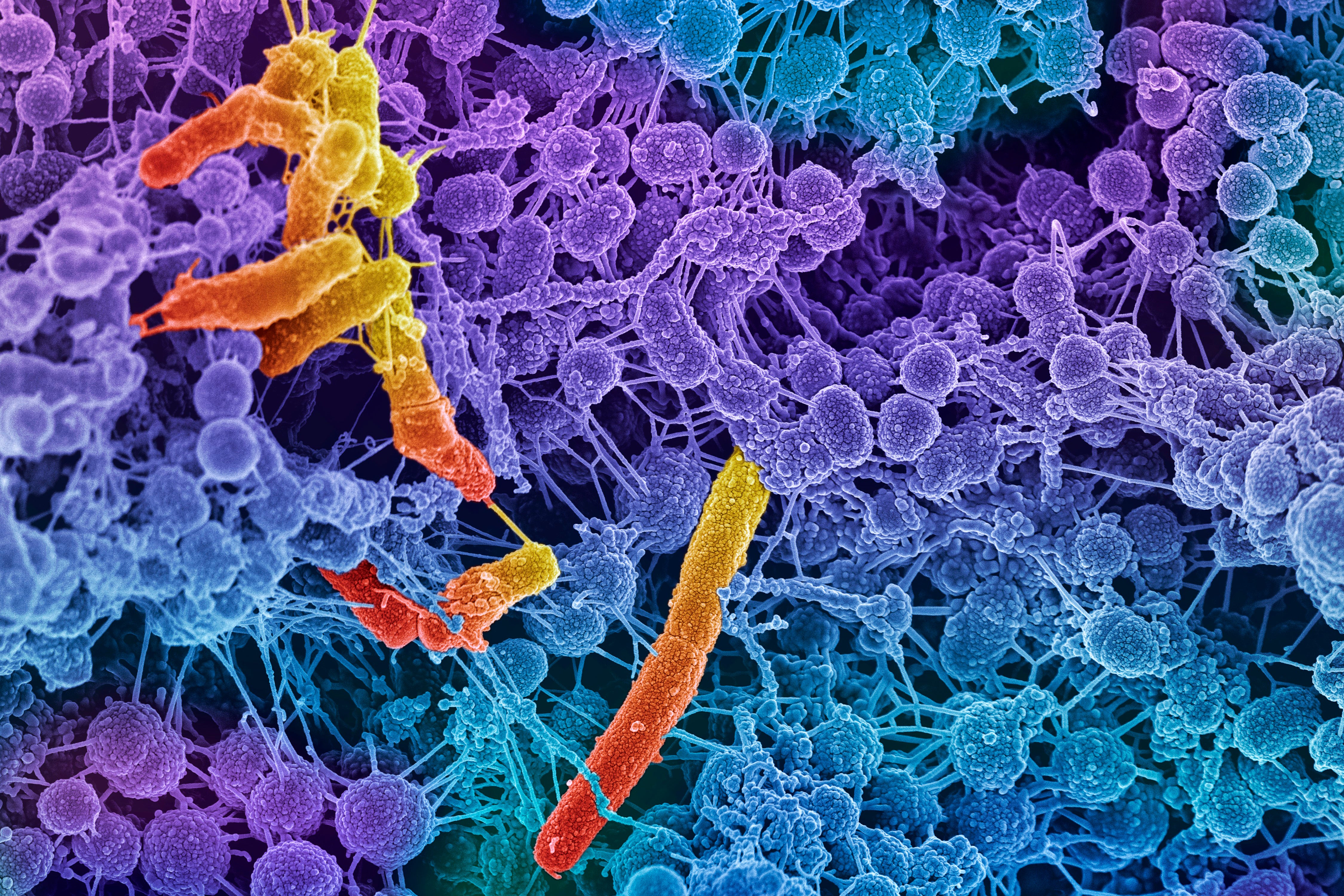
Rod-shaped fragments of RNA called “obelisks” were discovered in gut and mouth bacteria for the first time
© Science Photo Library/Getty Images


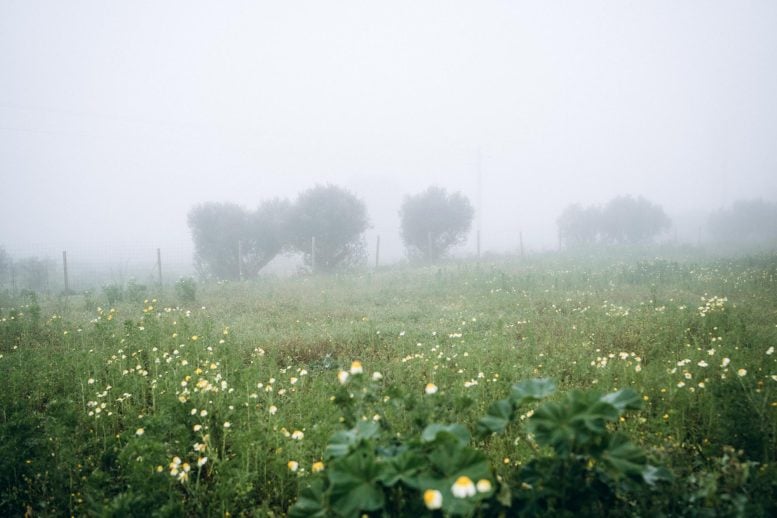
Scientists discovered that fog droplets can host living bacteria that grow and help remove harmful pollutants from the atmosphere, revealing fog as a surprisingly active microbial environment. Every breath you take may contain microscopic hitchhikers floating through the atmosphere. Scientists have known for years that bacteria drift through clouds and air currents, but new research [...]Greenhouse gases trap heat within the atmosphere. One such gas that exists beneath the ocean floor is methane. Ice-like substances on the seafloor that contain methane, known as methane hydrates, can break apart or melt, releasing methane gas into the ocean, risking further global warming. Melting permafrost, active tectonics, daily tidal patterns, and changing sea levels can similarly trigger methane’s escape from sediments. However, scientists don’t understand how these triggers will respond to future climate change.
A team of researchers hypothesized that future global warming could actually accelerate methane’s escape into the ocean. To investigate this hypothesis, they focused on an ancient global warming event approximately 56 million years ago, called the Paleocene-Eocene Thermal Maximum or PETM. Arctic Ocean temperatures at times exceeded 20°C (68°F) during this event. These elevated temperatures serve as an analog for today’s rapidly warming conditions.
Once methane enters seawater, its fate is largely determined by 2 sets of biological processes. Today, 90% of methane released into the ocean from the seafloor is consumed by tiny organisms called microbes via a process known as anaerobic methane oxidation. During this process, microbes consume methane alongside sulfate, producing a solid iron-sulfur mineral, pyrite. Anaerobic methane oxidation prevents methane from escaping into the atmosphere by trapping it in minerals. In this case, the ocean becomes a reservoir, or sink, for methane.
Despite this, too much methane could overwhelm the sulfate-dependent cycle. If that occurs, a different set of microbes consumes methane alongside oxygen in a process known as aerobic methane oxidation. Aerobic methane oxidation produces carbon dioxide, a potent heat-trapping greenhouse gas that escapes from the ocean. Aerobic oxidation accounts for 10% of methane consumption in oceans today, though this could have been different in the past.
To determine how much anaerobic versus aerobic methane oxidation occurred during the PETM, the team extracted data from sediments retrieved from the Arctic Ocean floor. As sediment piles up on the seafloor, it compacts. Scientists can drill deep into the seafloor to extract a cylindrical sample, or core, of this compacted sediment.
The age of sediments in a core increases with depth. Therefore, younger sediments exist at the top of the core, and older sediments exist at the bottom. For this project, the team used a previously extracted core from the Arctic Ocean that contained sediments dating back 100 million years. They found 56-million-year-old sediments from the PETM at a depth of 386 meters, or 1,266 feet, in this core.
The researchers explained that microbes leave behind unique carbon-based molecules called organic biomarkers when they decompose. These organic biomarkers accumulate in seafloor sediments. The 2 different types of methane-consuming microbes leave behind 2 different biomarkers, one for anaerobic methane oxidation and one for aerobic methane oxidation. This team measured the amount of each biomarker in the sediment core to determine which microbes were dominant during the PETM.
The biomarker left behind from microbes performing aerobic methane oxidation is called hop(17)21-ene. The researchers noticed that the amount of hop(17)21-ene increased by a factor of 4 during the PETM. At the same time, the biomarker left behind from microbes performing anaerobic methane oxidation, called glycerol dialkyl tetraether, decreased to half. They interpreted these trends to reflect the rise of aerobic methane cycling and the shutdown of anaerobic methane cycling, respectively. They attributed this transition to the release of enough methane to overwhelm the sulfate-dependent methane cycle under warming conditions.
To estimate the amount of carbon dioxide produced by aerobic methane oxidation during the PETM, the researchers located another biomarker in the sediment core, called phytane. Phytane is produced by organisms that consume carbon dioxide during photosynthesis, and its structure preserves clues to the amount of carbon dioxide available at the time. The researchers found that during and well after the PETM, the concentration of carbon dioxide in the Arctic Ocean was 4 times greater than modern levels. They concluded that the Arctic Ocean became a prolonged source of carbon dioxide to the atmosphere, even after the PETM.
The team suggested that the uptick in aerobic methane oxidation during the PETM serves as an analog for the modern Arctic Ocean, which continues to warm rapidly in the face of modern climate change. Their results highlight how the transformation of methane into carbon dioxide poses a threat. More carbon dioxide in the atmosphere warms the air, which heats the oceans, causing more methane to escape from the seafloor and eventually be converted into additional carbon dioxide. When triggered, this feedback would continue to amplify and could become difficult to recover from.
The post Does the Arctic Ocean regulate or amplify global warming? appeared first on Sciworthy.
Rod-shaped fragments of RNA called “obelisks” were discovered in gut and mouth bacteria for the first time
© Science Photo Library/Getty Images