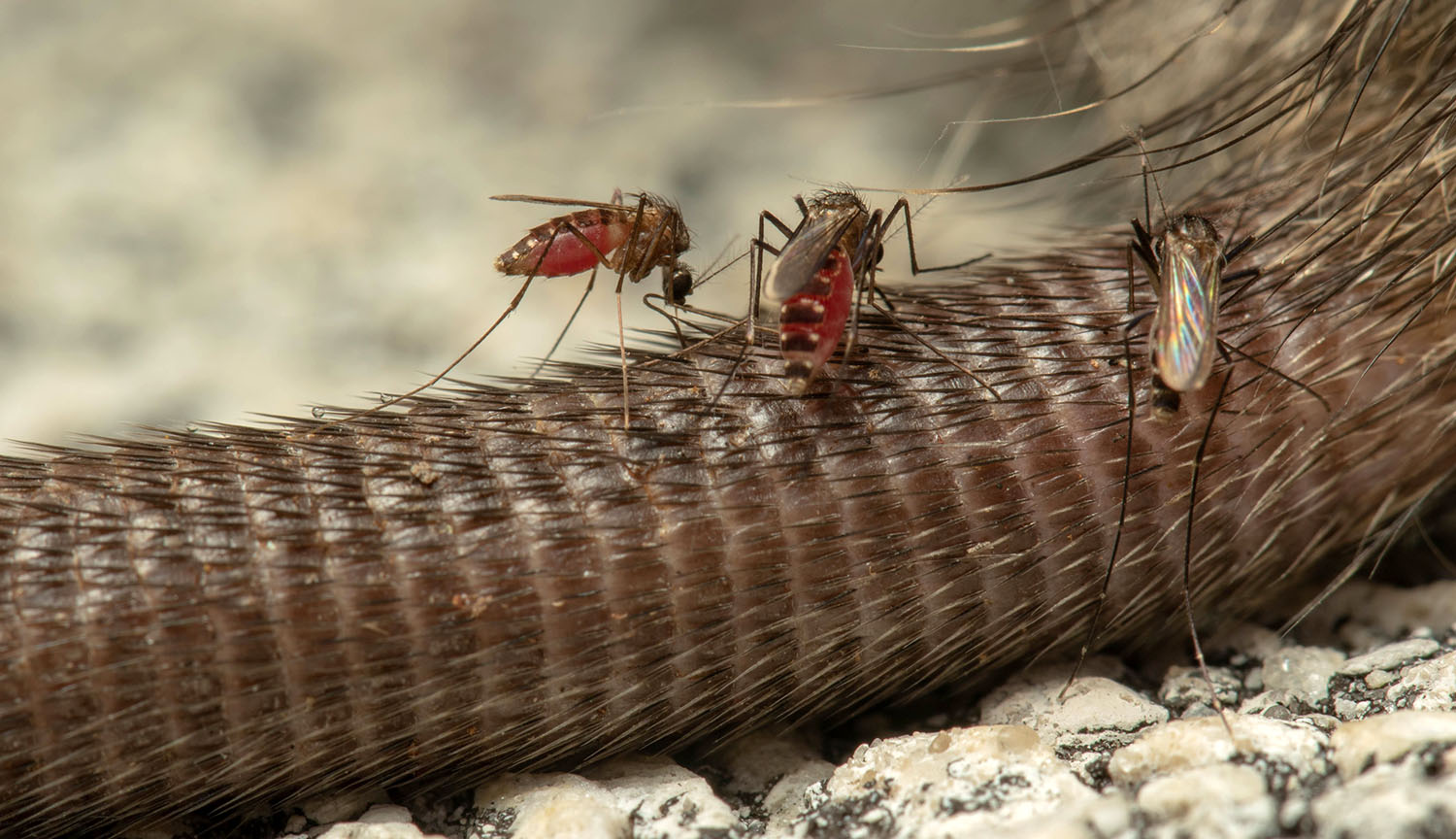
Blood, poop and carcasses: How feasting bugs are helping map biodiversity
Critters that dine on flesh and waste also consume the animal’s DNA. That genetic material is helping scientists detect and map elusive species and their pathogens.

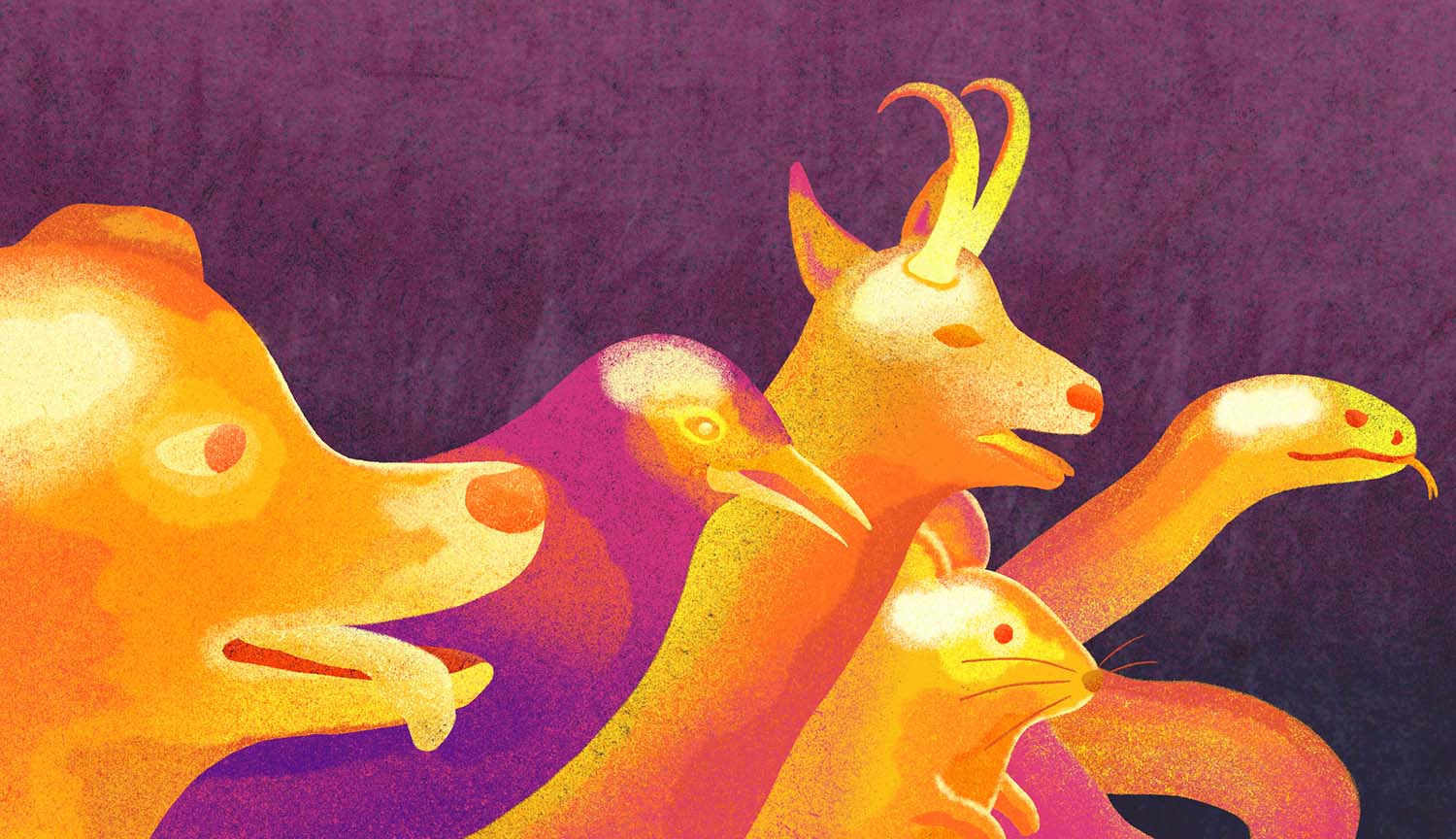
Critters that dine on flesh and waste also consume the animal’s DNA. That genetic material is helping scientists detect and map elusive species and their pathogens.
As temperatures rise, some creatures pick fights while others struggle to learn. The consequences of these behavioral changes may ripple through ecosystems.

Evidence is growing from rodent studies that sperm carries marks of a father’s life experiences, influencing traits in offspring. Bits of RNA could be the drivers of these epigenetic effects.

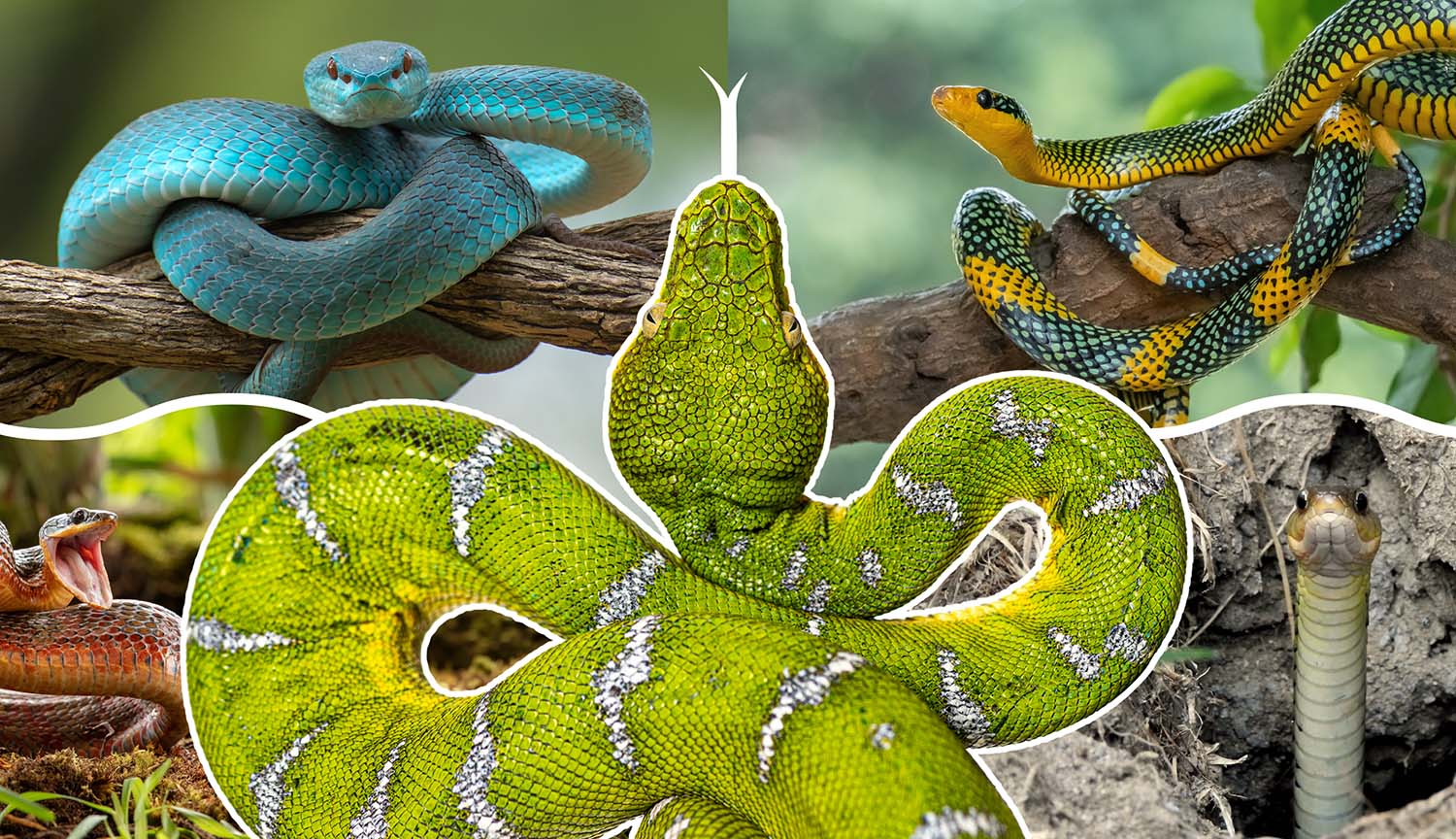
Huge snakes, tiny snakes, poisonous snakes and constrictor snakes, snakes that slither, burrow or swim: New fossils and modern technology are tracing serpent origins

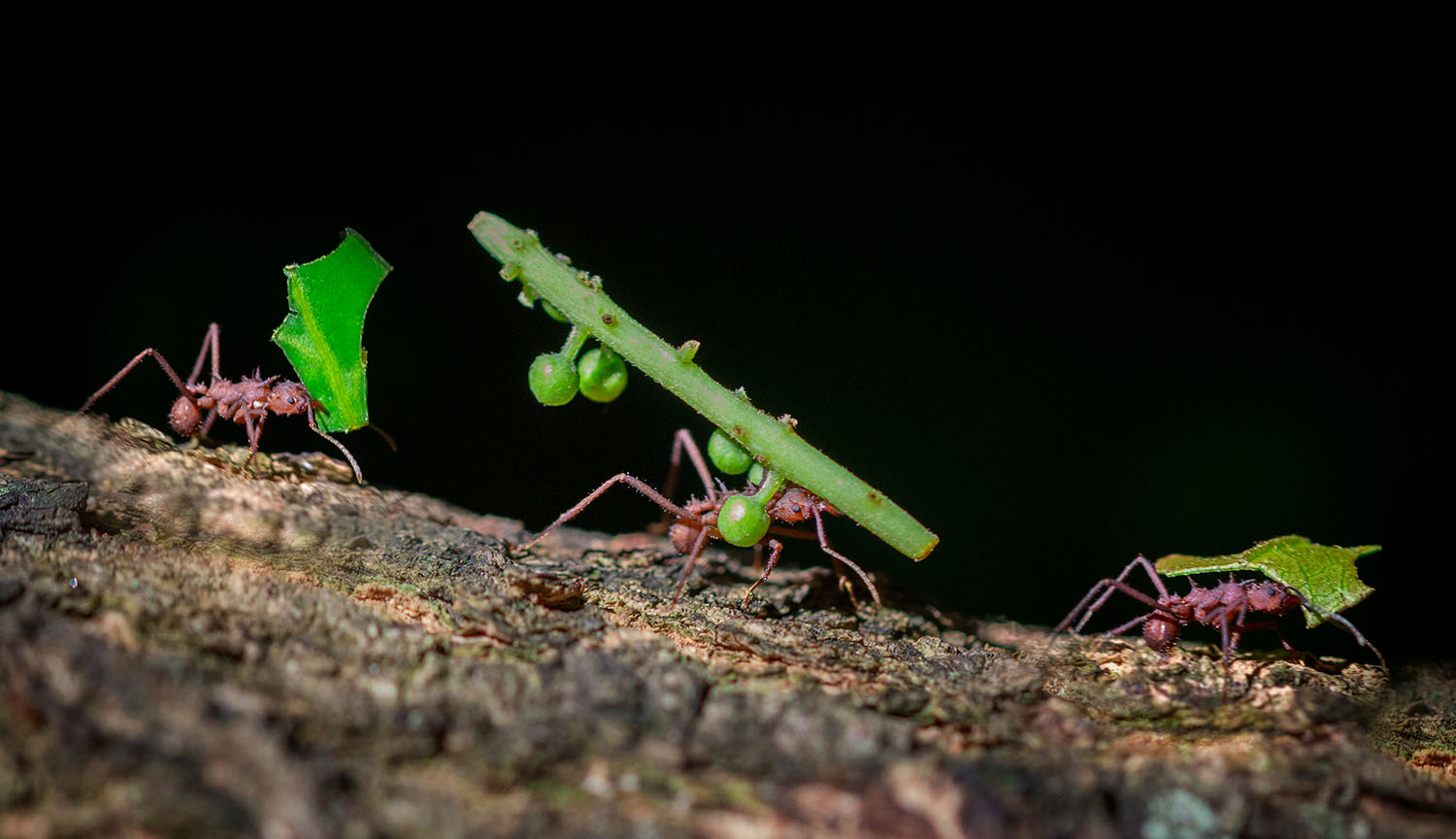
Turrets and tunnels and carbon dioxide — oh my! These ants farm, but they are also master builders.

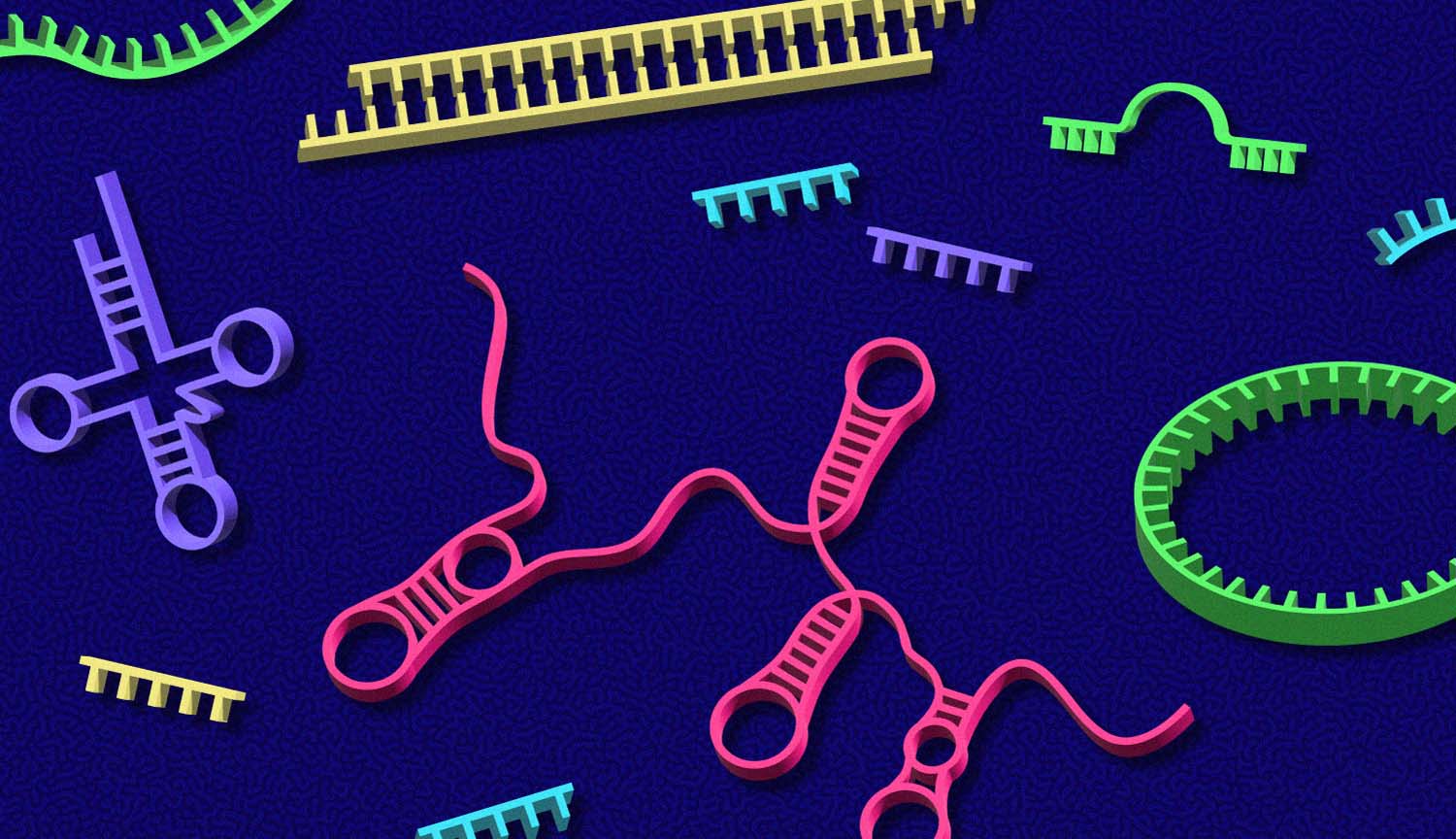
Once considered cellular junk, non-coding RNAs are emerging as key players in everything from brain development to cancer — with much still to be discovered

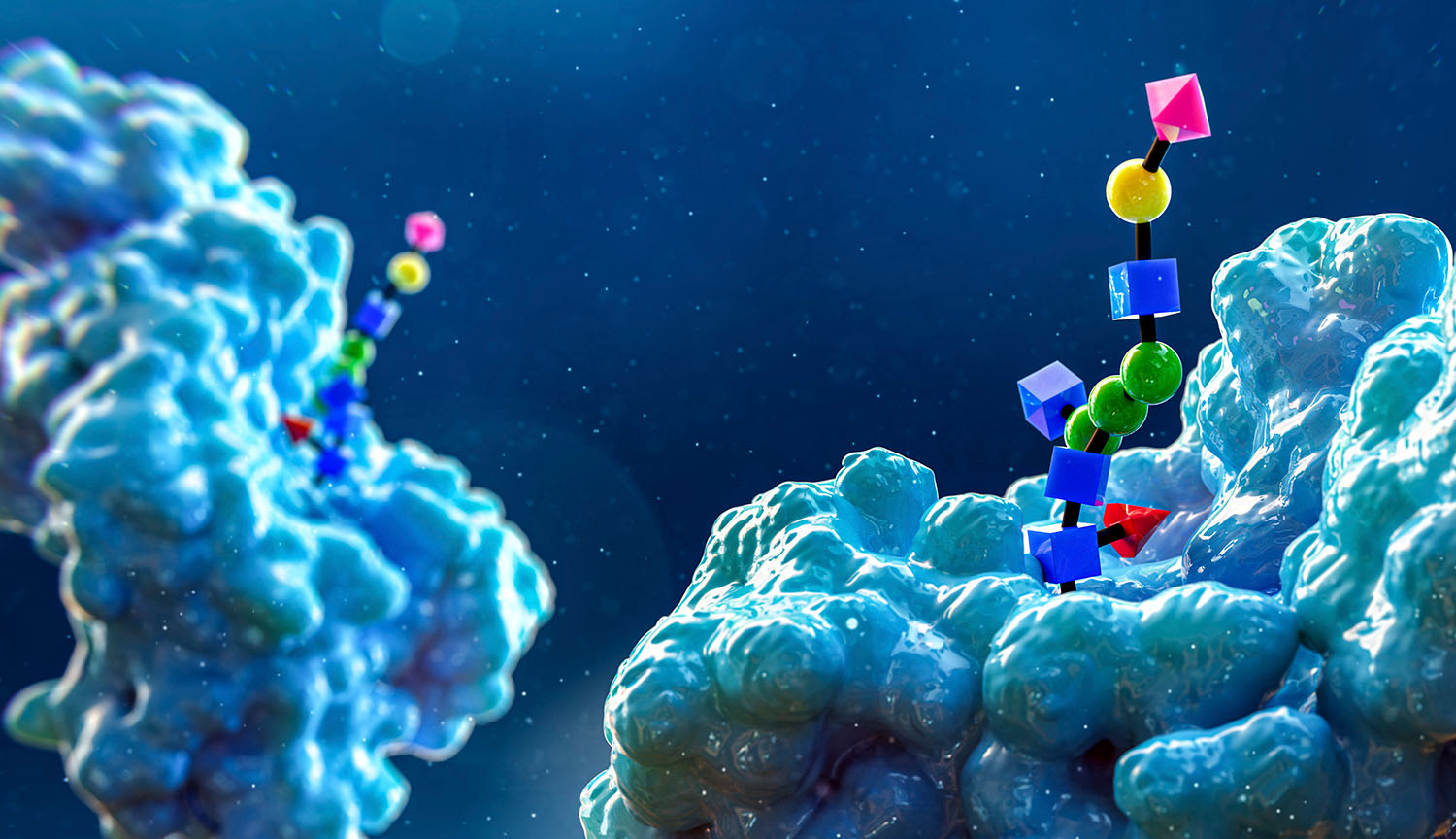
Built from thickets of glucose, galactose, mannose and more, the glycome plays key roles in cell communication, immunity and the blood-brain barrier