Normal view

Ötzi and His Microbiome: Exploring a 5,300-Year-Old Human-Microbial Connection

3 June 2026 at 03:01

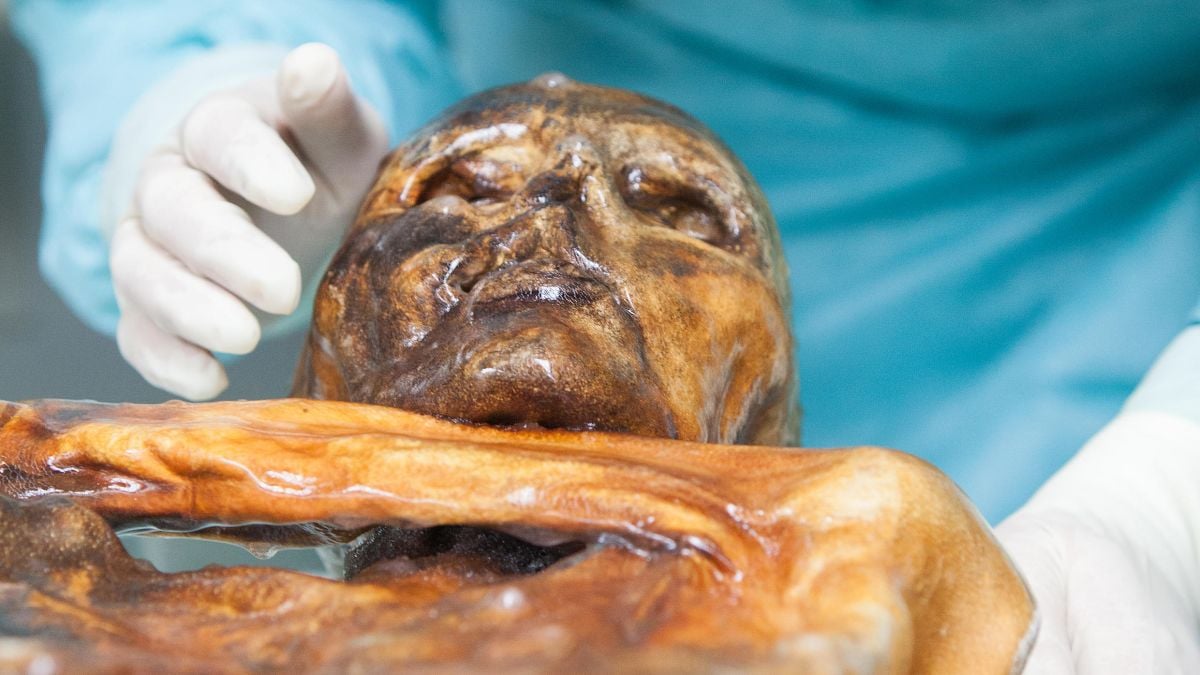
In the heart of the Alpine glaciers lies an extraordinary archive of prehistoric biology—Ötzi the Iceman. Preserved for over 5,000 years at a steady -6°C and nearly 99% relative humidity, Ötzi’s remarkably intact body has long fascinated scientists exploring ancient human life. Recently, a team of researchers unveiled groundbreaking discoveries about the diverse microorganisms that have endured within and around this ancient mummy, shedding light on microbial evolution, preservation, and potential biotechnological applications.

Through a sophisticated combination of genetic sampling and microbiological analysis, the researchers succeeded in distinguishing microbial species that existed within Ötzi during his lifetime from those that colonized him after death. Samples were meticulously collected from both the mummy’s external environment—ice and meltwater inside his refrigeration chamber—and internal tissues, including preserved samples of intestinal tissue and stomach contents. Swab samples augmented these data to create a comprehensive microbial profile, tracing both ancient and modern microbial communities.

The study revealed genetic material from bacteria consistent with Ötzi’s original gut flora, tightly linking his microbiome to those of early human populations. This microbiota composition diverges markedly from that seen in modern industrialized societies, where such bacteria are rare or absent. This remarkable preservation offers an unprecedented glimpse into the microbial ecosystems inhabited by humans during the Copper Age, highlighting evolutionary trajectories and host-microbe relationships dating back millennia.

A particularly surprising discovery emerged from the analysis of yeasts inhabiting Ötzi’s skin, stomach contents, and internal meltwater. These yeasts are highly specialized and extant cold-adapted species, genetically related to strains found in the extreme environments of Antarctica. This affiliation strongly suggests that these microorganisms originated from the glacial setting surrounding Ötzi and have survived, likely in a dormant state, throughout his frozen journey across thousands of years.

What is equally fascinating is the presence of both heavily degraded, ancient DNA and well-preserved modern DNA within these yeasts. This duality indicates that the microbial environment surrounding Ötzi is not static but dynamic—continuously shaped by conditions within the preservation chamber. Frank Maixner, director of the Institute for Mummy Studies at Eurac Research, underscores this by describing Ötzi as more than a lifeless relic; instead, it is a living biological system wherein these yeasts persist and evolve under current conservation parameters.

Furthermore, the study casts new light on how past conservation efforts have inadvertently influenced microbial ecology on the mummy’s surface. For example, phenol, an antifungal agent applied to Ötzi after his discovery in 1991, appears to have selected for yeasts genetically equipped to metabolize phenol. This adaptation suggests that human interventions, even those aimed at preservation, can lead to ecological shifts favoring resilient microbial populations capable of exploiting introduced chemical compounds.

Mohamed S. Sarhan, the study’s lead microbiologist, affirms the unique nature of Ötzi’s microbiome, emphasizing its composition of ancient and newly introduced microbes. Such a complex microbiome challenges traditional notions that ancient microbial life inevitably succumbs to decomposition or becomes fully replaced over time. Instead, Ötzi provides a living laboratory where microbial continuity and evolution can be observed under stable preservation conditions.

Elisabeth Vallazza, director of the South Tyrol Museum of Archaeology, whose institution oversees the Iceman’s conservation, emphasizes the critical role of ongoing microbiological monitoring to safeguard against damage. Although conditions in the refrigeration chamber are currently stable, the researchers highlight that sustained efforts and further studies remain essential to ensure this invaluable specimen lasts for future generations to study and marvel at.

Marco Samadelli, an expert in conservation and a co-author of the research, notes that glacial mummies represent complex biological systems preserved in environments that are not yet fully understood. This investigation enriches existing knowledge about glacial preservation by identifying microbial processes and interactions that affect long-term biological conservation. Understanding these factors is crucial for improving preservation protocols globally.

Beyond its historical and archaeological importance, the discovery of cold-adapted yeasts associated with Ötzi opens promising new avenues for biotechnology. Microorganisms that can perform metabolic functions at low temperatures are highly desirable for energy-efficient industrial processes, such as low-temperature fermentation, which save resources and reduce environmental impact. These extremophile yeasts could serve as models or sources for developing novel bio-catalytic processes.

This detailed microbiome study of the Iceman also contributes to broader microbiological science by juxtaposing ancient human microbiomes with those resulting from modern interventions and environmental changes. The intermingling of age-old microbes with contemporary species paints a complex picture of microbial persistence and adaptability that extends far beyond the mummy itself, informing research into ancient diseases, human evolution, and microbiome-environment interactions.

In essence, Ötzi’s frozen microbiome is a testament to persistence and change, a biological time capsule that simultaneously preserves a microbial community from 5,000 years ago while reflecting thousands of years of environmental influence and recent conservation efforts. This unique interplay offers an unparalleled opportunity to deepen our understanding of life at the microscopic level over archaeological time scales.

The research was published in the esteemed journal Microbiome on June 3, 2026. By integrating multidisciplinary approaches involving molecular biology, archaeology, microbiology, and conservation science, this study underscores the potential hidden within ancient remains to revolutionize biotechnology and biological conservation strategies going forward.


Subject of Research: Human tissue samples

Article Title: The Iceman’s microbiome: unveiling millennia of microbial diversity and continuity

News Publication Date: 3-Jun-2026

Web References: 10.1186/s40168-026-02417-6

Image Credits: South Tyrol Museum of Archaeology/Eurac Research/Marion Lafogler

Keywords: Human microbiota, Human remains, Yeast strains, Human gut microbiota
Some people use echolocation to get around. Here’s how it works

2 June 2026 at 11:30

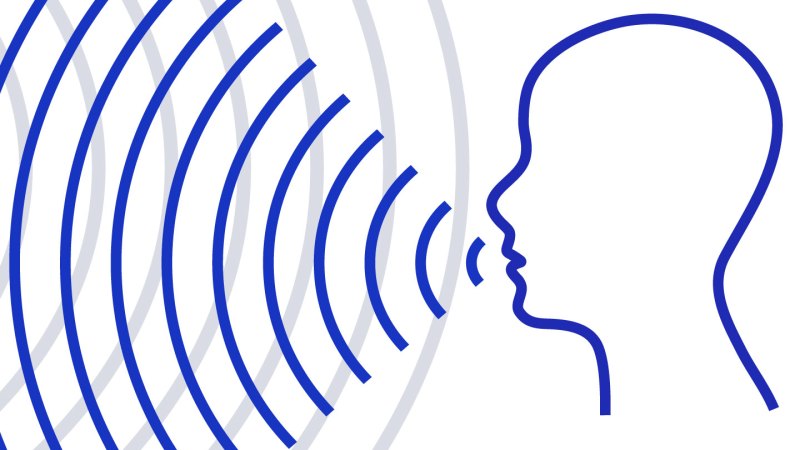
Many blind people navigate the world using a cane, guide dog or wearable GPS. But some have something more in their toolkit: echolocation. That’s the ability to sense nearby objects using sound. A new study shows just how master echolocators use this technique to get around.

These people make a sharp clicking sound with their tongue. (Watch the process in action.) Then they listen for its echo to sense where objects are around them. New brain-activity data show that with each click, expert echolocators improve these mental maps of their environment.  

Researchers shared these findings April 6 in eNeuro.

Clicking and listening for echoes can provide information about the location of nearby objects. Or their size. Maybe even their texture. (Bats use this same process to find their way as they flap through the night sky.)

Many studies have shown that in people, echolocation turns on parts of the brain that have to do with sight. They’ve also shown that echolocation improves a lot with practice.

But scientists still don’t know “how this happens,” says Santani Teng. “How the information builds in real time” beyond what can be learned from each individual echo. He and co-author Haydée García-Lázaro work at the Smith-Kettlewell Eye Research Institute. It’s in San Francisco, Calif. As cognitive neuroscientists, the two study how our brains think, learn and process information.

Mental mapping

To better understand human echolocation, they recorded clicks and echoes. They designed these echoes to act as if they were bouncing off a nearby object. Then, the scientists compared how two groups of volunteers responded to these recordings.

The four blind people in one group were all experts in echolocation. The other group of 21 people could see well. They also had no experience with echolocation.

Each volunteer listened to the recorded clicks followed by their echoes. The sounds were played in sets of two, five, eight or 11. After each set, these people were asked to decide whether an object had been to their right or left. As they listened, electrode caps on their heads recorded their brain activity.

The blind echolocators excelled at figuring out an object’s direction. They scored far better than those who could see. In fact, one echolocator figured out an object’s direction after hearing only two sets of clicks and echoes.

The brain data showed that each click-echo pair gives new details about the surroundings. Echolocators combine these additional details over time, “rather than through a single optimal snapshot,” says Monica Gori. She’s a neuroscientist who did not take part in this study. She works at the Italian Institute of Technology in Genoa. She also works with the Institute for Human & Machine Cognition in Pensacola, Fla.  

García-Lázaro says she and Teng want to learn more about “what exactly makes better echolocators.” She’s especially curious about how experts learn to ignore the click and focus only on its echo.

This “is not magic,” says Teng. “Echolocators have a truly remarkable skill, with real-life benefits.”

Do you have a science question? We can help!

Submit your question here, and we might answer it an upcoming issue of Science News Explores

Experiment: Can humans recognize AI-generated images?

22 May 2026 at 11:30

Objective: Find out whether people can tell the difference between real pictures and AI-generated images.

Areas of science: Artificial intelligence, human behavior

Difficulty: Medium intermediate

Time required: Short (2–5 days)

Prerequisites: None

Material availability: Readily available

Cost: Under $20

Safety: No issues

Credits: Ben Finio, PhD, Science Buddies

Computer-generated images have been around for decades. People use computers to make digital art and animations for movies, TV shows and video games. However, just like making a physical painting with a paintbrush, these images take a lot of time and human effort to produce.

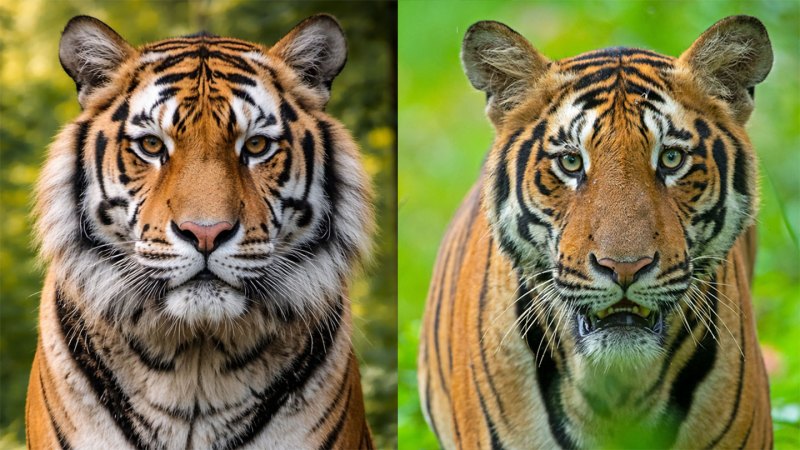
The rise of artificial intelligence has drastically reduced the amount of time and effort it takes to create computer-generated images. New programs and websites can generate images using a text prompt from the user, such as “a picture of a tiger walking through a grassy field.” These programs can automatically generate artwork and photo-realistic images that can be difficult to tell apart from “real” photos and artwork. Can you tell which picture at the top of this story is real and which is AI-generated?

While AI-generated images might seem fun or harmless, they can also cause problems. People can use them to create deepfakes, or fake images of things that did not really happen. Some people might see the picture and believe that it is real. While fake news and fake images have been around for a long time, AI tools can make it easier and faster to produce this misleading content.

Can people tell the difference between real pictures and AI-generated pictures? How hard is it to spot “fake” pictures? In this science project you will find out!

Terms and concepts

  • Computer-generated image
  • Artificial intelligence
  • Deepfake

Questions

  • What are some uses for AI-generated images?
  • What are some potential problems caused by AI-generated images?

Resources

Materials and equipment

  • Internet access
  • Digital camera or smartphone
  • Optional: printer
  • Volunteers
  • Lab notebook

Experimental procedure

  1. Decide on a topic or theme for your pictures. For example, you could use pictures of animals, flowers, scenery, vehicles or people.
  2. Take at least 10 real pictures of the object/topic you decided on or find pictures online.
    1. Make sure you label or organize the images so you do not lose track of them later. (As an example, you could put all the real pictures in a folder on your computer.)
    2. If you are finding the pictures online, make sure they are from a legitimate source and you know they are real pictures. (See references in the Bibliography for tips.)
  3. Find or make at least 10 AI-generated images of the same object/topic.
    1. You can search online for an “AI image generator” and you will find many options available. Some services might be built into major search engines. Others might have their own websites. Also note that some services might be free, or allow you to generate a limited number of images for free. But others might require a paid subscription.
    2. Follow the instructions for the website or program you decide to use to enter a prompt and generate an image. Since you will be comparing them to real images, make sure you generate “realistic” photos and not images that look like paintings or drawings.
    3. Save the images. Again, make sure you keep track of which images are real and which are AI-generated.
  4. Prepare all the images for viewing by your volunteers. For example, you can label them 1 through 20 and put them in a random order in a different folder on your computer. Or you could print them. Make sure you keep track of which images are real and which are AI-generated. But this information should not be visible to your volunteers.
  5. Prepare a data table like Table 1. In the second column, write whether each image is real or AI-generated.
Image numberReal or AI generatedVolunteer
 1
Volunteer 2Volunteer 3Volunteer “real” responsesVolunteer “AI” responses% of volunteers correct
Table 1. Example data table.
  1. One at a time, show each picture to a volunteer. Ask them whether they think the picture is real or AI-generated. Record their response in your data table.
  2. Repeat the process for each volunteer.
  3. For each image, add up the number of volunteers who said the image was real. Enter this value in your data table.
  4. For each image, add up the number of volunteers who said the image was AI-generated. Enter this response in your data table.
  5. Calculate the percentage of volunteers who correctly identified whether each individual image was real or AI-generated. Enter the percentage in your data table.
  6. Create another data table like Table 2.
Volunteer responses
Real AI-generated
Actual image Real
AI-generated
Table 2. Data table for tallying responses.
  1. Analyze your data.
    • Overall, how good were your volunteers at correctly identifying real images as real?
    • Overall, how good were your volunteers at correctly identifying AI-generated images as AI-generated?
    • Are there large differences in your results between individual pictures? Were some pictures harder for your volunteers to correctly identify than others? Looking at the pictures, why do you think this occurred?

Variations

  • Repeat the experiment with artwork instead of pictures. Can your volunteers tell the difference between real artwork and AI-generated art?
  • Do the experiment with two groups of volunteers: a control group and a group that you have trained to spot AI-generated images. (See some of the references in the Bibliography.) Can people with training do a better job correctly identifying the images?
  • Try the experiment with different categories of images/objects. Are some things easier for people to recognize than others? For example, what about pictures of inanimate objects vs. pictures of living things? What about pictures of “regular” people vs. famous people like politicians or actors?
  • Compare different AI image generation websites or services. Are some better than others at producing convincing images?
  • Do an experiment to find out if people can recognize AI-generated text instead of images.
  • Can you produce fake news articles that include both images and text about real people or events? Run the experiment with both real and fake news articles. Can people tell which is which?

This activity is brought to you in partnership with Science Buddies. Find the original activity on the Science Buddies website.

A banner that reads "SCIENCE BUDDIES"

❌