Normal view

SpaceX's Starship V3—still a work in progress—mostly successful on first flight

23 May 2026 at 18:54

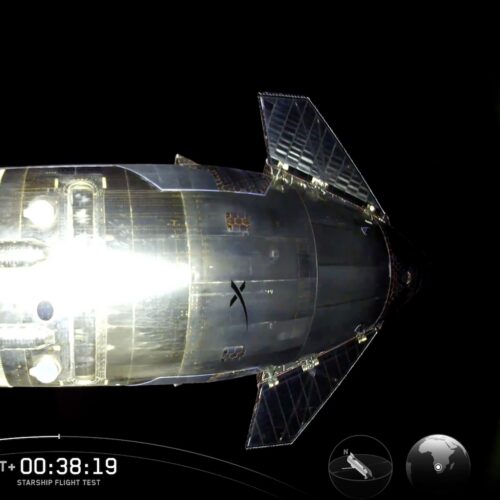
SpaceX launched the first test flight of its upgraded Starship rocket and Super Heavy booster Friday, with mostly positive results.

The powerful rocket, propelled by 33 methane-fueled main engines, climbed away from SpaceX's Starbase launch facility in South Texas at 5:30 pm CDT (6:30 pm EDT; 22:30 UTC) Friday. Within a few seconds, the 408-foot-tall (124-meter) rocket, the largest ever built, cleared the launch tower and turned onto an eastward heading over the Gulf of Mexico.

Starship splashed down on target in the Indian Ocean a little more than an hour later to conclude the first flight of the latest version of SpaceX's stainless-steel mega-rocket. Starship V3 fared better on its debut than the first flights of Starship V1 and V2 in 2023 and 2025. Both past versions of Starship broke apart during launch on their inaugural flights.

Read full article

Comments

© SpaceX

Ground system issue scrubs first launch of SpaceX's Starship V3 rocket

22 May 2026 at 03:05

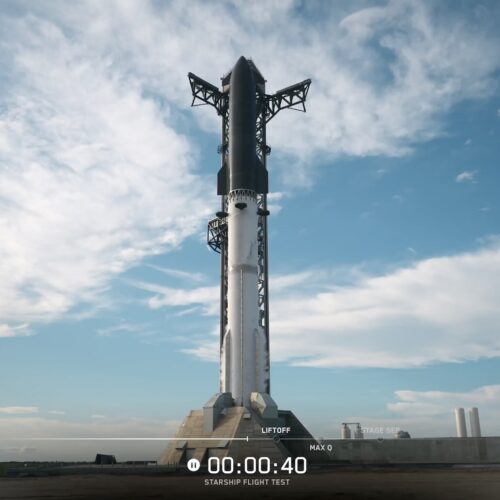
SpaceX got within 40 seconds of launching the first flight of a taller, more powerful version of its Starship rocket Thursday, but a pesky problem with the launch tower kept the vehicle bound to Earth for at least one more day.

Clouds and rain showers cleared the area around SpaceX's launch site in South Texas, leaving mostly sunny skies over the Starship launch pad Thursday afternoon. SpaceX pushed back the launch time by one hour, but the countdown appeared to proceed smoothly once propellants began loading into the rocket.

That was true, at least, until the countdown clock paused 40 seconds before liftoff. The launch team repeatedly attempted to resume the countdown, only for the computer controlling the launch sequence to stop the clock again. There were five holds in all before SpaceX called off the launch attempt.

Read full article

Comments

© SpaceX

SpaceX's Starship V3—still a work in progress—mostly successful on first flight

23 May 2026 at 18:54

SpaceX launched the first test flight of its upgraded Starship rocket and Super Heavy booster Friday, with mostly positive results.

The powerful rocket, propelled by 33 methane-fueled main engines, climbed away from SpaceX's Starbase launch facility in South Texas at 5:30 pm CDT (6:30 pm EDT; 22:30 UTC) Friday. Within a few seconds, the 408-foot-tall (124-meter) rocket, the largest ever built, cleared the launch tower and turned onto an eastward heading over the Gulf of Mexico.

Starship splashed down on target in the Indian Ocean a little more than an hour later to conclude the first flight of the latest version of SpaceX's stainless-steel mega-rocket. Starship V3 fared better on its debut than the first flights of Starship V1 and V2 in 2023 and 2025. Both past versions of Starship broke apart during launch on their inaugural flights.

Read full article

Comments

© SpaceX

Ground system issue scrubs first launch of SpaceX's Starship V3 rocket

22 May 2026 at 03:05

SpaceX got within 40 seconds of launching the first flight of a taller, more powerful version of its Starship rocket Thursday, but a pesky problem with the launch tower kept the vehicle bound to Earth for at least one more day.

Clouds and rain showers cleared the area around SpaceX's launch site in South Texas, leaving mostly sunny skies over the Starship launch pad Thursday afternoon. SpaceX pushed back the launch time by one hour, but the countdown appeared to proceed smoothly once propellants began loading into the rocket.

That was true, at least, until the countdown clock paused 40 seconds before liftoff. The launch team repeatedly attempted to resume the countdown, only for the computer controlling the launch sequence to stop the clock again. There were five holds in all before SpaceX called off the launch attempt.

Read full article

Comments

© SpaceX

"I'll buy 10 of those"—NASA science chief yearns for mass-produced satellites

19 May 2026 at 21:43

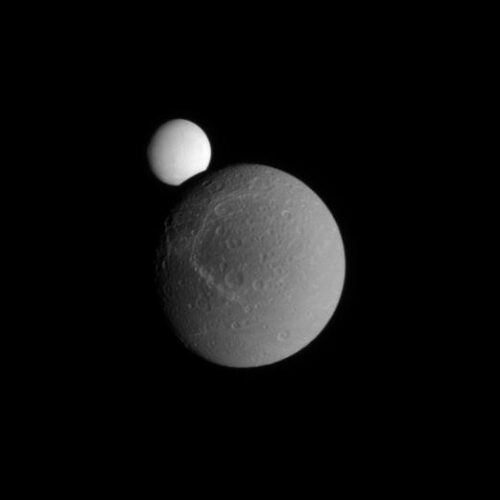
There are more opportunities to access space than ever, thanks to a bevy of commercial rockets, some with reusable boosters, led by SpaceX's workhorse Falcon 9. So why is NASA launching fewer telescopes and planetary science missions than it did a quarter-century ago?

The answer is complex. It is not necessarily the money. The space agency's science budget this year is $7.25 billion, roughly the same as it was in 2000, adjusted for inflation. This is despite attempts by the Trump administration to drastically reduce NASA science funding.

In the early months of his tenure, NASA Administrator Jared Isaacman's focus has been on human spaceflight and the Moon. This isn't terribly surprising given NASA's wildly successful Artemis II mission carrying four astronauts around the Moon last month. Since taking office in December, Isaacman has announced an overhaul of the Artemis program, canceling a space station to be built in orbit around the Moon in favor of construction of a base on the lunar surface.

Read full article

Comments

© NASA/JPL-Caltech/Space Science Institute

SpaceX's Starship V3—still a work in progress—mostly successful on first flight

23 May 2026 at 18:54

SpaceX launched the first test flight of its upgraded Starship rocket and Super Heavy booster Friday, with mostly positive results.

The powerful rocket, propelled by 33 methane-fueled main engines, climbed away from SpaceX's Starbase launch facility in South Texas at 5:30 pm CDT (6:30 pm EDT; 22:30 UTC) Friday. Within a few seconds, the 408-foot-tall (124-meter) rocket, the largest ever built, cleared the launch tower and turned onto an eastward heading over the Gulf of Mexico.

Starship splashed down on target in the Indian Ocean a little more than an hour later to conclude the first flight of the latest version of SpaceX's stainless-steel mega-rocket. Starship V3 fared better on its debut than the first flights of Starship V1 and V2 in 2023 and 2025. Both past versions of Starship broke apart during launch on their inaugural flights.

Read full article

Comments

© SpaceX

Ground system issue scrubs first launch of SpaceX's Starship V3 rocket

22 May 2026 at 03:05

SpaceX got within 40 seconds of launching the first flight of a taller, more powerful version of its Starship rocket Thursday, but a pesky problem with the launch tower kept the vehicle bound to Earth for at least one more day.

Clouds and rain showers cleared the area around SpaceX's launch site in South Texas, leaving mostly sunny skies over the Starship launch pad Thursday afternoon. SpaceX pushed back the launch time by one hour, but the countdown appeared to proceed smoothly once propellants began loading into the rocket.

That was true, at least, until the countdown clock paused 40 seconds before liftoff. The launch team repeatedly attempted to resume the countdown, only for the computer controlling the launch sequence to stop the clock again. There were five holds in all before SpaceX called off the launch attempt.

Read full article

Comments

© SpaceX

"I'll buy 10 of those"—NASA science chief yearns for mass-produced satellites

19 May 2026 at 21:43

There are more opportunities to access space than ever, thanks to a bevy of commercial rockets, some with reusable boosters, led by SpaceX's workhorse Falcon 9. So why is NASA launching fewer telescopes and planetary science missions than it did a quarter-century ago?

The answer is complex. It is not necessarily the money. The space agency's science budget this year is $7.25 billion, roughly the same as it was in 2000, adjusted for inflation. This is despite attempts by the Trump administration to drastically reduce NASA science funding.

In the early months of his tenure, NASA Administrator Jared Isaacman's focus has been on human spaceflight and the Moon. This isn't terribly surprising given NASA's wildly successful Artemis II mission carrying four astronauts around the Moon last month. Since taking office in December, Isaacman has announced an overhaul of the Artemis program, canceling a space station to be built in orbit around the Moon in favor of construction of a base on the lunar surface.

Read full article

Comments

© NASA/JPL-Caltech/Space Science Institute

❌