Researchers at the Icahn School of Medicine at Mount Sinai have identified a previously hidden druggable site in a cancer-related protein that could open the door toward the development of a new generation of more precise cancer drugs.
Study potentially opens a new route to more selective cancer drug design
Researchers at the Icahn School of Medicine at Mount Sinai have developed a new manufacturing platform for producing targeted mixtures of beneficial gut bacteria, an approach that could help expand access to microbiome-based therapies for patients with recurrent Clostridioides difficile (C. difficile) infection.
New manufacturing platform produces targeted mixtures of beneficial gut bacteria
An international team of researchers from Europe and Australia will contribute to MICRO-NEST, a €6 million Horizon Europe project applying innovative approaches to identify markers of autism in children born before 37 weeks of gestation.
Scientists launch project to improve early autism diagnosis in preemies
In the United States, children routinely receive an injectable form of the polio vaccine. This vaccine is very effective at preventing illness, but it doesn't block transmission of the polio virus as well as the oral polio vaccine does.
Modified injectable vaccine shows promise for complete polio eradication
A new Tulane University study challenges a long-standing assumption in heart care: that being female automatically increases stroke risk for patients with atrial fibrillation, a common condition that causes the heart to beat irregularly.
New study reevaluates stroke risk for female patients with atrial fibrillation
People with disabilities continue to face major barriers when seeking oral health care, according to new research that explored the perspectives of patients, caregivers, and healthcare professionals in different countries.
Disabled individuals face significant barriers to oral health care
Ferroptosis has become a promising area in cancer research because it may provide a way to target tumor cells that evade other better-known forms of programmed cell death, such as apoptosis and necroptosis.
Study shows how TAF1 regulates ferroptosis in cancer cells
Type 1 diabetes (T1D) is a lifelong autoimmune disorder where the immune system attacks islets, certain areas of the pancreas, and destroys cells that would otherwise produce insulin, a hormone crucial for regulating blood sugar levels.
New technique protects pancreatic islet transplants without immunosuppressive drugs
A new study published today in JAMA Network Open found that removing olfactory groove meningioma - a type of brain tumor located near the base of the brain - may improve blood sugar control in patients with diabetes.
Brain tumor removal may improve blood sugar in diabetes patients
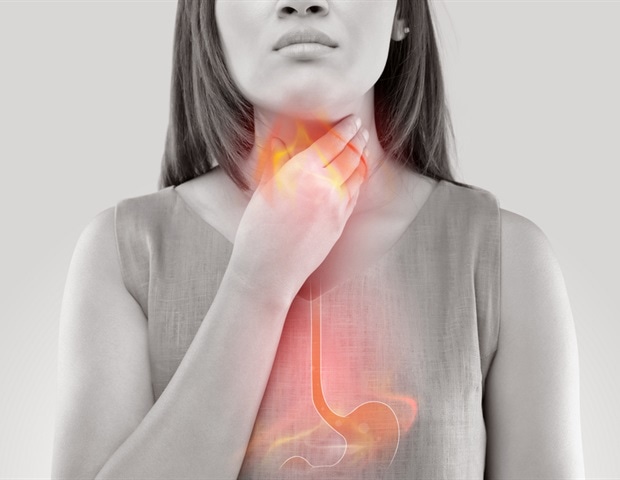
Patients with acid reflux, which occurs when stomach acid pushes up into the esophagus, know the symptoms all too well: heartburn, belching, chest pain and trouble swallowing.
Simple probiotic may treat acid reflux and prevent cancer
Nearly 60 years after the first successful heart transplant, the American Heart Association, a relentless force changing the future of health for everyone everywhere, is launching a bold new initiative to fundamentally transform how heart transplant care is delivered across the United States - addressing long-standing gaps in innovation, equity and patient outcomes.
American Heart Association launches national heart transplant research network
A new predictive model developed at Washington State University could help scientists more efficiently identify the reservoirs of emerging zoonotic viruses and dangerous pathogens like Ebola that can spill over from animals into humans.
New predictive model helps track dangerous animal viruses
Researchers at McMaster University have discovered a new antibiotic that kills some of the world's most dangerous and drug-resistant bacteria - and does so by targeting a previously unknown vulnerability, opening the door to an entirely new class of treatments.
New antibiotic kills drug-resistant bacteria by targeting a previously unknown vulnerability
Researchers at the University of Massachusetts Amherst have designed non-toxic Salmonella bacteria to deliver viruses that are safe to humans but potent against liver and pancreatic cancer tumors - two cancers with an extremely poor prognosis.
Engineered Salmonella delivers cancer-fighting viruses to deep tumors
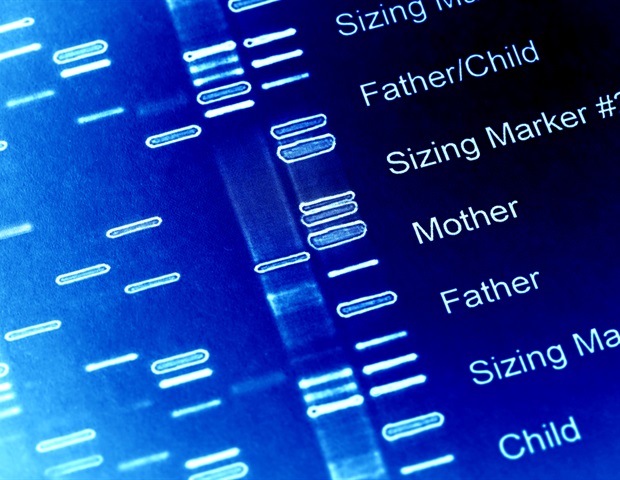
Scientists have created the most detailed cell map to date showing how genetic variation influences inflammatory bowel disease (IBD), revealing the specific cells and genes that drive the disease.
Scientists map how genetic variation drives inflammatory bowel disease

 Login
Login