Login
Login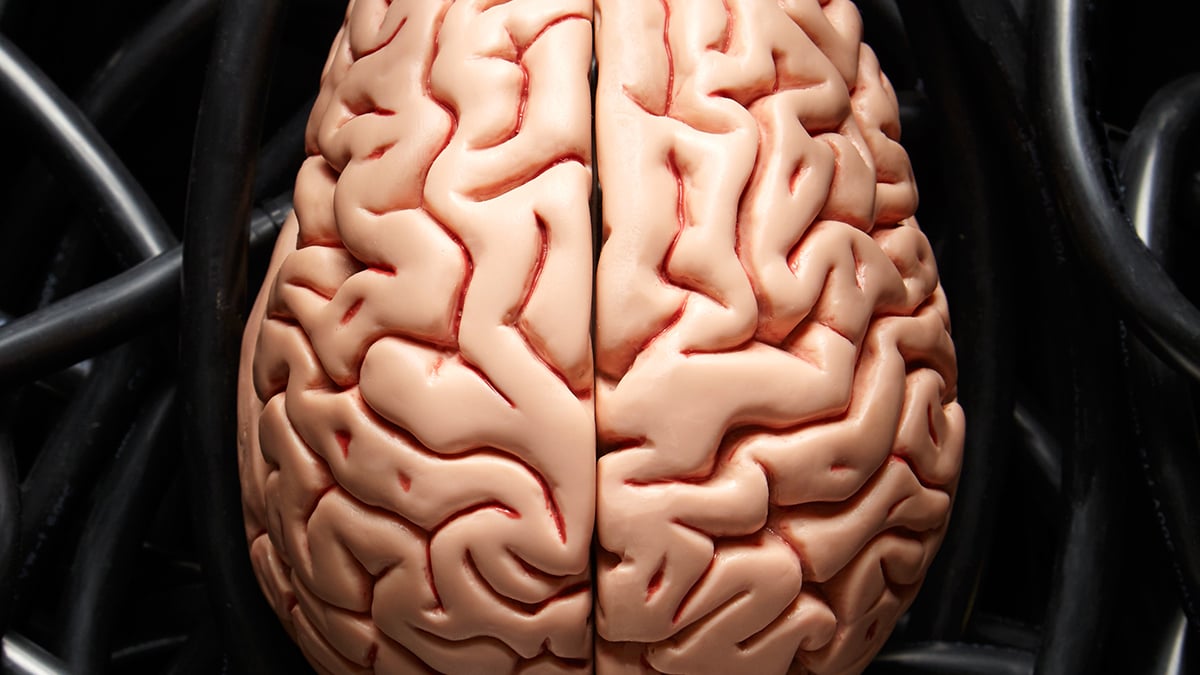

Promising Anti-Aging Drug May Cause Brain Damage, Scientists Warn

The experimental drug combo dasatinib and quercetin (known for short as D+Q) is one of the most promising anti-aging therapies being developed right now.
It is not yet approved for human use, but some scientists think it has the potential to fight disease by improving how our systems clear out worn-down cells.
According to a new study, however, there might be a big problem with D+Q.
A team from the University of Connecticut tested D+Q on the brains of mice, and discovered it caused serious damage to the myelin insulation wrapped around nerve fibers.
The effects of D+Q on the central nervous system haven't been extensively tested before, which was part of the motivation behind this new study.
The findings raise questions about widespread clinical use.
Various clinical trials for D+Q are already underway, for conditions such as kidney disease and pulmonary fibrosis.
Because of the hype, the experimental drug combo is even taken by some people without a prescription, as part of an unofficial 'anti-aging' regime.
That is something medical professionals warn against, as the drug combos have not yet been properly tested for safety or efficacy in humans.
"When you administer this cocktail to an animal, young or old, the myelin is damaged, which makes it disappear – even worse in the young animals than in the aged ones," says immunologist Stephen Crocker.
There are similarities between the brain damage observed here and the effects of both multiple sclerosis and something called 'chemo brain', where chemotherapy treatments lead to problems with cognitive function.
Dasatinib, on its own, is an essential medicine used to treat cancer, sometimes alongside chemotherapy, which might help explain what's causing the myelin loss.
When myelin is degraded, nerves can't communicate as efficiently, and much of the damage observed in the brains of mice was focused around a major information highway called the corpus callosum.
Further lab tests analyzed the reaction between D+Q and oligodendrocyte brain cells, which help grow and maintain myelin.
Tests showed that the combo drug treatment apparently caused oligodendrocytes to shrink back to a smaller and younger mode of operation.
There were changes in the metabolism of the oligodendrocytes, too, preventing enough myelin from being produced, and leaving nerves exposed.
While these results are only from a small number of animals rather than humans, there's definitely enough here to be concerning.
Further analysis is now definitely warranted – in monitoring brain cells during clinical trials of D+Q, for example.
"We suspect the drugs are choking off energy the cells need, and the cells respond by reducing complexity, reverting to a younger state, but less functional," says Crocker.
What makes D+Q exciting for scientists is that they act as senolytics, which are drugs that deliberately clear out damaged or old cells.
These dysfunctional cells are known as senescent cells, and they build up as we get older. Their presence in the body triggers inflammation, which may be related to a host of different diseases, including multiple sclerosis and Alzheimer's disease.
If senolytics like D+Q can reduce the senescent cell burden, then the potential impact on anti-aging diseases is immense.
The aging process is related to so many aspects of health, which is why so much research is dedicated to trying to slow it down.
But there is still much work to be done before that reality is realized.
Based on these new findings, caution moving forward is warranted.
There is some positive news to take out of this research among mice, though.
The stressed-but-still-alive oligodendrocytes are similar to cells seen in patients with multiple sclerosis.
This means D+Q could be used in lab tests to figure out what treatments might work best for reversing some of the damage done by the autoimmune condition.
Related: These Popular Supplements Are Sold With Anti-Aging Claims. Here's What Science Says.
"If we can mimic this, we have an amazing opportunity to see if the cells can recover and repair the brain," says Crocker.
The research has been published in PNAS.