
Normal view

Received — 2 June 2026 Google News Content : ScienceAlert : The Best in Science News and Amazing Breakthroughs

AI Finds Potential Ozempic Side Effects Hidden in an Unexpected Data Source

Reddit deep dives can involve anything from TV show fan theories to DIY advice.

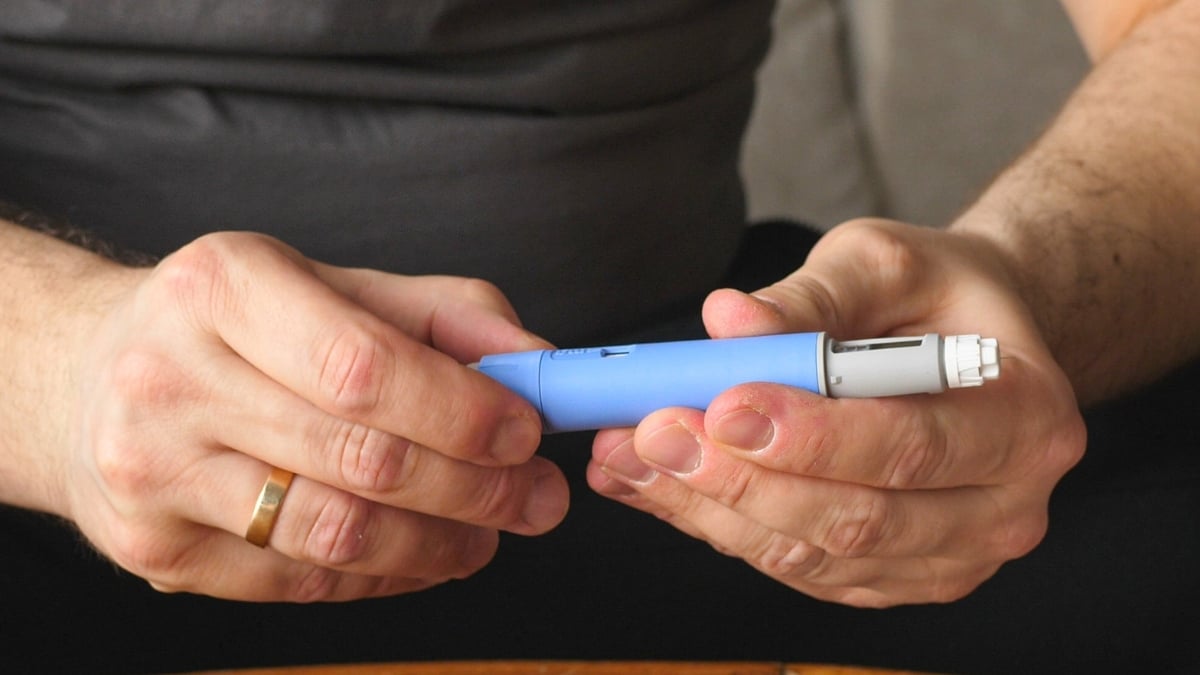
A new AI-assisted analysis now suggests that the 'front page of the internet' could help researchers spot potential side effects of GLP-1drugs used to manage weight and diabetes, such as Ozempic, Wegovy, Mounjaro, and Zepbound.

A team from the University of Pennsylvania analyzed more than 410,000 Reddit posts across a six-year span, looking for mentions of two active ingredients in widely used GLP-1-based drugs: "semaglutide" or "tirzepatide", or their brand names.

" Clinical trials are the gold standard, but by design, they are slow," says computer and information scientist Sharath Chandra Guntuku.

"This is not a replacement for trials, but it can move much faster, and that speed matters when a drug goes from niche to mainstream almost overnight."

Reddit badge
(Hapabapa/iStock Editorial/Getty Images Plus)

When it came to potential side effects that doctors may not know about, two groups of complaints stood out: reproductive health issues (including irregular menstrual cycles) and temperature-related problems (such as chills and hot flashes).

The way the body's metabolism burns energy is known to impact temperature balance, so there is a real mechanism that potentially links the side effect to the drug in a causative way. But there is less research on how these drugs affect the menstrual cycle.

It's worth noting that these previously "unrecognized potential effects" were far from the most commonly reported on Reddit, and the researchers emphasize that they don't see their new analysis as a replacement for trials or clinical assessments.

However, the findings suggest that online boards and peer-to-peer conversations may be places where people feel able to discuss certain symptoms, some of which they might not mention to a doctor.

"Some of the side effects we found, like nausea, are well known, and that shows that the method is picking up a real signal," says Guntuku.

"The underreported symptoms are leads that came from patients themselves, unprompted, and clinicians could potentially pay attention to them."

ChatGPT app
The researchers used OpenAI GPT models to analyze Reddit posts. (Solen Feyissa/Unsplash)

This kind of large-scale data capture and interrogation is made possible by the latest AI models. Here, the researchers used GPT models from OpenAI to crunch through Reddit posts and find patterns.

That's no easy task, given the volume of text and the variety of ways people might talk about GLP-1 drugs and their side effects. These scans can be completed rapidly, identifying potential sources for investigation in future clinical trials.

With little else known about the Reddit posters involved, the research can't be definitive about whether drugs like Ozempic or Mounjaro are actually causing these symptoms.

However, these self-reported side effects are worth further investigation.

"These drugs are thought to work by engaging part of the brain called the hypothalamus, which helps regulate a wide variety of hormones," says psychologist Jena Shaw Tronieri.

"That doesn't mean the medications are necessarily causing these symptoms, but it could suggest that reports of menstrual changes and body temperature fluctuations are worth studying more systematically."

Subscribe to ScienceAlert's free fact-checked newsletter

GLP-1 drugs are named after glucagon-like peptide-1, a natural hormone that the medications mimic. Specifically, the drugs limit appetite, slow down digestion, and trigger the release of insulin from the pancreas in response to high blood sugar levels.

While these treatments are associated with significant benefits in weight loss and diabetes management, research is ongoing into other potential consequences of GLP-1 use.

Those consequences potentially include protection against Alzheimer's, better cardiovascular health, and a greater risk of acute or chronic pancreatitis – so, quite the mix. We also know that regaining most of the weight after GLP-1 treatments is common.

The kind of online analysis done here may highlight problems that might otherwise be missed.

"The whole point of this kind of approach is that it can move quickly, and that's exactly when it's most valuable," says Guntuku.

Reddit tends to skew towards younger, male, US adults – but that doesn't mean it can't be useful for flagging problems that researchers need to know about.

Related: Ozempic-Like Drugs Can Help You Lose Weight, But There's a Catch

"Clinical trials generally identify the most dangerous side effects of drugs, but they can fail to find what symptoms patients are most concerned about," says computer and information scientist Lyle Ungar.

"Even though social media is not necessarily representative, a large collection of posts may reflect additional concerns."

The research has been published in Nature Health.

ScienceAlert stories are written, fact-checked, and edited by humans, never generated by AI. Don't miss a story, subscribe here.

Women's Dementia Risk May Be Shaped by These Key Factors, Study Finds

A life that leads to dementia can take many paths, but there are some common risk factors that make a diagnosis more likely.

An extensive new study shows, however, that among older adults, the effect of those risk factors differs.

Some risk factors seem to hit women's cognition harder than men's, and accruing multiple risk factors over a lifetime seems to worsen women's brain function more so than men's.

In other words, certain risk factors may not mean the same thing in a woman's brain as it does in a man's, which has implications for dementia research and treatments.

It's well known that dementia is more common in women than in men, and longer life expectancy does not fully explain the gap.

There's something else going on that these findings could also help us understand.

"Our study suggests that women may be at greater risk of dementia because they experience a greater number of risk factors, and because these risk factors reduce cognition to a greater degree than [in] men," the researchers write.

Cognition chart
The researchers looked at the correlation between dementia risk factors and cognition among men and women. (Fitzhugh and Pa, Biol. Sex Differ., 2026)

Study co-authors Megan Fitzhugh and Judy Pa, two neuroscientists from the University of California, San Diego, say their results provide further evidence that dementia risk needs to be assessed and managed in a personalized way.

"Looking beyond which risk factors are most common, we found that some have a disproportionately larger impact on women's cognition," says Fitzhugh.

"This suggests that prevention efforts may be more effective if they are tailored not just to risk factor prevalence, but to how strongly each factor affects cognition in women versus men."

The researchers analyzed health data from 17,182 individuals aged 40 or older, examining 13 risk factors linked to dementia.

Sample sizes varied by risk factor because some data were missing.
The 13 dementia risk factors analyzed in the study. Sample sizes varied as some data were missing. (Fitzhugh and Pa, Biol. Sex Differ., 2026)

Depression, physical inactivity, and sleep problems were more common in women, compared to men.

Higher rates of hearing loss, diabetes, and heavy alcohol use, on the other hand, were more often reported by men.

Some risk factors were linked to greater reductions in cognitive scores in women – an indication that they affect women's brains more negatively than men's.

These factors included high blood pressure, hearing loss, and diabetes.

Higher BMI was also associated with poorer cognitive performance in women in their 50s and 60s, but not at older ages.

Three line charts compare BMI with cognitive scores in women and men at ages 55, 65, and 75. At ages 55 and 65, higher BMI is linked to lower cognition in women but higher cognition in men. At age 75, the sex difference is much weaker, with wide overlapping uncertainty bands.
Correlations between BMI and cognitive performance, shown at three representative ages. (Fitzhugh and Pa, Biol. Sex Differ., 2026)

Amid that picture of cognitive decline, there were some positive trends suggesting that certain factors might help preserve cognitive function in women compared to men.

"Two risk factors, years of education and total cholesterol, showed positive associations with cognition, such that higher levels were correlated with greater cognition," write the researchers in their published paper.

Given their links to cognitive performance, it's possible these factors may be especially important to investigate in women's dementia risk.

However, this observational study can't prove cause and effect. A longer-term analysis could provide stronger evidence that these risk factors were contributing to the cognitive test scores.

While 'women' and 'men' are recognized as gender categories, this study uses these terms to refer to individuals' self-reported biological sex.

"It is important to distinguish between sex differences in the prevalence of risk factors and their impact on cognition, because prevalence and impact may not correspond," writes the team.

"Targeting only the most prevalent risk factors within each sex may overlook certain risk factors that more markedly influence cognitive decline."

Subscribe to ScienceAlert's free fact-checked newsletter

The new findings fit with previous research suggesting that dementia risk factors may affect men and women in different ways, though these studies have tended to look at only one risk factor at a time.

Alzheimer's disease now affects an estimated one in nine US adults aged 65 and older, and two-thirds of those affected are women.

While the figures for dementia may be bleak, there are real and practical ways to reduce risk, while work on treatments continues.

The researchers emphasize that all these risk factors are potentially modifiable. That means they're real targets that people and their doctors can try to address, whether it's drinking less, moving more, or seeking help for depression.

Woman helping elderly neighbour with groceries
Two-thirds of US adults aged 65 and older with Alzheimer's are women. (Daisy-Daisy/Canva)

Next steps here could include research to determine why women's cognition may be more vulnerable to certain factors.

Hormonal changes around menopause may be involved, but the mechanisms remain unclear.

Related: One Vital Bodily Function Could Link Many Dementia Risk Factors

"These differences highlight the importance of considering sex as a key variable in dementia research," says Pa.

The research has been published in Biology of Sex Differences.

ScienceAlert stories are written, fact-checked, and edited by humans, never generated by AI. Don't miss a story, subscribe here.

❌