Normal view

Received — 31 May 2026 Google News Content : ScienceAlert : The Best in Science News and Amazing Breakthroughs

Mysterious Origins of The Nicotine Molecule Are Finally Revealed

People have been consuming tobacco for millennia, though it wasn't until the late 1820s that nicotine was first extracted from tobacco plants.

Now, 200 years later, scientists have finally discovered how the tobacco plant makes those nicotine molecules.

The discovery could potentially transform products made from or using tobacco species, a practice known as 'plant molecular farming'.

Scientists have been engineering tobacco plants to produce therapeutic compounds and even vaccines, but the nicotine is problematic: it's highly addictive.

Understanding how nicotine is made could mean researchers could devise ways to prevent its production in plants.

"It is a big moment in plant science and biochemistry that we now have the answer we have been chasing for more than 200 years," says biologist Benjamin Lichman, from the University of York.

Lichman and colleagues at the University of Copenhagen in Denmark identified in their new study the genes and enzymes that help produce nicotine.

"With this new knowledge we can remove or repurpose the nicotine that is produced naturally by the plant and create better biotechnology tools," says Lichman.

"There is also exciting potential for the future to adapt tobacco's nicotine forming system to make useful pharmaceutical compounds."

Researchers at work
The discovery was made by researchers from the UK and Denmark. (University of York)

Through a genetic analysis of tobacco (Nicotiana tabacum), the researchers flagged genes that sit close together in tobacco DNA, and activate at the same time as genes already known to be involved in nicotine production.

They then isolated the enzymes produced by these genes.

In both test tubes and living plants, the researchers demonstrated that these enzymes combined to form nicotine.

It turns out the enzymes work through a clever process that goes some way to explaining why they've remained hidden for so long.

Initially, a glucose molecule is attached to the building blocks of nicotine, putting them in the reactive state that's needed for nicotine assembly. That same molecule then snaps off after the process has finished – so the sugar does its essential job, then disappears.

Cultivated tobacco products have been used by humans for over 10,000 years. (Ken Hammond/USDA/Public Domain)

The researchers also identified the two enzymes, NaGR and NicGS, that help assemble the nicotine molecule from its raw materials. Those materials are an amino acid linked to protein building and a vitamin-like compound.

"It is exciting because it has real-world applications," says Lichman.

"A close relative of tobacco, Nicotiana benthamiana, is already used in 'molecular farming' to produce life-saving drugs and vaccines."

"It opens up new ways to use tobacco plants for good: not in cigarettes, but for medicines and other valuable products."

Subscribe to ScienceAlert's free fact-checked newsletter

Another recently published study backs up the findings: nicotine is created by glucose, helped by a chain of enzymes, before the glucose disappears.

That complete vanishing act, together with the unusual way glucose is used here compared to other plant processes, is what made the nicotine production process so elusive for so long, the researchers say.

There are still some questions about nicotine production in tobacco, but we now have the main steps and key ingredients sorted.

The researchers suggest the process could be tweaked to produce different chemical substances and tobacco with low levels of nicotine; however, previous attempts have stunted plant growth.

Related: Plants Stopped Thriving When Earth Warmed 56 Million Years Ago

Ultimately, these researchers have not only solved a 200-year-old mystery but also laid the groundwork for more advanced and precise bioengineering.

"Tobacco plants can be used in biotechnology as platforms for producing vaccines or other pharmaceutical products, but it is plagued by the presence of nicotine, which contaminates the products and requires processing to remove it," says Lichman.

The research has been published in Nature Communications.
ScienceAlert stories are written, fact-checked, and edited by humans, never generated by AI. Don't miss a story, subscribe here.

Strange Event Might Have Been A Primordial Black Hole Winking At Us

In 2019, astronomers recorded a distant star doing something unexpected.

For about an hour, its brightness gently flared before settling back down to baseline levels.

Its behavior matched no obvious stellar phenomenon – too long for a stellar flare, too brief for a supernova, and too smooth for most known kinds of stellar variability.

Now, after a careful probe into the event's properties, astronomers say it could be a signal from one of the most elusive objects in the Universe: a tiny primordial black hole weighing only about as much as three of Earth's Moons.

A black hole of that mass would have an event horizon about the same size as the period at the end of this sentence.

A team of astronomers led by Renee Key of Swinburne University of Technology in Australia say that no other explanation fits the event's statistics quite so well, and so they've named the candidate black hole Phoebe.

"Phoebe suggests a population of compact, lunar-mass objects associated with the dark matter distribution of the Milky Way, and potentially opens a new window to the physics of inflation," the team writes in a preprint posted to arXiv.

YouTube Thumbnail

We tend to think of black holes as really weighty, large objects – with masses starting at at least a few Suns, and ranging all the way up to tens of billions of Suns.

This is because of the way they form, starting with the death of a massive star whose giant core then collapses under gravity, giving birth to one of the densest known objects in the Universe.

Just after the Big Bang, however, conditions may have been just right to create much, much smaller black holes. Quantum fluctuations in space-time could have created overdensities in the expanding Universe that collapsed much as a stellar core can today.

These black holes are known as primordial black holes, and currently, they are only known to exist in the world of theory.

This could be because they are hard to detect. A primordial black hole the mass of Earth would be just 1.8 centimeters (0.7 inches) across.

Actual size of a 5 Earth mass black hole, from a 2019 paper speculating on the nature of Planet Nine. (Scholtz and Unwin, arXiv, 2019)

Even if such a black hole did manage to have an accretion event, the light screaming from the material caught in its gravitational grasp would be barely a pinprick – not detectable from Earth with our current instruments.

But that's not the only way we could detect a primordial black hole.

Even at very tiny diameters, the gravity around these objects would be extreme enough to bend space-time outside the event horizon.

This region of strongly curved space-time can act as a cosmic lens, and any background light passing through it would be magnified, producing a brief, gentle brightening before returning to normal levels – what is known as a microlensing event.

That's exactly the kind of signal the Dark Energy Camera (DECam) recorded in 2019 when it turned its gaze in the direction of the Large Magellanic Cloud, about 163,000 light-years away from Earth.

The event took place on December 18, when DECam ran for five consecutive nights as part of the Asteroid-Mass Primordial black hole Microlensing (AMPM) survey.

For about 60 minutes, the light of a star in the Large Magellanic Cloud grew in brightness when its neighboring light sources did not.

An image taken at the peak amplification of Phoebe, with light curves showing how its brightness flared when that of neighboring stars did not. (Key et al., arXiv, 2026)

Microlensing events are rare, but not unknown. Previous microlensing events have been attributed to stellar-mass black holes, tiny, dim stars and their attendant worlds, or rogue exoplanets drifting through space untethered from a star.

To find whether Phoebe could be a black hole, the researchers had to first rule out glitches in the instrument, stellar flares, contamination from other stars, and stellar fluctuations.

Then, they had to model different microlensing scenarios: a free-floating exoplanet in the Milky Way; a free-floating exoplanet in the Large Magellanic Cloud; and a primordial black hole in the Milky Way's extended dark matter halo, away from the concentration of matter in the galactic plane.

The Milky Way's halo is the extended region around the galaxy disk. (Melissa Weiss/Center for Astrophysics | Harvard & Smithsonian)

According to their calculations, the lensing body, Phoebe – whatever it is – is five orders of magnitude more likely to belong to the Milky Way's dark matter halo than to known stellar populations in either galaxy.

The preferred explanation is that Phoebe is a primordial black hole, about three times the mass of the Moon, located around 59,630 light-years away.

That doesn't rule out a rogue exoplanet in the Milky Way's halo. In fact, the rogue exoplanet is still firmly on the table, given that, observationally at least, rogue exoplanets are far more likely to exist and be detected.

But, in the Milky Way's halo, which is only sparsely populated at best, a black hole is far more likely than a rogue exoplanet, which are generally thought to be more populous in regions of space that have a lot of stars.

Subscribe to ScienceAlert's free fact-checked newsletter

The discovery lands smack-bang amid another debate.

In February 2026, astronomers in the US and Japan, analyzing data from the Subaru Telescope, identified 12 microlensing candidates toward Andromeda that, they said, could be due to primordial black holes.

Then, a different team from the University of Warsaw, Poland, reanalyzed the same data and uploaded their rebuttal in March, finding that every one of the events could be attributed to normal, known stars.

Related: LIGO May Have Detected The First Primordial Black Hole, Scientists Say

This new discovery is grist for this debate.

Key and her colleagues say their finding supports the original interpretation of the Subaru data that the events are consistent with primordial black holes.

Which means only one thing. We're going to need a more sensitive telescope.

"Our detection motivates the Roman and Vera C. Rubin Observatory microlensing programs to support high cadence, sit-and-stare observations to boost the sensitivity to low-mass microlenses," the team writes in their paper.

We can't wait.

The preprint is available on arXiv.

ScienceAlert stories are written, fact-checked, and edited by humans, never generated by AI. Don't miss a story, subscribe here.

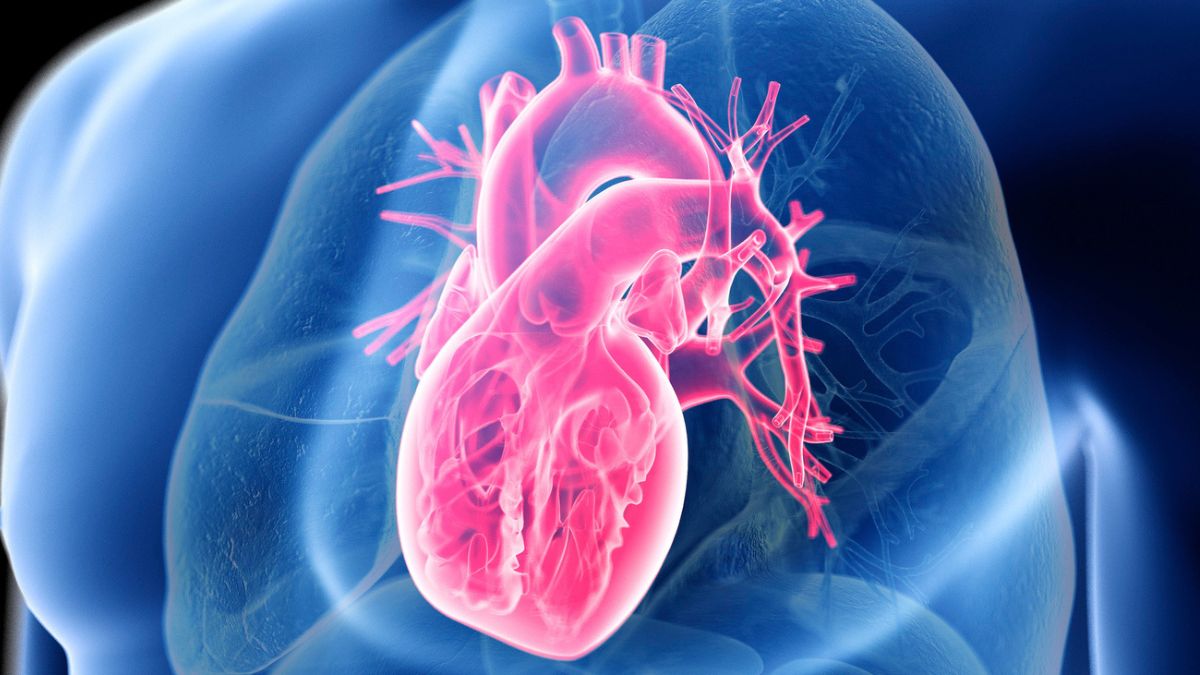
Giant Study Reveals The Secret to Heart Health Isn't Low-Carb or Low-Fat

The key to heart health isn't cutting down on pasta or potatoes, new evidence suggests; it's not even a low-fat diet.

The research suggests the focus of healthy eating shouldn't necessarily be on what's being excluded from your diet (for example, reduced carbs or lowered calories).

Instead, the emphasis should be on what you're actually putting into your body, and the quality of those ingredients.

A study that tracked nearly 200,000 men and women in the US for around 30 years found that some low-fat and low-carb diets are better for heart health than others.

What separates them?

The key was the quality of the food itself, not the quantity of carbs or fats.

The research, led by public health researchers at Harvard University, suggests that if a diet contains too many processed foods and animal proteins or fats, or if it otherwise lacks in adequate vegetables, fruits, whole grains, healthy fats, or essential macronutrients, it may not benefit cardiovascular health as much in the long run, even if it is low carb or low fat by definition.

"Our findings highlighted that it's not simply about cutting carbs or fat, but it's about the quality of foods people choose to construct those diets," concluded Harvard epidemiologist Zhiyuan Wu, who led the research, published in February.

"Focusing only on nutrient compositions but not food quality may not lead to health benefits."

Participants in the study who ate healthy, varied diets with adequate macronutrients showed higher levels of 'good' cholesterol in their blood, as well as lower levels of fats and inflammatory markers compared to those who ate diets lacking in those essentials.

They also had a significantly lower risk of developing coronary heart disease, the most common cause of heart attacks.

Cutting Carbs or Eating Low Fat
The research suggests the focus of healthy eating shouldn't be on what's being excluded from your diet. (fcafotodigital/Getty Images)

"These results suggest that healthy low-carbohydrate and low-fat diets may share common biological pathways that improve cardiovascular health," explained Wu.

"Focusing on overall diet quality may offer flexibility for individuals to choose eating patterns that align with their preferences while still supporting heart health."

YouTube Thumbnail

The findings are based on the self-reported diets of participants, who were all health professionals, so they may have had higher health awareness and better access to health care than the general population.

Related: This Diet Change Cuts Over 300 Calories a Day, Without Decreasing Meal Size

That's somewhat limiting; however, the length of follow-up in the study is impressive, amounting to more than 5.2 million person-years.

The findings join growing evidence suggesting that eating fewer processed foods and more whole grains and vegetables is generally best for a wide range of health outcomes.

Strict diets that count calories, carbs, or fats may not be necessary.

Subscribe to ScienceAlert's free fact-checked newsletter

"This study helps move the conversation beyond the long-standing debate over low-carbohydrate versus low-fat diets," said Yale University cardiologist Harlan Krumholz, editor-in-chief of the Journal of the American College of Cardiology.

"The findings show that what matters most for heart health is the quality of the foods people eat. Whether a diet is lower in carbohydrates or fat, emphasizing plant-based foods, whole grains, and healthy fats is associated with better cardiovascular outcomes."

The study was published in the Journal of the American College of Cardiology.

ScienceAlert stories are written, fact-checked, and edited by humans, never generated by AI. Don't miss a story, subscribe here.

Keto Diet May Help Protect Against Multiple Brain Diseases, Study Finds

A diet designed for weight loss could offer a different bonus benefit, according to a new review.

Researchers from the University of Coimbra in Portugal looked at dozens of previous studies analyzing this diet and its relationship to neurodegenerative diseases, such as Alzheimer's, Parkinson's, and Huntington's disease.

If you're on the ketogenic (or keto) diet, you'll be prioritizing fats and proteins, while cutting down on carbohydrates – and it turns out, at the same time you could be protecting your brain from disease.

The team also looked at research relating to the keto diet more generally, trying to pin down the effects of the high-fat, dairy-rich diet on the body's metabolism – how it stores and uses energy in the form of glucose (sugar).

Problems with processing glucose underpin several brain diseases, and the team concluded that the keto diet has real potential as a way of targeting these conditions.

They also acknowledge there are several challenges with using the diet as a treatment method.

"The ketogenic diet has emerged as a metabolically oriented strategy with potential preventive and therapeutic relevance in neurodegenerative diseases," write the researchers in their published paper.

"While preclinical studies have demonstrated encouraging results, significant gaps remain in understanding long-term effects, safety, and practicality of [the ketogenic diet] in clinical settings."

Disease wheel
The keto diet targets several metabolic processes linked to neurodegenerative diseases. (Salgueiro et al., Transl. Neurodegener., 2026)

The keto diet works by getting the body to burn fat for energy rather than glucose (which we get mainly from carbohydrates). Biologically, this is known as a metabolic state called ketosis, where fat molecules called ketones are used instead of glucose.

It means weight can rapidly be lost, and the keto diet is actually prescribed for treating epilepsy in some cases.

As the researchers here summarize, there are multiple mechanisms through which it might protect against neurodegenerative conditions too.

Brains running on empty could use ketones as an alternative, emergency energy source, for example, as has been demonstrated in studies of Alzheimer's – thus going some way to restoring neuron stability and functionality.

Subscribe to ScienceAlert's free fact-checked newsletter

Ketones have also been shown to reduce inflammation in mice models of Parkinson's and multiple sclerosis, boost an important cellular clean-up process called autophagy, and promote gut bacteria associated with better brain function.

Add all of that up, and there's plenty of evidence that the keto diet – and the metabolic changes that it brings about – can target some of the processes thought to contribute to several devastating brain diseases.

"The ketogenic diet may serve as a complementary metabolic intervention that supports disease-specific treatments by enhancing metabolic resilience and contributing to symptom management," write the researchers.

The Keto Diet May Help Protect Against Alzheimer's And Parkinson's, Study Finds
The potential neuroprotective mechanisms of the ketogenic diet. (Salgueiro et al., Transl. Neurodegener., 2026)

It's not quite as simple as using the keto diet with people at high risk of neurodegenerative problems, however. Most of the reviewed studies involved animals rather than people, so further investigation is required in terms of clinical trials.

The keto diet is also one of the most difficult to stick to, so getting patients to follow it might be a problem. It also tends to come with a variety of unpleasant side effects: it's been linked to constipation, insomnia, and high cholesterol in some people, for instance.

Past studies have found that the keto diet might cause harm in the longer term, and increase the risk of type 2 diabetes and heart disease. These downsides need to be weighed against any benefits that come along with the keto diet.

What this new review does is give us a 'state of play' in terms of scientific understanding right now. The multiple studies that were looked at offer solid evidence that following a keto diet and having better brain health are connected – though their results shouldn't be considered in isolation.

Related: Keto Diet May Have a Surprising Bonus Benefit, Mouse Study Suggests

"This review underscores the potential of [the ketogenic diet] for treating neurodegeneration on the basis of current scientific evidence while highlighting the need for further research to optimize its application and address existing gaps," write the researchers.

The research has been published in Translational Neurodegeneration.

ScienceAlert stories are written, fact-checked, and edited by humans, never generated by AI. Don't miss a story, subscribe here.

World MS Day: Immune Cell Discovery Might Explain Multiple Sclerosis at Its Worst

A diagnosis of multiple sclerosis (MS) comes with a wave of uncertainty about how the condition will progress.

Now, new research points to a potential mechanism and treatment target for those who are most severely affected.

MS damages nerve cells, stripping away their protective covering that keeps nerve signals firing.

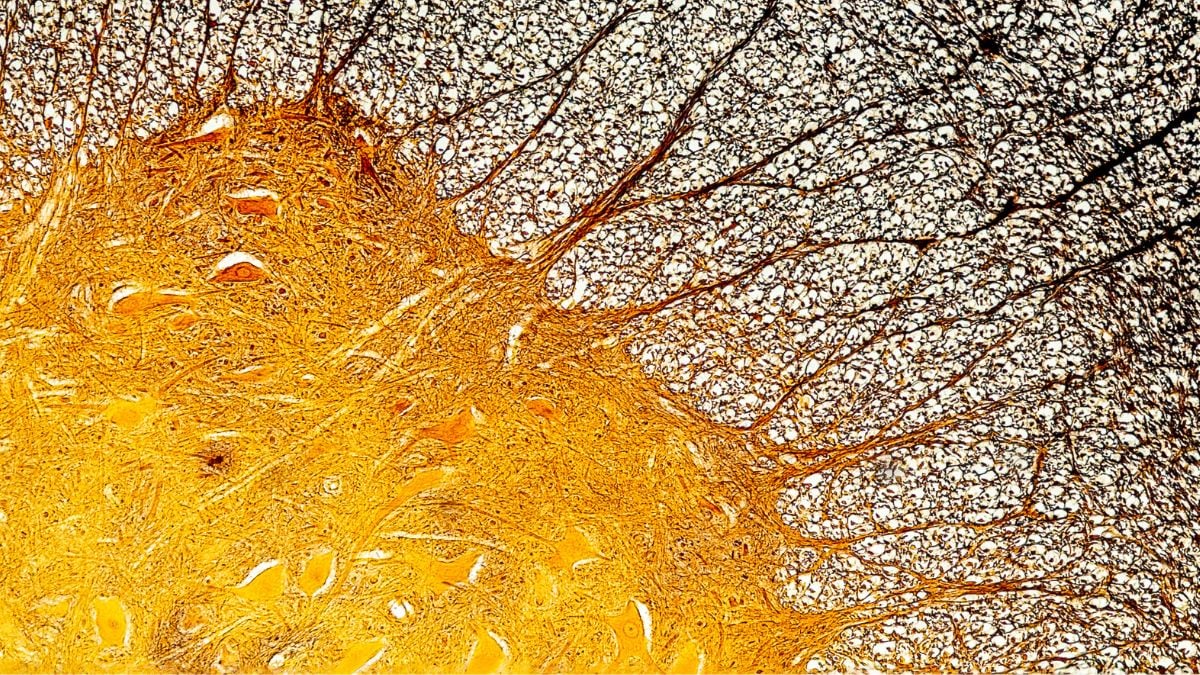
The new study, from researchers in the Netherlands, suggests that in the most severe cases of MS, an immune cell usually in charge of repairing damaged tissue and clearing away waste becomes overloaded with fat droplets.

Known as "foamy microglia", these cells have been spotted in MS patients before, but it wasn't clear exactly what they were doing.

According to the findings from this latest study, they could be key drivers of MS at its worst.

Images of MS lesions with foamy microglia. Red arrows indicated fat-filled pockets of increasing size (left to right) inside the immune cells. (van der Vliet et al., Nat. Neurosci., 2026)

MS is an autoimmune disease in which the body's immune system becomes overactive, mistakes its own cells as foreign, and starts causing damage through inflammation. But these foamy microglia suggest there's also more to the story.

"We found that patients with large numbers of these foamy microglia had a more severe disease course more frequently," says molecular physiologist Daan van der Vliet, from Leiden University in the Netherlands.

"It does not appear to be simply about the inflammatory response alone."

The team analyzed post-mortem brain tissue from 28 people with secondary progressive MS, where the disease has progressed to the point where cognitive and physical function are declining.

This tissue was compared against samples from 10 donated brains from people without the disease.

Brain tissue samples
The researchers compared brain tissue samples collected from people with and without severe MS, looking at the damage (lesions) on nerve cells. (van der Vliet et al., Nat. Neurosci., 2026)

Using a combination of profiling techniques, the researcher created a map of proteins, fats, and active genes for the brain regions affected by MS lesions.

These lesions form when the fatty, protective coating around nerve fibers, known as myelin, is attacked by immune cells that have become too aggressive.

Not only was there a link between more foamy microglia and MS progression, but the researchers also found that the microglia were changing the mode of inflammation around the lesions – they had a different molecular signature in terms of proteins and enzymes.

The researchers suggest that as microglia arrive to try and repair the damage done to neurons, they get clogged up with fats (beginning with myelin) and become overwhelmed, which in turn, makes the inflammation worse.

"These cells are probably trying to do something good: clearing up damage," says van der Vliet.

"But they become overloaded, so to speak. As a result, they can no longer effectively contribute to repair."

Microglia analysis
Severe MS was associated with fat-laden, 'foamy' microglia. (Netherlands Institute for Neuroscience)

The researchers also used a mouse model of MS, blocking one of the enzymes most active in foamy microglia. Tissue healing improved in these mice, further emphasizing the connection between these immune cells and worse MS progression.

We're still in the early stages of this research, and clinical trials with MS patients will be needed to see if the foamy microglia link holds up.

Researchers will also need to look at how these lesions that aren't repaired continue to develop over time.

However, these are promising findings in terms of figuring out why some people with MS live relatively normal lives for decades, while others become paralyzed sooner or develop more severe symptoms at a young age.

Subscribe to ScienceAlert's free fact-checked newsletter

The study team is hopeful that the findings could help develop new MS treatments that target fat metabolism in cells.

There's also the potential, along with other lines of research, to identify more severe cases of MS at an earlier stage.

The researchers found signs of fats associated with foamy microglia floating around in cerebrospinal fluid, which they say could be measured as a marker of the disease.

Related: Scientists Identify Specific Bacteria Linked to Multiple Sclerosis

"That opens the possibility of developing biomarkers in the future that could help doctors identify earlier which patients are at risk of rapid decline – and which treatment would suit them best," says van der Vliet.

The research has been published in Nature Neuroscience.

ScienceAlert stories are written, fact-checked, and edited by humans, never generated by AI. Don't miss a story, subscribe here.

Beethoven's DNA Reveals a Surprise 200 Years Later

On a stormy Monday in March, 1827, the German composer Ludwig van Beethoven passed away after a protracted illness.

Bedridden since the previous Christmas, he was ravaged by jaundice, his limbs and abdomen swollen, and every breath a struggle.

As his associates sorted through personal belongings, they uncovered a document Beethoven had written a quarter of a century earlier – a will beseeching his brothers to make details of his condition known to the public.

Today it is no secret that one of the greatest musicians the world has ever known was functionally deaf by his mid-40s.

It was a tragic irony Beethoven wished the world understood, not just from a personal perspective, but a medical one.

The composer would outlive his doctor by nearly two decades, yet close to two centuries after Beethoven's death, a team of researchers set out to fulfill his testament in ways he would never have dreamed possible, by genetically analyzing the DNA in authenticated samples of his hair.

Watch the video below for a summary of the research:

"Our primary goal was to shed light on Beethoven's health problems, which famously include progressive hearing loss, beginning in his mid- to late-20s and eventually leading to him being functionally deaf by 1818," biochemist Johannes Krause from the Max Planck Institute for Evolutionary Anthropology in Germany explained in a press statement in 2023, when the results were unveiled.

The primary cause of that hearing loss has never been known, not even to his personal physician Dr Johann Adam Schmidt.

Johann Adam Schmidt cameo
Johann Adam Schmidt, Beethoven's physician. (Wikimedia Commons/PD)

What began as tinnitus in his 20s slowly gave way to a reduced tolerance for loud noise, and eventually a loss of hearing in the higher pitches, effectively ending his career as a performing artist.

For a musician, nothing could be more ironic. In a letter addressed to his brothers, Beethoven admitted he was "hopelessly afflicted", to the point of contemplating suicide.

It wasn't just hearing loss the composer had to deal with in his adult life. From at least the age of 22 he is said to have suffered severe abdominal pains and chronic bouts of diarrhea.

Six years before his death the first indications of liver disease appeared, an illness thought to have been, at least in part, responsible for his death at the relatively young age of 56.

Subscribe to ScienceAlert's free fact-checked newsletter

In 2007 a forensic investigation into a lock of hair believed to belong to Beethoven suggested that lead poisoning could have hastened his death, if not have been ultimately responsible for the symptoms that claimed his life.

Given the culture of drinking from lead vessels and medical treatments of the time that involved the use of lead, it's hardly a surprising conclusion.

This latest study, published in March 2023, debunks the theory, however, revealing that the hair never came from Beethoven in the first place, but rather an unknown woman.

More importantly, several locks confirmed as far more likely to be from the composer's head indicate his death was probably caused by a hepatitis B infection, exacerbated by his drinking and numerous risk factors for liver disease.

"We cannot say definitely what killed Beethoven, but we can now at least confirm the presence of significant heritable risk, and an infection with hepatitis B virus," explained Krause.

"We can also eliminate several other less plausible genetic causes."

As for his other conditions?

"We were unable to find a definitive cause for Beethoven's deafness or gastrointestinal problems," Krause said.

An authentic lock of Beethoven's hair, affixed to a letter dated 1827 and photographed in 2018 by American Beethoven Society member Kevin Brown. (Begg et al., Curr. Biol., 2023)

In some ways, we're left with more questions on the life and death of the famous classical composer.

Where did he contract hepatitis? How did a lock of woman's hair pass as Beethoven's own for centuries? And just what was behind his gut pains and hearing loss?

Given the team was inspired by Beethoven's desire for the world to understand his hearing loss, it's an unfortunate outcome. Though there was one more surprise buried among his genes.

Further investigation comparing the Y chromosome in the hair samples with those of modern relatives descending from Beethoven's paternal line point to a mismatch.

This suggests extramarital sexual activity in the generations leading up to the composer's birth.

Related: Beethoven Really Did Have Lead Poisoning, But That Didn't Cause His Death

"This finding suggests an extrapair paternity event in his paternal line between the conception of Hendrik van Beethoven in Kampenhout, Belgium in c.1572 and the conception of Ludwig van Beethoven seven generations later in 1770, in Bonn, Germany," said Tristan Begg, a biological anthropologist now at the University of Cambridge in the UK.

It could all be a little more than a younger Beethoven bargained for, considering the fateful request he put to paper.

Never would he have dreamed of the secrets that were being preserved as his friends and associates clipped the hair from his body in the wake of that somber stormy Monday night in 1827.

This research was published in Current Biology.

An earlier version of this article was published in March 2023.

ScienceAlert stories are written, fact-checked, and edited by humans, never generated by AI. Don't miss a story, subscribe here.

This Week in Science: A Sleep Apnea Pill, Ancient Anesthetic, And More!

This Week In Science: A sleep apnea pill has been fast-tracked for FDA approval; the earliest evidence of surgical anesthetic detected on tools from more than 600 years ago; strange spacetime 'crystals', and much more!

Nightly Sleep Apnea Pill Fast-Tracked For Approval After Latest Trial Success

Nightly Sleep Apnea Pill Fast-Tracked For Approval After Latest Trial Success
(urbazon/E+/Getty Images)

A nightly pill to treat sleep apnea is on the fast track for FDA approval, after promising results in a recent phase 3 clinical trial.

By week 26, almost 42 percent of participants taking the drug had moved into a lower severity category – and nearly 18 percent stopped experiencing obstructive sleep apnea altogether.

Read the full story here.

Ming Dynasty Surgeons Used Poison as an Anesthetic, Ancient Tools Reveal

Ming Dynasty Surgeons Used Poison as an Anesthetic, Ancient Tools Reveal
A pair of surgical scissors from the Ming Dynasty tomb of physician Xia Quan. (Ling et al., Antiquity, 2026)

Early surgeons used toxic compounds as anesthetic, according to a new chemical analysis of 600-year-old medical tools in China.

"This is the first time humanity has found direct chemical evidence of anesthetics on ancient surgical tools, proving that our ancestors already knew how to safely alleviate patients' pain with highly toxic herbs," says Congcang Zhao of Northwest University in China.

Read the full story here.

A Dazzling Meteor Just 'Video Bombed' a Volcanic Eruption

A Dazzling Meteor Just 'Video Bombed' a Volcanic Eruption
A bright streak of light explodes above the glowing slopes of Mayon Volcano at 10:33 p.m. on May 25, 2026. (afarTV/YouTube)

In a stunning coincidence, a livestream video of a volcano erupting in the Philippines captured a dazzlingly bright meteor on Monday.

Subscribe to ScienceAlert's free fact-checked newsletter

Whatever this fireball was, it probably wasn't burning space junk. Such human-made objects tend to leave unruly trails of sparkling debris, whereas meteors, which are comparatively denser, typically streak right through Earth's atmosphere.

Read the full story here.

This Plant Summons Wasps When Under Attack, And We Finally Know How

This Plant Summons Wasps When Under Attack, And We Finally Know How
When treated with caterpillar elicitor peptides, plants can induce indirect defenses by attracting beneficial insects, predatory wasps in the genus Polybia and Mischocyttarus. (Brian Behnken)

New experiments have revealed how bean plants can attract predatory wasps to defend them from hungry caterpillars.

Common bean plants, the study found, have receptors that recognize and react to inceptin, a peptide that occurs commonly in caterpillar 'spit'. When caterpillars chew at a bean plant's leaves, it triggers a wave of immunological responses in the plant, which release volatile compounds that start 'advertising' fresh caterpillar on the wasp menu.

Read the full story here.

A Common Vitamin Helps Cancer Defend Itself – But Could Also Let Us Fight It

Cancer cell being attacked
(Selvanegra/iStock/Getty Images Plus)

Vitamin B2 has been found to play a key role in how cancer defends itself – but it might also be something we can target to fight the disease.

The tests also revealed that the compound roseoflavin could potentially work to disrupt this cancer cell shield. It's very early days, but this suggests a way to target cancer cells without interfering with vitamin B2 in healthy cells.

Read the full story here.

Spacetime 'Crystals' Could Collapse Into Tiny Black Holes, Wild Paper Explains

Spacetime 'Crystals' Could Collapse Into Tiny Black Holes, Wild Paper Explains
(Philipp Tur/iStock/Getty Images Plus)

A wild new paper explains how bits of spacetime could actually 'crystallize' – and these crystals could then collapse into tiny black holes.

"This spacetime crystal is a very peculiar and fascinating object," says physicist Daniel Grumiller of the Technical University of Vienna in Austria.

"It is a kind of intermediate state, an unstable point that can evolve in two different directions. It may simply dissolve again, leaving behind ordinary spacetime filled with freely moving particles.

"But if a tiny amount of energy is added, the evolution takes a completely different path: the inconspicuous spacetime crystal turns into a black hole."

Read the full story here.

ScienceAlert stories are written, fact-checked, and edited by humans, never generated by AI. Don't miss a story, subscribe here.

Mysterious Stone in US Backyard Turns Out to Be an Archaeological Treasure

If you've ever tried to overhaul a garden, you know you're bound to find broken bits of pottery and long-forgotten statuary swallowed by vines.

But for one couple, that imitation of archaeological discovery turned into the real thing.

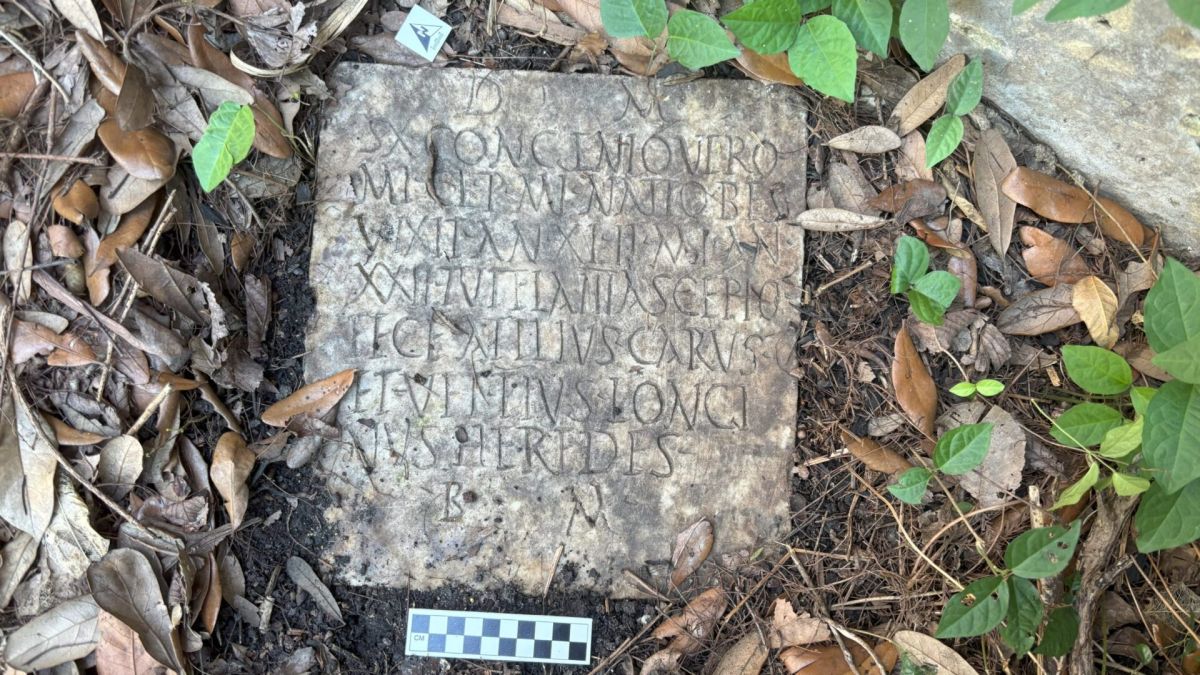
At first glance, the marble slab etched in Latin – including the phrase "spirits of the dead" – might have looked like a mass-produced facsimile designed to lend a garden a little decorative gravitas.

But for anthropologist Daniella Santoro, who lives with her husband Aaron Lopez in a historic home in New Orleans' Carrollton neighborhood, the object – found half-buried in the undergrowth – set off some spidey senses.

For a moment, she feared they might have uncovered an old grave.

YouTube Thumbnail

"The fact that it was in Latin that really just gave us pause, right?" Santoro told the Associated Press.

"I mean, you see something like that and you say, 'Okay, this is not an ordinary thing.'"

Instead of ignoring the instinct, Santoro reached out to experts.

Among those who examined the inscription were archaeologist Susann Lusnia of Tulane University and anthropologist D. Ryan Gray of the University of New Orleans, who shared the find with other colleagues.

It didn't take long for the researchers to recognize what the couple had found.

The Latin text begins Dis Manibus – "to the spirits of the dead" – a common dedication on Roman funerary tablets.

Mysterious Stone in US Backyard Turned Out to Be an Archaeological Treasure
The object, found half-buried in the undergrowth, set off some spidey senses. (D. Ryan Gray/PRCNO)

In Roman funerary practice, Dis Manibus was a standard dedication to the spirits of the departed, often carved at the top of tombstones. Thousands of such inscriptions survive across the former Roman Empire.

Further translation revealed that the stone commemorated a Roman soldier, a Thracian named Sextus Congenius Verus.

Commissioned by his heirs, Atilius Carus and Vettius Longinus, the grave marker records that he died at 42, after 22 years of military service – some 1,900 years before Santoro and Lopez found his grave marker in an overgrown garden, half a world away.

Intriguingly, this was not the first record of the stone. Early in the 20th century, it had been documented as part of the collection of the National Archaeological Museum of Civitavecchia, Italy, a port town where the grave marker once stood in a small cemetery.

Subscribe to ScienceAlert's free fact-checked newsletter

The museum was heavily damaged during Allied bombing in 1943 and 1944, and numerous artifacts were lost or displaced. Across Europe, wartime bombing and looting displaced countless cultural artifacts, many of which remain unaccounted for decades later.

The grave marker was among those later listed as missing. Its exact measurements, as recorded by the museum, matched those of the tablet found in Santoro and Lopez's garden.

Exactly how the stone traveled from wartime Italy to suburban Louisiana remained an equally fascinating saga.

According to Erin Scott O'Brien, the Carrollton house's former owner, the tablet had been on display in a cabinet containing other heirlooms in the Gentilly house of her grandfather, Charles Paddock Jr., a soldier stationed in Italy during WWII.

Related: 'Mammoth' Bones Kept in a Museum For 70 Years Turn Out to Be An Entirely Different Animal

Paddock Jr. and his wife died in the 1980s; when O'Brien moved into the home in the early 2000s, her mother gifted her the stone.

"We planted a tree and said this is the start of our new house. Let's put it outside in our garden," O'Brien told Preservation in Print. "I just thought it was a piece of art. I had no idea it was a 2,000-year-old relic."

More than 80 years have passed since the museum that once held the relic was devastated by war, and the principal players in the drama are dead.

It's likely we'll never know the true story of how Paddock came into possession of the stone, but perhaps what really matters is that it's finally returning home – to the land of the empire Sextus Congenius Verus so faithfully served.

The FBI's Art Crime Team is coordinating its repatriation to the National Archaeological Museum of Civitavecchia.

An earlier version of this article was published in February 2026.

ScienceAlert stories are written, fact-checked, and edited by humans, never generated by AI. Don't miss a story, subscribe here.

Largest Ever Dinosaur Discovered in Southeast Asia Was a Real Doozy

An ancient giant – as massive as nine elephants – has emerged from Thailand.

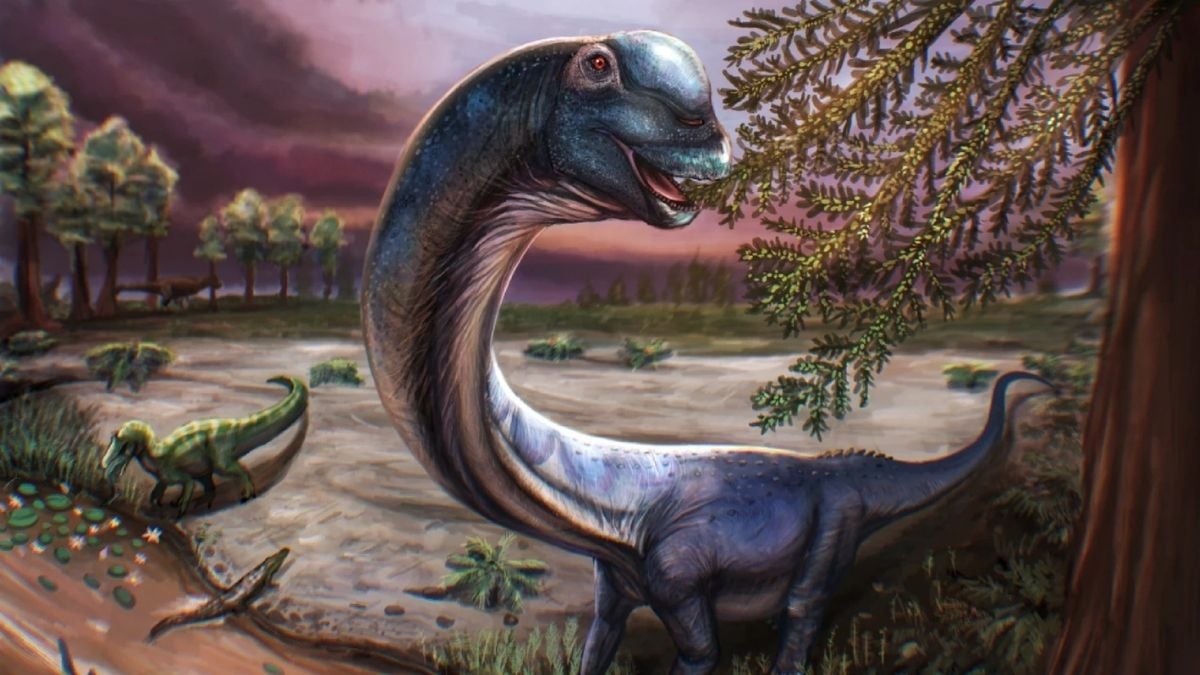
The dinosaur, named Nagatitan chaiyaphumensis, lived more than 100 million years ago during the Early Cretaceous.

It was a sauropod, sporting a lengthy tail, a long neck, and a prodigious appetite for plants, à la the on-again off-again Brontosaurus.

It likely weighed up to 28 tons and stretched some 27 meters (89 feet) long.

That's truly immense – more than 10 tons more massive than the hugely famous (and famously huge) Dippy the Diplodocus.

And it makes Nagatitan the largest dinosaur ever discovered in Southeast Asia.

Researchers Reveal a Doozy of a Dinosaur, The Size of Nearly 10 Elephants
An illustration showing the skeleton of N. chaiyaphumensis, with the preserved bones highlighted in yellow. (Sethapanichsakul et al., Sci. Rep., 2026)

Yet Nagatitan would have been only modestly mammoth compared with Patagotitan, a sauropod thought to have weighed approximately 70 tons and which may have been the largest land animal to ever walk the Earth.

Nagatitan has also been bestowed with an interesting etymology.

"Naga" refers to mythological water serpents frequently featured in Asian and Buddhist mythos. "Titan" derives from the Titans, or elder deities of Greek myths.

"Chaiyaphumensis" comes from the Chaiyaphum province of Thailand, where the bones were found.

As described in a recent paper published by a collaboration of researchers from Thailand and University College London (UCL), the remains of Nagatitan were discovered in 2016 on the edge of a dried pond in northeastern Thailand.

To tease out fine details and safely study bones across institutions, the researchers used a surface-scanning technique to create three-dimensional models.

"The material was studied both in Thailand and at UCL – 3D scanning and printing has meant that we can study the specimen and collect data without having to travel," says Paul Upchurch, paleobiologist at UCL and one of the study's co-authors.

Researchers Reveal a Doozy of a Dinosaur, The Size of Nearly 10 Elephants
Figures a-e show other, non-sauropod remains found in the same area. Figure f depicts the known faunal assemblage from the Khok Kruat Formation, with N. chaiyaphumensis in blue and tentative taxa in black. (Sethapanichsakul et al., Sci. Rep., 2026)

In relation to other dinosaur fossils, it presented a fairly comprehensive collection of bones that exhibited a few morphological differences from those of other known sauropods.

The fossil find included eight vertebrae, five ribs, parts of the pelvis, a humerus, and a femur, along with some indeterminate fragments.

The dinosaur appears to be somewhat of an endling. The researchers have dubbed it "the last titan" because it was found in the Khok Kruat Formation, the youngest dinosaur-fossil-bearing stratigraphic region in Thailand.

The Khok Kruat Formation preserves a diverse array of fossils, including sharks, turtles, pterosaurs, ancestral crocodiles, and fearsome, predatory theropods, including an 8-meter-long shark-toothed predator.

Subscribe to ScienceAlert's free fact-checked newsletter

In the Early Cretaceous, this area may have hosted shrublands and savannas, cut through by a meandering river system. As flying reptiles swiftly swooped up fish from the currents, Nagatitan could have dipped its long neck to gulp vast mouthfuls of water.

A product of their environment, as creatures usually are, sauropods seemed to have adjusted well to rising temperatures, despite their size. Perhaps they evolved their large surface area to dissipate heat.

The landscape then shifted dramatically, ending the dinosaurs' reign in Southeast Asia.

Related: Giant Dinosaurs Were Riddled With a Devastating Disease, Fossils Show

"Younger rocks laid down towards the end of the time of the dinosaurs are unlikely to contain dinosaur remains because the region by then had become a shallow sea," explains Thitiwoot Sethapanichsakul, a paleontologist at UCL, and first author of the study.

"So this may be the last or most recent large sauropod we will find in Southeast Asia."

Nagatitan isn't just an important 'last' – it's an exciting first for its discoverers, too.

"I've always been a dinosaur kid," says Sethapanichsakul.

"This study doesn't just establish a new species but also fulfils a childhood promise of naming a dinosaur."

This research was published in Scientific Reports.

ScienceAlert stories are written, fact-checked, and edited by humans, never generated by AI. Don't miss a story, subscribe here.

New Wearable Ultrasound Device Could 'Transform' Pregnancy Care

It's hard to imagine pregnancy care without the ultrasound.

Since the 1950s, this incredible technology has provided an essential snapshot into the womb.

Now, scientists are taking it up a notch by trying to provide a continuous window of imaging.

In the coming years, new inventions may allow prospective parents and their physicians to monitor a developing fetus for hours on end, without the need for a traditional handheld ultrasound device or a sonographer standing by.

That sounds like sci-fi, but the proof of concept already exists.

Scientists at the University of California San Diego, Stanford, and Oxford have now invented a wearable ultrasound patch, called UPatch.

Mariana Tome, study co-author and obstetrics doctor at the University of Oxford, thinks the invention could "transform pregnancy care".

"This is the kind of technology obstetrics has been waiting for," she claims.

Like a handheld ultrasound, UPatch sends high-frequency sound waves inside the body to bounce off structures.

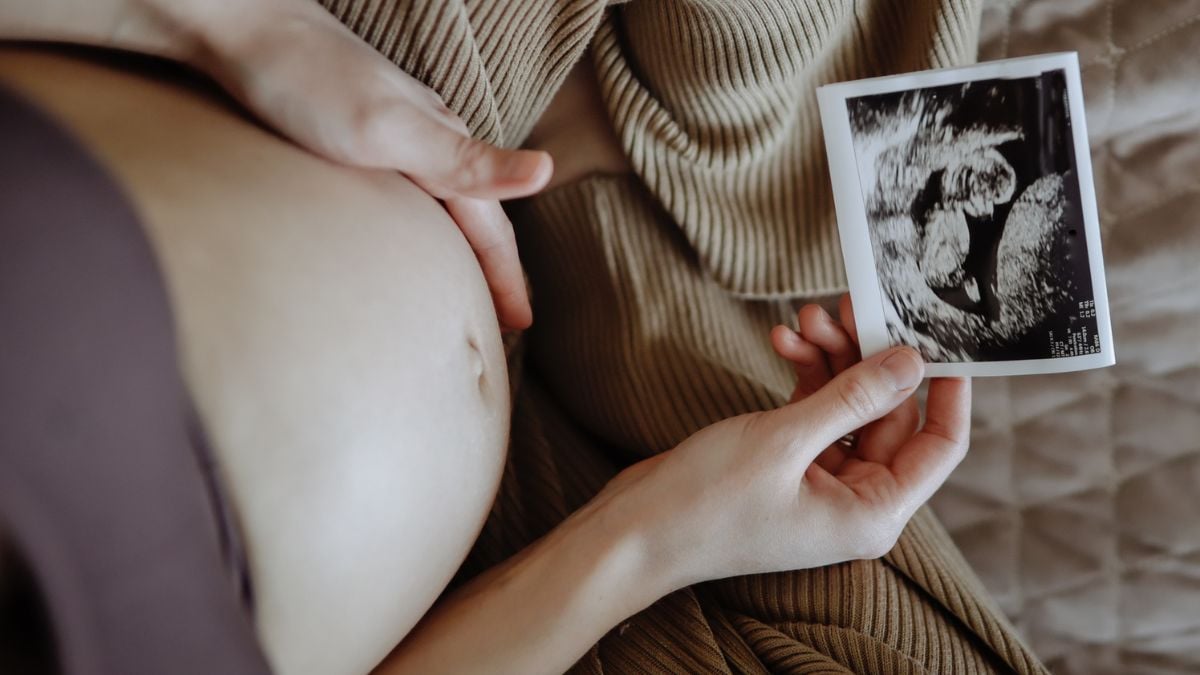
Ultrasound is used to periodically monitor fetal growth during pregnancy. A new device could provide continuous monitoring over longer periods. (Maskot/Getty Images)

The returning echoes are then read by special software to capture a real-time view of what's going on inside the body.

UPatch sticks to the skin of the abdomen, where it 'reads' the echoes of red blood cells deep within the vessels of a developing fetus.

It can even accurately measure anatomical features of the fetus, such as the head circumference, abdominal circumference, or femur length, thereby providing an estimated weight.

Most impressively, UPatch does all this autonomously, without the need for a trained sonographer on hand.

The patch needs to be connected to a bulky backend powering system, and it doesn't work when a mother is walking or moving too much, but it is technically hands-free.

"Babies in the womb still cannot be monitored reliably, which is a major gap in maternity care worldwide, with huge implications. Solutions are needed urgently," says Antoniya Georgieva, a reproductive health researcher at Oxford.

"The UPatch technology opens the possibility of monitoring the most important signals of fetal health over much longer periods, gain essential new knowledge of how babies' oxygen supply and wellbeing adapt inside the womb, and ultimately helping clinicians identify problems earlier."

New Ultrasound Patch Could "Transform Pregnancy Care"
An exploded view of the UPatch and how it works. (Park et al., Nat. Biotechnol., 2026)

When researchers tested the patch on 62 pregnancies within a clinical setting, it performed on par with current ultrasound devices.

For one participant, the patch even noticed a dangerous change in blood flow to the fetus, signaling preeclampsia.

"Following the detection of compromised fetal health using the UPatch, the preeclamptic participant underwent intensive monitoring and the baby was delivered by Cesarean section four days later," write the study authors.

During pregnancy, ultrasounds are regularly recommended to monitor the health of both the mother and the child.

In higher-risk pregnancies, where patients are kept in the clinic for longer periods of time, ultrasounds are done multiple times a week.

Each one of those scans, however, takes time and requires a sonographer to use a handheld device to focus on parts of the uterus.

UPatch allows patients to be monitored in bed for hours, without the need for a clinician to move the device's focus or interpret the results in real time.

Movements UPatch
UPatch can image the womb even when a mother moves around. (Park et al., Nat. Biotechnol., 2026)

If UPatch is used in conjunction with classical imaging techniques, then perhaps pregnancy outcomes could be greatly improved, its inventors argue.

"This technology could expand access to prenatal imaging in healthcare deserts and low-resource settings, where shortages of trained sonographers often delay care for high-risk pregnancies," says Tom Park, the main engineer who designed and fabricated UPatch.

After comparing the patch to current ultrasound devices, the researchers then tested the patch continuously for between 1 and 6 hours in 52 pregnant women, including those affected by preeclampsia, gestational diabetes, hypertension, or poor fetal growth.

The findings reveal differences between short-term fluctuations in ultrasound readings and longer-term changes that require closer monitoring.

Subscribe to ScienceAlert's free fact-checked newsletter

Researchers hope the device can help clinicians more readily detect signs of sustained fetal distress, so they can intervene sooner.

The flexible patch is designed with electrodes and an acoustic lens, so that when it wraps around an expectant mother's abdomen, it provides a window to the entire uterus while sitting, standing, or lying down.

Related: Yawning Is So Contagious You Can Catch It Before You're Born, Study Suggests

It can even provide details on how blood flow rates in the umbilical artery compare to those in the fetus's brain.

"This work shows how advances in soft electronics, ultrasound engineering, and clinical science can come together to address one of the most important unmet needs in pregnancy care," says senior author and engineer Sheng Xu from Stanford.

The study is published in Nature Biotechnology.

ScienceAlert stories are written, fact-checked, and edited by humans, never generated by AI. Don't miss a story, subscribe here.

❌