Normal view

HexClad just dropped its summer sale with site-wide discounts on everything it makes (including pots and pans)

3 June 2026 at 21:29

HexClad has marked down nearly its entire catalog for the season, with free shipping and cuts that run up to roughly 50% across hybrid cookware, Damascus steel knives, and grilling gear. The summer sale has a few standouts worth flagging up top: the 7-piece Damascus Steel Knife Set drops to $399 (was $783), the Master Series steak knife set falls to $131 (was $259), and the Hybrid BBQ Grill Pan is down to $111 (was $159). The prices hold while the sale runs, and a handful of the bundles throw in a free gift on top.

I just started testing a HexClad frying pan to update some of our cookware buying guides and I’m impressed off the bat. My fried eggs have been dancing around the cooking surface like Ryan and Emma in La La Land (I just got around to watching La La Land).

HexClad Hybrid Fry Pan with Lid, 12-inch $169 (was $199)

The pan that built the brand, and the easiest way into the lineup

See It

The 12-inch Hybrid is currently on my stove and it will have a pound of ground beef in it later. With a laser-etched stainless steel grid raised over the nonstick valleys, you can sear hard and use metal utensils without chewing up the surface. It works with induction cooktops, stays oven-safe to 500 degrees, and the tempered glass lid covers everything from a fast fry to a slow simmer.

HexClad Hybrid Fry Pan Set with Lids, 6-Piece $399 (was $691)

Three pans, three lids, and a free gift for $292 off

See It

This set covers the three pan sizes most kitchens actually reach for, the 8-, 10-, and 12-inch Hybrids, each with its own tempered glass lid. Bought together they run $292 less than the pans cost individually, and HexClad is adding a free gift with purchase during the sale. It is the practical pick if you want most of your stovetop sorted in one box without jumping to a full set.

HexClad Hybrid Pots and Pans Set, 12-Piece $699 (was $1,198)

A full cookware kit for $499 off, the headline deal of the sale

See It

This is the complete HexClad kitchen in one box, with fry pans, saucepans, a stockpot, and lids that handle nearly everything you cook in a given week. It is the most-reviewed item in the whole sale and carries the biggest dollar discount most people will reasonably go for, $499 off the regular $1,198. If you are replacing a tired set all at once, this is the cheapest moment to buy into the version you keep for years.

HexClad Cookware Sets and Bundles

The bundles are where the deepest percentage cuts live. The Too Hot to Handle Bundle is half off at $1,399 (was $2,766), and the Summer Sizzler Set lands at $999 (was $1,933) if you want to outfit a kitchen and a grill in one go.

HexClad Hybrid Fry Pan Deals

If you would rather buy one pan at a time, every size is discounted. The smaller pans carry the steepest cuts, with the 7-inch Hybrid down to $76 (was $109), a low-risk way to test whether the hybrid surface earns a spot in your kitchen.

HexClad Pots, Saucepans, and Dutch Ovens

Need to fill gaps rather than buy a full set? The pots and saucepans are each 15% off, including the 5-quart Hybrid Dutch Oven at $169 (was $199) and the 12-quart Stock Pot at $186 (was $219).

HexClad Grilling and Specialty Cookware

This is the summer-relevant corner of the sale. The Hybrid BBQ Grill Pan drops 30% to $111 (was $159), and the 10-inch Hybrid Wok is $95 (was $119) if stir-fry is more your speed.

HexClad Damascus Steel Knives and Knife Sets

The knives carry some of the largest percentage discounts in the sale. The 7-piece Damascus Steel Knife Set is half off at $399 (was $783), and the Master Series 4-piece steak knife set is $131 (was $259).

HexClad HexMill Grinders

The HexMill grinders rarely move on price, so the sale is worth a look. The Salt and Pepper Grinder Set is $199 (was $318), and the full HexMill Collection Bundle is $299 (was $487).

HexClad Cutting Boards, Tools, and Accessories

The smaller add-ons round out the cart. The 8-piece BBQ Tool Set is $74 (was $99), and the 6-piece Stainless Mixing Bowl Set with vacuum-seal lids drops to $84 (was $99).

The post HexClad just dropped its summer sale with site-wide discounts on everything it makes (including pots and pans) appeared first on Popular Science.

Injectable nanorobots may help heal spinal injuries

3 June 2026 at 20:50

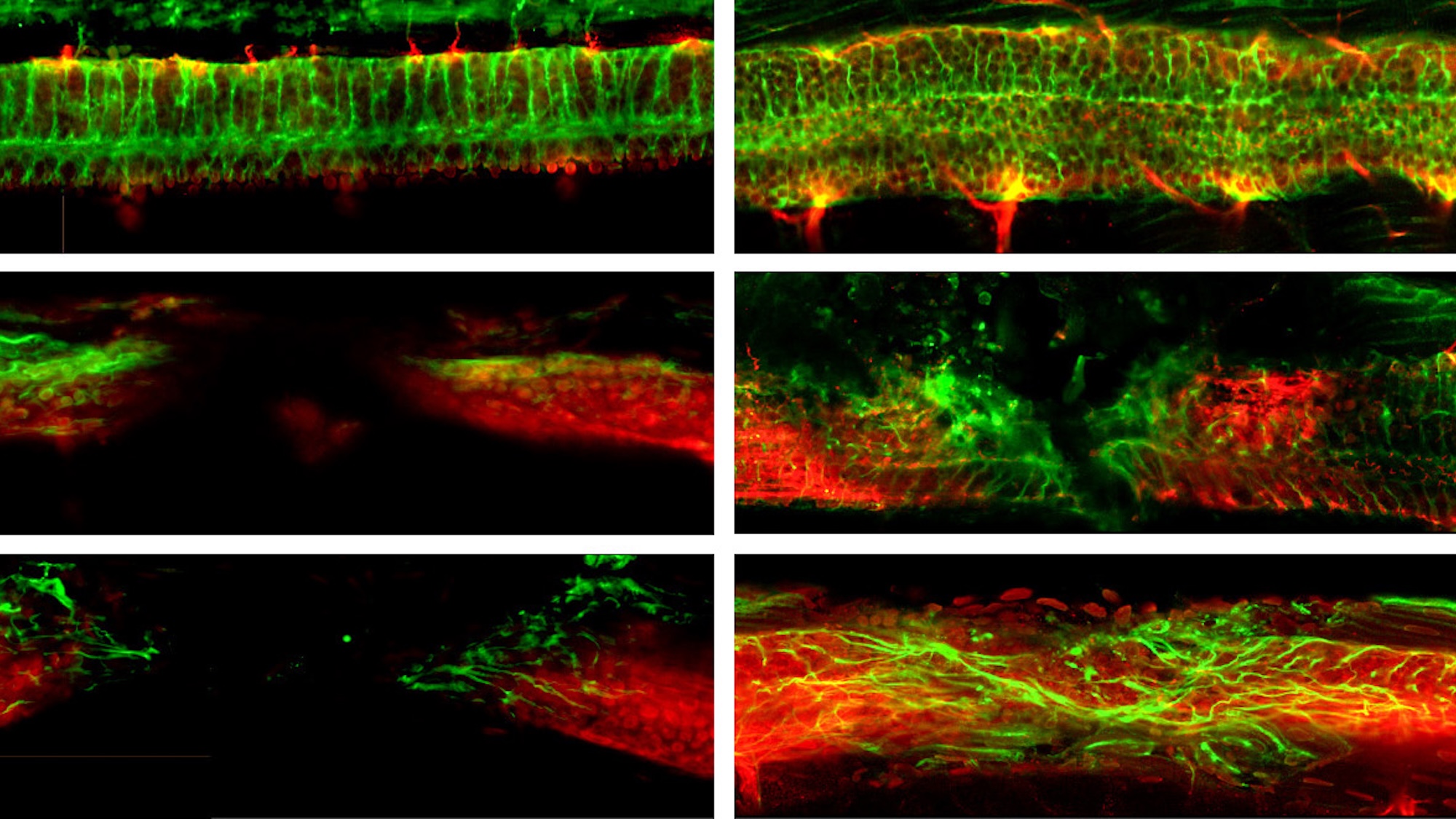
Despite significant medical advances, spinal cord damage remains one of the most difficult physical injuries to treat. Scarring frequently gets in the way of nerve fiber regrowth, while nerve cells usually cannot regenerate on their own. A possible solution? A fleet of stem cell-infused, injectable nanorobots that can help nerve cells regenerate. The tiny bots are detailed in a study recently published in the journal Nature Materials.

To build their new tools, a team at ETH Zurich in Switzerland engineered microscopic machines that combine living neural progenitor cells (NPCs)—specialized stem cells developed for the spine—with customized nanoparticles. These customized nanoparticles feature two layers—one that is sensitive to magnetic fields and another that translates them into electrical signals.

“We place a reservoir in the center where we trap the cells. Then we inject the nanoparticles and wait for the two components to bind,” Salvador Pané i Vidal, a study co-author and ETH Zurich roboticist, said in a statement.

Each nanorobot is about six micrometers wide, making them smaller than a red blood cell. However, the number of robots required to pull off a procedure is immense. Millions of nanobots are needed during animal trials. Even with such a high number, the initial experimental results are promising. In tests involving mice with severed spinal cords, nerve cells stimulated by the microrobots began reconnecting at the injury site within 28 days. By the end of the trial, the mice displayed major improvements in movement, gait, coordination, and exploratory behavior. 

Significantly more research is required before these nanobots are ready for primetime, but the team hopes to one day begin testing similar devices in humans. Before that, they need to determine the most effective magnetic fields and how long to apply them to patients. In the meantime, the overall design could also be applied to help treat regenerative issues in organs and wounds.

“The reproducible and scalable production of microrobots using our lab-on-a-chip system demonstrates that the platform’s application potential extends beyond basic research,” added Pané i Vidal.

The post Injectable nanorobots may help heal spinal injuries appeared first on Popular Science.
Georgia is battling invasive, 4-foot-long lizards

3 June 2026 at 18:31

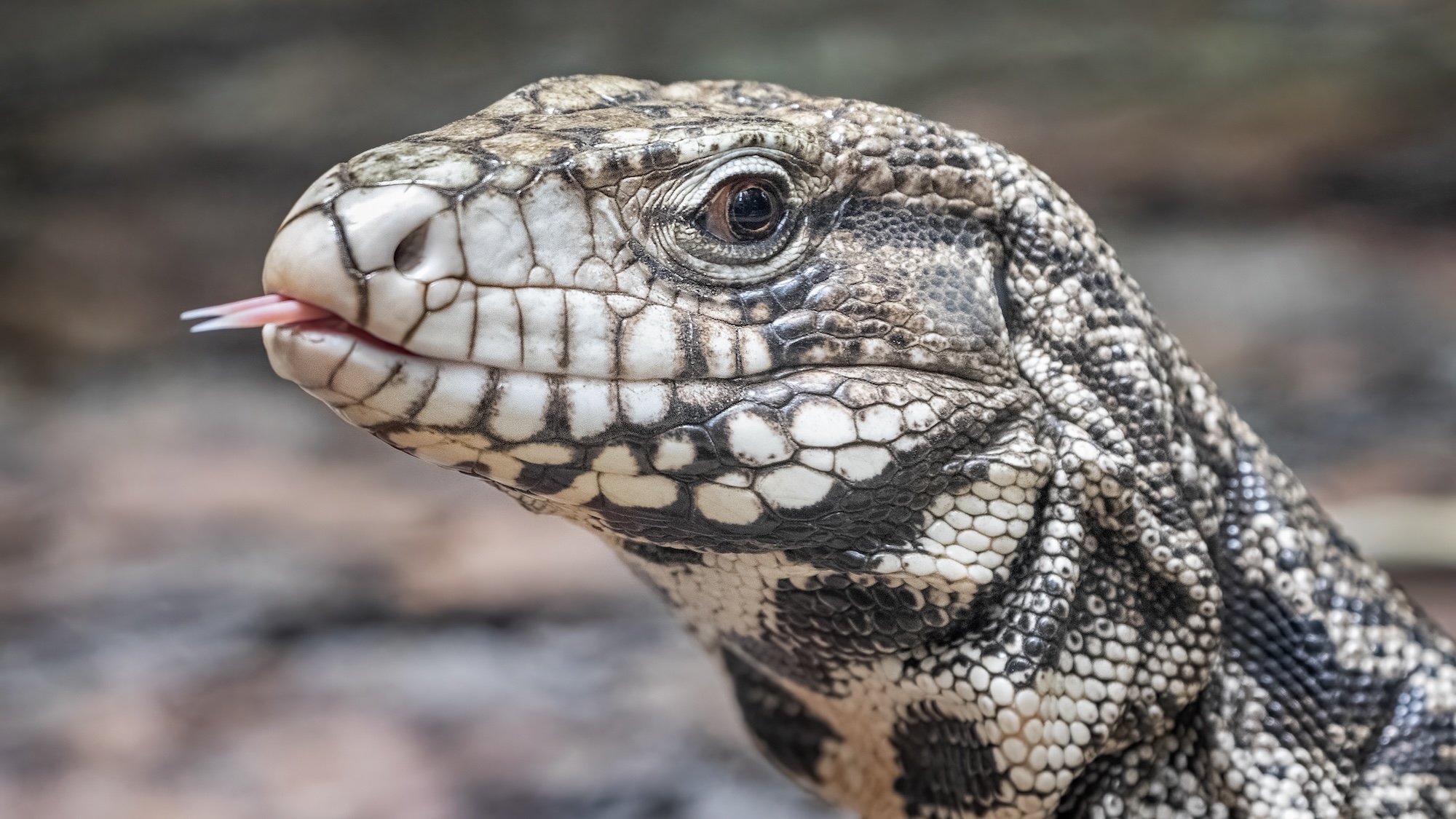
Wildlife experts in Georgia are urging locals to keep on the lookout for any four-foot-long lizards wandering around the Peach State. As its name implies, the Argentine black and white tegu (Salvator merianae) isn’t native to the United States, and it’s quickly becoming a nuisance.

Although the black and white tegu resembles many monitor lizard species, they are actually only distantly related to the reptiles. The speckled omnivores can weigh upwards of 10 pounds, largely thanks to a diet that regularly includes eggs, small animals, fruits, and vegetables. They are also extremely prolific animals, with a single female capable of producing around 35 eggs every year. These typically hatch during the summer between June and July, meaning many in Georgia have a decent chance of spotting a tegu in the near future.

It’s still unclear how the tegus were first introduced into the state, although illegal releases by exotic pet owners are the most likely explanation. Georgia’s Department of Natural Resources (DNR) first responded to reports of the rogue reptiles in 2018, with sightings spreading ever since. Tegus are currently particularly concentrated in southeastern Georgia’s Toombs and Tattnall counties, but experts fear a lack of predators means the lizard population could soon explode without concerted conservation efforts. As non-native “wild” species, trapping and hunting tegus is legal in Georgia throughout the year.

That said, the DNR still cautions hunters against coming into direct contact with the reptiles. Although not particularly aggressive or dangerous, tegus may carry exotic parasites as well as harmful bacteria including salmonella. Experts encourage people to instead contact the DNR if they see one of the lizards, either by emailing gainvasives@dnr.ga.gov or calling (478) 994-1438.

Unfortunately, Georgia isn’t the only state contending with an unwanted tegu problem. According to an ongoing mapping project from the U.S. Geological Survey and Georgia Southern University, residents across Florida, Alabama, South Carolina, and Texas have also reported sightings in recent years.

The post Georgia is battling invasive, 4-foot-long lizards appeared first on Popular Science.

Marie Antoinette probably got braces to straighten her teeth

3 June 2026 at 18:05

What’s the weirdest thing you learned this week? Well, whatever it is, we promise you’ll have an even weirder answer if you listen to Popular Science’s hit podcast. The Weirdest Thing I Learned This Week hits Apple, Spotify, YouTube, and everywhere else you listen to podcasts every-other Wednesday morning. It’s your new favorite source for the strangest science-adjacent facts, figures, and Wikipedia spirals the editors of Popular Science can muster. If you like the stories in this post, we guarantee you’ll love the show.

FACT: Marie Antoinette probably had braces

By Rachel Feltman

The idea of Marie Antoinette in orthodontic braces probably sounds like something out of my favorite Sofia Coppola film, but it’s not as anachronistic as it sounds. While I couldn’t find a definitive primary source on the subject, there are historical mentions of Marie Antoinette undergoing orthodontic treatment. And in some ways, it would be more surprising if she didn’t do a stint in braces: modern dentistry as we know it was essentially invented in France in the early 1700s, and by the time Marie and Louis got hitched, French people were practically known for having straight, pretty teeth. We know that Marie Antoinette was given an intense French makeover in all things before being shipped off to Versailles, so it’s plausible that she had a bit of dental work done, too. 

If the idea of 18th century orthodontia makes you want to put your head between your knees, you’re not wrong. The hardware designed by Pierre Fauchard, called a bandolet or bandeau, used a horseshoe-shaped piece of metal that pressed against the inside or outside of the dental arch. Dentists would manually tie individual teeth to the appliance using either silk threads or thin metal wires. That is, admittedly, pretty identical to how braces work today—they exert constant pressure on teeth to help move them into new positions, then hold them there while everything settles into place. But modern braces are designed to move teeth more effectively and with as little pain as possible, and the bandeau was much more of a blunt instrument. 

For a fun French dental bonus fact, I dug into the weird social history of smiling on the eve of the Revolution. Check out this week’s episode to learn more! 

FACT: One woman’s cells have fueled most medical research for decades 

Featuring Hari Kondabolu and Dr. Priyanka Wali

Today’s special guests are comedian Hari Kondabolu and physician-slash-comedian Priyanka Wali. Together they host the podcast Health Stuff, where they dive into everything from earwax to sleep hygiene.

On this week’s episode of Weirdest Thing, Hari and Priyanka share the story of Henrietta Lacks. While being treated for cervical cancer at Johns Hopkins in the 1950s, this African American mother of five unknowingly—and involuntarily—changed the course of medical history. Cancer cells from one of her biopsies were sent off for research without her knowledge or consent. Unlike other cancer cells in the lab, hers kept doubling instead of dying off. They were the first human cells that were discovered to multiply easily in a lab setting, making them perfect for studying the impact of various drugs, hormones, viruses, and toxins. While the cell line that originates from Henrietta Lacks’ tissues—called the HeLa line—has been used in research that’s saved countless lives over the decades, they also serve as a reminder of the entrenched racism of our medical system.

Listen to this week’s episode to learn more about Henrietta’s story. And for a deeper dive, check out “The Immortal Life of Henrietta Lacks.” 

FACT: It’s possible that neanderthals knew how to treat cavities 

By Rachel Feltman

Surprise, more teeth! Scientists recently reported that a 59,000-year-old tooth—a neanderthal molar, to be precise—could conceivably have been drilled to treat a cavity. They came to that conclusion by tinkering with three modern teeth, AKA subjecting them to the horrors of prehistoric dental treatment, to show that the ancient chomper showed signs of the same. 

Unsurprisingly, not everyone is 100 percent convinced by the experimental evidence. But even if hominids weren’t drilling cavities that long ago, there’s good reason to believe we’ve been at it for longer than you might guess. A couple of teeth from the Stone Age (about 13,000 years ago) show less ambiguous signs of dental drilling, and dentistry has been a flourishing (if often misguided) practice for thousands of years. Many of our ancient ancestors even wore dental bridges made out of gold and other precious metals—so grills have a long, proud history. 

The post Marie Antoinette probably got braces to straighten her teeth appeared first on Popular Science.
Rare meteorite proves our solar system almost had an extra planet

3 June 2026 at 17:01

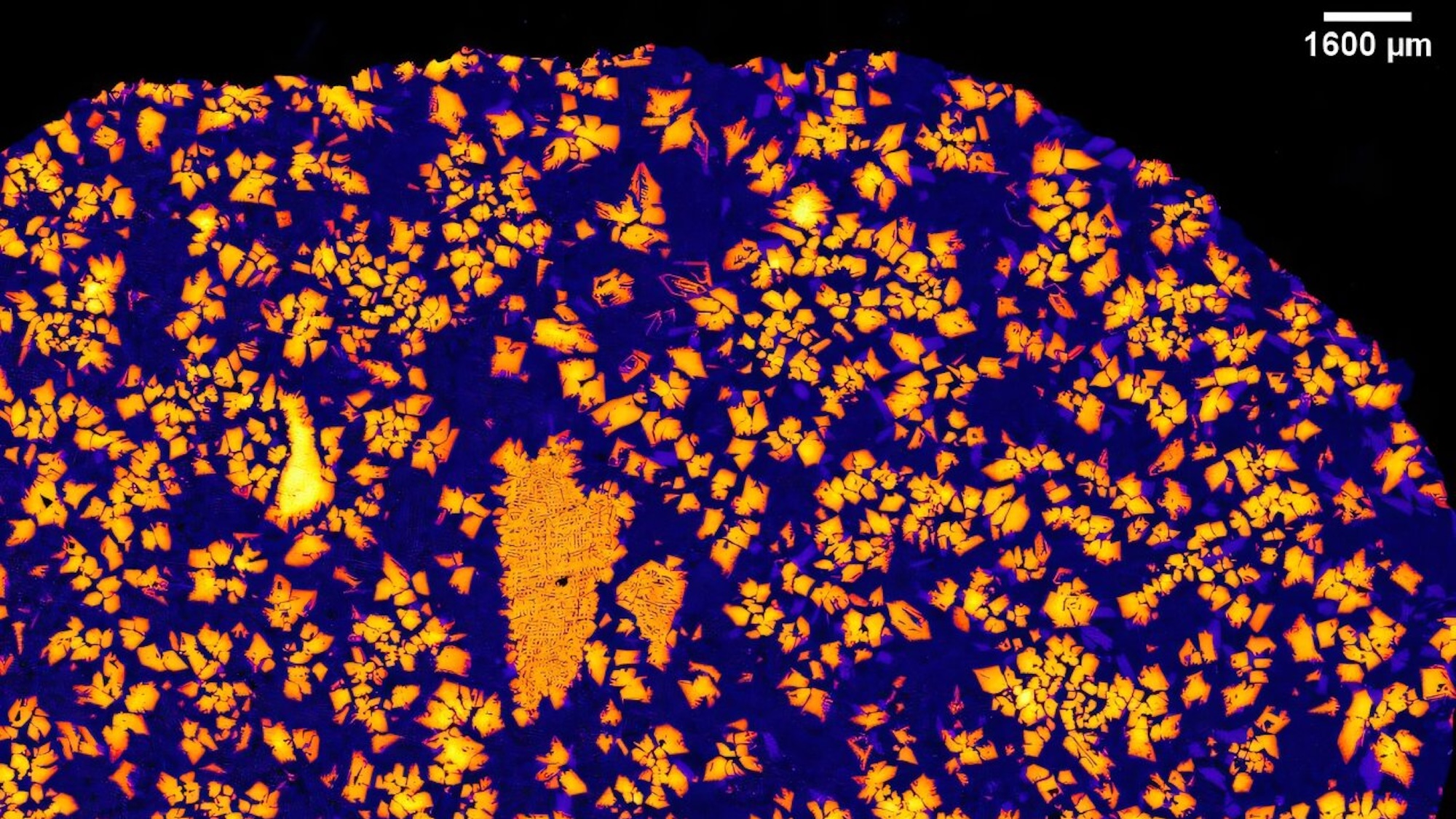
A rare meteorite discovered in the Sahara Desert proves that our solar system almost had at least one extra planet. In a study published in the journal Earth and Planetary Science Letters, astronomers say the chunk of space rock known as Northwest Africa (NWA) 12774 once belonged to a protoplanet possibly as large as Mars. That is, until a cosmic crash likely blew it to smithereens. 

The solar system includes eight known planets (sorry, Pluto). Barring interstellar catastrophe, this number will remain the same until the sun finally dies about 5 billion years from now. However, this total planetary count was never a guarantee.The solar system’s earliest era featured multiple embryonic protoplanets that had the potential to grow together into additional cosmic neighbors.

The remnants of these long gone celestial bodies are scarce, but traces still exist. That said, astronomers didn’t expect to find protoplanetary evidence in a meteorite like NWA 12774. Discovered in 2019, NWA 12774 is an angrite—one of the oldest known types of volcanic rock that was formed during the solar system’s era about 4.56 billion years ago. They’re also very rare. Of the roughly 80,000 meteorites discovered on Earth so far, only 68 are angrites.

A slice of NWA 12774. The green circle is an olivine crystal, a magnesium-rich mineral. Credit: John Kashuba

Unlike rocky planets such as Mars and Earth, angrites do not have a lot of silicon dioxide. Because of this, astronomers have long assumed that angrites always originated in asteroids no larger than about 124 miles wide. NWA 12774 blows this theory apart..

While analyzing the meteorite, researchers at the University of Colorado Boulder detected clinopyroxene, a mineral crystal that exists throughout Earth’s mantle and crust. NWA 12774’s clinopyroxene was also heavy in aluminum, which directly points to formation under massive amounts of pressure underground. The team then calculated the conditions necessary to create an angrite like NWA 12774, and settled on at least 17.5 kilobars of pressure. To put that in perspective, the pressure experienced at the bottom of the roughly 35,875-foot-deep Mariana Trench is barely one kilobar.

Small asteroids simply don’t possess the conditions needed to generate a rock like NWA 12774. What’s more, the angrite’s sharp crystalline edges also indicate that it formed at comparatively shallow depths in its host body. Based on all of these factors, astronomers now believe NWA 12774 once belonged to a young protoplanet with a radius anywhere from 621 to 2,050 miles wide. This means that instead of an asteroid, the angrite may have existed inside something as big as Mars.

“It’s incredible to think there was once a world this large,” Aaron Bell, a UC Boulder earth scientist and study co-author, said in a statement. “We only know it existed because a few fragments of it happened to land on Earth. These meteorites preserved evidence of a completely different pathway through which early planets developed.”

Although it’s unclear how the protoplanet met its demise, some type of crash between early solar system denizens is definitely a possibility. Regardless, the ramifications are huge for astronomers’ understanding of our cosmic neighborhood’s history.

“The materials that formed the angrite parent body are fundamentally different from the ingredients of Earth and Mars,” explained Bell. “It points to a distinct and separate evolutionary path in planetary formation in the early history of our solar system.”

The post Rare meteorite proves our solar system almost had an extra planet appeared first on Popular Science.

Big Pic: How Turkish Protesters Use Google Maps To Track Police

3 June 2026 at 16:29
Google Maps

Consider it civilian reconnaissance. Protesters in Turkey are using Google Maps to track police movement, plot out barricades, and rally together.

Created Saturday, the map of Istanbul Police Movements centers on Taksim square, the heart of recent (and ongoing) protests against the Prime Minister Recep Tayyip Erdogan’s government. It began last week with trees and a barracks. Erdogan’s government plans to renovate an Ottoman barracks, a structure dating back at least a century, near the square. To get construction equipment to the barracks, officials wanted to raze trees from the nearby Gezi Park. Protesters prevented this, demonstrating in defense of the green space for over a week. Since then, protests expanded, evolving into a critique of the current ruling party.

Mapping protests and police response in real-time is a relatively new phenomena. In 2010, students protesting in London used a Google Map to track police action, documenting riot vans and helicopters moving against the protesters. But some features of the Turkish protests are straight out of Les Misérables, or indeed any number of historical protests. Barricades keep vehicles, police, and even horses away from the protesters, take time to tear down, and protect against thrown objects or gunfire, should the police response turn violent. In centuries past, governments brought in armies to quell protesters, and used cannons to knock down barricades. Paris, the site of so many protests, even underwent a major urban redesign with wider streets to make barricades more difficult.

In addition to the red triangle markers of barricades, here are some features of the map:

  • A green tent to mark the heart of Taksim Square
  • Road warnings in green, letting people know which one are open and which are blocked
  • Pink tags for groups announcing who they are and where they are protesting
  • Light blue flags for police locations and reported movements
  • Warnings of police tracking servers online, confusingly under light blue as well.
  • General rallying cries, slogans, and mottos from protesters are marked with house symbol

Notably absent? Sensitive information, like the location and identity of specific individuals, like volunteer doctors. In the jargon of secrecy, that’s called good Operational Security. In plain talk, it’s just common sense.

The post Big Pic: How Turkish Protesters Use Google Maps To Track Police appeared first on Popular Science.
A ‘mystery beetle’ is devouring North Carolina’s precious blueberries

3 June 2026 at 16:14

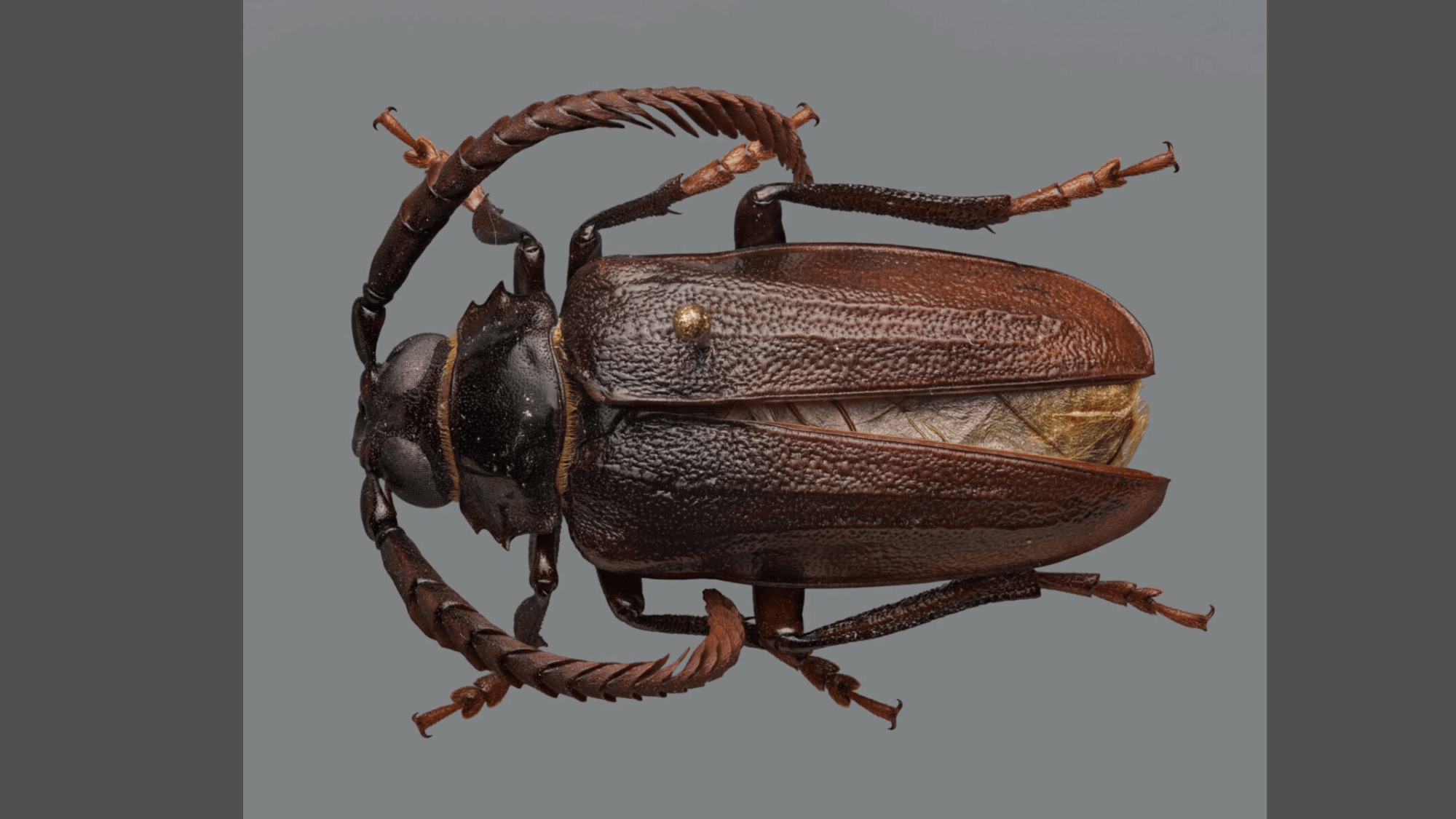
North Carolina’s blueberries may have a beetle problem. For the first time, scientists in the Tarheel State have documented the presence of Prionus imbricornus eating blueberry bushes. This longhorn beetle and its larvae can chomp their way through the state’s valuable blueberry fields. The findings are described in a study published this week in the Journal of Integrated Pest Management

Blueberries are native to North Carolina, but were not cultivated until 1935. The state is the sixth largest blueberry producer in the United States, and the blueberry industry is valued at roughly $70 million. Protecting the plants from pests is crucial, as blueberries are considered one of North Carolina’s most valuable and desirable crops. 

Several species including the blueberry maggot (Rhagoletis mendax), plum curculio (Conotrachelus nenuphar), and cranberry fruitworm (Acrobasis vaccinii Riley) can threaten blueberry crops. The long-horned beetle P. imbricornus may now join their ranks. P. imbricornus is known for their long antennae and are considered wood-boring beetles. The adult females typically lay their eggs in the soil near the roots of hardwood trees. The larvae then eat and destroy the roots. These larvae can grow up to five inches long and potentially kill trees, since the adults don’t feed. 

a long yellow beetle larvae
P. Imbricornis larva. The larva, which can grow up to five inches long, feed on the roots of blueberry bushes. Image: Matt Bertone/NC State.

North Carolina is the first state to report that P. imbricornus is actively feeding on blueberry bushes. However, reports of unidentified larvae from the Prionus beetle genus feeding on and damaging blueberry bush roots go back to 2010. In the 16 years since, identifying the specific species responsible has been difficult since the larvae live near the roots of the plants. Different types of longhorn beetle larvae also look very similar, and not identifying a species can harm efforts to combat harmful bugs. 

“Before now, researchers often just assumed the species of Prionus on their commodities based on adult identification,” Kenneth Geisert, a study co-author and NC State graduate student, said in a statement. “If that guess was incorrect, it could mean using a treatment strategy that did not line up with the problem and incorrectly associating species and their hosts.”

For example, P. imbricornus attacks roots, but another longhorn beetle species may go after a tree’s dead branches or trunk. 

“Without knowing which species of beetle you’re dealing with and their ecology, incorrect management can cause adverse effects on non-target insects,” Geisert added.

For this study, the team used a series of black panel traps scented with sex pheromones to attract and gather adult beetles. The traps were placed at six farms across Pender, Sampson, Bladen, and New Hanover counties. The team then used a technique called genetic barcoding on the larvae to analyze small, standardized segments of their DNA to identify the species. They then compared the unknown larval sequences with the same genetic segments from known Prionus adults.

They matched the P. imbricornus with 98 to 99 percent accuracy. According to the team, this result is both good and bad news for farmers.

“On one hand, it’s very important that we know which species we’re dealing with,” said Lorena Lopez, a study co-author and entomologist at NC State. “On the other, North Carolina was the first state to ever report Prionus infestation in blueberries, and there are no insecticides currently labeled against this pest in blueberries.”

To address this shortfall, Lopez has begun insecticide trials. Pinpointing effective insecticides and timing during P. imbricornis reproductive cycles can potentially limit larval development. Fewer larvae could help prevent major root damage and provide blueberry farmers with an effective management tool to protect their crops. 

The post A ‘mystery beetle’ is devouring North Carolina’s precious blueberries appeared first on Popular Science.

Weed really does change your dreams

3 June 2026 at 14:01

It’s four in the morning and you wake from a dream. It wasn’t a nightmare exactly, but it was vivid and unsettling—a circus of imagery in which the other commuters stuck in gridlock beside you were all octopi  or your feet were transformed into a pair of horse hooves while going through airport security. 

Maybe you don’t often remember your dreams but this one, this episode that fused the mundane with the outlandish, it sticks. Even days later, you can still see those tentacles gripping the steering wheels or feel the awkwardness of your gait running to catch your flight. 

It couldn’t have been that joint you smoked before bed, could it? Science says maybe.

How weed effects sleep cycles

Reports of vivid dreams are “very well known” in cannabis and neuroscience research, says Andrew Kesner, assistant professor of psychology at Indiana University in Indianapolis. But “we still don’t really know the neurobiology of dreaming and what sort of features make you remember your dreams better or worse.”

What researchers do know is how consuming weed alters sleep patterns

Cannabinoids are found naturally in the brain in a non-psychoactive form called endocannabinoids. Endocannabinoids control our sleep/wake cycle, aka our circadian rhythms, by modulating and maintaining the brain’s biological balance through an abundant receptors neuroscientists call CB1. 

“When people fall asleep, the brain makes its own cannabinoids that increase and decrease throughout the sleep-wake cycle, and throughout the day,” explains Kesner.

Marijuana contains a different form of cannabinoid than the one naturally produced by the brain, THC or tetrahydrocannabinol. THC also works on the brain’s CB1 receptors but, unlike endocannabinoids, it is psychoactive, meaning it makes users feel high by producing feelings like euphoria and paranoia. 

Blooming bight green cannabis.
Blooming cannabis plant ready to be harvested into various THC-based products. Image: Sunan Wongsa-nga / Getty Images Sunan Wongsa-nga

When you smoke weed before bed, the THC added to the brain’s natural endocannabinoids sends the brain’s CB1 receptors into overdrive. And when those CB1 receptors are in overdrive, they change the way you sleep.

Natural sleep in healthy adults begins with a short period of nodding off followed by a stage of “slow-wave” sleep, that deep sleep from which it’s hard to wake someone up. Cycles of lighter sleep punctuated by bouts of REM (rapid eye movement) sleep follow, growing longer and longer throughout the night. 

“REM sleep is classically the time when you’re dreaming,” says Kesner, when “your brain acts like it’s awake but the brain stem paralyzes your body so you can’t act out your dreams.” 

Consuming THC appears to suppress REM sleep: It causes it to arrive later in the sleep cycle and to make up less of the overall percentage of sleep. THC also causes more frequent interruptions to REM sleep. That, says Kesner, may be the origins of its reputation for causing weird dreams. 

“We know if you wake someone up in REM sleep, that’s when they have the highest chance to remember their dreams,” he explains. So, while there’s no evidence that dreams under the influence of THC are any different than THC-free dreams, the ability to remember them more easily may make the sleeper believe they are more bizarre or intense. 

According to one recent study, a dreamer is also likely to feel more rested following a night of vivid dreams, which may be one reason why many people feel smoking a joint or eating a gummy helps them to sleep.

Dreams are slippery suckers

Anything more is hard to say for sure.

“It’s possible that the THC could be making dreams more intense by changing cortical activity [the way the brain functions], making them wonkier and maybe adding some variability to what you’re dreaming about,” Kesner continues. But the huge variability among individuals in both sleep and the effects of THC use makes objectively studying weed-induced dreams “kind of a nightmare”—pun not intended. 

Researchers still don’t even know exactly what dreams are or why they happen—though there’s a good chance that it may be the brain coming up with different learning scenarios, according to Kesner. Someone who plays with puppies all day may, for example, dream that night about being chased by wolves. That way, if it ever happens in real life, the dreamer is better prepared to react to them. 

Related 'Ask Us Anything' Stories

Whether the weed was smoked or taken in edible form is probably also important; THC immediately affects the brain when smoking while edibles take time for the body to metabolize. One study in which participants reported weird dreams after smoking weed before bedtime, therefore, may have had to do more with the way REM sleep “rebounds,” or immediately returns to longer and more robust natural cycles, when the brain experiences THC withdrawal than with THC’s psychoactive effects. 

It’s well documented, says Kesner, that chronic THC users experience more intense REM sleep after they stop using it. The same might happen in occasional users, whose REM sleep could theoretically become more intense as the acute effects of weed wears off during the night. In other words, you don’t sleep as well while weed’s psychoactive THC is bouncing around your brain but it becomes much more restorative as soon as its effects wear off. 

Ultimately, there probably is no “one-size-fits-all for what cannabis does to sleep or how it affects dreams,” Kesner concludes. As of now, there’s simply not enough data to come to any meaningful verdict. THC or not, dreams are, by their very nature, weird.

In Ask Us Anything, Popular Science answers your most outlandish, mind-burning questions, from the everyday things you’ve always wondered to the bizarre things you never thought to ask. Have something you’ve always wanted to know? Ask us.

The post Weed really does change your dreams appeared first on Popular Science.

Big wings and sweet songs: The mating lives of Panama’s katydids

3 June 2026 at 01:05

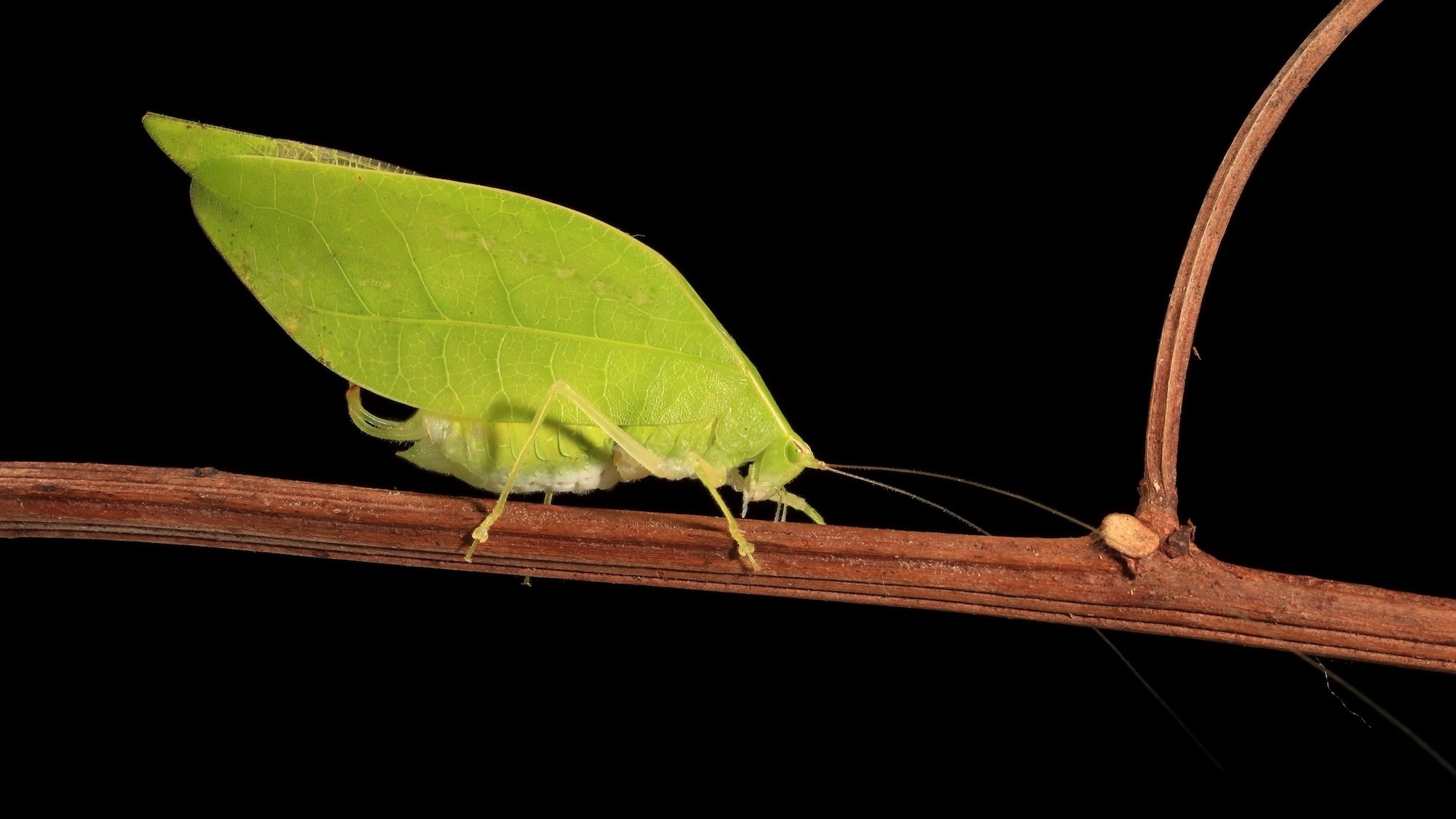
When it comes to reproduction, animals will pull out all the stops to attract a mate. Sending out noisy mating calls, showing off colorful wings, inflating a throat pouch, and shaking a literal tailfeather all ensure that the next generation of a species happens. Some insects will go as far as making themselves look like an entirely different living thing—leaves. 

Usually used as a means of camouflage, male katydids appear to use their leafy disguise to amplify mating calls and make themselves more attractive to the opposite sex. The findings are detailed in a study published today in the journal Proceedings of the Royal Society B, and offer one of the first demonstrations of how leaf mimicry enhances a male katydids’ sexual signals. 

To shield themselves from predators, various species of katydids have evolved wings with structures that look like leaves. Panama’s leaf-masquerading katydids (Arota festae) will even change from green to hot pink in order to better mimic leaves. What’s been less clear to entomologists is whether or not these leaf-mimicking structures play a role in katydid mating. 

This new study looked at a species called Viadana brunneri from Barro Colorado Island, Panama. To attract mates, katydids create songs by rubbing together specialized structures on their wings. In many tropical species like V. brunneri, the portion that mimics leaves makes up the majority of their wing’s surface area.  

a green insect with a large, green wing that looks like a leaf hands upside down on a stick
Most of the wing structure is devoted to helping male katydids look more like a leaf. Image: Christian Ziegler.

Previously, scientists believed physical adaptations for survival and for attracting mates can function in conflict with one another, particularly if they are physically connected. A male peacock’s flashy tail feathers may help it attract a female, but it also makes it easier for predators to find them. Male katydids, on the other hand, are able to use the acoustic properties of the structures that they use for defense to their reproductive advantage. They are a rare example of how an adaptation for self-defence and reproduction can work together without necessarily putting the animal in jeopardy. 

The team performed a series of bioacoustic, behavioral, and biophysical experiments, showing that these leafy structures on their wings make them more attractive to females, while also helping conceal them. After removing the leafy portions of a male V. brunneri’s wings, the pitch became higher and the volume of their songs also changed. The team then played these calls for females who preferred the lower pitch calls from males with their leafy wing sections still intact. 

While male katydids do all the singing, females indicate their interest by replying to the song with clicks. The insects produce short, sporadic and infrequent calls, possibly for only two seconds in a single night. They perform these calls in ultrasounds, which our ears can’t pick up. They also found that the leafy portions of the male katydid wing will vibrate to amplify their songs, making them more detectable to females. 

“Our study provides a rare example of natural and sexual selection acting in harmony, producing traits that simultaneously improve survival and mating success,” Dr. Benito Wainwright, a study co-author and evolutionary biologist at the University of St Andrews, said in a statement. “We are now extremely excited to start exploring how such an interesting interaction evolved in katydids.” 

The post Big wings and sweet songs: The mating lives of Panama’s katydids appeared first on Popular Science.

❌