
Normal view

Orangutan poop holds surprising clues about how long they breastfeed

2 June 2026 at 16:04

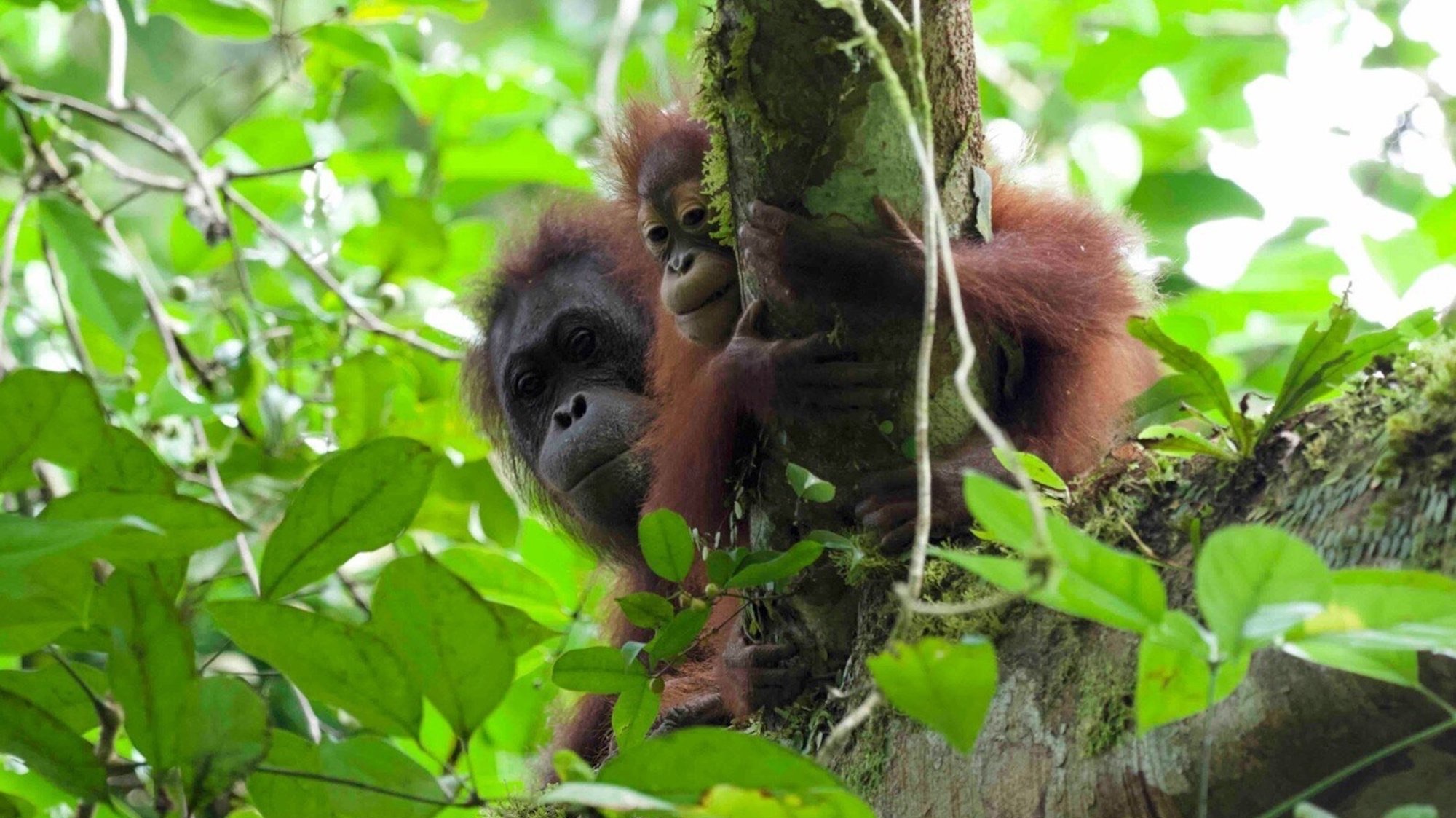
How do you determine how many months or years animal mothers nurse their babies? If you’re not in a rush and can observe this dynamic, you could supposedly stick around to see when the baby, mother, or both decide that they’re done. However, that could take years. A team of researchers investigating breastfeeding in orangutans recently opted for a different, perhaps surprising strategy—searching for particular proteins in poop. 

In a preliminary study published in the journal Communications Biology, researchers searched for milk‑specific proteins in the feces of wild Bornean orangutans (Pongo pygmaeus) living in the Danum Valley Conservation Area, in the Malaysian part of the island of Borneo. These proteins prove that he or she is continuing to drink breast milk.The practice of recognizing particular proteins in feces is called fecal proteomics and it can help scientists better understand what animals are consuming.

“Orangutans have a slow life history with one of the longest interbirth intervals and the lowest reported infant mortality rates among primates or even mammals,” the team wrote in the study. “Breastfeeding is a key factor in their life history because it possibly promotes offspring health and increases maternal interbirth intervals.”

The team gathered fecal samples for over two and a half years, and found milk‑specific proteins in all the 20 samples from orangutans less than six and a half years old. This indicates that the young great apes were continuing to breastfeed until they were at least that age. 

According to the team, these results are “consistent with the behavioral evidence as having one of the longest breastfeeding periods in mammals.”

What’s more, “milk intake was significantly correlated with higher levels of biological defense and probiotic bacterial proteins.”

In other words, the more milk a young orangutan drinks, the more probiotic intestinal bacteria it has and the sturdier its biological protections are. Such consistent and enduring breastfeeding probably helps the very high survival of orangutan babies and plays a role in their slow reproductive approach. 

Unfortunately, Bornean orangutans are critically endangered, and the paper highlights why their populations don’t rebound quickly after a decrease. Safeguarding what’s left of their rainforest habitats is crucial. 

The post Orangutan poop holds surprising clues about how long they breastfeed appeared first on Popular Science.

Baby raccoon found in chimney gets a nice bubble bath

1 June 2026 at 14:00

Raccoons get into all sorts of shenanigans. Last summer, we reported on a juvenile raccoon which, with his head stuck in a peanut butter jar, as if he were a character in a Looney Toons cartoon. He was extracted from the predicament at the New England Wildlife Center in Weymouth, Massachusetts, where employees are now dealing with another children’s show-worthy situation involving a raccoon.

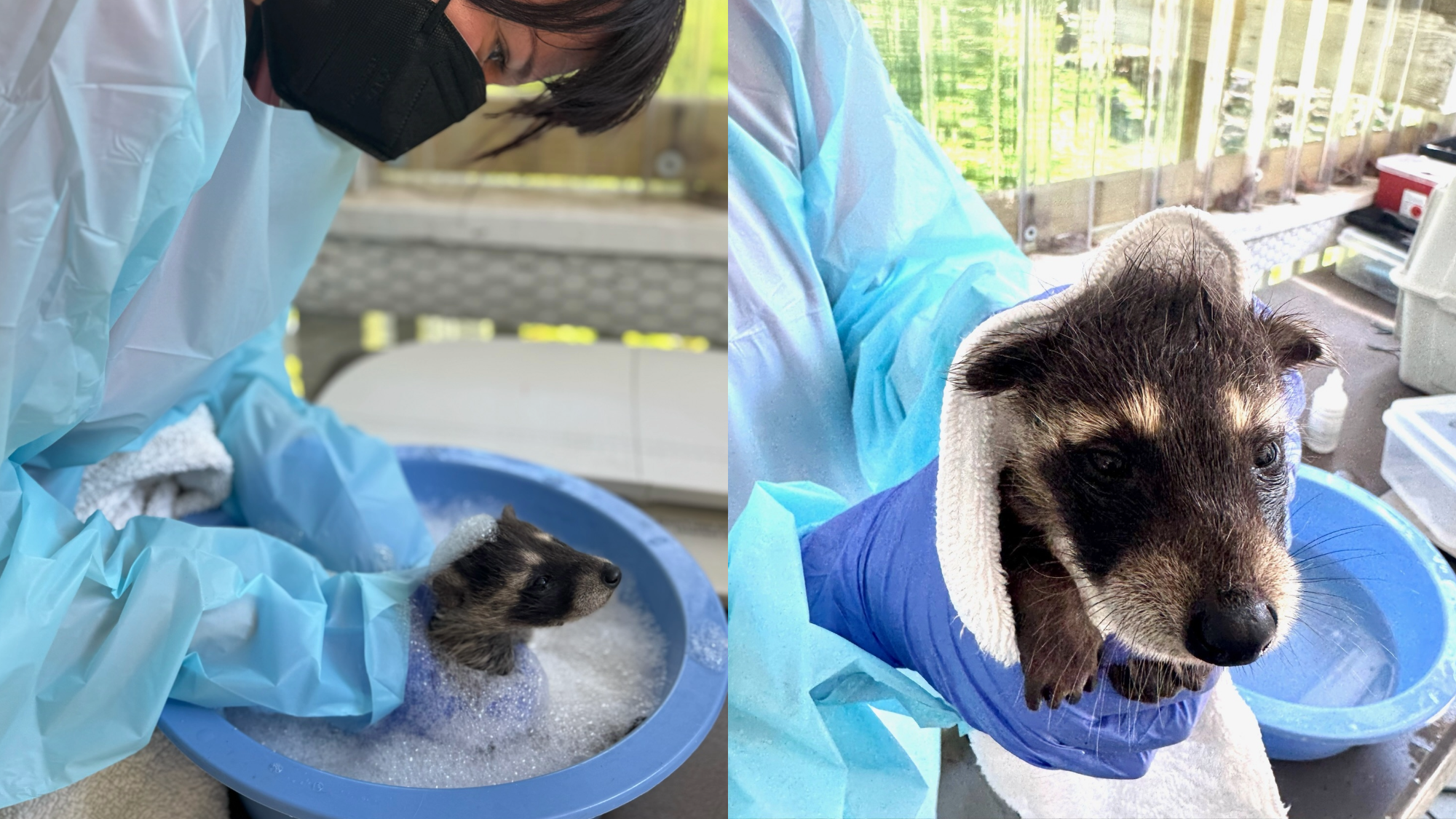
A baby raccoon taking a bubble bath, to be precise. A Facebook post by the wildlife center features two pictures of a member of the team washing the mammal in a big blue bowl. Another picture gives viewers a great close-up of his nose and thoroughly defeated expression as the employee holds it wrapped in a white towel, presumably newly clean. 

The baby reached the New England Wildlife Center via a chimney. After the wannabe Santa Claus was discovered, the Wild Care Cape Cod brought him to the wildlife center, where he arrived filthier than Bert the Chimney Sweep in Mary Poppins

“We don’t often bathe raccoons, but in this case there was so much soot packed into the fur around his face and body that it was beginning to irritate his skin and eyes,” the wildlife center wrote. “Our wildlife hospital team carefully cleaned him up, performed a full veterinary exam, and started supportive care. We are very happy to report he tolerated the bath very well (all things considered) and is now bright and alert with a great appetite!”

(Though hopefully not for peanut butter). 

It’s not unusual to find raccoons in chimneys in the spring. Mother raccoons searching for protected denning locations are particularly common tenants. Sometimes young raccoons will even go back to their previous chimney homes, even if their mother has left. 

Baby racoon Santa Claus will eventually be returned to the wild, but not right away. He will be briefly quarantined to make sure he’s in good health, before he is placed with foster siblings. This will allow him to continue his development with other young raccoons and gain the abilities that will be necessary when he returns to the wild. 

The wildlife center also took the opportunity to share some important raccoon safety tips. Always cap your chimney and do not touch raccoons or raccoon waste—a rule for both humans and pets—which could transmit parasites and diseases. 

As always, if you find an animal—young or old—that you think needs help, you should contact your local wildlife center. Here’s what to do if you come across a baby squirrel or baby opossum

Chim chim cher-ee. 

The post Baby raccoon found in chimney gets a nice bubble bath appeared first on Popular Science.

❌