❌

Reading view

'October is the ideal time to get vaccinated': Flu season is kicking off early, experts say

Flu season is off to an early start in some parts of the U.S., data shows.

In a typical year, U.S. flu activity starts building in late fall β€” typically in October or November β€” and peaks between December and February. This year, flu activity is currently low but rising nationwide: During the week ending Sept. 26, 3.4% of respiratory samples tested by clinical labs were positive for flu, according to Centers for Disease Control and Prevention (CDC) data.

That's about seven times the rate that was seen at the same point last year. About 0.5% of samples tested positive during the week ending Sept. 27, 2025.

"This particular year, it appears to be starting early β€” like right now," Dr. William Schaffner, a professor of preventive medicine and infectious diseases at Vanderbilt Health in Tennessee, told Live Science. Patients at clinics in his area are already testing positive for flu, he said.

The early uptick in flu is mostly unfolding in Western states, including Washington, California and Arizona. In Washington, for example, the share of emergency department visits diagnosed as flu climbed from 0.25% in the week ending Aug. 29 to 1.34% in the week ending Oct. 3, according to CDC emergency department data. That's a more than fivefold increase over six weeks.

Where the flu took off first isn't a warning sign in itself, Schaffner noted.

"There's nothing unusual about flu starting in the West Coast and moving east," he said. Recent seasons have more often begun in the Southeast or Midwest, he noted, but "it can start almost anywhere."

Leading with H1N1

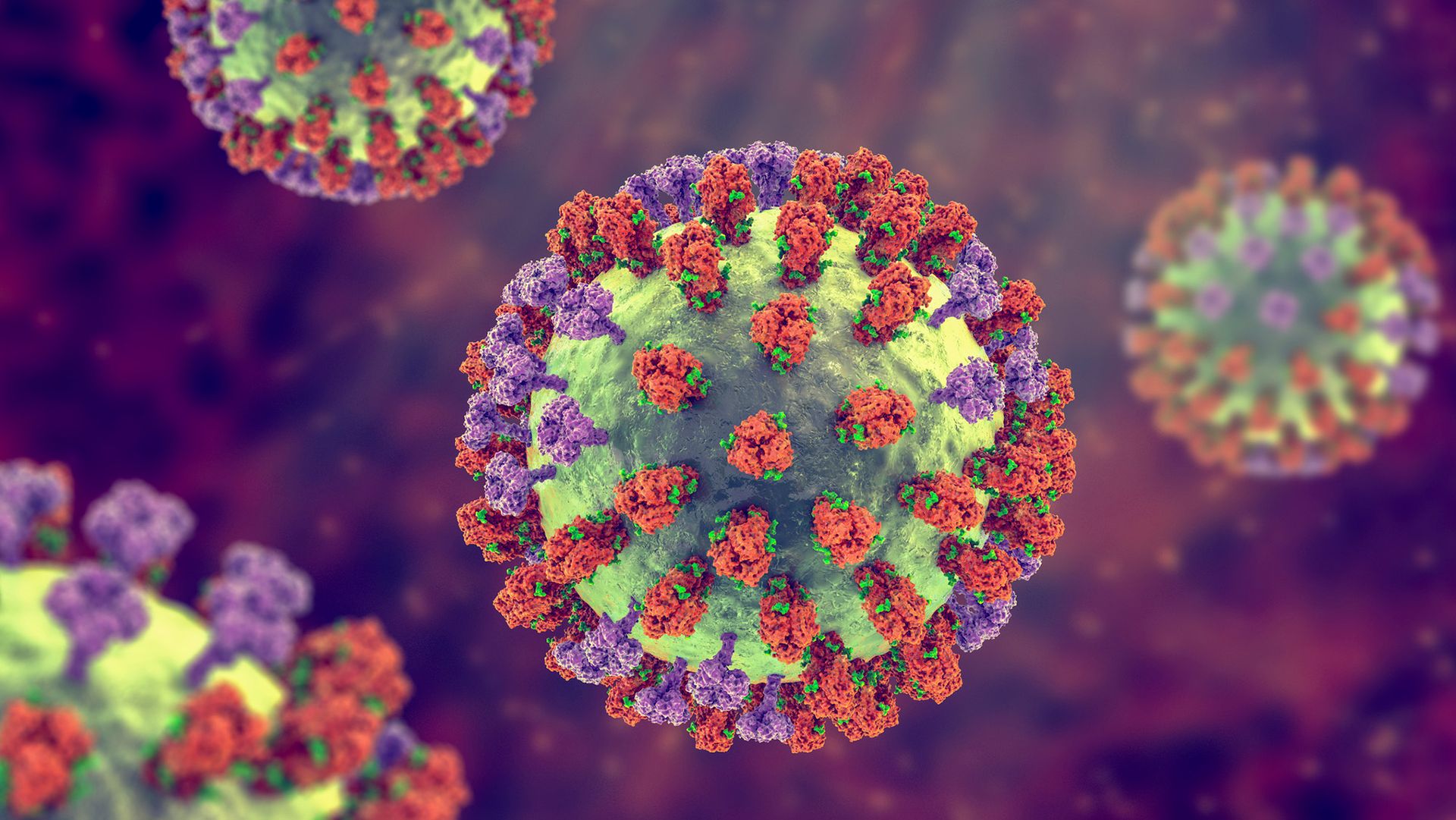
Nowadays, seasonal flu is caused by three subtypes of flu viruses: two subtypes of influenza A, called H1N1 and H3N2, and the Victoria lineage of influenza B. (A second subtype of influenza B used to circulate but is now thought to be extinct.)

Last season, a fast-spreading version of H3N2 known as subclade K dominated. The CDC classified the 2025-2026 season as highly severe for children, as at least 195 children died of flu-related causes.

Schaffner likens influenza A and B to siblings. "They're very related, but they each have their own individual characteristics," he said. Influenza A strains usually cause the biggest outbreaks early in the season, while influenza B strains "kind of smolder along" and account for most cases toward the end, he noted.

This year, H1N1 has taken the initial lead. Of the influenza A samples that public health labs subtyped during the week ending Sept. 26, 96% were identified as H1N1, according to CDC data. That doesn't mean H1N1 will continue to dominate throughout the season; it just gives a snapshot of what's happening now.

The dominant strain matters because flu is "a moving target," said Dr. Paul Offit, director of the Vaccine Education Center at Children's Hospital of Philadelphia. The virus constantly mutates β€” especially hemagglutinin, the protein on the virus's surface that it uses to latch onto human cells. Hemagglutinin is the main target of flu vaccines.

An early start to the season doesn't guarantee it'll be a severe one, either. In its 2026-2027 season outlook, the CDC projected that this season will likely be moderate, although it has only low-to-moderate confidence in that forecast.
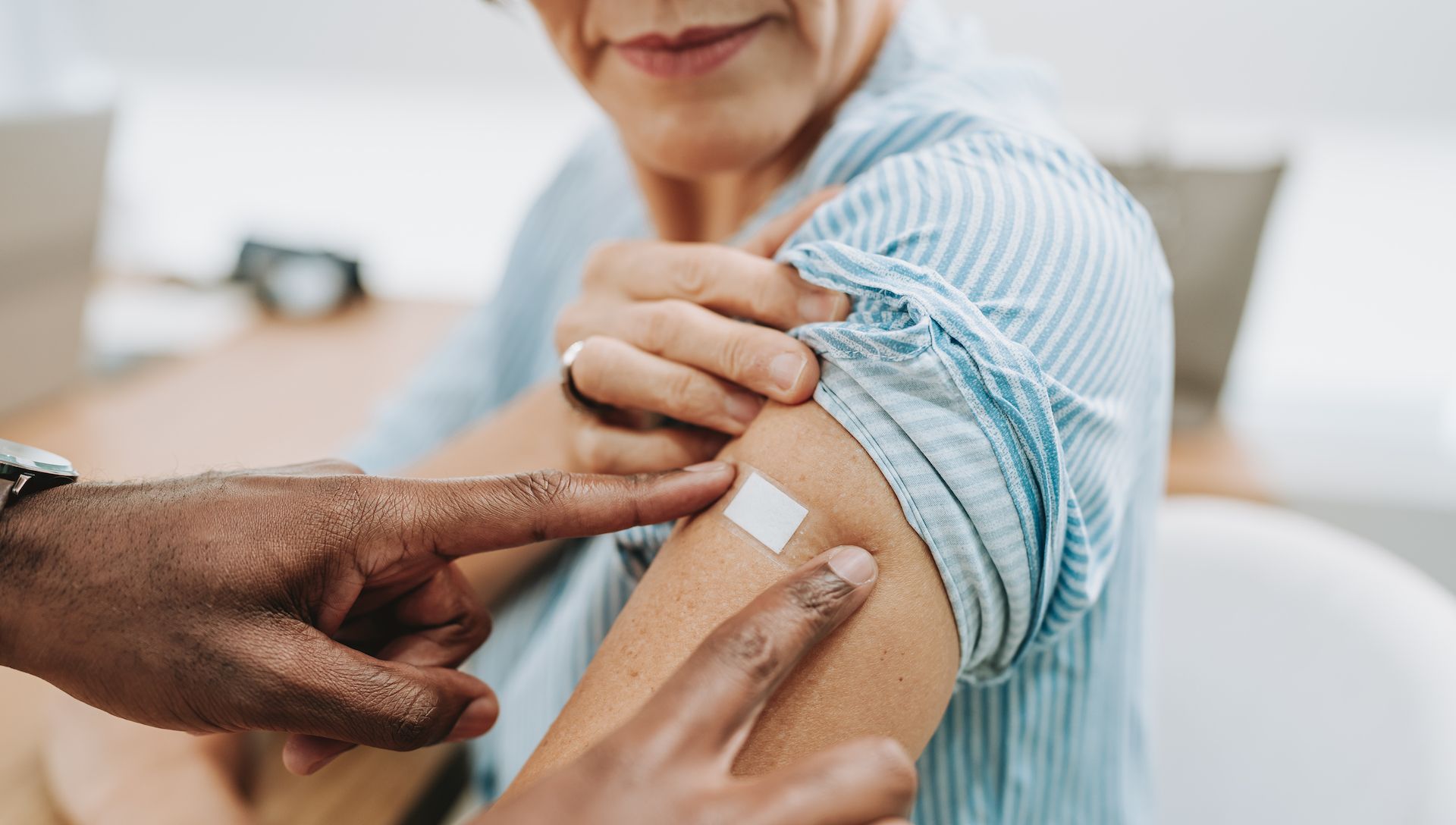
a woman receives a vaccine

Everyone ages 6 months and older is recommended to get a flu shot, and older adults have several options, including high-dose, adjuvanted and mRNA vaccines. (Image credit: andreswd via Getty Images)

When to get vaccinated

Everyone 6 months and older is recommended to get an annual flu vaccine.

Influenza is especially dangerous for children under 5, adults 65 and older, people with chronic health conditions and pregnant people, as these groups are more prone to severe infections. Serious cases of flu can lead to complications such as pneumonia, sepsis, and brain or heart inflammation, and in some cases, they can be deadly. Tens of thousands of people die of flu each season in the U.S.

For flu vaccination, timing matters. The CDC generally doesn't recommend vaccination in July or August for most adults, because the shot's protection can wane over the course of a season. But with flu arriving early, "October is the ideal time to get vaccinated, and even more so right now," Schaffner said.

When circulating strains' features differ from those captured in the vaccine, "that usually predicts a more difficult season," Offit said. That said, it's too early to know if this year's flu shots are a good match for the circulating flu viruses.

Protection begins building right after you get the shot, but it takes up to about two weeks to reach full strength.

How much protection a flu vaccine offers varies by season, depending partly on how well its formulation matches the strains that circulate. Offit said that protection against symptomatic illness varies by age group and that the vaccines are "a little more effective" at preventing more severe illness. In terms of flu cases that prompt people to seek medical care, the shot has been 29% to 56% effective over the past decade, the CDC estimates.

While the vaccines are less reliable at preventing mild cases of flu, Schaffner said, they work best at "keeping you out of the hospital, keeping you out of the intensive care unit, and keeping you out of the cemetery."

The CDC's 2026-2027 guidance keeps its recommendation of an annual flu vaccine for everyone 6 months and older, with high-dose and adjuvanted shots preferred for adults 65 and older. (Adjuvanted shots contain an extra ingredient to help rev up the immune system.)

There's also a new option: In August, the Food and Drug Administration approved mFlusiva, the first mRNA flu vaccine, for adults 50 and older. (You can find out where mFlusiva shots are available near you using Moderna's vaccine finder.) With the mRNA shot, "you're less likely to get symptomatic disease," Offit told Live Science.

Traditional flu shots contain purified pieces of the virus itself, Schaffner explained. With mRNA, the vaccine contains a "blueprint" of those proteins β€” essentially a set of genetic instructions that the body's cells then use. In mFlusiva's case, those instructions code for hemagglutinin (the protein on the virus's surface that it uses to latch onto human cells) from each of three flu subtypes, Offit said. The mRNA then breaks down in the body, Offit noted. It "cannot influence human genetic material," Schaffner emphasized.

Whether this early start gives way to a heavy flu season should become clearer in the coming weeks, as the CDC's weekly surveillance reports will show whether cases keep climbing beyond the West.

This article is for informational purposes only and is not meant to offer medical advice.
  •  

Why are dengue cases surging in Florida this year? An 'unlucky' combination of factors, experts say

Cases of dengue fever are surging in Florida, spurring several counties to declare a state of emergency.

The state has seen 497 reported cases so far this year. Of those, 252, or about 51%, were caught locally, rather than brought to the state by travelers. The Florida Department of Health confirmed one woman's death from dengue fever in early September, marking the state's first known dengue death in almost a century.

Prior to the past few years, most dengue cases reported in Florida were the result of travel. In other words, people caught the disease in other countries and then traveled to Florida, where their case was then diagnosed. At 245, the number of travel-related cases reported this year is not unusually high, Caroline Waddell, a public health researcher at the University of Florida, told Live Science in an email. However, the number of cases caught from local mosquitoes is more than five times higher than at this point in the year compared with any of the previous four years, she said.

Why are local dengue cases especially high this year? Live Science spoke with experts to find out.

A growing global health concern

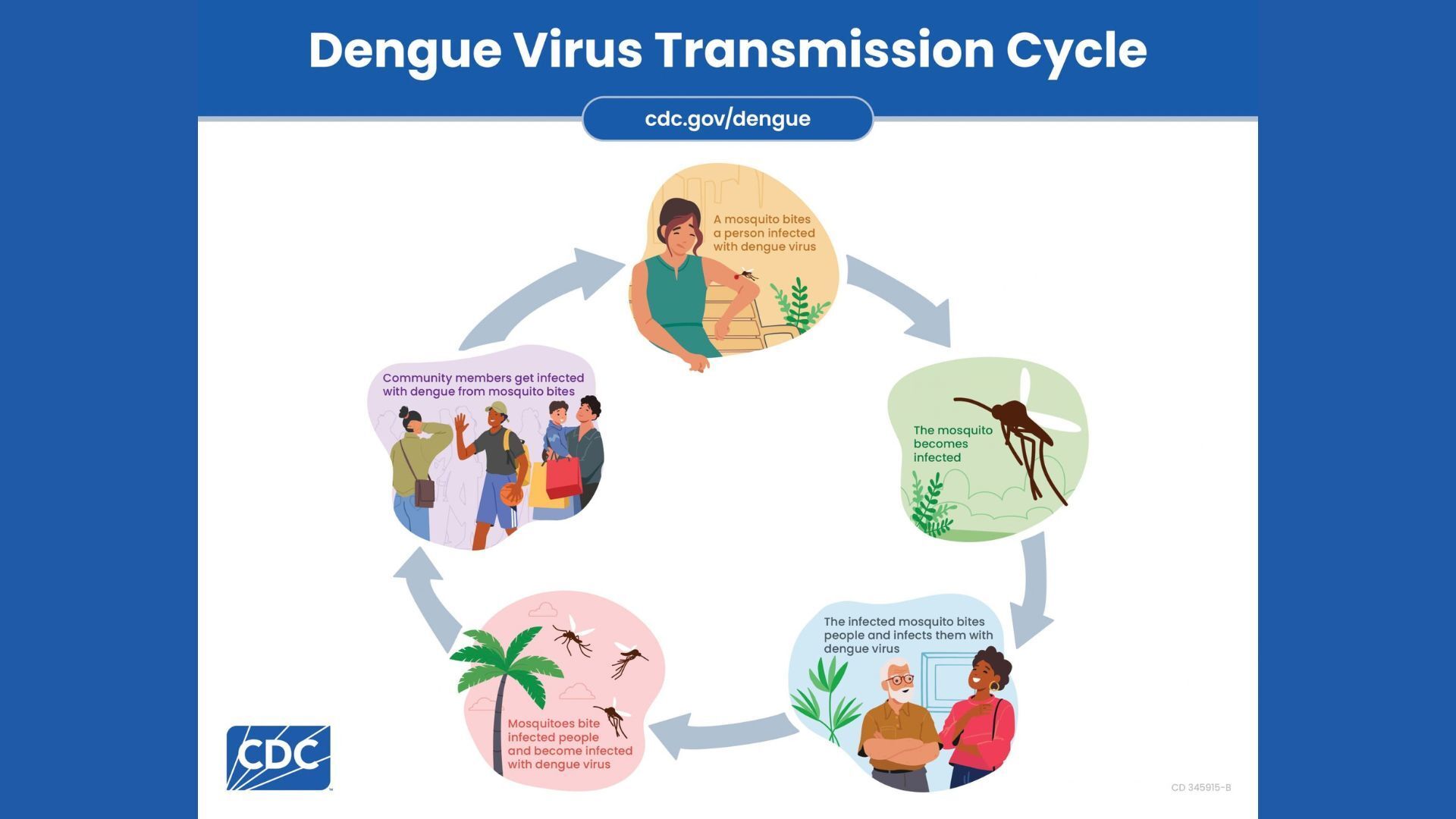
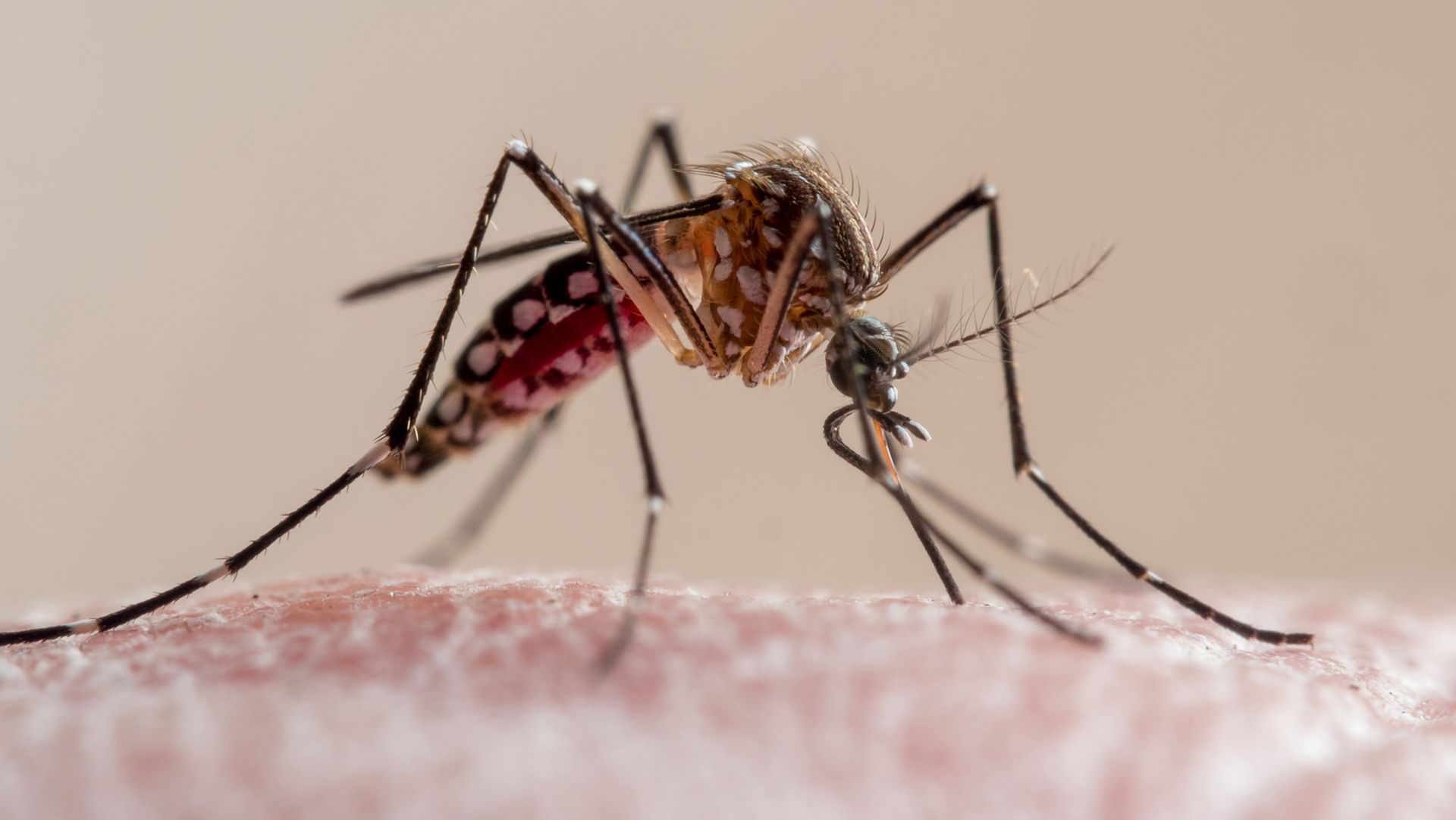
Dengue fever is caused by the virus Orthoflavivirus denguei, which spreads from mosquitoes to people through the pests' bites; it doesn't spread from person to person. Aedes aegypti and Aedes albopictus mosquitoes transmit the virus to humans, and the same species can also carry the viruses behind yellow fever, Zika and chikungunya.

A diagram depicting how dengue spreading from mosquitoes to people

Mosquitoes capable of carrying dengue pick up the virus from people and then spread it to additional people via their bites. (Image credit: Centers for Disease Control and Prevention)

About 100 million to 400 million dengue infections happen annually worldwide, with about 800 cases reported in the U.S. historically, although that number has increased recently. Only about 1 in 4 people exposed to the dengue virus develop symptoms, which can include fever, headache, body aches, nausea and rash. About 1 in 20 cases become severe, and immunocompromised people, children, older adults and pregnant people are especially susceptible to these serious infections.

Severe symptoms can include abdominal pain, vomiting, difficulty breathing and bleeding of the gums or nose. The most severe forms of the infection can lead to leaky blood vessels, severe bleeding, shock, organ dysfunction and death. There is no specific treatment for dengue, so care focuses on managing symptoms and maintaining patients' vital signs.

Dengue has escalated as a global health concern in the past few decades. Between 2000 and 2019, global cases of dengue increased tenfold; between 1990 and 2021, dengue-related deaths doubled. Scientists say this surge is likely driven by climate change, since rising temperatures expand Ae. aegypti mosquitoes' range, in turn exposing more people to the insects' bites. Plus, warmer conditions speed up mosquitoes' life cycles and the dengue virus's replication rate, thereby boosting transmission.

International travel also factors into these rising case counts. In 2023, dengue spikes around the world were attributed to the resurgence of global travel following the COVID-19 pandemic.

Zooming in on Florida

As the global picture has worsened, dengue cases in the U.S. have also increased.

Nearly 3,800 cases were reported in 2024 β€ͺ—‬ an increase of more than 300% above the annual average for the previous 10 years. The uptick was tied to a rise in travel-associated cases, reflecting the wider global surge, as well as to warming temperatures that brought dengue-carrying mosquitoes to new regions of the U.S.

Since approximately 75% of dengue infections are asymptomatic, the virus can circulate within a community without being readily detected for some time.

Keira Lucas, deputy executive director of the Collier Mosquito Control District

Each year, Florida experiences dengue outbreaks in the southernmost parts of the state, such as Miami and the Florida Keys, Panpim Thongsripong, a disease ecologist at the University of Florida, told Live Science. Historically, outbreaks in Miami typically totaled around 50 or fewer cases. But then a 2019 outbreak resulted in over 200 cases, and from 2022 to 2024, outbreak totals have ranged from about 500 to 675 cases.

The outbreak currently unfolding in Florida centers on Hillsborough County, which is farther north and includes Tampa. This is unusual, Thongsripong said, as this region of the state normally sees just a few sporadic cases. Hillsborough County has reported 223 of the state's 252 locally acquired cases this year, and it's where the one dengue-related death took place.

Florida's health department regularly traps mosquitoes and tests them for viruses. So far this year, 20 pools of mosquitoes have tested positive for dengue across seven counties, and 19 of those positive pools were sampled from the greater Tampa area. In 2025, only four mosquito pools throughout the state tested positive, and in 2023, one mosquito pool did.

"Finding positive mosquito pools is rare in Florida because dengue is not endemic to the state," said Keira Lucas, deputy executive director of the Collier Mosquito Control District. "In many ways, it can be like looking for a needle in a haystack," she told Live Science.

Routine mosquito trapping is a relatively inefficient method for detecting viruses, though, Lucas said. As such, detecting dengue-positive mosquito pools may indicate that a large amount of transmission is already unfolding. "Since approximately 75% of dengue infections are asymptomatic, the virus can circulate within a community without being readily detected for some time," Lucas explained.

In addition to Hillsborough, neighboring Pasco and Pinellas counties have declared local states of emergency over dengue.

An unlucky combination of factors

So what's driving the unusual dengue activity this year?

In the past, Florida's local dengue outbreaks tended to be concentrated in the South, which saw moderate rainfall, warmer temperatures and more travel-related dengue cases compared with the rest of the state, according to a 2022 study in the journal Insects. With the outbreak concentrated farther north this year, that could suggest changing climatic patterns are making additional parts of the state especially hospitable to mosquitoes and the virus. That wouldn't necessarily explain why Tampa is seeing more local cases than Miami this year, but it could nonetheless be a factor in the overall trend.

For the virus to persist in local mosquitoes, dengue still needs to be reintroduced periodically through travel-related cases. Because the virus is not yet endemic to the state, it doesn't regularly circulate in local mosquitoes; however, a somewhat predictable "dengue season" has been emerging that coincides with upticks in international travelers carrying the virus to Florida.

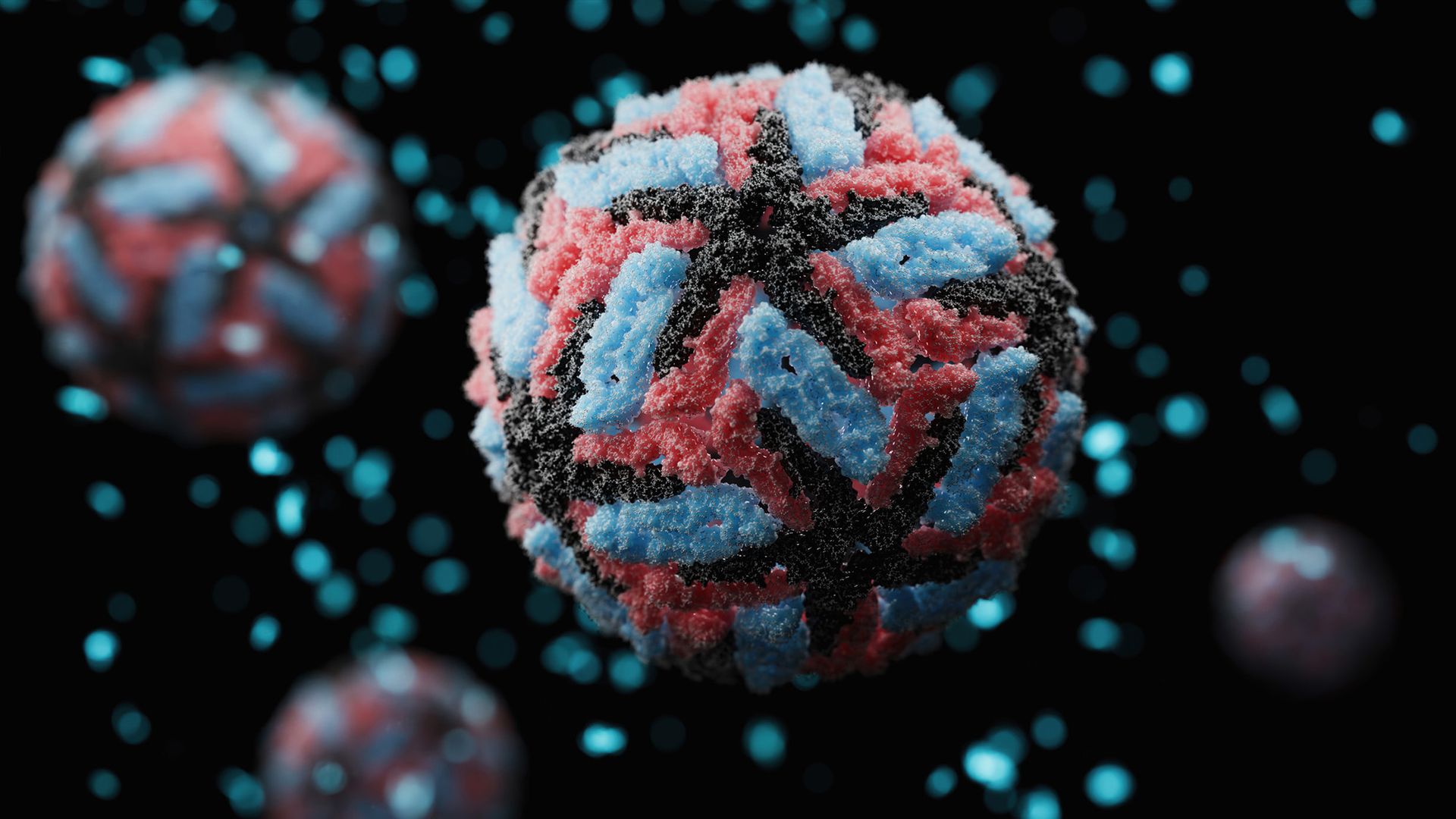
Spheres of red and blue and black against a dark background

The dengue virus is a member of the Flaviviridae family, meaning it's closely related to the Zika virus and yellow fever virus. (Image credit: koto_feja via Getty Images)

This year, though, the high number of locally acquired dengue cases suggests a shift from predominantly imported infections toward outbreaks spurred by local Florida mosquitoes. Scientists hypothesize that climate change could increase local transmission in Florida even more in the future.

This year, Florida has also been enduring its most intense drought in over a decade. In theory, that might be expected to limit mosquito populations because the pests need water to breed, Lucas said. However, when it's dry, people tend to run their sprinklers more, creating mosquito breeding grounds when puddles form or containers fill up, she noted. This could bring mosquitoes closer to people, as it creates opportunities for them to breed.

Ae. aegypti mosquitoes are especially well adapted to living alongside humans, as they prefer to breed in human-made containers. Droughts can also drive dehydrated mosquitoes to bite more as they hunt for fluids.

"It's almost like an unlucky [combination]," Thongsripong said. "Everything coming together at the right time and right place, and boom, you have the conditions for an outbreak to occur."

The true number of dengue cases may be even higher than reported, Waddell said. The cases captured in the data include infected individuals who went to a doctor to get tested. Because many infections are mild or asymptomatic, additional people may have contracted the virus but never got counted.

What can be done

It's too early to definitively say what factors have increased Florida's dengue cases this year, Thongsripong said, as scientists are still gathering information. Despite the unknowns, she thinks the health and housing infrastructure in the U.S. will stop dengue from becoming too dangerous here.

To get dengue under control, it's key for government-level mosquito control efforts to coordinate and for the public to be aware of the virus, Lucas said. The mosquito control district coordinates with the health department for the latest data to best target where to spray larvicide, which kills mosquito offspring before they can bite people, she said.

It's important for people to use mosquito repellent when going outside, Thongsripong said, as well as to empty water from objects that can collect water and become a mosquito breeding ground, such as pets' water bowls, plant saucers, buckets or discarded tires.

Due to this year's strong El NiΓ±o, Florida is expecting a rainier winter, which could mean even more mosquitoes than usual, Lucas noted. That, in turn, could fuel additional dengue cases.

"Cases with September onsets are still being reported," Waddell said, "so we're not out of the woods."

This article is for informational purposes only and is not meant to offer medical advice.
  •  

Mpox is still spreading in the US β€” here's what to know about vaccines, symptoms and treatment

Mpox is an infectious disease caused by a poxvirus, meaning a virus in the same family as smallpox. The infection was formerly known as monkeypox.

Historically, mpox was endemic to Africa, and the virus consistently spread in the continent's central, eastern and western regions. In 2022, an unprecedented global outbreak spurred the widespread transmission of mpox in places that had seen only sporadic cases in the past.

Today, many countries affected by that outbreak β€” including Germany, Portugal and the United States β€” are still contending with local mpox transmission. Here's what to know about the virus, how it spreads and how to prevent infection.

What to know about mpox in the U.S.

Mpox is still spreading at low levels in the United States and may soon be considered endemic to the country. While case counts have fallen dramatically since the peak of the global outbreak in summer 2022, some people are still advised to get vaccinated against the virus.

Who should get vaccinated for mpox?

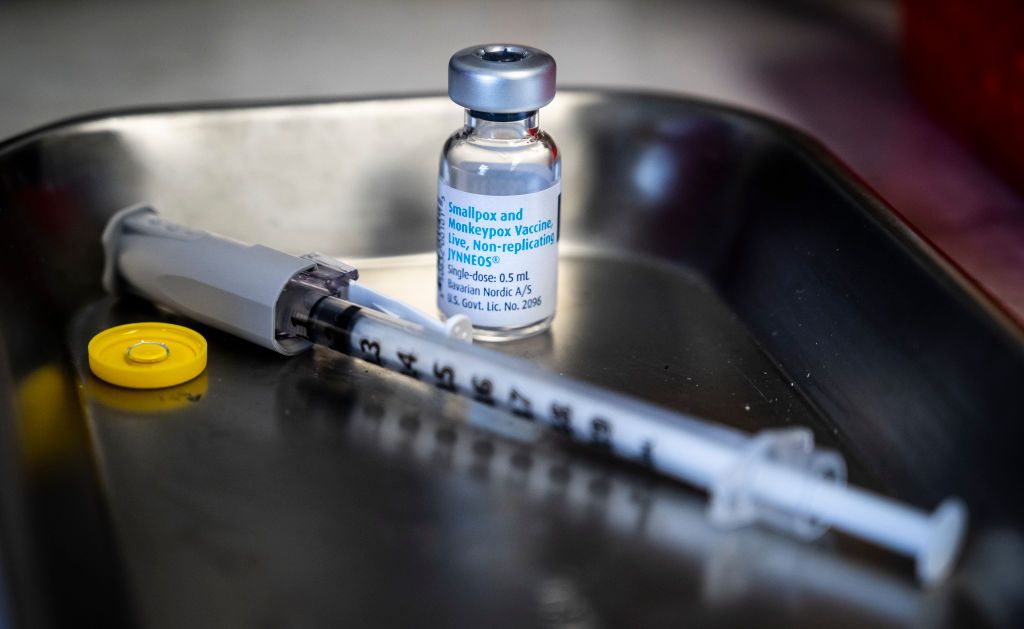
The mpox vaccine currently used in the U.S. is called JYNNEOS. One dose is about 35% to 86% effective, while the complete two-dose series is 66% to 90% effective. (The effectiveness varies, in part, because some studies include people with HIV and people without HIV, and inadequately treated HIV can undermine the body's response to vaccines.)

The JYNNEOS vaccine is not currently recommended for routine use in the general population because, beyond vulnerable groups, the risk is not high enough to warrant a universal vaccination strategy. The current outbreak is primarily affecting men who have sex with men, and those sexual networks are the primary targets for JYNNEOS vaccination.

However, not all men who have sex with men need to be vaccinated, according to the Centers for Disease Control and Prevention (CDC). Instead, vaccination is recommended for a specific subset of the group, including those who, in the last six months, have had more than one sex partner, have had sex at commercial sex venues, or have been diagnosed with other sexually transmitted diseases.

Nonbinary and transgender people with these risk factors are also recommended to get two doses of JYNNEOS, as are any sexual partners of anyone in the above groups.

Vaccines are also recommended after a suspected exposure to mpox, as they can help prevent or reduce the severity of the infection.

"For those who are eligible and have not yet completed vaccination, now is a good time to talk with a healthcare provider about getting protected," Dr. Demetre Daskalakis, chief medical officer of Callen-Lorde, an LGBTQ+ community health center in New York City, told Live Science in an email.

With the exception of laboratory researchers who work with mpox, people who have received two doses of JYNNEOS are fully vaccinated and do not need a booster, he said. And if a person has caught mpox in the past and recovered, they do not need to get a vaccine, he added.

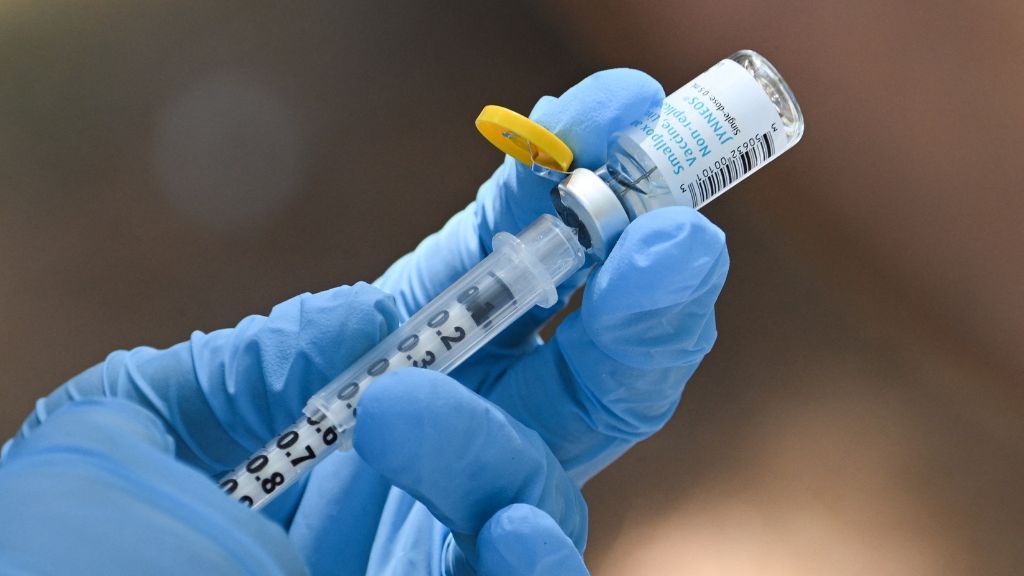
close up of a health care worker's gloved hands as they draw the jynneos vaccine out of a vial and into a syringe

Individuals who are recommended to get vaccinated against mpox should get two doses of the JYNNEOS vaccine. (Image credit: PATRICK T. FALLON/AFP via Getty Images)

About the virus

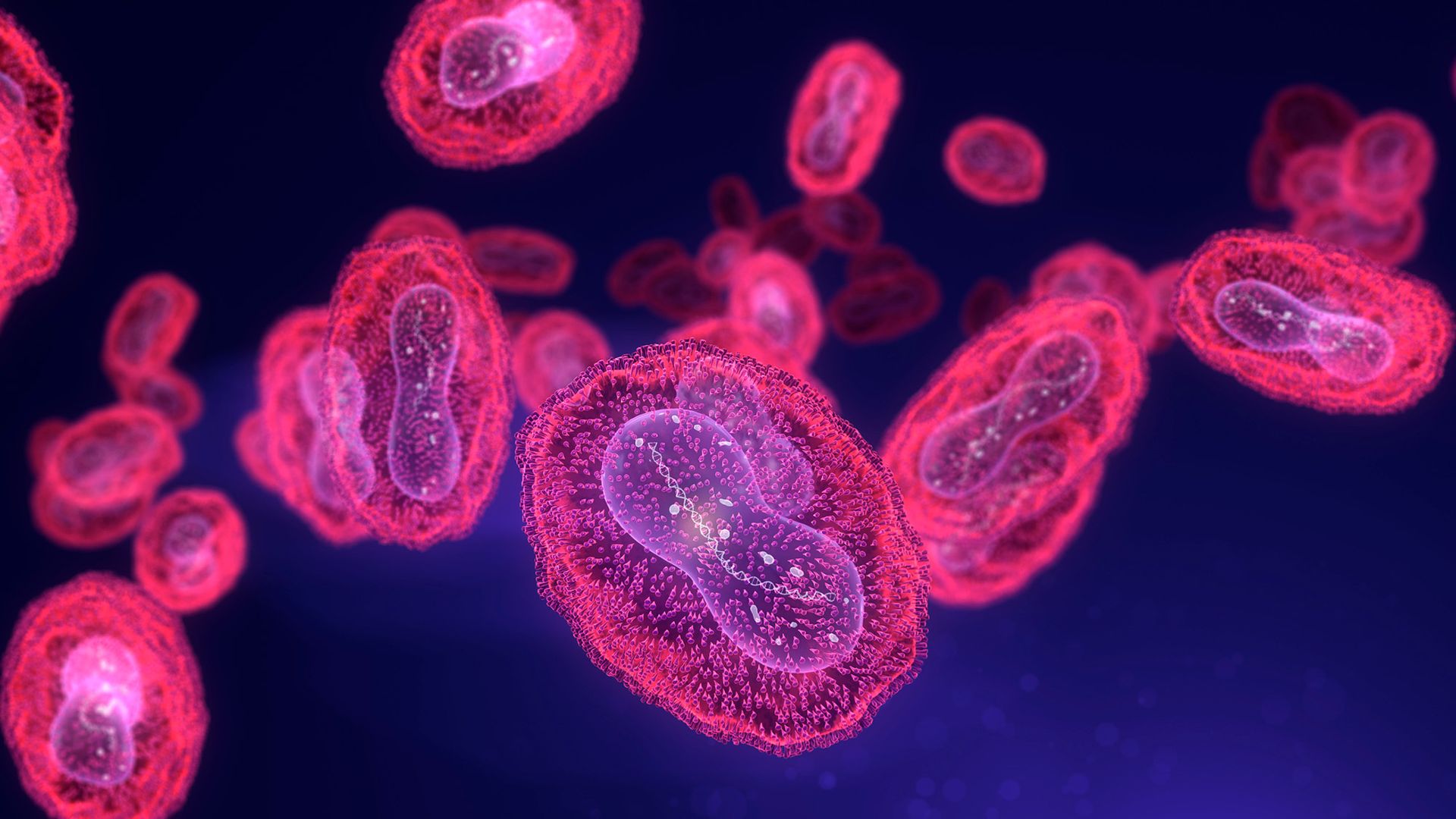
The poxvirus family also includes smallpox, which has been eradicated worldwide. Mpox and smallpox cause some similar symptoms, but mpox tends to be far milder than smallpox. However, the viruses are closely related enough that vaccines designed to prevent smallpox can also protect against mpox.

Mpox was initially named monkeypox because the virus behind the disease was discovered in captive monkeys in Denmark. But monkeys are not the main hosts of the virus in the wild; rodents and small mammals mostly found in West and Central Africa likely are. Health officials changed the name to mpox in 2022.

There are two major branches of the mpox family tree, called clade I and clade II. These clades were historically thought to have very different death rates, with clade I being the deadlier of the two. The case-fatality rate (CFR) of clade I has been estimated to range from 1.4% to over 10%, depending on the outbreak, while the CFR for clade II has been estimated at between 0.1% and 3.6%.

However, as both clades have spread beyond Africa, data suggests that the CFR for clade I may be lower than once thought, said Joel Wertheim, a professor of medicine in the Division of Infectious Diseases and Global Public Health at the University of California, San Diego.

The features of a given outbreak β€” such as the surrounding health infrastructure, patients' access to timely medical care, and the population's underlying risk factors for severe disease β€” likely play a big role in determining the virus's death toll, Wertheim told Live Science. In short, rather than being an immutable feature of the virus itself, the CFR is dependent on the underlying health of and resources available to a given population.

How mpox spreads

Mpox can spread from infected animals to humans through the animals' bites or scratches. Additionally, people can get the virus when they come into close contact with animals and/or their bodily fluids during hunting, skinning, trapping, cooking, eating animals or handling carcasses, the World Health Organization (WHO) notes.

The virus also spreads from person to person, primarily through very close contact, including intimate contact during sex. The virus typically enters the body through broken skin, the respiratory tract or mucous membranes (thin tissues found in the eyes, nose, mouth, anus and genitals), spreading via bodily fluids such as spit, mucus or blood. People can also pick up the virus via objects, such as clothing or linen, that are contaminated with the bodily fluids of an infected person.

The virus can spread through small respiratory droplets expelled during speaking or breathing. However, this is thought to be a less-common transmission route than close contact. There is also evidence that asymptomatic spread sometimes occurs, though it's unclear how frequently that happens.

Mpox can spread from mother to baby during pregnancy or birth. This route of infection can result in pregnancy loss, stillbirth, death of the newborn, or complications for the mother.

Symptoms of mpox

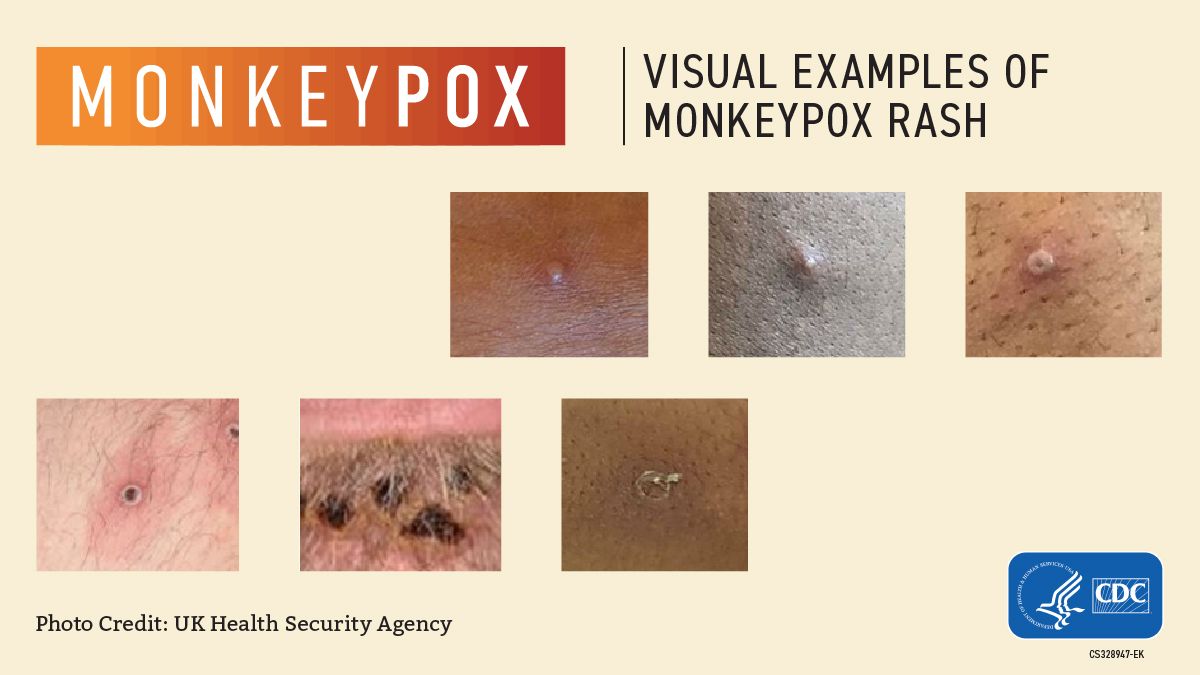
text across the top reads:
Centers for Disease Control and Prevention, National Center for Emerging and Zoonotic Infectious Diseases (NCEZID), Division of High-Consequence Pathogens and Pathology (DHCPP)
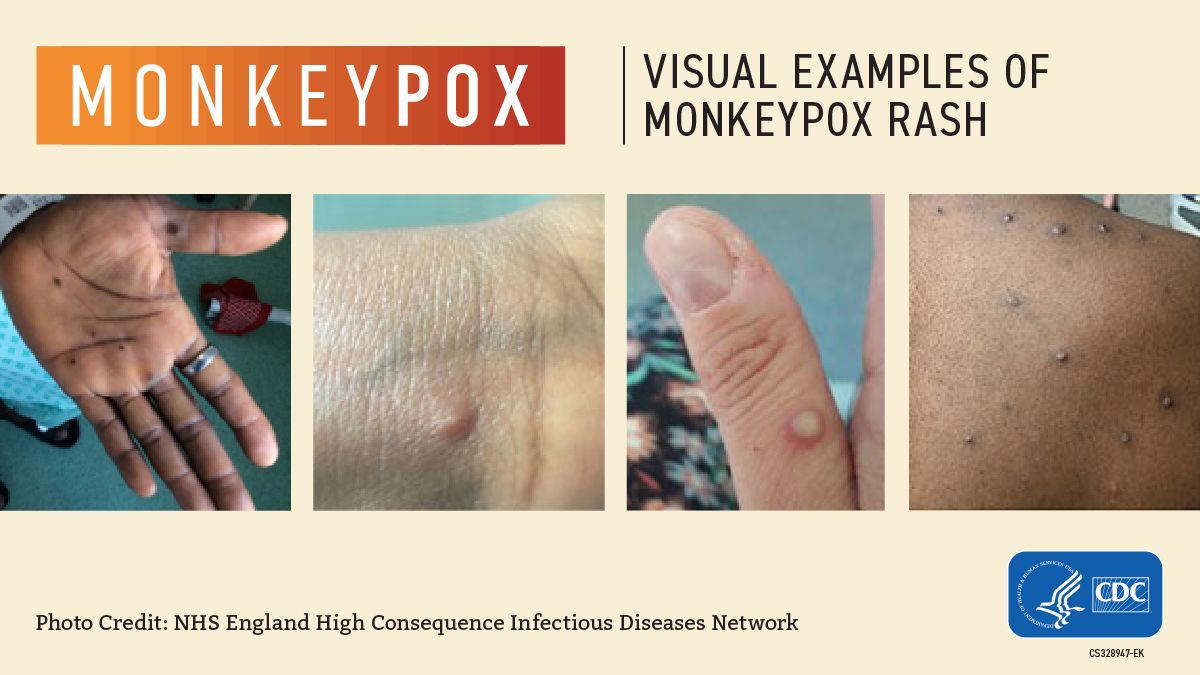
a graphic that reads
Centers for Disease Control and Prevention, National Center for Emerging and Zoonotic Infectious Diseases (NCEZID), Division of High-Consequence Pathogens and Pathology (DHCPP)

Symptoms of mpox typically appear within a week of a person being exposed to the virus, but they can sometimes take up to 21 days to develop. Once they emerge, symptoms last about two to four weeks, although the illness can linger longer in people with weakened immune systems.

Common symptoms include rash (see images), fever, sore throat, headache, muscle aches, back pain, swollen lymph nodes and low energy. Often, mpox rashes first appear on the face and then spread to other parts of the body; however, if a person becomes infected during sex, the rash may instead start around their genitals. The rashes begin as flat, discolored patches of skin and then progress into raised bumps, blisters, and large, pus-filled pimples that eventually scab over and fall off.

Some people with mpox develop painful swelling of the rectum (proctitis), while others have pain and difficulty when peeing (dysuria) or when swallowing.

Mpox rashes can make people vulnerable to bacterial skin infections, which can cause abscesses or other serious skin damage. Additional complications of the illness include pneumonia, infection of the cornea that can cause vision loss, and vomiting and diarrhea that causes dehydration or malnutrition. Mpox can also lead to blood infections, the intense immune reaction sepsis and, rarely, brain infections (encephalitis) or heart inflammation (myocarditis).

Children, pregnant people, and people with weakened immune systems, including from HIV infection, have a higher risk of serious illness and death from mpox.

Mpox prevention measures

Beyond vaccination, other strategies to decrease the risk of mpox infection include washing hands frequently, avoiding contact with contaminated objects and materials used by people with mpox, avoiding contact with other people's scabs or rashes, and using condoms, although they may only reduce, not eliminate, the risk of mpox exposure during sex.

Mpox treatment

Mpox treatment aims to manage a person's rashes and pain while also preventing complications. "Early and supportive care is important to help manage symptoms and avoid further problems," according to the WHO.

There is no antiviral drug approved for use in mpox, although some are available for emergency use in various countries. For example, the U.S. allows the use of certain smallpox medicines for mpox.

Severe mpox infections also may be treated with vaccinia immune globulin intravenous, which contains antibodies taken from the blood of people who were immunized against smallpox.

People who have recently been exposed to mpox can be given an mpox vaccine to reduce the severity of their symptoms or to prevent the illness altogether. This approach is known as post-exposure prophylaxis, or PEP.

"Post-exposure vaccine should be given as soon as possible, ideally within 4 days of exposure; administration 4 through 14 days after exposure may still provide some protection against monkeypox," the CDC states.

  •  

'Mpox has not disappeared': Why the infectious disease is still spreading in the US and may be here to stay

Mpox spread across the world in 2022, triggering tens of thousands of cases in countries where the infection was once rarely seen. Although the disease has since fallen out of news headlines, mpox (formerly called monkeypox) continues to circulate. Now, recent data suggests that the viral illness may soon be endemic to the United States, meaning it will circulate in the country consistently.

Previously, mpox cropped up sporadically in the U.S. via travelers who had visited African countries where the disease is endemic, as well as imported, infected animals that spread the virus to people. Cases have fallen substantially since the peak of the outbreak in 2022, but they haven't disappeared. A report published in August found that there were 2,800 cases in 2024 and over 2,500 in 2025, with only a small fraction being tied to travel. Nearly all of the viral samples analyzed were descendants of the strain that sparked the 2022 outbreak. In short, once the virus arrived, it never went away.

"There's no set threshold for what constitutes endemicity of monkeypox virus (MPXV) in the United States," Ryan Standford, an epidemiologist in the Centers for Disease Control and Prevention's (CDC) Poxvirus and Rabies Branch and co-author of the report, told Live Science in an email. "But each year provides further evidence of this transition."

Why is mpox still spreading in the U.S., and what can be done to snuff it out? It's likely that too few people have received two doses of the mpox vaccine JYNNEOS, which together are 66% to 90% effective. But beyond low vaccination, there may be other, less-understood factors that are contributing to the continued spread, experts told Live Science.

"We don't quite know how it's able to persist at such low numbers across the entire country," said Joel Wertheim, a professor of medicine in the Division of Infectious Diseases and Global Public Health at the University of California, San Diego.

Who should get vaccinated?

Find out who is recommended to get an mpox vaccine in the United States, and also learn about the infection's common symptoms and available treatments.

At the same time, public health efforts around mpox have dwindled. Without a sustained effort on that front, it's unlikely the disease will be eliminated from the U.S.

"We have vaccines, testing, and a much stronger understanding of the disease than we did in 2022," Dr. Demetre Daskalakis, chief medical officer of Callen-Lorde, a LGBTQ+ community health center in New York City, told Live Science in an email. "Our focus now should be making sure those tools remain accessible, especially for communities that continue to face ongoing risk," said Daskalakis, who coordinated the nation's mpox response during the previous presidential administration.

"People at increased risk should know that mpox has not disappeared."

Who is at risk of mpox in the U.S.?

In the U.S., mpox is predominantly affecting men who have sex with men, and current vaccine recommendations are aimed at this group and their sexual partners. Mpox mostly spreads from person to person through close contact, and transmission during sex is playing a major role in the ongoing spread in the U.S.

Men who have sex with men are not more prone to mpox infection than anyone else. Rather, this transmission pattern stems from the outbreak beginning within a specific sexual network and then continuing to persist within the same network. "The mpox virus rediscovered the same transmission network that HIV had explored decades earlier," Wertheim said.

In a paper published in 2025, Wertheim and colleagues described the transmission dynamics of mpox in New York City during the 2022 outbreak. Similar to how HIV previously spread, mpox triggered "densely connected" clusters of infection. Then, as people in the network gained immunity via infection and vaccination, the cases petered out, decreasing to the persistent trickle we see now.

Wertheim noted that he's not surprised that mpox has remained largely confined to the same network, rather than leaping into new groups.

"From an evolutionary, ecological perspective, it's not hugely successful," Wertheim said. "It's sort of barely hanging on as an STI."

text across the top reads:
Centers for Disease Control and Prevention, National Center for Emerging and Zoonotic Infectious Diseases (NCEZID), Division of High-Consequence Pathogens and Pathology (DHCPP)
a graphic that reads
Centers for Disease Control and Prevention, National Center for Emerging and Zoonotic Infectious Diseases (NCEZID), Division of High-Consequence Pathogens and Pathology (DHCPP)

Why is mpox still circulating?

So if mpox is not hugely successful and we have a vaccine, how has the virus continued to circulate? One big factor is that too few at-risk people have been vaccinated, experts said.

The CDC's Center for Forecasting and Outbreak Analytics has crunched the numbers to see what percentage of that at-risk group needs to have immunity to stop mpox transmission, Daskalakis said. The at-risk group is estimated by counting the men who have sex with men who are either taking HIV-preventing medicines or have HIV, and then adding 25% to that total to account for additional people in the same sexual network. That estimate comes out to about 2 million people.

To prevent an outbreak bigger than the one in 2022, between 21% and 35% would have to have immunity through vaccination or a past infection. If over 50% of the group had immunity, that would mean there's a "very small probability" of sustained local transmission, the CDC's modeling suggested.

The current case counts suggest we haven't hit the 50% mark, or a total of roughly 1 million complete vaccinations or past infections.

Data from the August report on mpox seems to support the idea that too few people are vaccinated. That said, information about vaccination status was missing for about 62% of the reported cases. Among the remaining cases, 76% were unvaccinated, while 10% had gotten one dose and 14% had gotten two.

In a subset of 860 cases, the effect of vaccination was striking: Unvaccinated people had nearly 10 times higher odds of hospitalization due to mpox than fully vaccinated people did.

As the emergency phase faded from public attention, awareness and risk perception may have declined.

Dr. Demetre Daskalakis, chief medical officer of Callen-Lorde

Waning public health attention

It's difficult to pin down exactly how many at-risk people are vaccinated, given that that data is no longer tracked at the national level. "My understanding is that there's no mandatory reporting on mpox vaccination data," Wertheim said.

The CDC previously monitored national vaccination trends, comparing the number of people vaccinated to the overall at-risk population. But that tracking stopped in early 2024, when about 23% of the at-risk population had been fully vaccinated.

Some states, such as New York, previously mandated that clinicians provide their state health department data on the number of people given mpox vaccines. But that reporting is now voluntary, a spokesperson for the New York State Department of Health told Live Science in an email.

A close up of a vaccine vial and syringe.

People recommended to get the JYNNEOS vaccine need two doses to be maximally protected from mpox. (Image credit: MediaNews Group/Orange County Register via Getty Images )

Meanwhile, "as the emergency phase faded from public attention, awareness and risk perception may have declined," Daskalakis said. Public health messaging about the virus and vaccination has also waned.

"In recent weeks, HHS [the Department of Health and Human Services] has pulled down some of the plain-language guidance, which is not helpful in supporting messaging," Daskalakis noted. This decision to remove online resources about mpox reflects the federal government's current stance against addressing issues that affect LGBTQ+ health, he told Live Science.

Complicating factors

Although JYNNEOS substantially lowers the risk of severe mpox infection, the vaccine is not perfect, said Rachel Roper, a professor of microbiology and immunology at East Carolina University.

The virus typically enters the body through broken skin, the respiratory tract or mucous membranes (thin tissues found in the eyes, nose, mouth, anus and genitals). The mpox vaccine is good at generating systemic immunity, but it's not as good at guarding against the virus's immediate effects at those mucous membranes, said Roper, who studies poxviruses and vaccines against them.

Because mpox is largely spreading through sexual contact that involves those membranes, that slight gap in protection may also help to explain some of the ongoing spread, she suggested.

Plus, "there are also some data supporting asymptomatic infection as a possible route of transmission, making it more difficult to eliminate local transmission of mpox," Daskalakis said.

What can be done?

Given that mpox is already well established within some sexual networks in the U.S., "preventing endemicity entirely may be increasingly difficult," Standford told Live Science.

And notably, some federal funding cuts could undermine efforts to address mpox, Daskalakis said. These include cuts to Medicaid, mental-health services, housing programs, and HIV services such as the Ryan White HIV/AIDS Program.

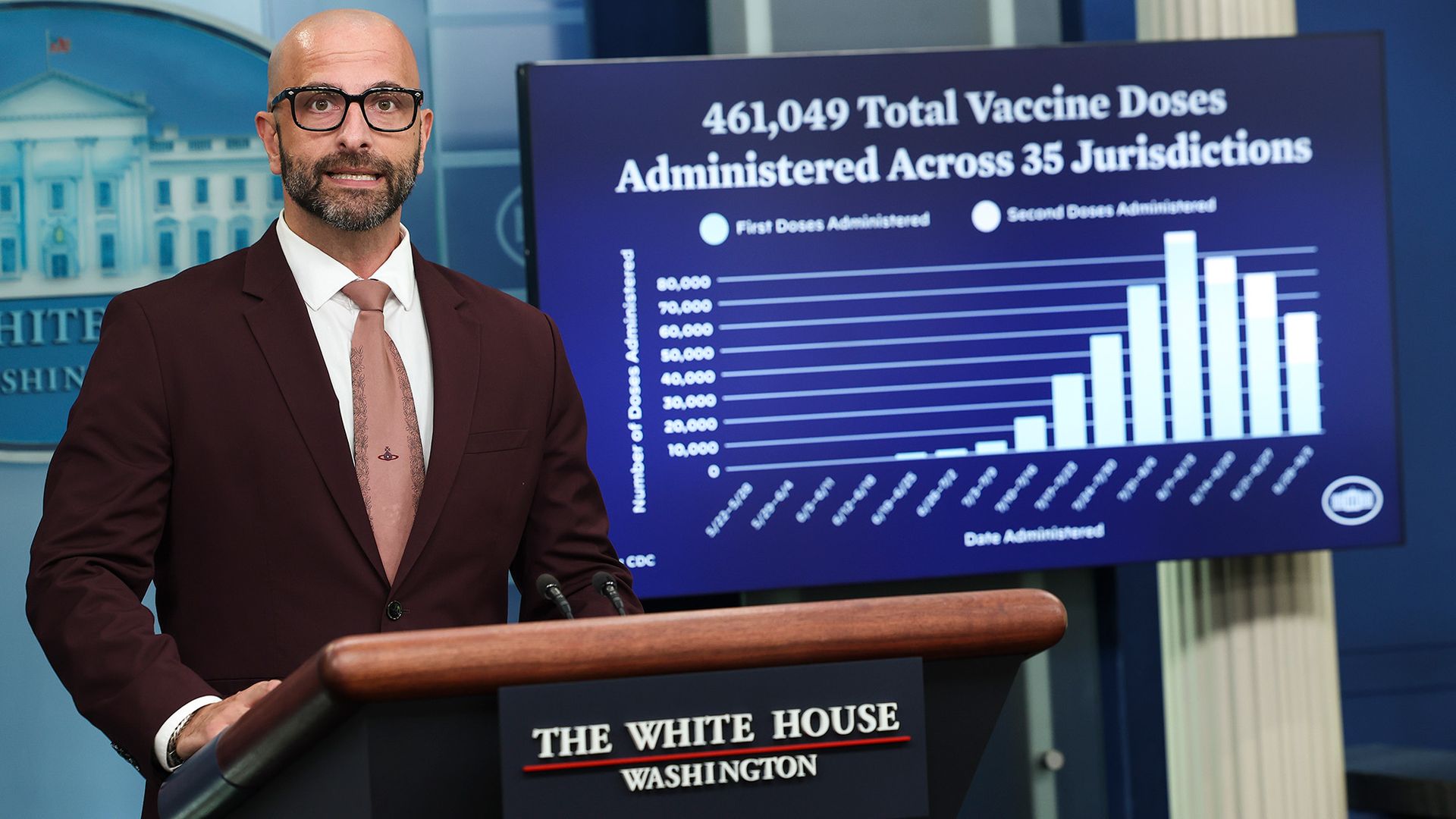
A bald man with glasses wearing a suit and tie stands behind a podium next to a bar chart.

Dr. Demetre Daskalakis speaking at the White House on Sept. 7, 2022, when he provided an update on the administration's response to the ongoing mpox outbreak. (Image credit: Kevin Dietsch via Getty Images)

Thankfully, looking at current mpox trends, "there's no indication we're returning back to 2022 levels," Wertheim told Live Science. So far in 2026, just under 1,000 mpox cases have been reported, according to the CDC. Month over month, the number of cases is generally trending downward. So, at a glance, the current situation seems better than it was in 2025, he said.

"We sort of seem to be on this razor's edge between endemicity and extinction," he said. "And it's not really clear which way it'll go."

Tipping the virus toward extinction will require healthcare providers to be informed and equipped to spot and manage cases, Daskalakis said. And communicating the importance of vaccination is key.

"One lesson from 2022 was that trusted messengers matter," he said. "We [at Callen-Lorde] work closely with LGBTQ+ communities and make information and vaccination opportunities available in settings where people already receive care." The clinic integrates conversations about mpox vaccination into routine health visits, sexual health services, HIV prevention programs and community outreach activities.

Beyond vaccinating at-risk populations, educating patients about how mpox spreads and how to reduce their risk is also key, Standford noted. "Vaccination coverage is a very important factor, but it is not the only one," he said.

Tipping mpox toward extinction will also require enough investment to maintain the disease surveillance, vaccination, testing and treatment capacity that the federal government helped to expand in 2022, Daskalakis said. The vaccine itself is now commercially available to clinics and in adequate supply, he emphasized.

"The fact that we're seeing ongoing circulation underscores the need for sustained prevention efforts rather than viewing mpox as a resolved public health issue," he said. "Infectious diseases don't disappear simply because public attention shifts."

This article is for informational purposes only and is not meant to offer medical advice.
Help us improve Live Science Pro: We're always trying to make our content better. Leave us feedback about Pro here.

  •  

1 in 8 cancer cases are caused by infections, underscoring the importance of vaccines, experts say

About 1 in 8 cancer cases are caused by infections with viruses, bacteria or parasites, a new study finds, suggesting that one of the most effective ways to reduce cancer rates might be to prevent common infections.

In a new analysis published Sept. 28 in the journal The Lancet Oncology, researchers mapped the global impact of 12 cancer-causing pathogens. They estimate that infections drove about 2.3 million new cancer cases in 2024, or about 12% of all cancer cases diagnosed that year.

The study highlights that a large fraction of cancer cases could be avoided if these underlying infections were prevented, Dr. Prashant Mathur, director of India's National Centre for Disease Informatics and Research, who was not involved in the study, told Live Science in an email.

"When combined with other risk factors such as tobacco use, alcohol consumption, appropriate diet, physical activity, and environmental pollution, it is estimated that about 50 to 60 percent of all cancers in India are avoidable," he said. Past studies suggest that similar figures hold on a global scale.

In the new study, the researchers used the Global Cancer Observatory's GLOBOCAN database, which combines data from various cancer registries to estimate that about 20 million new cancer cases were diagnosed in 2024. The team combined that information with other published data examining the prevalence of different infections in people with specific cancers. This enabled them to estimate how many cases were attributable to each infection.

Their analysis focused on 12 pathogens tied to cancer, including human papillomavirus (HPV), hepatitis B and C, HIV and Epstein-Barr virus (EBV), the virus behind mononucleosis. The resulting breakdown revealed that just four pathogens accounted for roughly 92% of the cancer cases caused by infections.

A bacterium called Helicobacter pylori, which infects the gastrointestinal tract, accounted for 760,000 cases, primarily gastric cancers. The other three leading cancer triggers were viruses. HPV accounted for 750,000 cases, including cervical, penile, throat and mouth cancers. The liver-attacking hepatitis B virus was responsible for 360,000 cases and EBV drove 260,000 cases. (EBV is known to increase the risk of throat cancers, as well as certain lymphomas and stomach cancers.)

The scale of the burden contrasts with gaps in prevention. In 2024, just 31% of eligible adolescent girls worldwide received at least one dose of the HPV vaccine, well below the 90% target, the World Health Organization reports. The degree of protection provided by the vaccine is striking in countries that have achieved higher coverage.

"We have now achieved the critically important milestone of cervical cancer starting to disappear in countries that quickly achieved vaccination rates of over 80 percent," said Dr. Rebecca Perkins, an obstetrician-gynecologist at Tufts University School of Medicine who was not involved in the study. "Research from Australia, England, and Finland have shown zero cases of HPV-related cancers or deaths in young adults who received vaccination by age 13," Perkins told Live Science in an email.

But these successes are concentrated in wealthy nations. The Lancet study found that low- and middle-income countries bear 77% of the global infection-driven cancer burden. For example, about 81% of HPV-linked cancers occurred in these countries.

Perkins pointed out that shifting from the standard two-dose HPV vaccine series to a single-dose regimen using the same vaccines could make mass campaigns easier worldwide by lowering costs and eliminating the need to track patients for follow-ups. The single-dose approach has been backed by recent trials.

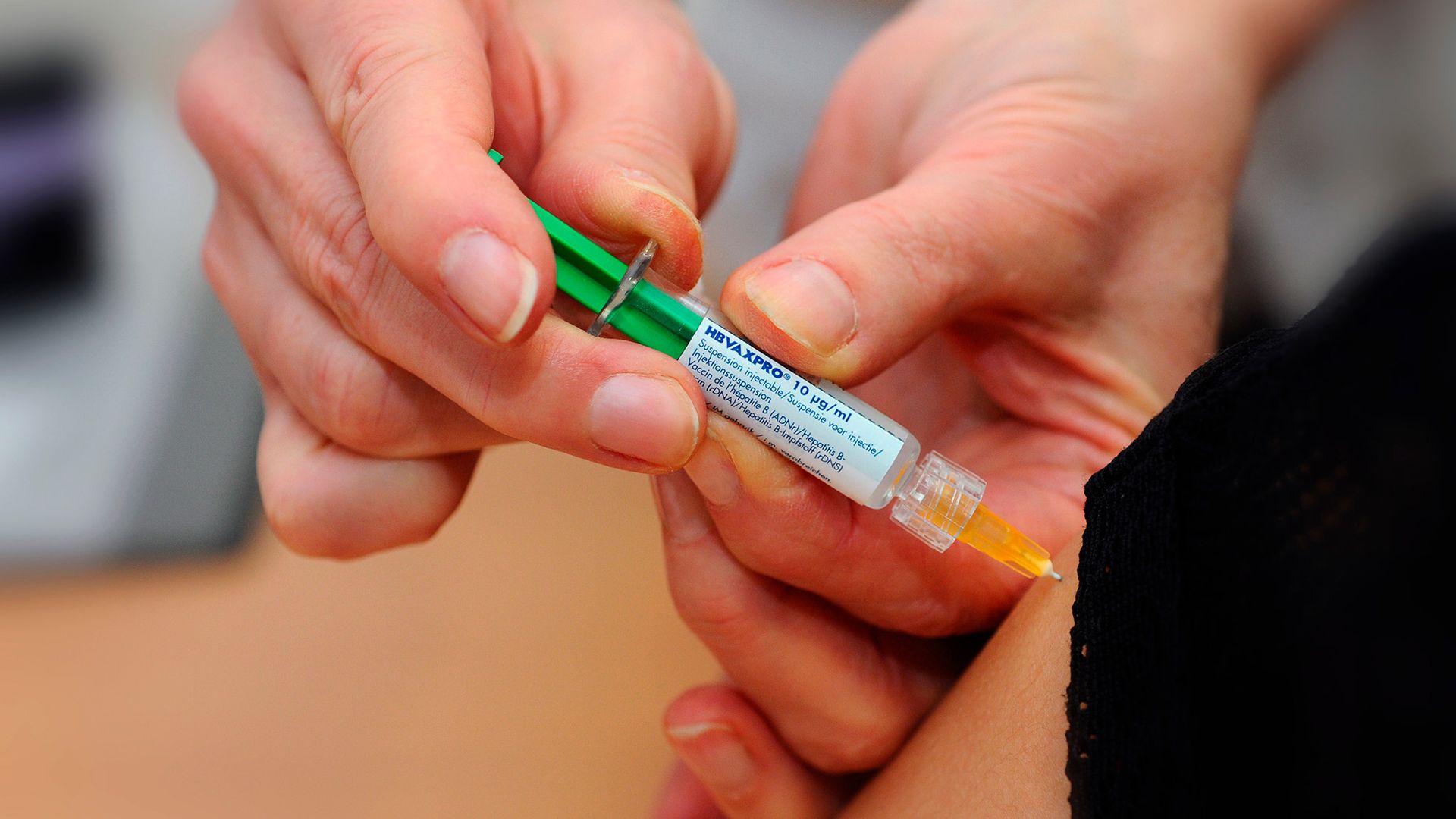
A close up of an orange liquid-filled syringe.

As with HPV, there is a highly effective vaccine for hepatitis B that can help prevent both the infection and related cancers. (Image credit: BSIP via Getty Images)

In the U.S., progress has been uneven across states with some boasting high vaccination rates and others lagging behind. One barrier is that some children's caregivers feel the shots are unnecessary or that their kids are too young to receive it. "The biggest misconception from families is that the HPV vaccine is not needed or that it can wait," Perkins noted. "The reality is that you can't vaccinate too early, only too late."

There is also a highly effective vaccine for hepatitis B, and health officials recommend giving children their first dose as soon as possible after birth. (The U.S. Centers for Disease Control and Prevention recently made the decision to stop recommending universal vaccination at birth, which experts say could raise the country's rates of hepatitis B infections and related cancers.)

While the challenge with HPV and hepatitis B is getting their vaccines into widespread use, there isn't an approved vaccine for EBV yet.

"The biggest hurdle has been the complexity of the virus," said Claire Shannon-Lowe, a tumor virologist at the University of Birmingham in the U.K. who was not involved in the study. "Unlike many other viruses that use just one or two virus proteins to enter cells, EBV uses multiple proteins ... and it hides inside cells for our entire lifetime."

Epstein-Barr infections are also incredibly common, with up to 95% of people infected by adulthood; most people infected with the virus don't develop a related cancer, but it's still a major contributor to the global cancer burden. The germ has also been tied to several autoimmune diseases, which may help spur the development of a vaccine, Shannon-Lowe suggested.

"With the increased impetus following EBV's association with multiple sclerosis and lupus, we may finally have a potential vaccine in sight that could not only prevent virus infection but could help treat EBV-associated cancers," she said.

For H. pylori, meanwhile, researchers are pursuing population-wide testing for and treatment of the infection to help prevent gastric cancer, while vaccine development remains an area in need of further investment.

The true scale of the infection-related cancer burden may be even larger than the study suggested. Some of the registries used in the new research cover only about 19% of the global population, and only 2% of Africa's population. More high-quality data is needed to fill in these gaps.

For Mathur, though, the bottom line is that cancer prevention makes economic sense.

"Studies have clearly demonstrated that the return on investment of prevention on cancers is much higher than on its treatment in the long run," he said. "Preventive aspects must be strengthened for long-term gains."

This article is for informational purposes only and is not meant to offer medical advice.
  •  
❌