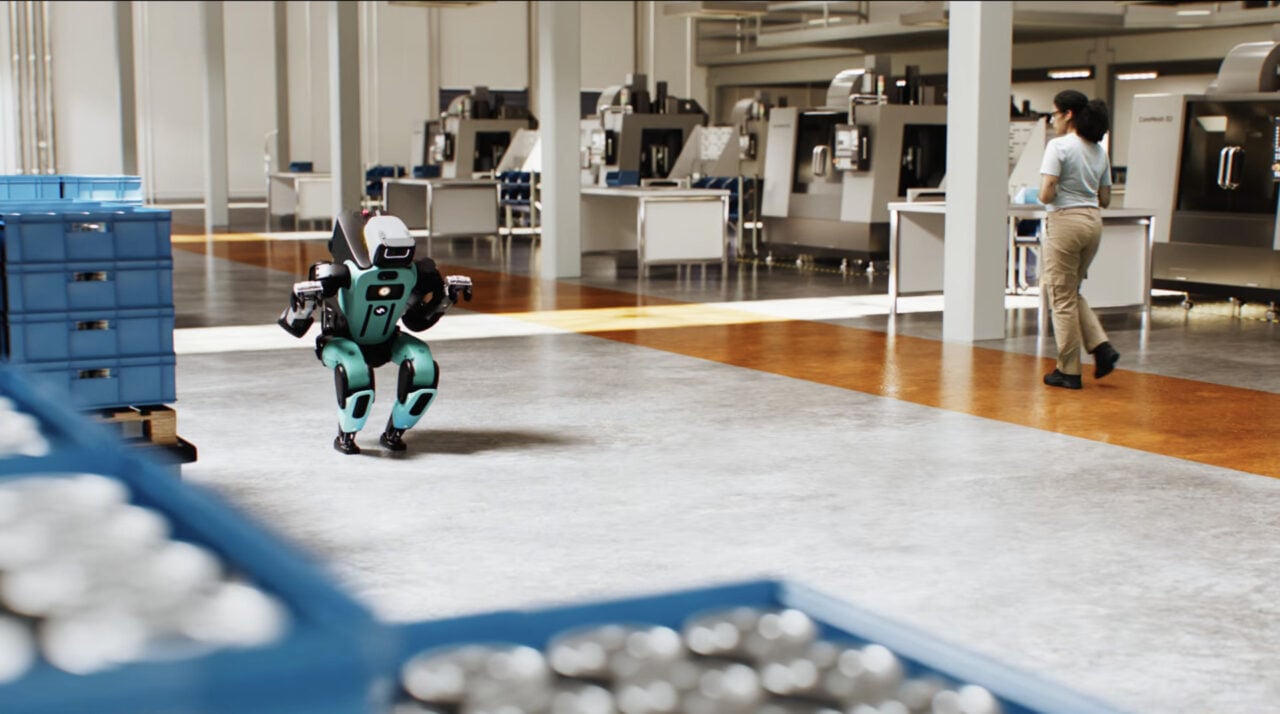
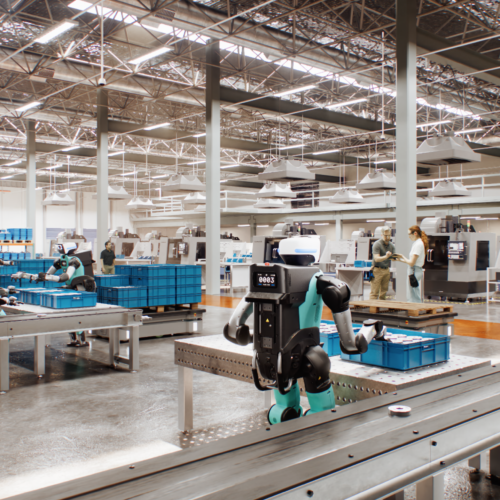
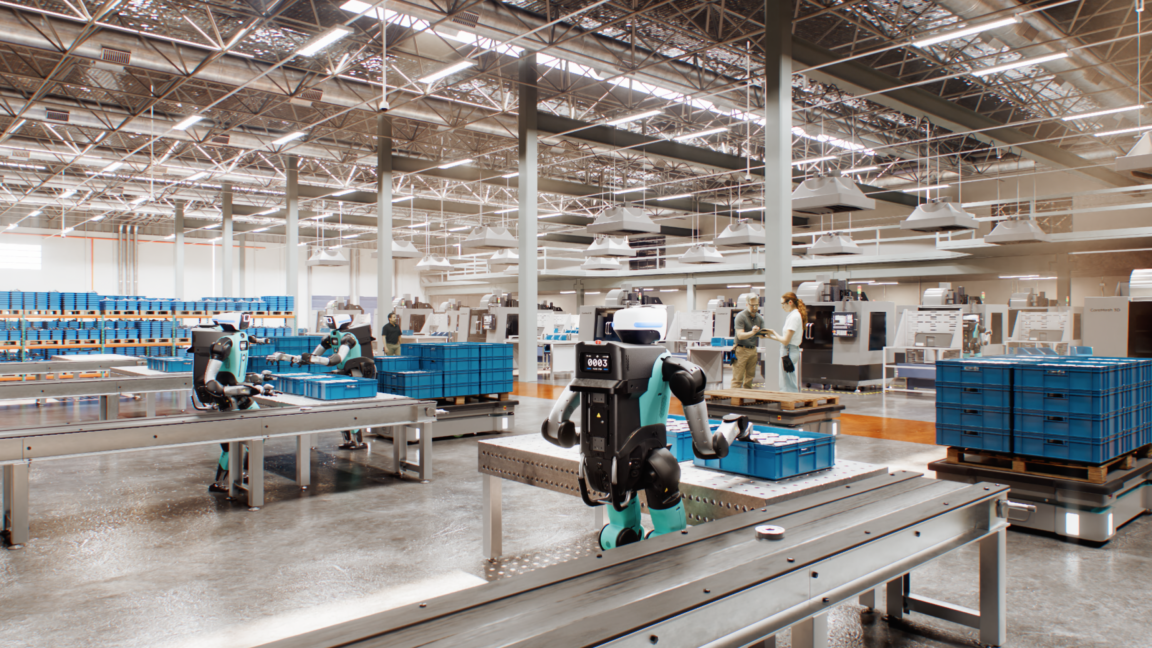
Agility Robotics has debuted its first humanoid robot engineered to work safely near humans without risking harm to flesh-and-blood coworkers. Such safety features could unlock many more opportunities to use such robots inside warehouses and automotive factories—all without requiring isolated robot work cells and physical separation barriers.
When Agility’s new Digit 5 robot detects a person at a distance, it can autonomously take precautions, like moving to avoid the person or standing still so the person can pass by without getting closer. If a person is getting into close proximity with Digit 5, the robot can even choose to squat and assume a seated position.
“The robot was designed with a complex safe motion system that can take a variety of different mitigations depending on exactly what sort of human presence is detected,” Pras Velagapudi, chief technology officer at Agility, told Ars.
Será mais fácil ensinar um robot a andar pela casa ou simplesmente construir uma casa à volta de um robot? A startup japonesa MW aposta na segunda hipótese.
China leads the world in churning out humanoid robots and four-legged robot dogs that also happen to be the most affordable on the market—and Unitree Robotics’ founder Wang Xingxing is arguably one of the people most responsible for that Chinese lead.
The introverted founder, who prominently appeared at a 2025 business symposium hosted by Chinese President Xi Jinping, became phenomenally wealthy after Unitree launched an initial public offering on the Shanghai Stock Exchange STAR Market on August 19. But extensive reporting by Beijing-based Caijing Magazine suggests Unitree’s success so far has been driven by Wang’s extreme micromanagement leadership style—an approach that may be more suited to a small startup than a fast-growing robotics company.
Caijing’s interviews with Unitree employees and investors paint a picture of Wang as someone who personally decides nearly every aspect of corporate strategy or product design, including the colors of materials and lengths of individual screws. The Caijing Magazine feature published on August 31, titled “The King of Unitree,” was translated into English by ChinaTalk, a US-based think tank and media organization, on September 10.
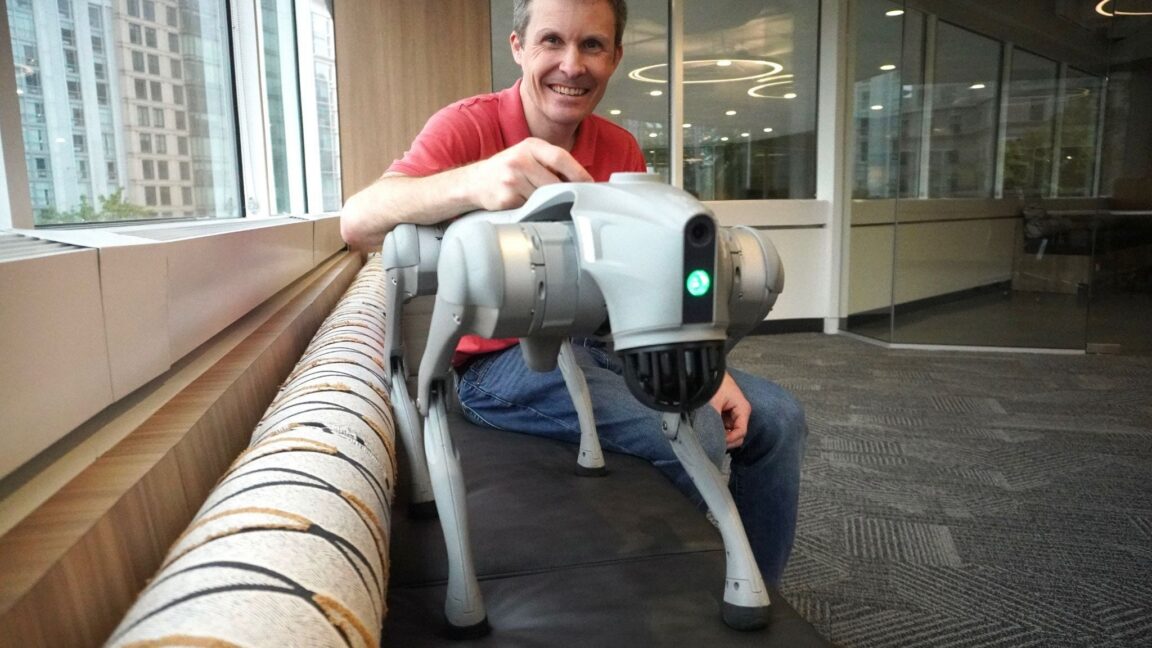
On a sunny morning in June, I walked to work with a quadruped robot beside me. I’ve never gotten more attention from strangers.
A bunch of people snapped pictures of my robot dog. Several people asked me questions. Was it mine? (Yes.) Did I build it? (No.) Was it being used for surveillance? (No.)
Biological dogs kept a safe distance from my mechanical companion. Some growled or barked at it.
 Login