❌

Reading view

NVIDIA GeForce NOW, ecco tutti i nuovi giochi della settimana (e piccolo intoppo)

Dopo un agosto particolarmente ricco, Nvidia sembra aver rallentato leggermente il ritmo per la sua piattaforma di streaming di videogiochi GeForce NOW, che il mese oltre a nuovi giochi aveva ricevuto un’applicazione nativa per Linux, il supporto a Firefox e la sincronizzazione con GOG. Ma l'appuntamento del giovedì sera con i nuovi titoli della settimana non poteva mancare, ecco cosa è uscito:

  • Bus Simulator 27 (nuova uscita su Steam, 8 settembre)
  • Halloween: The Game (nuova uscita su Steam, 8 settembre)
  • Honeycomb: The World Beyond (nuova uscita su Steam, 8 settembre)
  • Wanderburg (nuova uscita su Steam, 8 settembre)
  • Shroom and Gloom (nuova uscita su Steam, 10 settembre)
  • Train Sim World 7 - Advanced Access (nuova uscita su Steam, 10 settembre)
  • Welcome to Elderfield (nuova uscita su Steam, 10 settembre)
  • Death Stranding Director’s Cut (Epic Games Store)

Non è nuovo, ma da segnalare anche che Valheim è arrivato alla versione 1.0 stabile ed è quindi uscito dall'accesso anticipato.

Boots on the ground, this #GFNThursday. 👢@WARDOGS, Valheim and other games have been added to the GeForce NOW Library.

See which games 👉 https://t.co/SwIwlP56Ga pic.twitter.com/ZuifO0kbSs


Piccolo prezzo per un ottimo smartphone? Honor 400 Lite, compralo al miglior prezzo da Amazon Marketplace a 130 euro.

CLICCA QUI PER CONTINUARE A LEGGERE

  •  

Altro che connettori a 16 pin, modder riportano i classici 8 pin su RTX 5090

Il mondo del PC gaming non è certo stato esente da controversie negli ultimi anni, ma probabilmente la direzione meno apprezzata soprattutto dai possessore delle schede grafiche di fascia più alta è stata il passaggio di NVIDIA ai connettori cosiddetti 12V-HPWR, sostituiti poi dalla revisione 12V-2x6, che si sono dimostrati piuttosto inaffidabili soprattutto sulle RTX di classe 90, causando diversi surriscaldamenti che sono nei casi più gravi sfociati in vere e proprie fusioni, con scheda da buttare (fortunatamente pare che finora praticamente tutti i casi si siano risolti positivamente dal punto di vista di garanzia e RMA).

Molti appassionati che hanno seguito la questione si saranno chiesti: ma era davvero necessario, questo nuovo standard? E la risposta è no: l’hanno dimostrato i ragazzi del canale YouTube brasiliano TecLab, che hanno modificato una Galax HOF OC LAB RTX 5090 sostituendo il sistema di alimentazione basato su connettori a 16 pin con una configurazione composta da tre tradizionali connettori a 8 pin, quelli che usa ancora oggi AMD con le sue Radeon. Non è stata certo una passeggiata, ma il risultato è una scheda perfettamente stabile, funzionale - e soprattutto stabile a livello termico.


Piccolo prezzo per un ottimo smartphone? Honor 400 Lite, compralo al miglior prezzo da Amazon Marketplace a 130 euro.

CLICCA QUI PER CONTINUARE A LEGGERE
  •  

Raiding the past: Lara Croft relives her first adventure in Legacy of Atlantis

We have a first play of the forthcoming Tomb Raider remake and speak with its developers. Can they improve on the gameplay without losing what made the 1996 original such a classic?

We join Lara Croft in St Francis’ Folly – inspired by the Unesco-listed monasteries of Meteora in Greece – as the light shines through the cracked ceiling and a flock of bats glide across the vast ruins below. When Lara leaps down to the monastery’s crumbling pillared courtyard, it becomes clear that these screeching, leathery creatures aren’t just set dressing. As they lurch towards her with unpredictable movements, she dispatches the swarm with a flurry of gun fire and panicked punches.

It’s a suitably cinematic reintroduction to our heroine and her very first adventure. Co-developed by longtime Lara custodians Crystal Dynamics and Polish studio Flying Wild Hog, Legacy of Atlantis is a reimagining of the classic 1996 game Tomb Raider, and this familiar cliffside location is now brimming with new life and believable detail. Yet while our reunion gets off to an auspicious start, I have my concerns. It feels like reconnecting with an old friend at the pub, only for them to begin spouting conspiracy theories two pints in.

Continue reading...

© Photograph: ATL Gamescom

© Photograph: ATL Gamescom

© Photograph: ATL Gamescom

  •  

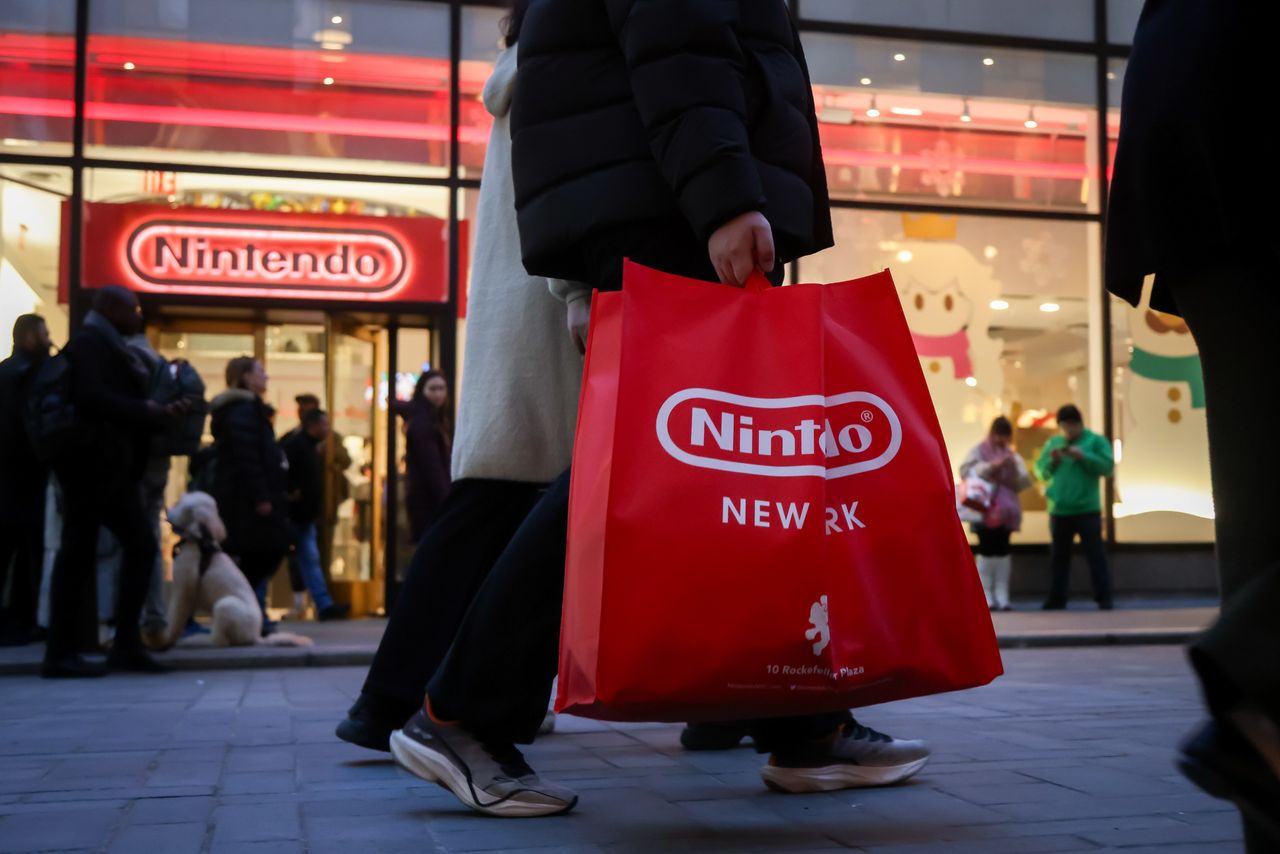
Nintendo of America puts tariff refunds towards 'customer appreciation' sale, but no refunds to Switch 2 buyers — offers 30% off games and accessories from September 13 to 26

Nintendo of America got its tariff refund and is using the money to hold a sale, rather than returning it to customers who paid higher-than-expected prices for the Nintendo Switch 2 and accessories. The rare promotion, dubbed the "Customer Appreciation Sale," will run from September 13 to 26 and will offer 30% off digital Switch games, bundles, and "select physical games, downloadable content, accessories, amiibo, and apparel." Discounts will be available in Nintendo Stores and the Nintendo eShop, as well as other participating retailers.

"The Customer Appreciation Sale is our way of saying thank you to Nintendo players for their continued support and is made possible in part by tariff-related refunds," a brief blog post on Nintendo's U.S. website reads. "While Nintendo absorbed most tariff-related costs, the refunds helped make promotions like this one possible."

In a 2026 earnings document, the company stated that it got $300 million in tariff refunds.

Nintendo of America is facing a proposed class action lawsuit from customers who believe the company will be made whole twice: once through raised prices and a second time through the refunds. Sony is facing a similar suit, and in September, Nintendo of America filed a motion to dismiss its suit.

Nintendo was hit hard by the Trump administration's tariffs. Soon after the Switch 2's initial announcement, the company delayed U.S. pre-orders for the console, though the system launched on time. In May, Nintendo raised the price of the Switch 2 by $50 to $499, though that also priced in component shortages and included hikes in Europe and Japan.

In March, Nintendo of America sued the U.S. government in the U.S. Court of International Trade seeking refunds, joining Costco, FedEx, Revlon, and more than 1,000 others. The Supreme Court ruled that large swaths of the tariffs were unlawful, with over $166 billion due back to American businesses. By the end of July, the government had paid $100 billion in refunds.

Most companies seem to be pocketing the refunds, even though costs were typically passed on to American consumers. In August, Panic, which makes the handheld Playdate focused on indie games, refunded tariffs to customers.

  •  

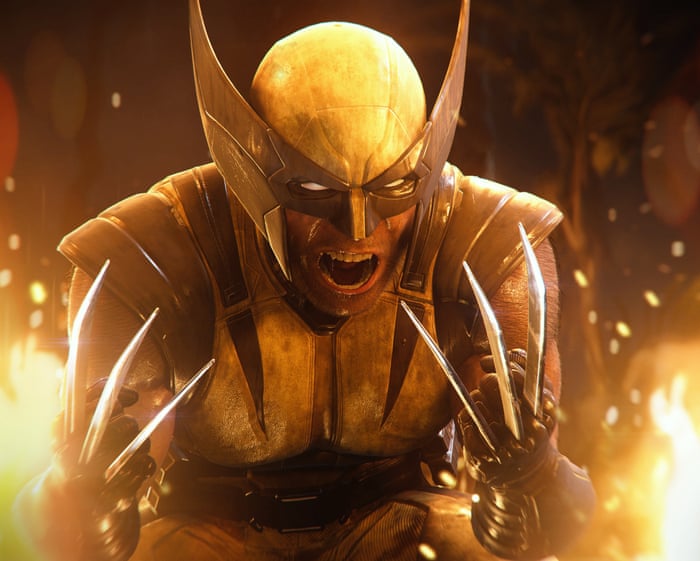
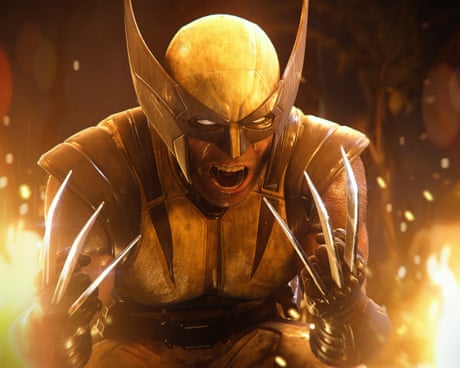
Marvel’s Wolverine review – a gloriously conflicted lead is let down by crude, boring battling

PlayStation 5; Insomniac Games
Logan is well realised by Liam McIntyre and some exquisite character art, but there are lapses in narrative and emotional arcs and some of the combat feels like a chore

It was always going to be difficult to follow Spider-Man. Insomniac’s three games based around the web-slinger are masterpieces of superhero wish fulfilment, allowing you to swoop above a depiction of Manhattan alive with graffiti artists, roving journalists and gun-toting gangsters. If anyone should be up to the task, it’s Wolverine. A beloved Marvel stalwart, his life much darker and bloodier than Peter Parker’s, he seems the ideal protagonist for a moody action adventure. Yet somehow this well-made game falls short of its potential.

Set years before the founding of the X-Men, Marvel’s Wolverine sees a disenfranchised Logan falling back in with Sabretooth and Mystique when their mentor Nathaniel Essex is kidnapped by mutant-hating billionaire Bolivar Trask. This archetypal tech bro has a disturbing plan for world domination and the X Team are out to stop him – but there is a secret buried in Wolverine’s past that’s about to cause an eruption. It’s a decent setup, filled with the sort of intrigue, violence and Freudian tension we expect from the X-Men.

Continue reading...

© Photograph: Sony

© Photograph: Sony

© Photograph: Sony

  •  

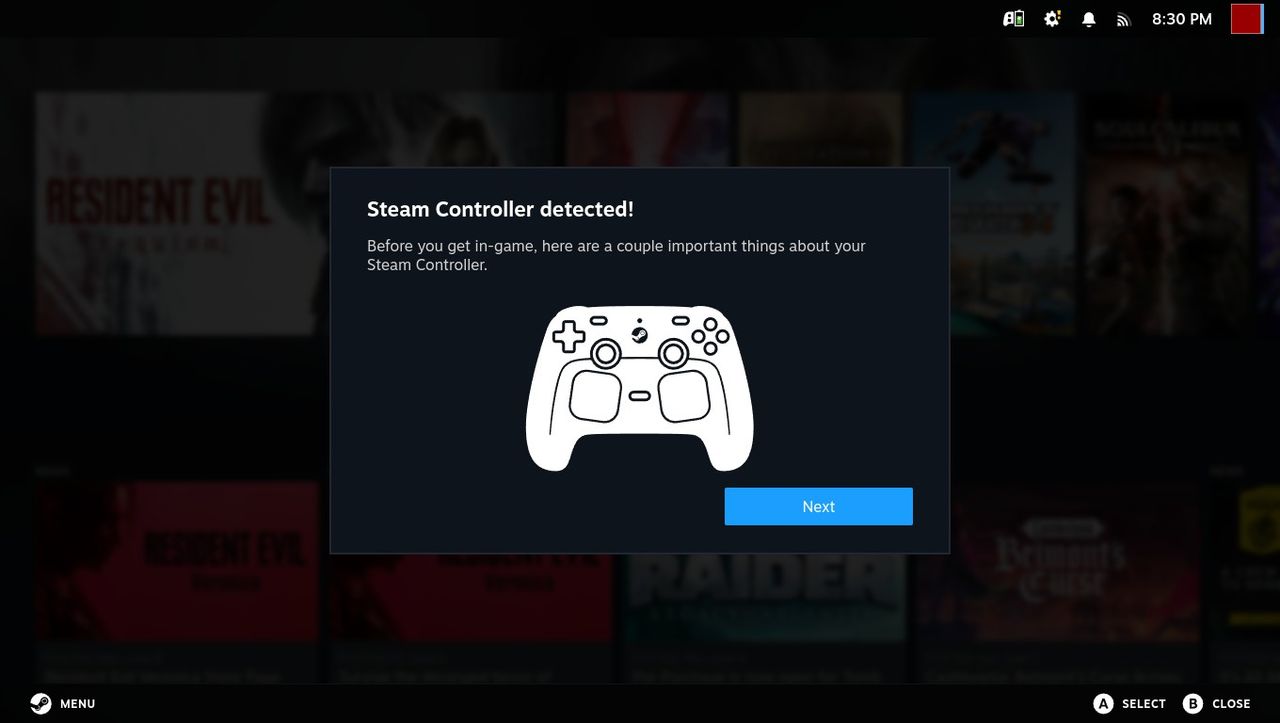
Steam enforces Australian age verification via credit cards — debit card glitches and low credit adoption alienate core gamers, privacy-first mindset leads to dearth of options that may hinder consumers

Today is September 9, and the significance of the date for Australian consumers is that, by law, buying online apps and games now requires an over-18 age verification step. The local law isn't specific about the exact type of verification, only that it offers "appropriate age assurance measures." Valve is complying by asking for a bank card rather than government ID or a biometric check. The problem in the land down under is that while credit cards seemingly all work, debit card support is spotty and conditional.

This situation isn't unique, as it's basically a repeat of the same existing scenario in the United Kingdom. Valve's privacy-minded approach is laudable, as a bank card only links a payment method to a name and address. Meanwhile, a government ID is a more dangerous document if it gets leaked; face scans are quite fallible and revealing, and biometrics are intrinsic to the person and not replaceable if exposed — unlike bank cards, which can be canceled and swapped in minutes.

However, having a card check as the only verification option is causing problems, and many users are already asking for other means of verification, even if they're more invasive, citing Xbox and Sony's services as more accommodating.

Since credit cards in Australia (and the UK) can only be issued to adults, they work fine for Steam verification. Debit cards, on the other hand, can be carried by minors, and they're only valid for age checks under specific conditions. For now, that seems to be those (a) belonging to the Mastercard network, which introduced its own global automatic age verification check on June 2, 2026, and (b) for which the issuing bank flagged the card product as adults-only. The transaction firm only passes the answer to "is the buyer an adult?" back to the merchant (in this case, Steam), without exposing an actual date of birth.

A quick harnessing of user reports, mainly from Reddit posts, seems to indicate that debit Mastercards from Commonwealth, Westpac, and Macquarie appear to work, while those from Bendigo, St. George, Revolut, ANZ, and most Visa cards seem to fail the check. Note that this is an evolving situation, so the situation may have changed by the time you're reading this.

The demographics of credit card ownership definitely don't help matters. Unlike the U.S., where credit cards are the default method of purchase, only about 45% of Australian buyers and 65% of UK punters own one. Perhaps most importantly, within the 18-24 age demographic, only 25% to 30% own a credit card — precisely the people who buy the most games and are the most affected. For both user satisfaction and business reasons, it's seemingly desirable that Steam add verification alternatives.

  •  
❌