❌

Reading view

K12 Smart Indoor WiFi PTZ Camera Brings 360° Room Monitoring to a Simple Home Setup

A home security camera does not always need an advanced multi-camera system to be useful. For many households, the bigger challenge is simply being able to check a room remotely, see what is happening when nobody is home, and respond quickly when something changes. For households building a connected home, an indoor security camera can provide a simple way to check rooms, pets, children, or other areas remotely.

The K12 Smart Indoor WiFi PTZ Camera takes that approach with a compact indoor design, 1080P video, remote pan-and-tilt control, color night vision, motion alerts, and two-way communication. Instead of leaving a fixed camera pointed at one section of a room, its motorized movement allows users to look around a much wider area from a phone.

That makes the K12 particularly interesting for everyday indoor monitoring, including keeping an eye on pets, checking an empty room, or staying connected with family members.

A Wider View Without Installing Multiple Cameras

The K12 uses a 100° wide-angle lens and a motorized PTZ mechanism capable of 355° horizontal pan and 110° vertical tilt. This combination is more important than the raw resolution because it determines how much of a room the camera can actually cover.

A fixed indoor camera can leave areas outside its viewing direction unchecked. With the K12, users can remotely change the camera’s position when they want to inspect another part of the room.

For a living room, bedroom, workspace, or pet area, this can make a single camera more practical than simply buying a higher-resolution fixed model.

The camera’s 1080P Full HD output is also aimed at everyday monitoring rather than professional surveillance. It provides enough detail for checking people, pets, furniture areas, and general activity without turning the product into an unnecessarily complicated security system.

Night Monitoring Is More Than Just Black-and-White Video

Indoor monitoring becomes much less useful if the camera produces poor images after sunset. Combined with other smart home monitoring devices, the K12 can become part of a broader setup for checking what is happening inside the home.

The K12 supports color night vision as well as a conventional infrared night-vision mode. In situations where there is still some available light, color imaging can provide additional visual information compared with a standard monochrome infrared feed.

When the room becomes completely dark, infrared mode provides another option for maintaining visibility.

This dual approach makes sense for a camera designed to stay active around the clock. Rather than treating daytime and nighttime as completely separate use cases, the K12 is designed to adapt its imaging method to the available light.

Motion Alerts Turn the Camera Into an Active Monitor

Remote viewing is useful, but constantly opening a camera app to check an empty room is not practical.

The K12 includes motion detection and real-time notifications, allowing the camera to alert a smartphone when movement is detected. This changes the role of the device from a camera that simply records to a monitoring tool that can draw attention to an event.

For example, a pet moving around the house, someone entering a room, or unexpected activity while the home is empty can trigger an alert.

Of course, motion detection should not be treated as a professional alarm system. Its real advantage is convenience: users can receive a prompt to check the live feed instead of repeatedly checking the camera manually.

Two-Way Audio Makes Remote Monitoring More Interactive

The built-in microphone and speaker add another useful layer to the K12.

Through the mobile application, users can listen to the camera’s surroundings and communicate through the device. That can be useful when checking on a pet, talking to someone at home, or responding to a visitor.

This feature also illustrates why an indoor camera can be more useful than a basic recording device. The camera is not only sending information back to the user; it can also provide a simple way to communicate with the room.

2.4GHz Wi-Fi Keeps the Setup Straightforward

The K12 connects through 2.4GHz Wi-Fi and supports mobile devices running iOS or Android. For an indoor camera, this is a practical connectivity choice because 2.4GHz networks generally offer better range through walls than higher-frequency Wi-Fi bands.

The trade-off is that users should make sure their home network has adequate coverage where the camera will be installed.

The K12 is therefore best viewed as a camera designed to work within an existing home Wi-Fi environment rather than as a completely independent cellular surveillance device.

Local or Cloud Storage Gives Users More Flexibility

The camera supports two recording approaches: microSD storage and cloud storage through a subscription-based service.

Local microSD storage can be attractive for users who prefer keeping recordings on physical media and want to avoid depending entirely on a cloud service. Cloud storage, meanwhile, can make recordings easier to access remotely and may provide a convenient backup option.

The important point for buyers is to check the exact storage plans, supported card capacity, and subscription requirements before relying on either option for long-term surveillance.

Where the K12 Makes the Most Sense

The K12 is not trying to replace a complete outdoor security system. Its strengths are more closely connected to everyday indoor use.

It can make sense for:

  • Pet monitoring: Check what a dog or cat is doing while you are away.
  • Room monitoring: Keep an eye on a living room, bedroom, office, or other indoor space.
  • Family communication: Use two-way audio to speak with someone at home.
  • Movement awareness: Receive an alert when activity is detected.
  • Night monitoring: Switch between color and infrared night-vision modes depending on lighting conditions.

Its PTZ movement is particularly useful when the camera needs to cover more than one part of a room.

What Buyers Should Check Before Buying

The K12’s feature list looks impressive for an indoor camera, but buyers should consider a few practical limitations.

First, 1080P is Full HD rather than 2K or 4K. It is suitable for general room monitoring, but users looking for highly detailed footage for identification may want a higher-resolution camera.

Second, the K12 uses 2.4GHz Wi-Fi, so network coverage should be considered before installation.

Third, cloud storage is subscription-based according to the listing. Buyers who want a completely local setup should therefore pay attention to the microSD recording options.

Finally, PTZ coverage does not mean the camera literally records every direction simultaneously. The motorized mechanism allows the viewing angle to be changed, but users should still position the camera carefully to maximize the useful area.

K12: A Practical Approach to Indoor Monitoring

The K12 Smart Indoor WiFi PTZ Camera is most interesting because it combines several everyday features without requiring a complicated surveillance setup.

Its 1080P video, 355° pan, 110° tilt, color night vision, motion alerts, two-way audio, and mobile connectivity give it a broader role than a basic fixed indoor camera.

Rather than focusing on a single headline specification, the K12’s appeal comes from how these features work together. A homeowner can position the camera in one room, remotely change its viewing direction, receive an alert when movement occurs, check the live feed, and communicate through the built-in speaker and microphone.

For users who need a straightforward indoor Wi-Fi camera for pets, family monitoring, or general room awareness, the K12 offers a practical feature set without turning home monitoring into a complicated project.

The post K12 Smart Indoor WiFi PTZ Camera Brings 360° Room Monitoring to a Simple Home Setup appeared first on IGeeKphone China Phone, Tablet PC, VR, RC Drone News, Reviews.

  •  

MacVoices #26253: Live! – Apple’s ‘Suprise and Shine’ Event (1)

Apple’s 'Surprise and Shine' event sparks a lively debate over the new iPhone Duo and iPhone 18 Pro lineup. The panel weighs the Duo’s foldable design, large display, durability, price, and potential to replace an iPad against the Pro Max’s camera improvements. From immediate buying decisions to first-generation caution, everyone has a different take on Apple’s latest hardware.

💾

  •  

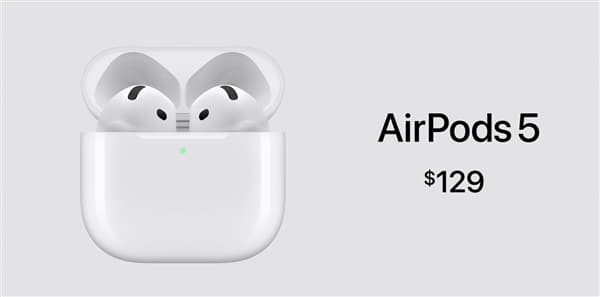
AirPods 5 Launch With Active Noise Cancellation as Standard at $129

Apple has officially introduced the AirPods 5, bringing a notable upgrade to its entry-level wireless earbud lineup without increasing the starting price.

The biggest change is that Apple is no longer offering a separate non-noise-cancelling version. Active Noise Cancellation (ANC) is now standard on AirPods 5, making this the first generation in the series to include ANC across the lineup.

Prices start at $129, while the version with a wireless charging case costs $149. That means Apple has added a major feature without raising the entry-level price.

AirPods 5 Keep the Familiar Half-In-Ear Design

At first glance, AirPods 5 look largely unchanged from the previous generation. Apple continues to use a semi-in-ear design, rather than switching to silicone ear tips.

This design choice creates an interesting balance. Traditional in-ear earbuds can generally provide stronger passive isolation because their ear tips form a tighter seal, while semi-in-ear earbuds can feel more comfortable during extended listening.

For users who dislike the pressure associated with sealed in-ear headphones, AirPods 5 may therefore offer a more comfortable approach to noise cancellation.

ANC Becomes a Standard Feature

The headline upgrade is active noise cancellation.

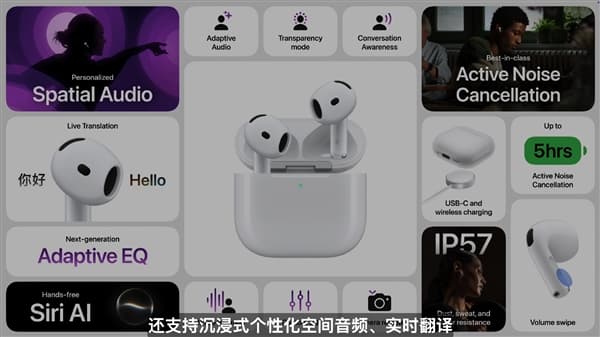
Apple says AirPods 5 deliver up to a 50% improvement in noise reduction compared with AirPods 4. Instead of requiring buyers to choose a more expensive noise-cancelling configuration, Apple has made ANC part of the standard AirPods 5 package.

The earbuds also support Adaptive Audio, which can automatically balance Active Noise Cancellation and Transparency Mode according to the surrounding environment.

This makes the AirPods 5 more practical for users who move between quiet indoor spaces, busy streets, public transportation and other changing environments.

Up to 5 Hours of Listening on a Single Charge

With Active Noise Cancellation enabled, AirPods 5 can provide up to five hours of listening time on a single charge.

The charging case extends total listening time to up to 20 hours, giving users several additional charging cycles throughout the day.

While the five-hour figure is not class-leading compared with some larger wireless earbuds, it is reasonable for compact semi-in-ear headphones. The case is also important for users who typically listen in shorter sessions and recharge the earbuds between uses.

IP57 Protection Adds More Durability

AirPods 5 also receive an IP57 rating, giving the earbuds greater protection against dust and water exposure than many basic wireless earbuds.

That additional durability could be useful for everyday activities such as commuting, walking or exercising. However, an IP rating should not be interpreted as making the earbuds suitable for every type of water exposure.

Apple Intelligence Features Expand Their Role

The new AirPods 5 also support several Apple Intelligence-related features, including real-time translation and access to broader knowledge-based functions.

This reflects Apple’s wider strategy of turning its earbuds into more than simple audio accessories. With tighter integration between hardware, software and Apple’s AI features, AirPods can increasingly serve as a hands-free interface for information and communication.

The usefulness of these features will naturally depend on device compatibility, supported languages and Apple’s software ecosystem.

AirPods 5 Price and Availability

Apple is keeping the entry price at $129, despite adding Active Noise Cancellation as a standard feature.

The pricing is:

  • AirPods 5: $129
  • AirPods 5 with wireless charging case: $149

The decision to maintain the previous starting price makes ANC the most significant value improvement in this generation.

What Makes AirPods 5 Different?

The AirPods 5 are not a dramatic redesign, but Apple has focused the upgrade on features that can have a noticeable effect on everyday use.

The combination of standard ANC, Adaptive Audio, a comfortable semi-in-ear design, IP57 protection and Apple Intelligence features gives the new earbuds a broader feature set without moving the starting price above $129.

For users who prioritize comfort and want noise cancellation without the tighter fit of traditional in-ear earbuds, AirPods 5 could be one of the more interesting additions to Apple’s audio lineup.

The post AirPods 5 Launch With Active Noise Cancellation as Standard at $129 appeared first on IGeeKphone China Phone, Tablet PC, VR, RC Drone News, Reviews.

  •  

iPhone 18 Pro and Pro Max Launch With 2nm A20 Pro Chip and Variable Aperture Camera

Apple has officially launched the iPhone 18 Pro and iPhone 18 Pro Max, bringing a major round of upgrades to its high-end smartphone lineup. The new models focus on four key areas: processing performance, camera flexibility, sustained performance and battery life.

The iPhone 18 Pro starts at 9,999 yuan in China, while the iPhone 18 Pro Max begins at 10,999 yuan. Both models will open for pre-orders at 8 PM on September 12, with sales starting September 18.

Four Colors and a Refined Pro Design

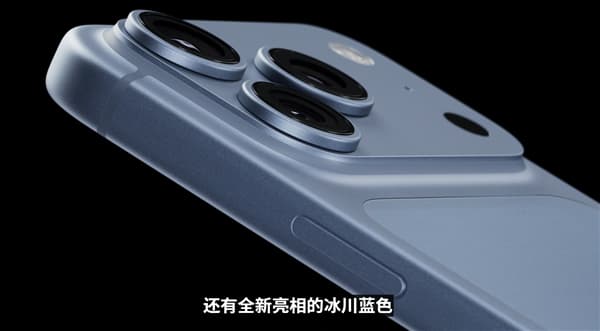
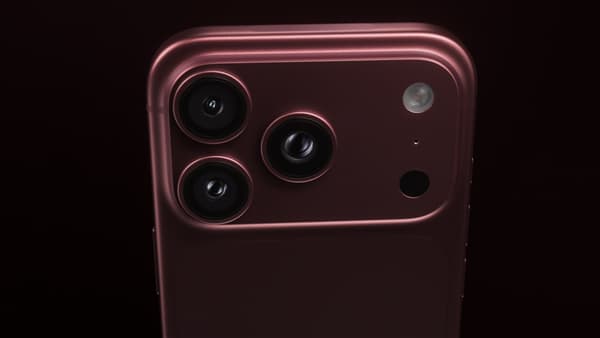
The iPhone 18 Pro series is available in four finishes. Apple retains familiar black and silver options while introducing Glacier Blue and Burgundy Red, giving the new Pro models a more distinctive appearance.

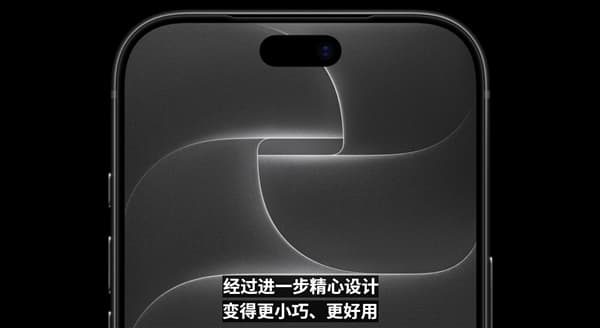
The overall design remains closely related to the previous generation, but Apple has made another change to the front display area. The Dynamic Island has been reduced in size, allowing Apple to maintain its existing interactive features while taking up less screen space.

The iPhone 18 Pro features a 6.3-inch display, while the larger iPhone 18 Pro Max comes with a 6.9-inch screen. This keeps the two models clearly separated by size while maintaining the same general design language.

2nm A20 Pro Chip Brings a Major Performance Upgrade

The biggest change inside the iPhone 18 Pro series is Apple’s new A20 Pro chip, which is built using a 2nm manufacturing process.

The processor uses a six-core CPU configuration consisting of two performance cores and four efficiency cores. Apple says the performance cores can deliver up to a 20% improvement over the previous generation.

Graphics performance also gets a significant upgrade. The A20 Pro moves to a seven-core GPU architecture, with peak GPU performance reportedly increasing by up to 40%.

The chip’s AI capabilities have also been expanded. Apple equips the A20 Pro with two Neural Engine groups containing a combined 32 cores, along with a new generation of neural accelerators. Eight-bit floating-point processing can reach twice the previous speed, while memory bandwidth increases by 50%.

These improvements are particularly relevant as on-device AI becomes a larger part of the smartphone experience. More processing capacity can help Apple handle demanding AI workloads without relying entirely on cloud-based services.

New Vapor Chamber Helps Sustain Performance

Higher peak performance is only useful if a phone can maintain it under sustained workloads. To address this, Apple has added a new vapor chamber cooling system to the iPhone 18 Pro series.

The improved thermal design works alongside the A20 Pro to manage heat during demanding tasks such as gaming, video processing and intensive AI workloads.

Apple says sustained performance is up to 40% higher than the previous generation and can reach roughly double the level of the iPhone 16 Pro series.

That makes thermal management one of the more important changes in the new generation. Instead of focusing solely on short benchmark bursts, Apple appears to be placing greater emphasis on maintaining high performance over longer periods.

iPhone 18 Pro Gets Its First Variable-Aperture Main Camera

Camera hardware is another major highlight of the iPhone 18 Pro series.

The phones feature a 48-megapixel Fusion main camera, but this generation adds something new: a variable aperture.

The lens uses a six-blade aperture mechanism with four selectable aperture levels. This allows the camera to adjust how much light reaches the sensor according to the shooting environment.

In practical terms, variable aperture gives the main camera more flexibility than a fixed-aperture design. It can help balance light intake in darker scenes while also providing greater control in situations such as portraits and backlit photography.

The addition is particularly notable because Apple is bringing a traditionally camera-focused hardware feature to its mainstream Pro smartphone system.

Up to 30 Hours of Battery Life

Battery endurance has also received a substantial upgrade.

The iPhone 18 Pro is rated for up to 24 hours of battery life, while the iPhone 18 Pro Max can reach 30 hours.

Charging has been improved as well. Apple says the new models can reach 50% battery capacity in 15 minutes, giving users a faster way to recover power when they are short on time.

The combination of a more efficient 2nm chip, improved thermal management and increased battery endurance could make the Pro Max particularly attractive to users who prioritize long daily usage.

iPhone 18 Pro and Pro Max China Pricing

Apple is offering both models with four storage configurations in China.

iPhone 18 Pro

  • 256GB: 9,999 yuan
  • 512GB: 11,999 yuan
  • 1TB: 15,499 yuan
  • 2TB: 20,499 yuan

iPhone 18 Pro Max

  • 256GB: 10,999 yuan
  • 512GB: 12,999 yuan
  • 1TB: 16,499 yuan
  • 2TB: 21,499 yuan

Pre-orders will begin at 8 PM on September 12, while the iPhone 18 Pro and iPhone 18 Pro Max will officially go on sale on September 18.

What Makes the iPhone 18 Pro Series Different?

The iPhone 18 Pro generation is more than a routine processor refresh. The combination of the 2nm A20 Pro chip, new vapor chamber cooling, variable-aperture main camera and longer battery life gives Apple several hardware upgrades to highlight.

The variable-aperture camera is arguably the most visible photography change, while the new cooling system could have a bigger impact on users who regularly play demanding games or run intensive applications.

At the same time, the 9,999-yuan starting price for the iPhone 18 Pro keeps Apple’s premium Pro lineup firmly in the flagship segment. For buyers considering an upgrade, the most meaningful question may be whether the improved sustained performance, camera flexibility and endurance justify the higher price compared with the previous generation.

The post iPhone 18 Pro and Pro Max Launch With 2nm A20 Pro Chip and Variable Aperture Camera appeared first on IGeeKphone China Phone, Tablet PC, VR, RC Drone News, Reviews.
  •  

RC do iOS 27 inclui controles customizáveis no app Câmera, novidades para o Apple TV Remote e mais

Como esperado, as Releases Candidates (RCs) dos próximos sistemas operacionais da Apple foram disponibilizadas hoje, logo após o evento especial de apresentação dos novos iPhones, Apple Watches e AirPods.

Ainda que se tratem das versões esperadas para o lançamento, que acontecerá na semana que vem, elas trouxeram algumas mudanças e novidades que vale a pena conferirmos. A começar pelo app Câmera (Camera) do iOS 27, que ganhou a opção de customizar os botões da barra de ferramentas.

iOS 27 RC has custom controls for the camera app pic.twitter.com/7CeV6kuQ2n

— Aaron Zollo (@zollotech) September 9, 2026
O iOS 27 RC traz controles personalizados para o aplicativo de câmera.

iOS 27 final release adds the long-rumoured customisable controls toolbar in the Camera app pic.twitter.com/PJT2Wqf2eF

— Benjamin Mayo (@bzamayo) September 9, 2026
A versão final do iOS 27 adiciona a tão aguardada barra de ferramentas de controles personalizáveis ​​ao aplicativo Câmera.

A RC do iOS 27 também adiciona um design renovado, além de dois recursos, ao Apple TV Remote: um inicializador de aplicativos, bem como os principais conteúdos do aplicativo aberto na Apple TV. É possível também visualizar a lista “Continuar assistindo”.

Apple TV Remote is getting more useful. #AppleEvent

iOS 27 RC adds a refreshed design and two features, both currently disabled:
1. An app launcher to open apps on your Apple TV.
2. Top Shelf content from the selected app on your Apple TV, with Continue Watching as a fallback. pic.twitter.com/Si3EZc1b8L

— pdfu (@itspdfu) September 9, 2026
O Apple TV Remote está ficando mais útil. #AppleEvent

O iOS 27 RC traz um design renovado e dois recursos, ambos atualmente desativados:
1. Um inicializador de aplicativos para abrir apps na sua Apple TV.
2. Conteúdo da “Top Shelf” do aplicativo selecionado na sua Apple TV, com a opção “Continuar Assistindo” como alternativa padrão.

Embora não seja necessariamente um novo recurso, o sistema também inclui um easter egg na seção de customização do Liquid Glass, presente no app Ajustes (Settings). Ao rolar pela prévia exibida no próprio app até o fim, é possível visualizar uma animação que representa uma versão repaginada do Clarus, mascote do famoso desenho de computador Dogcow criado pela Apple nos anos 1980 — o qual emite o som “Moof!”, que mistura o mugido de uma vaca com o latido de um cão.

iOS 27 has a fun Easter egg found in the Liquid Glass settings. Scroll to the bottom and keep scrolling to see it. Here is a screen recording on my iPhone on iOS 27 RC so you can see it. pic.twitter.com/HJ3MxIApnp

— Aaron Zollo (@zollotech) September 9, 2026
O iOS 27 traz um Easter egg divertido nas configurações do Liquid Glass. Role até o final e continue rolando para vê-lo. Aqui está uma gravação de tela feita no meu iPhone rodando o iOS 27 RC, para que você possa conferir.

O iOS 27 (bem como o watchOS 27) também incluirá um aplicativo Saúde (Health) repaginado que utiliza a Apple Intelligence para interpretar melhor seus dados de saúde. As novidades incluem uma aba Insights com um resumo das informações mais relevantes do momento, além de orientações personalizadas, avaliações, uma nova pontuação de “prontidão” e o cálculo da sua “Idade de Saúde”.

🩻 iOS 27 RC Brings a more vibrant and reworked Health App – pending the upcoming improvements to it in an expected iOS 27.1 update. pic.twitter.com/dZgI9QmrKJ

— Is iOS Stable? (@isiosstable) September 9, 2026

As novidades incluem também uma nova aba de longevidade, que utiliza métricas do Apple Watch e do iPhone para avaliar sua saúde com base no sono, na movimentação, na saúde cardíaca e em outros fatores.

Divulgação/Apple

Além disso, o app renovado permitirá que os usuários realizem avaliações detalhadas sobre a movimentação do corpo, o que pode ajudar pessoas que estão envelhecendo ou se recuperando de lesões. Um instrutor pode até demonstrar certos movimentos para você experimentar durante a avaliação — uma experiência que, segundo a Apple, equivale a ter um treinador acompanhando você pessoalmente.

A versão atualizada do aplicativo Saúde será lançada ainda neste ano — possivelmente com o iOS 27.1 —, a princípio somente em inglês (versão dos EUA).

watchOS 27

A RC do watchOS 27 inclui um novo mostrador chamado Siri Modular, disponível tanto nos Apple Watches intermediários quanto nos modelos Ultra — no entanto, a versão para este último oferece algumas opções de personalização adicionais.

Ambas as versões do mostrador utilizam o mesmo layout, que conta com uma complicação na linha central superior, a hora (centralizada), uma complicação larga e uma linha com três complicações circulares. O Apple Watch Ultra também oferece opções de borda, adicionando mais uma maneira de configurar o novo mostrador.

New Siri Modular face in watchOS 27 pic.twitter.com/ayOdDUkbrg

— Ben (@idocode01) September 9, 2026

Três opções de estilo permitem ajustar a tela do relógio. A primeira opção apresenta o relógio mais alto e três complicações circulares. O segundo estilo traz um relógio compacto, acompanhado pela complicação larga e três complicações circulares. O terceiro estilo apresenta um relógio de tamanho médio com uma complicação larga.

Tanto no modelo intermediário quanto no Ultra também há opções de fonte para o relógio. Por fim, há a opção de definir a cor do mostrador, incluindo diversas novidades como bronze-escuro, ouro-brilhante e outras novas alternativas.

via TechCrunch, 9to5Mac

  •  

Imagem de Referência da Apple: recurso dos iPhones 18 Pro comprova a autenticidade de fotos

Com o lançamento dos iPhones 18 Pro/18 Pro Max, a Apple oficializou e deu mais detalhes sobre um novo recurso opcional — o qual havia dado as caras na quinta beta do iOS 27 — que ajuda os usuários a comprovar que uma foto não foi alterada após ter sido tirada.

Chamado Imagem de Referência da Apple (Apple Reference Image), o recurso utiliza um novo sensor na câmera principal que assina os dados do sensor em nível de pixel, no momento da captura. Quando uma foto é tirada em um novo modo chamado Referência (Reference), esses dados são enviados para o Private Cloud Compute, que os processa para criar o que a Apple chama de “imagem de referência inalterável” (algo como um “negativo digital”).

Agora, você pode provar a autenticidade de uma foto tirada no iPhone. A assinatura segura dos dados da imagem no nível do pixel acontece no momento da foto, registrando tudo que o sensor da câmera viu.

As imagens de referência aparecem no aplicativo Fotos (Photos) ao lado da foto correspondente, permitindo que os usuários comparem visualmente as duas para verificar se houve alguma edição. A Apple também está disponibilizando APIs 1Application programming interfaces, ou interfaces de programação de aplicações. no iOS 27, iPadOS 27 e macOS Golden Gate 27 para que aplicativos de terceiros possam exibir essas imagens de referência.

Divulgação/Apple

A Apple apresentou o recurso como parte de uma iniciativa mais ampla voltada para a autenticidade de imagens, complementando os metadados de imagem já existentes e o futuro suporte ao padrão SynthID, que ajudará a identificar imagens geradas ou editadas com IA.

Entretanto, o novo recurso não estará disponível — a princípio — na China, devido a exigências regulatórias. Na União Europeia, a captura de imagens com o Apple Reference Image também não estará disponível já no lançamento dos novos iPhones; no entanto, usuários que estão rodando o iOS 27, iPadOS 27 e macOS 27 ainda poderão processar e visualizar imagens de referência.

Notas de rodapé

  • 1
    Application programming interfaces, ou interfaces de programação de aplicações.

  •  

iPhone Duo

Apple (video, MacRumors, Hacker News, Slashdot):

Apple today introduced iPhone Duo, the first foldable iPhone. Opened, it is the thinnest iPhone ever, with a 7.6-inch inner display that provides a large canvas for viewing content, gaming, and multitasking, and a special nano-texture finish that minimizes glare for an unparalleled viewing experience. Closed, the 5.4-inch outer display delivers 90 percent of the screen area of iPhone 18 Pro in a compact, pocketable design. Both displays share the same aspect ratio, so content scales proportionally, ensuring visual continuity. iPhone Duo is built to last with an innovative hardware design and a precision hinge that offers a smooth, satisfying feel with every use.

[…]

The 48MP Fusion Ultra Wide camera — the same as on iPhone 18 Pro models — captures wider fields of view and enables macro photography, while the Center Stage front camera can automatically take photos and videos in any orientation, so users don’t have to rotate iPhone for landscape selfies. Upgraded Photographic Styles with new texture and grain controls let users further dial in their desired appearance and have more creative control over their photos. […] The foldable design with dual displays unlocks camera experiences that are not possible on any other iPhone.

[…]

Lock Screen controls, the Dock on the Home Screen, and app navigation and controls now appear on the side to maximize vertical space for content. When iPhone Duo is open, the display shows two Home Screen pages with Today View — a vertically scrolling list of customizable widgets — on the left. The status bar includes a circular, flexible system that nestles into the corner of the screen, showing relevant information like Wi-Fi, cellular strength, battery, and more.

[…]

The expansive display supercharges productivity, letting users do more at once with new multitasking capabilities. Split View allows users to open two apps side by side on iPhone for the first time.

[…]

iPhone Duo is available in star white and night sky, and starts at $1,999, or $83.29 per month for 24 months, in 256GB, 512GB, 1TB, and 2TB storage capacities.

I love the idea of the larger screen and how it can be balanced half-folded like a laptop, upside-down, or on the short side. The camera is better than I expected. The price is high enough to make me lose interest but perhaps not unreasonable if it can actually replace your iPad. My main concern is that the wide passport-style shape doesn’t look very comfortable to hold or keep in your pocket. It’s great that it can unfold, but the compact form factor is how most people will probably hold it most of the time. How well does the side Touch ID work if you’re left-handed?

Ron Elemans:

The release notes of Xcode 27 RC doesn’t contain the phrase ‘Duo’…

Apple:

Learn how to update and optimize your app for the foldable display of iPhone Duo. Discover how to opt in to the full-screen experience, adopt flexible layout best practices, and simulate poses in Device Hub with Xcode. Find out how to use size classes instead of interface orientation, handle asymmetric safe areas, and test Split View multitasking to ensure your app shines in all the ways people use it …

Steve Troughton-Smith:

This is like a whole new platform dropping with a month’s lead time

Louie Mantia:

The app design implications alone that are now basically forced onto app developers is nuts. Vision Pro was opt in but… all iPhone apps have to support this new device right? What a nightmare. Ugh, websites? New safe areas?

Greg Pierce:

ToolbarItem(placement: .somewhereDepends)

Steve Streza:

As an anecdotal data point, I’ve had my foldable OnePlus Open for over 2 and a half years. It’s fallen on tile and cement, been kicked accidentally, and swatted across a room by my cat. The hinge and screens have no problems.

Imthaz Ahamed:

Here’s the list of tech products that have the Duo moniker[…]

Previously:

Update (2026-09-11): Tim Hardwick:

In a joint interview with Tom's Guide and TechRadar, new Apple CEO John Ternus and marketing chief Greg Joswiak explained why the company waited until now to release a foldable, its design philosophy, and how it kept the iPhone Duo under wraps.

Kelly Guimont:

So here are my biggest unanswered questions from yesterday:

They said the iPhone Duo will fit in a pocket and is great for one handed operation.

Whose hands?

WHOSE POCKETS!?

Juli Clover:

The iPhone Duo does not include an Action Button, according to the device’s technical specifications page.

Tim Hardwick:

“The iPhone Duo’s under-display camera wasn’t placed in the top-right corner of the inner screen because of engineering difficulties,” said the leaker in a Weibo post this morning.

Dan Moren:

In the end, every Apple product—and probably every product—is a story of trade-offs. So, the thinking went, what will we give up to get the benefit of a small iPhone that unfolds into a larger iPhone?

The answer: some things, but less than I’d feared.

Dan Moren:

The company’s view is clear: the iPhone Duo, even when open in all of its glory, may evoke an iPad, but it is very much not an iPad.

[…]

It’s not an iPad that you fold up to put in your pocket. Or an iPad with a little iPhone glued to the front. It’s not running iPadOS. You won’t be installing or running iPad apps.

Tim Hardwick:

Apple’s iPhone Duo is the first iPhone that can run two apps side by side, but anyone expecting the sort of freedom that Split View offers on iPad might want to temper their expectations.

Matt Birchler:

I’ve been using Samsung’s latest folding phone that has a very similar form factor to what Apple just announced, and it’s gotten me accustomed to what the folding phone experience is. I personally very much like it, and it’s the most joy an Android phone has brought me in close to a decade. That said, I just watched Apple’s iPhone Duo unveiling, and it immediately made my Samsung phone feel behind the curve.

Rui Carmo:

Most of the UX we saw so far was both predictable and familiar to anyone who’s played with a Samsung Z Fold (Apple did not invent screen splits, app swaps or drag and drop), and so was the camera placement.

Ruffin Bailey:

Imagine an iPad mini in your pocket. This is my dream!

Well, you had me in the first half; not going to lie. It’s a dream, but not at $2200.

[…]

Now admittedly part of me doesn’t trust the IP68 rating Apple claims for the Duo.

Juli Clover:

Apple says that you need the Apple Pencil with USB-C for the iPhone Duo, so if you have the Apple Pencil Pro, you may be out of luck.

John Gruber:

Charging is the least of the problems. Because the Duo doesn’t have the magnetic attachment for Pencil Pro, there’s no way to even pair a Pencil Pro.

[…]

Imagine you own an iPad Pro and a Pencil Pro, and you love using the Pencil. You’ve always wanted to be able to use a Pencil with your iPhone. Now you can, if you buy a Duo. But you also have to buy a different Pencil — and then pack two different Pencils whenever you leave the house with both your iPad and iPhone. That’s ridiculous.

Steve Troughton-Smith:

Also let’s not forget that the USB-C Apple Pencil doesn’t have pressure sensitivity, so the artists are already posting their disappointed reactions. I feel like this backs up that @markgurman report that they were planning on creating a bespoke Apple Pencil for the iPhone Duo that later got cancelled, and the USB-C version is the fallback.

Previously:

Update (2026-09-14): Kirk McElhearn:

Folding smartphones are extremely popular in China: there are about as many foldables sold in China as in the rest of the world. Samsung, Google, Huawei, Motorola, Xiaomi, and other brands sell devices like this. Apple will likely sell a lot of devices in China, but given the reactions I’ve seen, they are poised to have a successful product elsewhere, in spite of the high cost.

[…]

For me, a folding phone would mean that for non-work tasks, I would have a larger display, not quite as big as my 11″ iPad Pro. I doubt I would do much work on it, but if I need to check my online accounting app or make a quick edit to an article on my blog, that larger display would be much more practical than my iPhone.

In addition, my eyesight isn’t great. Since the iPhone 8 was released with a larger screen size, I have always bought larger iPhone models. Even with that size, I need to zoom the text on my iPhone a notch above the standard size. A larger display for when I’m reading articles would be a help, not to mention a small, portable device that makes it easier to read PDFs.

Adam Engst:

I may not be the target audience, but I’m sure there are people who aren’t price-sensitive, spend a lot of time watching videos or playing games, and only ever carry their phones in a pocket or bag. But I don’t regularly encounter such people—I hear complaints about phones being too big, but never that they’re not big enough.

David Sparks:

I’ve made my choice. I’m buying the iPhone Duo instead of the iPhone 18 Pro Max.

Steve Troughton-Smith:

I do wonder whether iPhone Duo’s splitscreen multitasking mode will come back to iPad. People have been complaining all year that it went away, but it feels like Duo’s implementation is a simplified, easier-to-understand model. It might make sense to bring back in the future, especially for smaller iPads.

  •  

iPhone 18 Pro and iPhone 18 Pro Max

Apple (video, MacRumors, Hacker News, Slashdot):

Apple today announced iPhone 18 Pro and iPhone 18 Pro Max, delivering the most advanced pro camera system in an iPhone, and huge leaps in battery life and performance. The new 48MP Fusion Main camera, now with variable aperture, brings creative control that wasn’t possible before, and new Pro controls let users customize their experience in the Camera app. Both models feature a smaller and even more useful Dynamic Island, as well as A20 Pro and a next-generation vapor chamber that together deliver the highest sustained performance in iPhone history.

[…]

Pro controls is a new customizable experience in the Camera app for iPhone 18 Pro and iPhone 18 Pro Max that makes it easier than ever for users to access their most used settings and introduces new options for manual control.

[…]

When a photo is taken in the new Reference mode, the camera captures signed sensor data that Private Cloud Compute develops into an unalterable reference image.

[…]

The upgraded Dynamic Island can now show three Live Activities at once[…]

[…]

eSIM-only models deliver up to 36 hours of video playback on iPhone 18 Pro and up to 45 hours of video playback on iPhone 18 Pro Max.

[…]

iPhone 18 Pro and iPhone 18 Pro Max will be available in 256GB, 512GB, 1TB, and 2TB storage capacities. Available in burgundy, glacier, silver, and black, iPhone 18 Pro starts at $1,199 or $49.95 per month, and iPhone 18 Pro Max starts at $1,299 or $54.12 per month for 24 months.

What I’m most happy to see is the ability to increase the depth of field. I don’t understand what Apple Reference Image is doing that it needs to be uploaded/offloaded to Private Cloud Compute.

Previously:

Update (2026-09-11): Hartley Charlton:

Pro Controls is built around the variable aperture on the new Main camera. Six laser-cut blades move smoothly between four aperture settings, and the Camera app can adjust aperture automatically based on depth of field and lighting, or users can take manual control themselves for what Apple calls “truly unique shots that weren’t possible before” on an iPhone.

Pro Controls works across both photo and video capture. It also introduces Smart Focus Tracking, which uses on-device AI models to lock onto a subject and maintain focus even if that subject briefly leaves the frame and comes back into view.

  •  

Apple apresenta o iPhone Duo, seu primeiro dobrável

Depois de anos de especulações, a Apple enfim revelou o iPhone Duo, a sua estreia oficial no segmento dos smartphones com tela dobrável.

O formato já é conhecido por quem acompanhou os rumores e viu as mudanças recentes entre os dobráveis de outras empresas, como a HUAWEI e a Samsung: o aparelho conta com uma tela externa (Ceramic Shield 2) de 5,4 polegadas e uma tela interna de 7,6″, seguindo um formato parecido com o de um passaporte. Ambas também têm exatamente a mesma proporção, e o acabamento fosco (nano-texture) está presente na tela interna.

Divulgação/Apple

Quando aberto, o iPhone Duo torna-se o iPhone mais fino já vendido pela Apple, com 5,2mm. O mecanismo de dobradiça também foi outro ponto particularmente trabalhado pela companhia (e o possível motivo de tanta demora para esse lançamento), sendo composto por mais de 100 componentes — a tampa da dobradiça, por sua vez, é impressa em 3D.

Divulgação/Apple

Outro elemento que vale ser mencionado é a volta do Touch ID nos iPhones, já que a finura do aparelho não comporta os sensores do Face ID. A biometria digital está localizada na lateral direita do aparelho.

Também estão agora nessa lateral os principais controles em nível de software do iOS 27, incluindo a barra de status (que ganhou um novo design mais compacto), as barras de ferramentas dos apps e até mesmo o Dock, que agora fica na vertical. Todos os principais apps do sistema foram adaptados para o novo formato de modo a aproveitar o maior espaço disponível, além de permitirem que você use o smartphone com ele parcialmente fechado.

Divulgação/Apple
Divulgação/Apple

O modo Em Espera (Stand By) é compatível com ambos os displays, transformando o iPhone Duo em um verdadeiro porta-retrato interativo ou em um relógio digital, só para citar alguns exemplos. A Apple também introduziu novos mostradores para esse recurso focados nos apps Calendário (Calendar) e Tempo (Weather).

Divulgação/Apple
Divulgação/Apple

Assim como no iPad, é possível colocar dois apps no modo Split View ao usar a tela interna e, em breve (provavelmente depois de um update), usar uma Apple Pencil (USB-C) para fazer ilustrações e anotações em apps suportados.

Divulgação/Apple

O iPhone Duo vem equipado com o A20 Pro, chip com uma litografia de 2 nanômetros, possuindo 6 núcleos destinados a CPU 1Central processing unit, ou unidade central de processamento. (2 de desempenho e 4 de eficiência) e uma GPU 2Graphics processing unit, ou unidade de processamento gráfico. de 7 núcleos, além de um Display Engine novo para “empurrar” as duas telas. Com tudo isso, a Apple promete uma performance sustentada até 35% maior em comparação com o iPhone 17 Pro.

O novíssimo modem C2 também está presente no primeiro dobrável da Apple, oferecendo conexões até 50% mais rápidas e conectividade 5G mmWave (apenas nos Estados Unidos). Ele também está mais eficiente do ponto de vista energético, consumindo 15% menos energia em comparação com o modem C1X. Responsável por possibilidade conexões Wi-Fi 7, Bluetooth 6 e Thread, o chip N1 também deu as caras nesse smartphone.

O dobrável conta com duas câmeras frontais, uma para cada tela do aparelho; mais tradicional, a câmera frontal da tela externa (Center Stage) fica no canto superior direito do dispositivo, servindo também como uma Ilha Dinâmica (Dynamic Island), enquanto a câmera frontal da tela interna (FaceTime camera) está um pouco mais ao centro e, vejam só, fica posicionada sob o display, aparecendo apenas quando acionada — seja para capturar fotos/vídeos ou para exibir Atividades ao Vivo (Live Activities).

Divulgação/Apple

Já no conjunto de câmeras traseiras, localizado no módulo de câmera horizontal em formato de pílula, temos a câmera Fusion principal de 48 megapixels — a qual conta com shutter lag zero e também pode simular uma lente telefoto de 2x — e uma lente Fusion ultra-angular de também 48MP — mesmíssima lente dos iPhones 18 Pro. E, por conta da tela externa, usuários podem tirar selfies facilmente com essas lentes, que também são capazes de capturar fotos automaticamente graças ao recurso Smart Take, que detecta poses.

Divulgação/Apple

Além de novas formas de navegar pelo sistema, as duas telas também desbloqueiam maneiras inéditas de capturar imagens. De acordo com a Apple, a FaceTime camera permite realizar chamadas de vídeo com o iPhone Duo completamente aberto ou com ele parcialmente fechado — enquanto fica apoiado numa mesa, por exemplo. O iPhone Duo também pode exibir a imagem de uma pessoa durante uma chamada de vídeo na tela externa, permitindo que outras pessoas participem da conversa sem precisar compartilhar uma câmera com o dono do aparelho.

Mesmo com uma espessura reduzida, teremos uma das maiores baterias já utilizadas pela Apple em um iPhone, capaz de reproduzir até 31 horas ininterruptas de vídeo com a tela interna e até 44 horas com o display de fora. Em uso alternado, o iPhone Duo pode durar até 24 horas com uma única carga, de modo que apenas 15 minutos na tomada (via cabo) são suficientes para garantir 50% de carga. Carregadores MagSafe e Qi2 também são suportados.

Em termos de durabilidade, o iPhone Duo vem com a certificação IP68 contra água e poeira, além de contar, como dito, com a tecnologia Ceramic Shield 2 na tela externa. A primeira geração do Ceramic Shield também está presente nesse aparelho na forma do vidro traseiro.

Preço e disponibilidade

O iPhone Duo contará com opções de 256GB, 512GB, 1TB e 2TB de armazenamento, com o valor inicial de US$2.000 nos Estados Unidos e podendo chegar a US$3.200. Ele pode ser adquirido nas cores branco-estrela (star white) e céu noturno (night sky).

No Brasil e em Portugal, o dobrável sairá pelos preços iniciais de R$22.000 e 2.400€, respectivamente.

Nos EUA, no Brasil e em Portugal, a pré-venda começará no dia 16 de outubro (uma sexta-feira). O lançamento geral ocorrerá no dia 23/10 (outra sexta) em todas essas localidades.


Apoio: Google Workspace

Logo do Google Workspace

Junte-se a milhões de empresas que usam as versões premium de apps como Gmail, Agenda, Drive e Meet. Com o Gemini integrado ao Google Workspace, você escreve, resume e organiza em segundos — e tudo continua funcionando de qualquer lugar, com apps completos e intuitivos para iPhone, iPad e Mac. Comece hoje mesmo com 20% de desconto nos 6 primeiros meses!

NOTA DE TRANSPARÊNCIA: O MacMagazine recebe uma pequena comissão sobre vendas concluídas por meio de links deste post, mas você, como consumidor, não paga nada mais pelos produtos/serviços usando os nossos links de afiliado.

Notas de rodapé

  • 1
    Central processing unit, ou unidade central de processamento.
  • 2
    Graphics processing unit, ou unidade de processamento gráfico.

  •  
❌