❌

Reading view

German company becomes first in Europe to launch fully commercial orbital rocket

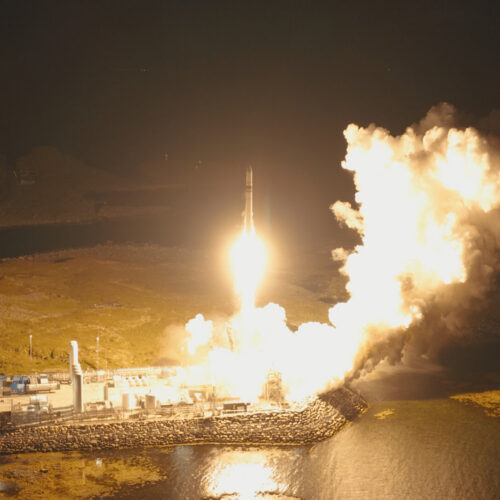
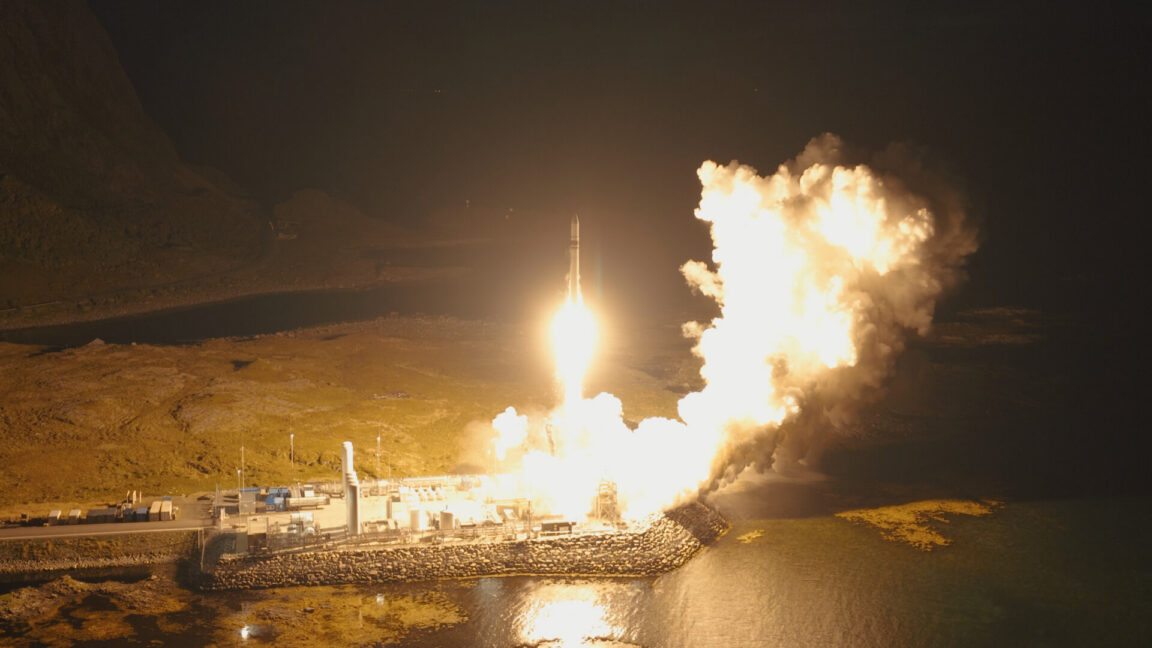
Isar Aerospace, founded in 2018 by three students at a German university, successfully launched a privately developed rocket into low-Earth orbit Saturday from a Norwegian spaceport inside the Arctic Circle.

The two-stage rocket, named Spectrum, became the first fully commercial launch vehicle in Europe to reach orbit. With Saturday's success, Isar is the clear leader among a pack of several European launch startups vying to inject some competition into Europe's stagnant launch market.

Isar's 92-foot-tall (28-meter) Spectrum rocket lifted off at 4:12 pm EST (20:12 UTC) Saturday from AndΓΈya Spaceport in northern Norway, where it was 10:12 pm local time and the final bluish hues of daylight faded from the late summer sky. Seven minutes later, the rocket was in orbit.
Read full article

Comments

Β© Isar Aerospace

  •  

German company becomes first in Europe to launch fully commercial orbital rocket

Isar Aerospace, founded in 2018 by three students at a German university, successfully launched a privately developed rocket into low-Earth orbit Saturday from a Norwegian spaceport inside the Arctic Circle.

The two-stage rocket, named Spectrum, became the first fully commercial launch vehicle in Europe to reach orbit. With Saturday's success, Isar is the clear leader among a pack of several European launch startups vying to inject some competition into Europe's stagnant launch market.

Isar's 92-foot-tall (28-meter) Spectrum rocket lifted off at 4:12 pm EST (20:12 UTC) Saturday from AndΓΈya Spaceport in northern Norway, where it was 10:12 pm local time and the final bluish hues of daylight faded from the late summer sky. Seven minutes later, the rocket was in orbit.

Read full article

Comments

Β© Isar Aerospace

  •  

After 8 years, Europe's BepiColombo mission is on final approach to Mercury

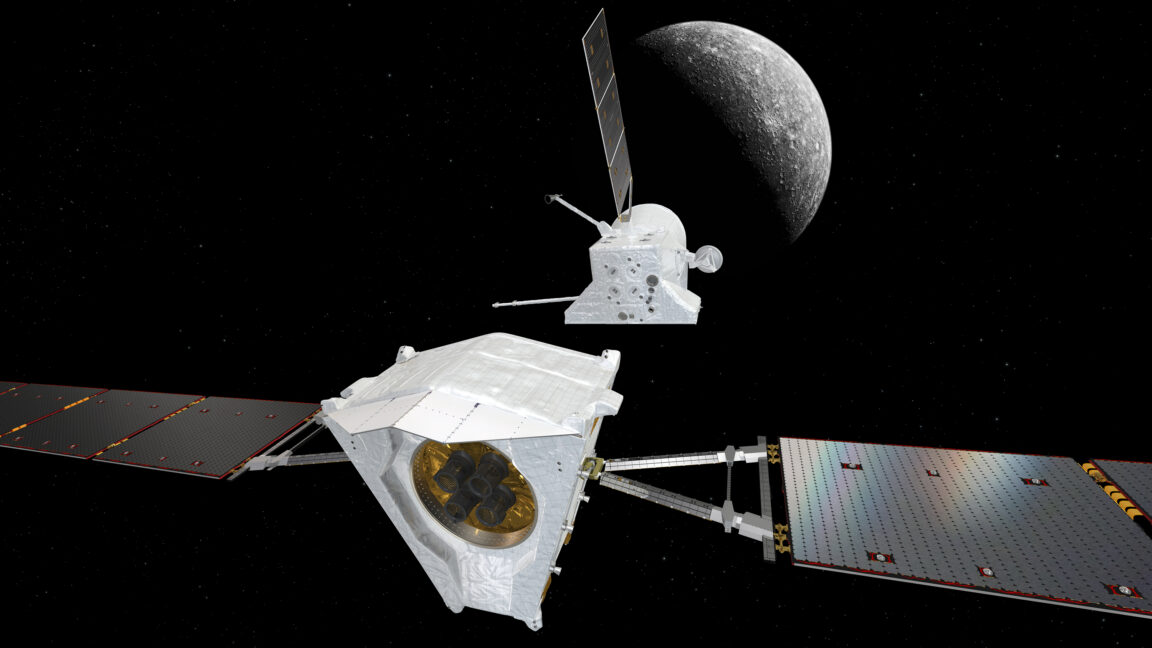
The BepiColombo mission cleared a major milestone this week in the final stretch of an eight-year interplanetary voyage to Mercury, the hard-to-reach, scorching hot iron world at the Solar System's innermost frontier.

The robotic science mission, with a price tag of nearly $2 billion, is led by the European Space Agency with contributions from Japan and the United States. Since its launch in 2018, BepiColombo has spiraled closer to the Sun using a combination of plasma propulsion and a series of flybys of Earth, Venus, and Mercury. The maneuvers changed the spacecraft's velocity and steered it toward a final encounter with Mercury later this year.

Next time it reaches Mercury, BepiColombo will be traveling at just the right speed for the planet's gravity to capture the spacecraft into orbit. Scientists working on interplanetary missions are accustomed to long waits for scientific payoffs. It took nearly 10 years for NASA's New Horizons spacecraft to travel from Earth to Pluto. It turns out traveling to fleet-footed Mercury and then entering orbit requires more energy, or delta-v, than sending a probe to fly by Pluto.

Read full article

Comments

Β© ESA/ATG medialab and NASA/JPL

  •  

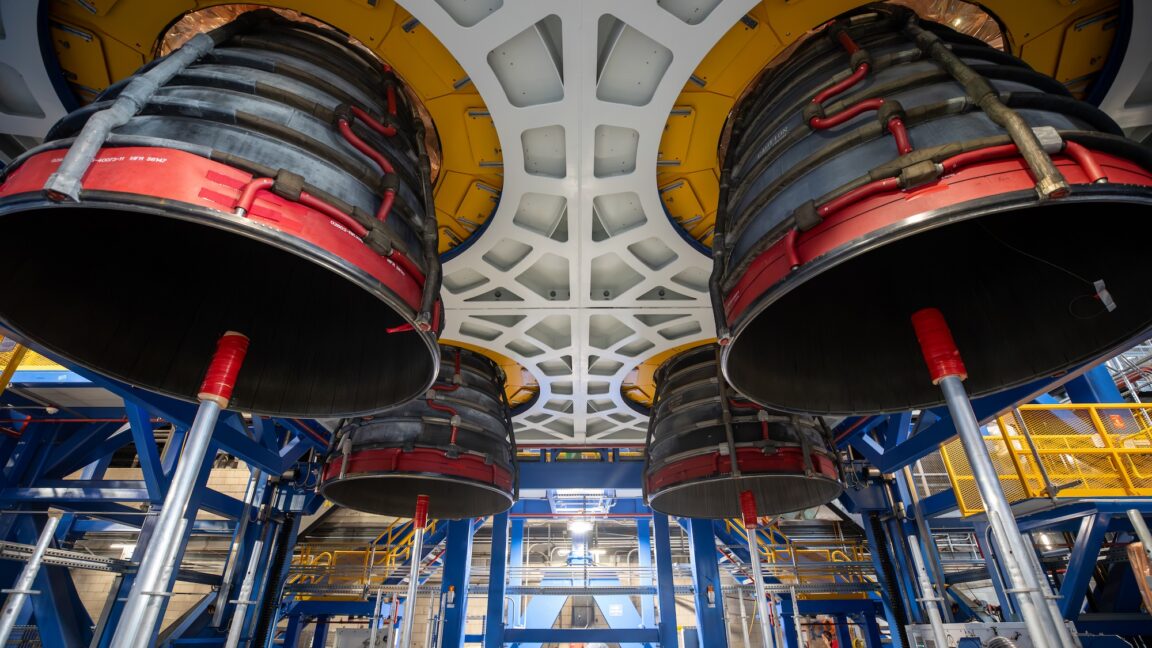
Rocket Report: Engines installed for Artemis III; Long March 6C breakup in LEO

Welcome to Edition 9.09 of the Rocket Report! This edition includes an update from Blue Origin on the groundbreaking of a new Payload Processing Facility in Florida. It has been about a month since the company offered any meaningful news on its heavy-lift New Glenn rocket, which remains grounded after an on-pad explosion at Cape Canaveral Space Force Station in May. The official line from Blue Origin is that the company is targeting a return to flight with New Glenn by the end of the year, but there's good reason for skepticism.

As always, we welcome reader submissions. If you don't want to miss an issue, please subscribe using the box below (the form will not appear on AMP-enabled versions of the site). Each report will include information on small-, medium-, and heavy-lift rockets, as well as a quick look ahead at the next three launches on the calendar.

Isar Aerospace is ready to try again. Isar Aerospace is about to make the next attempt to launch the Spectrum rocket into orbit, with a weeklong launch window set to open Friday at AndΓΈya Spaceport in Norway, the Norwegian Broadcasting Corporation (NRK) reports. The German launch company aims to deliver several small CubeSats to orbit with the two-stage Spectrum rocket. A test flight of the privately funded launcher failed shortly after liftoff last year, and Isar has attempted to launch the second Spectrum rocket several times since January, only to be thwarted by technical problems and the unavailability of the launch range in northern Norway.

Read full article

Comments

Β© NASA/Clayton Rougelot

  •  

Is Russia's rival to Starlink failing? Here's what we know.

Russia's attempt to replicate SpaceX's Starlink satellite network seems to be moving as slowly as the front lines in eastern Ukraine.

The Rassvet program, often billed as Russia's answer to Starlink, started launching its first operational satellites earlier this year. Two launches, one in March and a second in July, have delivered 32 Rassvet satellites to low-Earth orbit, some 10 percent of the roughly 300 Rassvet spacecraft Russia aims to put into orbit by the end of next year to provide connectivity for military and civilian users. The company in charge of Rassvet, Bureau 1440, wants to deploy 924 satellites by 2035.

But none of the 32 satellites launched so far have reached the 500-mile (800-kilometer) orbit they were designed to operate in. The rockets that launched the first two batches of Rassvets released the satellites much closer to Earth, and the satellites were expected to use their own plasma engines to raise their orbits over the next few months.

Read full article

Comments

Β© Bureau 1440

  •  

Without new landers or rovers, it's helicopters or bust for NASA's Mars program

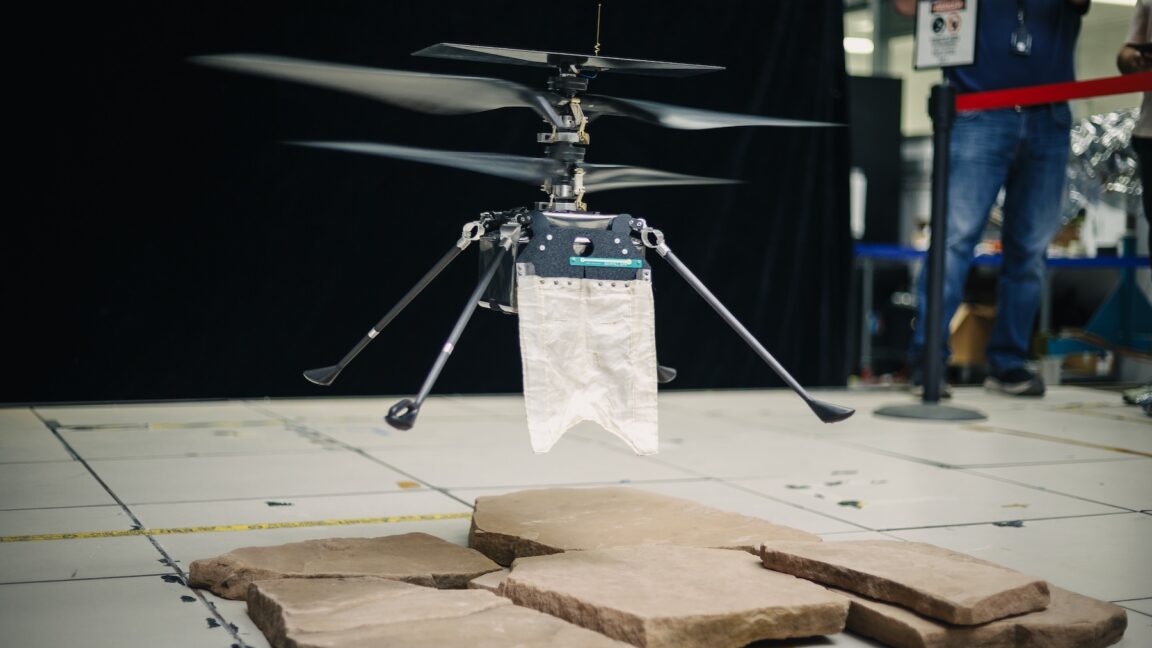
For the first time in more than 30 years, NASA has no firm plans to send any new landers or rovers to Mars. Instead, the agency's near-term focus at the red planet is on aerial drones, a pioneering mode of exploration that didn't seem realistic until a few years ago.

The first real use of drones for science at Mars will come with the SkyFall mission, a fleet of three helicopters set for launch as soon as late 2028. SkyFall's helicopters will ride to the red planet with NASA's Space Reactor-1 "Freedom" mission, which has the primary objective of demonstrating nuclear electric propulsion in deep space.

The launch schedule is aggressive for SR-1 Freedom and SkyFall, projects that didn't even exist in NASA's portfolio six months ago. NASA's plan for the SR-1 Freedom mission, estimated to cost $2.1 billion, calls for repurposing the core module of the canceled Gateway lunar space station into a testbed for nuclear electric propulsion. SkyFall will build on NASA's success with the Ingenuity helicopter, an experimental vehicle that became the first rotorcraft to fly on another world in 2021.

Read full article

Comments

Β© AeroVironment

  •  

NASA's next "great observatory" begins mission to widen our view of the Universe

NASA's $4.3 billion Nancy Grace Roman Space Telescope, equipped with a 300-megapixel camera sighted through a refurbished spy mirror, launched Sunday from Kennedy Space Center in Florida on a mission to reveal the mysterious forces driving the Universe.

The new mission will extend the vision of NASA's other famous observatories, providing a field of view 100 times wider than the Hubble Space Telescope and complementing the groundbreaking work of the James Webb Space Telescope. Roman is just the second NASA-led astrophysics mission to launch this century, following the launch of Webb in 2021.

Unlike Webb, which suffered many years of delays before reaching space, Roman arrived at the launch pad nine months before NASA's commitment to send it skyward by May 2027.

Read full article

Comments

Β© SpaceX

  •  

The world's busiest spaceport is about to get a lot quieter, at least for now

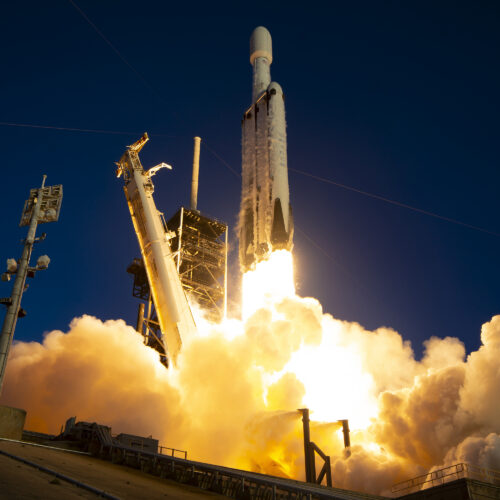
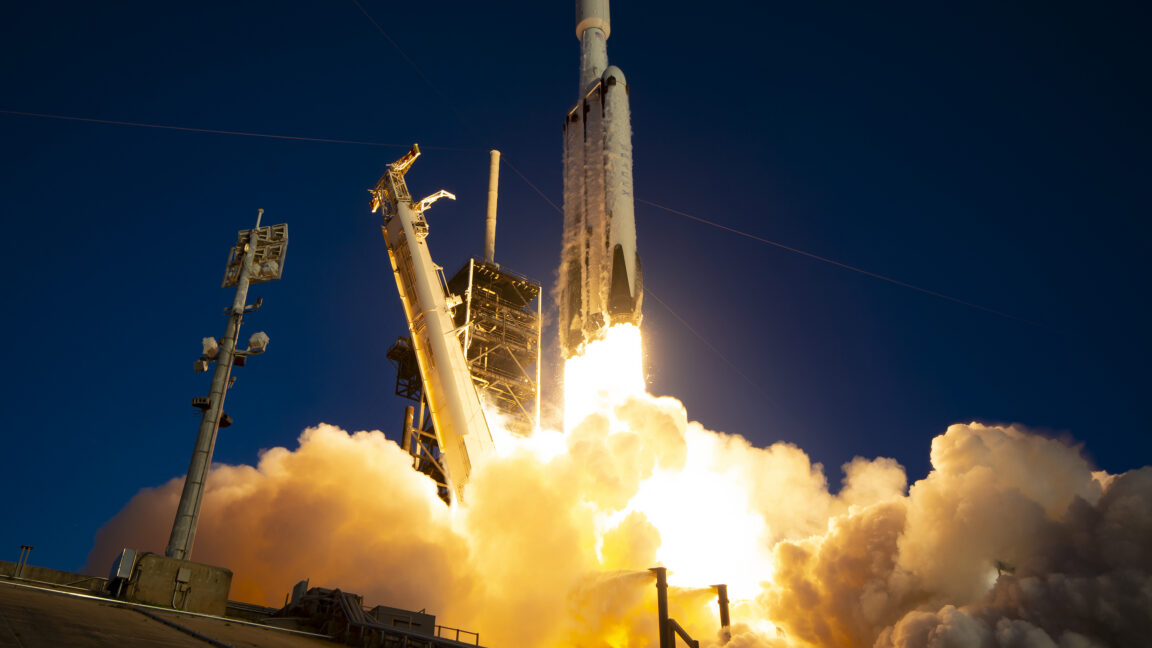
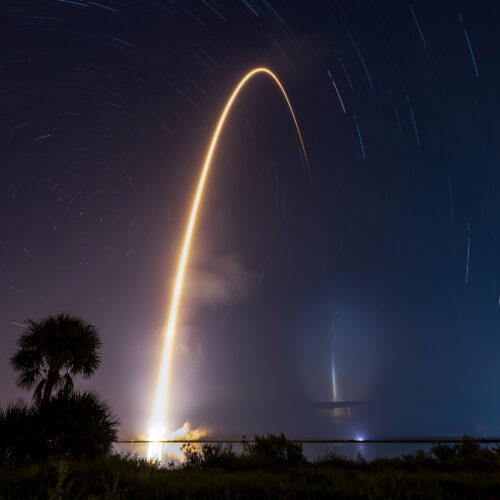
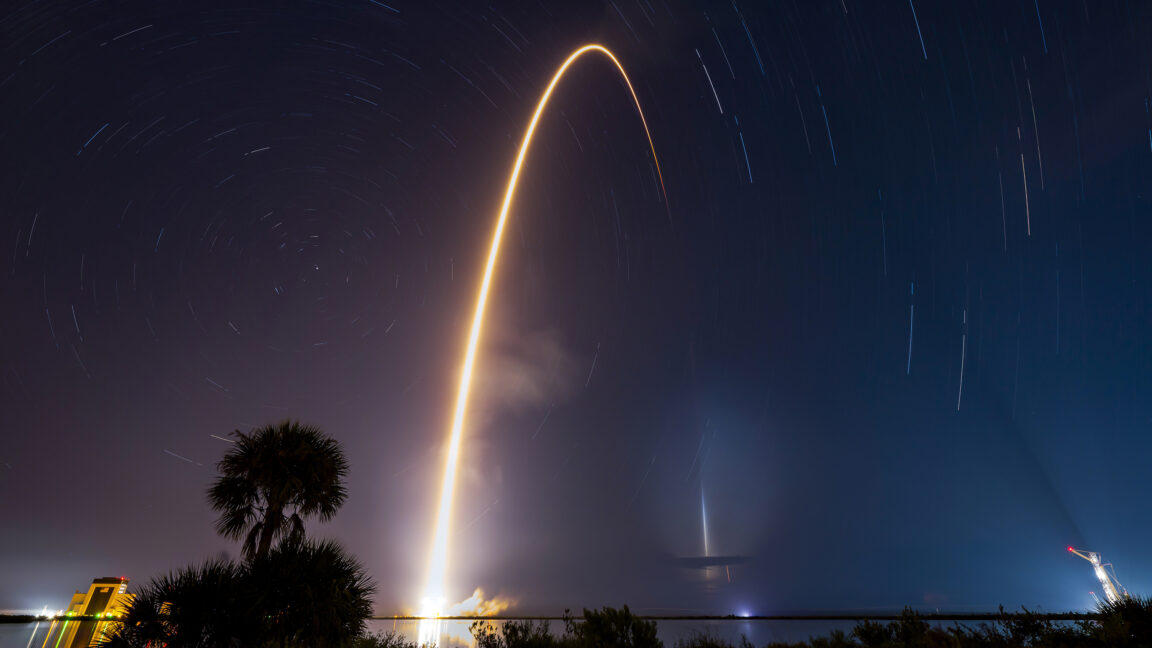
SpaceX made Florida's Space Coast home to the world's busiest spaceport for a decade, but that will change this year. The company is significantly cutting the number of launches from Florida until Starship arrives, a senior SpaceX official confirmed Tuesday.

The Falcon 9 rocket has been SpaceX's workhorse, routinely launching batches of satellites for the company's Starlink network, primarily from launch pads at Cape Canaveral Space Force Station and NASA's Kennedy Space Center in Florida. There were 165 Falcon 9 launches last yearβ€”about three flights per weekβ€”and about 75 percent of them carried Starlink satellites.

This year is different. SpaceX has launched more missions from its West Coast launch pad at Vandenberg Space Force Base in California since January, and this trend will amplify for the rest of the year.

Read full article

Comments

Β© SpaceX

  •  
❌