❌

Reading view

Laser wireless charging could keep drones airborne indefinitely β€” improved receiver converts at 38.49% efficiency and uses nanocrystalline material for thermals

Reducing (or completely eliminating) the charge time for drones has been a continual area of research, with some advancements, such as quantum batteries showcased earlier this year, showing a lot of promise. Researchers at the Civil Aviation University of China have made a major breakthrough in laser-based OTA (Over The Air) charging that can convert energy at 38.94% efficiency.

According to a study published in Matter & Light, scientists from the Civil Aviation University of China are testing a lightweight receiver that can harvest energy from a laser beam sent from the ground. The system uses a perovskite laser cell-thermoelectric (PLC-TE) tandem device, which combines two methods of generating electricity. The perovskite layer converts laser energy into electricity, while the thermoelectric layer recovers some of the resulting heat and turns it into additional power. Its output increases as the temperature difference between the laser-facing side and the cooler side grows.
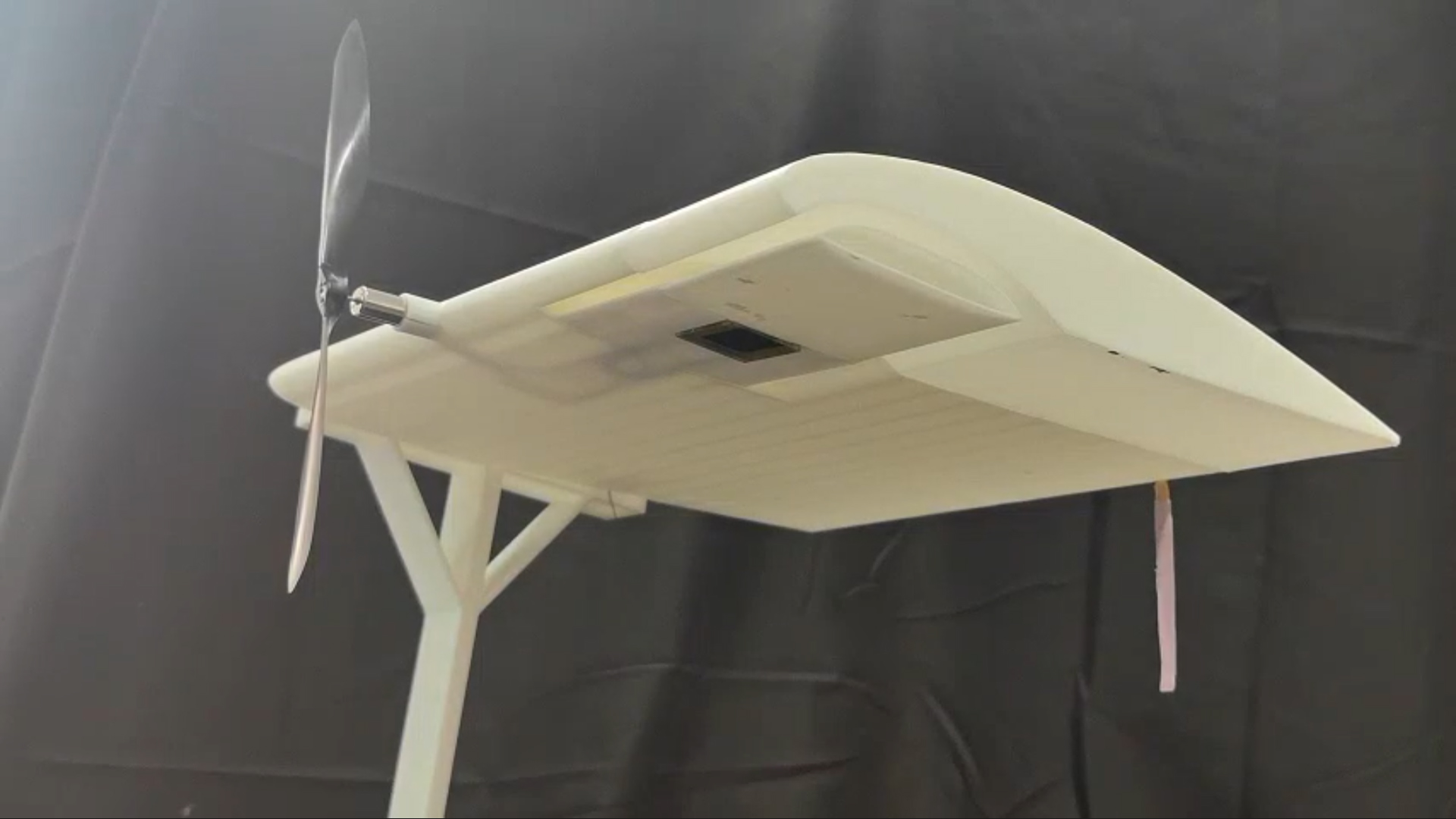
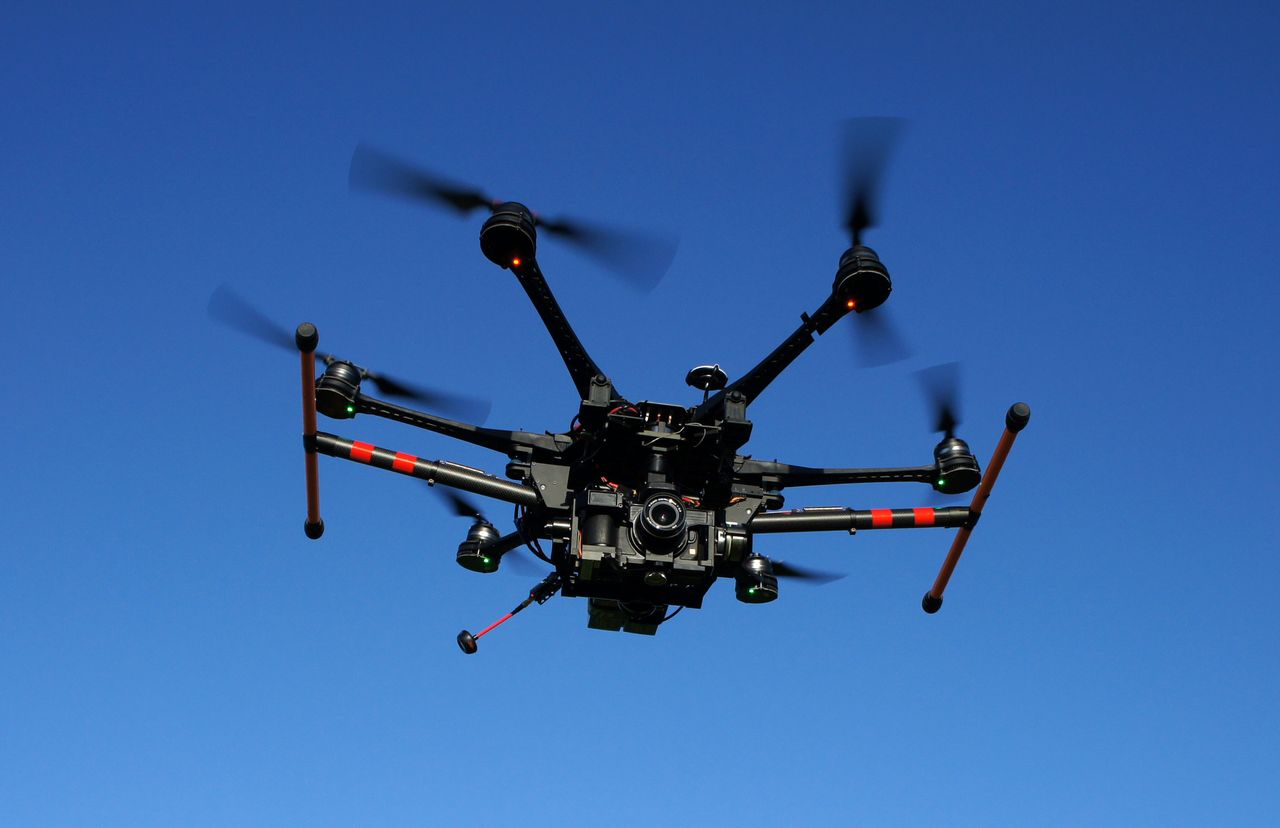
A test drone that can power-on using laser light

(Image credit: Matter & light)

The major challenge with this setup is that intense laser beams heat up the receivers to a blistering 80 to 90 degrees Celsius, degrading efficiency and causing damage to the aircraft itself. β€œThat was much higher than we expected and made us realize that heat buildup was a far more serious problem than we had imagined,” explained Jianhua Han, the study's senior author.

To overcome this challenge, Han's team added special nanocrystals to the receiver. As the nanocrystals are poor heat conductors, it allows them to act as a thermal barrier and protect the perovskite and thermoelectric layers. The team also added air channels to the drone's wings. As the propellers spin, airflow passes through these channels and carries excess heat away, helping to keep the system cool. The combination of nanomaterials and aerodynamic cooling resulted in a respectable 38.49% energy conversion efficiency during testing, which is one of the highest reported for this class of technology.

While the system is yet to undergo outdoor flight tests, this breakthrough alone is a significant step toward practical continuous flight for drones. As Han noted, going from 1 to 100 will require solving complex tracking and safety challenges, but this research establishes an important starting point for the future of drones and UAVs.
  •  

DIY modder creates 'heat engine computing device' powered by a Stirling engine, can run Tetris, Snake, and Pong β€” 80 MHz processor operates on just 150 milliwatts of power

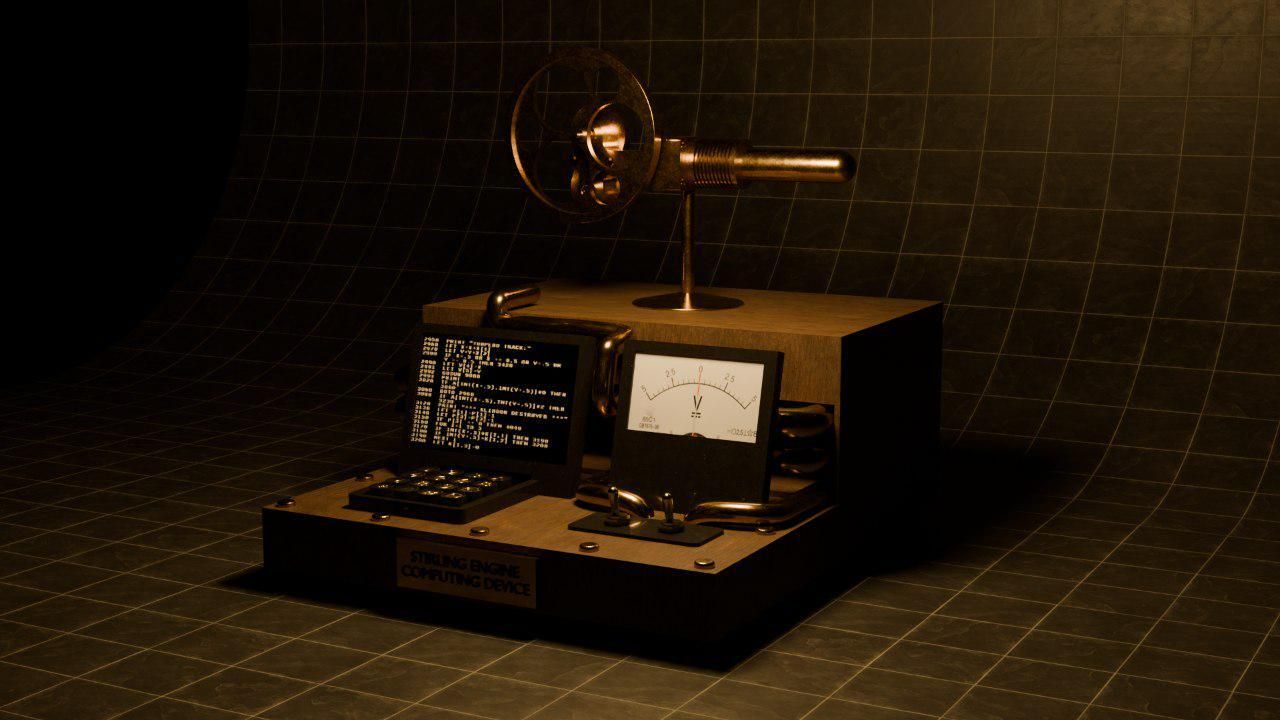
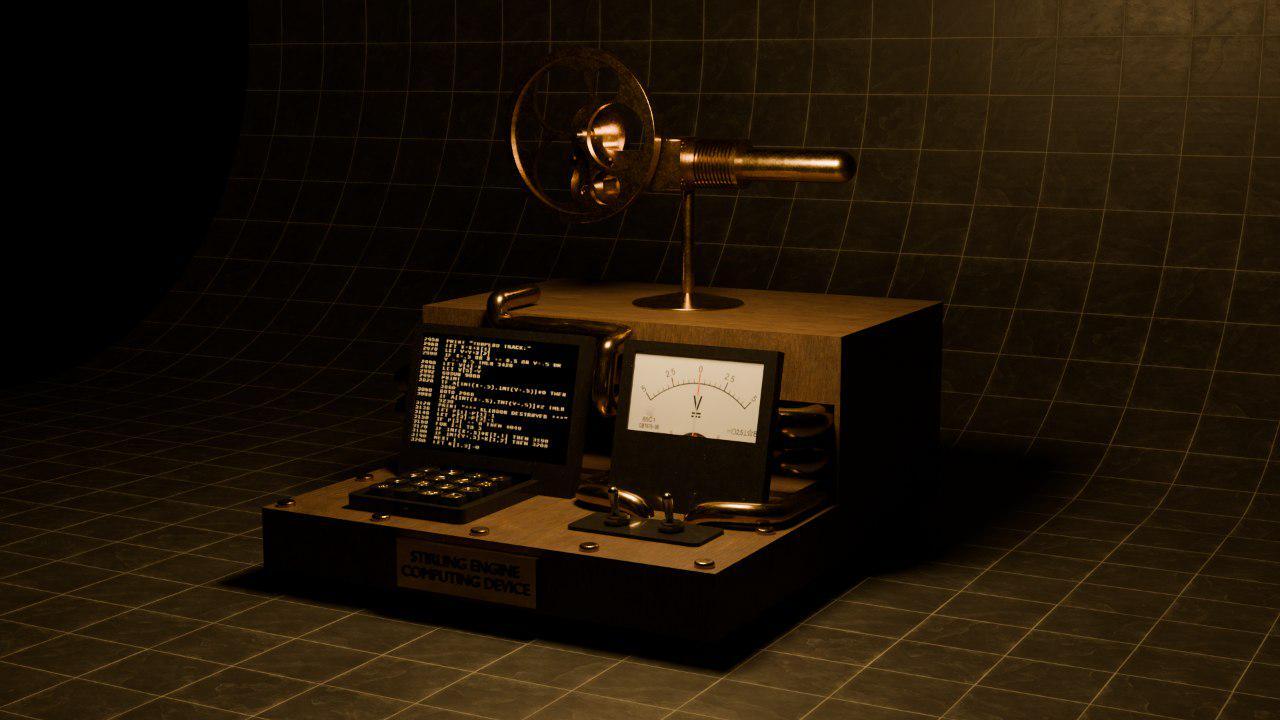
In one of the most unique DIY projects, Reddit user PickentCode has created what can be described as a completely off-the-grid "heat engine computing device." Instead of relying on solar panels or a battery pack, the creator went in a completely different direction, building a custom steampunk-inspired microcomputer which features a miniature Stirling engine to power the hand-crafted wooden console.

Originally patented in 1816 by the Scottish minister and inventor Robert Stirling, a Stirling engine converts heat directly into mechanical energy. By applying a flame to one end of a sealed cylinder, the temperature difference forces the air inside to expand and contract. This cycle pushes a piston that spins the flywheel, which can be used to power a simple generator that converts the mechanical rotation into usable electricity.

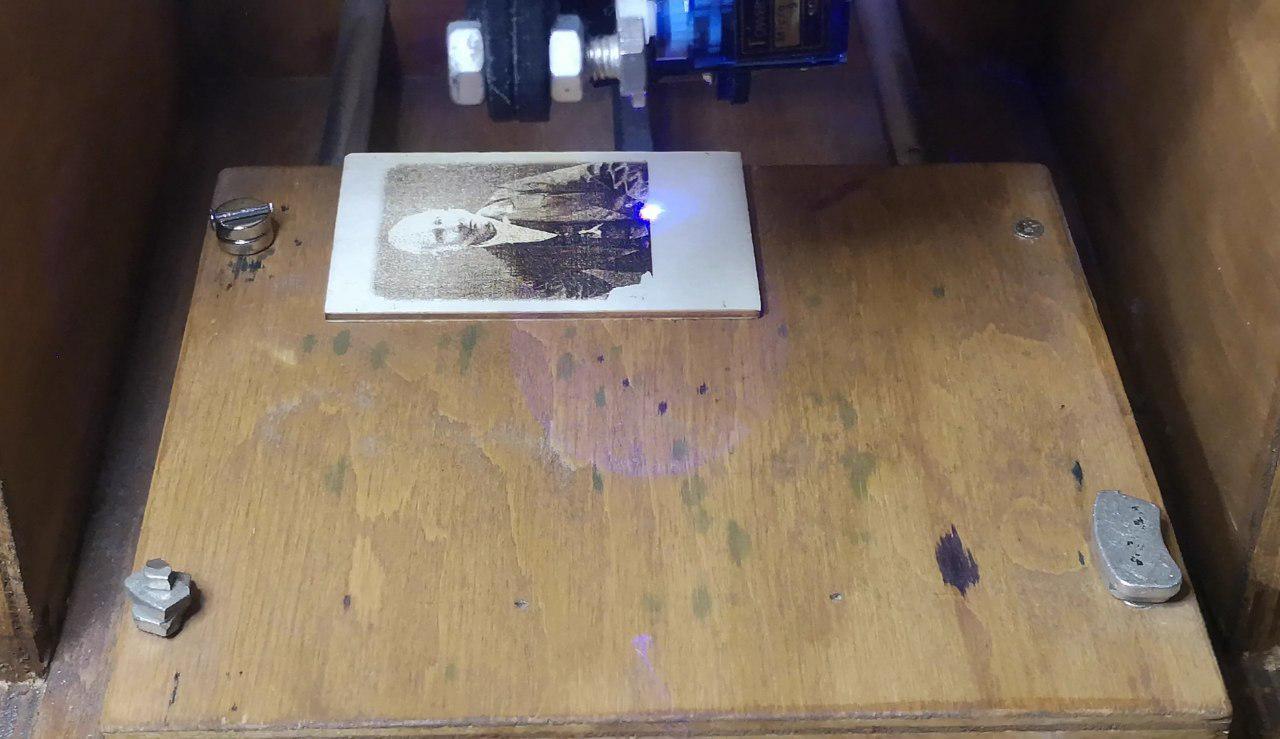
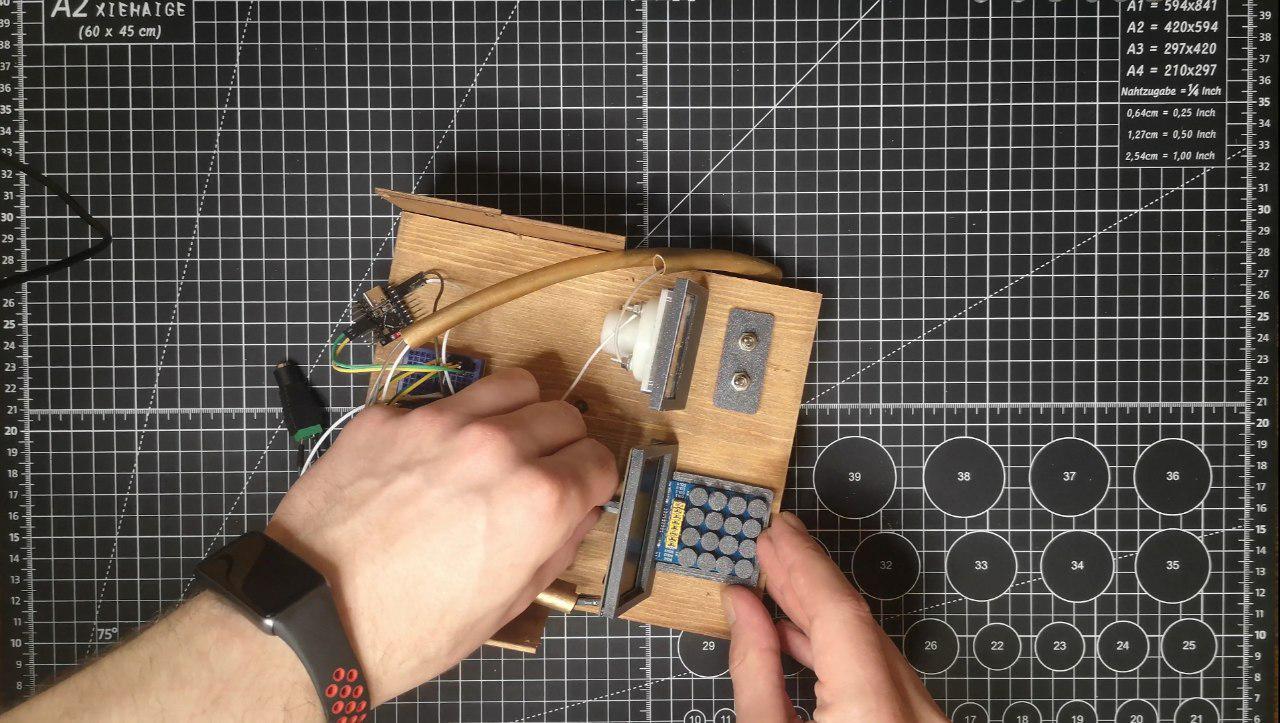
"The entire project took about a month to design, build, and program," PickentCode told Tom's Hardware. They first conceptualized a 3D layout using Blender before constructing the physical case out of wood. They even went ahead and utilized a DIY laser engraver to etch a portrait of Robert Stirling and his original 1816 engine patent sketch directly onto the wooden side panels. For the smaller structural elements, the electronic housings and the keycaps were custom 3D printed, while the decorative pipes winding across the frame were made from old shower tubing and some gold paint.

Build process of the DIY microcomputer powered by a Stirling engine
PickentCode on Reddit
Build process of the DIY microcomputer powered by a Stirling engine
PickentCode on Reddit
Build process of the DIY microcomputer powered by a Stirling engine
PickentCode on Reddit

The brains of the system are an ESP32 C3 microcontroller paired with a 2.42-inch monochrome OLED display with a 128x64 resolution, alongside a 16-key keypad. The electrical output of the generator is stabilized using small capacitors wired into the circuit. One can also actively monitor the voltage output using the analog voltmeter, which is wired in parallel, and the two toggle switches mounted on the front panel can be used to turn on the main circuit and the voltmeter.

Running an electronic device, in this case a microcomputer, purely on fire comes with obvious energy limitations. The model Stirling engine can produce only 150 milliwatts of power, and to stay within this tiny power budget, the creator implemented certain hardware and software optimizations. For instance, Wi-Fi and Bluetooth were completely disabled, and the screen brightness was kept low to conserve every milliwatt. PickentCode also tuned the ESP32's CPU frequency, reducing it down to just 80 MHz when updating the screen or interpreting opcodes, going all the way down to just 10 MHz while sitting idle in the main loop.

Despite the limitations, the computer is fully functional. It runs a custom CHIP-8 virtual machine preloaded with classic gaming ROMs like Tetris, Snake, and Pong. Impressively, it also features a built-in code editor, allowing users to type in CHIP-8 opcodes directly to write and execute their own custom programs on the fly.

Stirling engines are not exactly new to the world of computing. Earlier this year, we covered a project by Windows development guru Dave Plummer who showcased a cooling solution that used a small Stirling engine to convert waste heat from an AMD Threadripper system into mechanical energy, which was used to spin the engine's flywheel. While it isn’t an actual solution to an overheating chipset, it is claimed that the flywheel can spin up to about 200 RPM in a 20C/68F environment.

  •  
❌