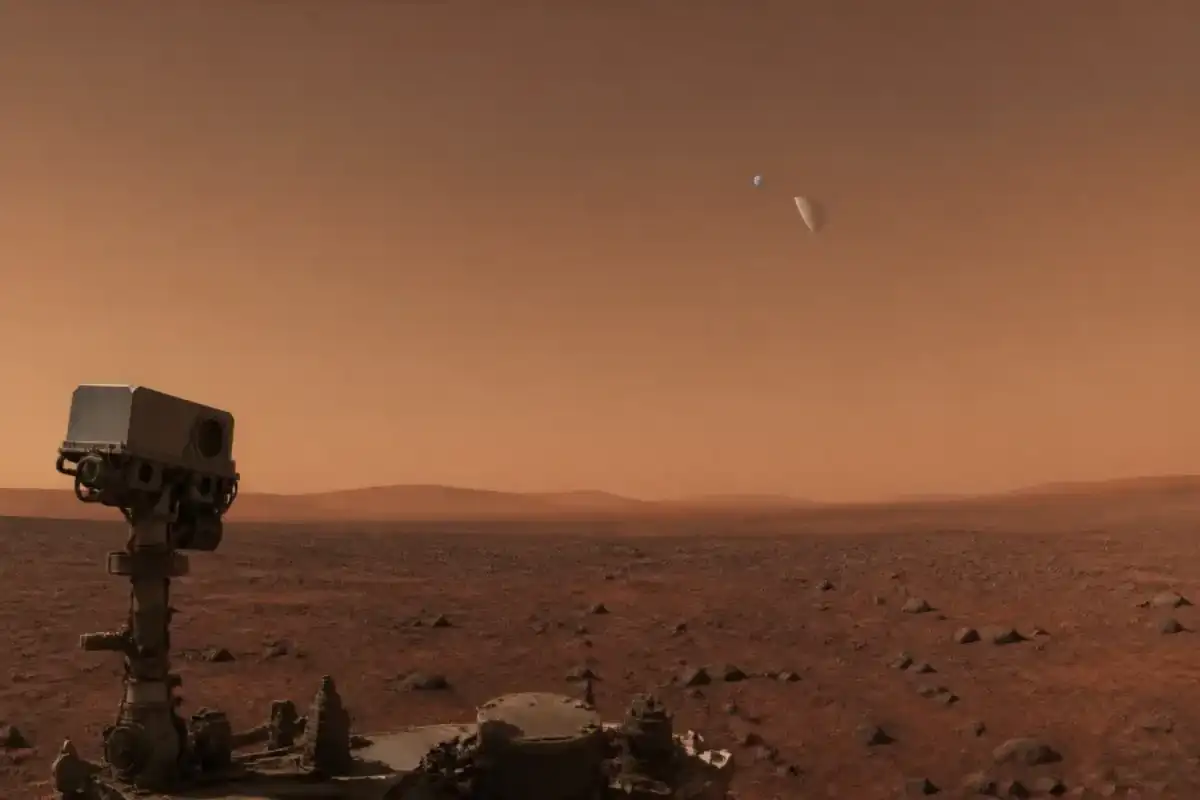
From the rim of Jezero Crater, Earth is only a bright point in the sky. On July 2, NASA’s Perseverance rover watched that point vanish behind Phobos, Mars’ larger moon, and recorded the event with its Mastcam-Z camera. The sequence is the first time humanity has observed Earth disappearing behind an object from the surface […]
NASA’s Physics of the Cosmos Program, in collaboration with the Physics of the Cosmos Program Analysis Group Executive Committee, is pleased to announce the Third Early Career Workshop. Participants will benefit from engaging interactive sessions covering essential topics including grant opportunities, navigating data archives, and effective strategies for career advancement.
22-24 September 2026 1:00pm-4:00pm ET / 10:00am-1:00pm PT
Community
Physics of the Cosmos
Type
Workshop
Physics of the Cosmos
Inspiring the Next Generation of Astrophysicists
The workshop will be held on September 22 – 24, 2026, from 1:00PM to 4:00PM Eastern Time and will be fully virtual.
This workshop aims to provide early career scientists with valuable insights into the groundbreaking research conducted within the Physics of the Cosmos Program, demonstrate essential tools and resources available to them, and address their questions and concerns.
Physics of the Cosmos Third Early Career Workshop Poster
This third workshop will discuss three topics—Science, Missions, and Career Development— and will also showcase the importance of collaborations.
This workshop is tailored for graduate students, postdoctoral researchers, and early-career scientists looking to enhance their professional trajectory in astrophysics.
Workshop Schedule
The workshop will include a tutorial on the NASA Astrophysics Data System (ADS) Science Explorer (SciX), talks on upcoming missions including the Compton Spectrometer and Imager (COSI) and the Ultraviolet Explorer (UVEX), updates on NASA programs for students and postdocs, a CV writing mini-workshop, presentations by your fellow early career researchers on exciting science and technology development projects, and much more!
The full program will be coming soon.
Downloads
Physics of the Cosmos Third Early Career Workshop Poster
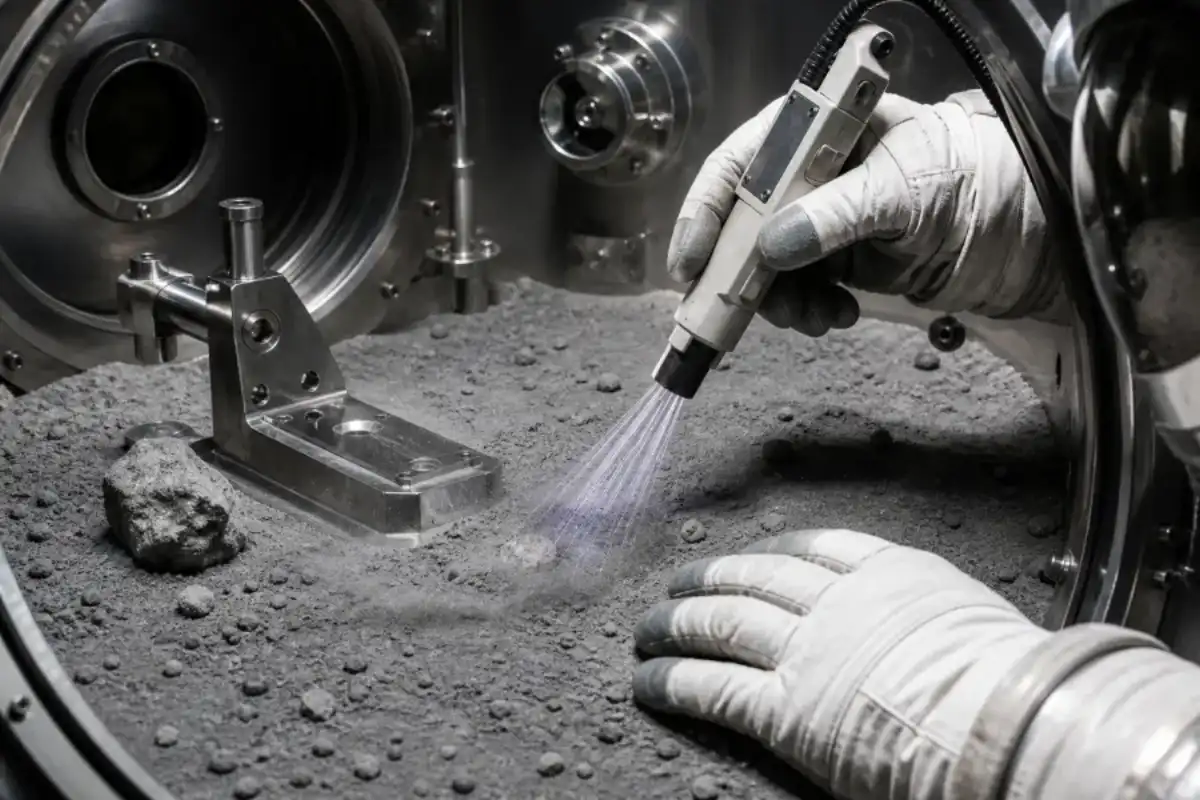
Moon dust looks soft in photographs, but it is a difficult material for machines and people. The grains are sharp, abrasive and electrically clingy. NASA engineers at Johnson Space Center are using a dedicated test facility to find out how tools, joints and spacesuits will cope with it before Artemis astronauts return to the lunar […]
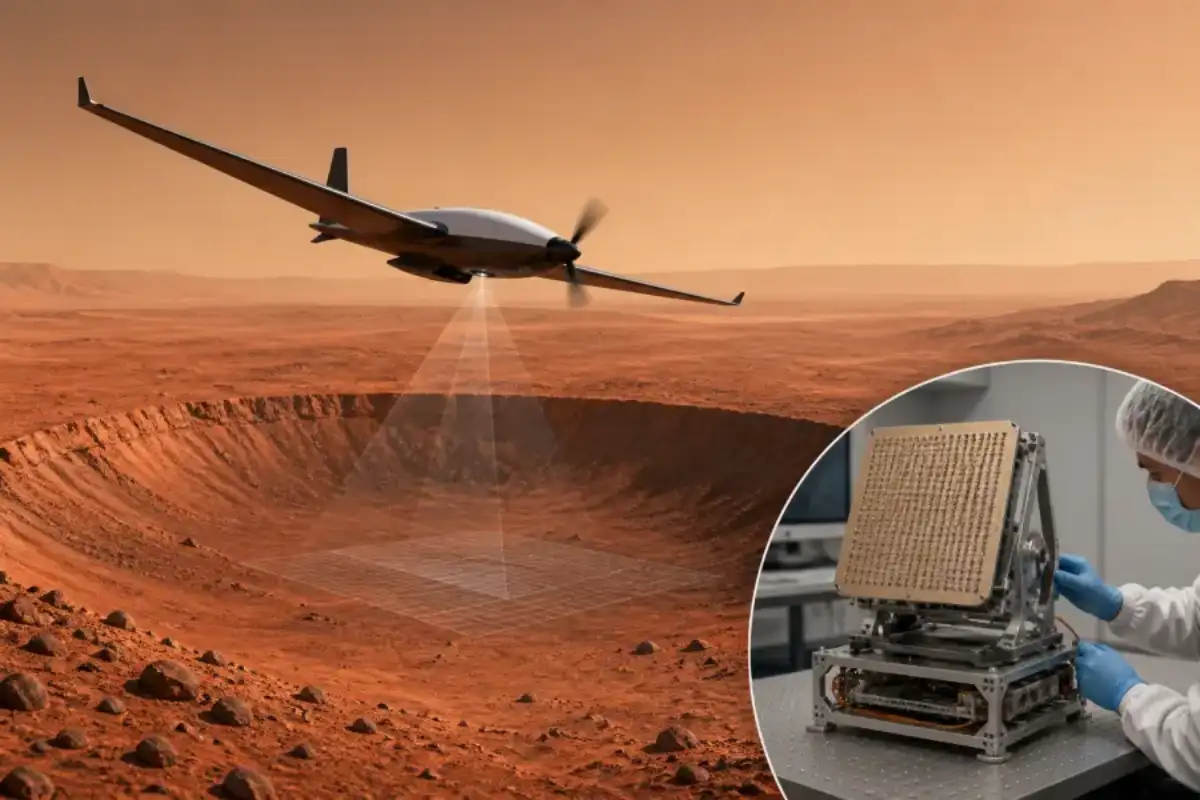
NASA is testing the communications and radar hardware for a proposed Mars aircraft mission called SkyFall. The project is still on Earth, but its engineers are working through the details that would allow three small aircraft to fly in the thin Martian atmosphere and send useful data back to a rover or an orbiter. A […]
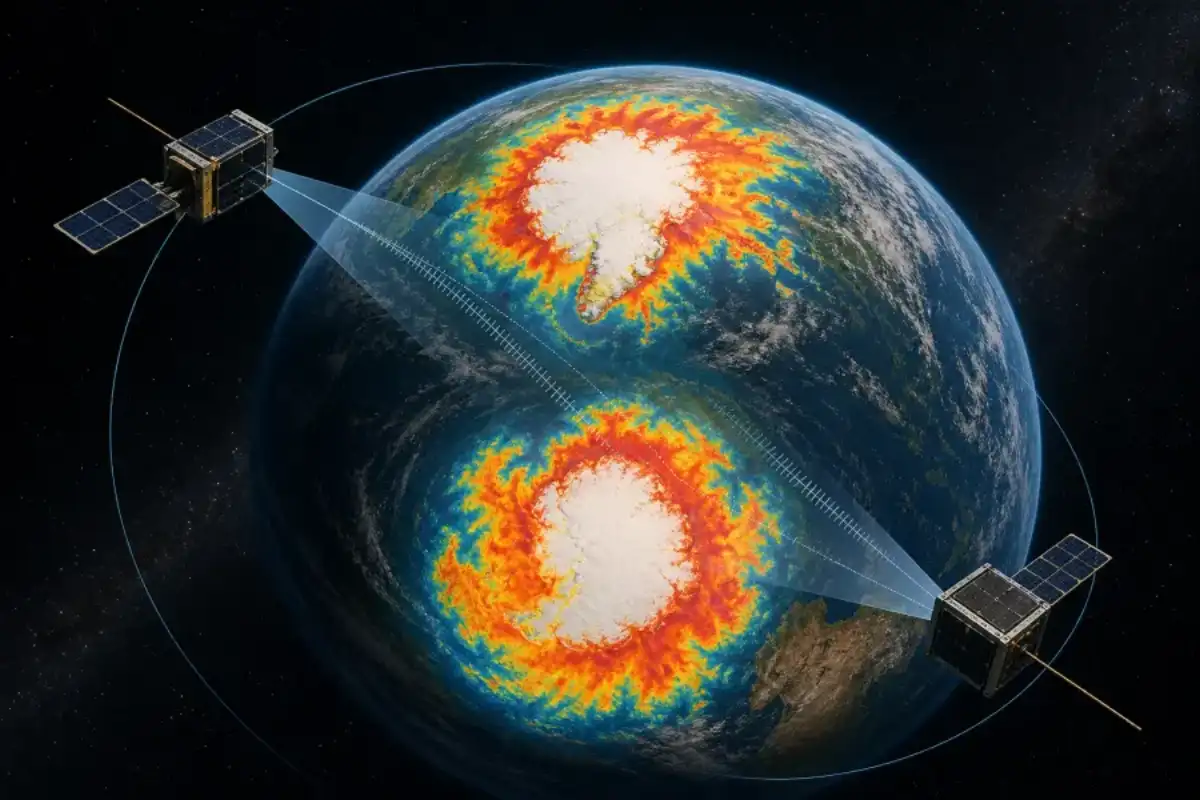
At Earth’s poles, much of the heat leaving the planet is invisible to human eyes. NASA’s two PREFIRE CubeSats are measuring that far-infrared energy directly, and a new animation built from two complete seasonal cycles shows just how differently the Arctic and Antarctic warm and cool. The Polar Radiant Energy in the Far-InfraRed Experiment began […]
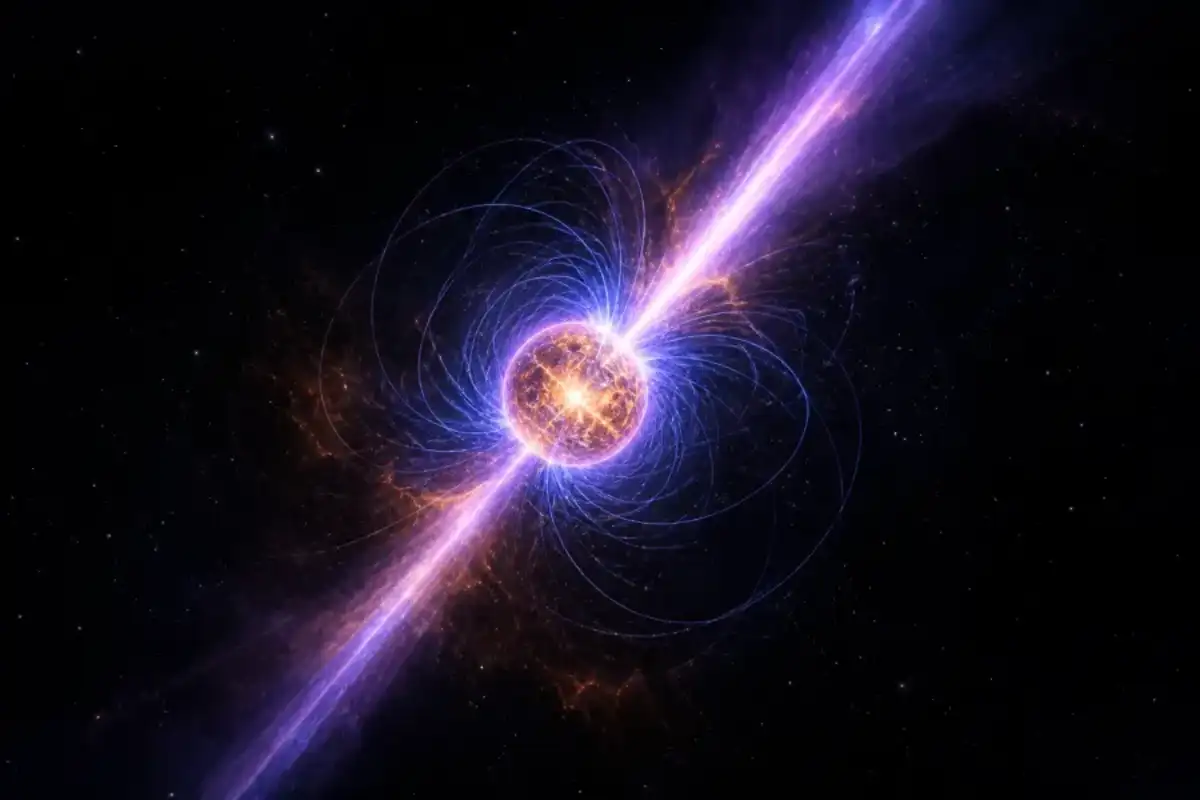
Empty space is not completely empty in the equations of quantum physics. Under an ordinary magnetic field, that distinction is impossible to notice. Near a magnetar—a neutron star with a magnetic field trillions of times stronger than Earth’s—space itself can alter the way light travels. NASA’s Imaging X-ray Polarimetry Explorer (IXPE) has measured unusually strong […]
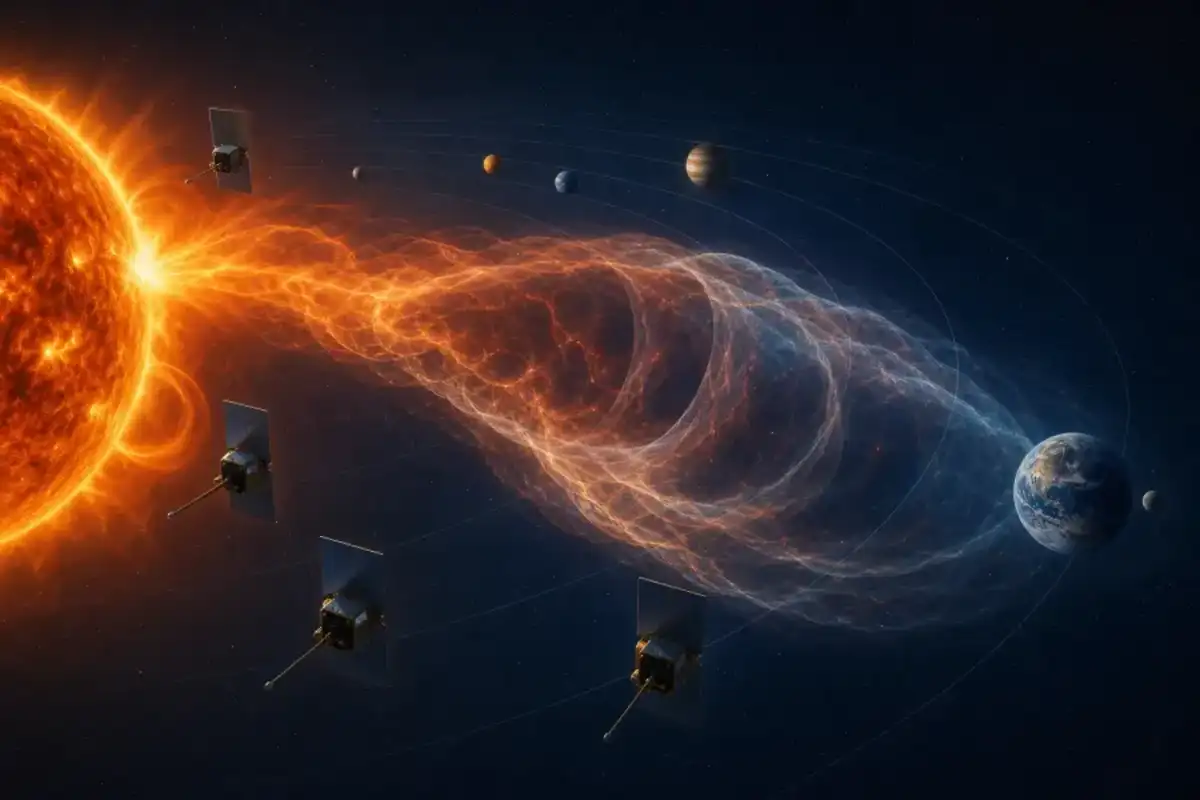
Forecasting a solar storm is a little like watching a wave leave a distant coast and trying to guess when it will reach the beach. Scientists can see a coronal mass ejection (CME) leave the Sun, but its speed and shape can change as it crosses space. By the time it reaches Earth, the warning […]
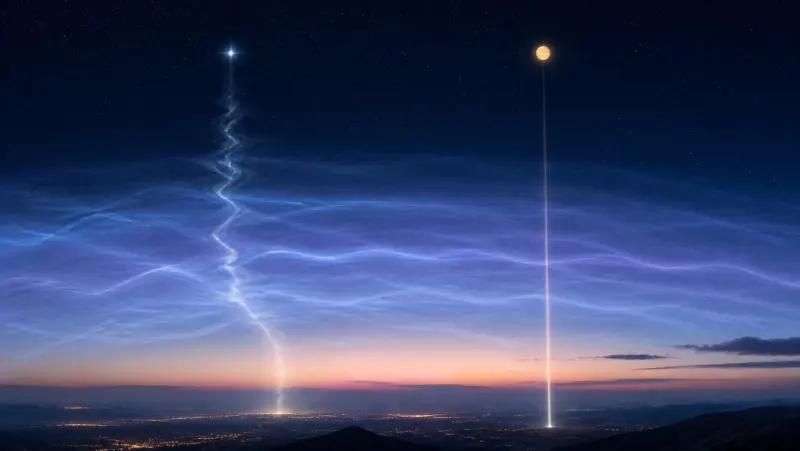
Stars do not actually switch their lights on and off when they twinkle. The flicker happens between the star and your eyes, as its light passes through Earth’s moving atmosphere. Planets are affected by the same air, but they usually look steadier because their light arrives from a small disk rather than a single point. […]
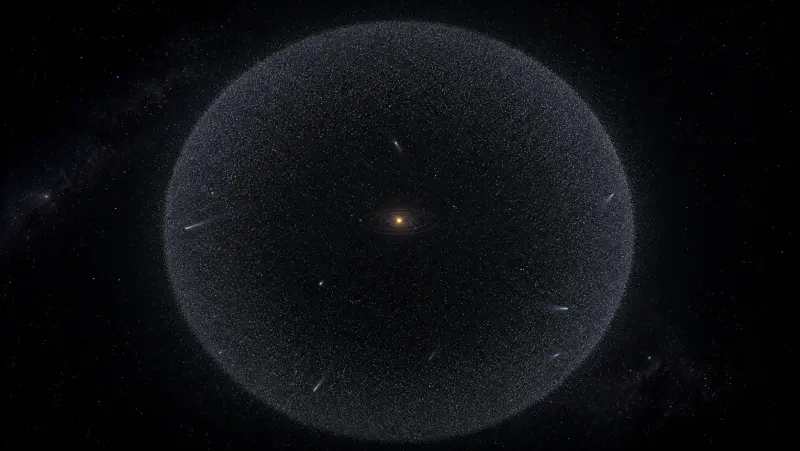
The Oort Cloud is one of the strangest places in the Solar System because it has never been seen directly. Astronomers infer its existence from the paths of long-period comets: icy bodies that spend most of their lives in deep space and only occasionally fall toward the Sun. NASA describes the Oort Cloud as a […]

 Login