❌

Reading view

Mars rover watches Earth disappear behind Phobos | Space photo of the day for Aug. 6, 2025
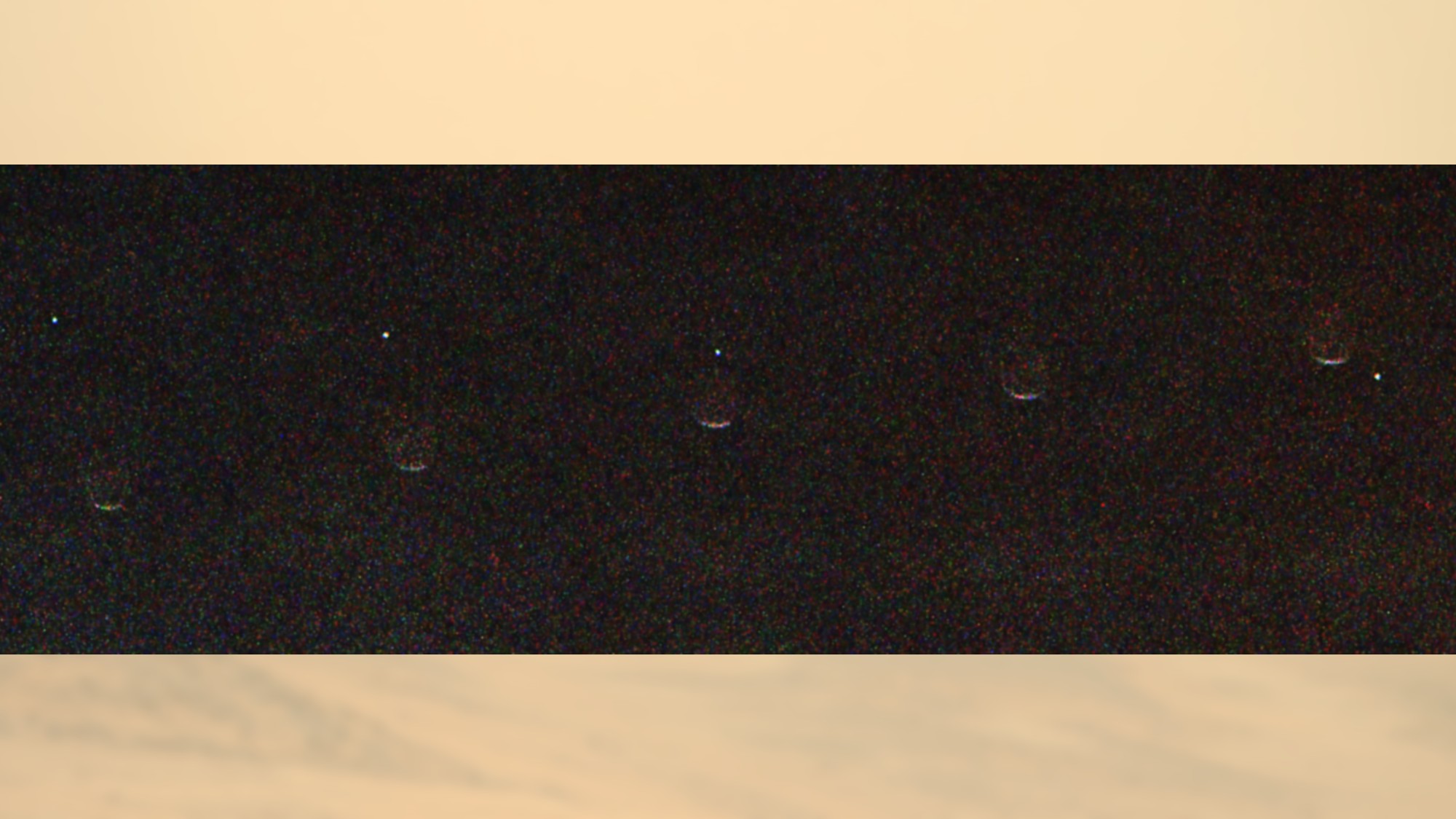
a dot of light disappears behind a crescent of light on a grey background

A composite image captured by NASA's Perseverance rover on July 2, 2026 showing Earth (the bright dot) passing behind Mars' moon Phobos in the Red Planet sky. (Image credit: NASA/JPL-Caltech/ASU/MSSS/SSI)

NASA's Perseverance rover witnessed a rare event recently, when Earth briefly disappeared behind Mars' moon Phobos in the Red Planet sky.

What is it?

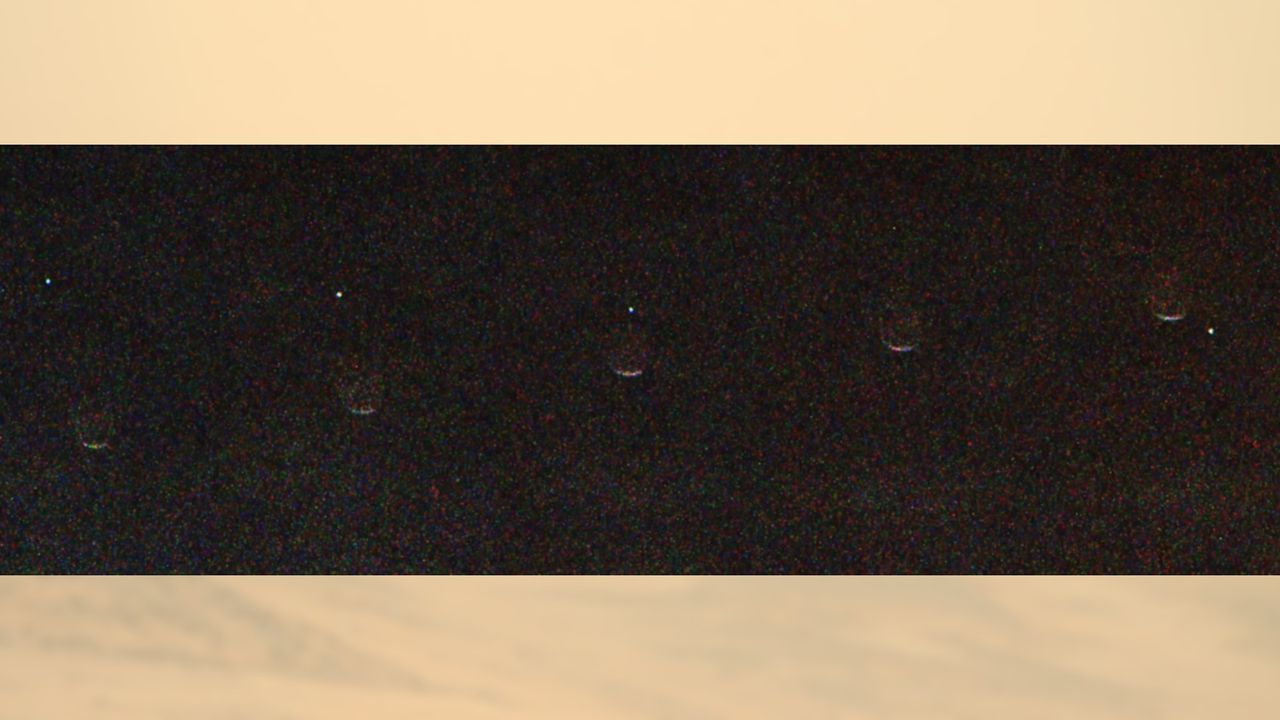
These new composite images were released by NASA's Jet Propulsion Laboratory (JPL) and taken on July 2, 2026, the 1,907th Martian day of Perseverance's mission. They consist of nine different images taken by the rover's Mastcam-Z instrument as it pointed up into the hazy Martian sky, watching our planet, seen here as a pale dot, cross behind the Mars moon Phobos.

This type of event is known as an occultation, from the Latin word occultare, meaning "to hide." On Earth, the most common type of occultation occurs when our moon passes in front of background stars or when planets pass behind the moon.

Mars has two moons, Phobos and Deimos. Phobos is the larger and innermost moon. Both are lumpy and irregularly shaped, and astronomers aren't sure whether they came from the asteroid belt or were formed from an ancient impact near or on the Red Planet.
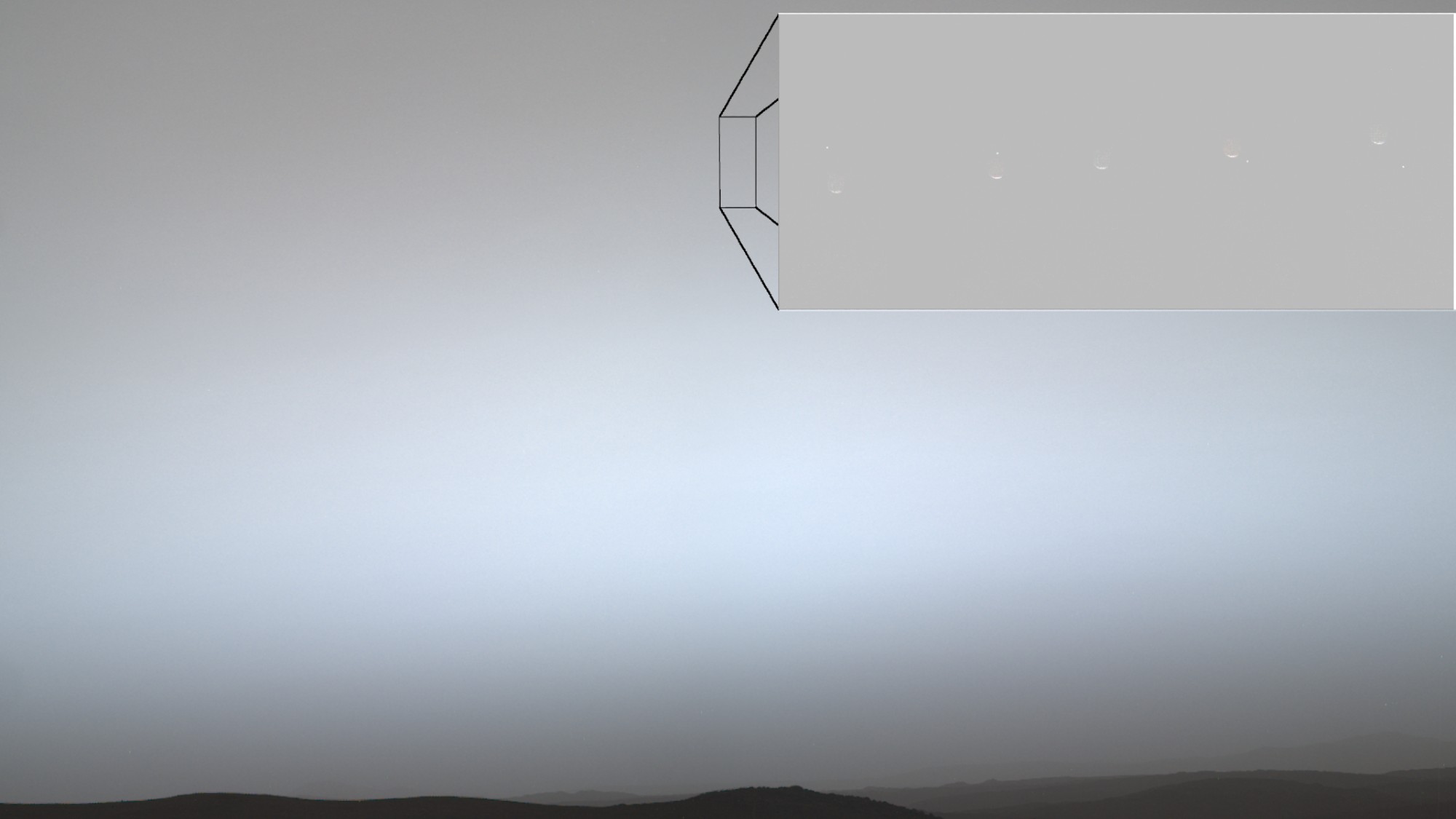
a dot of light disappears behind a crescent of light on a grey background

A composite of nine different images captured by NASA's Perseverance rover on July 2, 2026 showing Earth (the bright dot) passing behind Mars' moon Phobos in the Martian sky. (Image credit: NASA/JPL-Caltech/ASU/MSSS/SSI)

Why is it incredible?

The image took careful preparation and required Perseverance to be in the right place at the right time.

"Phobos crosses the Martian sky three times a day, and Earth is visible for months at a stretch, but catching one directly behind the other takes planning and a little luck," said Mark Lemmon, a Mastcam-Z co-investigator at the Space Science Institute.

Aside from catching Earth passing behind Phobos, Perseverance has also witnessed Phobos passing in front of the sun, in what JPL calls a "Martian solar eclipse."
  •  

Curiosity rover spots mysterious honeycombs on Mars | Space photo of the day for Aug. 5, 2026

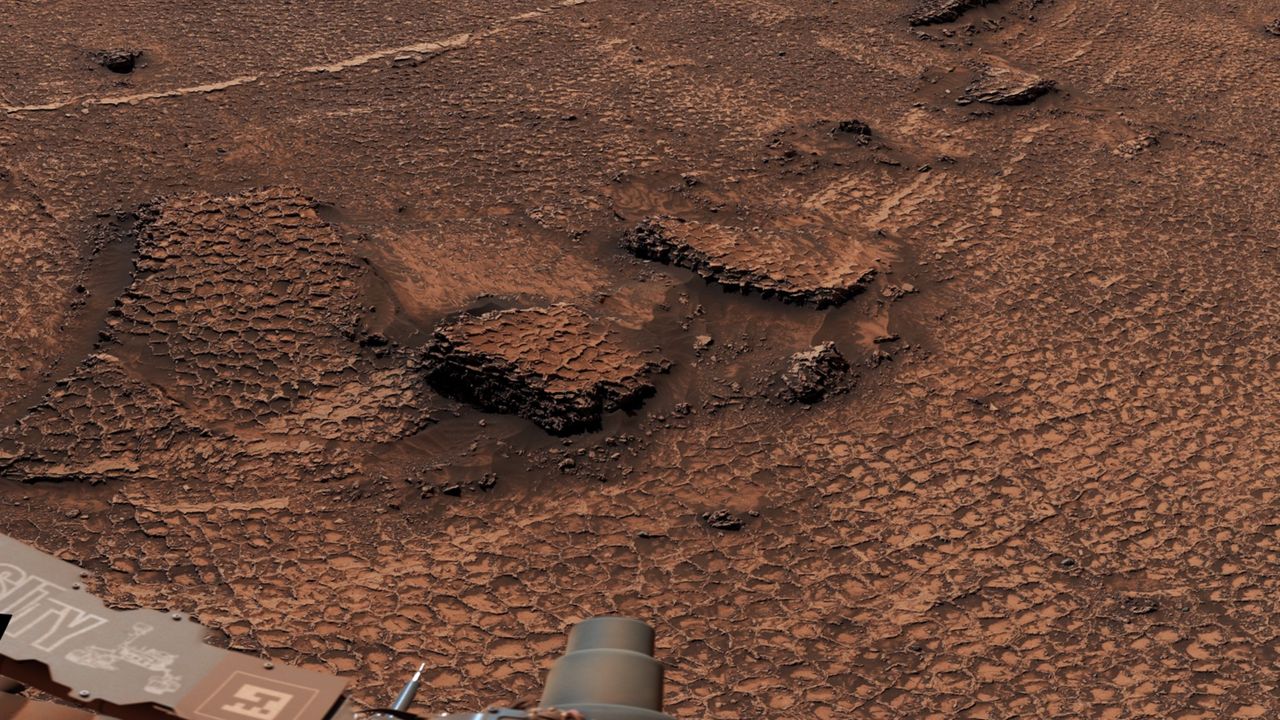
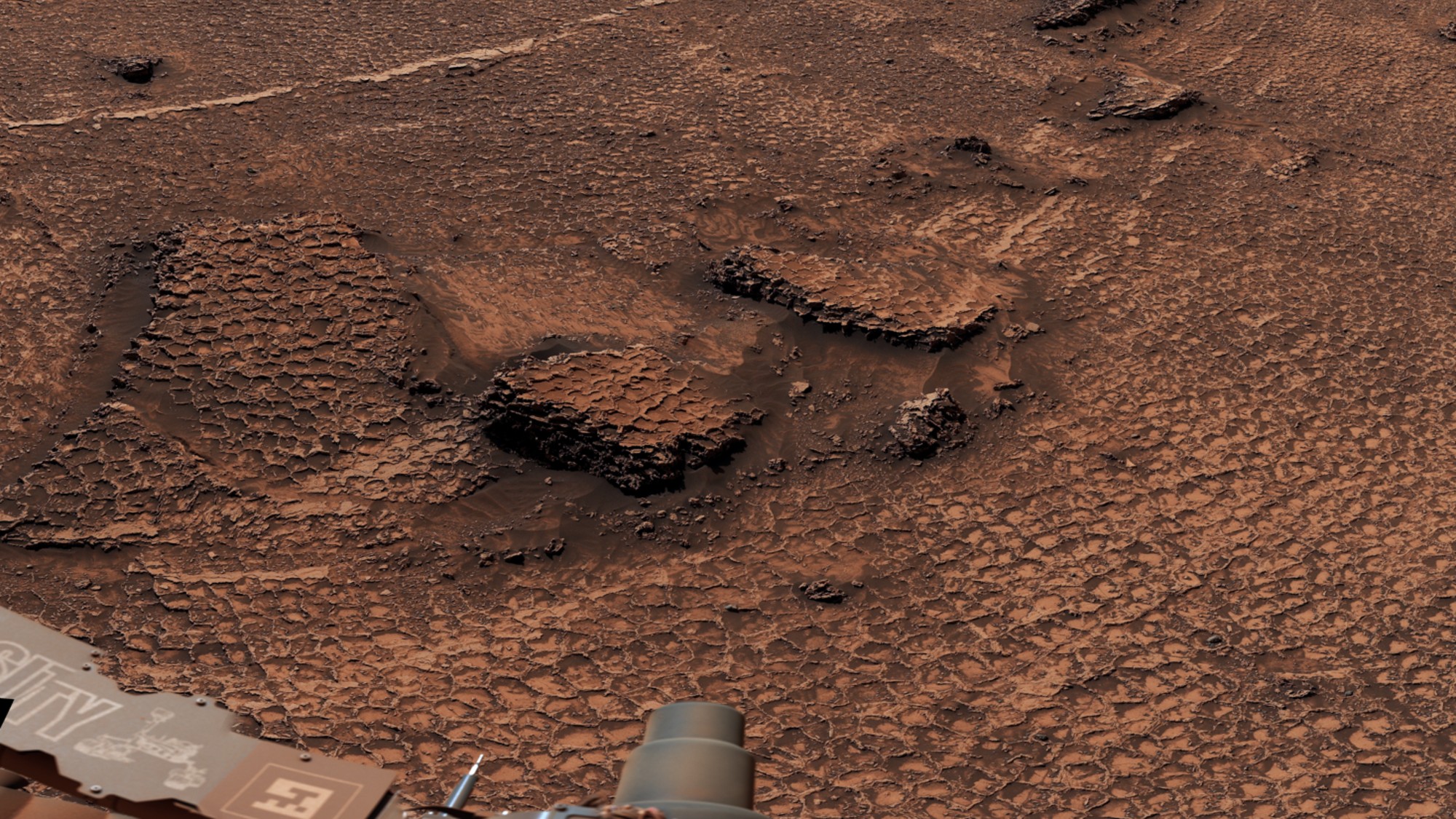
a reddish-brown landscape of soil and rocks covered in slightly raised hexagonal lines of nearly equal size

A close-up of the polygon fractures discovered by NASA's Curiosity Mars rover highlights their honeycomb-like textures. (Image credit: NASA/JPL-Caltech/MSSS)

NASA's Curiosity Mars rover spotted surprising shapes in the Red Planet soil while exploring a large valley.

What is it?

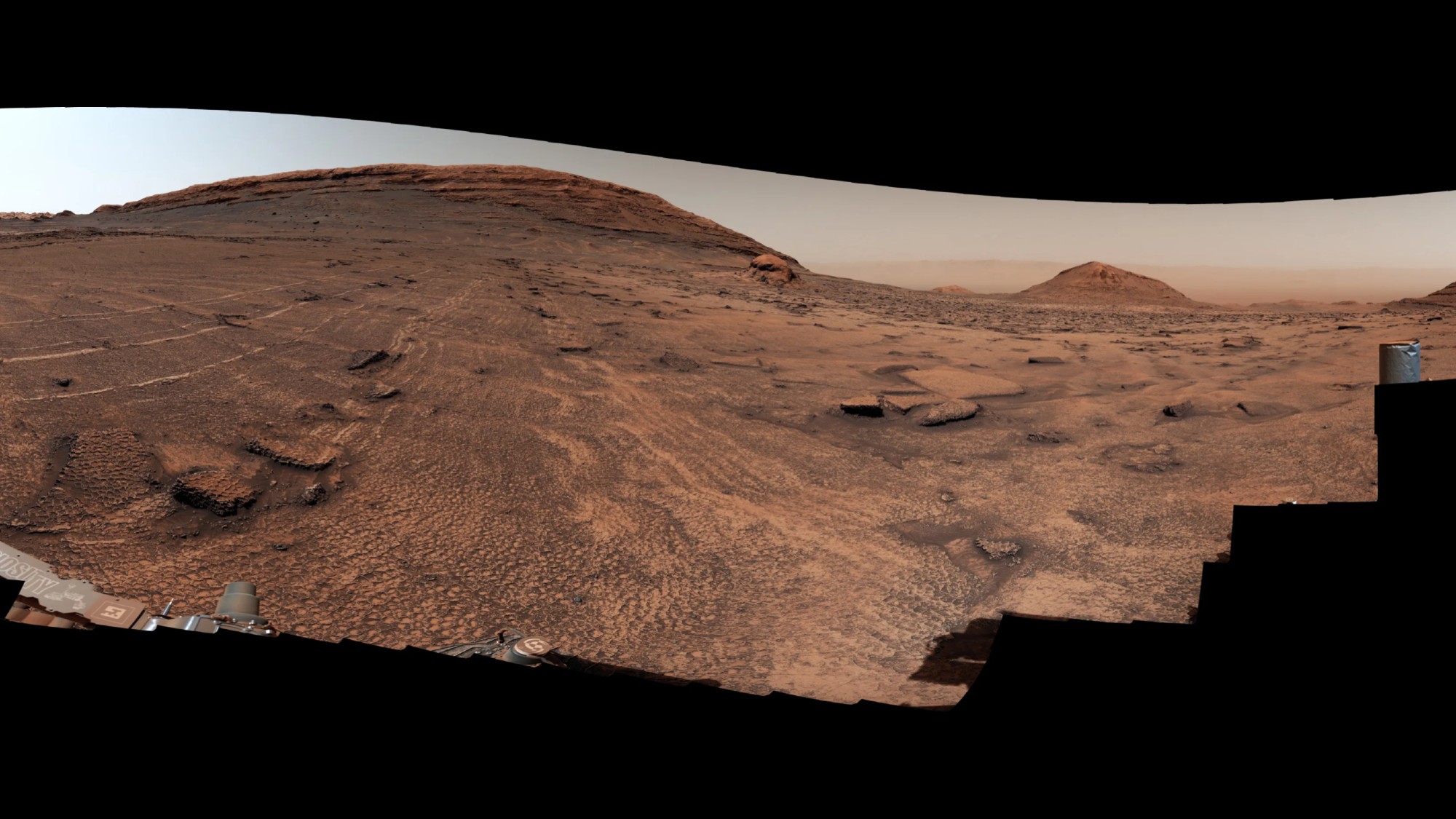
These images were captured on June 19 and 20, 2026, or the 4,930th and 4,931st Martian days of Curiosity's mission. They show honeycomb-like patterns referred to as "polygonal fractures" found in a valley on Mars known as Valle Grande. They measure about 1.5 to 3 inches (4 to 8 centimeters) across.

While Curiosity has seen other curious geometric patterns on Mars before, scientists were surprised by this most recent find.

"We've seen a lot of fascinating landscapes through Curiosity's eyes, but this sea of polygons took our breath away," project scientist Ashwin Vasavada of NASA's Jet Propulsion Laboratory said in a statement. "We measured their shapes and chemistry carefully and are hopeful there are clues in the data as to how these features formed."

a reddish-brown landscape of soil and rocks covered in slightly raised hexagonal lines of nearly equal size

A panorama taken by NASA's Curiosity Mars rover showing a large field of hexagonal shapes in the Martian soil. (Image credit: NASA/JPL-Caltech/MSSS)

Why is it incredible?

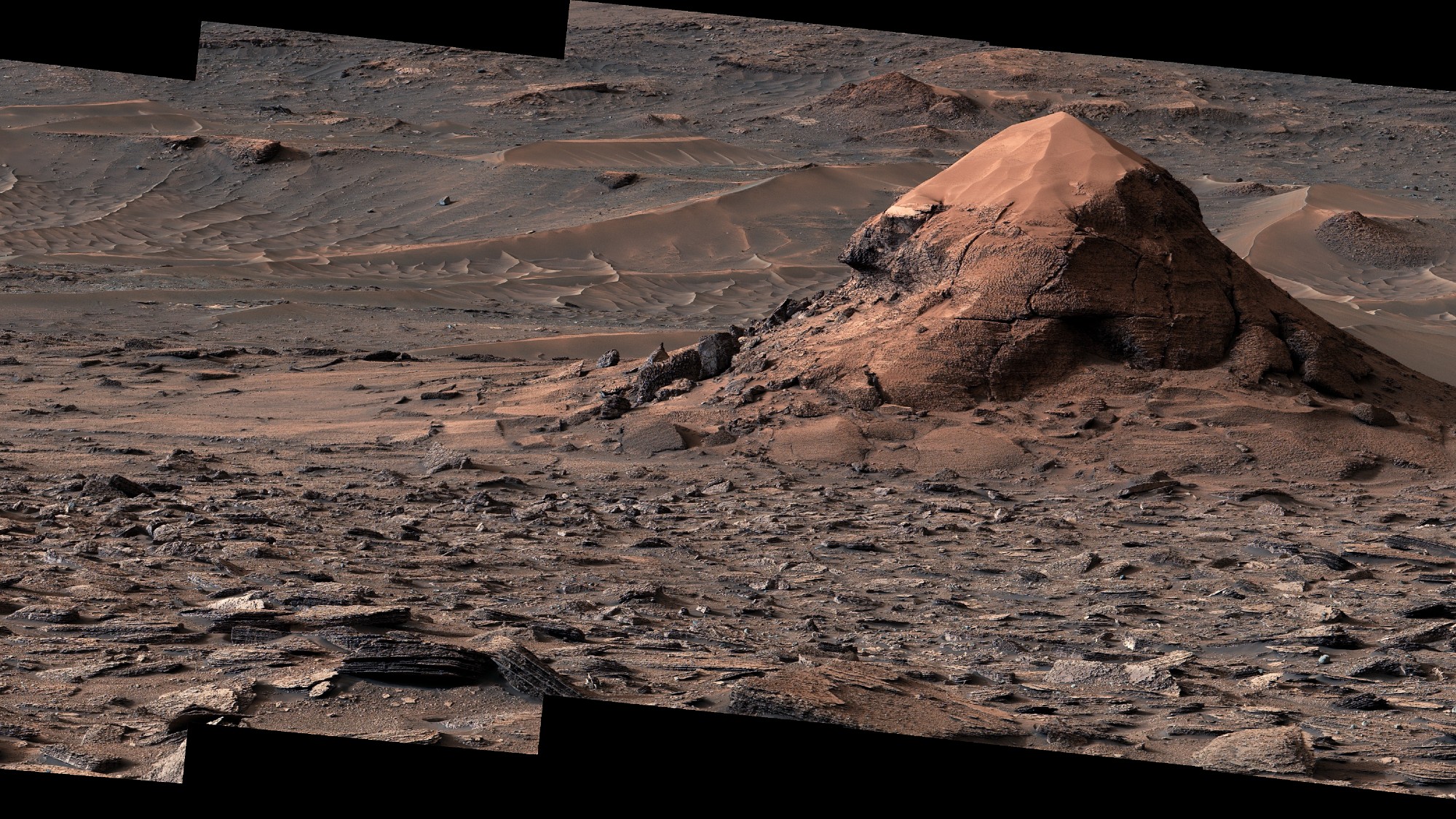
This field of polygons in Valle Grande extends as far as Curiosity's instruments could see, even around the base of a steep hill scientists named "Miraflores."

a reddish-brown landscape of soil and rocks covered in slightly raised hexagonal lines of nearly equal size

NASA's Curiosity Mars rover captured this sand-capped butte, nicknamed "Miraflores," estimated to be about 20 feet (6 meters) tall, on June 11, 2026. (Image credit: NASA/JPL-Caltech/MSSS)

While mission scientists have theories about how these structures form, it ultimately remains a mystery how they formed.

It's thought that changes in temperatures on Mars could have caused water to squeeze through sediment layers, but scientists will need to collect more data before they can reach a conclusive answer.

  •  
❌