❌

Reading view

Cancer Cells Exploit a Hidden Immune “Off Switch”

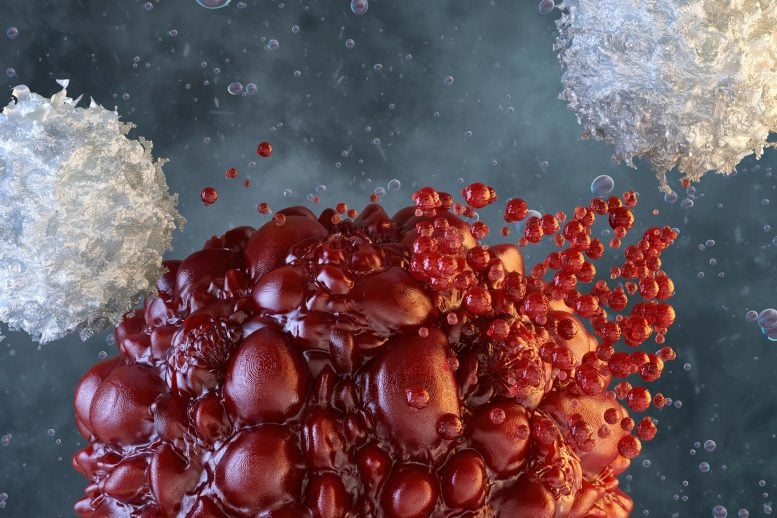
Cancer Cell Targeted NK Natural Killer Immune CellsA protein called TRAILshort may act as a central immune brake that limits T-cell responses and CAR-T therapy. Cancer cells can weaken the immune system by producing a protein that prevents its most important defenders from attacking. Mayo Clinic researchers have identified how this protein works, revealing a possible target for treatments designed to improve [...]
  •  

Rare Human Brain Study Reveals How an Alzheimer’s Drug May Protect the Brain

Senior Man Staring Alzheimer’s DementiaClearing amyloid plaques may break the chain reaction that fuels brain cell destruction in Alzheimer’s disease. One Alzheimer’s brain offered researchers something they almost never get to see: a natural side-by-side experiment. In some regions, years of anti-amyloid treatment had removed most of the sticky plaques associated with Alzheimer’s disease (AD). Those areas contained little [...]
  •  

This Simple Daily Habit May Ease Pain and Depression

Happy Smile Face Depression Breakthrough SuccessA steady daily routine may quietly protect the body from pain, depression, and the damaging effects of disrupted sleep. A University of Missouri study suggests that a predictable routine may support physical and emotional health by helping the body keep time. Rather than focusing only on sleep, the researchers examined the broader pattern of activities [...]
  •  

Just 10 Days After Giving Birth, She Had Heart Attack

A week and a half after giving birth to her second daughter, Amy Mazur-Hession began feeling back pain. At first, she attributed the pain to the epidural she received during labor. “As the day went on, my hands started to turn really white and I didn’t feel right,” she said. “I thought maybe I was […]

The post Just 10 Days After Giving Birth, She Had Heart Attack appeared first on Knowridge Science Report.

  •  

His Heart Stopped During A Workout At Age 39. Then It Happened Again 2 Years Later.

With 10 minutes left in his regular 6 a.m. fitness class, Kyle Hartley paused his rowing workout to grab a drink of water. He took a few gulps, sat down, then collapsed onto a classmate on a neighboring machine. He wasn’t breathing. His heart had stopped. Someone called 911. The class trainer, Juli Mosnes, and […]

The post His Heart Stopped During A Workout At Age 39. Then It Happened Again 2 Years Later. appeared first on Knowridge Science Report.

  •  

Scientists Discover a Hidden Cell Signal That May Explain Congenital Heart Defects

Illustration of Cellular Disease MechanismResearchers at the University of Copenhagen found that a signaling mechanism in the cells’ ‘antennae’ may help explain why some fetuses develop disease in both the heart and other organs. About two of every 100 babies worldwide are born with congenital heart disease, but the biological processes responsible for these conditions are not fully understood. [...]
  •  

A Major Dementia Study Finds Striking Differences After Age 90

Old Woman Alzheimer's Puzzle DementiaReaching 90 without dementia may feel like clearing the final hurdle. But the risk does not necessarily end there. Dementia risk does not disappear after age 90. Even among people who reach their 10th decade without cognitive symptoms, the likelihood of developing the condition can vary substantially by sex, race, ethnicity, and genetics, according to [...]
  •  

Scientists Say Eating Less Protein May Help You Live Longer

Happy Senior Couple Playing Outdoors NatureThe protein boom may be pushing many people to consume far more than their bodies need, and new research suggests that excess could come at a hidden cost. Protein has become one of the food industry’s favorite selling points. It is added to cereal, coffee, snack bars, desserts, and even water, often with the suggestion [...]
  •  

Short-Term Animal-Product Restriction Rapidly Alters Human Proteogenomic Profiles

A short-term decision to eat fewer or no animal products may begin reshaping the human body at the molecular level far sooner than many people expect, according to a new study published in Nature Communications. Research by A. Simistiras, O. Bocher, C. Emmanouil and colleagues examined how restricting animal-derived foods affects both gene activity and protein production in humans, revealing a complex biological response that unfolds beneath the visible changes on a plate.

The study focuses on proteogenomics, an approach that combines two powerful layers of biological information. Genomics and transcriptomics examine the instructions encoded in DNA and the messenger RNA molecules produced when genes are activated. Proteomics, by contrast, measures the proteins that cells actually manufacture. Because proteins perform most of the body’s day-to-day work—from transporting nutrients to controlling immune reactions—studying them alongside gene activity can provide a more direct picture of how physiology responds to dietary change.

Rather than treating diet as a distant influence on long-term health, the research highlights it as an immediate biological signal. When people reduce their intake of animal products, the body is exposed to a different mixture of amino acids, fats, vitamins, minerals and other bioactive compounds. The quantity and timing of these nutrients can alter metabolic pathways, cellular signaling and the activity of genes involved in maintaining tissues. The researchers’ proteogenomic analysis was designed to capture these interconnected effects during a relatively short dietary intervention.

The significance of the work lies in its ability to distinguish between what cells are instructed to do and what they ultimately do. A gene may become more active without producing a corresponding increase in its protein, while a protein may remain stable because of slower turnover or regulation after translation. By examining both molecular layers, the study offers a more refined view of diet-responsive biology than either gene-expression or protein measurements alone. This is particularly important for nutrition research, where modest changes in multiple pathways can combine to influence health.

The findings indicate that restricting animal products can produce measurable molecular shifts even over a limited period. These changes do not represent a simple biological switch from “animal-based” to “plant-based” physiology. Instead, they appear as a network of coordinated responses involving nutrient processing, energy metabolism and cellular regulation. Some proteins may respond directly to altered nutrient availability, while others may change indirectly as tissues adapt to new metabolic demands. The result is a biological signature of dietary transition rather than a single marker that explains every effect.

Such signatures could eventually help researchers understand why individuals respond differently to the same eating pattern. Two people can consume similar diets yet experience distinct changes in blood chemistry, metabolism or immune activity because of differences in genetics, gut microorganisms, age, lifestyle and baseline health. Proteogenomic profiles may help identify these sources of variation by showing which pathways are activated in each person. In the future, that information could support more individualized nutritional guidance instead of assuming that one dietary pattern produces the same outcome for everyone.

The study also underscores an important distinction between molecular response and clinical benefit. Detecting changes in proteins or gene activity does not automatically prove that a diet will prevent disease, improve performance or extend lifespan. Molecular alterations can be adaptive, neutral or potentially harmful depending on their intensity, duration and biological context. The research therefore provides evidence that the body responds rapidly to dietary restriction, while longer and larger studies will be needed to determine how these responses relate to cardiovascular health, metabolic disease, immune function and other outcomes.

The work arrives as plant-forward diets are drawing increasing interest for environmental, ethical and health reasons. Yet public discussions often reduce the science to competing claims about whether animal products are categorically beneficial or harmful. The proteogenomic perspective offers a more nuanced alternative. It suggests that dietary effects emerge through dozens, perhaps hundreds, of interacting pathways, and that the consequences of removing or reducing a food category depend on what replaces it. A diet rich in minimally processed legumes, grains, nuts, seeds, fruits and vegetables may produce a very different molecular response from one dominated by refined plant-based products.

For scientists, the study demonstrates the value of observing dietary change across multiple biological scales. For the public, its message is both striking and practical: the body does not wait years to notice what people eat. Even short-term restriction of animal products can be reflected in the molecular machinery of human cells. The findings do not settle the broader debate over the ideal diet, but they add a new layer of evidence showing that food choices are rapidly translated into biological signals—and that understanding those signals may be key to designing healthier, more personalized nutrition strategies.

Subject of Research: The proteogenomic effects of short-term restriction of animal products in humans.

Article Title: Diet-responsive proteogenomic effects following short-term restriction of animal products in humans.

Article References: Simistiras, A., Bocher, O., Emmanouil, C. et al. Diet-responsive proteogenomic effects following short-term restriction of animal products in humans. Nature Communications (2026). https://doi.org/10.1038/s41467-026-76379-6

Image Credits: AI Generated

DOI: 10.1038/s41467-026-76379-6

Keywords: proteogenomics, nutrition, animal-product restriction, plant-based diet, gene expression, protein response, human metabolism, dietary intervention, precision nutrition

  •  

Scientists Discover a Hidden Way T Cells Attack Leukemia

Leukemia Cancer Blood Malignant CellsT cells may use a previously unknown CD64-dependent pathway to attack acute myeloid leukemia. T cells are generally thought to identify cancer through a well-established molecular recognition system. Yet when researchers removed a key part of that system from acute myeloid leukemia (AML) cells, the immune cells continued killing them. The unexpected result led scientists [...]
  •  

A Vegan Diet May Begin Changing Gene Activity in Just 4 Weeks

Cutting Vegetables Vegan DietChanging what you eat may begin reshaping how your genes behave in as little as a few weeks, even though your DNA itself remains unchanged. In a randomized clinical trial, researchers found that healthy adults who followed a vegan diet for one month developed changes in chemical markers attached to their DNA. Compared with participants [...]
  •  

Belly Fat and Low Vitamin D May More Than Double the Risk of Early Death

Vitamin D Pills SunlightA study of more than 5,500 people suggests that monitoring hormone levels and managing weight may help reduce the risk of premature death. For adults over 50, excess abdominal fat and low vitamin D levels may form a particularly dangerous combination. A study of more than 5,500 people found that participants with both conditions had [...]
  •  

American dietary guidelines offer mixed results on chemical exposures during pregnancy


In a recent study published in The American Journal of Clinical Nutrition, researchers examined whether American dietary guidelines designed to promote optimal nutrition during pregnancy also helped minimize exposure to toxic chemicals.


In short:

  • Pregnant women who more closely followed the United States Dietary Guidelines for Americans (DGA) had lower exposure levels to some phthalates, bisphenols, and organophosphate esters (a class of chemical flame retardants and plasticizers).
  • However, closely following DGA recommendations was also associated with higher exposure to some insecticides, parabens, and benzophenones.
  • Overall, a diet that meets protein, whole grain, vegetable, and fruit needs - dietary patterns that are generally associated with a lower consumption of processed and packaged foods - may reduce exposure to many toxic chemicals.


Key quote:

“Although updated recommendations can help on the individual level, given the widespread exposure to many known reproductive and developmental toxicants, efforts should ultimately focus on reducing these contaminants throughout the food supply.”


Why this matters:

Exposure to toxic chemicals has been shown to result in pregnancy complications and harm to babies’ neurodevelopment, growth, and cognitive, metabolic and reproductive health, resulting in long-term and potentially severe outcomes. While studies such as this show that lifestyle choices like diet can influence chemical exposure, the increasing use of synthetic chemicals and plastic throughout the modern food system introduces opportunities for contamination from initial processing to preparation for a wide variety of foods. Research has shown that regulatory and policy interventions are more effective, more consistent, and have a more widespread impact than strategies that put the burden on individual consumers to protect themselves.


Related EHN coverage:


More resources:


Pacyga, D. et al. (2026). Dietary guidelines adherence and pregnancy exposure to 10 classes of priority chemicals: an observational study in the Environmental influences on Child Health Outcomes Cohort. The American Journal of Clinical Nutrition

  •  

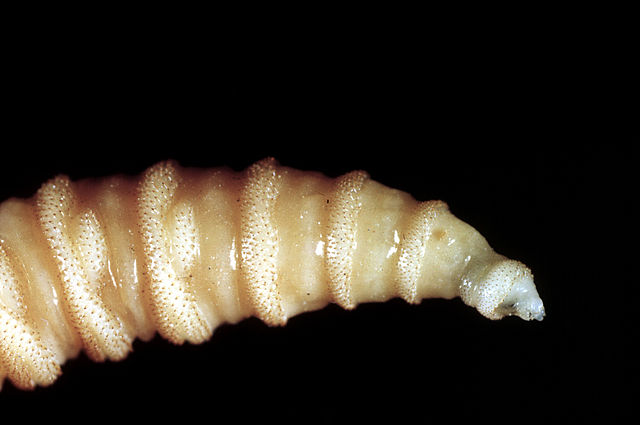
Flesh-eating screwworms feast on humans in Mexico; human cases top 500

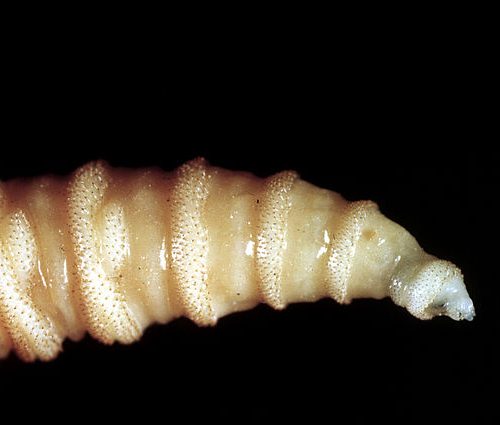
Since the flesh-eating screwworm fly reinvaded Mexico in 2024, human cases of the voracious parasite have been mounting. According to a July surveillance report from Mexico's Ministry of Health, there have been over 500 human cases in 2025 and 2026. A study this week in the journal Emerging Infectious Diseases analyzed the information on over 200 confirmed cases reported between April 2025 and March 2026 and found that the infestation pace is increasing.

Among the 200 confirmed cases in the study, six deaths were reported. At least one of the deaths was directly caused by the fly's maggots, researchers in Mexico reported in the study.

The New World screwworm (NWS) fly was once endemic in Mexico—as well as the US. The flies lay hundreds of eggs in the wounds, inflamed tissue, mucous membranes, and orifices of warm-blooded creatures. The resulting maggots hatch within a day and begin ravenously feasting on the living flesh of their victims. While the fly's maggots generate ghastly, life-threatening wounds in a variety of warm-blooded species, including humans, they're particularly devastating to livestock.

Read full article

Comments

© CSIRO

  •  
❌