Researchers at the University of Copenhagen found that a signaling mechanism in the cells’ ‘antennae’ may help explain why some fetuses develop disease in both the heart and other organs. About two of every 100 babies worldwide are born with congenital heart disease, but the biological processes responsible for these conditions are not fully understood. [...]
Changing what you eat may begin reshaping how your genes behave in as little as a few weeks, even though your DNA itself remains unchanged. In a randomized clinical trial, researchers found that healthy adults who followed a vegan diet for one month developed changes in chemical markers attached to their DNA. Compared with participants [...]
A study suggests that genetic factors may explain why LDL cholesterol rises sharply in some people who follow a low-carbohydrate, high-fat diet. Two people can follow the same low-carbohydrate diet and experience very different changes in cholesterol. One may see little difference, while the other develops a sharp increase in low-density lipoprotein (LDL) cholesterol. New [...]
Neanderthals vanished roughly 42,000 years ago, but a piece of their biology appears to be quietly at work in some people today, according to a new study led by scientists from the Max Planck Institute for Evolutionary Anthropology.
Researchers say breakthrough offers hope for new medicines but also raises urgent biosecurity questions
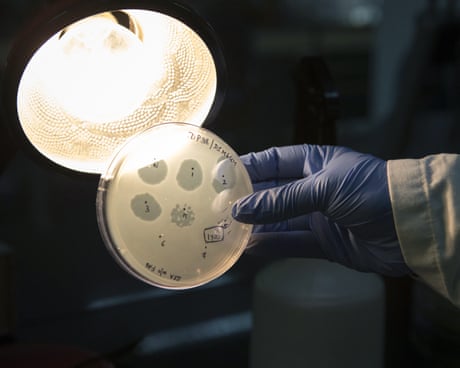
Scientists have made the first viruses designed by artificial intelligence in a milestone that raises hopes for new medicines but also concerns over how to ensure the technology remains safe.
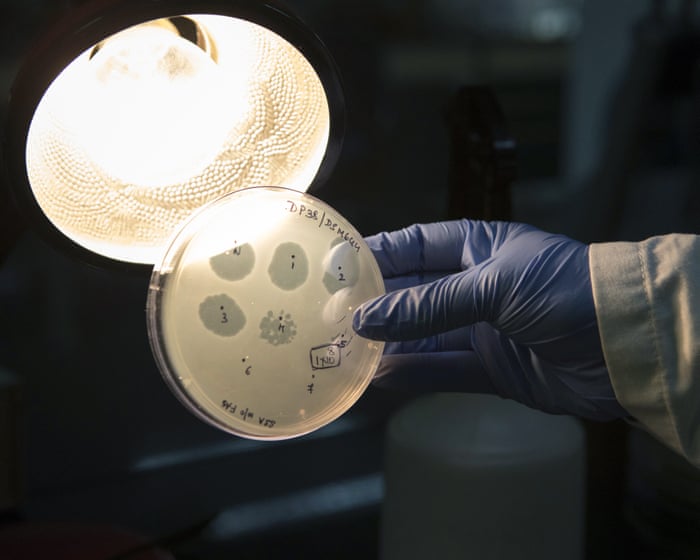
The viruses are specific kinds known as bacteriophages, which only infect bacteria and are used around the world to treat patients with persistent infections. In lab tests, a cocktail of the AI-designed viruses killed E coli bugs that were resistant to natural bacteriophages.

 Login

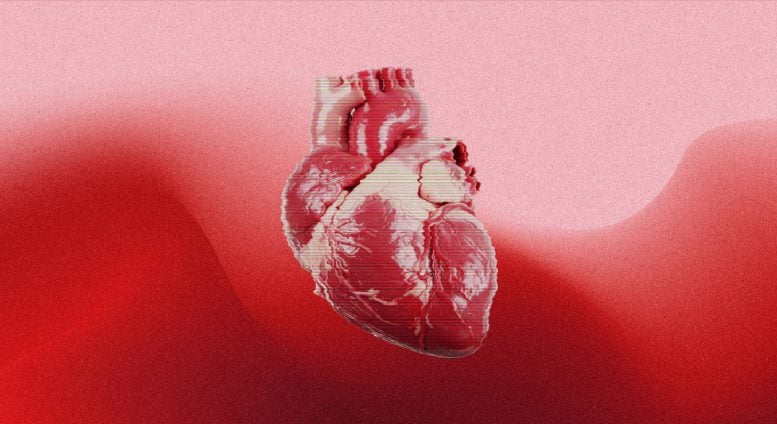 Researchers at the University of Copenhagen found that a signaling mechanism in the cells’ ‘antennae’ may help explain why some fetuses develop disease in both the heart and other organs. About two of every 100 babies worldwide are born with congenital heart disease, but the biological processes responsible for these conditions are not fully understood. [...]