 Login

Trump administration has spent nearly $4B to cancel offshore wind farms
The Trump administration has now convinced developers to abandon 12 offshore wind leases. The latest will cost taxpayers $1.2 billion.

A Trump administration framework on AI testing leaves a lack of transparency – and plenty of open questions
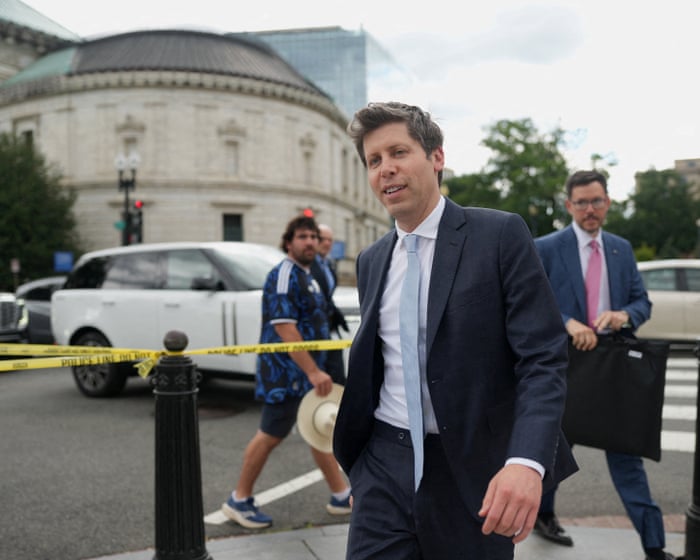
After months of talking with tech industry leaders, the Trump administration finalized a framework this week for how it will test new artificial intelligence models for safety and cybersecurity risks. So far, the White House is keeping details of the framework private, in a blow to transparency and potential boon for secretive AI companies.
On Tuesday, staff from OpenAI, Anthropic, Meta, Google, Nvidia and Microsoft attended a private meeting with White House officials to review the AI framework. Multiple outlets have since reported that although the volunteer vetting process for new AI models has been settled, the White House does not plan to release its policy publicly and will only share testing criteria with a select few tech companies.
Continue reading...
© Photograph: Nathan Howard/Reuters
© Photograph: Nathan Howard/Reuters
© Photograph: Nathan Howard/Reuters
Move to raise levy on goods made with polysilicon aims to protect domestic US supply chains from China, the major producer
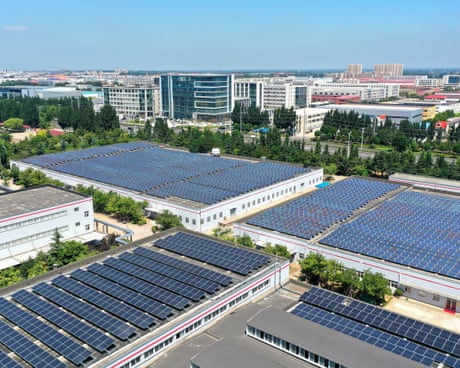
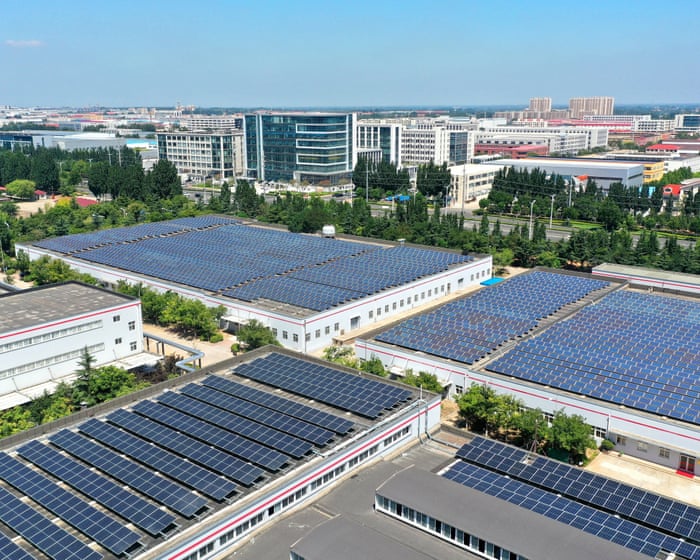
Donald Trump has ordered a new 15% tariff on imported products made of polysilicon, an important ingredient in microchip manufacturing that is primarily produced by China.
The new tariff, which will take effect on 4 December, is aimed at supporting US chip and solar panel supply chains to compete with Beijing on artificial intelligence and energy.
Continue reading...
© Photograph: AFP/Getty Images
© Photograph: AFP/Getty Images
© Photograph: AFP/Getty Images
Move to raise levy on goods made with polysilicon aims to protect domestic US supply chains from China, the major producer
Donald Trump has ordered a new 15% tariff on imported products made of polysilicon, an important ingredient in microchip manufacturing that is primarily produced by China.
The new tariff, which will take effect on 4 December, is aimed at supporting US chip and solar panel supply chains to compete with Beijing on artificial intelligence and energy.
Continue reading...
© Photograph: AFP/Getty Images
© Photograph: AFP/Getty Images
© Photograph: AFP/Getty Images
Agreement with RWE is fifth deal Trump team has made with energy companies, offering payouts to give up projects
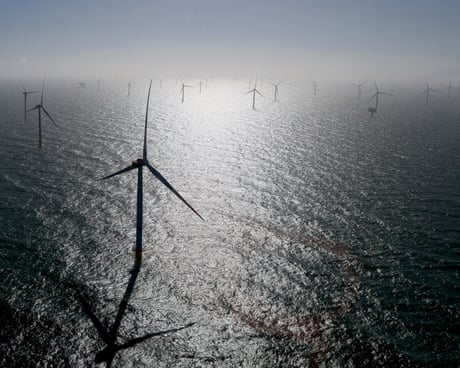
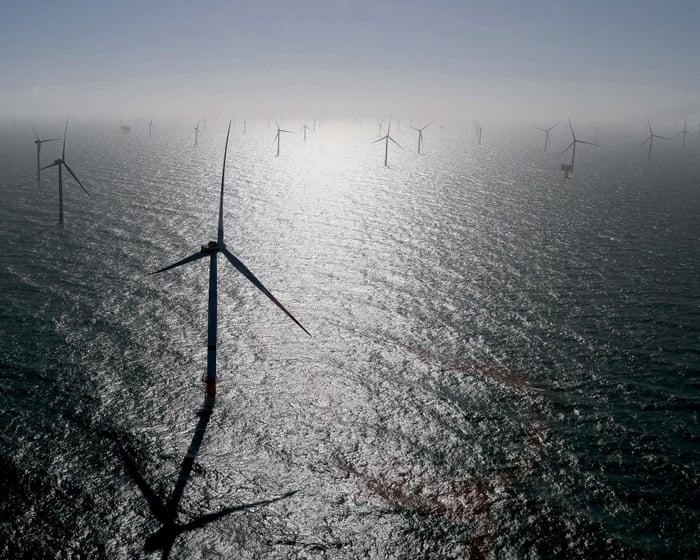
The German energy company RWE has reached a $1.22bn deal with the US government to relinquish its offshore wind leases and instead redirect funds towards fossil fuel investments.
The agreement marks the fifth deal the Donald Trump administration has struck with energy companies, offering payouts in exchange for abandoning renewable energy projects and redirecting investment towards fossil fuels.
Continue reading...
© Photograph: Reuters
© Photograph: Reuters
© Photograph: Reuters
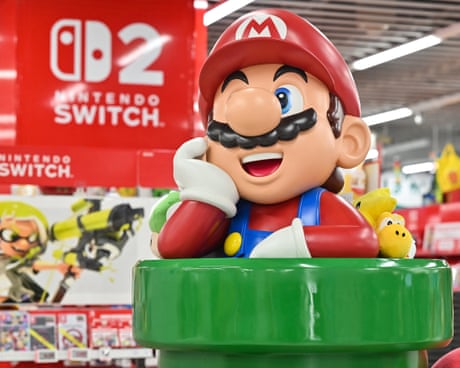
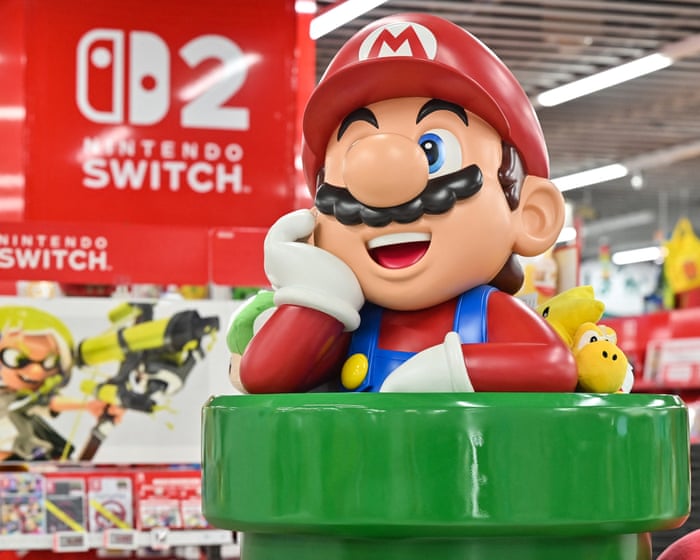
Profit jump fuelled largely by unknown US refund amount as Japanese video game firm records quarterly sales drop
Nintendo has reported a jump in profits, as the Japanese game maker’s earnings were buoyed up by a long-awaited refund on Donald Trump’s tariffs.
The company said profits surged 53.5% to ¥147.4bn (£694m) over the three months to June, substantially beating expert forecasts for ¥77.8bn.
Continue reading...
© Photograph: Richard A Brooks/AFP/Getty Images
© Photograph: Richard A Brooks/AFP/Getty Images
© Photograph: Richard A Brooks/AFP/Getty Images
