❌

Reading view

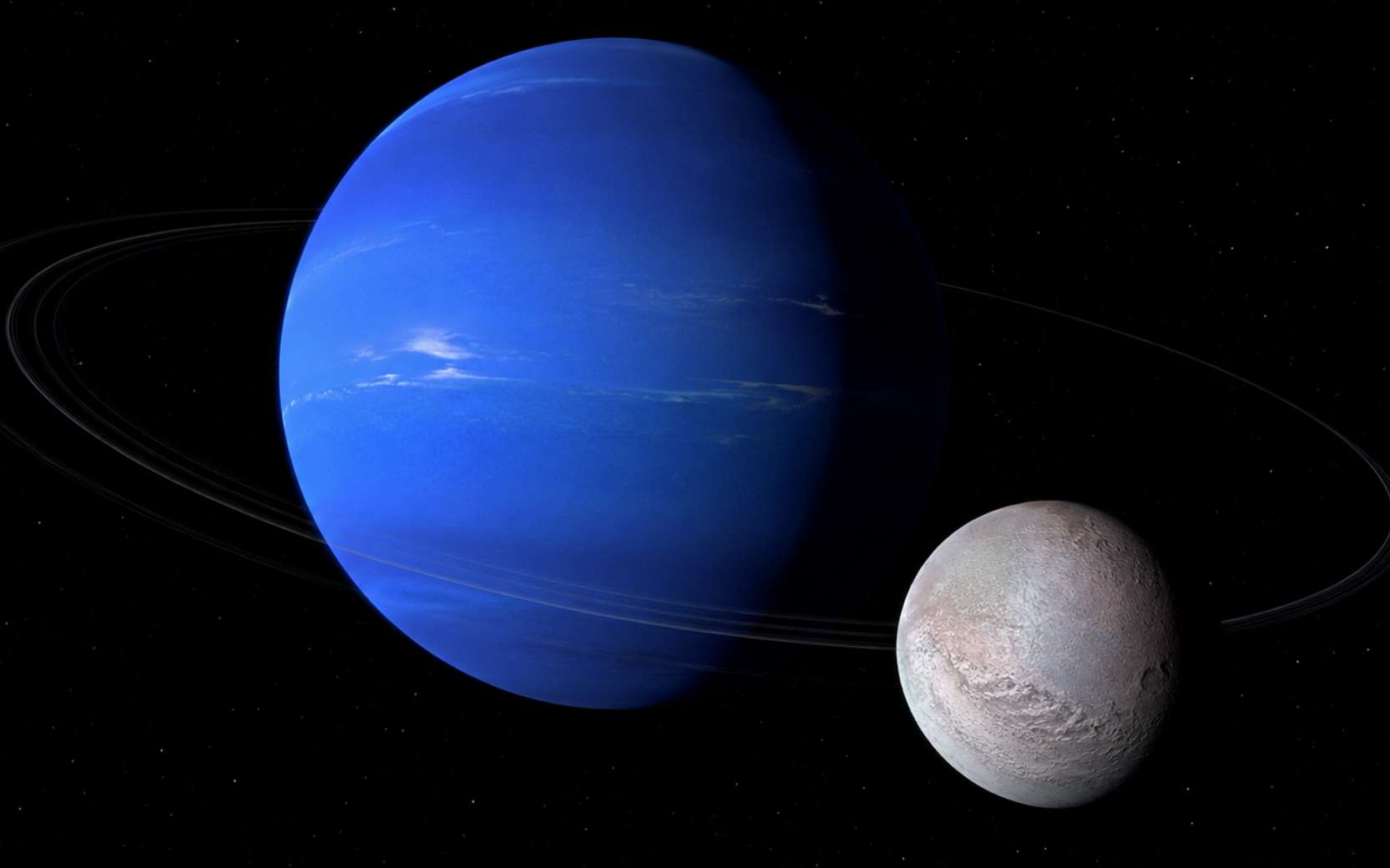
Des lunes de Neptune seraient nées de catastrophes cosmiques !

Certaines des caractéristiques du Système solaire, à commencer par l'origine de la Lune, s'expliquent par des événements et des scénarios violents. Que faut-il en penser dans le cas de certaines des lunes de Neptune depuis que le télescope James-Webb a pris le relais de Hubble ?

  •  

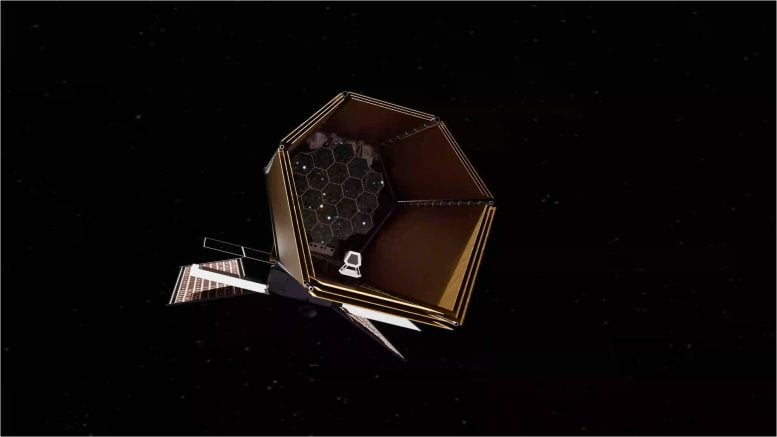
UK’s £3 Million Bet Could Help NASA Find Life on Nearby Planets

Conceptual Design of the Habitable Worlds ObservatoryA £3 million investment could help secure a leading UK role in NASA’s future search for life on nearby planets. An Earth-like planet orbiting a nearby star would appear as little more than a dim point beside a light source 10 billion times brighter. British astronomers are preparing technology that could help NASA separate that [...]
  •  

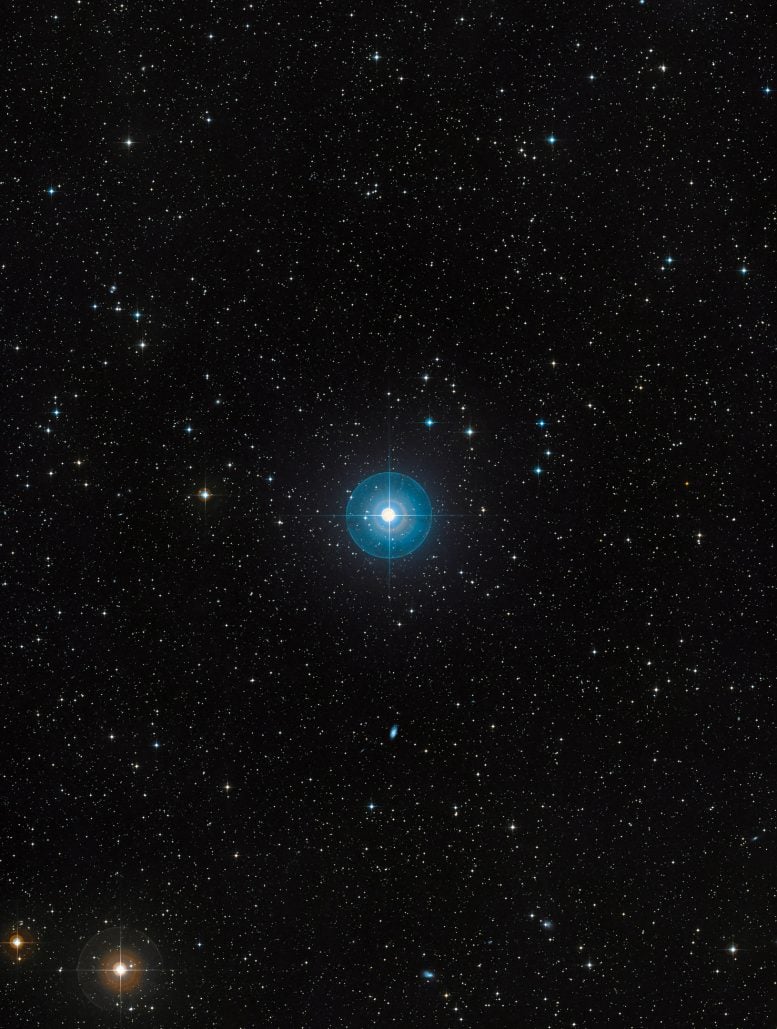
Giant Alien World Found Hiding in Plain Sight for 11 Years

Around Beta PictorisA giant planet spent more than a decade concealed inside one of astronomy’s most closely watched star systems. Astronomers have discovered a planet named Beta Pictoris d orbiting a young star just 63 light-years from Earth. The gas giant is about 100 times fainter than Beta Pictoris b, the first planet found in the system, [...]
  •  

NASA’s Roman Telescope to Carry 1.35 Million Names to Deep Space

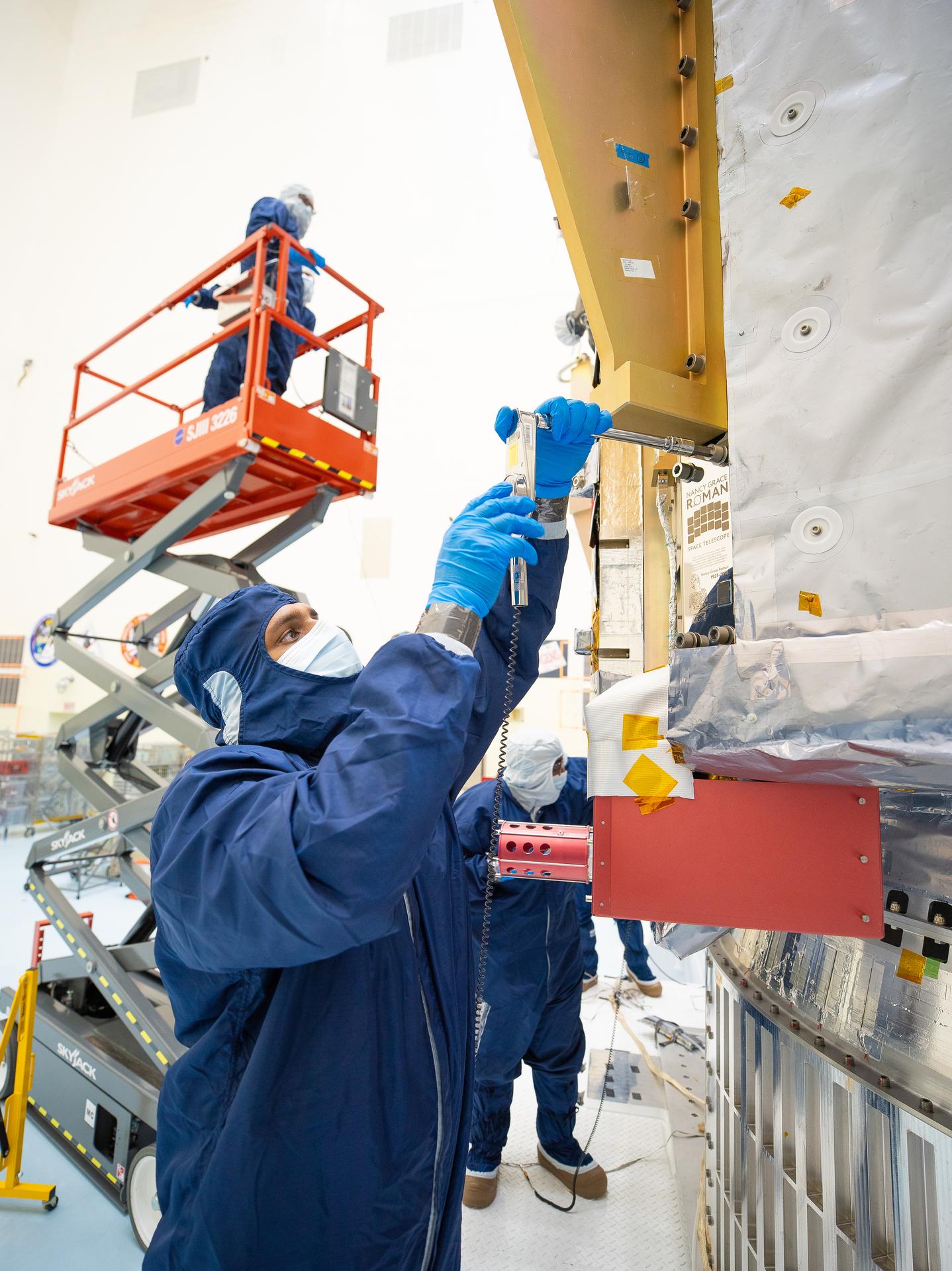
People in blue protective suits and a red cherry picker work in an industrial high bay.

On July 27, technicians at NASA’s Kennedy Space Center in Florida installed a memory card containing 1,350,144 names as part of a commemorative plaque on the Nancy Grace Roman Space Telescope. The names were submitted by people globally, including astronauts from Artemis II and Artemis III. The memory card will travel with the Roman observatory to the Sun-Earth Lagrange point 2, or L2, about one million miles from Earth, where the Sun’s and Earth’s gravity balance out.

Roman is named after Dr. Nancy Grace Roman, NASA’s first chief astronomer and one of the architects of the agency’s modern science program. Roman championed space-based observatories that could study the universe from above Earth’s hazy atmosphere while making their data broadly available to the scientific community.

NASA and SpaceX are targeting launch for no earlier than 7:26 a.m. EDT Sunday, Aug. 30 aboard a SpaceX Falcon Heavy from Launch Complex 39A at Kennedy.

To learn more about the Roman mission, visit:

https://www.nasa.gov/roman

Image credit: NASA/Jolearra Tshiteya

  •  
❌