❌

Reading view

Which DJI drone should I buy? Your simple guide to the different ranges and our top-rated flyers

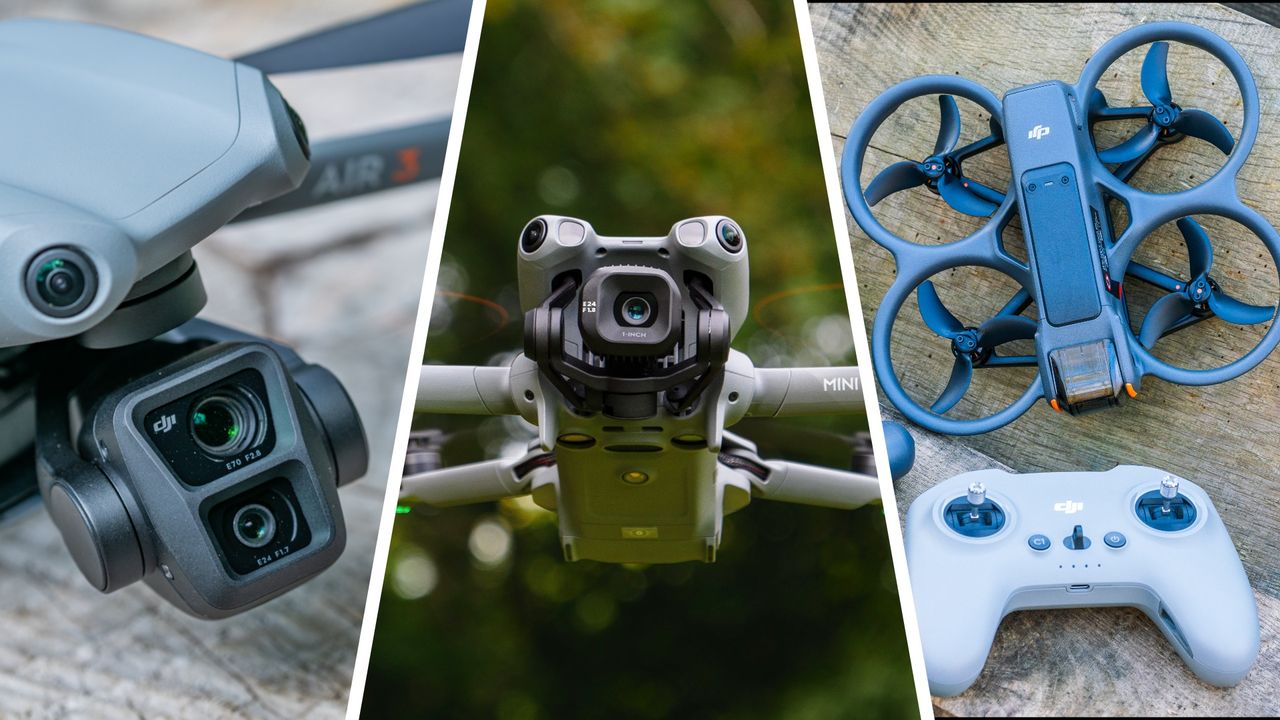
Fancy taking to the skies? DJI is the brand you're probably looking at — it's the name behind almost all the best drones around right now. If you're new to the world of drones, figuring out your options is tricky. This article is here to guide you through your options. I'll run through the main DJI ranges and who they're aimed at, and then once you've narrowed things down you can hop to the relevant section to read our reviews for each model. Let's get started...

Note: You'll only be able to see product cards for the models currently available to buy in your region. Due to FCC issues, not all DJI drones are available in the US. Hit the More details button to read our main takeaways for each model, and for a link to the full review.

DJI range guide

DJI Mini
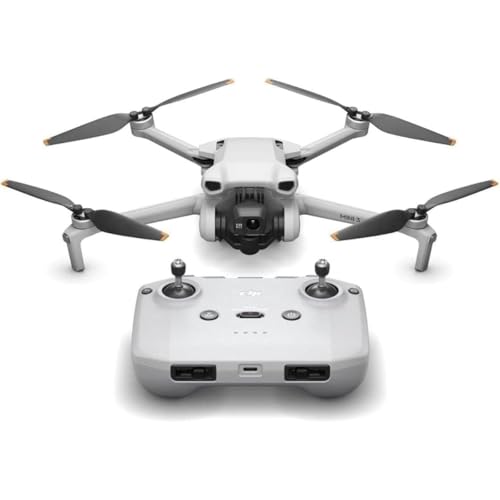
DJI's flagship compact drones, and the best-selling range for beginner pilots. These are all sub-250g models, which means they come with little-to-no flight restrictions, depending on where you fly.
• Check out the Mini lineup

DJI Air
A step up from the Mini series, aimed at enthusiasts. These drones fall into the next weight category up, which means they're sturdier and you'll be able to fly for longer, but you'll need your region's equivalent of a certificate of competency before you fly.
• Check out the DJI Air lineup

DJI Mavic
Top-tier consumer drones with industry-leading camera performance. These are another step up from the DJI Air range, and again you'll need a certificate of competency before you fly.
• Check out the DJI Mavic lineup

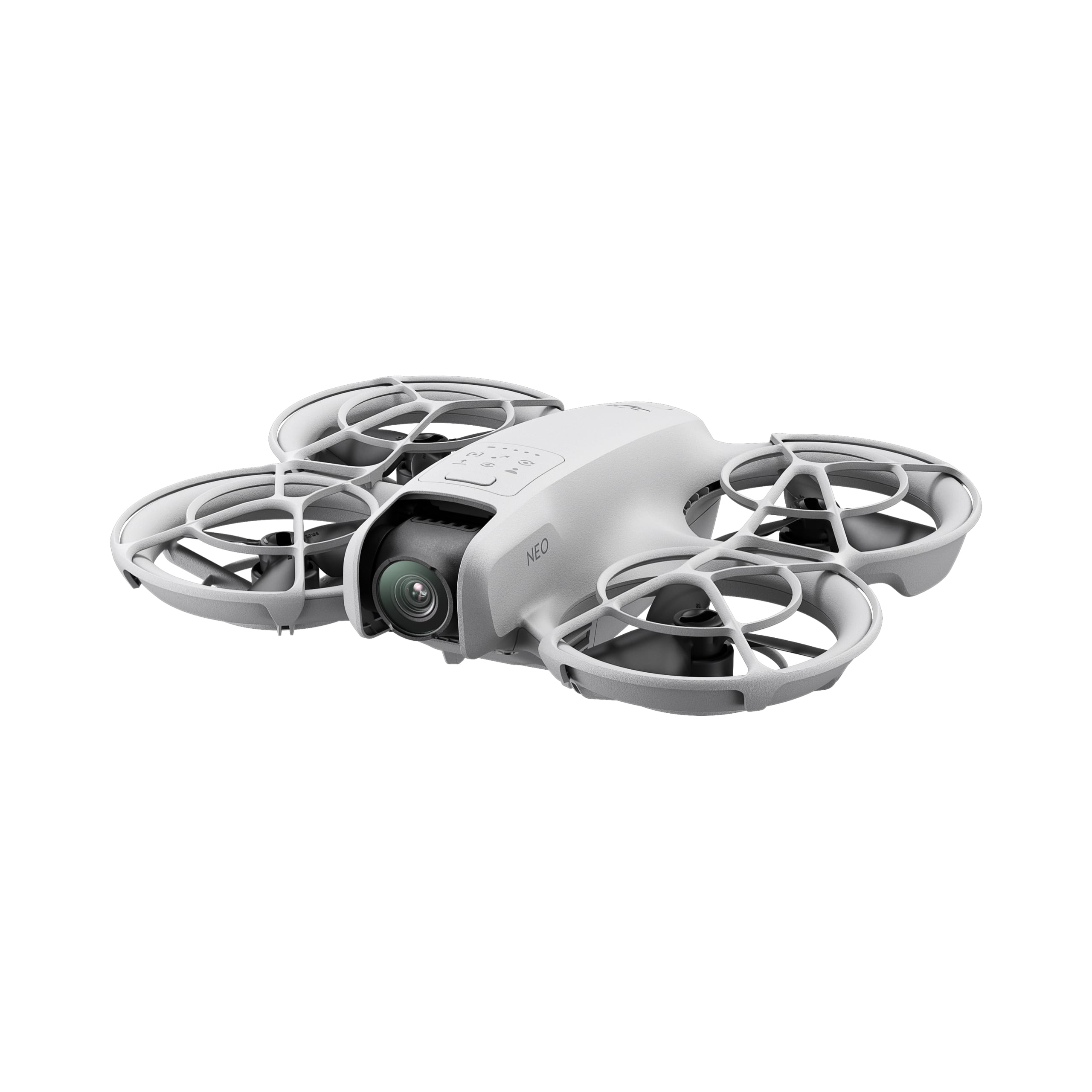
DJI Neo
The cheapest, smallest, lightest and simplest DJI drone. It comes with single-push take-off from your hand, designed for aerial selfies (this kind of drone is sometimes referred to as a selfie drone).
• Check out the DJI Neo lineup

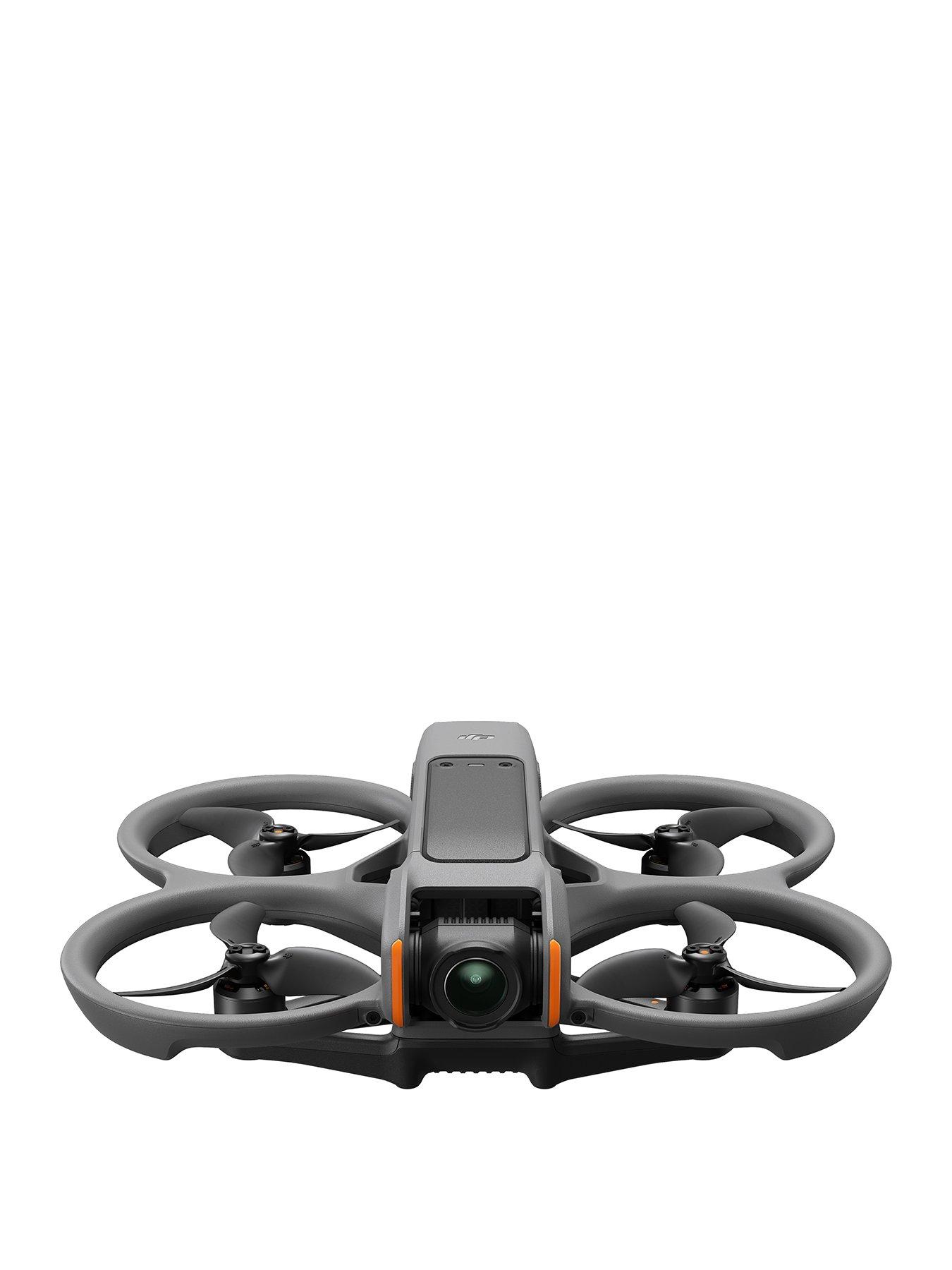
DJI Avata
FPV (first person view) drones, designed to be used with goggles for immersive high-speed and responsive flight — legally you need a 'spotter' with you when flying drones through goggles.
• Check out the DJI Avata lineup

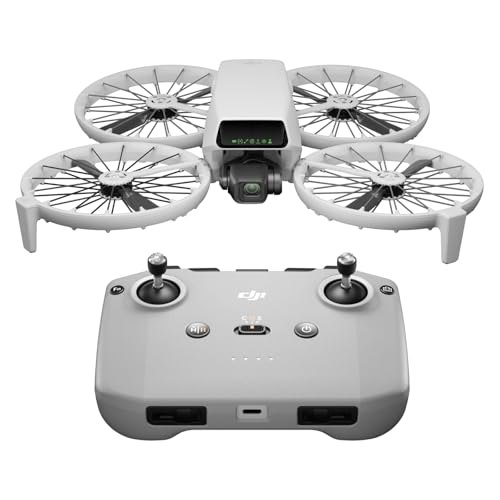
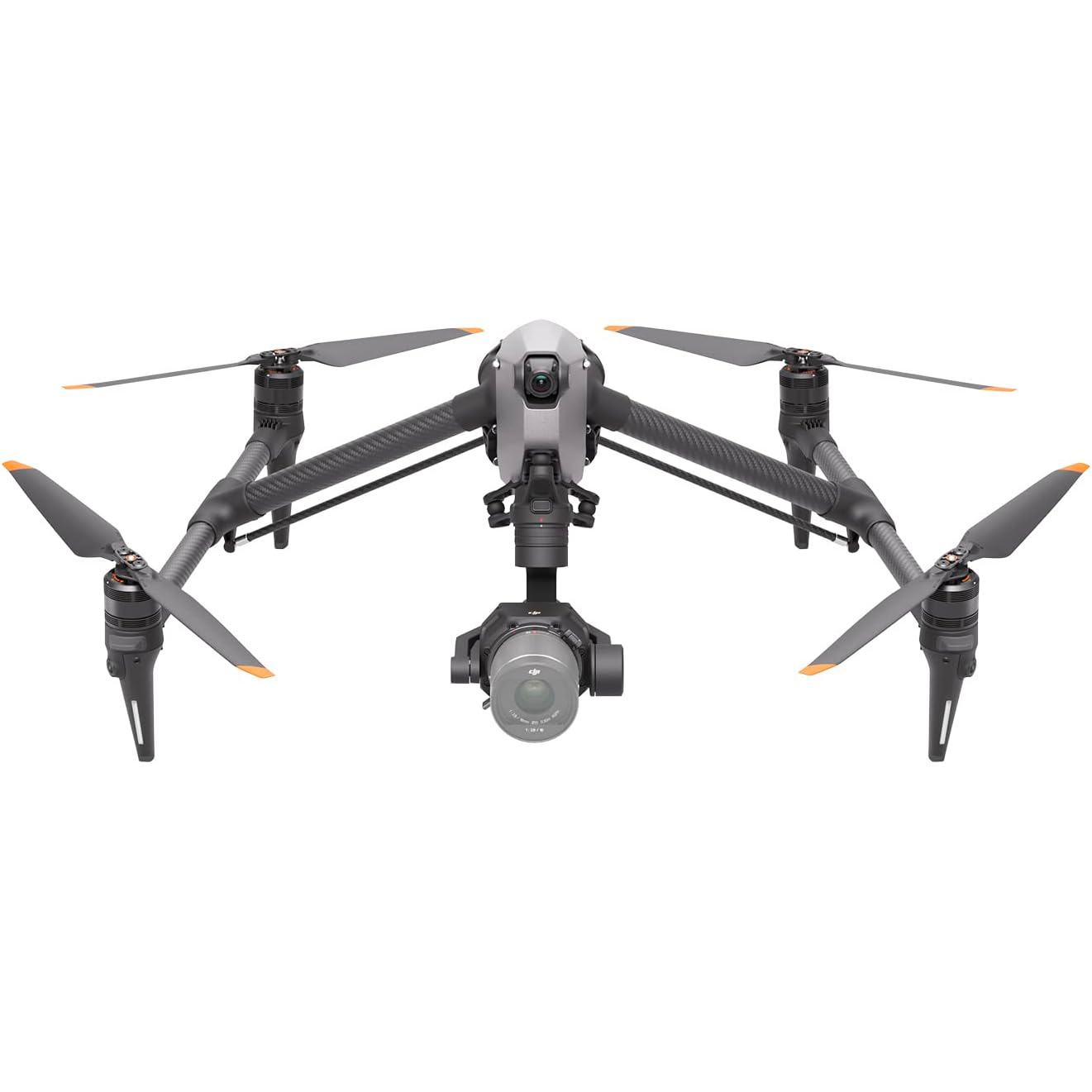
There are a few standalone options to be aware of. The Lito is a straightforward beginner drone at an extremely wallet-friendly price — it's a step down from the Mini range in both price and capabilities. The DJI Flip is another beginner drone with vlogger-friendly features. At the other end of the scale is the DJI Inspire range, aimed at professionals — the kind of thing that might be hired for productions.

DJI Mini drones
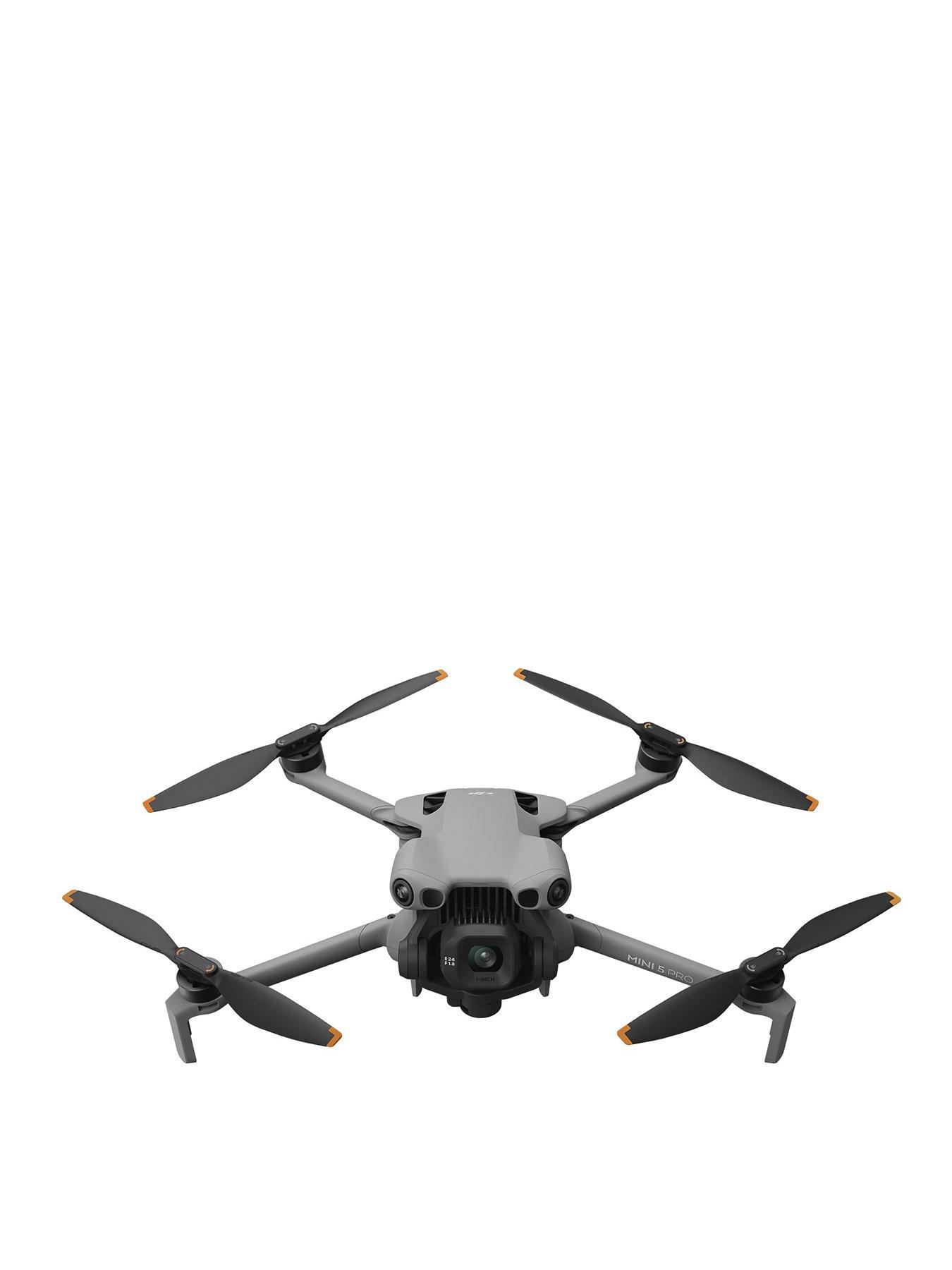
Mini 5 Pro Drone - One Colour

DJI
Mini 5 Pro

Pros

  • New 1-inch sensor with detail rich 4K HDR video
  • Versatile camera with a 225 degree roll rotation
  • Class-leading flight and safety features

Cons

  • Actual take-off weight could result in being the next class of drone, hit with restrictions
  • Flight times typically not as long as advertised
  • Pricier than entry-level models like the Mini 4K
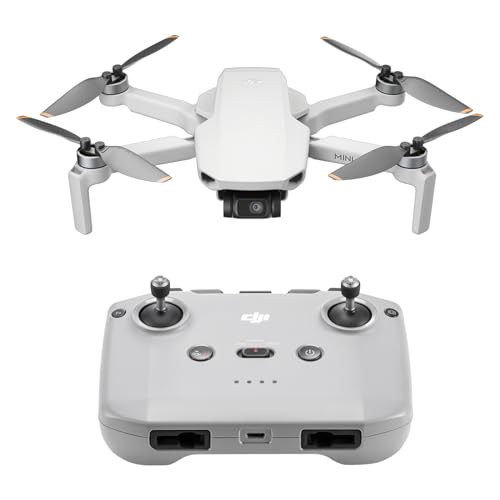
Dji Mini 4k, Drone With 4k Uhd Camera for Adults, Under 249 G, 3-Axis Gimbal Stabilization, 10km Video Transmission, Auto Return, Wind Resistance, 1 Battery for 31-Min Max Flight Time

DJI
Mini 4K

Pros

  • Excellent value
  • 4K video quality beats rivals
  • Probably your best first drone

Cons

  • No object-collision sensors
  • Lacks subject tracking found in pricier models like the Mini 4 Pro
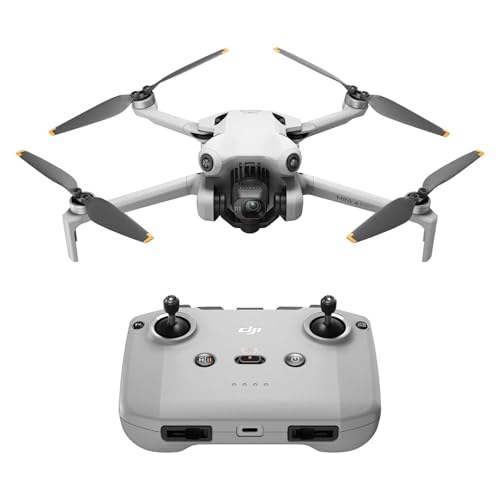
Dji Mini 4 Pro (dji Rc-N2), Folding Mini-Drone With 4k Hdr Video Camera for Adults, Under 0.549 Lbs/249 G, 34 Mins Flight Time, 20 Km Max Video Transmission Distance, Omnidirectional Vision Sensing

DJI
Mini 4 Pro

Pros

  • Improved video features
  • Omnidirectional Vision Sensing
  • Remains under 250g

Cons

  • Upgrades may not tempt Mini 3 Pro owners
  • Not suited to windy conditions
  • Fixed-aperture camera

Dji Mini 3 – Lightweight 3x Mechanical Gimbal Mini Camera Drone With 4k Hdr Video, 38-Min Flight Time, Up to 32800ft (10km) Video Transmission, True Vertical Shooting, Gps Auto Return Integrated

DJI
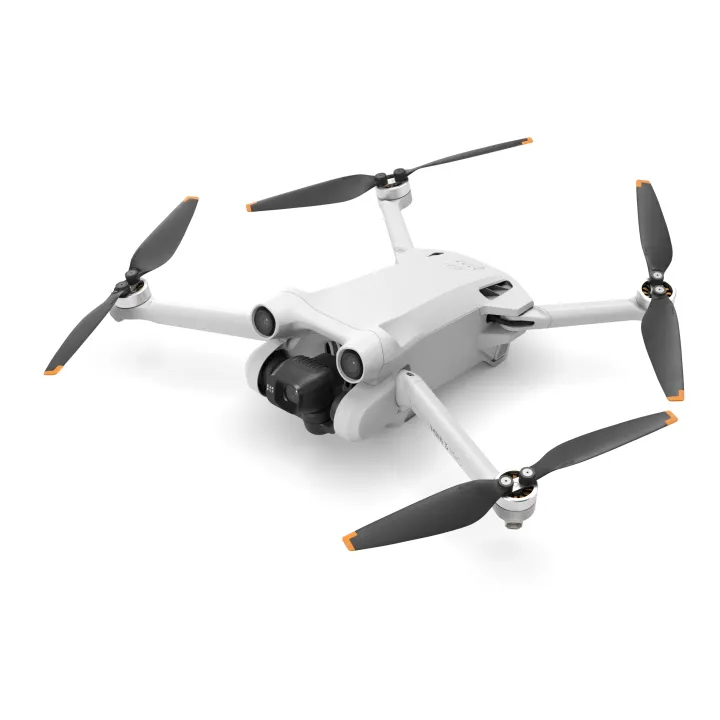
Mini 3

Pros

  • More affordable than the Mini 3 Pro
  • Great image quality
  • Small and lightweight

Cons

  • No collision avoidance
  • 4K video limited to 30fps
  • No subject tracking

DJI Mini 3 Pro drone

DJI
Mini 3 Pro

Pros

  • Impressive low-light performance
  • Useful obstacle avoidance
  • Handy automated flight modes

Cons

  • Pricier than previous Mini models

DJI Mini 2

DJI
Mini 2

Pros

  • Intuitive navigation
  • Compact, convenient drone
  • Great battery life

Cons

  • Pricier than predecessor
  • No new camera hardware
  • No follow mode

DJI Mavic drones

DJI Mavic 4 Pro

DJI
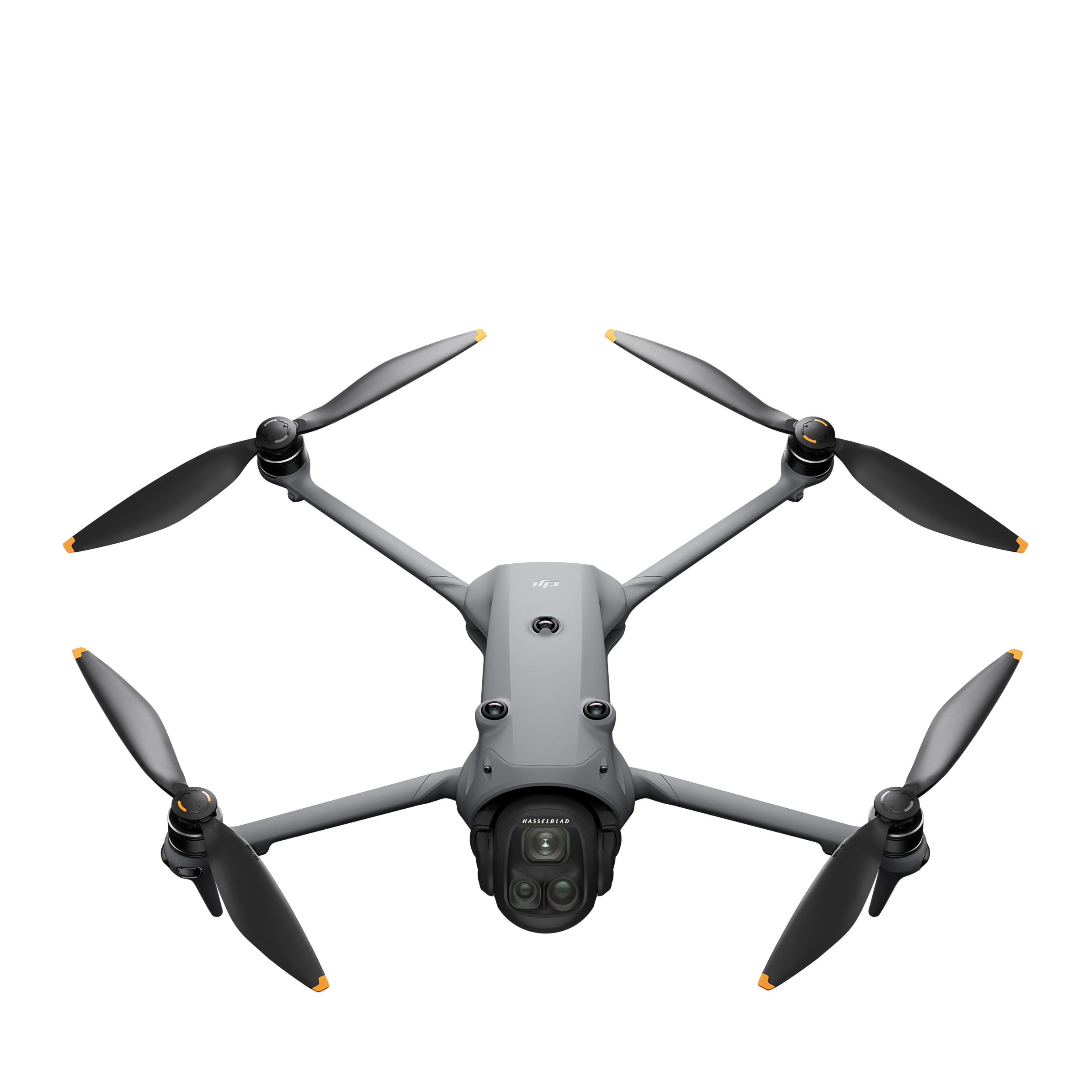
Mavic 4 Pro

Pros

  • Excellent price
  • Feature-packed
  • Impressive cameras

Cons

  • Weight just exceeds 2.2lbs / 1kg
  • More features than many people will need
  • Subject tracking is not as varied as the DJI Flip or Neo
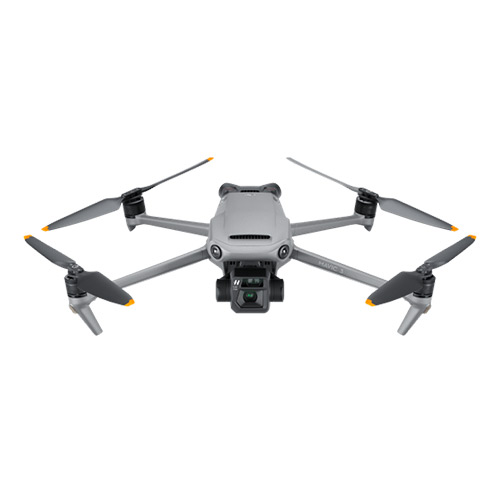
DJI Mavic 3 drone

DJI
Mavic 3

Pros

  • Four Thirds camera is excellent
  • Useful adjustable aperture
  • Improved safety features
  • Telephoto lens a handy backup

Cons

  • Pricier than Mavic 2 series
  • Basic controller lacks info screen
  • European classification issues

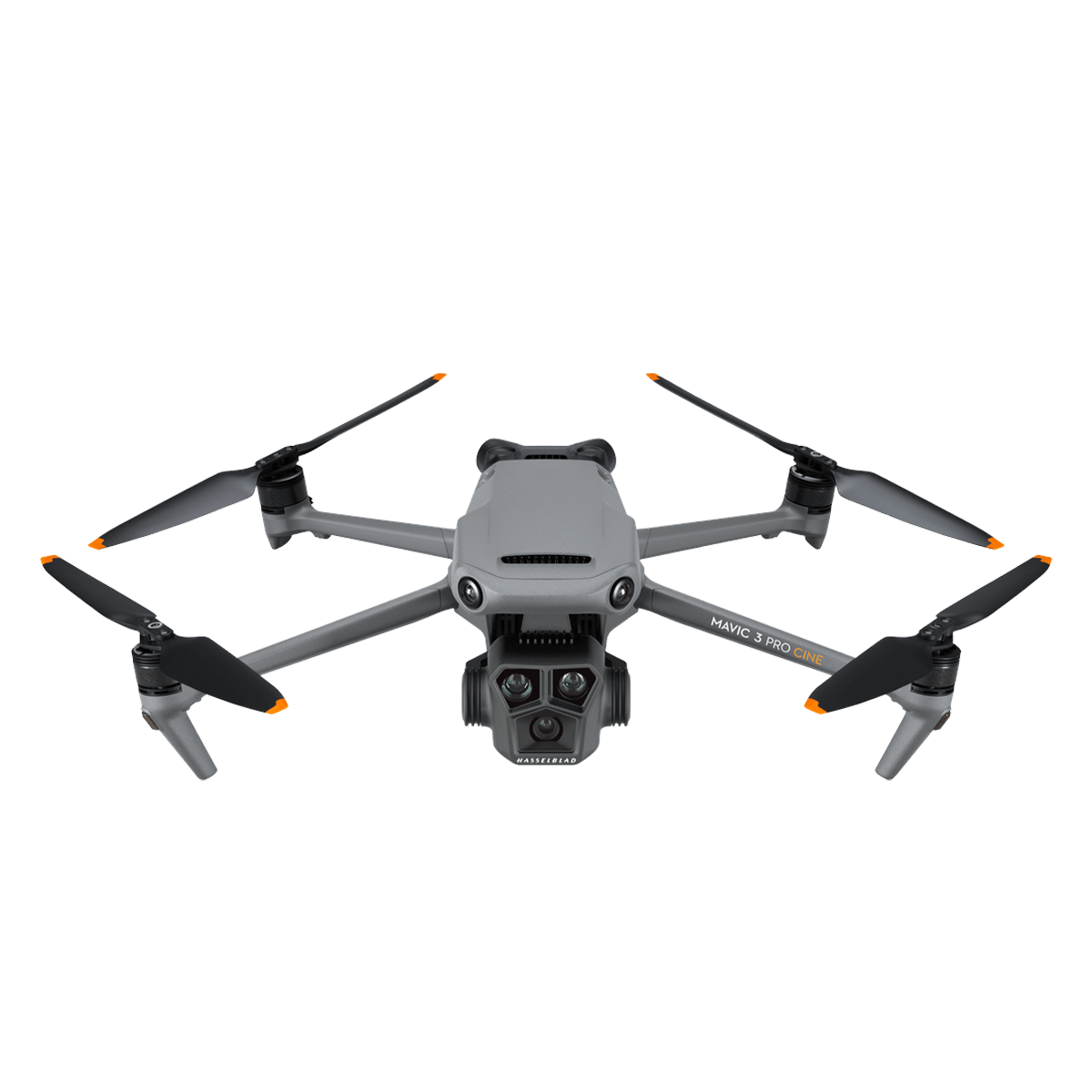
DJI Mavic 3 Pro

DJI
Mavic 3 Pro

Pros

  • Three useful cameras
  • Excellent image quality
  • Solid safety features

Cons

  • C2 European rating
  • Not everyone will need three cameras
  • Slightly reduced flight times

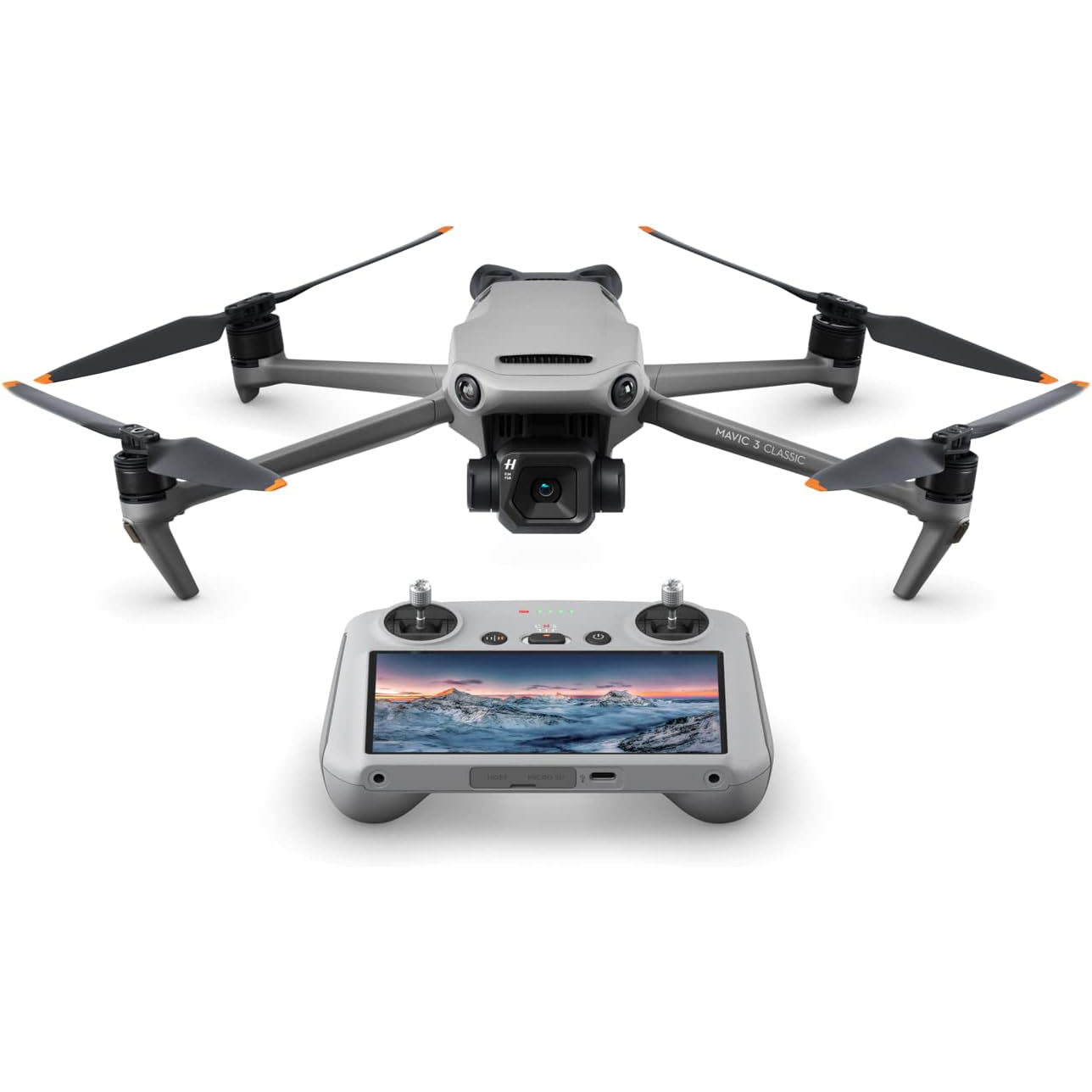
DJI Mavic 3 Classic with controller on white background

DJI
Mavic 3 Classic

Pros

  • Less expensive than other Mavic 3 models
  • Excellent image quality
  • Impressive safety features

Cons

  • Remains expensive despite lower cost
  • Battery life shorter than claimed
  • No Apple ProRes video capture

DJI Air drones
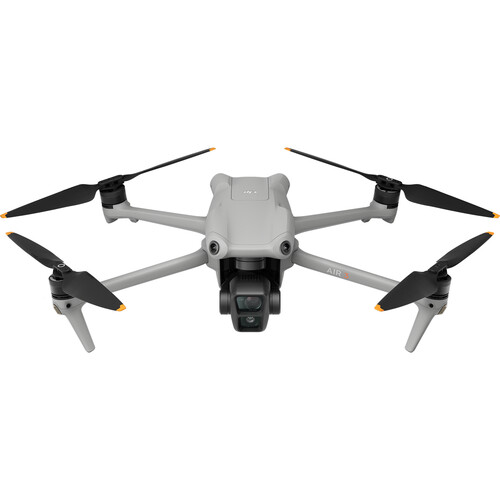
DJI Air 3 drone on white background

DJI
Air 3

Pros

  • Dual cameras
  • Excellent wind resistance
  • Generous 46-minute flight time
  • Already excellent safety features improved further

Cons

  • C1 European rating
  • Fixed aperture is bad news for ND filter users
  • Large protruding camera likely to suffer in case of accidents
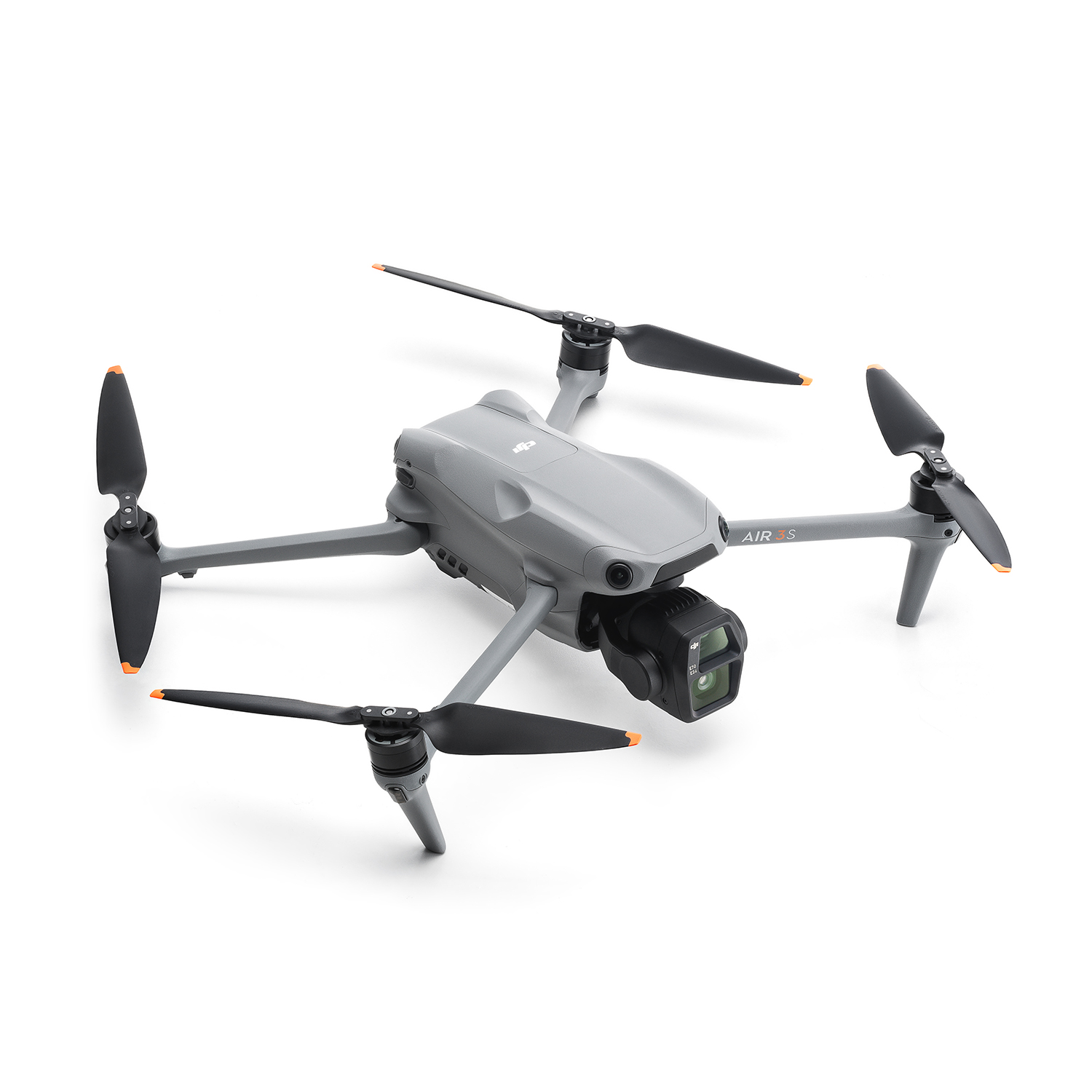
DJI Air 3S drone on a white background

DJI
Air 3S

Pros

  • Superb battery life
  • Easy and safe to fly
  • Great all-round camera performance

Cons

  • Weight-class restrictions apply
  • A minor upgrade on the original Air 3

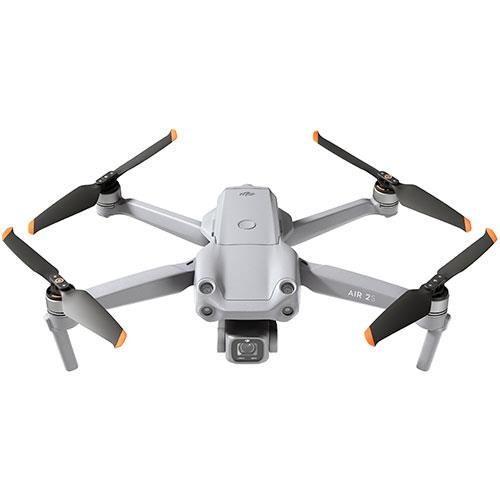
DJI Air 2S

DJI
Air 2S

Pros

  • 1-inch 20 MP sensor
  • Great image quality
  • Small and lightweight

Cons

  • Controller isn’t foldable
  • Image edges slightly soft
  • No adjustable aperture

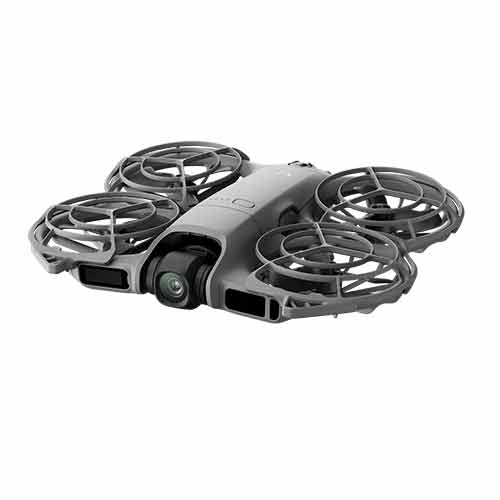
DJI Neo drones

Dji Neo 2 (drone Only)

DJI
Neo 2

Pros

  • Now has obstacle avoidance
  • Improved camera performance
  • More storage and faster transfer speed

Cons

  • Still only shoots JPEG photos
  • Limited battery life

DJI Neo on white background

DJI
Neo

Pros

  • Small and lightweight
  • Easy to use
  • Multiple flight control options

Cons

  • Only shoots photos in JPEG
  • 4K video fixed at 30fps
  • Expensive to add on goggles and FPV controller

DJI Avata drones
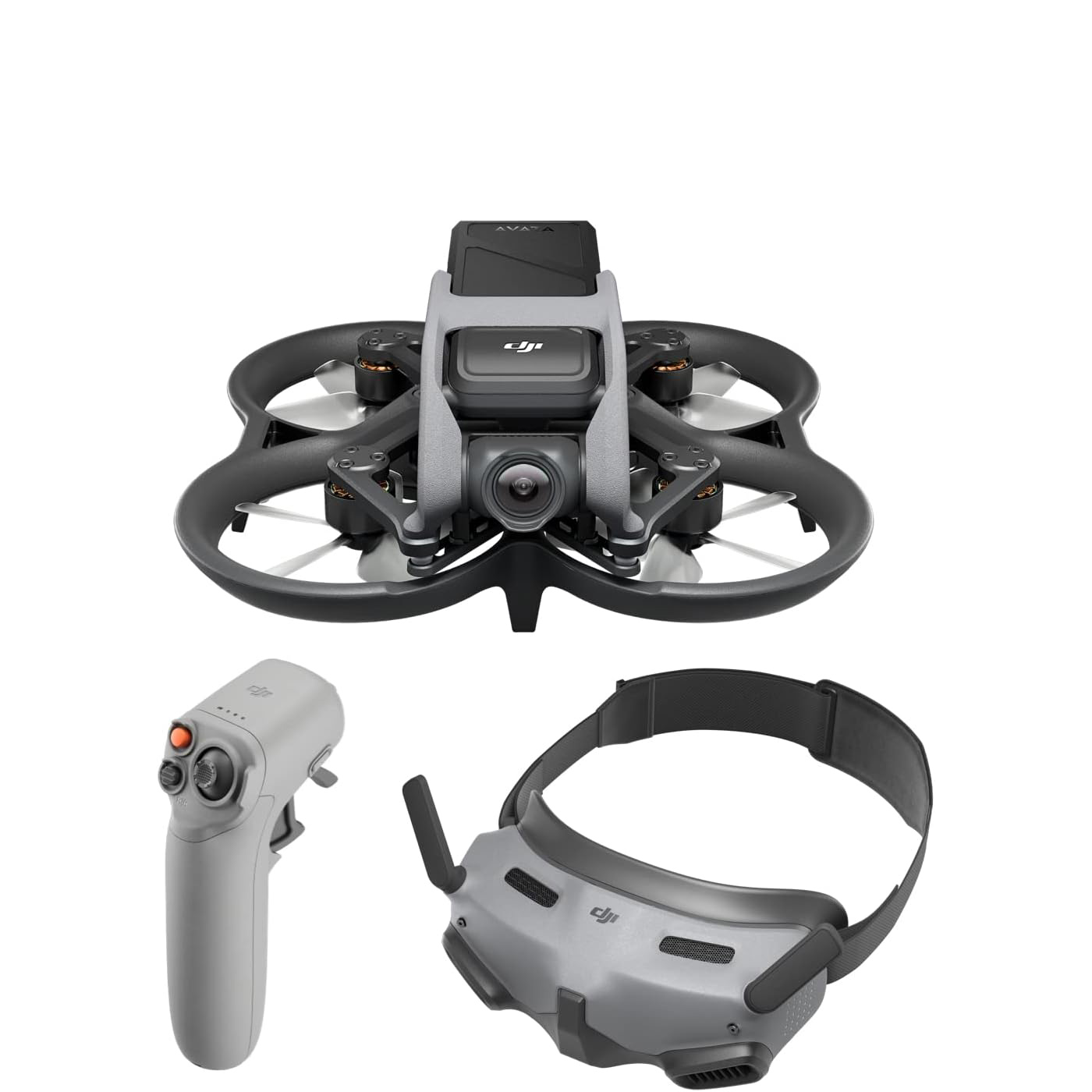
DJI Avata with controller and goggles on white background

DJI
Avata 360

Pros

  • Great 10-bit image quality from dual sensor setup
  • Choice of control methods
  • Agile, speedy and safe flyer
  • Good value for money

Cons

  • Other DJI drones beat it on image quality
  • Buying both FPV and standard controllers could push up the price
  • No manual FPV flight option

Avata 2 Drone - Black

DJI
Avata 2

Pros

  • Long flight time
  • Incredible image quality with improved dynamic range
  • Easy to fly out of the box, and packed with safety features

Cons

  • Unappealing to experienced FPV pilots outside of the DJI ecosystem
  • Poor ergonomics of the DJI Controller 3 show no improvement over the DJI Controller 2
  • Awkward handling in manual mode, probably down to inadequate tuning

Outliers
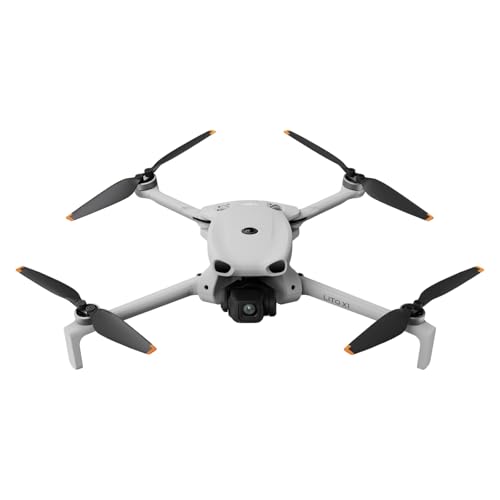
Dji Lito X1, 4k Camera Drone for Beginners, Updated Version of Mini 3

DJI
Lito X1

Pros

  • Great video quality for the price, especially with Lito X1
  • Omnidirectional obstacle avoidance included
  • Better battery life than the Neo 2 and Flip

Cons

  • Camera doesn't rotate for 9:16 content
  • Soft digital zoom
  • No built-in storage on Lito 1 model

Dji Flip, Drone With 4k Uhd Camera for Adults, Under 249 G, 3-Axis Gimbal Stabilization, 13km Video Transmission, Palm Takeoff, Auto Return, 1 Battery for 31-Min Flight Time, Intelligent Flight

DJI
Flip

Pros

  • Multi-use functionality
  • Several flight-control options
  • Sub-250g folding design

Cons

  • Image quality is good but not great
  • Not as agile as the Mini 4 Pro
  • Not great in wind

DJI Inspire 3

DJI
Inspire 3

Pros

  • Excellent image quality
  • Smooth and precise flight
  • Interchangeable lenses

Cons

  • Expensive
  • Large and heavy
  • More complicated than consumer models
DJI
FPV

Pros

  • A huge amount of fun to fly
  • Easy to fly for an FPV drone
  • Goggles offer great image quality
  • Solid transmission

Cons

  • Front props visible in footage
  • Stills photography severely limited
  • 'Spotter' needed when flying outdoors

  •  

Faculdade de Ciências da Universidade do Porto aposta em simulação, robótica e drones para ensinar a agricultura do futuro

O Polo de Vairão da FCUP recebeu um conjunto de equipamentos tecnológicos de última geração, financiados pelo PRR, que incluem a primeira sala de simulação agrícola, pioneira em Portugal, e protótipos de robótica terrestre e aérea.

The post Faculdade de Ciências da Universidade do Porto aposta em simulação, robótica e drones para ensinar a agricultura do futuro appeared first on Tek Notícias.

  •  

Optical Illusion at Work: New Drone Can Appear Invisible While Flying

Researchers have developed a drone that becomes nearly invisible by spinning at 25 revolutions per second. Rather than relying on traditional camouflage, it exploits motion blur to make itself significantly harder to detect in plain sight. Conventional drones are generally easy to spot due to their rapidly spinning propellers and relatively bulky airframes. Engineers at Northwestern […]

The post Optical Illusion at Work: New Drone Can Appear Invisible While Flying appeared first on AERONAUT.media.

  •  

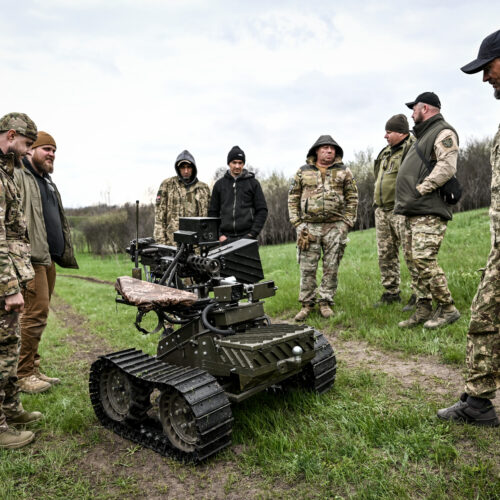
Ukrainian drones deliver robots directly into battle by sea and air

In the latest twist on battlefield innovations, Ukraine has used both flying drone carriers and drone boats to send ground robots armed with weapons or explosives into battle.

The drone-assisted deployments have enabled slower wheeled robots to bypass tough terrain and Russian defenses, and to carry out an unusual robotic amphibious assault on a contested position. Such tactics also showcase the Ukrainian military’s ongoing experimentation with using drones and robots to offset a Russian military advantage in manpower while also sparing Ukrainian soldiers from making dangerous assaults.

On July 19, a Russian military Telegram channel posted a video showing a Ukrainian hexacopter drone carrying a ground robot suspended below by a cable, according to the Ukrainian government-run news platform United24. The Russian Telegram channel described the Ukrainian heavy bomber drone as deploying a four-wheeled ARK-1 robot armed with explosive anti-tank mines on the ground where it continued toward Russian military positions—and apparently generated plenty of outraged comments from pro-Kremlin social media users.

Read full article

Comments

© Dmytro Smolienko/ Ukrinform/Future Publishing via Getty Images

  •  

We’re Admittedly Terrified That They’ve Now Invented Invisible Drones

We can think of no possible way that a newly invented invisible drone can be used nefariously.

Rather than relying on camouflage, the flying gizmo created by researchers at Northwestern University exploits the motion blur effect in our fallible human vision to almost disappear by spinning at an absurd 25 times per second.

This is too quick for us and many animals to see clearly, becoming a gossamer smear that blends into the background, like the way the blades of a helicopter do, only more extreme. 

One day, this type of design could be used for completely peaceful pursuits, the researchers say — like observing wildlife, of course.

“Most efforts to hide drones focus on making them look like their surroundings,” Michael Rubenstein, an associate professor of computer science and mechanical engineering at Northwestern who led the research, said in a statement about the work.

“Instead, we asked whether we could design the drone itself around the way humans perceive motion,” he added. “This idea of low visibility through persistent motion is something few people have explored.”

To create the drone, dubbed “Phantom Twist,” the team used a computational model to churn out around 20,000 different drone designs, then used AI and optimization algorithms to repeatedly rearrange how its major parts, like their motor and propeller, were configured. 

Then they took the best configurations and used a model that simulates human perception to quantify how visible each design appeared. The least visible designs were chosen to be further rearranged with the optimization algorithm, until landing on the blurriest candidate of them all. 

“The design process was fully automated,” Rubenstein said. “Then, when we were confident that a drone met all our criteria, we built it.”

Their research, detailed in a paper awaiting peer review, was presented at the Robotics: Science and Systems 2026 conference in Sydney this month.

It’s not the first spinning drone, but it is the first that’s been optimized to be effectively invisible to the human eye. Its major components are carefully spaced enough from each other to never become a distinct shape when viewed from any angle while spinning — all while being capable of stable flight.

According to the researcher’s visibility model, this allows the Phantom Twist to be about ten times less visually perceptible than a conventional quadcopter drone. Impressive footage certainly bears this out: after the drone gets up to full speed, it almost looks like the ghost of a tiny UFO.

The drone is quite noisy, however. If something like it is going to be used to observe wildlife one day, it’ll have to be vastly quieter. Until then, if these faint apparitions are ever turned on humans, at least we’ll be able to hear them coming.

More on robots: Autonomous Robots Confirmed to Have Killed Human Soldiers

The post We’re Admittedly Terrified That They’ve Now Invented Invisible Drones appeared first on Futurism.

  •  

Breakthrough in UAV Technology: BAE Systems Unveils the BlackThorn Universal Warhead

BAE Systems has announced the development of BlackThorn, a new generation of modular multi-purpose warheads designed specifically for autonomous platforms, one-way attack UAVs, counter-drone systems, guided missiles, and unmanned ground vehicles. According to the company, the new warhead has already been selected to equip Frankenburg Technologies’ Mark I short-range surface-to-air missiles. The development of the […]

The post Breakthrough in UAV Technology: BAE Systems Unveils the BlackThorn Universal Warhead appeared first on AERONAUT.media.

  •  

From a Kamikaze Drone to a Cruise Missile Carrier: Ukraine Unveils a New Version of the An-196 “Liutyi” UAV

Ukraine presented a new reusable version of the domestically developed An-196 “Liutyi” long-range unmanned aerial vehicle (UAV) at the Farnborough International Airshow. The platform was displayed equipped with four air-to-surface cruise missiles. This new configuration may indicate the evolution of a platform that had previously been employed as a one-way attack (kamikaze) drone. This is […]

The post From a Kamikaze Drone to a Cruise Missile Carrier: Ukraine Unveils a New Version of the An-196 “Liutyi” UAV appeared first on AERONAUT.media.

  •  

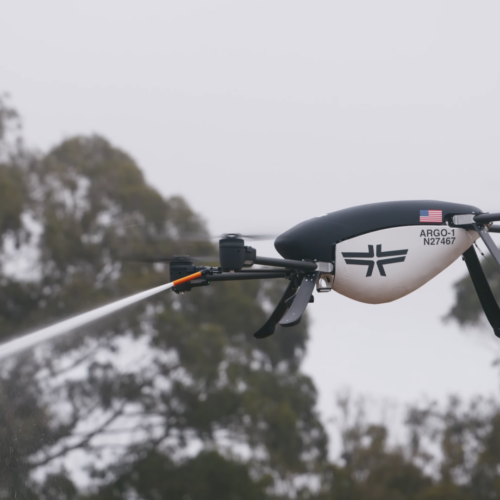
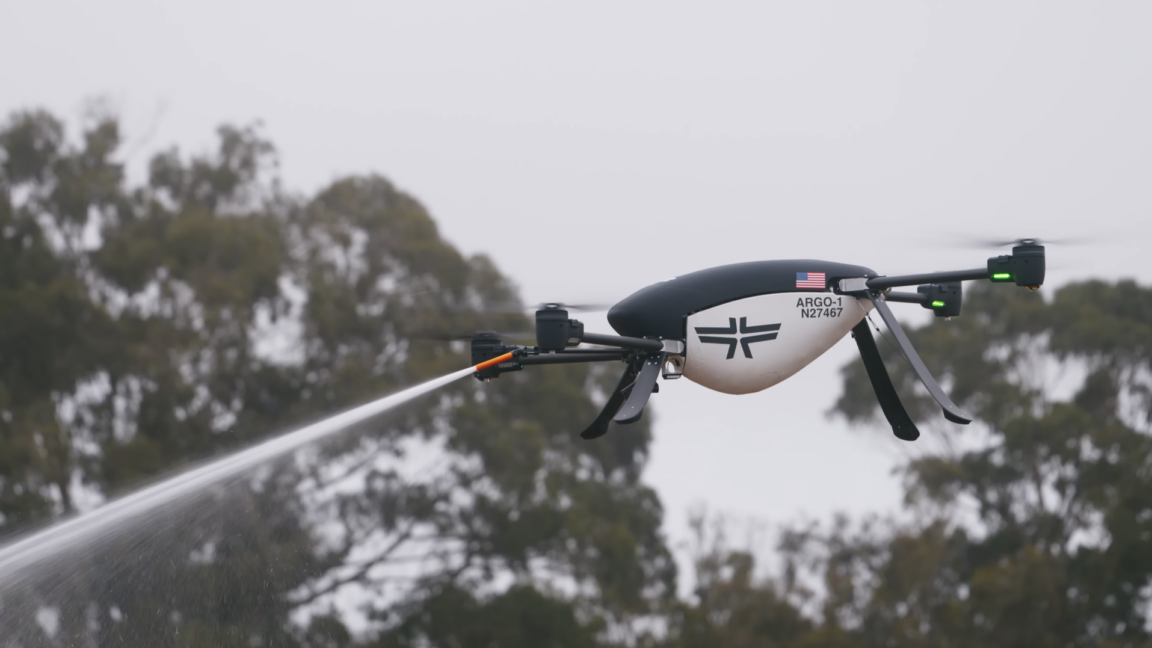
Firefighting drones in the works as wildfires plague US nearly year-round

Drones capable of spraying water and fire retardants have been practicing how to snuff out wildfires early in California and Alaska this summer—demonstrating a possible rapid-response tool for firefighting as climate change transforms wildfire season into a nearly year-round risk for much of the United States.

Most drones are significantly smaller than crewed aircraft and have shorter flight ranges, meaning they cannot replace large airtankers in delivering massive payloads of water or other fire-suppressing payloads to remote wildfires. But companies and fire agencies—along with organizers of the $11 million XPRIZE competition—are testing whether drones can help firefighting crews respond more quickly to small fires and put them out before they become more destructive.

The California Department of Forestry and Fire Protection, also known as CAL FIRE, ran its own field test involving five autonomous drones that worked together to deploy between 500 and 1,000 gallons of foam combined for suppressing fires on July 15, according to the TV station KPMH. The demonstration was organized with the help of the nonprofit FireWERX and the California-based company Seneca, which is making the drones commercially available starting in 2026.

Read full article

Comments

© Seneca

  •  
❌