South Korean cybersecurity company GITSN on July 22 presented a hardware-layer security solution designed to block wireless backdoor attacks as artificial intelligence (AI)-powered autonomous vulnerability discovery enters a new phase.
The announcement follows Anthropic's introduction of Claude Mythos Preview, a next-generation AI model that has demonstrated agentic coding and reasoning capabilities capable of autonomously identifying software security vulnerabilities and generating functional exploit code, raising concerns over a new class of endpoint security threats.
In response, South Korea's Ministry of Science and ICT (MSIT) has joined Project Glasswing, a global AI security initiative. Domestic cybersecurity companies, including AhnLab, are also strengthening defense strategies centered on exposure management to improve the speed of threat detection, analysis and response.
At the same time, wireless backdoor attacks—where malicious hardware is covertly embedded during device manufacturing or within the supply chain to bypass conventional network defenses—are expected to become a growing threat. Against this backdrop, GITSN presented Alpha-H as a solution for continuously detecting wireless backdoor attacks.
According to GITSN, Alpha-H monitors the entire radio frequency environment within a protected area in real time, 24 hours a day, 365 days a year. The system is designed to eliminate vulnerabilities in the physical radio frequency domain, where data is ultimately transmitted, preventing data exfiltration at its source.
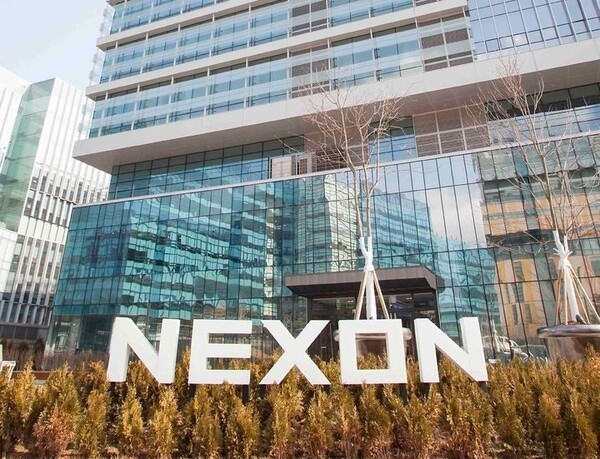
A South Korean court has postponed until Sept. 2 its ruling in Nexon Korea Corp.'s lawsuit seeking to overturn a 11.642 billion won penalty imposed by the Korea Fair Trade Commission (KFTC) over alleged manipulation of probability-based items in MapleStory. The delay comes after Nexon submitted additional legal briefs shortly before the scheduled ruling, giving the court more time to review arguments from both sides.
According to the legal community on July 22, the Administrative Division 6-3 of the Seoul High Court changed the ruling date for Nexon's lawsuit seeking to cancel the KFTC's corrective order and administrative fine from 2 p.m. that day to Sept. 2.
The postponement is believed to reflect Nexon's decision to continue submitting legal briefs through July 15, just one week before the scheduled ruling. The court is expected to conduct additional review given the potential impact of legal standards governing probability-based game items on the broader gaming industry.
The lawsuit is not centered on whether there was a legal obligation at the time to disclose probability information. Instead, it focuses on whether Nexon failed over an extended period to disclose information that could materially influence consumers' purchasing decisions.
The case stems from Cube, a paid in-game item introduced in 2010. The KFTC concluded that beginning in 2011 Nexon altered the probabilities so that certain highly sought-after potential options, including combinations known by players as "BoboBo" and "DeuDeuDeu," would no longer appear. The regulator also found that in 2013 Nexon reduced the rank-up probability of Black Cube without informing users. The KFTC determined that the conduct constituted deceptive commercial practices under the Act on Consumer Protection in Electronic Commerce, etc., imposing an administrative fine of 11.642 billion won.
Nexon, however, argues that no legal obligation to disclose probability information existed at the time of the conduct and that applying later disclosure standards to past actions amounts to retroactive regulation. The company also contends that the statute of limitations for administrative sanctions has already expired.
The KFTC maintains that, regardless of whether there was an explicit obligation to disclose probabilities, withholding information that could materially affect consumers' purchasing decisions constituted deceptive conduct under the Electronic Commerce Act in force at the time.
The ruling is drawing attention because it could shape not only the scope of legal liability for past operation of probability-based game items but also future interpretation of regulations governing such monetization systems across South Korea's gaming industry.
Separately, the postponement is also expected to delay a truck protest planned by users of MapleStory Idle ("Meki"), which had been scheduled for July 22, to Sept. 2. Players have been preparing demonstrations against Nexon, alleging that the "HP Increase" and "Damage Taken Reduction" effects did not function properly for an extended period and raising concerns over the company's compensation plan. In response, the MapleStory Idle operations team plans to hold a meeting with users in August.
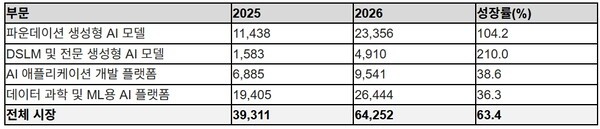
Worldwide end-user spending forecast for AI models and platforms. Figures in millions of dollars. (Source: Gartner)
Worldwide end-user spending forecast for AI models and platforms. Figures in millions of dollars. (Source: Gartner)
Worldwide end-user spending on artificial intelligence (AI) models and platforms is expected to reach $64 billion in 2026, according to Gartner. The forecast represents a 63.4% increase from $39 billion in 2025. Spending on generative AI models is projected to rise 117%, while expenditure on AI platforms is expected to grow 36.9%.
As companies subject their AI budgets to stricter scrutiny, they are placing greater emphasis on utilization efficiency, cost controls and measurable outcomes, Gartner said. AI spending is consequently shifting toward vendors that can demonstrate clear value across cost, latency, performance and reliability.
Vendors that integrate evaluation, cost transparency and usage-tracking capabilities into customer workflows are therefore gaining an advantage by making AI adoption easier to manage and optimize, Gartner said. However, as spending shifts toward usage-based models, vendors are under growing pressure to demonstrate actual adoption, sustained use and reliable profitability.
Driven by these trends, the market for domain-specific language models (DSLMs) and specialized generative AI models is forecast to grow 210% in 2026.
AI infrastructure software company Xiilab has joined the Korea Data Center Energy Efficiency Association (KDCEA) as a member, stepping up its push into the artificial intelligence (AI) data center market.
Xiilab said it holds Nvidia Elite Partner certification, the highest partner tier in Nvidia's software ecosystem, and has secured proprietary technology that maximizes the utilization of idle graphics processing unit (GPU) resources through its in-house solution, AstraGo.
The company said it plans to use its KDCEA membership to actively participate in technology and policy discussions with key member companies and industry experts while identifying practical collaboration opportunities related to data centers. CEO Chae Jung-hwan will oversee the company's activities within the association.
"As the industry enters the Nvidia Vera Rubin generation, system engineering technologies within AI data centers are becoming increasingly important," Chae said. "The larger the AI data center environment, the more critical the efficient operation of GPU resources becomes in determining overall performance."
KDCEA is a non-profit organization operating under South Korea's Ministry of Trade, Industry and Resources. More than 100 companies, including data center operators, design firms, investors and solution providers, participate in the association.
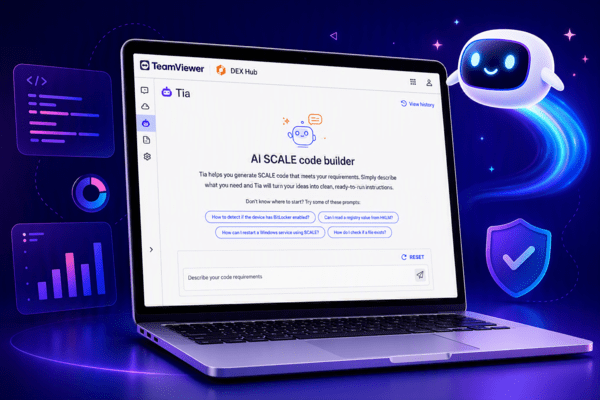
Tia Scripting has been added to TeamViewer DEX, enabling users to create automation scripts using natural-language prompts. (Source: TeamViewer)
Tia Scripting has been added to TeamViewer DEX, enabling users to create automation scripts using natural-language prompts. (Source: TeamViewer)
Remote connectivity and digital workplace solutions provider TeamViewer has added an artificial intelligence (AI)-powered feature called Tia Scripting to its TeamViewer DEX (Digital Employee Experience) platform, enabling IT teams to generate device automation scripts using natural-language prompts without requiring specialist coding expertise.
TeamViewer said Tia Scripting allows IT teams to describe a problem they want to solve or an intended outcome in plain language, after which the system generates a device automation script that can be reviewed and deployed without advanced programming knowledge.
TeamViewer DEX is an IT operations platform that monitors the health of employee PCs, laptops and applications in real time and automatically resolves issues before they affect users. By detecting anomalies through continuous monitoring, the platform can initiate automated remediation across thousands or even tens of thousands of managed devices.
The company said conventional IT automation tools are largely built around predefined templates and standard operating procedures, limiting their ability to address configuration issues, compliance requirements and recurring operational problems. It said Tia Scripting is designed to overcome those limitations by enabling customized automation tailored to individual IT environments.
According to TeamViewer, Tia Scripting supports organization-specific automation by reflecting each company's unique IT infrastructure and operating conditions. After an IT team enters a problem in natural language, the feature generates a script optimized for that scenario. The script can then be reviewed before being securely deployed to designated devices or device groups.
The company said the feature can be configured to verify whether security certificates have been applied, check the operational status of critical applications, prevent unauthorized software modifications and automatically restore security software if it is removed. It can also quickly generate customized automation scripts to address recurring connectivity issues caused by network settings, as well as validate organization-specific device management policies and regulatory compliance requirements.
TeamViewer also said IT teams can reduce the time spent resolving recurring issues by capturing proven remediation methods within the platform and reusing them instead of addressing device problems individually. As enterprise device environments continue to expand and become more complex, the script reuse capability enables organizations to repeatedly leverage validated automation assets, improving overall IT operational efficiency.
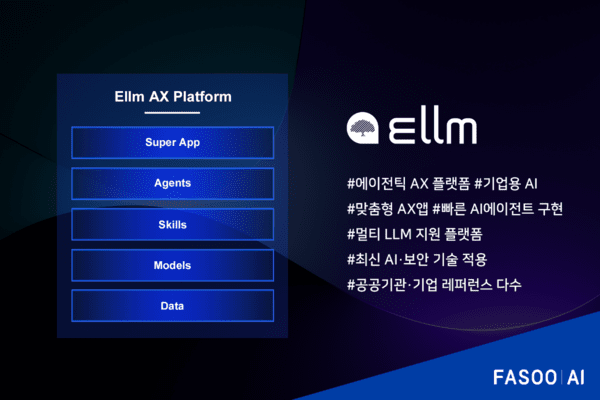
Fasoo AI's agentic AI transformation platform, Ellm. (Image: Fasoo AI)
Fasoo AI's agentic AI transformation platform, Ellm. (Image: Fasoo AI)
Fasoo AI is expanding its artificial intelligence business into the K-beauty sector by developing an AI-powered beauty platform for RIAHN Hair, a company selected for South Korea's 2026 AI Transformation (AX) One-Stop Voucher Program.
The government-backed AX voucher program, valued at 26 billion won, is designed to accelerate corporate AI transformation by providing integrated support for artificial intelligence, cloud computing and data services through a voucher system.
Fasoo AI was selected as a supplier in the AI development category, which focuses on foundation model-based AI technologies. Companies participating in the program can also select providers for cloud infrastructure, including GPUs and software-as-a-service (SaaS), as well as data acquisition and processing. Final project operators are selected through an evaluation process.
RIAHN Hair, the lead company for the project, operates several beauty franchise brands in South Korea, including RIAHN Hair, H Hairstyle, and RIAHN Wig.
Through the initiative, RIAHN Hair aims to develop an AI-powered hyper-personalized beauty experience platform to strengthen its position in the global beauty technology market.
Under the project, Fasoo AI will develop the platform's AI capabilities using its Ellm agentic AI transformation platform. Naver Cloud will provide cloud infrastructure, while LabQ will be responsible for data-related services.
The AI beauty platform will feature virtual simulations based on users' facial characteristics and personal preferences, while also providing personalized recommendations for hairstyles and designers.
Wemade Max announced on July 21 that it has launched Wind Runner Idle, a new idle role-playing game (RPG) developed by its subsidiary LightCON, in South Korea and Taiwan.
The game reimagines the Wind Runner intellectual property (IP) as an idle RPG while incorporating the franchise's signature fast-paced gameplay into its combat system.
Wind Runner Idle features a proprietary combat mechanic built around Combo, Fever, and Fever Burst, combining the convenience of idle gameplay with more dynamic combat and responsive action.
Players can freely customize their teams using more than 150 characters, companions and mounts. The game also offers a variety of content, including the real-time player-versus-player (PvP) Arena mode and Companion Land, a casual decorating feature.
To celebrate the official launch, Wemade Max is holding a series of in-game events.
Players who completed pre-registration will receive the legendary character Stella and the legendary mount Sky Ruler Griffin. In addition, users can earn various in-game rewards, including rubies and summon tickets, through the 3,000 Summons Growth Support event and the Stage Clear event.
Line Games announced on July 21 that it has begun recruiting participants for the upcoming playtest of its new PC title, QUIET.
QUIET is a cooperative comedy horror game currently being developed in-house by Line Games. Players take on the role of a duck-like alien that crash-lands on Earth and must escape while avoiding the watchful eye of the game's boss character, Grandma. The game supports both single-player and cooperative play for up to four players.
Line Games is aiming to launch QUIET globally later this year. Ahead of the official release, the company will begin a public playtest on Aug. 3. Players can register for the test through the game's Steam playtest page.
The upcoming playtest will feature the game's first stage along with its co-op mode. Line Games said it will use player feedback gathered during the test to further refine and improve the game's overall quality.
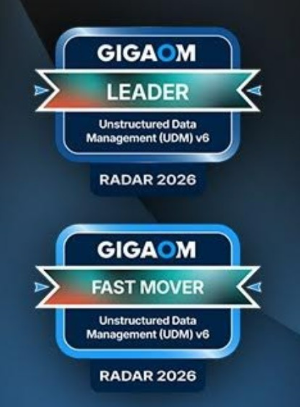
AI and data infrastructure solutions provider HS Hyosung Information Systems said on July 20, citing a report from industry analyst firm GigaOm, that Hitachi Vantara has been recognized as both a Leader and Fast Mover for the sixth consecutive year in the firm's evaluation of unstructured data management platforms.
HS Hyosung Information Systems is a joint venture established by Hyosung Group and Hitachi Vantara, with each company holding a 50% stake. The company is responsible for distributing and providing technical support for Hitachi Vantara's solutions in South Korea.
According to the 2026 GigaOm Radar for Unstructured Data Management report, Hitachi Vantara's VSP One platform was recognized for its integrated data management capabilities, policy automation, operational visibility and overall efficiency.
The report highlighted several key strengths, including enhanced governance for unstructured data through policy automation, data classification, Immutable Object Lock for data immutability, and data retention and tiering policies. It also cited enterprise workflow integration that automates data movement, indexing and transformation across multiple data sources, improving operational efficiency. In addition, the report recognized the platform's unified data fabric architecture, which enables organizations to manage structured and unstructured data distributed across on-premises and external environments under consistent policies.
HS Hyosung Information Systems said the recognition demonstrates Hitachi Vantara's enterprise capabilities in unstructured data management, including governance, automation and data control across hybrid IT environments.
According to the company, VSP One is a unified data management platform for block, file and object storage across hybrid cloud environments. By extending the management capabilities of VSP 360 to VSP One Object, the platform enables centralized monitoring and policy administration. It also optimizes metadata processing to improve performance for small object workloads by up to four times.
Kimi K3 ranks third in Artificial Analysis' Intelligence Index, behind only the leading frontier models. (Source: Artificial Analysis)
Google's Gemini 3.5 Pro has reportedly been delayed due to performance issues, while Chinese AI companies have unveiled a new generation of frontier-class models that are rapidly narrowing the gap with leading US systems.
Moonshot AI recently introduced Kimi K3, a 2.8-trillion-parameter model, while Alibaba unveiled a preview of Qwen 3.8 Max, its flagship 2.4-trillion-parameter multimodal model.
Kimi K3, in particular, has attracted attention from international media after posting benchmark results approaching those of Anthropic's Fable 5 and OpenAI's GPT-5.6. On several benchmarks, it outperformed GPT-5.6 Sol, OpenAI's highest-end reasoning model. Reuters quoted analysts as saying that the long-held view that Chinese AI models lag US frontier models by roughly six months is becoming increasingly difficult to defend.
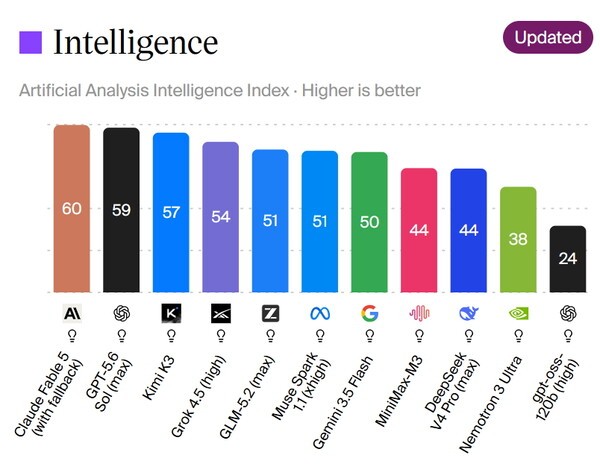
Moonshot AI plans to release Kimi K3's model weights on July 27. In Artificial Analysis (AA)'s Intelligence Index, an independent benchmark of leading AI models, Kimi K3 ranked third with a score of 57, behind only Anthropic's Fable 5 and GPT-5.6, surpassing Gemini 3.0 Pro, Claude Opus 4.8, GPT-5.5 (xhigh), Claude Sonnet 5 and GLM-5.2.
Kimi K3 ranks third in Artificial Analysis' Intelligence Index, behind only the leading frontier models. (Source: Artificial Analysis)
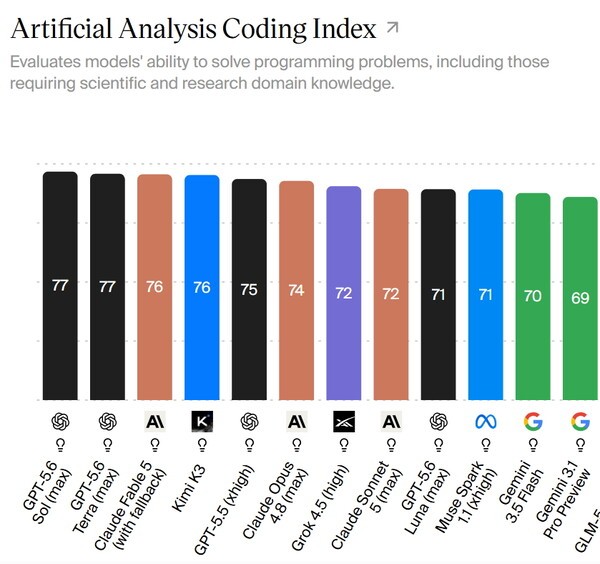
The model demonstrated particularly strong performance in agentic AI and coding. It ranked fourth in AA's Coding Agent Index, trailing only GPT-5.6 Sol, GPT-5.6 Terra and Fable 5.
Kimi K3's overall ranking exceeded its coding-agent ranking largely because of its relatively weak performance on the SWE-Atlas-QnA benchmark.
AA's Coding Agent Index is calculated as the average of three benchmarks: Terminal-Bench v2, DeepSWE and SWE-Atlas-QnA. Kimi K3 scored 84% and 64% on the first two benchmarks, placing it among the top performers, but achieved only 23% on SWE-Atlas-QnA, significantly reducing its overall average.
Even so, Kimi K3 outperformed Fable 5 on Terminal-Bench v2 and exceeded SpaceXAI's Grok 4.5 and Claude Opus 4.8 on DeepSWE. It also ranked first on Frontend Code Arena, outperforming GPT-5.6.
Kimi K3 ranks just behind Anthropic's Fable 5 in Artificial Analysis' Coding Agent Index. (Source: Artificial Analysis)
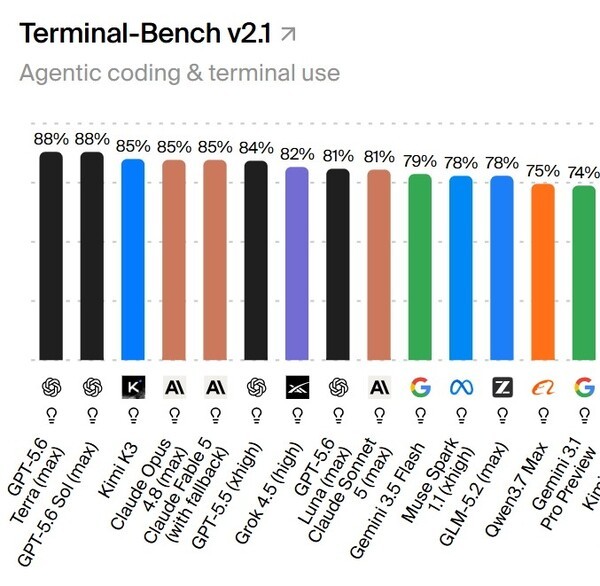
Kimi K3 trails only the GPT-5.6 family in the Terminal-Bench 2.1 benchmark, which measures how effectively AI agents complete complex, long-running tasks in real command-line environments. (Source: Artificial Analysis)
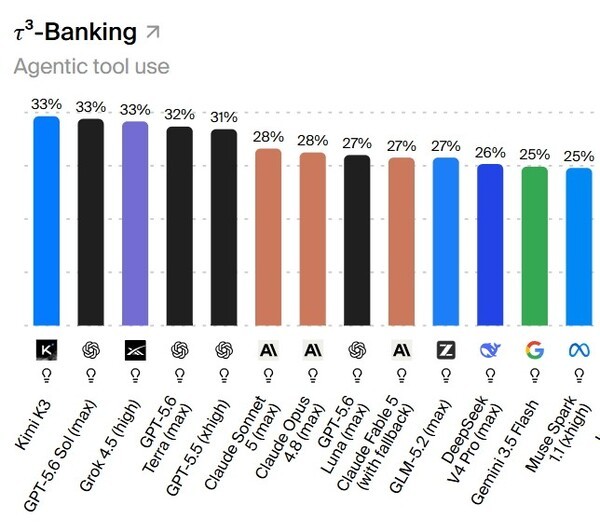
The model also posted leading results on several agent benchmarks. It narrowly surpassed GPT-5.6 Sol on τ³-Banking, which evaluates tool use in multi-turn customer service scenarios modeled after retail banking environments.
Kimi K3 also ranked first on AutomationBench-AA, which evaluates SaaS workflow automation, and SpreadsheetBench 2, which measures spreadsheet task performance. On BrowseComp, a benchmark for web search and information retrieval, it achieved a state-of-the-art score of 91.2, exceeding GPT-5.6 Sol's previous record of 90.4.
Kimi K3 ranks first in the τ³-Banking benchmark, which evaluates AI agents' ability to handle customer service tasks in simulated retail banking environments. (Source: Artificial Analysis)
The model ranked second on AA-Briefcase, CharXiv (RQ) with Tool, and Zerobench with Tool, and third on GDPval-AA v2, which measures workplace task performance across 44 occupations.
Its performance was comparatively weaker on several of the most demanding benchmarks. Kimi K3 ranked sixth on Humanity's Last Exam (HLE), behind Gemini Pro 3.1 Preview, and also placed sixth on CritPt, a benchmark evaluating reasoning over unpublished physics research. The top four positions on CritPt were occupied by GPT models, followed by Fable 5.
High performance comes with higher costs
Artificial Analysis noted that Kimi K3 remains relatively expensive to use because it is currently accessible only through Moonshot AI's API ahead of the release of its open weights. In addition, the model does not currently allow users to disable reasoning, meaning reasoning tokens are always generated and billed.
According to AA, Kimi K3 also tends to produce unusually verbose responses. Across the entire Intelligence Index evaluation, the model generated approximately 130 million output tokens, more than double the benchmark average of 63 million. The higher token usage substantially increases inference costs.
Once Kimi K3 becomes available as an open-weight model and third-party hosting providers begin offering it, market competition could reduce pricing. However, its enormous 2.8-trillion-parameter scale is likely to keep costs well above those of DeepSeek. Although Kimi K3 uses a Mixture-of-Experts (MoE) architecture that activates only 16 of 896 experts during inference, limiting computational requirements relative to its total parameter count, the GPU memory and compute resources required to serve the model remain substantial.
Alibaba introduces Qwen 3.8 Max
Alibaba unveiled a preview of Qwen 3.8 Max at the World Artificial Intelligence Conference (WAIC) in Shanghai on July 19.
The new model contains 2.4 trillion parameters, representing a significant increase from its predecessor. It is a large multimodal model capable of processing text, images, video and documents within a single system. Alibaba said it also plans to release the model weights as open source in the near future.
The company described Qwen 3.8 Max as its flagship model for coding and AI agents while claiming that its general capabilities rank just behind Fable 5. Alibaba highlighted significant improvements in agentic coding, software development, front-end development and function calling, as well as stronger tool use, complex workflow execution and multi-step task automation.
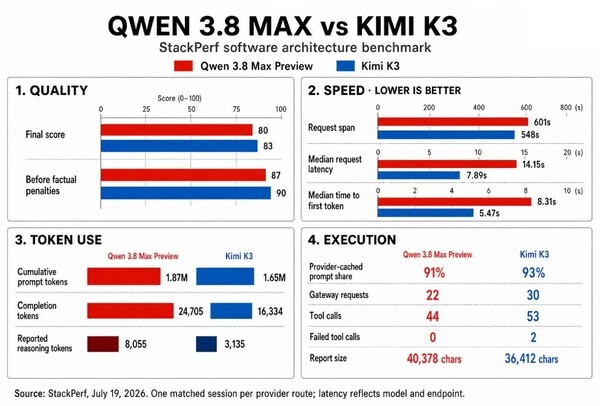
Comparison of Alibaba's Qwen 3.8 Max (Preview) and Moonshot AI's Kimi K3. (Source: StackPuff)
Alongside the preview release, Alibaba integrated Qwen 3.8 Max into its Token Plan, Qoder and QoderWork platforms.
Because the model was announced only recently, independent benchmarking organizations such as Artificial Analysis have not yet published evaluation results. However, early community testing on platforms including Aider Leaderboard, LiveBench and WebDev Arena suggests that the model is competitive with GPT-5.6 and Kimi K3 in front-end development, agentic coding and web user interface generation.
Weights & Biases (W&B) had previously ranked the earlier Qwen 3.7 Max among the top models for spreadsheet reasoning and workflow automation, raising expectations for the new release.
Qwen 3.8 Max also employs an MoE architecture, although Alibaba has not disclosed the number of active parameters. That figure will play a key role in determining inference costs. Qwen 3.7 Max was priced at $2.50 per million input tokens and $7.50 per million output tokens, but the substantially larger 3.8 Max model could carry higher pricing.
Google faces mounting pressure
The release of increasingly competitive Chinese models has coincided with reports that Gemini 3.5 Pro has been delayed because it failed to meet Google's internal coding performance targets.
The model had originally been scheduled for release in June. According to Bloomberg and other media outlets, Gemini 3.5 Pro fell short of internal benchmarks in code generation and debugging, potentially delaying its launch by several months. Google reportedly attempted to improve performance by fine-tuning the model with additional coding datasets in June 2026, but the results were insufficient, forcing engineers to restart training.
Pressure on Google has intensified following OpenAI's release of GPT-5.6, which significantly improved coding capabilities and cost efficiency, as well as new flagship models from Meta and SpaceXAI — Muse Spark 1.1 and Grok 4.5, respectively — emphasizing coding and agentic AI.
OpenAI, Anthropic and Google have generally been regarded as the three leading frontier AI developers. Analysts say that if Google's next-generation model fails to outperform competing systems from Meta and SpaceXAI, the company could lose its position among the industry's leading frontier model providers.
With Chinese competitors rapidly improving, Google appears to have opted to prioritize model quality over speed of release. Following Bloomberg's report, Google's share price fell nearly 4%. A Google spokesperson said the company continues to release models rapidly while balancing performance and cost efficiency and is testing Gemini 3.5 Pro and an upgraded Flash model with partners.
Chinese AI models gain ground in the US
Meanwhile, data from AI model aggregation platform OpenRouter indicate that Chinese AI models accounted for a record 58% of AI tokens used by US companies during the first week of July, surpassing US-developed models for the first time.
Bloomberg's analysis of OpenRouter's public traffic data found that Chinese models accounted for 58% of total usage, reaching as high as 63% during some weeks. Chinese models processed roughly 18 trillion tokens during the week, compared with approximately 5.5 trillion tokens for US models.
DeepSeek remained the most widely used individual model. Bloomberg and other international media noted that Chinese models accounted for less than 10% of usage at the beginning of 2025, highlighting the rapid shift over roughly a year.
OpenRouter provides unified access to more than 400 AI models from companies including OpenAI, Anthropic, Google, Meta, DeepSeek and Alibaba through a single API. Because its publicly available traffic data reflect actual model usage by AI startups and developers, OpenRouter has become a closely watched indicator of real-world AI market share.
International media attributed the shift largely to aggressive pricing. Developers building coding automation and agentic workflows are increasingly adopting Chinese open-weight models, which can cost 10 to 50 times less than leading US frontier models.
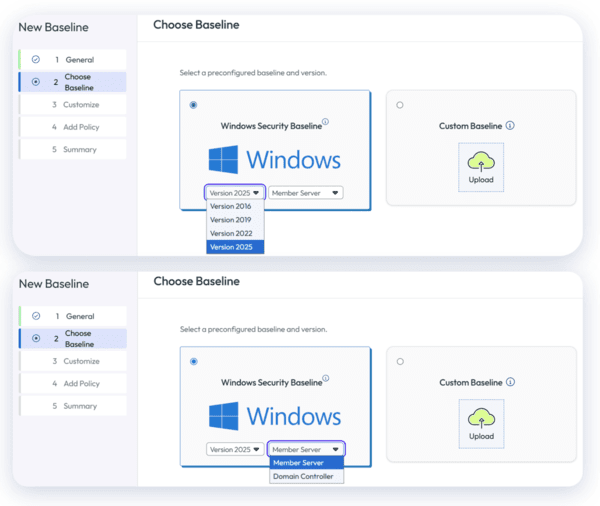
Workspace ONE with Windows Server management support. (Image: Omnissa)
Workspace ONE with Windows Server management support. (Image: Omnissa)
Digital workplace platform provider Omnissa has introduced Workspace ONE, a unified endpoint management (UEM) platform that now supports Windows Server management. The addition enables enterprises to manage Windows servers alongside desktops, laptops, mobile devices and rugged computing devices through a single platform.
Omnissa said Workspace ONE is built on a cloud-native architecture that enables organizations to enforce server security policies, automate operations, perform software updates and manage server configurations. The company said the platform can reduce reliance on complex and costly legacy server management tools while allowing servers and endpoint devices to be administered under consistent policies and automated workflows.
Omnissa also emphasized that Workspace ONE offers a lower-cost approach to managing Windows Server environments than Microsoft System Center Configuration Manager (SCCM). According to the company, the platform strengthens security and regulatory compliance while improving the efficiency of server lifecycle management.
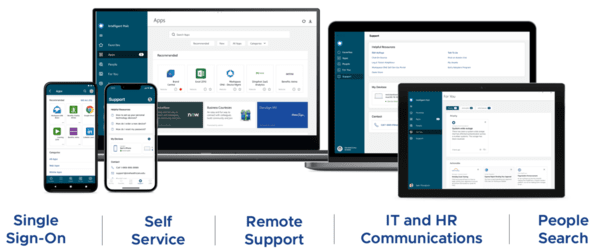
Workspace ONE is positioned by Omnissa as an intelligent hub for enterprise endpoint management.
Omnissa positions Workspace ONE as an intelligent hub. (Image: Omnissa)
According to the company, the platform supports continuous enforcement of server security policies through over-the-air (OTA) configuration management. Compared with traditional management methods that rely on network domains, Workspace ONE provides greater operational flexibility. Its cloud-native management capabilities also enable real-time monitoring of server security posture and can automatically execute corrective actions when necessary.
The platform further incorporates artificial intelligence (AI) and machine learning (ML) analytics to proactively identify and address server performance degradation and security risks. In addition to remote control capabilities, administrators can remotely view installed server roles, hardware and software inventory, and access logs, providing greater visibility into server operations.
During his visit to Naver in June 2026, NVIDIA Chief Executive Officer Jensen Huang met with Naver Chairman Lee Hae-jin to discuss future areas of collaboration. (From left) Jensen Huang, Chief Executive Officer of NVIDIA, and Lee Hae-jin, Chairman of Naver. (Photo: THE ELEC)
During his visit to Naver in June 2026, NVIDIA Chief Executive Officer Jensen Huang met with Naver Chairman Lee Hae-jin to discuss future areas of collaboration. (From left) Jensen Huang, Chief Executive Officer of NVIDIA, and Lee Hae-jin, Chairman of Naver. (Photo: THE ELEC)
Naver's top management is set to visit Canadian alternative asset manager Brookfield Asset Management this week, fueling speculation that the companies could explore cooperation on AI infrastructure. With Brookfield already partnering with NVIDIA on a global AI infrastructure investment initiative, discussions are expected to focus on securing data centers, power capacity and investment funding for Naver's AI factory strategy.
According to industry sources on July 20, Naver Chairman Lee Hae-jin and Chief Executive Officer Choi Soo-yeon will visit Brookfield's headquarters in Toronto early this week. Chief Financial Officer Kim Hee-cheol and senior executives from affiliated companies are also expected to join the trip.
Brookfield manages approximately $1 trillion in assets. In November 2025, the company launched a global AI infrastructure investment program worth up to $100 billion in partnership with NVIDIA and the Kuwait Investment Authority. The initiative invests across the AI infrastructure ecosystem, including data center sites, power infrastructure and graphics processing units (GPUs).
In June 2026, during NVIDIA Chief Executive Officer Jensen Huang's visit to South Korea, Naver announced plans to work with NVIDIA to build gigawatt-scale AI factories. The company aims to begin operating a 55-megawatt (MW) AI factory in the first half of next year, expand capacity to 100 MW later that year and 200 MW by 2028, with a long-term goal of developing 1 gigawatt (GW) of AI infrastructure.
AI factories are next-generation computing facilities designed to train AI models and deliver AI services using massive datasets. As competition in AI increasingly extends beyond software to data center and power capacity, industry attention is focused on whether Naver's visit to Brookfield will lead to broader cooperation on securing the infrastructure needed to support its AI ambitions.
Industry observers believe Naver and Brookfield could discuss data center development, infrastructure investment and financing arrangements required for the AI factory project. The inclusion of CFO Kim in the delegation has also led to speculation that discussions may extend beyond strategic cooperation to more concrete investment negotiations.
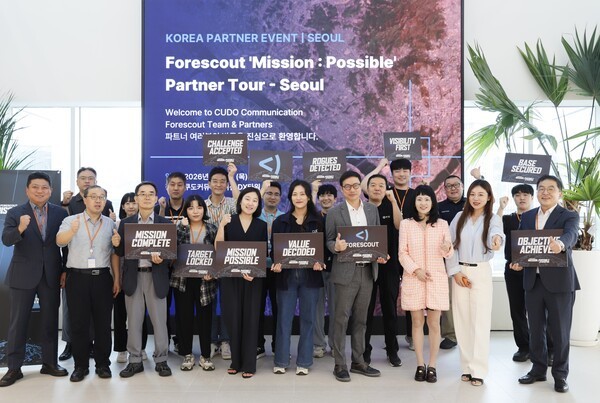
Participants at the "Forescout Mission: Possible" Partner Tour Seoul event. (Photo: Kudo Communications)
Participants at the "Forescout Mission: Possible" Partner Tour Seoul event. (Photo: Kudo Communications)
Kudo Communications announced on July 20 that it hosted the "Forescout Mission: Possible" Partner Tour Seoul event at its headquarters in Gwacheon, Gyeonggi Province, on July 9.
The event is part of Forescout's global roadshow for partners across the Europe, Middle East and Africa (EMEA) and Asia-Pacific (APAC) regions. As Forescout's exclusive distributor in South Korea, Kudo Communications invited the company's domestic channel partners to participate in the event.
The program consisted of five mission-based sessions covering topics including platform capabilities, critical asset identification and asset prioritization.
During the event, Forescout presented its unified platform strategy, which spans asset discovery across information technology (IT), operational technology (OT) and Internet of Things (IoT) environments, as well as policy enforcement and regulatory compliance. The company also introduced its long-term cybersecurity strategy for the quantum computing era, including measures designed to address "harvest now, decrypt later" attacks.
Forescout additionally outlined its vision for enhancing the platform with artificial intelligence (AI), enabling enterprise security teams to manage cyber risks more proactively.
A South Korean court will issue its ruling on July 22 in Nexon's appeal seeking to overturn a 11.642 billion won administrative fine imposed over its failure to disclose probability changes for MapleStory's "Cube" items. The decision is expected to serve as a key precedent on whether game companies can be sanctioned for conduct that occurred before mandatory disclosure rules for probability-based items took effect.
According to industry sources on July 20, the Administrative Division 6-3 of the Seoul High Court will deliver its judgment on Nexon's lawsuit challenging the penalty imposed by the Korea Fair Trade Commission (KFTC).
The central issue is not whether Nexon manipulated item probabilities. Instead, the KFTC argues that the company failed for years to disclose information that could materially affect consumers' purchasing decisions. Nexon, meanwhile, contends that the regulator is retroactively applying standards that did not exist at the time because no legal obligation to disclose probability information was in place.
During the final hearing at the Seoul High Court in April 2026, Nexon argued that most of the probability changes at issue occurred during the 2010s, while the legal requirement to disclose probability-based item information was introduced only through amendments to the Game Industry Promotion Act that took effect in 2024. The company said applying the current standard to earlier conduct is unlawful.
Nexon also argued that its failure to disclose the probability changes amounted to a mere omission rather than an affirmative false representation. It further claimed that Cube sales increased even after probability information was disclosed, making it difficult to establish a causal relationship between the alleged deception and consumer purchases.
The company additionally maintained that the probability adjustments cited by the KFTC had ended before 2016, meaning the regulator's 2024 sanctions fell outside the applicable statute of limitations.
The obligation to disclose the probabilities of random-item products was codified through Article 33(2) of the Game Industry Promotion Act on March 21, 2023, and took effect on March 22, 2024.
The KFTC has argued that the case should be judged under Article 21 of the Act on Consumer Protection in Electronic Commerce, rather than the Game Industry Promotion Act. According to the regulator, it did not retroactively apply the probability disclosure requirement but instead sanctioned Nexon for concealing or omitting material information that influenced consumers' purchasing decisions and induced transactions.
According to the KFTC's written decision, Nexon modified the Cube potential-option system in 2010 and carried out 449 updates before publicly disclosing probabilities in 2021 without informing users of the changes. The regulator concluded that the conduct constituted deceptive practices that interfered with consumers' ability to make informed purchasing decisions.
One of the KFTC's representative examples is the so-called "Bo-Bo-Bo" case. The regulator found that Nexon altered the system in a 2011 update so that three highly desirable potential options could no longer appear together. However, the company simultaneously announced that "there are no changes to existing potential abilities, which remain the same," and that "there are no functional changes to existing Miracle Cubes," thereby concealing the probability changes.
Those options were among the most valuable potential attributes obtainable through Cube items and were highly sought after because of their impact on gameplay. The KFTC concluded that whether combinations such as "Bo-Bo-Bo" remained obtainable was material information likely to influence purchasing decisions. It therefore viewed Nexon's notices not as simple non-disclosure but as affirmative statements that led consumers to believe the probability structure remained unchanged.
The ruling is also expected to have implications for the broader gaming industry. A similar case involved Webzen's mobile game MU Archangel. In November 2025, the KFTC imposed a 158 million won fine after finding that Webzen had failed to disclose a so-called "floor system" under which players had a zero percent chance of obtaining certain rare items until they reached a minimum number of draws while selling three probability-based items between June 2020 and March 2024. Depending on the item, users had to make between 51 and 150 purchases before becoming eligible to receive the rare rewards. Despite that prerequisite, Webzen advertised acquisition probabilities of between 0.25% and 1.16%. Although the conduct predated the statutory probability disclosure requirement, the KFTC concluded that concealing material acquisition conditions distorted consumers' purchasing decisions and constituted deceptive conduct under the Electronic Commerce Act. Webzen did not challenge the regulator's decision.
The Nexon case concerns an appeal against an administrative sanction rather than criminal liability. At issue is whether the Electronic Commerce Act can be used to penalize companies for concealing information that materially affected purchasing decisions before mandatory probability disclosures became law.
If the court upholds the KFTC's decision, it could establish a clearer legal standard for determining whether past probability-based item practices constituted consumer deception. A ruling in Nexon's favor, by contrast, could limit the KFTC's ability to interpret pre-disclosure omissions as deceptive conduct under the Electronic Commerce Act.
Dynamis One will begin recruiting participants in August for the first closed beta test of its anime-style game Astraea Oratio. (Image: NC)
Dynamis One will begin recruiting participants in August for the first closed beta test of its anime-style game Astraea Oratio. (Image: NC)
NC is making a renewed push into the anime-style game market, partnering with developers behind Nexon Games' hit title Blue Archive and preparing to launch a closed beta test for its latest title.
The company announced on July 20 that it will hold the first closed beta test (CBT) for Astraea Oratio, an anime-style role-playing game developed by Dynamis One. NC plans to begin recruiting testers in August, with detailed schedules and participation methods to be announced later. The publisher made a strategic investment in Dynamis One in January 2026 and secured domestic and global publishing rights for the game.
Alongside the CBT, NC is stepping up its efforts in Japan, the world's largest market for anime-style games. The company will participate in Comic Market (Comiket) in August and showcase the game's systems at the Tokyo Game Show in September.
NC previously entered the anime-style segment with Hoyeon, which launched in South Korea, Japan and Taiwan in August 2024. Based on the Blade & Soul intellectual property, Hoyeon featured more than 60 collectible characters and cartoon-style graphics, leading many to classify it as an anime-style title.
The company, however, distinguished Hoyeon from conventional anime-style games. Unlike the genre, which places strong emphasis on attractive male and female characters and character-driven storytelling, Hoyeon was designed as a field-combat massively multiplayer online role-playing game (MMORPG) with cartoon-style visuals. Amid debate over its genre identity, the game's Asian service was discontinued in February this year.
Astraea Oratio, by contrast, is positioned as a full-fledged anime-style title. Much of the attention surrounding the game stems from the involvement of Park Byung-rim, chief executive officer of Dynamis One and former producer of Blue Archive at Nexon Games. Park founded Dynamis One in 2024, and several key Blue Archive developers, including scenario director Yang Ju-young and art director Kim In, also joined the studio. Given Blue Archive's strong performance in the Japanese market, the development team's track record is viewed as one of the game's biggest strengths.
Dynamis One, however, also faces legal and reputational challenges. The studio's first announced title, Project KV, drew criticism for alleged similarities to Blue Archive in its worldbuilding and character designs. In addition, several Dynamis One executives are under investigation over allegations that they unlawfully removed development materials related to MX Blade, an unreleased title from Nexon Games. Police referred Park and other individuals to prosecutors without detention in October 2025 on charges including violations of Korea's Unfair Competition Prevention Act, and prosecutors requested a supplementary investigation the following month. Dynamis One has denied the allegations, saying many of the claims are inaccurate. No indictment has been filed and no court has found the individuals guilty.
Industry observers say Astraea Oratio's success will depend on whether NC avoids applying the same live-service operating model commonly used in MMORPGs. Players of anime-style games tend to place greater importance on character design and storytelling than on combat systems, making the genre fundamentally different from conventional MMORPGs.
As a result, the first CBT is expected to provide an early indication of whether the game offers compelling reasons for players to collect and develop characters, and whether its world and narrative can build lasting player attachment.
The launch also marks NC's first clear commitment to the anime-style genre after Hoyeon occupied an ambiguous position between genres. Its decision to work with an external development studio and actively engage Japanese players before launch reflects a different strategy from the company's previous approach.
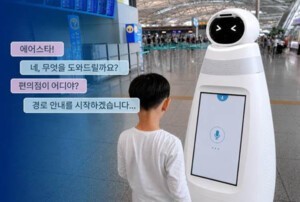
Selvas AI announced on July 20 that it has partnered with robotics company Clobot to deploy its artificial intelligence (AI) voice interface technology, SELVAS Trigger, on more than 20 AirStar guide robots at Incheon International Airport. Passengers can now activate the robots' voice guidance service simply by saying the wake word "AirStar," without touching the display.
AirStar is Incheon International Airport's autonomous guide robot equipped with autonomous navigation, speech recognition and AI technologies. The robot provides information on boarding gates and major airport facilities and, when requested, guides passengers directly to their destinations.
SELVAS Trigger is a wake-word solution that recognizes a predefined activation phrase before launching downstream voice functions such as speech recognition. The technology serves as the initial point of interaction between users and physical AI devices. Because it operates entirely on-device, it can be deployed across a wide range of AI-enabled hardware, including robots and AI kiosks.
Building on the deployment at Incheon International Airport, Selvas AI plans to expand its AI voice interface business into broader physical AI applications, including AI kiosks for the financial sector, while pursuing new opportunities in robotics and mobility markets.
BitPlanet has been selected as the lead contractor for the 2026 Railway Facilities Information System (RAFIS) Maintenance Project commissioned by the Korea National Railway. The award marks a follow-on contract after the company secured the previous RAFIS maintenance project in 2024. The contract is valued at approximately 6.1 billion won.
RAFIS is the Korea National Railway's information system for managing the complete lifecycle of railway infrastructure assets, from installation and inspection to maintenance and upgrades. Since 2024, BitPlanet has maintained the system through a consortium with DreamICT and Allforland. For the 2026 project, the company has formed a new consortium with LT Metric and KL Information & Communication. As in the previous contract, BitPlanet will serve as the lead contractor with a 50% ownership stake in the consortium. The new contract is worth approximately 6.1 billion won, representing a 27.1% increase from the previous project's value of about 4.8 billion won. The project will run for 21 months from the contract signing date.
The consortium will focus on three major objectives under the new project. First, it plans to review and correct approximately 230,000 railway facility records that have not been properly registered in RAFIS to improve the integrity and consistency of the system's data. Second, it will reorganize RAFIS's complex menu structure to better align with users' operational workflows while strengthening security by improving user access controls and identity verification procedures. Finally, the consortium will build a management information system (MIS) that enables users to monitor railway facility maintenance activities through integrated dashboards and will enhance statistical reporting services to improve operational efficiency for personnel at the Korea National Railway and the Korea Railroad Corporation (KORAIL).
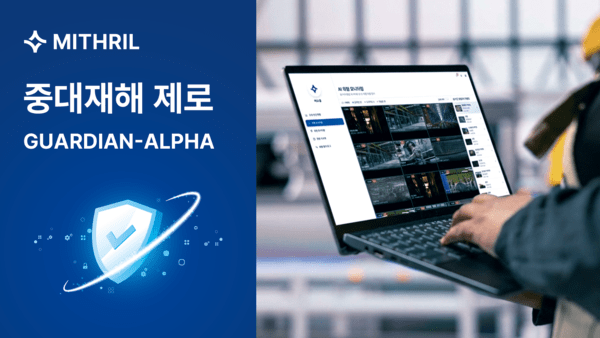
Mithril will showcase its Optima-Alpha embedded AI solution for manufacturing equipment and Guardian-Alpha industrial safety platform at K-Display 2026. (Image: Mithril)
Mithril will showcase its Optima-Alpha embedded AI solution for manufacturing equipment and Guardian-Alpha industrial safety platform at K-Display 2026. (Image: Mithril)
Manufacturing artificial intelligence (AI) company Mithril will unveil AI solutions designed for the control systems of semiconductor and display manufacturing equipment at K-Display 2026.
The company announced on July 20 that it will exhibit Optima-Alpha, an embedded AI solution for manufacturing equipment, and Guardian-Alpha, an industrial safety platform, during the exhibition.
Optima-Alpha analyzes data generated by semiconductor and display manufacturing equipment to support equipment control, production efficiency and quality management. Mithril said it has completed a proof of concept (PoC) for semiconductor applications and is negotiating contracts to deploy the AI solution in commercial production equipment. The company is also conducting additional PoCs with a global factory automation (FA) supplier.
Recognizing that data structures and hardware control architectures differ across equipment platforms, Mithril said it establishes dedicated teams for each customer and provides customized system integration (SI) services. The company plans to develop AI functions tailored to individual equipment control environments while expanding into long-term maintenance and support services.
Guardian-Alpha analyzes data from factory CCTV systems and sensors to detect safety risks in industrial workplaces. The platform identifies hazards including workers not wearing protective equipment such as helmets, safety shoes and safety harnesses, as well as falls, collapses, potential forklift collisions, unauthorized entry into restricted areas, and incidents involving fire, smoke or gas leaks.
When hazardous situations are detected, the system can activate speakers, warning lights and equipment control systems while simultaneously sending alerts to management dashboards. It also records detection and response histories before and after incidents.
Both products are powered by Nenya sVLA, an AI model currently under development by Mithril. The platform combines a common AI core with lightweight industry-specific adapters that add specialized capabilities for different industrial applications. Mithril plans to launch the platform in 2027.
The company also plans to demonstrate the AI solutions at its exhibition booth using simulated semiconductor and display manufacturing environments.

 Login