❌

Reading view

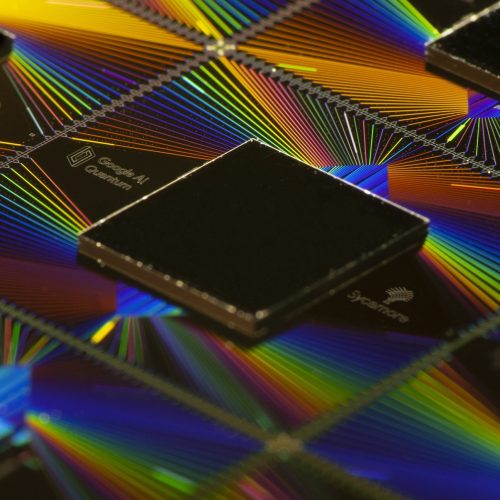
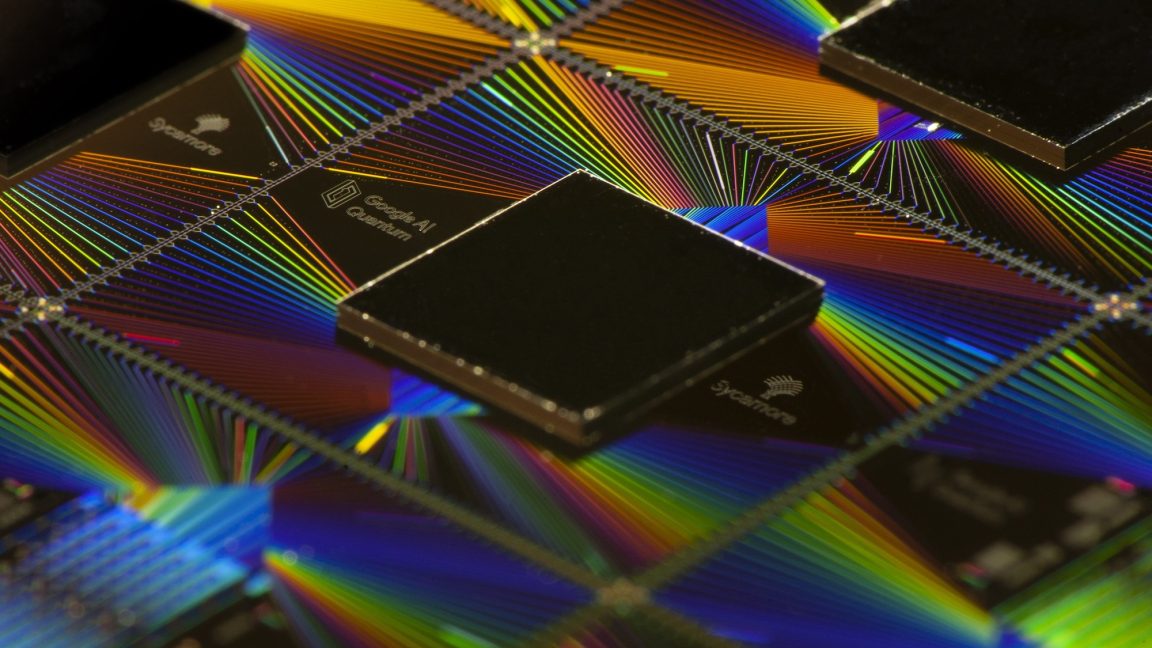
Quantum error correction can constantly recalibrate a processor

There are some obvious big picture issues that stand between us and useful quantum computing. Issues like whether we can make enough high-quality hardware qubits to connect into the error-corrected logical qubits we need, and how we generate the states needed to perform universal computation on those logical qubits. But there are also many less prominent challenges that will need to be solved before we can perform calculations.

One of those challenges, which only affects some types of hardware, is calibration. For devices we manufacture, like superconducting qubits, there are always subtle variations among individual qubits. (This is not true when we use something like an atom to hold the qubit, but the lasers that control them can drift.) As a result, this hardware is put through a process called calibration, where we test different frequencies and amplitudes of the microwave pulses that control them to find the combination that produces the lowest error rates, and then save those settings for use in calculations.

However, you can't perform the typical calibration process while you're doing calculations, which means drift becomes an issue for long and complicated algorithms. Google, though, has figured out that it's possible to do calibration using the same data that's used for error correction.
Read full article

Comments

Β© Google

  •  

Ocean rift zone saw spreading happen in a sudden burst

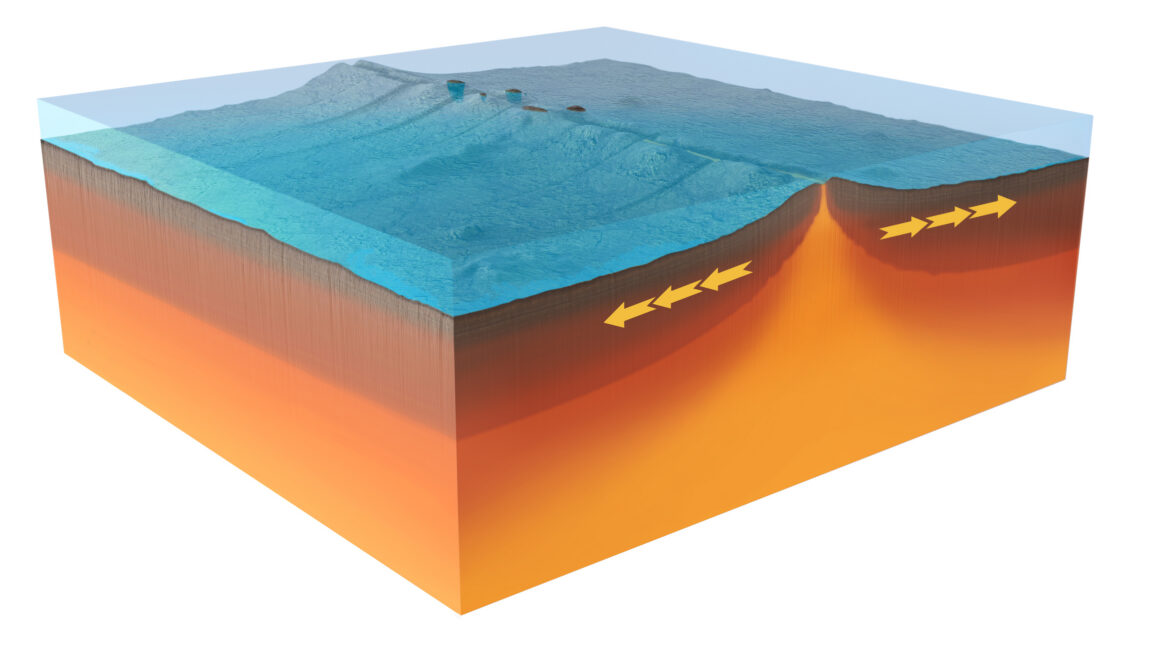
One of the central features of plate tectonics is the formation of new crust at mid-ocean ridges. Part of the spreading process that drives continents apart, it was arguably the discovery of these ridges that drove widespread acceptance of plate tectonics as a theory. Thanks to decades of exploration, we now have a good picture of what the crust that forms at the site of spreading looks like. But we still have an incomplete idea of how its features are actually produced.

In other words, we have a good idea of the outcome of the process, but not a detailed picture of the process itself.

That is starting to change. In 2024, a team of French scientists was able to remotely monitor a major event on the border between the Australian and Antarctic plates, only two months after they installed equipment on the ocean floor. Their data shows that most of the spreading occurred in a relatively short time window, and some key events happened without any obvious seismic activity.

Read full article

Comments

Β© MARK GARLICK/SCIENCE PHOTO LIBRARY

  •  

NRC is (sort of) getting rid of "as low as reasonably achievable" standard

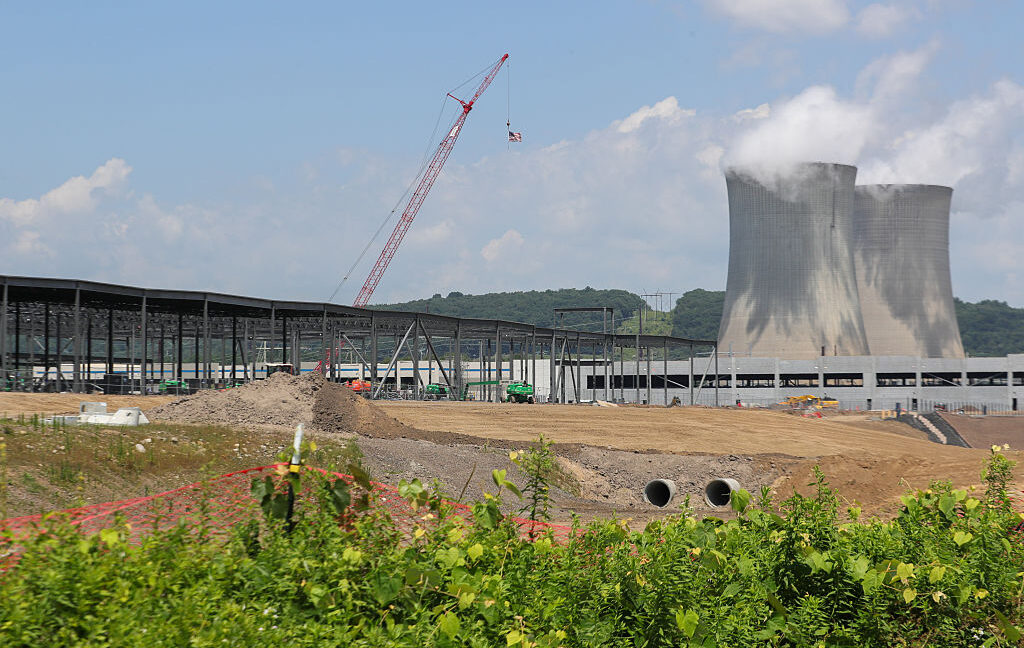
Last week, just before the US started its break for the July Fourth holiday, the Nuclear Regulatory Commission (NRC) proposed a new rule that would change how it regulated exposure to radiation. The Trump administration has been pushing to restart construction of nuclear power plants in the US, and many pro-nuclear advocates have been complaining about the US's existing regulations, portraying them as the main barrier to the flourishing of the industry. So, it had seemed likely that major revisions were coming.

Instead, the NRC's proposed new rules endorse the science behind its current rules and suggest that any problems are largely in the vagueness of the terminology that it has been using. So, instead, it's endorsing standards that are meant to accomplish the same thing, but avoid using some of the language it had relied on. Probably the clearest indication of the evolutionary change at play is that the NRC estimates the changing rules will save industryβ€”not just power, but also medical and research applicationsβ€”only about $9.5 million a year.

LNT and ALARA

There are two technical abbreviations at the center of US nuclear regulations. The first is LNT, which stands for "linear non-threshold." It's in reference to the issue of whether there's any level of radiation that is so low that it no longer produces harmful biological effectsβ€”the "threshold" in LNT. The "non-threshold" implies that it doesn't, and that's in keeping with biology, which has demonstrated that even single particles or photons of radiation can damage DNA and that the mechanisms cells have for repairing that damage are inherently error-prone. The "linear" in LNT simply describes how the impact of radiation scales directly with the dose.

Read full article

Comments

Β© SOPA Images

  •  
❌