❌

Reading view

Could a Common Road Chemical Quietly Increase Alzheimer’s Risk?

Scientists are paying increasing attention to pollution that comes from vehicle tires. Unlike exhaust emissions, tiny particles released as tires wear down receive much less public attention, yet they are one of the largest sources of microplastic pollution from road traffic. As these particles mix with ozone in the air, they create a chemical called […]

The post Could a Common Road Chemical Quietly Increase Alzheimer’s Risk? appeared first on Knowridge Science Report.

  •  

A New Blood Test May Predict Alzheimer’s Risk Much Earlier

Alzheimer’s disease is the most common cause of dementia, affecting millions of older adults worldwide. The disease slowly damages brain cells, causing memory loss, confusion, and problems with thinking and daily activities. Scientists know that changes in the brain begin many years before the first symptoms appear. Because of this, researchers have been searching for […]

The post A New Blood Test May Predict Alzheimer’s Risk Much Earlier appeared first on Knowridge Science Report.

  •  

Scientists Discover a Surprising Link Between Sleep, Genes, and Alzheimer’s

Neuroscience Magnifying Glass Brain Alzheimers ResearchA new study suggests that sleep habits may influence how certain genetic variants affect early brain and cognitive changes associated with Alzheimer’s disease. Sleep may do more than help the brain recover from a busy day. New research suggests it could also influence how certain genes shape the earliest brain changes associated with Alzheimer’s disease. [...]
  •  

Beans and Broccoli Linked to Lower Heart Risk in Young Adults

Sotos-Prieto et al show that modifying dietary habits can have a significant impact on health outcomes. Image credit: Silvia Rita.

A new analysis of data from the Western Australian-based Raine Study suggests that two humble vegetable groups -- legumes and cruciferous vegetables -- may play an outsize role in protecting young adults from early cardiometabolic risk, though the benefits appear to diverge sharply between men and women.

The post Beans and Broccoli Linked to Lower Heart Risk in Young Adults appeared first on Sci.News: Breaking Science News.

  •  

Diagnostic dilemma: An 83-year-old man went to the hospital because of very itchy skin. It turned out he had a rare form of syphilis.

The patient: An 83-year-old man in Belgium

The symptoms: The man sought medical attention at a hospital because the muscles on one side of his face had weakened suddenly, causing it to droop — a condition called unilateral peripheral facial-nerve palsy. He had also recently had a fever, which had since resolved.

Tests run by the neurology department found the man had anemia, fatty liver disease and an enlarged spleen. Combined with his recent fever, these findings led the team to assume he had a viral infection. However, he tested negative for a variety of germs, including Epstein-Barr virus, which causes mono; cytomegalovirus; human immunodeficiency virus (HIV); and hepatitis A, B, C, and E.

The man's liver abnormalities hadn't resolved by one week later, but his facial-nerve palsy cleared following a 10-day course of a strong corticosteroid. But then, over the next month, the man's knees and ankles became stiff and painful, and his legs and feet — and occasionally his face, arms and hands — began to swell. He reported feeling generally unwell, he had gained 11 pounds (5 kilograms), and his urine had darkened even though he had been drinking more water than usual. All of these signs pointed to problems with his kidney function.

Besides the conditions uncovered on his recent medical examinations, the patient had long-standing high blood pressure, high cholesterol, an enlarged prostate and chronic obstructive pulmonary disease (COPD), for which he was taking medications. He had also been diagnosed with rectal cancer 20 years beforehand and received various treatments over the years. He and his wife of 50 years had been sexually inactive since that cancer treatment, he told his doctors.

What happened next: After weeks spent in and out of the hospital, the man went to an emergency room after his skin suddenly became intensely itchy. He had a red, scaly rash on his calves. A neurological exam revealed "normal motor strength, sensation, reflexes, coordination, and gait," the doctors wrote in a report of the case.

At the ER, the patient was questioned further about his medical history, at which point he told doctors that, during his military service as a young man, he'd had unprotected sex with multiple casual partners. He reported being treated for various sexually transmitted infections (STIs) during that time but had forgotten the specific diagnoses.

Tests revealed that the patient was anemic and that his urine contained blood and an abnormal amount of protein. Additionally, a test for autoimmune diseases found abnormally high levels of antinuclear antibodies, which target the control centers of cells that house DNA. Because the patient had recently had facial-nerve palsy, the doctors analyzed his cerebral spinal fluid — the clear fluid that surrounds the brain and spinal cord. This revealed elevated levels of white blood cells, which hinted at an active infection.

The diagnosis: While tests for HIV and tuberculosis came back negative, an assay for Treponema pallidum, the bacterium that causes syphilis, was positive, confirming that the patient had an active syphilis infection.

Syphilis infections can progress through four stages, each with different symptoms. If an infected person doesn't get effective treatment during the primary and secondary stages, the bacteria can go latent, sometimes for decades. And in a minority of cases, latent syphilis can awaken and cause a late, or tertiary, infection.

A more recent, unreported exposure must be considered.

Based on his positive T. pallidum test, rash, general unwell feeling, abnormal liver results, high urinary protein count, leg swelling, facial drooping and swollen lymph nodes, the man's doctors diagnosed him with secondary syphilis with early neurosyphilis, in which the bacteria attack the nervous system.

The treatment: The patient had been given a single injection of penicillin before the test results confirmed that his infection had neurological involvement. He was subsequently given a 14-day course of intravenous penicillin, which is the recommended treatment for neurosyphilis, according to the case report.

The severe itching was treated with antihistamines, and he was prescribed diuretics to reduce the swelling in his legs. The rash, itching and swelling had improved by his one-month follow-up appointment, and his liver tests and urinary output had normalized.

Public health authorities were informed of the patient's diagnosis, and his wife was referred for testing. The case report does not note whether his wife tested positive for syphilis.

What makes the case unique: Secondary syphilis normally occurs within the first year of an untreated infection and only rarely develops after four years have passed. Normally, smooth, hard sores appear on the mouth or genitals during primary syphilis, and once those sores disappear, secondary syphilis sets in within months, if left untreated.

"Although the patient's history of multiple sexually transmitted infections as a young man prompted testing for syphilis, an exposure from that period would not be expected to explain his current presentation," his doctors wrote.

There's a possibility that the man had a latent infection that recently reactivated, perhaps due to the immune-suppressing effect of his recent steroid treatment. But you'd expect the reactivation to cause only symptoms of tertiary syphilis — like nervous system problems — not symptoms associated with secondary syphilis, like fever, rash and weight loss.

Therefore, exactly when the man contracted the infection is uncertain. "A more recent, unreported exposure must be considered," the doctors wrote.

It is also rare for syphilis to affect the liver and kidneys, occurring in less than 10% of cases, according to the case report.

For more intriguing medical cases, check out our Diagnostic Dilemma archives.

This article is for informational purposes only and is not meant to offer medical advice.

This article was first published Feb. 18, 2026.

  •  

Malaria had nearly been eliminated around a giant dam in the Amazon — but then it came roaring back. Experts just discovered why.

A years-long malaria control campaign in the Brazilian Amazon nearly eliminated the disease from a city — but then cases rebounded. Now, scientists think they've uncovered why.

The campaign took place in northern Brazil during the construction of the Belo Monte Dam in the Xingu River, one of the largest hydroelectric dams in the world. From 2013 to 2017, the initiative slashed annual malaria rates from more than 1,200 cases to fewer than 60. But the program ended, and within a few years, infections had rebounded to more than 700 cases a year. This time, they were concentrated in the rural communities surrounding the river in the city of Altamira.

In a study published Thursday (July 9) in the journal GeoHealth, scientists analyzed 15 years of malaria surveillance records alongside satellite images of forests around Altamira. Earlier studies have pointed to deforestation and dam construction as a driver of malaria because they can provide habitats for mosquito larvae, which inhabit the forest edge. In Altamira, large stretches of rainforest have been cleared for cattle ranching, logging and settlement along the Xingu River in the decades since the region was first opened up by road-building, leaving a patchwork of cleared land pressed up against the remaining forest.

However, the study found that the malaria resurgence wasn't simply a result of how much forest had been cut down. Instead, cases tracked most closely with the forest edge, the boundary where intact forest meets cleared or open land. There, mosquitoes get everything they need to thrive: shade from the tree line, sunlit pools of standing water for their larvae, and people living or working close by.

The findings highlight how the environment contributes to malaria risk, suggesting that maintaining surveillance in these high-risk landscapes could be just as important as driving cases down in the first place.

"What made Altamira compelling was that the timing gave us something rare, close to a natural experiment," study co-author Eloise Skinner, an epidemiologist and postdoctoral research fellow at the University of Queensland in Australia, told Live Science in an email. The results of that natural experiment could help Brazil in its efforts to eliminate malaria from the country in the next decade, she said.

A program tied to temporary funding

The researchers tracked malaria trends before, during and after the construction of the Belo Monte Dam. Before construction began, malaria was already a persistent problem in the region; Altamira city alone reported more than 1,200 cases a year.

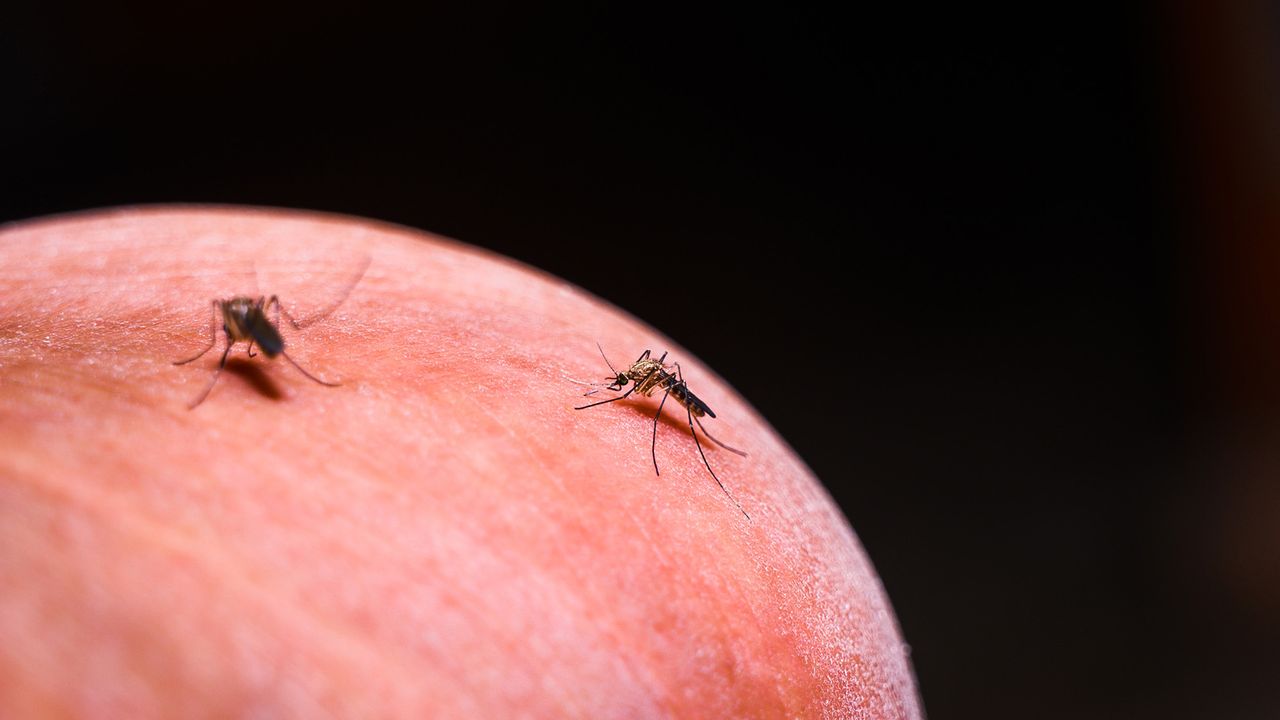
As thousands of workers moved in, local health authorities and the dam's developers rolled out an intensive control program that involved spraying insecticides indoors, using mosquito nets, and deploying rapid diagnosis and treatment when cases did emerge. The goal was to head off outbreaks spread by Nyssorhynchus darlingi, the mosquito that carries the malaria-causing parasite in the Brazilian Amazon.

Mosquitoes pick up the parasite that causes malaria by feeding on the blood of infected people, and they can then spread that parasite to others they bite. Treating infected people quickly can help break that chain of transmission.

Cases plummeted despite the influx of workers, but once construction wrapped up and the program lost its funding, malaria came back.

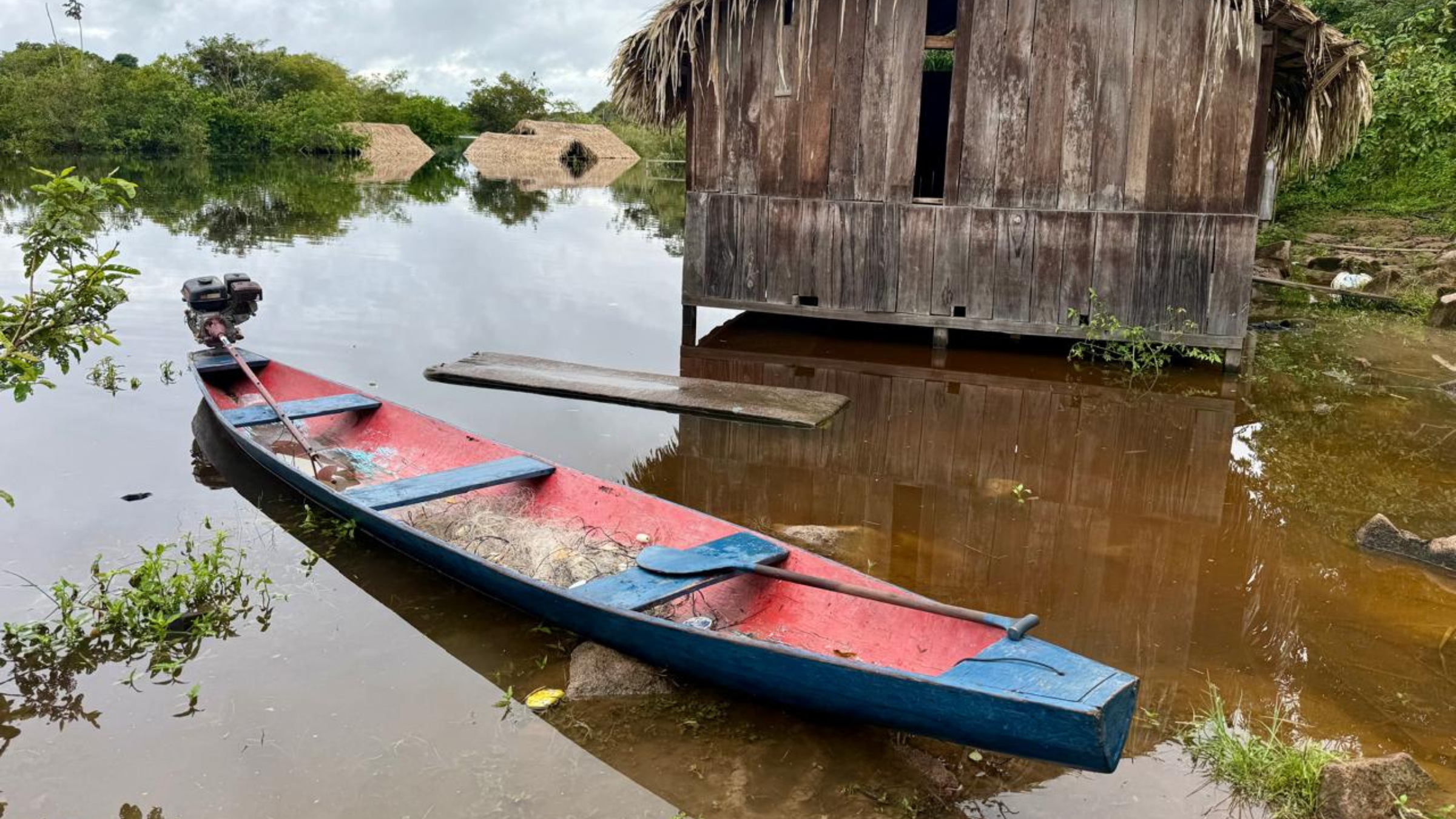
Red canoe in murky water.

Nyssorhynchus darlingi, the mosquito that spreads malaria in the Amazon, breeds in partially shaded bodies of water. (Image credit: Sabrina Simon)

To understand what drove the resurgence, the researchers combined three streams of data. Case records came from Brazil's national malaria surveillance system and covered 150 health centers in Altamira over 15 years. The team layered on temperature, forest cover and rainfall data, since both shape how favorable an area is for mosquito breeding and how efficiently the malaria parasite develops inside mosquitos. Plus, they added an estimate of travel time between each cluster of cases and the nearest town, as a proxy for how easily people and the diseases they carry might move around.

From the observations, the forest edge consistently emerged as the strongest predictor of increased malaria cases. For every 1% increase in the perimeter of the forest edge, malaria cases rose by roughly 0.7%; for every 1% increase in Altamira's population, who are located at the forest edge, cases rose by about 1.4%.

The rebound wasn't evenly distributed. Before the dam was built, most of Altamira's malaria cases came from clusters inside the city itself. Afterward, that pattern flipped: by 2020, the roughly 700 annual cases were concentrated almost entirely in remote, rural clusters near forest edges. Meanwhile, Altamira's urban center stayed comparatively protected, much as it had during construction.

"When the funded program wound down, malaria came back to the communities that are hardest for the health system to reach," Skinner said. "The city stayed protected, most likely because fast diagnosis and treatment are easier to deliver and keep going in a town."

That leaves the same communities exposed twice over, Skinner said. The places that are already the hardest to reach with health services also sit where the ecological risk is the highest.

But this pattern could point to solutions. The resurgence didn't scatter unpredictably. It came back to the same kind of place — rural communities at the forest edge — each time. That's the kind of risk that can be anticipated in the future.

Brazil aims to eliminate locally acquired malaria by 2035. Skinner said Altamira's near elimination of the disease, and its rebound within a few years of the control program ending, is a warning for that effort. When a community contains a strong environmental driver for malaria, like forest-edge ecosystems, stopping a control program short is sure to let the disease climb back.

"Because the resurgence wasn't diffuse, we can predict where malaria is likely to return first," Skinner said. "The message for a 2035 goal isn't only that elimination needs sustained investment. It is that where the environment drives risk, that risk is predictable, and planning for it from the start is what lets the money go where it matters most."

  •  

'Explosive diarrhea' parasite infections confirmed in hundreds of people across US, with 1,251 in Michigan alone

At least 20 people across 17 states have been hospitalized due to severe gastrointestinal illness as more than 1,000 cases of the parasitic infection cyclosporiasis have been reported across the country, the U.S. Centers for Disease Control and Prevention (CDC) reports.

The CDC and the Food and Drug Administration (FDA) are investigating several clusters of the illness in Illinois, New York, Pennsylvania and Texas, according to CNN. However, the worst-hit state so far is Michigan, with 1,251 cases reported as of July 9, the Michigan Department of Health and Human Services (MDHHS) reported. According to the Associated Press (AP), this marks the biggest cyclosporiasis outbreak in the state's history.

Cyclosporiasis is a gastrointestinal illness caused by the protozoan parasite Cyclospora cayetanensis, which can enter the body when someone consumes food or water contaminated with the parasite. It then infects the small intestines, invading epithelial cells that line the gut, causing inflammation and leading to watery and often "explosive" diarrhea, according to the CDC. Symptoms usually kick in around a week after infection and can last over a month without antibiotic treatment. While the illness can go away on its own, it is also common for symptoms to disappear for a bit and then return.

Cyclosporiasis is not usually life-threatening, but it can cause severe illness and dehydration, particularly in young children, older adults and people with compromised immune systems. In rare cases, the condition may lead to complications like biliary disease, in which the flow of bile gets blocked and impacts the liver and digestive health, according to the MDHHS.

As of July 1, there was no evidence of a single, multistate outbreak of cyclosporiasis, but the CDC is investigating several clusters. According to an email from the health agency, many of the clusters appear to be linked to Mexican-style restaurants, a chain of grocery stores and a catered event, CNN reported. The FDA is conducting trace-back investigations on white and green onions, cucumbers and cilantro, according to CNN.

Meanwhile, the MDHHS warned that, while the source of the current outbreak is still uncertain, previous Cyclospora outbreaks have been linked to contaminated fresh produce, including raspberries, basil and bagged salad.

Cyclosporiasis cases tend to rise during the spring and summer, with May 1 to Aug. 31 considered "cyclosporiasis season," according to the CDC. However, there have been more cases than usual this year: Whereas Michigan typically reports 50 cases over a whole year, the state has seen over 1,000 cases in just a few weeks, the AP reported.

Compared with outbreaks of E. coli and Salmonella, clusters of Cyclospora are much harder to trace back to their source. This is because the parasite can reproduce sexually, meaning its genetic material is mixed up with each generation, according to Charles River Laboratories. However, Dr. Natasha Bagdasarian, Michigan's chief medical executive, told the AP that "there is clearly a linked outbreak happening right now."

To minimize your risk of becoming infected with Cyclospora, wash all fruits and vegetables thoroughly before eating them; cut away any bruised or damaged areas; and refrigerate cut, peeled or cooked produce as soon as possible, the Michigan Department of Agriculture and Rural Development recommends. If you are experiencing sudden gastrointestinal issues, health officials suggest you visit your local health care provider.

This article is for informational purposes only and is not meant to offer medical advice.

  •  
❌