❌

Reading view

Aneuploidy Drives Acquisition of Key Genes in Breast Cancer Progression

Chromosome instability and aneuploidy have long posed a conundrum in cancer biology, profoundly shaping tumor genomes yet remaining challenging to decode functionally. In a groundbreaking study published in Nature, Al-Zahrani et al. unveil a novel approach, CRISPR-KOALA, that systematically links large-scale chromosomal alterations to specific cancer-driving genes in basal-like breast cancer (BLBC).

BLBC, a highly aggressive subtype characterized by extensive copy-number alterations (CNAs), often harbors arm-level chromosomal imbalances whose contribution to tumorigenesis remains elusive. The researchers developed CRISPR-KOALA to conduct high-throughput bidirectional genetic screens directly in immunocompetent mouse models, overcoming previous barriers related to the complexity and scale of genes affected by aneuploidy.

By focusing on the ten most frequent human chromosome-arm alterations seen in BLBC, the team screened over 3,700 mouse orthologues of genes located on these arms. The screen identified 90 putative cancer driver genes—a majority of which had not been previously linked to cancer—revealing a diverse functional landscape shaping tumor biology. Among the implicated pathways were key signaling networks such as MAPK, HIPPO, and WNT, highlighting the heterogeneity intrinsic to BLBC progression.

Strikingly, manipulating these driver genes in Trp53-mutant mouse models was sufficient to bypass the need for whole-arm CNAs, suggesting that tumors exploit specific genes within broad chromosomal alterations to fuel oncogenesis. This finding challenges the traditional view that arm-level aneuploidies function merely as genomic chaos, instead presenting them as evolutionary selections for particular drivers.

One gene, PLGRKT, localized on chromosome 9p, emerged as a potent oncogene. The team showed that PLGRKT promotes tumor growth by enhancing mitochondrial robustness and boosting reactive oxygen species detoxification. This mechanistic insight connects chromosomal instability not only to genetic selection but also to metabolic adaptations that support cancer cell survival under stress.

Overall, this study delivers a transformative platform and a compendium of cancer drivers that illuminate how aneuploidy sculpts tumor heterogeneity. By delineating driver genes nested within widespread CNAs, it provides an invaluable resource for targeting breast cancer’s genetic complexity with greater precision.

The implications extend beyond breast cancer, offering a blueprint for dissecting arm-level aneuploidy in diverse malignancies. As cancer therapies increasingly focus on genetic vulnerabilities, CRISPR-KOALA represents a leap toward untangling the intricate link between chromosome-level alterations and oncogenic processes.

This work underscores the power of integrating genomic data with functional genetics in vivo, setting the stage for novel drug targets and therapeutic strategies aimed at the underexplored realm of aneuploidy-driven tumorigenesis.


Subject of Research: Chromosome instability and cancer driver genes in basal-like breast cancer

Article Title: Aneuploidy selects for the acquisition of driver genes in breast cancer

Article References:
Al-Zahrani, K.N., Langille, E.R., Nurtanto, J. et al. Aneuploidy selects for the acquisition of driver genes in breast cancer. Nature (2026). https://doi.org/10.1038/s41586-026-10752-9

Image Credits: AI Generated

DOI: https://doi.org/10.1038/s41586-026-10752-9

  •  

Inequalities in Unmet Medical Needs Among Older Adults Revealed

A recent groundbreaking study unveils the complex landscape of unmet medical needs among the global aging population, offering new insights that could reshape healthcare policy and delivery. The research, published in a leading geriatrics journal, meticulously analyzes data drawn from a comprehensive national health service survey, revealing both the distribution patterns and deep-rooted inequalities affecting older adults’ access to medical care.

As the world’s population ages, the demand for healthcare services tailored to older adults is rising dramatically. Yet, this study reveals that many older individuals face significant barriers that prevent them from receiving timely and adequate medical attention. Utilizing advanced statistical models and large-scale population data, researchers identified critical demographic and socioeconomic factors linked with these unmet needs.

The findings highlight that unmet medical needs are not uniformly distributed but vary substantially across different segments of the elderly population. Income disparity emerges as a predominant determinant, with lower-income groups disproportionately affected. These individuals often encounter limited access to healthcare facilities, affordability challenges, and reduced availability of specialized geriatric services.

Furthermore, geographic location plays a decisive role. Older adults living in rural or underserved regions exhibit much higher rates of unmet medical needs compared to their urban counterparts. The scarcity of healthcare providers and transportation difficulties exacerbate these disparities, underscoring the urgent necessity for targeted interventions in healthcare infrastructure.

Another critical element revealed by the study is the influence of social support structures. Elderly individuals with limited family support or social networks experience greater hurdles in managing chronic conditions and accessing preventive care. This dimension adds a nuanced layer to understanding the intersectionality of healthcare inequalities among seniors.

Technological and systemic barriers also contribute significantly. Despite advancements in telemedicine and digital health platforms, a considerable portion of the older population remains digitally excluded, preventing them from leveraging these new modes of healthcare delivery. This technological divide further entrenches existing healthcare inequalities.

The research team employed rigorous analytical techniques to control for confounding variables, thereby isolating the independent effects of various risk factors. Their approach not only quantifies the scope of unmet medical needs but also provides actionable insights for policymakers, healthcare providers, and social services.

In a call to action, the study emphasizes the importance of multidimensional strategies that address economic, geographic, social, and technological determinants simultaneously. Tailoring interventions to these complex factors is paramount in ensuring equitable healthcare access for older adults and ultimately enhancing their quality of life.

As global demographics shift, this study serves as a critical resource for stakeholders striving to promote health equity among the aging. The detailed evidence underscores an urgent need to rethink current healthcare models by incorporating comprehensive measures that bridge gaps and dismantle barriers to care.

Subject of Research:
Unmet medical needs and associated inequalities among older adults based on national health survey data.

Article Title:
Distribution, inequalities and associated factors of unmet medical needs among older adults: evidence from the national health service survey.

Article References:
Deng, Q., Yang, Y., Qiao, J. et al. Distribution, inequalities and associated factors of unmet medical needs among older adults: evidence from the national health service survey. BMC Geriatr (2026). https://doi.org/10.1186/s12877-026-07948-z

Image Credits: AI Generated

DOI: 10.1186/s12877-026-07948-z

Keywords:
Unmet medical needs, older adults, healthcare inequalities, geriatric health, socioeconomic factors, rural healthcare access, health services distribution

  •  

Super Typhoon Bavi

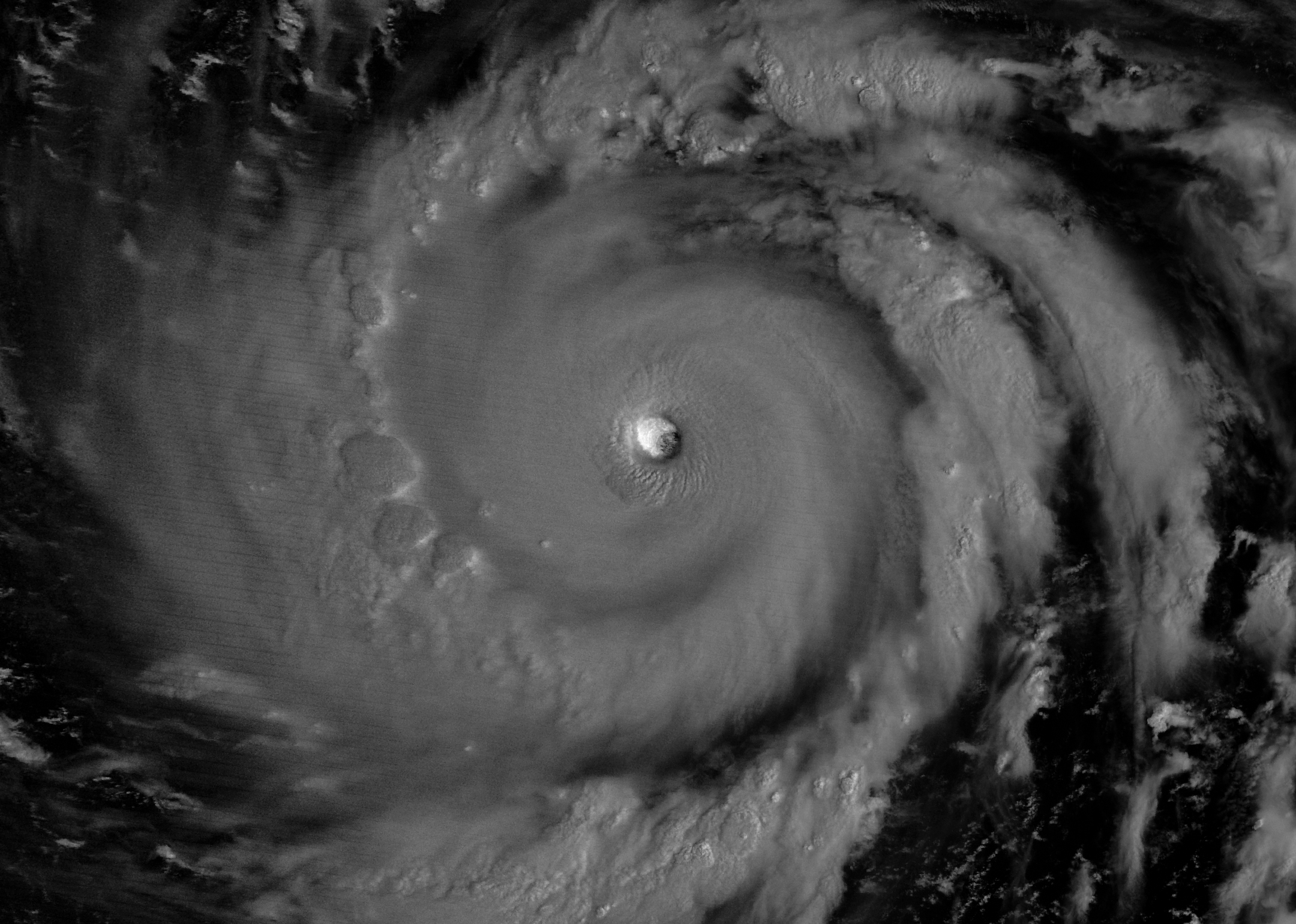
The eyewall of a super typhoon is partially illuminated by moonlight in a nighttime satellite image.
Moonlight illuminates the western side of Super Typhoon Bavi’s eyewall at about 15:30 Universal Time on July 5 (1:30 a.m. local time on July 6). The image was acquired with the VIIRS (Visible Infrared Imaging Radiometer Suite) day-night band on the NOAA-20 satellite.
NASA Earth Observatory/Michala Garrison

In early July 2026, for the second time in three months, a powerful typhoon crossed the U.S. Northern Mariana Islands and Guam in the North Pacific Ocean. Super Typhoon Bavi was at peak intensity when it neared the islands on the night of July 5, bringing winds of 290 kilometers (180 miles) per hour, along with torrential rain and dangerous storm surge.

This nighttime image, captured by the VIIRS (Visible Infrared Imaging Radiometer Suite) on the NOAA-20 satellite, shows Bavi’s eye at about 15:30 Universal Time on July 5 (1:30 a.m. local time on July 6). Light from the Moon, which was in the waning gibbous phase, illuminates the eyewall’s western side. The eye passed over Rota, north of Guam, several hours after the image was acquired.

Bavi became a super typhoon in the early hours of July 4 local time while tracking west over the warm ocean. Satellite observations indicated that sea surface temperatures were around 30 degrees Celsius (86 degrees Fahrenheit) in the region. Bavi was the third tropical cyclone in 2026 to reach category 5 intensity on the Saffir-Simpson wind scale.

The typhoon caused extensive damage across Guam, Rota, and Saipan, according to news reports, downing power poles and lines; flooding roads and littering them with debris; and damaging buildings, including a water distribution station on Rota. U.S. Coast Guard crews worked to clear navigation hazards in the waterways around Guam and the Northern Marianas and reopen ports as dangerous marine conditions subsided, according to reports. This damage comes on top of destructive winds and flooding from Super Typhoon Sinlaku, which crossed the islands in mid-April.

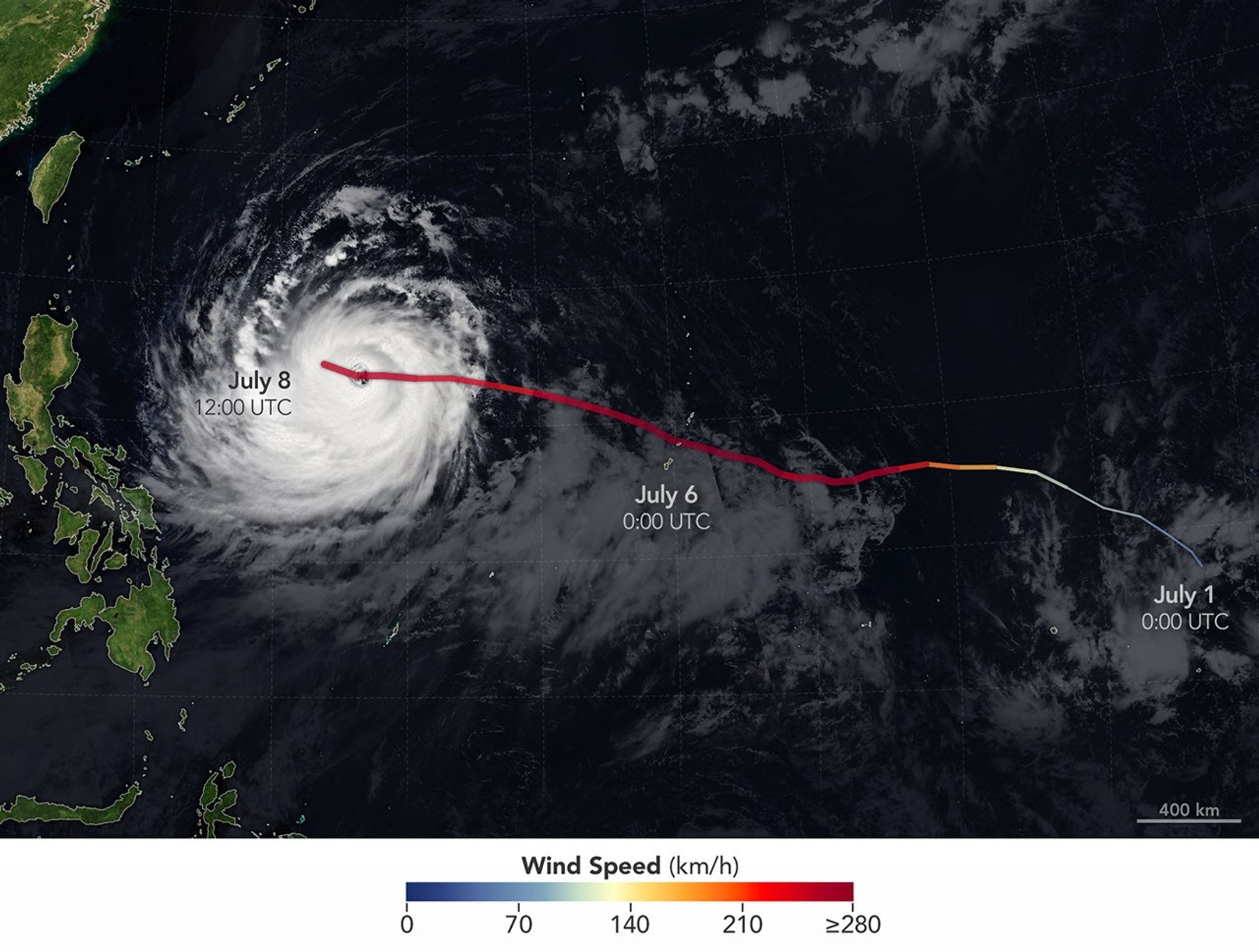
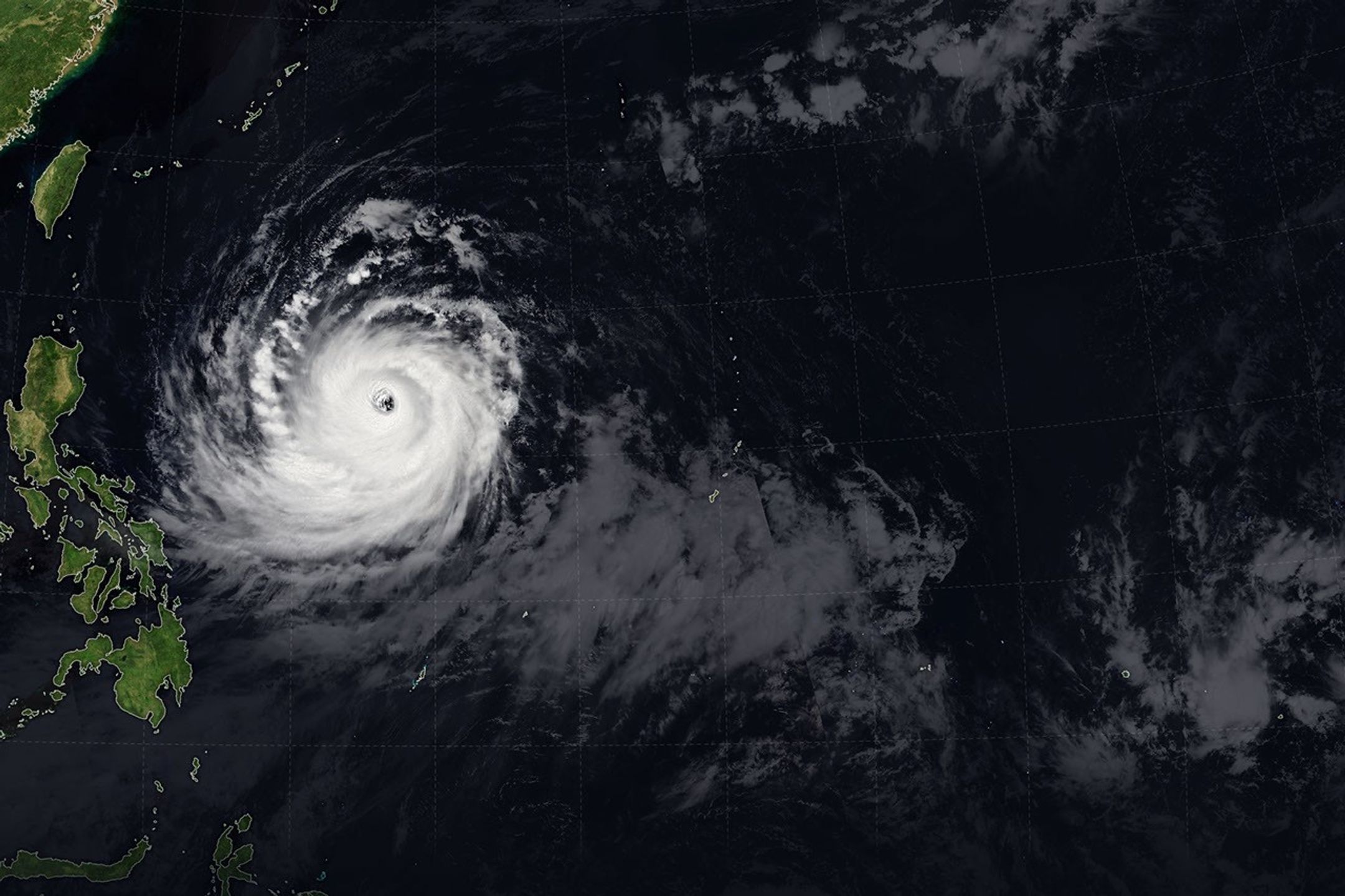
The spiraling clouds of Super Typhoon Bavi appear over the Philippine Sea southeast of Taiwan. The storm’s westward track is shown in colors corresponding to wind speed.
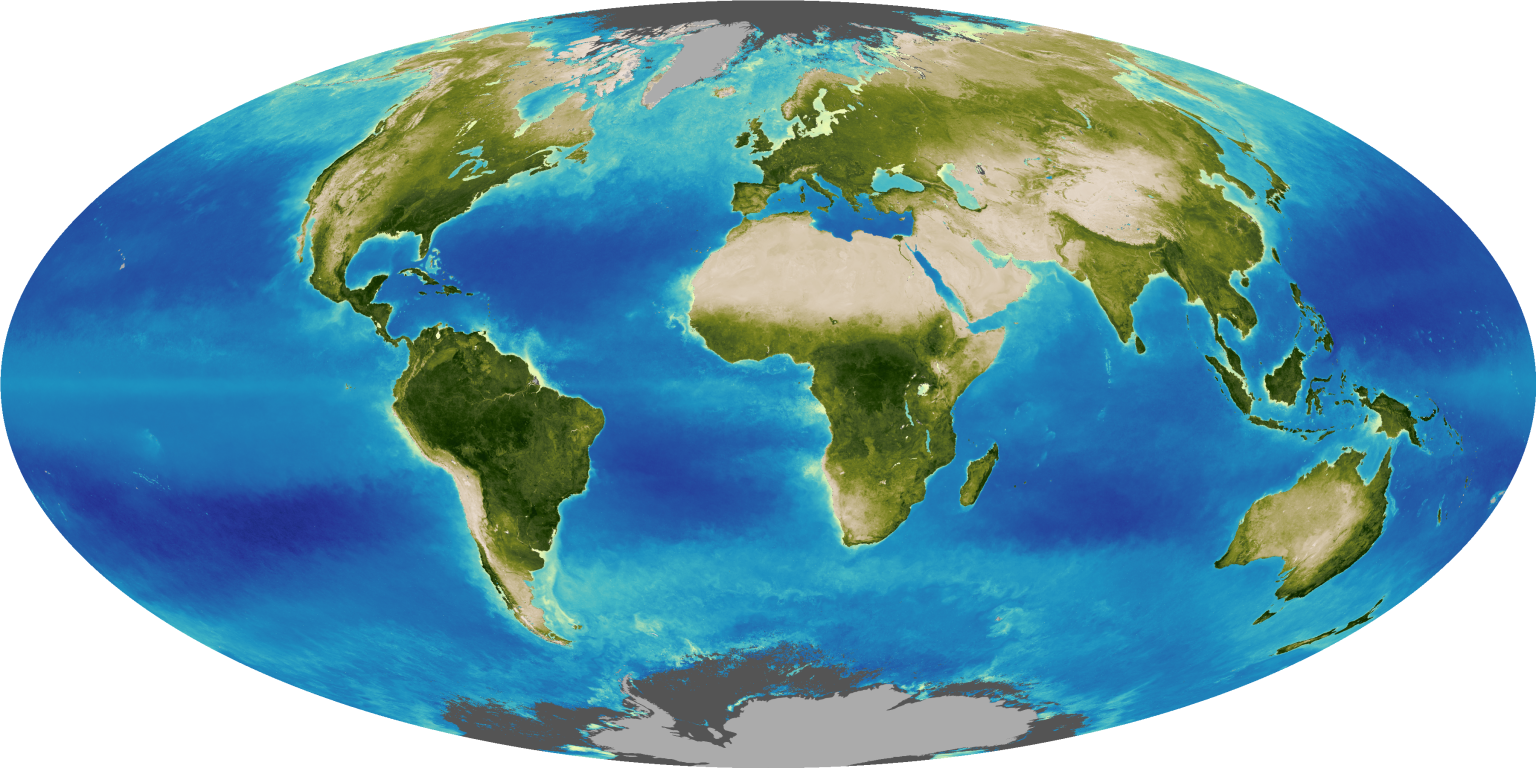
Super Typhoon Bavi tracked west over the Northern Mariana Islands toward Asia in early July 2026. The storm’s clouds and path are overlaid on a Blue Marble: Next Generation image built from scenes captured by the MODIS (Moderate Resolution Imaging Spectroradiometer). The image of the storm was captured by the VIIRS (Visible Infrared Imaging Radiometer Suite) on the NOAA-21 satellite on July 8, 2026, at about 04:30 Universal Time.
NASA Earth Observatory/Michala Garrison

On July 8, Bavi remained a powerful typhoon as it moved west over the Philippine Sea. In the early afternoon, when the image above was captured, the National Weather Service reported maximum sustained wind speeds of 250 kilometers (155 miles) per hour. Forecasts indicated the typhoon’s track could bend northwest toward Taiwan, the Ryukyu Islands of southern Japan, and mainland China and weaken over the next several days.

Writing in Yale Climate Connections, meteorologist Jeff Masters said that Bavi is the type of storm that might be expected when a strong El Niño event is building, which is currently the case. El Niño-year typhoons may form farther east, giving them more time over warm water to intensify before curving toward Asia, Masters explained, “resulting in a greater chance of reaching Category 5 intensity.”

NASA Earth Observatory images by Michala Garrison, using data from NASA EOSDIS LANCE, GIBS/Worldview, and the Joint Polar Satellite System (JPSS), and hurricane track data from the U.S. Naval Research Laboratory. Story by Lindsey Doermann.

Downloads

The eyewall of a super typhoon is partially illuminated by moonlight in a nighttime satellite image.

July 5, 2026

JPEG (1.47 MB)

The spiraling clouds of Super Typhoon Bavi appear over the Philippine Sea southeast of Taiwan. The storm’s westward track is shown in colors corresponding to wind speed.

July 8, 2026

JPEG (1.54 MB)

References & Resources

You may also be interested in:

Stay up-to-date with the latest content from NASA as we explore the universe and discover more about our home planet.

Super Typhoon Sinlaku

3 min read

The violent storm aimed at the U.S. Northern Mariana Islands and Guam in mid-April 2026.

Article

Typhoon Jangmi

2 min read

The sprawling storm promised to deliver torrential rain across a wide swath of southern Japan.

Article

Gravity Waves From Super Typhoon Sinlaku

4 min read

Satellites observed striking upper-atmosphere phenomena generated by an intensifying tropical cyclone.

Article
  •  

Datacentres are a ticking timebomb. We must make sure AI’s benefits outweigh the costs | Nicki Hutley

They suck up energy and water, and blast out heat. Just who is better off from all this investment – aside from tech bros?

The two great existential threats of our time – the climate crisis and AI – come hurtling together in the explosion of datacentres across Australia and around the world.

You can hardly avoid hearing about them these days, either with awed reverence of the promised benefits to humankind or with fear and anger given the implications for the climate, inflation, jobs and even housing affordability.

Continue reading...

© Photograph: Jono Searle/AAP

© Photograph: Jono Searle/AAP

© Photograph: Jono Searle/AAP

  •  

The great carbon capture con: behold the wasted billions Burnham could claw back | George Monbiot

There are far better ways to tackle climate breakdown, but successive governments have chosen to listen to the fossil fuel companies instead

The new prime minister will be looking for money? Well, here’s £21.7bn lying on the ground. The government could cancel its deranged, disastrous carbon capture and storage (CCS) programme at no cost to public welfare: in fact, it would greatly reduce the harm we will suffer.

Sorry, did I say £21.7bn? That’s the figure the government has been putting in its press releases for spending on this programme between now and 2050. But this covers only the first phase of the project. The climate experts Dr Andrew Boswell and Simon Oldridge worked through the data produced by the government’s Climate Change Committee, which was scattered across different spreadsheets, and discovered that the projected cost of the full CCS programme between now and 2050 is £264bn.

Continue reading...

© Illustration: Eleanor Shakespeare/The Guardian

© Illustration: Eleanor Shakespeare/The Guardian

© Illustration: Eleanor Shakespeare/The Guardian

  •  

NASA’s New Horizons Spacecraft Wakes from Hibernation in Good Health

3 min read

NASA’s New Horizons Spacecraft Wakes from Hibernation in Good Health

Following its longest hibernation period ever of nearly a year, NASA’s New Horizons spacecraft has emerged in good health and is ready to begin transmitting science data gathered in the distant Kuiper Belt far beyond Pluto.

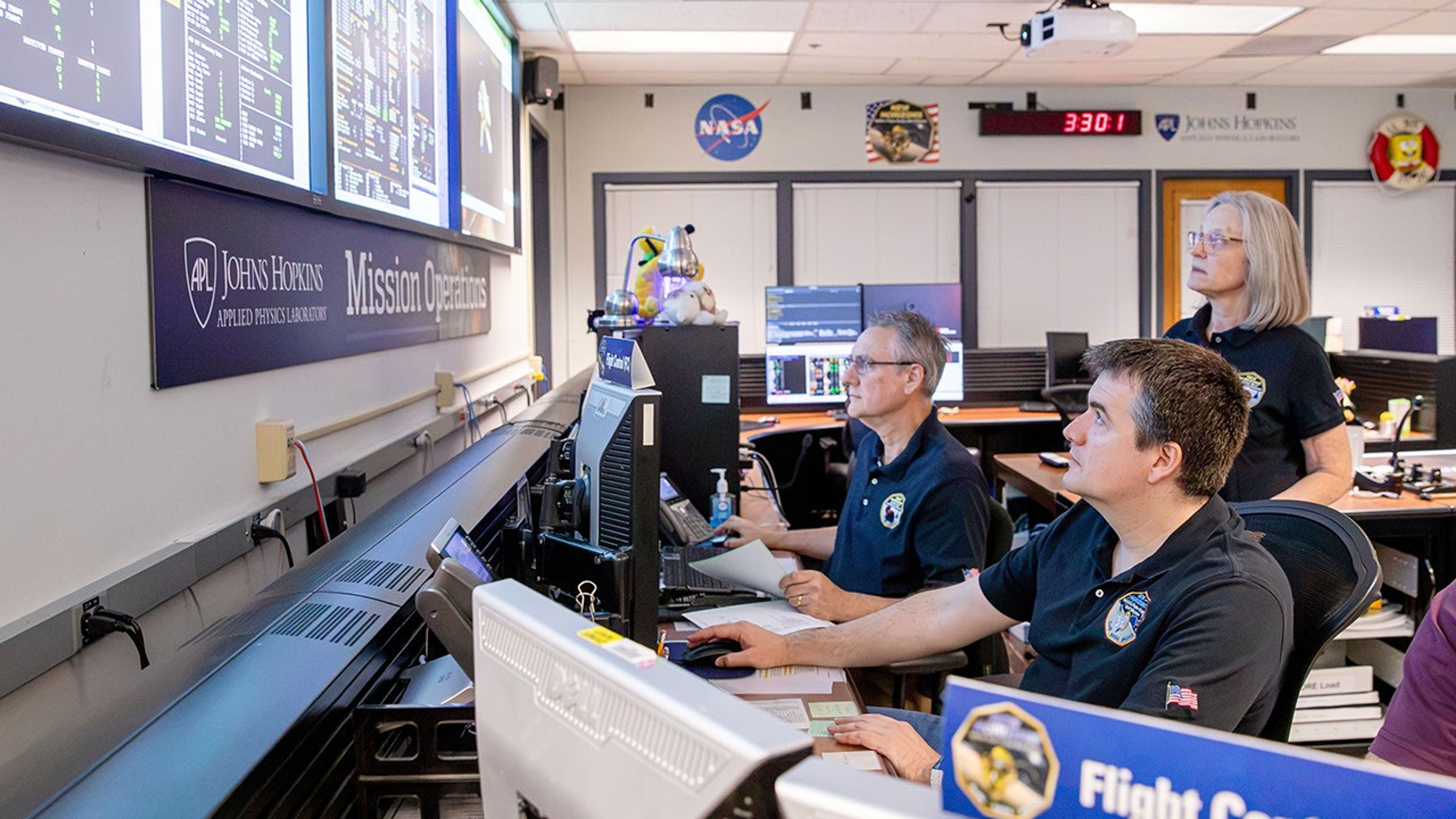
Flight operators at computers in a mission control center monitor spacecraft data on large wall displays.
From left, flight controllers Mark Lahr and Josh Albers, and Mission Operations Manager Alice Bowman, monitor telemetry streaming from NASA’s New Horizons spacecraft to the mission operations center at the Johns Hopkins Applied Physics Laboratory in Laurel, Maryland, on June 24, 2026. Now approximately 5.9 billion miles (9.5 billion kilometers) from Earth, New Horizons is ready to begin transmitting science data after being awakened from its longest ever, nearly yearlong hibernation period.
NASA/Johns Hopkins APL/SwRI/Justin Gladden

On June 23, flight controllers at the Johns Hopkins Applied Physics Laboratory (APL) in Laurel, Maryland, confirmed New Horizons, acting on stored commands uplinked to its main computer last July, had safely awakened from a 321‑day hibernation period that began Aug. 7. With the spacecraft now approximately 5.9 billion miles (9.5 billion kilometers) from Earth, the radio signals carrying that confirmation took about 8 hours and 52 minutes to reach the APL Mission Operations Center via NASA’s Deep Space Network station near Madrid, Spain.

The mission team typically places New Horizons in resource‑saving hibernation mode during long cruise periods. While the spacecraft is hibernating, operators do not send commands or retrieve data, but the spacecraft continues gathering and storing data around the clock from its heliospheric plasma sensors, Solar Wind at Pluto and the Pluto Energetic Particle Spectrometer Science Investigation, as well as its space dust detector, the Venetia Burney Student Dust Counter.

Alice Bowman, the New Horizons mission operations manager at APL, said the spacecraft reported back to Earth, via the Deep Space Network, with a weekly status beacon. “Every status report through this hibernation period was ‘green,’ meaning all was well aboard New Horizons each and every week,” she said.

As New Horizons resumes active operations, Bowman noted, the team will begin downlinking spacecraft health and safety data, followed by data from the three scientific instruments. In about three weeks, the spacecraft’s onboard Alice ultraviolet spectrograph will look at the hydrogen gas distribution in the outer heliosphere, while the Solar Wind at Pluto, the Pluto Energetic Particle Spectrometer Science Investigation, and the Venetia Burney Student Dust Counter instruments continue their measurements, and the ground team conducts a series of spacecraft and instrument checkouts.

The team also is completing upgrades to the ground‑system software that will make it easier to maintain operations of the spacecraft. Tests are already underway and are expected to continue through the year.

New Horizons is operating on updated autonomy logic designed for operations farther from the Sun and to accommodate the expected reduction in power and the naturally occurring increase in radio‑signal travel time.

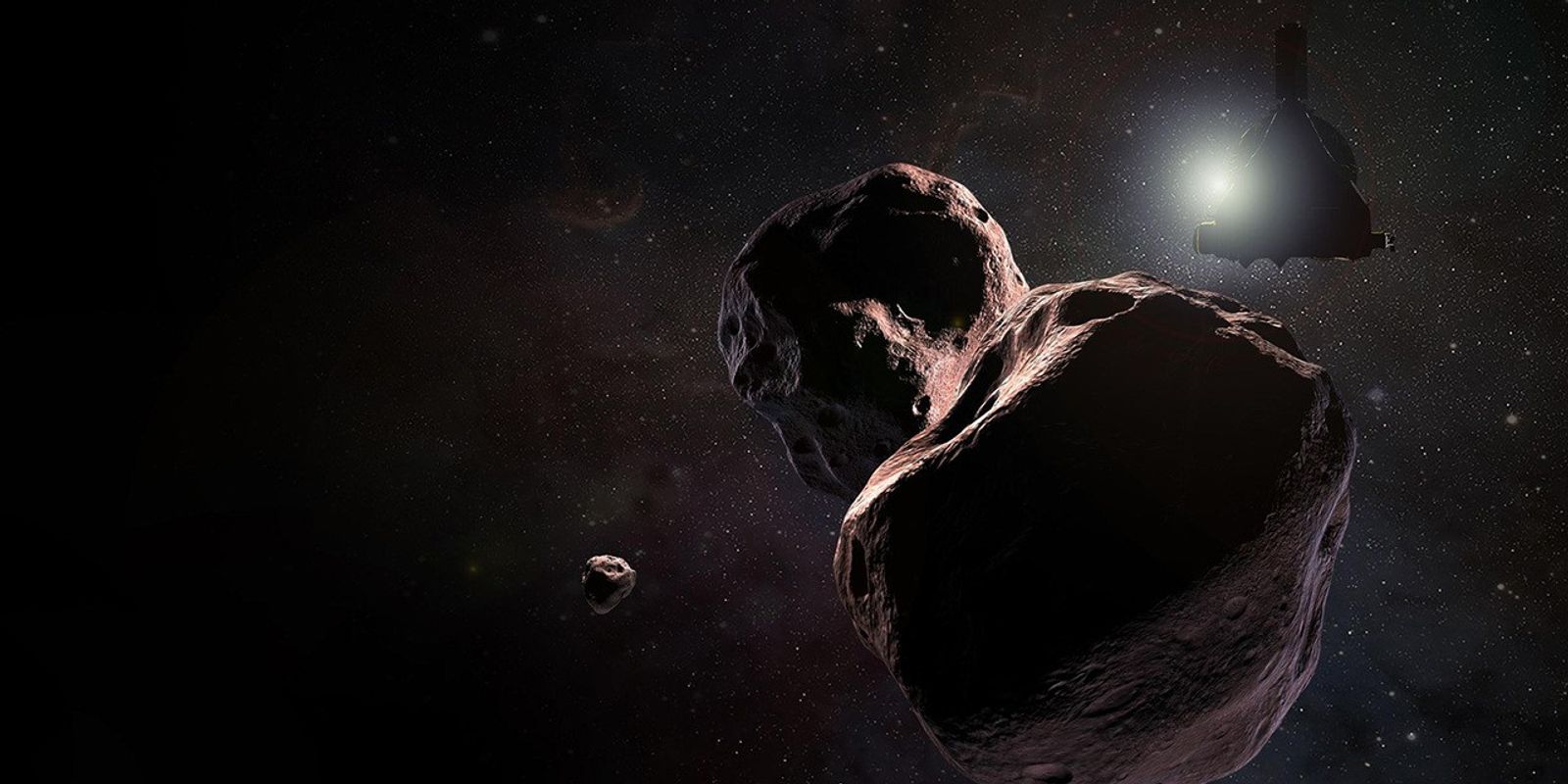
The NASA spacecraft’s exploration of this distant region of the solar system marks the latest step in a journey that began in January 2006 with the fastest launch on record; a flyby of Jupiter in February 2007 that included stunning views of the gas giant and its moons; the first exploration through the Pluto system in July 2015; the first exploration of a Kuiper Belt object, Arrokoth, in January 2019, and unique studies of the Sun’s outer heliosphere and dozens of additional Kuiper Belt objects since then.

For more information on NASA’s New Horizons mission, visit:

https://science.nasa.gov/mission/new-horizons/

  •  

Bill Frist Wants to Take Politics Out of Climate Change

Bill Frist, a surgeon who also served as Senate majority leader, has emerged as an outspoken advocate for environmental health. “A healthier planet means healthier people,” he said.

© Kirsten Luce for The New York Times

  •  

What’s holding back Britain’s green revolution? – a visual story

Labour has approved a wave of renewable energy projects, but turning plans into power remains slow. Why is that?

Labour has a race on its hands if it is to lock in its promise to achieve a virtually zero-carbon electricity system by 2030.

Britain’s next prime minister will have to move fast: the climate emergency is raging, high energy bills are driving up the cost of living and the reactionary right is threatening a fossil fuel push if it wins power.

Continue reading...

© Composite: Guardian design / SSE

© Composite: Guardian design / SSE

© Composite: Guardian design / SSE

  •  

Oil Industry Lawyers Fight a $50 Billion Climate Case in Oregon

The lawsuit aims to hold fossil fuel companies responsible for a heat wave in Portland five years ago. The industry says the case should be thrown out.

© Michael Hanson for The New York Times

Richard Schechter, a lawyer for Multnomah County in Oregon, addressing the judge in court on Wednesday.
  •  

Climate Change Fueling Europe’s Ferocious Heat Wave, Scientists Find

A scientific analysis concluded that such high temperatures, across so much of the continent, would “not have been possible” without global warming.

© Christophe Archambault/Agence France-Presse — Getty Images

A shady passageway on Tuesday in Bordeaux, France, where temperatures reached 108 degrees Fahrenheit, or roughly 42 Celsius.
  •  

Energy Transition Impacts: Sector and Country Impacts from a Demand-Driven Model

The global economy has reached the “messy middle” of the energy transition where renewable energy and electric vehicles are prevalent enough to affect the demand for fossil fuels without entirely displacing them. This introduces new tensions and volatilities to established industries from energy to transport and countries from Canada to Indonesia.
  •  

Why Is Europe the Fastest-Warming Continent

The burning of fossil fuels is raising temperatures worldwide, but local factors, on land and at sea, determine which regions warm most rapidly.

© Toby Shepheard/Agence France-Presse — Getty Images

Morning commuters on the London Bridge on Wednesday, where temperatures reached 96 degrees Fahrenheit, the hottest recorded June day in the United Kingdom.
  •  
❌