Científicos encuentran óxido de grafeno dentro de una falla activa por primera vez. El material podría explicar por qué algunas fracturas se deslizan lentamente sin generar grandes terremotos


For decades, the scientific community has recognized the gut microbiome—the intricate ecosystem of bacteria and microorganisms residing within the human intestine—as a potential key player in colorectal cancer development. Yet, the complexity and variability of microbiome data have often obscured clear, reproducible links. Now, an ambitious new study spearheaded by the Mi-EOCRC consortium, which includes pioneering teams at EMBL Heidelberg, has transcended these obstacles by analyzing an unprecedented breadth of data to unearth a universal microbiome signature associated with colorectal cancer.
Garnering insights from an extensive meta-analysis of 27 studies with over 6,700 gut microbiome profiles, the researchers uncovered microbial patterns that remain consistent across diverse populations, sequencing methodologies, and age groups—illuminating a microbial footprint intrinsic to colorectal cancer itself. Their integrative approach not only encompassed stool samples but also expanded to 906 intestinal tissue specimens, revealing striking similarities between microbes colonizing tumors and those present in fecal matter.
This landmark research fundamentally shifted microbiome science by developing innovative computational tools capable of harmonizing heterogeneous datasets produced by different sequencing technologies. Such methodological rigor was critical in overcoming previous barriers of reproducibility that have long plagued microbiome studies. Central to their approach was a bespoke machine learning algorithm adept at categorizing microbiomes along a continuum from ‘healthy’ to ‘cancer-like,’ yielding a quantifiable score that can be leveraged across disparate human gut microbiome datasets, including those derived from dietary interventions.
This algorithmic precision allowed the consortium to isolate a colorectal cancer-associated microbiome signature that transcends traditional cohort boundaries. Intriguingly, the signature appears robust not only in late-stage disease but also in early-onset cases, dispelling prior uncertainty surrounding the microbiome’s role throughout the disease timeline. The discovery underscores the microbiome’s potential as an informative biomarker capable of reflecting the intricate disease ecology.
Moreover, by comparing tumor tissue microbial profiles with those detected in stool, the study illuminated how colorectal cancer’s microbial hallmarks are mirrored across sample types. Although the microbial signature was more readily detectable in advanced tumors or those proximal to the rectum, early-stage lesions exhibited a detectable microbial presence as well. This finding deepens our understanding of tumor-microbiome crosstalk and raises critical questions regarding how microbial communities might influence tumor progression via metabolic and signaling pathways.
Despite these advances, the researchers caution that pre-cancerous adenomas—often the target of preventive strategies—remain notoriously elusive in stool-derived microbiome analyses. The microbial alterations associated with adenomas were subtler and less consistent than those observed in full-fledged cancers. Sophisticated machine learning models specifically aimed at adenoma detection showed variable success across cohorts, highlighting the need for methodological refinement before such tools can make meaningful clinical contributions.
Diet emerged as another pivotal factor shaping cancer-associated microbial patterns. A compelling link was established between low dietary fiber intake and a heightened presence of the colorectal cancer microbiome signature. Conversely, dietary interventions increasing fiber consumption correlated with marked reductions in this cancer-associated microbial pattern. These findings reinforce the concept that diet—and particularly fiber—modulates the gut environment in ways that could impact cancer risk and progression, opening avenues for microbiome-focused preventive strategies rooted in nutrition.
Delving further into microbial taxonomy, the study provided high-resolution insights into Fusobacterium species, bacteria recurrently implicated in colorectal cancer. The researchers delineated notable differences among subspecies, with Fusobacterium nucleatum subsp. animalis exhibiting consistent cancer enrichment worldwide, whereas others showed distinct geographic distributions, predominantly in Asian populations. This nuanced understanding challenges the oversimplification of grouping all Fusobacteria uniformly and underscores the importance of subspecies-level resolution for future microbiome research and therapeutic targeting.
Open science was a cornerstone of this monumental undertaking. By consolidating thousands of publicly available microbiome profiles, the researchers achieved a scale of analysis previously unattainable, setting a new standard for evidence synthesis in microbiome studies. This collective data sharing facilitates reproducible science and paves the way for scalable, global approaches to understanding the microbiome’s role in human disease.
While the study stops short of proposing an immediate diagnostic application, it lays critical groundwork for the development of microbiome-informed clinical tools. Compared to existing non-invasive colorectal cancer screening tests like the fecal immunochemical test, microbiome-based classifiers are not yet on par for sensitivity or specificity. However, the reproducible microbial signature defined here could serve as a foundational reference for future machine-learning models, enabling improved risk stratification and early detection when integrated with other clinical markers.
The implications of this research ripple beyond colorectal cancer alone. The computational tools and conceptual frameworks unveiled may be applied to myriad disease contexts where the microbiome plays a role. Furthermore, the iterative feedback loop between dietary modulation and microbial signatures encourages a personalized medicine approach that incorporates lifestyle factors into disease management.
Finally, this research highlights the intricate dance between host, microbes, and environment that shapes disease landscapes. As microbiome science marches forward, studies like this exemplify the power of interdisciplinary collaboration, computational innovation, and open data stewardship to unravel complex biomedical puzzles, bringing us closer to novel interventions and preventive strategies that could transform patient outcomes worldwide.
Subject of Research: People
Article Title: Meta-analysis reveals microbiome signatures for colorectal cancer that are universal across onset age and sequencing method
News Publication Date: 24-Jun-2026
Web References: http://dx.doi.org/10.1016/j.chom.2026.05.030
Image Credits: Daniela Velasco/EMBL
Keywords: Colorectal cancer, Human microbiota, Gut microbiota

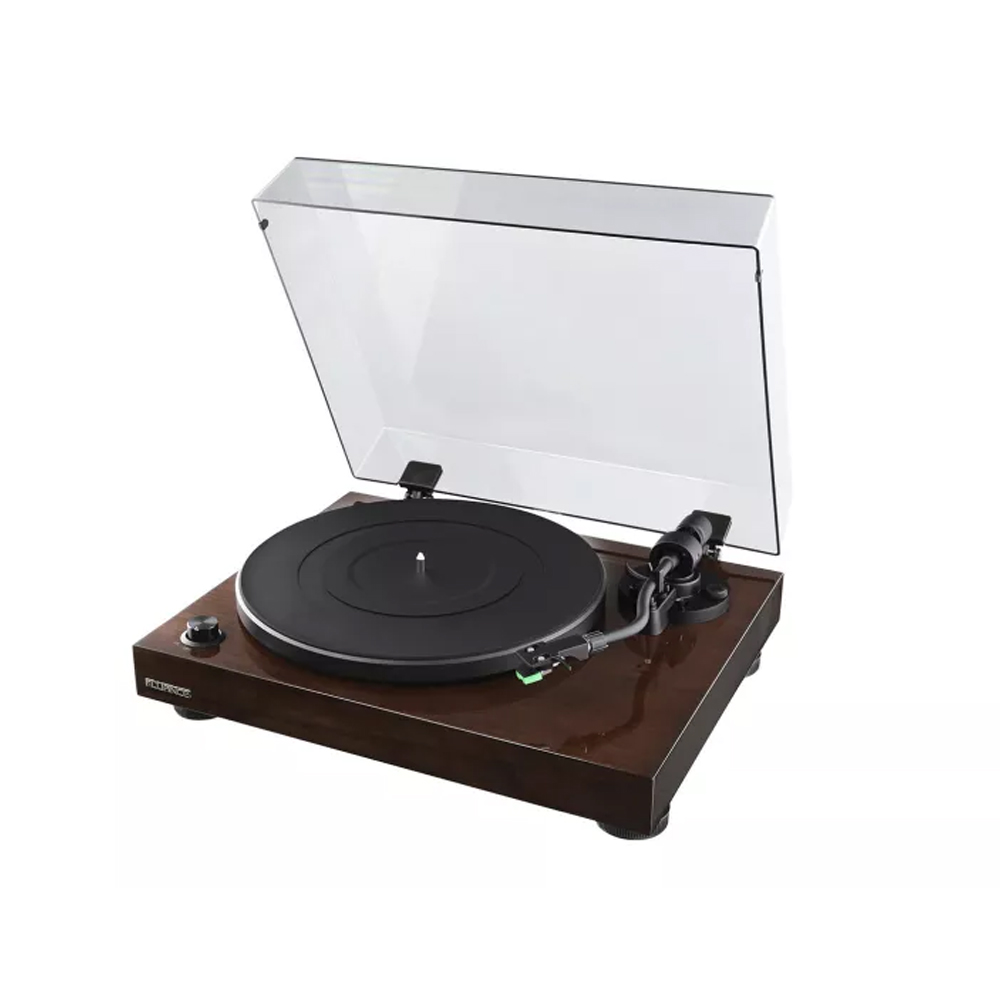
Everyone's getting back into vinyl these days, whether it's for that hit of nostalgia or because you don't want Spotify feeding you AI slop (vinyl, at the time of writing, does not facilitate AI slop… let us all hope it stays that way). And a new discount from Fluance makes picking up its entry-level turntable even easier.
This is the Fluance RT81, which we called "Easily the best starter turntable you can buy" when we tested it back in 2024. And it's a relatively affordable model even without a discount, designed to offer you the record-playing basics without expensive audiophile features.
But right now, it's 20% off, taking $60 off its already-affordable asking fee to make it just $239.99 (was $299.99) on Amazon.
A warning: turn back now if you're not reading this between 8:25am and 8:25pm ET on Wednesday, June 4 (that's 5:25am - 5:25pm PT, though it's not clear if Fluance will budge the window for Westerners). This discount is available as a Lightning Deal on Amazon, as part of Prime Day deals, so it's only live for a slender 12-hour window.
• Shop more Prime Day deals at Amazon US

Fluance RT81: was $299.99 now $239.99 at Amazon
Turntable discounts aren't hugely common, so any kind of reduction is something that'll turn heads. It's great that the sale is on an entry-level model, lowering the price of entry for prospective vinyl fans a little. And the discount? It's the lowest our trackers have seen… View Deal
Hold the needle a sec: the Fluance RT81 does miss one feature common in entry-level turntables, which you should probably know about before you buy.
The turntable doesn't feature Bluetooth connectivity (which plenty of new spinners do in 2026), so you can't pair it with your JBL speaker to enjoy your tunes, say. Instead, you'll need to connect wired speakers via RCA (those white and red dual cables).
While audiophiles prefer to avoid Bluetooth for record listening, due to the compression inherent in Bluetooth losing some of the detail within the vinyl, it's much more common in entry-level record players. The feature makes it much easier to integrate a player into your home hi-fi set-up if you only own wireless tech.
So it's only worth buying the Fluance RT81 deal if you can fit a wired turntable into your home, or you already have a set of stereo speakers that you want to put to good use.
If that's no issue, you'll find the RT81 a nice, good-looking and convenient starter turntable. It's easy to set-up and use, and it sounds pretty great.
The deal will save you $60 which, admittedly, is about the cost of one record these days, but you've probably inherited a collection of those. Instead, I'd put the money towards one of the best stereo speakers so you can use the Fluance properly.
Durerà sicuramente pochissimo l'offerta del Prime Day Amazon che ti permette di portare a casa JBL Wave Buds, ottimi auricolari Bluetooth con design in-ear, a 19,99€. Uno sconto del 67% sul prezzo di listino e comunque del 49% rispetto al prezzo offerto sulla piattaforma nell'ultimo mese. Completa rapidamente l'ordine per approfittarne finché c'è disponibilità. Spedizioni veloci e gratuite per abbonati Prime.
Un paio di auricolari entry-level, ma di ottima qualità e soprattutto firmati da un marchio che non ha bisogno di presentazioni. Buona l'autonomia energetica, ci sono diverse modalità di ascolto che ti permetteranno di non perdere il contatto con l'ambiente circostante mentre ti godi la musica che ami di più. Tramite l'applicazione per smartphone puoi personalizzare la tipologia del suono potenziando anche i bassi se lo desideri.
Decisamente, se il budget è contenuto non c'è da aspettare oltre e approfittare dell'ottima offerta Amazon del momento per portare a casa gli auricolari JBL Wave Buds a meno di 20€ in offerta con spedizioni veloci e senza costi supplementari per gli abbonati Prime. Completa ora il tuo ordine per assicurarteli perché l'offerta è limitata.
Ci risiamo, ennesimo caso di scheda grafica NVIDIA top di gamma danneggiata dal famigerato cavo di alimentazione. Questa volta sembra che sia successo con la variante aggiornata, quindi il cosiddetto 12V-2x6 al posto del precedente 12VHPWR, pensato proprio per risolvere i suoi problemi. L'ultimo episodio coinvolge una fonte particolarmente nota nella comunità hardware. Il sito specializzato Club386 ha documentato il danneggiamento di una RTX 5090 Founders Edition durante una sessione di test.
Le immagini pubblicate mostrano pin anneriti, plastica deformata e danni evidenti sia sul connettore della scheda video sia sul cavo di alimentazione. Secondo quanto riportato, il sistema era alimentato da un Be Quiet Dark Power 13 da 1000 watt collegato tramite un singolo cavo 12V-2×6 nativo, correttamente installato e conforme alle specifiche previste.
Il 12V-2×6 era stato progettato per migliorare la sicurezza del precedente 12VHPWR grazie a pin di rilevamento modificati e a una forma migliorata dei pin di potenza. Tuttavia, questo risolve solo parte del problema. Le GeForce RTX 40 e RTX 50 non hanno circuiti di monitoraggio del carico, quindi se per qualsiasi ragione uno dei sei pin di potenza non fa bene contatto tutta l'energia viene trasferita attraverso i restanti cinque. Il problema è che i fili elettrici hanno una sezione molto al limite calcolando che una RTX 5090 può arrivare ad assorbire anche 600 W nei carichi AI o nel gaming.

The refreshed lineup of Dell laptops has turned out to be even better than many of us hoped for, including the return of the XPS line — and right now, Dell's 'Days of Deals' sale is offering even better pricing than the Amazon Prime Day laptop deals I've been seeing.
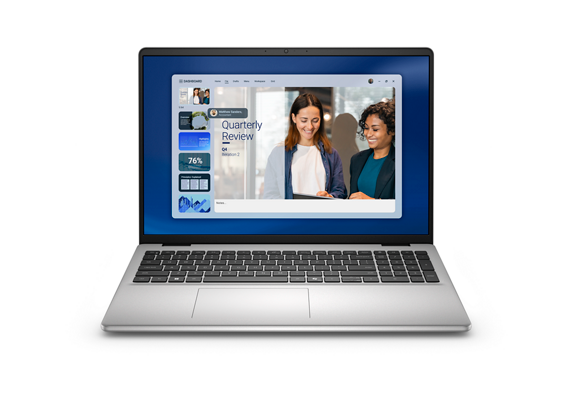
Right off the top, you have the new Dell 16 Laptop for $499.99 (originally $1029.99), which is a better price for a Windows 11 Home laptop than just about any other model on Amazon that doesn't come with junk hardware inside. Instead, you get an eight-core AMD Ryzen 7 250 processor, 16GB RAM, and a 512GB SSD, far better than most sub-$500 laptops on sale for Prime Day.
The Alienware 15 gaming laptop is also just $999.99 for a decently specced sub-$1,000 laptop with updated hardware, something that is very hard to find on Amazon right now.
There's more to explore at Dell.com, and I encourage you to check out their sale if you're in the market for new computer hardware, but I've pulled together my favorite laptop picks and configurations from the sale to help make it easier to find what you're looking for.

AMD Ryzen 7 250 | 16GB DDR5 RAM | 512GB SSD
I always think of the Dell 16 Laptop as the everyday workhorse for remote and hybrid workers. Likewise, If you or your child is off to college this September, then get ahead of the curve with this outstanding deal.View Deal

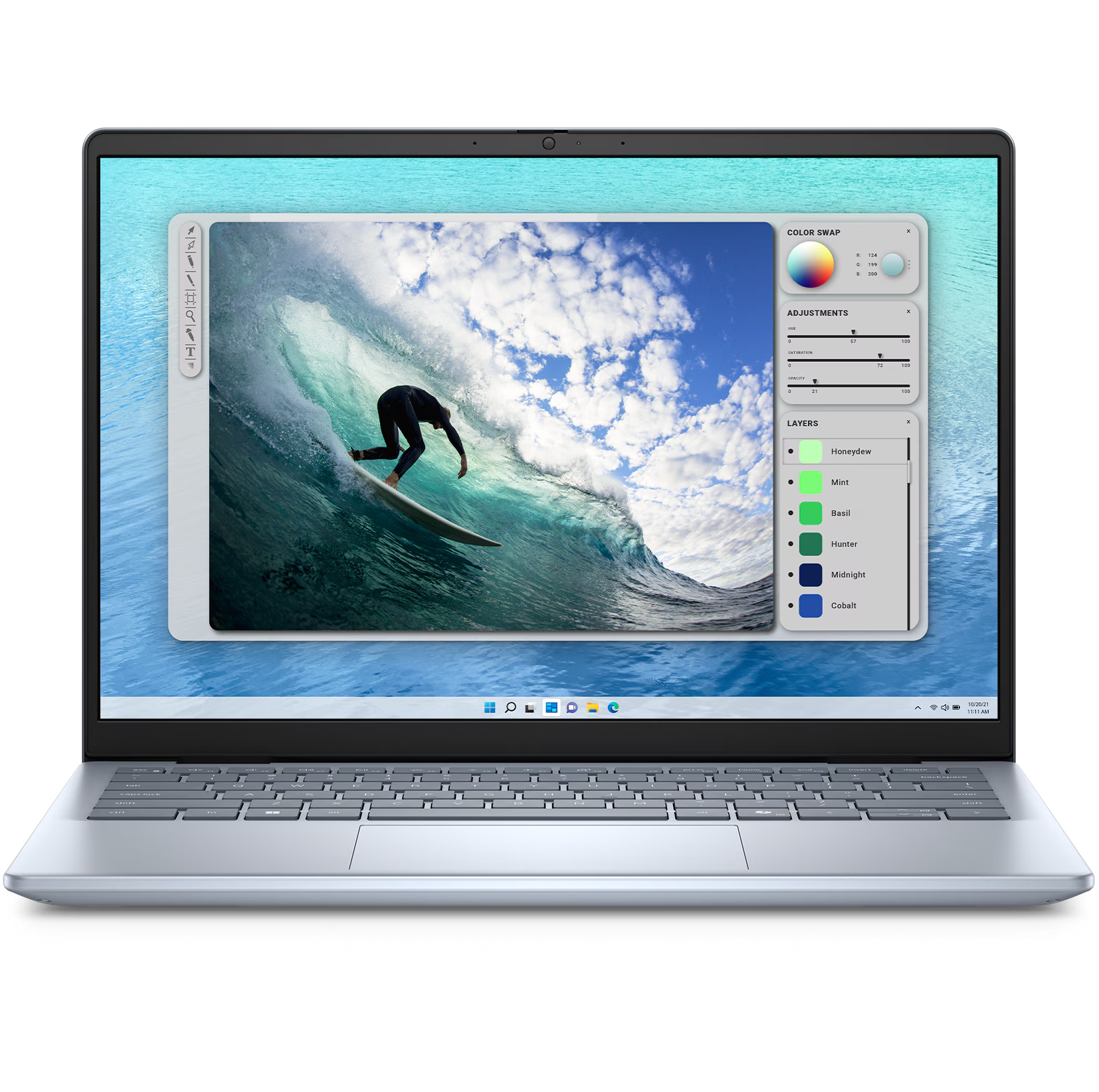
AMD Ryzen AI 5 340 | 16GB DDR5 RAM | 512GB SSD
The Dell 14 Plus is one of our favorite mid-range Windows laptops thanks to its excellent design and competitive specs. If I were looking for a decent everyday laptop for everything from work to demanding productivity applications, then I'd be very tempted by this deal.View Deal

Intel Core 5 320 | 8GB DDR5 RAM | 512GB SSD
Dell's answer to the Neo comes with a touchscreen display and a special price for students (matching Apple's $599). This is the cheapest XPS 13 yet and one with a smaller-than-A4 footprint.View Deal

Intel Core Ultra 7 258V | 32GB DDR5 RAM | 1TB SSD
Dell ships 32GB of RAM with this laptop and this is the optimal amount of memory for serious productivity/business workloads. 'Between great general computing performance for any college student or executive and long-lasting battery life, it's a solid mid-tier laptop and it's even cheaper than last year!View Deal

Snapdragon X Elite X1E-80-100 | 32GB DDR5 RAM | 512GB SSD
Dell's XPS 13 laptops are always worth keeping an eye out for during Prime Day, as we often see big price cuts for what are some of the best laptops you can currently buy. Right now, one of the biggest discounts you'll find is for this Snapdragon-equipped model, which also features an impressive 32GB of RAM. With a Snapdragon chipset, you'll get great performance and almost unbeatable battery life out of this model.View Deal

Intel Core 5 210H | 16GB DDR5 RAM | 512GB SSD | RTX4050
Save $350 on the Alienware Aurora 15 gaming laptop. This system strikes a sensible balance between gaming proficiency and affordability. For less than $1,000, it's a capable workhorse for both casual and professional tasks.View Deal

Graphics card: GeForce RTX 5060
Processor: Intel Core Ultra 7-240H
RAM: 32GB DDR5
Storage: 1TB
This Alienware Aurora 16 isn't the cheapest laptop on the market, but you're getting an Intel Core Ultra-7 240H chipset, RTX 5060 graphics card, 32GB of DDR5 RAM, and a 1TB SSD - superb specs for 1080p gaming. If you need a decent machine with a premium build, then this is a fantastic choice in the Dell Black Friday in July sale.View Deal
Southwest Research Institute (SwRI) and St. Mary’s University have embarked on a groundbreaking collaboration aimed at revolutionizing the future of hydrogen storage technology. This joint venture seeks to develop a comprehensive, physics-based forecasting tool capable of predicting the degradation and long-term durability of titanium-iron (TiFe)-based metal hydride vessels. Leveraging a chemical and thermo-mechanical modeling framework, the project represents a significant leap forward in tackling one of the most persistent challenges in hydrogen storage materials science. This initiative is made possible through a $125,839 grant from the St. Mary’s-SwRI Technology and Applied Research (S²TAR) Program, designed to foster impactful research collaborations.
Metal hydrides are pivotal materials in the hydrogen energy landscape, serving as one of the few safe and compact solid-state options for hydrogen storage. These materials function by chemically binding hydrogen to metal lattices through chemisorption, effectively locking hydrogen atoms within the structure. Unlike high-pressure gaseous tanks or cryogenic liquid hydrogen storage, metal hydrides offer improved safety profiles and reduce energy-intensive requirements. However, despite these advantages, their widespread application is hindered by their limited durability and performance degradation resulting from repeated hydrogen absorption and desorption cycles.
At the heart of this ambitious research endeavor is the intricate problem of metal hydride vessel degradation. Over numerous charge and discharge cycles, physical changes ensue within the alloy powders comprising the metal hydride bed. These changes include fracturing of particles, densification of the powder bed, and mechanical stresses that collectively impair hydrogen storage capacity and vessel performance. Traditional evaluation methods rely heavily on prolonged, costly experimental testing to assess long-term vessel integrity—a bottleneck that impedes innovation and commercialization.
The project team, headed by Dr. Richard S. Fu of SwRI and Dr. Mohamed Shaat of St. Mary’s University, seeks to transcend these limitations by integrating advanced physics-based simulations with targeted experimental validation. This dual approach aims to create a robust modeling framework capable of forecasting the lifecycle and operational durability of TiFe metal hydride vessels. The predictive tool will account for the coupled chemical, thermal, and mechanical phenomena driving hydrogen cycling performance over hundreds or even thousands of cycles.
Dr. Shaat is spearheading the development of an intricate, multiphysics computational framework at St. Mary’s University. This model is designed to encapsulate the complex interplay between hydrogen diffusion, chemisorption reactions, phase transformations within the metal hydride, heat generation and transfer, and the evolution of mechanical stress within the vessel. By accurately simulating these interconnected processes, the framework seeks to facilitate precise performance predictions, while also identifying design parameters and operational regimes that optimize both efficiency and vessel longevity.
Central to the team’s vision is the translation of fundamental physical and chemical principles of hydrogen interaction into computationally efficient predictive models. Dr. Shaat emphasizes the importance of capturing the coupling mechanisms—particularly how hydrogen transport influences thermal and mechanical responses and vice versa—in order to provide reliable simulations that replace and reduce the dependence on lengthy physical testing. This innovative approach promises to significantly reduce costs, accelerate development cycles, and improve hydrogen storage system designs.
On the experimental front, SwRI’s team, under Dr. Fu’s guidance, is undertaking controlled, long-term cycling experiments to collect essential validation data. By subjecting metal hydride vessels to realistic charge-discharge scenarios, they aim to quantitatively monitor performance degradation mechanisms as they unfold. These experiments will provide the empirical backbone necessary to calibrate and refine the modeling framework, ensuring that simulation outputs faithfully represent real-world behavior under operational conditions.
The synergy between modeling efforts and experiments forms the cornerstone of the project’s iterative design loop. As Dr. Fu explains, modeling insights will direct the focus of experimental tests to critical phenomena, while the resulting data will feedback to correct and enhance the models. This dynamic interplay is expected to unravel previously obscure degradation mechanisms by illuminating the coupled chemical, thermal, and mechanical interactions at work within the metal hydride vessels. Ultimately, this feedback-driven methodology will yield a predictive tool capable of guiding material improvements and engineering decisions.
Hydrogen’s emergence as a clean, versatile energy carrier is a key cornerstone of global efforts to decarbonize energy and transportation sectors. However, to fulfill its potential, advances in storage technology are imperative. Unlike batteries or fossil fuels, hydrogen storage demands novel materials and engineering solutions due to its unique physical and chemical characteristics. By focusing on metal hydride vessels, this project addresses a promising yet underdeveloped storage pathway that could unlock safer, more efficient hydrogen deployment across diverse applications.
The S²TAR funding mechanism plays an instrumental role in enabling this interdisciplinary collaboration by providing seed resources that draw on the expertise strengths of both SwRI and St. Mary’s University. This partnership is not only poised to produce high-impact scientific outcomes but also lays the foundation for sustained cooperation. Through this collaboration, the team is well-positioned to attract larger external funding sources from federal agencies and industry players focused on advancing hydrogen infrastructure and clean energy technology.
As work progresses, the team anticipates that their predictive modeling tool will be an invaluable resource for the hydrogen storage community. It will offer designers and researchers an evidence-based platform to evaluate new materials, optimize vessel designs, and predict operational lifetimes with higher confidence. By systematically addressing the core durability challenges of metal hydride storage, this project represents a wide-reaching advancement that could significantly accelerate solid-state hydrogen storage adoption worldwide.
In conclusion, this joint initiative by Southwest Research Institute and St. Mary’s University epitomizes the cutting edge of hydrogen storage research. Through combining rigor in experimental validation and sophistication in physics-based modeling, the project champions a future where hydrogen is stored more safely and efficiently. The knowledge generated here promises to not only rewrite the fundamentals of storage vessel degradation understanding but also to catalyze practical applications in the global hydrogen economy.
Subject of Research: Physics-based modeling and experimental validation of TiFe-based metal hydride hydrogen storage vessel degradation and durability.
Article Title: Advancing Solid-State Hydrogen Storage: Predictive Modeling and Experimental Synergy for Metal Hydride Vessel Durability
News Publication Date: June 24, 2026
Image Credits: Southwest Research Institute
Hydrogen storage, metal hydrides, TiFe alloys, chemisorption, physics-based modeling, thermo-mechanical framework, hydrogen diffusion, phase transformation, performance degradation, solid-state hydrogen storage, experimental validation, multiphysics simulations

Se você quer catalogar e jogar seus jogos retrô diretamente do SteamOS, conheça e veja como instalar o RetroDECK no Linux via Flatpak.
Leia o restante do texto "Como instalar o RetroDECK no Linux via Flatpak"
O post Como instalar o RetroDECK no Linux via Flatpak apareceu primeiro em Blog do Edivaldo - Informações e Notícias sobre Linux.

La colonizzazione lunare, ormai prevista dalla NASA e avviata con diversi progetti che nei prossimi anni prenderanno vita, porta con sé diverse problematiche. Tra queste, c'è la necessità di garantire la sicurezza delle strutture che ospiteranno astronauti e attrezzature. Secondo diversi specialisti del settore, i tempi sono maturi per iniziare a pensare a un vero e proprio codice edilizio lunare, ovvero un insieme di regole tecniche pensate appositamente per un ambiente molto diverso da quello terrestre.

L’argomento è stato discusso durante la 26ª edizione dello Space Resources Roundtable, svoltasi dal 2 al 5 giugno presso la Colorado School of Mines, e tra le voci più autorevoli intervenute c’è stata Nerma Caluk, ingegnere e specialista delle attività lunari presso Skidmore, Owings & Merrill, società di architettura e ingegneria strutturale con sede a San Francisco.
Il suo parere è che le future costruzioni previste da NASA e Cina, tra cui habitat, piazzole di atterraggio, rifugi per apparecchiature e persino strutture verticali di grandi dimensioni, dovranno confrontarsi con condizioni fisiche che non trovano equivalenti diretti sulla Terra. Ad esempio, avete mai pensato alla questione terremoti? Esistono anche qui e vengono soprannominati moonquake.
There are an overwhelming number of Prime Day deals to sort through, which is why we spend so much time highlighting products we’ve already tested and can stand behind. But our recommendations are only one way to identify a worthwhile deal: another is seeing which products fellow Verge readers actually buy.
Below, we’ve rounded up the deals that have resonated most with readers who spend as much time thinking about tech as we do. It’s a great way to see what people actually think is a great deal — and what products everyone has been waiting for a price drop on.
Some of the favorites are exactly what you’d expect, like AirPods and Kindles. Others, like Birdbuddy’s camera-equipped smart bird feeder, were a more surprising. If you’re looking for some shopping inspiration, or are simply curious what your fellow readers have been adding to their carts, here are the products that have proven most popular so far during Prime Day.


Some Grand Theft Auto 6 fans are frustrated by the amount of exclusive content locked behind the game's Ultimate Edition, but it looks like a separate upgrade will be available at some point.
Rockstar Games has officially announced the price for GTA 6, when pre-orders go live, and what editions will be available: a $79.99 Standard Edition and a $99.99 Ultimate Edition.
Unlike the Standard Edition, which only comes with the base game, the more expensive Ultimate Edition features a ton of extra goodies, including premium and exclusive content such as missions, Vice City shops, locations, and outfits.
While the announcement has many fans excited, some are disappointed that much of GTA 6 will be locked behind a higher cost version of the game.
"Locking this much s*** behind the Ultimate Edition is scummy," one fan said. Another wrote, "Having stores locked behind the Ultimate Edition in a single player game is definitely a choice."
A user on Reddit shared similar frustrations, saying, "Rockstar I love you and all but locking content behind editions of the game like this is pretty egregious. This shouldn't be things you hide behind an ultimate edition of the game for players who just want to buy the basic game."
However, taking a look at the PS Store now that pre-orders have gone live in New Zealand, it seems that an Ultimate Edition Upgrade will be available.
There's no price right now, but if we had to guess, it could cost about the difference between the Standard and Ultimate Edition, so roughly $20.
A release date for the add-on hasn't been confirmed, but it will likely be available at launch, giving players who purchase the Standard Edition the option to upgrade and unlock all Ultimate Edition content.
Elsewhere, Sony has teamed up with Rockstar and announced that players who pre-order any edition on PlayStation Store will also instantly receive a redeemable free month of GTA+, a premium subscription for Grand Theft Auto Online.
Unfortunately, physical copies of GTA 6 won't include a disc. Instead, they'll come with a download code, and some fans aren't pleased with the new.