NASA unveiled plans in March to develop a lunar base as part of its “Ignition” event that outlined the agency’s new direction in human spaceflight. The plans, though, were rather […]
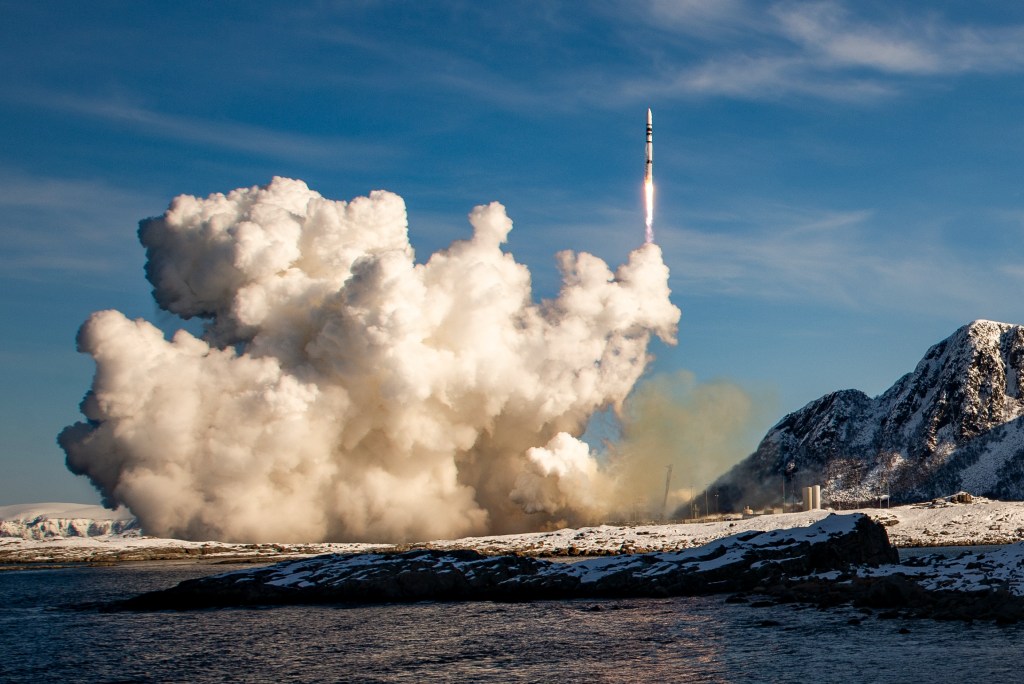
European launch company Isar Aerospace has raised 270 million euros ($312 million) to support its global expansion as it prepares for its next launch attempt.
China is expanding the role of its commercial rocket companies by shortlisting four such entities for launches of a new space station cargo transport system.
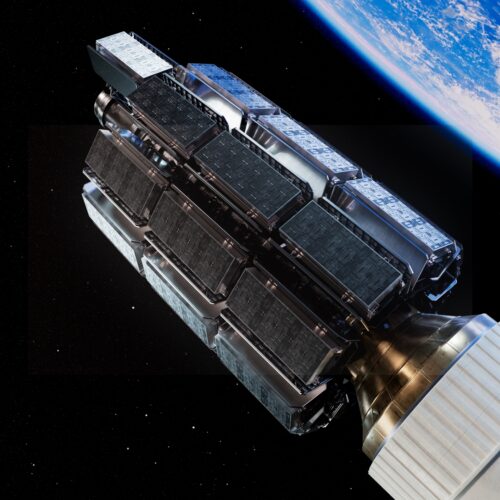
The Federal Communications Commission has waived a requirement for Amazon to launch half of its satellite broadband constellation by the end of July, a key regulatory reprieve that buys the tech giant time to get more of its spacecraft into orbit.
Amazon won regulatory approval for the Amazon Leo network in July 2020. The FCC's authorization came with two deadlines. First, Amazon had to launch half of its 3,232 satellites by July 30, 2026, in order to maintain authorization to launch the rest of the network. The regulator gave Amazon a deadline of July 30, 2029, to have all of its first-generation satellites in orbit.
It has been apparent for some time that Amazon would not meet the FCC's requirement to launch half of its satellites—1,616 spacecraft—by the end of next month. Amazon filed an application in January requesting the FCC extend the deadline to July 2028 or waive it altogether. The commission decided on the latter option, removing any time limit for the 50 percent deployment milestone, but keeping the July 2029 deadline in place for the entire constellation.

 Login