The types of Ebola and hantavirus worrying officials are very different from the species identified decades ago, raising new questions about how to respond.
The independent senator David Pocock says leaked BHP documents show that the mining giant is “laughing” at Australia’s key climate policy while pocketing hundreds of millions of dollars through a generous diesel tax break.
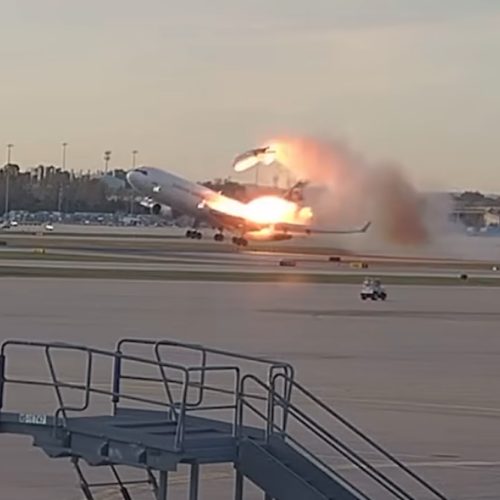
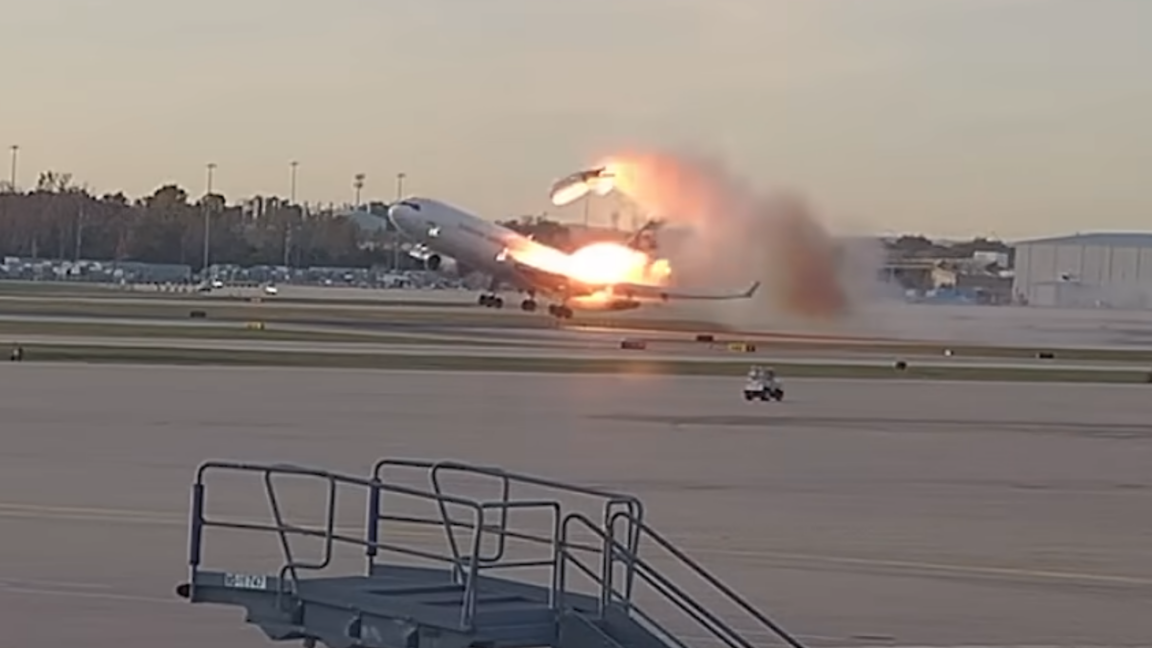
Pilots’ voices from the last seconds of a fatal cargo plane crash have been re-created by Internet sleuths using software and AI tools. The spread of reconstructed audio recordings has prompted a US government agency to suspend all public access to its database of civil transportation accidents—because federal law prohibits investigators from publicly releasing audio from cockpit voice recorders.
The US National Transportation Safety Board (NTSB) usually shares factual reports and evidence gathered from investigations of aircraft crashes and other civil transportation incidents. But on May 21, the NTSB announced that the online docket system containing such information was “temporarily unavailable” as it reviewed the publicly available materials that had enabled people to re-create cockpit audio recordings from aircraft disasters.
“The NTSB is aware that advances in image recognition and computational methods have enabled individuals to reconstruct approximations of cockpit voice recorder audio from sound spectrum imagery released as part of NTSB investigations, including the ongoing investigation of the crash last year of UPS flight 2976 in Louisville, Kentucky,” according to an NTSB statement. “The NTSB does not release cockpit audio recordings.”
 Login