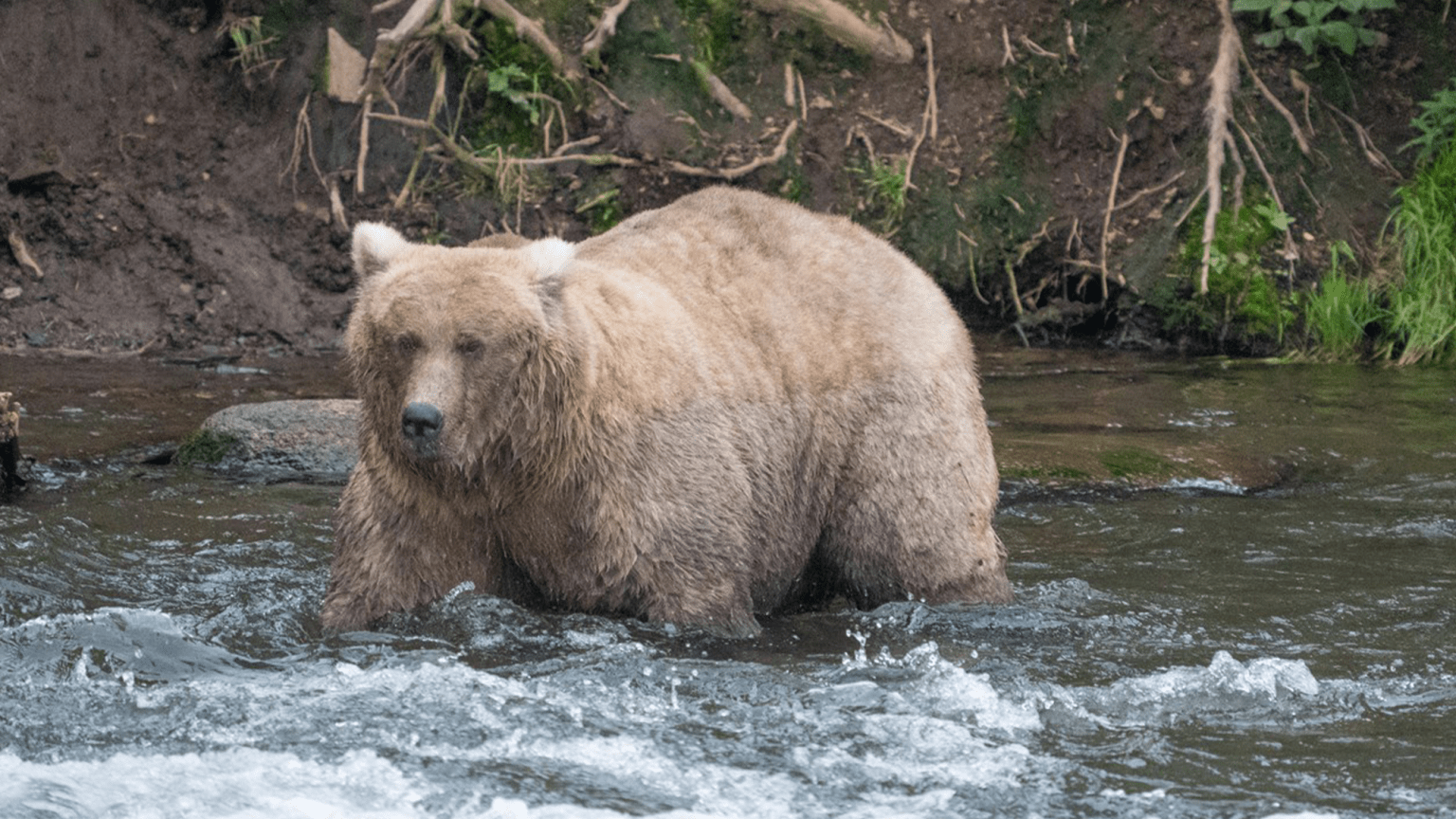
The 2025 Fat Bear Week champion is back and ready to rumble (or at least eat a lot of fish). Bear #32, better known as Chunk, returned to view this week on the explore.org live cameras stationed throughout Katmai National Park in Alaska. With the kickoff of Fat Bear Week 2026 slated for Friday, his timing couldn’t be better.
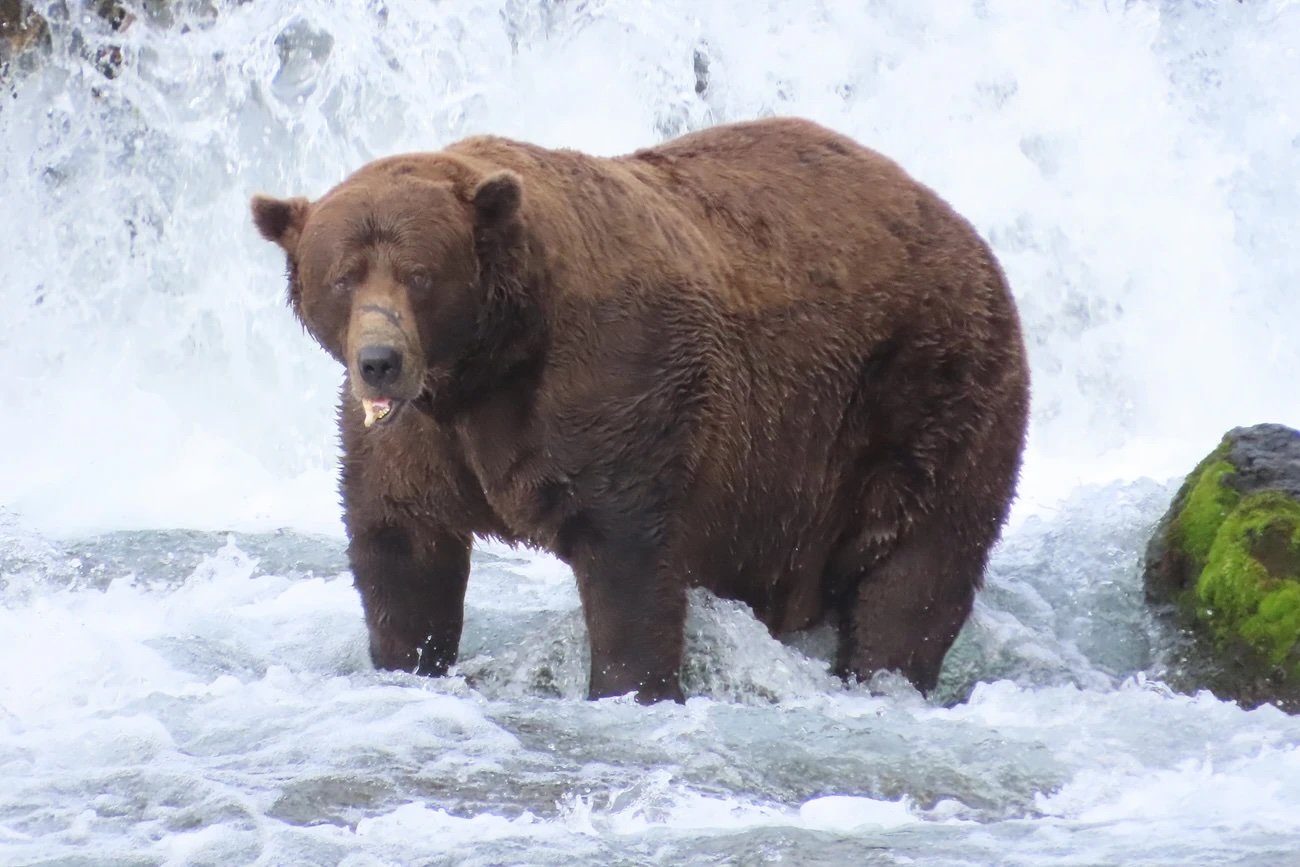
Chunk reigned supreme in 2025, racking up 96,350 votes—30,000 more than second place finisher, Bear 856. Chunk is a fan favorite for his hefty size (estimated at more than 1,200 pounds) and distinct look. In addition to his narrow-set eyes, dark brown fur, large muzzle scar, and prominent brow ridge, Chunk also has misaligned the jaw. In 2025, he emerged from slumber and made an appearance at Brooks River with a noticeably broken jaw that rangers guessed was a result of a fight with another bear.
“Chunk proved immediately adaptable,” explore.org explained. “He adjusted his behavior to avoid most direct confrontations with other large male bears. He quickly learned to eat salmon without the full use of his mandible. Additionally, his large body size still gave him easy access to many productive fishing spots. He remains one of the largest bears at Brooks River.”
Despite the potential challenges of chomping on salmon with a broken jaw, Chunk persevered. Cameras first spotted him this season all the way back in April. Bears are not seen as frequently during the spring, so the early glimpse of Chunk walking across a patch of ice was exciting. Typically, Katmai bears emerge in June when the salmon run begins at Brooks River.
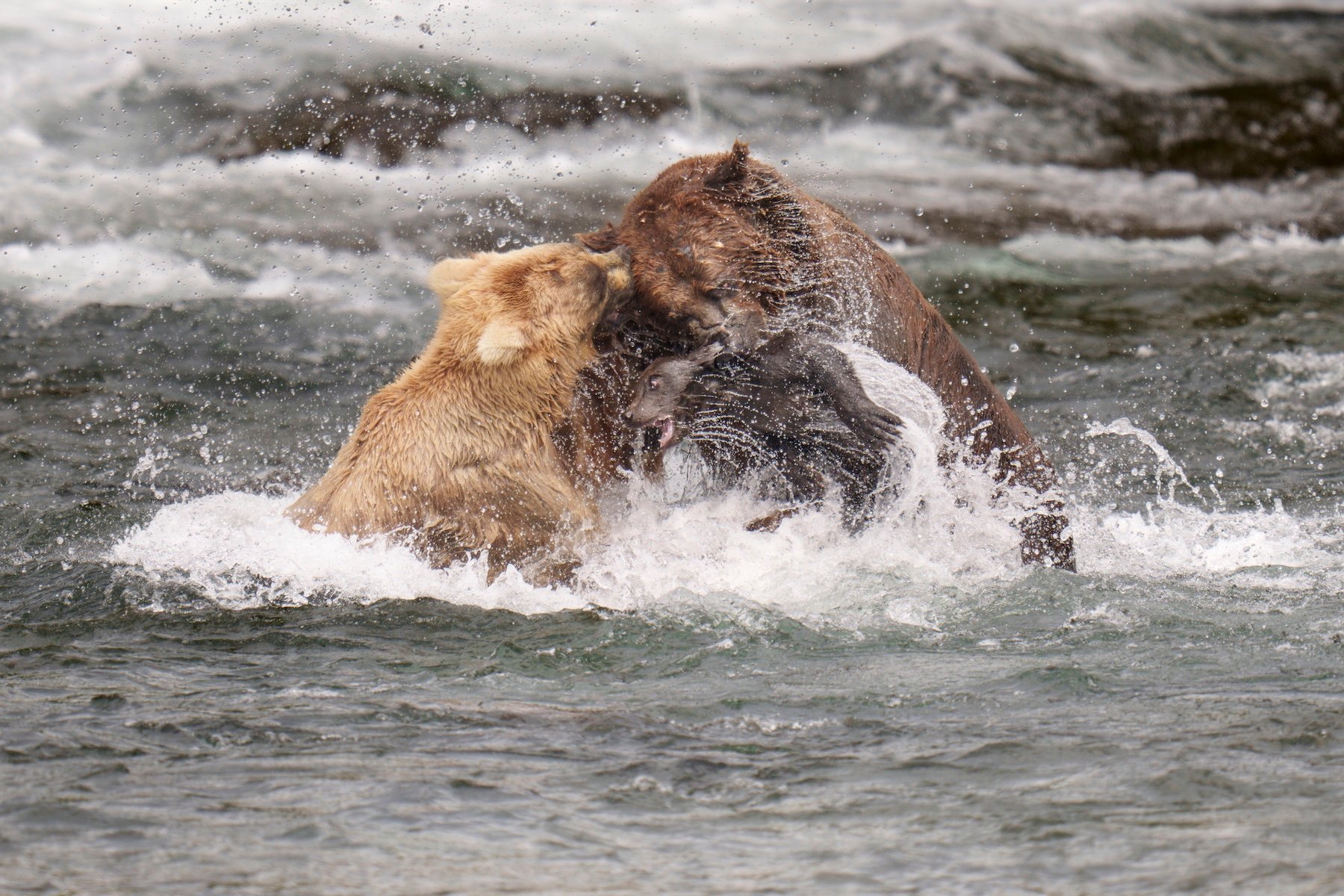
Chunk, a large boar brown bear in Katmai National Park, attacks one of Grazer’s spring cubs at Brooks falls in 2024. Image: Getty Images Annalise Kaylor
Chunk wasn’t always a fan favorite though. In 2024, he lost the Fat Bear Week crown for the second year in a row to mama bear Grazer. The two bears had been involved in an incident in which two of Grazer’s 2024 cubs were attacked by Chunk after falling over a waterfall. Grazer put up a fight against Chunk to defend her cubs, but one cub died after the encounter.
Tune in Friday, September 18, for the Fat Bear Week 2026 bracket reveal to see if Chunk will have the chance to defend his title. And you can always tune in to explore.org live cameras to see what our favorite chunky bears are up to.
Photographs comparing the bears from earlier in the summer and later in the summer will be shown, so voters can get an idea of just how much weight the bears put on during their salmon fest. An adult male bear can go from roughly 700 pounds in the early summer to over 1,200 pounds by fall.
Voters are also encouraged to get familiar with each bear’s life history and the unique challenges they face to survive.
Which bears are competing this year?
The 2026 Fat Bear Week Bracket will be released on Friday, September 18.
Donations can be made to Katmai Conservancy’s Otis Fund. The Otis Fund is named after Bear #480 (Otis), who won four Fat Bear Week titles before his death around 2024. All donations made between September 22 and October 3 will be matched by explore.org.
What happened with the bears this summer?
This year’s livestream featured an example of how wild (and upsetting to humans) nature can be. On Tuesday, July 28, cameras captured a young brown bear cub being killed and eaten by an unrelated mother bear (Bear #806).
On Sunday, August 2, one of Bear #335’s (Jolly) cubs died, after following three unrelated cubs up a tree. The mother of the cubs already in the tree attacked Bear #335’s cub, who did not survive the encounter. The identity of the mother bear who killed the spring cub was not confirmed.
Following the first cub’s death, naturalist Mike Fitz and park rangers Christine Loberg and Sarah Bruce said this likely the first documented case occurring at Brooks River. While there is no one answer as to why mother bears are killing cubs, some experts suspect bear adoption, food scarcity, and fights for dominance all play a role.
A brown bear cub learns a lot in its first year of life—how to fish, how to steer clear of trouble. Two curious cubs recently learned a valuable (and wet) lesson about the strength of currents.
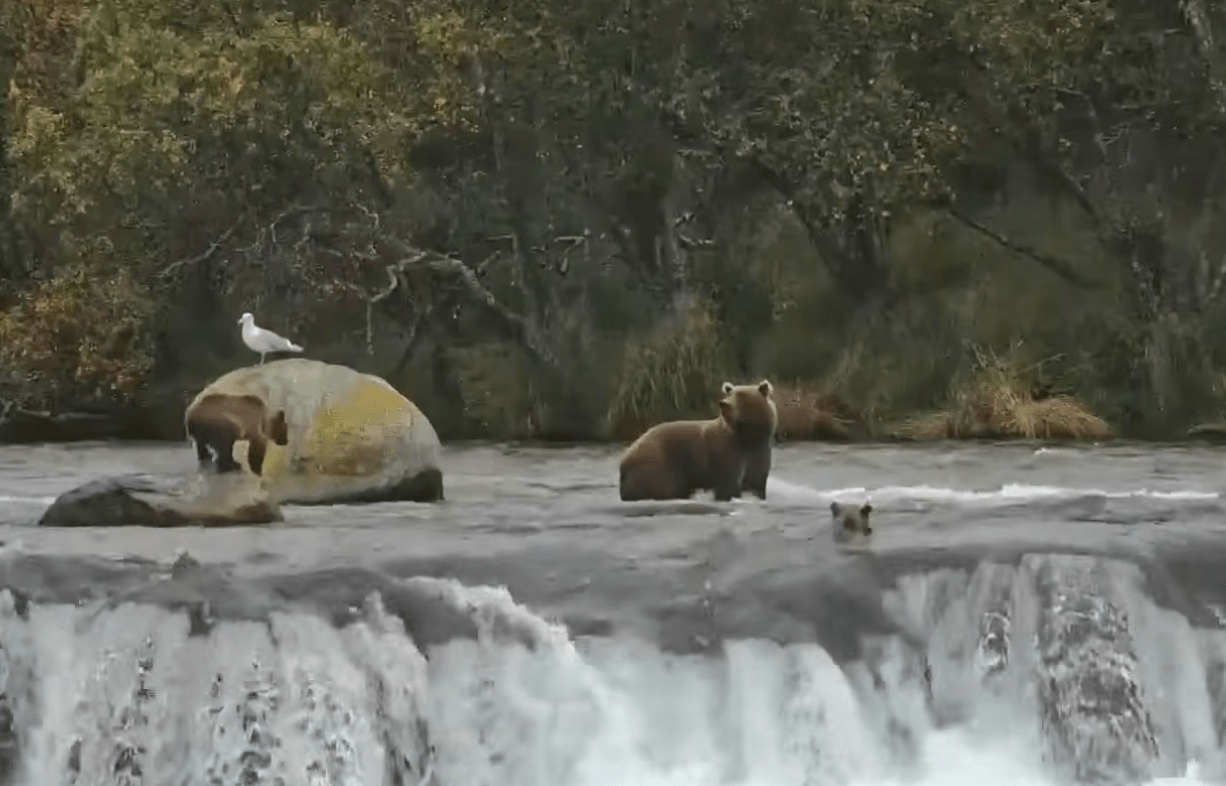
At Alaska’s Katmai National Park and Preserve, home to Fat Bear Week, Bear #224 took her cubs on a journey near Brooks Falls. Early in summer, Brooks Falls is a hot spot for salmon munching by the park’s resident brown bears. By September, most bears move to the lower Brooks River to eat the dead and dying salmon near the river’s mouth.
As Bear #224 navigated the upper part of the falls with her two spring cubs, the young bears toddled up a rock and each hopped off. The strength of the current pulled the bears over the waterfall, despite their best efforts to paddle upstream. No other bears were present at the falls during the incident and mama bear eventually made her way down to join her cubs and move down river to calmer waters.
Brown bears are strong swimmers, moving up to 5mph in the water, according to the Alaska Wildlife Conservation Center. They use all four legs to paddle and their body fat helps provide buoyancy. They also shake like dogs to remove excess water after a swim.
Fat Bear Week kicks off September 22. Votes may be cast from noon to 9 p.m. EDT (9 a.m. to 6 p.m. PDT and 8 a.m. to 5 p.m. ADT) from September 22 and 29 at fatbearweek.org.
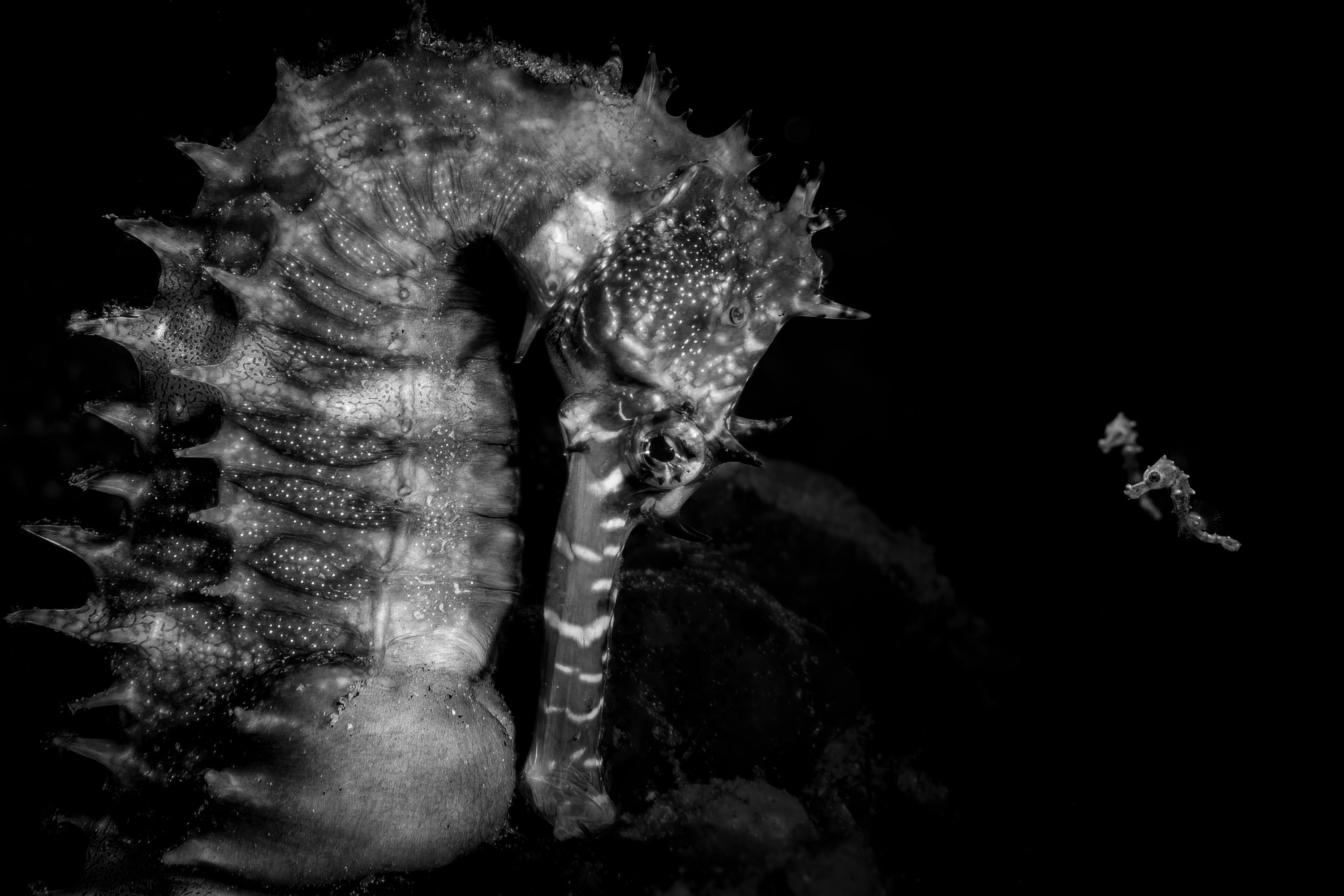
In French Polynesia, an adult seahorse floats in ocean waters alongside two juveniles. His head appears bowed, as the young fry look on curiously. The captivating black-and-white image (seen below) by photographer Julien Anton took top honors at the 2026 Ocean Photographer of the Year awards.
French Polynesia An adult seahorse pictured with newly born juveniles in the shallow seaweed-filled waters of Moorea, French Polynesia. While it is not known if these seahorses are related, their arrangement creates the impression of a farewell, as if the tiny seahorses have gathered around their father after he has released them into the world. Seahorses are now rare in French Polynesia so this image was the result of long hours of searching among the seaweed. Credit: Julien Anton / Ocean Photographer of the Year 2026
“Winning Ocean Photographer of the Year is an immense honour – one I’m proud to share with my family, and with the local residents, naturalists and fishermen of Tahiti and Moorea whose knowledge made this image possible,” Anton said in a statement. “We spent countless hours searching in difficult conditions, with no guarantee of finding a single seahorse. That is what made the moment so extraordinary – when the juveniles turned back towards the adult, it felt like something far beyond what I had dared to hope for. I am not a professional photographer; for me, photography is simply how I share what I see and feel. My hope is that this image can serve as a bridge between science, conservation and a world that deserves to know what is at stake.”
The 2026 Ocean Photographer of the Year competition celebrates Big Blue’s incredible beauty while also highlighting the urgent need to protect it in a rapidly changing world. The annual contest is co-presented by Oceanographic Magazine and Blancpain.
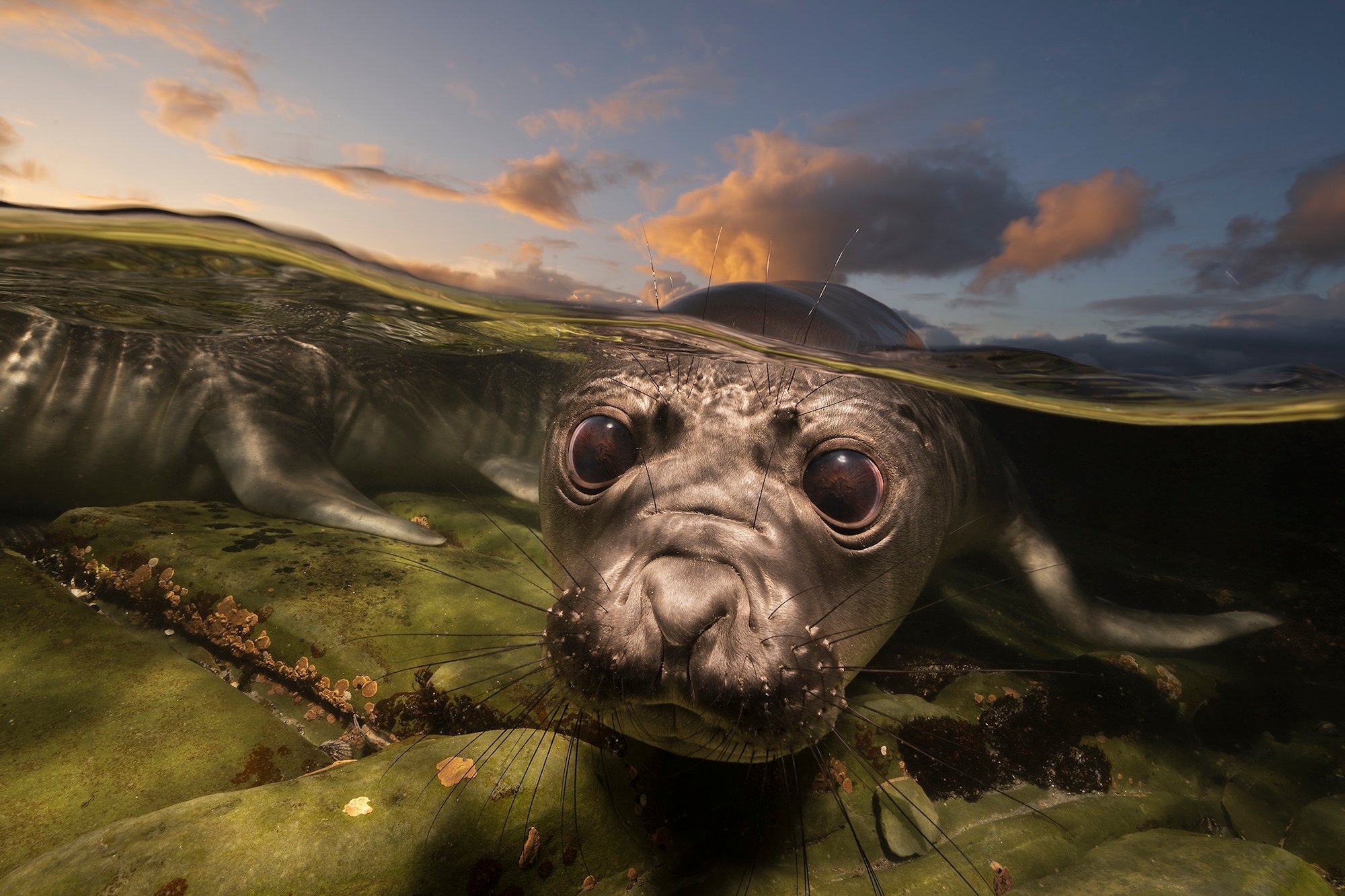
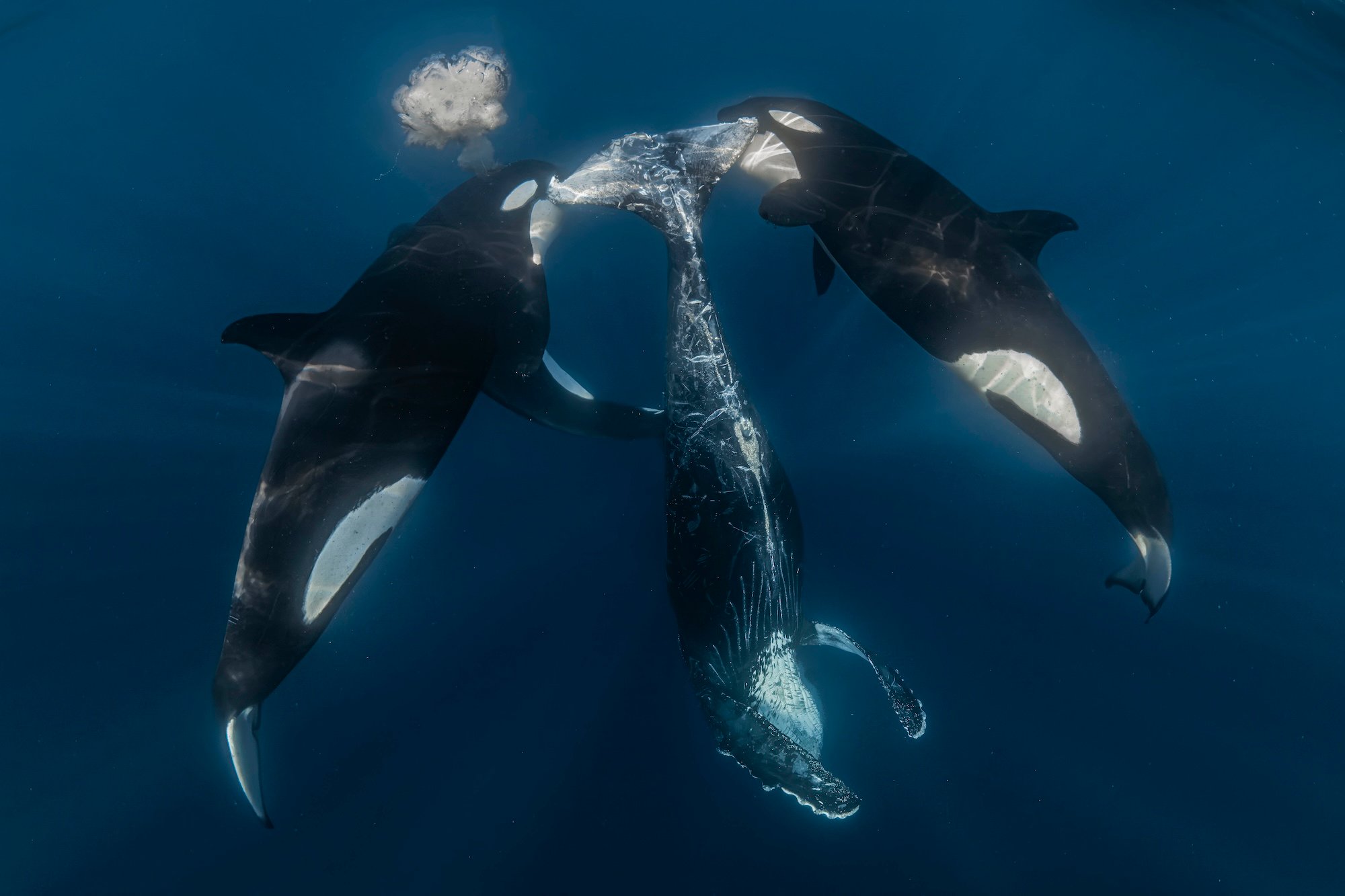
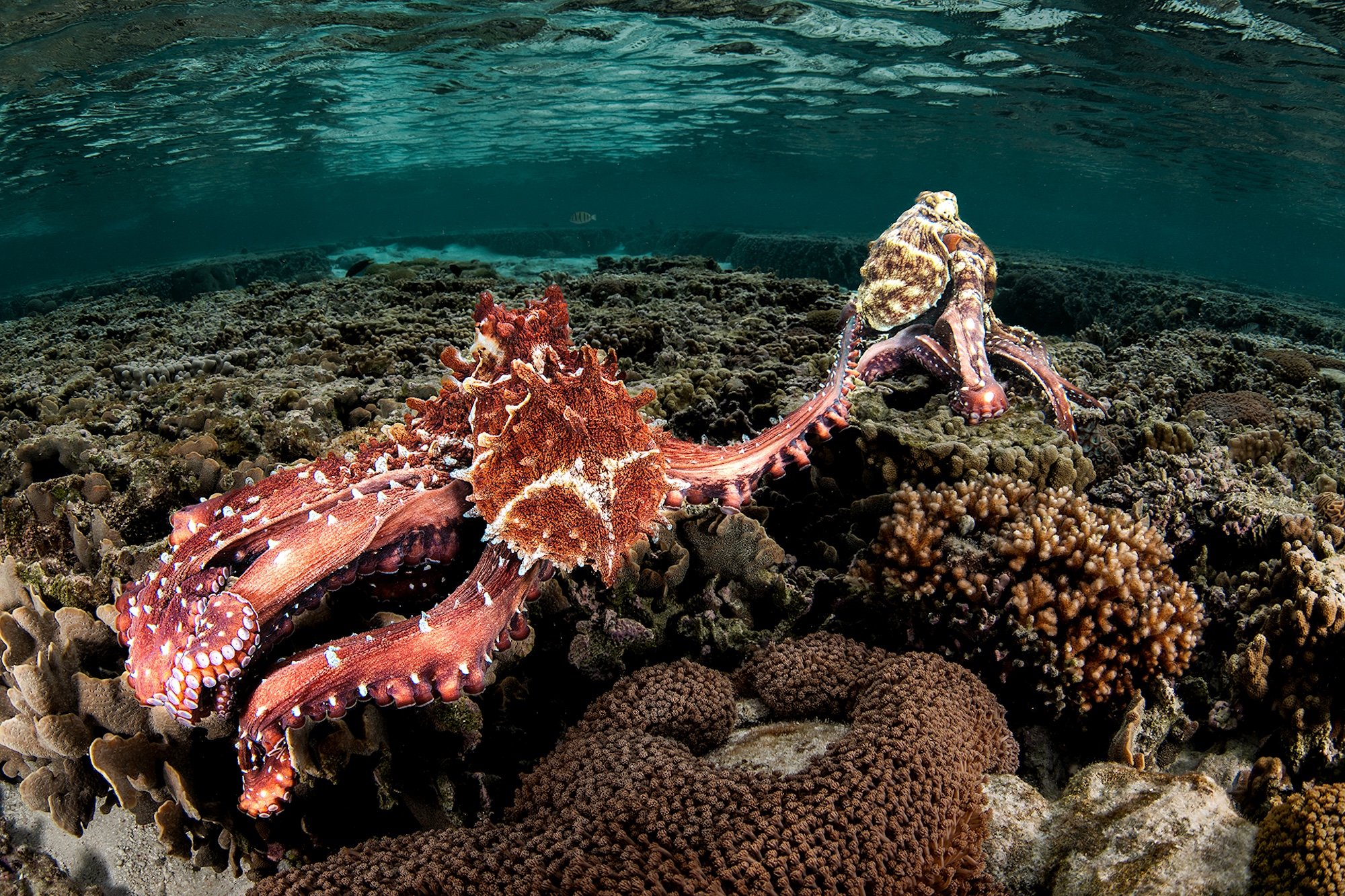
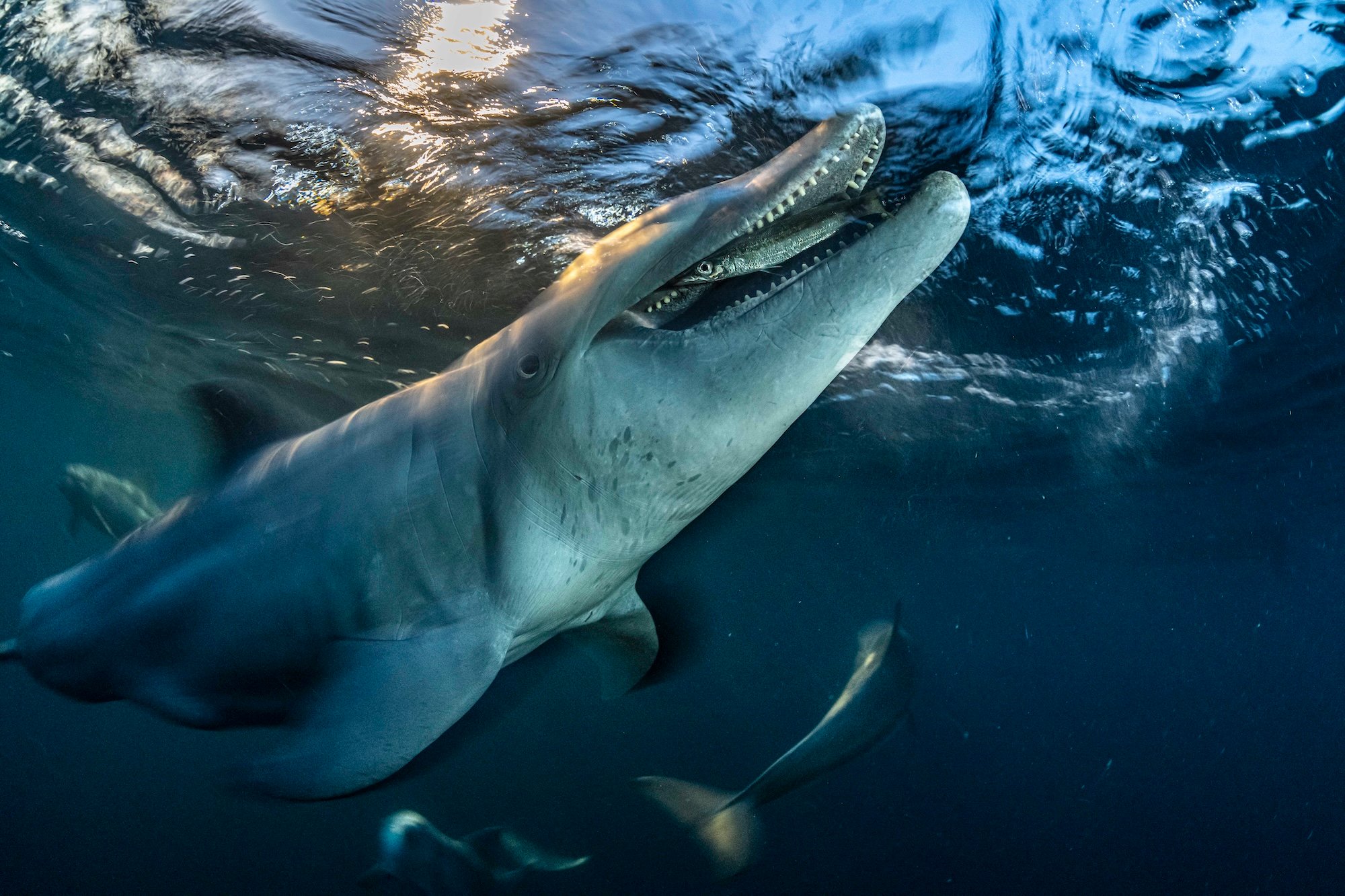
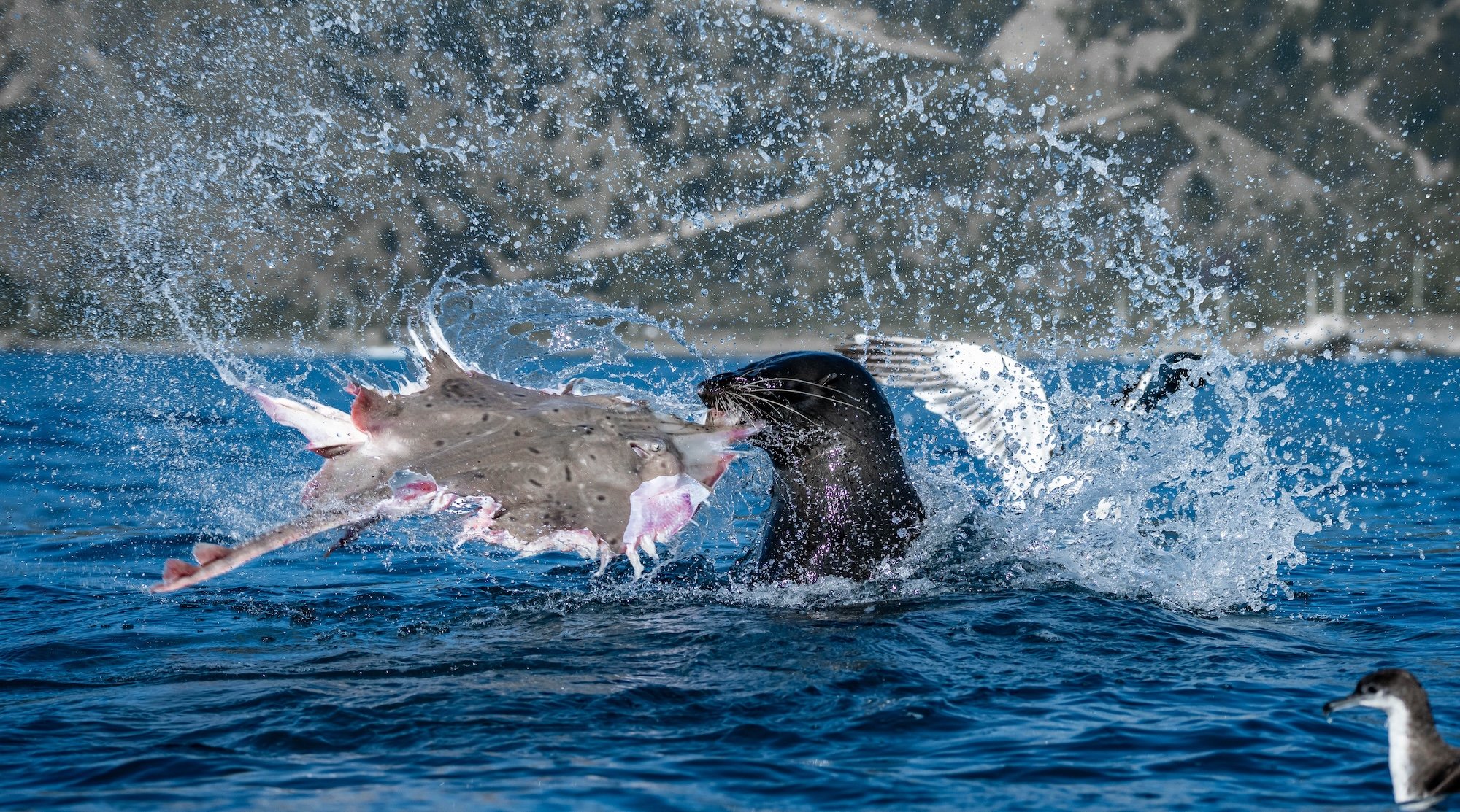
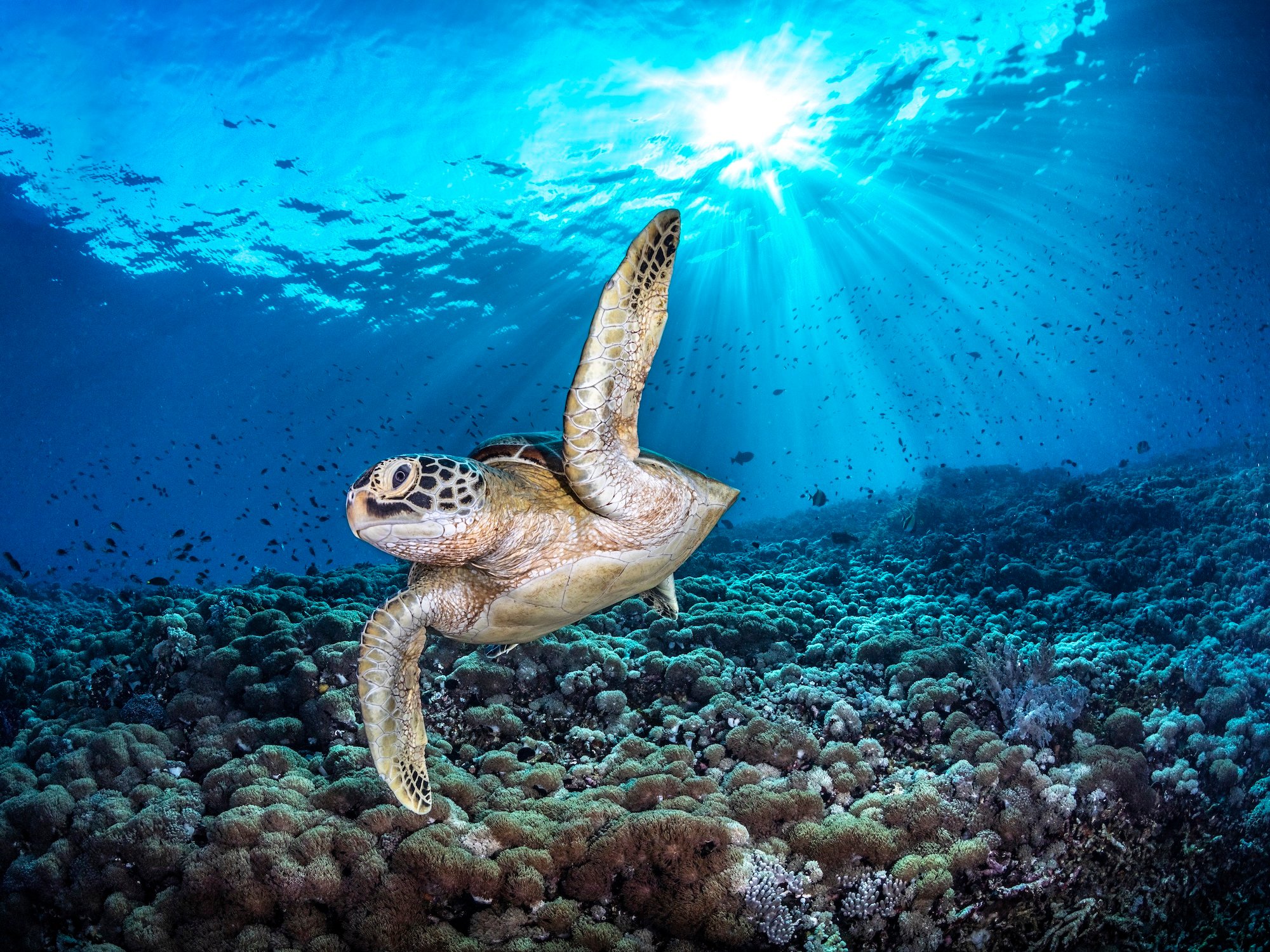
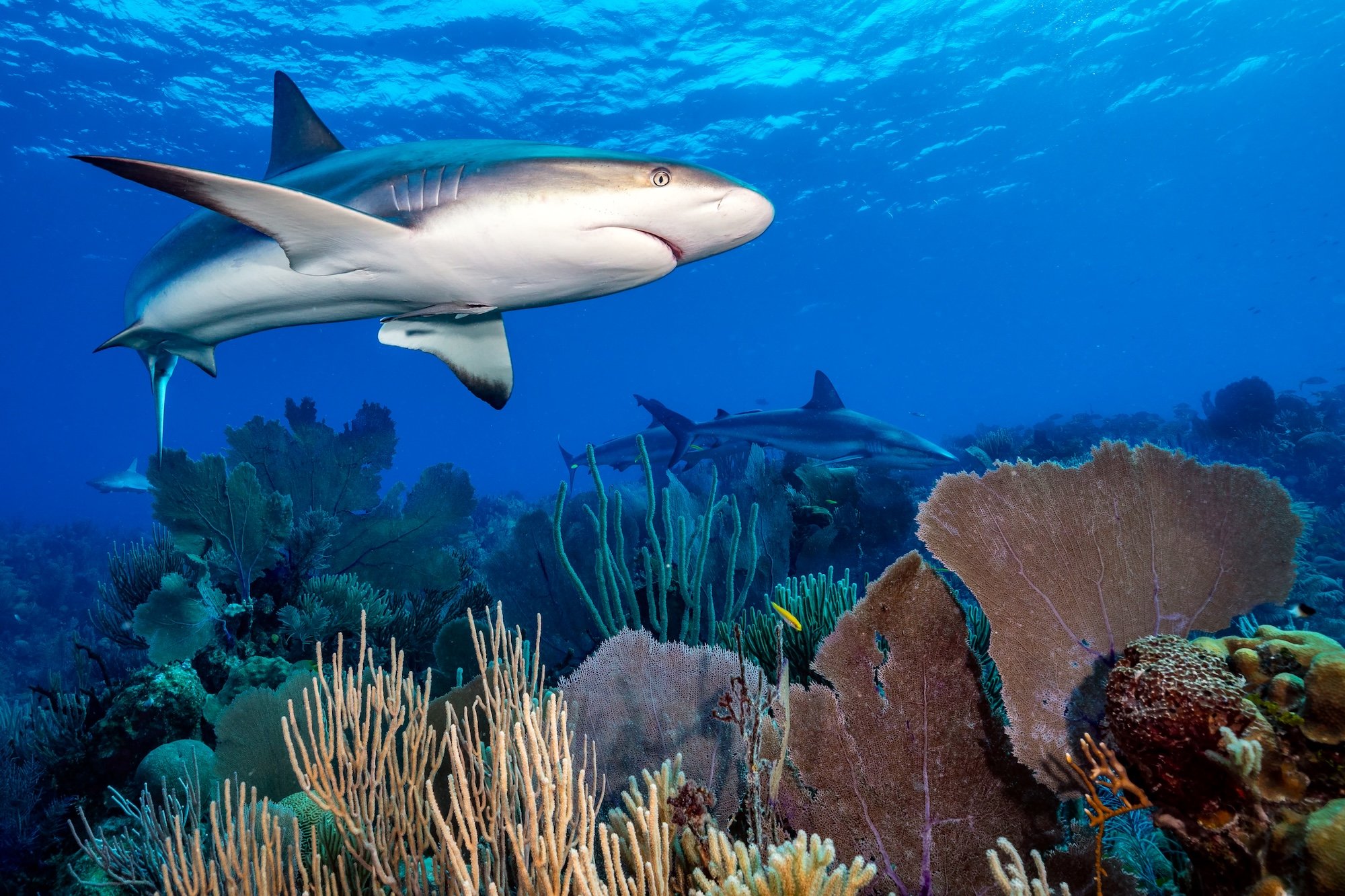
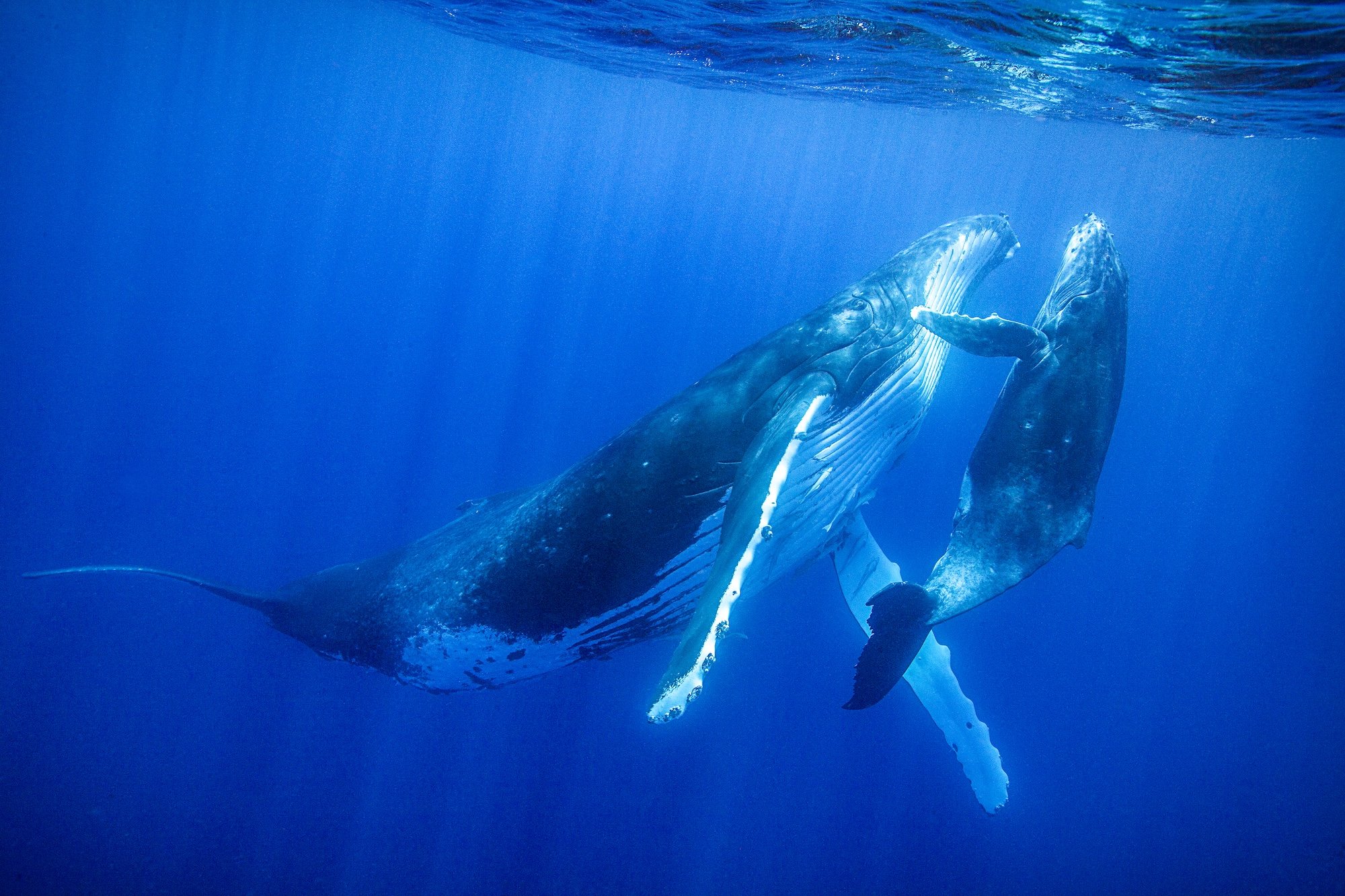
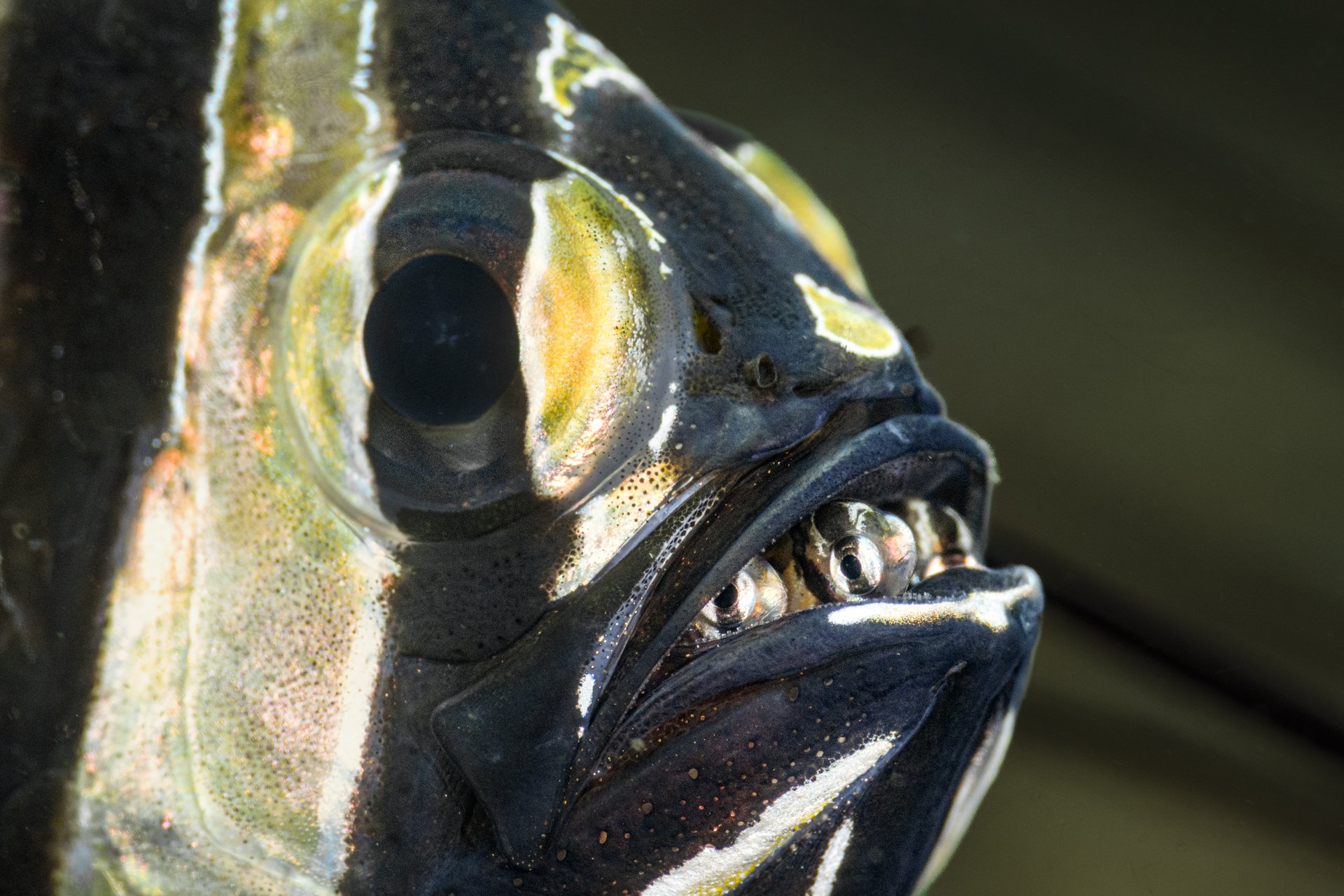
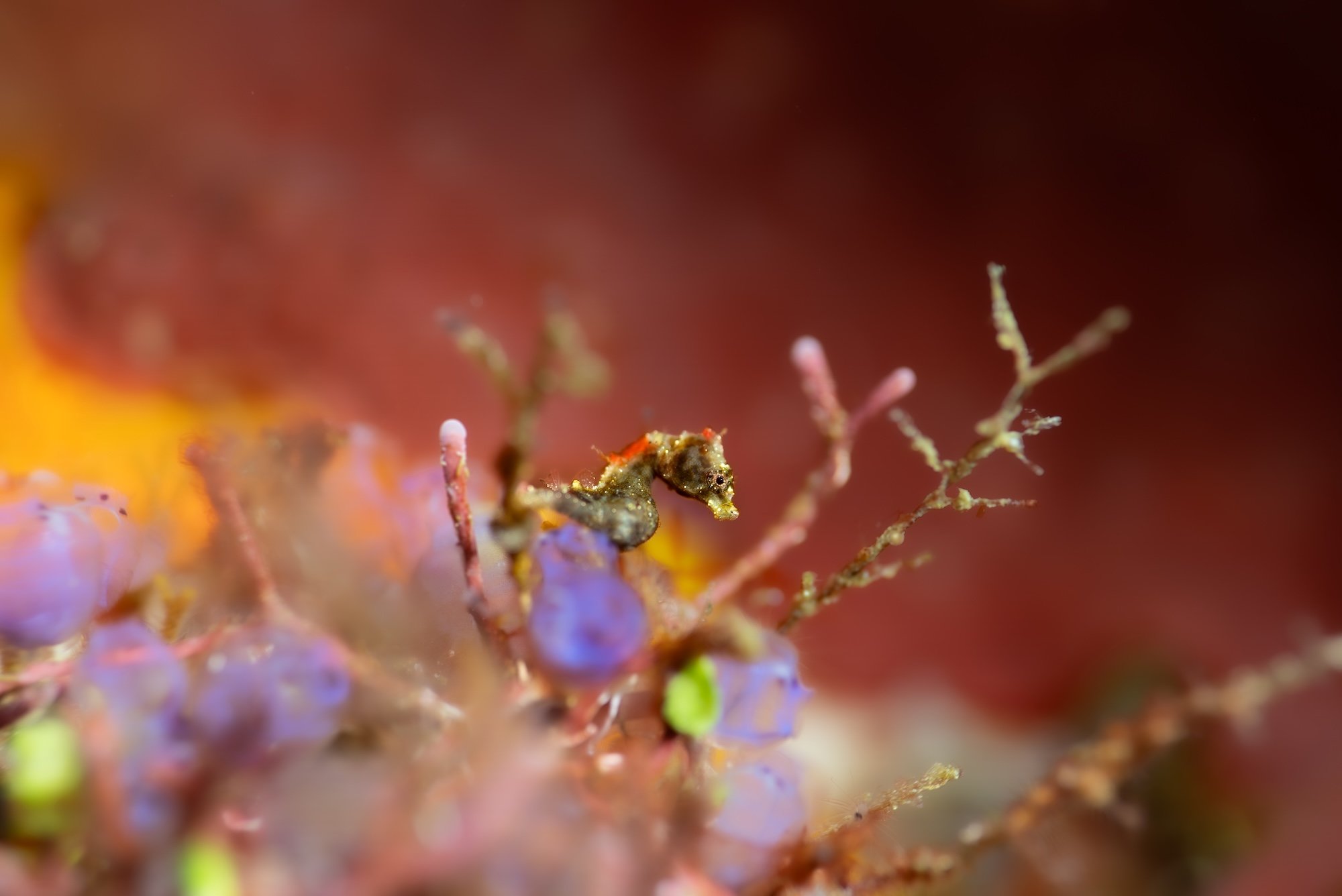
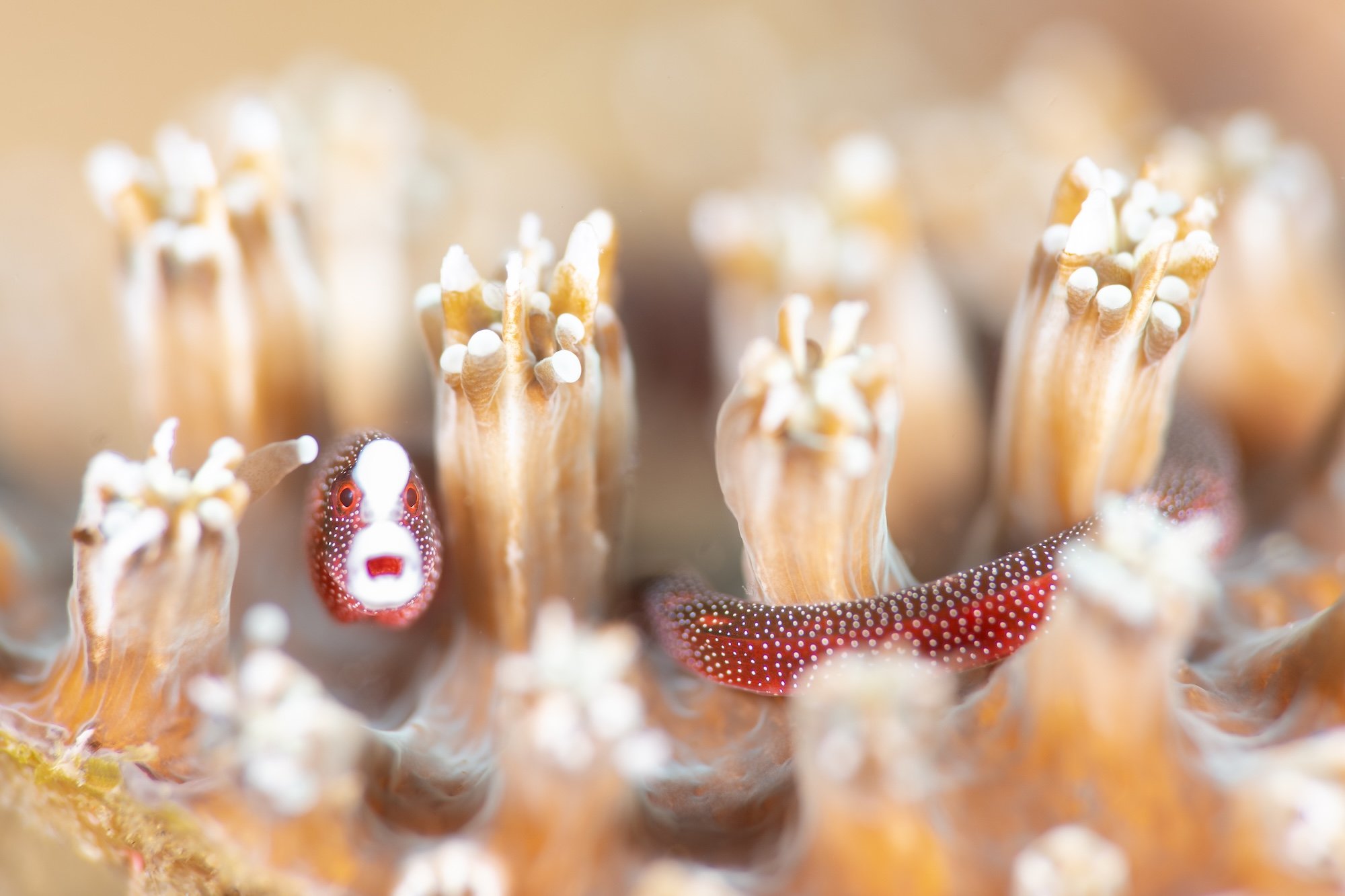
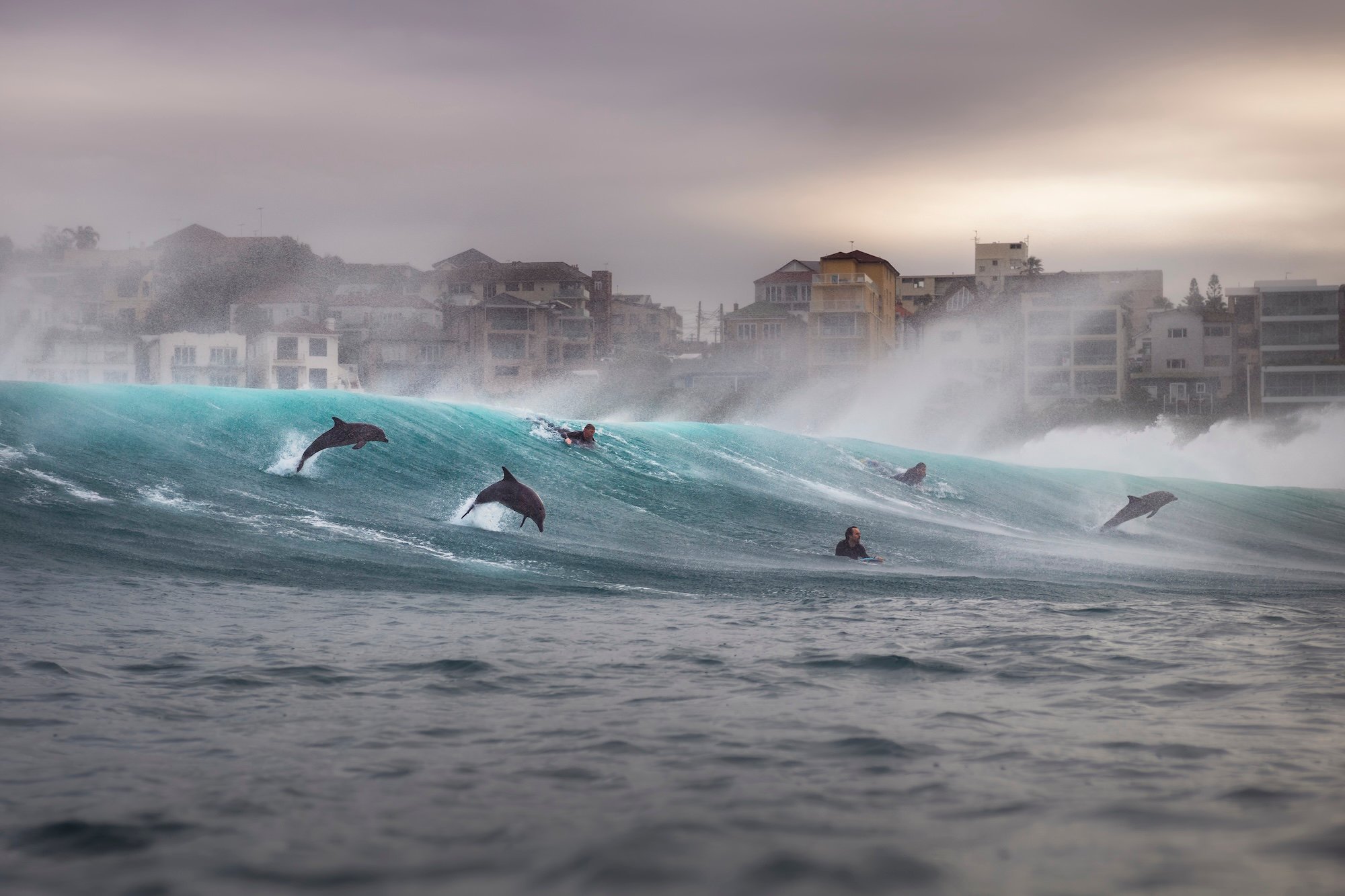
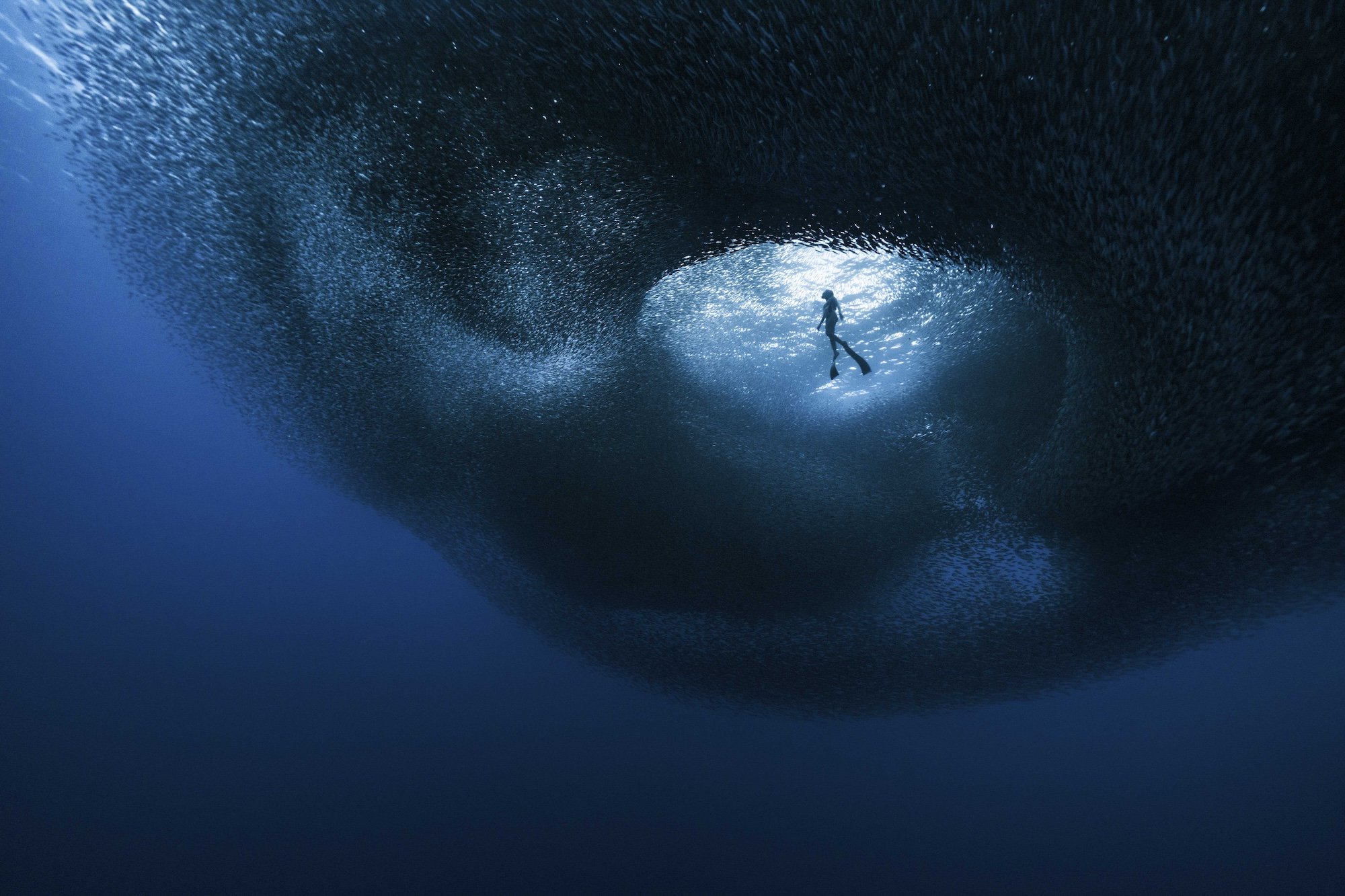
Sealion Island, Falkland Islands. Southern elephant seal pups explore shallow rock pools on Sea Lion Island in the Falkland Islands, testing their first movements in the water after being weaned by their mothers. These young seals must quickly learn to swim and survive independently. As they climb over one another and investigate their surroundings, this scene captures a key moment in their journey from land-bound pups to ocean explorers. Credit: Matty Smith / Ocean Photographer of the Year 2026Credit: Matty Smith / Ocean Photographer of the Year 2026Baja California, Mexico In the Pacific waters of Mexico, this photograph captures the aftermath of a successful orca hunt. Nearly an hour after a pod separated a humpback whale calf from its mother, the orcas resurfaced carrying their prey between them. The event reveals the cooperative hunting strategies of orcas, where multiple individuals work together to isolate and subdue large prey. What the image doesn’t show is that after the kill, other scavengers, including silky sharks, were drawn to the remains, showing how one event can influence an entire marine food web. Credit: Rafael Fernandez Caballero / Ocean Photographer of the Year 2026Lady Elliot Island, Australia “Arms of Connection” captures two octopuses during courtship on a shallow coral reef at Lady Elliot Island, part of Australia’s Great Barrier Reef. The male extends his specialised mating arm, known as a hectocotylus, to transfer spermatophores to the female. The interaction continued for several minutes as the male approached and the female moved across the reef before eventually accepting him. Credit: Joshua Blank / Ocean Photographer of the Year 2026Raja Ampat, Indonesia A bottlenose dolphin bites a small fish beside a traditional bagan fishing platform in Indonesia. These dolphins have learned to associate the illuminated nets with an easy source of food, often taking discarded or unwanted fish provided by fishermen. Bagan vessels use lights at night to attract fish before lowering nets from floating platforms. This image captures the close relationship between a wild predator and a human fishing practice, while revealing how animal behaviour can adapt to changing ocean environments. Credit: Henley Spiers / Ocean Photographer of the Year 2026Goose Bay, New Zealand A New Zealand fur seal tears apart a rough skate in the waters of New Zealand, while seabirds gather for the scraps. Unable to swallow such large prey whole, the seal throws the skate repeatedly to break it into smaller pieces. Photographed from a kayak, this scene reveals the feeding strategy of a powerful predator and the chain of life that follows every meal. Credit: Allan Cronin / Ocean Photographer of the Year 2026French Polynesia A green turtle approaches the camera, appearing curious about her reflection in its dome port. The photographer positioned the camera just below her eye level to create a more intimate portrait; staying within 3-10 metres of the surface kept the sunlight sharp, creating distinct rays through the water. A fast shutter speed and small aperture controlled the intense brightness, while a small amount of strobe light revealed the turtle’s details. Credit: Jenny Stock / Ocean Photographer of the Year 2026 JENNY STOCKCuba A Caribbean reef shark swims through purple sea fans and porous sea rod in Jardines de la Reina, Cuba. The marine park has been protected since 1996, with limits on fishing and visitor numbers helping its reefs and wildlife thrive. Stretching for around 90 miles, the protected archipelago is known for healthy corals and abundant marine life. Caribbean reef sharks can reach three metres in length and are important apex predators, helping maintain balance within the reef ecosystem. Credit: Jenny Stock / Ocean Photographer of the Year 2026Tonga A mother humpback whale and her calf glide through Tonga’s warm, sheltered waters. The calf stays close to its mother at first, then becomes curious, swimming in playful circles and approaching the camera. The mother remains calm and watchful, guiding her young when it comes too close. Tonga’s protected waters are an important nursery, where pregnant humpbacks give birth and calves grow stronger before beginning their long journey south towards Antarctica. This encounter captures the quiet bond between mother and calf. Credit: Jenny Stock / Ocean Photographer of the Year 2026North Sulawesi, Indonesia A male Banggai cardinalfish shelters newly hatched juveniles inside his mouth, continuing the parental care that follows a three-week incubation period. After hatching, the male may brood the young for another 10 days without feeding, protecting them from predators until they become more independent. This image captures two juveniles peering from their father’s mouth, revealing the specialised mouthbrooding strategy that helps this species increase the survival of its young. Credit: Suliman Alatiqi / Ocean Photographer of the Year 2026Raja Ampat, Indonesia A pygmy seahorse, no larger than a grain of rice, clings to a delicate hydroid in the reefs of Raja Ampat, Indonesia. Perfectly camouflaged, these tiny animals are rarely seen, even by experienced divers. Photographing them requires patience and careful buoyancy to protect their fragile habitat, reminding us that some of the ocean’s most remarkable wildlife is also its most vulnerable. Credit: Iris Uijttewaal / Ocean Photographer of the Year 2026Lembeh, Indonesia A Braun’s pughead pipefish peers from between coral polyps in Lembeh, Indonesia. Its unusual features give it a curious, almost surprised expression, helping people connect with a species rarely seen outside its coral home. Some guides damage coral colonies to make these tiny fish easier to show to visitors, but this image was captured by waiting patiently and allowing the animal to appear naturally. Credit: Luis Arpa Toribio / Ocean Photographer of the Year 2026 Luis ArpaTamarama Beach, Australia Dolphins ride the waves alongside surfers at Tamarama Beach, Sydney, during a powerful swell and offshore winds. The pod stayed with the surfers for more than an hour, moving through the lineup as naturally as the people around them. Captured from the water, this image shows the ocean as a shared space, where humans and wildlife briefly move together within the same powerful coastal environment. Credit: Gergo Rugli / Ocean Photographer of the Year 2026 GERGO RUGLIPanglao, Philippines A freediver is surrounded by a vast school of sardines, which part to form a striking halo as they move around her. Captured during an unplanned morning dive, the image reveals the calm trust that can exist between people and marine life. It is a reminder that patience and respect for the ocean can lead to its most extraordinary moments. Credit: Benjamín Yávar / Ocean Photographer of the Year 2026Hawai’i, USA The photographer shot this image of a surfer, windsurfer and kitesurfer sharing the same towering wave at Pe’ahi, known as Jaws, on Maui’s north shore, from a doorless helicopter. At the time there was an unusual combination of huge swell and strong wind that allowed three different forms of wave riding to happen in harmony. In the spray, a rainbow forms. It has been created by the same wind powering the riders across the wave. Credit: Daniel Edmond Sullivan Jr / Ocean Photographer of the Year 2026
What’s the weirdest thing you learned this week? Well, whatever it is, we promise you’ll have an even weirder answer if you listen to PopSci’s hit podcast. The Weirdest Thing I Learned This Week hits Spotify, YouTube, Apple, and everywhere else you listen to podcasts every-other Wednesday morning. It’s your new favorite source for the strangest science-adjacent facts, figures, and Wikipedia spirals the editors of Popular Science can muster. If you like the stories in this post, we guarantee you’ll love the show.
FACT: Hector the tickle robot is real, and they’re spectacular
Have you ever wondered why humans are so ticklish? While many animals experience a type of tickle known as knismesis—a sort of moving itch caused by motion against your skin—the laugh-out-loud sensation called gargalesis is way less common. It’s a phenomenon that’s pretty unique to primates (though it’s possible that rats are a bit ticklish as well). And while there are plenty of theories, no one has a great explanation for why this ticklishness evolved—or at least not one that would be easy to confirm.
But while the origins and purposes of gargalesis remain mysterious, that hasn’t stopped scientists from studying how tickling works. In one recent study scientists surveyed adults from several distinct cultures to see how they felt about tickling. The results were surprisingly universal. Participants from The Netherlands, Greece and China gave comparable answers about their history of tickling and being tickled and reported being ticklish in the same locations. That hints at a deep evolutionary origin for this sensation (and our feelings about it).
This most recent study relied on survey data, but other research projects have tried to take a more quantitative look at tickles. That’s where Hector the tickle robot comes in. He’s designed to deliver a perfectly-calibrated foot tickle on command, allowing scientists to track exactly what physiological changes occur post-tickle and exactly when they kick in. He’s also helping scientists understand why we can’t tickle ourselves—and how that can help us survive unwanted tickling from others. Listen to this week’s episode to learn more!
FACT: How prickly ash and chili pepper combine to create a fascinating taste explosion
This week’s episode features special guest Priya Mani. She’s a food historian, award-winning writer, and a designer who leads research-driven projects on ingredients and flavor. She joined us this week to share some facts from her upcoming book, “Spiced: Recipes Celebrating Spices from Around the World.” You can preorder it now!
When you eat food that’s spicy—think a hot chili pepper—the compound called capsaicin binds to the same receptors in your skin that are stimulated by actual heat. WHen these TRPV1 receptors get activated, they signal to your brain that something dangerously hot is touching you.
You might associate szechuan peppercorns and other kinds of prickly ash berries with spicy food, but these fruits don’t actually contain any of the aforementioned capsaicin—so they don’t trick your brain into sensing heat. Sanshool can trick your brain in an entirely different way by acting on potassium channels, which are tiny pores that let potassium flow out of your nerve cells. By giving positively-charged potassium ions an easy exit, nerve cells are able to maintain a slightly-negative charge that keeps them from randomly firing.
Sanshool manages to block one of those potassium channels, which means positive charge starts to build and the nerve cell gets closer and closer to firing. The result is a hyperactive neuron that starts stuttering out little bursts of irregular signals. Your brain does the best it can to interpret that information, and the result is a sense that something is literally buzzing inside your mouth.
That’s why dishes that combine prickly ash berries with chili peppers are infamous for creating a culinary sensation like no other: your brain is basically telling you that there’s a hot bee bouncing around your mouth. And gosh, that fiery insect is delicious.
While interviewing marine biologist, Jaida Elcock (@sofishtication_) an MIT and Woods Hole Oceanographic Institution (WHOI) PhD candidate and ace whale shark-tagger, she told me that whale sharks have teeth on their eyeballs. This sounded insanely painful to me, so I had to know more.
Whale sharks (Rhincodon typus) are the biggest fish in the world. While their maximum size is still a mystery, they can grow as large as 60 feet and weigh about 11 tons. In addition to that girth, they really do have tiny teeth covering their eyeballs called dermal denticles. Dermal denticles themselves are found on several shark species and they cover their bodies like scales. They are small, V-shaped pieces and decrease drag and turbulence as they swim. While dermal denticles do help sharks swim faster, they also provide some defence against any other sharks that might try to take a bite of them
The dermal denticles on whale shark’s eyeballs, also called eye-teeth, likely help shield their eyes from the elements. A team in Japan first detailed this in a study published in 2020 in the journal PLOS One. They studied the eyes of both living and dead whale sharks and saw that a single whale shark eyeball could have over 3,000 dermal denticles around the eyes. They are also clustered around the iris.
Most sharks have poor eyesight, so much protection around their eyeballs means that their eyesight is likely pretty important for whale sharks. Evolution is cool.
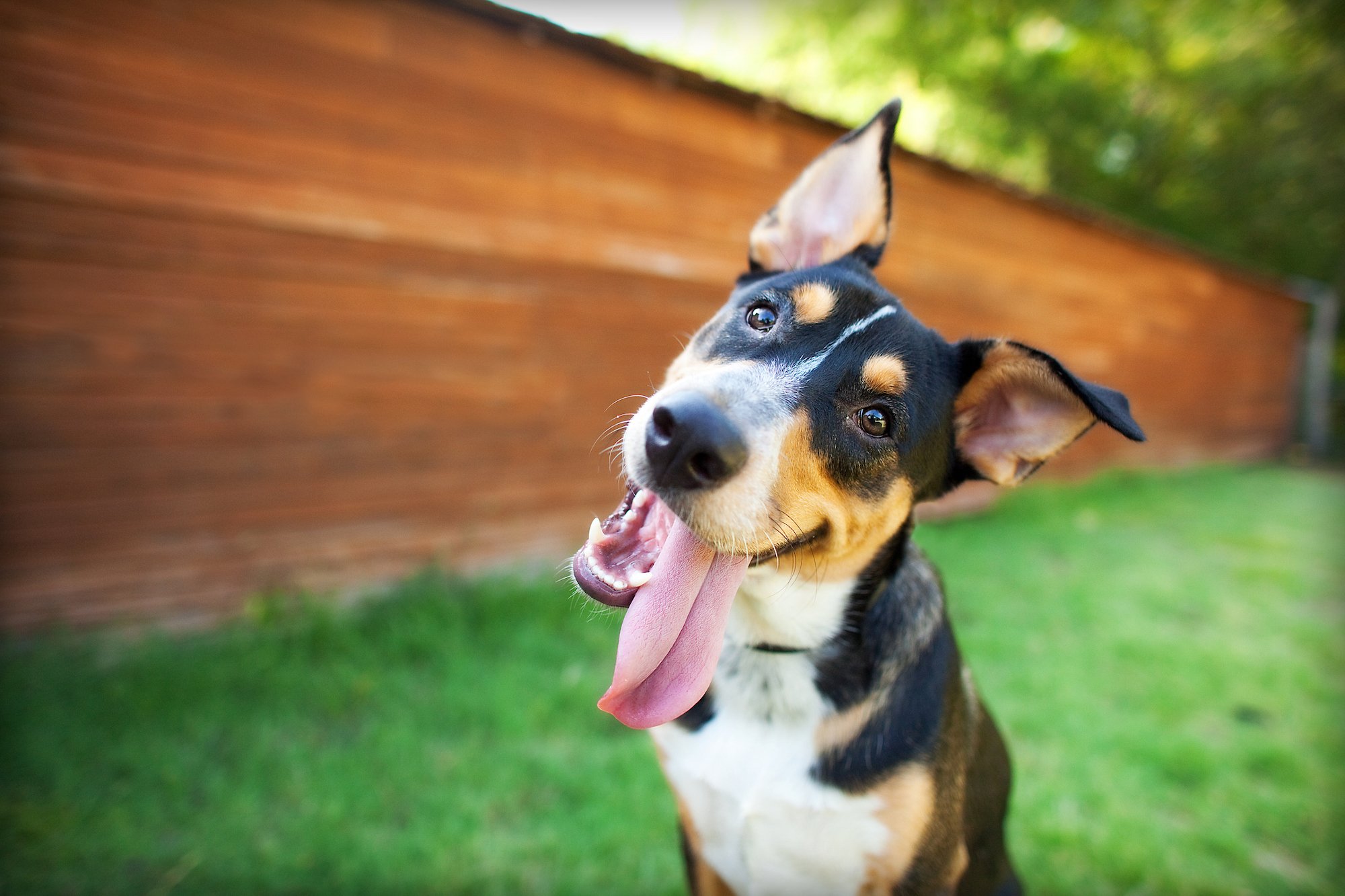
“Do you want a treat, Milton?” “Do you want to go for a walk, Bernie?” Annnnd, cue the head tilt from your dog.
Many dogs turn their heads, perk their ears, and stand at attention when their humans say certain words. But why? Well, it’s not just cute. There’s some serious science and fascinating theories about dogs’ ability to understand language. On the latest episode of Ask Us Anything, we explain how dogs’ head tilting likely makes your furry friend able to listen and process information better.
Annie Colbert: And I’m editor-in-chief, Annie Colbert.
SD: Here at PopSci, we’re always pondering quirky questions.
AC: And this week, we’re wondering, why do dogs tilt their heads? So Sarah, tell us, why are our cute furry friends looking at us all askew?
SD: Well, scientists aren’t totally sure.
AC: Seriously? Something dogs do all the time, they don’t know why?
SD: I know, I know. There are a few theories out there, though. Maybe our pups are trying to hear us better.
AC: I guess that makes sense. I remember my dad used to kind of tilt his head when he didn’t have his hearing aids in.
SD: That might have just been a your dad thing.
AC: Yes, probably.
SD: Yeah, there’s also a chance dogs are trying to get a better look at our faces.
AC: That also feels plausible.
SD: But there’s another possibility that’s a lot more interesting.
AC: Ooh, okay.
SD: Researchers have found that some dogs are more likely to tilt their heads when they hear words they recognize.
AC: Wait, so they might be thinking?
SD: Maybe. That little head tilt could have something to do with how dogs pay attention to, and process, what we’re saying.
AC: Which somehow makes it even cuter.
SD: Right? So why do some dogs tilt more than others? What’s actually happening in their brains? And does your dog understand more of what you say than you realize?
AC: I must know.
SD: We’re gonna get into all of it. But before we do, we wanna hear from you. What questions are you head tilting, AKA thinking about?
AC: If there’s something you’ve always wanted to know, something that makes you tilt your head, submit your question by clicking the “Ask Us” link at popsci.com/ask.
SD: Send us your questions.
AC: Yes. And coming up, we’ll dig into what might actually be going on when your dog does that adorable little head tilt.
SD: And what it could tell us about how much they really understand when we talk to them.
AC: That’s after this quick break.
SD: Welcome back. Annie, now before we get into the science, I feel like we have to establish our dog credentials here. So did you grow up with dogs?
AC: Yes. We always had at least one dog growing up, everything from mixed breed dogs to cocker spaniels named after various bread products. We had both a Muffin and a Biscuit at one point.
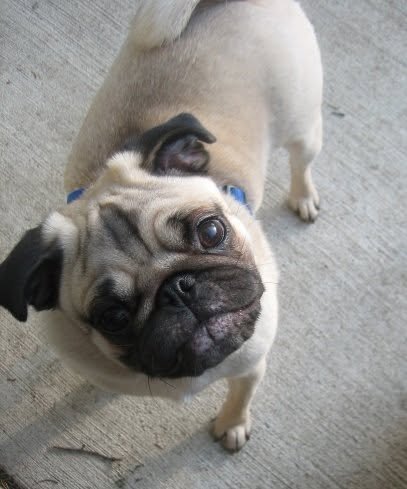
And then we had pugs, and I think I can confidently say that pugs were definitely the biggest head tilters.
Annie’s parents’ pug, Herbie, pictured in 2007. Image: Annie Colbert / Popular Science
SD: Mm.
AC: And I always assumed it’s just because they were perpetually confused by life.
SD: I mean, aren’t we all? I grew up with Saint Bernards.
AC: Hmm.
SD: So my family has had, oh, five.
AC:Wow.
SD: And my grandmother, who started the trend, actually had something like nine throughout her life.
AC: What? That’s so many.
SD: I know. I love Saint Bernards. And Saint Bernards, at least the ones I’ve gotten to know, are not huge head tilters.
AC: Hmm, interesting. Is it maybe because their heads are just too heavy to tilt?
SD: There is a lot of head to move for a Saint Bernard. Hmm.
AC: Yeah.
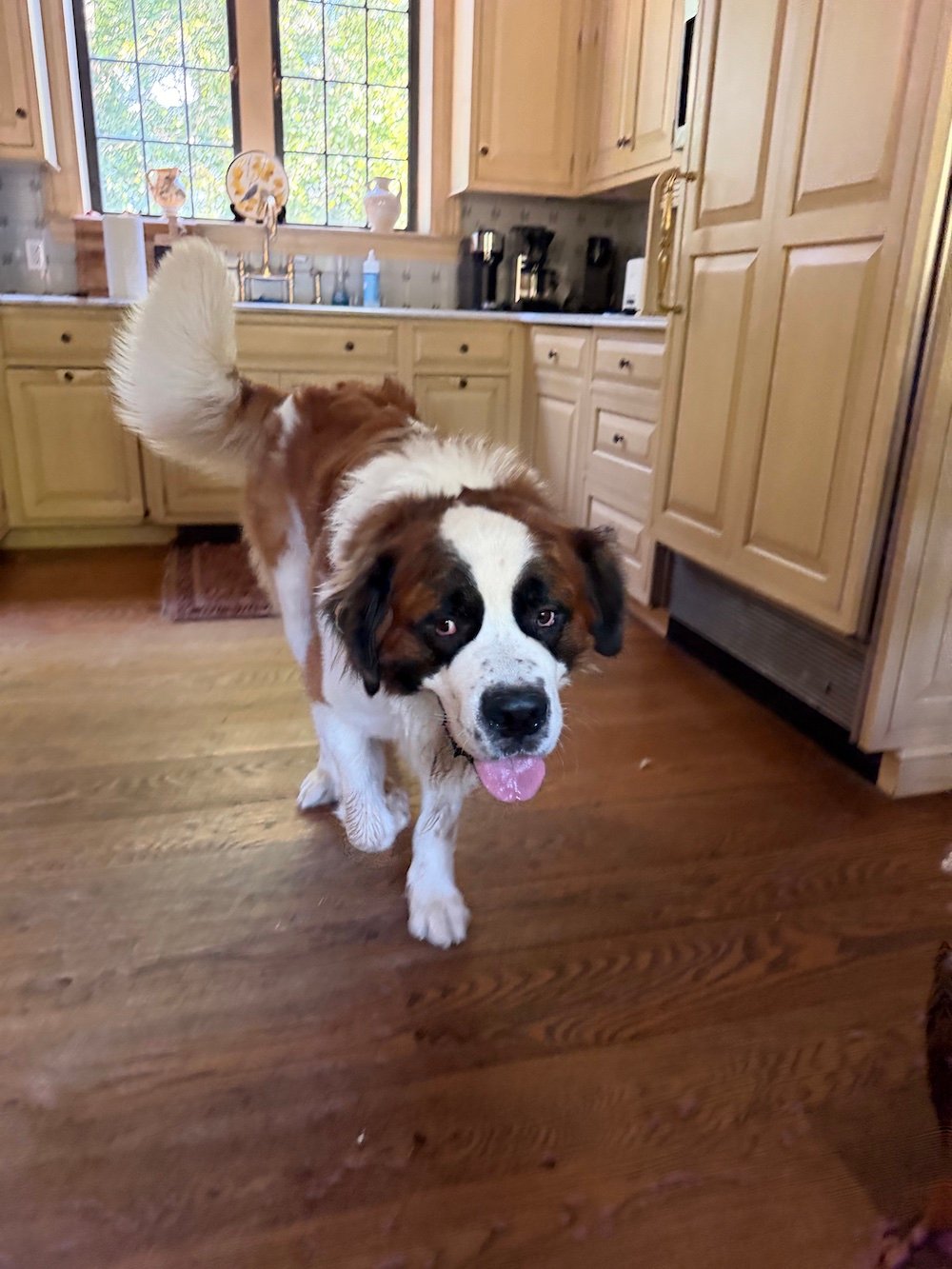
SD: But our newest puppy, Tartufo, we call him Tufo, is actually a little bit of a head tilter, and sometimes if you say a word he knows, he’ll look right at you and just tip.
Tufo. Image: Sarah Durn / Popular Science
AC: Aw.
SD: I know, it’s so cute. I love him so much. He’s like a super sweet, like, expressive dog, so the head tilt just, you know, sends it over the edge.
AC: Love it.
SD: But here’s the really cool part: Tufo seems to head tilt more when he hears words he recognizes, and scientists think that might be a clue about what the head tilt actually means.
AC: All right, so what’s happening in that giant Saint Bernard brain?
SD: Potentially language processing.
AC: Excuse me?
SD: I know. Dogs have lived alongside humans for roughly 20,000 to 30,000 years, and over that time they’ve gotten remarkably good at dealing with this extremely weird thing humans do all day long.
AC: Talk at them.
SD: Constantly. And brain scans suggest dogs process parts of human speech in ways that are surprisingly similar to us. When a dog hears a familiar word, the left side of its brain becomes active, even if you change your tone of voice. But if you say an unfamiliar word using a familiar tone, the right side becomes more involved.
AC: So their brains are basically going, “Okay, I recognize that word,” versus, “I don’t know what you’re saying, but you sound excited.”
SD: Yeah, and that brings us to a 2025 study that basically asked, okay, where does the adorable head tilt fit into all of this? Researchers recruited 103 dog owners and had them film their dogs in four different situations.
First: Dog doing nothing.
AC: A challenging assignment for most dogs.
SD: Totally. Totally. And then second: Owner silently staring at dog.
AC: It’s kind of intimidating.
SD: Right. And then, this is my favorite: Owner talking to dog about ancient Egyptian civilization.
AC: Finally, that canine Egyptology study we were always waiting for.
SD: Exactly. I know everyone was on the edge of their seats. The idea was, you know, to give dogs speech that was neutral or unfamiliar. And then in the final and fourth condition, owners used familiar words with a warm, excited tone.
AC: Like, “Wanna go for a walk?”
SD: Exactly. And that is when the head tilt really showed up.
Dogs tilted much more often when their owners were saying familiar things in that enthusiastic, excited way.
AC: So they weren’t just reacting to the sound. Right.
SD: Courtney Sexton, one of the authors of the study, described it as a kind of communicative exchange. The dog isn’t necessarily going, “Ah, yes, I fully comprehend this sentence,” but something about you talking to them using words they know seems to make that little head go sideways.
AC: Which feels like watching the loading wheel appear over their little brains.
SD: Oh, yeah, totally. Like… Processing, processing, walk detected.
AC: Uh, that is exactly what it sounds like.
SD: Oh, yeah, 100%. And, you know, somehow this all gets a little weirder. Because researchers also noticed that most of the dogs who tilted went to the right.
AC: Huh. There’s a preferred head tilt direction?
SD: Apparently. And there’s a possible brain connection here. Brains process sensory information contralaterally, which is a fancy way of saying that the left side of the brain is connected to the right side of the body and vice versa. So one hypothesis is that a right head tilt could be connected to the dog engaging the left hemisphere of the brain, the side involved in processing familiar language.
AC: So we might literally be seeing the dog’s brain work.
SD: Maybe, but, you know, giant asterisk here. Researchers are not saying right tilt equals language happening. That part is still very much a hypothesis. The study also had another really weird result.
AC: What’s that?
SD: Male dogs tilted more often than female dogs, and when they tilted, male dogs leaned further to the right.
AC: Why are boy dogs so dramatic?
SD: Aren’t all guys, really? Scientists don’t really know why this is happening yet, but one possibility is that male and female dogs may use their brain hemispheres a little differently when processing language. But only around 40 of the 103 dogs in the study actually tilted at all, so the researchers are very cautious about drawing any sort of broad conclusion.
AC: All right. But dogs don’t only tilt their head when people talk to them, right?
SD: Right. And this is where our very satisfying head tilt equals language explanation gets messier. Another study found dogs tilting their heads after being startled by a jack-in-the-box.
AC: Okay, that’s a reasonable response to a jack-in-the-box.
SD: Yeah, extremely reasonable. And that suggests, though, that head tilting might have something to do with novelty or surprise, not just language. There’s even this possibility called cognitive offloading.
AC: Which sounds like something I need at the end of every workday.
SD: Oh my gosh, same. Um, yeah, basically we make a physical gesture while our brain is working something out. You furrow your brow, you exhale, you stare into space for five seconds while trying to remember why you walked into the kitchen.
AC: Constantly.
SD: Same. The head tilt could be a dog version of that, a little physical reset while their brain processes something new.
But Courtney Sexton from that study we talked about doesn’t think that explains the whole thing because in the 2025 experiment, the dogs tilted overwhelmingly during the social language condition.
AC: Okay, I have another scientific hypothesis.
SD: Shoot.
AC: Dogs know that the head tilt makes us powerless to their adorableness.
SD: That is actually an important scientific question.
AC: Called it.
SD: You did, because humans do rate head tilting dogs as cuter. But Sexton doesn’t think dogs are sitting there plotting, you know, “If I rotate my head 15 degrees, perhaps she’ll give me cheese.”
AC: But you cannot prove they’re not.
SD: Okay, fair, but there is a reason it absolutely destroys us.
During domestication, dogs develop something called neoteny, meaning adult dogs retain juvenile features like large eyes and soft facial proportions, basically permanent baby face, and humans are very, very responsive to baby face. So the head tilt isn’t necessarily designed to be cute.
AC: We’re just helpless against it.
SD: Exactly. Which brings us back to the original question: why do dogs tilt their heads? And the slightly frustrating answer is: Scientists still don’t completely know.
It could involve language processing, attention, surprise, maybe even that little physical reset while the brain figures something out. But the strongest evidence we have suggests that at least sometimes the head tilt is a visible sign that your dog is actively processing and responding to you.
So when Tufo hears a word that he knows and tilts his head, that enormous Saint Bernard brain may actually be hard at work.
AC: Thinking important thoughts.
SD: Extremely important thoughts. Probably mostly about snacks.
AC: Yes. But now I have a question.
SD: Yes, go.
AC: If we can use something like a head tilt to get a tiny glimpse into what a dog is thinking, can we actually tell how smart a dog is?
SD: Funny you should ask, because the internet has come up with some pretty questionable ways to test your dog’s IQ.
AC: All right, I’m intrigued.
SD: And scientists have some much better ones.
AC: Unsurprising.
SD: Unsurprising. Now, we have to take a quick break, but when we come back, we’ll explain how you can actually test your dog’s IQ.
AC: I mean, Tufo genuinely sounds like a genius.
SD: I mean, he is. I won’t argue with, with that at all.
AC: Welcome back. Okay, Sarah, before the break, you promised that we could actually put Tufo’s brain to the test.
SD: I did. Because we spent this whole episode talking about what his head tilt might tell us about what’s happening inside his brain, naturally the next question is how smart is my adorable little Saint Bernard?
AC: Little?
SD: He’ll always be a little puppy to me.
AC: Debatable. Anyhow, uh, I’ve seen a pet IQ test online called the wall test where you hold up your dog and you slowly move them toward a wall to see if they put their paws out.
SD: Yes, yes. I’ve seen that one, too, but I don’t think anyone’s lifting Tufo, and that might actually be a good thing because experts say you should not do the wall test.
AC: Really?
SD: Yes. Don’t do it. Whether a dog sticks out their paw actually has nothing to do with intelligence. It’s a neurological reflex vets use to check that a dog’s nervous system is working properly, kind of like when a doctor taps your knee and your leg automatically kicks.
AC: Hmm. So it’s not really an IQ test at all.
SD: No.
AC: But how do I find out if my dog is a genius?
SD: Well, obviously they are. But scientists would say that’s actually the wrong question.
AC: Rude.
SD: Because there isn’t one thing called dog intelligence. Some dogs are amazing problem solvers, some are great navigators, and some are especially good at reading us.
AC: Which feels especially relevant after an entire episode about dogs listening to us.
SD: Exactly. And you can test this even at home. Just grab two identical cups and a treat. While your dog isn’t looking, hide the treat under one cup, then put both cups down and either point at the correct cup or just look at it, and then let your dog choose which cup they’re drawn to.
AC: So if they pick up the right cup…
SD: They successfully read your social cue. That’s a skill called social cognition.
AC: Hmm. Genius.
SD: Good at one particular type of cognition.
AC: Or genius.
SD: Fine. Genius. All dogs are geniuses. Yeah. But if they choose the wrong cup or, you know, just wander off down the hallway, that doesn’t mean they’re dumb. Dogs have different strengths, and just like us, they have to actually be motivated to participate.
AC: So if my dog completely ignores my carefully designed scientific experiment…
SD: You might just need better treats.
AC: Fair.
SD: And I think that brings us right back to the head tilt. One cute little behavior cannot tell us exactly what’s happening inside our dog’s brain, alas.
But it can give us a clue and remind us that there’s a whole lot going on behind those puppy dog eyes.
AC: Even when it looks like there absolutely is not.
SD: Watch it.
And that’s it for this episode. But don’t worry, we’ve got more episodes of Ask Us Anything live in our feed right now. Follow or subscribe to Ask Us Anything by Popular Science wherever you enjoy your podcasts. And if you like our show, leave a rating and review.
AC: We care what you think. We care what your dogs think, geniuses or not. Our producer is Alan Haburchak, and this week’s episode was based on stories written for Popular Science by Nidhi Sharma and Clarissa Brinkett.
SD: Thank you, team, thank you, dogs, and thanks everyone for listening.
AC: And one more time, if you want something you’ve always wondered about explained on a future episode, go to popsci.com/ask and click the “Ask Us” link. Keep the questions coming. Till next time, may your dog always listen when you call.
SD: May your pockets be full of sufficiently motivating treats.
AC: And may your dog’s head tilts always be ridiculously cute.
SD: Like, they can never not be. They’re always cute.
Galaxies are separated into three main categories—spirals, ellipticals, and irregulars. Spirals are like our own Milky Way and appear to spin around a central focus. Ellipticals are older galaxies and likely the results of mergers. Irregulars that can encompass a wide range of galactic phenomena.
Spirals, ellipticals, and irregulars are all represented in this new collection. Each image hasX-ray data from Chandra, combined with data from other telescopes such as the James Webb Space Telescope (JWST), Hubble, IXPE, Swift, and NuSTAR, and others both in space and on the ground. Gaze into the galaxies in the gallery below. (Click to expand images to full screen.)
NGC 16-72
A barred spiral galaxy featuring a prominent central bar or bridge of stars that channels gas toward its core. Chandra X-rays (purple) highlight growing black holes along the bar and core, merged with Hubble optical light (white, yellow and soft blue) and JWST infrared dust filaments (red). Studying barred spirals in action can help reveal how gas in our own Milky Way, which is also a barred spiral, feeds its central black hole and forms new stars. Image X-ray: NASA/CXC/SAO; Optical: NASA/ESA/STScI/Hubble Heritage Team; Infrared: NASA/ESA/CSA/STScI/J. Lee and T. Williams; Image Processing: NASA/CXC/SAO/L. Frattare, J. Major, K. Arcand.
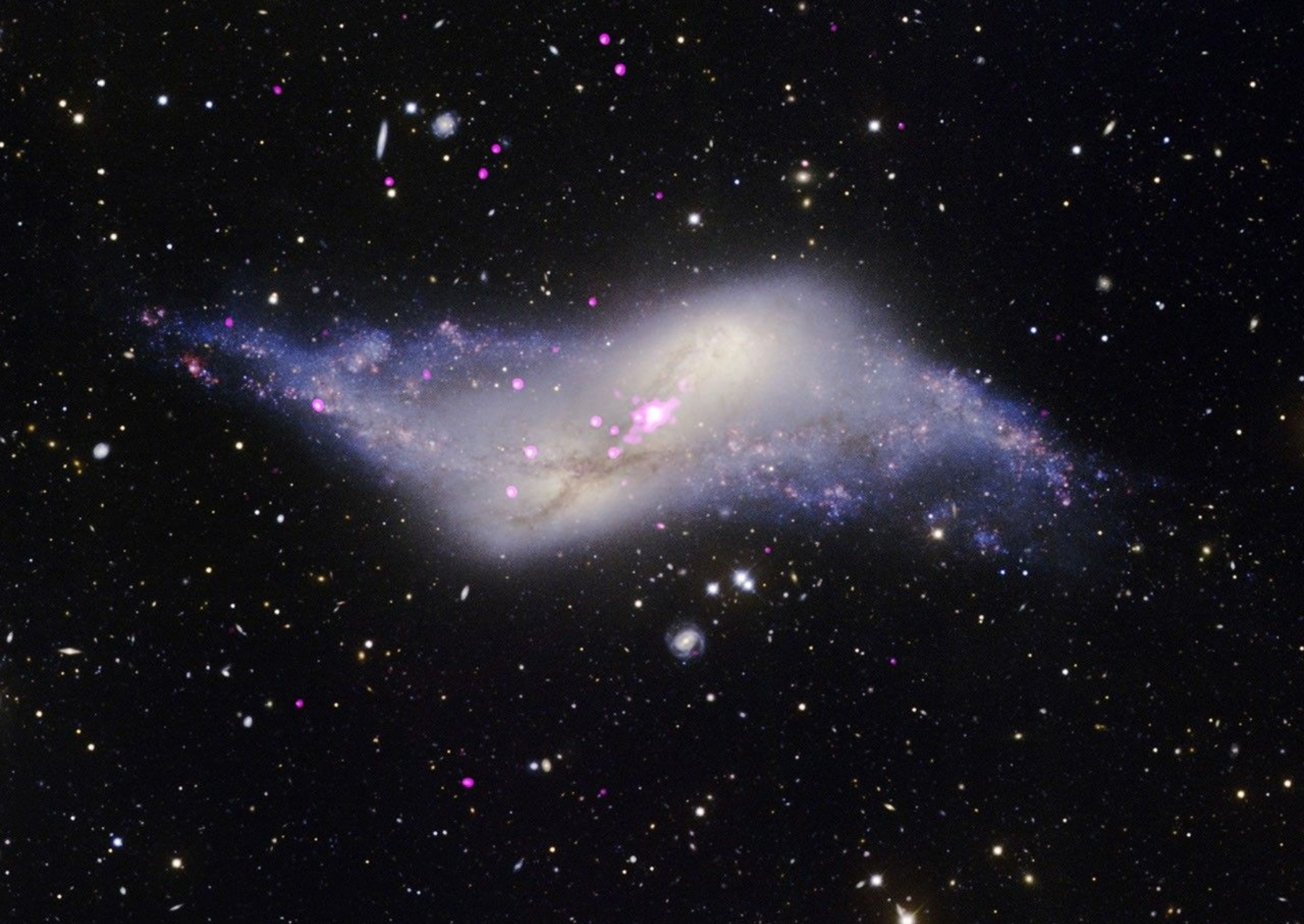
II Zw 096
A chaotic, dust-shrouded system of merging galaxies forming stars at a furious rate. Chandra X-ray data (magenta) pinpoint powerful black hole activity and hot gas, while Hubble optical (blue and white) and Webb infrared (red and grey) data illuminate vast stellar nurseries hidden behind interstellar dust. Systems like II Zw 096 show us how powerful galaxy collisions shaped the early universe. Image: X-ray: NASA/CXC/SAO; Optical: NASA/ESA/STScI; Infrared: NASA/ESA/CSA/STScI; Image Processing: NASA/CXC/SAO/L. Frattare and J. Major.
M33
A nearby, face-on spiral galaxy whose clear spiral arms offer an unhindered view of its stellar engine. X-ray data from Chandra (purple) highlights point sources like neutron stars and stellar-mass black holes pulling material off companion stars (systems called X-ray binaries), while optical data from the Very Large Telescope’s MUSE instrument (pink and grey) maps glowing pockets of hydrogen gas. Ultraviolet data from NASA’s Swift telescope (blue) reveals populations of young, massive stars sizzling across the spiral arms. M33’s proximity to us allows astronomers to audit individual high-energy objects and map how stellar feedback affects a galaxy’s ecosystem. Image: X-ray: NASA/CXC/SAO; Optical: ESO/VLT; UV: NASA/Swift; Image Processing: NASA/CXC/SAO/L. Frattare.
NGC 4258
A spiral galaxy famous for having two extra, “anomalous” spiral arms composed of hot gas. Chandra’s X-rays (royal blue) show superheated shockwaves created by central black hole jets, combined with optical light from Hubble (red, yellow and pale blue) and infrared dust filaments from Webb (bright orange). M106 helps show how supermassive black holes can create structural features that mimic star-bearing spiral arms, influencing a galaxy’s evolution. Image: X-ray: NASA/CXC/SAO; Optical: NASA/ESA/STScI; Infrared: NASA/ESA/CSA/STScI; Image Processing: NASA/CXC/SAO/L. Frattare.
NGC 1569
A compact dwarf irregular galaxy undergoing a violent, compact burst of star formation. Chandra and XMM-Newton observations (blue and purple) reveal massive bubbles of million-degree gas inflated by stellar winds, set against a backdrop of optical light (magenta, orange and white) imaged by Adam Block. Dwarf starburst galaxies can serve as local laboratories for studying the conditions of the early universe, where small, primitive galaxies formed stars at frantic rates. Image: X-ray: (XMM):ESA/XMM-Newton, (Chandra): NASA/CXC/SAO; Optical: Univ.of Arizona/Mt Lemmon SkyCenter/Adam Block/Josep Drudis; Image Processing: NASA?CXC/SAO/L. Frattare.
M90
A large spiral galaxy that is being stripped of its gas as it plunges at high speed through hot gas in the Virgo Cluster of galaxies. Chandra’s X-ray data (magenta) pinpoints high-energy point sources—such as X-ray binaries and supernova remnants—and diffuse hot gas nestled within the spiral disk imaged by Hubble (blue, brown and gold). A ground-based optical light image taken from New Mexico by Timothy Martin reveals red filaments of hydrogen gas streaming over 300,000 light-years behind the galaxy as it falls into the Virgo Cluster. Image: Accidental Astronomers. X-ray: NASA/CXC/SAO; Optical: NASA/ESA/D. Thilker/J. Lee/PHANGS-HST Team; Full-field: Tim Martin; Image Processing: NASA/CXC/SAO/L. Frattare.
Centaurus A
A giant elliptical galaxy undergoing a dusty merger, featuring a powerful jet of particles blasting tens of thousands of light-years into space. Chandra’s X-rays (blue) showcase the high-energy jet, with additional X-rays from IXPE (orange), while Webb infrared (magenta) and optical light (amber and white) from the European Southern Observatory expose a dark, churning dust lane. As one of the closest active galaxies to Earth, Cen A allows astronomers to study the effects of supermassive black hole jets in extraordinary detail. Image: X-ray: (Chandra) NASA/CXC/SAO, X-ray (IXPE): NASA/MSFC; Optical: ESO; Infrared: NASA/ESA/CSA/STScI; Image Processing: NASA/CXC/SAO/L. Frattare, K. Arcand, and J. Major.
M104
Famous for its broad central bulge and dark outer dust ring, this galaxy sits at a nearly edge-on tilt to Earth. Chandra X-rays (cyan and orange) isolate compact point sources and hot gas in the galaxy’s sprawling halo, merged with Hubble optical light (warm white) and Webb infrared vision (purple-red dust lane). Studying M104 may help bridge the gap between spirals and ellipticals, helping astronomers better understand how a galaxy’s giant outer cloud of stars grows and ages alongside its inner disk. Image: X-ray: NASA/CXC/SAO; Optical:NASA/Hubble Heritage Team/AURA/STScI; Infrared: NASA/ESA/CSA/STScI; Image Processing: NASA/CXC/SAO/L. Frattare.
Arp 143
This ring galaxy system formed when a smaller companion galaxy punched straight through its center like a bullseye, creating a powerful cosmic shockwave. Chandra X-rays (purple) uncover bright X-ray binary systems scattered along the collision shock wave, laid over Hubble’s optical image (blue and white) of expanding stellar rings. Such head-on collisions can trigger vast ripple effects, sparking huge waves of star birth across entire galaxies. Image: X-ray: NASA/CXC/SAO; Optical: NASA/ESA/STScI/J. Dalcanton; Image Processing: NASA/CXC/SAO/L. Frattare.
NGC 4725
A “one-armed” barred spiral galaxy surrounded by a prominent star-forming ring. Chandra’s X-ray data (magenta) pinpoints several bright X-ray sources, likely caused by growing black holes, embedded within the sweeping optical disk (soft blue and white) captured with the Mt. Lemmon Observatory. Galaxies with unusual single arms can offer a window into how the gravity from a passing galaxy can trigger bursts of star formation. Image: X-ray: NASA/CXC/SAO; Optical: NASA/ESA/STScI/NAOJ/R. Gendler; Image Processing: NASA/CXC/SAO/L. Frattare.
NGC 1385
A barred spiral galaxy packed with regions where stars are actively forming. Chandra X-ray data (magenta) highlights stellar nurseries and X-ray binaries scattered along dusty spiral structures brought to life by Hubble optical (white and grey) and Webb infrared (orange and red) observations. Comparing multiwavelength data of barred spirals containing active star formation helps scientists map how local starbursts build up galactic mass over time. Image: X-ray: NASA/CXC/SAO; Optical: NASA/ESA/STScI; Infrared: NASA/ESA/CSA/STScI; Image Processing: NASA/CXC/SAO/L. Frattare.
NGC 660
A rare “polar ring” galaxy where a tilted outer ring of stars and dust rotates over the galaxy’s poles, an unusual structure likely caused by a collision with another galaxy about a billion years ago. Chandra’s X-rays (purple) reveal a possible growing supermassive black hole in the center of the galaxy, plus X-ray binaries nestled within the stars and dust captured by the Gemini Observatory in optical light (gold, blue and white). Studying polar rings teaches us about the diverse effects of stellar collisions on the shapes of galaxies. Image: X-ray: NASA/CXC/SAO; Optical:NSF/International Gemini Observatory/AURA; Image Processing: NASA/CXC/SAO/L. Frattare.
M82
An irregular galaxy undergoing intense star formation because of a gravitational interaction with a neighboring galaxy hundreds of millions of years ago. Chandra X-rays (blue), supplemented by NuSTAR data, show towering superwinds of million-degree gas blowing thousands of light-years out of the galactic disk, with Hubble optical light (yellow, orange and white) showing the galaxy shape, and Webb and Spitzer detailing infrared dust emission (red). M82 was nicknamed the Cigar Galaxy mostly because of its edge-on angle to Earth, which makes its central disk look like an elongated, cigar-shaped oval with small optical telescopes. The galaxy illustrates how violent galactic “exhaust systems” can regulate a galaxy’s growth by venting gas outwards. Image: X-ray: NASA/CXC/SAO; Optical: NASA/ESA/STScI; Infrared: NASA/ESA/CSA/STScI; Image Processing: NASA/CXC/SAO/L. Frattare, J. Major, and K. Arcand.
NGC 3256
A pair of colliding, gas-rich spiral galaxies merging into a single massive system. Chandra’s X-ray data (pink) isolates point sources and shock-heated gas, Hubble’s optical light (blue and white) captures tidal tails of stars, and Webb’s infrared vision (red and orange) cuts through the dust to show hidden star formation. Galaxy collisions like this offer a preview of our far future, showing what might happen if our own Milky Way collides and merges with the nearby Andromeda Galaxy. Image: X-ray: NASA/CXC/SAO; Optical: NASA/ESA/STScI; Infrared: NASA/ESA/CSA/STScI; Image Processing: NASA/CXC/SAO/L. Frattare.
NGC 3938
A face-on spiral galaxy whose orientation gives us an unobstructed view of its disk. X-ray emissions from Chandra (magenta) detail energetic X-ray binaries and supernova remnants scattered across dust lanes in an optical image (white, blue and gold) from Adam Block with Mt. Lemmon Observatory. Face-on orientations are important for galactic studies because they provide the most unobstructed views of a galaxy’s stars and gas. Image: X-ray: NASA/CXC/SAO; Optical: Adam Block/Mount Lemmon SkyCenter/University of Arizona; Image Processing: NASA/CXC/SAO/L. Frattare.
It’s a bird’s world, and we’re just living in it. Today, the National Audubon Society officially announced the winners of the 2026 Audubon Photography Awards. The contest is now in its 17th year and celebrates stunning photos (and even a few videos) that showcase the beauty of birds and the challenges they face. For the second year, the judges awarded prizes to residents of Chile and Colombia, as well as the United States and Canada, highlighting how avians connect us across geographies and ecosystems.
This year’s Grand Prize winners each received $5,000 and a voyage to Antarctica with HX Expeditions—an expedition cruise company and Audubon’s exclusive cruise partner.
Take a peek at the winners in the gallery below. (Click to expand images to full screen.)
Prizes for United States and Canada Residents
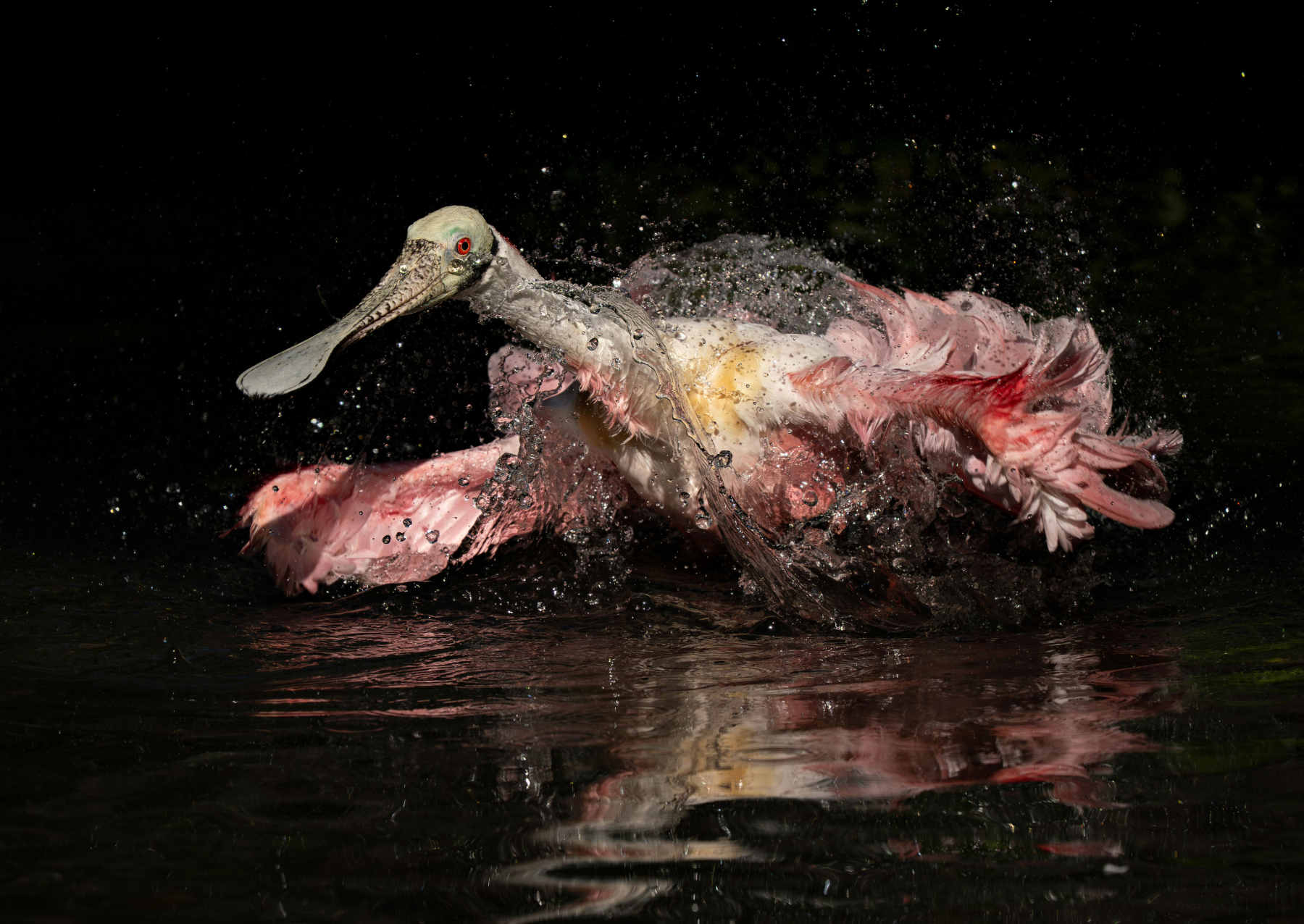
Grand Prize: Jacqueline Burke, roseate spoonbill
A roseate spoonbill (Platalea ajaja) at the St. Augustine Alligator Farm Zoological Park, in St. Augustine, Florida. Image: Jacqueline Burke.
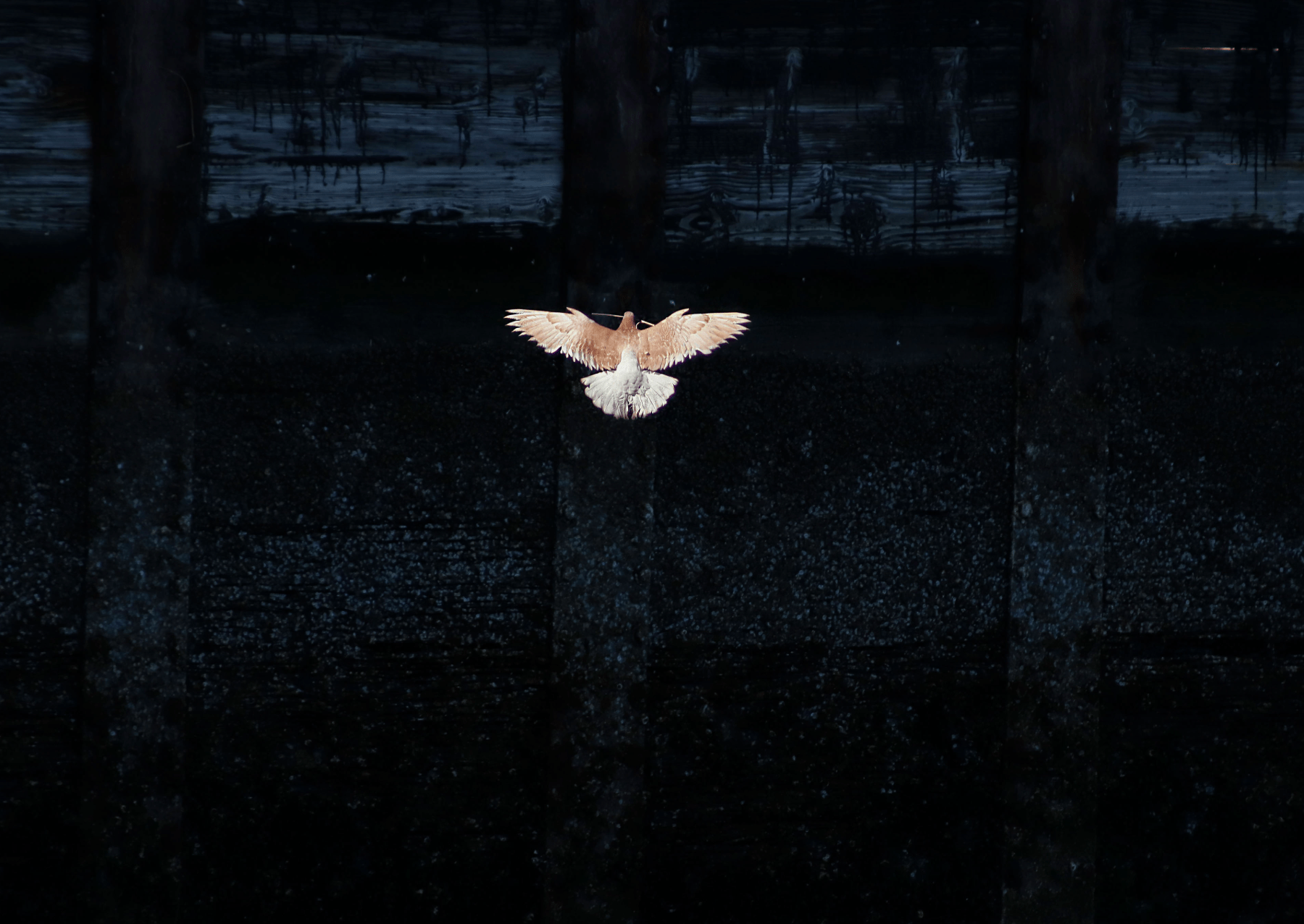
Youth Prize: Ian Shultz, rock pigeon
A rock pigeon (Columba livia) in Golden Gardens Park in Seattle, Washington. Image: Ian Shultz.
Video Prize: Piper VanOrd, great blue heron
A great blue heron (Ardea herodias) at Allegheny Islands Wilderness, National Wild & Scenic Allegheny River, in Warren, Pennsylvania. Credit: Piper VanOrd.
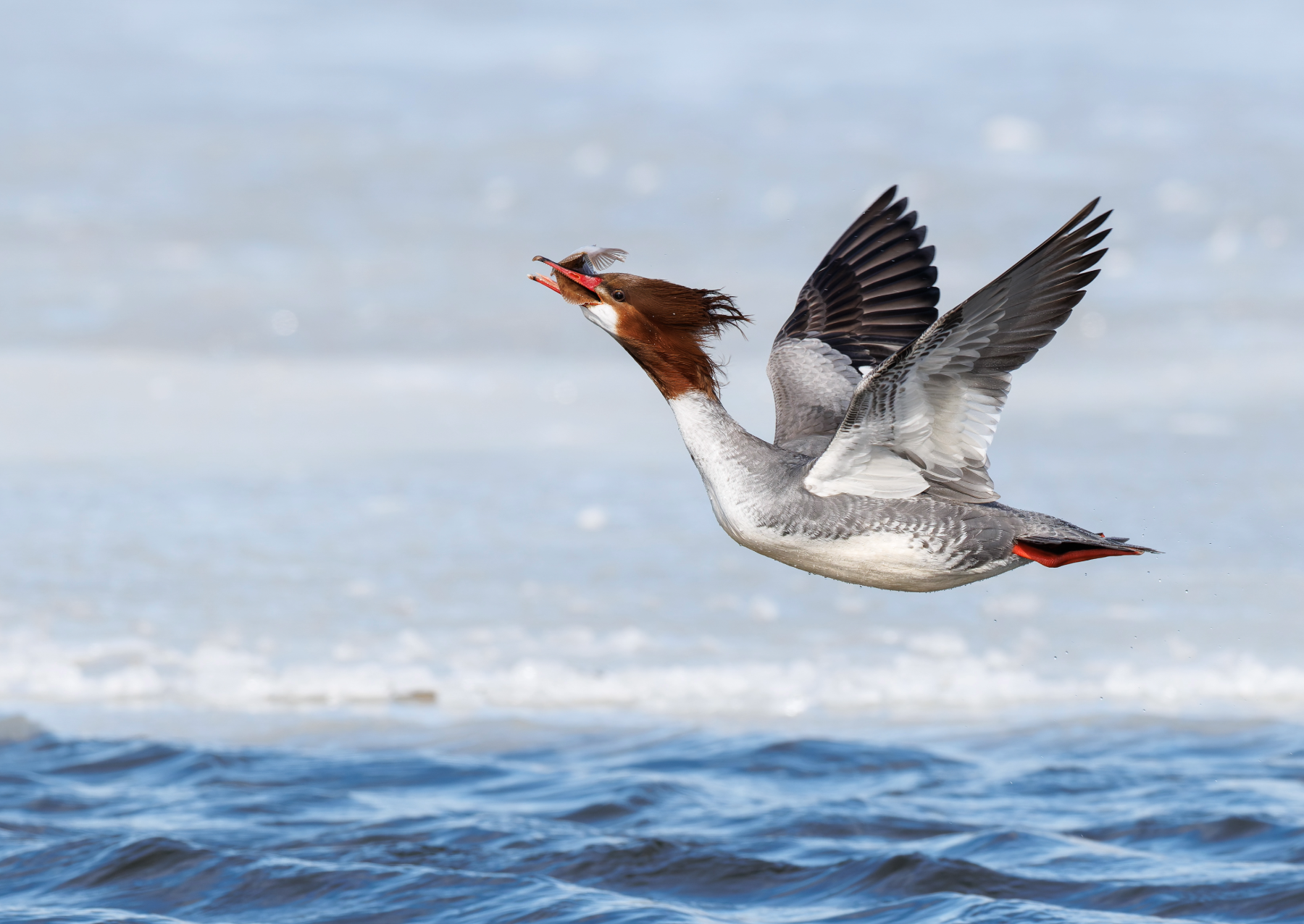
Female Bird Prize: Gail Bisson, common merganser
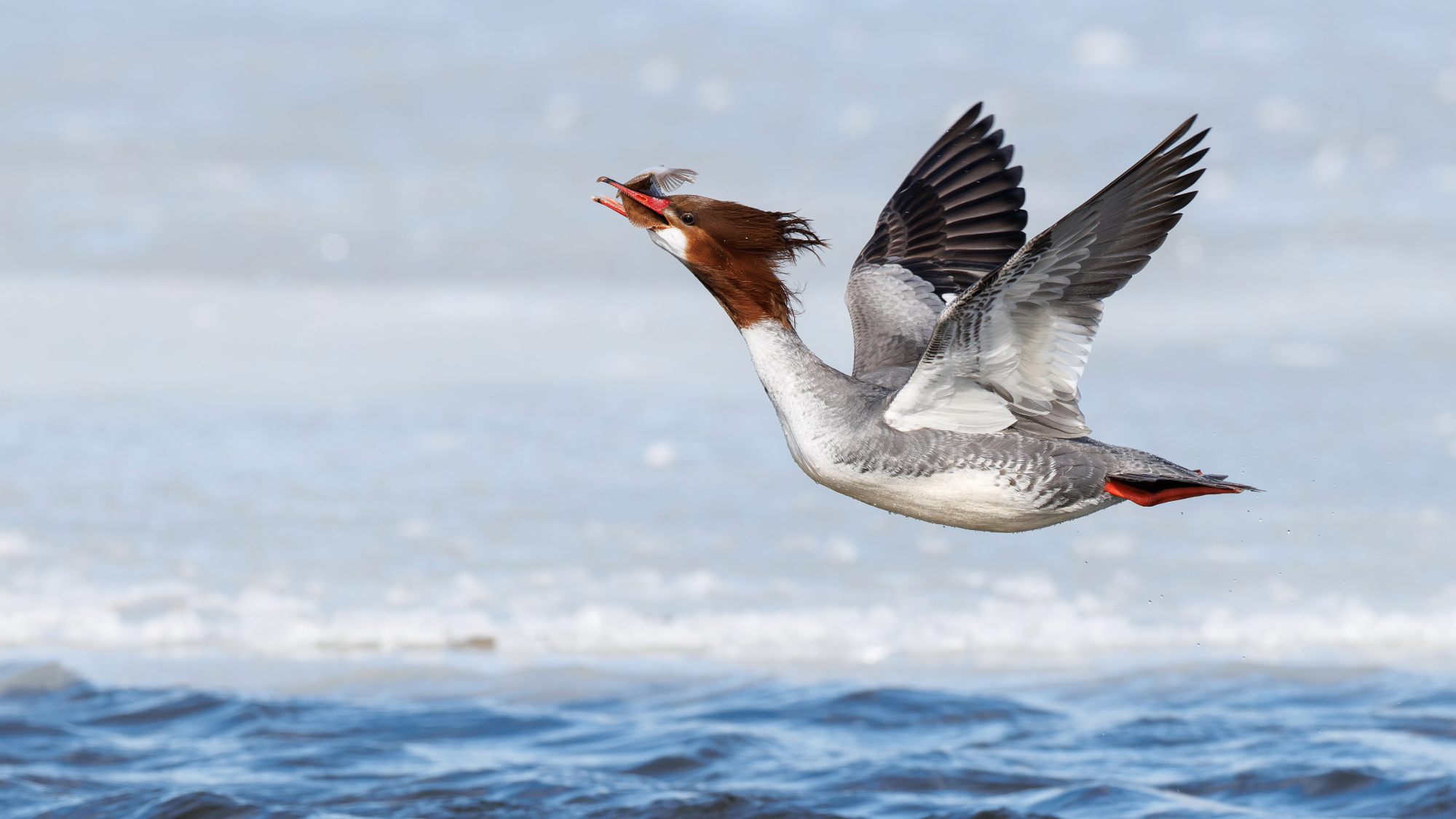
A common merganser (Mergus merganser) in East Bay Sandbar, Nova Scotia, Canada. Image: Gail Bisson.
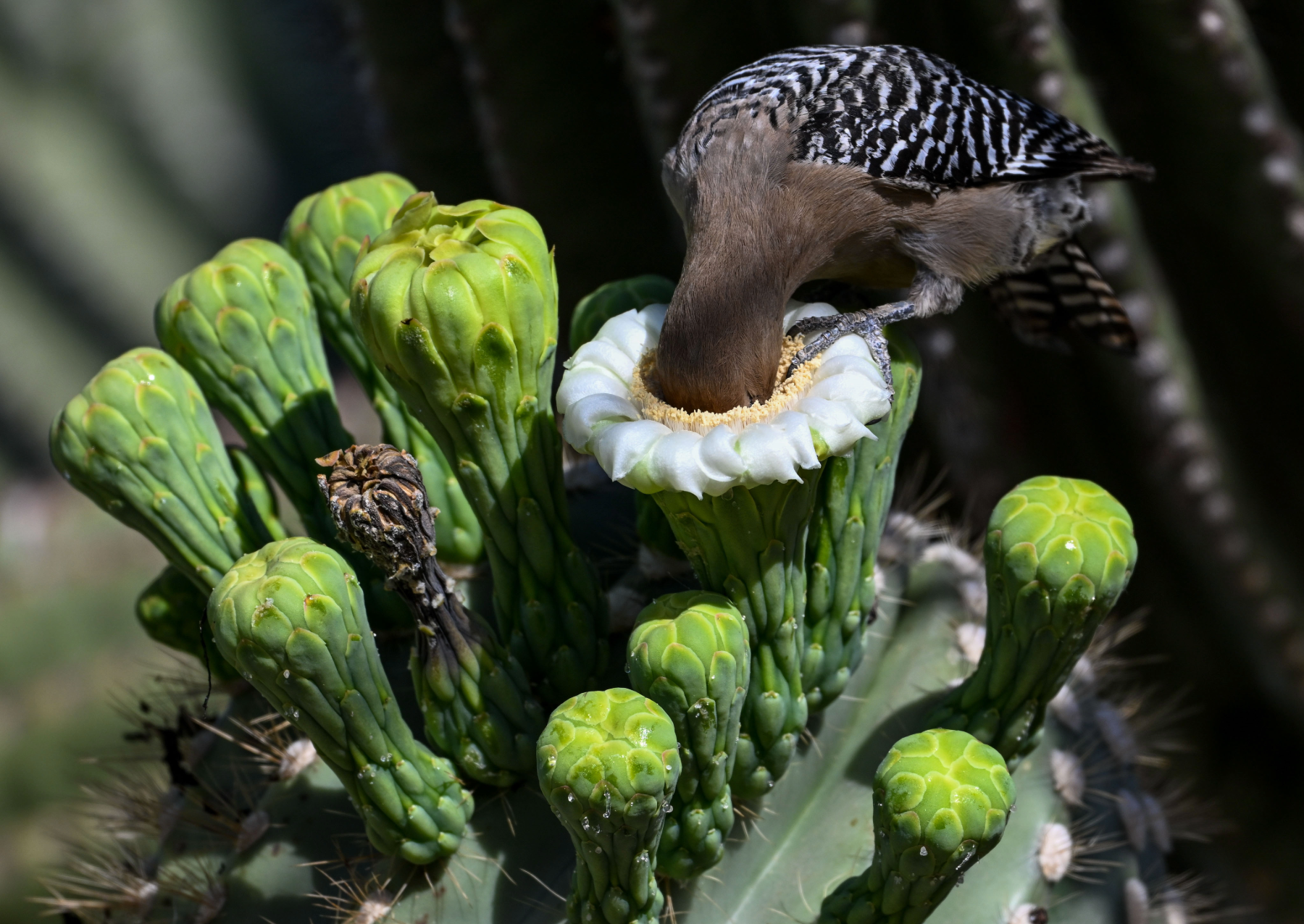
Plants for Birds Prize: Mike Henry, Gila woodpecker and saguaro cactus
A Gila woodpecker (Melanerpes uropygialis) and saguaro cactus (Carnegiea gigantea) in Tucson, Arizona. Image: Mike Henry.
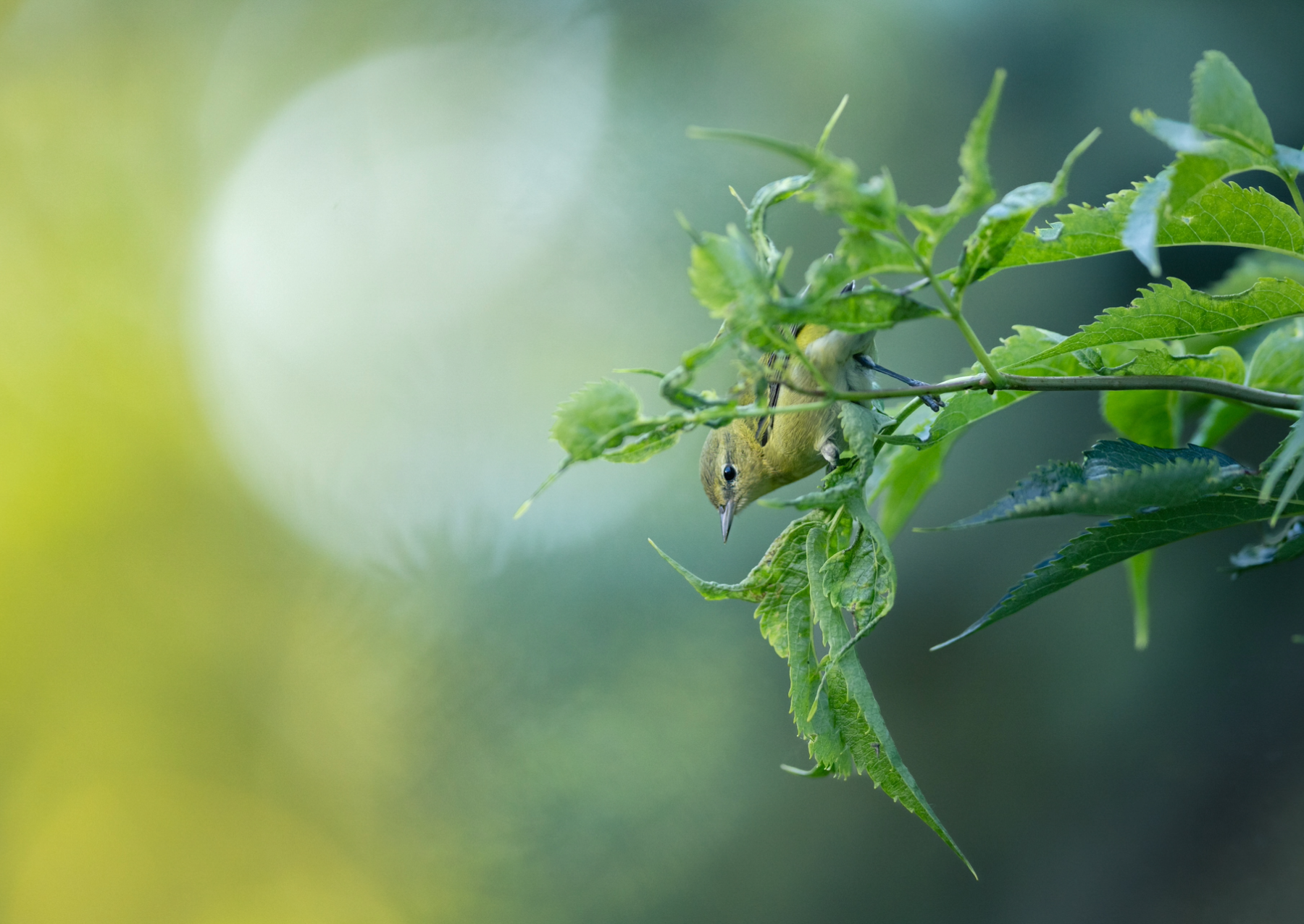
Birds Without Borders Prize: Nick Parayko, Tennessee warbler
A Tennessee warbler (Leiothlypis peregrina) in photographer Nick Parayko’s backyard in St. Albert, Alberta, Canada. Image: Nick Parayko.
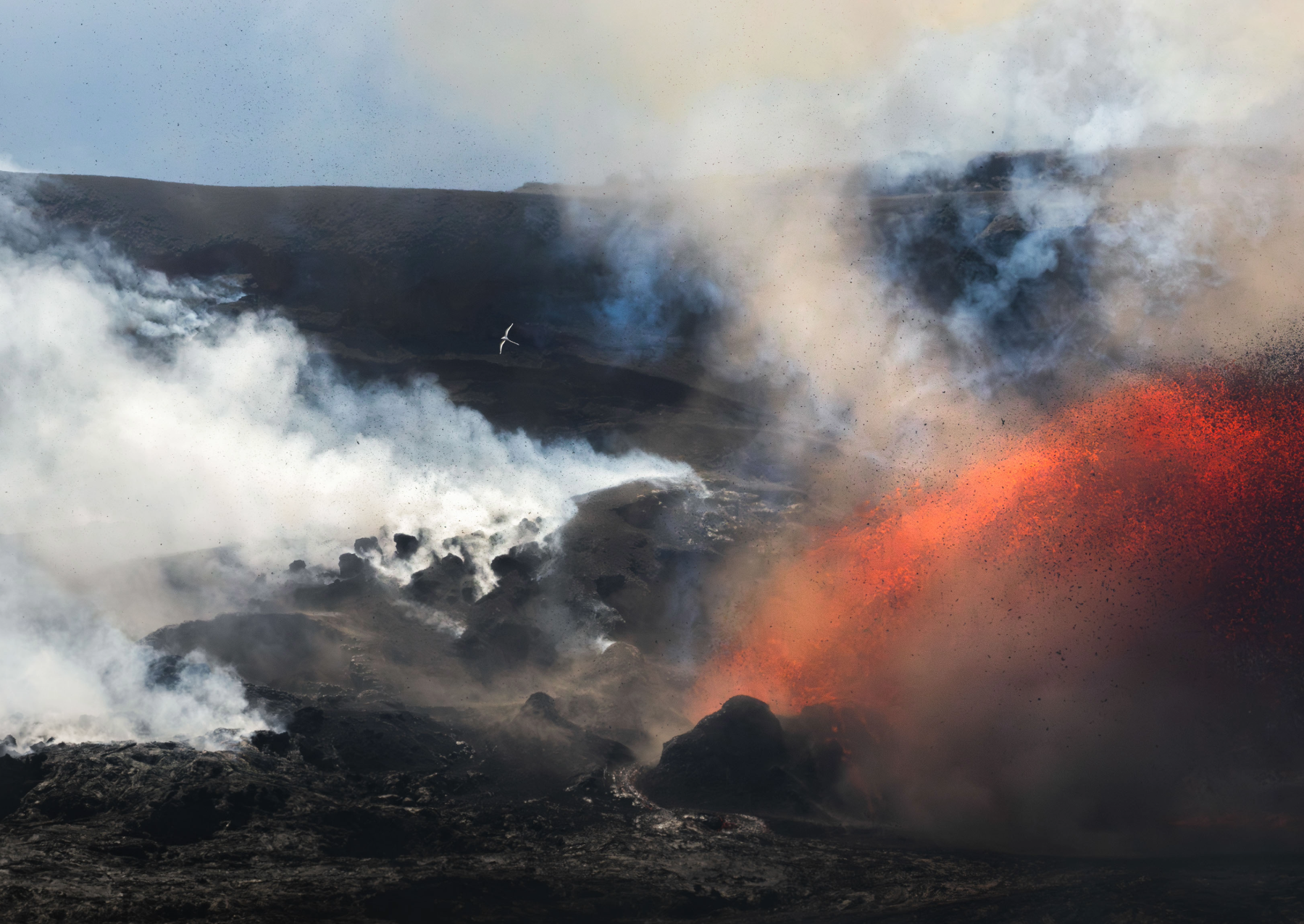
Birds in Landscapes Prize: Liron Gertsman, white-tailed tropicbird
A white-tailed tropicbird (Phaethon lepturus) in Hawai’i Volcanoes National Park in Hawai’i. Image: Liron Gertsman.
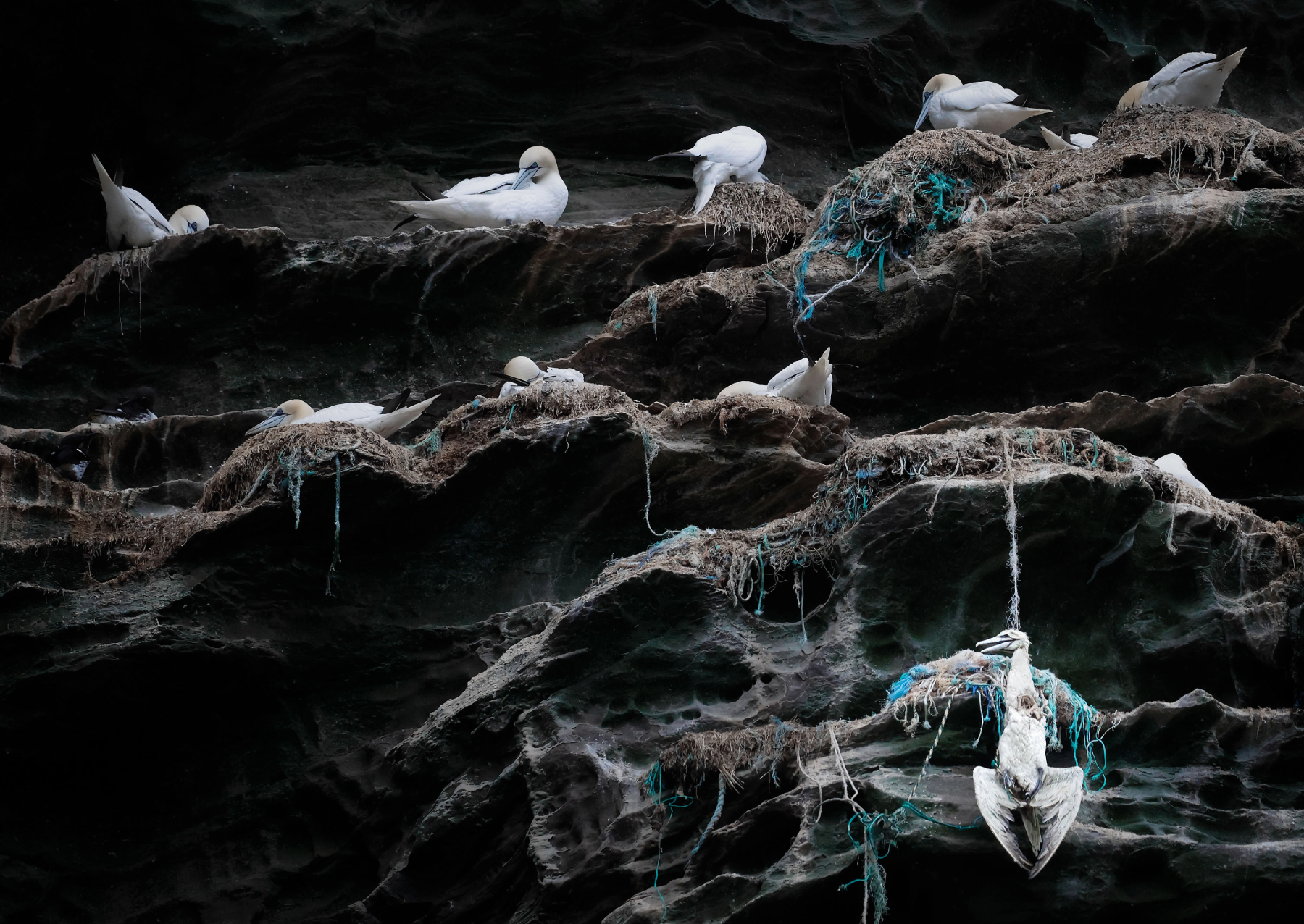
Northern gannets (Morus bassanus) on the Isle of Noss in the Shetland Islands, United Kingdom. Image: Josh Galicki.
Prizes for Chile and Colombia Residents
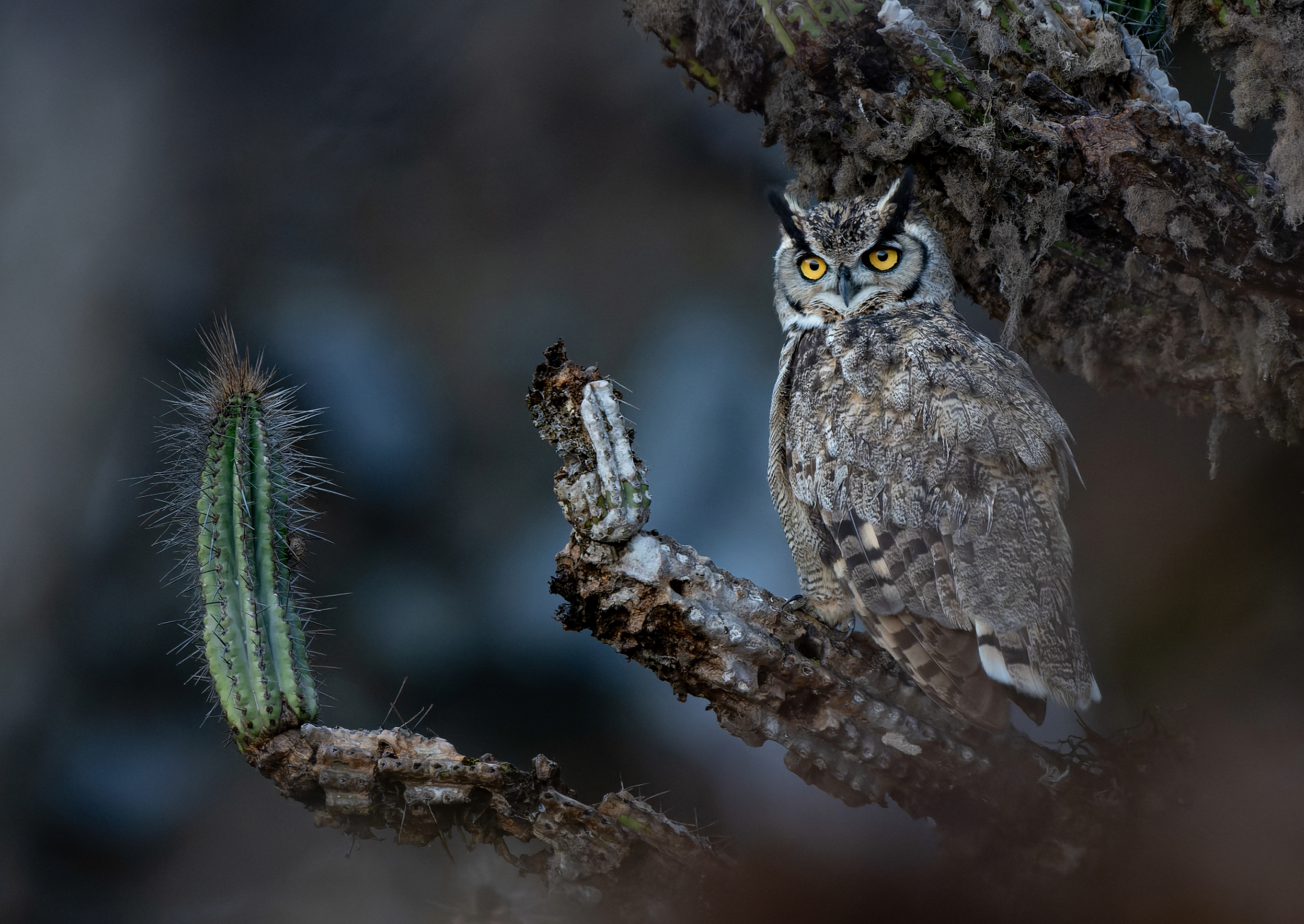
Grand Prize: Francisco Castro Escobar, lesser horned owl
A lesser horned owl (Bubo magellanicus) in Antofagasta, Chile. Image: Castro Escobar.
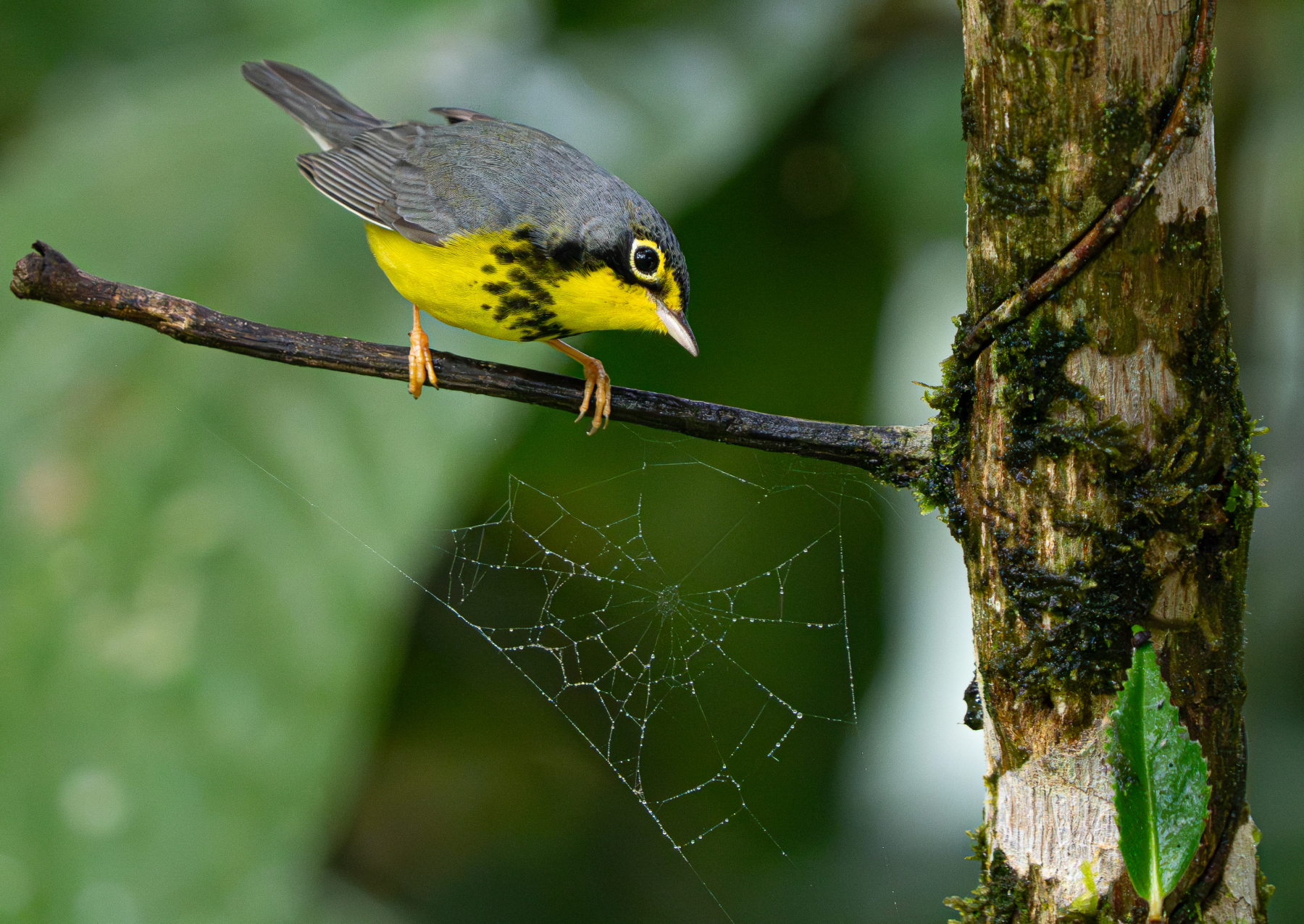
Youth Prize: Juan David Camacho Márquez, Canada warbler
A Canada warbler (Cardellina canadensis) in Doña Dora Birding, El Queremal, Valle del Cauca, Colombia. Image: Juan David Camacho Márquez.
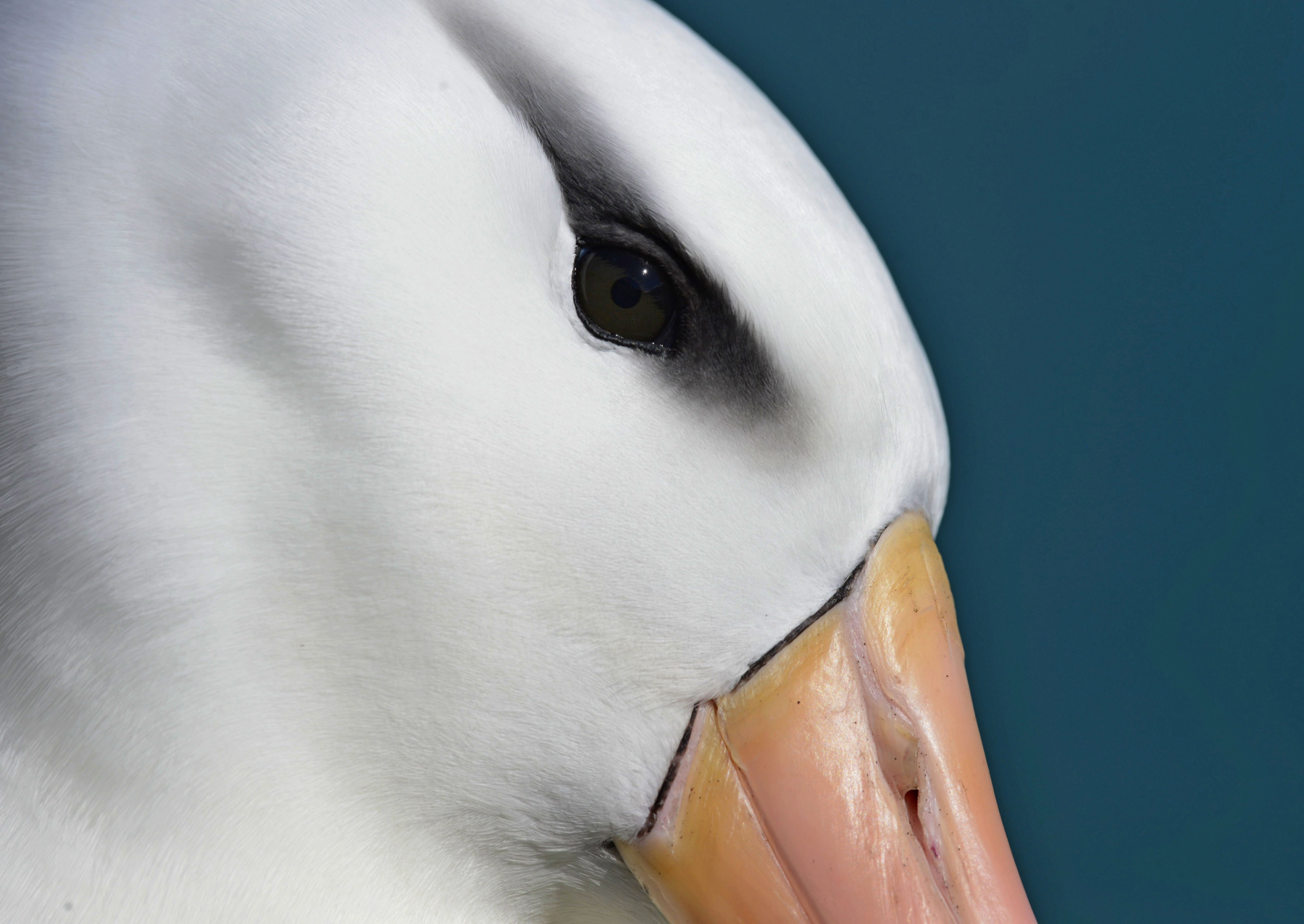
Video Prize: Nicolás Muñoz García, black-browed albatross
A black-browed albatross (Thalassarche melanophris) is on Isla Chañaral Marine Reserve, Huasco Province, Chile. The nearest town is Caleta Chañaral de Aceituno. Credit: Nicolás Muñoz García.
Birds Without Borders Prize: Rodrigo González Pairoa, black-browed albatross
A black-browed albatross (Thalassarche melanophris) in Almirantazgo Fjord, Chile. Image: Rodrigo González Pairoa.
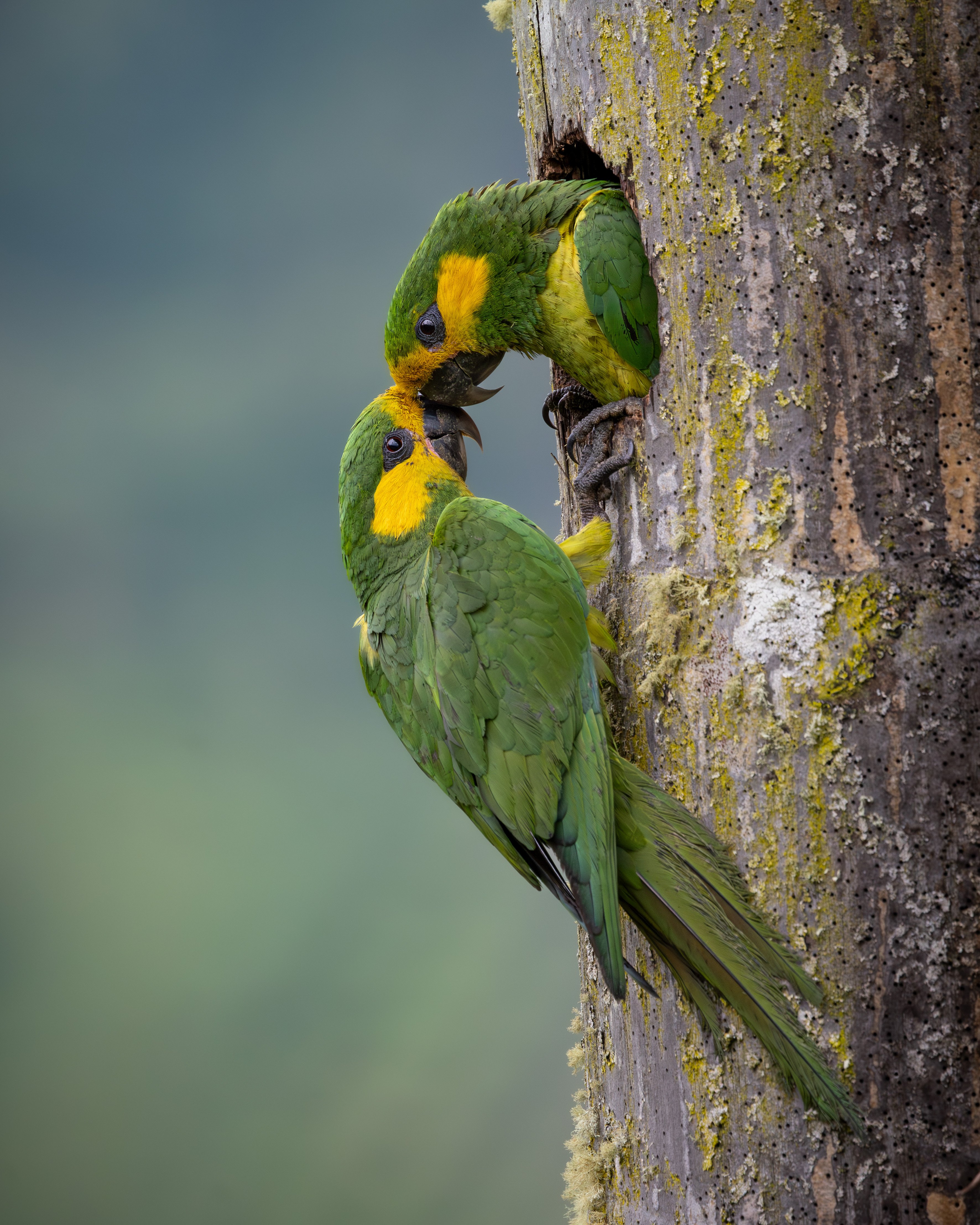
Conservation Prize: Santiago Pérez Rincón, yellow-eared parrot
A yellow-eared parrot (Ognorhynchus icterotis) in Anaime River Canyon, Rural District of the Municipality of Cajamarca, Department of Tolima, Colombia. Image: Santiago Pérez Rincón.
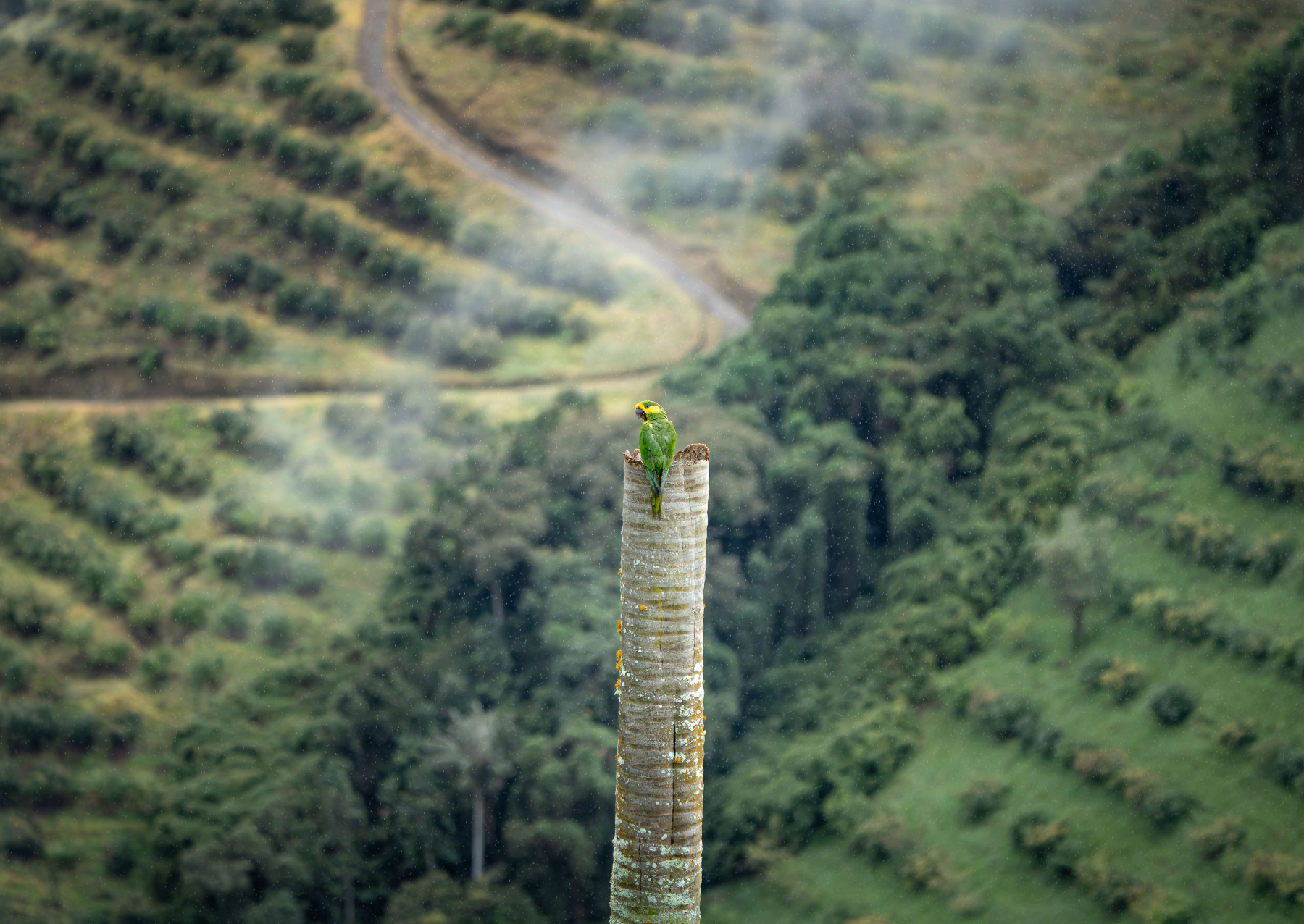
Plants for Birds Prize, Colombia: Santiago Giraldo, yellow-eared parrot and Quindio wax palm
A yellow-eared parrot (Ognorhynchus icterotis) and Quindio wax palm (Ceroxylon quindiuense) in Anaime, Cajamarca, Tolima, Colombia. Image: Santiago Giraldo.
Birds in Landscapes Prize, Colombia: Faber Mosquera Álvarez, oilbird
Oilbird (Steatornis caripensis) in the Cañón de los Guácharos, Pijao, Quindío, Colombia. Image: Faber Mosquera Álvarez.
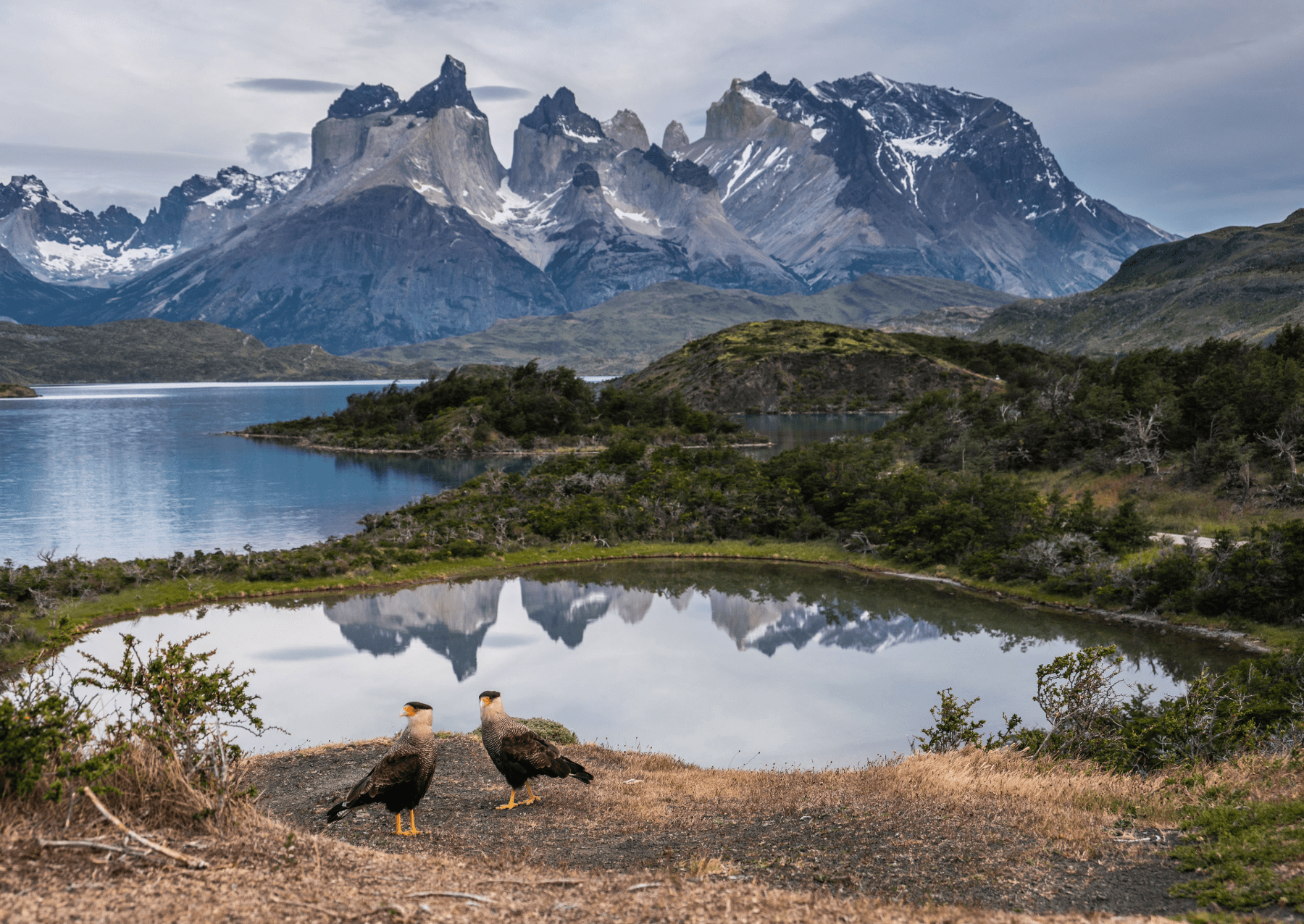
Birds in Landscapes Prize, Chile: Timothy Dhalleine, crested caracara
A crested caracara (Caracara plancus) in Torres del Paine National Park, Magallanes and Chilean Antarctic region, Chile. Image: Timothy Dhalleine.
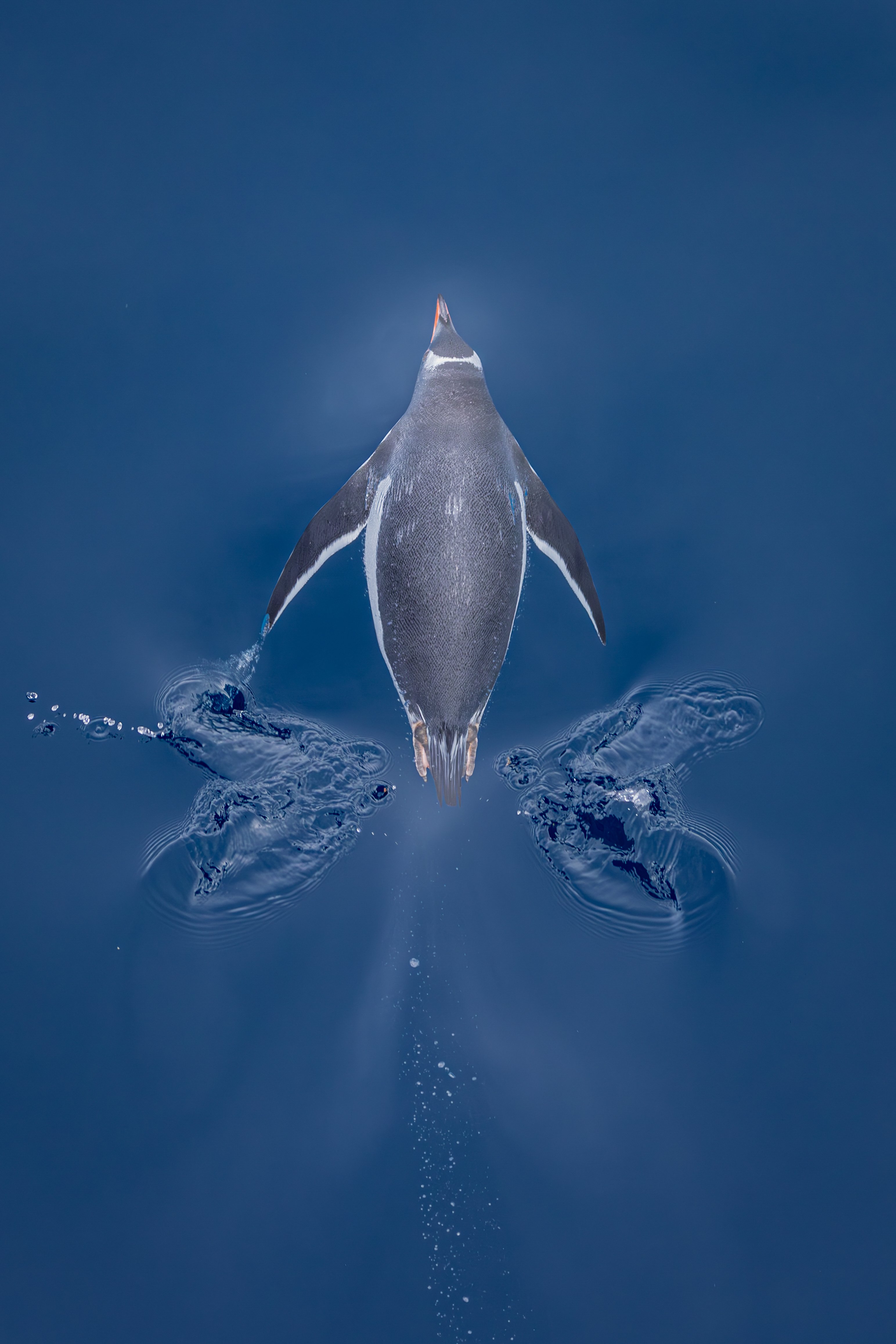
A gentoo penguin (Pygoscelis papua) in Fildes Bay, Antarctica, in the vicinity of the Chilean bases. Image: Gonzalo Bertolotto Quintana. Gonzalo Bertolotto Q
The winners and honorable mentions are published online in Audubon magazine, and winners will be in the Fall 2026 print issue. The annual Top 100 photos will also be announced on September 23, 2026, and additional selections will be featured in digital galleries on Audubon’s website.
The 2027 Audubon Photography Awards will open for entries on January 13, 2027.

 Login