Login

This Bird Flew 13,560 Kilometers Across the Pacific Without Eating or Stopping Even Once
 The tiny godwit stayed in the air for 11 days, breaking all previously known records of nonstop flight.
 The tiny godwit stayed in the air for 11 days, breaking all previously known records of nonstop flight.
Scientists investigating a 66-million-year-old mystery have revealed that a bird feather embedded in fossilized dinosaur excrement suggests that the ancestors of modern birds who survived the dinosaur-killing asteroid that also wiped out all other ancient bird species benefited from the waterproofing properties of their feathers.
The newly analyzed bird feather fossil that provided the missing clues comes from an extinct bird group called Hesperornithiforms and not from the ancestor of modern birds, Neornithes.
However, the team said subtle differences between the species suggest previous theories crediting adaptation to water diving as the key to Neornithes’ survival were likely on the right track.
When a huge piece of space rock slammed into Earth, killing off virtually all dinosaur species save the ancestors of modern birds, the event also left behind a 66-million-year-old mystery. How did these ancient avians survive this apocalyptic event, resulting in every bird species we see today?
Jingmai O’Connor, the associate curator of fossil reptiles at the Field Museum in Chicago, said her career has been spent analyzing fossils to try to answer this single, critical question. However, unlike the new poop-encased bird feathers, most were not so ‘naturally’ protected from the ravages of time.
“It’s such a beautiful, well-preserved feather, from such an unexpected source, and it’s exciting that it could help us answer this huge question in paleontology,” explained the lead author of a study detailing the new analysis. “As far as I know, no one has ever thought to look for feathers or to study feathers in coprolites, so this project was really exciting.”
Researchers discovered the ancient bird feather in 2016 in Montana. Although she initially suspected it could be a coprolite rock (fossilized feces), O’Connor said she couldn’t confirm the theory for a decade.

The situation changed when O’Connor and Nate Carroll, a co-author of the paper and paleontologist at the Carter County Museum in Ekalaka, Montana, gained access to the micro-CT scanner at USC’s medical campus in Los Angeles, California. According to O’Connor, that’s when “the full feathery fabric of this fossil feces” started to finally reveal itself.
“Every hour processing the data revealed another feather, another scale, another bone—in stunning 3D,” Carrol also recalled.

Along with multiple feathers and tiny fish scales, the ancient dinosaur poop, which may have come from a Tyrannosaurus Rex, also contained legs from a hesperonithiform bird.
O’Connor said hesperonithiforms were ancient aquatic birds with similarities to modern loons. Critically, these cousins of the modern bird ancestor group had evolved specialized feet to hunt for fish by diving deep into the water.
“The feathers showed adaptations for being underwater that we see in living aquatic birds,” O’Connor explained.
Notably, the team said this evolution likely cost ancient hesperonithiforms like the one that was consumed by a dinosaur the ability to fly.
Although the bird group represented by the fossilized feather did not survive the dinosaur-killing asteroid, its connection to the ancestor of modern birds appears to support a previously proposed theory that adaptation to water may have helped Neornithes survive. O’Connor said she thinks that small differences in the feathers of the two ancient bird species hold the answer to a 66-million-year-old mystery.
“We think the types of feathers that these birds had, and/or the way they molted those feathers, may have been one of the underlying causes of the selectivity of the end-Cretaceous mass extinction,” the researcher explained, adding that this is “essentially why some birds died out and why others survived.”
Specifically, O’Connor pointed to the “smaller, fuzzy, primitive body feathers” found on the extinct bird “that we associate with dinosaurs and enantiornithines” alongside more modern-looking waterproof adaptations.
The team said that these evolutionary relics suggest that hesperornithiforms like the one that left behind its feathers were an evolutionary bridge between older bird groups and the Neornithes that survived the cosmic collision. Even more critically, the team said these earlier feather structures may not have retained heat as effectively as Neornithes feathers, allowing one species to survive the asteroid and another to die in the extreme cold that followed.
“The hesperornithiforms retain primitive feather types that may not have been as efficient for insulation as modern plumaceous feathers, and that could explain why they went extinct along with the enantiornithines,” O’Connor explained.
The study “Bird feathers from a Late Cretaceous coprolite” was published in Current Biology.
Christopher Plain has spent the last six years as Associate News Editor and Head Science Reporter at The Debrief. Follow and connect with him on X, learn about his novels at plainfiction.com, or email him at christopher@thedebrief.org.
Wild condor parents usually make a great parenting team. But when one female California condor (Gymnogyps californianus) in Pinnacles National Park in Central California found herself in the role of a single mother, park biologists stepped in to help.
The condor mother wasn’t able to provide sufficient care and food for her chick while on her own. Field biologists realized that when hunting for food, she returned to the nest less frequently. The chick needed more nutrition to grow and develop appropriately.
“Based on her behavior, she had largely abandoned the nest, and the chick was unlikely to survive without intervention,” a spokesperson for the San Diego Zoo Wildlife Alliance tells Popular Science.
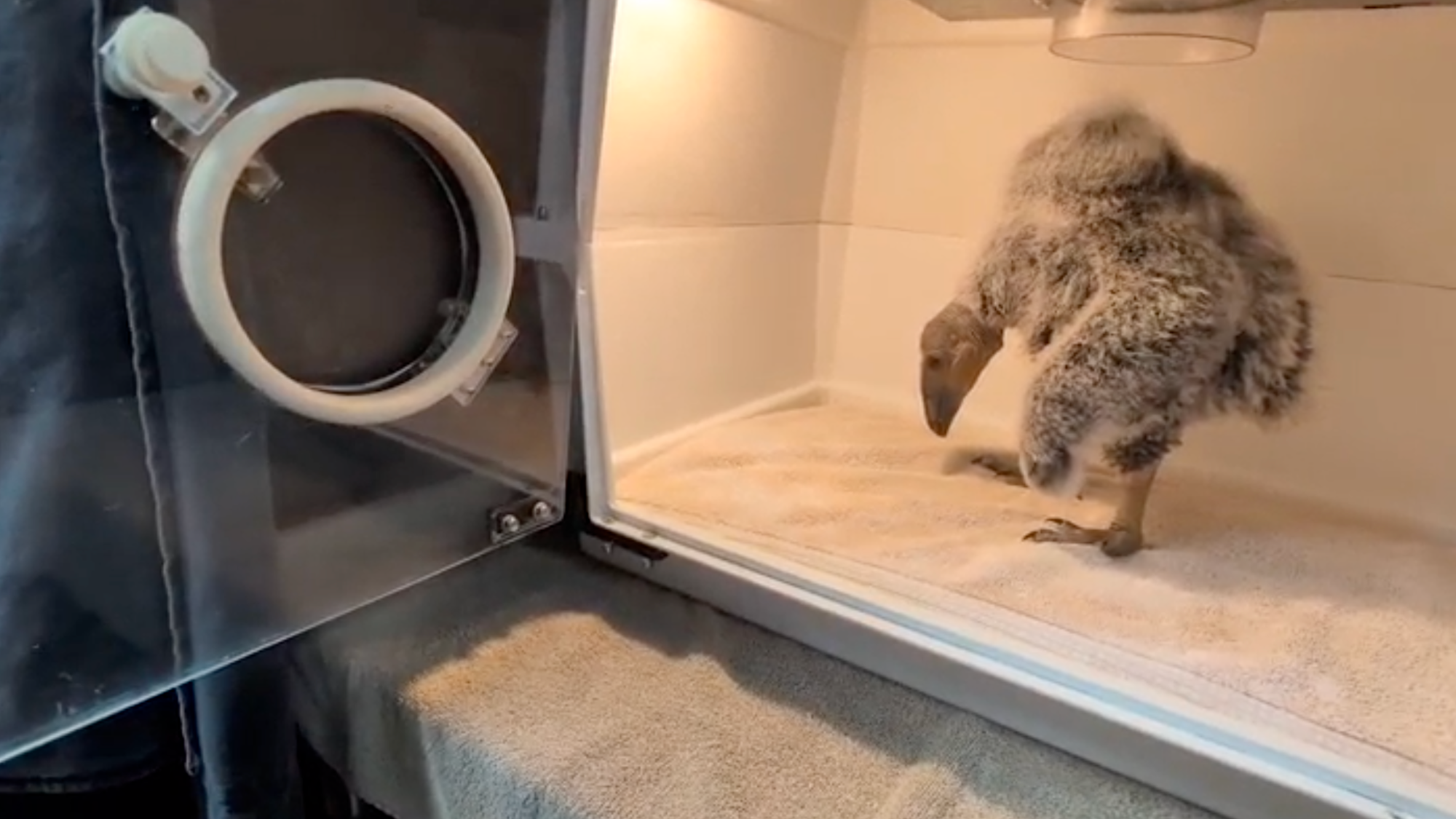
Pinnacles National Park biologists took the chick when it was around one month old and sent him to the San Diego Zoo Safari Park’s California condor breeding facility. There, he’s receiving care in a specialized puppet-rearing program.
“The puppet-rearing program is a specialized care method used to raise young California condor chicks without allowing them to see or bond with human caretakers,” says the spokesperson. “Wildlife care specialists use hand-crafted puppets that resemble adult California condors and completely cover the caretaker’s hands and arms. Caretakers use the puppet’s beak to deliver food directly to the chick, mimicking the way an adult condor parent would feed its young in the nest.”
The chick was named Cayic (pronounced Chai-eech), meaning “strong” in the Mutsun language of the Indigenous people of California’s Central Coast. Thankfully, Cayic is demonstrating normal growth and development, and experts plan on returning him to the wild next fall.California condors are still considered critically endangered, after nearly going extinct.
As for the chick’s father, he had stopped returning to the nest and eventually died while receiving treatment for suspected lead poisoning. Lead poisoning is the greatest cause of death for California condors and a severe obstacle in the species’ recovery. The species is also threatened by the consumption of microtrash.
California condors, or “thunderbirds” for Native Americans, are North America’s largest flying birds. Their wingspan is almost ten feet long, but their mighty reach didn’t keep them from reaching the brink of extinction. During the 1980s, there were fewer than two dozen of them in the wild. In 1986, the U.S. Fish and Wildlife Service put them all in a captive breeding and release program, including at the San Diego Zoo Safari Park. Six years later, the program had bred enough chicks to return the first condors to the wild.
As of the end of 2025, there are 607 California condors in the world, 392 of which are in the wild. One of them is Cayic’s mom.
“The mother may go on to pair with another male, and we hope she will have another opportunity to breed during a future breeding season,” says the spokesperson.
The post Single California condor mother gets help raising her chick appeared first on Popular Science.

As the 2026-2027 NFL season kicks off, the Philadelphia Eagles are giving new meaning to their signature “Fly, Eagles, Fly” fight song. The football team is partnering with the National Marine Sanctuary Foundation for Birds Supporting Birds, an initiative to support seabirds off the coast of Massachusetts (and in New England Patriots’ territory) this fall.
The team is supporting NOAA’s Stellwagen Bank National Marine Sanctuary Shearwater Tagging Project, an ongoing initiative dedicated to studying the great shearwater (Ardenna gravis) and their migration. Great shearwaters are large, white-and-grey seabirds known for their epic journeys. They travel thousands of miles every year from their remote South Atlantic breeding grounds up to the cooler North Atlantic waters during the nonbreeding season. According to the National Marine Sanctuary Foundation, they fly the equivalent of over 200,000 football fields across the Atlantic Ocean every single year.
Birds Supporting Birds will help support researchers in Stellwagen Bank, an 842-square-mile marine sanctuary east of Boston, to tag great shearwaters and track their migratory routes across the Atlantic.
“The Eagles are directly funding researchers to attach lightweight, solar-powered satellite transmitters to great shearwaters,” Joel R. Johnson, President and CEO of the National Marine Sanctuary Foundation, tells Popular Science. “These tags track the birds’ migration patterns around the Eastern Seaboard and down to the Southern Atlantic Ocean in real time.”
Lovingly known as “The Birds” by their incredibly devoted fanbase, the football team is leveraging their platform to bring attention to ocean conservation and highlight environmental stewardship.
A major 2015 study found that the Gulf of Maine is warming faster than 99 percent of the ocean due to climate change. While the water has slightly cooled since 2021, a report published by NOAA in July found that the environment in the Gulf of Maine still remains unstable. These changes in ocean temperature, currents, and other conditions can impact the seabirds’ food supply.
Great shearwaters are reliable indicators of an ecosystem’s health, who rely on small fish called sand lance in their diets. Whales, dolphins, bluefin tuna (Thunnus thynnus), and other key Gulf of Maine species also rely on these fish belonging to the family Ammodytidae in their diets. By studying great shearwaters and their health, researchers can better understand what is happening in the local ecosystem as a whole.
Researchers at Stellwagen Bank National Marine Sanctuary used satellite tracking technology in 2013. These tags are lightweight and attached to the birds with degradable thread. They have small solar panels so scientists can monitor the birds’ routes over extended periods.
Researchers have now deployed tags on Phil, Franklin, Hoagie, and Liberty, four great shearwaters with very Philly-appropriate names.
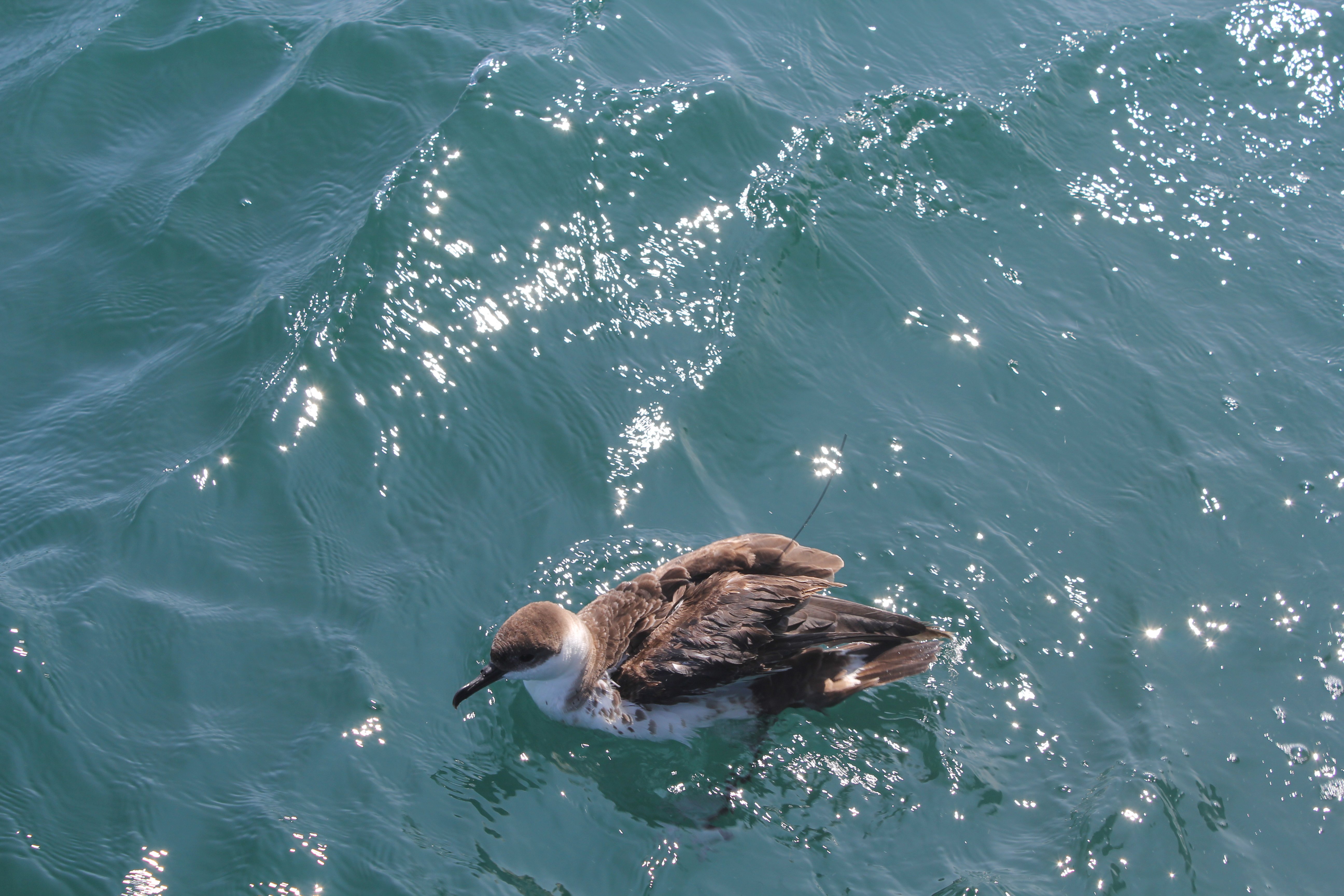
“We are thrilled to invite the public to follow Phil, Franklin, Hoagie, and Liberty in real time on our interactive maps and social channels, bringing everyone along on our shared mission to protect our ocean waters and marine life,” says Johnson, who lists bald eagles (Haliaeetus leucocephalus), great blue herons (Ardea herodias), and great shearwaters among his favorite birds.
Live interactive maps will be available soon on the Stellwagen Bank National Marine Sanctuary and National Marine Sanctuary Foundation’s website, so you can follow the great shearwater’s epic journey, while the Eagles (or your favorite team) compete on the gridiron.
The post ‘Birds Supporting Birds’ connects the Philadelphia Eagles with migrating seabirds appeared first on Popular Science.
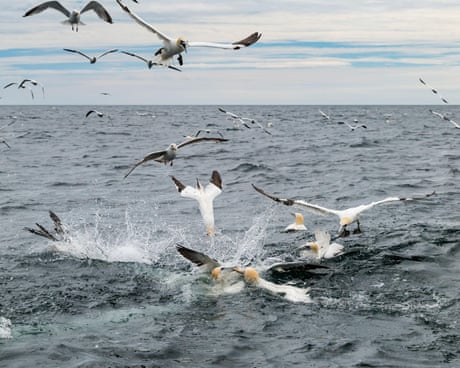
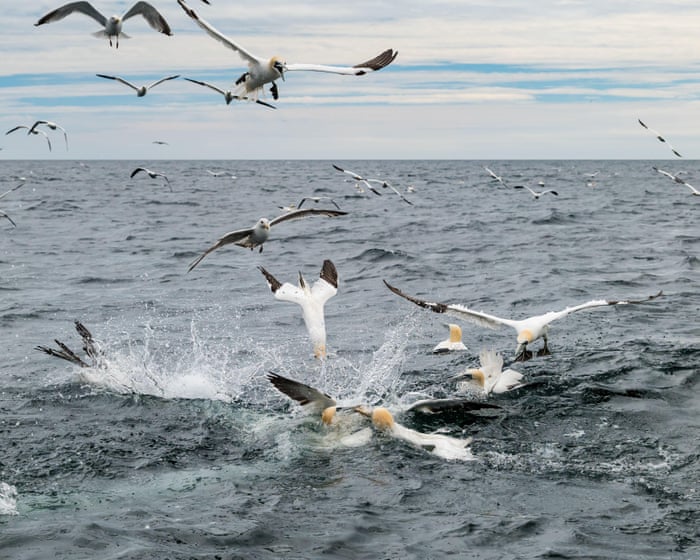
The offshore windfarm at Berwick Bank is predicted to kill more than 4,000 birds in its first year alone – among them gannets, puffins and kittiwakes, writes Ashley Davies
Lev Parikian paints a vivid picture of the gannets of the Bass Rock and the impact that avian flu has had on their numbers (Country diary, 31 August). There’s another threat, though, and it’s one that puts some supporters of renewable energy like me in a novel situation: protesting against the construction of a windfarm.
Berwick Bank will be one of the biggest offshore windfarms in the world – a few kilometres from the Bass. This is perilously close, and the RSPB has calculated that it will kill more than 4,000 seabirds in its first year alone, among them gannets, puffins and endangered kittiwakes.
Continue reading...
© Photograph: Sally Anderson/Alamy
© Photograph: Sally Anderson/Alamy
© Photograph: Sally Anderson/Alamy
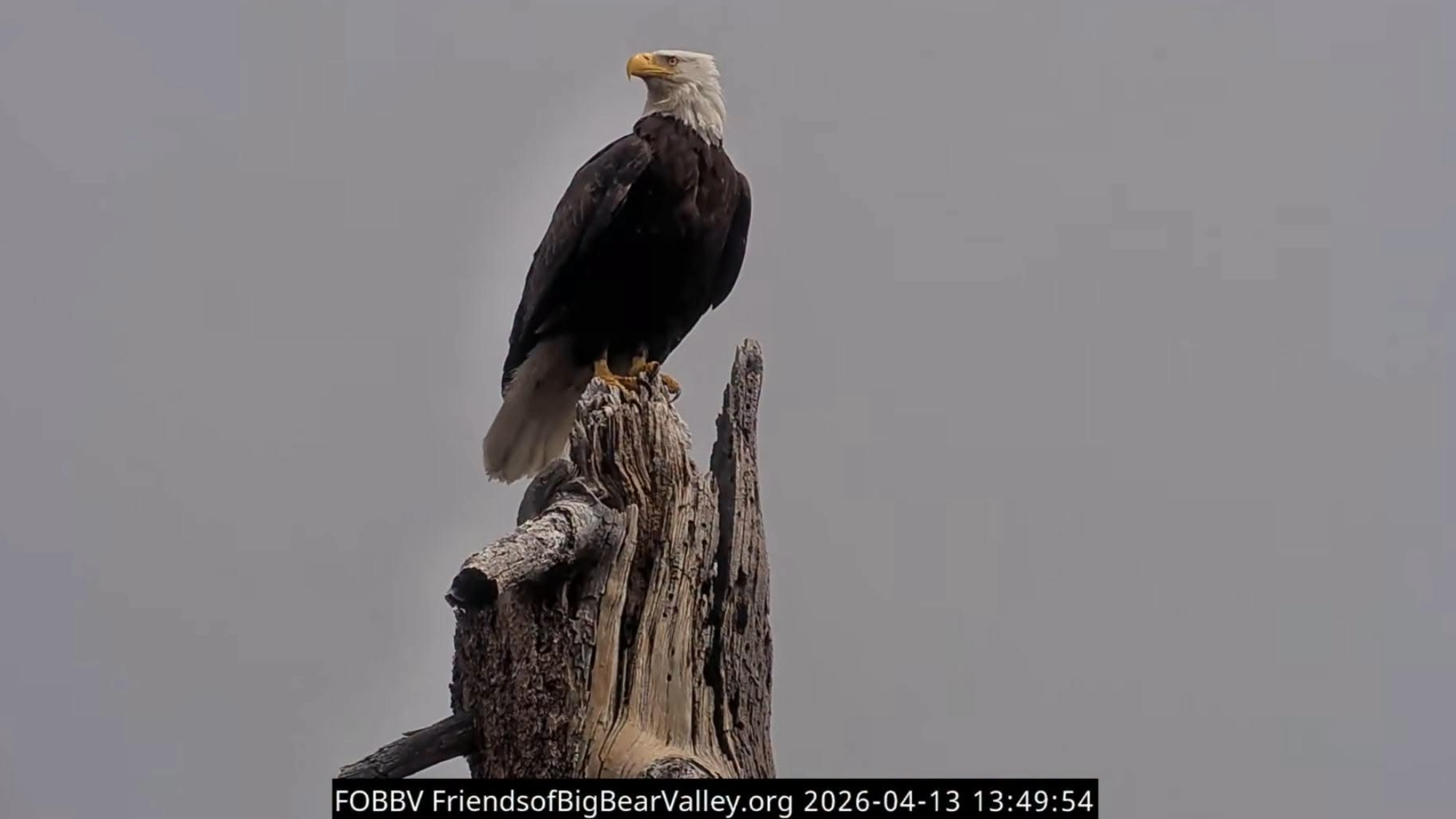
Following an outpouring of support for Jackie, a famous bald eagle mother watched by millions, the California State Senate passed Senate Resolution 140. The bipartisan measure honors Jackie and proclaims that Friday September 4, 2026 is California Wildlife Day to honor her memory and celebrate the Golden State’s biodiversity.
The resolution was introduced by State Senator Tony Strickland (R-Huntington Beach) and is sponsored by KFI AM 640 in Los Angeles. It recognizes the eagle’s role in connecting people with wildlife conservation, while highlighting the state’s biodiversity.
“Jackie captured the hearts of people in California and around the world, giving so many of us a front-row seat to the beauty, strength, and resilience of wildlife,” Senator Strickland said in a press release. “Her story reminds us that wildfire conservation brings people together. As we celebrate America’s 250th birthday this year and reflect on the values that unite us, it is especially meaningful to honor the Bald Eagle and Jackie’s incredible legacy here in California.”
Amy King, the host of “Wake Up Call” on KFI AM640 in Los Angeles, said it was clear how many humans connected with these eagles and their story.
“Over the past decade, many of our listeners watched the webcam and witnessed the beautiful life Jackie, her mate Shadow, and their eaglets created together,” King added. “Jackie’s story brought people together across generations and communities. As storytellers, we believe stories can connect people, inspire compassion, and create a shared sense of community. It has been an honor to share Jackie’s story with our listeners and to be part of the community that followed her remarkable journey.”
Friends of Big Bear Valley (FOBBV), the nonprofit organization that runs the nest cameras that brought Jackie and Shadow to the world, are also planning a memorial service for October 3.
Jackie was born, raised, and lived in Big Bear Valley in southern California. Prior to the 2011-2012 nesting season, no bald eagle chicks were known to have ever hatched in Big Bear Valley. Then came Jackie, named after a forest ranger and born to parents Ricky and Lucy in 2012.
During the 2016-2017 nesting season, Jackie took over a nest where Friends of Big Bear Valley (FOBBV) had a camera stationed. In 2018, she had two chicks named Stormy and Big Bear Baby (or BBB) with her first mate, Mr. B.
Her long-time partner Shadow entered the picture in summer 2018. He showed up at the nest and would not leave. FOBBV called the new male Shadow because he appeared so determined to stay in the nest, and the team initially believed he was one of Jackie’s siblings, also named Shadow. The eagle’s plumage indicated he was one year older than the other Shadow and not Jackie’s sibling, but the name stuck.
Shadow continued to hold his ground and Mr. B gave up and eventually left. Jackie then accepted Shadow as her new mate.
Wildlife cameras documented Jackie and Shadow’s life together, offering viewers a direct look into the brutality and beauty of nature. The pair successfully raised chicks in 2019 (Cookie and Simba) and 2022 (Spirit). The pair’s eggs failed to hatch in 2023 and 2024. In 2025, Jackie laid three eggs that all hatched in early March. However, a strong snowstorm dumped up to two feet of snow and battered the nest with strong wind and only two of the chicks (Sunny and Gizmo) survived.
In January, Jackie laid two eggs in the nest, but ravens destroyed them. She later laid two more eggs that hatched in April and named Luna and Sandy. The name Sandy is in honor of FOBBV’s former executive director Sandy Steers who died from cancer in February.
On July 17, Jackie was found injured on the ground near Dana Point Park, California. Cell phone video from a witness confirmed that she had an altercation with two other subadult eagles. She successfully fended off the other eagles by turning over and using her talons, but could not fly far away.
She was transferred to the Ojai Raptor Center for care, where she was diagnosed with severe anemia. Her anemia worsened during the first week of August, the Ojai Raptor Center said that she was in unstable condition on August 9. Her packed cell volume (PCV) fell below percent, before rising to nine percent. She died early in the morning on August 10 and a full necropsy report is still forthcoming.
Jackie’s resilience inspired millions of people around the world.
The post California Wildlife Day to honor beloved bald eagle Jackie appeared first on Popular Science.
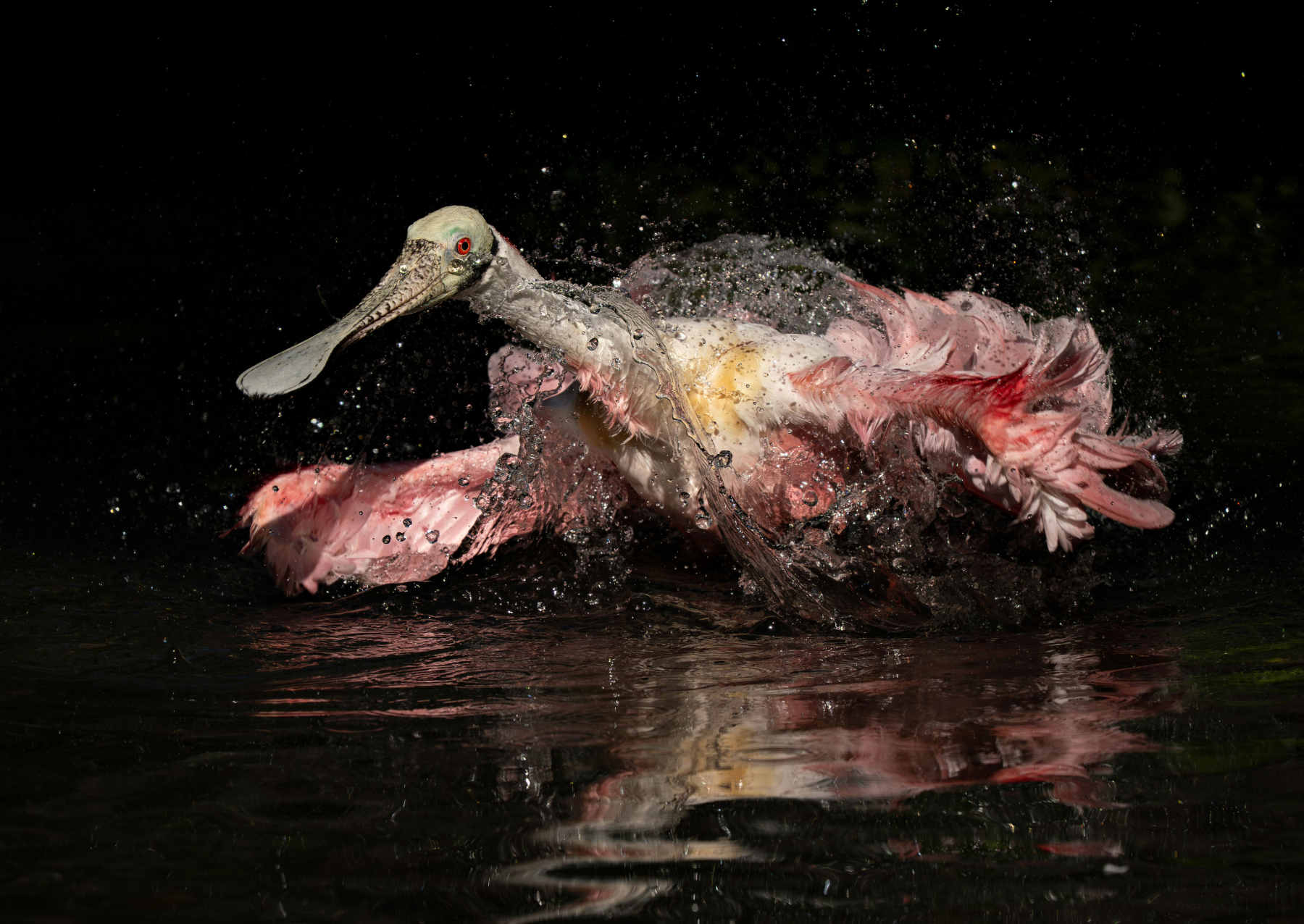
It’s a bird’s world, and we’re just living in it. Today, the National Audubon Society officially announced the winners of the 2026 Audubon Photography Awards. The contest is now in its 17th year and celebrates stunning photos (and even a few videos) that showcase the beauty of birds and the challenges they face. For the second year, the judges awarded prizes to residents of Chile and Colombia, as well as the United States and Canada, highlighting how avians connect us across geographies and ecosystems.
This year’s Grand Prize winners each received $5,000 and a voyage to Antarctica with HX Expeditions—an expedition cruise company and Audubon’s exclusive cruise partner.
Take a peek at the winners in the gallery below. (Click to expand images to full screen.)
Grand Prize: Jacqueline Burke, roseate spoonbill
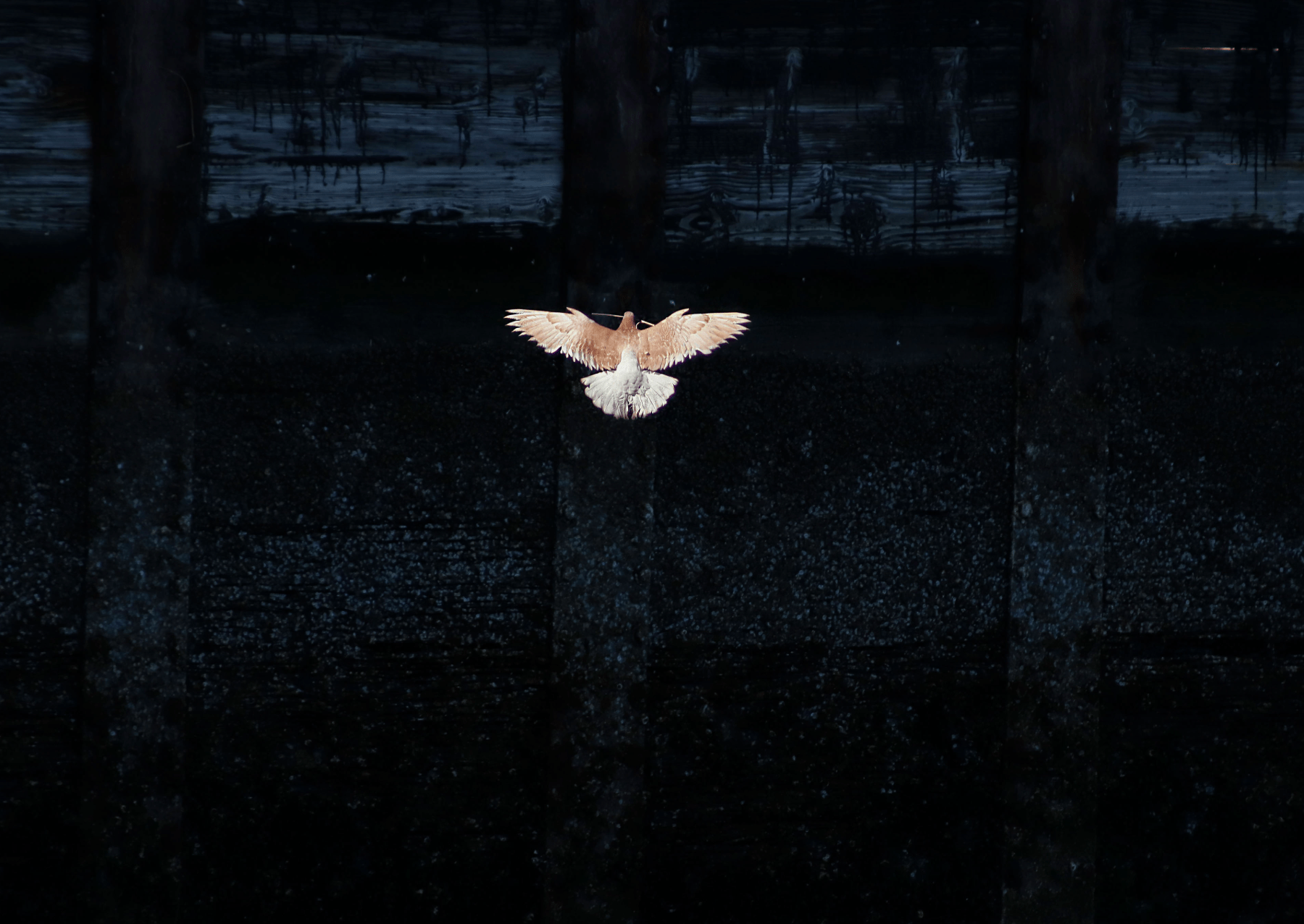
Youth Prize: Ian Shultz, rock pigeon
Video Prize: Piper VanOrd, great blue heron
A great blue heron (Ardea herodias) at Allegheny Islands Wilderness, National Wild & Scenic Allegheny River, in Warren, Pennsylvania. Credit: Piper VanOrd.
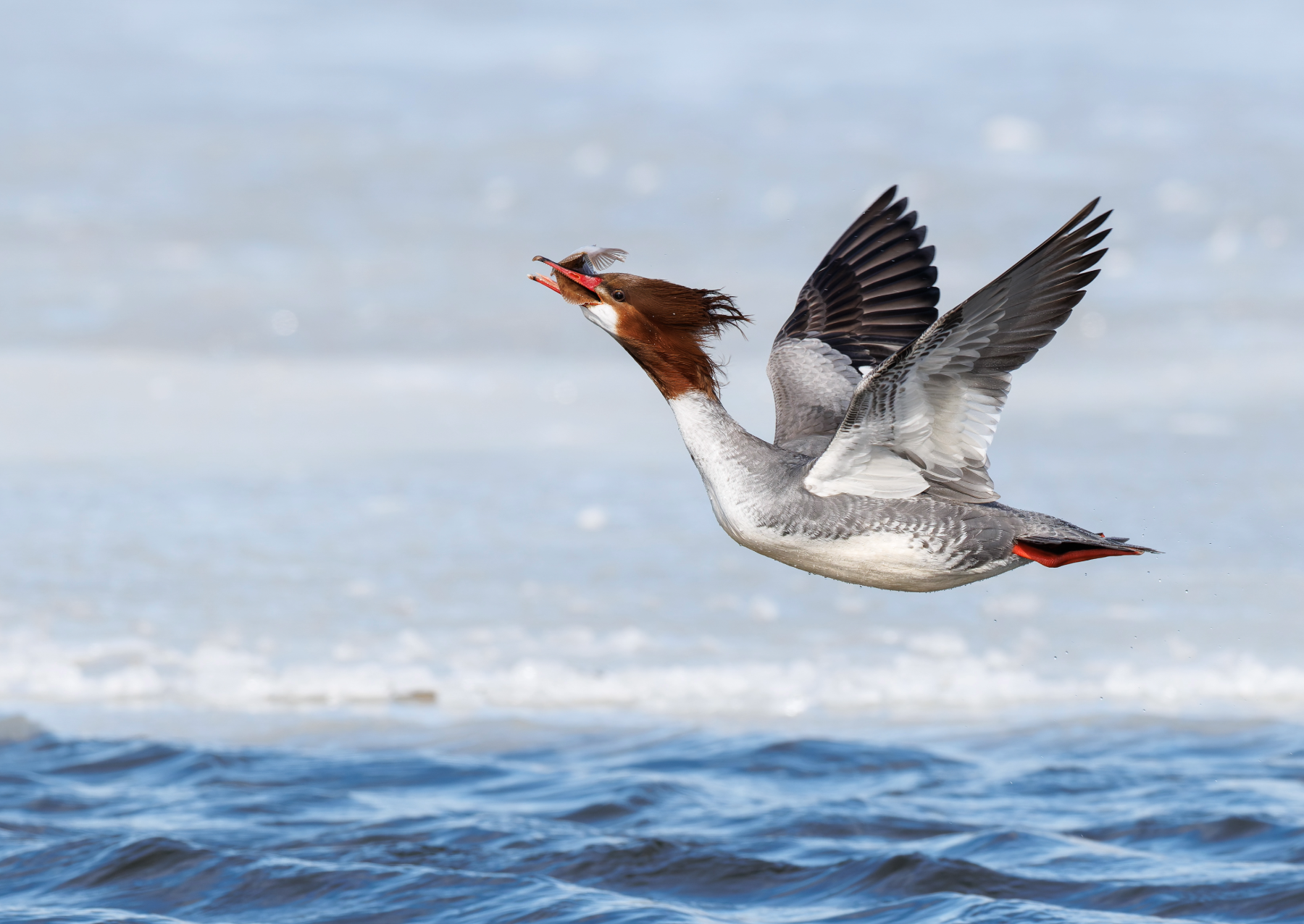
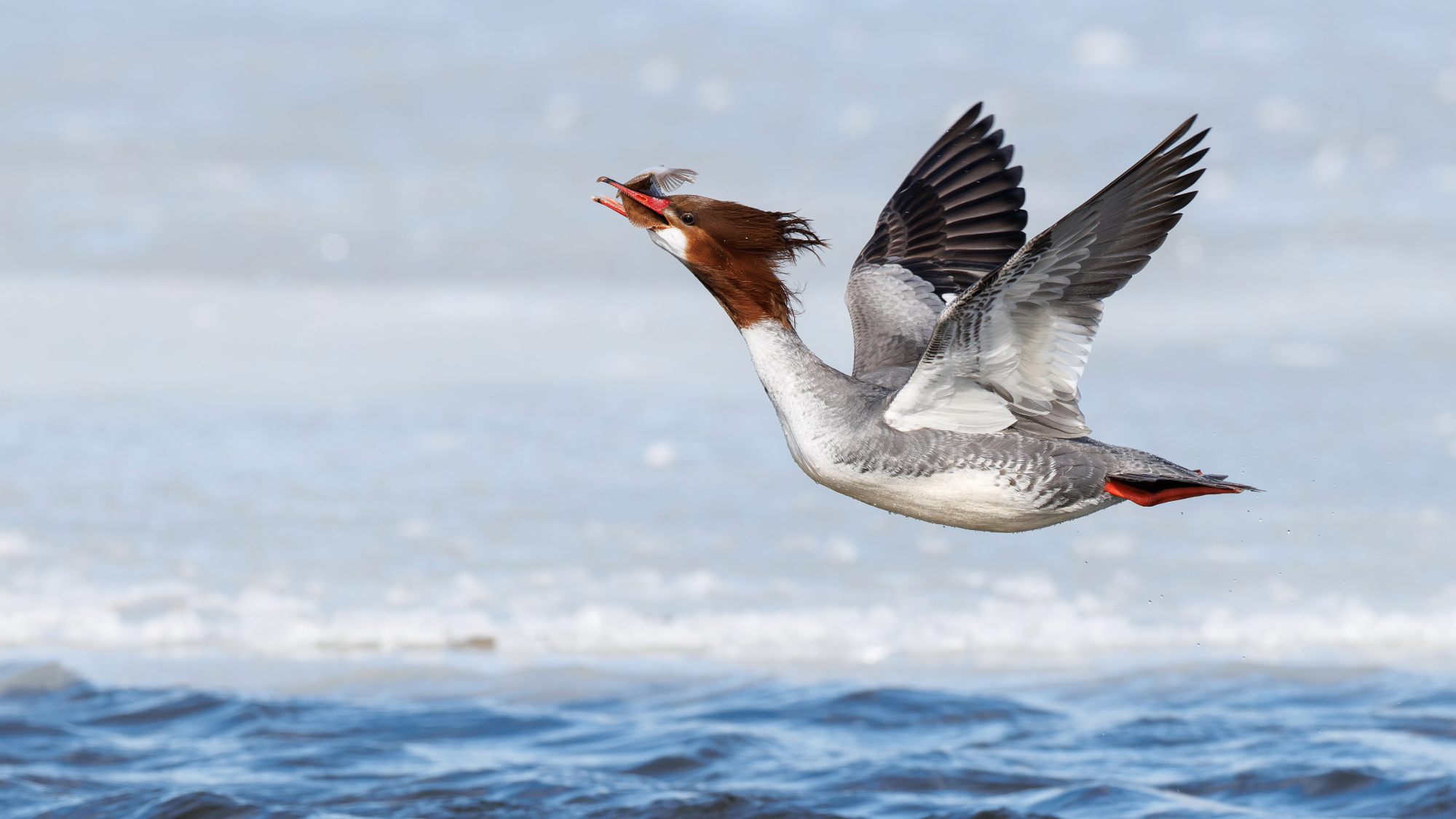
Female Bird Prize: Gail Bisson, common merganser
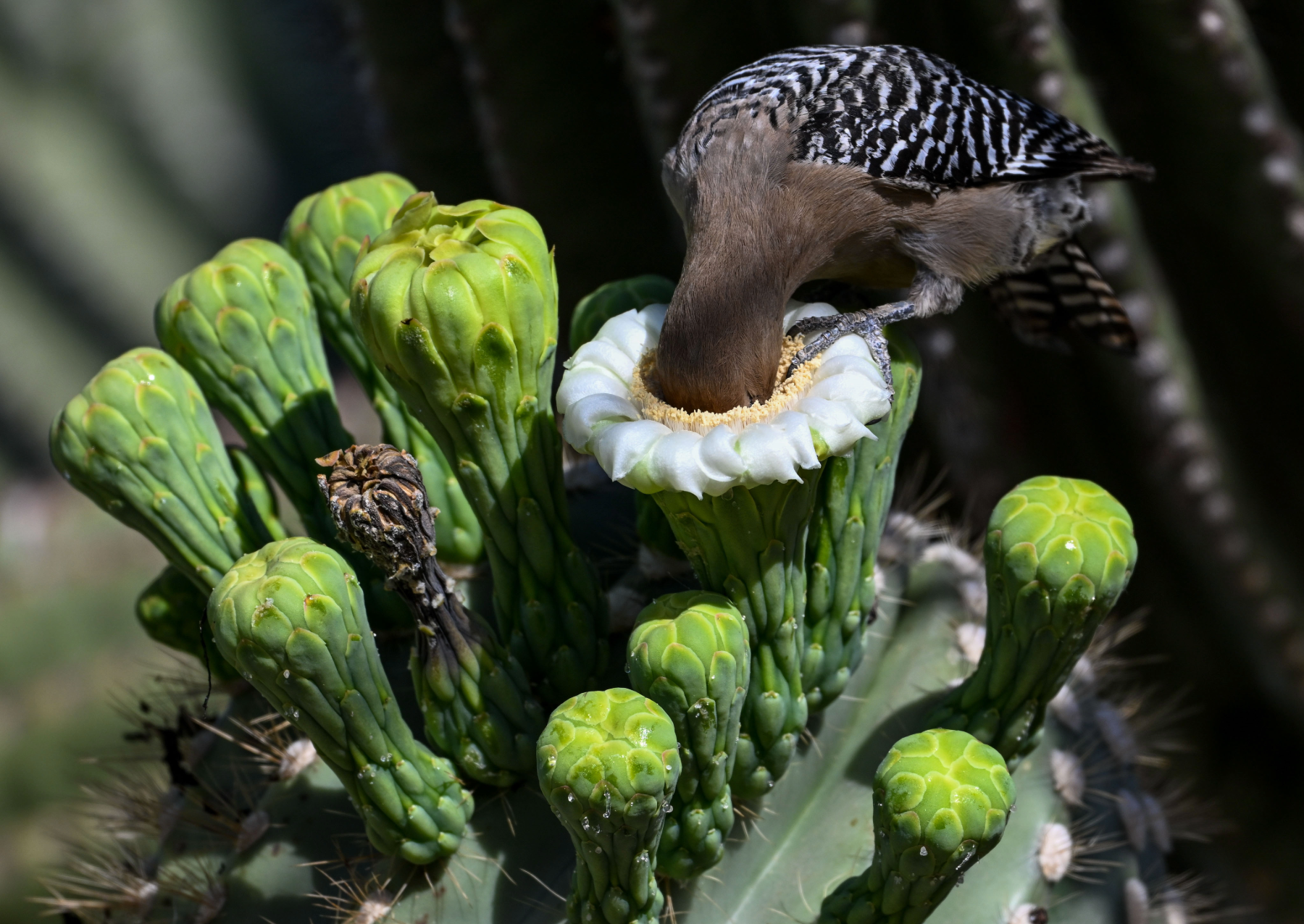
Plants for Birds Prize: Mike Henry, Gila woodpecker and saguaro cactus
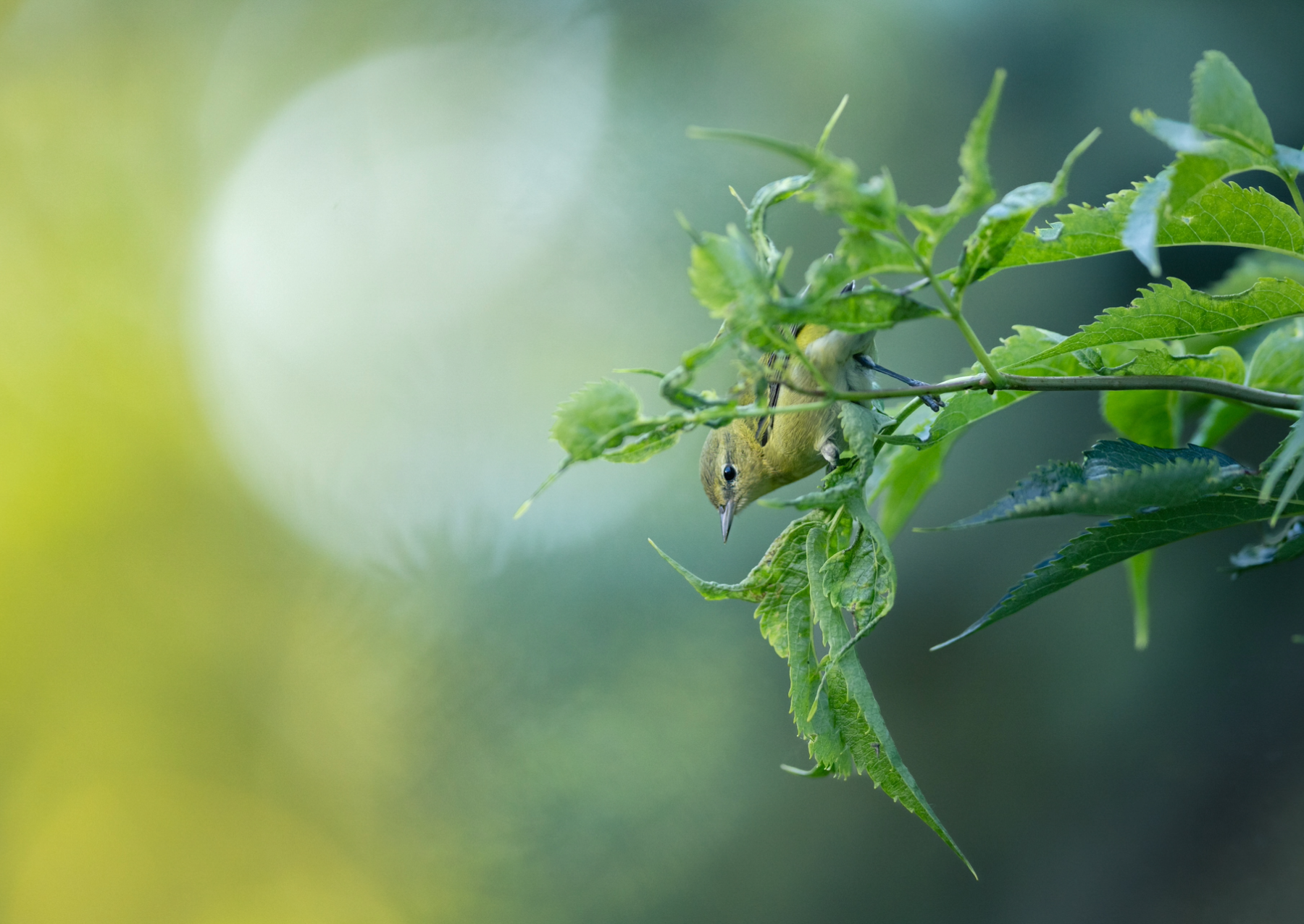
Birds Without Borders Prize: Nick Parayko, Tennessee warbler
Birds in Landscapes Prize: Liron Gertsman, white-tailed tropicbird

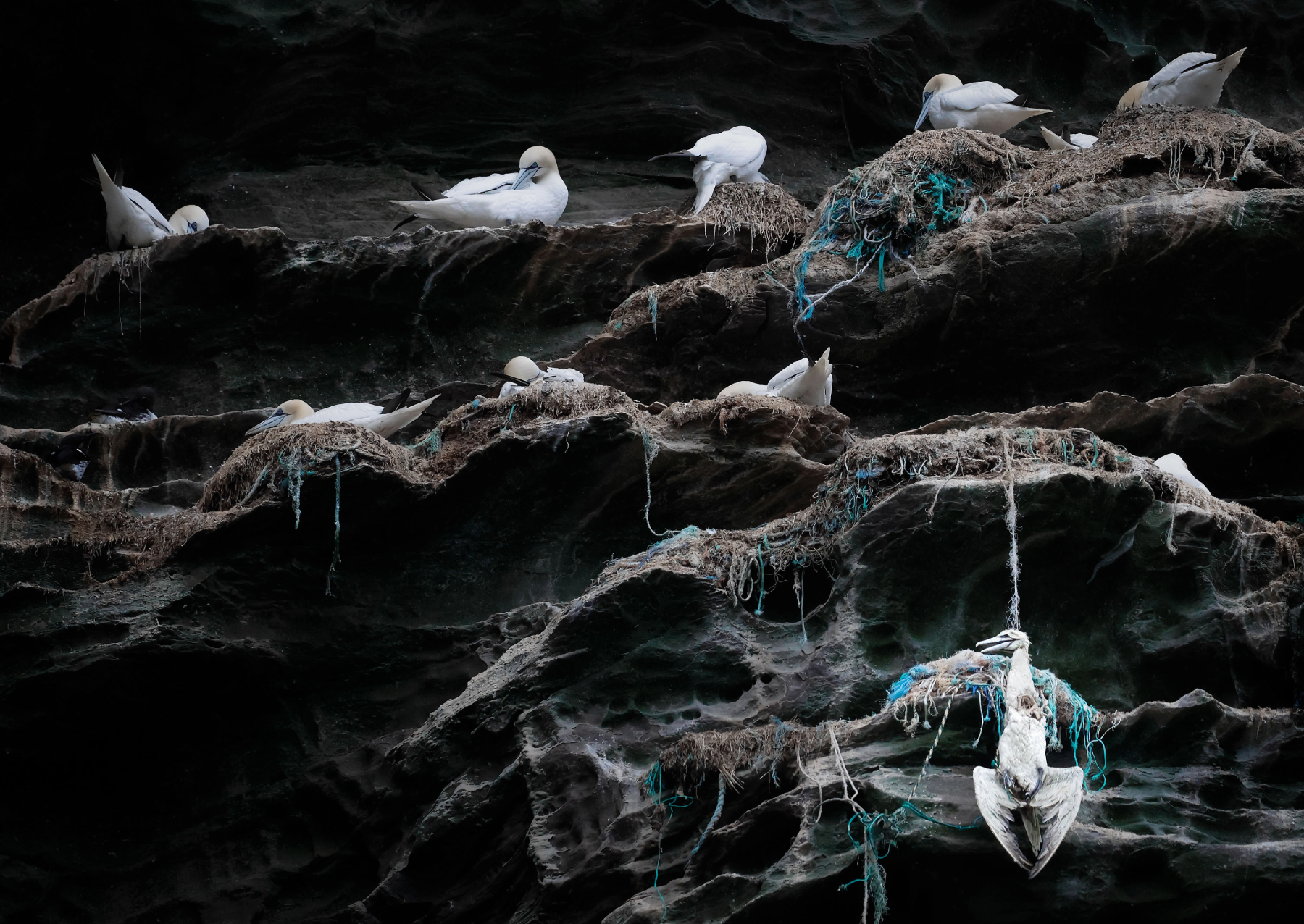
Conservation Prize: Josh Galicki, northern gannets
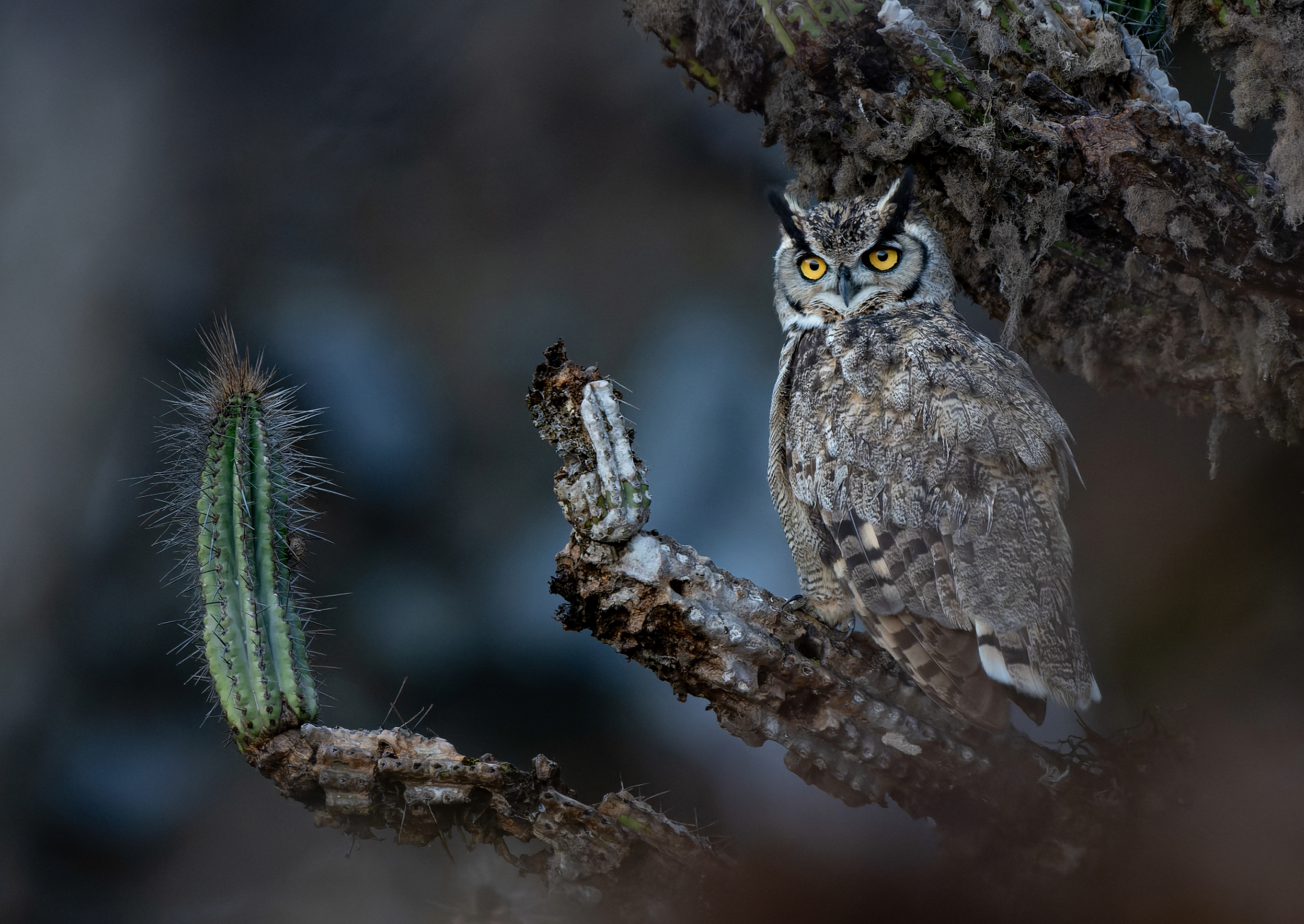
Grand Prize: Francisco Castro Escobar, lesser horned owl
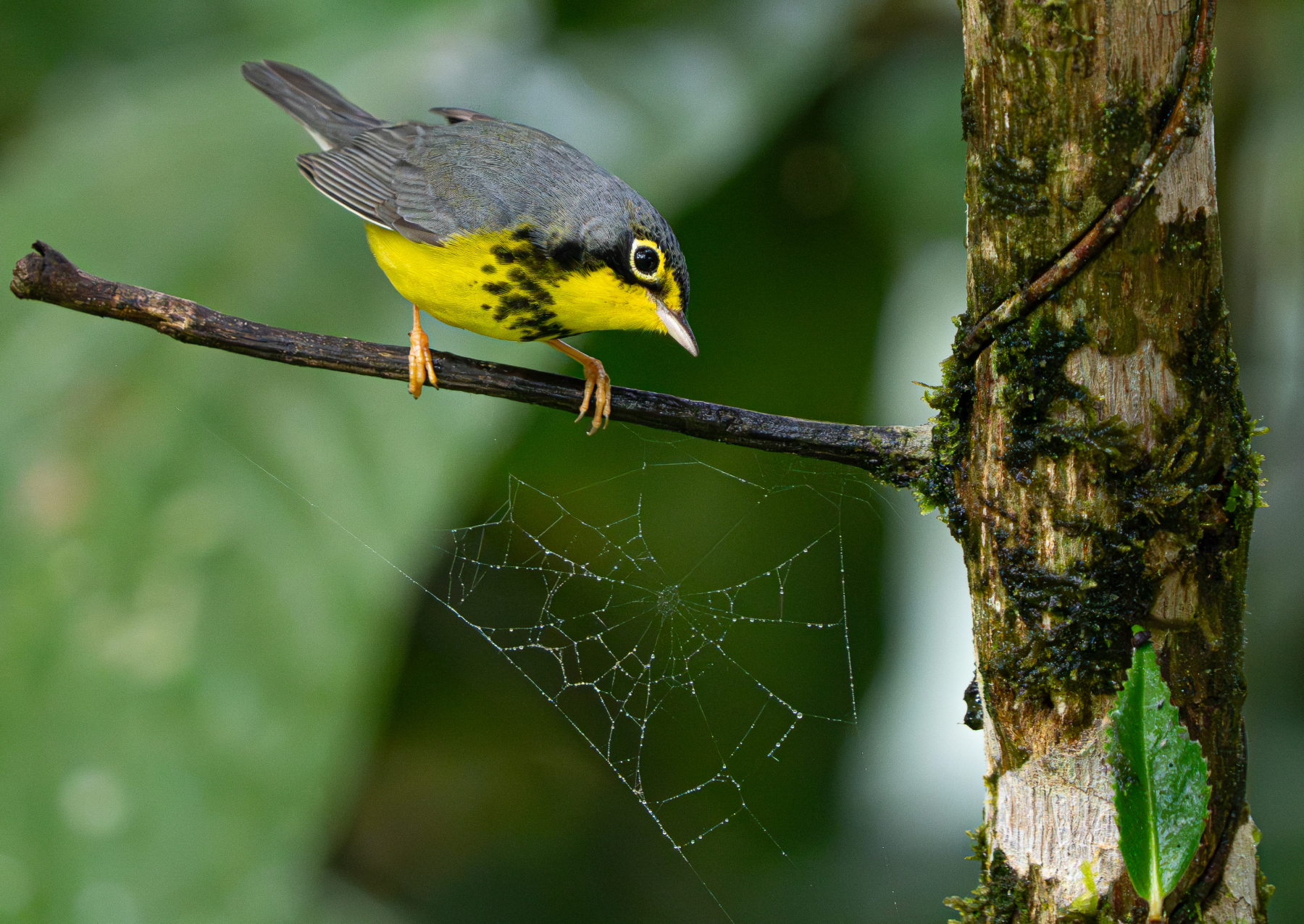
Youth Prize: Juan David Camacho Márquez, Canada warbler
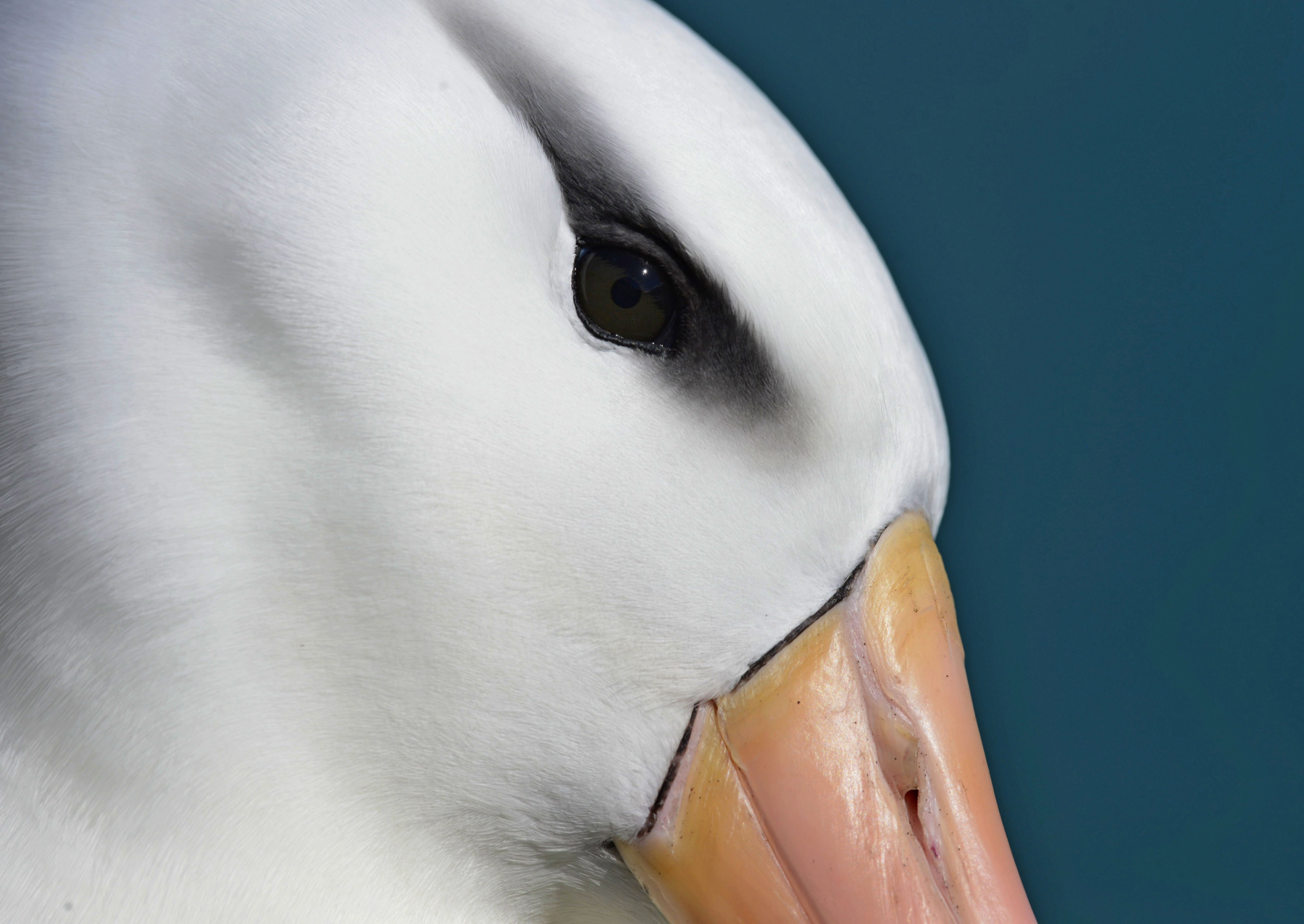
Video Prize: Nicolás Muñoz García, black-browed albatross
A black-browed albatross (Thalassarche melanophris) is on Isla Chañaral Marine Reserve, Huasco Province, Chile. The nearest town is Caleta Chañaral de Aceituno. Credit: Nicolás Muñoz García.
Birds Without Borders Prize: Rodrigo González Pairoa, black-browed albatross
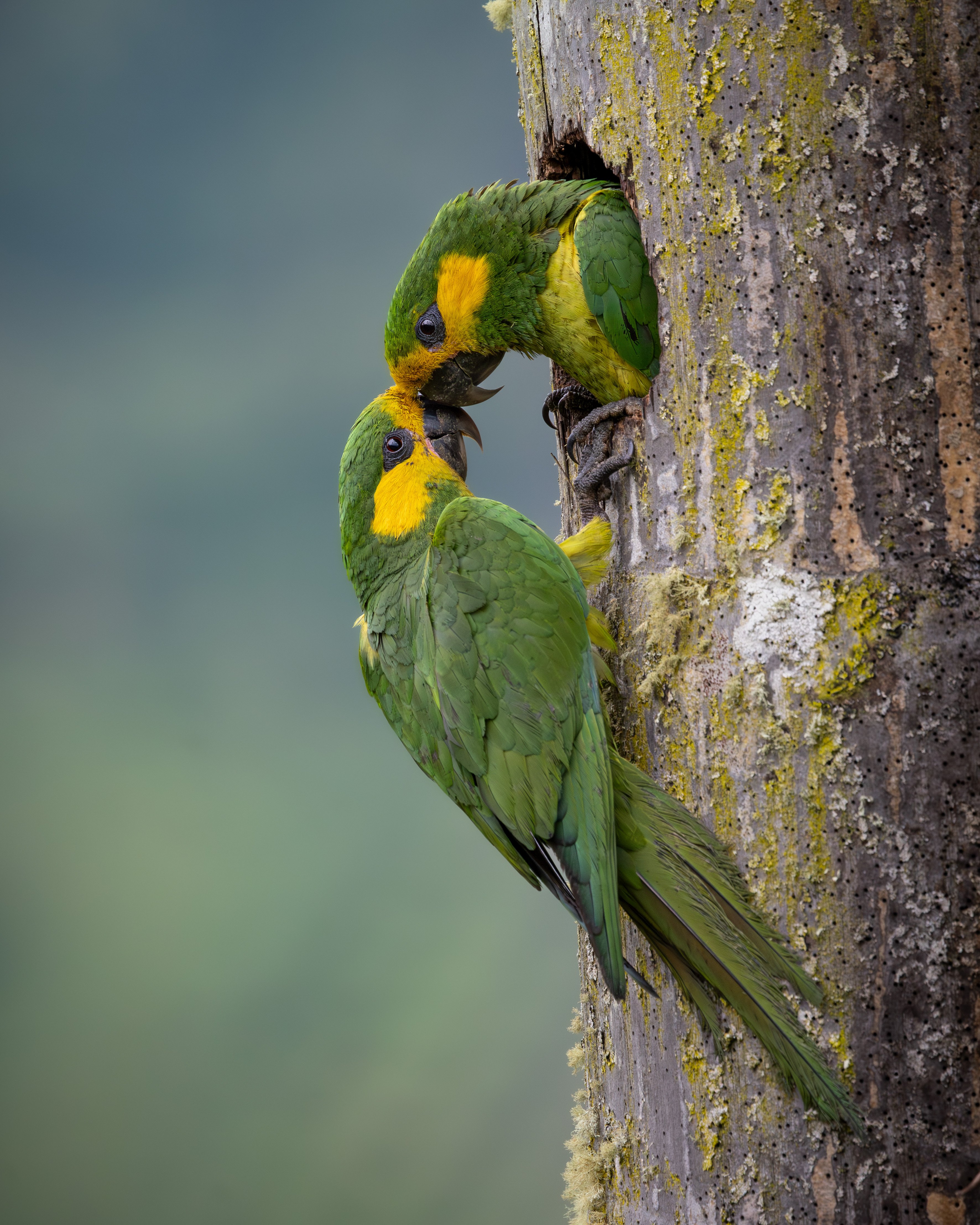
Conservation Prize: Santiago Pérez Rincón, yellow-eared parrot
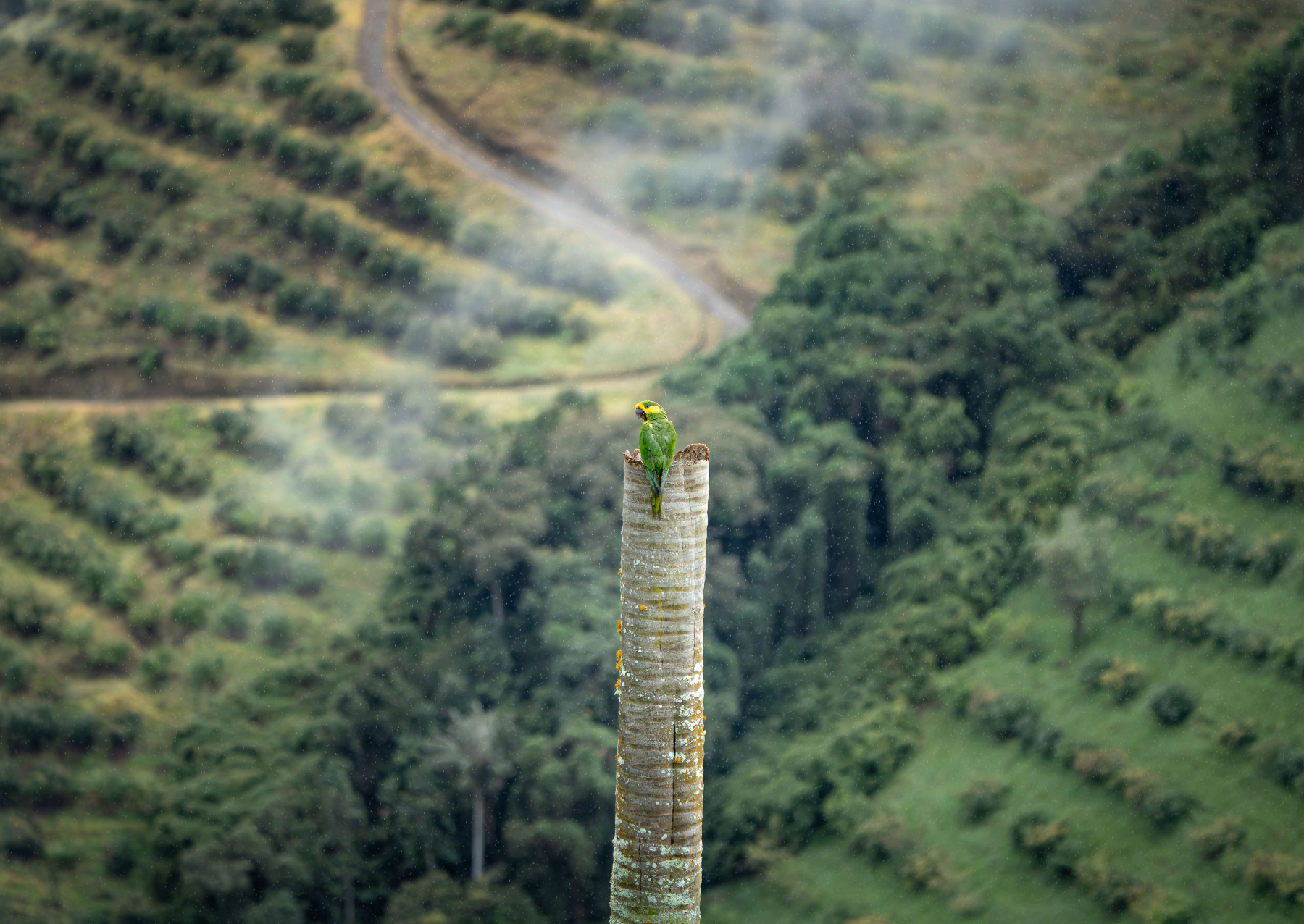
Plants for Birds Prize, Colombia: Santiago Giraldo, yellow-eared parrot and Quindio wax palm
Birds in Landscapes Prize, Colombia: Faber Mosquera Álvarez, oilbird

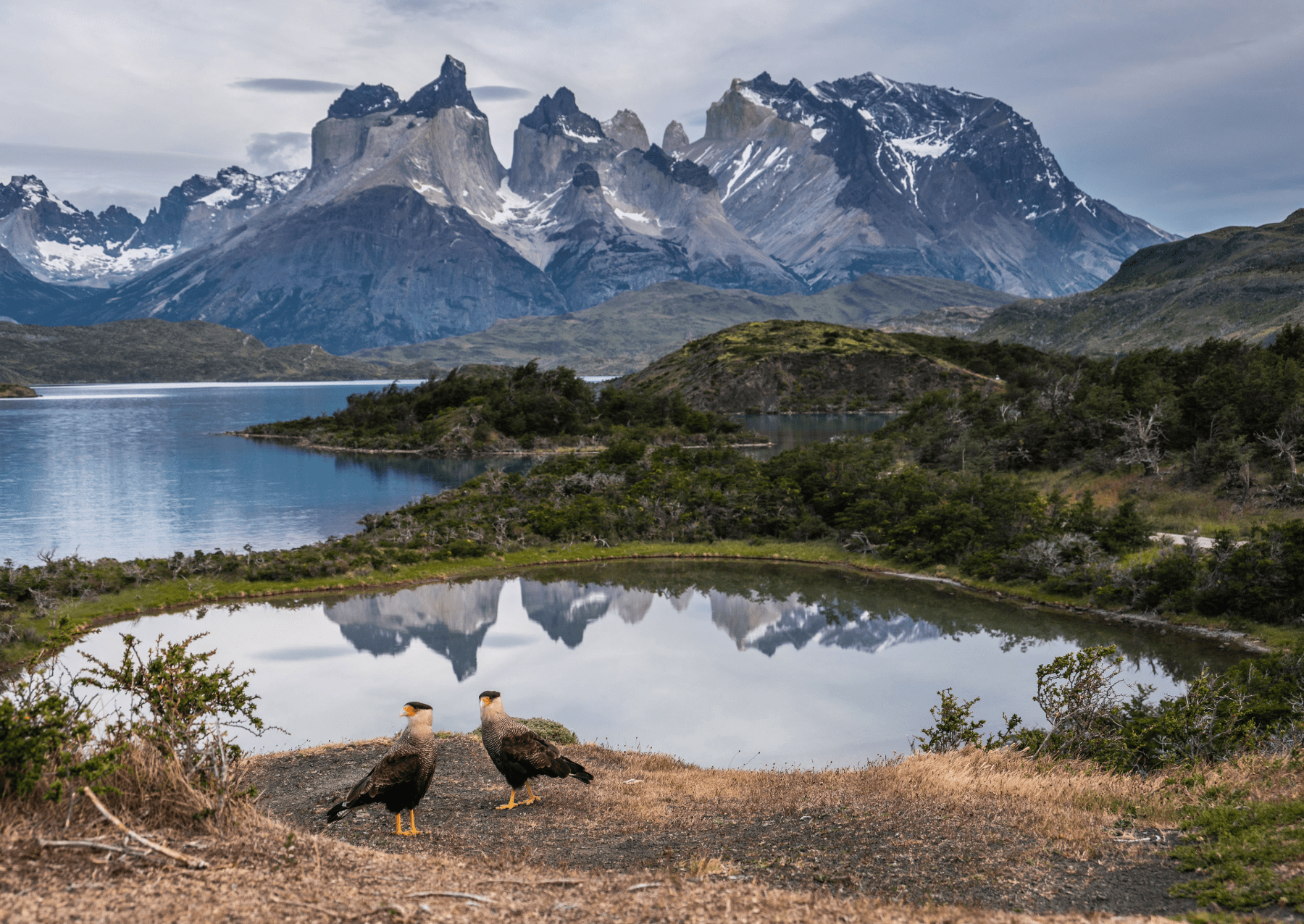
Birds in Landscapes Prize, Chile: Timothy Dhalleine, crested caracara
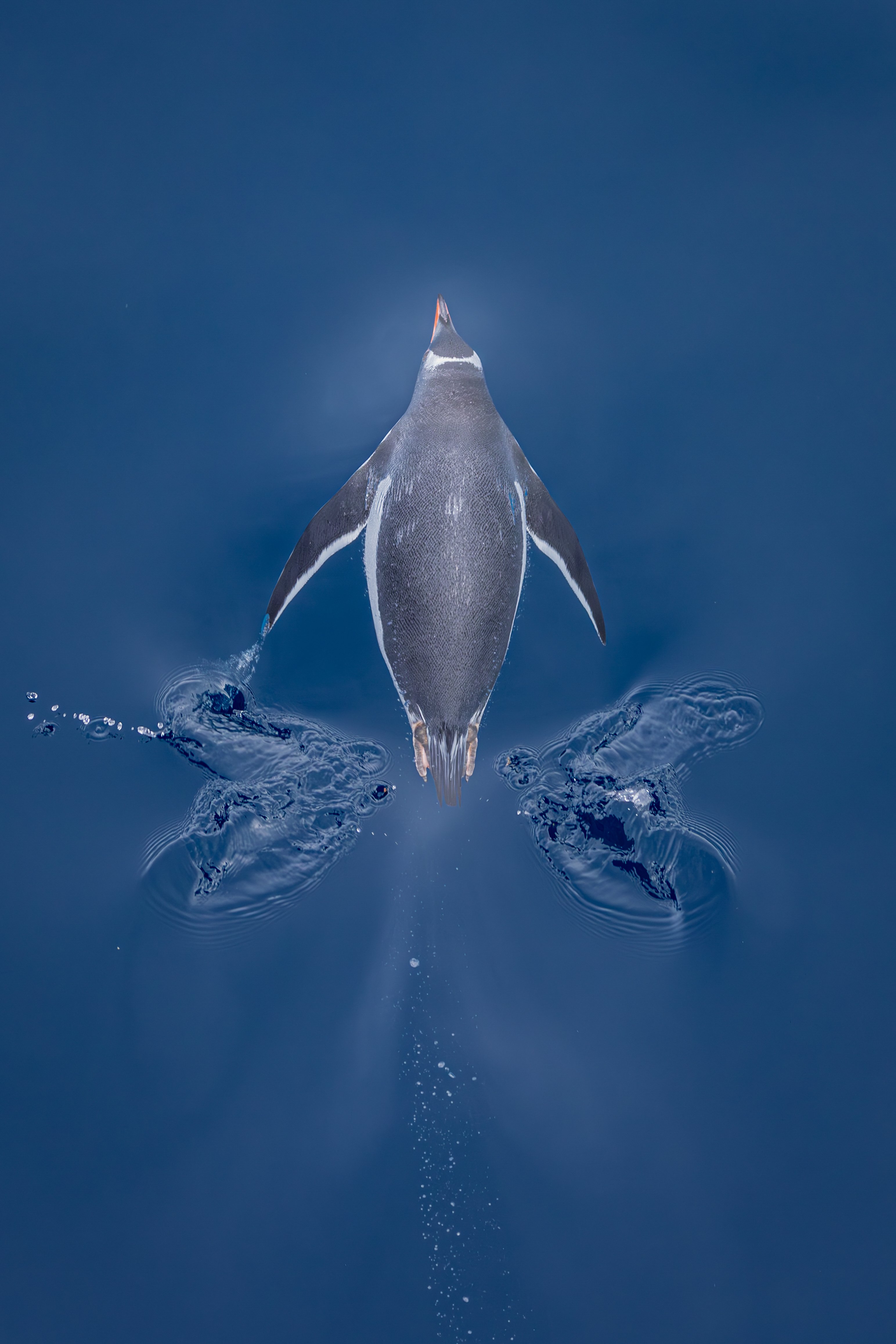
Coastal Birds Prize, Chile: Gonzalo Bertolotto Quintana, gentoo penguin
The winners and honorable mentions are published online in Audubon magazine, and winners will be in the Fall 2026 print issue. The annual Top 100 photos will also be announced on September 23, 2026, and additional selections will be featured in digital galleries on Audubon’s website.
The 2027 Audubon Photography Awards will open for entries on January 13, 2027.
The post Tweet! Here are the winners of the 2026 Audubon Photography Awards appeared first on Popular Science.
 Analysis of living vertebrates shows that changes in brain evolution helped drive major shifts in reproduction across dinosaurs and birds. A bird egg can look surprisingly oversized for the body that produced it. That puzzle becomes even stranger when viewed through deep time: the largest known bird eggs exceed the largest eggs found from nonavian [...]
The mission of the Flock app is quietly subversive: to encourage users to ditch their screens and explore the wonderful world of birding
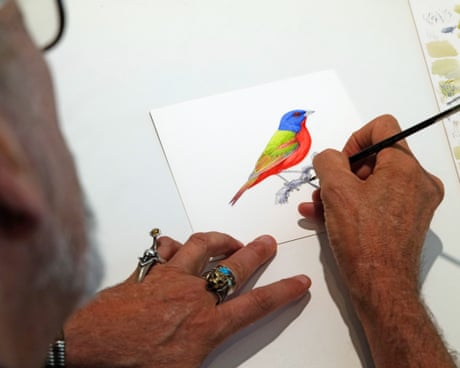
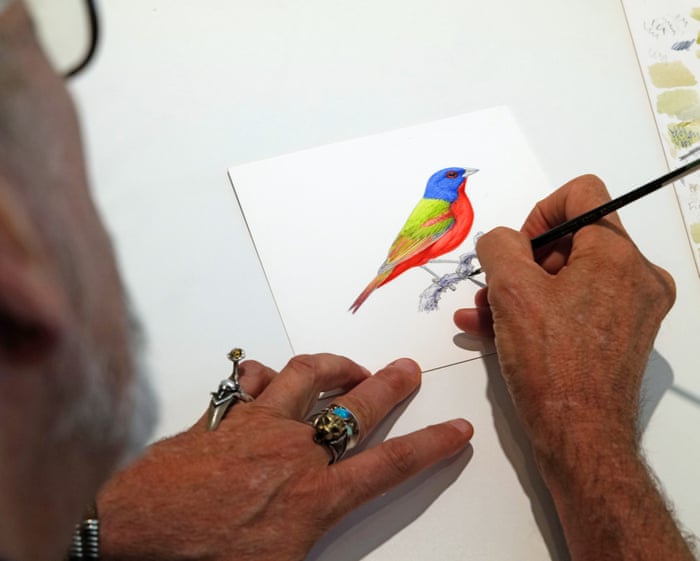
On a brilliantly bright afternoon in his gallery and studio in Bolinas, a small town on the northern California coast, Keith Hansen was putting the finishing touches on a watercolor of an almost improbably flamboyant painted bunting.
With an ultra-fine sable brush, he made a few intricate additions to the cobalt blue plumage on the bunting’s head, and, satisfied with his work, slipped the watercolor into a stout binder that every few days welcomes a new addition.
Continue reading...
© Photograph: Nick Czap
© Photograph: Nick Czap
© Photograph: Nick Czap

© American Bird Conservancy
Emergency crews say situation remains ‘dynamic’ as more than 100 firefighters battle Dunwich Heath blaze
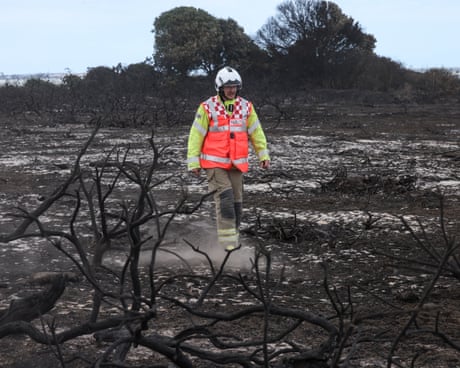
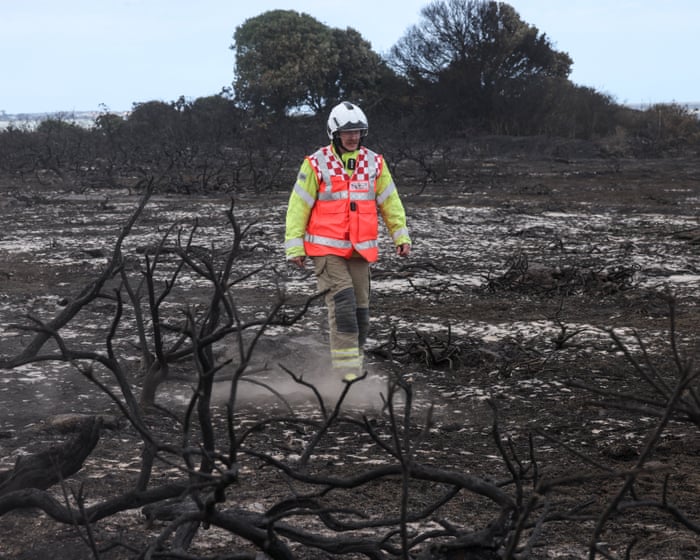
A wildfire near Britain’s biggest nuclear power station has caused “total devastation” to one of the UK’s most important landscapes, as fire crews said the situation remained “dynamic”.
More than 100 firefighters have been battling the blaze on Dunwich Heath, near Leiston, on the Suffolk coast since Wednesday evening. The fire service said on Friday afternoon the situation was stabilising but remained a “major incident” that was “dynamic and potentially changeable”.
Continue reading...
© Photograph: Humphrey Nemar/PA
© Photograph: Humphrey Nemar/PA
© Photograph: Humphrey Nemar/PA
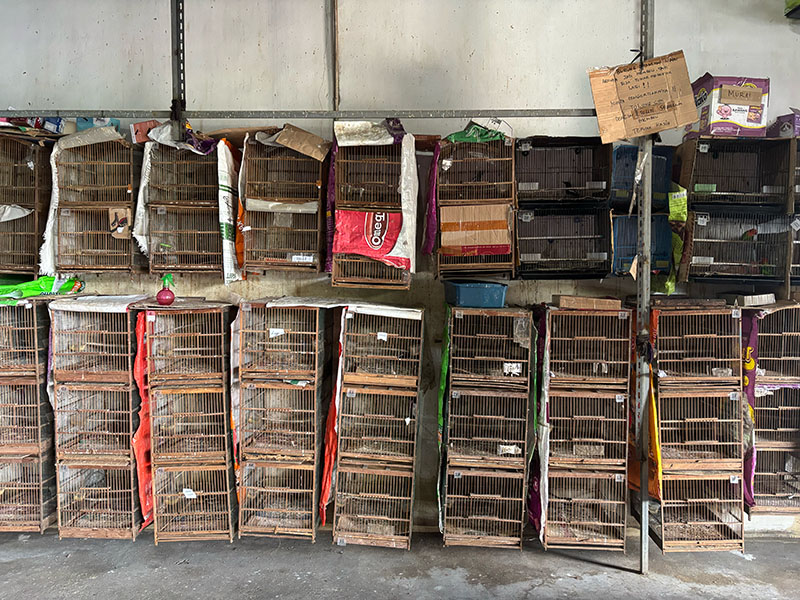
On a Sunday afternoon in April, the main minibus terminal in Sukabumi, Indonesia, looked sleepy from the outside. But in an open space round the back, hundreds of men were gathered. Amid chatter and cigarette smoke, the air buzzed with excitement, for one of the region's biggest bird-singing competitions was set to begin, and a motorbike was among the prizes.
As the day progressed, dozens of songbirds were brought out for their 10-minute rounds, from tiny garden sunbirds and grey-cheeked bulbuls to larger oriental magpie-robins and orange-headed thrushes. Then the emcee announced the main event — the singing contest among the highly popular, strikingly handsome white-rumped shamas — and a hush fell over the crowd.
The shamas' owners murmured final words of encouragement and stepped away from their cages. Judges swept in with clipboards, assessing each bird for its song, ability to hold a steady tune, volume and showmanship. Soon it was down to a final two birds ... and then "Baby White" was crowned the winner amid cheers from the crowd.
Indonesians have a long-standing culture of keeping birds as pets, and songbirds are especially popular, prized by collectors for their melodious singing and colorful plumage. "I keep songbirds as a hobby, to relieve stress and also gain a bit of money," explained Harry Gunawan, a 78-year-old businessman and owner of 39 shamas, including the multiple prizewinning Baby White, while waiting for his new motorbike.
Gunawan's shamas are among an estimated 66 million to 84 million caged birds that are kept across Java, the island where 56 percent of Indonesia's population lives and one in three households owns birds. These include more than 3 million white-rumped shamas and 2 million oriental magpie-robins. Wild birds are believed to be better songsters; hence, many are trapped in forests then crammed into tiny crates, drainpipes and even plastic bottles, destined for pet markets in Jakarta, Surabaya and other big cities. Birds that survive the journey — estimates of mortality rates range from 30 to 80 percent — will spend the rest of their lives confined to cages.
This birdkeeping hobby, paired with the growing popularity of singing competitions, has already driven some species to extinction and many species — also threatened with habitat loss — are on the brink, a phenomenon dubbed "the Asian songbird crisis."
"The silent forest is really happening," says Agung Nur Haq, who is in charge of conservation at the Wak Gatak Songbird Rescue and Rehabilitation Center near Pontianak, West Kalimantan.
Experts warn that action must be taken quickly, or the consequences may be dire and irreversible. If nothing is done and populations can't recuperate, says Alexander Lees, a conservation biologist at Manchester Metropolitan University in the United Kingdom, we may experience an "empty forest syndrome," whereby forests appear intact and lush but are devoid of animals.
The illegal bird trade is thriving elsewhere in southeast Asia, including Vietnam, Thailand, Malaysia and Singapore. But "Indonesia's songbird trade is one of the world's most prolific," says Chris Shepherd, a wildlife trade expert at the Center for Biological Diversity in Canada. "It's terrifying."
The biodiversity-rich nation is home to about 1,800 bird species — more than double the number found in the United States. Of those, one in five have been spotted in pet markets, including protected, endangered and endemic species (ones found nowhere else). These include the endangered black-winged myna and the Javan green magpie, of which fewer than 250 and 100 wild individuals, respectively, remain.
Estimates suggest that up to 30 percent of Indonesia’s population, some 90 million people, keeps between 164 million and 187 million wild-caught songbirds.
"There may be more birds behind bars than left in the wild," wrote Lees in an overview of the songbird crisis in Current Biology.
The fondness of Indonesians for caged birds stems from a centuries-old belief among the Javanese, the country's largest ethnic group, that a man is considered successful if he possesses five elements: a wife, a house, a vehicle, a ceremonial dagger and a bird. The bird symbolizes that he is in touch with his softer side, and can indulge in both work and leisure. In a 2025 study, researchers found that a bird's singing ability was the biggest driver of demand — after that, people preferred rare, endemic or unusual birds that flaunt one's status.
Singing competitions emerged in the 1970s as another reason to keep songbirds. These local or regional events are typically held monthly or weekly, involving up to 1,000 birds.
"The owners go home with, at the very least, tons of prestige, but more often lots of prize money, sometimes up to 10 years' salary," says acoustic biologist Benjamin Mirin, founder of the Creative Conservation Lab with Cornell University. Competitors also stand to win exclusive trophies, goats, motorcycles and even cars.
Mirin, who has been studying the songbird trade since 2018, says the events can be life-changing. "They're so popular and financially beneficial that they're accelerating the poaching of birds to the point where now the forests are falling silent."
Unfortunately, wild-caught birds are perceived to have better song quality and a wider singing repertoire than their captive-bred counterparts. As a result, competitions "have been driving the demand in certain species," says Serene Chng, a wildlife trade researcher at TRAFFIC, a nonprofit focused on reducing harmful and illegal trafficking of plants and animals.
An expert group formed by the International Union for Conservation of Nature has identified 52 species that are most impacted by trade in Asia. These include the straw-headed bulbul (known for its lovely duets) and the Bali starling (with its stark white plumage and electric-blue eye ring). Although Indonesian law forbids the capture and trade of more than 500 bird species, many of them songbirds, enforcement is weak, thanks to poor resources, corruption and other factors. Consequently, several species, including the Javan pied starling, are now locally extinct.
It's hard to predict what will happen to ecosystems if songbird species are wiped out en masse in Indonesia. Birds play important ecological roles: pollinating plants, dispersing seeds and helping with insect control. The Pacific island of Guam offers a cautionary tale: It lost nearly all of its songbirds after the brown tree snake, which preyed on the birds and their eggs, was accidentally introduced after World War II. Guam's forests shifted to what Lees has described as "a nightmarish alternative state as a spider-dominated ecosystem." It was, he says, "pretty catastrophic."
Indonesia is much larger and far less isolated, so "your starting conditions are not as bad," says Lees. "But if we don't recuperate some of those populations, then we can expect maybe similar sorts of downstream impacts."
Government agencies have had some success in tracking down wild-captured birds but are reluctant to confiscate them because they lack a place to house them. This dilemma in West Kalimantan province, a hotspot for illegal bird trade activity, led to the establishment of the Wak Gatak sanctuary by the nonprofit group Planet Indonesia.
One of its key aims is to provide suitable facilities to encourage more frequent confiscations and rescues by authorities with Indonesia's natural resources and conservation agency, BKSDA, while ensuring the welfare of confiscated songbirds, says Abrar Ahmad, a technical advisor for terrestrial conservation at Wak Gatak.
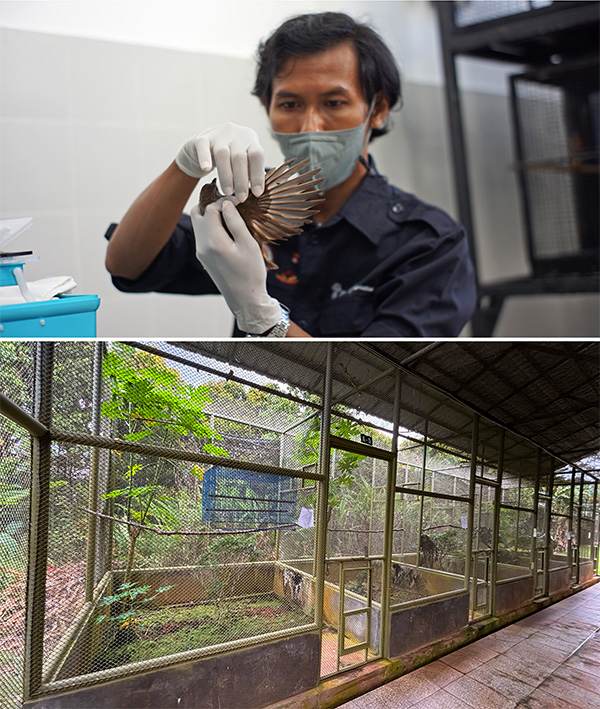
The center, which sits on a leafy plot near the city of Pontianak, is worlds apart from the dark, cramped conditions birds endure when smuggled aboard a truck or ship. On a morning in April, visitors turn off a sleepy road and drive past the gates down a short muddy track. Dragonflies flit lazily through tall grass and a smattering of coconut, banana and durian trees sway in the distance. The facilities are modest: a small office block with light-filled aviaries.
Animals often arrive at Wak Gatak in an alarming state: Malnourished, with missing feathers, many appear fatigued or withdrawn, says Happy Ferdiansyah, Wak Gatak's head veterinarian. Some birds have wounds on their upper beaks from gnawing on cage bars, while others — especially if they're more territorial — suffer leg fractures from fighting with other birds in close quarters.
"A lot of them, 70 to 80 percent, die within the first two weeks. Their condition is very poor," says Ferdiansyah.
To avoid causing the birds further stress, his team conducts only a visual inspection of the new arrivals. Those that are obviously ill are transferred to the on-site clinic for treatment. The rest are transferred to cages in quarantine.
The birds receive vitamins, nourishment (an assortment of fruits, insects, sugar syrup and so on), in addition to enjoying more space — one or two individuals typically share an oven-size cage. They remain in quarantine for at least 14 days, a critical time period when diseases such as avian influenza and Newcastle disease tend to manifest, says conservation director Haq. To test for these and other issues, Ferdiansyah and his fellow vets analyze blood and stool samples, in addition to carrying out rapid antigen tests.
Once their health has been given the all-clear, the birds are moved to rehabilitation aviaries on the opposite side of the premises. These enclosures are much more luxurious: bathroom-size, dotted with green plants, with generous views of the surroundings and sky.
Here, stimulation is key, as is getting the birds comfortable with flying again. "The aviaries have different perches and plants for the birds to hop around or to hide in the bush," says Ferdiansyah. "We also do food enrichment like giving them live insects or putting the food in different places."
Only some birds are fit for release. Those that appear habituated to people are not good candidates; they may continue to approach humans and might teach non-natural calls to wild birds or just fail to communicate with them. The center, for example, currently houses four locally endangered and protected common hill mynas — glossy black starlings with heavy orange bills that are renowned for their intelligence and mimicry. When I visited, the birds happily wolf-whistled, chuckled and offered the traditional Islamic greeting "As-salamu alaykum," among smatterings of Indonesian chatter. These mynas have been at Wak Gatak for nearly a year and will remain there for the foreseeable future.
But for birds that are suitable to release, the center works with BKSDA to identify possible sites. Ideally, these would be forest lands in good condition, with abundant food and water, minimal human activity and few natural predators like civets and snakes, says Ferdiansyah. A local community that's supportive of conservation is a plus — increasing positive outcomes, such as survival and reproduction, by 10 percent, according to a 2023 study that analyzed 305 wildlife restoration projects in 80 countries.
Once a site is determined and permits are secured, Ferdiansyah and his team transport the birds — as they did at the end of April, taking 130 birds to a nature reserve seven hours north of Pontianak. At such sites, the team carries out what’s known as a soft release, placing the birds in a large makeshift cage that allows them to acclimate to their new surroundings. After four to 10 days, the team opens the cage, allowing the birds to fly away when ready. Team members stay on for up to two weeks, tracking the birds to make sure they're settling in problem-free.
It's rough, sweaty work, says Ferdiansyah, but highly rewarding. The center has so far helped 348 songbirds return to the wild. The April release is their largest to date, and included some crimson sunbirds and greater green leafbirds, the latter of which is endangered. Another 705 birds were seized in December from a ship at the local port in Pontianak. Within hours, most of the birds had died. But 36 are still recovering at Wak Gatak and 22 have been rehabilitated and released.
Nearly 3,000 birds from 45 species have passed through the center's doors since it opened in 2022. It’s proof that such a rehabilitation facility — the only one in Indonesia for the foreseeable future — can make an impact.
But given how many songbirds are in peril, its work is a drop in the ocean.
To slow the crisis, experts say it must be fought on multiple fronts, but above all, at its root: demand. It requires "thinking about how we can shift attitudes and behaviors to reduce pressure on wild populations," says Lees, who explores such measures in a look at the state of the world’s birds in the 2022 Annual Review of Environment and Resources. In 2023, the Wak Gatak team carried out a campaign across some of the city's billboards, discouraging people from joining songbird competitions. And in the coming months, they'll host a series of behavior-change workshops in two towns close to forests where birds are commonly poached and competitions are growing in number.
Shifting the needle will not be easy. Indonesia's songbird hobbyist groups are powerful — in 2018, they successfully petitioned to have five species downlisted from the national list of protected birds. Plus, government officials often take part in competitions themselves. In 2018, for example, then-president Joko Widodo presided over the President's Cup, one of Indonesia's most prestigious songbird competitions, even entering his own white-rumped shama.
Yet change is possible: Ferdiansyah himself kept four songbirds as a kid because they "sounded very nice" and he thought he could make them happy. But when he entered veterinary college, he realized the error of his ways and set the birds free.
This article originally appeared in Knowable Magazine, a nonprofit publication dedicated to making scientific knowledge accessible to all. Sign up for Knowable Magazine's newsletter.
Are you a bird nerd? Find out with our bird quiz!
An innovative new approach to building safer, more efficient small unmanned aerial vehicles is taking a cue from nature.
Anticipating worsening turbulence due to environmental concerns in the coming years, engineers studying the unmatched hovering ability of kestrels hope to reverse engineer the secrets of their exceptional flight capabilities to help assemble better future drones.
Smaller drones, known as sUAVs, have a range of different applications that include delivery services, photography, and more. However, wind conditions can often cause turbulence that either grounds them temporarily or, when caught off guard, can lead to their destruction.
Now, a team of researchers has published their findings in the Journal of the Royal Society Interface, which details an ongoing collaboration between RMIT University and the University of Bristol that seeks to overcome such issues by building drones that operate more like some of nature’s best flyers.
Specifically, the nankeen kestrel is an avian species whose amazing prowess while flying during adverse conditions still confounds researchers. To unravel the secrets of their flight, the researchers used motion capture technologies made possible in RMIT’s special Industrial Wind Tunnel facility, one of the largest such facilities anywhere on the Australian continent.
“Birds don’t rely on a single response to wind gusts,” according to RMIT researcher Matt Penn. “They constantly adjust their wings and tails to stay balanced, while the natural flexibility of their feathers and joints helps absorb sudden changes in airflow.”
“They can also sense disruptions very quickly, which allows them to respond almost instantly and maintain control,” added Penn, one of the team members who co-led the studies into how birds can cope with turbulence.
According to Penn and his colleagues, these birds possess a range of unique strategies that help them overcome the dangers of turbulence, which help them navigate under conditions that would cause most sUAVs to come tumbling from the sky.
To attempt to understand what makes kestrels such adept fliers, the team created a robotic replica to mimic some of their key flight movements and characteristics, which allowed the team to unravel some of the secrets to how these incredible birds perform.
“By creating a robot replica, we were able to measure how specific movements were contributing to steadiness in flight,” said Dr Mario Martinez Groves-Raines, a researcher now with the Royal Veterinary College in London, adding that precision measurements of kestrel flight that normally could not be achieved in nature were possible using the team’s robotic version.
“We uncovered several unique techniques behind the kestrel’s impressive stability,” Groves-Raines said. “Many of these techniques have the potential to improve [the] manoeuvrability of small aircraft, which encounter similar challenges to kestrels.”
“This research shows what’s possible when engineers look to nature for solutions,” added RMIT senior researcher Associate Professor Abdulghani Mohamed.
“Our findings open new pathways for designing aircraft that can better handle turbulence.”
Going forward, the researchers say they hope to apply their findings toward the construction of novel sUAVs, which can help future drones operate safely and more efficiently, much like their agile avian forebears.
Ultimately, similar engineering in the coming years may have applications that extend well beyond just drone flight, and could also help to ensure safe operations for much larger aircraft.
The team reported their findings in a pair of new studies, ‘Bridging the Gap: A Review of Gust Mitigation in Birds and Small UAVs’, and ‘Stability and control benefits of coupled wing and tail morphing in kestrel wind-hovering flight explored using a robot replica’, both of which were published in the Journal of The Royal Society Interface.
Micah Hanks is the Editor-in-Chief and Co-Founder of The Debrief. A longtime reporter on science, defense, and technology with a focus on space and astronomy, he can be reached at micah@thedebrief.org. Follow him on X @MicahHanks, and at micahhanks.com.
Inbreeding depression, a genetic phenomenon where offspring result from the mating of related individuals, has long been understood to compromise individual fitness and elevate the risks of population decline or extinction. However, the depth and nuances of these effects remain largely unexplored in many non-model species, especially those facing dire conservation challenges. A groundbreaking new study investigates this complex relationship in a threatened songbird species, the aquatic warbler (Acrocephalus paludicola), unveiling how inbreeding depression manifests in a phenotype-dependent manner, particularly emphasizing body size as a critical factor in male fitness outcomes.
The aquatic warbler, a habitat specialist bird known for its recent precipitous population decline, poses a unique opportunity to study the genetic intricacies and their ecological consequences. Unlike widely studied model species, this bird’s depleted genetic diversity coupled with habitat specificity creates an ideal system to understand how inbreeding depression impacts survival and reproduction under real-world environmental pressures. Employing cutting-edge genomic tools such as single nucleotide polymorphisms (SNPs), researchers could quantify inbreeding at an unprecedented resolution, offering new insights into the genetic health and viability of this endangered population.
One of the pivotal breakthroughs of this research lies in demonstrating that inbreeding depression is not a uniform or straightforward process but is intricately moderated by the physical and ecological context of the individual. For male aquatic warblers, the genomic markers revealed a pronounced negative effect of inbreeding on breeding success—but only among males characterized by smaller body size, denoted by tarsus length, an established morphological proxy. This finding highlights how phenotypic traits can mediate the severity of inbreeding effects, suggesting that smaller-bodied males experience disproportionately harsh fitness reductions as a consequence of their genetic relatedness.
Equally compelling is the study’s exploration of wing length as another morphological trait potentially influencing inbreeding depression. While the results here were more subtle, a notable weak interaction was found between the degree of inbreeding and shorter wing length in males, correlating with decreased survival probabilities. This interaction suggests that even relatively minor morphological differences may buffer or exacerbate the impacts of genetic relatedness on survival outcomes, adding another layer of complexity to how we understand inbreeding depression in natural populations.
Importantly, the research also reveals a stark contrast between sexes. Female aquatic warblers showed scant evidence of inbreeding depression affecting key fitness components such as clutch size, hatching success, nestling survival, or the number of fledged fledglings. Moreover, no interactions emerged between female fitness measures and phenotypic or environmental variables examined. This asymmetry in inbreeding effects underscores sex-specific pathways in evolutionary and ecological responses to genetic challenges, warranting further inquiry into the mechanistic underpinnings driving such differences.
Prior studies investigating inbreeding depression often relied on relatively simplistic models that did not incorporate potential interactions with individual phenotype or environmental heterogeneity. This omission might explain why many previous estimates of inbreeding load—reflecting the cumulative fitness consequences of deleterious recessive alleles—have been inconsistent or highly uncertain. By integrating detailed phenotypic data with high-resolution genomic analyses, this study advances the field by showing that accounting for individual variation unveils clearer, biologically meaningful patterns of inbreeding depression.
The implications for conservation biology are profound. Small-bodied males, disproportionately burdened by inbreeding loads, might represent a critical demographic subgroup whose reproductive success most strongly influences population trajectories. This insight challenges conventional approaches that treat all individuals as homogenous units within populations, advocating instead for conservation strategies that are finely tuned to the nuanced genetic and phenotypic architectures of endangered species.
The environmental factors considered—timing of breeding and brood size—proved less influential in mediating inbreeding depression compared to phenotypic variables, at least in this particular system. While breeding timing and brood size have been previously hypothesized to influence fitness by affecting resource allocation or offspring survival probabilities, their interaction with genomic inbreeding proved minimal. This result refines our understanding of the complex ecological determinants of fitness and suggests that underlying genetic and phenotypic factors can overshadow the modifying effects of certain environmental variables.
Methodologically, the use of SNP-based genomic inbreeding coefficients represents a significant step forward from traditional pedigree-based measures. Genetic markers enable more precise estimates of genome-wide relatedness and inbreeding, which is especially crucial for populations like the aquatic warbler, where pedigree data are incomplete or unavailable due to logistical challenges in tracking individuals across generations. This technological advance paves the way for more accurate assessments of inbreeding consequences in conservation genetics.
Another noteworthy contribution is the nuanced interpretation of inbreeding load estimates. The study found that models omitting phenotypic interactions yielded highly uncertain inbreeding load figures for both survival and breeding success in males, whereas incorporating body size interactions produced more robust and meaningful estimates. This methodological insight calls for revisiting traditional models that treat inbreeding load as a fixed entity, promoting dynamic frameworks that integrate individual heterogeneity.
The study also contributes to evolutionary theory by demonstrating how inbreeding depression may exert selective pressure that maintains or increases body size in male aquatic warblers. Since smaller males suffer more pronounced fitness detriments due to inbreeding, natural selection may favor larger males, which effectively buffer against the genetic disadvantages. This dynamic adds a rich dimension to sexual selection and life-history evolution, where morphology and genetic fitness interplay to shape population structure.
In broader ecological contexts, understanding conditional inbreeding depression helps elucidate population resilience amid environmental change. As habitats degrade or fragment, and populations become increasingly isolated, the compounding effects of genetic bottlenecks and reduced phenotypic diversity could spell catastrophic declines if certain phenotypic groups disproportionately suffer. This research underscores the urgent need to consider phenotype-genotype-environment interactions in any assessment of vulnerable species.
Moreover, the findings raise compelling questions about the management of breeding programs aiming to mitigate inbreeding effects. Conservation initiatives often emphasize genetic diversity restoration in general terms, yet this study advocates for precision strategies that recognize differential vulnerabilities among phenotypic classes. For the aquatic warbler and similar threatened species, such targeted approaches could optimize reproductive success and survival rates, substantially enhancing recovery prospects.
Overall, this study reshapes scientific paradigms surrounding inbreeding depression by foregrounding the conditionality of its effects. It insists that blanket statements about the genetic risks of inbreeding are oversimplifications. Instead, fitness consequences emerge as a complex tapestry woven from genomic architecture, individual morphology, and ecological context, challenging researchers and conservationists alike to embrace multidimensional models.
Future research inspired by these findings will likely delve deeper into the mechanistic bases for the observed interactions, exploring, for instance, how developmental pathways link body size and genetic load expressions. Additionally, cross-species comparisons incorporating habitat specialists versus generalists may reveal whether this pattern of phenotype-dependent inbreeding depression is widely applicable or highly species-specific.
In conclusion, this landmark study presents a compelling case that it is indeed “hard to be small” for male aquatic warblers facing the genetic drawbacks of inbreeding. Such a phenotype-dependent dimension to inbreeding depression not only enhances scientific understanding but also provides invaluable practical guidance for conserving one of Europe’s most threatened songbirds. As the world grapples with biodiversity loss and climate challenges, integrating genomic, phenotypic, and ecological data remains paramount in crafting effective conservation blueprints.
Subject of Research: Inbreeding depression and its phenotypic and environmental conditionality in a threatened songbird species, the aquatic warbler (Acrocephalus paludicola).
Article Title: It is hard to be small: Inbreeding depression on male breeding success depends on body size in a threatened songbird.
Article References:
Kubacka, J., Arantes, L.S., Herdegen-Radwan, M. et al. It is hard to be small: Inbreeding depression on male breeding success depends on body size in a threatened songbird. Heredity (2026). https://doi.org/10.1038/s41437-026-00859-0
Image Credits: AI Generated
DOI: 21 June 2026