❌

Reading view

Epigenetic Drug Valemetostat Shows Dual Action Against HTLV-1 Eye Inflammation

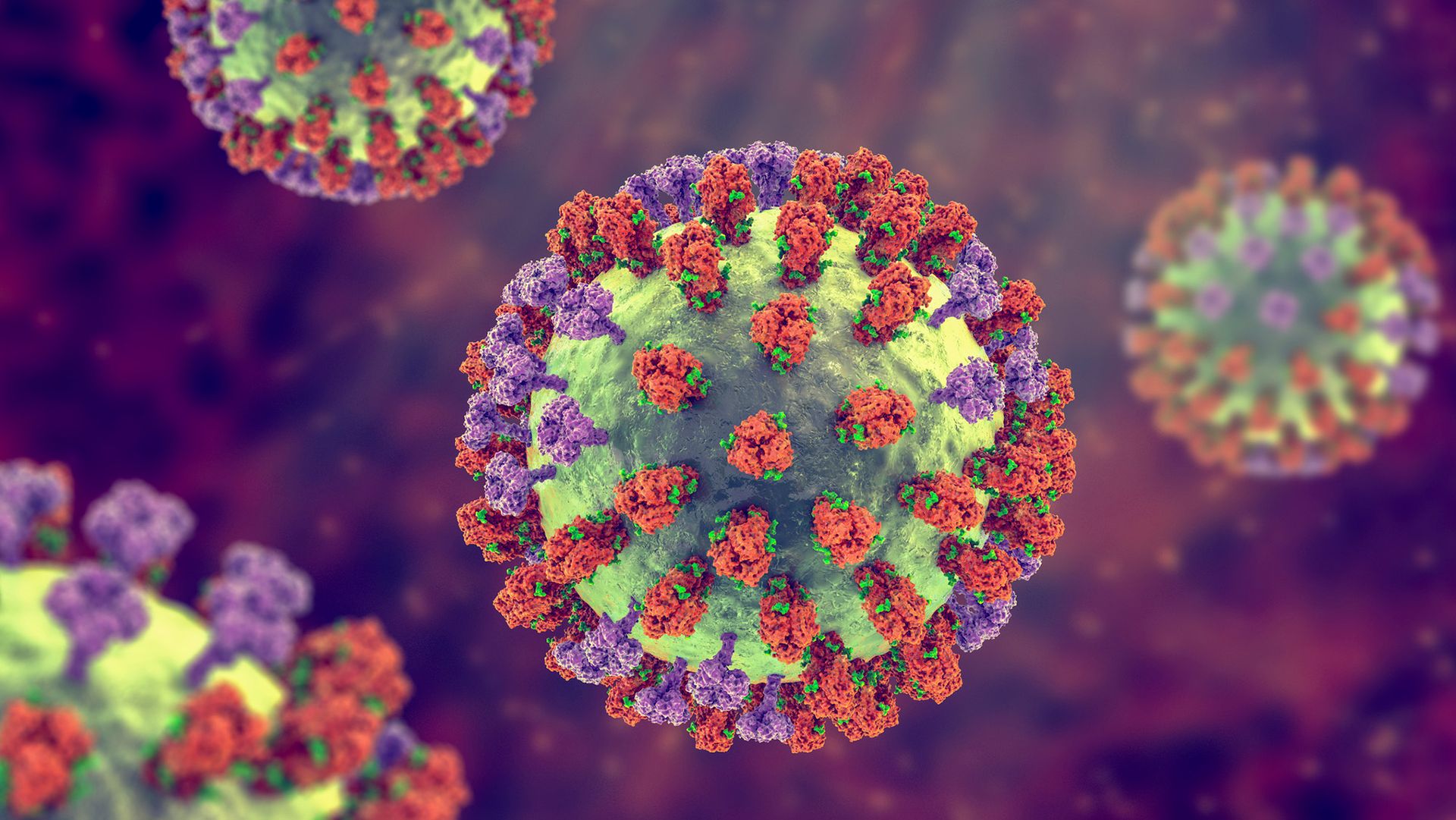
Human T cell leukemia virus type 1, the first human retrovirus ever identified, infects an estimated 5 to 10 million people worldwide, a figure extrapolated from surveys covering only about one-seventh of the global population. The virus inserts a DNA copy of its RNA genome into the chromosomes of host T cells, establishing a lifelong infection that can drive a spectrum of diseases, including adult T cell leukemia/lymphoma, HTLV-1-associated myelopathy, and HTLV-1-associated uveitis, a chronic inflammation inside the eye that is particularly common in endemic regions such as Japan. Despite the scale of the problem, coordinated global action has been slow; the World Health Organization only published technical reports aimed at reducing HTLV-1-related morbidity and mortality in 2021, and no broadly effective intervention has emerged in decades of research.

Current treatment for the ocular disease relies heavily on corticosteroids, delivered as topical drops, injections into the eye, or oral prednisone. This approach has serious shortcomings. Studies indicate that 30 to 60 percent of patients with HTLV-1-associated uveitis experience recurrent episodes, and long-term steroid exposure can trigger cataracts, glaucoma, macular edema, epiretinal membranes, retinal degeneration, optic nerve atrophy, and bullous keratopathy. Most importantly, corticosteroids suppress inflammation without reducing the number of virus-infected cells or halting disease progression. Newer molecular targeted agents, including the anti-CCR4 antibody mogamulizumab and the immunomodulatory drug lenalidomide, have been explored, but treatment-related inflammation and adverse effects remain significant obstacles. This therapeutic gap motivated a team led by Yaru Zou and Koju Kamoi of Tokyo Medical and Dental University to investigate whether an epigenetic drug already approved for blood cancer could address the root of the ocular inflammation.

The drug in question is valemetostat, marketed as EZHARMIA, a dual inhibitor of the enzymes EZH1 and EZH2 that was approved in 2022 for adult T cell leukemia/lymphoma. Both enzymes are the catalytic components of polycomb repressive complex 2, a molecular machine that silences genes by adding three methyl groups to lysine 27 on histone H3, producing the repressive chromatin mark known as H3K27me3. Previous work had shown that EZH1 and EZH2 are overexpressed, and H3K27me3 deposition increased, in ATL cells and in cells expressing the viral oncoprotein Tax. Dual EZH1/2 inhibitors have also been reported to curb the spontaneous proliferation and exaggerated immune responses of HTLV-1-infected cells in patients with HTLV-1-associated myelopathy. What remained unknown was whether such inhibition could benefit the inflamed eye.

To find out, the researchers built a series of laboratory models centered on ARPE-19 cells, a human retinal pigment epithelial cell line chosen because the retinal pigment epithelium forms the outer blood-retinal barrier and governs retinal immune homeostasis. They exposed these ocular cells to three kinds of T cells: MT-2 cells, which carry transcriptionally active HTLV-1 and express the viral protein Tax; TL-Om1 cells, an ATL-derived line in which the virus is largely silent and Tax is low or absent; and Jurkat cells, which are uninfected and served as controls. In parallel, they treated the T cell lines themselves. Western blotting and quantitative PCR revealed that HTLV-1 infection drove significant upregulation of both EZH1 and EZH2, along with elevated H3K27me3, in infected retinal pigment epithelial cells and in MT-2 cells, with EZH1 protein rising roughly 2.5-fold in infected ocular cells and six-fold in MT-2 cells. This was the first demonstration that HTLV-1 infection induces polycomb-mediated epigenetic changes in retinal cells.

The team then treated the models with valemetostat at 0.01, 0.1, and 1 micromolar for 96 hours, concentrations selected in preliminary experiments because they harmed infected T cells while leaving normal ocular cells, including primary human trabecular meshwork cells, unaffected below 10 micromolar. The results were strikingly dependent on the model. In co-cultures of retinal cells with Tax-positive MT-2 cells, and in retinal cells directly infected with HTLV-1, the drug produced modest but statistically significant reductions in cell viability at the highest dose, accompanied by small increases in late-stage apoptosis. No such effects appeared in co-cultures with TL-Om1 or Jurkat cells. Crucially, the absolute magnitude of apoptosis remained limited, typically only 1 to 3 percent above baseline, indicating that valemetostat is not broadly toxic to retinal cells, an important safety consideration given their role in maintaining vision.

The virological findings were equally nuanced. Valemetostat did not significantly reduce the HTLV-1 proviral load in co-culture systems or in directly infected retinal pigment epithelial cells. However, in MT-2 cells themselves, 1 micromolar valemetostat significantly lowered proviral load and suppressed the messenger RNA levels of both Tax and HBZ, the two hallmark transcripts of the virus. Because MT-2 cells represent the transcriptionally active, highly infectious state of HTLV-1, while TL-Om1 represents latency, the results suggest that the drug’s antiviral effect is gated by the transcriptional status of the infected cell. Within the four-day treatment window, the authors conclude, valemetostat’s benefit to the ocular environment is likely indirect, acting primarily by quieting the most virally active cells rather than by eradicating provirus everywhere.

The most clinically relevant effects emerged in the inflammatory readouts. HTLV-1-infected T cells recovered from the eyes of patients with uveitis are known to secrete copious interleukin-6, interleukin-8, and interleukin-10, all implicated in disease. In the new study, valemetostat produced a dose-dependent increase in the anti-inflammatory cytokine IL-10 in MT-2-containing conditions, significant at 1 micromolar in the co-culture system and across all doses in MT-2 cells. This fits a mechanistic expectation: blocking EZH1/2 removes H3K27me3 marks that repress the IL-10 gene, and prior genetic studies showed that loss of EZH2 directly activates IL-10 transcription in several CD4-positive T cell subsets. Meanwhile, pro-inflammatory signals fell in a context-dependent pattern. IL-12p70 and the chemokine CXCL-10 dropped in co-cultures, IL-6 and IL-8 declined mainly in MT-2 cells, and CCL-2 fell at low doses in the MT-2 co-culture, whereas the chemokine CCL-5 was unchanged in every model.

The drug’s influence on NF-kappaB, the central inflammatory pathway that Tax hijacks to drive both viral replication and cytokine production, was more subdued. Valemetostat modestly reduced NF-kappaB p65 phosphorylation in the MT-2 co-culture at the lowest dose and slightly decreased the nuclear-to-cytoplasmic ratio of p65 in retinal cells stimulated with TNF-alpha, but it did not abolish nuclear translocation. The authors attribute this to the overwhelming strength of Tax-driven NF-kappaB activation, which a 96-hour course of EZH1/2 inhibition may be insufficient to counteract, and to the fact that NF-kappaB and cytokine networks are regulated by many factors beyond polycomb complexes. Immunofluorescence confirmed that valemetostat significantly lowered H3K27me3 in retinal cells exposed to MT-2 cells or directly infected, but not in cells co-cultured with TL-Om1 or Jurkat cells, again underscoring the model dependence of the epigenetic response.

The study also carries a cautionary note about IL-10. Although the cytokine is anti-inflammatory, it can promote the survival of HTLV-1-infected T cells and facilitate immune evasion by impairing dendritic cell antigen presentation and downregulating MHC class I molecules, and patients with aggressive ATL often show abnormally elevated IL-10. The authors therefore suggest that combining EZH1/2 inhibition with IL-10 pathway blockade could prove more effective, noting evidence that IL-10 neutralization sensitizes ATL cells to standard therapies. In the TL-Om1 model of ATL-related ocular infiltration, valemetostat failed to reduce H3K27me3, proviral load, or NF-kappaB activation within the malignant cells, yet it suppressed TL-Om1-induced CXCL10 secretion and induced dose-dependent apoptosis, pointing to a benefit mediated through the inflammatory microenvironment rather than direct tumor killing.

The authors are candid about the limitations. The work relied entirely on in vitro co-cultures and established cell lines, which cannot reproduce the blood-retinal barrier, retinal architecture, or local immune regulation of a living eye, and the intraocular pharmacokinetics of valemetostat after systemic administration remain undefined. Sex as a biological variable could not be assessed because donor-defined primary cells were not used. Even so, the findings establish a proof of concept that an approved epigenetic therapy can counteract HTLV-1-induced chromatin changes in retinal cells, dampen viral transcription in the most active infected cells, and reshape the cytokine milieu that sustains uveitis. Longer treatment studies, in vivo models, and patient-derived systems will be needed to determine whether these modest, context-dependent effects can be translated into a genuine steroid-sparing therapy for one of the most burdensome manifestations of a virus that medicine has long neglected.

Subject of Research: EZH1/2-targeted epigenetic therapy with valemetostat for HTLV-1-associated uveitis

Article Title: Dual impact of EZH1/2-targeted therapy in HTLV-1-associated inflammation: Direct and indirect mechanisms

Article References: Zou, Y., Kamoi, K., Yang, M., Zong, Y., Zhang, J., & Ohno-Matsui, K. (2026). Dual impact of EZH1/2-targeted therapy in HTLV-1-associated inflammation: Direct and indirect mechanisms. iScience, 29(11), Article 117775. https://doi.org/10.1016/j.isci.2026.117775

Image Credits: AI Generated

DOI: 10.1016/j.isci.2026.117775

Keywords: HTLV-1, valemetostat, EZH1, EZH2, H3K27me3, uveitis, epigenetics, PRC2, Tax, IL-10, NF-kappaB, retinal pigment epithelium
  •  

AI Reads Tea Leaves’ Light Signatures to Measure Frost Damage

Frost is one of the most punishing adversaries of tea cultivation. A single cold snap can scorch tender leaves, derail an entire season’s harvest, and degrade the delicate chemistry that gives tea its value. For growers and breeders, however, judging how badly a field has been damaged has long been a stubbornly subjective exercise: visual ratings lump continuous injury into crude categories, and laboratory assays destroy the very tissue they measure. A new study published in Plant Methods by Zhengtong He of Shihezi University, Zhiwei Chen of the Tea Research Institute of Shandong Academy of Agricultural Sciences, and colleagues offers a way out, pairing hyperspectral imaging with a purpose-built deep learning model to read frost damage directly from the way leaves reflect light.

The core problem the team confronted is that frost injury is not a binary event but a continuum. Leaves exposed to sub-zero temperatures suffer a cascade of overlapping stresses: photosynthetic pigments degrade, the machinery of photosynthesis falters, and cell membranes and walls break down. Any single measurement captures only a sliver of that cascade. To capture the whole picture, the researchers collected hyperspectral data together with eight key physicochemical indicators from tea plants growing across natural frost damage gradients in the field, rather than in the artificial conditions of a growth chamber. From these multidimensional physiological responses they constructed a composite measure, the tea cold stress response index, or TCSRI, which expresses frost damage severity as a continuous value instead of a coarse visual class.

Building TCSRI is a meaningful advance in itself. Traditional frost assessment often relies on ordinal scales, where an observer assigns a score of mild, moderate, or severe. Such scales throw away information and make it difficult to track recovery or compare cultivars with fine precision. By integrating several physiological dimensions into one index, the team created a target variable that reflects the plant’s actual internal state. The challenge then became predicting that index, and the individual chemical indicators behind it, from spectral data alone, without touching or destroying a single leaf.

Hyperspectral sensing is well suited to this task in principle. Across hundreds of narrow wavelength bands, plant leaves encode a wealth of information: chlorophyll absorption in the visible range, water and structural features in the near infrared. But the data are high-dimensional, with far more spectral channels than samples, a regime that invites overfitting, especially in field studies where collecting ground-truth measurements is laborious. Conventional chemometric approaches, from partial least squares regression to standard machine learning pipelines, often struggle to separate genuine physiological signals from noise, sensor drift, and the confounding effects of leaf surface properties and illumination variation.

The researchers’ answer is a model they call STAMPformer, short for spectral-prior-guided multi-view attention pooling. Its architecture reflects a deliberate design philosophy: rather than letting a neural network rediscover everything from scratch, the model is steered by what spectroscopists already know about how plants respond to stress. At its front end, a parameter-free attention convolution extraction module jointly models both the raw reflectance spectra and their first-order derivatives. Derivative spectra are a classic spectral prior: they accentuate subtle local features such as absorption peaks and shoulders that are easily drowned out in raw reflectance, while suppressing broad baseline drift and noise. By processing both views together, the module sharpens the local spectral signatures that carry physiological meaning.

On top of this extraction stage sits the second innovation, a multi-view attention pooling module. Deep networks processing spectral sequences produce long streams of features, but not all wavelengths matter equally for a given prediction. The pooling module adaptively aggregates sequence features drawn from different feature subspaces, learning to amplify the responses that are most diagnostic of cold stress and to down-weight the rest. This attention mechanism acts like a learned spotlight, and because it operates across multiple subspaces, it can capture complementary patterns that a single attention head might miss. The result is a compact representation tailored to the prediction task at hand, whether that is estimating a specific chemical indicator or the composite TCSRI.

The performance numbers are striking. Across all nine prediction tasks, spanning the eight physicochemical indicators and the TCSRI itself, STAMPformer achieved coefficients of determination above 0.87 and ratios of performance to deviation above 2.80, thresholds generally regarded as indicating reliable quantitative prediction. In other words, from a leaf’s reflectance fingerprint alone, the model could reconstruct the plant’s internal frost-stress state with an accuracy that approaches laboratory measurement, while remaining entirely non-destructive. The team did not stop at headline metrics. Ablation experiments systematically removed each proposed module to confirm that both the attention convolution extraction and the multi-view pooling contributed measurably to the gains, and paired statistical tests across multiple random seeds ensured the improvements were not artifacts of a lucky initialization.

Interpretability was a further priority, and here the study delivers something rarer than raw accuracy. Applying SHAP analysis, a technique that attributes each prediction to the contributions of individual input features, the researchers identified the wavelengths the model relied on most heavily. These key spectral regions correspond to physiologically meaningful processes: pigment degradation, photosynthetic impairment, and the disruption of cellular structure. That alignment between machine attention and plant biology matters on two fronts. It gives spectroscopists confidence that the model has learned genuine stress signatures rather than spurious correlations, and it hands plant physiologists a data-driven map of which parts of the spectrum track which facets of cold injury, potentially guiding future sensor design and breeding assays.

Crucially, the model also proved itself on data it had never seen. Independent external validation, using samples not involved in training, demonstrated that STAMPformer’s predictive ability generalizes beyond its original dataset, addressing one of the most common failure modes of machine learning in agricultural sensing. For a field where models are often tuned and tested on the same plots, this external check is an important credibility marker, suggesting the framework could be deployed across different farms, seasons, and frost events rather than remaining a laboratory curiosity.

The practical implications reach well beyond tea. An accurate, non-destructive, continuous measure of cold damage opens the door to rapid post-frost field surveys, letting growers quantify losses within hours instead of waiting for symptoms to develop or sending samples to a lab. For breeders screening for cold-tolerant germplasm, a spectral readout of TCSRI could accelerate the evaluation of hundreds of candidate lines without destructive sampling. And in the emerging vision of the smart tea garden, where drones and handheld spectrometers roam the rows, a model like STAMPformer could feed real-time frost maps into irrigation, shading, and recovery-management decisions. The authors frame their work as supporting frost monitoring, cold-tolerant germplasm evaluation, and intelligent garden management, and the architecture’s reliance on general spectral priors rather than tea-specific tricks suggests the approach could be adapted to other crops facing abiotic stress. As climate variability makes late-season frosts increasingly erratic, tools that turn light reflected from a leaf into a precise physiological diagnosis may become as essential to the tea garden as the thermometer.

Subject of Research: Hyperspectral deep learning prediction of continuous frost damage severity in tea plants

Article Title: STAMPformer: spectral-prior-guided multi-view attention learning for hyperspectral prediction of continuous frost damage severity in field-grown tea plants

Article References: He, Z., Chen, Z., Ding, Z., Wang, Z., Zhang, F., Zhao, Y., & Dong, C. (2026). STAMPformer: spectral-prior-guided multi-view attention learning for hyperspectral prediction of continuous frost damage severity in field-grown tea plants. Plant Methods. https://doi.org/10.1186/s13007-026-01597-4

Image Credits: AI Generated

DOI: 10.1186/s13007-026-01597-4

Keywords: tea plant, frost damage, hyperspectral imaging, deep learning, attention mechanism, cold stress index, non-destructive prediction, SHAP analysis, precision agriculture, spectral priors, plant physiology, smart farming

  •  

'October is the ideal time to get vaccinated': Flu season is kicking off early, experts say

Flu season is off to an early start in some parts of the U.S., data shows.

In a typical year, U.S. flu activity starts building in late fall β€” typically in October or November β€” and peaks between December and February. This year, flu activity is currently low but rising nationwide: During the week ending Sept. 26, 3.4% of respiratory samples tested by clinical labs were positive for flu, according to Centers for Disease Control and Prevention (CDC) data.

That's about seven times the rate that was seen at the same point last year. About 0.5% of samples tested positive during the week ending Sept. 27, 2025.

"This particular year, it appears to be starting early β€” like right now," Dr. William Schaffner, a professor of preventive medicine and infectious diseases at Vanderbilt Health in Tennessee, told Live Science. Patients at clinics in his area are already testing positive for flu, he said.

The early uptick in flu is mostly unfolding in Western states, including Washington, California and Arizona. In Washington, for example, the share of emergency department visits diagnosed as flu climbed from 0.25% in the week ending Aug. 29 to 1.34% in the week ending Oct. 3, according to CDC emergency department data. That's a more than fivefold increase over six weeks.

Where the flu took off first isn't a warning sign in itself, Schaffner noted.

"There's nothing unusual about flu starting in the West Coast and moving east," he said. Recent seasons have more often begun in the Southeast or Midwest, he noted, but "it can start almost anywhere."

Leading with H1N1

Nowadays, seasonal flu is caused by three subtypes of flu viruses: two subtypes of influenza A, called H1N1 and H3N2, and the Victoria lineage of influenza B. (A second subtype of influenza B used to circulate but is now thought to be extinct.)

Last season, a fast-spreading version of H3N2 known as subclade K dominated. The CDC classified the 2025-2026 season as highly severe for children, as at least 195 children died of flu-related causes.

Schaffner likens influenza A and B to siblings. "They're very related, but they each have their own individual characteristics," he said. Influenza A strains usually cause the biggest outbreaks early in the season, while influenza B strains "kind of smolder along" and account for most cases toward the end, he noted.

This year, H1N1 has taken the initial lead. Of the influenza A samples that public health labs subtyped during the week ending Sept. 26, 96% were identified as H1N1, according to CDC data. That doesn't mean H1N1 will continue to dominate throughout the season; it just gives a snapshot of what's happening now.

The dominant strain matters because flu is "a moving target," said Dr. Paul Offit, director of the Vaccine Education Center at Children's Hospital of Philadelphia. The virus constantly mutates β€” especially hemagglutinin, the protein on the virus's surface that it uses to latch onto human cells. Hemagglutinin is the main target of flu vaccines.

An early start to the season doesn't guarantee it'll be a severe one, either. In its 2026-2027 season outlook, the CDC projected that this season will likely be moderate, although it has only low-to-moderate confidence in that forecast.

a woman receives a vaccine

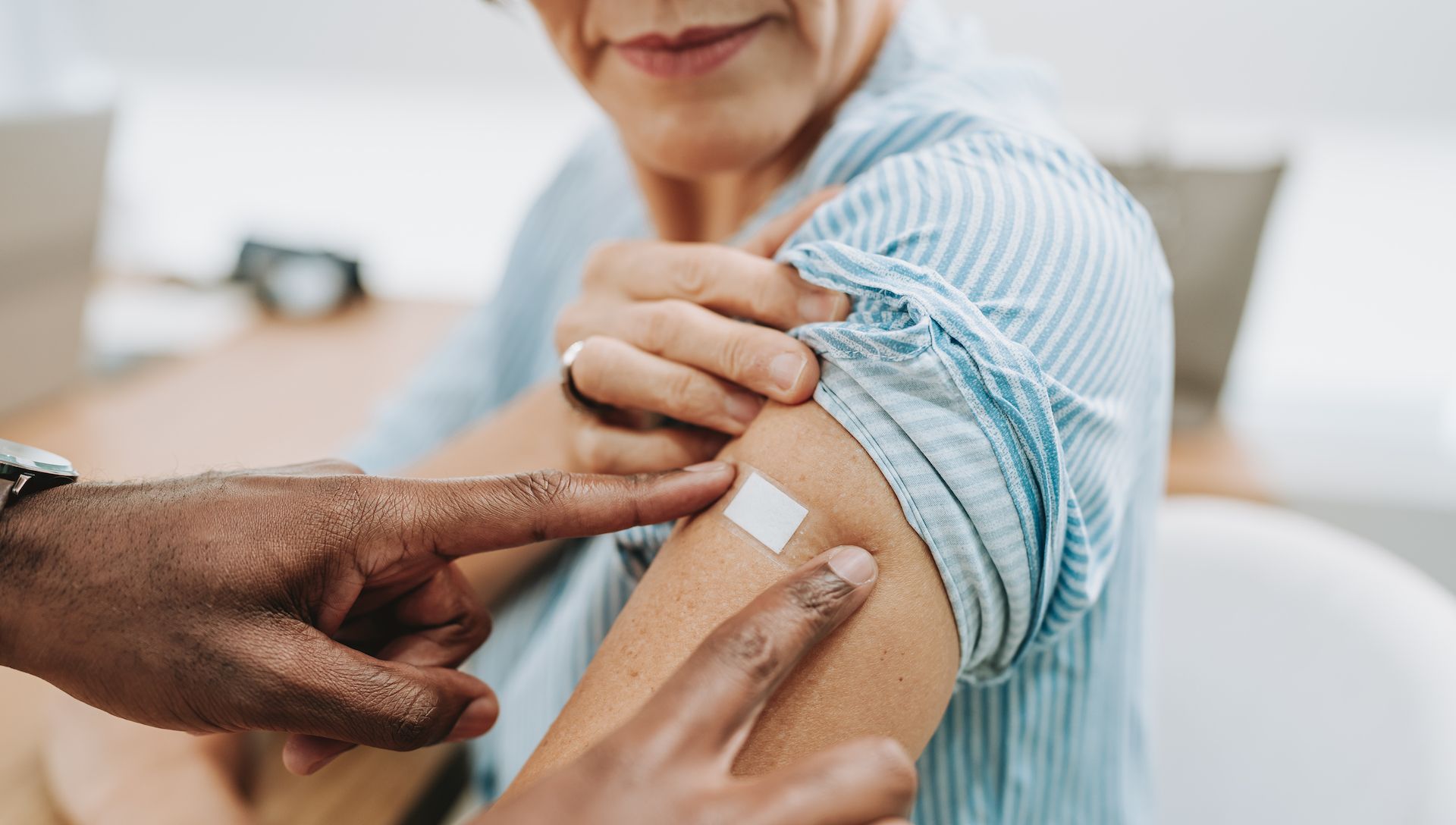
Everyone ages 6 months and older is recommended to get a flu shot, and older adults have several options, including high-dose, adjuvanted and mRNA vaccines. (Image credit: andreswd via Getty Images)

When to get vaccinated

Everyone 6 months and older is recommended to get an annual flu vaccine.

Influenza is especially dangerous for children under 5, adults 65 and older, people with chronic health conditions and pregnant people, as these groups are more prone to severe infections. Serious cases of flu can lead to complications such as pneumonia, sepsis, and brain or heart inflammation, and in some cases, they can be deadly. Tens of thousands of people die of flu each season in the U.S.

For flu vaccination, timing matters. The CDC generally doesn't recommend vaccination in July or August for most adults, because the shot's protection can wane over the course of a season. But with flu arriving early, "October is the ideal time to get vaccinated, and even more so right now," Schaffner said.

When circulating strains' features differ from those captured in the vaccine, "that usually predicts a more difficult season," Offit said. That said, it's too early to know if this year's flu shots are a good match for the circulating flu viruses.

Protection begins building right after you get the shot, but it takes up to about two weeks to reach full strength.

How much protection a flu vaccine offers varies by season, depending partly on how well its formulation matches the strains that circulate. Offit said that protection against symptomatic illness varies by age group and that the vaccines are "a little more effective" at preventing more severe illness. In terms of flu cases that prompt people to seek medical care, the shot has been 29% to 56% effective over the past decade, the CDC estimates.

While the vaccines are less reliable at preventing mild cases of flu, Schaffner said, they work best at "keeping you out of the hospital, keeping you out of the intensive care unit, and keeping you out of the cemetery."

The CDC's 2026-2027 guidance keeps its recommendation of an annual flu vaccine for everyone 6 months and older, with high-dose and adjuvanted shots preferred for adults 65 and older. (Adjuvanted shots contain an extra ingredient to help rev up the immune system.)

There's also a new option: In August, the Food and Drug Administration approved mFlusiva, the first mRNA flu vaccine, for adults 50 and older. (You can find out where mFlusiva shots are available near you using Moderna's vaccine finder.) With the mRNA shot, "you're less likely to get symptomatic disease," Offit told Live Science.

Traditional flu shots contain purified pieces of the virus itself, Schaffner explained. With mRNA, the vaccine contains a "blueprint" of those proteins β€” essentially a set of genetic instructions that the body's cells then use. In mFlusiva's case, those instructions code for hemagglutinin (the protein on the virus's surface that it uses to latch onto human cells) from each of three flu subtypes, Offit said. The mRNA then breaks down in the body, Offit noted. It "cannot influence human genetic material," Schaffner emphasized.

Whether this early start gives way to a heavy flu season should become clearer in the coming weeks, as the CDC's weekly surveillance reports will show whether cases keep climbing beyond the West.

This article is for informational purposes only and is not meant to offer medical advice.

  •  

Scientists have identified a 'protein signature' in blood that could predict healthy aging

Two people born on the exact same day can age in totally different ways β€ͺ—‬ one in relative health and the other with chronic disease. Now, scientists have found a key difference in the immune systems of people who are more prone to age-related conditions, and it could help explain why some people remain healthier longer.

In young people, the immune system contains many naive T cells, a type of white blood cell. Over time, exposure to pathogens and vaccinations transforms some of these T cells into memory cells, which can respond quickly to defend the body against germs.

These memory cells make different types of characteristic proteins, called granzymes, which kill infected cells. They come in different "flavors," including granzyme K and granzyme B.

In a new study, published Friday (Oct. 9) in the journal Immunity, scientists found that individuals with more memory cells that make granzyme K than cells that make granzyme B tend to have healthier aging.

In the future, the balance of cells making granzyme K and granzyme B in a person's blood could be used as a test to determine "whether you're on the right trajectory of aging or not," study co-author Maxim Artyomov, an immunologist at Washington University in St. Louis, told Live Science.

Hunting for a signature of healthy aging

In earlier research, the same team found that, in old lab mice, granzyme K-making cells accumulated in several tissues and were linked to inflammation. They also observed the same increase in granzyme K cells in blood samples from older adults.

In the new study, they uncovered another piece of the puzzle: a dynamic with granzyme B-producing cells.

They began by analyzing immune cells sampled from over 2,600 people ages 18 to 97, looking at the balance of granzyme K- and granzyme B-making cells. They found that people with a lower ratio of granzyme K to granzyme B cell populations were more likely to have autoimmune diseases or other chronic immune conditions.

In a second analysis, they looked at both immune cells and blood-borne proteins sampled from 329 people, using the data to pinpoint a "protein signature" linked to an abundance of granzyme B-making cells.

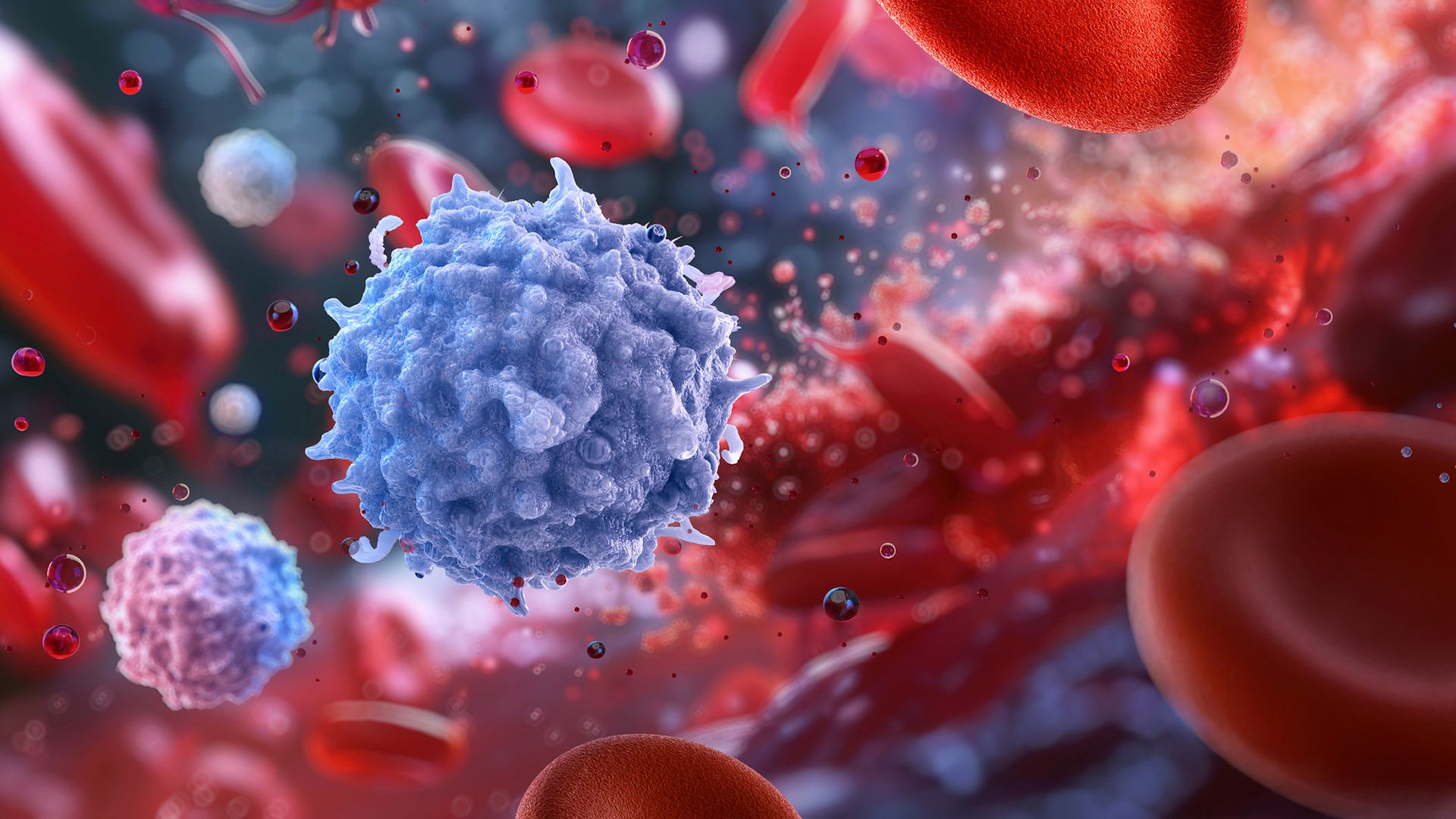
An illustration of a spiky purple sphere in the midst of blood cells

The balance of cells that make different granzymes may be important to how the immune system functions with age. (Image credit: RUSLANAS BARANAUSKAS/SCIENCE PHOTO LIBRARY via Getty Images)

They went on to hunt for this protein signature in around 48,000 participants who'd provided data to the UK Biobank, a large database of health data from U.K.-based adults. People who were predicted to have higher levels of granzyme B-making cells based on their blood proteins had worse health outcomes in the following 17 years, with a higher risk of death and of conditions like diabetes, high blood pressure, and liver and kidney disease.

The findings might point to an aspect of immune aging that wasn't previously understood.

"I think that's really exciting," Claire Gustafson, an immunologist at the Allen Institute, said of the results. "It highlights there's potentially some novel biology that we haven't really observed before," Gustafson, who was not involved in the research, told Live Science.

However, while there's a strong association between the balance of these cell populations and disease risks, Artyomov emphasized that the study does not prove that this ratio directly causes the poor health outcomes. Further studies would be needed to understand why having more granzyme B cells is linked with poorer health.

"This observation might be just a consequence, not a cause of the disease," Artyomov noted.

It's also important to note that granzyme K-making cells in mice are not the same as granzyme K-making cells in humans. In mice, they represent a more mature, specialized stage of immune cell development, whereas in humans, granzyme B cells better fit that description, he told Live Science.

That points to a key way that immunity in mice and humans is different, which was "underappreciated" before, Gustafson said. So when we're comparing these cells in mice and humans, "we're not looking at apples to apples," she said. Scientists now specifically "need to look more into humans, as it's not reflected in animal models."

In people, immune cells' features can also vary across diverse human populations, Gustafson added. We need more data across different populations to get a "true understanding of universal immune health," she said. The K-to-B ratio may be a "novel" clue that can help scientists understand healthy aging, but more data is needed to unpack why and how that ratio is linked to healthy or unhealthy aging.

"This is kind of like the first step to be able to get there," she told Live Science.

This article is for informational purposes only and is not meant to offer medical advice.

  •  

Would you trust AI to calculate your true 'biological age'?

Scientists have recently harnessed artificial intelligence (AI) to build "aging clocks" that aim to estimate a person's true biological age.

While a person's chronological age reflects the number of years they've been alive, their biological age is intended to capture how well their bodily systems are functioning. The idea is that people with older biological ages have a higher risk of age-related diseases β€ͺ—‬ such as cancer, heart disease or dementia β€ͺ—‬ while younger biological ages come with less risk. Some aging clocks even aim to predict people's impending risk of death.

Many aging clocks look at epigenetic markers, meaning chemical tags that bind DNA and change how genes activate, while others measure features such as the pace and pitch of people's voices. But some scientists say we don't know how to use these aging clocks yet, arguing that the tools are useful for studying aging at a population level but not for guiding individual health decisions.

Others posit that the data the clocks are based on is too noisy, and thus, there's potential for drawing faulty conclusions about what they're measuring. They say, for example, that we don't know if the clocks are measuring the downstream effects of aging or its underlying causes. And in any case, we don't currently have any treatments to "wind back" the clocks.

What do you think? Would you use these AI tools to measure your biological age? Let us know in the poll below, and explain your reasoning and additional thoughts about the technology in the comments.

  •  

Why are dengue cases surging in Florida this year? An 'unlucky' combination of factors, experts say

Cases of dengue fever are surging in Florida, spurring several counties to declare a state of emergency.

The state has seen 497 reported cases so far this year. Of those, 252, or about 51%, were caught locally, rather than brought to the state by travelers. The Florida Department of Health confirmed one woman's death from dengue fever in early September, marking the state's first known dengue death in almost a century.

Prior to the past few years, most dengue cases reported in Florida were the result of travel. In other words, people caught the disease in other countries and then traveled to Florida, where their case was then diagnosed. At 245, the number of travel-related cases reported this year is not unusually high, Caroline Waddell, a public health researcher at the University of Florida, told Live Science in an email. However, the number of cases caught from local mosquitoes is more than five times higher than at this point in the year compared with any of the previous four years, she said.

Why are local dengue cases especially high this year? Live Science spoke with experts to find out.

A growing global health concern

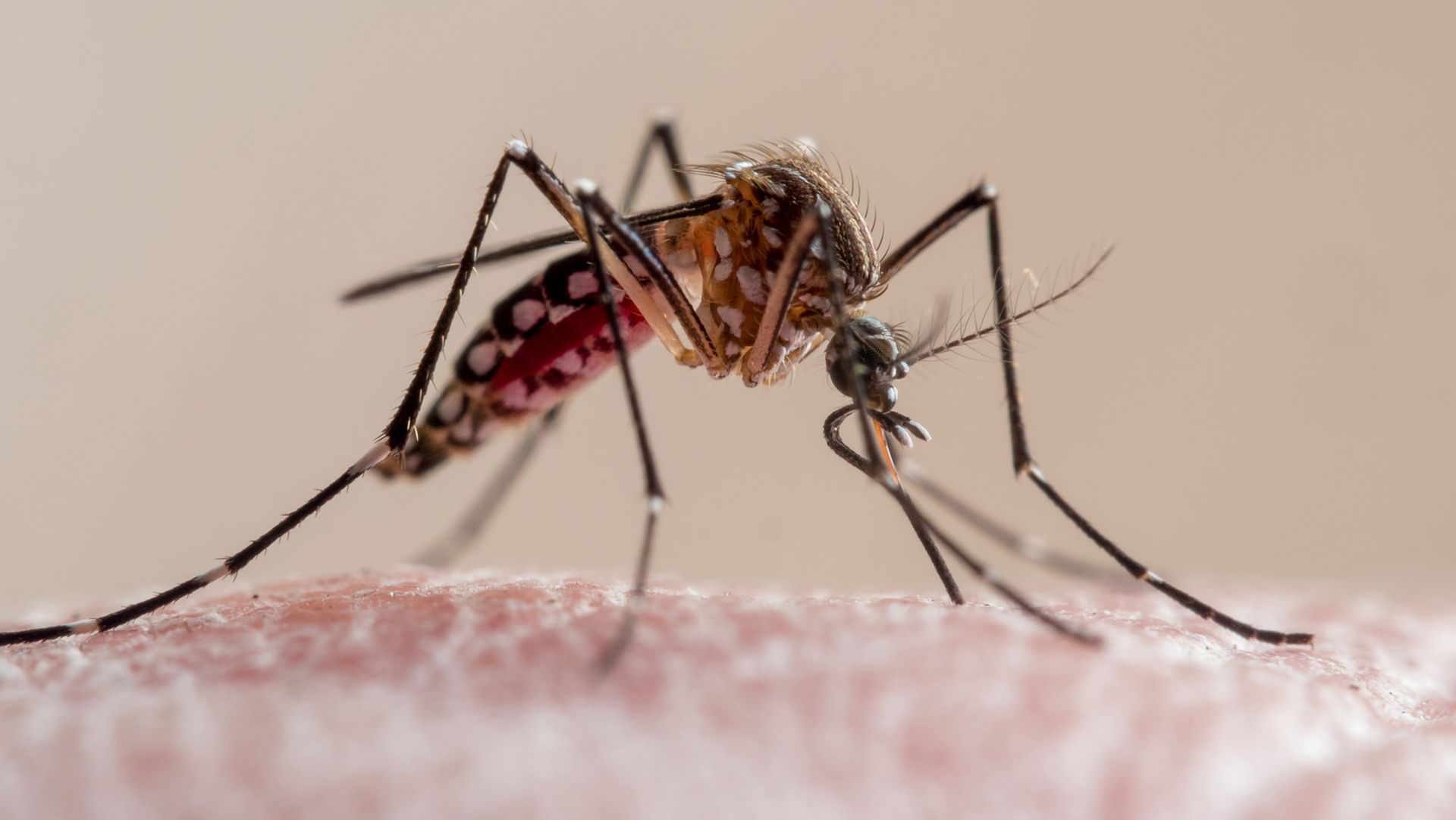
Dengue fever is caused by the virus Orthoflavivirus denguei, which spreads from mosquitoes to people through the pests' bites; it doesn't spread from person to person. Aedes aegypti and Aedes albopictus mosquitoes transmit the virus to humans, and the same species can also carry the viruses behind yellow fever, Zika and chikungunya.

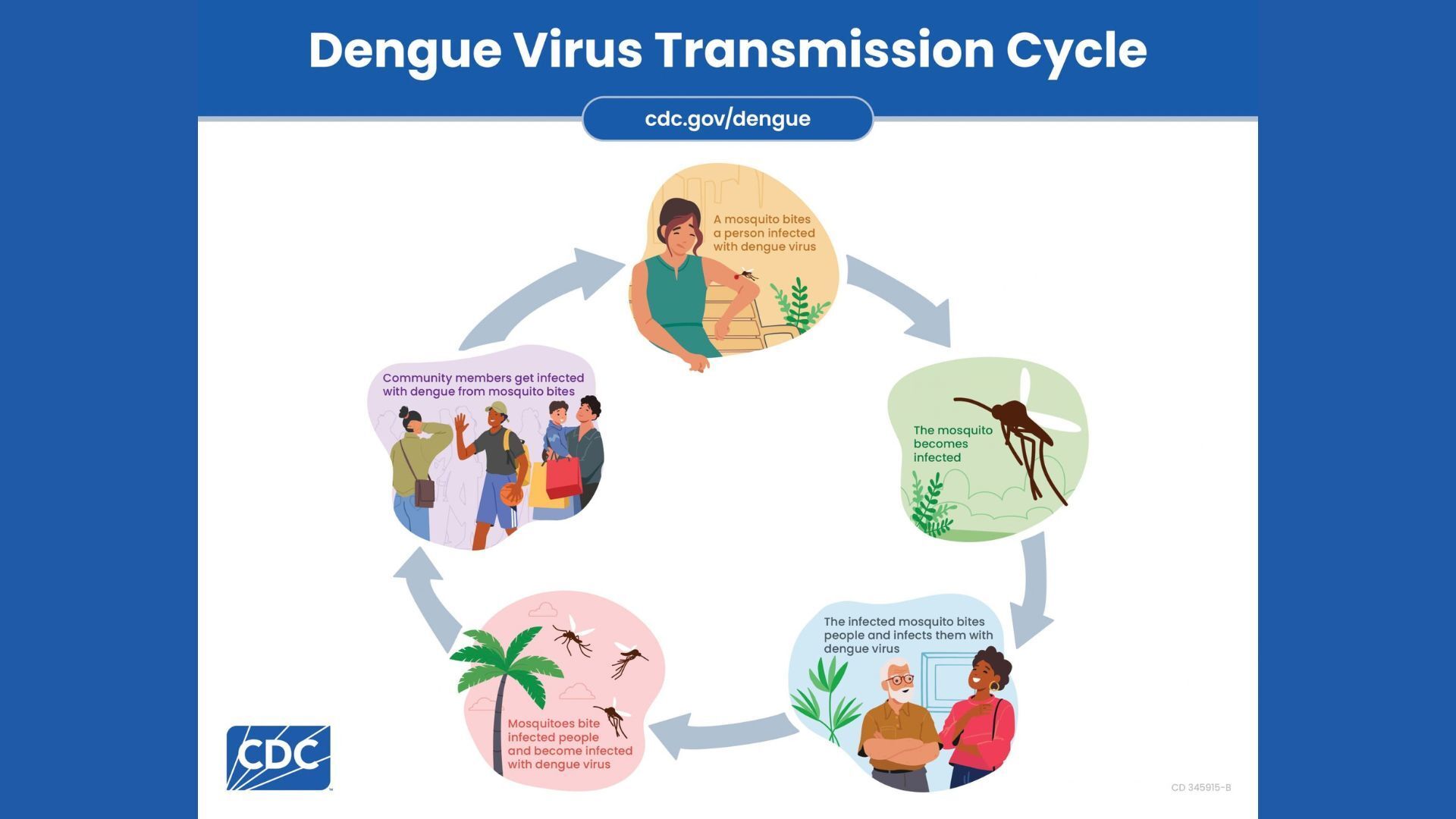
A diagram depicting how dengue spreading from mosquitoes to people

Mosquitoes capable of carrying dengue pick up the virus from people and then spread it to additional people via their bites. (Image credit: Centers for Disease Control and Prevention)

About 100 million to 400 million dengue infections happen annually worldwide, with about 800 cases reported in the U.S. historically, although that number has increased recently. Only about 1 in 4 people exposed to the dengue virus develop symptoms, which can include fever, headache, body aches, nausea and rash. About 1 in 20 cases become severe, and immunocompromised people, children, older adults and pregnant people are especially susceptible to these serious infections.

Severe symptoms can include abdominal pain, vomiting, difficulty breathing and bleeding of the gums or nose. The most severe forms of the infection can lead to leaky blood vessels, severe bleeding, shock, organ dysfunction and death. There is no specific treatment for dengue, so care focuses on managing symptoms and maintaining patients' vital signs.

Dengue has escalated as a global health concern in the past few decades. Between 2000 and 2019, global cases of dengue increased tenfold; between 1990 and 2021, dengue-related deaths doubled. Scientists say this surge is likely driven by climate change, since rising temperatures expand Ae. aegypti mosquitoes' range, in turn exposing more people to the insects' bites. Plus, warmer conditions speed up mosquitoes' life cycles and the dengue virus's replication rate, thereby boosting transmission.

International travel also factors into these rising case counts. In 2023, dengue spikes around the world were attributed to the resurgence of global travel following the COVID-19 pandemic.

Zooming in on Florida

As the global picture has worsened, dengue cases in the U.S. have also increased.

Nearly 3,800 cases were reported in 2024 β€ͺ—‬ an increase of more than 300% above the annual average for the previous 10 years. The uptick was tied to a rise in travel-associated cases, reflecting the wider global surge, as well as to warming temperatures that brought dengue-carrying mosquitoes to new regions of the U.S.

Since approximately 75% of dengue infections are asymptomatic, the virus can circulate within a community without being readily detected for some time.

Keira Lucas, deputy executive director of the Collier Mosquito Control District

Each year, Florida experiences dengue outbreaks in the southernmost parts of the state, such as Miami and the Florida Keys, Panpim Thongsripong, a disease ecologist at the University of Florida, told Live Science. Historically, outbreaks in Miami typically totaled around 50 or fewer cases. But then a 2019 outbreak resulted in over 200 cases, and from 2022 to 2024, outbreak totals have ranged from about 500 to 675 cases.

The outbreak currently unfolding in Florida centers on Hillsborough County, which is farther north and includes Tampa. This is unusual, Thongsripong said, as this region of the state normally sees just a few sporadic cases. Hillsborough County has reported 223 of the state's 252 locally acquired cases this year, and it's where the one dengue-related death took place.

Florida's health department regularly traps mosquitoes and tests them for viruses. So far this year, 20 pools of mosquitoes have tested positive for dengue across seven counties, and 19 of those positive pools were sampled from the greater Tampa area. In 2025, only four mosquito pools throughout the state tested positive, and in 2023, one mosquito pool did.

"Finding positive mosquito pools is rare in Florida because dengue is not endemic to the state," said Keira Lucas, deputy executive director of the Collier Mosquito Control District. "In many ways, it can be like looking for a needle in a haystack," she told Live Science.

Routine mosquito trapping is a relatively inefficient method for detecting viruses, though, Lucas said. As such, detecting dengue-positive mosquito pools may indicate that a large amount of transmission is already unfolding. "Since approximately 75% of dengue infections are asymptomatic, the virus can circulate within a community without being readily detected for some time," Lucas explained.

In addition to Hillsborough, neighboring Pasco and Pinellas counties have declared local states of emergency over dengue.

An unlucky combination of factors

So what's driving the unusual dengue activity this year?

In the past, Florida's local dengue outbreaks tended to be concentrated in the South, which saw moderate rainfall, warmer temperatures and more travel-related dengue cases compared with the rest of the state, according to a 2022 study in the journal Insects. With the outbreak concentrated farther north this year, that could suggest changing climatic patterns are making additional parts of the state especially hospitable to mosquitoes and the virus. That wouldn't necessarily explain why Tampa is seeing more local cases than Miami this year, but it could nonetheless be a factor in the overall trend.

For the virus to persist in local mosquitoes, dengue still needs to be reintroduced periodically through travel-related cases. Because the virus is not yet endemic to the state, it doesn't regularly circulate in local mosquitoes; however, a somewhat predictable "dengue season" has been emerging that coincides with upticks in international travelers carrying the virus to Florida.

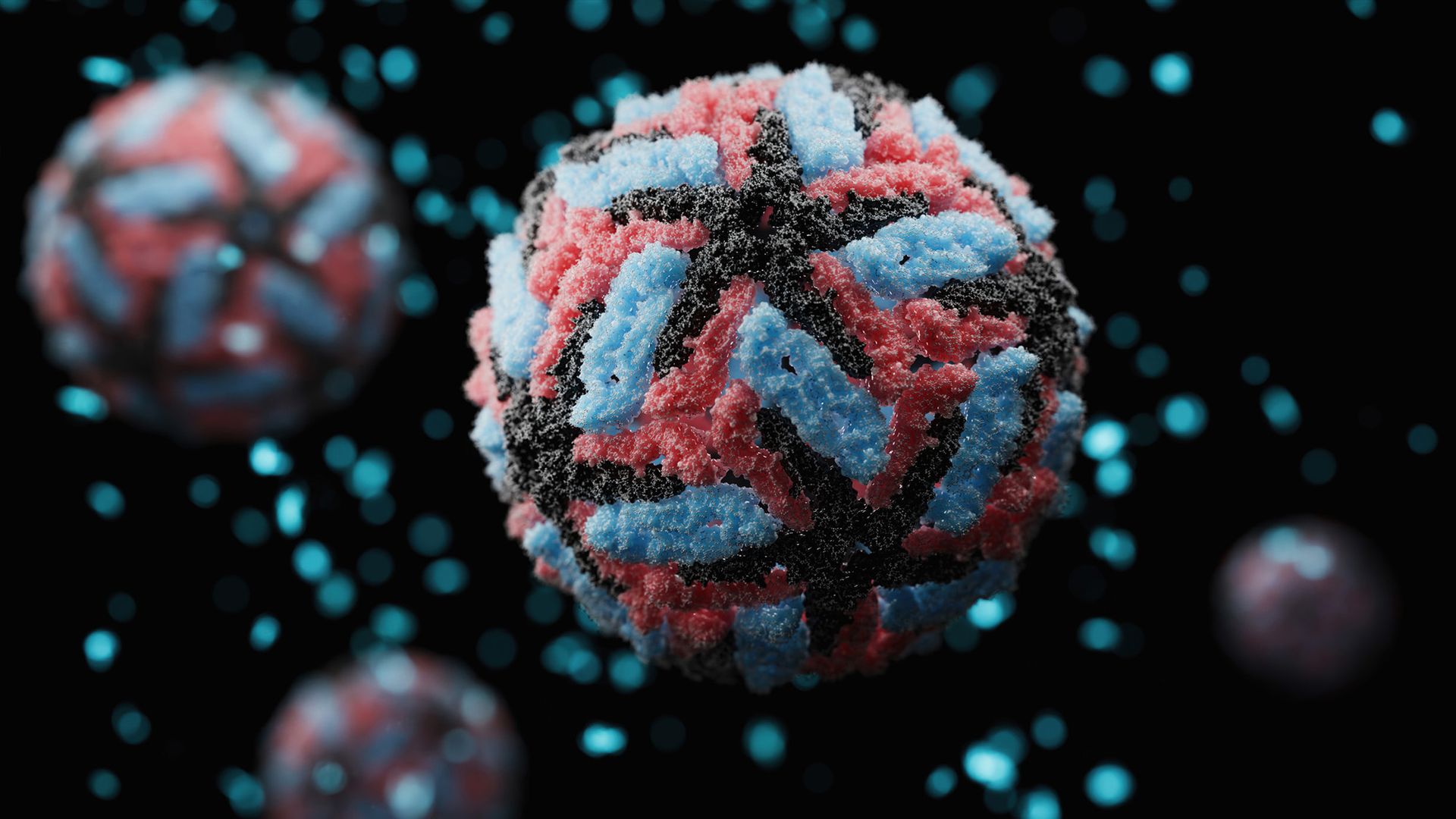
Spheres of red and blue and black against a dark background

The dengue virus is a member of the Flaviviridae family, meaning it's closely related to the Zika virus and yellow fever virus. (Image credit: koto_feja via Getty Images)

This year, though, the high number of locally acquired dengue cases suggests a shift from predominantly imported infections toward outbreaks spurred by local Florida mosquitoes. Scientists hypothesize that climate change could increase local transmission in Florida even more in the future.

This year, Florida has also been enduring its most intense drought in over a decade. In theory, that might be expected to limit mosquito populations because the pests need water to breed, Lucas said. However, when it's dry, people tend to run their sprinklers more, creating mosquito breeding grounds when puddles form or containers fill up, she noted. This could bring mosquitoes closer to people, as it creates opportunities for them to breed.

Ae. aegypti mosquitoes are especially well adapted to living alongside humans, as they prefer to breed in human-made containers. Droughts can also drive dehydrated mosquitoes to bite more as they hunt for fluids.

"It's almost like an unlucky [combination]," Thongsripong said. "Everything coming together at the right time and right place, and boom, you have the conditions for an outbreak to occur."

The true number of dengue cases may be even higher than reported, Waddell said. The cases captured in the data include infected individuals who went to a doctor to get tested. Because many infections are mild or asymptomatic, additional people may have contracted the virus but never got counted.

What can be done

It's too early to definitively say what factors have increased Florida's dengue cases this year, Thongsripong said, as scientists are still gathering information. Despite the unknowns, she thinks the health and housing infrastructure in the U.S. will stop dengue from becoming too dangerous here.

To get dengue under control, it's key for government-level mosquito control efforts to coordinate and for the public to be aware of the virus, Lucas said. The mosquito control district coordinates with the health department for the latest data to best target where to spray larvicide, which kills mosquito offspring before they can bite people, she said.

It's important for people to use mosquito repellent when going outside, Thongsripong said, as well as to empty water from objects that can collect water and become a mosquito breeding ground, such as pets' water bowls, plant saucers, buckets or discarded tires.

Due to this year's strong El NiΓ±o, Florida is expecting a rainier winter, which could mean even more mosquitoes than usual, Lucas noted. That, in turn, could fuel additional dengue cases.

"Cases with September onsets are still being reported," Waddell said, "so we're not out of the woods."

This article is for informational purposes only and is not meant to offer medical advice.

  •  

Woman 'saw dead people' and fired a gun at them after taking too many aspirin

The patient: A 65-year-old woman in Michigan

The symptoms: The woman arrived at the emergency room via ambulance and asked to see a psychiatrist for her visual hallucinations. "I'm seeing dead people," she told clinicians, adding that she'd even fired a gun at her hallucinations in one instance, according to a report of her case. (The report does not describe what the hallucinations looked like.)

Despite this reaction to her hallucinations, she was calm and alert during her physical exam, with normal vital signs other than high blood pressure. She reported a history of high blood pressure, diabetes, heart failure and chronic back pain but no prior psychiatric history.

What happened next: Since the woman had no past psychiatric history, doctors opted for a medical assessment before consulting a psychiatrist. A blood test revealed mild metabolic acidosis, meaning her blood was too acidic. A toxicology screen detected high levels of salicylates, a class of compound that includes acetylsalicylic acid, better known as aspirin.

The diagnosis: When questioned, the woman acknowledged that she had been taking over 15 aspirin pills a day for multiple weeks. Each of these pills, marketed for back and body pain, contained 500 milligrams of aspirin.

Upon further questioning, the woman confirmed that she had tinnitus (ringing in her ears), which is a classic symptom of salicylate toxicity. In other words, she'd overdosed on aspirin.

The treatment: Doctors consulted experts at Michigan's poison control center, who recommended intravenous (IV) treatment with sodium bicarbonate (the chemical name for baking soda). This treatment alkalinizes blood and urine, meaning it makes them less acidic. This enables more salicylate to be excreted through the kidneys, allowing the drug to be eliminated through the urine.

After 11 hours of the IV treatment, the woman's blood salicylate levels dropped from 28.8 milligrams per deciliter (mg/dL) to 18.3 mg/dL. Her hallucinations ceased and the tinnitus improved within 48 hours of her arrival at the hospital. She was discharged without having seen a psychiatrist.

Close-up photo of a woman's ear

Ringing in the ear is a common symptom associated with aspirin overdose. (Image credit: liza5450/Getty Images)

What makes the case unique: Aspirin is generally safe when used in doses indicated on the bottle or advised by a person's doctors. However, taking too much aspirin can irritate the gastrointestinal tract, as well as disrupt the activity of parts of the nervous system.

At high enough doses, salicylates can stimulate part of the brain called the medulla, which regulates breathing. This results in hyperventilation that causes the body to lose too much carbon dioxide, and at first, the blood becomes more alkaline. This process is known as respiratory alkalinosis.

However, salicylates also disrupt metabolism, leading to metabolic acidosis from a buildup of lactic acid in the body, as the woman experienced. When metabolic acidosis overwhelms the respiratory alkalinosis and causes the blood to acidify, organ damage can occur. These metabolic effects may also explain the tinnitus, as it drives increases in arachidonic acid that stimulate receptors in the inner ear.

The woman's daily intake of roughly 75 milligrams of aspirin per kilogram of body weight was about half the typical dose associated with acute salicylate poisoning. However, it was still a large amount to take every day for weeks, and older age is also a risk factor for severe outcomes of acute salicylate toxicity.

The authors of the case report noted that although she had tinnitus, she lacked many other hallmark symptoms of salicylate overdose, such as nausea and fever.

To the clinicians, the woman's case served as a reminder that long-term aspirin toxicity may result in different symptoms than acute poisoning does. In past case reports, other patients with chronic salicylate toxicity have also reported visual hallucinations. But that potential symptom is not as well understood as more common symptoms like tinnitus.

The case report authors added that longer-term exposure to aspirin may be associated with more neurological symptoms because chronic exposure increases the odds of the drug crossing the blood-brain barrier β€” a gatekeeper that allows only certain substances from the blood into the brain. They added that doctors should consider poisoning, including salicylate toxicity, for patients with psychotic symptoms with no clear cause.

For more intriguing medical cases, check out our Diagnostic Dilemma archives.

This article is for informational purposes only and is not meant to offer medical advice.

Can you guess the diagnosis in these strange medical cases? Find out with our diagnostic dilemma quiz!

  •  

'Zombie cells' may drive aging, and scientists are devising new ways to get rid of them

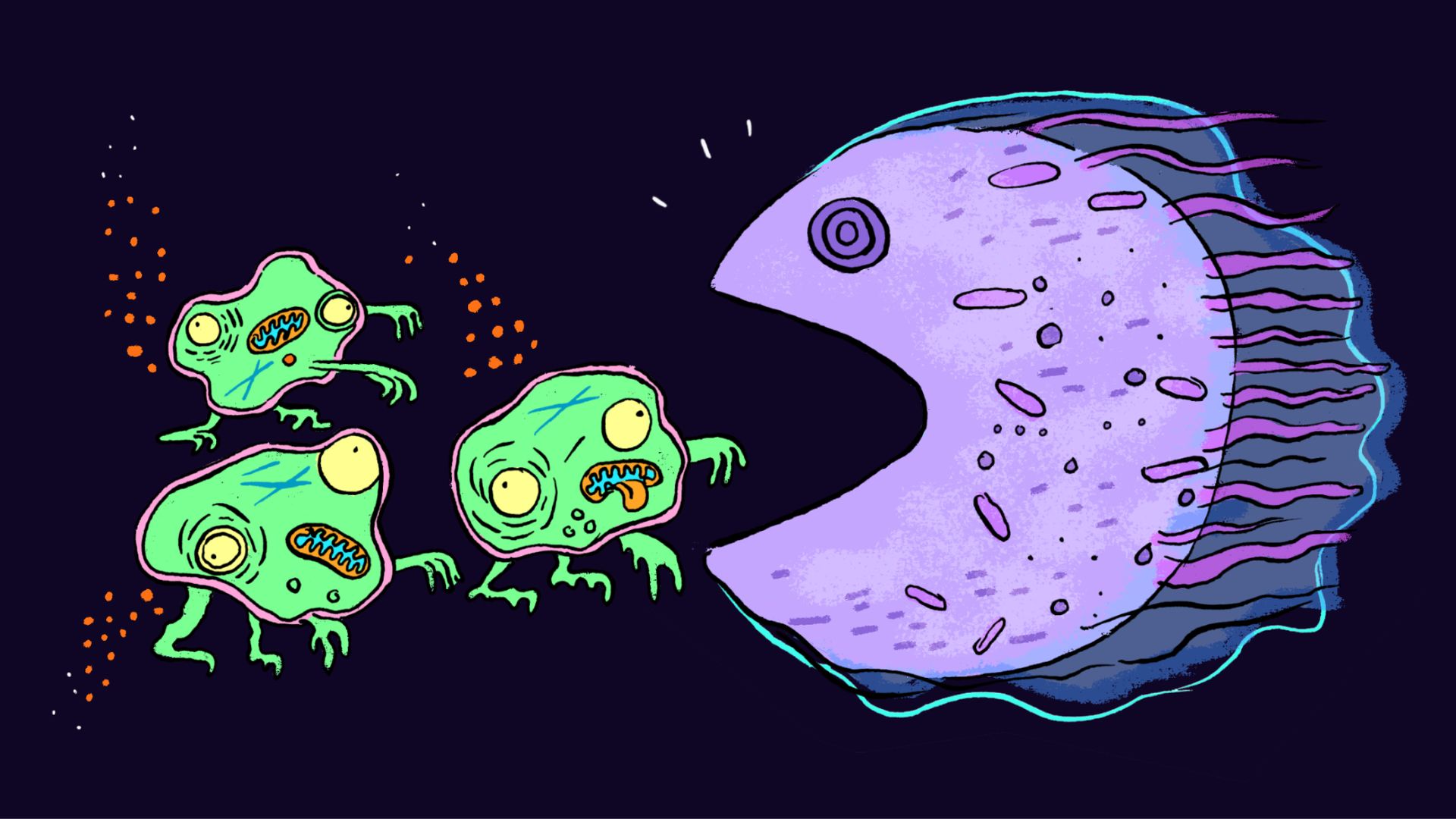
Emerging treatments aim to reverse or stall signs of aging in the body and thus cut the risk of age-related diseases. One of those signs is an accumulation of "zombie cells" β€” damaged cells that spew harmful substances rather than dying off and getting cleared away by the immune system.

Some scientists are designing treatments aimed at killing those zombies directly. But what if we instead helped the body's cleanup crew get rid of them?

"I think rejuvenating the immune system could rectify a lot of problems," said Roel de Maeyer, an immunologist at the University of Oxford. "We know hospitals are full of older people suffering from infections that younger people don't need to go to [the] hospital for."

The aim of these rejuvenating therapies would be to help people live healthier for longer, he told Live Science.

How do cells turn into zombies?

The immune system constantly gets rid of old, dysfunctional and dead cells to keep tissues healthy, but that cleanup gets less effective with age.

When cells die, they display proteins on their surfaces that act as "eat me" signals for immune cells, called macrophages, to engulf and destroy them. However, some cells refuse to die and instead become senescent. These zombified cells can lurk in tissues for years, releasing chemicals that drive inflammation and damage.

Senescent cells can form due to DNA damage from oxidative stress, radiation, or even normal cell division. Cells lose bits of DNA each time they make copies of themselves, and they have intricate mechanisms to decide when it becomes a "bit too dangerous to keep dividing," de Maeyer said. If a cell can no longer divide, it usually undergoes a process called programmed cell death or becomes senescent, he said.

Senescence can be beneficial in some contexts; it helps heal wounds, for example. But an accumulation of senescent cells is linked to damaging inflammation and impaired organ function.

"If there are many senescent cells in a tissue, that's usually a bad sign," de Maeyer said. The number of senescent cells goes up with age and is linked to many age-related conditions, such as heart disease and dementia.

Slaying zombies

Studies in mice have shown that using drugs to kill senescent cells can reverse inflammation and some signs of cellular aging. These drugs, called senolytics, force senescent cells to enter programmed cell death, thus reducing their numbers, said Jure Povsin, a biochemist at the Max Planck Institute of Biochemistry in Germany. This ultimately reduces inflammation and improves tissue function, he told Live Science.

But while senolytics can help rid the body of zombie cells, it's not clear why the immune system fails to eliminate senescent cells in the first place. To find answers, scientists began looking at macrophages, the cells tasked with devouring dying cells.

Research pointed to a receptor on macrophages called EP2. One study, published in July in the journal Science, found that old macrophages have a greater number of these receptors and cannot eat senescent cells effectively.

Genetically deleting the EP2 receptor in lab mice restored the macrophages' function and reduced the number of senescent cells. Compared with normal mice of the same age, the genetically tweaked mice showed less cognitive decline, muscle loss, cardiac dysfunction and systemic inflammation.

On some of these metrics, such as the ability to remember familiar objects, the modified mice were comparable to younger mice.

Gobbling up cells requires a ton of energy.

Dr. Katrin Andreasson, a neurologist at Stanford University

A problem with energy

Why is the EP2 receptor at the root of this problem? Scientists found a clue in a huge study of older adults.

A molecule called PGE2 plugs into the EP2 receptor. It's a type of prostaglandin β€” a molecule that helps cells communicate during stress and injury and contributes to fever, pain and swelling. Drugs such as ibuprofen reduce inflammation by blocking prostaglandin production.

In 2001, a large study uncovered a connection between these prostaglandin-blocking drugs and Alzheimer's disease: People ages 55 and older who routinely took the drugs for at least two years had a lower risk of developing Alzheimer's than nonusers did. The study could not prove that the drugs directly prevented the disease, but it added to growing evidence that inflammation related to EP2 activity plays a role in Alzheimer's.

This caught the attention of Dr. Katrin Andreasson, a neurologist at Stanford University and co-author of the recent Science study.

"I thought, 'Wow, this is interesting,'" she told Live Science. "I wondered if there's a connection."

Andreasson and colleagues had an important breakthrough in 2021: They found that aging macrophages had higher levels of the EP2 receptor and that increased EP2 activity disrupted how the cells used their energy. Instead of burning glucose to produce energy like young macrophages do, these cells stashed it away.

As a result, the cells could not do their job properly, as "gobbling up cells requires a ton of energy," Andreasson said. Blocking the EP2 receptor restored normal energy use in the macrophages. In old mice, it also led to reduced inflammation and better scores on cognitive tests, compared with mice in which EP2 activity remained high.

Making senescent cells vulnerable

In their recent study, Andreasson's team uncovered another consequence of aging: Old mice accumulated many senescent neutrophils, a type of short-lived immune cell that acts as the body's first line of defense against germs. Neutrophils normally die within days and are then cleared away, but with age, they become more prone to senescence and accumulate.

"I think that's kind of an odd concept because they're [usually] very short-lived cells," said de Maeyer, who was not involved in the Science study. "Neutrophils are inherently quite inflammatory, so wanting to clear them from tissues is very valuable."

Old mice have too much EP2 activity in their macrophages, and that means they can't get rid of these neutrophils, Andreasson's team found. That may be why deleting EP2 seems to have anti-aging effects in multiple organs, they concluded.

But increased EP2 activity is just one side of the story; some studies suggest that zombie cells actively suppress macrophages' ability to eat them. They do this by using a tricky protein called CD47.

CD47 is a "don't eat me" signal that stops macrophages from destroying cells, Povsin said. "It signals that the cell is healthy, alive and doesn't need to be eaten."

However, that signal gets amplified in senescent cells, Max Planck researchers showed in a 2023 study. That means that, when macrophages interact with senescent cells, macrophages' function becomes impaired. Afterward, they even lose the ability to engulf dying, nonsenescent cells. This allows a ton of cellular debris to accumulate.

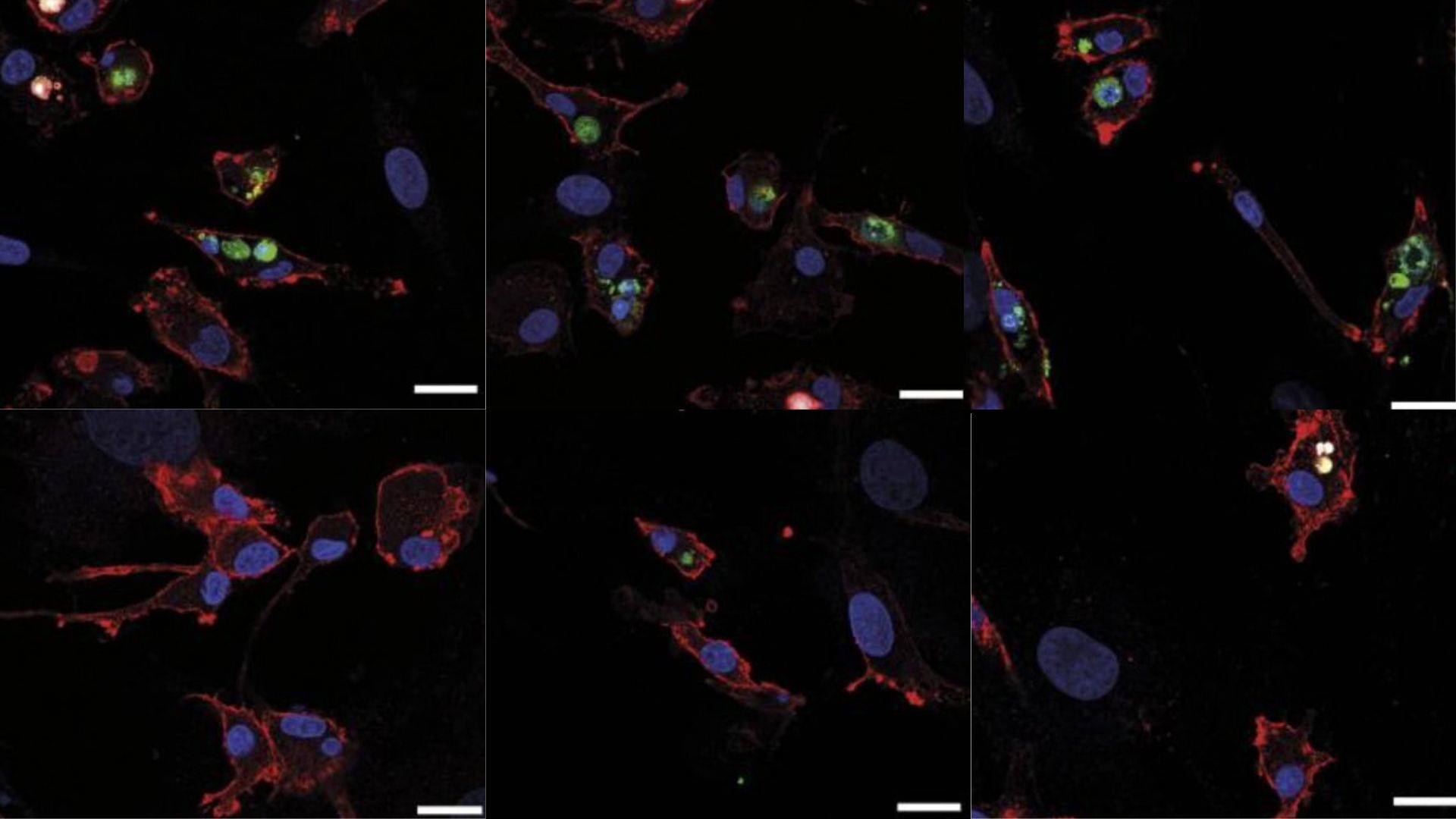
Microscope images show red and blue stained macrophages engulf senescent cells (fluorescent green)

Top row: Macrophages (stained blue and red) incubated with young, proliferating cells will engulf dead cells and debris (green) when they encounter it. By contrast, macrophages grown in culture with senescent cells will not engulf dead cells, allowing cellular trash to accumulate (bottom row). This is because the aging cells release a strong "don't eat me" signal. (Image credit: Adapted from Schloesser et al, J. Cell Biology, 2022.)

So, rather than just blocking EP2, it could also be beneficial to reduce that "don't eat me" signal in senescent cells, this research hints. But CD47 is found on all living cells, so scientists can't just deplete its numbers across the body.

A specific enzyme modifies CD47 on senescent cells, and in the 2023 study, blocking the enzyme helped spare macrophages from the effects of CD47. Therefore, blocking the enzyme could be a more selective approach to weaken the "don't eat me" signal on senescent cells, Povsin said.

A long road to treatments for people

Translating these ideas into anti-aging treatments for humans would be a major success in the science of aging, but experts say there are significant problems to overcome.

Although blocking EP2 had consistent results in lab mice, the rodents are genetically identical and bred in controlled environments. Humans are inherently more variable in their biology and the environmental factors they're exposed to, introducing confounding factors that would need to be addressed, de Maeyer said.

Additionally, in clinical trials, EP2-blocking drugs have so far been explored as cancer treatments, but they are "underexplored" in the context of aging, he added.

Drugs targeting CD47 are in an even earlier stage of development. In the 2023 research from Max Planck, the team used both human and mouse macrophages in their experiments, but the approach has not been tested as an anti-aging treatment in living mice or humans yet.

In 2020, de Maeyer's team used a different strategy to rejuvenate macrophages in older adults. They blocked a protein called p38, whose activity was high in the macrophages of older adults. Blocking the protein helped macrophages better recognize and eat dying cells in specific tests.

In that study, the team gave adults ages 65 and up an experimental drug called losmapimod to block p38. Although it helped restore their immune cell function, it was not suitable for long-term use because it caused liver problems in later trials, de Maeyer said.

In their mouse studies, Andreasson's team was able to block EP2 without causing any negative side effects. But she cautioned that we "really need to drill down on the research and confirm all this stuff in humans."

"The next logical step," she said, "would be to figure out how to inhibit this receptor in a safe way."

This article is for informational purposes only and is not meant to offer medical advice.

Help us improve Live Science Pro: We're always trying to make our content better. Leave us feedback about Pro here.

  •  

'She knew she had something really important on her hands': Rosalind Franklin figured out DNA's helical structure before Watson and Crick, study suggests

Rosalind Franklin, whose photographs of the molecular structure of DNA led to a 1962 Nobel Prize for three other scientists, knew that her famous images held the secret of the double helix, new research suggests.

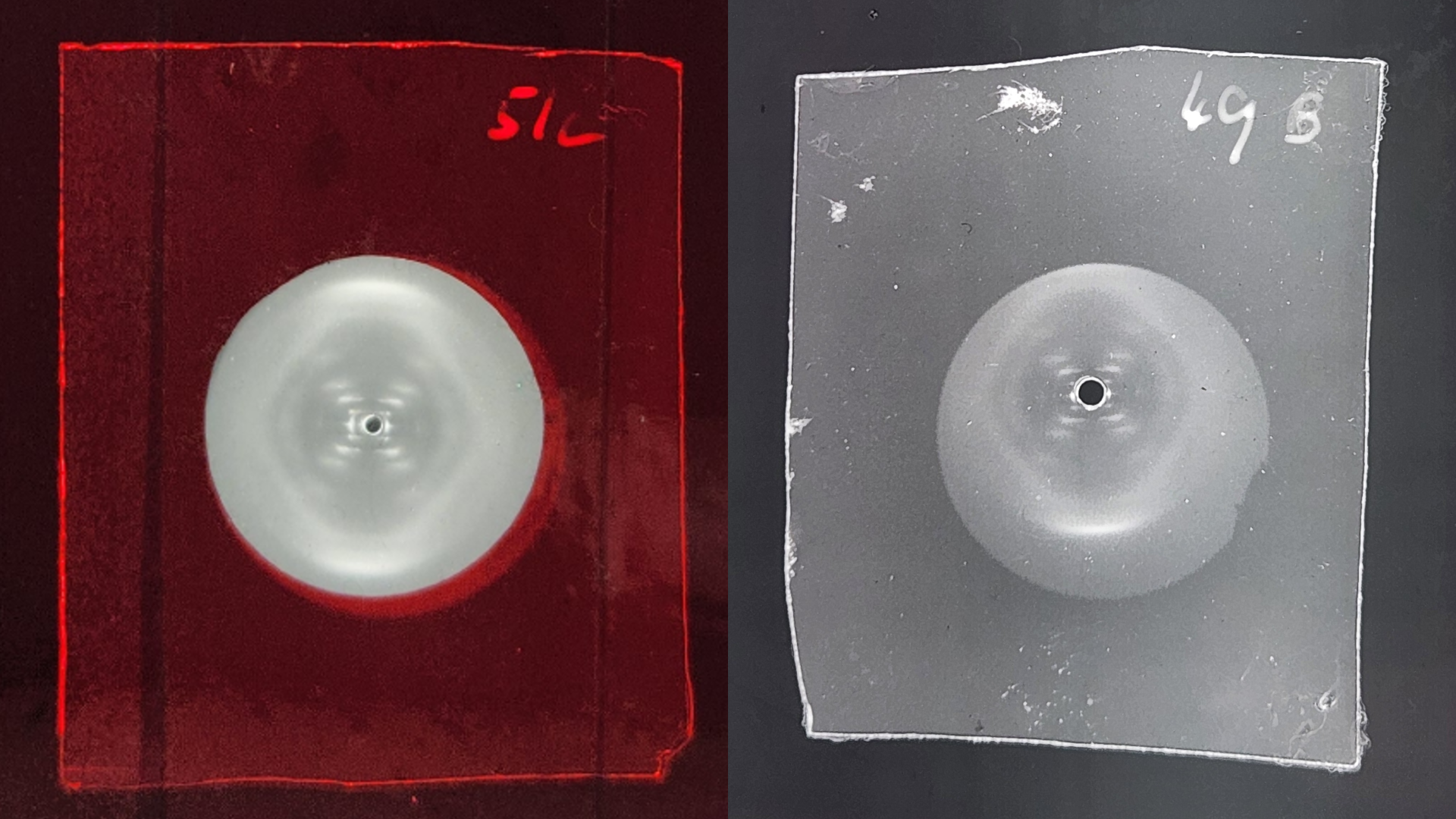
An examination of archival material reveals that Franklin's Photograph 51, which was taken in May 1952 and later published to show the double-helix structure, was specifically taken for the purpose of publication β€” not, as some narratives have held, an experimental shot that Franklin believed was insignificant. The new research revealed that Photograph 51 was a new exposure of a sample Franklin had already photographed. She started Photograph 51 the same day she saw that photograph, Photograph 49.

"She took it because she wanted to get a really refined version," said study co-author Alistair Sponsel, a historian of science at the Science History Institute in Philadelphia. Making the effort to take a better photograph of the same sample is "a sign she knew she had something really important on her hands," Sponsel told Live Science.

Francis Crick, James Watson and Maurice Wilkins shared the Nobel Prize in Medicine for the discovery of the double-helix structure of DNA in 1962. As Watson told it in his 1968 autobiography, "The Double Helix: A Personal Account of the Discovery of the Structure of DNA," Franklin's photographs were his "aha" moment: "The black cross of reflections which dominated the picture could only arise from a helical structure," he wrote.

A black and white image of a woman with short hair wearing pearls.

Rosalind Franklin (1920-1958) first took Photograph 49 and then Photograph 51, clues that she was aware of DNA's helical structure. (Image credit: Donaldson Collection via Getty Images)

Watson further implied that Franklin was a laboratory automaton, good at the X-ray crystallography techniques used to capture the images of the DNA molecule but bad at interpreting her own data. The new archival work, published Monday (Oct. 5) in the Journal of the History of Biology, suggests otherwise.

Franklin's dearth of published notes about Photograph 51 has been used to suggest she missed a major discovery. But Sponsel said her journals show she noted the possible helical shape and rich structural data in her notes for her first picture of the sample, Photograph 49, which she followed up with the more refined image in Photograph 51.

"In Franklin's mind, they were two different types of scientific image," Sponsel said. Photograph 49 was the experimental image revealing exciting new data. Photograph 51 was the showpiece to convey these findings with the most clarity and sharpness possible.

This new understanding of the relationship between the two images, and how Franklin perceived them, is the most important feature of the new work, Sponsel said, which he conducted with molecular biophysicist Brian Sutton of King's College London. The project began when the Science History Institute acquired a new collection of archival material from Rosalind Franklin and her graduate student Raymond Gosling. The two researchers also combed through the archives at King’s College London, where Franklin was working when she took the famous photos.

Sponsel and Sutton think that Franklin's notes and actions reveal why she didn't rush to publish Photograph 51 right away. Her scientific goals, laid out in a report she wrote in February 1952, were to understand the two separate structures of DNA, then known as A and B. Structure B, illustrated in Photographs 49 and 51, turned out to be the double helix that occurs in nature. Structure A is a form DNA takes when it's dehydrated in the lab.

Structure A, when photographed, appeared more data-rich, so Franklin decided to characterize that structure first before studying structure B. But while she did this painstaking work, Wilkins showed Watson her photographs of structure B. The two scientists, together with Crick, then built a detailed model of DNA's double helix and scooped the discovery from under her nose.

Those three men shared the Nobel Prize for the work less than a decade later. Franklin died of ovarian cancer in 1958, making her ineligible for the prize β€” and leaving her insights to come to light only much later.

Editor's note: This article was updated at 3:23 p.m. ET to fix the caption and subhead, noting that Rosalind Franklin had likely discovered DNA's helical, but not double-helix structure. Also, the top photo is not Photograph 51, but another photo taken by Franklin.

  •  

Mpox is still spreading in the US β€” here's what to know about vaccines, symptoms and treatment

Mpox is an infectious disease caused by a poxvirus, meaning a virus in the same family as smallpox. The infection was formerly known as monkeypox.

Historically, mpox was endemic to Africa, and the virus consistently spread in the continent's central, eastern and western regions. In 2022, an unprecedented global outbreak spurred the widespread transmission of mpox in places that had seen only sporadic cases in the past.

Today, many countries affected by that outbreak β€” including Germany, Portugal and the United States β€” are still contending with local mpox transmission. Here's what to know about the virus, how it spreads and how to prevent infection.

What to know about mpox in the U.S.

Mpox is still spreading at low levels in the United States and may soon be considered endemic to the country. While case counts have fallen dramatically since the peak of the global outbreak in summer 2022, some people are still advised to get vaccinated against the virus.

Who should get vaccinated for mpox?

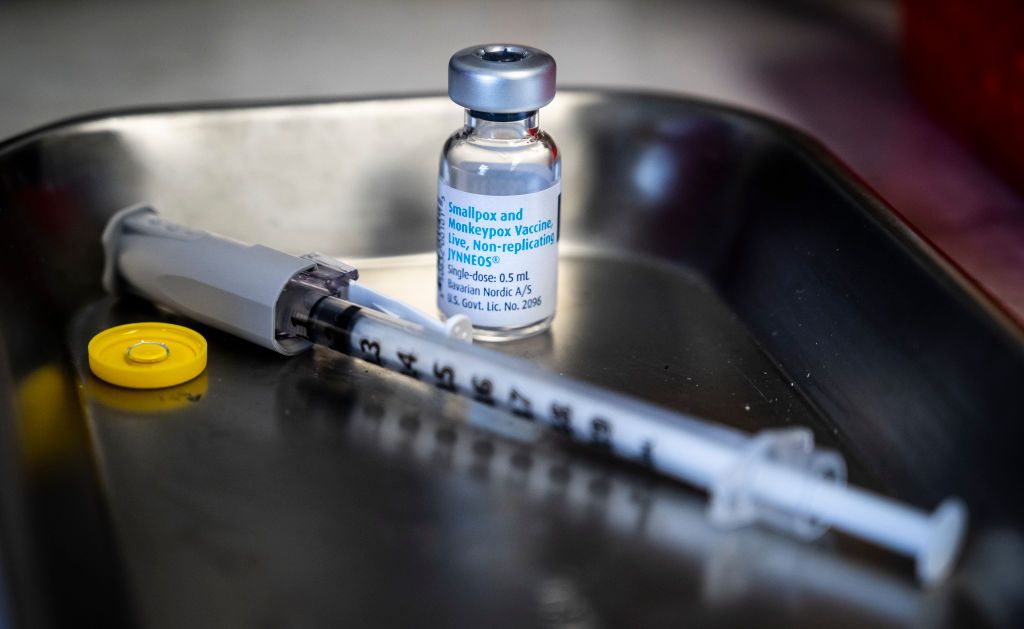
The mpox vaccine currently used in the U.S. is called JYNNEOS. One dose is about 35% to 86% effective, while the complete two-dose series is 66% to 90% effective. (The effectiveness varies, in part, because some studies include people with HIV and people without HIV, and inadequately treated HIV can undermine the body's response to vaccines.)

The JYNNEOS vaccine is not currently recommended for routine use in the general population because, beyond vulnerable groups, the risk is not high enough to warrant a universal vaccination strategy. The current outbreak is primarily affecting men who have sex with men, and those sexual networks are the primary targets for JYNNEOS vaccination.

However, not all men who have sex with men need to be vaccinated, according to the Centers for Disease Control and Prevention (CDC). Instead, vaccination is recommended for a specific subset of the group, including those who, in the last six months, have had more than one sex partner, have had sex at commercial sex venues, or have been diagnosed with other sexually transmitted diseases.

Nonbinary and transgender people with these risk factors are also recommended to get two doses of JYNNEOS, as are any sexual partners of anyone in the above groups.

Vaccines are also recommended after a suspected exposure to mpox, as they can help prevent or reduce the severity of the infection.

"For those who are eligible and have not yet completed vaccination, now is a good time to talk with a healthcare provider about getting protected," Dr. Demetre Daskalakis, chief medical officer of Callen-Lorde, an LGBTQ+ community health center in New York City, told Live Science in an email.

With the exception of laboratory researchers who work with mpox, people who have received two doses of JYNNEOS are fully vaccinated and do not need a booster, he said. And if a person has caught mpox in the past and recovered, they do not need to get a vaccine, he added.

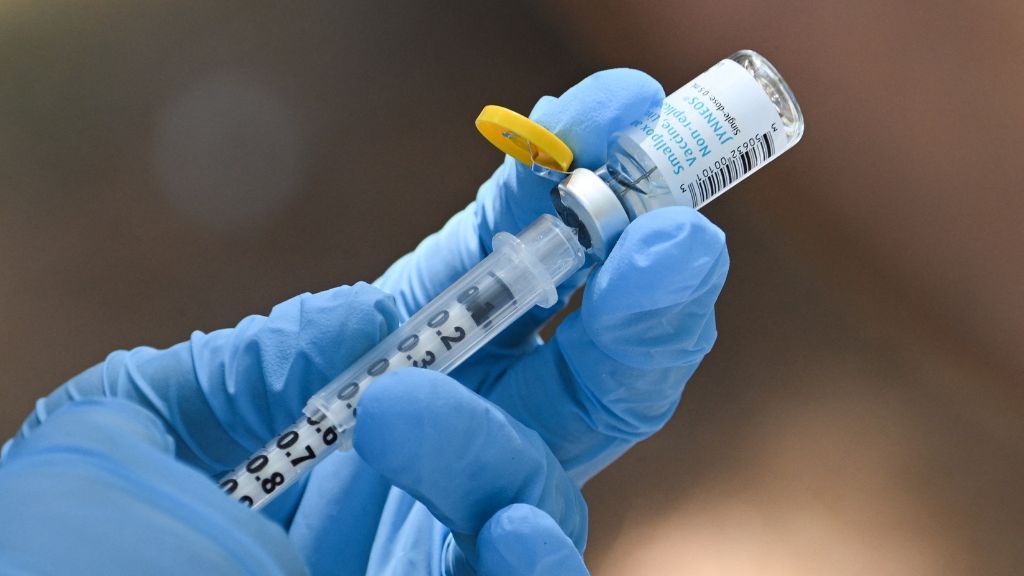
close up of a health care worker's gloved hands as they draw the jynneos vaccine out of a vial and into a syringe

Individuals who are recommended to get vaccinated against mpox should get two doses of the JYNNEOS vaccine. (Image credit: PATRICK T. FALLON/AFP via Getty Images)

About the virus

The poxvirus family also includes smallpox, which has been eradicated worldwide. Mpox and smallpox cause some similar symptoms, but mpox tends to be far milder than smallpox. However, the viruses are closely related enough that vaccines designed to prevent smallpox can also protect against mpox.

Mpox was initially named monkeypox because the virus behind the disease was discovered in captive monkeys in Denmark. But monkeys are not the main hosts of the virus in the wild; rodents and small mammals mostly found in West and Central Africa likely are. Health officials changed the name to mpox in 2022.

There are two major branches of the mpox family tree, called clade I and clade II. These clades were historically thought to have very different death rates, with clade I being the deadlier of the two. The case-fatality rate (CFR) of clade I has been estimated to range from 1.4% to over 10%, depending on the outbreak, while the CFR for clade II has been estimated at between 0.1% and 3.6%.

However, as both clades have spread beyond Africa, data suggests that the CFR for clade I may be lower than once thought, said Joel Wertheim, a professor of medicine in the Division of Infectious Diseases and Global Public Health at the University of California, San Diego.

The features of a given outbreak β€” such as the surrounding health infrastructure, patients' access to timely medical care, and the population's underlying risk factors for severe disease β€” likely play a big role in determining the virus's death toll, Wertheim told Live Science. In short, rather than being an immutable feature of the virus itself, the CFR is dependent on the underlying health of and resources available to a given population.

How mpox spreads

Mpox can spread from infected animals to humans through the animals' bites or scratches. Additionally, people can get the virus when they come into close contact with animals and/or their bodily fluids during hunting, skinning, trapping, cooking, eating animals or handling carcasses, the World Health Organization (WHO) notes.

The virus also spreads from person to person, primarily through very close contact, including intimate contact during sex. The virus typically enters the body through broken skin, the respiratory tract or mucous membranes (thin tissues found in the eyes, nose, mouth, anus and genitals), spreading via bodily fluids such as spit, mucus or blood. People can also pick up the virus via objects, such as clothing or linen, that are contaminated with the bodily fluids of an infected person.

The virus can spread through small respiratory droplets expelled during speaking or breathing. However, this is thought to be a less-common transmission route than close contact. There is also evidence that asymptomatic spread sometimes occurs, though it's unclear how frequently that happens.

Mpox can spread from mother to baby during pregnancy or birth. This route of infection can result in pregnancy loss, stillbirth, death of the newborn, or complications for the mother.

Symptoms of mpox

text across the top reads:
Centers for Disease Control and Prevention, National Center for Emerging and Zoonotic Infectious Diseases (NCEZID), Division of High-Consequence Pathogens and Pathology (DHCPP)
a graphic that reads
Centers for Disease Control and Prevention, National Center for Emerging and Zoonotic Infectious Diseases (NCEZID), Division of High-Consequence Pathogens and Pathology (DHCPP)

Symptoms of mpox typically appear within a week of a person being exposed to the virus, but they can sometimes take up to 21 days to develop. Once they emerge, symptoms last about two to four weeks, although the illness can linger longer in people with weakened immune systems.

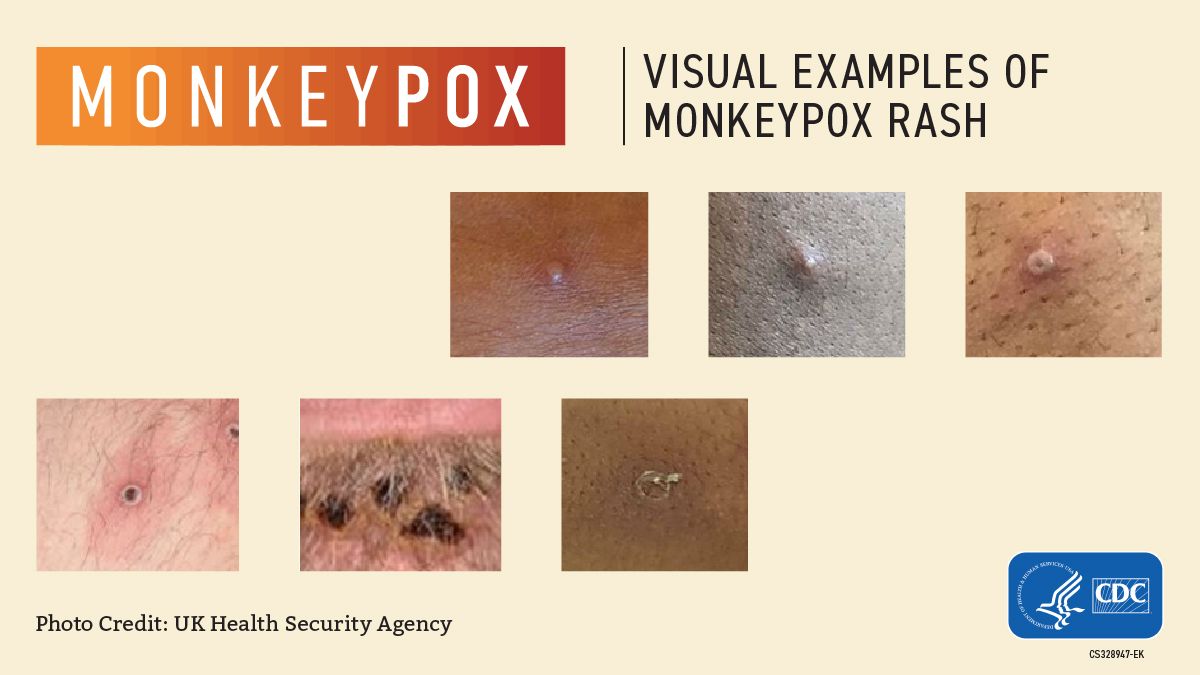
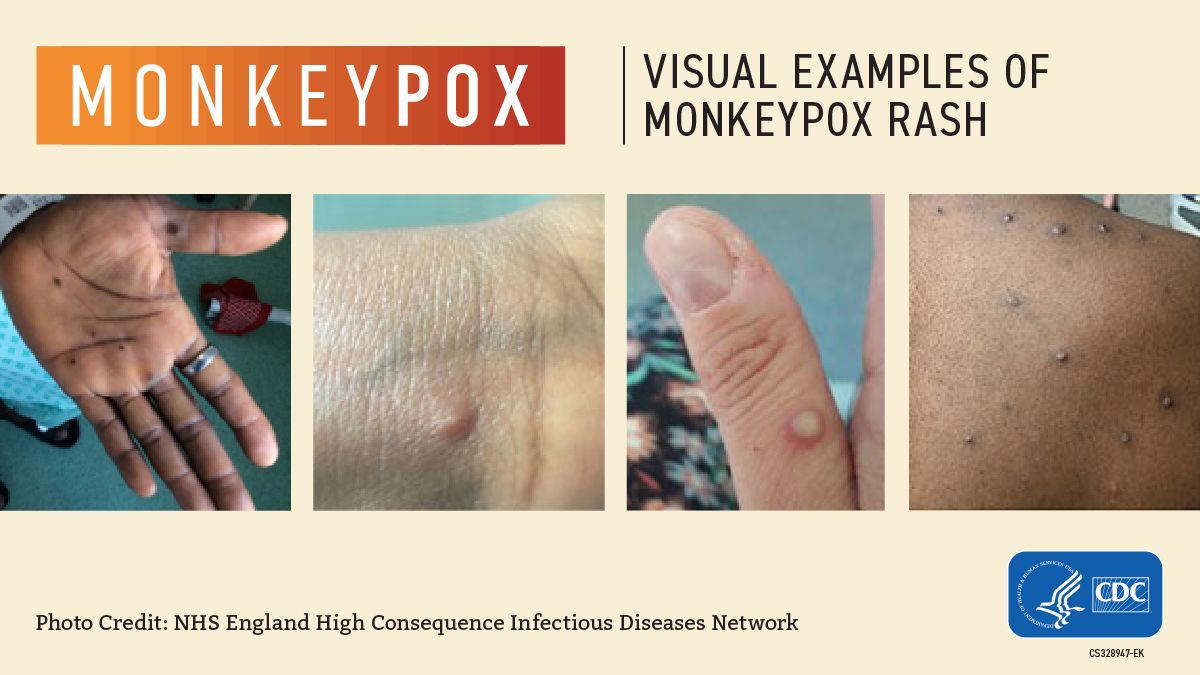
Common symptoms include rash (see images), fever, sore throat, headache, muscle aches, back pain, swollen lymph nodes and low energy. Often, mpox rashes first appear on the face and then spread to other parts of the body; however, if a person becomes infected during sex, the rash may instead start around their genitals. The rashes begin as flat, discolored patches of skin and then progress into raised bumps, blisters, and large, pus-filled pimples that eventually scab over and fall off.

Some people with mpox develop painful swelling of the rectum (proctitis), while others have pain and difficulty when peeing (dysuria) or when swallowing.

Mpox rashes can make people vulnerable to bacterial skin infections, which can cause abscesses or other serious skin damage. Additional complications of the illness include pneumonia, infection of the cornea that can cause vision loss, and vomiting and diarrhea that causes dehydration or malnutrition. Mpox can also lead to blood infections, the intense immune reaction sepsis and, rarely, brain infections (encephalitis) or heart inflammation (myocarditis).

Children, pregnant people, and people with weakened immune systems, including from HIV infection, have a higher risk of serious illness and death from mpox.

Mpox prevention measures

Beyond vaccination, other strategies to decrease the risk of mpox infection include washing hands frequently, avoiding contact with contaminated objects and materials used by people with mpox, avoiding contact with other people's scabs or rashes, and using condoms, although they may only reduce, not eliminate, the risk of mpox exposure during sex.

Mpox treatment

Mpox treatment aims to manage a person's rashes and pain while also preventing complications. "Early and supportive care is important to help manage symptoms and avoid further problems," according to the WHO.

There is no antiviral drug approved for use in mpox, although some are available for emergency use in various countries. For example, the U.S. allows the use of certain smallpox medicines for mpox.

Severe mpox infections also may be treated with vaccinia immune globulin intravenous, which contains antibodies taken from the blood of people who were immunized against smallpox.

People who have recently been exposed to mpox can be given an mpox vaccine to reduce the severity of their symptoms or to prevent the illness altogether. This approach is known as post-exposure prophylaxis, or PEP.

"Post-exposure vaccine should be given as soon as possible, ideally within 4 days of exposure; administration 4 through 14 days after exposure may still provide some protection against monkeypox," the CDC states.

  •  

'Mpox has not disappeared': Why the infectious disease is still spreading in the US and may be here to stay

Mpox spread across the world in 2022, triggering tens of thousands of cases in countries where the infection was once rarely seen. Although the disease has since fallen out of news headlines, mpox (formerly called monkeypox) continues to circulate. Now, recent data suggests that the viral illness may soon be endemic to the United States, meaning it will circulate in the country consistently.

Previously, mpox cropped up sporadically in the U.S. via travelers who had visited African countries where the disease is endemic, as well as imported, infected animals that spread the virus to people. Cases have fallen substantially since the peak of the outbreak in 2022, but they haven't disappeared. A report published in August found that there were 2,800 cases in 2024 and over 2,500 in 2025, with only a small fraction being tied to travel. Nearly all of the viral samples analyzed were descendants of the strain that sparked the 2022 outbreak. In short, once the virus arrived, it never went away.

"There's no set threshold for what constitutes endemicity of monkeypox virus (MPXV) in the United States," Ryan Standford, an epidemiologist in the Centers for Disease Control and Prevention's (CDC) Poxvirus and Rabies Branch and co-author of the report, told Live Science in an email. "But each year provides further evidence of this transition."

Why is mpox still spreading in the U.S., and what can be done to snuff it out? It's likely that too few people have received two doses of the mpox vaccine JYNNEOS, which together are 66% to 90% effective. But beyond low vaccination, there may be other, less-understood factors that are contributing to the continued spread, experts told Live Science.

"We don't quite know how it's able to persist at such low numbers across the entire country," said Joel Wertheim, a professor of medicine in the Division of Infectious Diseases and Global Public Health at the University of California, San Diego.

Who should get vaccinated?

Find out who is recommended to get an mpox vaccine in the United States, and also learn about the infection's common symptoms and available treatments.

At the same time, public health efforts around mpox have dwindled. Without a sustained effort on that front, it's unlikely the disease will be eliminated from the U.S.

"We have vaccines, testing, and a much stronger understanding of the disease than we did in 2022," Dr. Demetre Daskalakis, chief medical officer of Callen-Lorde, a LGBTQ+ community health center in New York City, told Live Science in an email. "Our focus now should be making sure those tools remain accessible, especially for communities that continue to face ongoing risk," said Daskalakis, who coordinated the nation's mpox response during the previous presidential administration.

"People at increased risk should know that mpox has not disappeared."

Who is at risk of mpox in the U.S.?

In the U.S., mpox is predominantly affecting men who have sex with men, and current vaccine recommendations are aimed at this group and their sexual partners. Mpox mostly spreads from person to person through close contact, and transmission during sex is playing a major role in the ongoing spread in the U.S.

Men who have sex with men are not more prone to mpox infection than anyone else. Rather, this transmission pattern stems from the outbreak beginning within a specific sexual network and then continuing to persist within the same network. "The mpox virus rediscovered the same transmission network that HIV had explored decades earlier," Wertheim said.

In a paper published in 2025, Wertheim and colleagues described the transmission dynamics of mpox in New York City during the 2022 outbreak. Similar to how HIV previously spread, mpox triggered "densely connected" clusters of infection. Then, as people in the network gained immunity via infection and vaccination, the cases petered out, decreasing to the persistent trickle we see now.

Wertheim noted that he's not surprised that mpox has remained largely confined to the same network, rather than leaping into new groups.

"From an evolutionary, ecological perspective, it's not hugely successful," Wertheim said. "It's sort of barely hanging on as an STI."

text across the top reads:
Centers for Disease Control and Prevention, National Center for Emerging and Zoonotic Infectious Diseases (NCEZID), Division of High-Consequence Pathogens and Pathology (DHCPP)
a graphic that reads
Centers for Disease Control and Prevention, National Center for Emerging and Zoonotic Infectious Diseases (NCEZID), Division of High-Consequence Pathogens and Pathology (DHCPP)

Why is mpox still circulating?

So if mpox is not hugely successful and we have a vaccine, how has the virus continued to circulate? One big factor is that too few at-risk people have been vaccinated, experts said.

The CDC's Center for Forecasting and Outbreak Analytics has crunched the numbers to see what percentage of that at-risk group needs to have immunity to stop mpox transmission, Daskalakis said. The at-risk group is estimated by counting the men who have sex with men who are either taking HIV-preventing medicines or have HIV, and then adding 25% to that total to account for additional people in the same sexual network. That estimate comes out to about 2 million people.

To prevent an outbreak bigger than the one in 2022, between 21% and 35% would have to have immunity through vaccination or a past infection. If over 50% of the group had immunity, that would mean there's a "very small probability" of sustained local transmission, the CDC's modeling suggested.

The current case counts suggest we haven't hit the 50% mark, or a total of roughly 1 million complete vaccinations or past infections.

Data from the August report on mpox seems to support the idea that too few people are vaccinated. That said, information about vaccination status was missing for about 62% of the reported cases. Among the remaining cases, 76% were unvaccinated, while 10% had gotten one dose and 14% had gotten two.

In a subset of 860 cases, the effect of vaccination was striking: Unvaccinated people had nearly 10 times higher odds of hospitalization due to mpox than fully vaccinated people did.

As the emergency phase faded from public attention, awareness and risk perception may have declined.

Dr. Demetre Daskalakis, chief medical officer of Callen-Lorde

Waning public health attention

It's difficult to pin down exactly how many at-risk people are vaccinated, given that that data is no longer tracked at the national level. "My understanding is that there's no mandatory reporting on mpox vaccination data," Wertheim said.

The CDC previously monitored national vaccination trends, comparing the number of people vaccinated to the overall at-risk population. But that tracking stopped in early 2024, when about 23% of the at-risk population had been fully vaccinated.

Some states, such as New York, previously mandated that clinicians provide their state health department data on the number of people given mpox vaccines. But that reporting is now voluntary, a spokesperson for the New York State Department of Health told Live Science in an email.

A close up of a vaccine vial and syringe.

People recommended to get the JYNNEOS vaccine need two doses to be maximally protected from mpox. (Image credit: MediaNews Group/Orange County Register via Getty Images )

Meanwhile, "as the emergency phase faded from public attention, awareness and risk perception may have declined," Daskalakis said. Public health messaging about the virus and vaccination has also waned.

"In recent weeks, HHS [the Department of Health and Human Services] has pulled down some of the plain-language guidance, which is not helpful in supporting messaging," Daskalakis noted. This decision to remove online resources about mpox reflects the federal government's current stance against addressing issues that affect LGBTQ+ health, he told Live Science.

Complicating factors

Although JYNNEOS substantially lowers the risk of severe mpox infection, the vaccine is not perfect, said Rachel Roper, a professor of microbiology and immunology at East Carolina University.

The virus typically enters the body through broken skin, the respiratory tract or mucous membranes (thin tissues found in the eyes, nose, mouth, anus and genitals). The mpox vaccine is good at generating systemic immunity, but it's not as good at guarding against the virus's immediate effects at those mucous membranes, said Roper, who studies poxviruses and vaccines against them.

Because mpox is largely spreading through sexual contact that involves those membranes, that slight gap in protection may also help to explain some of the ongoing spread, she suggested.

Plus, "there are also some data supporting asymptomatic infection as a possible route of transmission, making it more difficult to eliminate local transmission of mpox," Daskalakis said.

What can be done?

Given that mpox is already well established within some sexual networks in the U.S., "preventing endemicity entirely may be increasingly difficult," Standford told Live Science.

And notably, some federal funding cuts could undermine efforts to address mpox, Daskalakis said. These include cuts to Medicaid, mental-health services, housing programs, and HIV services such as the Ryan White HIV/AIDS Program.

A bald man with glasses wearing a suit and tie stands behind a podium next to a bar chart.

Dr. Demetre Daskalakis speaking at the White House on Sept. 7, 2022, when he provided an update on the administration's response to the ongoing mpox outbreak. (Image credit: Kevin Dietsch via Getty Images)

Thankfully, looking at current mpox trends, "there's no indication we're returning back to 2022 levels," Wertheim told Live Science. So far in 2026, just under 1,000 mpox cases have been reported, according to the CDC. Month over month, the number of cases is generally trending downward. So, at a glance, the current situation seems better than it was in 2025, he said.

"We sort of seem to be on this razor's edge between endemicity and extinction," he said. "And it's not really clear which way it'll go."

Tipping the virus toward extinction will require healthcare providers to be informed and equipped to spot and manage cases, Daskalakis said. And communicating the importance of vaccination is key.

"One lesson from 2022 was that trusted messengers matter," he said. "We [at Callen-Lorde] work closely with LGBTQ+ communities and make information and vaccination opportunities available in settings where people already receive care." The clinic integrates conversations about mpox vaccination into routine health visits, sexual health services, HIV prevention programs and community outreach activities.

Beyond vaccinating at-risk populations, educating patients about how mpox spreads and how to reduce their risk is also key, Standford noted. "Vaccination coverage is a very important factor, but it is not the only one," he said.

Tipping mpox toward extinction will also require enough investment to maintain the disease surveillance, vaccination, testing and treatment capacity that the federal government helped to expand in 2022, Daskalakis said. The vaccine itself is now commercially available to clinics and in adequate supply, he emphasized.

"The fact that we're seeing ongoing circulation underscores the need for sustained prevention efforts rather than viewing mpox as a resolved public health issue," he said. "Infectious diseases don't disappear simply because public attention shifts."

This article is for informational purposes only and is not meant to offer medical advice.

Help us improve Live Science Pro: We're always trying to make our content better. Leave us feedback about Pro here.

  •  

1 in 8 cancer cases are caused by infections, underscoring the importance of vaccines, experts say

About 1 in 8 cancer cases are caused by infections with viruses, bacteria or parasites, a new study finds, suggesting that one of the most effective ways to reduce cancer rates might be to prevent common infections.

In a new analysis published Sept. 28 in the journal The Lancet Oncology, researchers mapped the global impact of 12 cancer-causing pathogens. They estimate that infections drove about 2.3 million new cancer cases in 2024, or about 12% of all cancer cases diagnosed that year.

The study highlights that a large fraction of cancer cases could be avoided if these underlying infections were prevented, Dr. Prashant Mathur, director of India's National Centre for Disease Informatics and Research, who was not involved in the study, told Live Science in an email.

"When combined with other risk factors such as tobacco use, alcohol consumption, appropriate diet, physical activity, and environmental pollution, it is estimated that about 50 to 60 percent of all cancers in India are avoidable," he said. Past studies suggest that similar figures hold on a global scale.

In the new study, the researchers used the Global Cancer Observatory's GLOBOCAN database, which combines data from various cancer registries to estimate that about 20 million new cancer cases were diagnosed in 2024. The team combined that information with other published data examining the prevalence of different infections in people with specific cancers. This enabled them to estimate how many cases were attributable to each infection.

Their analysis focused on 12 pathogens tied to cancer, including human papillomavirus (HPV), hepatitis B and C, HIV and Epstein-Barr virus (EBV), the virus behind mononucleosis. The resulting breakdown revealed that just four pathogens accounted for roughly 92% of the cancer cases caused by infections.

A bacterium called Helicobacter pylori, which infects the gastrointestinal tract, accounted for 760,000 cases, primarily gastric cancers. The other three leading cancer triggers were viruses. HPV accounted for 750,000 cases, including cervical, penile, throat and mouth cancers. The liver-attacking hepatitis B virus was responsible for 360,000 cases and EBV drove 260,000 cases. (EBV is known to increase the risk of throat cancers, as well as certain lymphomas and stomach cancers.)

The scale of the burden contrasts with gaps in prevention. In 2024, just 31% of eligible adolescent girls worldwide received at least one dose of the HPV vaccine, well below the 90% target, the World Health Organization reports. The degree of protection provided by the vaccine is striking in countries that have achieved higher coverage.

"We have now achieved the critically important milestone of cervical cancer starting to disappear in countries that quickly achieved vaccination rates of over 80 percent," said Dr. Rebecca Perkins, an obstetrician-gynecologist at Tufts University School of Medicine who was not involved in the study. "Research from Australia, England, and Finland have shown zero cases of HPV-related cancers or deaths in young adults who received vaccination by age 13," Perkins told Live Science in an email.

But these successes are concentrated in wealthy nations. The Lancet study found that low- and middle-income countries bear 77% of the global infection-driven cancer burden. For example, about 81% of HPV-linked cancers occurred in these countries.

Perkins pointed out that shifting from the standard two-dose HPV vaccine series to a single-dose regimen using the same vaccines could make mass campaigns easier worldwide by lowering costs and eliminating the need to track patients for follow-ups. The single-dose approach has been backed by recent trials.

A close up of an orange liquid-filled syringe.

As with HPV, there is a highly effective vaccine for hepatitis B that can help prevent both the infection and related cancers. (Image credit: BSIP via Getty Images)

In the U.S., progress has been uneven across states with some boasting high vaccination rates and others lagging behind. One barrier is that some children's caregivers feel the shots are unnecessary or that their kids are too young to receive it. "The biggest misconception from families is that the HPV vaccine is not needed or that it can wait," Perkins noted. "The reality is that you can't vaccinate too early, only too late."

There is also a highly effective vaccine for hepatitis B, and health officials recommend giving children their first dose as soon as possible after birth. (The U.S. Centers for Disease Control and Prevention recently made the decision to stop recommending universal vaccination at birth, which experts say could raise the country's rates of hepatitis B infections and related cancers.)

While the challenge with HPV and hepatitis B is getting their vaccines into widespread use, there isn't an approved vaccine for EBV yet.

"The biggest hurdle has been the complexity of the virus," said Claire Shannon-Lowe, a tumor virologist at the University of Birmingham in the U.K. who was not involved in the study. "Unlike many other viruses that use just one or two virus proteins to enter cells, EBV uses multiple proteins ... and it hides inside cells for our entire lifetime."

Epstein-Barr infections are also incredibly common, with up to 95% of people infected by adulthood; most people infected with the virus don't develop a related cancer, but it's still a major contributor to the global cancer burden. The germ has also been tied to several autoimmune diseases, which may help spur the development of a vaccine, Shannon-Lowe suggested.

"With the increased impetus following EBV's association with multiple sclerosis and lupus, we may finally have a potential vaccine in sight that could not only prevent virus infection but could help treat EBV-associated cancers," she said.

For H. pylori, meanwhile, researchers are pursuing population-wide testing for and treatment of the infection to help prevent gastric cancer, while vaccine development remains an area in need of further investment.

The true scale of the infection-related cancer burden may be even larger than the study suggested. Some of the registries used in the new research cover only about 19% of the global population, and only 2% of Africa's population. More high-quality data is needed to fill in these gaps.

For Mathur, though, the bottom line is that cancer prevention makes economic sense.

"Studies have clearly demonstrated that the return on investment of prevention on cancers is much higher than on its treatment in the long run," he said. "Preventive aspects must be strengthened for long-term gains."

This article is for informational purposes only and is not meant to offer medical advice.

  •  

Could psilocybin treat brain injuries? Neuroscientist explains how psychedelics could fill a gap in head trauma care

Could a psychedelic drug help the brain recover from mild injuries? New research suggests that psilocybin, the mind-bending ingredient in magic mushrooms, might protect the brain from the damage caused by minor head impacts.

Even mild head impacts that don't count as concussions can raise the risk of neurodegenerative disorders such as chronic traumatic encephalopathy (CTE), so finding an effective treatment for these blows could be useful for warding off debilitating conditions down the line.

The new research, published in the journal Communications Biology, included only lab rats, so there's more work to be done to translate the findings to humans. But the early results hint at a new application for psilocybin β€” a drug that's already been explored for a range of other conditions, including depression, PTSD and anorexia.

Live Science spoke with study co-author Argel Aguilar-Valles, an associate professor of neuroscience at Carleton University in Ontario, about the new study and how the research might eventually translate to treatments for repetitive head injuries.

Nicoletta Lanese: In this new study you focus on mild head trauma. Why does that minor level of injury still raise concern?

Argel Aguilar-Valles: This work was spearheaded by our collaborator, Dr. Craig Ferris at Northeastern University in Boston. The idea was to focus on the cumulative effect of those milder head hits, or injuries, that happen quite commonly; a lot of children and older adults can have repeated instances of these events of head trauma, and it doesn't necessarily lead to any immediate treatment or hospitalizations because they are considered fairly mild.

But over time, there's evidence that this can lead to cumulative and long-term effects that can affect the health outcomes of these individuals, particularly as we age. It's a risk factor for several forms of dementia. So the idea was to try to model this with a milder version of head injury [in lab rats].

So it's repeated β€” it's three hits β€” they're controlled, they're fairly mild. And they produce some alterations in the brain networks that are evident in using either MRI [which looks at the brain's structure] or functional MRI [which analyzes brain activity] analysis.

NL: So these are head impacts that don't come with the symptoms associated with concussions?

AAV: It's always difficult to compare [what a rat is experiencing] to what a human might experience, especially here. One good way to put it is that there's no loss of consciousness β€ͺ—‬ so in those instances where the hits happen but you don't black out.

an x ray of a skull with a portion highlighted in red

Mild head injuries can cause cumulative harm if a person experiences multiple over time, evidence suggests. (Image credit: Shutterstock)

NL: Is there anything available now to manage and treat these mild impacts?

AAV: Well, as far as I'm aware, there's not really an intervention. I've experienced this secondhand with my children. Sometimes, they will come back from school and then they [the teachers] say, "OK, they had a hit on the head; there's a bump, but they didn't lose consciousness or anything."

Then sometimes, you go to the doctor concerned and typically you're told, "OK, just keep them under observation." If there's no vomiting, nausea, if there was no loss of consciousness, typically they just send you home and say keep an eye. Put some ice on it. Maybe don't overexert yourself in the next few days β€” and that's about it.

There is no intervention β€” for instance, if we do this [treatment], it's going to prevent you from developing dementia 50 years down the line. There's obviously nothing like that, particularly when you have repeated instances and the effects are cumulative.

NL: What made psilocybin seem like a potentially promising treatment for head trauma?

AAV: My group specifically has had an interest in testing the ability of molecules collectively known as psychoplastogens. We didn't coin the term, but it basically refers to all of these drugs that produce these brain-plasticity effects [changes in the brain's structure and activity]. These include serotonergic psychedelics [such as psilocybin and LSD, which affect serotonin receptors], and also things like ketamine or even MDMA.

We observe changes in cultured neurons in response to these drugs, in terms of dendritic complexity and increased synaptic spine density [changes in neurons' incoming and outgoing wires]. And in vivo [in live animals], you also observe functional reorganization of networks. All of these drugs have the ability to trigger these mechanisms. They do it through different pharmacological targets, but they all converge on some of these plasticity effects.

There are deficits in this plasticity in psychiatric illnesses, but also, obviously, in neurological disorders and even neurodegenerative disorders, where these plasticity mechanisms are completely nonfunctional.

So, we wanted to test the limit of the ability of these molecules to rescue, or to provide some therapeutic relief, in conditions where you have physical damage or neurodegenerative pathological mechanisms underlying the disorders. We observed β€” and not only us, but several other labs have also observed β€” that some of these molecules do seem to provide some level of therapeutic relief. [Editor's note: The current study looked only at physical trauma, but other labs have started to explore psilocybin for neurodegenerative disorders.]

It's still unclear if they're disease-modifying, in the sense they could provide lasting changes that can modify the course of the disorder. But so far, the evidence indicates that they can at least help to ameliorate some of the negative consequences of either neurodegeneration models or physical trauma, like in this case.

We don't know the limits of these drugs yet. I'm not trying to imply that they don't have limits; what I'm trying to say is that our knowledge is incomplete.

NL: Psychedelics have been more thoroughly studied for conditions like depression. In both depression and head trauma, could similar mechanisms explain the drug's potential benefits?

AAV: Some of the cellular effects might be similar. But the underlying condition can look quite different. Even if you think of two cases of depression, they can look very, very different. The drugs are going to be engaging similar mechanisms, but also the context in which these mechanisms are occurring will probably affect the outcome. What is remarkable about these drugs is that they seem to be working in both cases, so they're certainly tackling something that might be common in both situations.

We don't know the limits of these drugs yet. I'm not trying to imply that they don't have limits; what I'm trying to say is that our knowledge is incomplete. We don't know when they will work better than other potential treatment options.

I feel that will come when their clinical use is more widespread and we have a better idea of how they work in the heterogeneous populations that clinicians have in real life. In our animal models, conditions are very, very controlled and homogeneous, so they respond in a certain, similar way, whereas in the clinic, you observe huge disparity [in responses].

NL: Is there reason to think that psilocybin would be more promising than other psychoplastogens?

AAV: I think a lot of the focus on psilocybin has been because it's one of the psychedelics that's been more widely tested both in clinic and preclinical settings.

I'm not a clinician, but one of the reasons why psilocybin is favored over others is the length of the psychedelic trip. It's a few hours. If you go with something like LSD, it will last much longer. While the person is under the influence of the drug and undergoing the trip, there needs to be clinical supervision, so it becomes really challenging logistically to arrange sessions with psychedelics that last a long time.

That's also motivated preclinical research, like ours, to focus on this drug, as opposed to others that may have similar effects. From a potential translational perspective, it might be a safer bet to study this drug.

NL: In clinical trials of psychedelics, scientists often use a very small dose to try to avoid triggering strong hallucinogenic effects. Was that a goal with the rats?

AAV: No, they're probably experiencing something β€” this is a relatively high dose. A lot of people use 1 milligram of psilocybin per kilogram of body weight. In this case, they were using 3 milligram per kilogram, and it was based on previous imaging studies where they looked at the effects of this drug.

One measure we use is the "head twitch response," which is a behavioral measure that we commonly use in rodent work to test the hallucinogenic potential of a drug. This is a very rapid head movement that occurs in response to the serotonergic psychedelics. It's a behavioral response that correlates with hallucinogenic potential, and not perfectly.

For psilocybin, it's been very well characterized in the sense that it's mediated by the serotonin 5-HT2A receptor [in rodents], which is the same receptor that mediates hallucinations and the psychedelic trip in humans.

A small brown mouse sits in the palm of two white gloved hands.

The new study that Aguilar-Valles co-authored looked only at rats. More work is needed to understand if psilocybin could be useful for humans with head injuries. (Image credit: dra_schwartz via Getty Images)

NL: What notable changes did you see in the rats in this study?

AAV: The measurements were done nearly three weeks after the injury. It's relatively short if you think of a human, but for a mouse, things happen much faster metabolically and physiologically. There was at least evidence of increased phosphorylation of tau [changes in a specific brain protein tied to Alzheimer's], and that was reversed by the treatment with psilocybin. That was certainly one surprising finding, and it's worth following up, I believe.

But also the hyperconnectivity β€” the brain's functional connectivity was really dramatically affected in the treated rodents with the head hits. They not only recovered but went to higher levels than the control-group animals.

We don't really know what the meaning of that is, but certainly it's quite remarkable how the networks became hyperconnected. And hopefully that means something positive for the animals. But it was certainly surprising, the level of recovery of that particular measure.

NL: And these effects were seen throughout the brain?

AAV: There were effects in a lot of brain regions β€” the thalamus, the hippocampus, the basal ganglia, and all different parts of the cortex, etc. One of the things that stands out from this study was the connectivity of dopaminergic nuclei [hubs of dopamine production in the middle of the brain]. Their connectivity is really fundamentally changed by the hits and then by the treatment with psilocybin.

These modulatory regions, the dopaminergic regions, are concentrated in one part of the brain, but they affect overall brain function because they have these widespread connections. So they're really crucial for a lot of functions, and we're seeing effects in these regions β€” that's really intriguing.

NL: Is it known whether the strength of the psychedelic trip has anything to do with the degree of benefit?

AAV: It is currently a hotly debated topic in the psychedelic field, whether the intensity of the psychedelic experience has anything to do with the beneficial effects or not. You can envision situations like psychological trauma, as opposed to physical trauma, where that trip might be part of the therapeutic mechanisms. It becomes evident in the debriefing sessions after psychedelic treatment, where it seems like in some cases, the psychedelic experience is fundamental.

But these are fairly correlative measures β€” if the two happen at the same time, it doesn't mean that they are linked together causally. So that's something that is being tested actively. One of the ways is the development of these non-hallucinogenic analogues that seemingly trigger similar plasticity mechanisms as their psychedelic counterparts do [without causing a trip].

I don't think we've had the first clinical trial with these drugs yet. Some of them may have undergone Phase I clinical trials just for safety, but I believe none of them have been tested in Phase II trials yet [in which their effectiveness is explored for specific conditions].

NL: Given this work is in rats, what are the next steps to translate this into a treatment for people?

AAV: Extending the observations, like other groups have done β€” looking at what happens if you do give this treatment months after the events. It's still unclear to me if, with this model we have, you will have effects months later.

We have some correlative measures that potentially BDNF expression [a gene for brain-derived neurotrophic factor, which helps neurons grow connections] is increased, and also the levels of its receptor, called TrkB. That is a possibility that needs to be further investigated, trying to find out whether these neurotrophic factors are crucial for the effects that we're seeing.

And obviously, the psychedelic trip is still a potential issue. But testing whether these non-hallucinogenic derivatives have the same lasting effects as their hallucinogenic counterparts do β€” that will be crucial and that can, in some cases, potentially facilitate the translation [into treatments]. Because not every person reacts the same way to these hallucinogenic compounds, and not everybody has the same risks.

NL: I assume the non-psychedelic options might be better for children, for instance?

AAV: We don't know what the consequences [of psychedelic use] are in a developing brain. There's not enough data. That will be obviously a big thing to sort out before recommending the use of these drugs, and maybe some of those non-hallucinogenic derivatives may hold the answer for that β€” for those cases where you really don't want to induce a full-on psychedelic experience.

There's also schizophrenia and a bunch of other psychiatric diagnoses with psychosis associated with them β€” from bipolar or psychosis-like events or episodes β€” where you might not want to apply a serotonergic psychedelic.

NL: Looking ahead to the next five to 10 years, what do you hope to see in the field?

AAV: There's a lot of enthusiasm in the field and a lot of push to try to characterize and understand better these drugs, from a basic perspective or a cellular level up to a brain wave level and then also the psychological effects. So there are a lot of different disciplines implicated in studying these drugs, and I think that's really exciting. That will hopefully lead to a wealth of knowledge about these drugs β€” not only their effects but also their limitations and their potential risks.

Hopefully we will have a balanced approach as scientists, to be able to really tease apart in which cases it [psychedelic treatment] will be really useful and in which cases the risks outweigh the benefits. That will be crucial to understand.

There's a lot of potential there, but we should proceed with caution.

This interview has been condensed and edited lightly for clarity. This article is for informational purposes only and is not meant to offer medical advice.

Help us improve Live Science Pro: We're always trying to make our content better. Leave us feedback about Pro here.

  •  

Whistleblower alleges millions of Driscoll’s berries sent to Canada with excess chemical levels


A whistleblower lawsuit in California is alleging millions of pounds of Driscoll's fruit containing non-compliant levels of pesticides and chemicals crossed the border into Canada, and the company tried to cover it up.

  •  

The sea full of diclofenac β€” how researchers are trying to cut pharmaceutical pollution in the Baltic Sea


Paracetamol, ibuprofen, carbamazepine, diclofenac, and other pharmaceuticals are being found in the Baltic Sea. Researchers say changing how some medicines are prescribed, used, and disposed of could help reduce the flow.

  •  
❌