❌

Reading view

Photojournalist Steve Winter on his iconic Hollywood puma image, the illegal tiger trade and having a black panther knock on his door

For decades, photojournalist Steve Winter has traveled across the world capturing incredible images of big cats as part of his work for National Geographic. Yet he didn't photograph an animal professionally until he was 34.

"If anybody had said, 'You're going to work with big cats for 25 years of your career,' I would have said 'No, I don't know anything about big cats,'" he told Live Science. "But I learned from scientists and local people," he added. "That was very, very important — that's what, to me, was the biggest change in my life."

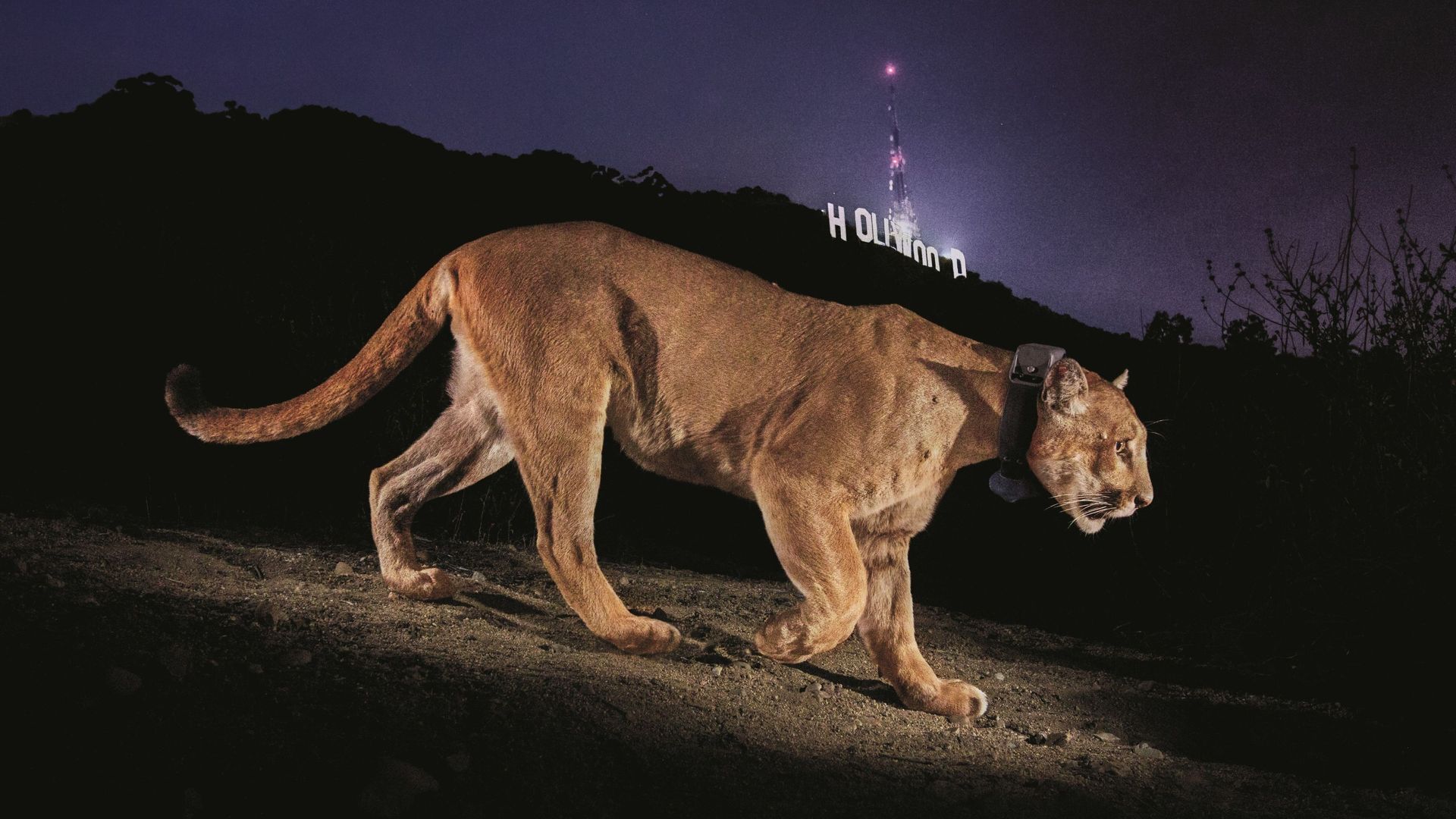
Together with his wife, author and environmental journalist Sharon Guynup, Winter has helped change laws around big cats in the U.S.; revealed the horrors of the Tiger Temple in Bangkok, resulting in its closure; and took an iconic photograph of the cougar P-22 beneath the Hollywood sign, which eventually led to the creation of the world's largest highway wildlife corridor over Highway 101 in California.

In their new book, "Big Cats" (National Geographic Books, 2026), Winter and Guynup provide a retrospective of their careers, looking at the fragility of these predators, the conservation work helping to save them, and the challenges they still face. Live Science spoke with Winter about his career, the changes he's seen, and why he's hopeful for the future.

Steve Winter headshot

Steve Winter has won numerous international awards, including BBC Wildlife Photographer of the Year and BBC Wildlife Photojournalist of the Year. He lectures internationally on photography and conservation issues and has been interviewed on CBS Nightly News, 60 Minutes, NPR, BBC and CNN. He contributes regularly to National Geographic magazine, for which he can spend months working on a single story. He’s camped for weeks in steamy jungles, vast grasslands, and at 15,000 feet in the Himalayas to capture cats’ stunning beauty and secret behaviors. (Image credit: Steve Winter)

Hannah Osborne: You've traveled all over the world and seen so many things. Is there one photograph that really sticks out for you, one that you come back to and think about?

Steve Winter: I always look at the images that have had an impact at the time. That makes a huge difference to me, because in the end, I know that in taking this [photograph], not only did I succeed beyond my wildest expectations, but it's making a difference in the world. Right now, I have just been putting remote cameras up on what will be the world's largest wildlife overpass, and that was started by my Hollywood cougar picture of P-22, Puma 22, under the Hollywood sign. [Editor's note: The common names cougar, puma and mountain lion all refer to the same species, Puma concolor.]

That changed so much in Los Angeles. I've never seen a city be transformed in their love for the fact that they have a mountain lion in a park in the city. What came of that was [people] thinking, "Hey, maybe we should connect these areas where these animals are living." [Editor's note: The Wallis Annenberg Wildlife Crossing over the 10-lane Highway 101 that was inspired by the cougar P-22 is due to open Dec. 2.]

To think about that is pretty amazing, so right now, P-22 and the Hollywood cougar is my go-to image.

He became a celebrity in the land of celebrities; people loved him. There's a P-22 day; schools are using urban wildlife in their curriculum. The LA Natural History Museum has a permanent exhibit, and what is right in the center of it? The Hollywood cougar picture.

HO: How did the P-22 photograph come about?

SW: As wildlife photographers, we will often go to these meetings where people are gathering to save elephants, to save this, to save that. So I went to meet the scientists that worked with these cats in the largest urban park in the United States. I asked Jeff Sikich, a biologist for the National Park Service, "[Do] you have a lot of trails in that park? Do you have any that the cats walk on where you could see the lights of LA in the background?" He kept saying no.

When you're working with camera traps, it's very important to visualize the picture in your mind that you're after [when] you visit a spot. I just said, "Well, Jeff, you know what would really tell the story of urban wildlife is if we had a mountain lion under the Hollywood sign." He looked at me like I'm crazy, and said, "There's no mountain lions in Griffith Park." I said, "If anything changes, let me know."

Eight months later, I got a text. They had a trail camp set up to census bobcats [Lynx rufus] in the park, and there was P-22.
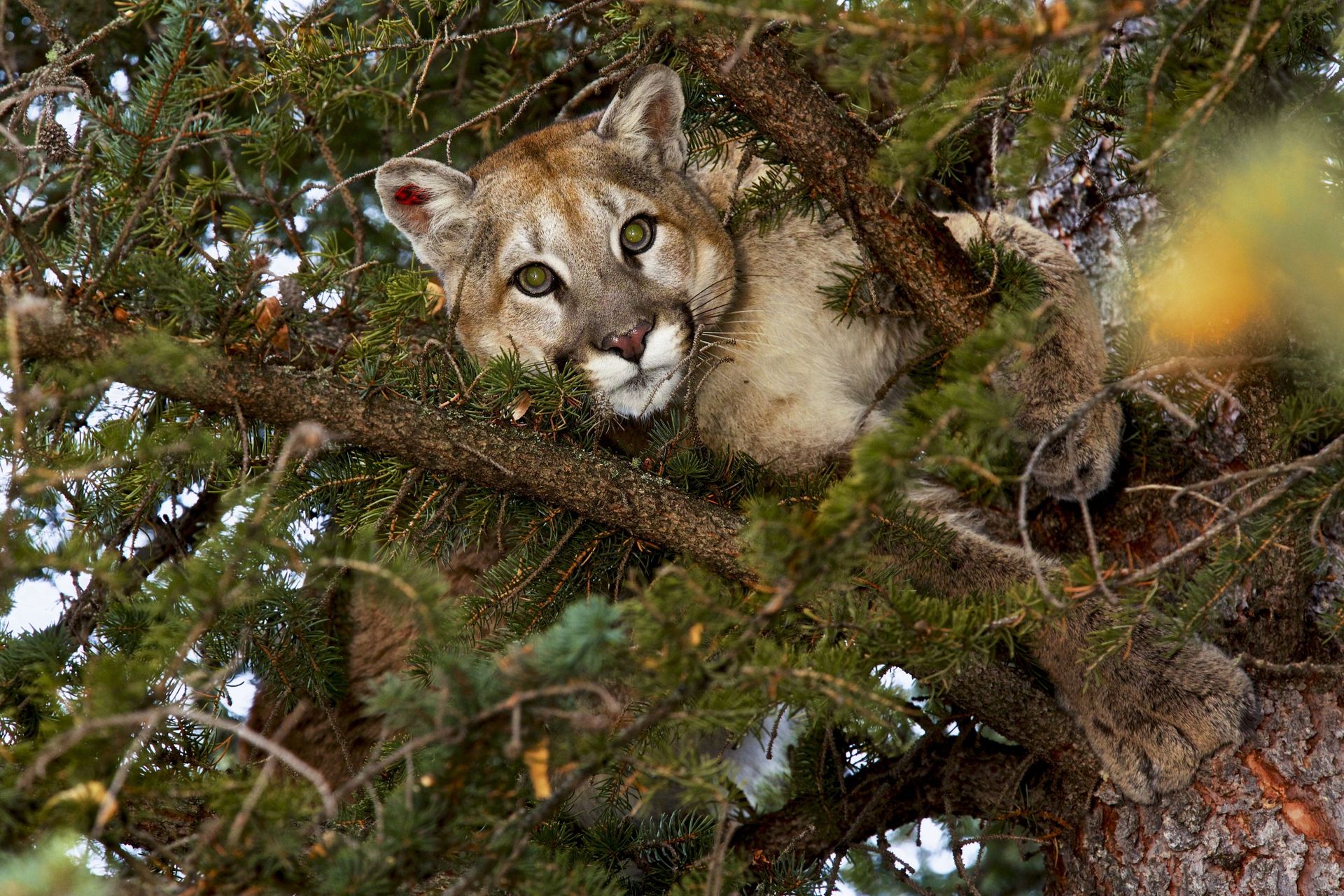
a cougar in a tree looking down

A cougar that biologists had chased into a tree so they could collar it to monitor its movements via GPS. (Image credit: Steve Winter)

With camera traps, you don't need to sit, and I learned that from the beginning. For the second story I did, it was photographing a quetzal, which is a sacred bird of the Maya and the Aztecs. I knew nothing about birds, either. It's got a meter-long [3 feet] tail. I was enamored by the fact that it had a historical background — they used quetzal feathers as a form of currency; they were sacred birds.

I loved all that, but working on that story in a cloud forest in Guatemala on top of a mountain all by myself, every morning I'd come down and set my camera up on the tripod [near the bird's nest], and then take it away at the end of the day. I'd walk back, and all of a sudden, the hair on the back of my head would stand up and on my arm, and I'd get this tingling feeling and it's like, what's going on? I'd turn around. You can't see anything in a rainforest or a cloud forest because the proliferation of life is everywhere. One night when I'm reading my book in the one room shack that I was staying in my bunk bed, all I hear is the stairs creaking. Then I hear the floorboards creaking. Then I hear scratching, and then sniffing, outside the door.

I grabbed the walkie-talkie to call Juan Carlos, the naturalist that I was working with. He would find the quetzal nests for me. I asked him, in Spanish, "Juan Carlos, what is this?"

And he said, "Oh, Steve, don't worry; it's just a black panther [Panthera onca]." I've been there five weeks, and I said, "Well, how come it took you so long to tell me there was a black jaguar here?" And he said, "We didn't want to worry you."
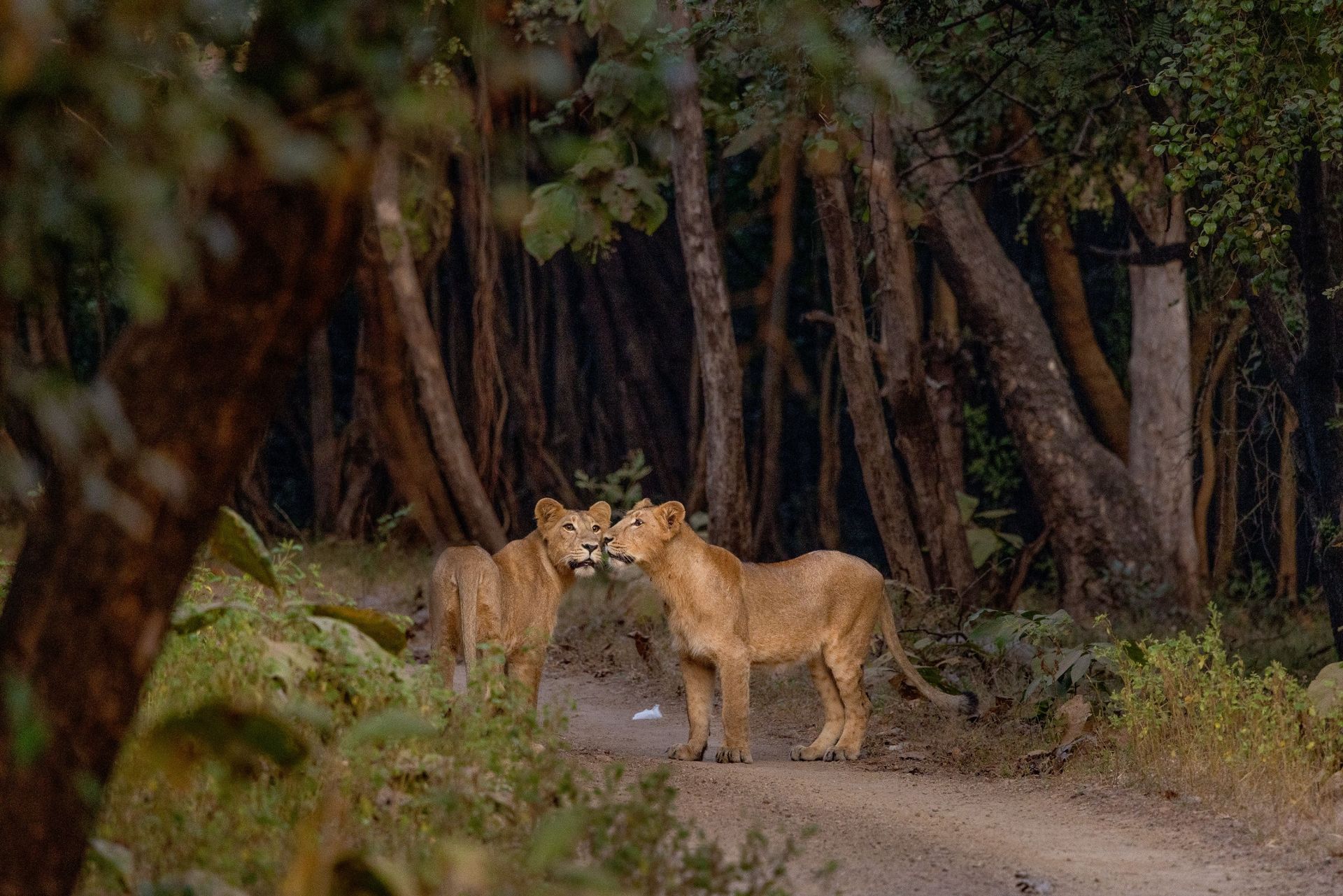
two lions standing on a track with trees and foliage on either side

Two Asiatic lionesses greeting each other with a nose-to-nose touch. (Image credit: Steve Winter)

HO: Throughout the book, you look at topics like poaching, captive tigers in the Tiger Temple in Thailand, and the way they're kept in the U.S. for entertainment. And a lot of these things are still going on. How do you cope with seeing that side of their lives?

SW: When I was first working on tigers, I was in Thailand. I was wanting to work in Thailand and Sumatra because they were the two subspecies that experts said may go extinct. I was working with the most incredible group of scientists I've probably ever worked with. They were trying to save the Indo-Chinese tiger [Panthera tigris corbetti] in Thailand.

But close by was this place called the Thai Tiger Temple. And I said, "Hey, guys; I'd like to go there." And they said, "No, Steve; don't go. These are bad people, and we think they're involved in the black-market trade of tiger parts and tigers to Laos and then into China."

That's a good reason for me to go if you don't want me to go. The first thing I saw was this huge sign that said "conservation." This was a Buddhist monastery. For some reason, the abbot had been given a tiger cub about 10 years before, and he fell in love with tigers. So they started a tiger tourism operation that brought in at least $3 million a year.

I could see something was fishy right away, because by then, I'd learned a lot about these cats. They kept saying that they always had 150 tigers. But you could pet tiger cubs for Instagram selfies or bottle-feed them 365 days a year. If you're breeding tigers, what are you going to have? More tigers. Something was happening to them, because the death rate wouldn't take over the birth rate when you're speed-breeding cubs, which is what they were doing. A female has cubs; they take them away immediately so she'll be ready to have another litter. You can only use the cubs for three months because after that, they're too big to pet.

They had all these tourist things where you could get a selfie with a head of a tiger in your lap. I was saying, "Why are these tigers acting so sleepy?" They're taking this giant head of a tiger and putting it in somebody's lap that's sitting on the concrete. You would think that if you put the head of a tiger in your lap, you're going to end up with your head in their mouth.

[Editor's note: Winter and Guynup worked together on an investigation into the Tiger Temple in 2016, which eventually led to it being exposed for its abuse and connections with the illegal wildlife trade. Shortly after, the Tiger Temple was shut to the public.]

Sharon did the investigation, and I already had pictures. But we went to do a video and go visit the temple again … By the time we got done, the TV stations in Bangkok had taken the video and showed it all over on the nightly news. We kept working on this, and Sharon wrote four more stories. And after the last one, the Thai government was inundated with people calling for the prime minister to shut it down. They went in with the army and the police, and what they found was horrific. They went to the freezer. There were tigers hanging on meat hooks, cubs in jars, with a little Thai flag on them. They shut it down.
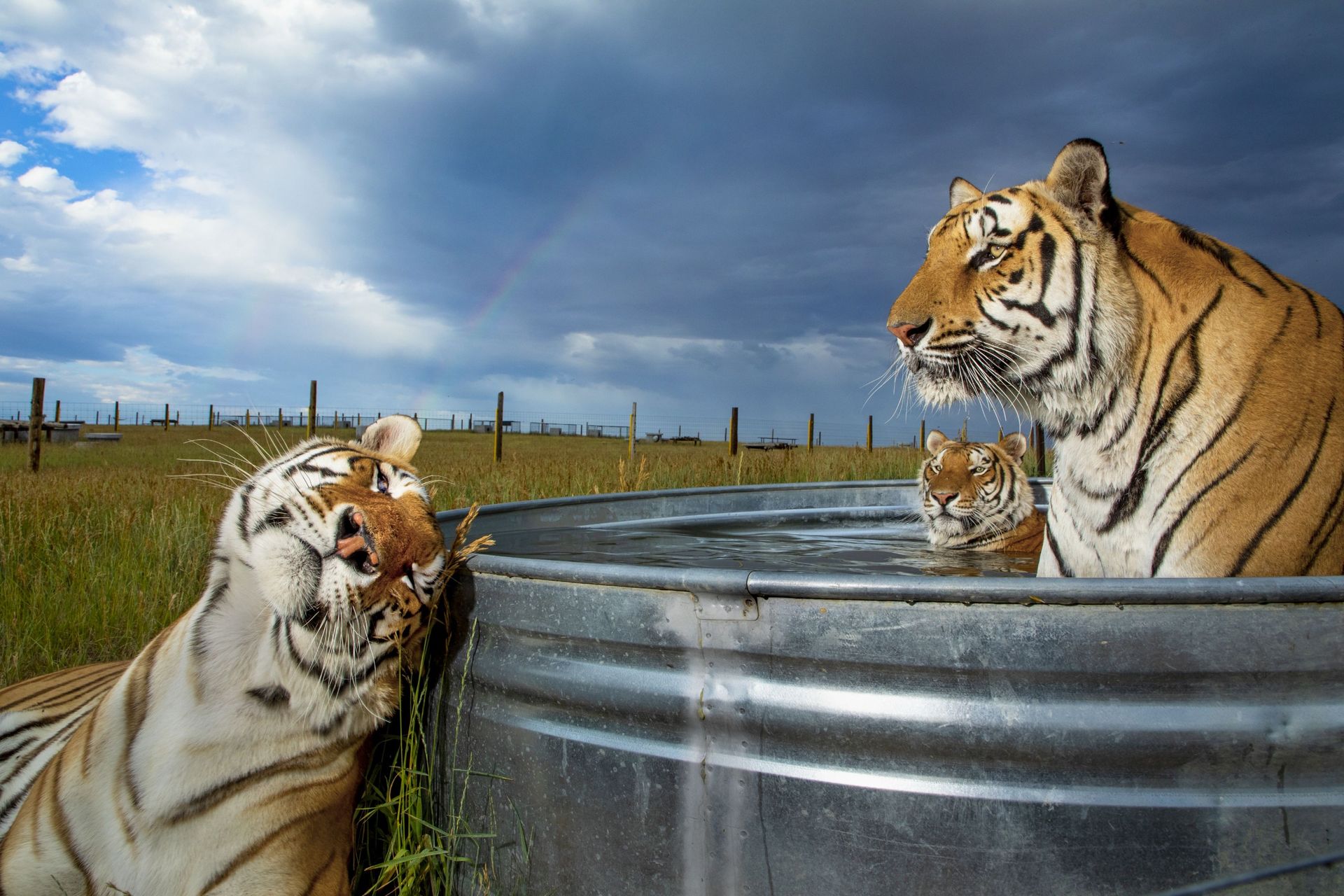
three tigers, with two in a big metal tub, in a grassy landscape

Three tigers that were rescued from Joe Exotic's Oklahoma zoo cooling down at the Wild Animal Sanctuary in Colorado. (Image credit: Steve Winter)

Stopping this is really important. After that, we did a story on tigers in the U.S., which was very difficult psychologically. It was one thing to see them in Thailand, but we had always heard that there were more tigers in the United States than there are in the wild, and people would go, "What are you talking about? We don't have tigers here."

Sharon and I … we found a lot of the same speed-breeding cubs at these roadside zoos, whether it was Doc Antle's Myrtle Beach that was $500 a day, or some dumpy little place on the road down south where you can give them $10 to look at a tiger. They were everywhere.

After that story came out, the National Geographic Society gave a copy of this 30-page story that we had done for the magazine to every member of Congress. We got this text on 20th December, 2022, that President Biden had signed the Big Cat Public Safety Act, which outlawed all that. We were part of getting this law passed, which was incredible.

HO: What are some of the biggest changes in conservation you've seen over your career?

SW: Conservation was changing a lot in the '90s and 2000s. Alan Rabinowitz [a zoologist who served as the president, CEO and chief scientist at Panthera Corp., a nonprofit conservation organization devoted to protecting wild cats] had this idea after he had a lot of scientists in Central and South America give him data on where they were working and where jaguars were. When he took it away and just showed the locations, he goes, this is a corridor, a natural corridor, because now we're talking a lot about connectivity and how roads get in the way. It's like animals are in prison because they can't cross these big freeways or even small ones. Find out where animals are, their migrating paths, and put in an overpass or an underpass or something.
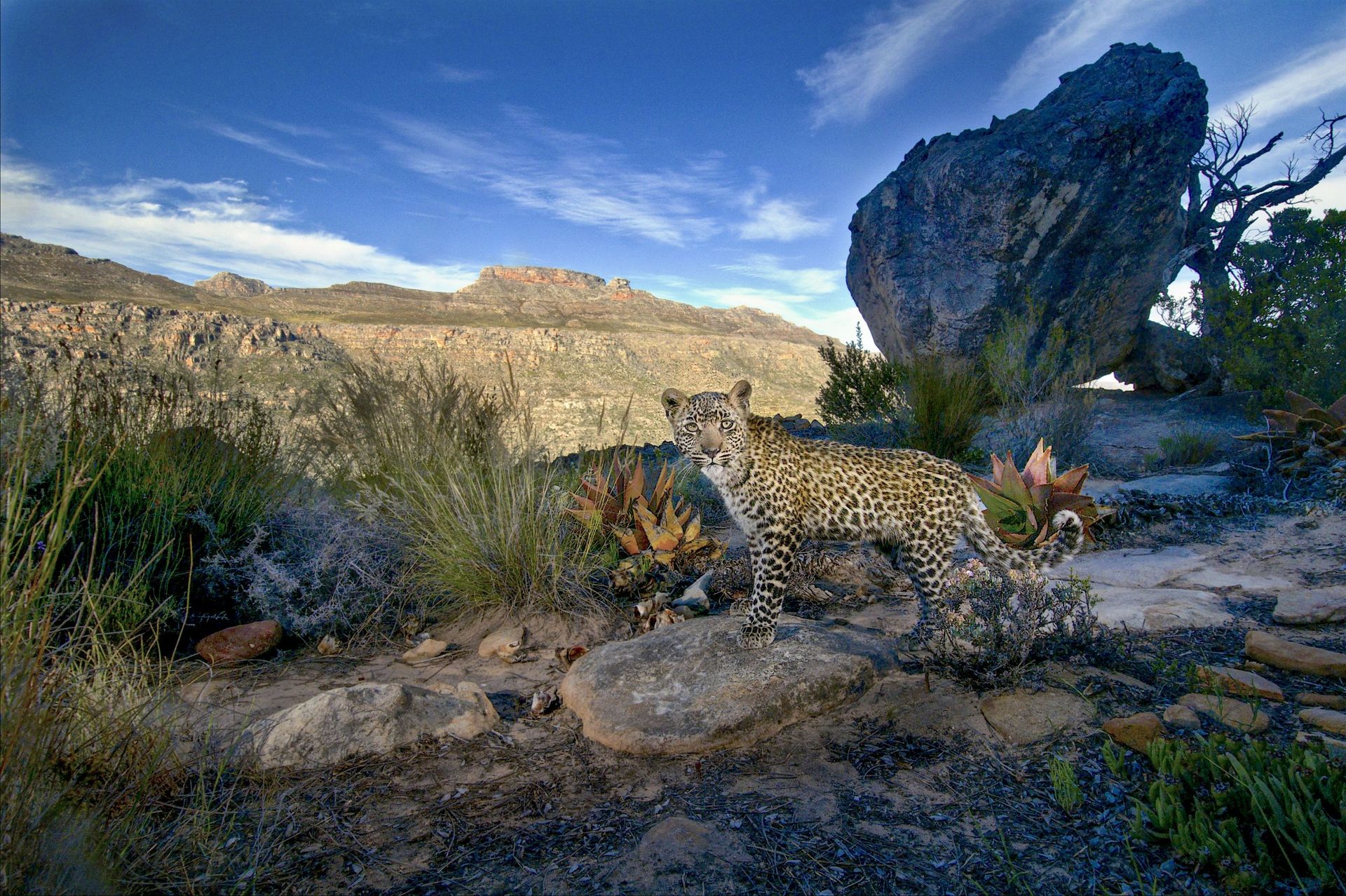
leopard cub in a rocky landscape

A Cape leopard cub in the Cederberg Wilderness Area in South Africa. (Image credit: Steve Winter)

All this was happening, all this new science, new conservation. That was all spearheaded by the work of [biologist and conservationist] George Schaller, who became a friend of ours. What a life that we've had — and are having. We're still working on the connectivity part right now.

HO: Are you hopeful for the big cats in LA?

SW: Oh, definitely. The ones that live in the Santa Monica National Recreation Area will be able to cross the 101 and then go all the way to San Jose. They could actually then hug the top of a certain mountain and get close to San Francisco, which is incredible to think about now. It's a huge metropolitan area, so you're leaving one, going to another. But there's so much land in between, and they can cross safely.

HO: What made you specialize in big cats in the first place, and what's the draw that keeps you coming back?

SW: Big cats are so charismatic and, to me, mystical. And they're an umbrella species, so if you save the largest predator, which is usually a big cat in any landscape, you save everything underneath it.

I was just taken over by these animals. National Geographic had never done a jaguar story before. I found out really quick why: You can't see them. I tried to use remote cameras, camera traps, but they're really smart. They'll go around them, so they don't have the flash going off or they don't like the sound or the smell of meat on these waterproof boxes and the cords and all that.

I just fell in love with big cats, and what a life to be able to work with every one of them. The only one that was on my list that I haven't done is the Amur tiger, Siberian tiger [Panthera tigris altaica]. When I was ready to photograph them with the scientists that had been monitoring them for over a decade, [the tigers] got canine distemper and about 60% died.

Big cats really bounce back when you give them protection, and there was protection given after you lose this many. All the study tigers that had the GPS collars on, the ones they could monitor, died. But the population bounced back, and there's more now than there were before.

I won't get to photograph Amur tigers. And the reason is, there's people — locals — who are working on it, and they're doing an incredible job. I've got a book here that has all the cats that I've worked on. The impact these stories have had, and the change that's come about, is what really makes me proud.

This interview has been condensed and edited lightly for clarity.

Help us improve Live Science Pro: We're always trying to make our content better. Leave us feedback about Pro here.
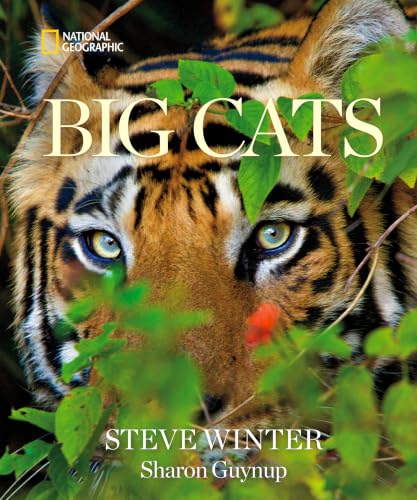
Big Cats

National Geographic
Big Cats

National Geographic photographer Steve Winter has spent his career photographing big cats around the world, from the graceful jaguars of Brazil’s Pantanal to the elusive Himalayan snow leopard. His photographs astound; his stories, even more so. In Big Cats, Winter and environmental journalist Sharon Guynup share experiences behind the lens.

In chapters on every key species—cougar, jaguar, leopard, snow leopard, tiger, and lion—readers will witness the power of Winter’s work, including uplifting stories of how his photographs have made a difference and powered important conservation efforts on behalf of these mighty creatures.
  •  

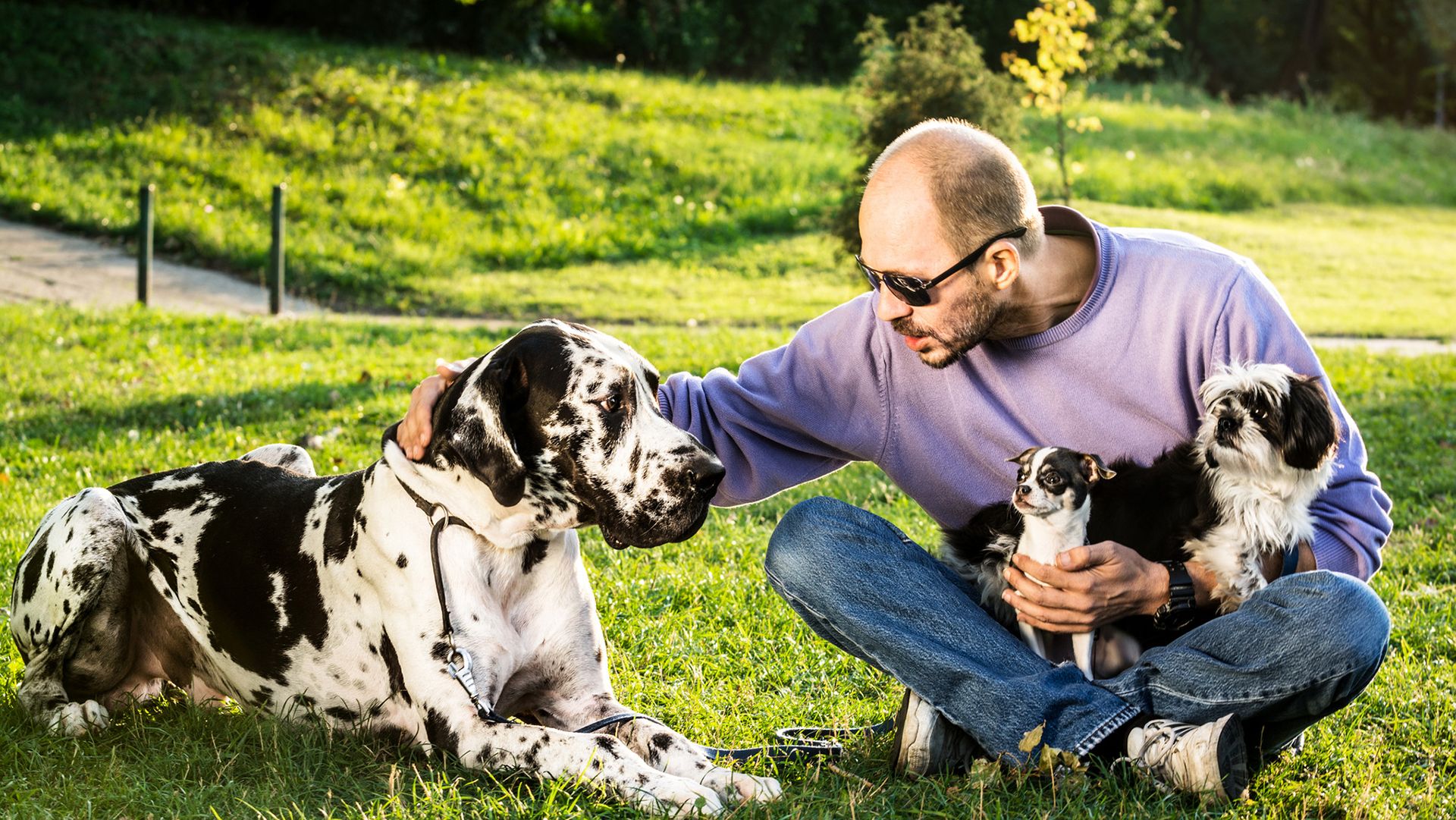
Big dogs age faster at an epigenetic level, new study finds

Great Danes and mastiffs rarely live more than a decade, while Chihuahuas can live twice as long. Exactly why big dogs die younger than small ones do has been unclear — but new findings may help to solve that mystery.

The research, published Thursday (Oct. 8) in the journal Science, looked at a chemical code written on top of dogs' DNA. This code, called the methylome, consists of chemical tags called methyl groups, which bind to DNA's building blocks.

Proteins constantly access DNA, loading up the information written in its code and taking that data away to be turned into new proteins for the cell. But these methyl groups can act as tiny roadblocks that stop that process in its tracks.

These groups are one type of "epigenetic marker," which collectively help to control gene activity, and their arrangement on DNA changes predictably as animals age, study co-author Blaise Mariner, a bioinformatician at Arizona State University, told Live Science. Across many studies and species, including humans, scientists have used this data to build epigenetic clocks that track animals' biological ages.

Dogs happen to be a great species for studying aging. Their owners devotedly track what they eat, how they live, and how their health changes over time. So Mariner and his colleagues built epigenetic clocks using DNA in blood samples taken from 894 dogs enrolled in the long-term Dog Aging Project based at the University of Washington.

These samples revealed how the dogs' immune cells aged. These cells patrol the whole body, so "they're a really good measure of systemic aging," study co-author Noah Snyder-Mackler, a genomicist at Arizona State University, told Live Science.

The team found that changes in DNA methylation closely tracked biological aging, in that the dogs with older-than-expected epigenetic ages had a higher risk of death from any cause. Once they looked at how different sizes of dogs aged, clear differences emerged.

"Using our biomarker, this epigenetic clock, big dogs were aging a little bit faster per year of life than small dogs," Snyder-Mackler said.

A key epigenetic change linked to larger body size was the loss of methyl groups at stretches of DNA called transposable elements. Also called "jumping genes," these elements can potentially move around the genome, but the methyl groups help stop them from doing so. But when that methylation is lost, the jumping genes can become too active and end up damaging other genes and causing inflammation, a key process that ramps up with age.

In short, the new data suggests that out-of-control jumping genes may contribute to big dogs' faster aging.

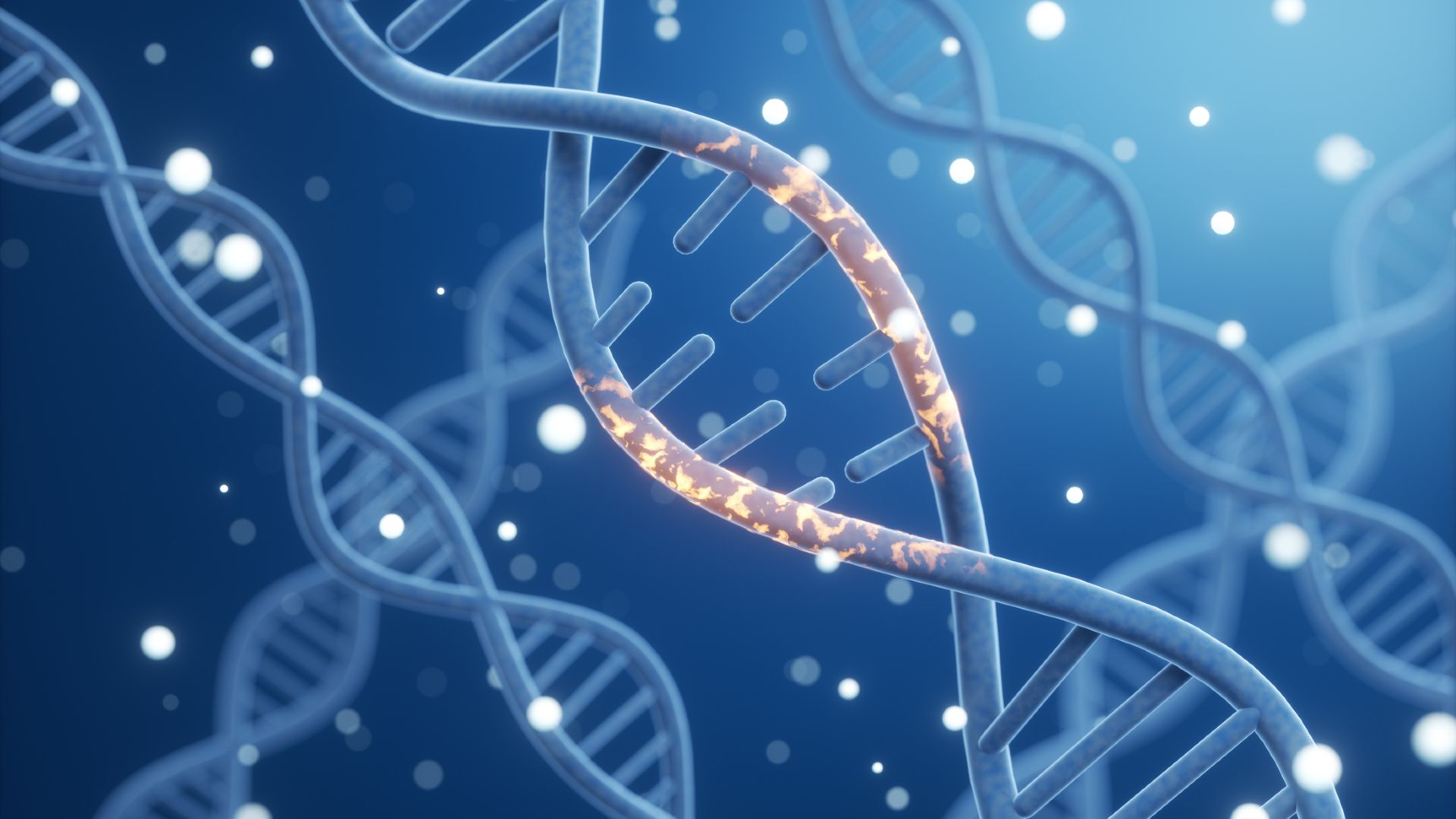
An illustration of blue double-helix strands of DNA

Researchers created epigenetic clocks based on data from 894 dogs. (Image credit: Josh Hawley via Getty Images)

In aging dogs, the team found that some regions of the genome with few chemical tags became more methylated, while other areas that had been choked with methyl groups gradually lost them. Additionally, at least in terms of their epigenetics, dogs' immune cells appear to become more similar to one another as they age. Mariner said this "loss of cell identity" is a key hypothesis for what happens to the body as it ages.

Immune cells are carefully specialized for different roles, such as preventing cancer or killing viruses. As these cells become more similar to one another, they become less able to fulfill their specialized roles, studies suggest.

Humans have bred big dogs for size, and Snyder-Mackler said this push for large body size may have come at a cost.

"Their bodies have to make this trade-off between really rapid growth and maintenance of that," he said, "versus investment in the immune system and integrity of the organism." For now, that idea is a hypothesis, though, as the current study doesn't directly address why big dogs' epigenetic aging has come to be this way.

Now, the team wants to build more informative clocks as the Dog Aging Project recruits more pooches to follow for longer periods. Snyder-Mackler said the team's data currently explains only part of how dogs' epigenetic ages vary. "What we really want to know is, what explains the rest of that variation?" he said.

The team was keen to build predictive models that might help dog owners anticipate their pets' age-related health concerns, Snyder-Mackler added.

What we learn about dogs from these studies may help us understand human aging, too. That's partly because dogs get some of the same diseases we do, but it's chiefly because they share humans' living spaces and environments.

"We're going to start looking, at the molecular level, [at] how these environmental exposures or experiences impact health and aging in dogs, which is going to be directly translatable to humans who are living in those same exact environments," Snyder-Mackler said.

"Most people love dogs," he added. "That means we can get a lot of really good data on them."

  •  

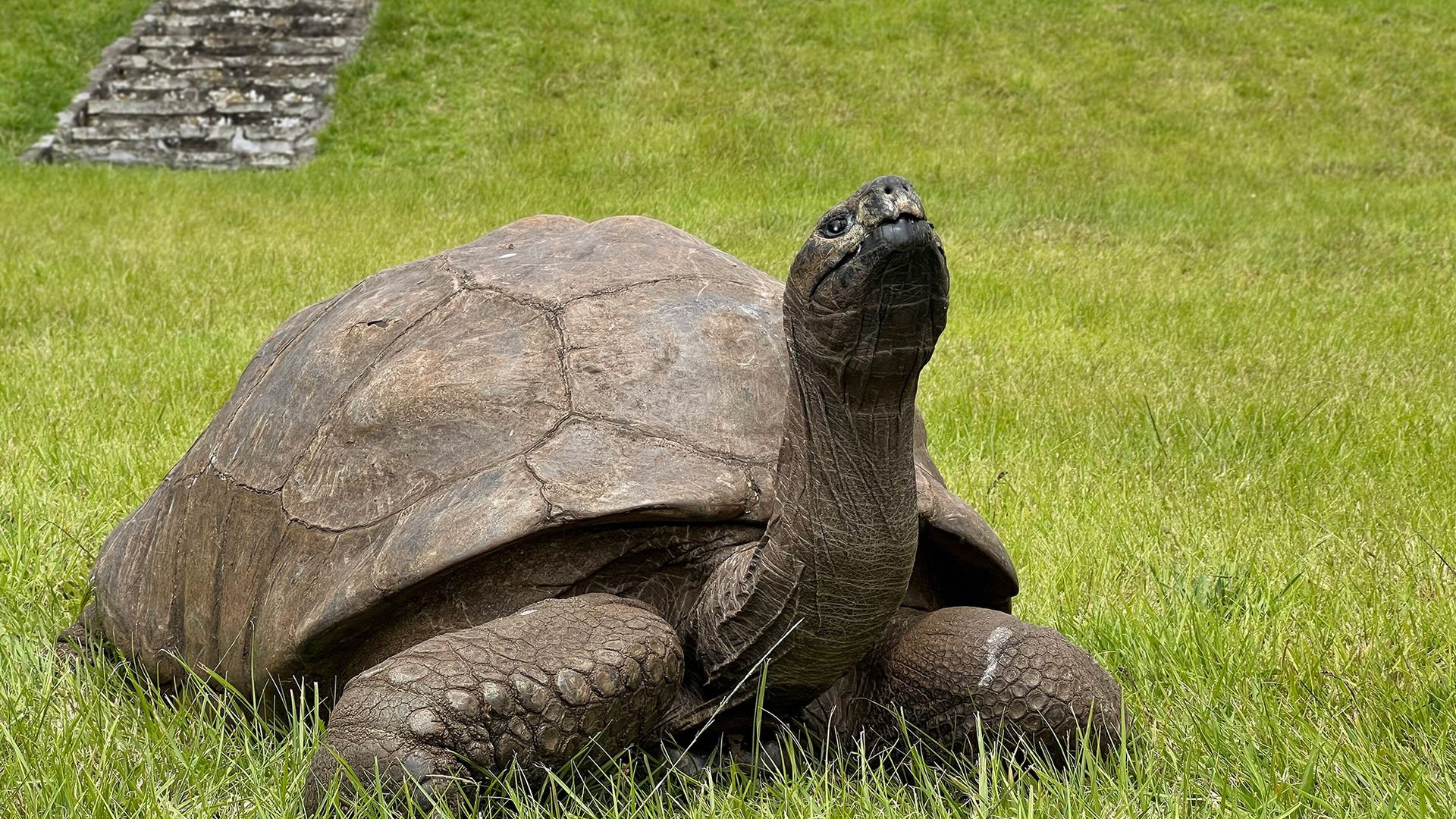
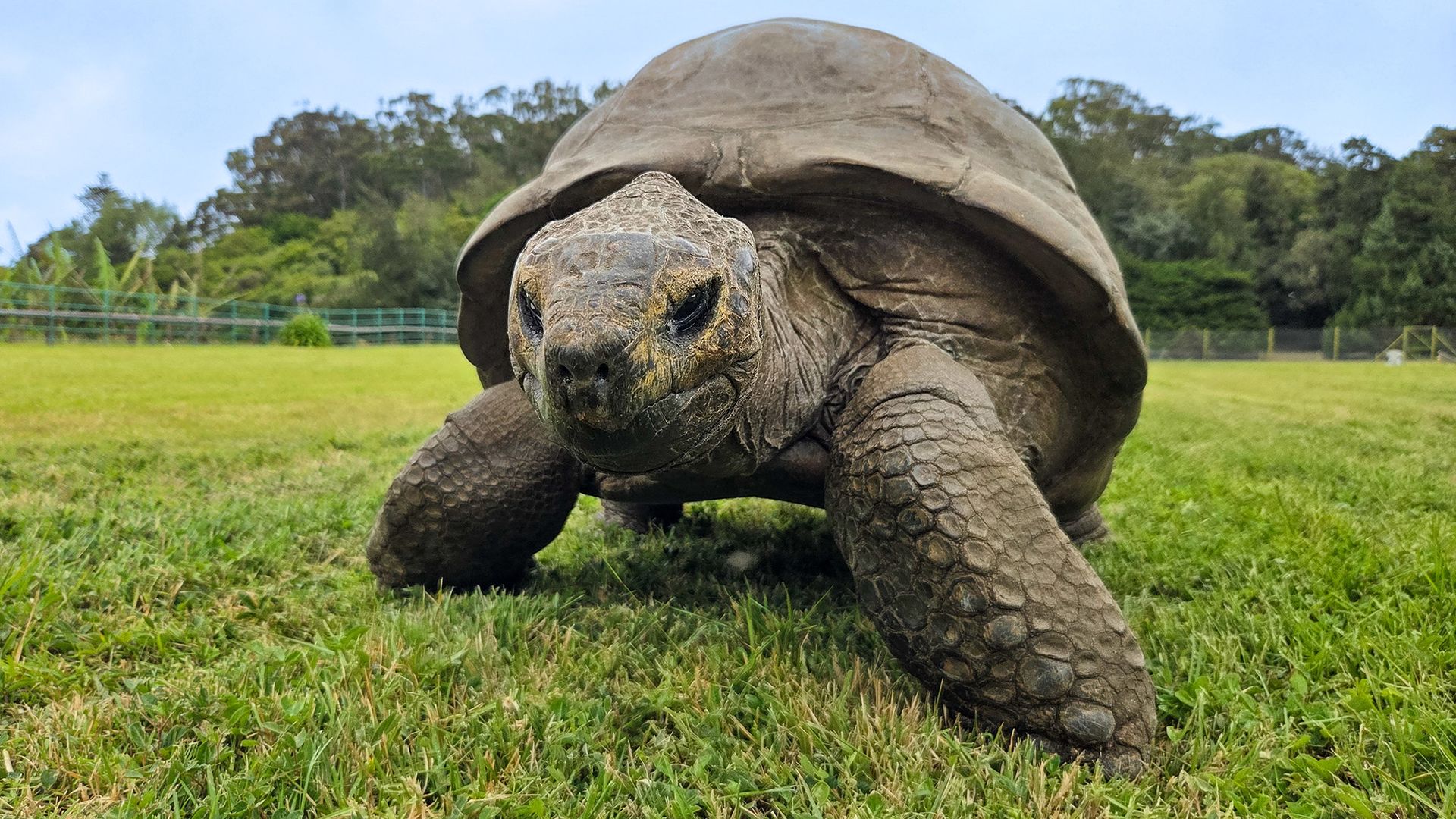
Jonathan the tortoise has lived to 194 years old — now scientists think they know why

The remote south Atlantic island of St. Helena boasts an international celebrity: the tortoise Jonathan, the oldest living land animal. At 194 years old, he has outlasted the expected lifespan for an Aldabra giant tortoise (Aldabrachelys gigantea) by about a century. Now, scientists have identified a range of unique genetic and epigenetic traits that may hold the key to this longevity.

The new research zoomed in on Jonathan's genes, as well as the chemical tags that sit on top of DNA molecules, known as "epigenetic markers." These markers help control which genes are activated and to what degree. The analysis finds that Jonathan's genes associated with mitochondrial function are in great shape, epigenetically speaking, which suggests that they've played a big role in the tortoise's success.

While mitochondrial function has long been linked to longevity and mitochondrial dysfunction has been tied to disease, Jonathan offers fresh insight into that dynamic, said study co-author Stephen Clark, chief scientist of the Kallel Foundation, a nonprofit in Nashville researching drug targets to promote human longevity.

Clark and colleagues published their findings Wednesday (Oct. 7) in the journal Science Advances.

Decoding Jonathan's secrets to long life

Nearly a decade ago, the researchers enlisted Joe Hollins, the vet tasked with Jonathan's care, to collect samples from the record-setting animal. Island authorities forbade the vet from drawing the tortoise's blood, fearing the risk of an infection.

"I didn't want to be the doctor that killed Jonathan," Clark told Live Science. Hollins collected samples via cheek swab instead.

When the samples arrived in the U.S., the researchers sequenced them, but when their computers kept crashing, they discovered that the DNA had been isolated from bacteria in Jonathan's mouth rather than the tortoise's own cells.

Clark "had to go back and beg" for permission to collect more data, he said. The vet then sent cheek scrape samples, which are collected with a slightly different tool than cheek swabs. This time, the DNA was in fact from Jonathan.

The DNA isolated from those cheek tissue samples was more fragmented than it would have been in a blood sample, so the researchers filled in the gaps using an existing reference genome from a 36-year-old Aldabra tortoise named Tank. They also compared Jonathan's DNA to that of a Galápagos tortoise (Chelonoidis abingdoni) named Lonesome George, who was believed to be over 100 years old at the time of his death in 2012.

The team found that, compared to Tank and Lonesome George, Jonathan carried 287 unique variants of genes that had previously been linked to aging-related pathways. These included genes involved in DNA repair and the function of telomeres — the protective tips at the end of chromosomes that tend to shorten with age.

These pathways are also related to aging processes in humans, highlighting a "broader signature of aging" across species, Greer Dolby, an assistant professor of biology at The University of Alabama at Birmingham, who was not involved with the study, told Live Science.

The researchers also looked at epigenetic changes, including DNA methylation, which is when a chemical tag called a methyl group binds the DNA. Certain patterns of DNA methylation can function as a "clock" in that they reflect an organism's biological age; scientists have recently harnessed these patterns in the study of human aging. In this case, the team compared the DNA methylation across Jonathan's genome to that of young and old Aldabra tortoises.

A large tortoise sits on a grassy lawn.

Researchers compared DNA from Jonathan (pictured) to that of other Aldabra giant tortoises. (Image credit: Kevin Gepford, CC BY-SA 4.0)

The methylation patterns were more disordered in the older tortoises, reflecting random changes acquired over time, the researchers found. Scientists call this phenomenon "methylation entropy." For most genes, Jonathan's DNA methylation patterns were more disordered than those of the young tortoises. But in a suite of genes tied to mitochondrial function — specifically the bits of those genes that switch them "on" — Jonathan had more organized methylation patterns. That might keep expression of these genes consistent over time, the researchers theorized.

Mitochondria produce energy that cells need to function properly, repair themselves and reduce further damage to DNA. "Keeping the entropy low in these mitochondrial genes, or keeping pristine mitochondria, is likely to be a contributor to longevity," Clark said.

However, the authors couldn't determine a causal relationship — they didn't run any tests that could definitively prove that Jonathon's lack of entropy in these genes explains his long life. Clark argued that additional experiments on a blood sample from Jonathan could offer a more comprehensive view of his genome.

Jonathan's full genetic profile can't be known until after the tortoise's death, when researchers can collect DNA from more tissues, said Vincent Lynch, a professor of biology at the University at Buffalo, who was not involved with the study.

"Some organs are more susceptible to different diseases of old age than other ones, and that happens because mutations accumulate over time," he told Live Science. "We would ideally like to know what those mutations are in those specific tissues."

Furthermore, Lynch questioned whether entropy was a useful characterization of age-related DNA methylation patterns, as methylation can be unpredictable. That said, he agreed that the genes flagged in the study offer helpful data for future work on longevity.

More experiments are needed to determine whether these mitochondrial genes actually play a role in longevity across all Aldabra tortoises, let alone in other animals, or if Jonathan is just an outlier.

"Maybe Jonathan is just really good at being old," Lynch said.

  •  

'It looks like a chimera' — 168 million years ago, a strange platypus-like mammal relative lived in China alongside dinosaurs

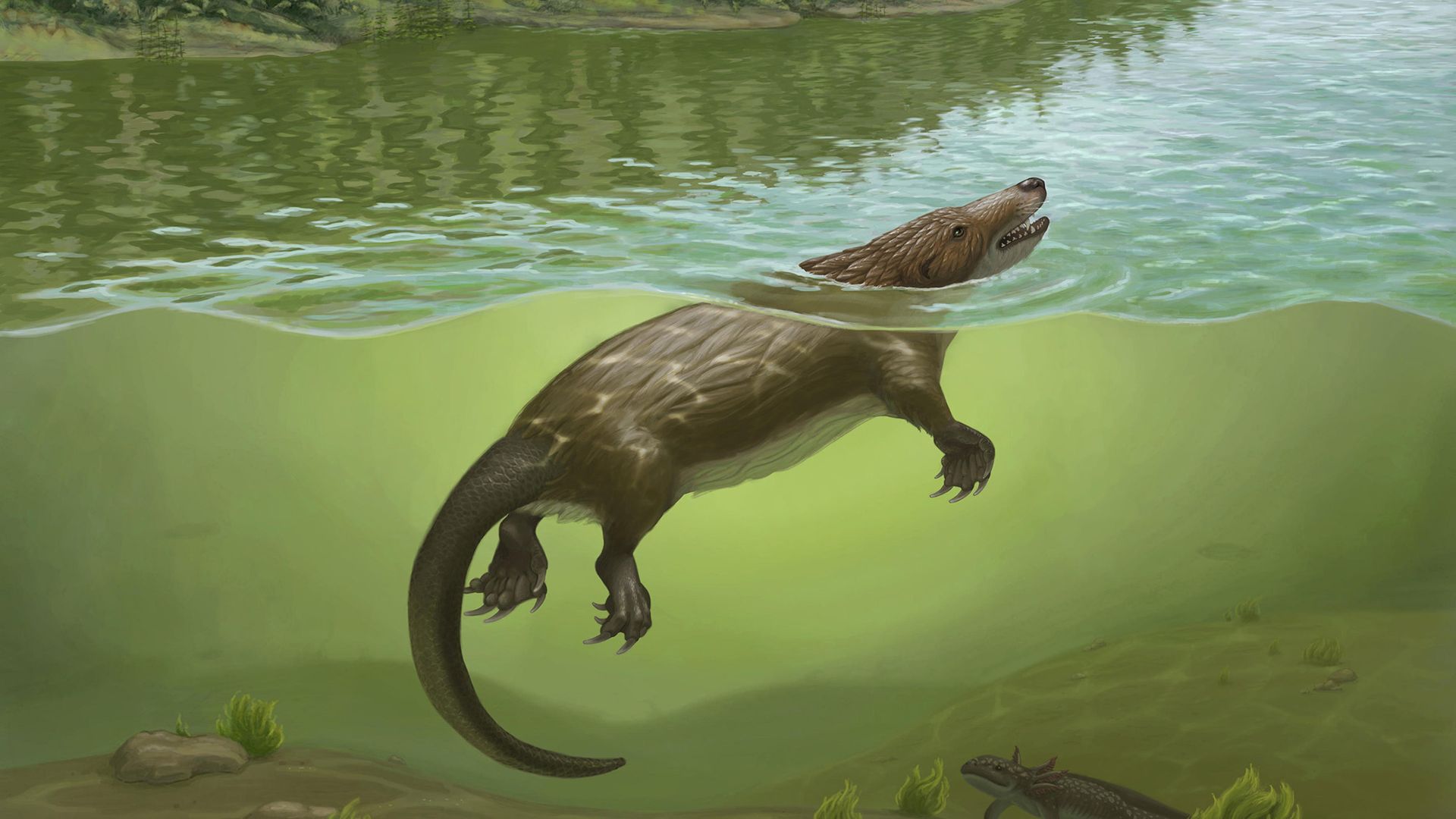
A newly discovered platypus-like creature is the largest-known mammal relative from the entire Jurassic period, a new study finds — although it still only weighed as much as a Chihuahua.

The critter, which hunted salamanders in the freshwater lakes and rivers of what is now Inner Mongolia, China, lived during the mid-Jurassic between 168 million and 163 million years ago. It seems to be the earliest known mammal-type animal that lived a semiaquatic life.

Researchers unearthed the delicate and detailed fossil in 2016, which revealed that the animal likely weighed about 2.2 to 4.4 pounds (1 to 2 kilograms). It was large for a mammal relative during the Jurassic, but its name, Megacauda sungei, was inspired by its tail: Megacauda means "big tail." The discovery was detailed in a study published on Wednesday (Oct. 7) in the journal Nature.

The furry predator had a mix of features seen in modern-day animals, with a broad, flattened tail that marks it as a powerful swimmer, and short hind legs with relatively long feet.

"It's like a chimera," study co-author Zhe-Xi Luo, a paleontologist at the University of Chicago, told Live Science. "The back half of this animal is very much like a platypus. As are the limbs, which would be capable of swimming or digging tunnels in river banks."

But the teeth "are definitely not like a platypus," Luo said. It possessed robust canines and shearing cheek-teeth that would cut and chew meat in a different way from modern carnivorous mammals. "It's a predator with gigantic and very specialized canines," Luo said. "So, it's partly otter-like and partly platypus-like."

A revealing fossil

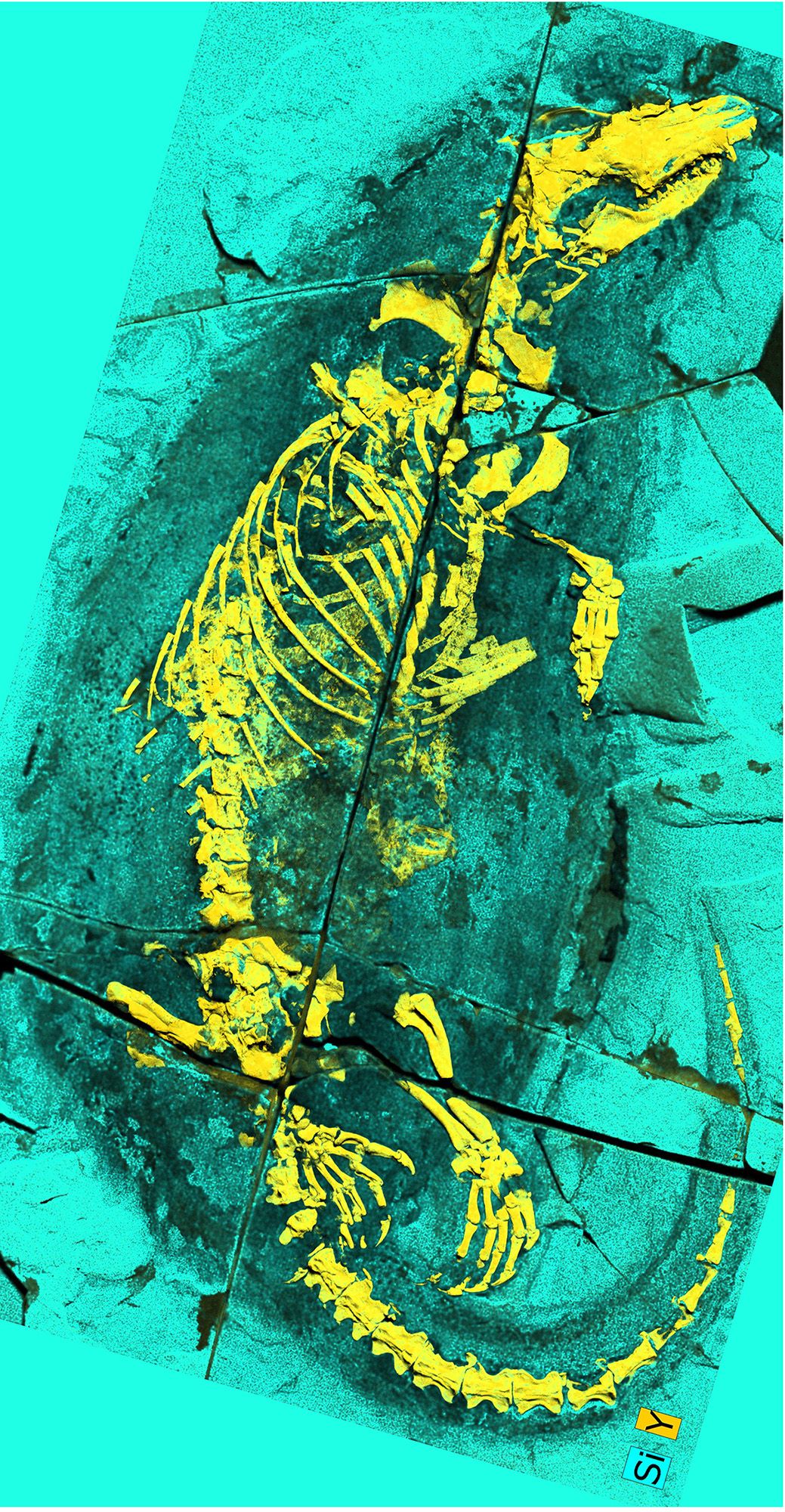
An image of a fossil with various colors.

The fossil of Megacauda sungei, highlighting its bones and soft tissue. (Image credit: Luo et al., Nature (2026))

Tiny bits of vertebrate bones found in what would have been the animal's stomach and the surrounding fossil beds hint that M. sungei dined on salamanders, Luo said.

He added that M. sungei may have sheltered in burrows on land in the temperate plant-filled climate, and hunted in lakes and rivers for fish and invertebrates.

Another notable aspect of the fossil is its throat. Modern mammals, including humans, have hyoid bones in the throat arranged in a "U"-shaped saddle. These help us use throat muscles to swallow chewed food one chunk at a time, instead of gulping down huge bites or whole prey. The structures also enable babies to suckle their mother's milk.

M. sungei seems to have had the apparatus needed to do this, study co-author Thomas Martin, a paleontologist at the University of Bonn in Germany, told Live Science.

"This is an incredibly important evolutionary innovation," Luo said, adding that this capability is one of the things that helped early mammals diversify into carnivores, insectivores, herbivores or omnivores to take advantage of all sorts of foods.

Finding this in M. sungei suggests that the apparatus needed for suckling milk and swallowing had already evolved by the Middle Jurassic (around 174 million to 164 million years ago), Martin said.

This is before marsupials like kangaroos and placental mammals like primates and bears are thought to have diverged from each other 160 million years ago, after descending from an egg-laying common ancestor that lived approximately 180 million years ago.

"Now we push the history of it back to before the split of modern marsupials and modern eutherian [placental] mammals," Luo said.

"Neonatal suckling behaviour was previously thought of as being a hallmark of advanced mammals, but it now appears to have evolved well before then, in the common ancestor of docodontans and mammals at least 165 million years ago," said Sue Hand, a vertebrate paleontologist at the University of New South Wales in Australia who wasn’t involved in the study.

M. sungei is from an extinct lineage of docodonts, which are relatives of mammals from the dinosaur-dominated Jurassic and Cretaceous periods, living between about 200 million and 120 million years ago.

Docodonts adapted to a wide variety of habitats. For example, there was the Jurassic tree-dwelling shrew-like docodont called Microdocodon gracilis, and Docofossor brachydactylus, a tunnel-digger with shovel-like paws. Luo was also part of the team that described a semiaquatic "Jurassic beaver", Castorocauda lutrasimilis, which lived 164 million years ago.

"It seems that an aquatic lifestyle arose often in early mammal-like species," said Tim Flannery, a mammalogist at the Australian Museum Research institute who wasn't involved in the work.

If anything, the newly described "spectacular fossil" shows that docodonts were wide-ranging during the dinosaur age, Hand told Live Science in an email.

"This very detailed study adds to accumulating evidence that mammaliaforms occupied a wide range of ecological niches long before the evolution of living mammals," Hand said.

  •  

'Sexy Mantis,' obscene orangutan and prancing sparrowhawk feature in 2026 Nikon Comedy Wildlife Awards

Have you ever wondered what it's like to be flipped off by an orangutan or seduced by a mantis? Well, wonder no more, thanks to the 2026 Nikon Comedy Wildlife Awards.

This photography competition showcases the amusing side of nature, usually by anthropomorphizing it in some way, and features a variety of comical critters from across the globe.

This year, a surprised owl and a brown bear striking a pose are featured among the more than 10,000 entries, with photographers competing for a luxury safari in Kenya's Maasai Mara National Reserve.

Live Science rounded up some of the funniest photos from the 2026 finalists for your enjoyment. And yes, the orangutan and mantis have made it to the finals.

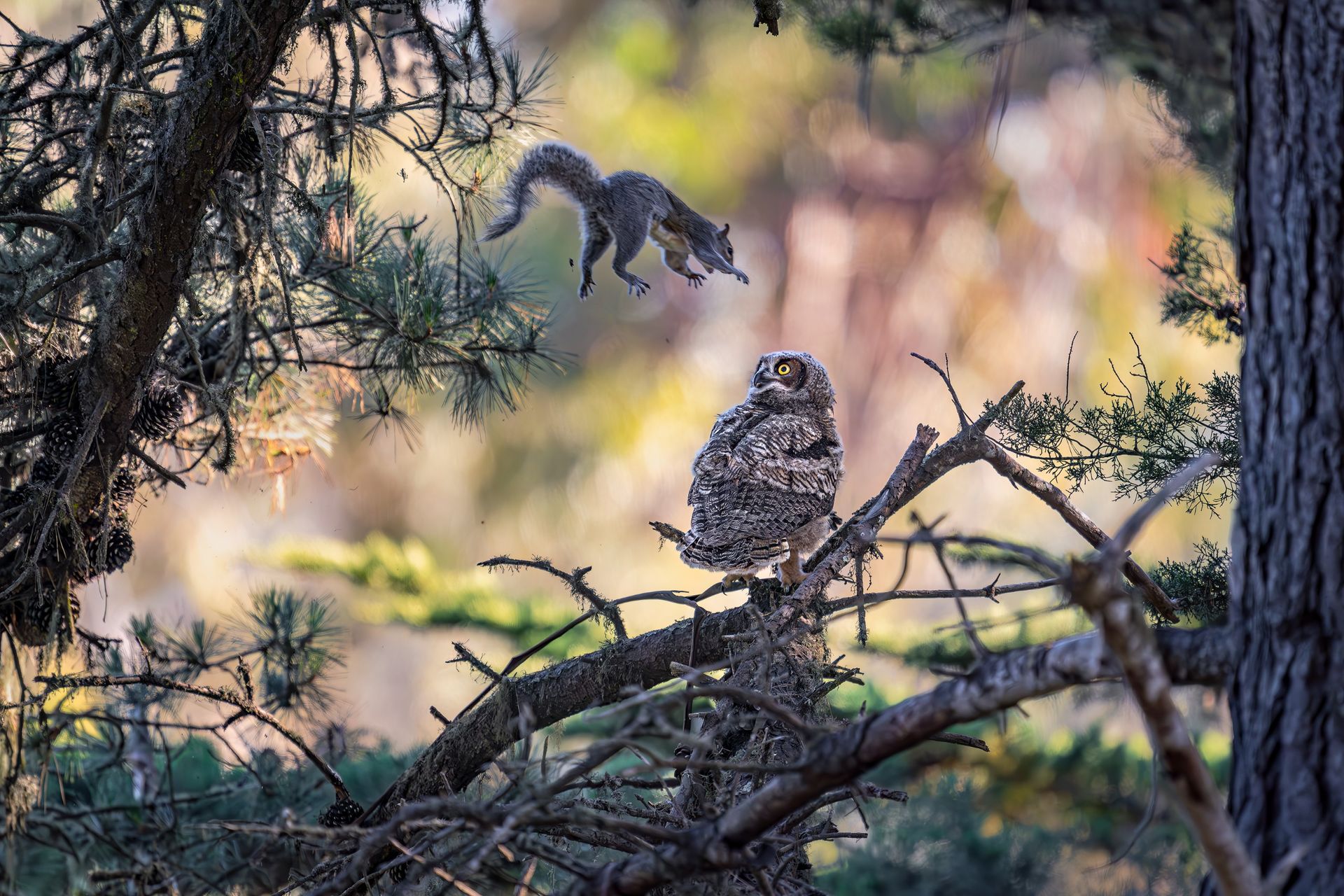
"Are You Kidding Me?"

A squirrel dives at a young great horned owl.

I'm owling with laughter. (Image credit: ©Kevin Lohman/Nikon Comedy Wildlife Awards)

Here we see a squirrel launching itself at a great horned owl fledgling in Natural Bridges State Beach park in Santa Cruz, California. According to photographer Kevin Lohman, the squirrel knocked the owl off its perch three times.

Our video channels editor, Elise Poore, said this photo really made her laugh. I doubt the owl found it quite so funny. However, great horned owls (Bubo virginianus) do hunt squirrels, so it's no surprise that these rodents can get a little tetchy around the birds.

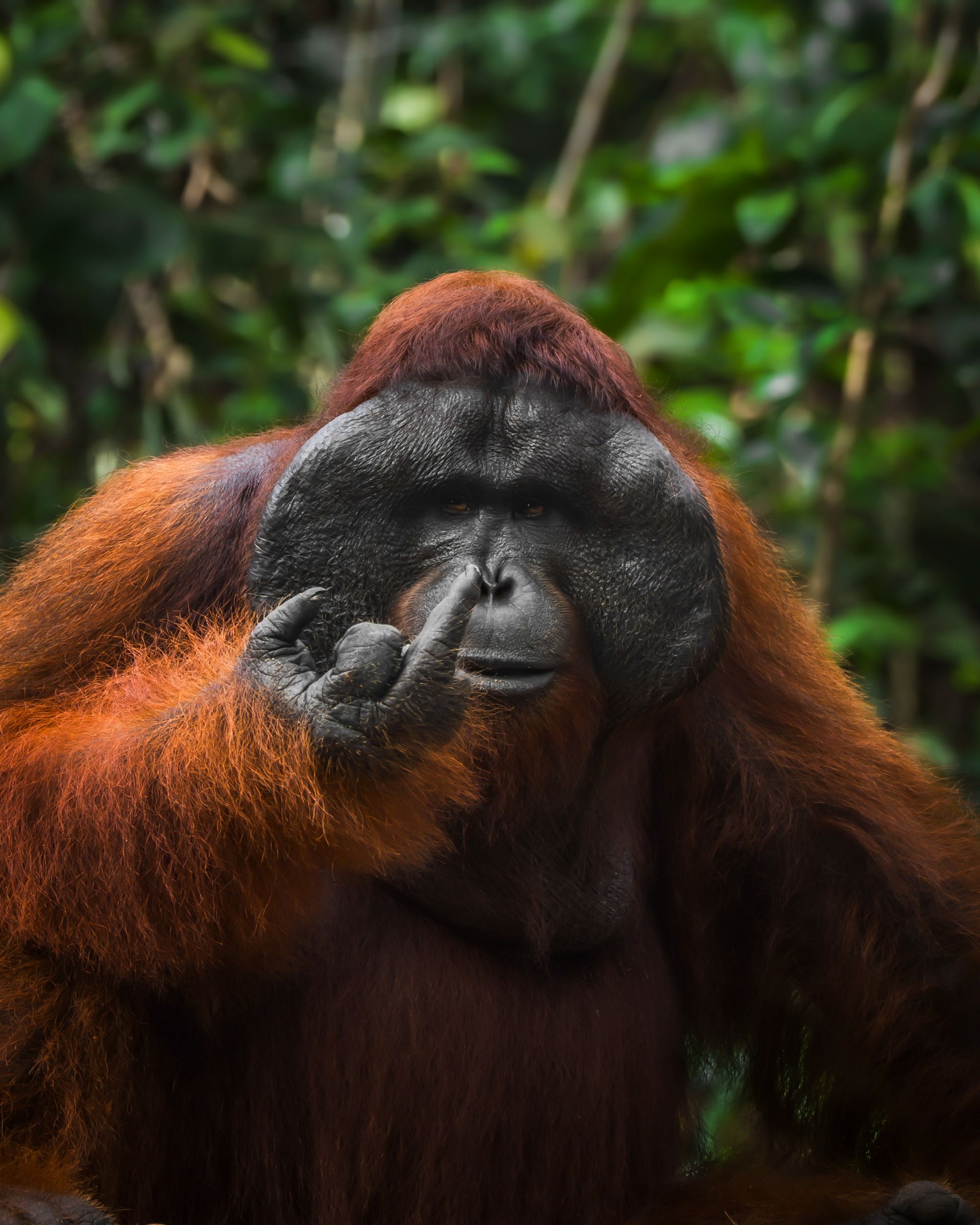
"Spicy Orangutan"

A critically endangered orangutan raises a finger while looking at the photographer.

A critically endangered orangutan raises a finger in an unspecified area of Borneo. (Image credit: ©Tanner Mansell/Nikon Comedy Wildlife Awards)

This "Spicy Orangutan" entry features a male Bornean orangutan (Pongo pygmaeus) raising one finger, giving the appearance that he's flipping off the camera. In the description accompanying the image, photographer Tanner Mansell explained that the orangutan was finishing his meal at the time.

"Even though he was completely wild and just enjoying his food, I couldn't help wondering, 'Does he know what he's doing?'" Mansell wrote.

No, Mansell, he doesn't.

"Ballet Dancer"

A sparrowhawk with one leg raised as if balancing.

One magnificent sparrowhawk, or a bird of slay. (Image credit: ©Robert Nairn/Nikon Comedy Wildlife Awards)

This photo of a sparrowhawk (Accipiter nisus) in Dumfries, Scotland, is titled "Ballet Dancer," but to me, the balancing bird looks more like an Olympic gymnast in the middle of a complex beam routine. Either way, perfect form!

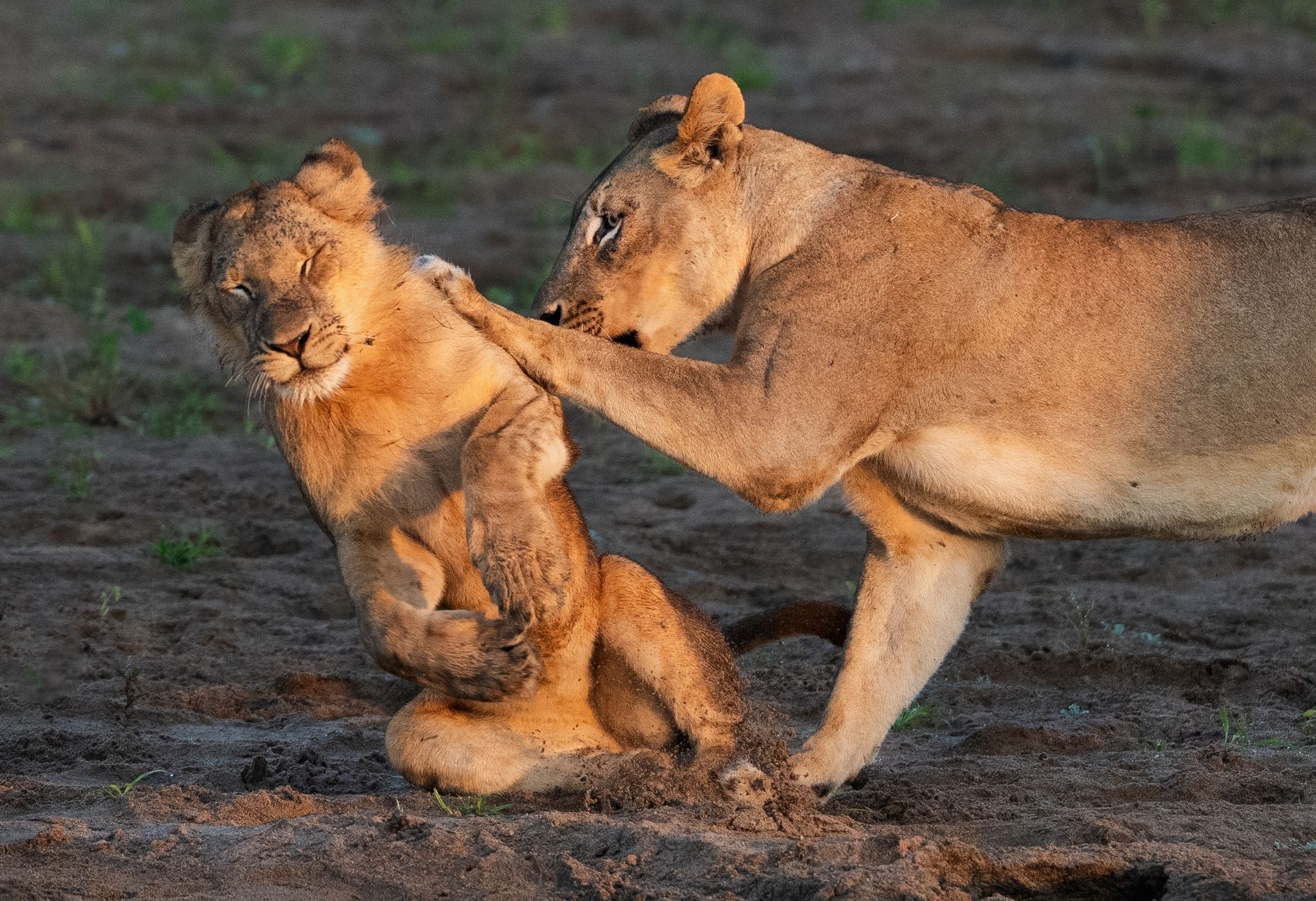
"Push Over"

A lion appears to push over another lion with a paw.

Is that really the punch-lion? (Image credit: ©Barbara Seiberl-Stark/Nikon Comedy Wildlife Awards)

This lion snapshot, taken in the Ruckomechi riverbed in Zimbabwe, is one of many finalists that appear to show animals laughing or joking around.

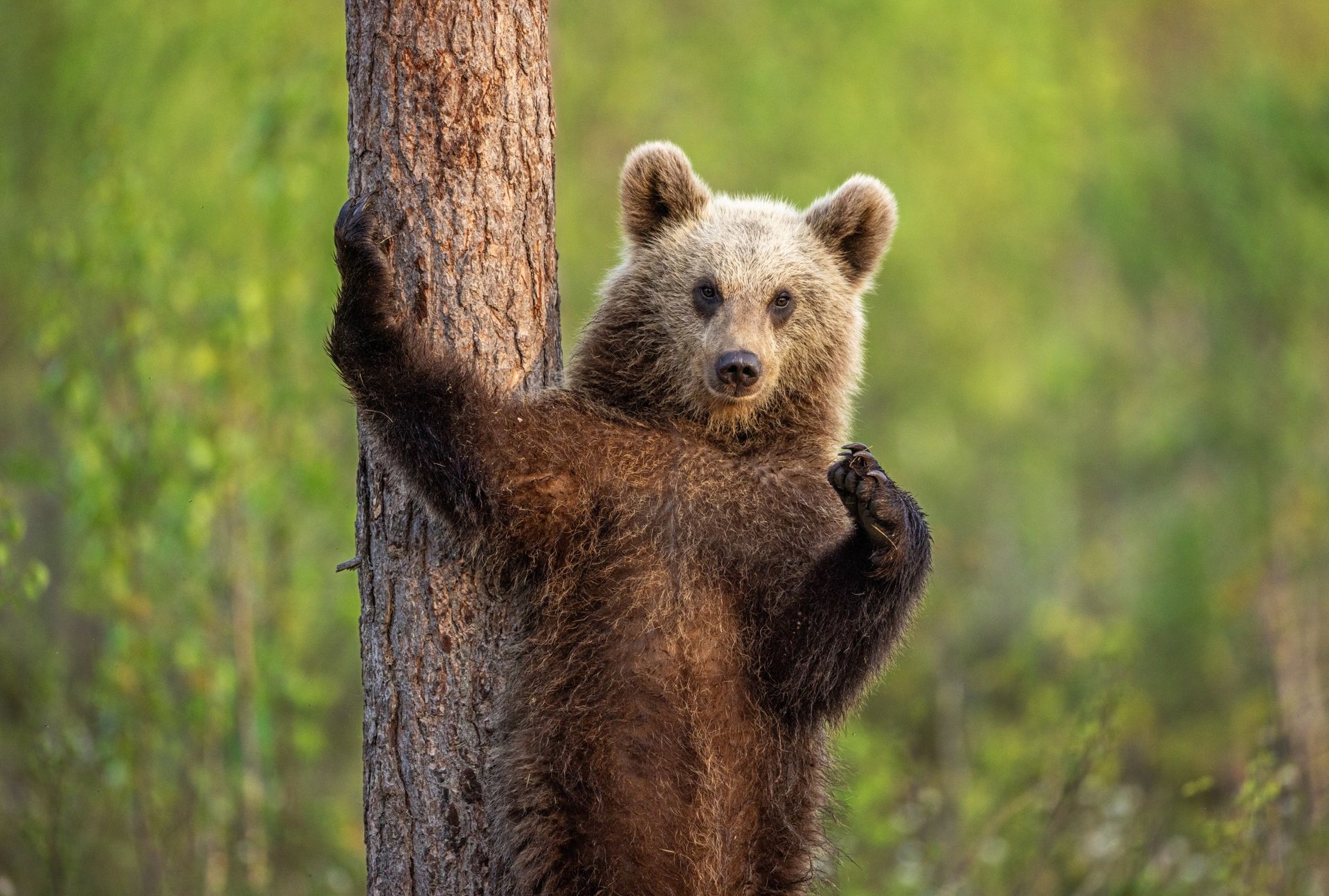
"#ForTheGram"

A young bear appears to pose next to a tree in Finland.

Paw-sitive vibes only. (Image credit: ©Rosie Barrett/Nikon Comedy Wildlife Awards)

Photographer Rosie Barrett was getting shots of three yearling brown bears (Ursus arctos) in Finland when one appeared to strike a pose.

"Pretty sure he knew it was for Instagram..un-bear-lieavable!" Barrett wrote in a description of her photo.

S-bear me.

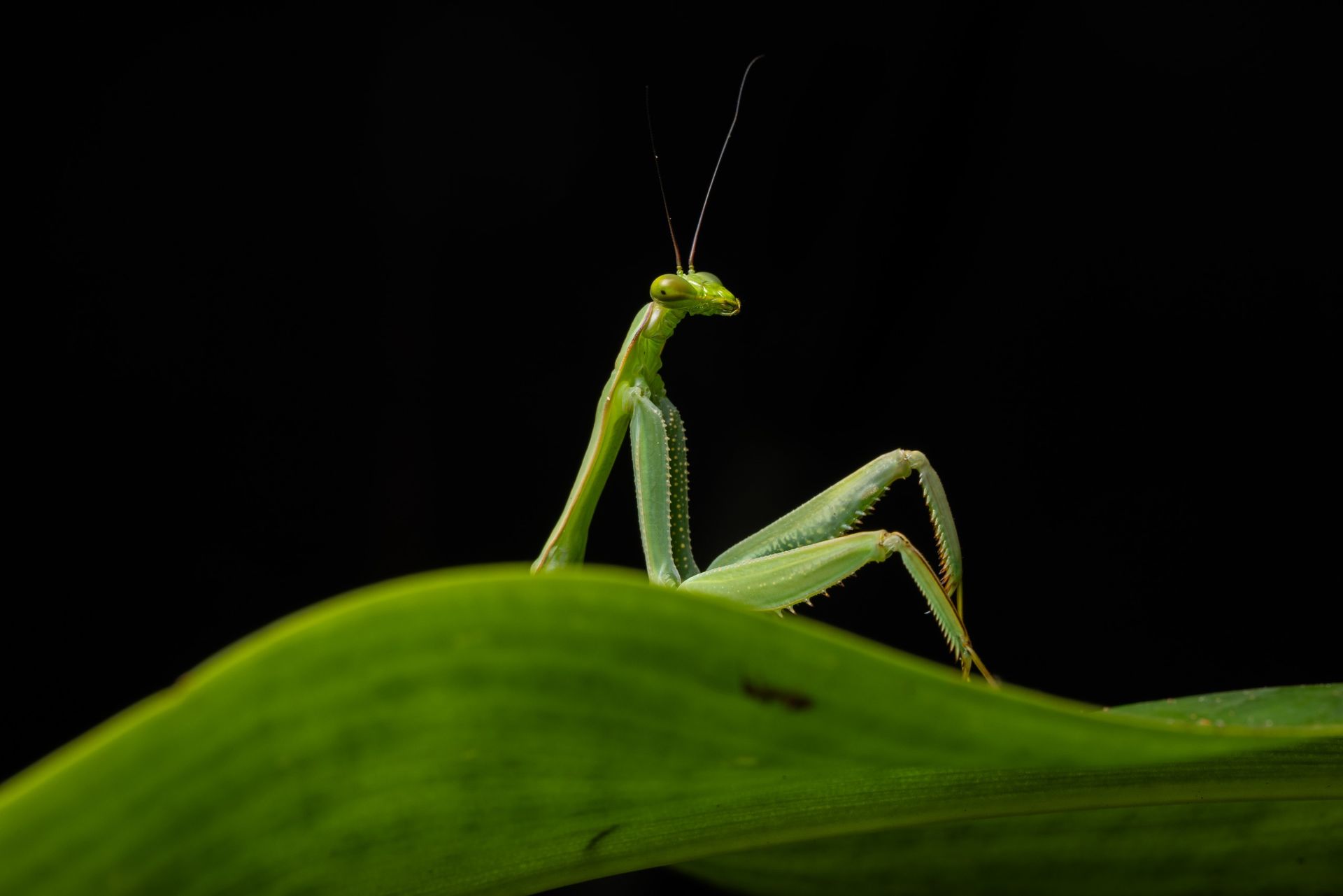
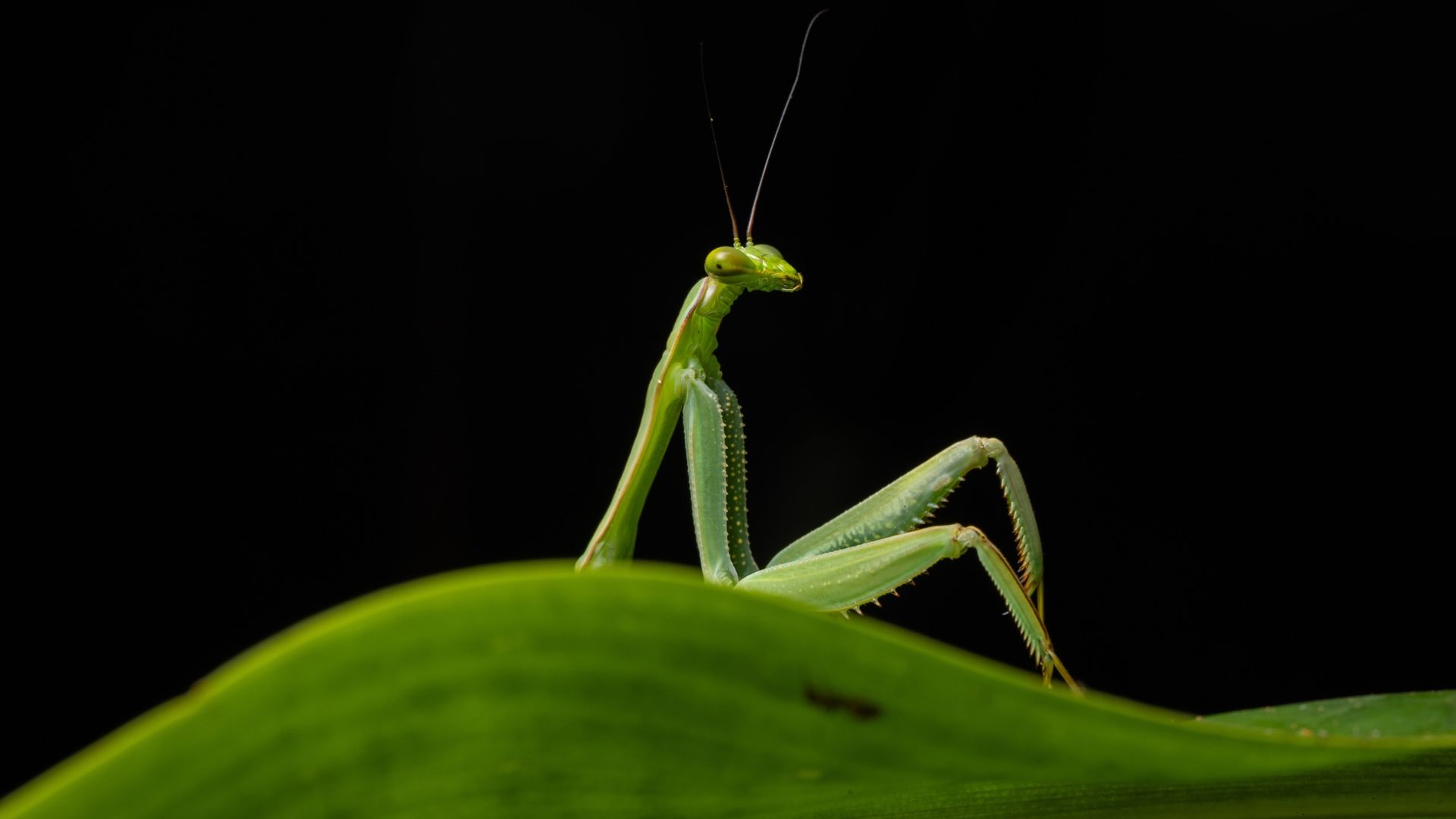
"Sexy Mantis"

A mantis appears to lounge on a leaf in Peru.

Watch out, boy, she'll chew your head off, oh-oh here she comes, she's a man-tis-eater. (Image credit: ©Diego Perez/Nikon Comedy Wildlife Awards)

I know what you're thinking: This mantis looks like it's saying, "Draw me like one of your French girls." However, if you can look past the sexualization of an insect, you might notice a pretty neat trick in how the photo was framed.

Half of the mantis's body is hidden behind the leaf. What appears to be a torso and legs are actually the creature's forelimbs, which it uses to catch prey. Photographer Diego Perez explained that he snapped the mantis while documenting wildlife in the proposed Bosques del Araza Regional Conservation Area in Peru, which is currently threatened by illegal gold mining.

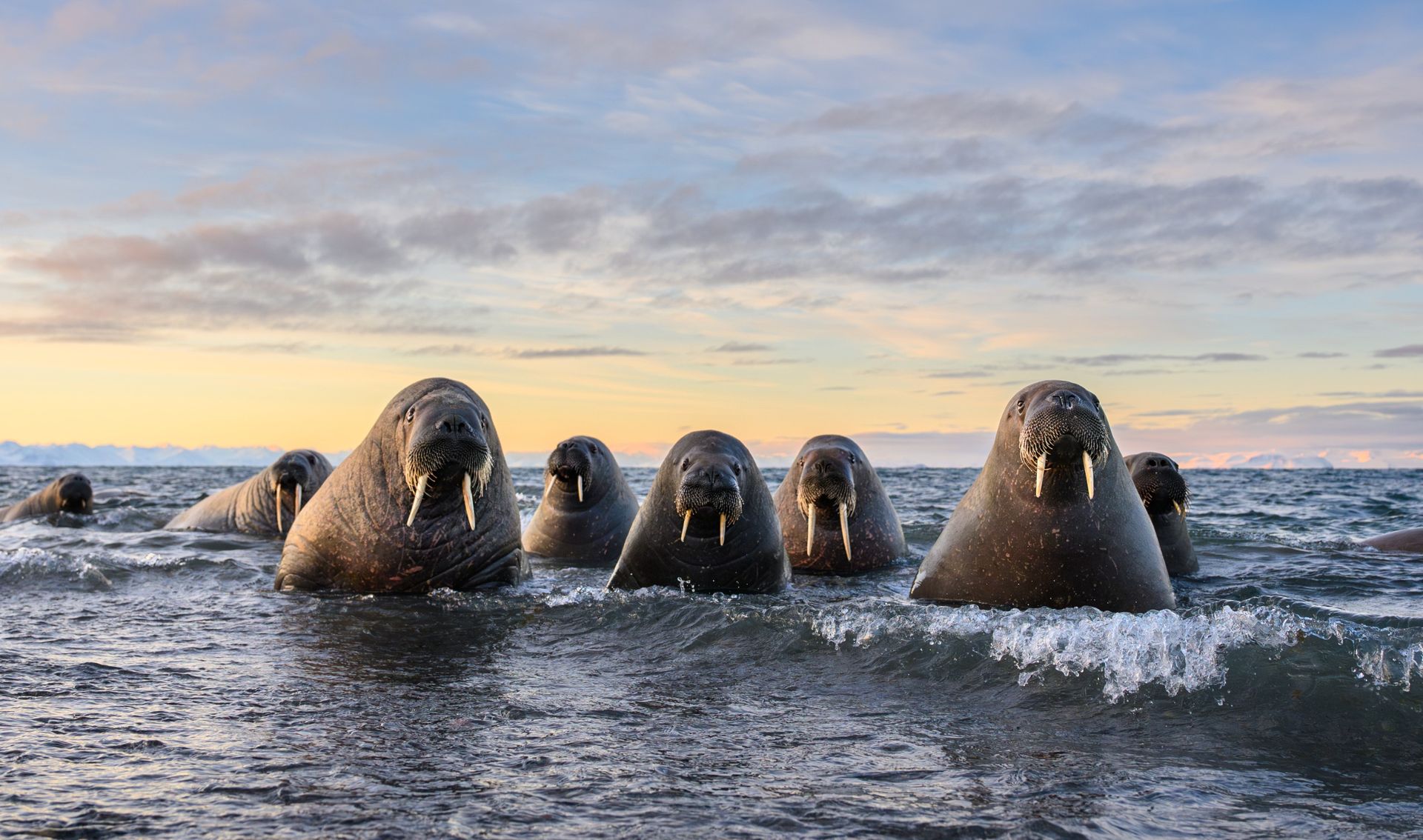
"Sea Gangsters"

A group of walruses emerging from the sea on the coast of Svalbard in Norway.

These walruses are about to make an offer you can't refuse. (Image credit: ©Marek Jackowski/Nikon Comedy Wildlife Awards)

Here we see a herd of walruses on the coast of Svalbard in Norway. The photo is titled "Sea Gangsters," implying that the walruses look like tough guys. You'd probably feel tough, too, if your tusks (which are actually sabers) grew to around 3 feet (1 meter) long.

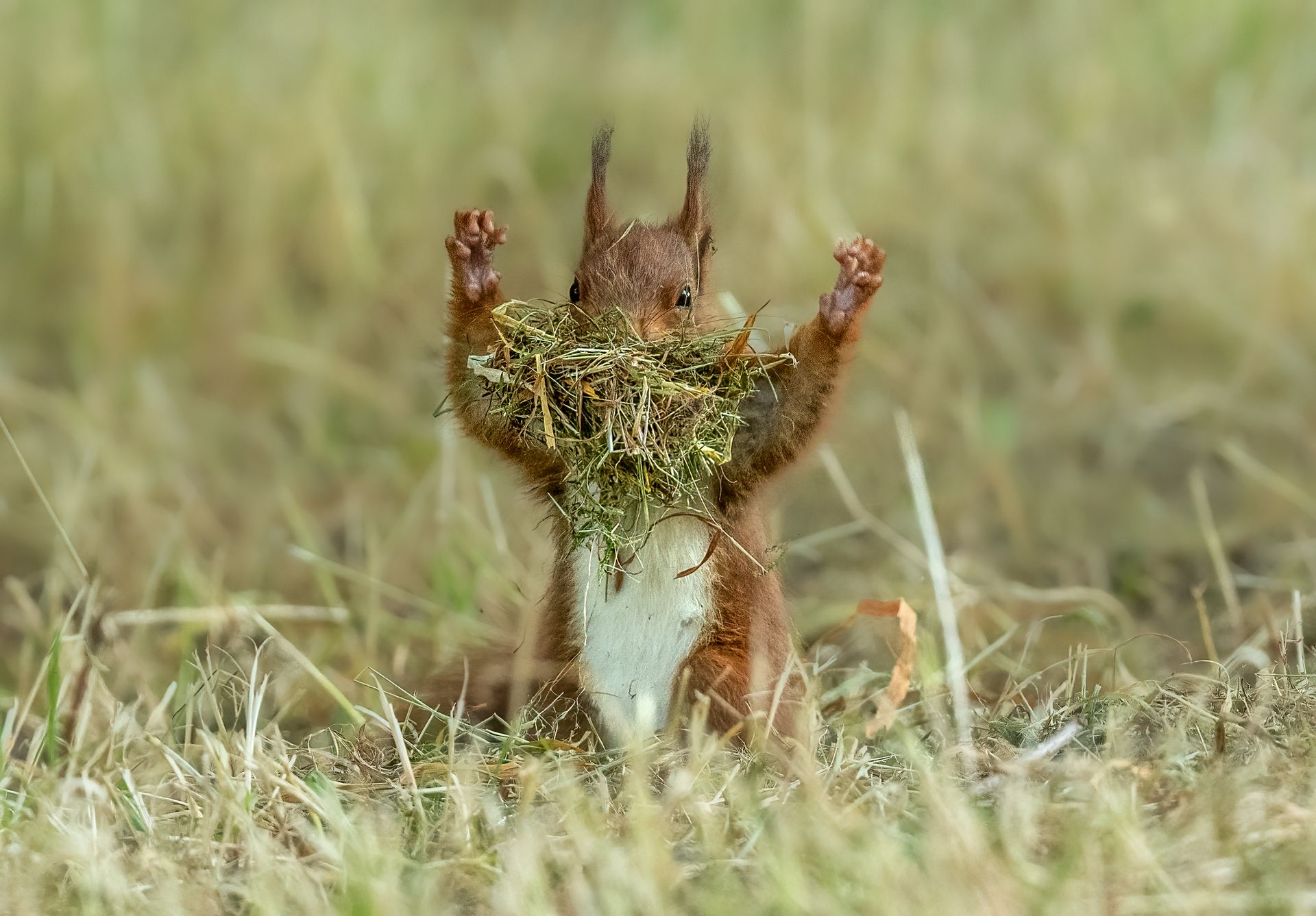
"Little Godzilla"

A red squirrel with its arms in the air and a mouth full of grass.

This red squirrel has high grass-pirations. (Image credit: ©Udo Harms/Nikon Comedy Wildlife Awards)

Ten out of 10. No notes. But, in all seriousness, red squirrels (Sciurus vulgaris) are known to grab materials like dried grass and moss to line their nests, called dreys, so maybe this little fellow is working on its home sweet home.

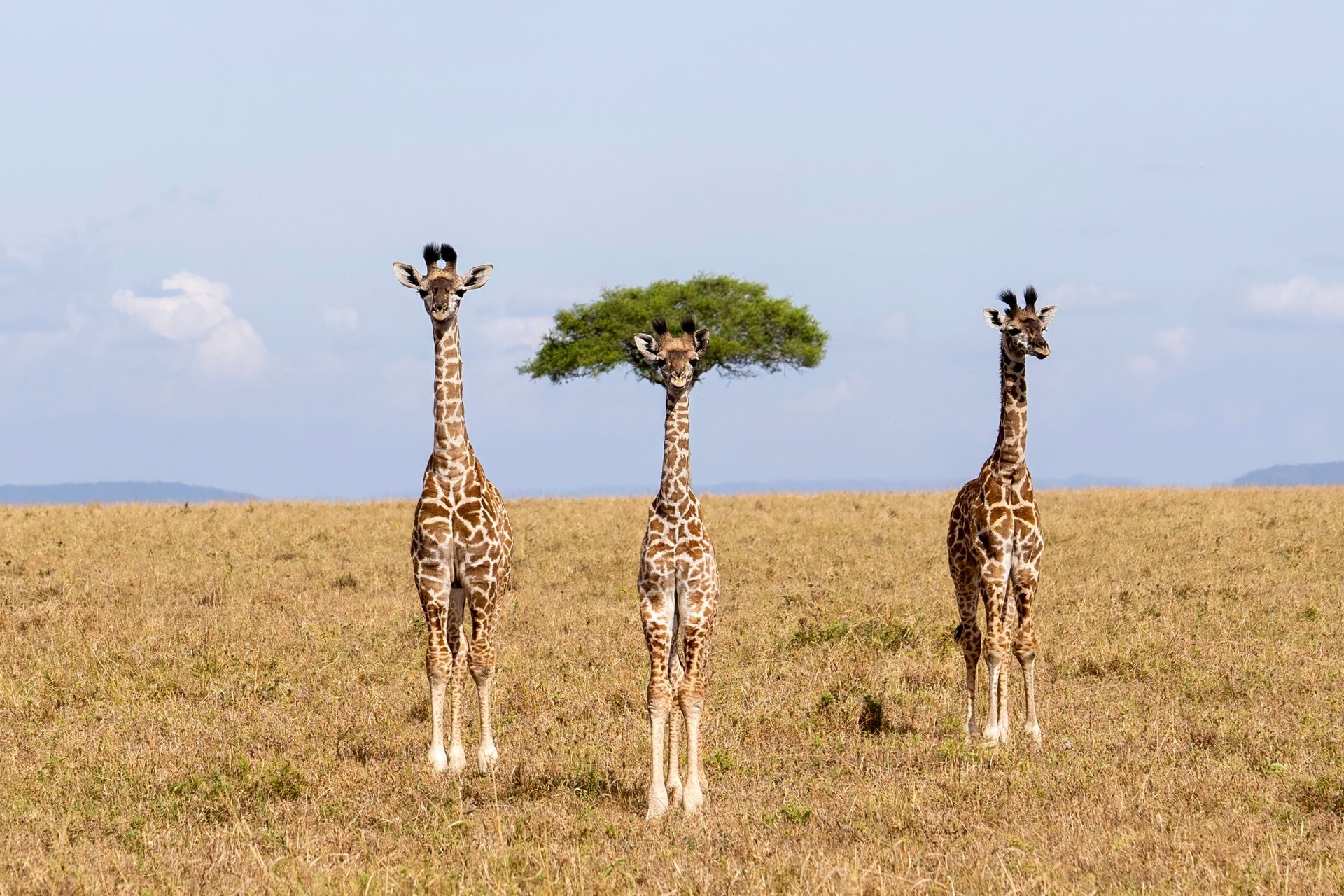
"The Different One"

Three young giraffes standing side-by-side. The giraffe in the middle has an acacia tree behind it, which looks like a wig.

They're giraffe-ing with you, not at you. (Image credit: ©Dirk Koster/Nikon Comedy Wildlife Awards)

Sometimes, all a photographer needs is the Maasai Mara, three young giraffes and a perfectly placed acacia tree. It's nice that the photographer caught them at a standstill, since these ungulates can run up to 35 mph (56 km/h) in short bursts.

This is just a selection of the finalists. You can see the rest of the contenders in Nikon's 2026 finalists gallery. The winners will be announced Dec. 8.

What do you know about the animal kingdom? Test your knowledge with our animal quiz!

  •  

Do animals experience schadenfreude?

In 2023, an African gray parrot named Jack went viral for mimicking the coughs and wheezes of her owner's father, who often struggled to breathe from severe chronic obstructive pulmonary disease.

But it wasn't just the imitation that made Jack famous; it was also that she seemed to relish the suffering of a man she purportedly hated. In the video, Jack's owner even claimed that she had a favorite cough.

The parrot appeared to be experiencing a complex emotion that in humans is known as schadenfreude, or pleasure at seeing another's pain. Literally translated from German as "harm joy," it's a feeling that might emerge when a rival coworker gets fired, or when a rude neighbor has their package stolen.

When a cat seems a little too happy watching a human stub their toe, or a horse seems to grin at a person stepping in poop, their owners might also interpret their behavior as schadenfreude.

But can any animals really experience such a complicated emotion? Or is this a classic case of anthropomorphization?

A complex emotion

Animals probably do not experience schadenfreude, according to researchers who study animal behavior and intelligence. However, the question hasn't received much attention in formal research. That's partly due to limitations of animal behavior methodology, but also because the question is bound up with how we define and communicate emotion in the first place.

"The study of complex emotions is incredibly difficult when you're talking about an animal that cannot communicate their emotions linguistically," Zachary Silver, an assistant professor of psychology who leads the canine intelligence lab at Occidental College in Los Angeles, told Live Science. "We don't have the ability to be as precise as we like to be in the scientific community."

Silver explained that researchers can look at behavior, neurological signals or hormonal activity to make an educated guess about what an animal might be feeling. A dog that has its ears back and tail tucked, for instance, is probably experiencing a negative emotion, while one wagging its tail is feeling a positive one.

But "aside from positive and negative, without words to describe the emotion, it becomes very difficult to disentangle," Silver said. The dog could be happy, but it could also just be interested in something new. "It's just so hard for us to say with any definitive nature that we really can know exactly what emotion is going on there," Silver said.

Animal behavior researchers try to avoid anthropomorphizing animals ‪(attributing human qualities to them) without evidence. When a cat or dog comforts a grieving human, for example, it could just be that the behavior was previously reinforced by rewarding the animal with treats or pets, rather than a genuine outpouring of sympathy. Similarly, Jack the parrot could have been mimicking coughs just for attention.

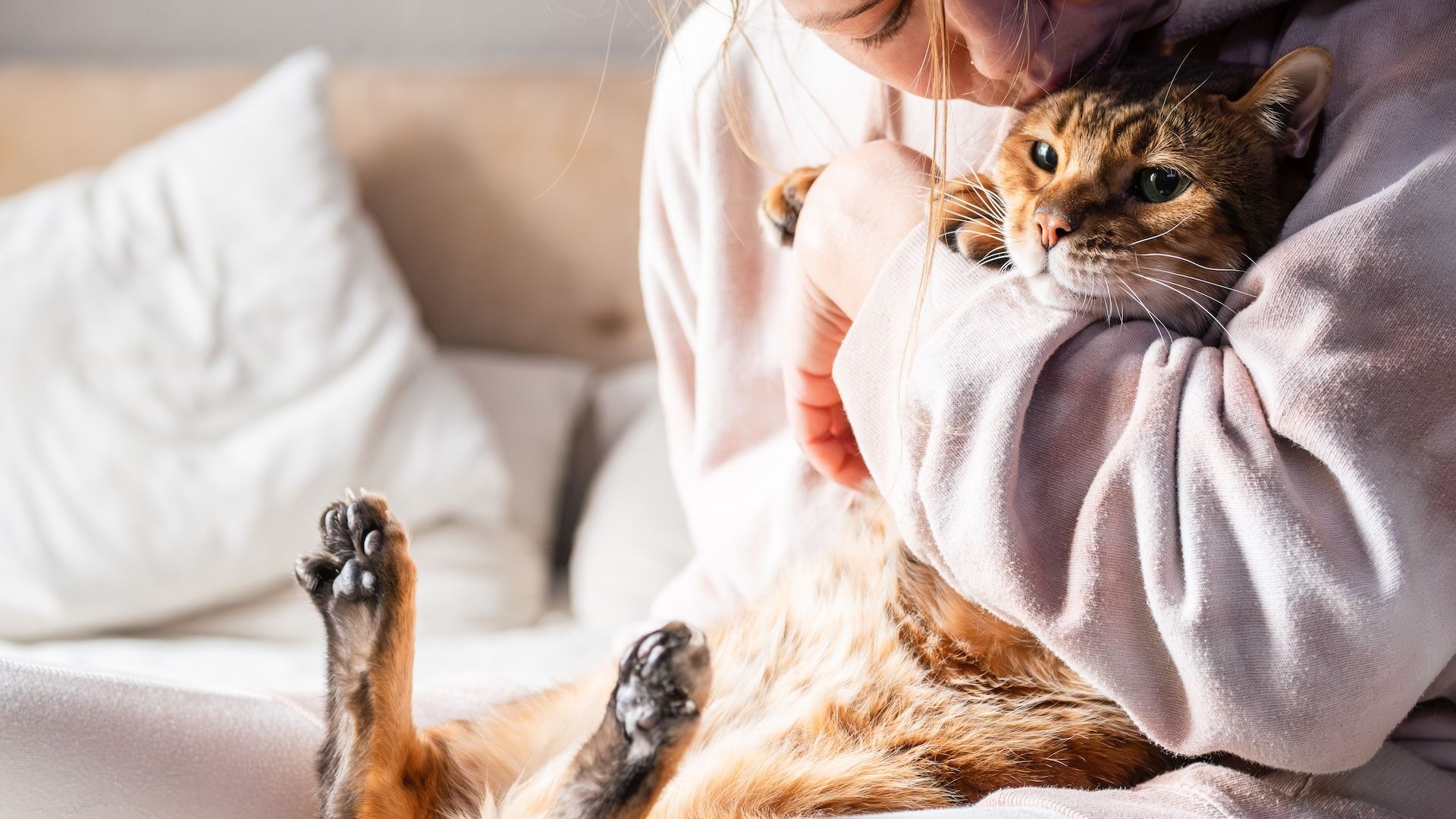
a woman hugs a cat

When cats make trouble for their owners, they may not be experiencing schadenfreude but rather just want attention. (Image credit: Zhenny-zhenny via Shutterstock)

To truly experience a complicated emotion like schadenfreude, an animal needs to understand the emotional states of both itself and others — a concept called theory of mind.

"Dogs may have some ability to attribute mental states like emotions, thoughts, beliefs, intentions to other individuals, but this really only occurs in very select contexts and in really kind of a rudimentary way," Silver said. Because of this, "it's exceedingly unlikely that dogs would be able to experience schadenfreude in the way that we as humans do."

David Stahlman, an animal behavior researcher at the University of Mary Washington, agreed that such emotional capacity in animals is unlikely. He said that animals do not seem to have the ability to recognize their own emotional states, though he noted that not all animal behavior researchers agree.

"There's a difference between the affect, the emotional behavior, and then the recognition of the emotional behavior in oneself," Stahlman said. If nonhuman animals were to have this capability, he suspected it would probably be found in highly social great apes, like chimpanzees (Pan troglodytes) and bonobos (Pan paniscus). Schadenfreude, in particular, would require animals to live in close social groups, since it requires knowledge of the individual experiencing the harm and whether it's deserved.

In hierarchical groups, it's possible that the suffering of one animal might benefit another and lead to something resembling happiness, Stahlman said, but he doubts this would ever qualify as true schadenfreude.

"The kind of Machiavellian stuff is a very human thing," he said.

Nevertheless, “there is a lot of data pointing in the direction that animals do have really deep capacities for emotional intelligence,” said Kaeli Swift, an animal behavior researcher at the University of Washington and author of the Corvid Research blog.

Swift noted that studies of some corvid species have found evidence of emotional recognition, fairness and "some of the strongest evidence across the animal world" for theory of mind. However, when it comes to studying an emotion as complex and subjective as schadenfreude, she said that researchers "haven’t quite crossed that threshold."

In the study of animal emotions, she said "we have barely started to scratch the surface."

  •  

What medieval people made of fossils before vertebrate paleontology

Mammals first appeared on Earth over 200 million years ago, scuttling around alongside the dinosaurs as little mouse-sized creatures. But after the asteroid hit 66 million years ago, it was their time to shine ‪—‬ and the Age of Mammals began.

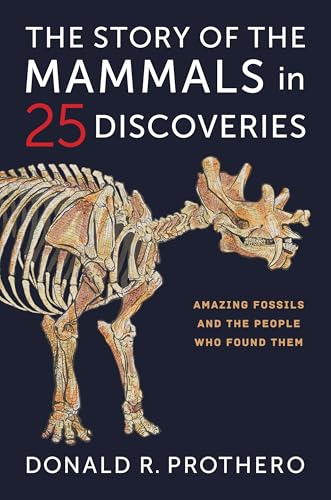
But the path to understanding our own branch of the animal kingdom hasn't been straightforward. In this excerpt from "The Story of the Mammals in 25 Discoveries" (Columbia University Press, 2026), author Donald R. Prothero looks at a time when philosophers and early naturalists believed giants roamed the Earth and explores the idea that extinction was heresy.

Many cultures around the world have a mythology that includes legends about gigantic races of humans that lived on Earth in the dark mysterious past. They may have fought against the gods, or they may have been destroyed by floods. These stories were reinforced by the discovery of gigantic bones, much larger than those of any living human, all over the Mediterranean and Europe.

The Greek philosopher Empedocles (492-432 BCE) reported gigantic bones from Sicily, supposedly remnants of a race of giants. The Roman historian Pliny the Elder (23-79 CE) mentioned fossil ivory in the ground, and according to the Roman historian Suetonius (69- 122 CE), Emperor Augustus owned a collection of large bones that had been found on the island of Capri, near Pompeii. The skulls of elephants, with their huge central opening in front (for the trunk), were thought to be the skulls of the one-eyed cyclops.

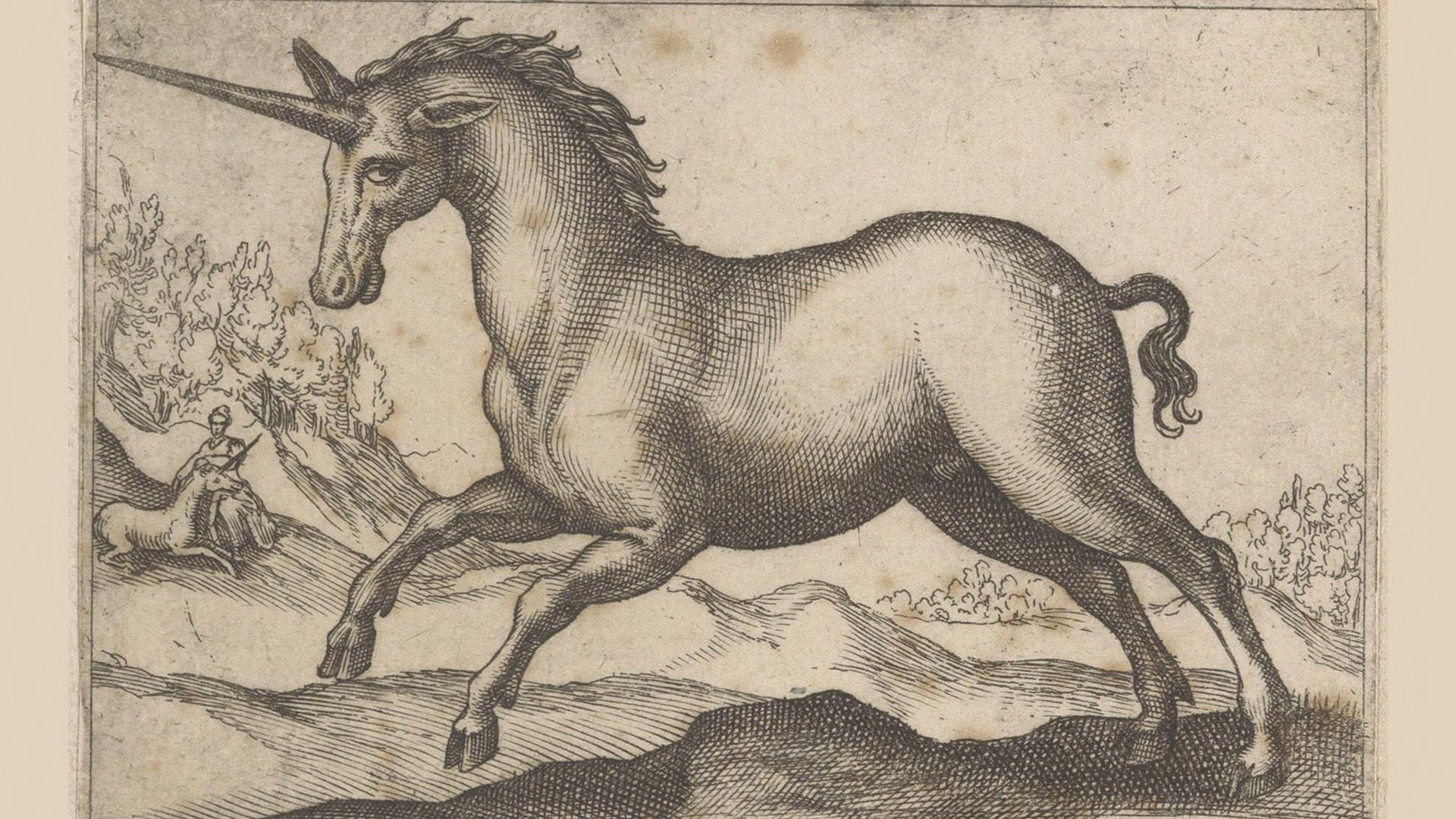
In the Middle Ages, these huge bones were again attributed to gigantic humans or other monsters (Genesis 6:4) that were drowned in Noah's flood. Giant tusks from Siberia were thought to be the horns of the mythical unicorn or the tusks of dragons. In some places gigantic teeth or vertebrae of mammoths were revered as relicts of saints. Nearly every possibility was suggested except that they were the bones of extinct elephants.

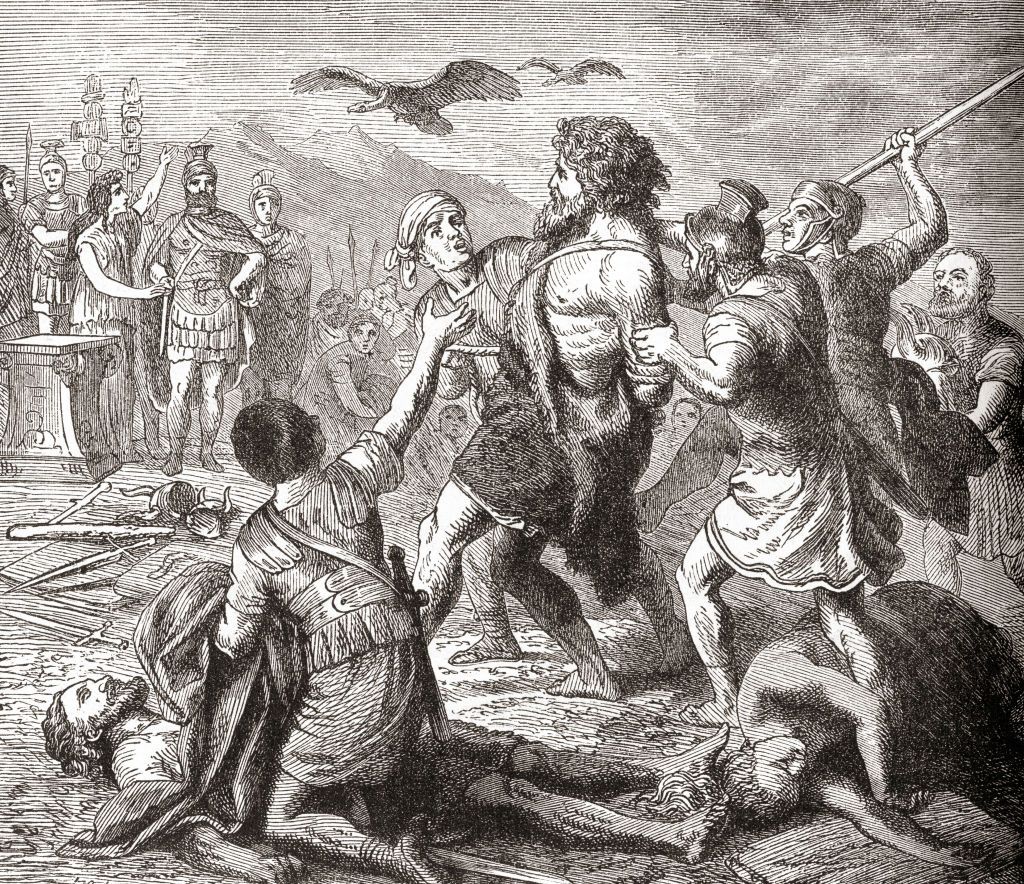
In the early seventeenth century, some giant bones dug up in a sand pit near Langon in southeastern France were exhibited around France as the remains of the giant Teutons, Germanic tribes that once roamed Gaul and were defeated by the Romans in 101 BCE.

A black and white drawing of a group of people

Huge bones from southeastern France were once thought to belong to the giant Teutons. (Image credit: Universal History Archive via Getty Images)

But in 1613 the famous anatomist Riolan attacked the prevailing interpretation, suggesting that they were the bones of an elephant. This generated a raging controversy between physicians and anatomists and the barber-surgeons who called them gigantic human bones. Others thought they were hoaxes or generated by mysterious "plastic forces" (vis plastica in Latin) that percolated through Earth. Still others attacked the anatomists for questioning the biblical account of giants on Earth. The controversies died down in 1618 without being resolved, and for the next two centuries most people continued to interpret new finds as gigantic humans.

The giant bones that kept turning up in the New World were also a source of much mystery and consternation. The Native American tribes usually attributed them to giant monsters fought by their ancestors and incorporated them into their folklore. When these bones were first seen by European settlers, they were thought to be the bones of gigantic humans that roamed the earth in biblical times. Others thought that the giant tasks so revered by the Native Americans were the works of Satan, placed there to tempt the believer.

In 1519, the Spanish explorer and conquistador Hernan Cortez received a bone of a "giant," a gift from the friendly Tlascalan tribe of Mexico during the conquest of the Aztecs. He sent it back to the King of Spain as proof that giants at once lived in the New World. In 1706, the Reverend Cotton Mather of the Massachusetts Bay Colony pronounced them to be "the remains of godless giants drowned in Noah's Flood." He sent some bones to the Royal Society in London to have them certified as evidence of this "wicked giant" because biblical scholars were calculating Adam's height at 123 ft. 9 in.

The Royal Society never pronounced an opinion on these bones, although by that time many members were becoming skeptical of the literal interpretations of Genesis. The stifling effect of religious dogma about giants and Noah's flood was complicated by another idea: the notion of Divine Providence. An omnipotent, benevolent God would never allow any of his creatures to become extinct. As the poet Alexander Pope wrote in An Essay on Man (1734), "who sees with equal eye, as God of all, a hero perish, or a sparrow fall."

The prevailing concept was that of a "great chain of being" that linked the animals to man to the angels to God. Breaking any link in that chain implied the destruction of the whole chain. In the same poem, Pope also wrote: "Where, one step broken, the great scale's destroy'd; From Nature's chain whatever link you strike, Ten or ten thousandth, breaks the chain alike."

By the late 1700s, however, it was becoming more and more apparent that many of the recently discovered fossils had no living counterparts. Remote corners of the world were being explored, and although many new and surprising beasts were discovered, clearly the gigantic beasts were not hiding in South America or Africa or the East Indies. Many strange fossils, such as the bones of hippopotami in Paris and London, were clearly related to tropical animals, but it was assumed that these bones had been washed from the tropics during the Great Flood.

The notion of extinction was still blasphemous. The New World soon provided unequivocal evidence that these large bones were not simply gigantic humans. In 1739, Charles le Moyne, the second Baron de Longueil, left Montreal with French and Indian troops to fight the Chickasaw Indians along the Ohio River. Somewhere along the Ohio he found the remains of what appeared to be three elephants. When the war ended in 1740, le Moyne collected the bones and shipped them to New Orleans and ultimately to Paris, where they came to the attention of French naturalists.

A large tusked skeleton is seen on display.

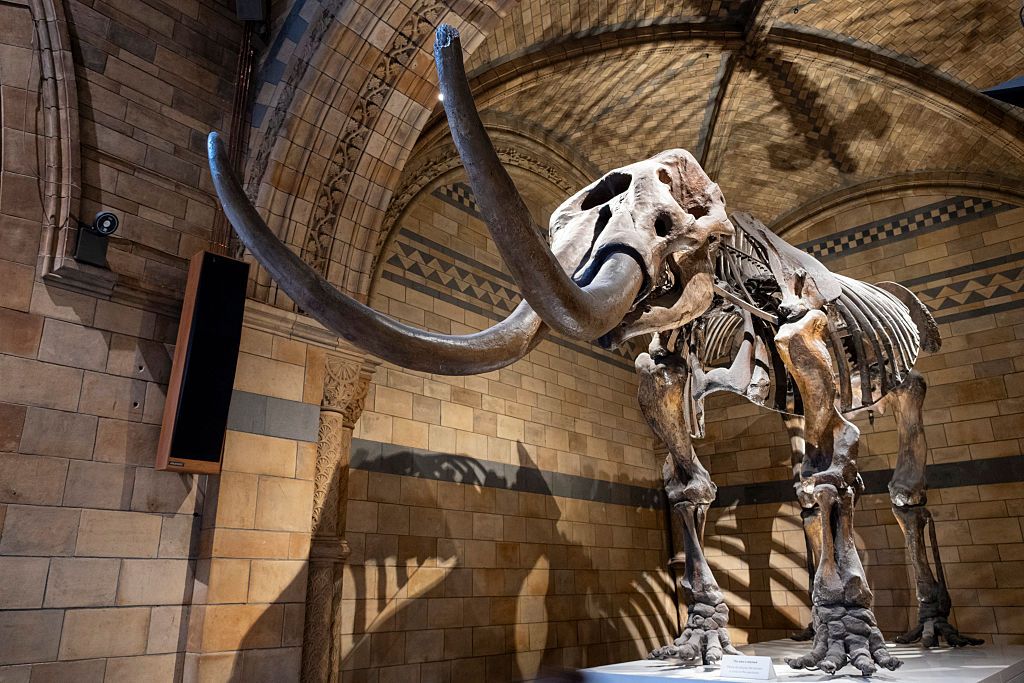
Fossils unearthed in Kentucky in the 18th century puzzled Benjamin Franklin, who thought they looked like an elephant, but the teeth were unlike those belonging to any known species. (Image credit: Mike Kemp via Getty Images)

In the 1740s and 1750s, English settlers in the region sent more of these bones from Big Bone Lick, Kentucky, off to England and also to Benjamin Franklin in America. Most of the bones (especially the tusks) were clearly like those of elephants and mammoths, but the teeth were puzzling. They were clearly unlike any living elephant, yet they were part of an animal of elephantine size. (We now know that these were specimens of the American mastodon, Mammut americanum.) Franklin speculated that the teeth were reminiscent of a carnivorous animal, although he and others later decided it was a vegetarian.

In 1769, the famous British anatomist William Hunter took the carnivory suggestion seriously and suggested this was not a true elephant but a "pseudelephant" or "American incognitum" (Latin for "unknown") that had independently developed ivory tusks:

"This monster, with the agility and ferocity of a tiger . . . cruel as the bloody panther, swift as the descending eagle, terrible as the angel of night. . . . And if this animal was indeed carnivorous, which I believe cannot be doubted, though we may as philosophers regret it, as men we cannot but thank Heaven that its whole generation is probably extinct."

This very precocious suggestion was still not accepted by naturalists of the time. Nevertheless, remains of the "incognitum" and also of the Siberian mammoth (including frozen carcasses with hair and skin) were turning up again and again. Georges Louis Leclerc, the Comte de Buffon (1707-1788), concluded in his Théorie de la terre in 1749 that although most of the supposedly extinct animals were hiding somewhere in an unknown region, it was likely that the large terrestrial mammals such as the mammoth and "incognitum" had actually perished.

By 1778, Buffon was relating their disappearance to his ideas of violent cataclysms in Earth's early history. During this time the climate was warmer and polar regions had once been tropical, so "elephants" (meaning mammoths) could live in Siberia. This implied a nonbiblical Earth of much greater antiquity. Buffon suggested it was as much as 75,000 to 3,000,000 years old, rather than the 6,000 years demanded by most literalist biblical scholars.

Naturally, such revolutionary ideas were not popular with the theologians in the Sorbonne. Buffon was protected by the king, however, so he was not persecuted for his heresy, although his ideas were not widely accepted either. The fact of extinction was finally proved by one of the greatest scientists of all time, the Baron Georges Cuvier (1769-1832).

Jean Leopold Frederic Georges Cuvier was an impressive man. Tall of stature, he had a "massive" head crowned by a large mane of hair. One admirer wrote that his head "gave to his entire person an undeniable cachet of majesty and to his face an expression of profound meditation." After his death, scientists weighed his brain and found that it was a massive 1830 grams [4 pounds], more than 400 grams [14 ounces] above average, and 200 grams [7 ounces] heavier than any brain ever measured at that time.

More important, he was one of the most brilliant men of his time, with a command of many subjects, some of which he invented all by himself. Before Cuvier, natural history was a field that resembled stamp collecting, with many amateur naturalists compiling long lists and descriptions of new species without analyzing the similarities in their anatomy. Cuvier almost single-handedly revolutionized natural history by dissecting many different animals and discovering their underlying similarities and differences.

This became the foundation of comparative anatomy, a subject that has been fundamental to biology ever since. Naturalists and explorers sent him their fossil bones, and he was the first to correctly describe many types of extinct animals. Cuvier solved the mystery of the puzzling fossil teeth called the "Great Incognitum" and recognized them as the teeth of the elephant-like mastodons. He also correctly deciphered the huge marine lizards we now know as mosasaurs.

For this reason, he is also considered to be the founder of vertebrate paleontology. Cuvier is most famous for his "law of correlation of parts," wherein he discovered that certain types of anatomical features tend to be associated. If you are a flesh eater, you will have sharp teeth and claws; if you are a plant eater, you will have flat grinding teeth and hooves; and so on. Using this law, paleontologists have been able to reconstruct whole animals from just a few key bones because the other parts of the anatomy are so predictable.

Excerpted from The Story of the Mammals in 25 Discoveries: Amazing Fossils and the People Who Found Them by Donald R. Prothero. Copyright (c) 2026 Donald R. Prothero. Used by arrangement with the Publisher. All rights reserved.

Help us improve Live Science Pro: We're always trying to make our content better. Leave us feedback about Pro here.

The Story of the Mammals in 25 Discoveries: Amazing Fossils and the People Who Found Them

Columbia University Press
The Story of the Mammals in 25 Discoveries: Amazing Fossils and the People Who Found Them

Donald R. Prothero takes readers on a journey through the history of mammals, opening a window onto the worlds of some of the most incredible and peculiar animals that ever lived. He tells the dramatic stories of fossil findings and the paleontologists who unraveled them, showing how scientific ingenuity advanced our knowledge of both ancient and present-day mammals.

  •  

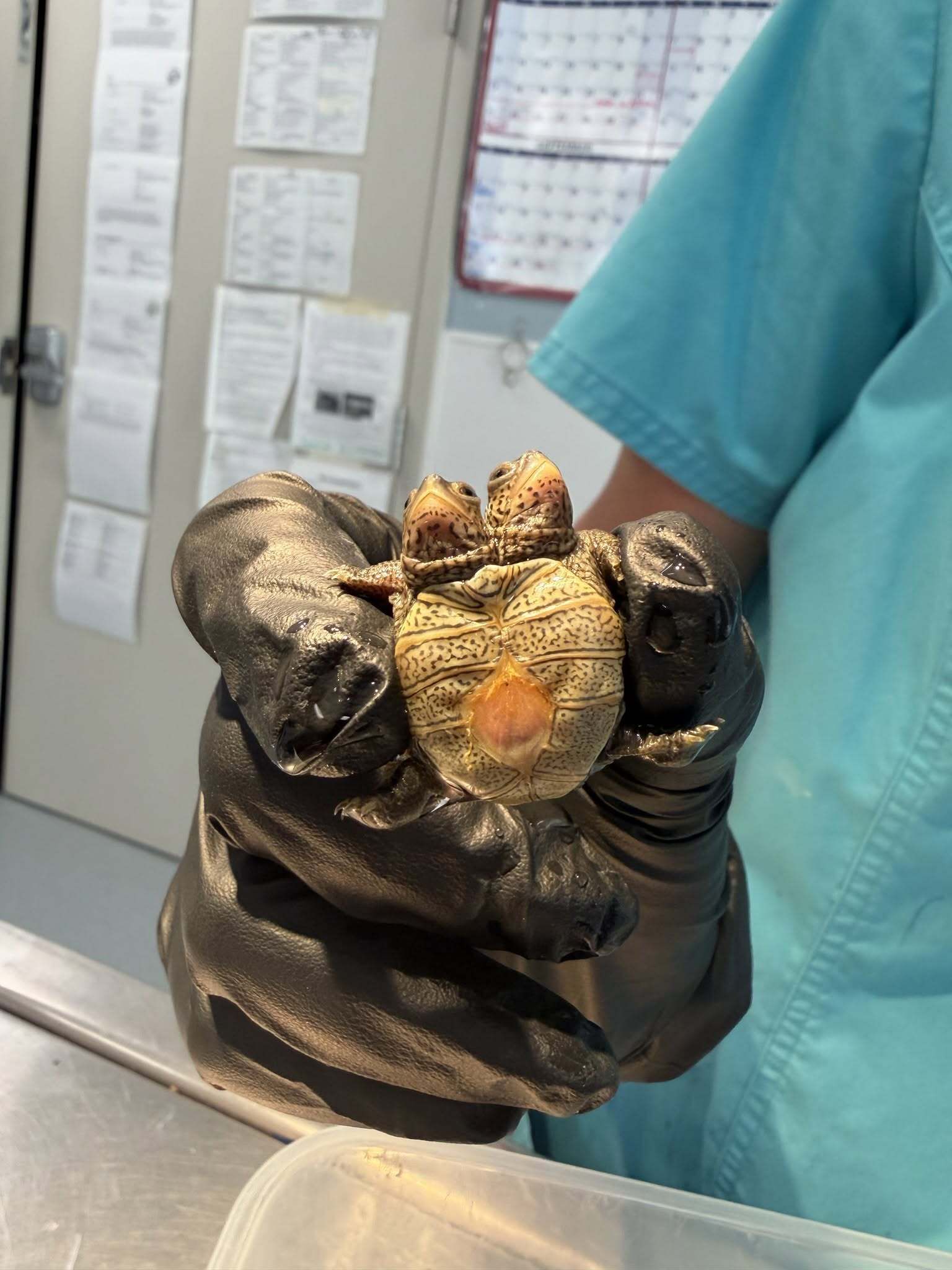
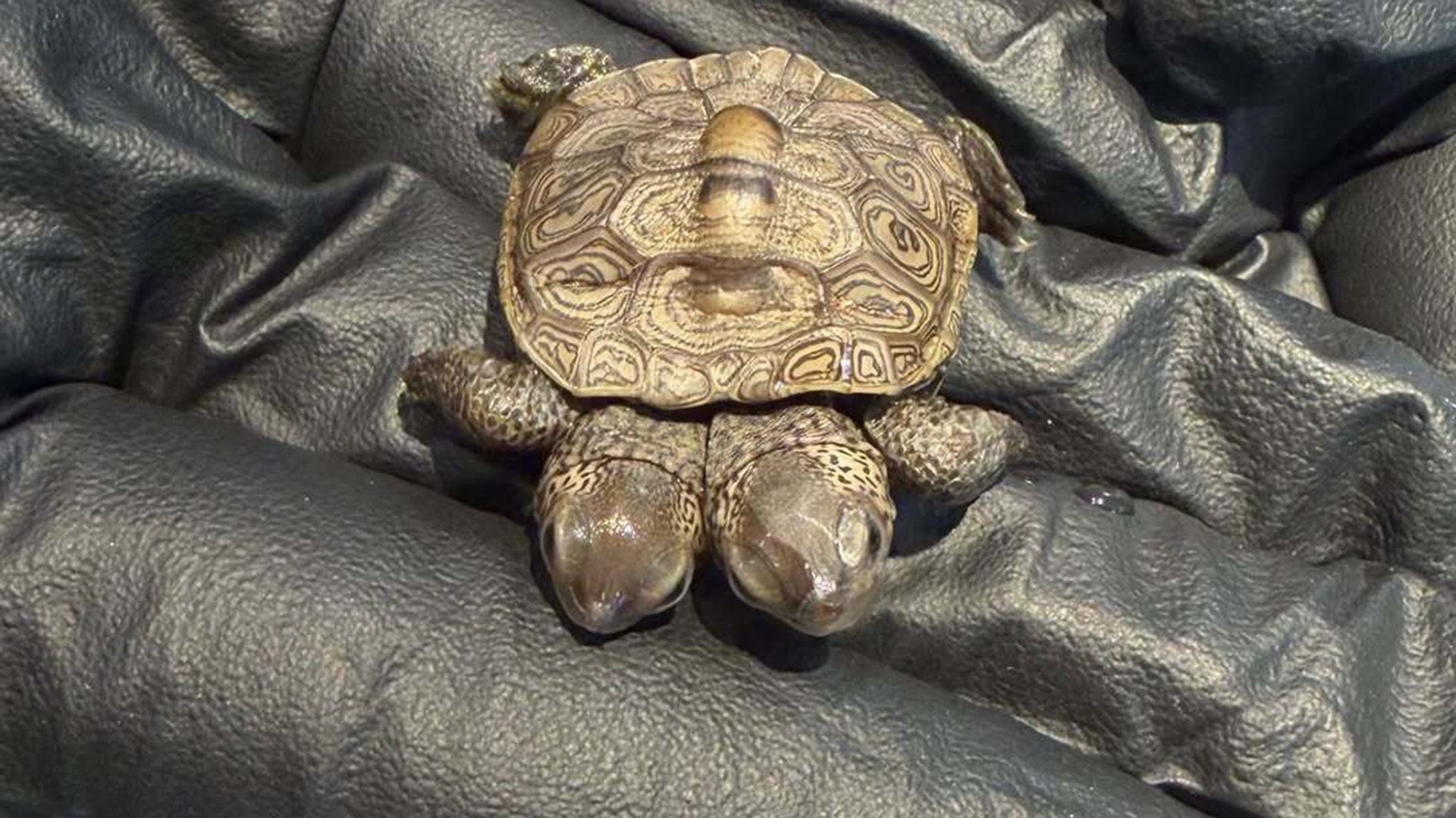
Rare two-headed turtle hatchling discovered on Cape Cod

Cape Cod is known for its lobsters and its growing great white shark population, but now the holiday hotspot has another extraordinary animal to showcase: a rare two-headed diamondback terrapin that is surviving against the odds.

The baby turtle, which weighed just 0.18 ounces (5.2 grams), was brought to the Cape Wildlife Center in Barnstable, Massachusetts, on Sept. 17, according to a Facebook post from the wildlife center. It was originally found by representatives of the Mass Audubon Wellfleet Bay Wildlife Sanctuary at a protected nesting site in the town of Wellfleet.

The turtle's condition, known as bicephaly, is a rare developmental disorder that's typically caused by the incomplete splitting of a single embryo during the formation of identical twins. It results in conjoined twins that share one body but have two fully formed, independent heads.

A close up of a small two-headed turtle held in a black latex glove.

Two-headed turtles face survival challenges, as their abnormal anatomy can impair coordinated movement, feeding, and other functions essential for survival. (Image credit: New England Wildlife Centers Staff)

Zak Mertz, CEO of New England Wildlife Centers, which includes the Cape Wildlife Center, said the recently discovered diamondback terrapin (Malaclemys terrapin) is an uncommon example of bicephaly in turtles. Both genetics and epigenetics ‪—‬ the study of how genes and environment can interact ‪—‬ are thought to play a role in the condition's development.

"Our understanding based on the available research is that bicephaly is caused by both genetic and epigenetic factors," Mertz told Live Science in an email.

"It may have to do with the relatively long lifespan of the turtles, their preference for returning to the same nesting sites, and a limited gene pool due to their conservation status," he said."It may also be influenced by environmental factors, such as the temperature, humidity during incubation, physical characteristics of the nesting sites, or potentially even things the parents are exposed to in the environment."

Having two heads is rare but not unprecedented. According to the center, this is the third bicephalic terrapin found in the area in the past five years, providing another opportunity to learn more about the animals. Other wild animals with bicephaly have been found in recent years, including a two-headed porpoise found off the coast of the Netherlands and a two-headed dolphin that was found on a Turkish beach.

A 2021 study found that rare two-headed and partially duplicated sea turtle embryos and hatchlings showed significant craniofacial and spinal abnormalities and were generally smaller than typical hatchlings. The research found bicephalic turtles faced survival challenges because their abnormal anatomy could impair coordinated movement, feeding, and other functions essential for survival, highlighting the importance of monitoring such deformities as potential indicators of population and environmental health.

Diamondback terrapins are found in brackish marshlands along the Atlantic and Gulf coasts of the United States. Brackish waters have more salt than fresh water but less salt than seawater, and often occur where the freshwater of a lake or river meets the salty sea. These terrapins are classified as threatened by the Massachusetts Endangered Species Act, and their broader conservation status at the federal level is currently under review.

Veterinarians are monitoring the rare terrapin's health closely. "It is fascinating and an area that certainly merits more study," Mertz said. "We are excited to care for these two and learn as much as we can to inform future study in the process."

  •  

Whistleblower alleges millions of Driscoll’s berries sent to Canada with excess chemical levels


A whistleblower lawsuit in California is alleging millions of pounds of Driscoll's fruit containing non-compliant levels of pesticides and chemicals crossed the border into Canada, and the company tried to cover it up.

  •  

The sea full of diclofenac — how researchers are trying to cut pharmaceutical pollution in the Baltic Sea


Paracetamol, ibuprofen, carbamazepine, diclofenac, and other pharmaceuticals are being found in the Baltic Sea. Researchers say changing how some medicines are prescribed, used, and disposed of could help reduce the flow.

  •  

Pesticide linked to cancer and hormone disruption pollutes a quarter of US river miles


A cancer-linked pesticide banned in more than 60 countries around the world contaminates an estimated 25% of river and stream miles in the lower 48 U.S. states, including many waterways used for drinking water, according to a new analysis.

  •  

Metasurface optical device boosts nonlinear frequency conversion

By combining a band-structure engineered multi-quantum-well heterostructure with a nanostructure known as a metasurface, physicists in Austria and the US have created a device that can efficiently transform light into different frequencies – including those at technologically important near-infrared wavelengths. Their technique, which boosts nonlinear frequency conversion, could help in the development of smaller and more efficient components for telecommunications, quantum information transfer and other photonics technologies.

Nonlinear frequency conversion is an optical process in which a material is used to generate light of a different frequency to that incident on the material. It is now routinely employed in a wide range of photonics devices that rely on frequency mixing, ultrafast signal processing, broadband and pulsed light sources, and high-speed light modulation. It is also used to generate entangled photon pairs for quantum communication. One common type of frequency conversion, and the one used in this new study, is second-harmonic generation. Here, two input photons are combined to produce one photon with twice the energy.

Efficient nonlinear devices require light with high electric field strengths and materials that respond to these intense electromagnetic fields by producing a light polarization that is not directly proportional to the applied field. “Only a handful of such nonlinear crystals exist and these have complicated structures with weak nonlinearities, which means they require high optical powers to make photons interact with each other,” says Marcus Ossiander from the Institute of Experimental Physics at TU Graz in Austria, one of the authors of the new study published in Nature Nanotechnology. “While, new such crystals emerge from time to time, their structure is fixed, which dictates which light wavelengths they work at and how efficiently.”

Asymmetrically coupled multi-quantum wells

Recently, a group of researchers at the University of Texas at Austin in the US, led by Seth Bank, also an author of this latest study, succeeded in creating an optical nonlinearity not via a new crystal structure but by growing a semiconductor metamaterial made from nanoscale layers of gallium arsenide and aluminium gallium arsenide. These layers contain multiple quantum wells that are asymmetrically coupled to each other.

The quantum wells confine electrons in one dimension while allowing them to move freely in the other two dimensions, something that has the effect of restricting their energy levels into discrete, quantum states. Since they are asymmetrically coupled, the electrons end up mainly moving in one direction when exposed to light. This so-called “one-way street leads to increased nonlinear electron oscillations, allowing light waves to interact with each other extremely efficiently and exceed naturally occurring nonlinearities.

Ossiander and his colleagues, including Federico Capasso at the Harvard John A. Paulson School of Engineering and Applied Sciences (SEAS), have now added a second, two-dimensional metamaterial atop the first one. This metasurface, which consists of titanium dioxide pillars, each several hundred nanometres in size, precisely creates the particular light polarization required to deflect incoming light so that it scatters along the one-way street. This enhances the interactions between light waves even further and so increases the intensity of light in the structure.

An extra lap

Researchers have known for a while now that metasurfaces are extremely good at resonantly trapping light and increasing the interaction of light with matter. Usually, the process is straightforward, explains first author Pernille Undrum Fathi, who works in Capasso’s group: you implement a resonant metasurface, and it enhances, for example, the nonlinear effects that you are aiming for.

“The new material sent us for an extra lap, however, because, during our experiments, we discovered that the designable second-order nonlinear susceptibility tensor element (the required incident polarization) is different to that of conventional materials,” she says. “Therefore, when we shone light at exactly normal incidence, the metasurface–material combination generated light waves whose polarizations cancelled each other out completely, so annihilating any enhanced optical nonlinearity.”

However, the researchers found that tilting the sample by just 0.3° broke this symmetry and solved this challenge. Indeed, they were able to increase the effective nonlinear conversion of the light to three orders of magnitude higher than that for a non-patterned heterostructure. The effect is also higher than previously reported values for comparable devices at near‑infrared wavelengths.

“Nonlinear optics are ubiquitous in modern science and technology, with examples including the generation of light at new frequencies (where lasers might be unavailable), all-optical signal processing and the generation of entangled photon pairs for quantum communication,” Ossiander tells Physics World. “Enhancing the fundamental processes enabling this technology will allow for much more efficient, compact devices and enable new measurements that would previously be impossible.”

Metasurfaces offer an excellent route to control and enhance the interaction of light with matter, and the team was intrigued to find out what could be made possible when combining these materials with nanostructures, adds Fathi.

“Working with new materials of course comes with additional uncertainty, and we spent a lot of time learning about and understanding the mechanisms of these new structures and how the particular nonlinear tensor elements of this material interact with the resonant modes introduced by the metasurface,” she says.

“The material we studied is very interesting but also complex,” adds Ossiander, noting that the reseachers believe they can learn how to make even better use of the designer nonlinearity in it by further investigating its fundamental properties. “Indeed, there is a new publication in Optica by Bank’s group on how to improve the multi-quantum-well material even more.”

The post Metasurface optical device boosts nonlinear frequency conversion appeared first on Physics World.

  •  

Beginning in 1990, New York City repaved streets with asphalt containing crushed recycled glass. By 1995, crews had used 250,000 tons of glass in resurfacing applications across the city, including a section of Fifth Avenue in front of the Plaza Hotel.

For a few years in the early 1990s, a lot of New York streets sparkled. Picture a Manhattan avenue at dusk, wet from a passing shower, the streetlights and headlights catching something in the road surface itself. Not the usual dull black, but a faint, restless glitter, as if the asphalt had been dusted with something. That shimmer was crushed bottles. The city had figured out how to grind its glass waste into the road.

The material had a name that told you exactly what it was: glassphalt. It went from a curiosity nobody trusted, to something people demanded outside their own buildings, and then it quietly disappeared. And it’s a small case study in why good recycling ideas so often don’t stick.

The glittering street, and why the city made it

Asphalt is mostly sand and gravel held together by a black binder. Glassphalt is what you get when crushed glass replaces part of that sand and gravel.

The Federal Highway Administration, in its guidelines on waste glass in pavement, says road-surface mixes with roughly 10 to 15 percent crushed glass perform fine. From 1989, the city’s transportation department started putting the glass content of its mix at about 10 percent.

The FHWA called the New York program the “most aggressive” glass-recycling paving effort in the country. From 1990 through 1995 the city used roughly 225,000 metric tons, about 250,000 tons, of glass in resurfacing. By 1991, crews had already laid glassphalt on nearly 900 lane-miles of Manhattan and Brooklyn streets.

What made the idea clever, as far as we can tell, is the kind of glass it used. Bottle recyclers want clean glass sorted by color. They won’t buy the mixed-color material that piles up at the bottom of a recycling stream. Glassphalt didn’t care about color. It could swallow exactly the low-value waste glass that nobody else wanted and turn it into road. The city reported saving about $500,000 a year by using crushed glass in place of some sand and gravel, and keeping 38,000 tons of glass out of landfills in the process.

From public suspicion to actual demand

People did not warm to it right away. A road that shimmers looks, at first glance, like something is wrong with it. But the turnaround, if the accounts from the time are right, was fairly complete.

Harold Watson, the transportation department’s assistant commissioner for asphalt operations, had become something of an in-house champion for the material. Watson said in 1991: “Now, when we do a road, if we don’t have glass on it, people come in and start complaining.”

That’s a nice story about public mood, not a measured fact, and it comes from a fan of the material, so we’d hold it loosely. Watson was clearly frustrated by a quieter resistance too. In his telling, “There’s a lot of people who can’t find anything wrong with glassphalt but won’t say anything good about it.” Read that as one supporter’s view rather than a neutral account, but it captures the odd spot the material was in: hard to fault, hard to fully endorse.

The Plaza, and a request for more sparkle

The clearest sign that the public had come around involved one very visible stretch of Fifth Avenue. After the city resurfaced the section in front of the Plaza Hotel with glassphalt, the hotel’s owner, Donald Trump, wanted the surrounding streets given the same treatment. A recycled-glass road surface had become something worth lobbying for outside a luxury hotel.

There’s something funny in that. The exact same crushed bottles a bottle plant would reject as worthless were, when spread across Fifth Avenue and lit up after rain, a selling point. The sparkle did real marketing work that the engineering never asked for.

Why the biggest glass-paving program in the country faded

None of the appeal saved it. The program’s central weakness was that its raw material came from curbside recycling collection, and collection is expensive.

During a budget crisis, Mayor David Dinkins floated suspending the recycling operation to save about $65 million a year, which would have cut off the glass supply. Commissioner Lucius Riccio said at the time: “That would be a shame. We’re doing a record amount of paving and we could use all the glass they could give us.” That tension is the whole story in miniature. The paving side wanted all the glass it could get, and the collection side that fed it was the first thing on the chopping block when money got tight.

What we take from a road paved with bottles

New York didn’t invent glassphalt. Baltimore had paved at least 17 streets with it from the mid-1970s through the mid-1980s, chasing the same sparkle.

What New York proved was that the idea could run at real scale, absorb hundreds of thousands of tons of the exact glass nobody else wanted, and win over a skeptical public along the way.

The sparkle was arguably the least interesting thing about it. It got the headlines, it got Trump lobbying, it made a wet avenue look faintly enchanted. But the real achievement was much plainer: a workable use for low-value mixed glass that would otherwise cost money to bury.

The reason it faded had nothing to do with whether the roads glittered, and everything to do with the fragile system behind it, the collection network and the raw cost of glass against dirt-cheap gravel. A recycling idea can be sound as engineering and still lose to logistics. That, more than the shine, is what a road made of bottles has to teach.

The post Beginning in 1990, New York City repaved streets with asphalt containing crushed recycled glass. By 1995, crews had used 250,000 tons of glass in resurfacing applications across the city, including a section of Fifth Avenue in front of the Plaza Hotel. appeared first on Space Daily.

  •  
❌