❌

Reading view

New EAMA highlights showcase 30-year cohort generation research findings

Thirty years after a small group of European professors of geriatric medicine first warned that the continent’s fastest-growing population was being cared for by physicians who had never been formally trained to care for them, the program they created to fix the problem is marking its anniversary with a scientific milestone of its own. A new special article published in European Geriatric Medicine documents the research output of the most recent graduating cohort of the European Academy for Medicine of Ageing, or EAMA, and in doing so offers a rare longitudinal measure of how a structured, pan-European leadership program in geriatric medicine translates into scholarly productivity, professional advancement and, ultimately, better care for older people.

The new paper, titled “‘Highlights of latest EAMA’: generation research outputs of the 30-year anniversary cohort,” was authored by Thomas Münzer of the Geriatric Clinic St. Gallen in Switzerland, Hannes B. Stähelin of Basel, and Barbara van Munster of the University of Groningen Medical School in the Netherlands, writing on behalf of the EAMA Board. It arrives at a moment when the demographic arithmetic of Europe has made the question of geriatric capacity more urgent than ever: the proportion of people over 65 continues to climb, multimorbidity, frailty and polypharmacy have become the daily reality of hospital medicine, and health systems across the continent still struggle to recruit and retain physicians trained specifically in the medicine of ageing. The article’s premise is simple but rarely examined with this degree of rigor — if you invest systematically in the education of mid-career geriatricians, what do you get back?

To understand the significance of the anniversary cohort’s research output, one has to go back to the early 1990s, when the group of European Professors in Medical Gerontology published a stark assessment in the journal Age and Ageing. Writing in 1994, Stähelin and colleagues documented that medical gerontology was taught unevenly, and in many countries not at all, in European medical schools. Geriatric medicine, despite being one of the few specialties whose patient population was guaranteed to expand every single year, was frequently a subordinate unit within internal medicine, staffed by physicians who had acquired their expertise on the job rather than through dedicated training. The professors’ conclusion was that Europe needed not merely more geriatricians but a new cadre of academic leaders — clinicians who could teach, publish, shape curricula and advocate for the specialty within their national health systems.

That diagnosis led, in 1995, to the founding of the European Academy for Medicine of Ageing, an intensive postgraduate program deliberately modeled on leadership academies rather than conventional continuing medical education. EAMA’s structure has remained remarkably stable across its three decades: a small, competitively selected cohort of physicians, typically already experienced clinicians, is brought together for a series of residential courses spread over roughly two years, interspersed with mentored projects that require participants to produce original scholarly work. The curriculum spans the full breadth of the medicine of ageing — from the biology of ageing and the physiology of frailty, through geriatric syndromes such as falls, delirium, incontinence and sarcopenia, to the organizational science of acute geriatric units, nursing home medicine, rehabilitation and end-of-life care. Crucially, faculty are drawn from across Europe, exposing participants to radically different national models of geriatric care and building a professional network that persists long after the formal courses end.

The “reloaded” reform of the program, described in a 2018 paper by Roller-Wirnsberger and colleagues in European Geriatric Medicine, formalized what three decades of experience had taught the academy’s faculty. That paper set out explicit competencies and standards for a European leadership program in geriatric medicine, defining what a graduate of EAMA should be able to do: not just diagnose and treat, but design services, lead multidisciplinary teams, mentor juniors, conduct and critique research, and represent the specialty at institutional and governmental levels. The competency framework aligned the academy with modern medical-education theory, in which learning objectives are specified in advance and assessed rather than assumed. It is against this framework that the anniversary cohort’s performance, as documented in the new article, can be read as an evaluation of the program itself.

The central finding of the new special article is that the latest cohort of EAMA graduates has generated a substantial body of research output — the “generation research outputs” of the title — spanning peer-reviewed publications, presentations and ongoing projects in geriatric medicine. Each participant in the program is expected to develop a scholarly project under faculty mentorship, moving from a research question through protocol design, data collection and analysis to presentation and, ideally, publication. For the 30-year anniversary cohort, the academy compiled and highlighted these outputs, creating what the authors describe as the “Highlights of latest EAMA” — a curated snapshot of what a single generation of emerging European geriatric leaders produced during and immediately after their training.

Why does this matter beyond the individual careers involved? The technical answer lies in how research capacity compounds. A single published paper changes one evidence base marginally; a cohort of trained researchers who continue publishing changes the trajectory of an entire specialty. Geriatric medicine has historically been under-represented in high-impact clinical research relative to the burden of disease it manages. Conditions such as delirium, frailty and multimorbidity were for decades excluded from major trials or treated as confounders rather than outcomes, precisely because the specialty lacked enough investigator-trained clinicians to insist on their inclusion. Programs like EAMA attack that bottleneck at its root: every graduate who learns to design a study, secure a mentor and navigate the publication pipeline becomes a node through which clinical questions from the bedside can flow into the literature and back.

The pedagogical machinery behind that outcome is worth examining, because it explains why the anniversary cohort’s productivity is treated by the authors as more than a curiosity. EAMA’s residential courses are built around case-based, small-group learning in which participants bring real clinical and organizational problems from their home institutions and work them through with international faculty. The mentored projects between courses impose deadlines and accountability — the two ingredients that, as anyone who has supervised doctoral students knows, most reliably convert good intentions into submitted manuscripts. The academy also functions as a peer-review incubator: draft papers are critiqued by senior European geriatricians before submission, giving participants exposure to the standards of international journals at a stage of their careers when feedback is most formative.

The anniversary article also carries a personal and institutional poignancy. Hannes B. Stähelin, one of the co-authors, is identified in the publication as deceased; he was among the founding professors whose 1994 analysis launched the academy, and his presence on the author line of a paper published in 2026 spans the full thirty-year arc of the program. The continuity from the GEPMG position paper through the 2002 retrospective review of the academy’s first years, published in Gerontology, through the 2018 competency framework, and now to this documentation of cohort research output, constitutes something rare in medical education: a thirty-year, multi-generation audit trail of a single intervention in specialty training, documented by the people who built it.

For health systems, the implications are concrete. Europe’s national models of geriatric care differ enormously — from the fully established departments of the United Kingdom and the Netherlands to countries where geriatrics is still fighting for recognition as an independent specialty. EAMA’s cohorts deliberately mix these national traditions, so that a geriatrician from a country without an acute geriatric unit model trains alongside colleagues who run such units daily. The research outputs of the anniversary cohort, the authors suggest, function as a form of technology transfer: projects conceived in one system are published in international journals and become adaptable blueprints for colleagues elsewhere. In an era when the European Union explicitly tracks health-workforce capacity, an academy that reliably produces clinicians who can lead services and generate evidence is a strategic asset, not a professional courtesy.

The article is also, implicitly, an argument about how educational interventions should be evaluated. Medical education research is notoriously dominated by satisfaction surveys and self-reported confidence measures, which correlate weakly with actual performance change. Research output — publications generated, projects completed, academic positions attained — is a harder, more objective endpoint, and the EAMA Board’s decision to compile and publish the anniversary cohort’s outputs signals a commitment to accountability by measurable results. It is a methodology other postgraduate leadership programs in medicine, from palliative care to rural health, could plausibly adopt: define the competencies, train against them, and then report what the trainees actually produced.

The publication timeline of the article itself — received in December 2025, revised in April 2026, accepted in June and published on 6 July 2026 in European Geriatric Medicine, the journal of the European Geriatric Medicine Society — places it squarely in the anniversary year it commemorates. As Europe’s population ages at a pace with no historical precedent, the question the founding professors asked in 1994 — who will teach the teachers, and who will lead the specialty? — has an answer that can now be pointed to in print: thirty years of EAMA cohorts, and a newest generation whose scholarly work is documented, highlighted and, the academy clearly hopes, replicated by the cohorts to come.

Subject of Research: Research outputs and scholarly productivity of the 30-year anniversary cohort of the European Academy for Medicine of Ageing (EAMA), a pan-European postgraduate leadership program in geriatric medicine

Article Title: “Highlights of latest EAMA”: generation research outputs of the 30-year anniversary cohort

Article References: Münzer, T., Stähelin, H. B., van Munster, B., & the European Academy for Medicine of Ageing (EAMA) Board (2026). “Highlights of latest EAMA”: generation research outputs of the 30-year anniversary cohort. European Geriatric Medicine. https://doi.org/10.1007/s41999-026-01536-5

Image Credits: AI Generated

DOI: 10.1007/s41999-026-01536-5

Keywords: European Academy for Medicine of Ageing, EAMA, geriatric medicine, medical education, research output, leadership program, ageing, Europe, geriatric care, anniversary cohort, lifelong learning
  •  

MacVoices #26239: On-Device AI, AI Note-Takng, and Hidden Cameras

On-device AI takes center stage as the panel explores MacPaw’s work with Liquid AI, personal assistants, and workplace restrictions. The conversation also discusses the panel's experiences with AI note-taking recording consent and privacy in both business and health care.

💾

  •  

MacVoices #26238: Live! – Vision Pro Surgery, CarPlay on Boats, and Apple Intelligence in China

Apple Vision Pro’s measurable impact in surgery leads a discussion of spatial computing in medicine, including shorter procedures, surgeon ergonomics, patient benefits, and equipment costs. The panel also explores CarPlay on pontoon boats, Apple Maps versus Waze, another delay in Apple’s legal fight with Jon Prosser, and the difficult privacy compromises surrounding Siri and Apple Intelligence in China.

💾

  •  

MacVoices #26146: Live! – Encryption Comes, Encryption Goes, AI Lawsuits and Capabilities Abound

The MacVoices Live! panel discuss privacy, AI, and digital trust, comparing Meta’s Instagram encryption rollback with Apple’s RCS encryption in Messages. Chuck Joiner, David Ginsburg, Eric Bolden, Brian Flanigan-Arthurs, Marty Jencius, and Jeff Gamet also examine an AI lawsuit involving a chatbot posing as a doctor, plus AI customer service, Apple Wallet, and user trust in technology. 

💾

  •  

Which Families Pay Most for Neonatal Intensive Care? Analyzing NICU Out-of-Pocket Costs

The price of saving a newborn’s life can extend far beyond the hospital walls. A new analysis published in the Journal of Perinatology is drawing attention to a largely invisible consequence of neonatal intensive care: the direct medical out-of-pocket costs paid by families. The study, led by researchers Gorka, Profit and Phibbs, examines who carries the greatest financial burden during a neonatal intensive care unit admission and investigates how structural conditions may shape those costs.

Neonatal intensive care is among the most technologically advanced forms of medicine. Infants in NICUs may require mechanical ventilation, incubators that regulate temperature and humidity, continuous heart and oxygen monitoring, intravenous nutrition, specialized medications and repeated laboratory testing. These interventions can be lifesaving, particularly for babies born extremely prematurely or with serious medical complications. Yet the financial consequences of receiving this care are not experienced equally by every household, even when families receive treatment in the same health-care system.

The researchers’ focus is direct medical out-of-pocket spending: the money families must pay themselves for medical services connected to a NICU admission. This can include deductibles, copayments, coinsurance and other forms of cost sharing that remain after insurance has paid its portion. Unlike the total hospital charge or the amount reimbursed by an insurer, out-of-pocket cost reflects the portion that reaches a family’s own budget. For households already coping with an unexpected high-risk birth, even relatively small individual charges can accumulate rapidly.

The study is designed not only to document these expenses, but also to explore the structural forces behind differences in cost burden. In health economics, structural contributions refer to the way institutions and systems distribute risk and resources. Insurance design, employment-linked coverage, household income, geographic location, hospital characteristics and access to public assistance can all affect how much a family ultimately pays. Two infants with similar clinical needs may therefore generate very different financial experiences for their parents, depending on the architecture of coverage surrounding them.

That distinction matters because the effects of a NICU admission are not limited to the newborn’s medical condition. Parents may need to travel long distances to reach a specialized hospital, arrange accommodation near the facility, pay for transportation or meals, and take unpaid leave from work. These expenses may not always appear in estimates of direct medical out-of-pocket costs, but they can intensify the economic shock associated with a prolonged admission. The medical bill is only one component of the broader financial strain that can accompany neonatal illness.

A central question raised by the analysis is whether the families with the fewest financial resources are also the ones most exposed to high cost sharing. A payment that is manageable for a high-income household may consume a substantial share of a lower-income family’s monthly budget. Economists often describe this pattern as a disproportionate cost burden: the absolute amount paid may not be the highest, yet the payment represents a greater fraction of household resources. This distinction can reveal inequities that remain hidden when researchers look only at average dollar amounts.

The findings are expected to be relevant to health-policy debates about medical debt, insurance protection and the financial consequences of premature birth. If structural factors account for meaningful differences in family payments, reducing inequality may require more than improving clinical care. Potential responses could include limits on neonatal cost sharing, stronger protections against unexpected bills, expanded eligibility for public coverage and assistance with transportation or family support services. The analysis may also help hospitals and policymakers identify families at risk of financial hardship while an infant is still receiving care.

The issue has significance beyond individual hospitalizations because NICU care can influence a family’s financial stability long after discharge. Parents may face follow-up appointments, medications, developmental assessments and specialist care for children who experienced complications of prematurity or serious illness. Medical expenses can overlap with reduced work hours, job loss or the need for one parent to become a full-time caregiver. A short period of intensive treatment can therefore produce a long economic aftershock, particularly when families lack savings or paid leave.

By placing family payments at the center of neonatal research, Gorka, Profit and Phibbs emphasize a dimension of NICU care that is often absent from clinical success measures. Survival, complications and length of stay remain essential indicators, but they do not fully describe the experience of families navigating intensive care. Understanding who pays the most, why they pay it and how those payments relate to broader social structures could help redefine quality in neonatal medicine. The study’s message is potentially viral because it connects cutting-edge life-saving technology with a simple but consequential question: when medicine saves a baby, how much of the cost is left for the family to survive?

Subject of Research: Direct medical out-of-pocket costs of neonatal intensive care admissions and structural factors contributing to differences in financial burden among NICU families.

Article Title: Who pays the most for neonatal intensive care? An analysis of the out-of-pocket cost burden borne by NICU families

Article References: Gorka, N., Profit, J. & Phibbs, C.S. “Who pays the most for neonatal intensive care? An analysis of the out-of-pocket cost burden borne by NICU families.” Journal of Perinatology (2026). https://doi.org/10.1038/s41372-026-02869-6

Image Credits: AI Generated

DOI: 10.1038/s41372-026-02869-6

Keywords: neonatal intensive care, NICU, out-of-pocket costs, medical expenses, health-care inequality, premature birth, financial burden, insurance, neonatal health, health policy

  •  

Biomedical Imaging Foundation Models: Separating Hype from Reality

Foundation models are promising to become the “universal translators” of biomedical data—but a new perspective argues that medicine should resist treating them as all-knowing digital doctors. In a review published in Nature Biomedical Engineering, researchers describe how large, adaptable artificial intelligence systems are reshaping biomedical imaging while warning that impressive benchmark scores can conceal serious weaknesses in clinical environments. Their central message is direct: foundation models are most likely to improve healthcare by augmenting specialists, not replacing them.

Foundation models are designed to learn broad representations from enormous and diverse datasets before being adapted to specific tasks. In biomedical imaging, those data may include magnetic resonance imaging, computed tomography, X-rays, ultrasound, digital pathology slides and ophthalmic images. The same underlying model could theoretically identify tumors, segment organs, estimate disease risk, retrieve similar cases and generate clinical reports. The vision becomes even broader when imaging is combined with pathology, electronic health records and genomic information, creating a composite system intended to analyze a patient across multiple biological scales.

That ambition reflects a major change from traditional medical AI. Earlier systems were generally built for one narrowly defined task, such as detecting pneumonia on chest radiographs or outlining a brain lesion on MRI scans. Foundation models instead attempt to create a reusable backbone that can be transferred across diseases, hospitals and imaging technologies. Technically, they learn statistical patterns in high-dimensional data, often through self-supervised training in which the system predicts missing, transformed or associated information. Afterward, developers fine-tune or prompt the model for particular clinical applications.

But biomedical imaging is not a single, uniform world. Images differ according to scanner manufacturer, acquisition protocol, patient population, disease prevalence and local clinical practice. A model trained primarily on data from large academic hospitals may perform very differently in community clinics, rural settings or countries with limited equipment. This problem, known as domain shift, can occur even when images appear visually similar. Small changes in image quality, contrast, hardware or patient demographics may alter the statistical distribution learned by the model and undermine its predictions.

The authors introduce a framework called real-world evaluation and assessment of foundation models, or REAL-FM, to examine whether these systems are ready for practical use. Rather than focusing only on accuracy scores, REAL-FM considers several dimensions at once, including the quality and representativeness of training data, technical readiness, clinical value, integration into existing workflows and responsible artificial intelligence. The framework is intended to help clinicians interpret claims about new models and to push developers toward evaluations that resemble actual medical practice.

One of the sharpest distinctions in the perspective is between pattern recognition and causal reasoning. Foundation models can become extraordinarily skilled at recognizing visual associations—for example, linking a particular texture or anatomical feature with a diagnosis present in their training data. Yet association is not the same as understanding why a disease occurs, how it will progress or whether a treatment will benefit an individual patient. A model may identify a correlation that is valid in one hospital but reflects a hidden confounder, such as a scanner type, reporting convention or patient-selection pattern, rather than a biological signal.

This limitation becomes especially dangerous when models are moved beyond simplified benchmarks. Many benchmark datasets provide carefully curated images, clear labels and narrowly defined tasks. Clinical care is messier: scans can be incomplete, diagnoses can be uncertain, records may contain contradictory information and several conditions may coexist. The perspective highlights a lack of verified generalization across such conditions, along with a shortage of prospective, outcome-based validation. In a prospective study, an AI system would be evaluated while care is actually being delivered, with researchers measuring whether it improves diagnostic accuracy, treatment decisions, patient outcomes or workflow efficiency.

Data scarcity is another obstacle. The largest foundation models require vast quantities of data, but medical information is difficult to collect, standardize and share. Patient records are fragmented across institutions, imaging data may lack reliable annotations and rare diseases are inherently underrepresented. Privacy regulations and governance requirements further complicate the creation of centralized datasets. As a result, a model may appear broadly capable while remaining poorly tested in the populations and clinical circumstances where errors could have the greatest consequences.

The researchers argue that human oversight therefore remains indispensable. In practical terms, foundation models may be most useful as clinical assistants that prioritize images for review, highlight suspicious regions, summarize longitudinal records or offer a second opinion that specialists can interrogate. Safe deployment will require transparent reporting of uncertainty, monitoring for performance drift, mechanisms for correcting errors and clear accountability when recommendations influence care. The future envisioned by the authors is not a single monolithic medical oracle, but a coordinated ecosystem of specialized AI systems, each evaluated for a defined clinical role and connected to expert-led workflows.

The perspective arrives as the biomedical AI field races toward increasingly general-purpose systems. Its warning is not that foundation models lack value, but that technical scale alone cannot establish clinical reliability. Before these models can be trusted with consequential decisions, they must demonstrate robustness across domains, usefulness in real workflows, safety under unexpected conditions and measurable benefits for patients. The proposed REAL-FM framework offers a way to separate viral demonstrations from durable medical progress—by asking not only what a model can recognize, but where it works, why it works and whether it makes care better.

Subject of Research: Foundation models and their real-world evaluation in biomedical imaging and clinical medicine.

Article Title: Foundation models in biomedical imaging: turning hype into reality

Article References: Muneer, A., Zhang, K., Hamdi, I. et al. Foundation models in biomedical imaging: turning hype into reality. Nature Biomedical Engineering 10, 1557–1575 (2026). https://doi.org/10.1038/s41551-026-01762-z

Image Credits: AI Generated

DOI: 10.1038/s41551-026-01762-z

Keywords: foundation models, biomedical imaging, medical artificial intelligence, clinical AI, multimodal AI, domain shift, causal reasoning, clinical validation, responsible AI, REAL-FM

  •  

CHEST Critical Care Achieves First Ever Impact Factor

Glenview, Illinois—CHEST, the American College of Chest Physicians’ flagship journal portfolio, has reported a major milestone for its open-access publication CHEST® Critical Care: the journal has earned its first Journal Impact Factor of 2.7. Released annually by Clarivate through the Journal Citation Reports, the metric reflects the average number of citations received by articles published in a journal, serving as a widely used proxy for scholarly influence.

In practical terms, an Impact Factor offers more than prestige. It functions as a signal to authors, clinicians, and research teams that the work circulating in a journal is being engaged by the wider scientific and medical community—particularly important in time-sensitive domains like intensive care medicine, where findings can influence protocols and bedside decision-making.

Hayley Gershengorn, MD, FCCP, Editor in Chief of CHEST Critical Care, emphasized that the achievement is rooted in the ecosystem around the journal. Authors contribute original and reproducible studies; reviewers help refine rigor and clarity; editorial leadership maintains standards; and readers ensure the research travels beyond publication.

The journal was designed to accelerate dissemination of high-quality critical care research while keeping access frictionless. Because CHEST Critical Care is fully open access, its content can be read by practitioners, investigators, and policymakers worldwide without subscription barriers—an element that can broaden citation pathways and facilitate adoption of evidence-based practices.

Beyond original studies, the journal publishes a range of formats, including reviews and case reports, as well as “How I Do It” clinical education articles. This blend supports both scientific discovery and translational learning, which can be critical for managing complex syndromes such as sepsis, respiratory failure, and septic shock.

For biomedical audiences, open-access visibility plus peer-reviewed credibility creates a compelling combination: findings are discoverable, accessible, and citable. That coupling helps explain why emerging journals can gain momentum quickly when their content resonates with urgent clinical needs.

To follow updates across the CHEST journal ecosystem, readers can visit the CHEST website and track news via the journal’s social channels. The organization frames the Impact Factor as a validation of community effort—and as motivation to keep publishing research that improves outcomes in critical care.

Subject of Research: Critical care medicine; scholarly publishing metrics
Article Title: CHEST Critical Care Achieves First Journal Impact Factor of 2.7
News Publication Date: Not provided
Web References: https://www.chestnet.org/guidelines-and-topic-collections/publications ; https://www.twitter.com/journal_chest
References: Clarivate Journal Citation Reports (Journal Impact Factor methodology)
Image Credits: Not provided
Keywords: CHEST Critical Care, Journal Impact Factor, Clarivate, open access publishing, critical care medicine, citations, peer review, intensive care research

  •  

Researchers Have Developed a Personalized Care Platform for Autism and Dementia

As AI reshapes the way we communicate, researchers at Texas A&M University are developing an artificial intelligence-powered platform that could transform care for children with autism and older adults living with dementia. The technology learns each person’s unique communication style, behaviors, and preferences, enabling increasingly personalized support for caregivers, therapists, and families over time.

Called VoiceLove, it is one of three projects being developed with support from the Advanced Research Projects Agency for Health (ARPA-H).

At the core of the system is an AI engine that analyzes both speech and nonverbal behaviors documented through short videos recorded by caregivers or therapists during daily communications and interactions. Rather than comparing participants against a general model, the platform focuses on understanding each person’s individual patterns and communication style.

“Every child with autism is unique, and effective support should reflect that,” he said. “Our project leverages artificial intelligence to understand each child’s individual behaviors, communication styles, and preferences. The goal is to deliver personalized recommendations that help families, educators, and clinicians work together more effectively, enabling more responsive, data-driven care and improving the health and well-being of children with autism,” says Dr. Junhyoung Kim, associate professor in the School of Public Health, one of the principal investigators on the project, in a statement. 

The AI system was created to identify behavioral patterns in communication, interests, and responses across different situations. Based on its observations, the program provides personalized recommendations that could help therapists or caregivers create individualized intervention plans.

“The key innovation behind this platform is its ability to understand each child individually and learn their unique preferences, needs, communication styles, and strengths to deliver personalized recommendations,” Kim said. “For people living with dementia, the platform is designed to enhance person-centered care by helping residents communicate their needs, preferences, and daily experiences more effectively.”

Researchers say the technology could support a wide range of developmental goals, including improving communication skills, encouraging self-care, strengthening social engagement, and enhancing a person’s quality of life.

The same personalized approach could also benefit people living with dementia, where communication challenges often make it difficult for individuals to express their needs and wants. 

“Our vision is to create an AI platform that continuously learns from each child’s daily experiences,” Kim said. “As the system identifies patterns in behaviors, preferences, and responses to different activities, it can provide therapists and caregivers with personalized recommendations that evolve over time.”

“This adaptive approach helps explain why certain behaviors occur and supports more individualized, proactive care,” Kim added. 

VoiceLove is designed to keep learning. As caregivers continue using the app, the AI analyzes new interactions while also incorporating caregiver observations, experiences, and responses to daily prompts. 

The research team plans to begin with a small pilot study involving children with autism and older adults living with dementia after receiving Institutional Review Board approval.

Participants will use the platform for approximately one month while researchers evaluate its usability, feasibility, and overall user experience, and from there, insights derived from the pilot will help to inform a larger-scale study at some point in the future. 

Chrissy Newton is a PR professional and the founder of VOCAB Communications. She currently appears on The Discovery Channel and Max and hosts the Rebelliously Curious podcast, which can be found on YouTube and on all audio podcast streaming platforms. Follow her on X: @ChrissyNewton, Instagram: @BeingChrissyNewton, and chrissynewton.com. To contact Chrissy with a story, please email chrissy @ thedebrief.org.

  •  

ChatGPT Health Expands Apple Health Access

ChatGPT Health is returning with substantially wider access, giving more iPhone users the option to connect information from Apple Health directly to the AI assistant.

The expansion follows a limited test introduced in January. OpenAI is now gradually making the dedicated Health experience available to eligible ChatGPT Free, Go, Plus and Pro users in the United States who are at least 18 years old.

Despite the close Apple connection, this is not a feature created by Apple or built directly into the Health app. OpenAI operates the service through ChatGPT, while Apple Health serves as one of the sources users can voluntarily connect.

Once permission is granted, ChatGPT can examine selected health and fitness information stored on iPhone, including activity, sleep, workouts and other measurements collected by compatible apps and devices. Users can then ask questions about changes over time without manually exporting records or uploading screenshots during every conversation.

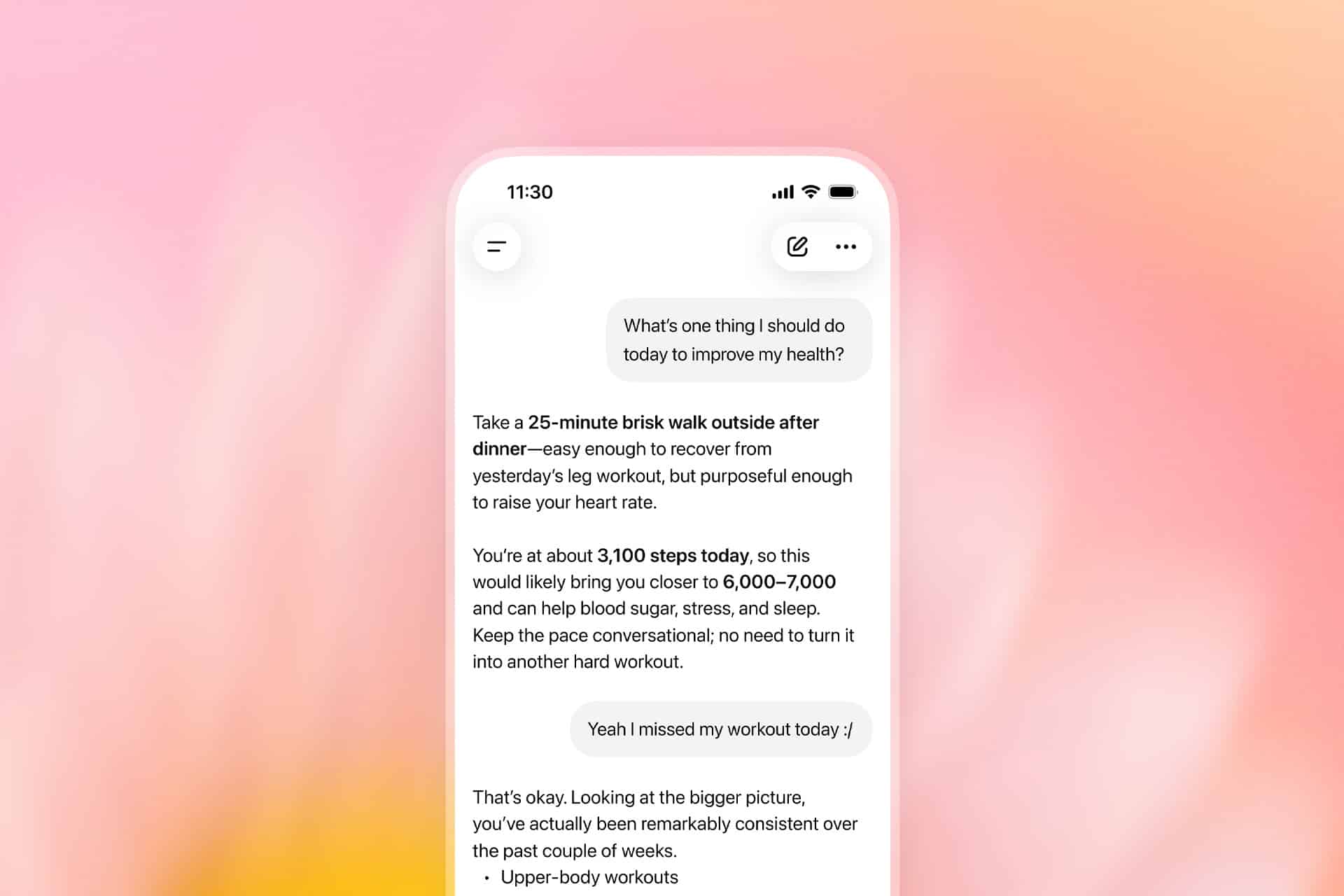
A smartphone screen displays a chat conversation about health, mentioning a 25-minute brisk walk and daily step goals, seamlessly integrated with Apple Health, against a softly blurred pink and yellow background.
Image Credit: OpenAI

ChatGPT Health Reaches More iPhone Users

ChatGPT Health originally appeared as a limited early-access experience for a small group of testers. The expanded rollout replaces that narrow availability with support for eligible adult users across the United States, although OpenAI says access may take several weeks to reach every account.

The feature works on the ChatGPT website and iOS app, but connecting Apple Health requires an iPhone. Users also need a recent version of the ChatGPT app before the Health option appears in the sidebar or More menu.

Apple Health is only one part of the system. ChatGPT can also connect to supported medical-record portals, One Medical and Function Health. Bringing those sources together allows the assistant to answer questions using a broader personal context than activity data alone.

A user could ask how sleep duration has changed across several weeks, whether workout frequency declined after a schedule change or how recent laboratory results compare with earlier tests. ChatGPT can also help organize questions before a medical appointment or summarize changes found across connected records.

Information from third-party fitness services can reach ChatGPT through Apple Health when those apps already share their data with the iPhone database. That may include measurements from platforms such as Garmin, Oura, Whoop, Strava and MyFitnessPal, depending on which categories each service makes available.

Not every proprietary score transfers. An app may calculate its own readiness, recovery or sleep score without writing that exact result into Apple Health. ChatGPT can only use the information made available through the connected source and approved by the user.

After synchronization, health information can inform responses throughout ChatGPT rather than remaining limited to conversations opened from the Health tab. The assistant normally asks for permission before using connected information, and users can also add “@Health” to a prompt when they specifically want a response based on their records.

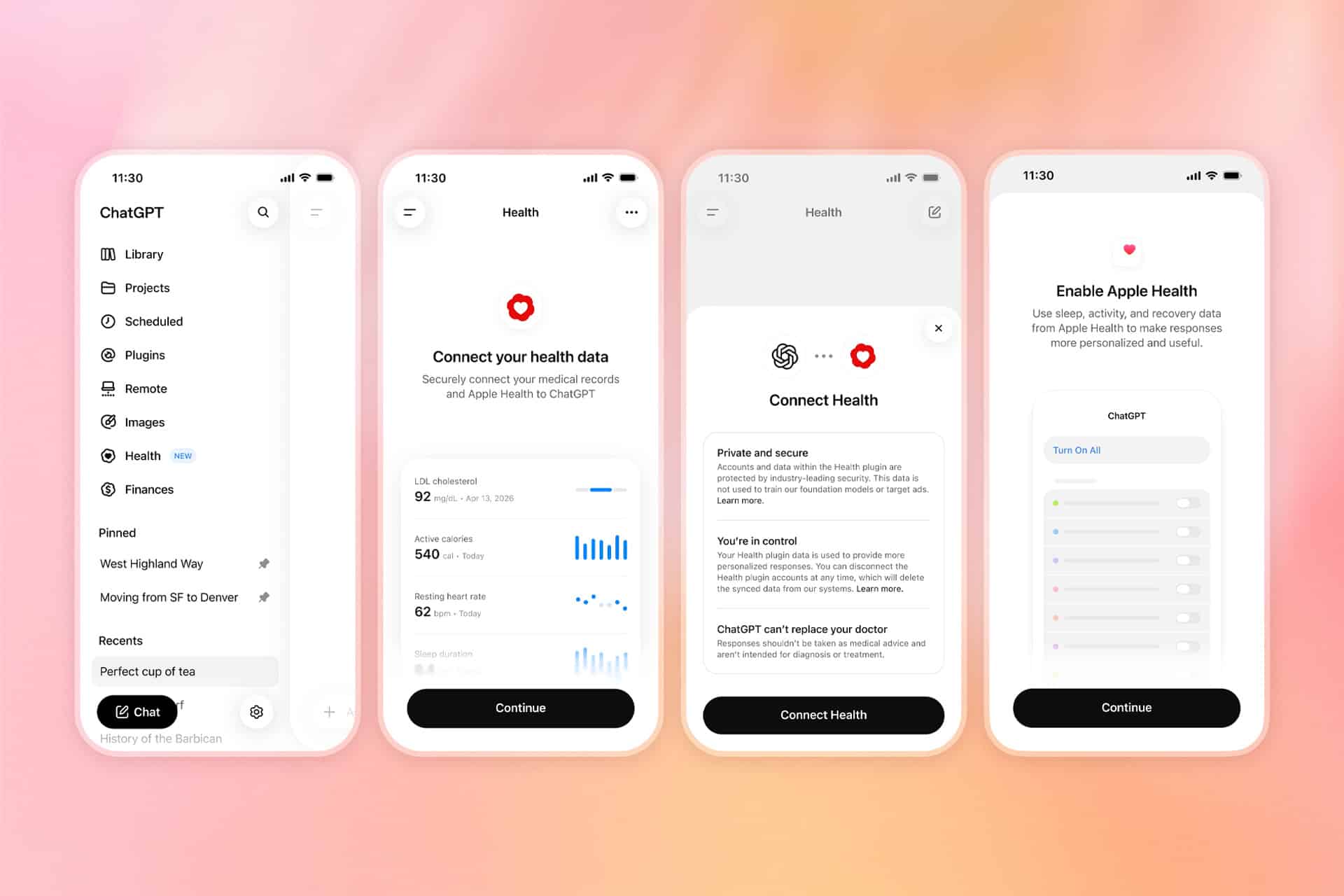
Four smartphone screens show the process of connecting health data to a Health app, displaying menus, health data graphs, privacy info, and Apple Health permissions. Background is a soft pink and orange gradient.
Image Credit: OpenAI

Apple Health Data Gains a Conversational Layer

The appeal of the integration comes from turning a large collection of measurements into questions expressed in ordinary language.

Apple Health can already organize trends, highlights, medications, laboratory results and activity records. ChatGPT adds a conversational layer capable of comparing those categories or explaining them in a more personalized format.

Someone preparing for an annual physical could ask for a summary of meaningful changes since the previous appointment. A runner might request a comparison between training volume, sleep and resting heart rate. Another user could ask which information deserves discussion with a clinician after receiving new laboratory results.

That does not make ChatGPT a doctor. OpenAI says the feature is intended to support medical care rather than diagnose conditions or recommend treatment. Urgent symptoms and emergencies still require professional assistance.

The distinction is especially important because health data can appear more conclusive than it is. A change in heart rate, sleep or activity may have several explanations that cannot be determined from an iPhone record alone. Wearables can identify patterns, but they do not automatically reveal the medical cause behind them.

ChatGPT may help users notice relationships and prepare better questions. It should not be treated as the final authority on whether a symptom is harmless, whether medication should change or whether professional care is unnecessary.

The service is also read-only. ChatGPT can examine approved Apple Health information but cannot alter the original records stored on iPhone. It cannot add a diagnosis, change a medication list or write new measurements back into the Health app.

Users retain control over which Apple Health categories are shared. Someone may allow access to steps, workouts and sleep while withholding reproductive health, medications or other sensitive information.

That selective approach may be more appropriate than approving every category simply because the option is available. A useful response does not always require a complete health history.

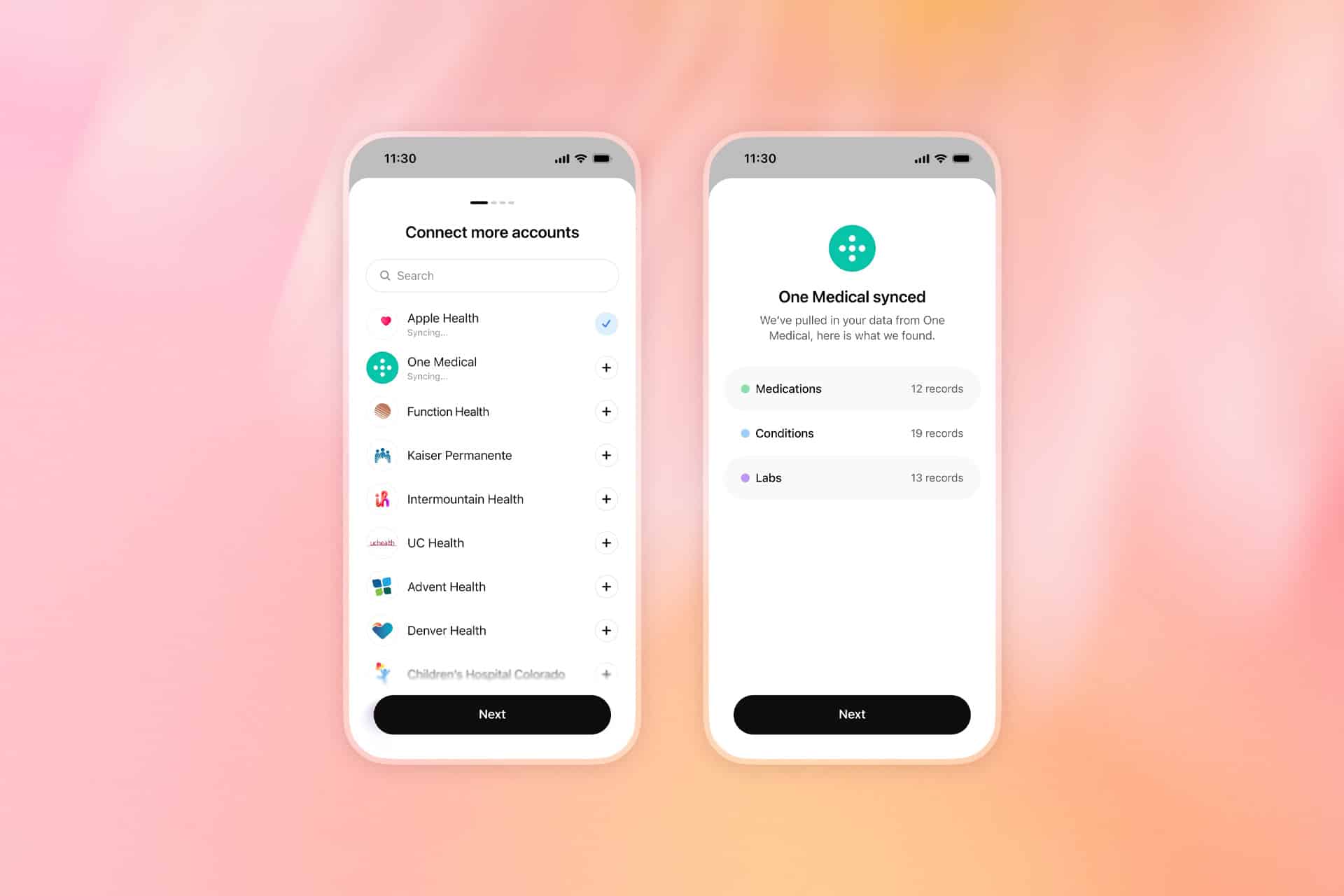
Two smartphone screens show a health app: the left screen lists health providers to connect, including Apple Health, while the right screen confirms "One Medical" synced, displaying counts of Medications, Conditions, and Labs. Both screens have a "Next" button.
Image Credit: OpenAI

Privacy Becomes the Central Decision

Connecting Apple Health to ChatGPT creates a different privacy relationship from using health features entirely within the Apple ecosystem.

Apple designs the Health app around on-device protections and user-controlled permissions. ChatGPT Health requires selected information to synchronize with OpenAI systems so the company can analyze it and generate personalized responses.

OpenAI says connected Apple Health data, medical records and conversations using that information are not used to train its foundation models or target advertising. The company also applies additional encryption and isolation protections to health information.

Users can disconnect Apple Health at any time. OpenAI says synchronized data from the disconnected source will be deleted from its systems within 30 days.

Previous conversations are handled separately. Information already included in ChatGPT conversation history remains until those chats are deleted, even after the Apple Health connection is removed.

Memory introduces another consideration. Conversations using Health can create memories when ChatGPT memory is enabled, although OpenAI says memories are not generated directly from synchronized health data. Temporary Chat or separate project memory can reduce how much personal context continues across future conversations.

The new Health experience should also not be confused with the existing ChatGPT integration inside Apple Intelligence. Siri and Writing Tools can use ChatGPT for certain requests without requiring the dedicated ChatGPT app or a connected account.

ChatGPT Health is a separate OpenAI service with its own account, permissions, privacy controls and health-data connections. Using ChatGPT through Siri does not automatically give OpenAI access to Apple Health.

That separation gives users a meaningful choice. They can continue keeping health information inside Apple apps, share only selected categories with ChatGPT or connect medical records for a more comprehensive view.

The expanded rollout makes one of the most personal databases on iPhone available to conversational AI. Its usefulness will depend not only on the quality of the answers, but also on whether users understand exactly which information they are sharing and where it goes after leaving the device.

The post ChatGPT Health Expands Apple Health Access appeared first on AppleMagazine.

  •  

Will AI fix prior authorization—or make it worse?

If you’re like me, you or a loved one has struggled through the process of gaining pre-approval for the medical care that your physician has recommended. Personal stories abound regarding the tribulations of patients as they go through hoops to get their health insurer to pay for certain prescription medications, medical procedures, and more.

When used judiciously, this process—known as prior authorization—serves as a check on overuse and spending on services or technologies for which there are less costly alternatives. But a large majority of physicians voice concerns about care delays, which can cause patients to abandon recommended treatments while waiting for the insurance company to verify their eligibility and confirm that the treatment is, indeed, medically necessary. Patients who are denied care may submit an appeal, but that requires more time.

AI might be able to help. With its ability to efficiently sort through vast reams of information, artificial intelligence could theoretically expedite approval of unambiguously allowable claims, thereby reducing care delays. However, AI-driven prior authorization is facing resistance, as it may increase wrongful denials of health insurance coverage. A 2025 American Medical Association survey of physicians revealed significant concern about the application of AI tools, with 61 percent of doctors worrying that AI will exacerbate denials of what they deem are necessary treatments.

Read full article

Comments

© showcake via iStock/Getty Images Plus

  •  

Culturally Tailored Maternity Care Boosts First Nations Birth Health

A recent groundbreaking study published in The Lancet’s eClinical Medicine reveals that a culturally tailored continuity of midwifery care model significantly improves perinatal outcomes for First Nations families in Victoria, Australia. This innovative approach, known as the Baggarrook Yurrongi or “Women’s Journey” model, ensures that women expecting First Nations babies receive consistent care from a known midwife throughout pregnancy, birth, and the early postnatal period.

Developed collaboratively with First Nations health organizations and maternity services, the Baggarrook Yurrongi model addresses the unique cultural needs of Aboriginal and Torres Strait Islander families. The study analyzed over 164,000 births from three major hospitals, including outcomes for more than 2,000 First Nations babies. Researchers utilized a prospective, non-randomized design, comparing data before (2012–2017) and after (2017–2022) the model’s implementation to assess its real-world efficacy.

The findings demonstrated monumental improvements: there was a 45% increase in the rate of healthy births among First Nations babies. Additionally, the likelihood of low birthweight decreased by 33%, preterm births by 36%, and neonatal intensive care admissions by 30%. Mothers were also 86% more likely to initiate breastfeeding, underscoring enhanced postnatal engagement and infant health support.

Lead researcher Professor Della Forster emphasized the significance of culturally informed midwifery continuity care, highlighting its role in bridging healthcare disparities. By fostering trust and cultural safety, the model encourages better health practices and outcomes, marking a notable stride toward closing the persistent gap in Indigenous perinatal health.

Key to the success of this approach is the trusted relationship a known midwife builds with expectant mothers—crucial for communities historically wary of healthcare systems. Programs like Mercy Hospital for Women’s Nangnak Baban Murrup and Joan Kirner Women’s and Children’s Hospital’s Galinjera have demonstrated both high uptake and satisfaction levels among clients and midwives alike, indicating sustainable integration into standard maternity care.

Clinical Midwife Specialist Evelyn Burns remarked that this continuity of care model profoundly impacts women’s confidence and connection during pregnancy. The study’s robust dataset and positive qualitative feedback from both families and clinicians provide compelling evidence for broader adoption across Australian maternity services.

This research not only validates the efficacy of culturally tailored care models but advocates for their expansion nationwide to ensure equitable and effective maternity healthcare for all First Nations families. The findings represent a pivotal shift in perinatal care paradigms, blending cultural competence with clinical excellence to improve long-term maternal and infant health outcomes.


Subject of Research: People
Article Title: The effect of culturally tailored continuity of midwifery care on perinatal outcomes for women having a first Nations baby in Victoria, Australia: a prospective non-randomised translational study
News Publication Date: 24-Jun-2026
Web References: https://www.thelancet.com/journals/eclinm/article/PIIS2589-5370(26)00281-6/fulltext
References: 10.1016/j.eclinm.2026.104028
Image Credits: La Trobe University
Keywords: Health care, First Nations, midwifery continuity, perinatal outcomes, culturally tailored care

  •  

Inequalities in Unmet Medical Needs Among Older Adults Revealed

A recent groundbreaking study unveils the complex landscape of unmet medical needs among the global aging population, offering new insights that could reshape healthcare policy and delivery. The research, published in a leading geriatrics journal, meticulously analyzes data drawn from a comprehensive national health service survey, revealing both the distribution patterns and deep-rooted inequalities affecting older adults’ access to medical care.

As the world’s population ages, the demand for healthcare services tailored to older adults is rising dramatically. Yet, this study reveals that many older individuals face significant barriers that prevent them from receiving timely and adequate medical attention. Utilizing advanced statistical models and large-scale population data, researchers identified critical demographic and socioeconomic factors linked with these unmet needs.

The findings highlight that unmet medical needs are not uniformly distributed but vary substantially across different segments of the elderly population. Income disparity emerges as a predominant determinant, with lower-income groups disproportionately affected. These individuals often encounter limited access to healthcare facilities, affordability challenges, and reduced availability of specialized geriatric services.

Furthermore, geographic location plays a decisive role. Older adults living in rural or underserved regions exhibit much higher rates of unmet medical needs compared to their urban counterparts. The scarcity of healthcare providers and transportation difficulties exacerbate these disparities, underscoring the urgent necessity for targeted interventions in healthcare infrastructure.

Another critical element revealed by the study is the influence of social support structures. Elderly individuals with limited family support or social networks experience greater hurdles in managing chronic conditions and accessing preventive care. This dimension adds a nuanced layer to understanding the intersectionality of healthcare inequalities among seniors.

Technological and systemic barriers also contribute significantly. Despite advancements in telemedicine and digital health platforms, a considerable portion of the older population remains digitally excluded, preventing them from leveraging these new modes of healthcare delivery. This technological divide further entrenches existing healthcare inequalities.

The research team employed rigorous analytical techniques to control for confounding variables, thereby isolating the independent effects of various risk factors. Their approach not only quantifies the scope of unmet medical needs but also provides actionable insights for policymakers, healthcare providers, and social services.

In a call to action, the study emphasizes the importance of multidimensional strategies that address economic, geographic, social, and technological determinants simultaneously. Tailoring interventions to these complex factors is paramount in ensuring equitable healthcare access for older adults and ultimately enhancing their quality of life.

As global demographics shift, this study serves as a critical resource for stakeholders striving to promote health equity among the aging. The detailed evidence underscores an urgent need to rethink current healthcare models by incorporating comprehensive measures that bridge gaps and dismantle barriers to care.

Subject of Research:
Unmet medical needs and associated inequalities among older adults based on national health survey data.

Article Title:
Distribution, inequalities and associated factors of unmet medical needs among older adults: evidence from the national health service survey.

Article References:
Deng, Q., Yang, Y., Qiao, J. et al. Distribution, inequalities and associated factors of unmet medical needs among older adults: evidence from the national health service survey. BMC Geriatr (2026). https://doi.org/10.1186/s12877-026-07948-z

Image Credits: AI Generated

DOI: 10.1186/s12877-026-07948-z

Keywords:
Unmet medical needs, older adults, healthcare inequalities, geriatric health, socioeconomic factors, rural healthcare access, health services distribution

  •  

Barriers to Healthcare Access for Older Adults in Türkiye

In recent years, the accessibility of healthcare services among aging populations worldwide has emerged as a critical issue demanding comprehensive investigation. A groundbreaking study focusing on older adults in Türkiye sheds new light on the complex factors contributing to perceived difficulties in accessing healthcare among this demographic. As the global population ages, understanding the barriers and facilitators to healthcare access becomes imperative to crafting policies that ensure equitable and efficient delivery of medical services to the elderly.

The study, conducted by Çebi Karaaslan, K., Diğer, H., Ağgül, S., and their colleagues, employed rigorous methodological approaches to evaluate the multifaceted determinants influencing older adults’ perceptions of healthcare accessibility in Türkiye. Utilizing a combination of quantitative data analyses and comprehensive surveys, the research delineated socioeconomic, geographical, and systemic contributors that hinder timely and effective healthcare utilization by elderly individuals.

One of the study’s pivotal revelations concerns the socioeconomic disparities that accentuate healthcare access challenges. Older adults with lower income levels, limited educational backgrounds, and insufficient social support networks were found to face significantly greater obstacles when attempting to obtain healthcare services. These findings highlight that financial constraints and information inequity intertwine to exacerbate feelings of exclusion and helplessness toward healthcare systems.

Geographical factors also play a formidable role in shaping healthcare access perceptions. The research data indicated that older adults living in rural and remote regions of Türkiye encountered amplified difficulties, ranging from prolonged travel distances to healthcare facilities to reduced availability of specialized medical practitioners. The infrastructural deficits and transportation inadequacies endemic to these areas consequently intensify barriers to prompt and quality medical care.

Moreover, the healthcare system’s structural characteristics further compound access issues. Fragmentation of services, limited appointment availability, and bureaucratic complexities emerged as critical deterrents for older adult patients. Such systemic inefficiencies not only delay critical interventions but also erode trust and satisfaction with healthcare providers, potentially discouraging future utilization.

The psychological dimension of perceived healthcare difficulty was another focus of this rigorous inquiry. The researchers underscored that negative past experiences, coupled with cultural stigmas and fears surrounding aging, illness, and disability, substantially influence older adults’ willingness and confidence in seeking medical help. These psychosocial factors, often overlooked in policy formulations, represent a subtle but powerful layer shaping healthcare engagement.

In addition to identifying barriers, the study illuminated coping strategies employed by the elderly to navigate healthcare constraints. Many participants reported reliance on informal caregiving networks, utilization of traditional remedies, and selective postponement of medical consultations. These adaptive behaviors, while serving as temporary buffers, can inadvertently lead to unmet healthcare needs and exacerbation of chronic conditions.

An essential technical highlight of the research was its multi-level analytical model that integrated individual, community, and system-level variables to comprehensively capture the healthcare access landscape. This approach allowed for nuanced understanding of how micro and macro factors interact dynamically to shape perceptions and behaviors concerning healthcare among older adults.

The findings carry profound implications for public health policy and healthcare system reform in Türkiye and analogous aging societies. Tailored interventions, such as enhancing transportation services in rural zones, providing financial subsidies for low-income seniors, and streamlining healthcare administrative procedures, are critical to mitigate the access disparities unearthed by this study.

Furthermore, reinforcing healthcare workforce capacities, especially in geriatric specialties, and instituting culturally sensitive outreach programs can foster an environment that is both accessible and responsive to the unique needs of the elderly. Emphasizing patient-centered care models and empowering older adults through education and community engagement serve as pivotal steps toward dismantling the attitudinal and psychosocial barriers identified.

This research also calls attention to the urgent necessity of integrating technology-driven solutions to bridge healthcare gaps. Telemedicine, mobile health applications, and digital health literacy initiatives present promising avenues for expanding the reach of healthcare services and circumventing logistical hurdles faced by older populations, particularly in underserved areas.

The methodological rigor and comprehensive scope of this study set a new benchmark for geriatric healthcare access research. By systematically dissecting the intricate web of factors influencing healthcare perceptions, the authors provide actionable insights that pave the way for inclusive, equitable, and sustainable healthcare frameworks adaptable to diverse demographic settings.

The insights from this study resonate beyond Türkiye’s borders, offering valuable lessons for international stakeholders grappling with similar demographic shifts and healthcare challenges. As nations worldwide confront the implications of a rapidly aging populace, research such as this becomes instrumental in guiding evidence-based, empathetic, and innovative healthcare reforms.

In summary, this landmark investigation transcends traditional assessments by elucidating the nuanced, multi-dimensional barriers older adults face in accessing healthcare services in Türkiye. Its blend of empirical rigor and practical relevance catalyzes vital discourse on optimizing health equity and improving quality of life for elderly populations amid global aging trends.

Ultimately, fostering accessible healthcare for older adults demands a concerted, multi-sectoral effort informed by such robust empirical evidence. Policymakers, healthcare providers, and community organizations must collaborate intensely to translate these research findings into meaningful strategies that transform healthcare experiences and outcomes for aging individuals everywhere.

As the world navigates the complexities of demographic aging, studies like this chart a hopeful course toward a future where healthcare systems are not only technically proficient but also profoundly attuned to the voices and needs of their most vulnerable citizens.


Subject of Research: Factors influencing perceived healthcare access difficulties among older adults in Türkiye.

Article Title: Factors associated with perceived healthcare access difficulties among older adults in Türkiye.

Article References:
Çebi Karaaslan, K., Diğer, H., Ağgül, S., et al. Factors associated with perceived healthcare access difficulties among older adults in Türkiye. BMC Geriatr (2026). https://doi.org/10.1186/s12877-026-07866-0

Image Credits: AI Generated

  •  
❌