❌

Reading view

Does estrogen protect against dementia? And if so, who should take it?

In women's reproductive years, their brains are exposed to high levels of sex hormones, and their neurons may come to depend on those hormones to function optimally. But leading up to and after menopause, the ovaries produce far less estrogen and progesterone, raising concerns that this drop in hormones may contribute to women's dementia risk.

"We think that the loss of those hormones at menopause renders those neurons more vulnerable to age-related cellular decline and pathologies like Alzheimer's," said Karyn Frick, a neuroscientist and professor of psychological and brain sciences at the University of Wisconsin-Milwaukee.

So, if falling hormone levels are a risk factor for dementia, could replacing those hormones help stave off the disease?

While the idea sounds logical on its face, studies that have looked at hormone replacement therapy (HRT) for dementia prevention have had mixed results. There are early hints that restoring estrogen during early menopause may protect brain health, but ultimately, more gold-standard clinical trials are needed to know for sure, experts told Live Science.

Support for estrogen protecting the brain

The idea that estrogen could help ward off dementia is plausible. Women are more likely to develop Alzheimer's disease than men are, and scientists think the loss of estrogen during menopause may be partly to blame, said Jennifer Bruno, an instructor of psychiatry and behavioral sciences at Stanford University.

Lab and animal studies buttress the idea that estrogen could protect brain health.

In the brain, estrogens act as neuromodulators, or chemical messengers that alter how neurons behave. Estrogen also helps neurons keep their shape. Estrogen loss in female mice triggers a drop in the number of dendritic spines β€ͺ—‬ the small, bud-like bumps on neurons that receive chemical messages.
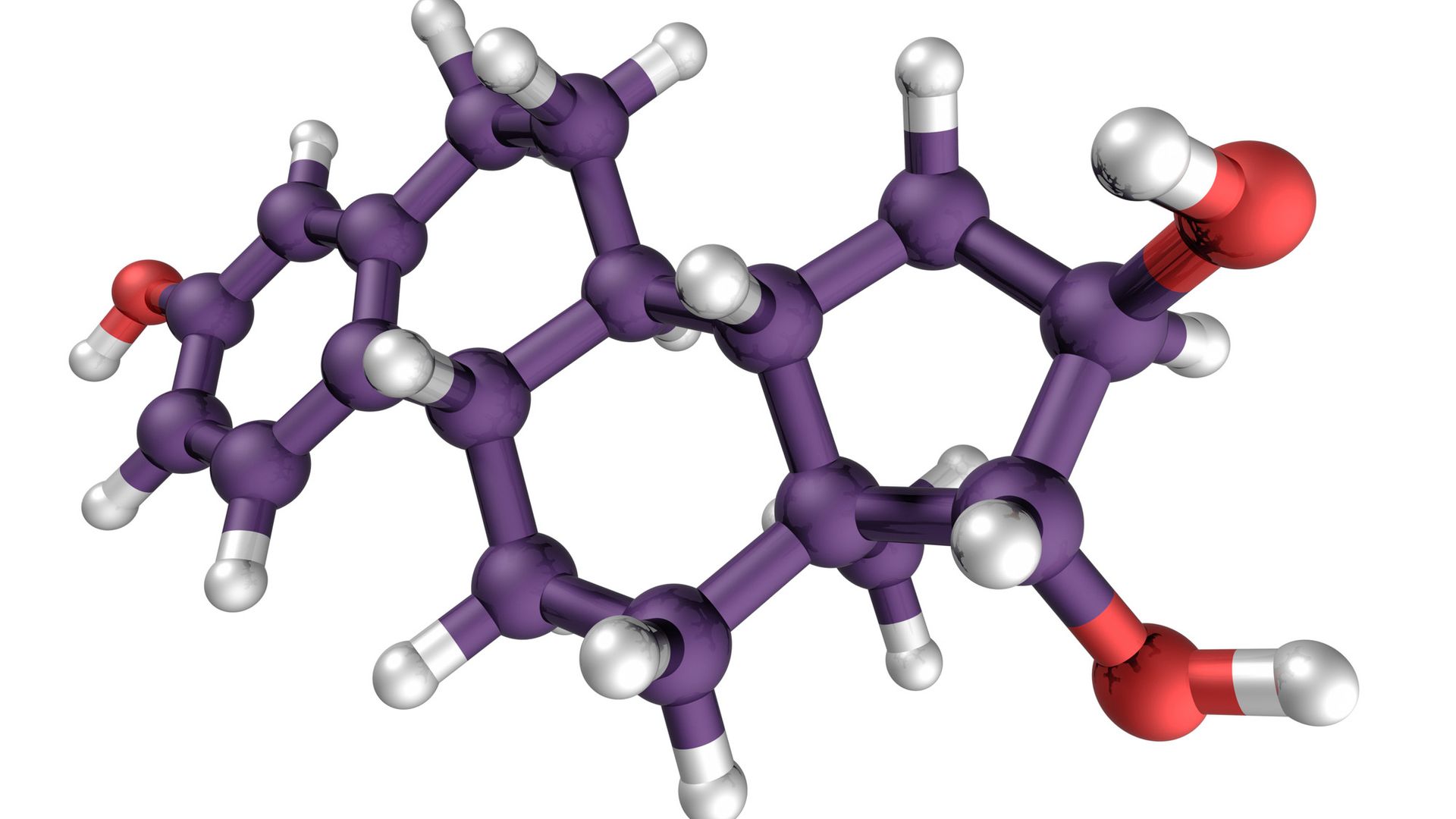
A molecule with purple and red bonds against a white background

An estrogen molecule. The body's levels of estrogen fluctuate in perimenopause, and they then dramatically decline and level off during and after menopause. (Image credit: theasis via Getty Images)

Researchers think that estrogen may help prevent the formation of the abnormal proteins β€” including one called amyloid beta β€” that accumulate, disrupt communication between neurons and ultimately kill cells in Alzheimer's disease. Amyloid beta is produced when a larger protein is cut the "wrong" way by an enzyme, Frick explained. Estrogen promotes the "normal" cutting of this protein, thus reducing amyloid beta, studies in lab mice show.

And estrogen may limit the buildup of a second Alzheimer's-related protein, called tau, by preventing the chemical processes that cause the tau proteins to clump together. This helps prevent the formation of tau tangles, a hallmark of Alzheimer's disease.

The hormone may also support brain health indirectly by improving sleep quality.

"It's well documented that menopausal women have difficulty sleeping, whether it's due to hot flashes or insomnia," Frick said. Estrogen can ease those nighttime hot flashes, thus helping menopausal women get more, less-fragmented sleep. Deep rest may help the brain clean out toxic proteins, while research shows sleep deficiency is linked to Alzheimer's disease.

Mixed results with estrogen-only HRT

HRT for menopause comes in two main forms: treatments that include only estrogen, and combined therapies with both estrogen and progesterone. The treatment has a complicated history.

HRT was popular in the 1990s but fell out of favor after results from the Women's Health Initiative study were published in 2002. That study identified various risks tied to both estrogen-only and combined HRT options, some of which have since been overturned by newer data.

That said, the Women's Health Initiative study found that estrogen-only HRT came with an increased risk of endometrial cancers, and later analyses have backed up this idea. That's why today, clinical guidelines recommend that women who have not gotten a hysterectomy take combined HRT, while estrogen-only options are reserved for those who have had their uterus removed. (The added progesterone counteracts estrogen's thickening effect on the uterine lining.)

For the subset of women who take estrogen-only HRT, observational data published in August showed that this form of the treatment was linked to a reduced risk of dementia. The study, published in the journal Neurology, found that women who took estrogen-only HRT were less likely to show Alzheimer's-related changes in the brain than women who didn't take any HRT.
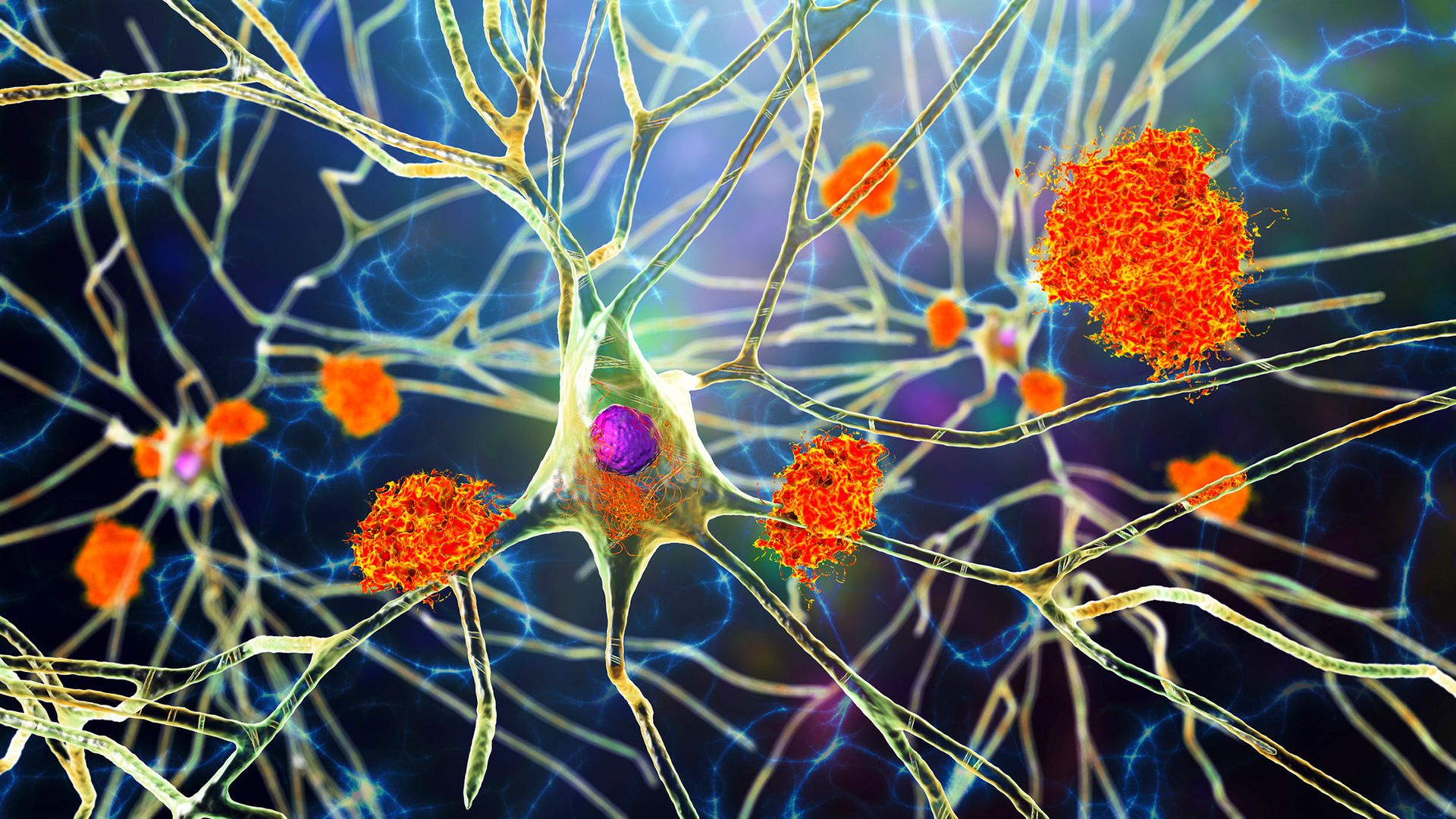
An illustration stringy neurons with orange cells on them.

Laboratory data suggest that estrogen may help prevent the formation and accumulation of abnormal proteins that are related to Alzheimer's. (Image credit: KATERYNA KON/SCIENCE PHOTO LIBRARY via Getty Images)

Estrogen-only HRT was also tied to better clinical outcomes: Treated women were less likely to be diagnosed with dementia, were less likely to show clinical and functional cognitive decline, and had better scores on memory tests, on average, compared with untreated women. These findings drew on two large, separate groups of older women, reporting data from 21,400 people in total, but they didn't include data on when each woman started HRT.

Whereas earlier studies of HRT and dementia risk relied on doctors' ratings of patients' symptoms, the Neurology study measured levels of Alzheimer's-related proteins in the brain after death. That's a more "definitive" marker of disease, said Bruno, a co-author of the study. However, the research was observational, so it can't say whether estrogen-only HRT directly causes the better brain outcomes the team observed, she stressed.

Although the Neurology study's findings are promising, they don't necessarily match the results of other studies of estrogen-only HRT and dementia. For example, a slightly larger observational study, published in 2023, found that estrogen-only HRT was associated with an increased dementia rate.

In that research, most of the women took a type of estrogen called estradiol, while Bruno's study included a greater variety of estrogens. That may have been the difference in the two studies' results, but teasing that out would require further study. Meanwhile, the conflicting findings muddy the waters of what estrogen-only HRT can do for brain health.

Does timing matter?

One big finding from the Women's Health Initiative study was that starting HRT β€” either estrogen-only or combined β€” after age 65 was associated with worse cognitive function and increased dementia risk, said Yuko Hara, director of aging and Alzheimer's prevention at the Alzheimer's Drug Discovery Foundation.

The same may not be true for people who start HRT earlier. For context, menopause starts around age 51 to 52, on average, and it's preceded by perimenopause, a transitional period when hormone levels begin to drop, typically around the mid-40s.

An observational study published in August in the journal Alzheimer's & Dementia found that starting HRT between ages 46 and 56 was linked to a reduced risk of dementia. That study did not differentiate between estrogen-only and combined treatment; it lumped all of the data together.
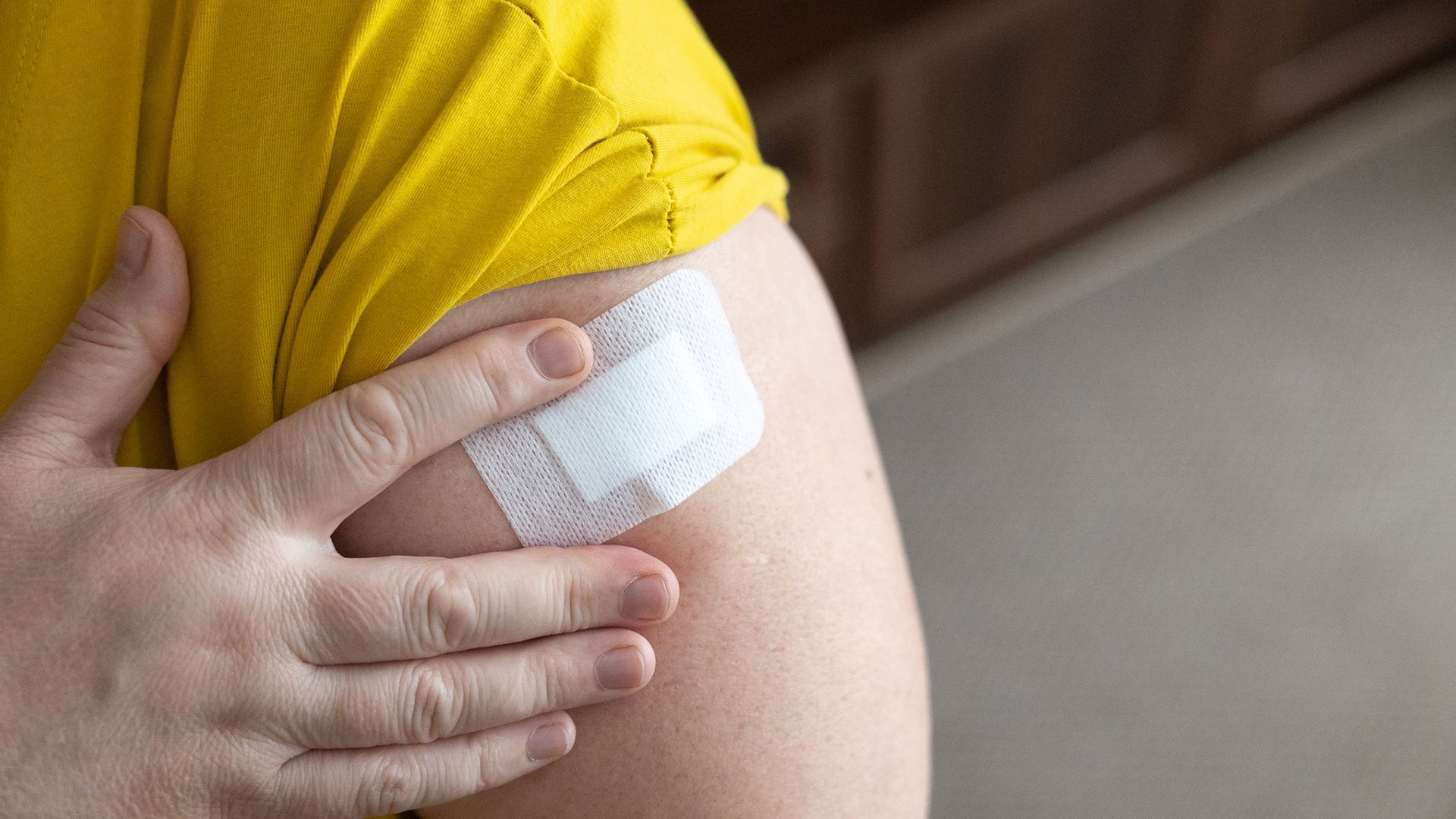
A close up of a person putting a patch on their arm.

Patches (pictured) are one form of systemic HRT. They deliver hormones through the skin and into the bloodstream. (Image credit: SVPhilon via Getty Images)

The protective link was especially strong in three groups: women with "surgical menopause," triggered by the removal of one or both ovaries; carriers of a certain variant of a gene called APOE that raises Alzheimer's risk; and women who had a relatively short time between their first period and menopause.

A 2024 meta-analysis of randomized controlled trials also found that HRT had a cognitive benefit for women with surgical menopause; that finding was tied mostly to estrogen-only therapies.

However, outside of that specific group, the idea of early HRT protecting brain health is far from settled.

Who might benefit, if anyone?

When it comes to using hormone replacement to protect brain health, the evidence isn't yet strong enough to recommend any kind of HRT as a way to protect the brain in all women, Hara said. Women who had one or both of their ovaries surgically removed are the exception to this rule.

"This is a distinct clinical population because the procedure can cause an abrupt, early loss of estrogen, rather than the gradual hormonal decline that occurs with natural menopause," Hara said.

For most women who have gone through natural menopause, "there is not enough evidence to recommend [HRT] specifically for preventing cognitive decline or dementia," she said.

HRT is not currently prescribed to prevent dementia β€” it is prescribed to ease menopause symptoms, such as hot flashes, night sweats and sleep disturbances. To settle the science on HRT and the brain, what's really needed is a well-designed clinical trial that follows women from perimenopause to postmenopause, Bruno said. That would reveal the effects of HRT on brain health and dementia risk more reliably than the studies done so far.

This article is for informational purposes only and is not meant to offer medical advice.

Help us improve Live Science Pro: We're always trying to make our content better. Leave us feedback about Pro here.

  •  

AI trained to 'think' like human pathologists may be better at spotting cancer

Artificial intelligence (AI) algorithms that hunt for cancer may do a better job when they approach the analysis as if they were a human pathologist, a new study suggests.

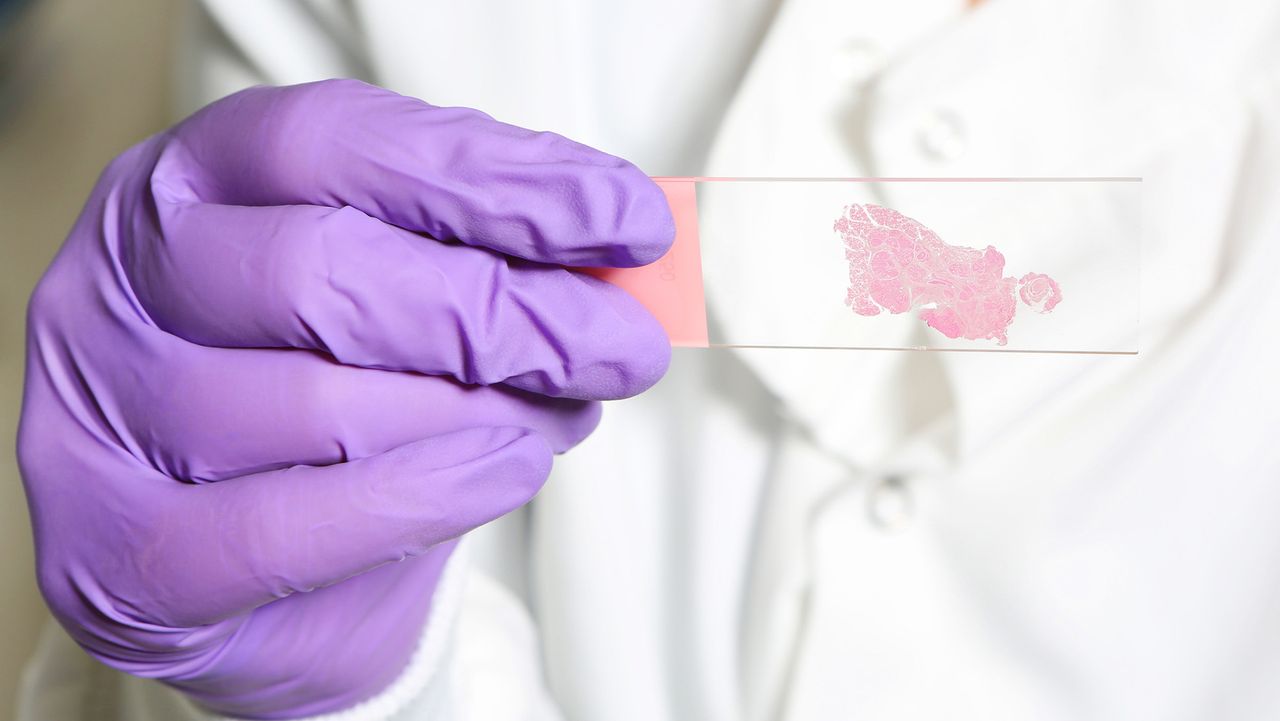
Many AI systems analyze preselected regions of a tissue sample, or they split a whole pathology slide into patches of a fixed size. By contrast, a pathologist searches more dynamically, panning across the tissue, zooming in and out, and pausing over areas that raise red flags. A whole slide can contain billions of pixels, while the evidence of cancer may occupy only a tiny patch.

Study co-author Zhi Huang, an assistant professor of pathology and laboratory medicine at the University of Pennsylvania, compared the process to a search-and-rescue helicopter. "You don't start by inspecting one square meter of ground," Huang told Live Science. You scan the landscape first and then swoop in for a closer look.

In the new study, published in July in the journal Nature, Huang and colleagues demonstrated that cancer-detecting AI might work better when it takes this humanized approach.

Training AI to hunt for cancer

AI algorithms called vision language models (VLMs) struggle with the first step that Huang described β€” that initial, cursory scan. That's in part because many pathology AI systems learn from what pathologists leave behind at the end of that search: a labeled image pointing out where the cancer is or an official diagnosis.

Instead, the researchers trained their new AI on pathologists' search behavior. They called this approach to training "Pathology-CoT," short for "chain of thought." It turns observable actions, including where pathologists move around and zoom in on an image, into training data.

To collect the data, the team created a tool that recorded how pathologists moved around a slide and changed magnification. The raw logs, gathered from eight pathologists, were messy, as a given pathologist might drift across a slide, overshoot their intended region of focus or fiddle with magnification to adjust it to their liking.

To clean up the data, the researchers filtered out those incidental movements, focusing on moments that appeared to represent deliberate attention, such as lingering over one view or making a sustained pan. Then, they compared those regions with eye-tracking data to check that the software was capturing where pathologists were actually looking.

For each region a pathologist inspected, the VLM also drafted a short rationale explaining why the region was worth examining and what features were visible; human pathologists could then accept, edit, or reject the rationale, creating additional training data for the AI. In one example, the AI flagged a portion of a slide as potentially metastatic and suggested zooming in to look for atypical cells. Other inspected regions were flagged as healthy tissue.

Ultimately, the researchers used this training method to build a new tool called Pathology-o3. It scans a slide at low resolution, uses a model trained on pathologists' behavior to choose regions worth a closer look, then sends higher-resolution views of those regions to a VLM for analysis.

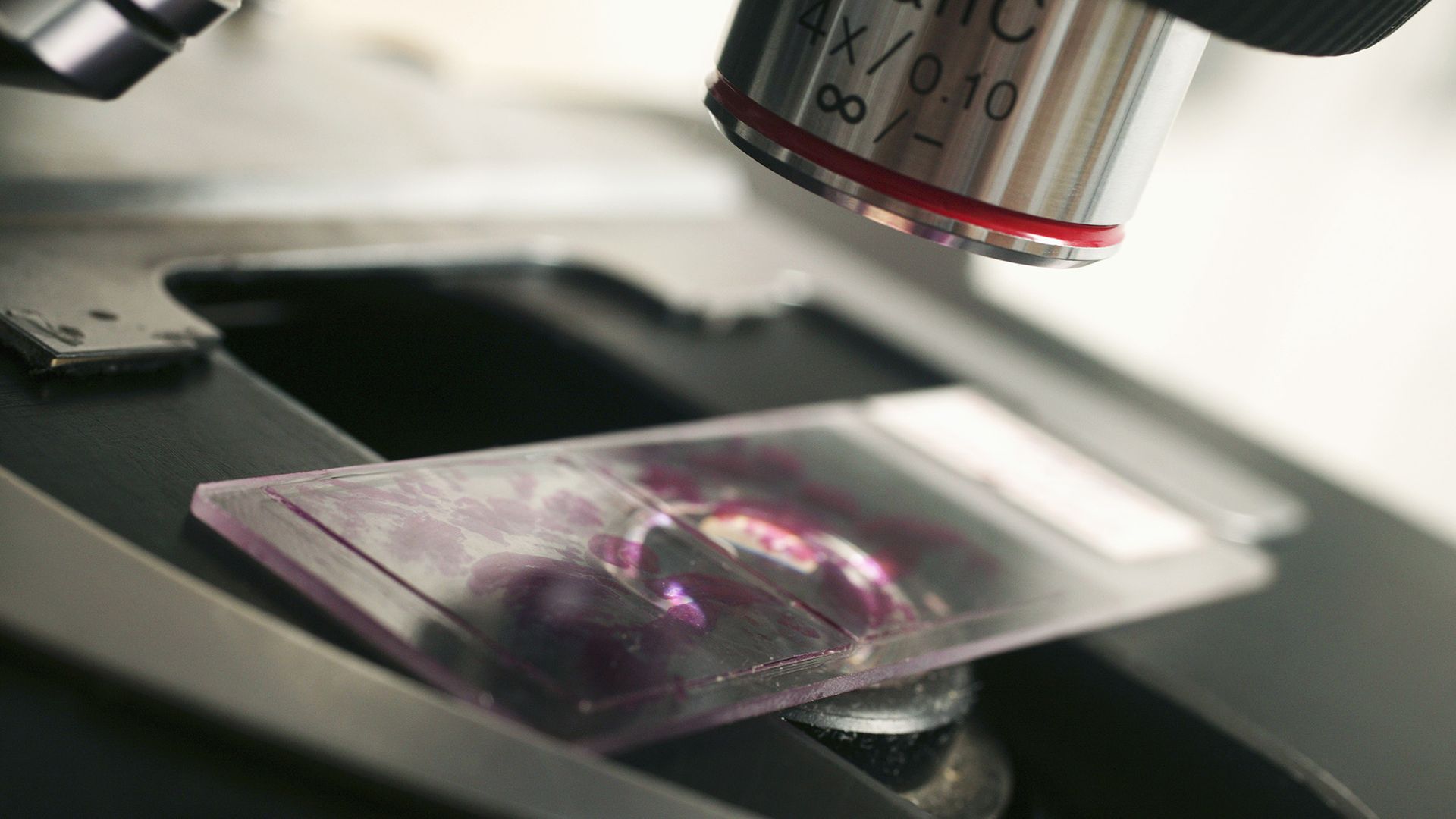
A close up of a microscope lens looking at a glass slide on the microscope mount.

Pathology-CoT trains algorithms to scan over a whole slide and then return to regions of interest for a closer look. (Image credit: Universal Images Group via Getty Images)

Putting it to the test

Huang said the goal of the new study was not to show that Pathology-o3 worked better than specialized AI models that are specifically built to detect specific types of cancer; those models are often trained disease by disease. Rather, the researchers wanted to see whether their new training approach could help a general-purpose AI navigate a pathology slide more effectively.

They compared Pathology-o3 to other general-use AI systems, such as OpenAI's o3, and asked the algorithms to examine slides containing lymph node tissue. These slides were collected from colorectal cancer cases and some contained metastatic cancer, which human pathologists had already labeled.

The algorithm correctly identified slides that were positive for cancer 100% of the time. However, of the slides it identified as positive, 15.5% were actually negative. By comparison, OpenAI o3 correctly identified slides that were positive for cancer 87.5% of the time. Of the slides it identified as positive, 53.3% were actually negative.

The researchers designed Pathology-o3 to err on the side of flagging something for another look, rather than potentially missing cancer. That might help to explain the rate of false positives, Huang said.

Whether that rate of false alarms is acceptable depends on how Pathology-o3 is used, said Mohammad Asadi, a data scientist at Stanford University who was not involved in the research. It's not precise enough for the AI to diagnose patients on its own, but it could still be useful for a system to point a human toward regions of a slide that are worth double-checking. It may be an advantage that the approach shows the pathologist a specific region to inspect rather than declaring an entire slide suspicious, he said.

The researchers tried repeating the test on an independent dataset that the algorithms hadn't seen before to see how well it worked on unfamiliar slides. Pathology-o3 correctly identified slides that were positive for cancer 97.6% of the time. Of the slides it identified as positive, 37.1% were actually negative. The finding is an example of how AI performance can change when the data source changes, even when the medical task stays the same.

Asadi explained this result suggests the system can still work with slides from a different source. But that result does not yet show that using this tool would make pathologists more accurate or efficient in practice.

Can it help pathologists?

The researchers applied their training approach to several existing VLMs, finding that the models' performance consistently improved after the training. That suggests that the navigation data from pathologists was useful across settings, Asadi said.

For Huang, that is the most important result. "The takeaway isn't our system," he said. "It's that the missing ingredient has been sitting in hospitals this whole time."

The study did not compare Pathology-o3 directly with human pathologists, but the researchers said that wasn't their aim.

"The right question isn't whether it beats a pathologist," Huang said. "It's whether a pathologist working with it catches more [cancer cases] and works faster." The current study did not address the latter question, either, but the team's next experiment is designed to test pathologists on the same cases with and without Pathology-o3, measuring what they catch and how long they take to do so.

The system's most plausible use is as a prescreening tool, Asadi said, but he stressed that the research has not yet shown that doctors who use it become faster or more accurate. Asadi wants an even tougher test: trials conducted across multiple hospitals that measure not just accuracy and speed but also pathologists' workloads. He wants the trails to assess the burden of false alarms from the AI algorithms and whether doctors recognize when the AI is wrong.

Importantly, cancer diagnoses can require information from multiple slides, stains and a patient's medical history, while the current system just reads one slide at a time. "I wouldn't claim it should diagnose on its own," Huang said.

This article is for informational purposes only and is not meant to offer medical advice.

  •  

'It's in the realm of possibility': Climate change is spurring a reemergence of yellow fever, and the US could face future threats

Yellow fever is appearing in regions that haven't seen cases of the disease in years, largely as a result of climate change.

Historically, the virus ravaged cities across the Americas, Europe and Africa, until a vaccine was introduced in 1937 and its range shrunk significantly. But now, as climate change creates favorable conditions for virus-carrying mosquitoes, scientists are seeing outbreaks in unexpected areas.

"Yellow fever is a highly deadly disease," Dr. Joelle Ivy Rosser, an infectious-disease researcher at Stanford University, told Live Science, "so any environmental pressures that increase the likelihood of future yellow fever virus outbreaks … is highly concerning."

How is climate change contributing to this pattern, and could it get worse in the future?

How rising temperatures impact yellow fever

Yellow fever is a mosquito-borne disease caused by the Orthoflavivirus flavi virus, better known as yellow fever virus (YFV). The infection causes fever, muscle aches, headaches and vomiting. About 15% of cases become severe, with patients showing jaundiced skin and eyes, bleeding from the mouth, eyes, nose and stomach, or organ failure.

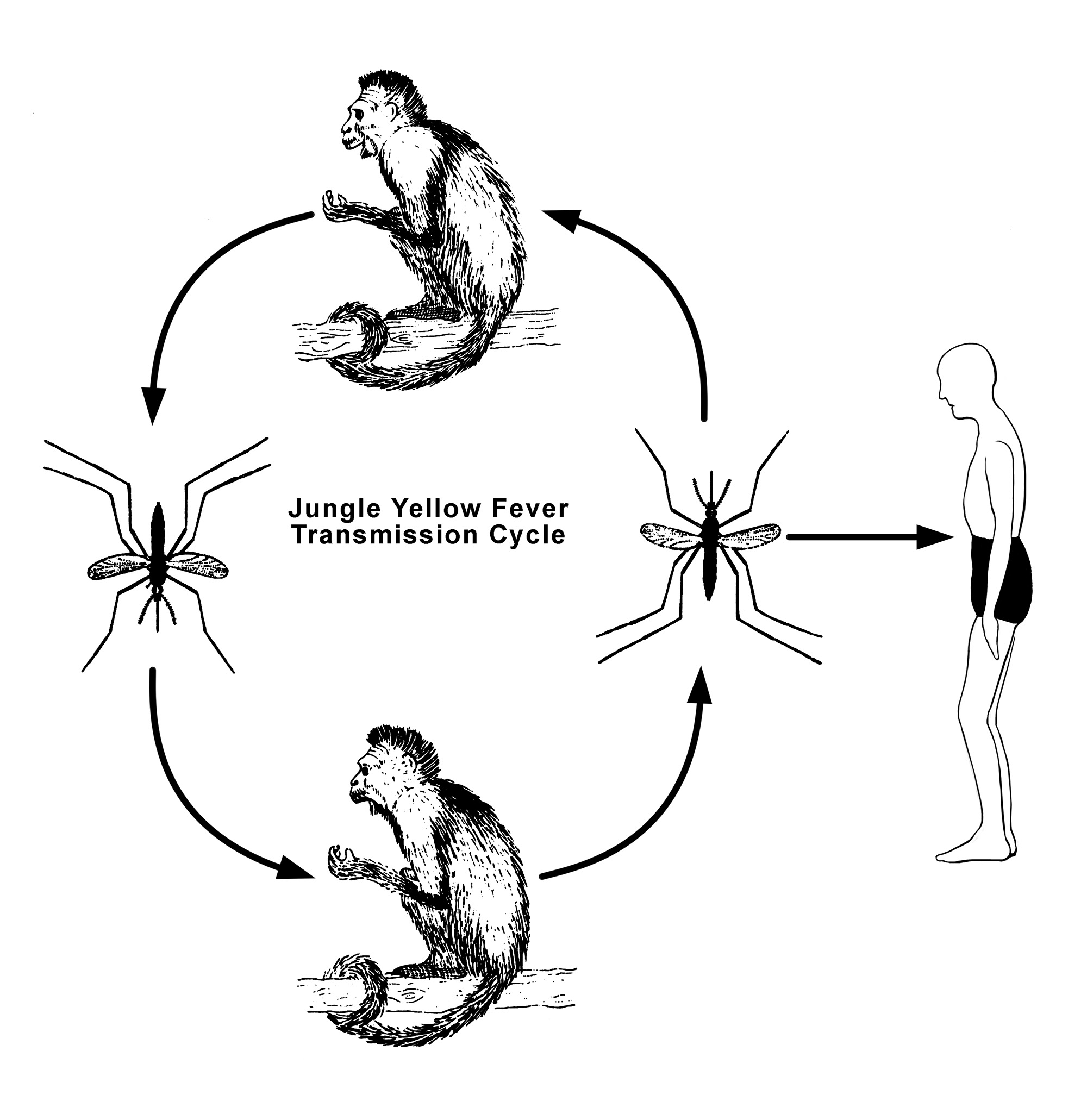
A diagram showing how yellow fever passed from mosquitos to monkeys to man

Primates, such as howler monkeys, carry the yellow fever virus, which then gets picked up mosquitoes that bite the monkeys and later spread the germ to humans. (Image credit: CDC)

Devastating yellow fever epidemics spread in the 17th to 19th centuries, before the development of a vaccine. Nowadays, an estimated 31,000 to 82,000 yellow fever deaths occur each year; severe cases have an estimated fatality rate of 20% to 50%.

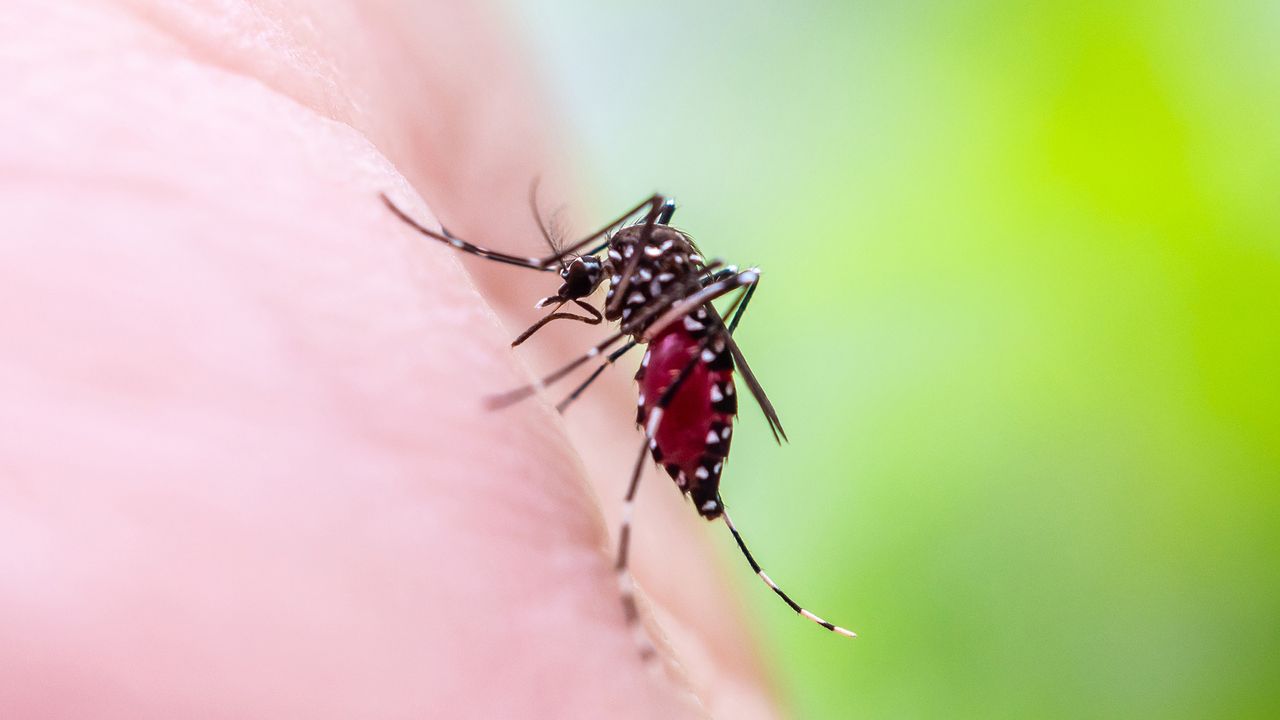
Most yellow fever infections are a result of spillover from nonhuman primates; mosquitoes bite monkeys that carry the virus, such as howler monkeys, and then the infected mosquitoes bite humans. Several types of mosquitoes carry the virus, but the species Aedes aegypti is the main vector for yellow fever in cities, where high population density can make outbreaks especially severe.

Although there is an effective vaccine for yellow fever, cases have been on the rise in the past three decades. This led the World Health Organization (WHO) to set out a strategy in 2017 for eliminating yellow fever epidemics by 2026 through outbreak prevention and containment.

Climate-change-driven warming and extreme weather events may have heightened yellow fever risk over the past few decades, experts say. Rising temperatures make mosquitoes bite more because heat makes their metabolisms more active, said Dr. Seth Judson, an infectious-disease physician-scientist at UCLA. Warming also cuts down the virus's extrinsic incubation period, meaning the time it takes for the virus to replicate in a newly infected mosquito and then get passed on to another person, he told Live Science.

Weather patterns and deforestation

Changing weather patterns play a role, too. In 2017-2018, Brazil saw its first yellow fever outbreak in a city in almost a century. That outbreak, primarily in Belo Horizonte and SΓ£o Paulo, was likely a result of drought, according to one study.

Extremes of weather in either direction can exacerbate mosquito-borne disease transmission

Dr. Joelle Ivy Rosser, infectious-disease researcher at Stanford University

While heavy rainfall creates a breeding ground for mosquitoes, in this case, drought pushed forest-based mosquitoes β€” as well as YFV carriers like marmosets and howler monkeys β€” closer to cities as the animals searched for water. Drier conditions can also prompt dehydrated mosquitoes to bite more as they search for fluids, study co-author Jamie Caldwell, a disease ecologist at Princeton University, told Live Science.

"Extremes of weather in either direction" β€” very wet or very dry β€” "can exacerbate mosquito-borne disease transmission," Rosser said.

Parts of Africa and South America that were considered low-risk for yellow fever have already been seeing new outbreaks, Judson said, so maps of yellow-fever-affected areas have had to be updated. In research that's been released as a preprint but not peer-reviewed yet, Judson found that yellow fever is reemerging in an area of the Colombian Andes where it hadn't been reported since 1940.

Experts are paying particular attention to the edges of cities, where urban centers meet the forest. The risk of yellow fever transmission from monkeys to humans via mosquitoes is rising at these edges due to both climate change and deforestation.

"Humans are expanding the agricultural frontier and encroaching on forests where yellow fever mosquitoes … are found," Gabriel Parra-Henao, a biologist with the WHO, told Live Science in an email. "[This] results in more people being exposed to their bites."

Similar patterns have been seen with other mosquito-borne infections, such as malaria.

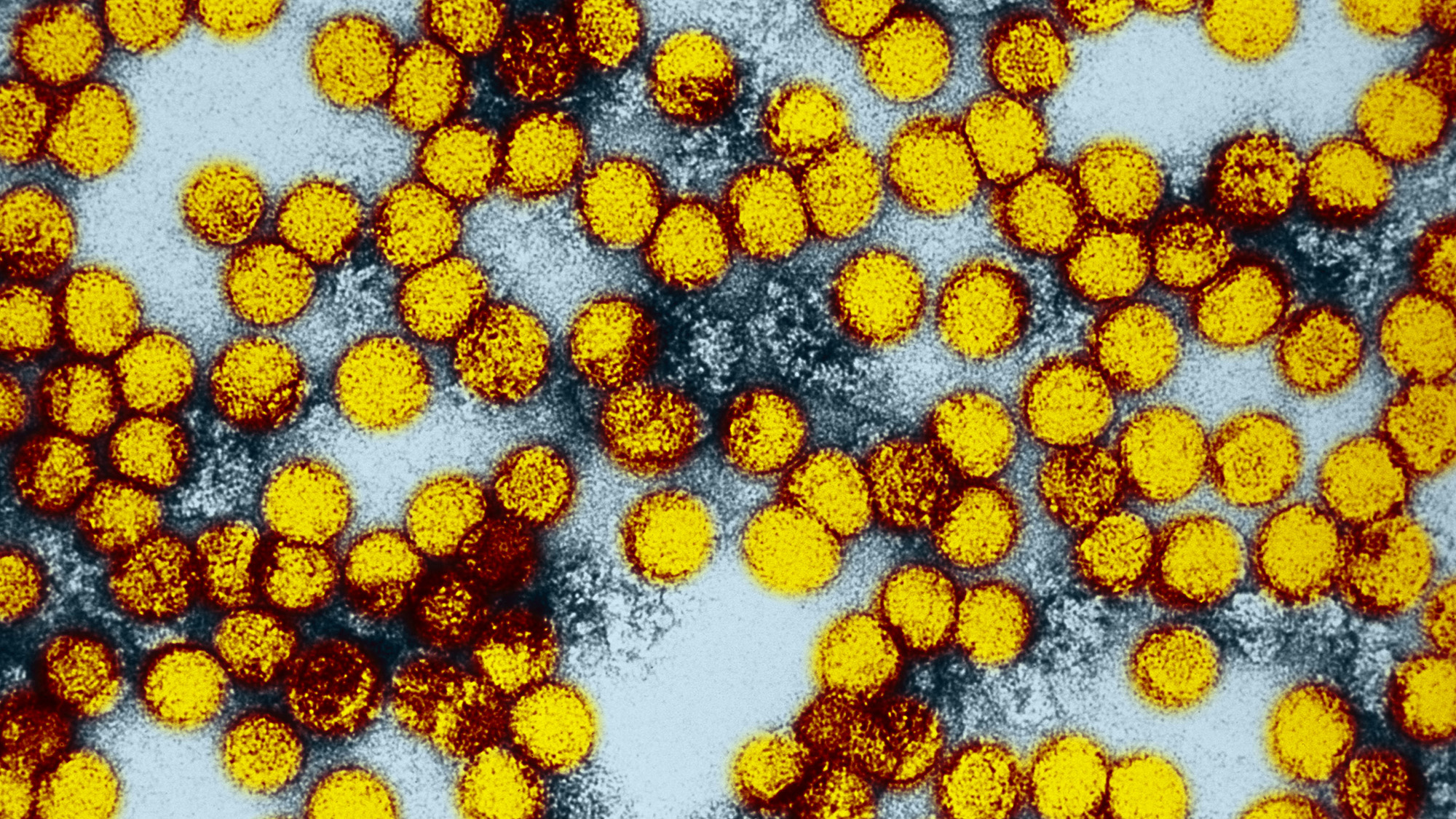
A series of yellow, spherical virus particles against a white background

The yellow fever virus (pictured) is in the family Flaviviridae, which also includes the dengue and Zika viruses. (Image credit: BSIP via Getty Images)

Could yellow fever return to the U.S.?

Climate change is expected to bring yellow fever to new areas. One study predicts that, under the most severe climate change scenario, nearly a billion people could face their first exposure to the mosquitoes that can carry YFV in the next century. While that worst-case scenario may not be the most likely, the mosquitoes' ranges are still expected to expand under less-severe conditions.

Europe is predicted to face the largest increase in exposure to Ae. aegypti mosquitoes compared to the rest of the world, and the U.S. and Canada are predicted to see increases too. In the U.S., the mosquito species already lives in a number of states, including Florida, Mississippi, Arizona and New Mexico. However, warming would increase the chances of mosquitoes surviving in locations further north, such as Philadelphia and New York, which suffered major yellow fever outbreaks in the past. One model predicts Ae. aegypti could spread as far north as Chicago by 2050.

I think many people don't realize that we're still seeing significant yellow fever outbreaks.

Dr. Seth Judson, infectious-disease physician-scientist at UCLA

Although the mosquito lives in the U.S. already, yellow fever cases are exceedingly rare within the country because the virus is not present in local populations. That's because of an international campaign that the U.S. spearheaded in the 20th century, which involved researching YFV, eradicating mosquito breeding grounds, and vaccinating people widely.

"If yellow fever virus reestablished itself in our local Aedes aegypti population, then that would be very concerning," Rosser said.

One way yellow fever could return to the U.S. would be via people carrying the virus home with them after traveling to regions where the disease regularly circulates. Local mosquitoes could then catch the virus by biting those infected people, and then pass it on to others.

For local transmission to take hold, "there needs to be significant numbers of infections [passed to locals], and infections among travelers," Judson said. "But … it's in the realm of possibility."

With climate change driving resurgences of yellow fever in more places, and more regions of the U.S. becoming hospitable to the mosquitoes, that reintroduction scenario may become more likely. But some scientists think that even if North American cities saw yellow fever outbreaks, the outcome would likely not be devastating. Infrastructure in wealthier cities could be the difference between a disaster and a manageable health concern.

"There's access to medicines and vaccines; we pipe water to our homes, so we don't have standing water around," Caldwell said. "So it is a concern, but it's never going to be the next COVID."

Other experts noted that diligent surveillance of yellow fever infections can help public health officials prepare. In places where yellow fever is circulating in forest primates, forest conservation can limit contact among humans, wildlife and the mosquitoes that spread diseases among them. It's also crucial to make vaccines widely accessible to people who live in the virus's endemic regions and to travelers who visit those regions.

The WHO's yellow fever campaign is set to conclude at the end of this year, and its next steps are unclear. There's ongoing discussion of what comes next, Judson said, with questions about whether the control of yellow fever outbreaks will rely more on national strategies than on international coordination via the WHO.

Whatever happens, this is a time for heightened awareness of the virus, Judson said.

"We think of yellow fever as this historic disease," he said. "I think many people don't realize that we're still seeing significant yellow fever outbreaks. … It's really important to be aware of the risks and think about how we prepare for that."

This article is for informational purposes only and is not meant to offer medical advice.

  •  
❌