 Login

Five things everyone should know about photonics
Most of the digital devices we use daily rely on photonics. As artificial intelligence continues to grow, photonics

Half a year after Iranian drone strikes knocked out multiple Amazon data centers, the US tech company has acknowledged the permanent loss of some customer data that was hosted in Bahrain and the United Arab Emirates.
Amazon Web Services was “unable to restore access to the resources and data” hosted in some of the war-damaged data centers, according to an AWS dashboard update posted on September 15. The development was first reported by Reuters and suggests that the Iranian strikes inflicted catastrophic damage on the data centers.
Customer data was irretrievably lost in one of three AWS availability zones in the United Arab Emirates region, specifically the mec1-az2 availability zone. Each availability zone is serviced by one or more Amazon data centers.
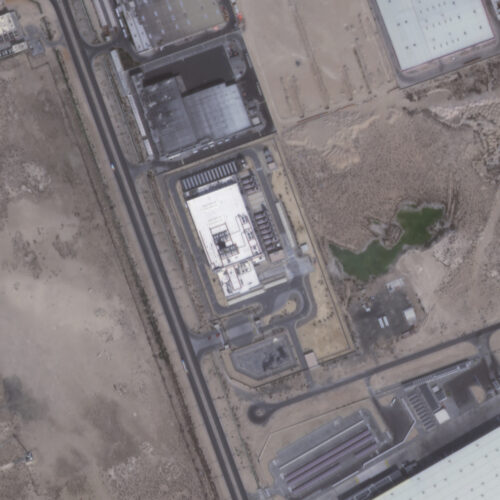
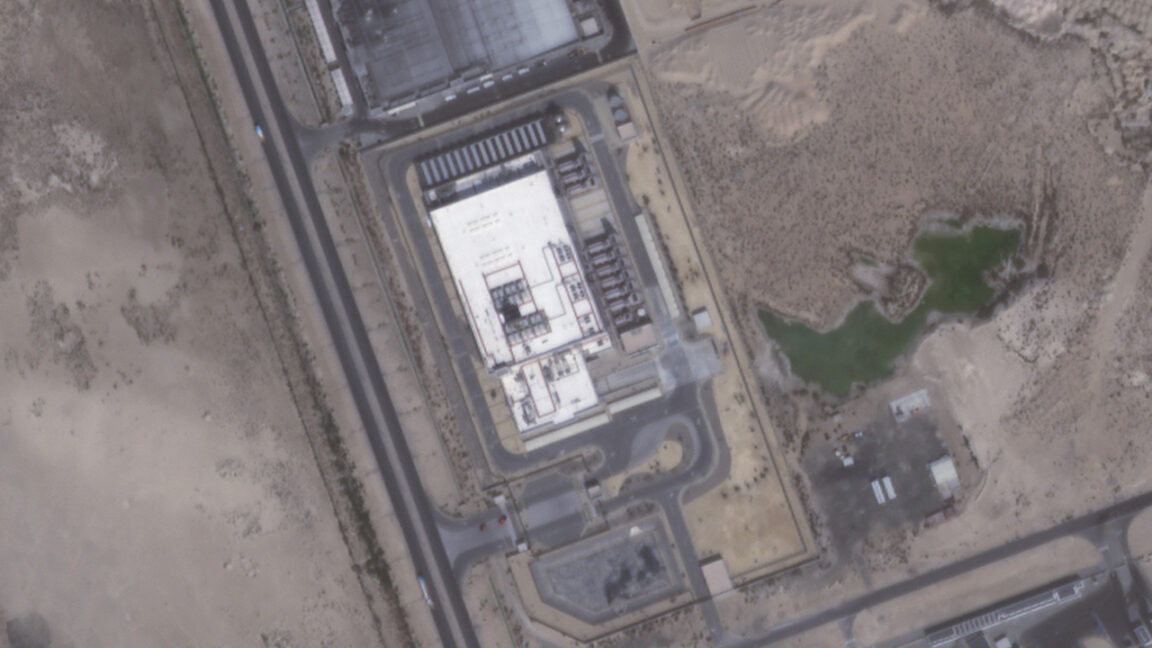
© Planet Labs PBC
Half a year after Iranian drone strikes knocked out multiple Amazon data centers, the US tech company has acknowledged the permanent loss of some customer data that was hosted in Bahrain and the United Arab Emirates.
Amazon Web Services was “unable to restore access to the resources and data” hosted in some of the war-damaged data centers, according to an AWS dashboard update posted on September 15. The development was first reported by Reuters and suggests that the Iranian strikes inflicted catastrophic damage on the data centers.
Customer data was irretrievably lost in one of three AWS availability zones in the United Arab Emirates region, specifically the mec1-az2 availability zone. Each availability zone is serviced by one or more Amazon data centers.
© Planet Labs PBC
More than six months after Amazon Web Services (AWS) data centers in Abu Dhabi and Bahrain were attacked by drones, the company has now had to tell customers to move their data to facilities in other regions. The Wall Street Journal reports that AWS has admitted that it's time for customers to jump ship to data centers located elsewhere in the world. In its AWS dashboard update, AWS confirmed "most customers have been able to re-establish their operations in other Regions by restoring backups or copying data that remained accessible. AWS Support remains available to help customers who need assistance moving their applications to alternate Regions."
The move comes as AWS continues repairs on the damaged data centers, but it stopped short of offering a timeline as to when customers can expect either location to be back online. AWS says that it remains committed to supporting its customers in Bahrain, but only said it would provide a further update early next year. It did not offer any specific recovery time frame for the restoration of services. Regarding the UAE, AWS says that it is working to replace affected infrastructure, but again only said it would provide an update on the restoration of services in the coming months.
Both affected data centers became targets for the Islamic Republic of Iran after the United States and Israel launched strikes on that country in February of this year. Months later, the Bahraini data center was struck by cruise missiles, and Iranian state media claimed it had been "destroyed."
The move is bad news for the United Arab Emirates. The U.A.E. has spent years trying to become a world leader in data processing, a pitch that led it to lobby U.S. officials to allow it to buy AI chips for its data centers.
Having made plenty of noise about OpenAI's decision to take a spot in a 5-gigawatt data center complex in May 2025, U.A.E. officials have since seen those plans stall. The WSJ points out that no lease has been signed well over a year later. OpenAI was expected to take 20% of the data center's total capacity, the kind of loss that is sure to sting officials if plans don't get back on track.
For its part, the U.A.E. is clearly well aware of the threat that the ongoing regional instability poses to its ambitions, and it's looking for ways to address the fears of potential partners. Officials have already hinted at the potential for underground data centers. While the move would make an already costly endeavor even more expensive, it could help defend new data centers from drone attacks. Building drone defense systems near data centers is another option.
Drone attacks can be catastrophic for any building, and data centers are no different. The data centers operated by AWS suffered fires and damaged infrastructure as a result of the strikes. In their efforts to fight the fires caused by drone strikes, emergency workers used water, causing further damage.
The Abu Dhabi and Bahrain data centers are relied upon by a variety of businesses in the banking and financial sectors. Those businesses cannot tolerate downtime, especially of the protracted variety. There's little sign of data centers slipping from the crosshairs of drone operators any time soon, either, and AWS is far from unique in finding its data centers under attack.
Iran's Islamic Revolutionary Guard Corps (IRGC) claimed in April that it had hit a data center linked to Oracle in Dubai. That unit further threatened American tech companies, including Microsoft, Oracle, Alphabet, and Nvidia, this spring. It accused the companies of contributing to attacks on Iran. With that in mind, and with tensions in the Middle East looking unlikely to ease any time soon, it's perhaps unsurprising that AWS has asked customers to move data to safer data centers around the world.

The estimated natural gas consumption of data centers in the U.S. is expected to massively increase as these facilities increasingly rely on gas turbine generators for their power. According to Bloomberg, data centers are projected to use up to 15 billion cubic feet per day by 2035, a 117% increase from the previous forecast of 6.9 billion cubic feet. This number tracks with other data center forecasts, which suggest that data centers will use 20% of U.S. power by 2035, amounting to about 194 gigawatts.
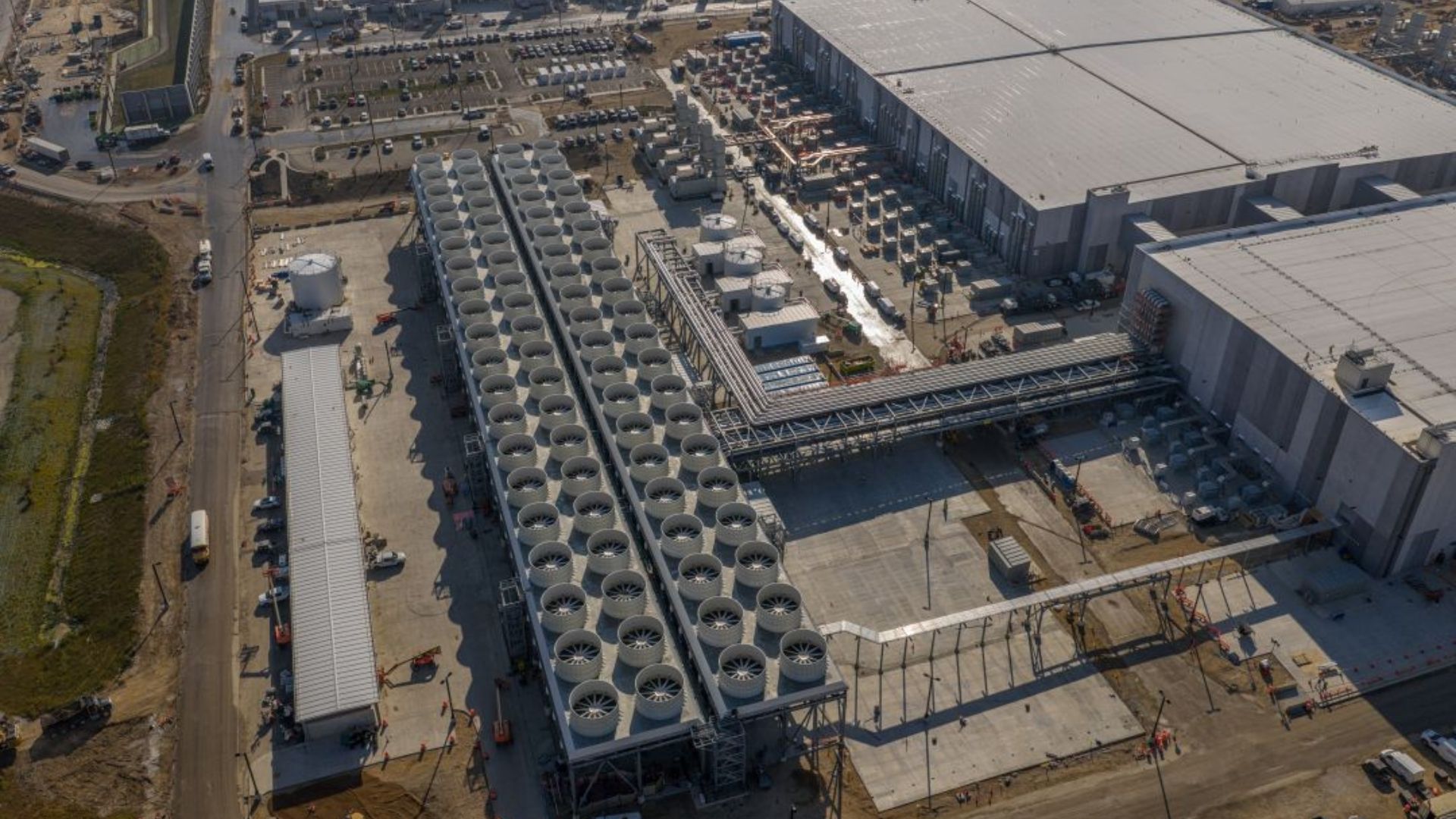
Many data center projects have already been delayed by the lack of available power infrastructure, with power plants expected to take so much longer before they come online. It’s for this reason that many developments have turned towards onsite generators, so much so that AI demand is now compounding the jet engine shortage already plaguing the aviation industry.
Elon Musk was among the first to use gas turbines to power a data center when he deployed them at the Memphis Supercluster in 2024, even though he didn’t have permits for some of them. Now, it seems that the world’s richest man has seen this trend and has invested a billion dollars to buy a portable gas and diesel turbine leasing company. He even announced that SpaceX will start in-house turbine blade manufacturing to help cut down on the manufacturing bottleneck plaguing the jet engine industry.
New technologies like small modular reactors are currently being developed as an answer to AI data centers’ insatiable demand for power, like Ampera’s 3D-printed modular thorium nuclear reactor or Valar Atomics’ Ward 250 nuclear microreactor. Many AI hyperscalers, including Amazon, Google, Microsoft, Nvidia, and Oracle, have even invested in projects like these in a bid to generate massive amounts of clean energy for AI. However, they’re expected to take a few more years before they could become commercially viable — time that tech giants do not have. Because of this, Musk said that “natural gas will still be needed to supplement and bootstrap solar for several years.”
The deployment of natural gas turbines in data centers isn’t good news for the communities living around them, though. The NAACP said in its lawsuit against SpaceXAI that the use of these turbines at Colossus 2 increased nitrogen oxide exhaust by 111%, PM2.5 particles by 83%, and formaldehyde emissions by 88%. While the company has already pledged to remove all its unpermitted generators, the process will take at least a year as the portable turbines are slowly being replaced by a 1.2-gigawatt on-site power plant.
Aside from this, the massive demand for natural gas could potentially put a strain on the supply, causing prices to rise and hit the average consumer. Domestic natural gas producers are projected to raise their output by 35 billion cubic feet per day in the next decade, but this still falls short of the forecasted demand by around 11 billion cubic feet per day. So, unless output manages to catch up with the demand, prices are expected to shoot up and cause a scramble for available supply. Still, some experts suggest that there are still more than enough undeveloped gas fields within the U.S. to allow the industry to increase natural gas supplies and reduce costs.
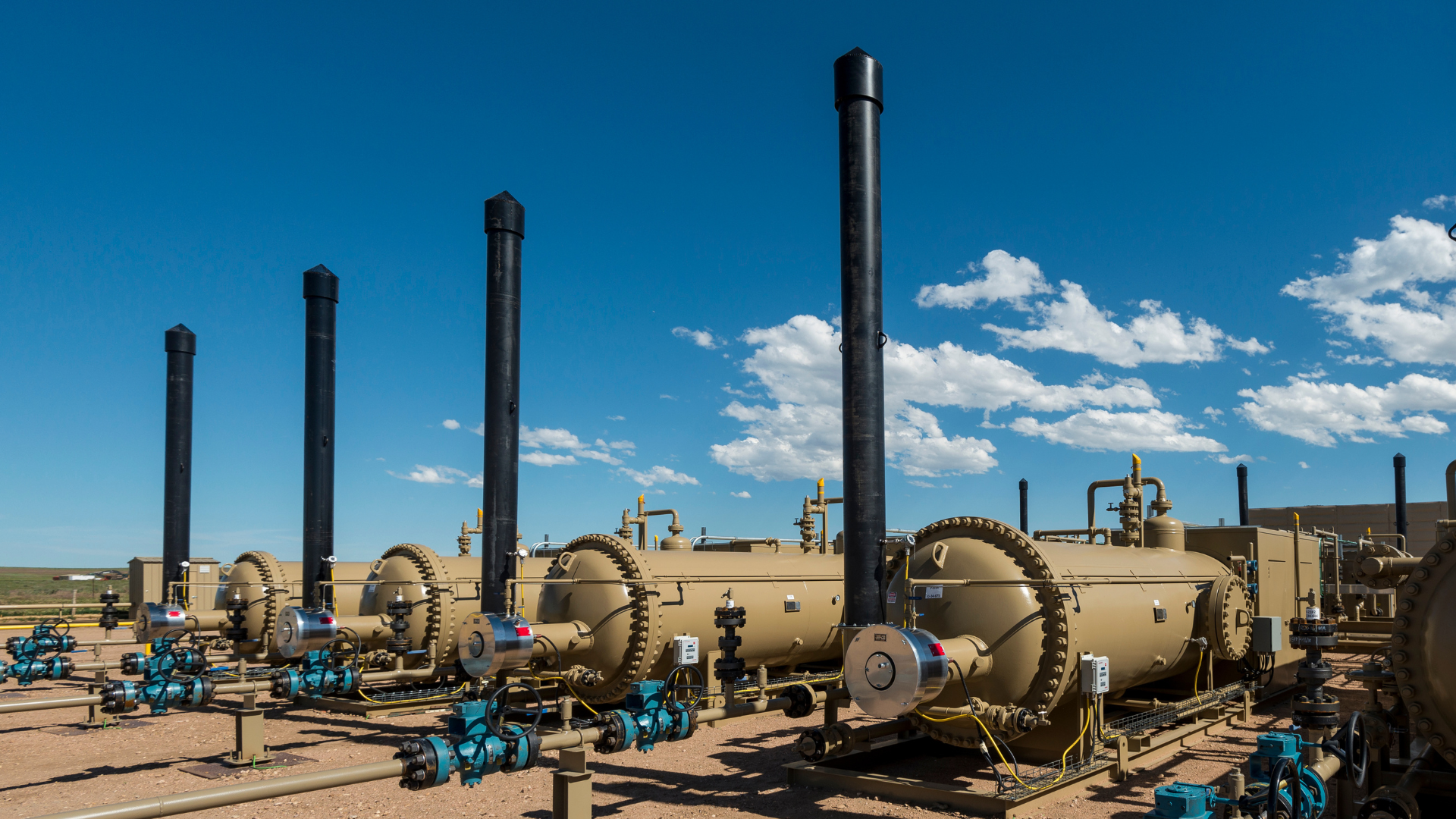
Residents of Frederick County, Maryland, could be the beneficiaries of what is purported to be the biggest residential benefits package yet to be offered by data center developers, in a move a new report claims is a sign of a growing trend that Big Tech is trying to get ahead of fears and community pushback surrounding AI infrastructure. The $110 million deal includes new schools, water reclamation, and more, The Information reports.
According to the report, the Frederick Digital Campus offering could be a sign that data center developers like Amazon, Microsoft, and Oracle are wising up to growing residential pushback and concerns around the building of large AI data centers in their communities, with developers "sweetening financial offers to municipalities and regulators to gain approval for new facilities" while "getting smarter" about ensuring they shoulder the cost of utilities like electricity. The report says AI builders are turning towards tangible benefits, rather than rhetoric, to get their projects approved.
The Maryland site, if approved, would see residents of Frederick County benefit from a $110 million investment in total, including a $30 million elementary school, $40 million of recreational facilities, a $14.5 million workforce training center, and a further $10.5 million for "agricultural preservation." That comes on top of a purported $215 million in annual property taxes the campus would pay upon completion, a 40% uptick in tax revenue.
It appears the developers have also offered concessions regarding construction, reducing the square footage by almost 20%, and reducing potable water (water safe for human consumption and use) usage by 80%, with up to $100 million also proposed for a water reclamation system.
The proposal is yet to be approved, but if passed, the campus would boast Amazon and Aligned Data centers amongst its tenants. The report reiterates the deal "reflects a rapidly emerging consensus by both tech companies and host governments to eliminate giveaways to developers and to accelerate benefits to towns in the vicinity of the facilities."
A further cited example from Pennsylvania claims AWS announced it would not seek any economic incentives to reduce the tax burden on its 4.5GW, 36-building data center campus in Homer City.
The report further cites occasions where big tech companies are taking the side of consumers and residents over power rate debates, with Microsoft recently said to have challenged an American Transmission Co. and We Energies’ proposal for its Wisconsin data center, claiming the plan wasn't robust enough to protect retail customers from footing the bill if demand was lower than expected. In another case, Google and Amazon are said to have lobbied Virginia regulators to ensure they would fund transmission upgrades required for their infrastructure, rather than let an energy company cover the cost by marking up customer bills.
With concerns around data center buildouts impacting local water supplies, energy rates, and even contributing to noise pollution, it's clear that Big Tech companies appear to be trying to grease the wheels on a local level by investing more directly in some local communities. Big Tech has reportedly now spent more than $1 trillion on AI infrastructure, so even local investments to the tune of hundreds of millions of dollars are a drop in the ocean for companies.
Regulators are trying to pump the brakes on data center buildouts, with some 500 data centers on hold in the US because of various moratoriums and legal pauses.
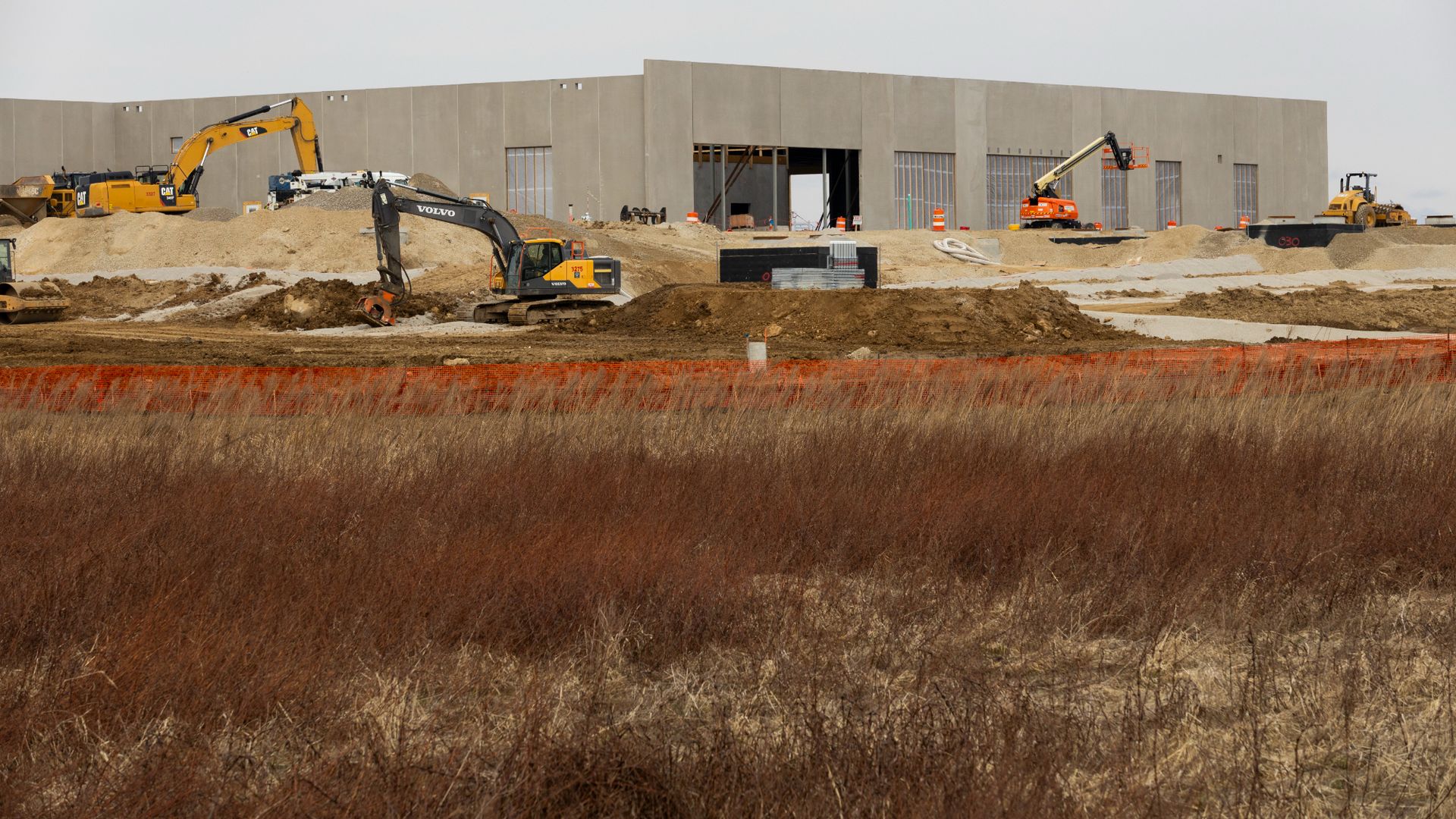
Oracle’s proposed investment in 2 gigawatts of renewable energy projects for New Mexico comes as local opposition could delay development of the Project Jupiter data center that Oracle is building for OpenAI.
The two tech companies are developing the $165 billion Project Jupiter data center in Santa Teresa, New Mexico, as part of the broader Stargate AI infrastructure project announced by President Donald Trump in 2025. But Project Jupiter faces local protests and court battles over concerns about its environmental impacts—and the latest Oracle announcement on September 8 seeking proposals for renewable energy projects does not change the fact that the data center will be powered by fuel cells that consume natural gas.
“Like all matching programs, this would be synthetic in the sense that 2 GW of renewables wouldn't directly power the data center,” wrote Michael Thomas, CEO of the Cleanview data platform that tracks renewable energy and data center projects, in a LinkedIn post.


© STACK Infrastructure
 A viral video shows sprinklers soaking a green lawn outside a denver data center during severe water restrictions.

© Nick Rohlman/The Gazette, via Associated Press
Patagonia, a region of Argentina with 17,300 glaciers, has the potential to turn into a data center hotspot. The cool climate and abundant energy resources there are drawing interest from the likes of Amazon, Google, and OpenAI, according to Reuters. However, there needs to be more work on tapping into the resources and equipping high-speed networking, like fiber, to make the place irresistible. There’s also the question of political stability with a presidential election next year.
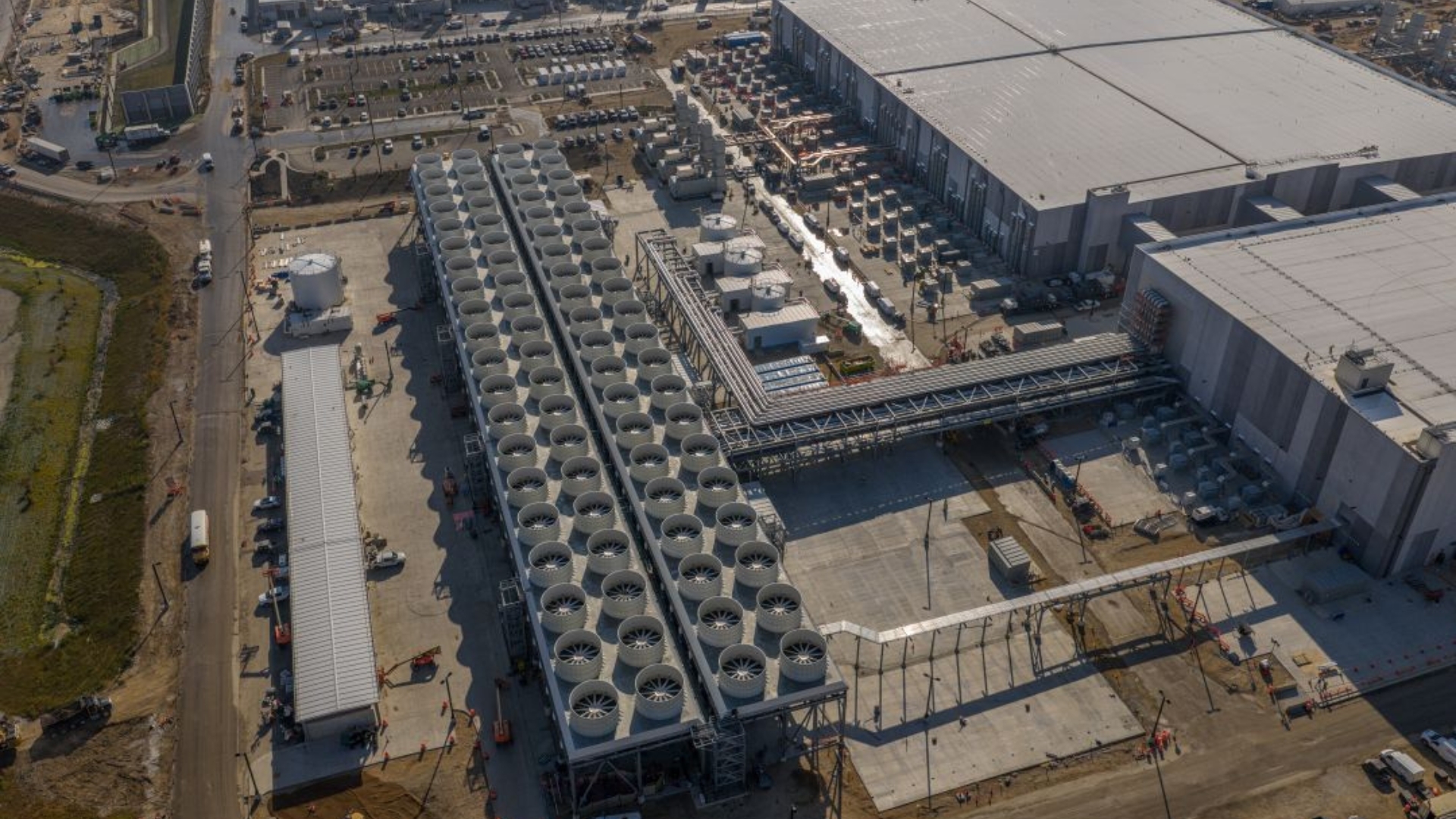
Argentina, and Patagonia in particular, has some juicy lures for potential hyperscale data center operators, and the cold climate is a bonus. That environment helps keep data centers cool and use less power while maintaining agreeable thermals. Patagonia has tens of thousands of glaciers across the Northern Patagonian Ice Field and the Southern Patagonian Ice Field combined.
Another bonus to would-be Patagonian data center operators are the range of energy sources there. Reuters mentions hydroelectric power, wind, and shale gas, but some operators who are already established are also adding solar.
Then, the social and political climate looks good for data centers in Argentina. According to the source, the populace doesn't hate data centers yet. At least there seems to be no campaign groups or public backlash. It is also reported that President Javier Milei has been making changes to court Big Tech. That’s a positive, and may be a negative. Positive in that the Argentines are now being accommodating to the needs of huge AI data centers. Negative, as there’s a presidential election next year, where things could take a dramatic turn, or not. There are also some regions in Patagonia where data center expansions may be complicated by the wishes and needs of indigenous communities. Businesses offering sizable, long-term investments aren’t keen on uncertainty.
With the pretty good environment for hyperscale buildouts established, it isn’t that surprising to see Reuters say OpenAI has confirmed a $25B and 500MW clean energy data center in the country. Lesser-known (to us) companies like Poland's Green Capital also plan a $3B and 300MW data center in Patagonia. It is also reported that FlexDomes, a U.S.-based green data center company, is planning the first stage of a 120MW facility.
Meanwhile, in neighboring South American countries, there are large developments from the likes of Amazon, Google, and others. Argentina must have these data center whales in its sights, as they are known to be scouting for expansion into new locations.
As well as political / business risk, Argentina has some structural weaknesses that need to be addressed by those developing in the country. It is said to have connectivity and power grid infrastructure deficiencies, for example. In other locations, we have seen these addressed on almost a per-project basis, with some state intervention, but it adds some high costs to setting up.

Leading chipmakers Samsung Electronics and Taiwan Semiconductor Manufacturing Co. announced plans to adopt ASML’s latest chipmaking machines in the next several years—and they also joined Intel in agreeing to a crucial technology change that could boost chip production on the new machines by 40 percent.
This signifies the semiconductor industry’s broader embrace of high NA EUV photolithography technology that can cost up to $400 million per machine and is only provided by the Dutch technology company ASML, Bloomberg reports. The technology would allow chip designers to implement even smaller features in potentially more powerful and efficient next-generation chips produced for AI data centers and consumer electronics such as smartphones, tablets, and laptops.
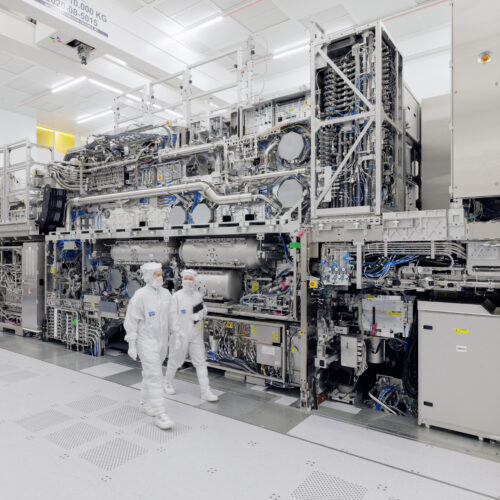
ASML’s EUV (extreme ultraviolet) lithography machines enable chipmakers to use powerful laser light to imprint patterns in silicon wafers, layer by layer, and gradually form the computer circuitry that makes silicon chips work. Compared to older deep ultraviolet lithography, EUV technology harnesses a more powerful source of light with a shorter wavelength to create even smaller features on silicon wafers.
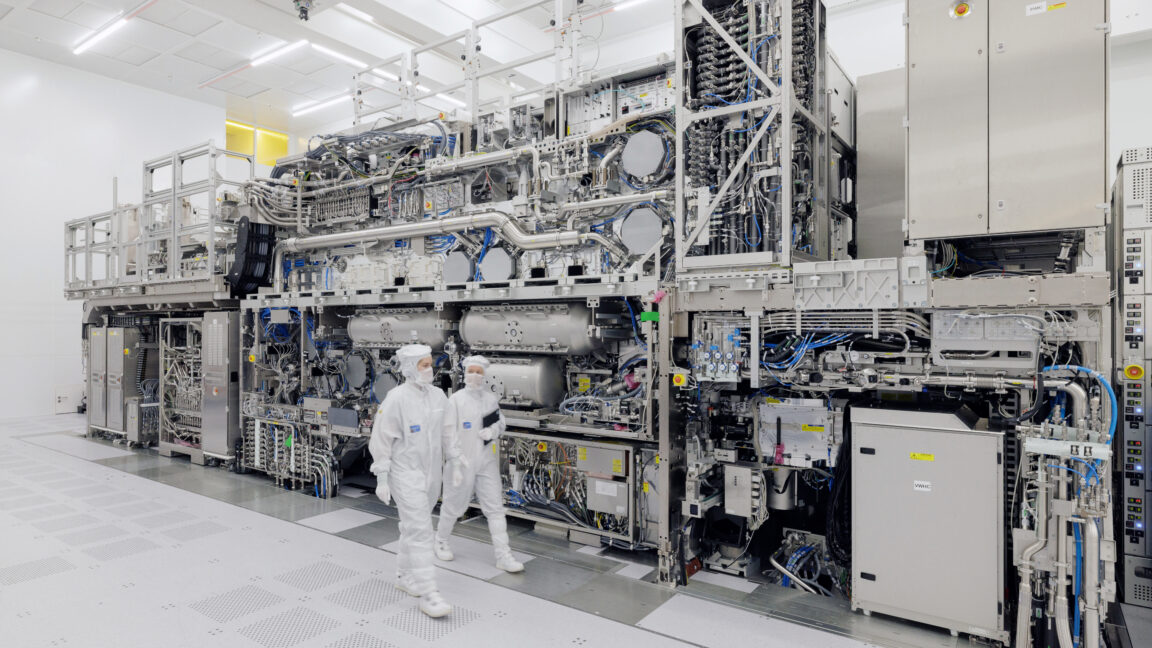
© Michel de Heer | ASML
