❌

Reading view

Tories challenge chancellor to rule out tax rises in budget as Badenoch labelled ‘embarrassment’ for Bank of England gaffe – UK politics live

The Conservatives want to brand Burnham’s administration as a ‘traditional tax and spend socialist government’

In a news release issued ahead of his speech this morning, Andrew Griffith, the new shadow chancellor, gave details of some of the questions he wants the experts he has asked to review small business regulation to address. (See 8.58am.) He said:

[Craig Mackinlay and Robert Colvile] will produce a report taking evidence from small business and self-employed organisations. While they will have a wide remit, they will consider in particular these key questions, and report in December:

-Why have past attempts to reduce the regulatory and compliance burden on small business and the self-employed failed, and what specifically should be done to reduce the burden successfully?

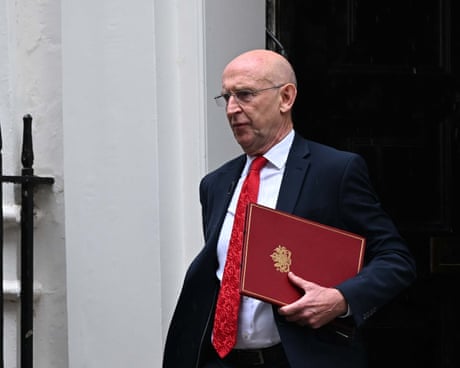
This is staggering. Our socialist Chancellor has dished out a big Bank of England finance job to a socialist union boss who knows nothing about finance.

Clearly, trade union donations not only buy your way into government policymaking, but also onto the Bank of England’s board. This is cronyism in plain sight.

Continue reading...

© Photograph: Anadolu/Getty Images

© Photograph: Anadolu/Getty Images

© Photograph: Anadolu/Getty Images

  •  

Think you can spot a ChatGPT image? Take my real-or-AI quiz and see how many fool you

OpenAI launched ChatGPT Images 2.5 last week, bringing all sorts of impressive upgrades to the way it generates images. The company says the latest model will bring us “sharper details, faster generation, more precise editing, and better tools for creating and sharing.”

We’ve already identified the new features of ChatGPT Images 2.5 you’ll actually use, like Sketch for turning quick drawings into polished images, templates for things like posters and better editing tools.

But it’s not all good news. We’re still a little disappointed by the presence of telltale noise patterns in some of its creations. TechRadar writer Eric Hal Schwartz described the problem well: “Everything gets a gritty, sandy look, and nothing looks clean for some reason.”

What I’m most interested in isn’t necessarily how good ChatGPT’s new image capabilities are, but whether they can realistically pass as genuine photos.

Is this real or AI?

I’ve written before about how I love to comb through the r/isthisAI subreddit, where people post suspicious images and ask everyone else to help them work out whether they’re real.

It’s fascinating but also concerning when you see the number of scams, fake viral posts and completely fabricated people that are now floating around online.

So yes, ChatGPT Images has improved. But has it reached the point where AI images are becoming genuinely different to distinguish from real ones?

The jury’s still out. I think we’ll need a bit of time to experiment ourselves and for r/isthisAI to fill up with new images.

But in the meantime, I’ve been interested in the way Redditors have responded to the new image capabilities. Especially one thread about asking ChatGPT to make the most realistic human image possible.

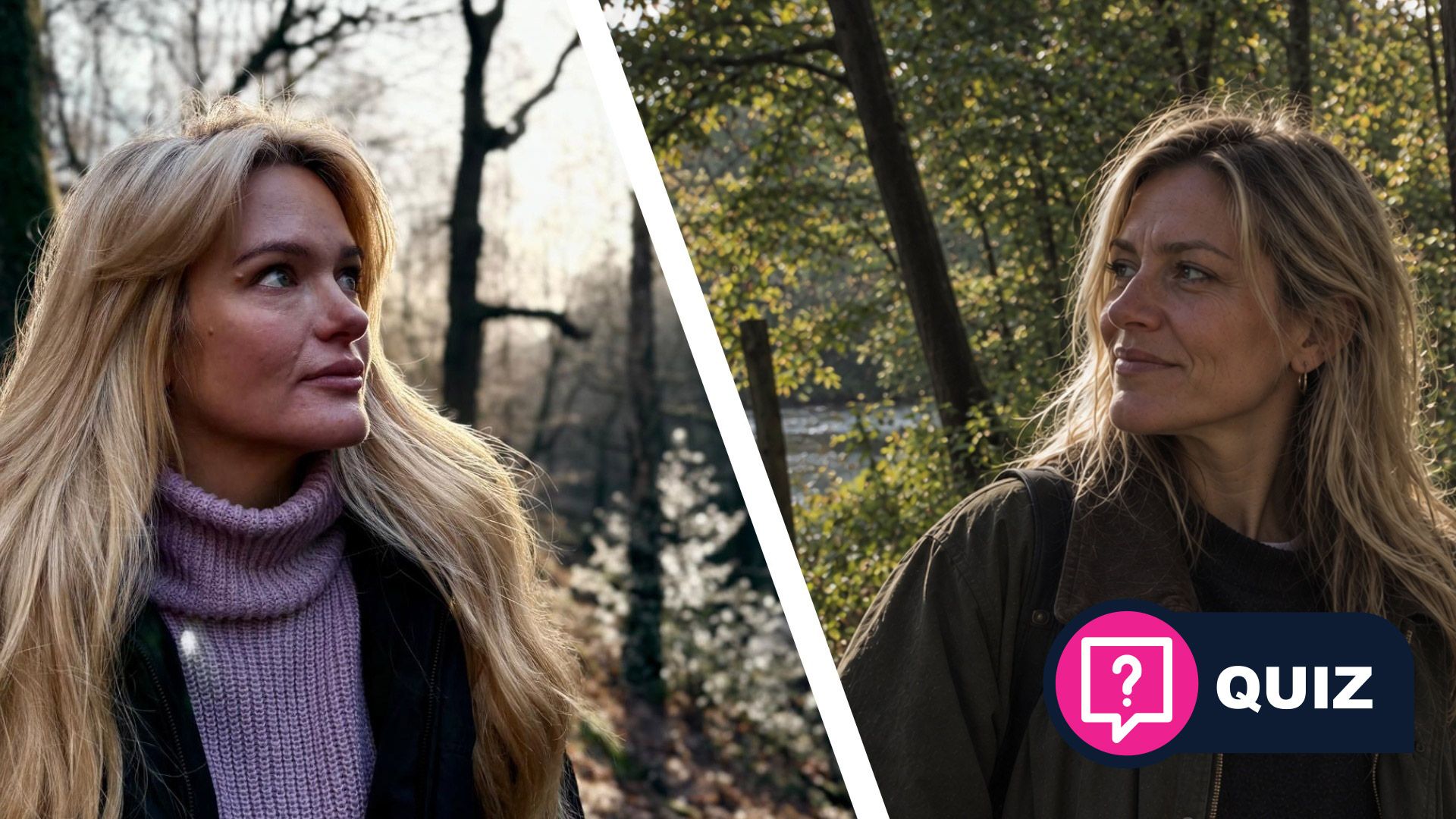
The Redditor who started the thread shared the resulting image of a young woman. And, at least at first glance, there’s very little about her that screams AI to me.

Can you actually tell which photos are AI now?

I decided to experiment with ChatGPT Images myself, especially with prompts like the Reddit thread in which I tried to get the chatbot to make the most realistic-looking images.

To make the comparison feel as fair as possible, I went through photos from my own travels this summer and picked some I was happy to share. I then asked ChatGPT to create extremely realistic images with similar subjects, settings and compositions.

For some, that meant asking for a realistic photograph of a blonde woman. For others, I recreated the kinds of ordinary travel photos sitting in my camera roll, which was meals in restaurants, boats in harbors and scenes from walks.

Importantly, I wasn’t trying to make spectacular AI art, I really wanted the opposite. Images that were boringly believable.

Take the quiz below to see if you can guess which are the real photos of my travels this summer and which are ChatGPT-generated.

Is that gritty, sandy look still enough to give the AI ones away? Can you focus less on the faces and spot strange details in the backgrounds? Or have we reached the point where your first instinct simply isn’t reliable anymore?

Take the quiz and tell me how you get on in the comments below.

  •  

PSA: watchOS 27 Removes This Useful Feature From Your Apple Watch

Apple released watchOS 27 on September 14, bringing a new Audio Intelligence feature set to its latest Apple Watch models, but as a result, owners of previous models are set to lose out doubly in the process.


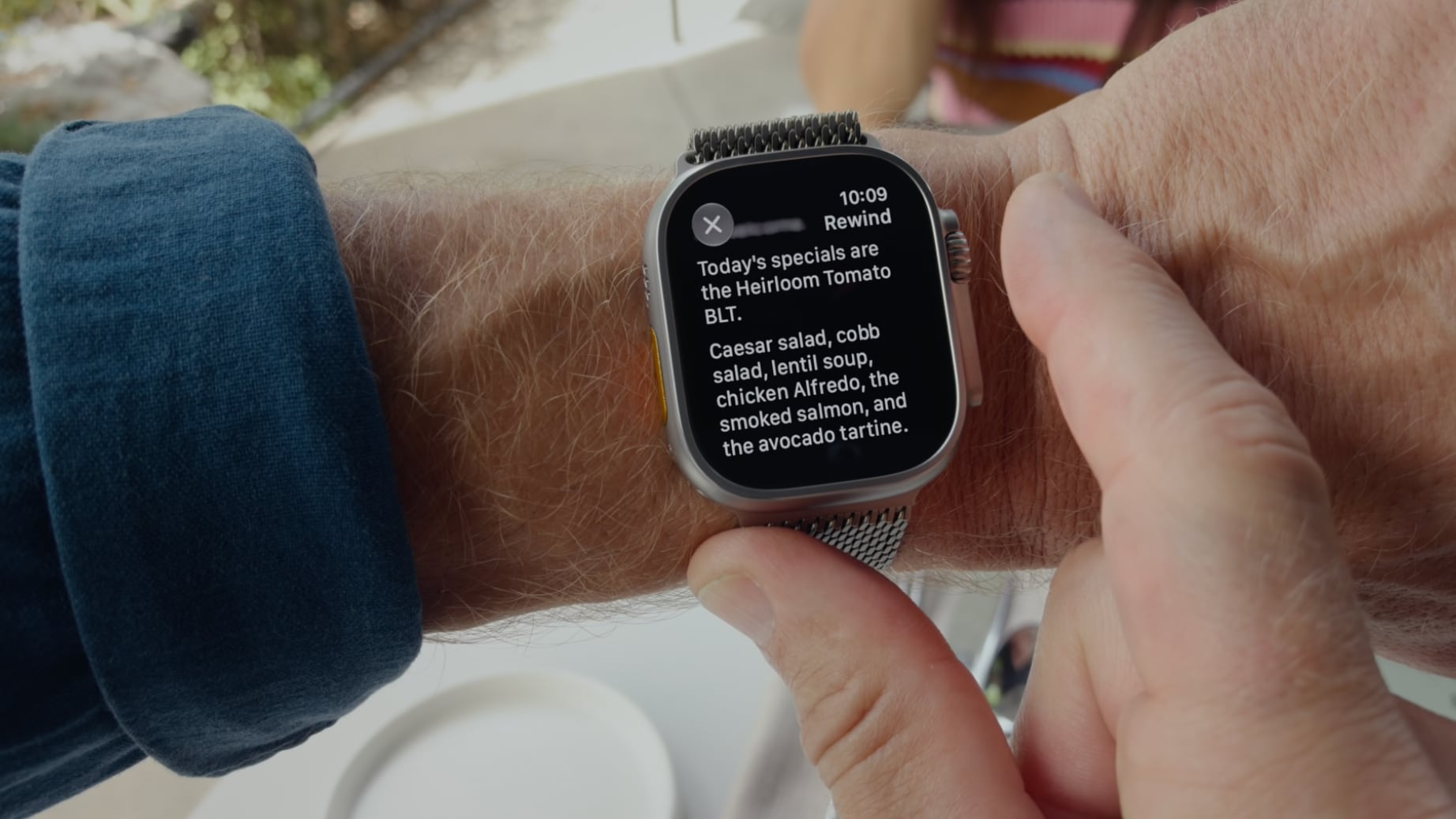
Apple Watch Series 12 and Ultra 4 models later this year will get Live Rewind, a feature that provides a transcript of any spoken audio that was picked up by the device in the last 15 seconds. To activate the feature, users need to double-click the Digital Crown.

Unforunately, this double-click action is the same one that in watchOS 26 switches between the current app and the previously used app – or indeed the watch face and the last used app.

It's a neat way of multitasking on your Apple Watch without tapping the display.

Needless to say, this feature will no longer work for anyone upgrading to Apple Watch Series 12 and Ultra 4 models when the devices are released on September 18. Apple has reserved the double-click action for when its new Live Rewind feature is activated later this year.

However, what's arguably more frustrating is that owners of older Apple Watch models who update to watchOS 27 will also lose the ability to jump between apps using the Digital Crown double-click.

After updating to watchOS 27, the Digital Crown double-click no longer works to switch between apps. All it does is bring up the new dynamic app grid, which is the same behavior that a single click offers. This is despite the fact that the new Live Rewind feature is hardware-bound to the Apple Watch Series 12 and Ultra 4. Owners of previous models are simply out of luck in both senses, losing a useful function while also missing out on the new feature that usurps it.

It also throws up another problem for new Series 12 and Ultra 4 owners: What if people don't want to go near the Live Rewind feature and its privacy implications? Apple could have made the double-click action work to switch between apps as it does in watchOS 26, while also providing an option to assign the action to Live Rewind if that's preferred.

Apple currently doesn't provide options to resolve the situation for either group of users, so all we can do is provide feedback to Apple and hope the company hears enough demand for it to change course in watchOS 27.1 or a later update.

Pre-orders for the Apple Watch Series 12 and Ultra 4 are available now ahead of a Friday, September 18 launch.
Related Forum: Apple Watch

This article, "PSA: watchOS 27 Removes This Useful Feature From Your Apple Watch" first appeared on MacRumors.com

Discuss this article in our forums

  •  

Beginning in 1990, New York City repaved streets with asphalt containing crushed recycled glass. By 1995, crews had used 250,000 tons of glass in resurfacing applications across the city, including a section of Fifth Avenue in front of the Plaza Hotel.

For a few years in the early 1990s, a lot of New York streets sparkled. Picture a Manhattan avenue at dusk, wet from a passing shower, the streetlights and headlights catching something in the road surface itself. Not the usual dull black, but a faint, restless glitter, as if the asphalt had been dusted with something. That shimmer was crushed bottles. The city had figured out how to grind its glass waste into the road.

The material had a name that told you exactly what it was: glassphalt. It went from a curiosity nobody trusted, to something people demanded outside their own buildings, and then it quietly disappeared. And it’s a small case study in why good recycling ideas so often don’t stick.

The glittering street, and why the city made it

Asphalt is mostly sand and gravel held together by a black binder. Glassphalt is what you get when crushed glass replaces part of that sand and gravel.

The Federal Highway Administration, in its guidelines on waste glass in pavement, says road-surface mixes with roughly 10 to 15 percent crushed glass perform fine. From 1989, the city’s transportation department started putting the glass content of its mix at about 10 percent.

The FHWA called the New York program the “most aggressive” glass-recycling paving effort in the country. From 1990 through 1995 the city used roughly 225,000 metric tons, about 250,000 tons, of glass in resurfacing. By 1991, crews had already laid glassphalt on nearly 900 lane-miles of Manhattan and Brooklyn streets.

What made the idea clever, as far as we can tell, is the kind of glass it used. Bottle recyclers want clean glass sorted by color. They won’t buy the mixed-color material that piles up at the bottom of a recycling stream. Glassphalt didn’t care about color. It could swallow exactly the low-value waste glass that nobody else wanted and turn it into road. The city reported saving about $500,000 a year by using crushed glass in place of some sand and gravel, and keeping 38,000 tons of glass out of landfills in the process.

From public suspicion to actual demand

People did not warm to it right away. A road that shimmers looks, at first glance, like something is wrong with it. But the turnaround, if the accounts from the time are right, was fairly complete.

Harold Watson, the transportation department’s assistant commissioner for asphalt operations, had become something of an in-house champion for the material. Watson said in 1991: “Now, when we do a road, if we don’t have glass on it, people come in and start complaining.”

That’s a nice story about public mood, not a measured fact, and it comes from a fan of the material, so we’d hold it loosely. Watson was clearly frustrated by a quieter resistance too. In his telling, “There’s a lot of people who can’t find anything wrong with glassphalt but won’t say anything good about it.” Read that as one supporter’s view rather than a neutral account, but it captures the odd spot the material was in: hard to fault, hard to fully endorse.

The Plaza, and a request for more sparkle

The clearest sign that the public had come around involved one very visible stretch of Fifth Avenue. After the city resurfaced the section in front of the Plaza Hotel with glassphalt, the hotel’s owner, Donald Trump, wanted the surrounding streets given the same treatment. A recycled-glass road surface had become something worth lobbying for outside a luxury hotel.

There’s something funny in that. The exact same crushed bottles a bottle plant would reject as worthless were, when spread across Fifth Avenue and lit up after rain, a selling point. The sparkle did real marketing work that the engineering never asked for.

Why the biggest glass-paving program in the country faded

None of the appeal saved it. The program’s central weakness was that its raw material came from curbside recycling collection, and collection is expensive.

During a budget crisis, Mayor David Dinkins floated suspending the recycling operation to save about $65 million a year, which would have cut off the glass supply. Commissioner Lucius Riccio said at the time: “That would be a shame. We’re doing a record amount of paving and we could use all the glass they could give us.” That tension is the whole story in miniature. The paving side wanted all the glass it could get, and the collection side that fed it was the first thing on the chopping block when money got tight.

What we take from a road paved with bottles

New York didn’t invent glassphalt. Baltimore had paved at least 17 streets with it from the mid-1970s through the mid-1980s, chasing the same sparkle.

What New York proved was that the idea could run at real scale, absorb hundreds of thousands of tons of the exact glass nobody else wanted, and win over a skeptical public along the way.

The sparkle was arguably the least interesting thing about it. It got the headlines, it got Trump lobbying, it made a wet avenue look faintly enchanted. But the real achievement was much plainer: a workable use for low-value mixed glass that would otherwise cost money to bury.

The reason it faded had nothing to do with whether the roads glittered, and everything to do with the fragile system behind it, the collection network and the raw cost of glass against dirt-cheap gravel. A recycling idea can be sound as engineering and still lose to logistics. That, more than the shine, is what a road made of bottles has to teach.

The post Beginning in 1990, New York City repaved streets with asphalt containing crushed recycled glass. By 1995, crews had used 250,000 tons of glass in resurfacing applications across the city, including a section of Fifth Avenue in front of the Plaza Hotel. appeared first on Space Daily.

  •  

APOD: 2026 September 17 – A Treasure Chest in the Carina Nebula

APOD

Astronomy Picture of the Day

Discover the cosmos! Each day a different image or photograph of our fascinating universe is featured, along with a brief explanation written by a professional astronomer.

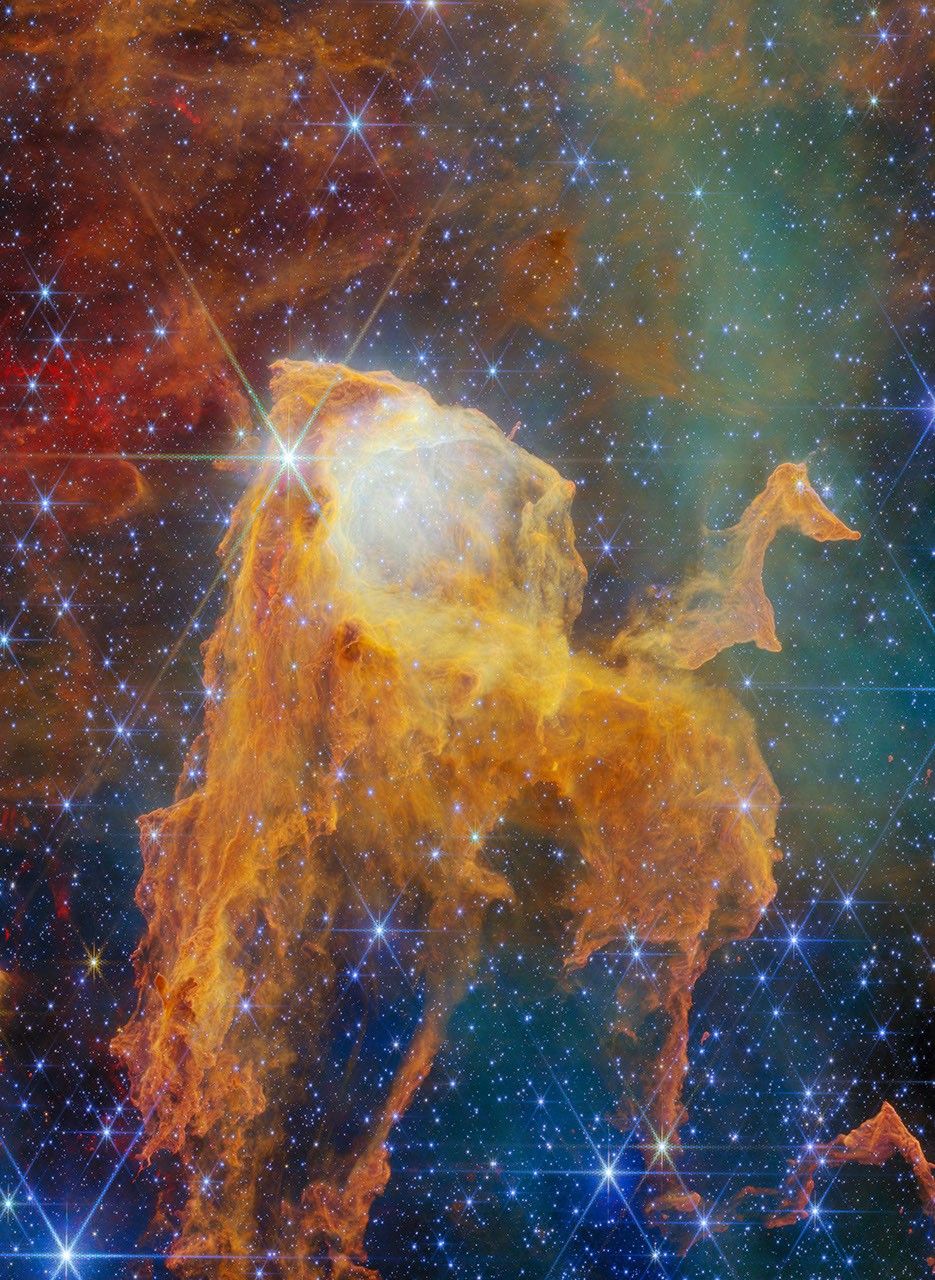
A colorful nebula resembles an open treasure chest on a field of stars

A Treasure Chest in the Carina Nebula

Explanation: This treasure chest is full of stars. The featured image was obtained with NASA‘s James Webb Space Telescope and shows a dust pillar in the Carina Nebula inside our Galaxy, roughly 7500 light-years away. It is formed by interstellar gas and dust, and shaped by powerful stellar winds and radiation from neighboring stars like the nearby Eta Carinae stellar system which is more luminous than 5 million suns. The star formation inside the pillar is excavating its head, creating the open lid of the chest. Astronomers estimate that there are about 70 stars in a compact cluster inside the pillar. This cluster is now thought to be only around 1.3 million years old. Its bounty of young stars includes a massive star approximately 19 times as massive as the Sun. More massive stars are rarer, shine brighter and evolve faster than less massive stars. They are the shiniest jewels in the treasure chest.

APOD’s main NASA site is moving : From apod.nasa.gov to science.nasa.gov/apod
Tomorrow’s picture: what’s next?

Date September 17, 2026
Credit ESA/Webb, NASA & CSA, M. Reiter; Acknowledgement: M. H. Özsaraç
Authors & editors: Cecilia Chirenti, Robert Nemiroff, Jerry Bonnell, Keighley Rockcliffe
A service of: ASD at NASA / GSFC,
NASA Science Activation & Michigan Tech. U.

The post APOD: 2026 September 17 – A Treasure Chest in the Carina Nebula appeared first on NASA Science.

  •  

APOD: 2026 September 17 – A Treasure Chest in the Carina Nebula

APOD

Astronomy Picture of the Day

Discover the cosmos! Each day a different image or photograph of our fascinating universe is featured, along with a brief explanation written by a professional astronomer.

A colorful nebula resembles an open treasure chest on a field of stars

A Treasure Chest in the Carina Nebula

Explanation: This treasure chest is full of stars. The featured image was obtained with NASA‘s James Webb Space Telescope and shows a dust pillar in the Carina Nebula inside our Galaxy, roughly 7500 light-years away. It is formed by interstellar gas and dust, and shaped by powerful stellar winds and radiation from neighboring stars like the nearby Eta Carinae stellar system which is more luminous than 5 million suns. The star formation inside the pillar is excavating its head, creating the open lid of the chest. Astronomers estimate that there are about 70 stars in a compact cluster inside the pillar. This cluster is now thought to be only around 1.3 million years old. Its bounty of young stars includes a massive star approximately 19 times as massive as the Sun. More massive stars are rarer, shine brighter and evolve faster than less massive stars. They are the shiniest jewels in the treasure chest.

APOD’s main NASA site is moving : From apod.nasa.gov to science.nasa.gov/apod
Tomorrow’s picture: what’s next?

Date September 17, 2026
Credit ESA/Webb, NASA & CSA, M. Reiter; Acknowledgement: M. H. Özsaraç
Authors & editors: Cecilia Chirenti, Robert Nemiroff, Jerry Bonnell, Keighley Rockcliffe
A service of: ASD at NASA / GSFC,
NASA Science Activation & Michigan Tech. U.
  •  

Summer Goes Out With a Heat Dome

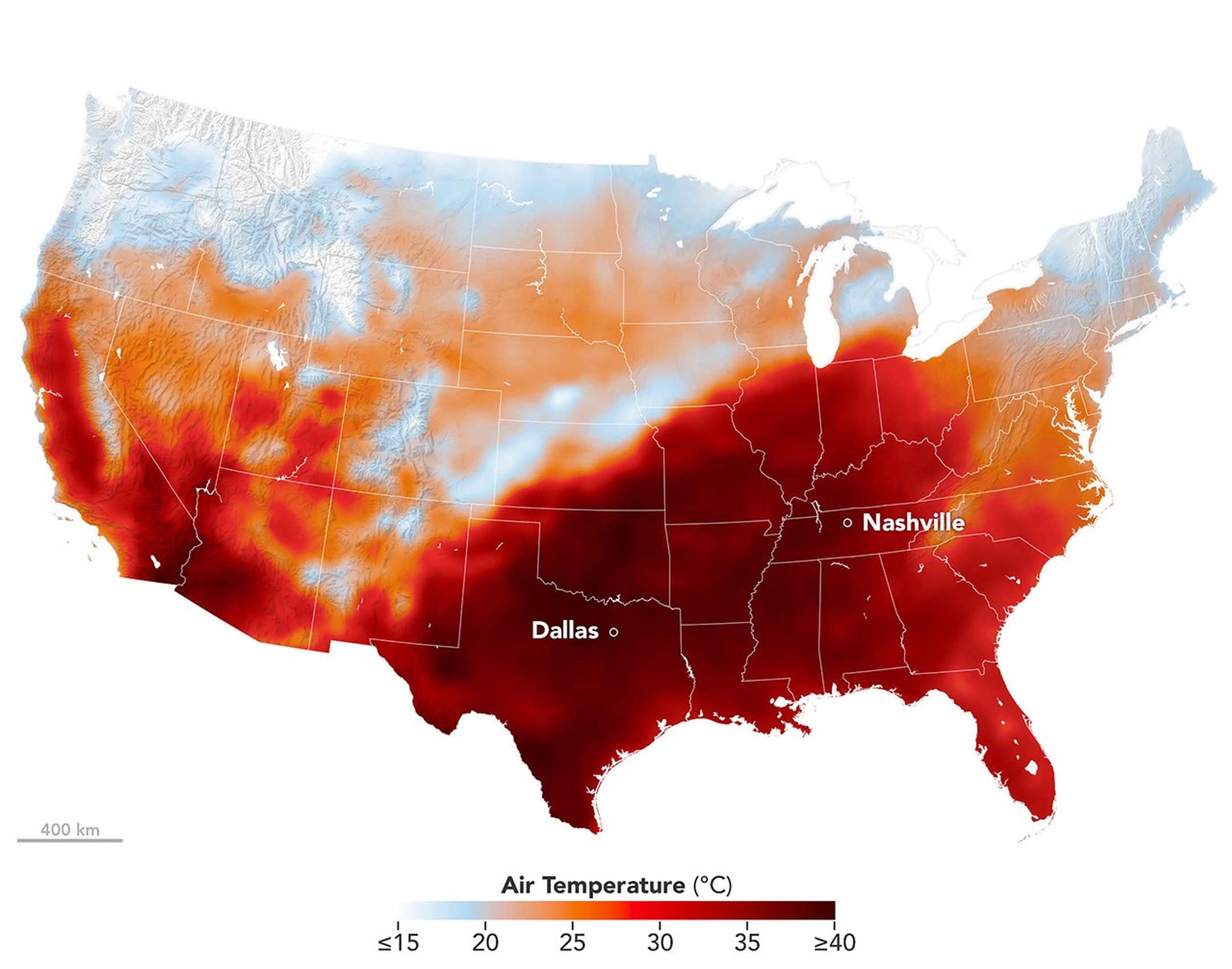
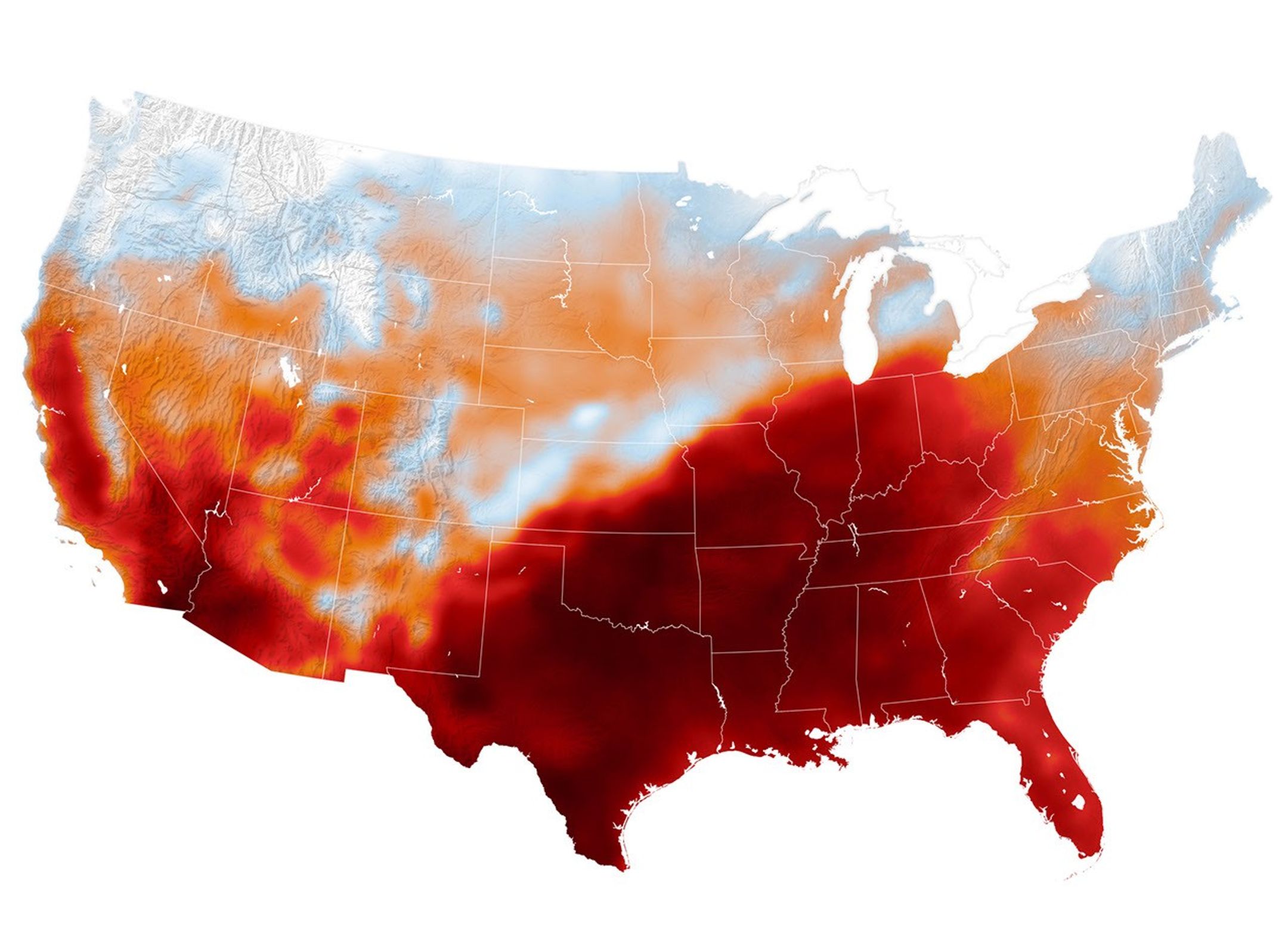
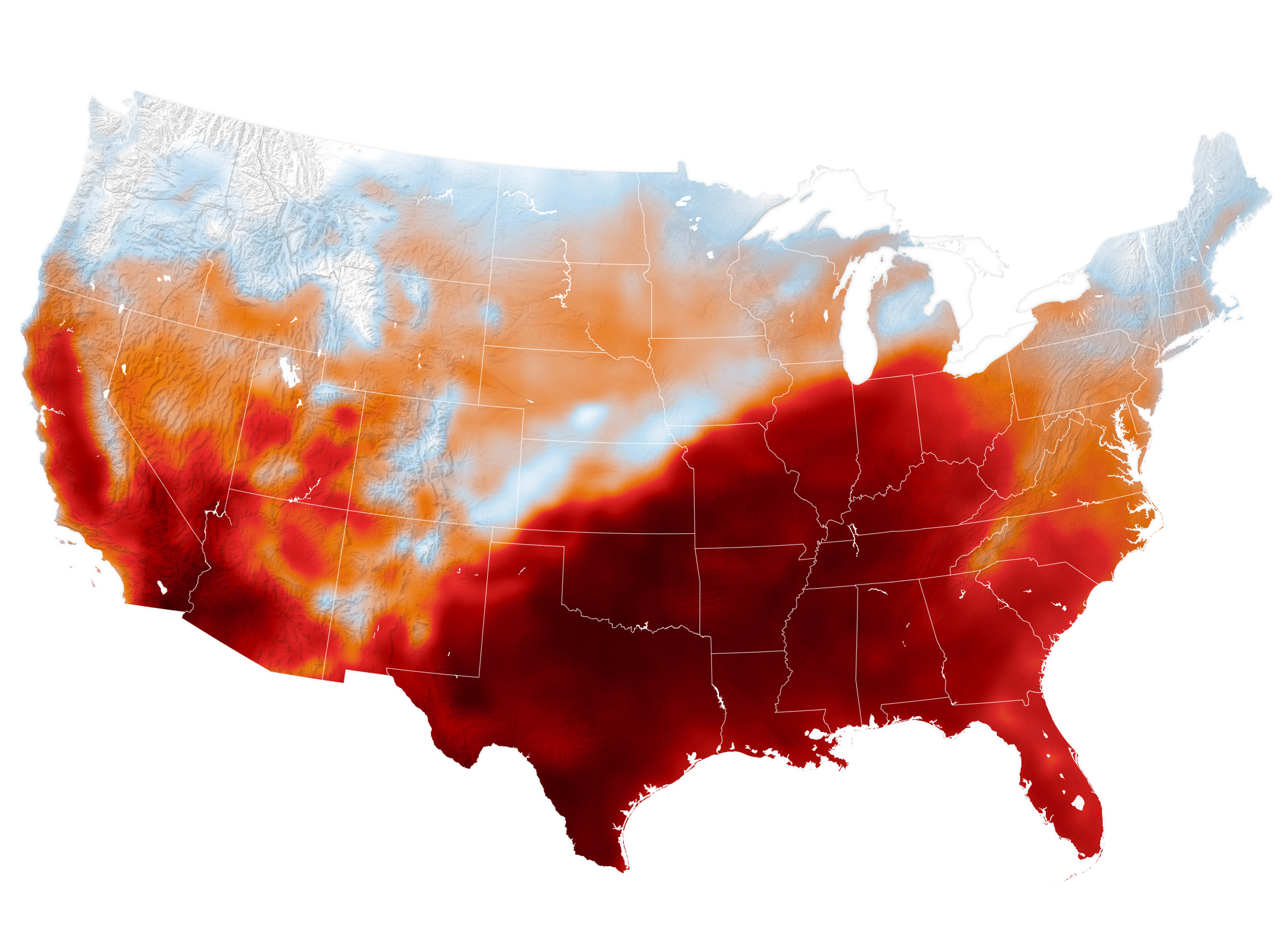
Air temperatures in the United States are depicted in white to light blue (cooler) and orange to red (warmer). An area of red, indicating temperatures around 100 degrees Fahrenheit, covers Texas and several states to the east and northeast.
An area of high pressure over the south-central U.S. produced unseasonable and, in some places, record-breaking warmth on September 15, 2026, as shown in this map of modeled air temperatures from GEOS (Goddard Earth Observing System).
NASA Earth Observatory/Michala Garrison

While the calendar indicated that astronomical summer was winding down, a swath of the south-central United States was sweltering under a heat dome in mid-September 2026.

This map shows air temperatures in the contiguous U.S. on September 15, 2026, at 4 p.m. Central Time (21:00 Universal Time), modeled at 2 meters (6.5 feet) above the ground. It was produced by combining satellite observations with temperatures predicted by a version of the GEOS (Goddard Earth Observing System) model, which uses mathematical equations to represent physical processes in the atmosphere. The darkest reds indicate areas where temperatures approached or exceeded 40 degrees Celsius (104 degrees Fahrenheit).

More than 41 million people in the U.S.—about 12 percent of the population—were under a National Weather Service extreme heat advisory, extreme heat watch, or extreme heat warning on September 15. The high temperatures spanned large portions of several states, such as Texas, Oklahoma, Arkansas, Missouri, and Tennessee. Meteorologists warned that high humidity, limited cloud cover, and light winds could make temperatures feel higher than thermometer readings and increase the risk of heat-related illnesses.

Several locations set new daily high temperature records on September 15. These included Dallas, Texas, at 101ºF (38ºC), Memphis, Tennessee, at 99ºF (37ºC), and Nashville, Tennessee, at 100ºF (38ºC). The cities were all at least 12ºF warmer than normal that day, with Nashville breaking its daily-high record from 1927. The day before, Nashville also set a record-high minimum temperature of 75ºF (24ºC).

A weather phenomenon meteorologists call a heat dome was responsible for driving temperatures up across the region. A heat dome develops when an area of high pressure in the upper atmosphere pushes hot air toward the surface and traps it there. Heat domes put the brakes on convection and suppress clouds and precipitation. This allows sunlight to reach Earth’s surface relatively unhindered and further elevate air temperatures.

The stretch of unseasonable temperatures follows the warmest June through August in the contiguous United States in a 132-year record, according to NOAA. The three-month period in 2026 was 0.4ºF warmer than the previous records, set in 1936 and 2021.

NASA Earth Observatory image by Michala Garrison, using GEOS-FP data from the Global Modeling and Assimilation Office at NASA GSFC. Story by Lindsey Doermann.

Downloads

Air temperatures in the United States are depicted in white to light blue (cooler) and orange to red (warmer). An area of red, indicating temperatures around 100 degrees Fahrenheit, covers Texas and several states to the east and northeast.

September 15, 2026

JPEG (1.22 MB)

References & Resources

You may also be interested in:

Stay up-to-date with the latest content from NASA as we explore the universe and discover more about our home planet.

Heat Dome Broils the Western U.S.
4 min read

A ridge of high pressure fueled record-breaking temperatures in Montana, Utah, and Wyoming on July 12, 2026.

Article
Europe’s Scorching Summer
6 min read

A series of heat waves in 2026 is breaking records and taking a toll in Europe.

Article
Sensing the Poles’ Hidden Heat
3 min read

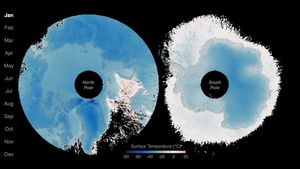
New animations from NASA’s PREFIRE mission reveal two years of seasonal temperature swings at the Arctic and Antarctic.

Article

The post Summer Goes Out With a Heat Dome appeared first on NASA Science.

  •  

Summer Goes Out With a Heat Dome

Air temperatures in the United States are depicted in white to light blue (cooler) and orange to red (warmer). An area of red, indicating temperatures around 100 degrees Fahrenheit, covers Texas and several states to the east and northeast.
An area of high pressure over the south-central U.S. produced unseasonable and, in some places, record-breaking warmth on September 15, 2026, as shown in this map of modeled air temperatures from GEOS (Goddard Earth Observing System).
NASA Earth Observatory/Michala Garrison

While the calendar indicated that astronomical summer was winding down, a swath of the south-central United States was sweltering under a heat dome in mid-September 2026.

This map shows air temperatures in the contiguous U.S. on September 15, 2026, at 4 p.m. Central Time (21:00 Universal Time), modeled at 2 meters (6.5 feet) above the ground. It was produced by combining satellite observations with temperatures predicted by a version of the GEOS (Goddard Earth Observing System) model, which uses mathematical equations to represent physical processes in the atmosphere. The darkest reds indicate areas where temperatures approached or exceeded 40 degrees Celsius (104 degrees Fahrenheit).

More than 41 million people in the U.S.—about 12 percent of the population—were under a National Weather Service extreme heat advisory, extreme heat watch, or extreme heat warning on September 15. The high temperatures spanned large portions of several states, such as Texas, Oklahoma, Arkansas, Missouri, and Tennessee. Meteorologists warned that high humidity, limited cloud cover, and light winds could make temperatures feel higher than thermometer readings and increase the risk of heat-related illnesses.

Several locations set new daily high temperature records on September 15. These included Dallas, Texas, at 101ºF (38ºC), Memphis, Tennessee, at 99ºF (37ºC), and Nashville, Tennessee, at 100ºF (38ºC). The cities were all at least 12ºF warmer than normal that day, with Nashville breaking its daily-high record from 1927. The day before, Nashville also set a record-high minimum temperature of 75ºF (24ºC).

A weather phenomenon meteorologists call a heat dome was responsible for driving temperatures up across the region. A heat dome develops when an area of high pressure in the upper atmosphere pushes hot air toward the surface and traps it there. Heat domes put the brakes on convection and suppress clouds and precipitation. This allows sunlight to reach Earth’s surface relatively unhindered and further elevate air temperatures.

The stretch of unseasonable temperatures follows the warmest June through August in the contiguous United States in a 132-year record, according to NOAA. The three-month period in 2026 was 0.4ºF warmer than the previous records, set in 1936 and 2021.

NASA Earth Observatory image by Michala Garrison, using GEOS-FP data from the Global Modeling and Assimilation Office at NASA GSFC. Story by Lindsey Doermann.

Downloads

Air temperatures in the United States are depicted in white to light blue (cooler) and orange to red (warmer). An area of red, indicating temperatures around 100 degrees Fahrenheit, covers Texas and several states to the east and northeast.

September 15, 2026

JPEG (1.22 MB)

References & Resources

You may also be interested in:

Stay up-to-date with the latest content from NASA as we explore the universe and discover more about our home planet.

Heat Dome Broils the Western U.S.

4 min read

A ridge of high pressure fueled record-breaking temperatures in Montana, Utah, and Wyoming on July 12, 2026.

Article

Europe’s Scorching Summer

6 min read

A series of heat waves in 2026 is breaking records and taking a toll in Europe.

Article

Sensing the Poles’ Hidden Heat

3 min read

New animations from NASA’s PREFIRE mission reveal two years of seasonal temperature swings at the Arctic and Antarctic.

Article
  •  

Moon phase today: What the Moon will look like on September 17, 2026

An image of a full moon.

We're getting a better look at the Moon with each night as more of its sunlit side comes into view. It's day six of the lunar cycle, so there should be a good chance at spotting some lunar features.

What is today’s Moon phase?

As of Thursday, Sept. 17, NASA's Daily Moon Guide tracker tells us the Moon is in the Waxing Crescent phase, with 35% of its surface visible.

You should be able to spot Mare Crisium and Mare Fecunditatis with the naked eye, while binoculars will give you a look at Endymion Crater. A telescope helps you see all of these, plus the Apollo 11 and 17 landing spots.

When is the next Full Moon?

The next Full Moon will take place on September 26.

What are Moon phases?

The Moon doesn't look the same from night to night. As it travels around Earth, which takes about 29.5 days, we see different portions of its illuminated side. This is what creates the lunar phases, with the Moon gradually progressing from a thin crescent to a half Moon and then a Full Moon before the cycle starts over. According to NASA, the phase we see is determined by the Moon's position relative to both Earth and the Sun.

The eight phases are:

New Moon - The Moon is between Earth and the sun, so the side we see is dark (in other words, it's invisible to the eye).

Waxing Crescent - A small sliver of light appears on the right side (Northern Hemisphere).

First Quarter - Half of the Moon is lit on the right side. It looks like a half-Moon.

Waxing Gibbous - More than half is lit up, but it’s not quite full yet.

Full Moon - The whole face of the Moon is illuminated and fully visible.

Waning Gibbous - The Moon starts losing light on the right side. (Northern Hemisphere)

Third Quarter (or Last Quarter) - Another half-Moon, but now the left side is lit.

Waning Crescent - A thin sliver of light remains on the left side before going dark again.

  •  

A Wisconsin family sold 173 acres at Port Washington for 10.2 million dollars, ground with a fair market value of 590,000. Developers spent at least 125 million dollars buying more than 1,500 acres around the project, and a 672-acre data center is now going up about a mile inland from Lake Michigan.

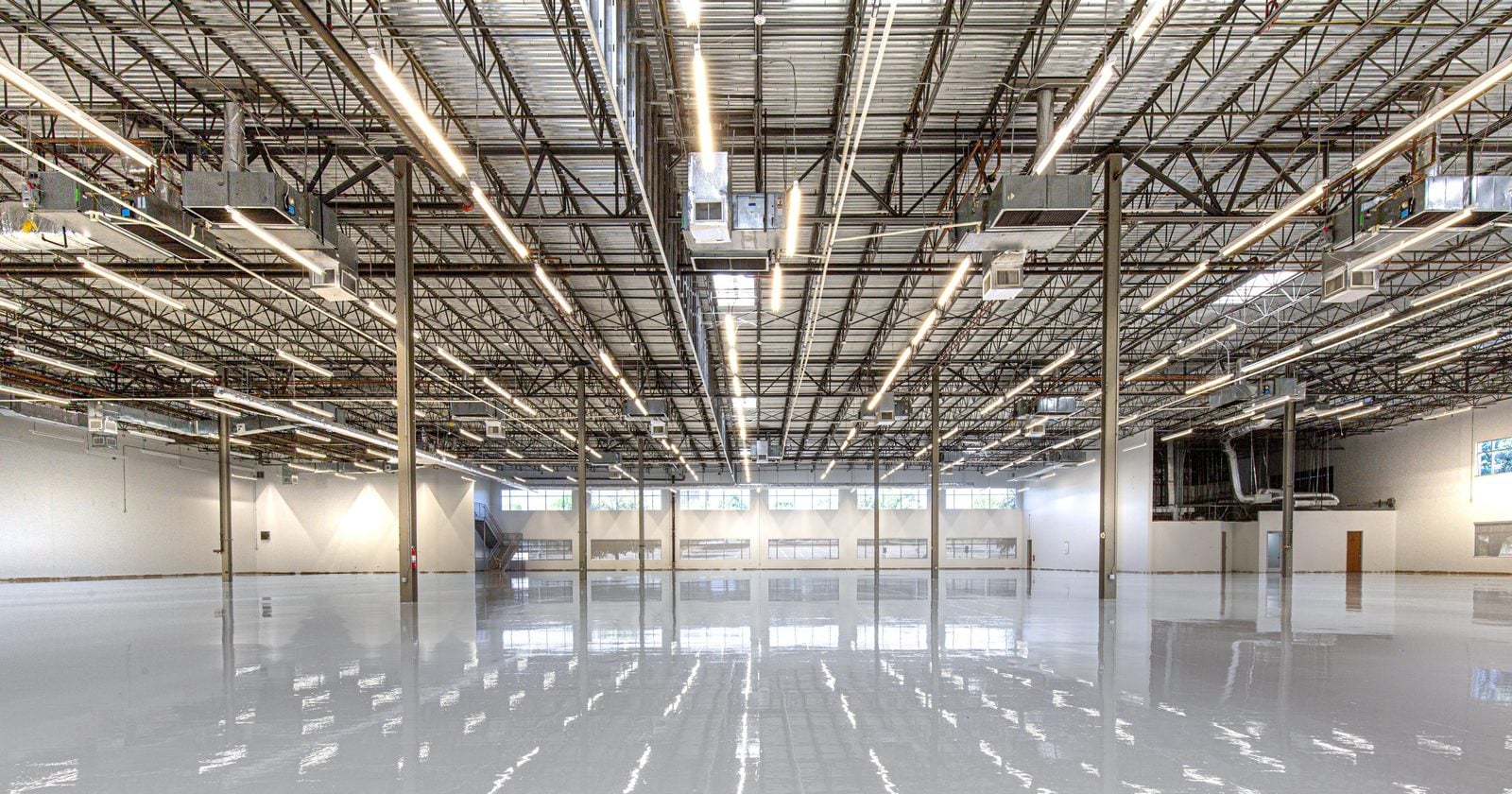
Spacious and polished industrial facility with glossy epoxy flooring in Houston, Texas.

One family in Port Washington, Wisconsin sold 173 acres for $10.2 million. On the county’s books, that same ground was valued at $590,000. That comes to roughly $59,000 an acre, about 17 times the assessed figure, according to a Wisconsin Watch analysis of Ozaukee County property records. 

It is tempting to read it as pure luck. Somebody’s farmland turned out to be worth twenty times what the tax roll said, the buyers overpaid, and a few landowners got rich. Parts of that are true. But the 17x gap is telling you something more specific, and the distance between what the assessor saw and what a data center developer would pay is the real story.

This article is for general information only, not financial, tax or real estate advice, and it is not a property appraisal or valuation. The prices discussed reflect particular transactions and should not be used to estimate what your own land is worth. Consult a qualified local appraiser or adviser before making property decisions.

What a 17x number is really measuring

A fair market value on a tax roll estimates what a buyer would pay for a parcel used the way it has always been used. In Port Washington, that meant farmland priced as farmland. It was never meant to capture what the same dirt is worth to a company assembling a site for a giant computing campus a mile inland from Lake Michigan.

The developer is Denver-based Vantage Data Centers, which broke ground on a 672-acre campus called Lighthouse on the city’s north side. It is the Midwest site of OpenAI and Oracle’s Stargate project. Vantage describes it as 2.5 million square feet of building, with completion targeted for 2028. A project that size does not want scattered plots. It wants one large, continuous block, locked down before a rival gets there.

That is why the assessed value and the sale price split so far apart. They answer different questions. One asks what the land is worth as land. The other asks what it is worth as the last missing piece of a $15 billion build.

The claim worth pushing back on

The idea that a price this high is just free money is where we’d push back. Not because nobody profited, plainly some people did, but because it treats the gap as proof the buyers were foolish or the sellers simply blessed.

The mayor’s version of the lucky-landowner story is memorable. Ted Neitzke, the project’s most prominent supporter, told Wisconsin Watch that the sellers “woke up one day and they just happened to live in the right spot.”

Right spot, yes. But “happened to” undersells what was being bought. Wisconsin Watch notes that, nationally, data center developers are often willing to overpay for land near electric power, to beat rivals in what has become a land rush. The premium is not a mistake. It is the price of speed and certainty in a market where losing one parcel can strand an entire campus.

Adam Mauro, a valuation director at Altus Group, put this plainly in a study of 80 data center land deals. The high price for well-placed land, he wrote, “is compensation for immediacy and certainty, not an indicator of superior underlying real estate.” That is one firm’s view rather than settled fact, but it fits Port Washington closely. The buyers were not paying for better dirt. They were paying to not lose.

Why single parcels commanded outsized prices

That $10.2 million deal did not happen alone. Wisconsin Watch found developers spent at least $125 million assembling 1,500 or more acres around the project, buying from individual owners at many times the assessed value. Members of the Karrels family and their farming business earned at least $20 million across their deals.

When you have to stitch together that much neighboring ground, every last holdout gains power. As Scott Finfer, a Texas land developer writing for HousingWire, put it, “data centers typically require hundreds of contiguous acres to deploy capital at scale.” If your farm sits in the middle of the block a developer needs, its value is not what farmland trades for. Its value is what the whole project is worth without it, which is nothing.

Altus Group’s numbers show the same dynamic from the other side. Its analysis found a roughly 120-fold spread in per-acre prices depending on parcel size: a median near $3.3 million an acre for sites under 25 acres, versus about $28,000 an acre for tracts over 1,000 acres. Small, well-placed pieces cost far more per acre precisely because the buyer cannot walk away from them.

What the sale price doesn’t capture

The land is the cheap part. A campus this size runs on water and power, and those carry costs the purchase prices never show. Vantage says it is funding a minimum of $175 million in regional infrastructure: water and wastewater capacity, mains, sewer lines, a new water tower and power hookups. Against numbers like that, a $125 million land bill looks more like a down payment than the main event.

The residents’ side is more mixed than either the windfall story or the horror story allows. Ryan Nowak sold his 65-acre Lake Drive property for $1.75 million and now lives about 10 miles north. “On paper it looked OK,” he told Wisconsin Watch, “until you go to replace what you had.”

Curtiss Smith, a crane operator who sold a four-acre property assessed at $258,000 for $895,000, described the strange feeling afterward: “After the fact, you hear what everybody else got.” Neither man says he was cheated. They are describing what it feels like to put a price on something that had never been priced before.

Port Washington is not unusual, which is part of why the multiples look the way they do. Land purchases for future US data centers reached about $6 billion in the first half of 2026, up 79% from a year earlier, according to figures from Avison Young reported by CNBC. Data centers now make up 27% of US development sites, second only to apartment buildings. A local land rush and a national one are the same thing at different scales.

What a fair-market figure can and can’t tell you

An assessed value is a good measure of what land is worth for the use it already has, and a poor measure of what it is worth to a buyer who needs that exact acre right now. The 17x figure does not mean the land was secretly premium. It is the price of speed, of buying a continuous block, of being the one parcel a $15 billion project cannot route around.

The post A Wisconsin family sold 173 acres at Port Washington for 10.2 million dollars, ground with a fair market value of 590,000. Developers spent at least 125 million dollars buying more than 1,500 acres around the project, and a 672-acre data center is now going up about a mile inland from Lake Michigan. appeared first on Space Daily.

  •  

NYT Connections Sports Edition today: Hints and answers for September 17, 2026

A phone displaying the New York Times game 'Connections.'

Today's Connections: Sports Edition will be easier for people who watch mid-major college basketball.

As we've shared in previous hints stories, this is a version of the popular New York Times word game that seeks to test the knowledge of sports fans.

Like the original Connections, the game is all about finding the "common threads between words." And just like Wordle, Connections resets after midnight, and each new set of words gets trickier and trickier — so we've served up some hints and tips to get you over the hurdle.

If you just want to be told today's puzzle, you can jump to the end of this article for the latest Connections solution. But if you'd rather solve it yourself, keep reading for some clues, tips, and strategies to assist you.

What is Connections: Sports Edition?

The NYT's latest daily word game has launched in association with The Athletic, the New York Times property that provides the publication's sports coverage. The sports Connections can be played on both web browsers and mobile devices and require players to group four words that share something in common.

This Tweet is currently unavailable. It might be loading or has been removed.

Each puzzle features 16 words, and each grouping of words is split into four categories. These sets could comprise anything from book titles, software, country names, etc. Even though multiple words will seem like they fit together, there's only one correct answer.

If a player gets all four words in a set correct, those words are removed from the board. Guess wrong and it counts as a mistake — players get up to four mistakes before the game ends.

This Tweet is currently unavailable. It might be loading or has been removed.

Players can also rearrange and shuffle the board to make spotting connections easier. Additionally, each group is color-coded with yellow being the easiest, followed by green, blue, and purple. Like Wordle, you can share the results with your friends on social media.

Here's a hint for today's Connections: Sports Edition categories

Want a hint about the categories without being told the categories? Then give these a try:

  • Yellow: An association

  • Green: Olympic hosts

  • Blue: Mid-major colleges

  • Purple: Types of giants

Here are today's Connections: Sports Edition categories

Need a little extra help? Today's connections fall into the following categories:

  • Yellow: A Collection of Teams

  • Green: Last Four Summer Olympic Hosts

  • Blue: Missouri Valley Schools

  • Purple: ___Giants

Looking for Wordle today? Here's the answer to today's Wordle.

Ready for the answers? This is your last chance to turn back and solve today's puzzle before we reveal the solutions.

Drumroll, please!

The solution to today's Connections: Sports Edition #724 is...

What is the answer to Connections: Sports Edition today?

  • A Collection of Teams: CONFERENCE, DIVISION, GROUP, LEAGUE

  • Last Four Summer Olympic Hosts: LONDON, PARIS, RIO DE JANEIRO, TOKYO

  • Missouri Valley Schools: BELMONT, BRADLEY, DRAKE, NOTHERN IOWA

  • ___Giants: LITTLE, NEW YORK, SAN FRANCISCO, YOMIRUI

Don't feel down if you didn't manage to guess it this time. There will be new sports Connections for you to stretch your brain with tomorrow, and we'll be back again to guide you with more helpful hints.

Are you also playing NYT Strands? See hints and answers for today's Strands.

If you're looking for more puzzles, Mashable's got games now! Check out our games hub for Mahjong, Sudoku, free crossword, and more.

Not the day you're after? Here's the solution to yesterday's Connections.

  •  

NYT Connections hints today: Clues, answers for September 17, 2026

Connections game on a smartphone

The NYT Connections puzzle today is not too difficult if you're a movie buff.

Connections is the one of the most popular New York Times word games that's captured the public's attention. The game is all about finding the "common threads between words." And just like Wordle, Connections resets after midnight and each new set of words gets trickier and trickier—so we've served up some hints and tips to get you over the hurdle.

If you just want to be told today's puzzle, you can jump to the end of this article for today's Connections solution. But if you'd rather solve it yourself, keep reading for some clues, tips, and strategies to assist you.

What is Connections?

The NYT's latest daily word game has become a social media hit. The Times credits associate puzzle editor Wyna Liu with helping to create the new word game and bringing it to the publications' Games section. Connections can be played on both web browsers and mobile devices and require players to group four words that share something in common.

This Tweet is currently unavailable. It might be loading or has been removed.

Each puzzle features 16 words and each grouping of words is split into four categories. These sets could comprise of anything from book titles, software, country names, etc. Even though multiple words will seem like they fit together, there's only one correct answer.

If a player gets all four words in a set correct, those words are removed from the board. Guess wrong and it counts as a mistake—players get up to four mistakes until the game ends.

This Tweet is currently unavailable. It might be loading or has been removed.

Players can also rearrange and shuffle the board to make spotting connections easier. Additionally, each group is color-coded with yellow being the easiest, followed by green, blue, and purple. Like Wordle, you can share the results with your friends on social media.

Here's a hint for today's Connections categories

Want a hint about the categories without being told the categories? Then give these a try:

  • Yellow: Bendable

  • Green: Down below

  • Blue: Australian actor

  • Purple: Heartfelt

Want more tech and digital culture news delivered to your inbox daily or sent straight to your device? Sign up for Mashable's Top Stories newsletter or get Mashable push alerts today.

Here are today's Connections categories

Need a little extra help? Today's connections fall into the following categories:

  • Yellow: Elasticity

  • Green: Things that are underground

  • Blue: Hugh Jackman movies, with "The"

  • Purple: Love ___

Ready for the answers? This is your last chance to turn back and solve today's puzzle before we reveal the solutions.

Drumroll, please!

The solution to today's Connections #1193 is...

What is the answer to Connections today

  • Elasticity: BOUNCE, FLEXIBILITY, GIVE, SPRING

  • Things that are underground: MINE SHAFT, SEWER LINE, SUBWAY STATION, WELL

  • Hugh Jackman movies, with "The": FOUNTAIN, PRESTIGE, SHEEP DETECTIVES, WOLVERINE

  • Love ___: HANDLES, LANGUAGE, TAP, TRIANGLE

Looking for Wordle today? Here's the answer to today's Wordle.

Are you also playing NYT Strands? Get all the Strands hints you need for today's puzzle.

Meet The Mashable 101: Our list of the content creators shaping the internet today

If you're looking for more puzzles, Mashable's got games now! Check out our games hub for Mahjong, Sudoku, free crossword, and more.

Not the day you're after? Here's the solution to yesterday's Connections.

  •  

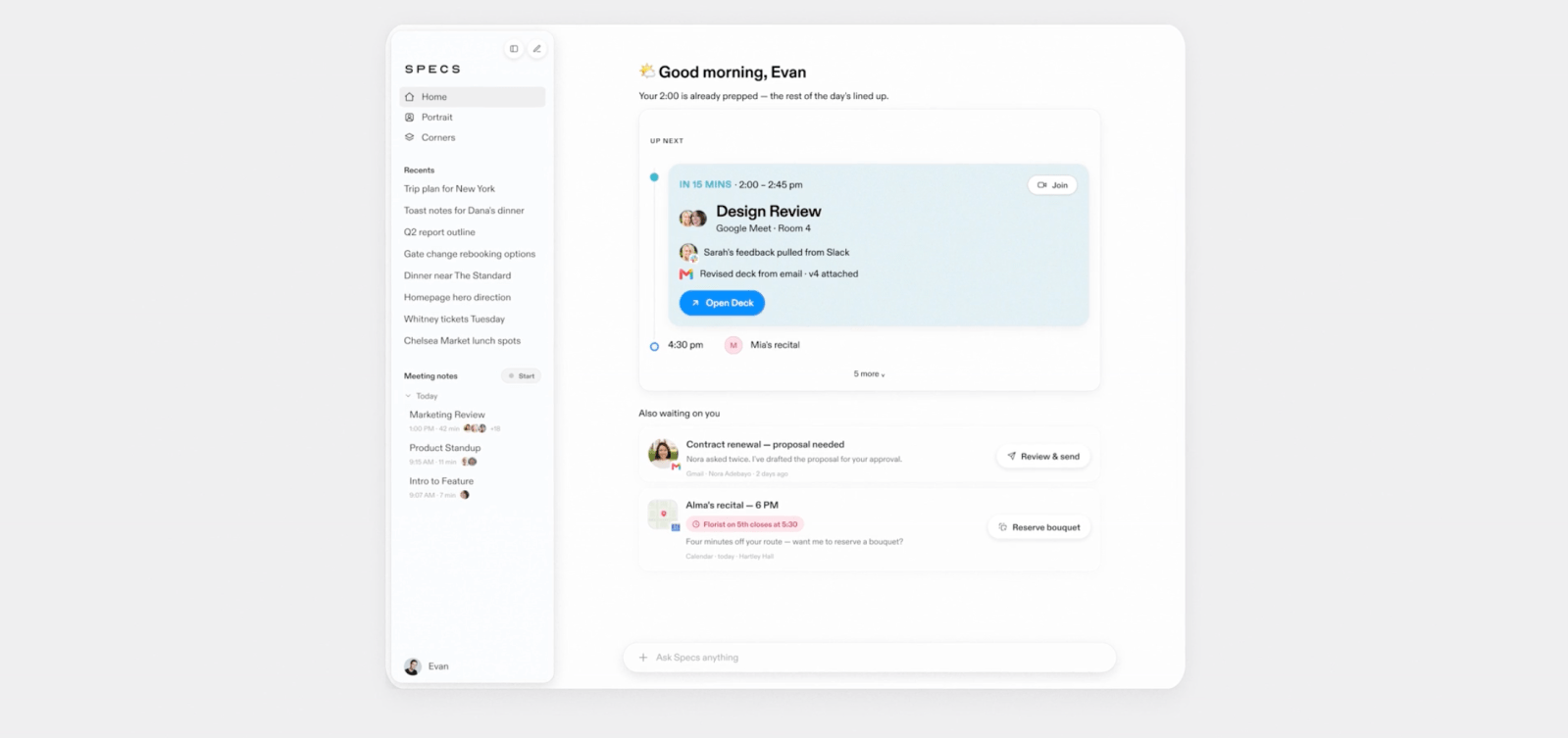
Snap announces Specs Intelligence app for iPhone and Mac, cellular variant of Specs

After unveiling the design of its consumer-grade Spectacles back in June, Snap is now announcing that they’ll be available for pre-order starting today with a new 5G carrying case. The company also introduced a new proactive AI agent called Specs Intelligence, which despite being Specs branded, will be available on iPhone and Mac regardless of if you own a pair.

more…
  •  

In 1949, researchers testing underwater acoustics off Bermuda lowered an early recording system into the water and kept the unexplained sounds it picked up. Seventy-seven years later they were identified as what may be the oldest preserved recording of a whale singing, made before scientists understood humpback whale song.

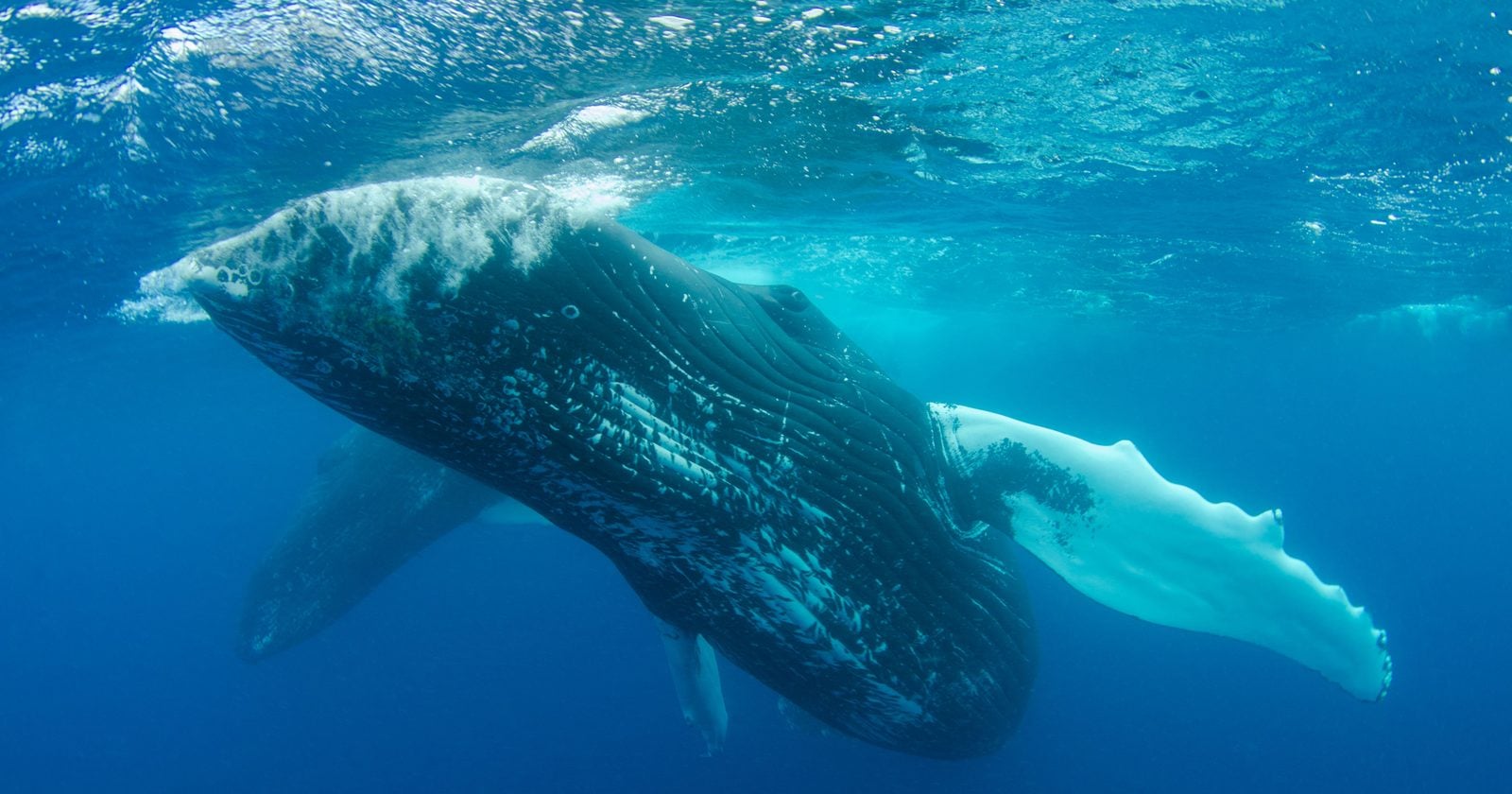
A stunning underwater photograph of a humpback whale swimming gracefully in the deep blue ocean.

A man’s voice reads a date onto a plastic disc. “The date, 7 March, 1949,” he says, as reported by Smithsonian Magazine. Underneath the announcement there is something else: a low, looping sound with a shape to it, rising and falling. It came up through the water off Bermuda into an experimental rig the researchers had lowered over the side.

They did not know what it was. They kept it anyway.

What they had captured, as noted by Woods Hole Oceanographic Institution, was the song of a humpback whale and it sat in a drawer for the better part of a century before anyone could say so.

A sound nobody could place

The recording came out of ordinary work. In March 1949, researchers aboard WHOI’s research vessel, the R/V Atlantis, were off Bermuda testing sonar for the U.S. Office of Naval Research.

The gear was makeshift by later standards: an early underwater setup and a Gray Audograph, an office dictation machine that etched sound onto thin plastic discs. Into that they fed noises coming up from below that they could not explain.

WHOI’s announcement in February 2026 identified that March 7, 1949 disc as what may be the earliest preserved recording of a whale. The hedging in that sentence matters, and we’ll come back to it. The striking part, for now, is the gap. The people at the rail heard the sound as they made it. The people who understood it were born, in some cases, decades later.

Why it sat unheard for seventy-seven years

The disc survived partly by luck of material. Magnetic tape from that era tends to break down; plastic holds up better. As Ashley Jester, WHOI’s director of research data and library services, put it, “these audograph discs survived because of their material and careful preservation.”

The 1949 disc is one of more than 200 audograph discs in WHOI’s archives, only a handful of which have been listened to so far. Digitizing the collection was funded by a $10,000 award from the National Recording Preservation Foundation. It took someone deliberately going back through old plastic, disc by disc, for the unexplained sound of 1949 to become the humpback song of 2026.

Made before we knew what whale song was

What makes the timing land is what came after it. The idea that humpbacks sing structured, repeating songs is usually traced to the 1960s. Navy engineer Frank Watlington recorded humpbacks off Bermuda in 1964 and shared his tapes with Roger and Katharine Payne. That work led to the album “Songs of the Humpback Whale,” which put the idea into the public mind that these animals compose.

The 1949 disc predates all of that by fifteen years. The researchers who saved it had no framework to hear it with. To them it was noise worth keeping, not song worth studying, because the idea of humpback song as a thing to study did not yet exist.

That gap is also what gives the old recording its value now. Laela Sayigh, a marine bioacoustician at WHOI, framed the scarcity plainly: “Data from this time period simply don’t exist in most cases,” she said. Her point, as we read it, is not that no mid-century ocean audio survives anywhere, but that this window is close to blank, which is what makes a single clean disc worth so much.

Sayigh suggested the recording “can provide insight into how humpback whale sounds have changed over time, as well as serving as a baseline for measuring how human activity shapes the ocean soundscape.” 

Peter Tyack, an emeritus research scholar at WHOI, made the same point about what the disc lets you hear beyond the whale. The recordings, Tyack said, “not only allow us to follow whale sounds, but they also tell us what the ocean soundscape was like in the late 1940s,” adding, “That’s very difficult to reconstruct otherwise.”

Why “may be the oldest” is the careful phrasing

WHOI has been careful, and we think that care is worth keeping. “May be the earliest preserved recording of a whale” is not the same claim as “is the oldest whale recording.” Older discs could be sitting unlistened-to in the same collection, or in someone else’s. The institution is describing what it has found and verified, not making a claim about everything that ever existed. When a headline flattens that into a superlative, it drops the part of the sentence that’s actually accurate.

That caution reflects how thin the evidence is. For context, WHOI points to other archives, including the Ocean Alliance collection of more than 2,400 recordings of whale and ocean sound from the 1950s through the 1990s. Even so, the 1940s remain close to silent in the record. A hedge isn’t weakness in a claim like this. It’s the accurate shape of what’s known.

The case for keeping what you can’t explain

Nobody in 1949 filed that disc thinking they’d captured the oldest whale song on record. They filed it because it was data, and you keep data. The understanding arrived seventy-seven years late, delivered to people the original researchers never met.

Jester put it plainly. “These recordings remind us why we collect data, even when we don’t immediately know what it means,” she said, and framed it as a duty across time: “preserving data when it is created is an investment in the future of science.”

The post In 1949, researchers testing underwater acoustics off Bermuda lowered an early recording system into the water and kept the unexplained sounds it picked up. Seventy-seven years later they were identified as what may be the oldest preserved recording of a whale singing, made before scientists understood humpback whale song. appeared first on Space Daily.

  •  

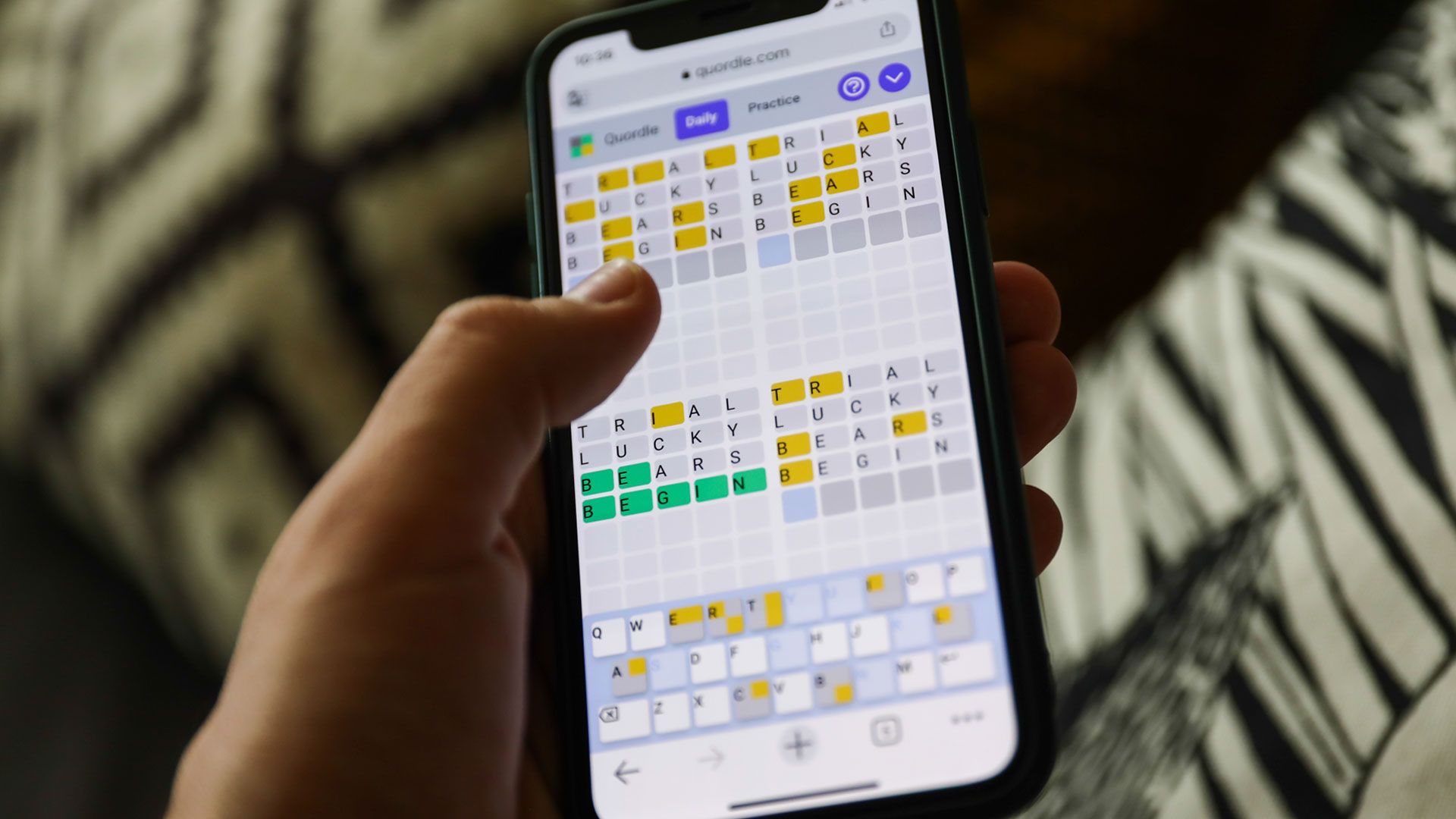
Quordle hints and answers for Thursday, September 17 (game #1697)

Looking for a different day?

A new Quordle puzzle appears at midnight each day for your time zone – which means that some people are always playing 'today's game' while others are playing 'yesterday's'. If you're looking for Wednesday's puzzle instead then click here: Quordle hints and answers for Wednesday, September 16 (game #1696).

Quordle was one of the original Wordle alternatives and is still going strong now more than 1,500 games later. It offers a genuine challenge, though, so read on if you need some Quordle hints today — or scroll down further for the answers.

Enjoy playing word games? You can also check out my NYT Connections today and NYT Strands today pages for hints and answers for those puzzles, while Marc's Wordle today column covers the original viral word game.

SPOILER WARNING: Information about Quordle today is below, so don't read on if you don't want to know the answers.

Quordle today (game #1697) — hint #1 — Vowels

How many different vowels are in Quordle today?

• The number of different vowels in Quordle today is 2*.

* Note that by vowel we mean the five standard vowels (A, E, I, O, U), not Y (which is sometimes counted as a vowel too).

Quordle today (game #1697) — hint #2 — repeated letters

Do any of today's Quordle answers contain repeated letters?

• The number of Quordle answers containing a repeated letter today is 2.

Quordle today (game #1697) — hint #3 — uncommon letters

Do the letters Q, Z, X or J appear in Quordle today?

• No. None of Q, Z, X or J appear among today's Quordle answers.

Quordle today (game #1697) — hint #4 — starting letters (1)

Do any of today's Quordle puzzles start with the same letter?

• The number of today's Quordle answers starting with the same letter is 2.

If you just want to know the answers at this stage, simply scroll down. If you're not ready yet then here's one more clue to make things a lot easier:

Quordle today (game #1697) — hint #5 — starting letters (2)

What letters do today's Quordle answers start with?

• C

• C

• N

• F

Right, the answers are below, so DO NOT SCROLL ANY FURTHER IF YOU DON'T WANT TO SEE THEM.

Quordle today (game #1697) — the answers

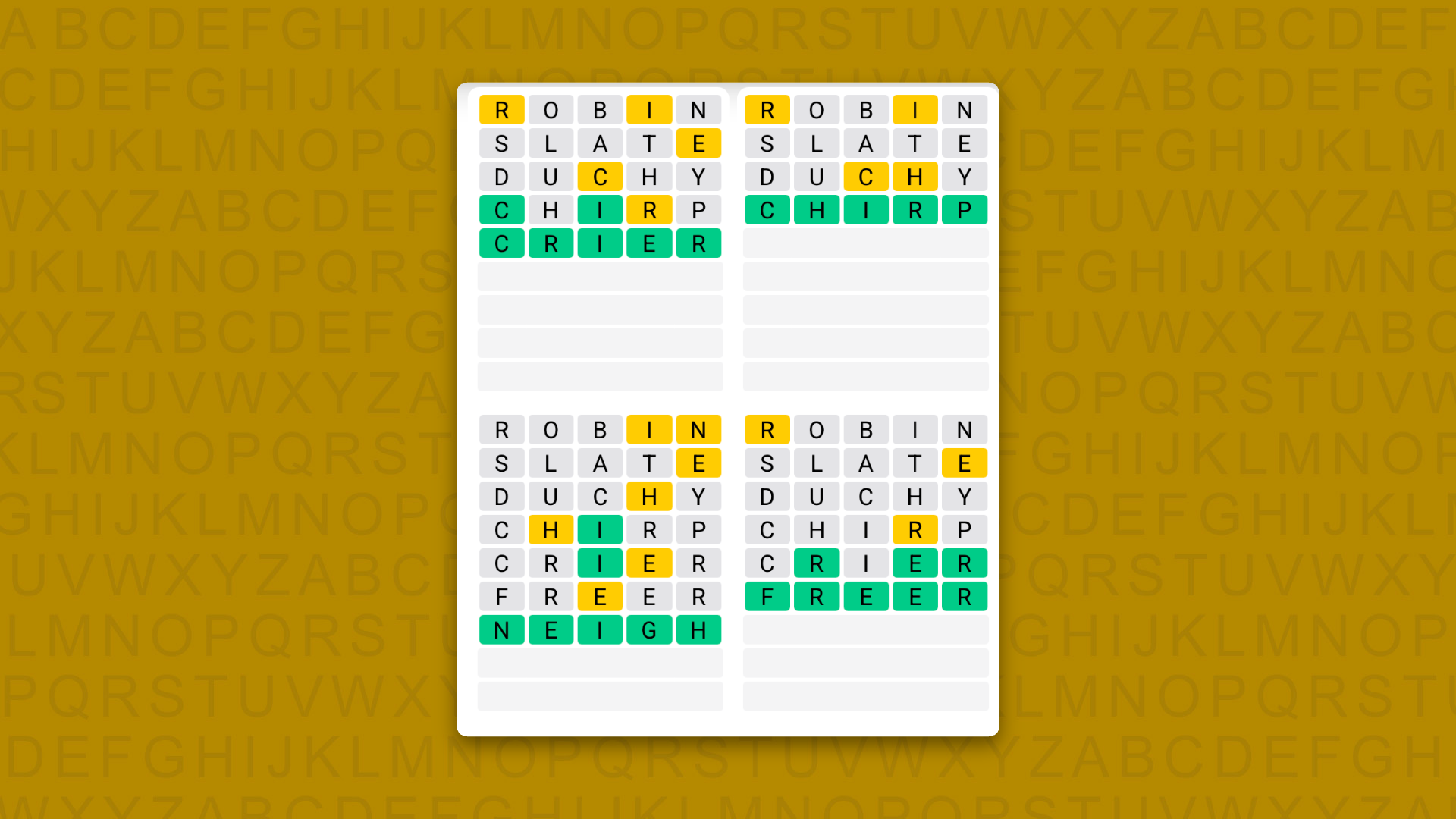
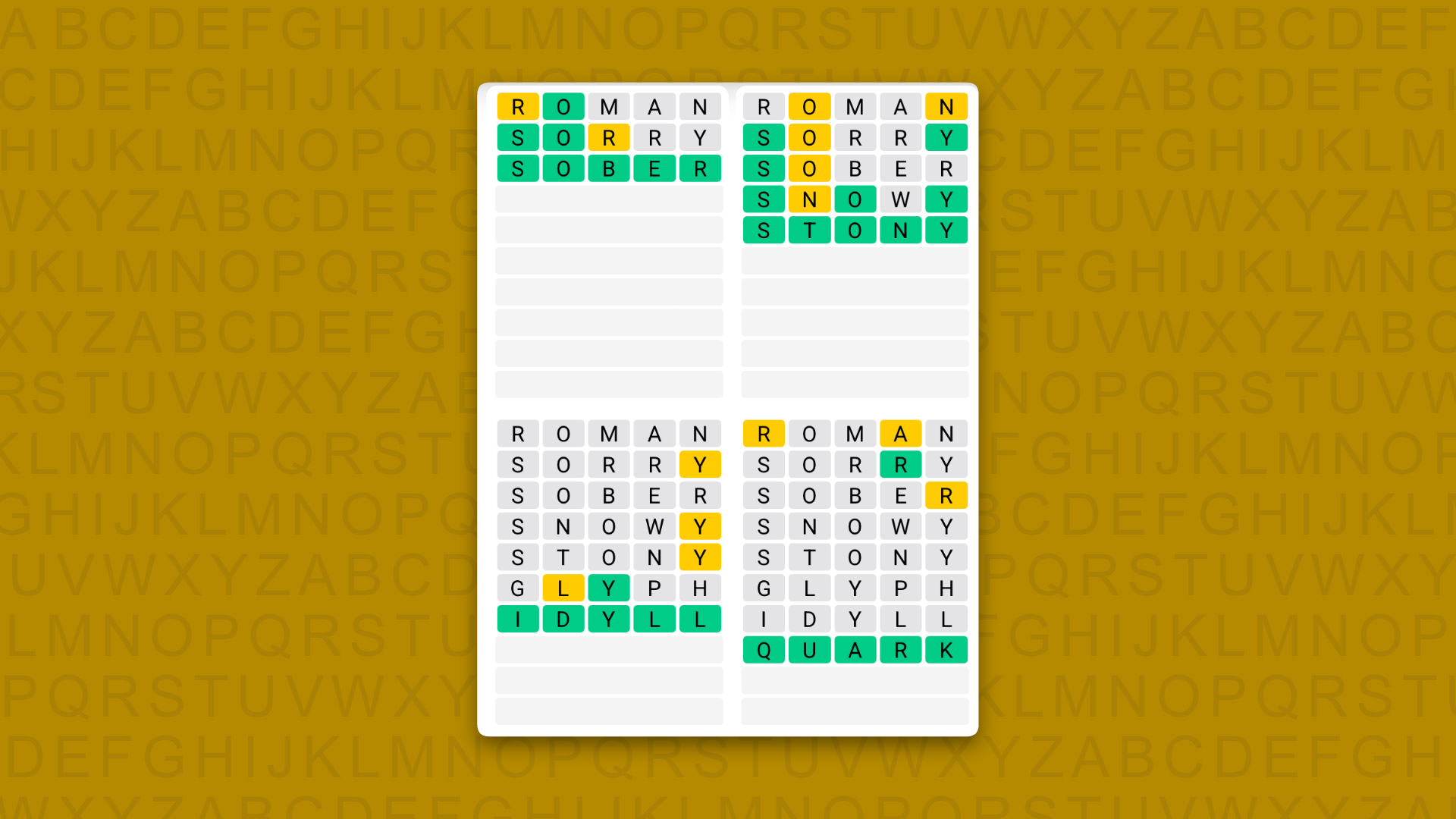
Quordle answers for game 1697 on a yellow background

(Image credit: Merriam-Webster)

The answers to today's Quordle, game #1697, are…

  • CRIER
  • CHIRP
  • NEIGH
  • FREER

A very taxing game despite its heavy use of the letter R and lack of vowels.

NEIGH was the hardest to get to, but once I entered N-E-I onto the tiles I realized there was no other possibility.

Daily Sequence today (game #1697) — the answers

Quordle Daily Sequence answers for game 1697 on a yellow background

(Image credit: Merriam-Webster)

The answers to today's Quordle Daily Sequence, game #1697, are…

  • SOBER
  • STONY
  • IDYLL
  • QUARK

Quordle answers: The past 20

  • Quordle #1696, Wednesday, 16 September: SPEAR, PRICE, BLUNT, FISHY
  • Quordle #1695, Tuesday, 15 September: SHUSH, LITHE, DELTA, BUGLE
  • Quordle #1694, Monday, 14 September: ZEBRA, LEGAL, RATIO, TROLL
  • Quordle #1693, Sunday, 13 September: LUCID, SPRAY, MANGE, EMAIL
  • Quordle #1692, Saturday, 12 September: SUPER, BRUSH, RESET, SOWER
  • Quordle #1691, Friday, 11 September: PLUSH, PAINT, RIVAL, AFOUL
  • Quordle #1690, Thursday, 10 September: AGENT, EXILE, TITAN, PUREE
  • Quordle #1689, Wednesday, 9 September: HAPPY, GONER, SMACK, MOTIF
  • Quordle #1688, Tuesday, 8 September: FLUNG, DIARY, HALVE, BERTH
  • Quordle #1687, Monday, 7 September: VISIT, CLANK, FEVER, OCEAN
  • Quordle #1686, Sunday, 6 September: PILOT, HONOR, BOWEL, TAUNT
  • Quordle #1685, Saturday, 5 September: GNASH, GEEKY, WHELP, PUTTY
  • Quordle #1684, Friday, 4 September: QUICK, BEEFY, TRUCK, SNAIL
  • Quordle #1683, Thursday, 3 September: SIGMA, ESSAY, MERRY, LLAMA
  • Quordle #1682, Wednesday, 2 September: INCUR, FELLA, TITAN, FROZE
  • Quordle #1681, Tuesday, 1 September: NASAL, ROUTE, ANKLE, MIGHT
  • Quordle #1680, Monday, 31 August: ALIVE, LOUSE, ABOVE, MOSSY
  • Quordle #1679, Sunday, 30 August: USING, SORRY, FILET, PIPER
  • Quordle #1678, Saturday, 29 August: OVINE, ALLOY, VOICE, CARVE
  • Quordle #1677, Friday, 28 August: WAIST, EDICT, BONUS, DEUCE

  •  

NYT Strands hints and answers for Thursday, September 17 (game #928)

Looking for a different day?

A new NYT Strands puzzle appears at midnight each day for your time zone – which means that some people are always playing 'today's game' while others are playing 'yesterday's'. If you're looking for Wednesday's puzzle instead then click here: NYT Strands hints and answers for Wednesday, September 16 (game #927).

Strands is the NYT's latest word game after the likes of Wordle, Spelling Bee and Connections – and it's great fun. It can be difficult, though, so read on for my Strands hints.

Want more word-based fun? Then check out my NYT Connections today and Quordle today pages for hints and answers for those games, and Marc's Wordle today page for the original viral word game.

SPOILER WARNING: Information about NYT Strands today is below, so don't read on if you don't want to know the answers.

NYT Strands today (game #928) - hint #1 - today's theme

What is the theme of today's NYT Strands?

• Today's NYT Strands theme is… A little comic relief

NYT Strands today (game #928) - hint #2 - clue words

Play any of these words to unlock the in-game hints system.

  • MUST
  • TUNE
  • NECK
  • STICK
  • PUPPY
  • BLOCK

NYT Strands today (game #928) - hint #3 - spangram letters

How many letters are in today's spangram?

• Spangram has 13 letters

NYT Strands today (game #928) - hint #4 - spangram position

What are two sides of the board that today's spangram touches?

• First side: top, 1st column

• Last side: bottom, 6th column

Right, the answers are below, so DO NOT SCROLL ANY FURTHER IF YOU DON'T WANT TO SEE THEM.

NYT Strands today (game #928) - the answers

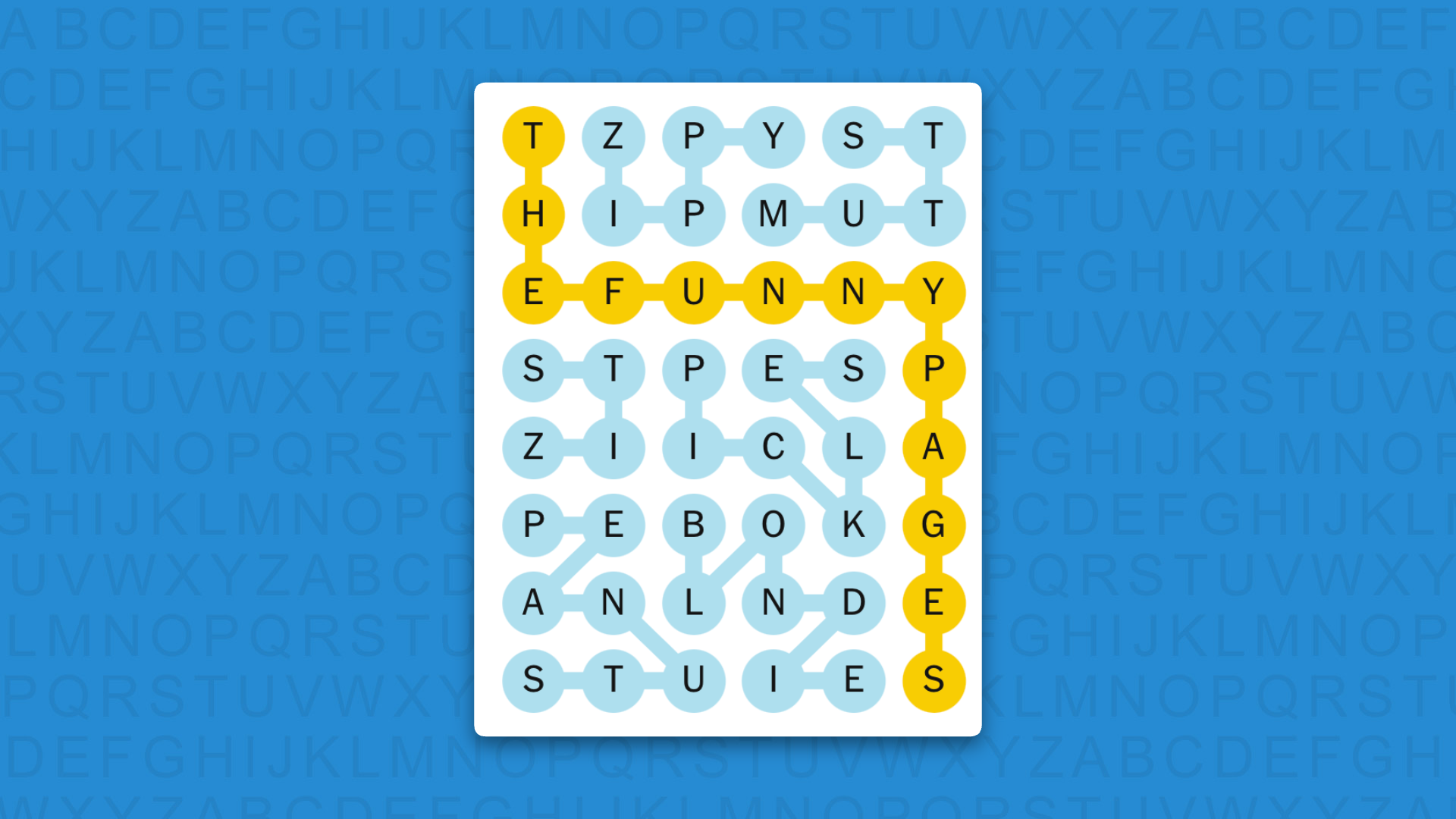
NYT Strands answers for game 928 on a blue background

(Image credit: New York Times)

The answers to today's Strands, game #928, are…

  • PEANUTS
  • ZIPPY
  • MUTTS
  • PICKLES
  • ZITS
  • BLONDIE
  • SPANGRAM: THEFUNNYPAGES
  • My rating: Hard
  • My score: 3 hints

After missing out on getting an easy Spangram-first yesterday I was on a mission to spot it today and it ended up being far easier than I thought.

I was unsure exactly what the theme meant, but seeing the word 'funny' in the middle of the board and then the word 'the' in the top-left-hand corner helped me connect THEFUNNYPAGES.

This, though, was where my good fortune ended, as I needed three hints to find all of the comic strip names, being familiar with only Peanuts.

Comic strips were less of a big deal in the UK, where I grew up, although the cartoon strips on the back page along with the TV listings section were the only parts of the newspaper I read as a kid. Ours, though, were the adventures of a world-weary viking called Hägar.

Yesterday's NYT Strands answers (Wednesday, September 16, game #927)

  • JAZZY
  • VIVID
  • BRIGHT
  • FLASHY
  • STRIKING
  • VIBRANT
  • SPANGRAM: EYECATCHING

What is NYT Strands?

Strands is the NYT's not-so-new-any-more word game, following Wordle and Connections. It's now a fully fledged member of the NYT's games stable that has been running for a year and which can be played on the NYT Games site on desktop or mobile.

I've got a full guide to how to play NYT Strands, complete with tips for solving it, so check that out if you're struggling to beat it each day.

  •  

NYT Connections hints and answers for Thursday, September 17 (game #1194)

Looking for a different day?

A new NYT Connections puzzle appears at midnight each day for your time zone – which means that some people are always playing 'today's game' while others are playing 'yesterday's'. If you're looking for Wednesday's puzzle instead then click here: NYT Connections hints and answers for Wednesday, September 16 (game #1193).

Good morning! Let's play Connections, the NYT's clever word game that challenges you to group answers in various categories. It can be tough, so read on if you need Connections hints.

What should you do once you've finished? Why, play some more word games of course. I've also got daily Strands hints and answers and Quordle hints and answers articles if you need help for those too, while Marc's Wordle today page covers the original viral word game.

SPOILER WARNING: Information about NYT Connections today is below, so don't read on if you don't want to know the answers.

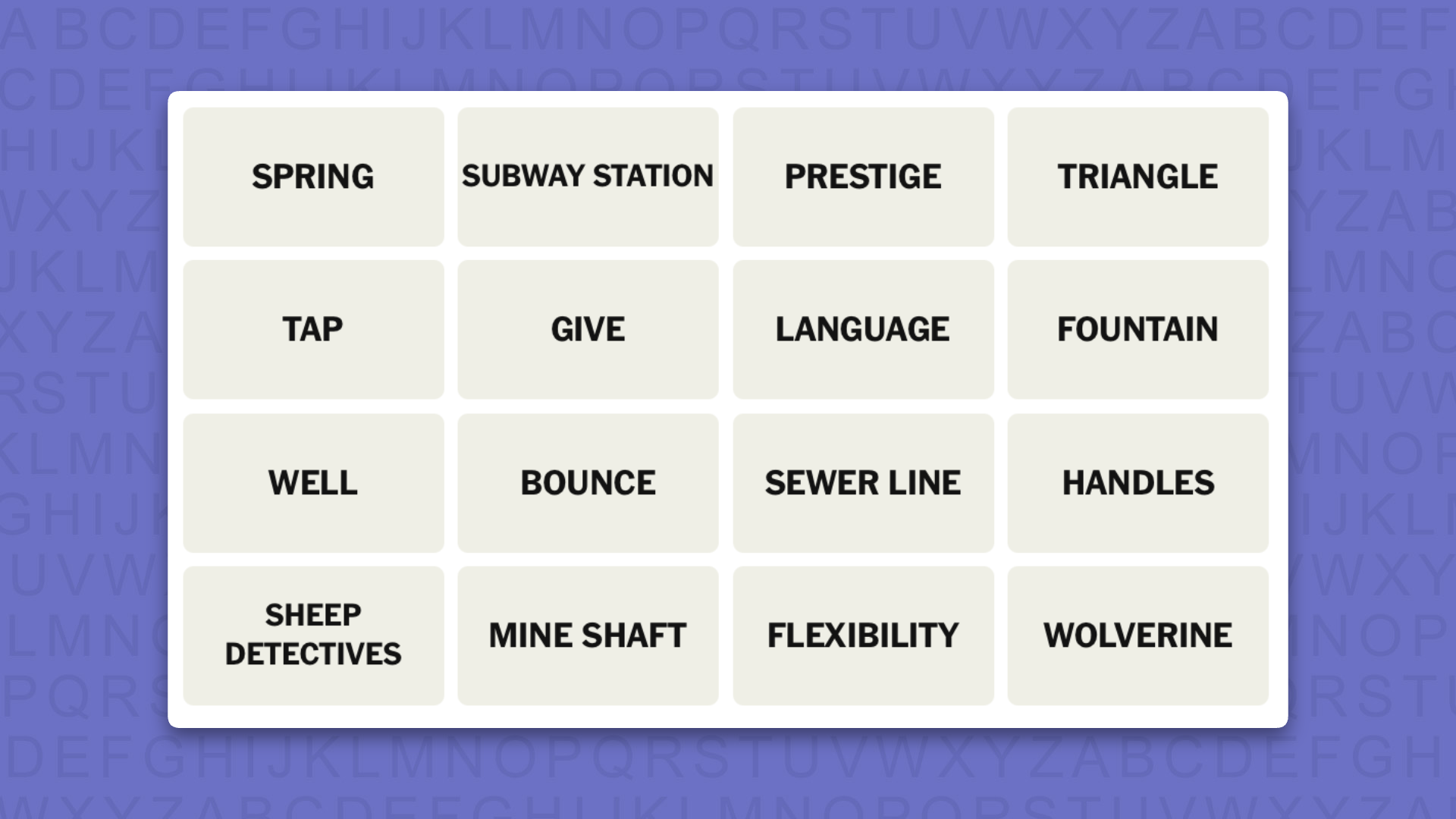
NYT Connections today (game #1194) - today's words

NYT Connections hints for game 1194 on a purple background

(Image credit: New York Times)

Today's NYT Connections words are…

  • SPRING
  • SUBWAY STATION
  • PRESTIGE
  • TRIANGLE
  • TAP
  • GIVE
  • LANGUAGE
  • FOUNTAIN
  • WELL
  • BOUNCE
  • SEWER LINE
  • HANDLES
  • SHEEP
  • DETECTIVES
  • MINE SHAFT
  • FLEXIBILITY
  • WOLVERINE

NYT Connections today (game #1194) - hint #1 - group hints

What are some clues for today's NYT Connections groups?

  • YELLOW: Stretchy
  • GREEN: Found down below
  • BLUE: Films starring a well jacked man
  • PURPLE: Compound words with added romance

Need more clues?

We're firmly in spoiler territory now, but read on if you want to know what the four theme answers are for today's NYT Connections puzzles…

NYT Connections today (game #1194) - hint #2 - group answers

What are the answers for today's NYT Connections groups?

  • YELLOW: ELASTICITY
  • GREEN: THINGS THAT ARE UNDERGROUND
  • BLUE: HUGH JACKMAN MOVIES, WITH "THE"
  • PURPLE: LOVE ____

Right, the answers are below, so DO NOT SCROLL ANY FURTHER IF YOU DON'T WANT TO SEE THEM.

NYT Connections today (game #1194) - the answers

NYT Connections answers for game 1194 on a purple background

(Image credit: New York Times)

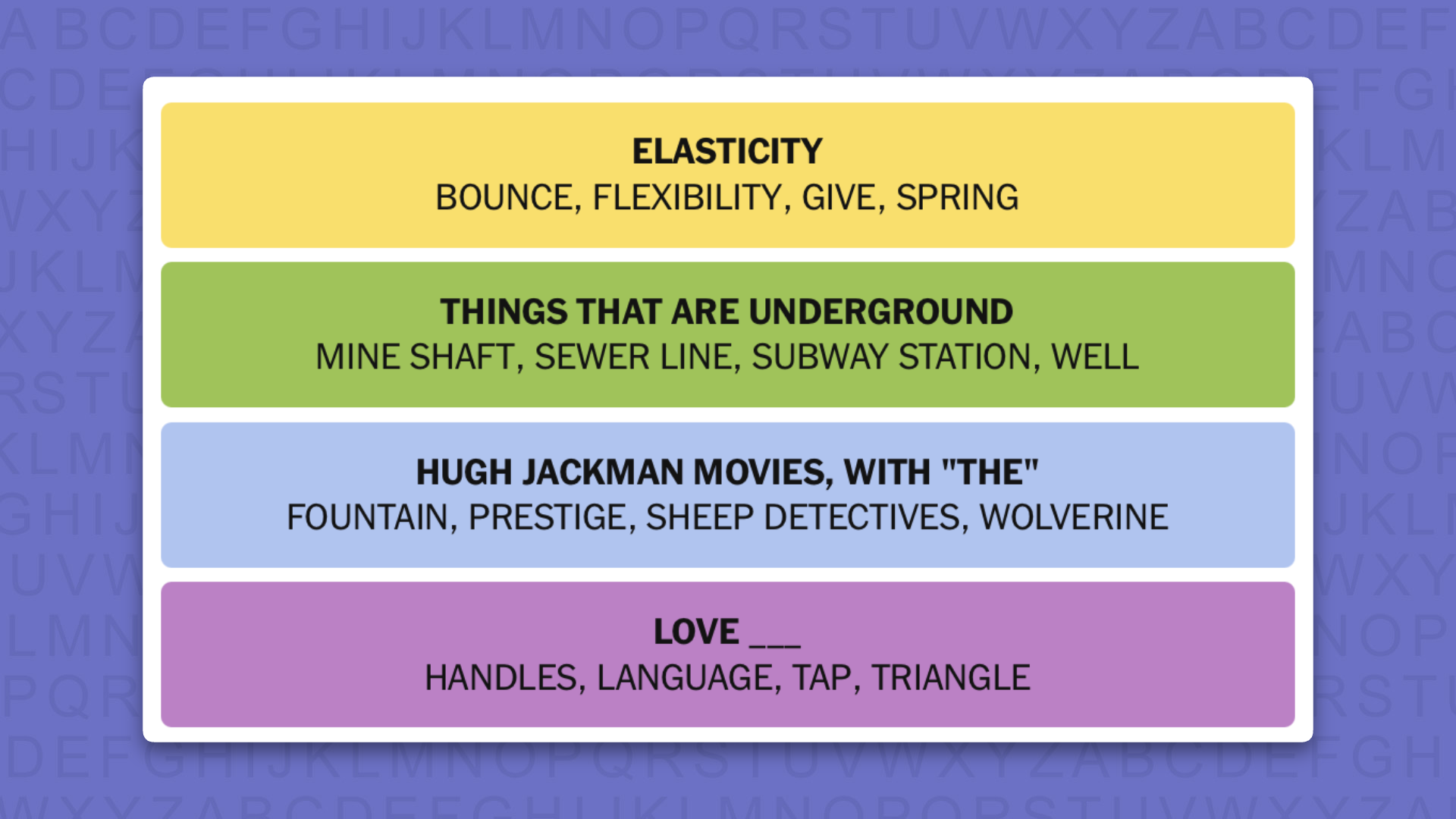
The answers to today's Connections, game #1194, are…

  • YELLOW: ELASTICITY: BOUNCE, FLEXIBILITY, GIVE, SPRING
  • GREEN: THINGS THAT ARE UNDERGROUND: MINE SHAFT, SEWER LINE, SUBWAY STATION, WELL
  • BLUE: HUGH JACKMAN MOVIES, WITH "THE": FOUNTAIN, PRESTIGE, SHEEP DETECTIVES, WOLVERINE
  • PURPLE: LOVE ____: HANDLES, LANGUAGE, TAP, TRIANGLE
  • My rating: Hard
  • My score: 2 mistakes

My first mistake could have been a group of ways to access water — SPRING, TAP, WELL and FOUNTAIN — but drew a complete blank.

Thinking of a different meaning for SPRING helped me find the other words describing ELASTICITY, but I flopped again, adding TAP instead of WELL to the group that became THINGS THAT ARE UNDERGROUND.

Finally, I did not know that I was collecting HUGH JACKMAN MOVIES, WITH “THE” but I knew that PRESTIGE, SHEEP DETECTIVES and WOLVERINE were all films and took a gamble that FOUNTAIN was too.

Yesterday's NYT Connections answers (Wednesday, September 16, 2026, game #1193)

  • YELLOW: ENDING IN METAL ELEMENTS: LATIN, LONG JOHN SILVER, MARIGOLD, STEAM IRON
  • GREEN: STARTING WITH U.S. COINS: DIMENSION, NICKELODEON, PENNYWISE, QUARTERBACK
  • BLUE: POETS' MIDDLE NAMES: BARRETT, CARLOS, ST. VINCENT, WADSWORTH
  • PURPLE: SAUSAGES PLUS A LETTER: BORAT, CLINK, FRANK-N-FURTER, WIDENER

What is NYT Connections?

NYT Connections is one of several increasingly popular word games made by the New York Times. It challenges you to find groups of four items that share something in common, and each group has a different difficulty level: green is easy, yellow a little harder, blue often quite tough and purple usually very difficult.

On the plus side, you don't technically need to solve the final one, as you'll be able to answer that one by a process of elimination. What's more, you can make up to four mistakes, which gives you a little bit of breathing room.

It's a little more involved than something like Wordle, however, and there are plenty of opportunities for the game to trip you up with tricks. For instance, watch out for homophones and other word games that could disguise the answers.

It's playable for free via the NYT Games site on desktop or mobile.

  •  
❌