❌

Reading view

It’s almost time to airdrop rabies vaccines again

Despite major strides in education and conservation efforts, rabies remains a serious public health issue. The Center for Disease Control (CDC) estimates around 90 percent of cases occur in wildlife, but their consequences still reverberate across ecosystems and routinely endanger humans. Combating the viral disease costs the United States over $300 million every year, but the hefty price tag is justified. Contracting one of the oldest known diseases invariably causes severe symptoms like abnormal sensations, violent movements, hydrophobia, and loss of consciousness. Rabies is fatal in virtually every documented case, and still kills around 59,000 people around the world each year.

Once primarily associated with dogs, rabies has since spread to wildlife such as raccoons, skunks, bats, and foxes—making the issue much more difficult to track and control. Since 1995, the United States Department of Agriculture (USDA) has overseen a National Rabies Management Program in cooperation with state and federal departments, university researchers, and other organizations. After over 30 years of work, one of the most preferred mitigation methods is regularly placing oral rabies vaccine (ORV) bait in strategically selected wildlife areas. The easiest way to spread millions of bait blocks across thousands of square miles? Airdrops.

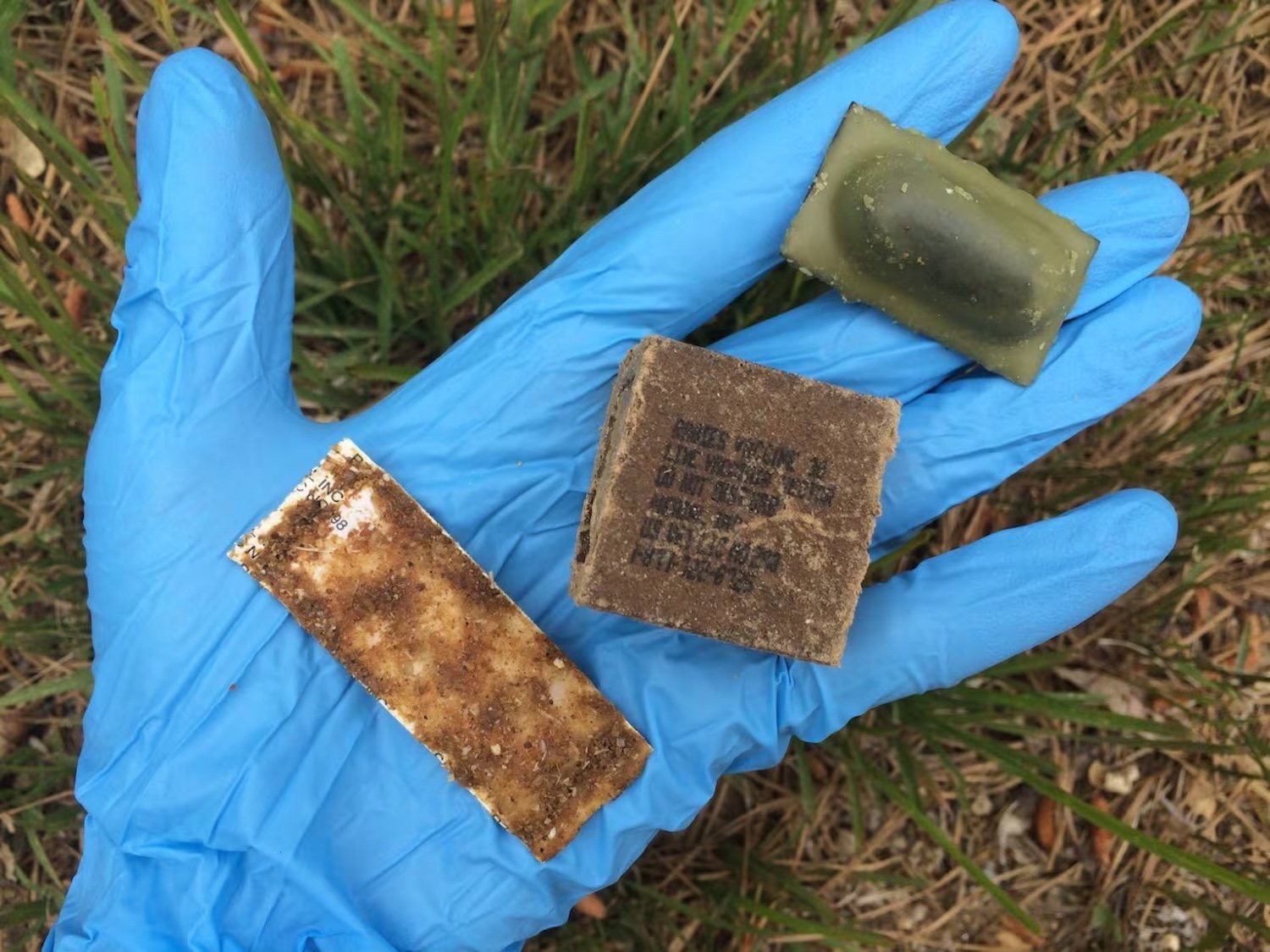
Blue gloved hand holding raccoon rabies vaccine bait packets
The bait isn’t toxic, but the USDA recommends using gloves to handle it. Credit: USDA

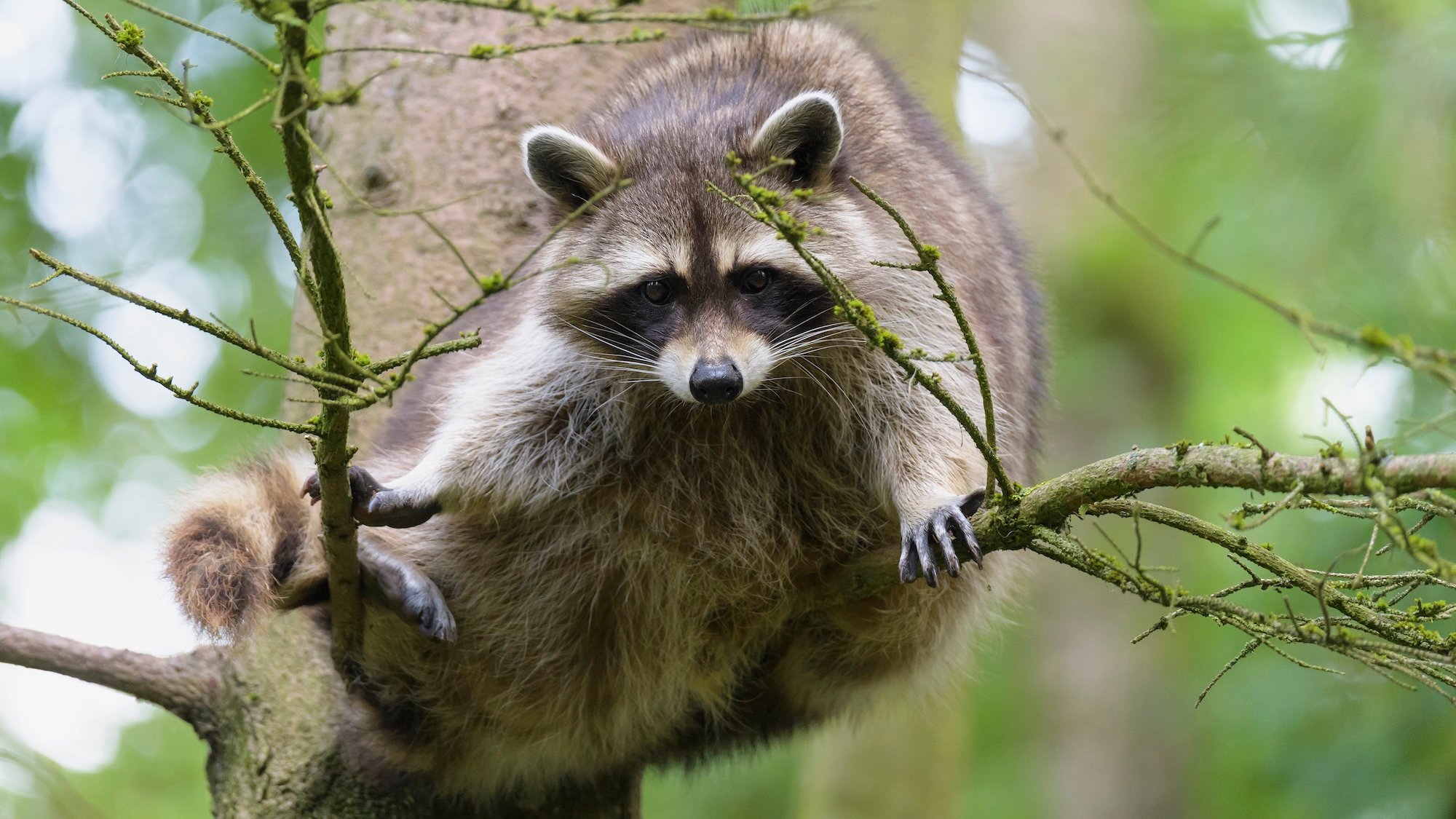
Next month, the USDA will once again begin tossing fishmeal-coated ORV packets from planes throughout the Southeastern states of Virginia, North Carolina, Tennessee, Georgia, and Alabama. These tiny edibles are specifically crafted to target the most prominent rabies variants seen in raccoons, coyotes, and gray foxes.

“The goal is to prevent westward spread of raccoon rabies by creating a continuous vaccine barrier that stays in front of rabies occurrence on the landscape,” a USDA spokesperson recently told FOX Carolina News. The representative added that although the distribution’s scope doesn’t currently include South Carolina, they are “very close to establishing an ORV area in South Carolina counties bordering North Carolina and Georgia in the next few years.”

If all goes as planned, the National Rabies Management Program’s geographic scope will shrink over time as the disease is regionally eliminated. Until then, anyone who accidentally comes into contact with an ORV bait brick shouldn’t worry about contracting the disease. The vaccine inside each brick is proven safe for over 60 animal species, including cats and dogs. If you happen to locate one in a residential area, the USDA recommends to either simply leave it alone, or use gloves to move it to a more remote location for its intended recipients. Always wash your hands thoroughly after handling ORV bait—and try to ignore the pungent odor of fishmeal.

The post It’s almost time to airdrop rabies vaccines again appeared first on Popular Science.

  •  

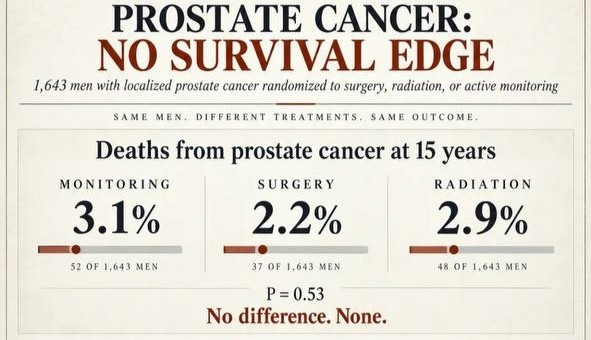
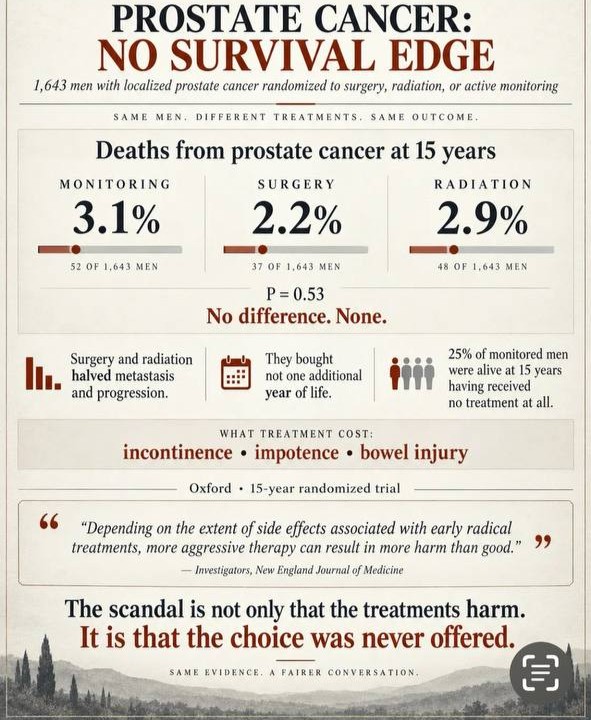
Prostate Cancer | Where is the Survival Edge?

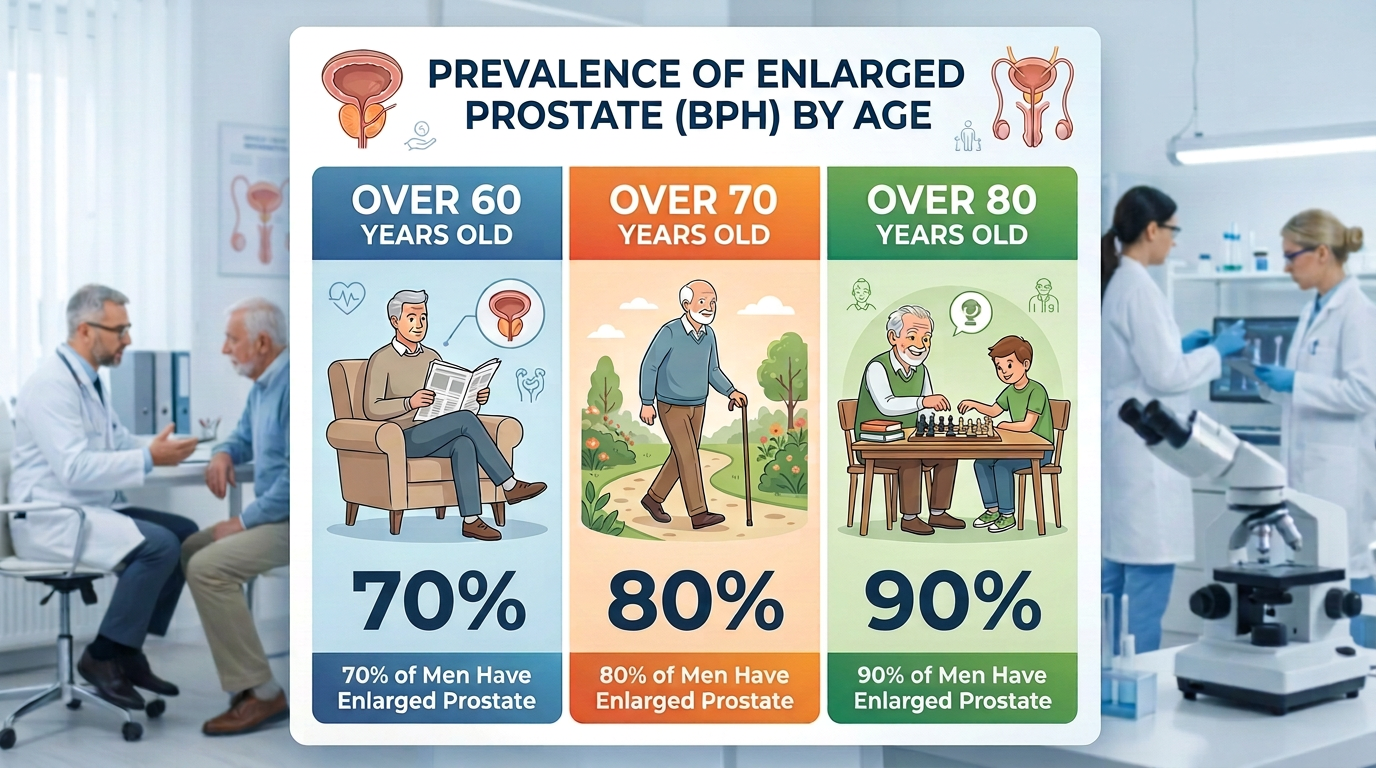
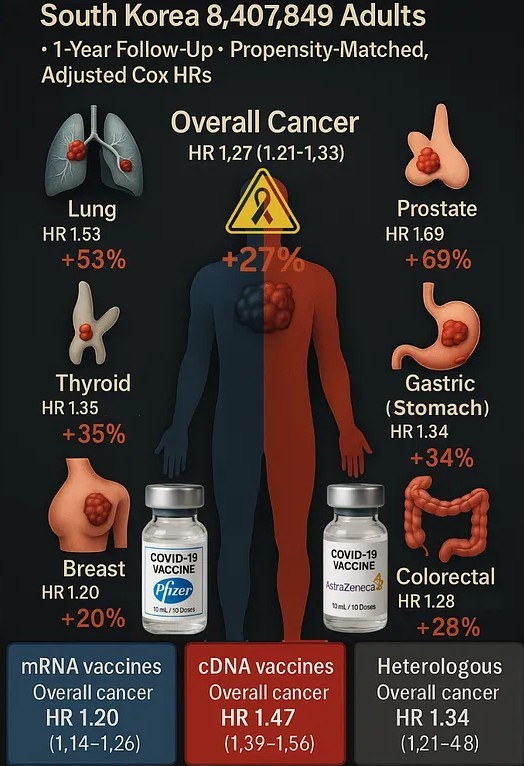
I discuss age-related BPH and prostate cancer screenings, highlighting the unreliability of PSA tests. Having BPH does not increase prostate cancer risk. No advantage is gained from prostate cancer treatment. And there are recent studies linking COVID-19 vaccines to increased cancer risks, particularly prostate cancer.

  •  

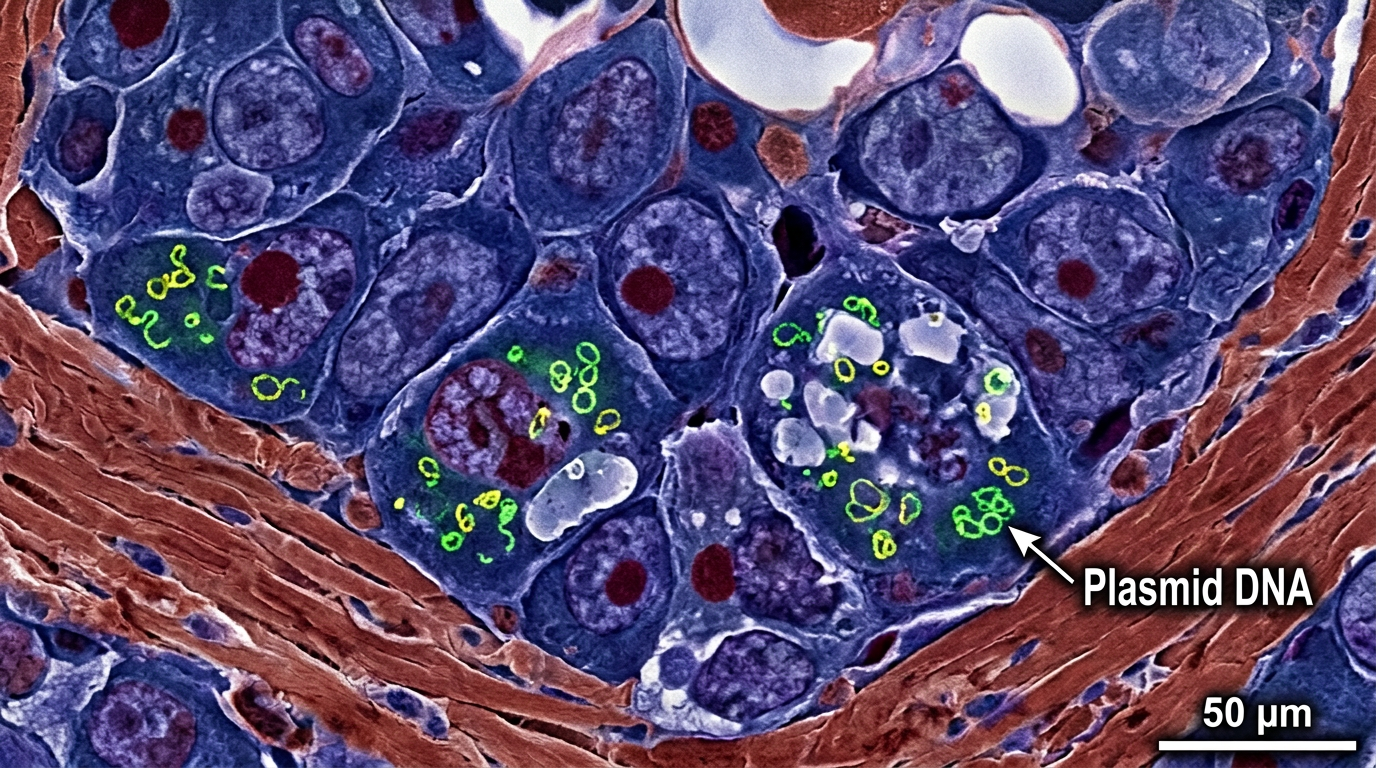
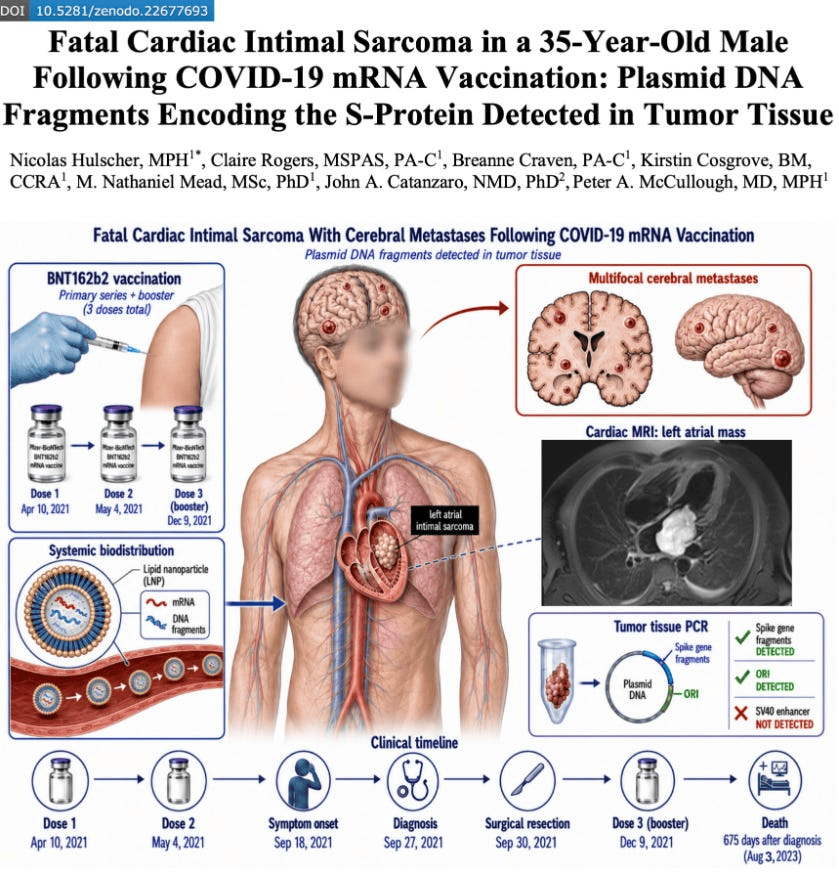
Pfizer Synthetic Vaccine Spike-Encoding Plasmid DNA Found Inside Deadly TURBO CANCER of the Heart

A new study presents alarming findings linking mRNA COVID-19 vaccines to aggressive heart tumors, as plasmid DNA fragments from the vaccine were found in a 35-year-old patient’s cardiac tumor developed shortly after vaccination. This evidence prompts calls for the immediate removal of mRNA technology from global markets, challenging prior dismissals of "turbo cancer."

  •  

Dr. Michael Yeadon a former VP of Pfizer Pharmaceuticals: THIS MUST STOP! Pfizer Documents Show FDA Knew of Death Risk

Dr. Mike Yeadon warns about the alarming findings in Pfizer’s mRNA vaccine report. He cites a confidential document indicating that within 90 days of the vaccine's emergency use authorization, 1,223 deaths and 158,893 adverse reactions were reported globally, with significant implications for women's health.

  •  

The quick guide to fall vaccines and when you should get them

Labor Day is in the rearview mirror, kids are back to school, and a squall of pumpkin spice is upon us. It's that time again to prepare for the equally inevitable respiratory virus season with annual vaccines.

With fervent anti-vaccine activist Robert F. Kennedy Jr. as the country's top health official, it might seem like the rollout of this year's shots could be a disaster. For instance, one of Kennedy's first actions as health secretary last year was to obliterate an ad campaign for flu shots amid a particularly deadly flu season. As we head into this fall, the Centers for Disease Control and Prevention's vaccine advisory committee—which normally sets vaccination recommendations and insurance coverage for the shots—is nonfunctioning. A federal judge ruled in March that the anti-vaccine allies Kennedy installed on the panel were illegally appointed and unfit to serve. All their changes to vaccine policy have been temporarily voided. And meanwhile, Kennedy spent last week trying to obscure the number of babies who died from measles so far this year (it was two, including a newborn).

Big picture

Despite all of that, the fall vaccine effort is looking like it will likely be somewhat smooth, potentially unremarkable even. The Food and Drug Administration has approved updated flu and COVID-19 shots for this season. Those shots have already begun arriving at pharmacies—in case your pharmacy hasn't already sent you multiple texts and reminders. While there are still some snags for access, it seems like it will be a lot like last year's fall vaccine rollout.

Read full article

Comments

© Getty | NurPhoto

  •  

Was the COVID-19 Vaccine the Cause of Dolly Parton’s Death from Turbo Cancer?

Dolly Parton, the beloved country music icon, passed away on August 25, 2026, at 80, after battling cancer, perhaps linked to the mRNA COVID-19 vaccine she openly promoted. Dr. Joe Sansone argues that the bioweapon shots are biological and technological weapons of mass destruction.

  •  

Healthy Vaccinee Effect Shapes Evaluation of Updated COVID-19 Vaccines in Older Adults

The apparent benefits of updated COVID-19 vaccines in older adults may be influenced by more than the vaccines themselves, according to a study examining the “healthy vaccinee effect,” a form of bias that can complicate observational research. Published in Nature Communications, the work by Lyth, Spreco, Hinkula and colleagues focuses on how differences between people who receive vaccination and those who do not can alter estimates of vaccine effectiveness, particularly in elderly populations whose health status can change rapidly.

Updated COVID-19 vaccines are designed to improve protection against circulating SARS-CoV-2 variants, especially protection against severe disease, hospitalization and death. Because randomized clinical trials are not usually repeated for every reformulated vaccine and every emerging variant, researchers frequently rely on real-world health data. These studies compare outcomes among vaccinated and unvaccinated people, but the two groups may differ in important ways before vaccination occurs. Such differences can produce an apparent vaccine benefit—or obscure a real one—even when the analysis carefully accounts for age and medical conditions.

The healthy vaccinee effect arises when people who are vaccinated are temporarily healthier, more active or better connected to healthcare services than those who remain unvaccinated. Individuals may postpone vaccination during an acute illness, after hospitalization or when they are approaching the end of life. At the same time, people who attend vaccination appointments may be more likely to receive preventive care, follow medical advice and seek treatment early. These characteristics are not necessarily caused by vaccination, but they can lower the vaccinated group’s risk of death or hospitalization during the period used for analysis.

This issue is particularly important in older populations. Elderly people often have multiple chronic conditions, fluctuating functional status and frequent contact with hospitals or long-term care facilities. A person may be eligible for a vaccine campaign but unable to receive the dose because of an acute health problem. If that person later dies or is hospitalized, conventional analyses may attribute the worse outcome to the absence of vaccination, even though the underlying illness was already present. Conversely, if researchers compare groups immediately after vaccination without accounting for this selection process, the vaccine may appear more protective than it truly is.

The study evaluates how this bias affects assessments of updated COVID-19 vaccines in elderly populations. Its central scientific contribution is to treat vaccination not simply as an exposure, but as an event embedded in a changing health trajectory. The health of older adults is not static: frailty, infection, recent hospitalization and access to care can all influence whether and when vaccination occurs. By examining these time-dependent factors, the researchers draw attention to the difference between a vaccine’s biological effect and the characteristics of the people who are able to receive it at a particular moment.

In epidemiological terms, the healthy vaccinee effect is a form of confounding and selection bias. Confounding occurs when another factor is associated with both vaccination and the outcome being measured. Selection bias occurs when inclusion in the vaccinated or comparison group depends on health-related circumstances. Timing can intensify both problems. If follow-up begins on the day of vaccination for one group but at an arbitrary date for another, the groups may not have equivalent baseline risks. Researchers therefore need to define an appropriate index date, align observation periods and account for recent illness, healthcare use and changes in eligibility.

The challenge is not merely statistical. A vaccine can provide strong protection against severe COVID-19 while producing a smaller or more variable effect against infection, depending on the variant, time since vaccination, prior immunity and the outcome being studied. If an observational analysis reports a lower mortality rate among vaccinated people, that result may reflect a combination of direct vaccine protection and the healthier profile of vaccine recipients. Separating these components requires careful design, including adjustment for measured risk factors and, where possible, comparison strategies that mimic a randomized trial.

The findings have practical implications for interpreting public-health evidence. Estimates of updated vaccine effectiveness should not be read in isolation from the population being studied, the timing of vaccination and the definition of the unvaccinated comparison group. Researchers may need to conduct sensitivity analyses, use negative-control outcomes, examine short intervals after vaccination and account for healthcare-seeking behavior. Analyses that compare people with similar recent health histories, or that use methods designed for time-varying confounding, can help determine whether an observed association is likely to represent a genuine vaccine effect.

The study does not undermine the value of COVID-19 vaccination for older adults; rather, it highlights the methodological care required to measure that value accurately. For clinicians, policymakers and the public, the message is that real-world vaccine evidence is strongest when biological protection is evaluated alongside the circumstances that determine who gets vaccinated and when. As SARS-CoV-2 continues to evolve and vaccine formulations are periodically updated, understanding the healthy vaccinee effect will remain essential for distinguishing the protection delivered by immunization from the protection that appears because healthier people are more likely to receive it.

Subject of Research: Healthy vaccinee effect and the evaluation of updated COVID-19 vaccines in elderly populations.

Article Title: Healthy vaccinee effect in the evaluation of updated COVID-19 vaccines in elderly populations.

Article References:

Lyth, J., Spreco, A., Hinkula, J. et al. Healthy vaccinee effect in the evaluation of updated COVID-19 vaccines in elderly populations. Nat Commun 17, 8014 (2026). https://doi.org/10.1038/s41467-026-76312-x

Image Credits: AI Generated

DOI: https://doi.org/10.1038/s41467-026-76312-x

Keywords: COVID-19 vaccines, updated vaccines, SARS-CoV-2, elderly populations, healthy vaccinee effect, vaccine effectiveness, epidemiology, observational studies, confounding, public health.

  •  

Scientists Discover Shared Vulnerability in Key Gut Pathogens

Researchers at Washington University School of Medicine in St. Louis have made a groundbreaking discovery that could revolutionize the prevention of diarrheal diseases caused by enterotoxigenic Escherichia coli (ETEC) and Shigella. These two bacterial pathogens are responsible for hundreds of millions of infections annually and are leading causes of diarrheal mortality worldwide, particularly among young children. Despite decades of efforts, vaccine development has encountered significant obstacles, primarily due to the extensive strain variability that hampers the identification of universal vaccine targets.

In a recent study published in the Proceedings of the National Academy of Sciences, the WashU team, collaborating with scientists at the University of Missouri and the International Centre for Diarrhoeal Disease Research in Bangladesh, identified a shared vulnerability within these pathogens that could open the door for a combined vaccine platform. This innovative approach hinges on targeting homologous enzymes that these bacteria use to degrade the mucus lining in the human gut, a critical step in establishing infection.

For bacterial pathogens like ETEC and Shigella to cause illness, they first need to overcome the intestinal mucus barrier. This thick layer of mucus serves as a physical and biochemical shield protecting the gut epithelium and regulating the microenvironment by keeping pathogenic entities at bay while preserving the beneficial microbiota. The ability to breach this barrier is a hallmark of pathogenicity, allowing bacteria to access the underlying tissues and deploy additional virulence factors, including enterotoxins that induce diarrhea.

The study’s focal point is a family of mucin-degrading enzymes that facilitate this breaching process. The researchers detail three closely related enzymes—EatA, SepA, and Pic—that are expressed by ETEC, Shigella, and other diarrheal pathogens. EatA, an acronym for “eat away,” is produced by ETEC and was previously identified by Fleckenstein’s laboratory as a critical mucinase targeting the primary structural protein within mucus. SepA and Pic, related enzymes produced by Shigella and some other bacteria, perform analogous roles. Their enzymatic activity effectively dismantles the mucosal barrier, clearing a path for bacterial invasion.

Intriguingly, the antibodies that the team isolated from individuals infected with ETEC or experimentally exposed to the bacteria displayed a functional cross-reactivity. The antibodies not only neutralized EatA but also inhibited SepA and Pic, indicating a conserved epitope region among these mucinases. This neutralization prevents the enzymes from degrading intestinal mucus, thereby blocking the pathogens’ entry into host tissues. The concept of a single antibody interfering with multiple bacterial targets underscores a significant breakthrough in vaccine strategy.

To unravel the structural mechanics behind this immune neutralization, the researchers leveraged cryo-electron microscopy—a state-of-the-art imaging method that preserves biomolecules in near-native states by flash-freezing samples. This technique enabled detailed visualization at atomic resolution, revealing the precise binding site of the neutralizing antibodies. Remarkably, the site of interaction was a structurally conserved region across EatA, SepA, and Pic, providing a rational basis for the design of vaccine antigens that elicit broadly neutralizing antibodies.

“The identification of this shared Achilles’ heel among diverse diarrhea-causing bacteria signifies a paradigm shift in vaccine development,” explains James M. Fleckenstein, MD, co-senior author of the study and professor of medicine at WashU. “It suggests we can target a common mechanism of gut colonization rather than chasing highly variable surface molecules, which has been the stumbling block in the field for so long.”

Further bolstering the translational potential of these findings, epidemiological data from children in Dhaka, Bangladesh, indicate that naturally acquired antibodies against EatA correlate with protection from diarrheal illness. This natural immunity validates EatA as a viable immunological target and encourages the pursuit of vaccines that induce similar protective responses.

The implications extend beyond the developing world, as enterotoxigenic E. coli has been implicated in recent foodborne outbreaks in industrialized countries such as the United States. The difficulty in distinguishing pathogenic ETEC from non-pathogenic strains in clinical settings further complicates diagnosis and containment. Moreover, reliance on antibiotics to treat infections caused by these bacteria accelerates the evolution of antibiotic resistance, posing a global public health threat.

Zachary Berndsen, PhD, assistant professor of biochemistry at the University of Missouri and co-senior author, emphasizes the rational approach to vaccine design enabled by these insights. “By pinpointing enzyme domains targeted by neutralizing antibodies, we provide a template for crafting precise immunogens that can stimulate protective immunity across multiple pathogens. This can streamline the production of vaccines that are both effective and broad-spectrum,” Berndsen says.

Development of such a vaccine could not only reduce the global burden of diarrheal diseases but also mitigate the spread of antibiotic resistance by decreasing the frequency of bacterial infections requiring treatment. Additionally, preserving the gut microbiota through targeted disruption of pathogenic mechanisms may alleviate some adverse consequences associated with broad-spectrum antibiotic use.

Going forward, the research team is focused on translating their molecular discoveries into practical vaccine candidates. This involves preclinical testing of immunogens incorporating the conserved epitopes identified, assessing their immunogenicity and protective efficacy in animal models, and progressing toward human clinical trials.

“In our ongoing battle with enteric pathogens that have coevolved with humans for millennia, blocking the enzymatic opening of the mucus gate represents a promising strategy,” Fleckenstein concludes. “If successful, this vaccine would preempt infection at its earliest and most vulnerable stage, changing the trajectory of diarrheal disease worldwide.”

The study was supported by grants from the National Institute of Allergy and Infectious Diseases and the Department of Veterans Affairs. The multidisciplinary collaboration brings together expertise in infectious diseases, structural biology, immunology, and clinical research, underscoring the necessity of integrated approaches to tackle complex global health challenges.


Subject of Research: Human tissue samples

Article Title: Human enterotoxigenic Escherichia coli (ETEC) infections elicit antibodies that broadly neutralize mucinases of pathogenic Escherichia coli and Shigella

News Publication Date: 15-Jun-2026

References:
Buckley DP, Akhtar M, Thapa M, Schmitz A, Turner J, Vickers TJ, Khatoon N, Kaisar MH, Coggin JA, Ganguli D, Sheikh A, Laird RM, Poly F, Porter CK, Ruiz-Perez F, Miller MJ, Chowdhury F, Bhuiyan TR, Qadri F, Trillo-Muyo S, Dolan B, van der Post S, Ellebedy A, Berndsen ZT, Fleckenstein JM. Human enterotoxigenic Escherichia coli (ETEC) infections elicit antibodies that broadly neutralize mucinases of pathogenic Escherichia coli and Shigella. PNAS. June 15, 2026.

Image Credits: David Hasty

Keywords: Infectious diseases, Microbial infections, Diarrhea

  •  

Follow the Money: Pandemic Fearmongering is a Growth Industry

From Ebola to Nipah, the combined death toll since Covid is under 1,000 worldwide. So why the endless panic? Follow the money – pandemic fearmongering is a growth industry, says Dr David Bell.

The post Follow the Money: Pandemic Fearmongering is a Growth Industry appeared first on The Daily Sceptic.

  •  

The Human Genome Has Been Contaminated With a Gene That Has Never Existed in the History of Humanity Causing Skyrocketing Cancer Rates
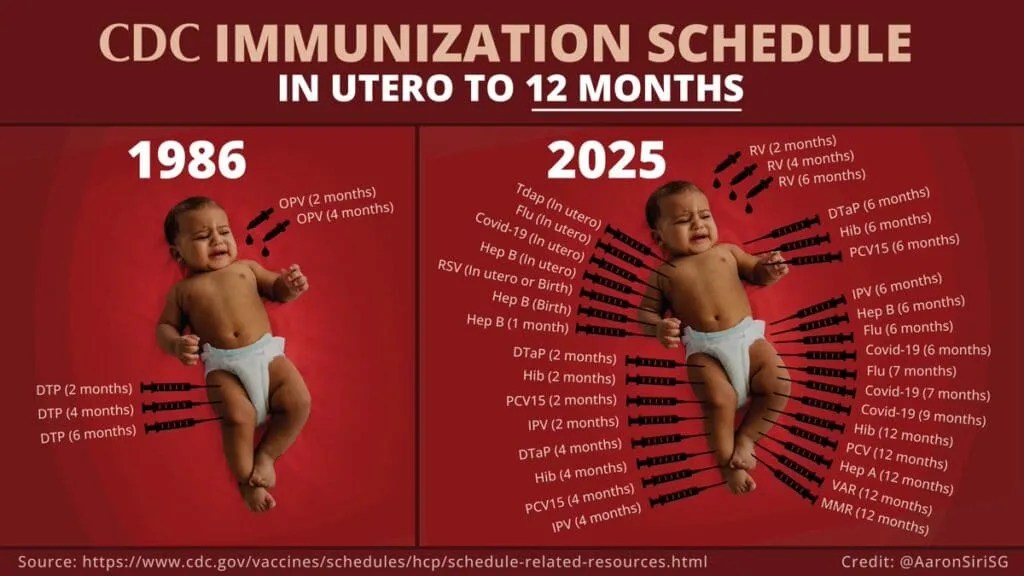
Dr. Daniel Nagase raises alarms about the dangers of COVID-19 mRNA vaccines, from DNA contaminants that could permanently alter the human genome. The rising cancer rates among Australians is due to these mRNA injections which are part of a coordinated effort to use bioweapons for global depopulation.

  •  

Satan’s Lies Are More Believed Now Than Ever Before

The COVID-19 pandemic and “safe and effective” vaccines are lies propagated by governments and “experts”. Many widely accepted scientific beliefs are false narratives based on Satan’s lies. Spiritual deception underlies many societal misconceptions. We must return to the foundation of biblical truths from creation to what is real science.

  •  

Dr. Michael Yeadon | COVID-19 mRNA “Vaccines” are Deliberate Premeditated Sterilization Depopulation Bioweapons

Dr Michael Yeadon, former Pfizer vice president in charge of vaccine production, makes an impassioned appeal to the world against COVID-19 vaccinations. He exposes the truth behind the mRNA shots as deliberately designed sterilization depopulation bioweapons.

  •  

The New Frontier | Biological Colonialism

Our governments are maiming/killing us with jabs for the sake of "biological colonialism". "At some point there were no new lands left to conquer...[so] how do you extract wealth from the middle class? You do it through iatrogenic injury".

  •  

90% Inaccurate: Bombshell German Study Exposes the PCR Test Fraud That Locked Down the World

A recent German study claims that PCR tests during the COVID-19 pandemic were up to 90% inaccurate, revealing only 10-14% of positive results correlated with actual infections. Critics argue inflated cycle thresholds produced numerous false positives, leading to misguided lockdowns and policies based on unreliable data, ultimately damaging civil liberties and economies.

  •  

Vaccine Safety “Pyramid Scheme” Exposed | The Shocking Truth They Never Wanted You to See

Attorney Aaron Siri exposes the flawed safety testing of childhood vaccines, claiming that none have been tested against saline placebos. Instead, vaccines are compared to older vaccines, creating a misleading safety profile. He argues that significant adverse event rates exist, asserting that these practices endanger children's health and lack proper testing validation.

  •  

A Chilling Warning from Brussels | The Foundational Flaw in mRNA Technology That the Public was Never Told

At the launch of "Make Europe Healthy Again," researcher Panagis Polykretis highlighted a critical issue with mRNA vaccines, asserting that they enable an immune attack on the body’s own cells, leading to severe adverse effects like myocarditis. He called for accountability and urgent safety studies amid rising health crises linked to the vaccines.

  •  

President Trump | Autism Caused By Childhood Vaccines and Medications

President Trump announces that childhood vaccinations and medications cause autism, citing the Amish community's low autism rates due to their lack of vaccination. His announcement aligns with alternative medical opinions on this for the past several decades.

  •  

Is Australia’s Digital ID a Path to Surveillance?

The Digital ID Act 2024 in Australia is a vehicle for extensive surveillance, potentially linking personal data such as biometrics to financial accounts and digital currency. Governmental assurances of voluntary participation do not help, fearing that such measures may become mandatory, leading to total control and loss of individual freedoms.

  •  
❌