Conventional gym etiquette involves carefully wiping down the surfaces of any machines or equipment after using it. Businesses usually provide customers with wet wipes, or simple sprays and towels, to keep faux leather padding and other public surfaces pristine and sanitary.
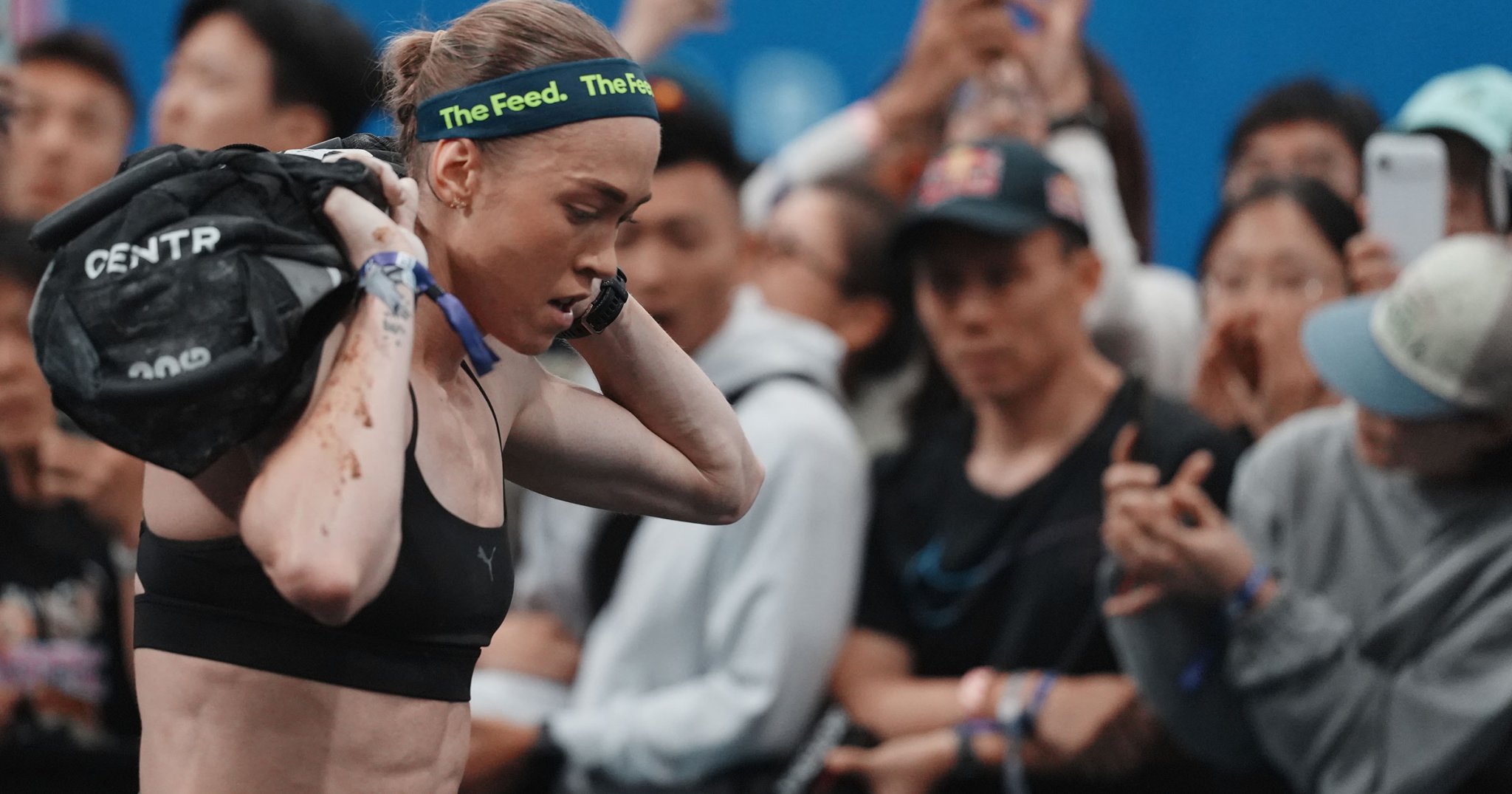
But during professional events, that level of cleanliness isn’t always guaranteed. Organizers of a recent Hyrox competition in China, the spiritual successor of the Crossfit craze, have been accused of allowing participants be exposed to a trail of human waste — left behind, memorably, by the athlete who went on to win the competition.
As The Guardian reports, Australian world record holder Joanna Wietrzyk used shared stations, including rowing machines, sleds, and medicine balls, while “faecal matter” was “visibly running down her legs,” a horrifying incident vaguely reminiscent of one of the most infamous and reviled videos in internet history.
The incident drew an outburst of disgust across social media.
“I guess I’m never doing a Hyrox event,” one user wrote in a post on Bluesky. “Oh my god.”
“Saw a big Hyrox poster at the gym and all I thought of was that lady shitting herself,” another tweeted. “That’s their brand now.”
“This should result in a hard stop for the competitor because the public health risk is more important than the medal,” one user argued. “Hyrox has way too many shared touch points and surfaces to let this continue.”
Others used the opportunity to poke fun.
“A s****y situation for all parties and tough for Hyrox to save faeces,” another joked.
Organizers were criticized for allowing the competition to continue despite having clear bio-contaminant rules in place.
“Protocols designed for elite competition and mass participation became blurred, creating ambiguity in how they were applied and understood,” Hyrox World wrote in an statement, in one of the more acrobatic euphemisms we can recall.
“Hyrox made a mistake by not reacting immediately during the race,” he wrote. “In the end it is my job to foresee these potential incidents — and I did not.”
“Of course, we started improving event processes,” Fürste went on, “plus making rulebook changes immediately.”
The shocking incident highlights the fact that professional endurance athletes soiling themselves isn’t as rare as it may seem. Long distance runners, for instance, are known to suffer from “runner’s diarrhea,” like Paula Radcliffe, who had to relieve herself in full view of the public during the 2005 London marathon.
Radcliffe still won with a time of 2:17:42 — albeit with a little less dignity than she started.
Here’s a hazard you probably didn’t expect from too much screen time.
Two doctors in the UK reported in the journalBMJ Case Reports the bizarre case of a young boy whose laptop literally toasted his skin over weeks and maybe even months of using it. Thankfully, the kid’s fine and was never in any real pain, so we can dive into this medical oddity without feeling too guilty about it.
According to the eyebrow-raising paper, spotted by Ars Technica, the boy was first brought into an emergency department with reddish markings over his abdomen in a lace-like pattern. Nurses first described it as “spontaneous bruising,” but they didn’t find skin abnormalities anywhere else on his body. The boy also wasn’t in any pain, and didn’t have any history of trauma or illnesses that could explain the markings.
When doctors did a chest x-ray, they found some kind of build up in his lung, though it was unclear what it signified. The boy admitted that he got pushed into a chair while play-fighting with his siblings a week ago, leading the doctors to search for signs of a traumatic injury. But after a CT scan, they didn’t find any. They weren’t completely sure of what was going on, but the doctors discharged him with antibiotics for a suspected lung infection.
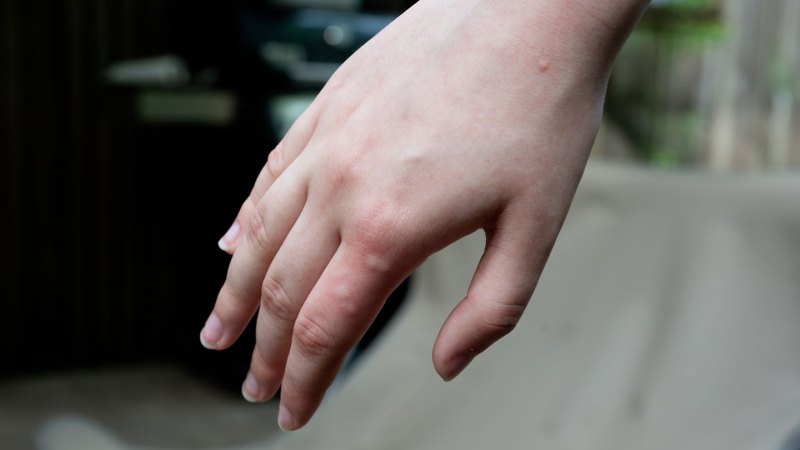
The boy was back several weeks later, though — and the rash was even worse. Parts of his abdomen were pinkish, exhibiting clear signs of skin breakdown, the doctors wrote, with mottled patches of dark brown. (You can view a photo, at your own peril, here, via Ars.)
That’s when the doctors began to suspect some kind of heat damage. But when they asked the boy about heat sources, nothing turned up.
Then, as they continued to question him, the boy mentioned something crucial: he was home-schooled and did most of his assignments on his laptop, sometimes for eight hours a day, often while charging. And of course, he usually rested the laptop on his torso while lying down.
This supported a diagnosis of a erythema ab igne (EAI), also known as “toasted skin syndrome.” It’s caused by repeated, close exposure to low heat, which slowly damages the skin over time. Patients often get it from heat pads and space heaters, but a warm laptop can cause it, too. It causes a distinctly lace-like rash, which explained the boy’s symptoms.
EAI is benign, and in most cases, its rashes disappear on their own once exposure to a heat source is stopped, taking weeks to months to heal. Once properly diagnosed, the boy’s rash was dressed, and he came back to the hospital several months later to confirm that he had fully healed. Now that he’s okay, he might try studying at a desk instead.
The myriad horrors of the US healthcare system have spawned generations ofmedical tourism from the wealthiest country on Earth to the periphery: Cuba, Mexico, Costa Rica, Canada, Turkey, and Thailand, to name just a few.
Now, Shanghai is quickly rising as one of the top destinations for cancer patients, as China’s biotech sector has spun an experimental treatment developed in the US into a standalone industry.
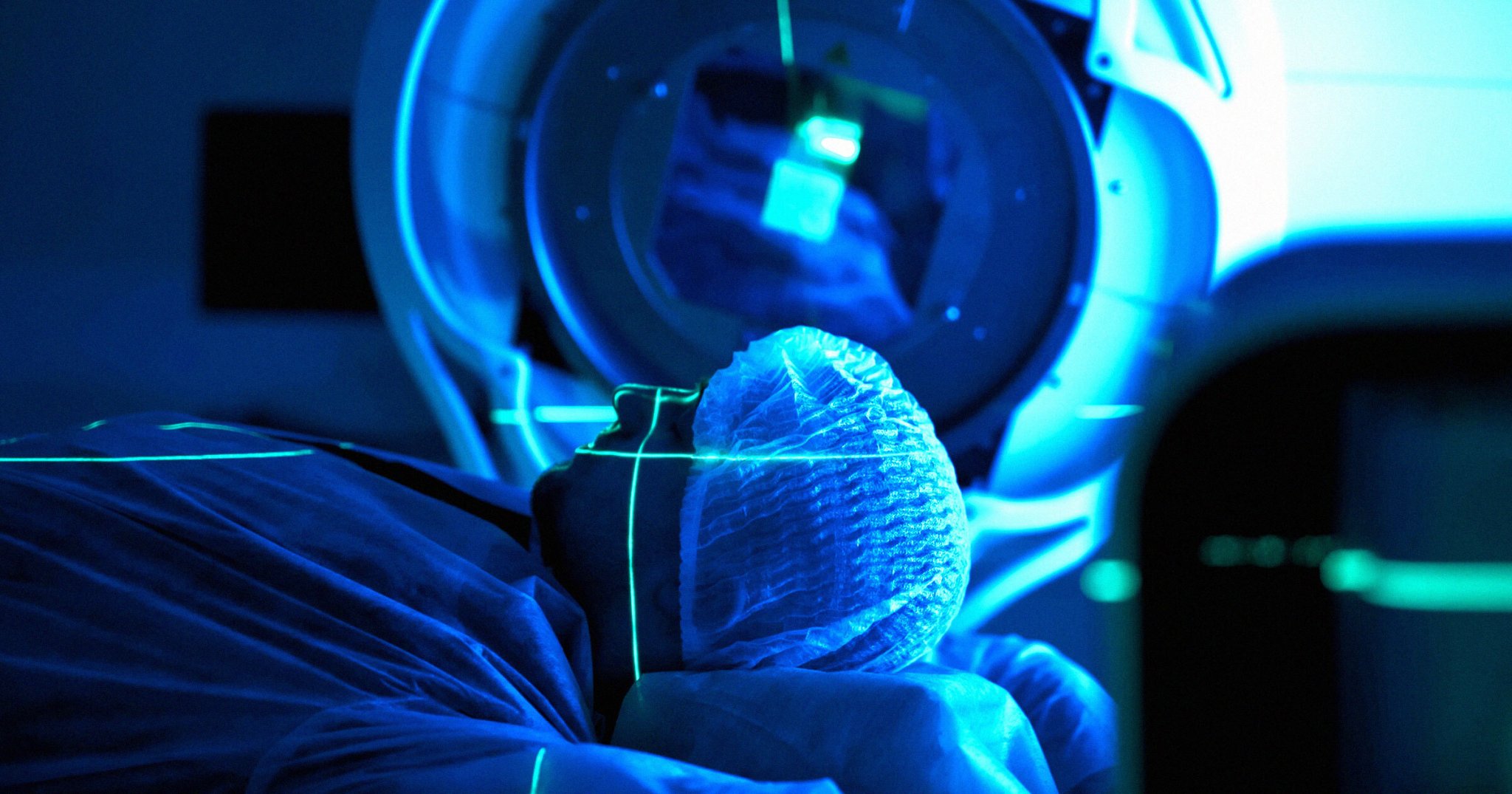
New reporting by the Wall Street Journal took a look at this fast-growth industry, centered around chimeric antigen receptor T-cell therapy, or CAR-T for short.
CAR-T is essentially a personalized form of immunotherapy, in which a patient’s own white blood cells are engineered to identify and attack specific proteins found in cancer cells. Though the process was first developed by US biotech giants, their inability — or unwillingness — to lower the cost and increase supply of the treatment has led to shortages throughout the country.
That’s where China comes in. As director of the CAR-T program at the University of Texas MD Anderson Cancer Center in Houston Sairah Ahmed told the WSJ, this therapy can cost around $150,000 to $230,000 in China — still a life-altering bill, but a sizeable discount compared to an insurmountable $550,000 to $850,000 in the US.
This, Ahmed says, is why she advises some patients to seek out treatment in the People’s Republic.
“China has basically done to CAR-T cell therapy the same thing that it’s done to other industries, which is, they’ve industrialized it,” Ahmed explained.
China’s CAR-T services aren’t just cheaper, either. They’re also faster, and come with a host of complimentary after-care treatments, the WSJ notes. As MD Anderson Cancer Center’s explainer on CAR-T therapy advises, the process of extracting and bio-engineering a patient’s cells to fight cancer can take over three weeks in the US. Compare that to China, where the WSJ reports labs near Shanghai can “crank out” the therapy in just a matter of days.
An important caveat here is that CAR-T cell therapy isn’t a catch-all for every type of cancer, and it’s typically only administered after other treatments have failed. It’s not exactly a walk in the park, either, requiring months of recovery and check-ups from a range of physical, neurological, and psychological health specialists. Still, if you had to go through with it, your first step should clearly be pricing out some flights to China.
As far as completely pointless ways to kill time on your phone, this is certainly one of the weirdest on record.
Behold the all-new invention of so-called “dopamine sites” — digital domains where you can browse and hunt for deals on nonexistent wares and services. Clothes, food delivery, you name it: you can pretend-shop for it all.
You don’t actually buy anything, crucially. You’re just pretending to have money to buy the things you want. It’s window-shopping reimagined for the age of doomscrolling.
But it’s also a little more than that. These cleverly-built sites simulate the experience down to checking out and “tracking” your shipment or delivery, and their absurdly realistic rituals can help people become more conscious of their spending habits. Supposedly.
The trend, according to the New York Times, originated in South Korea this spring, when Park Seohyun, a 21-year-old mechanical engineering student in Seoul, created a fake food-delivery site called “Food Never Arrives.” (It’s now an app).
Originally intended as a joke, she says, it lets you not only order nonexistent food, but provides you an estimate of the money and calories you saved by skipping on the real thing.
In a wintry economic climate, it became an unexpected hit.
“People began sharing it online and discussing whether it actually helped them resist ordering food,” Park told the NYT.
A wave of imitators followed. This summer marked the launch of “FakeHaul,” a dopamine site built by a Microsoft engineer that convincingly imitates shopping on Temu. Two developers in India inspired by Park’s site, Purvansh Parmar and Anshul Sharma, created “Food Never Comes,” which simulates food deliveries but provides real recipes for the food you didn’t actually order. Parmar and Sharma told the newspaper that their site had more than 2.7 million views since launching in June.
Whether these dopamine sites provide anything more than fleeting, empty pleasures is something experts are more skeptical about. Ravi Dhar, director of the Yale Center for Customer Insights, told the NYT that the “element of looking forward brings a lot of the pleasure, and we often crash after an event or feel let down.” Lingguo Xu, a behavioral economist studying anticipatory utility, warned that the dopamine tricks could quickly get old. And by simulating consumption, you risk developing “stronger cravings.”
Some take the original idea beyond getting high on simulated shopping. Ko Seojin, another South Korean developer, created a website for taking virtual smoke breaks called Damta World. You click to start smoking an animated cigarette, which starts burning on screen. You can “whisper” disappearing messages to other smokers on break, while a counter keeps track of the number of cigarette butts that have been tossed on the office rooftop each day.
Ko told the NYT that 150,000 people visit each month, and she says that some users have become real-life friends after meeting on the website. Those friendships, we hope, are something that’ll last longer than any fake-shopping dopamine hit.
GLP-1 weight loss drugs are changing lives in more ways than one.
In a new piece for The Guardian, the newspaper’s readers share how the weight loss journey that drugs like Wegovy, Ozempic, and Mounjaro have set them down on have drastically affected their interpersonal relationships — sometimes for the better, and sometimes for the worse.
Many of the GLP-1 users seem to harbor a sense of shame, hiding their use of the drugs. In their minds — and perhaps in the minds of those around them — they undermine the sense of accomplishment that comes with losing weight the old fashioned way, instead feeling that they “cheated” or are “being dishonest” about how they achieved their goals.
One parent wrote of how their 20-year-old daughter felt “worried, angry, and jealous” after she discovered they were hiding their use of Wegovy from her. “We had discussed weight, identity and GLP-1s, but I was so ashamed of going on it that I didn’t want to tell anyone,” they wrote, noting how food was a “huge part of our family life.” They wondered to themselves: “What kind of signal am I giving her and her brothers?”
Though they feel “mostly positive” about losing nearly thirty pounds using the drug, they added, they also can’t shake the feeling that they’re “cheating.”
“So much of my insecurity about my weight and appearance is offloaded on to an injectable pen,” they added.
Another wrote that despite their friends feeling pleased about their weight loss, they’ve kept their GLP-1 drugs secret for nearly two years. Their partner, they believe, “has felt insecure at times because of my glow-up.”
“I don’t want people to think I’ve cheated. I guess there is still fat shame somewhere,” they wrote.
Others don’t feel this guilt, but are frustrated that their spouses don’t realize how transformative the drugs have been for them. One complained that theirhusband was so unsupportive of their use of GLP-1s that they no longer could share their experience with him.
“This has been a life-changing drug so far, and I can’t share it with the person I’m closest with,” they lamented.
Though they’ve struggled with obesity their whole life, their “husband scoffs at characterizing obesity as a chronic and recurring disease” and “thinks people should just make better lifestyle choices and stop making excuses — which tells me a lot about how he views me, too.”
These downsides aren’t unique to GLP-1s. Significant weight loss has long been linked to divorce, and that doesn’t necessarily mean that someone who’s slimmed down is now feeling their oats. Weight loss can come with dramatic changes to a person’s lifestyle — from the food they eat and the exercise they do to how they socialize — and that can be a lot for someone close to them to adjust to.
“Relationships tend to develop a sense of equilibrium and predictability over time,” Lindsey Berisha, a clinical psychologist who’s worked with patients using GLP-1s for over a decade, told The Guardian. “When one partner undergoes a significant change, it can shift that equilibrium, and even positive change can create uncertainty for both partners.”
GLP-1s, of course, have made achieving this kind of significant weight loss much more accessible, which is why we’re now starting to hear about “Ozempic divorces.”
These days, large language models are pushing the line between schizophrenic break and reality closer than ever before.
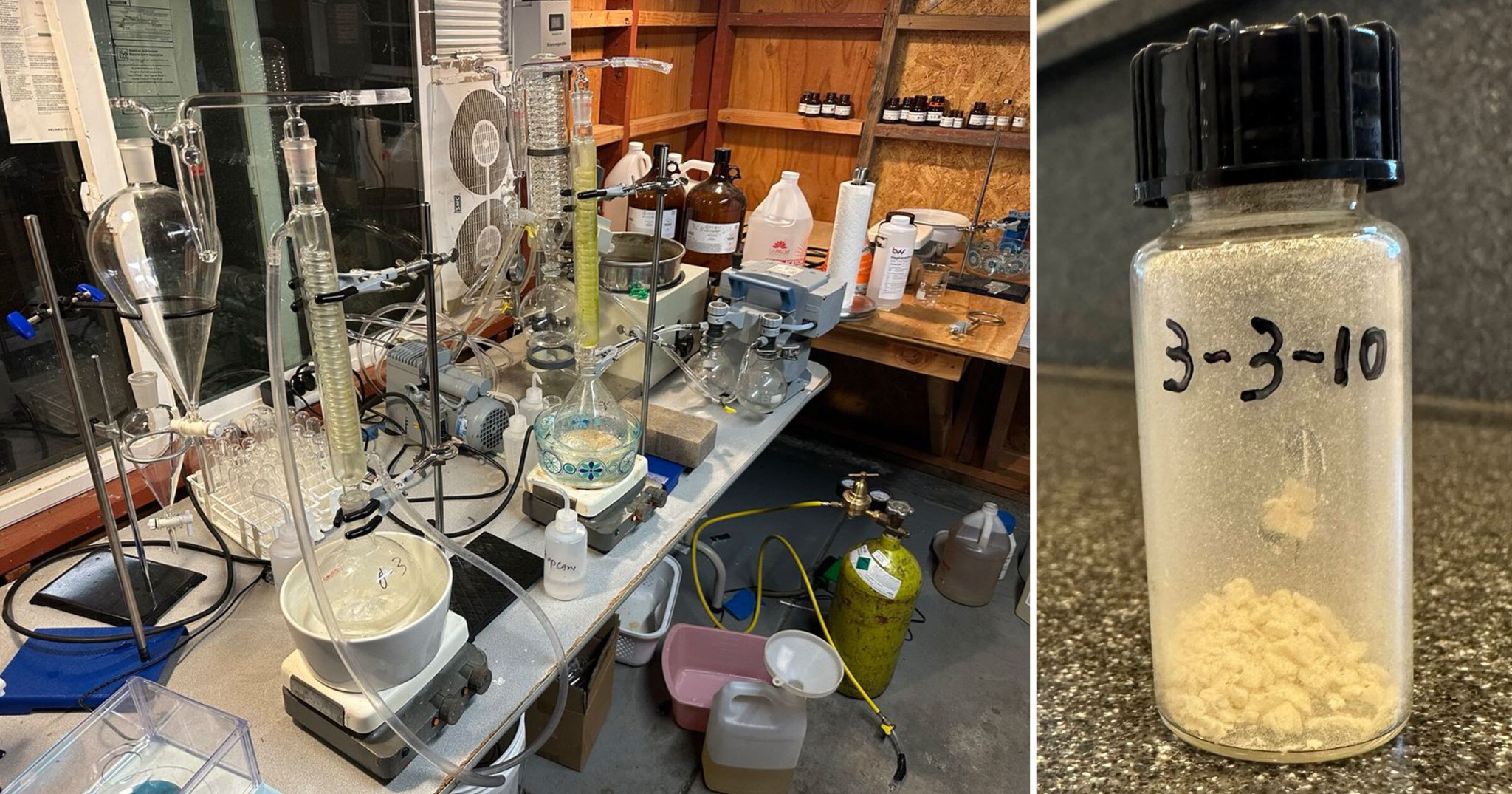
In a wild new post that’s going viral on X-formerly-Twitter, an enterprising young biochemist named Douglas Yao showcased a new drug he’s been developing with the aid of ChatGPT. He’s not employed by any pharma company, and his drug lab is setup on a couple folding tables in his garage.
Specifically, Yao enthuses about a new drug he calls “PAC-3310,” which he says is meant to treat schizophrenia. “It was designed by ChatGPT,” Yao explains, “and I synthesized it in a chemistry lab I built in my garage.”
The result is a small vial of yellow powder — the first sample of 3310, apparently — which Yao says is modeled after the recently-authorized antipsychotic Cobenfy, “but improved.”
This vial contains a new drug called PAC-3310. It was designed by ChatGPT, and I synthesized it in a chemistry lab I built in my garage.
PAC-3310 is a new selective M4 muscarinic receptor agonist for treating schizophrenia – similar to the recent breakthrough drug Cobenfry, but… pic.twitter.com/o7z6iLR50T
On his GitHub page, Yao boasts that he’s used AI to “design several thousand new small molecule drugs” over the past year, including a “new Alzheimer’s drug,” which he’s developing in addition to the schizophrenia treatment.
“I then taught myself synthetic chemistry, built a chem lab in my garage, and synthesized a hundred of them,” he continued. “I’m now testing these compounds in cell lines and mice.”
But whatever the one-man pharma lab hopes to accomplish is difficult to say. Yao references the fact that “drug developers typically spend tens of millions of dollars generating pre-clinical efficacy evidence for a new drug,” saying that “my approach can do this at 1/1000 the cost.” This seems to suggest dreams of someday manufacturing the various drugs on a massive scale for human consumption — a process that would take years of grueling and expensive work for a well-resourced drug lab, let alone a solo entrepreneur using a box fan as a fume hood.
For instance, to even approach the Food and Drug Administration’s “New Drug Application” — itself a costly 12-month process requiring inspection of the facility where the drug will be manufactured — one first has to conduct rounds of preclinical testing followed by three phases of clinical trials. Forget “tens of millions,” as Yao mentions; this is a process that can easily cost several billion.
Even then success is far from guaranteed, as only 13.8 percent of drugs that enter clinical trials go on to obtain full approval from the FDA.
While Yao might have been right at home in the free-wheeling research landscape of the 1970s, we no longer live in a world where a mad genius can synthesize hundreds of new drugs a year from a private lab. For one thing, the regulatory environment is much more demanding, as outlined above, to say nothing of the fact that all the low-hanging fruit has been picked from the vine decades ago.
When it comes to Yao’s ChatGPT-generated Alzheimer’s treatment, the landscape is particularly fraught. As one 2019 study found, no new drug has been approved to treat Alzheimer’s since 2003, and not for a lack of trying: as the study notes, over 200 proposed substances meant to treat the disease have either failed in clinical trials or been abandoned by their creators.
The graveyard of failed Alzheimer’s treatments is so vast that the renowned organic chemist Derek Lowe has built a blog on drug discovery which routinely features after-actionreports on failed substances designed to treat the neurodegenerative disease. Simply put, to think that ChatGPT alone is enough to overcome these scientific and institutional hurdles is delusional.
Replies to Yao’s post were quick to point out the irony here, of using ChatGPT — which is well-known for leading vulnerable users down dangerous breaks from reality — to synthesize drugs to treat cognitive diseases like Alzheimer’s and schizophrenia.
“Hello schizophrenic, take this medicine that chatgpt made for you,” one poster quipped on X.
Another replied that “believing you single-handedly cured schizophrenia on a commercial laundry folding table in a garage is, ironically, a classic symptom of schizophrenia.”
For seafood lovers, there are few things more appealing than a simple slab of raw tuna — a fish whose fatty, savory, and tender muscle tissue has been a delicacy for thousands of years.
Unfortunately for those foodies, fresh raw fish comes with the distinct possibility of parasitic infection. Off the coasts of southern Brazil, that risk is rising, as hauls of the common skipjack tuna come with the near certainty of parasitic contamination.
Out of 53 skipjack, marine researchers counted over 1,600 worms infesting nearly every organ of every fish hauled in from the ocean. Only the kidneys and hearts of the tuna remained worm-free, the researchers noted. Everything else, including the muscle tissue we humans eat, was festering with flatworms and roundworms.
Though most preparation methods will kill the parasites, the images are pretty off-putting. As the researchers explain, the sheer volume of parasitic infection is alarming.
“These results highlight the importance of sanitary inspection and emphasize the importance of immediate evisceration to avoid the migration of larvae from the viscera to the musculature,” the authors write.
Still, parasitologists say the worms aren’t all bad. Though increased presence of worms also comes with more risk of infection, University of Washington parasitologist Chelsea Wood told ScienceAlert in a prior story that they can actually be a sign that the fish is well-sourced.
“Everyone assumes that worms in your salmon is a sign that things have gone awry,” Wood said. “But the anisakid [roundworm] life cycle integrates many components of the food web. I see their presence as a signal that the fish on your plate came from a healthy ecosystem.”
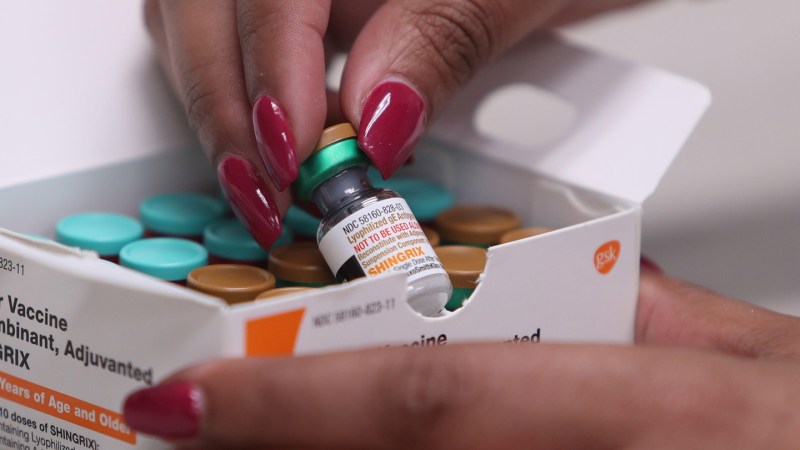
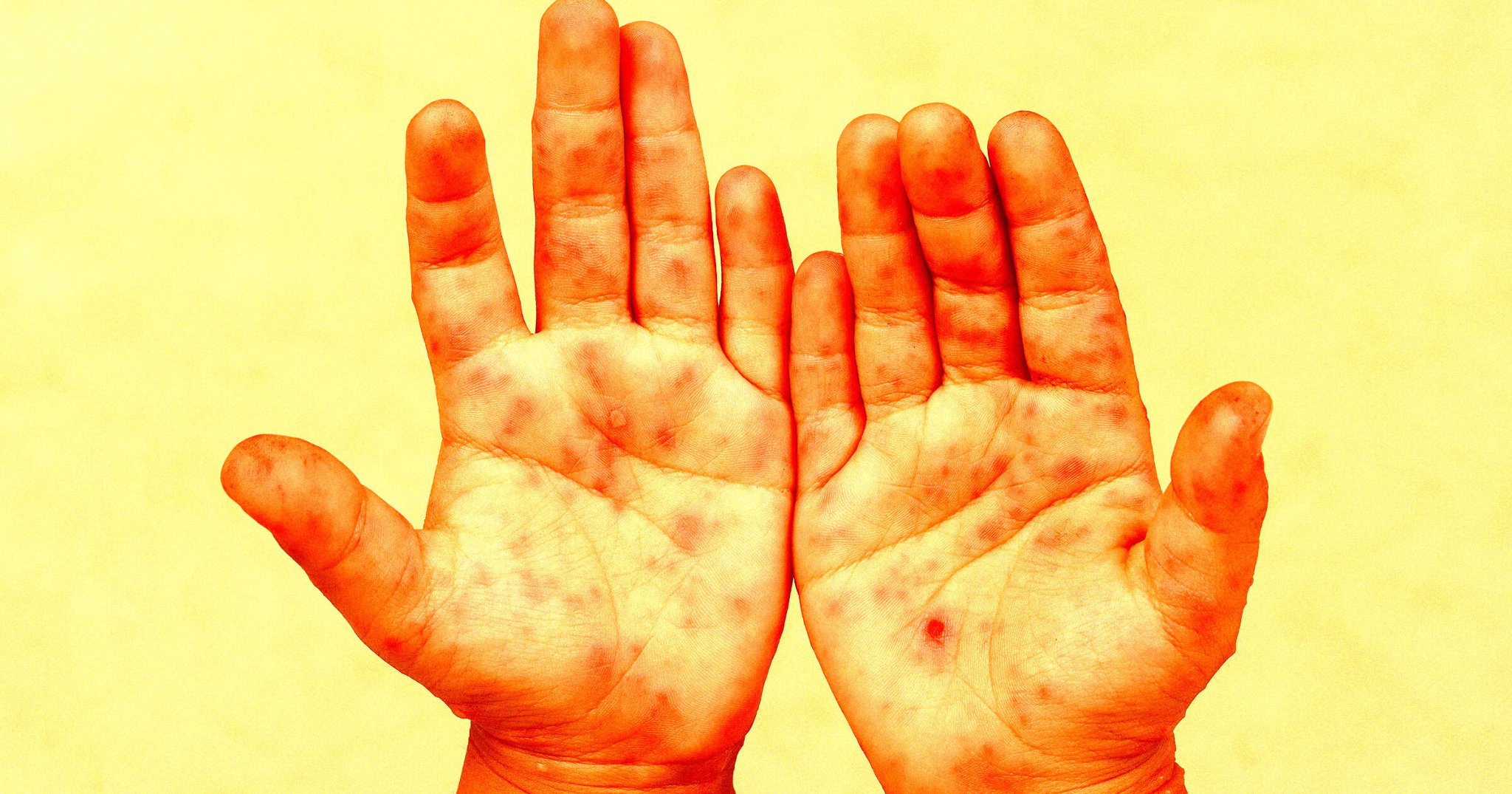
After health officials in Pennsylvania found that two young children died from measles, the Centers for Disease Control and Prevention is refusing to count their deaths as being caused by the deadly virus.
“This week’s measles outbreaks update will not include the two measles-associated deaths reported by the Pennsylvania Department of Health on Aug. 25,” the CDC posted on its website, in a high unusual announcement.
It’s a precedent shattering action. The New York Times called it an “extraordinary move for the CDC,” breaking with the agency’s long-standing procedure of accepting data shared by states.
The challenge by the CDC comes amid a political showdown between health secretary Robert F. Kennedy Jr, who oversees the CDC, and Pennsylvania’s Democratic governor Josh Shapiro.
At a news conference last week, Shapiro announced the deaths of the two children from measles and condemned Kennedy for spreading vaccine misinformation, saying that “there’s real life consequences for spreading misinformation.”
RFK Jr responded on social media by accusing Shapiro of taking “giddy delight” in their deaths and even suggested he may even “fabricated” them. The CDC’s own announcement that it would not be counting the deaths as measles related came just days after the public spat.
According to the latest reporting, one of the deceased was a newborn with a ruptured spleen, and the other was a child of unknown age. Both were unvaccinated and tested positive for measles, the Pennsylvania Health Department said, per the NYT. They came from Lancaster County, the center of a measles outbreak where 242 people have been infected with the disease so far, the most in the state.
Conflicting information over the children’s deaths gave rise to the heated controversy.
Though the state’s health department said both deaths were due to measles, Lancaster County coroner Stephen Diamantoni, a Republican, said that his office’s pathologist determined that the newborn — which was born infected with virus which it inherited from its mother — died of a ruptured spleen, not measles.
But some top medical experts have pushed back against Diamontoni. Measles can enlarge a baby’s spleen and make them prone to rupturing during birth, wrote Paul Offit, a renowned vaccine and pediatric infectious disease expert at Children’s Hospital of Philadelphia, in a widely reported essay on Substack. Once the spleen ruptures, it’s difficult to determine if it was enlarged after the fact.
Offit called on Diamontoni to provide more details surrounding the newborn’s death — and that, if it wasn’t measles, to offer an alternative explanation for the baby’s ruptured spleen. Since ruptured spleens in newborns is exceedingly rare and can be caused only by a handful of disorders or infections, he said, if one of those conditions wasn’t found in the child, then the “only obvious cause left would be measles.”
None of this explains why the CDC also refused to count the other child’s death, few details on whom have been released ot the public.
The Department of Health and Human Services, which oversees the CDC, defended its decision in a statement.
“The two measles-associated deaths announced by Pennsylvania have not been confirmed based on the information currently available to CDC,” it said, per the NYT. “The information currently posted reflects the best available information and our commitment to transparency and telling the American people the truth — a foundational principle of the Trump administration.”
If you’re one of the many people chowing down on melatonin gummies to help get to sleep, you may want to check out this study.
A new piece of research published by the American Heart Association made an alarming discovery about long-term use of melatonin supplements, an over-the-counter sleep aid used by tens of thousands. Basically, those who use melatonin over a year or more had a 90 percent higher risk of developing congestive heart failure over a five-year period.
Before you go flush your gummies down the toilet, there are a few caveats. For starters, the findings weren’t based on a clinical trial, but on data from a large database of anonymous health records. Researchers drew from data on chronic insomniacs, specifically, splitting them into two groups: those who have dosed the sleep-regulating hormone over a period of 12 months or more, and those who suffer without.
Still, the results are clearly worrisome. Overall, the study found that 4.6 percent of the melatonin group went on to develop heart failure, compared to 2.7 percent for the control group.
That wasn’t the only data point suggesting it may be time to wean off the ‘tone. A secondary analysis performed by the researchers found that melatonin users were nearly 3.5 times more likely to be hospitalized for heart failure than those in the other group, with hospitalization rates of 19.0 and 6.6 percent, respectively.
“Melatonin supplements are widely thought of as a safe and ‘natural’ option to support better sleep, so it was striking to see such consistent and significant increases in serious health outcomes, even after balancing for many other risk factors,” Ekenedilichukwu Nnadi, the study’s lead author and chief resident in internal medicine at SUNY Brooklyn, said in a press release.
While more in-depth research is needed to confirm the study’s results, the early findings indicate that melatonin use comes with some serious risks in the long-term.
“Melatonin supplements may not be as harmless as commonly assumed,” as Nnadi explained. “If our study is confirmed, this could affect how doctors counsel patients about sleep aids.”
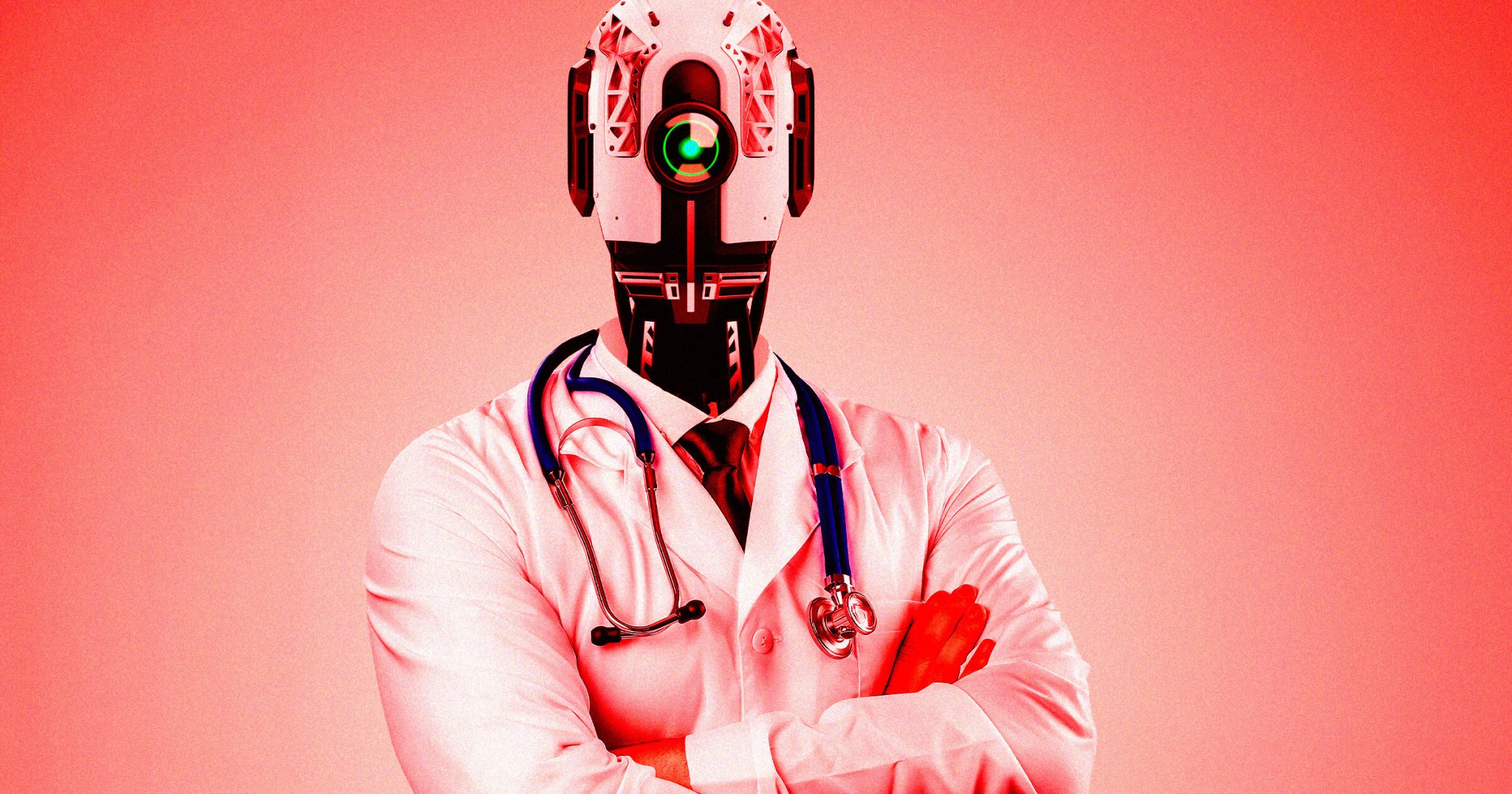
A new paper published in the Journal of the American Medical Association this month concluded, after surveying hundreds of studies on AI in medicine, that not only is AI already an indispensable tool that supports doctors, but that it’s in many ways surpassing them, and will soon be able to care patients on its own better than a human physician could.
“In cognitive medical functions, AI-alone medical care is likely to be better than physician-only or physician-AI hybrid care,” the authors, the widely renowned bioethicist Ezekiel Emanuel and venture capitalist Vinod Khosla, flatly declare.
But many physicians aren’t having it, Wired reports. One of the paper’s chief critics is the CEO of the American Medical Association himself, John Whyte. According to Whyte, some of the studies it surveyed are simulations, instead of blinded experiments, the gold standard of medical studies. And some contradict the author’s conclusions, such as a Nature article from February that found that most patients had a hard time talking to AI chatbots to get the expertise they needed, he argued.
“The AMA does see the potential in these tools, but they have to be utilized in the context of a care plan that’s governed by a physician,” Whyte told Wired.
The controversial study cites the rapid progress of LLMs since being publicly introduced in November 2022 with the release of ChatGPT. In spite of the tech’s relatively young age, the paper claims it already surpasses doctors at five fundamental tasks, which include: eliciting relevant medical information from patients, diagnosing the patient and conducting diagnostic testing, and managing chronic diseases.
This gap between physicians and AI will widen because AI is “rapidly improving,” it predicts, while human doctors have their own capabilities diminished, or are “deskilled,” by becoming dependent on the very same AI models.
“We’re making a prediction for four years from now,” Emanuel told Wired. “You don’t think that [AI is] going to be way more advanced than a doctor?”
Taking this to its logical endpoint, the paper makes another bold claim: human physicians are better off not getting in AI’s way, finding that human-AI hybrids “actually degrade performance compared with AI alone.”
“Thus, as AI improves, having humans in the loop will likely worsen patient care,” it adds.
There’s a kernel of truth to this. AI-deskilling is already happening, with senior doctors warning of how med students are already heavily relying on AI tools. To be fair to the med students, though, so are actual doctors: internal data from OpenEvidence, an AI chatbot specifically designed for clinicians, suggests that around two thirds of physicians in the US are using the tool.
New ground in AI in medical applications, meanwhile, is being broken seemingly every day. Last week, a team of neurosurgeons in the UK announced that they’d used an AI tool that guided them as they performed surgery to remove a tumor from a patient’s brain.
Robert Wachter, head of medicine at the University of California, San Francisco (and a friend of Emanuel), cautions that AI and humans together are better for now, but that in the future, there “will be times when humans will muck up the performance,” he told Wired.
Still, he emphasized that human doctors will always be irreplaceable. He called the idea of AI automating doctor’s jobs an example of the “doorman fallacy”: the fear that doormen would be made obsolete with the introduction of automatic doors. Doormen stuck around, accepting packages while also providing an air of hospitality that a robotic door can’t. The idea that highly trained doctors who spend years of their life honing their craft will become a bougie novelty like the doorman, somehow, is meant to be comforting.
In any case, it’s common to hear highfalutin claims to come from advocates of AI technology, and nearly as common to see holes poked in them. Advocates of AI in education declared victory when a much-hyped study concluded that ChatGPT can have a “large positive impact on improving learning performance,” for instance, but the study was later retracted by the publisher Springer Nature after it found major discrepancies in its analysis.
Ever seen the guy online who eats raw liver? What about the podcast by the guy who only eats meat and a little spinach? Unlike tigers or sharks, people aren’t carnivores. But you’d never know that if you went on social media.
A lot of influencers on social media and podcasts promote diets with as much protein — and as few carbohydrates — as possible. Some diet influencers talk about carbohydrate-rich foods, such as potatoes and bread, as though they’re poison, not a source of nutrients.
Even the U.S. government has gotten on the low-carb bandwagon.
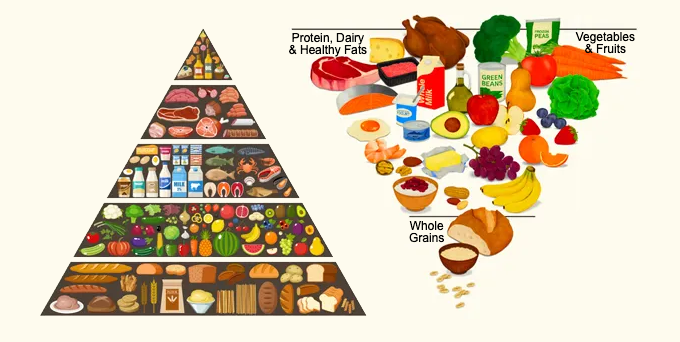
For more than 100 years, government agencies have helped people decide which foods to eat. Past guidelines often looked like a pyramid. The biggest section at the bottom — the foundation — comprised those foods that people should eat the most.
These images and guidelines changed over time as scientists learned more about how our bodies respond to food. But until 2026, the guidelines always promoted eating lots of bread, rice, cereals, fruits and veggies. These foods all have one important thing in common: carbohydrates. These foods are high in sugars, starch and fiber.
The latest food guidelines have now turned that pyramid upside down, literally.
The old food pyramid (left) had grains and carbohydrates at the bottom, making up the base. It suggested you should eat a lot of them. The new food pyramid (right) is flipped, with grains only at the tip. It now suggests you should eat very few carbs. Left: Gurzzza/iStock/Getty Images Plus Right: U.S. Department of Agriculture/U.S. Department of Health and Human Services; adapted by LSH
Scientists and doctors have worried that too many sugary treats can promote weight gain and poor health. And carbohydrates tend to be a big component of cookies, candy and soft drinks. Based on that, some people trying to promote health will suggest we eat as few carbohydrates as possible. There are even people who try to eat mostly meat and fats — and go on social media trying to get others to do the same.
But carbohydrates aren’t evil. Often, they’re exactly the burst of energy our bodies need.
Carbs come in many different types. Some provide quick energy for our brains and muscles. Others feed our gut bacteria or help us poop. Too many carbohydrates from sugars can be harmful in the long run. But cutting them from our diet isn’t the answer. Carbs can be an important — and delicious — part of healthful eating.
How to build carbohydrates
All living cells contain carbs. The word “carbohydrate” points to what these molecules are made of: a mix of carbon, hydrogen and oxygen atoms. (Carbo refers to carbon. Hydrate points to their hydrogen and oxygen atoms.) Which carbohydrate they are will depend on how many atoms come from each element and how they are arranged.
Every carbohydrate is built from sugar units called saccharides (SAK-uh-rydes). The smallest building block — a monosaccharide (MON-oh-sak-uh-ryde) — denotes that it has just one saccharide.
Glucose is a monosaccharide. Its chemical formula — C6H12O6 — denotes that it has 6 carbon atoms, 12 hydrogens and 6 oxygen atoms. This molecule is important to health. It provides energy for our cells, including our muscles and brain. The term blood sugar refers to the amount of this glucose circulating in our blood.
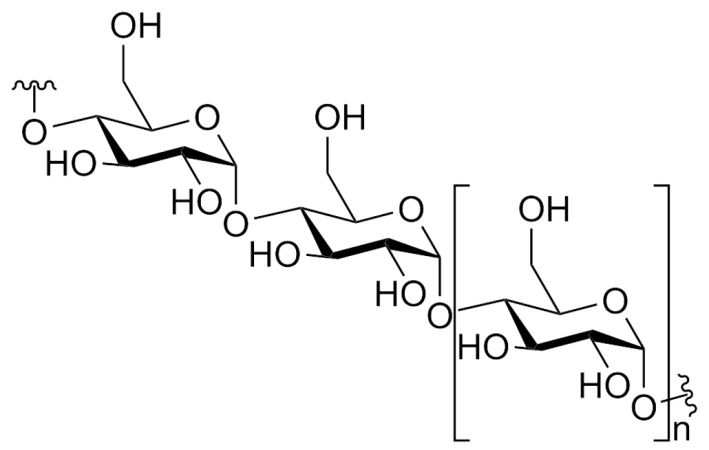
Amylose
This is a chemical drawing of amylose, a type of starch that is a long chain of glucose molecules linked together. The brackets indicate a single glucose unit. The “n” at the bottom right corner is to show that there could be many more glucose molecules.
Hbf878/Wikimedia Commons
Other monosaccharides your body might encounter include fructose (FROOK-tose), galactose (gah-LACK-tose) and xylose (ZY-lose).
Sucrose, sometimes called table sugar, sweetens a lot of candy and baked goods. It’s a disaccharide (die-SAK-uh-ryde), meaning made of two sugar units — in this case, a glucose hooked onto a fructose molecule.
Then there are the polysaccharides. These “are usually long chains of multiple glucose molecules joined together,” explains Michael Gleeson. He’s a sport nutritionist at Loughborough University in England.
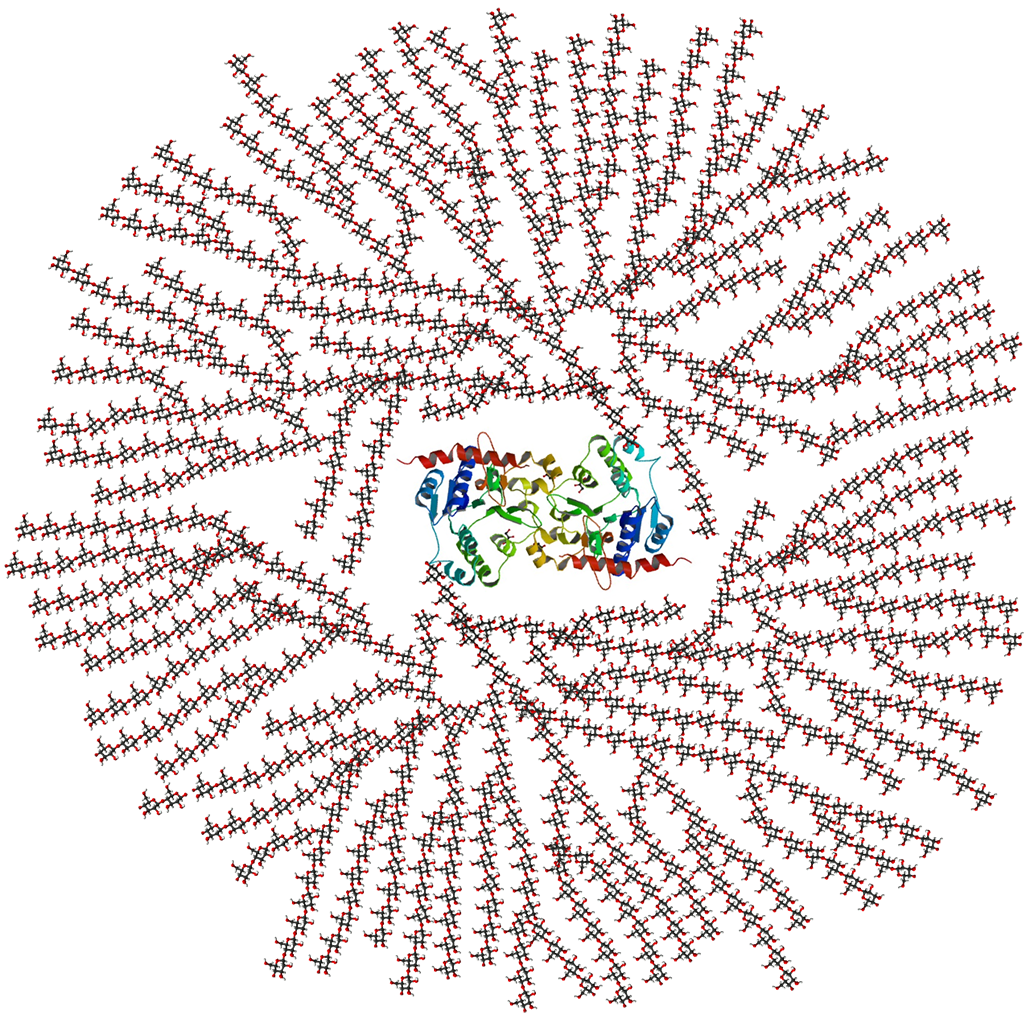
Glycogen
Mikael Häggström, used with permission/Wikimedia Commons
This is a chemical drawing of glycogen, a carbohydrate molecule that our bodies use to store glucose. The long chains here are made up of glucose molecules waiting to be used.
Although there are many types of polysaccharides, our bodies encounter three most often. One is glycogen. Animals use this molecule to store sugars as energy. “We find that in our muscles and our liver,” Gleeson says. The second, or starch, is “a storage form of energy in plants,” he explains. The third type is fiber, which our bodies can’t turn into energy.
When scientists talk about carbohydrates in food, they call monosaccharides and disaccharides “simple” sugars. These are common in processed foods. Polysaccharides such as starch are “complex” carbohydrates and more commonly turn up in less-processed foods, explains Kimber Stanhope. She’s a nutrition researcher at the University of California, Davis. “Rice and wheat and oats and corn — those foods are mostly starch,” she notes.
Types of carbs
Type of carbohydrate
Examples
Where to find them
Monosaccharides
Glucose, fructose, galactose, xylose
Glucose tablets or nutrition supplements
Disaccharides
Sucrose, lactose
Table sugar, sugar in milk
Oligosaccharides
Starches such as amylose and amylopectin
Starchy foods like bread or rice
Polysaccharides
Pectin, cellulose, hydrocolloids, guar gum
Whole fruits and vegetables, beans, jams and jellies, corn starch
From food to fuel
Foods we classify as “carb-rich” often contain a mix of different carbohydrate molecules. For example, a cookie will have plenty of sucrose. But it also has flour, which contains starch. Whole-wheat bread will have starch and some sugar, as well as fiber. Vegetables, such as carrots, are made of cells that contain starch, sugars and fiber.
Our bodies can use glucose molecules right away. Other carbohydrate molecules must first be broken down.
Complex carbohydrates “are relatively large molecules,” Gleeson explains. The gut can’t directly absorb them. They must be digested — their polysaccharide chains broken apart — to release their glucose units.
That digestion starts in the mouth, Gleeson explains. Saliva contains enzymes — molecules that speed up chemical reactions. “Your spit contains some enzymes, which break down the long-chain carbohydrates into disaccharide units,” he says. Those much simpler sugars head to the stomach. But, he adds, little carbohydrate digestion goes on there. Why? “The enzymes that are coming [in with] the saliva,” he explains, “are inactivated by [stomach] acid.”
After the stomach, “you’ve mixed everything up into a nice sort of soup-like consistency,” called chyme (KYME), Gleeson explains. “That’s sort of squirted, almost, into the small intestine. And there we secrete enzymes into the small intestine from the pancreas.”
Those enzymes finish the job, splitting disaccharides into monosaccharides such as glucose. Our blood then absorbs the glucose and moves it around the body.
When that blood reaches the liver, an enzyme grabs glucose from it. Called glycogen synthase (GLY-koh-jen SIN-thays), this enzyme links up the glucose molecules to form glycogen. Glycogen then gets stored in the liver and muscles. Fat cells also store glucose in the form of triglycerides (Try-GLIH-sur-ides). The body will draw on these sources when it needs more energy.
This liver-enzyme reaction has turned carbs from food into a stored fuel. The liver turns off this enzyme when it determines that it has made enough glycogen.
Sugar’s not always sweet
The body aims to keep blood glucose levels fairly constant. So when cells draw down this sugar, the liver begins breaking down some stored glycogen, releasing its glucose into the blood.
That’s especially important during exercise, as your muscles burn through glucose to power activity.
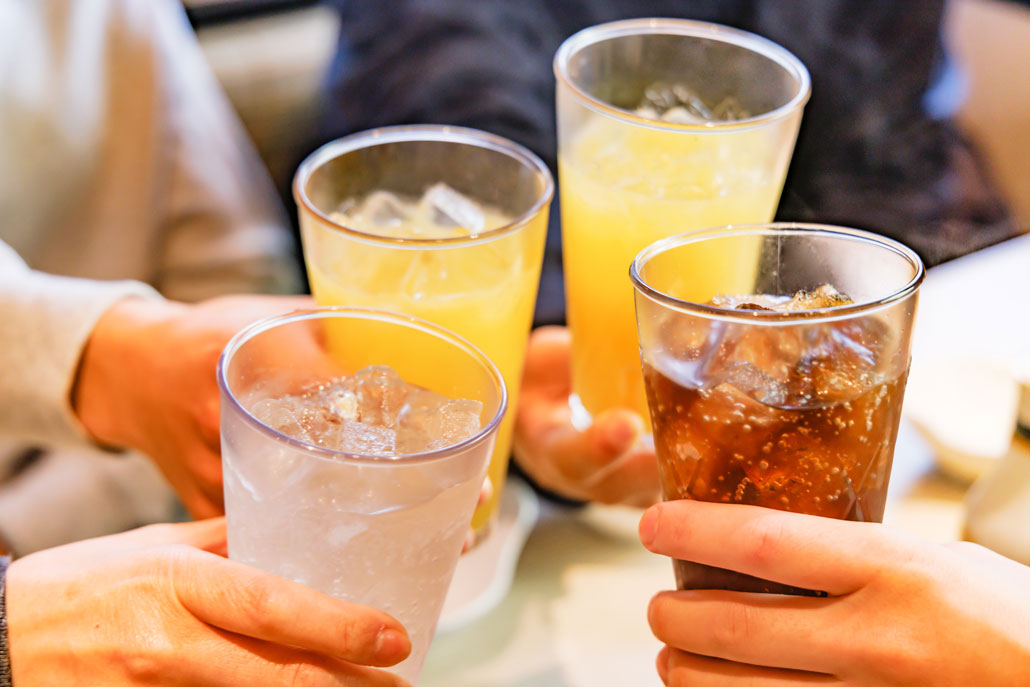
It’s a different story for fructose. This monosaccharide pairs up with glucose to make sucrose. But it’s also found on its own in fruits, vegetables and honey. Manufacturers have also sweetened many sugary foods and drinks with this sugar in the form of high-fructose corn syrup.
Sweetened drinks can contain a lot of sucrose, a disaccharide made of equal amounts of glucose and fructose. But many are sweetened with high-fructose corn syrup, which has more fructose than glucose. taka4332/iStock/Getty Images Plus
In the liver, an enzyme called fructokinase (Frook-toh-KY-nase) sets off the first step in turning fructose into glycogen. But unlike the enzyme that processes glucose, fructokinase “doesn’t seem to get turned off — ever,” explains Stanhope at UC Davis.
So if you’re drinking a sugary soft drink, “86 percent of all the fructose you’re consuming in that … drink goes into the liver,” Stanhope says. “The liver does the best it can with all this fructose, but now it’s overloaded.” The liver will now turn any excess into fat, she explains.
Too much fat can hamper how the liver reacts to hormones such as insulin. As a result, the organ stores even more sugars as fat. “You just keep going around in circles and making the situation worse,” Stanhope explains.
That’s why eating too much fructose can be a problem. The issue isn’t fructose from fruits and vegetables, though. Consider a sweet fruit, such as grapes, Stanhope says. “They basically average around 16 percent of their weight as sugar.” But fruits and veggies also contain fiber and other complex carbohydrates, as well as vitamins and other nutrients.
Most of the sugar in our diet doesn’t come from fruit but from sweetened baked goods and drinks. Oreos, for instance, are 38 percent sugar, of which fructose is half.
Many sweets have even higher levels of fructose than that. Some highly processed foods — not only soda but also canned soups and some sauces — can contain a type of corn syrup that is 55 percent fructose (five percent more fructose than in table sugar), Stanhope says.
What really worries her are some corn syrups where the share of fructose is higher still. One 2014 study tested sodas and juices containing high-fructose corn syrup. Many of these drinks contained 60 percent fructose — some even close to 70 percent. That’s a lot for the liver to handle.
Fruits, vegetables, beans and whole grains have lots of fiber, which can help control cholesterol and blood glucose — and help you poop. apomares/E+/Getty Images
Too much sugar, not enough fiber
While our bodies can break down starches and sugars for energy, other carbohydrates are tougher. Consider fiber.
Fibers are polysaccharides found in plants. Our bodies cannot fully break these down. Fibers include the cellulose that makes plant cell walls stiff. They include the pectins (PEC-tins) that firm up fruits. You’ll find them in whole fruits, vegetables, beans and whole-grain products (such as whole-wheat bread).
Our bodies can’t convert fiber into energy. But our bodies still find it useful, notes Leslie Cho. A cardiologist, or heart specialist, she works at the Cleveland Clinic in Ohio.
Fiber comes in two types. Soluble fiber, as its name suggests, dissolves in water. This type shows up in foods such as apples, bananas, avocados, citrus fruits, carrots, beans and oats. By acting like a sponge, Cho says, “it helps you lower your cholesterol and glucose.”
Cholesterol (Ko-LES-ter-ol) is a fatty material that drifts in our blood. Over time, it can collect in blood vessels and increase someone’s risk of heart attack or stroke. By soaking up cholesterol, soluble fiber helps eliminate it.
That sponge-like fiber can also trap glucose so that it takes longer for those sugar molecules to enter the blood stream. If you eat a lot of sugar and no fiber, Cho explains, “you absorb glucose very quickly and you tend to get hungry again.” Soluble fiber keeps you feeling fuller longer. And it’s especially helpful for people with high blood sugar, such as those with type 2 diabetes.
The other fiber — the insoluble type — “doesn’t dissolve in water, and it helps you with your stomach and your intestine,” Cho says. Vegetables, whole-wheat bread, potatoes, beans, nuts and seeds all contain this type.
This fiber even helps you poop; it’s one of the ways your body takes out the trash. How? Insoluble fiber adds bulk and pulls water into your stool. That keeps you pooping just often enough for comfort.
Soluble and insoluble fibers also serve as an important food for the bacteria in your microbiome. Those are the bacteria that live in your gut, Gleeson explains. “They have a big influence on your immune system and on your health.”
Bacteria can break some fiber down into molecules that affect our immune and other systems. These bacteria “also produce chemicals that can communicate with the brain,” Gleeson says. In this way, “They influence your mood and your sleep.”
Most people eat too little fiber, Gleeson says. Diets with lots of simple sugars don’t have enough fiber to keep our microbes happy. We’re talking about meals that contain lots of white bread or rice, cookies and cakes — and too few fruits, vegetables, beans or whole grains.
Like proteins and fats, carbohydrates are an important macronutrient. But do people need them?
The body needs certain fatty acids and amino acids to build cells and operate effectively. That’s why we need to eat fats; they provide some essential fatty acids that our bodies can’t make, notes Gleeson. And, he adds, “Protein is absolutely essential, because there are [also] amino acids in those proteins” that we can’t make on our own.
But technically speaking, he says, you can live without eating carbohydrates.
Glucose is an essential fuel for the brain, Gleeson explains. Fortunately, the body can make it from fats, amino acids and water. Getting glucose this way wouldn’t be a very tasty life, though. And people who live on extremely low-carb diets can miss out on fiber, vitamins and other nutrients.
But for some carbs, reducing how much of them you eat isn’t a bad idea. We don’t need nearly as much sugar — especially soft drinks, candy or cake — as we eat, observes Stanhope at UC Davis.
“There is simply no doubt,” she says: “Evidence shows sugar is detrimental to our health when consumed at high levels.” The problem: “We just don’t know for sure how high ‘high’ is.”
Because of worries about too much sugar, some people try diets with as few carbohydrates in them as they can manage — eating mostly meat and a few veggies. But such low-carb diets won’t necessarily result in a healthy body, Gleeson points out.
Living the low-carb life tends to be high in fats and protein. Long term, all that fat and protein can put people at risk for heart disease, type 2 diabetes and problems with their kidneys (the organs that produce urine). People on low-carb diets who don’t eat enough fiber also don’t poop enough, suffering constipation.
Carbohydrates are important forms of energy, especially if you’re about to do a high-intensity workout, like sprinting. Tony Anderson/Stone/Getty Images
And if you’re an athlete, your body definitely needs carbs. Athletes perform their best with carbs, Gleeson has shown in his research. Complex and simple carbohydrates are the easy energy our bodies use to work hard.
“As soon as you start doing hard running, sprinting as fast as you can, performing any all-out efforts, then you’re going to be using carbohydrate,” he says.
“There is no food group that’s bad,” Cho adds. “You can’t eliminate one whole thing and think you’re doing a good job.” Although high doses of simple sugars can cause problems, other carbohydrates don’t. “We often [confuse] ‘good’ carbohydrates with ‘bad’ carbohydrates,” she notes. And unfortunately, that can give important nutrients a bad rap.
The trick is eating enough carbs — and a diverse mix of them — to give us energy and a great-tasting diet. Just don’t overdo it.
“Moderation is important, even though these things taste good,” Cho says. And much as cookies, soda and candy are delicious, they don’t contain fiber or other nutrients. “Instead of having five chocolate bars, maybe you can just have one.”
Editor’s note: The enzyme used to transform glucose to glycogen was originally misreported as phosphofructokinase. This was corrected to glycogen synthase on September 9. In addition, fat stores glucose not as glycogen, but as triglycerides.
The biggest fibromyalgia genetics study yet zeroed in on 26 genetic risk factors for the pain disorder, including one in the Huntington's disease gene.
Patel lacked virtually any degree of relevant working experience for the job before the Senate confirmed him — and now, the agency is opening the doors for even more highly questionable hirings.
As inside sources told CBS News, the FBI has quietly lowered standards of its background checks for potential federal agents and other personnel. The bureau is now officially looking the other way when it comes to prostitution, for instance — as long as recruits didn’t hire sex workers over three times.
Even more eyebrow-raising is that the FBI is even allowing the consideration of candidates who engaged in bestiality or animal cruelty, according to CBS‘ sources. However, any such incidents would’ve had to have taken place before the candidate turned 18.
The broadcaster’s sources also said there was no distinction between candidates who were forced into sexual activity with animals or if they did so willingly. An FBI spokesperson claimed that eligibility requirements were limited to a “narrow set of circumstances, such as in cases where a person was sexually abused with animals as a child.”
Experts, however, were appalled at the news, arguing that the FBI is undermining its responsibility in vetting applicants by changing background check standards.
“Bestiality is clearly a potential indication of a more serious emotional issue, and even in a circumstance where it is not, the pool of candidates should be extensive enough that the criteria should certainly not be eliminated,” former FBI agent James Davidson told CBS.
Before the changes, which were reportedly implemented earlier this summer, the FBI’s webpage was clear about automatically disqualifying special agents who engaged in “prostitution or bestiality.”
Both current and former FBI employees told the CBS that the bureau could now be hiring “people with questionable backgrounds,” allowing them to undermine the integrity of the service. Others warned that the news was evidence of a major “recruiting problem.”
Considering the fact that the agency is being helmed by a personality as controversial as Patel, these changes shouldn’t come as too much of a shock.
While he hasn’t personally acknowledged the latest changes, Patel has frequently called for new hiring standards at the bureau, arguing that “we are losing too many qualified candidates to the rigors of the requirements from yesteryear” in a July interview with former FBI agent John Nantz.
Patel’s motivation for lowering standards could be to bring in his closest associates. As ProPublica reported in November, his personal assistant didn’t clear their polygraph test and required a waiver, claims the FBI has since denied.
It’s no secret that doctors across the world are using AI tools to do stuff from taking notes to looking up questions. But what about the next generation of doctors still in training? According to two medical professionals on the ground, the situation is looking pretty alarming.
With AI being used by med students, “the danger is not just deskilling but never-skilling,” write Simar Bajaj, a journalist and med student at the Stanford University School of Medicine, and Joseph Sakran, a trauma surgeon and executive vice-chair of surgery at Johns Hopkins Medicine, in an essay for The Guardian.
“Although a doctor who has forgotten how to reason is recoverable,” they added, “one who never learned how may not be.”
Bajaj and Sakran point to two alarming recent findings.
One is internal data showing that around two thirds of doctors in the US are using OpenEvidence, an AI chatbot specifically designed for clinicians. The technology is already prevalent and deeply woven into how medical professionals carry out their jobs.
The next is a new study published in the journal NatureMedicine that evaluated the reliability of these medical-specific large language models. Shockingly, the clinical AI tools performed worse at answering medical queries than general purpose chatbots like ChatGPT and Claude did, the work found. According to the authors, it performed about on par to Google’s AI Overviews, which are notorious for being wonky and inaccurate.
Even if AI tools may be handy for research — and putting aside the major questions over their reliability — they’re no substitute for relying on your brain, as fallible as it might be, because when you’re learning, “the struggle is the point.”
“For example, trainees once asked to build a list of potential diagnoses might struggle and offer an incomplete set, learning what they missed, sometimes painfully,” Bajaj and Sakran wrote. “Now, trainees can simply ask OpenEvidence and get a nearly perfect answer, complete with possibilities they might have never considered and none of the embarrassment of having overlooked them.”
Where AI is different from medical advances in the past is that it’s “not just expanding what doctors can see,” they wrote, “but inserting itself into the cognitive machinery that training is meant to build.”
“The process of deliberately crafting the note forces us to use our brains to really wrestle with what’s happening,” Jaideep Talwalkar, associate dean of educational technology and innovation at Yale School of Medicine, told Stat News. “There’s an importance in doing that with great repetition.”
Bajaj and Sakran have a few suggestions for how to deal with this. One is requiring trainees to periodically work through cases without any AI help, similar to how the Federal Aviation Administration advises aviators to periodically disengage autopilot and fly by hand. Of course, another powerful deterrent could be shame. A recent John Hopkins student found that doctors who used AI are viewed with scorn and skepticism by their peers.
When you’re feeling sad, angry or stressed, it might be tempting to ask a chatbot for help. In fact, a new survey of 12- to 21-year-olds showed that nearly 1 in 5 of them had turned to AI for mental health support. That’s up from 1 in 8 just a couple years ago.
It’s perhaps not surprising that many teens and young adults are seeking advice. In 2023, a whopping 40 percent of high school students said they felt so sad or hopeless that they couldn’t engage in activities that are normal for them. In 2024, 15 percent of 12- to 17-year-olds had a major depressive episode — many without treatment.
Clearly, there is a big need among young people for mental and emotional support. But as lifelike as they might sound in conversations, chatbots aren’t real people with empathy. And free, general-use chatbots such as ChatGPT, Meta AI and Character.AI weren’t built to support mental health. They don’t earn licenses to offer therapy — or follow rules for treating patients — the way humans do.
So, what should teens know before using AI tools for mental health advice? Science News Explores asked the experts.
“There absolutely are positive use cases for using even general-purpose [chatbots] to learn more about mental health,” says psychologist Vaile Wright. These tools can help you search for information on mental health conditions and find resources. (Just be sure to double-check a chatbot’s answers.)Malte Mueller/fStop/Getty Images
Should AI ever be used for mental health help?
A chatbot could help you learn more about mental health issues, says Vaile Wright. A psychologist in Chicago, Ill., she works with the American Psychological Association.
You could use AI to search for information about mental health conditions and resources online, Wright suggests. (Just be sure to double-check its findings. Chatbots sometimes make stuff up.) An AI might even be able to offer “some basic advice if you’re struggling in the moment and don’t know where else to turn,” Wright says.
Treating a chatbot like a therapist, though, is not wise. “It’s really when you’re having these multi-turn, very extended types of conversations where you’re using the chatbot to fill some sort of emotional gap in your life,” Wright says, that you enter risky territory.
Why doesn’t a chatbot make a good therapist?
A real therapist’s goal is to help their patient. Chatbots are different. “They’re purposely engineered to keep people on the platform for as long as possible,” Wright says. “The way they do that is by being exceedingly validating and just telling people exactly what they want to hear.” That might feel good. But it’s not what a therapist would do. And it’s not likely to give you useful advice.
“A therapist is going to validate somebody’s feelings,” Wright says. “But it’s also our role to point out where … someone’s acting, thinking or feeling in ways that’s not maybe helpful to them.”
Plus, a chatbot doesn’t have the same types of information a therapist does, says Darja Djordjevic. She’s a psychiatrist at Stanford University in California. “AI was built to have this encyclopedic knowledge,” she says. “But it doesn’t understand the context of people’s lives.” That well-rounded knowledge of a person is key to aiding their mental health.
What are the risks of treating chatbots like therapists?
“They do not handle any mental health crises or emergencies well,” says Djordjevic. She has studied how AI systems would respond to users with a variety of mental health conditions, such as self-harm, anxiety and eating disorders.
“The models really don’t do a good job of recognizing … situations that would warrant human intervention,” Djordjevic says. “Unfortunately, we have some very tragic, more extreme cases [showing this] that involve young people.” Take Adam Raine, 16, of California. He died by suicide last year after discussing his suicidal thoughts with ChatGPT.
Djordjevic notes how crucial human connection is. “We have very little research right now on what the long-term effects of using AI for mental health would be,” she says. “What we do have a lot of research on is how much social connection and human contact are important for health and flourishing. So we know what’s good for us.” Leaning on AI might get in the way of forming crucial connections with real people.
There also are privacy risks to using AI, adds Wright. “Everything [you] put in these apps is not private. All the chats are maintained.” If a chatbot were hacked, someone else might be able to read your sensitive conversations with a bot.
A chatbot might be able to help you brainstorm ideas for how to ask a trusted adult for mental or emotional support. Frants Tsyvinskyi/iStock/Getty Images Plus
Any advice for seeking mental health help from people, not chatbots?
“It doesn’t have to be an either-or,” Wright says. “You could use the chatbot to say, ‘I’m nervous about approaching my dad about my concerns. How could I do it?’… Using the chatbot as a tool to connect with human relationships in real life, I think, is probably one of the most impactful things that this technology can do.”
Sometimes, it might seem easier or less embarrassing to ask a computer about mental-health issues than a real person. In the new survey, almost two-thirds of young people who used chatbots for mental health didn’t tell anyone they were doing it.
But for anyone nervous about seeking human help: Fear not, Djordjevic says. “A lot more adults and people around you have struggled at some point or struggle with mental health issues than you think.”
Suicide was the third leading cause of death among U.S. teens ages 15-19 in 2024. If you or someone you know is suffering from suicidal thoughts, please seek help. In the United States, you can reach the Suicide Crisis Lifeline 24/7 by calling or texting 988 or chat at 988lifeline.org. Please do not suffer in silence.

 Login