Login

NATO Shot Down a Drone Over Lithuania. What Comes Next
By Alius Noreika Key takeaways Half an hour over Lithuania Two Italian Air Force Eurofighter Typhoons scrambled from Šiauliai

Recently, operators from the Department of Active Operations and the Department of Unmanned Systems of the Main Intelligence Directorate of the Ministry of Defence of Ukraine carried out a joint deep-strike operation with the Ukrainian Defence Forces, during which another oil refinery on Russian territory was struck. The refinery in question is ‘Slavyansk-ECO’, located in […]
The post Successful Deep-Strike Operation: Defense Intelligence of Ukraine and Defense Forces Hit Another Russian Oil Refinery appeared first on AERONAUT.media.
The Ukrainian Defense Forces struck the Volgogradpromproekt facility in the Russian city of Volgograd during the night of September 11. Ukraine used FP-5 Flamingo cruise missiles in the attack. This was reported by Fire Point on its Telegram channel. The Flamingo cruise missiles successfully reached their intended target. The Dnipro OSINT community reported on Telegram […]
The post Ukrainian FP-5 Flamingo Missiles Strike Sanctioned Chemical Plant in Volgograd appeared first on AERONAUT.media.
Chinese-made drones are flying out the bodies of flood victims and delivering food to survivors in the aftermath of devastating flash floods on the border of Nepal and China’s Tibetan region.
Nepal’s army has been using four DJI FlyCart 100 drones donated from China to make 10 to 16 aid deliveries each day, according to Reuters. This comes after a partial glacier collapse in the Himalayan mountains unleashed a sudden surge of water, mud, and debris that swept through border crossings, valley communities, and hydropower projects on August 26.
The DJI Flycart 100 Drones come with a 98-foot rope and winch system for picking up and dropping off heavy loads. The website of Chinese drone company DJI describes the drones as being able to carry between 187 and 220 pounds, depending on the battery configuration.

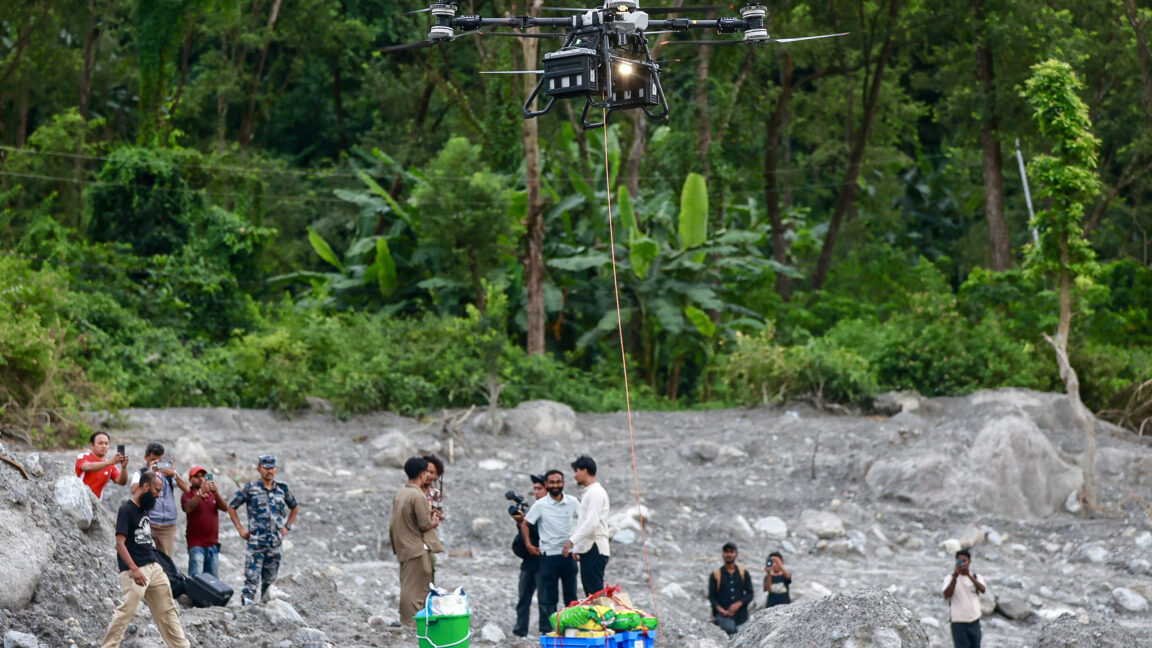
© PRABIN RANABHAT / AFP via Getty Images
Chinese-made drones are flying out the bodies of flood victims and delivering food to survivors in the aftermath of devastating flash floods on the border of Nepal and China’s Tibetan region.
Nepal’s army has been using four DJI FlyCart 100 drones donated from China to make 10 to 16 aid deliveries each day, according to Reuters. This comes after a partial glacier collapse in the Himalayan mountains unleashed a sudden surge of water, mud, and debris that swept through border crossings, valley communities, and hydropower projects on August 26.
The DJI Flycart 100 Drones come with a 98-foot rope and winch system for picking up and dropping off heavy loads. The website of Chinese drone company DJI describes the drones as being able to carry between 187 and 220 pounds, depending on the battery configuration.
© PRABIN RANABHAT / AFP via Getty Images
Satellite imagery and new data reveal the aftermath of the recent strike on Novorossiysk. As a reminder, during the night of September 9, Ukraine’s Defense Forces – including the Security Service of Ukraine (SBU), Unmanned Systems Forces, Ukrainian Navy, the GUR Defense Intelligence active operations department, and the State Border Guard Service – attacked a […]
The post Ukrainian Drones Strike Kalibr Carriers: What New Images of the Novorossiysk Base Reveal appeared first on AERONAUT.media.
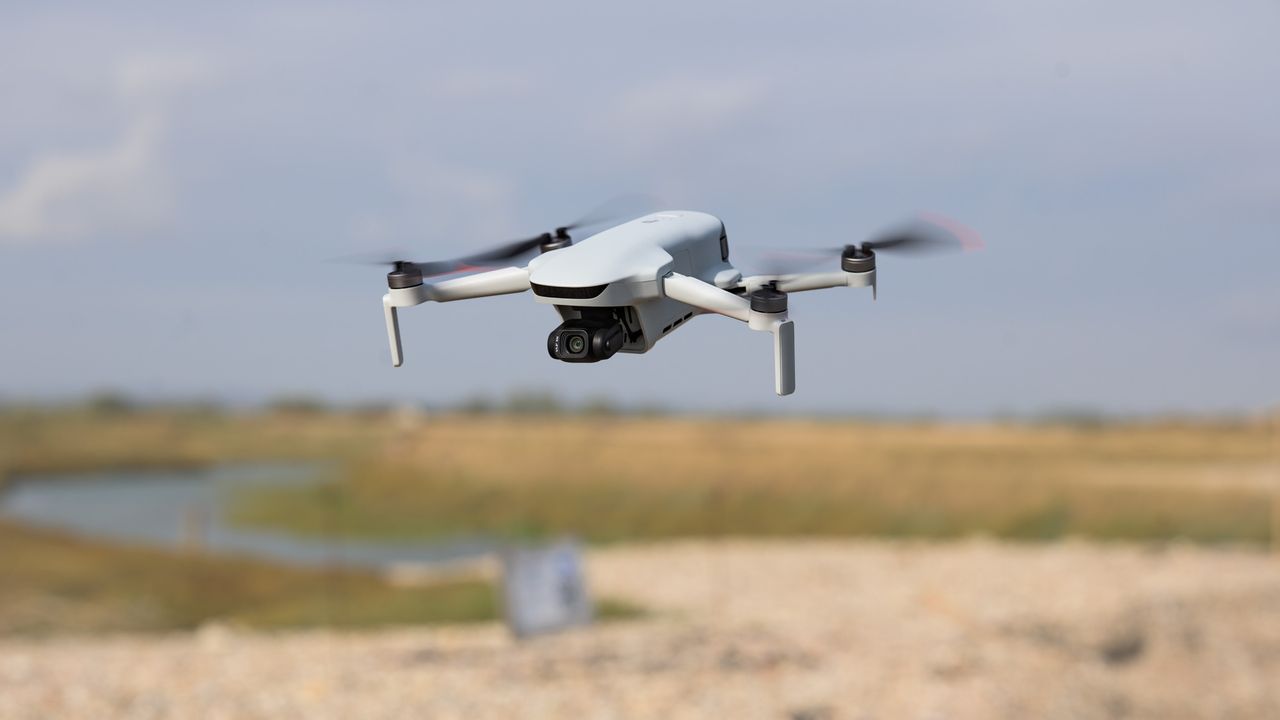
Many have tried and failed to produce drones to rival DJI's, but the Potensic Atom 3 is a DJI drone alternative that's actually worth considering — and not just on paper, but in actual flight conditions.
The folding quadcopter impresses with level 5 wind resistance and a 10% bigger battery than its predecessor, the Atom 2, making for robust flight performance even in tricky conditions. It's gargantuan RC PTD 2 touchscreen controller (in the pricier bundle) feels top-drawer, too.
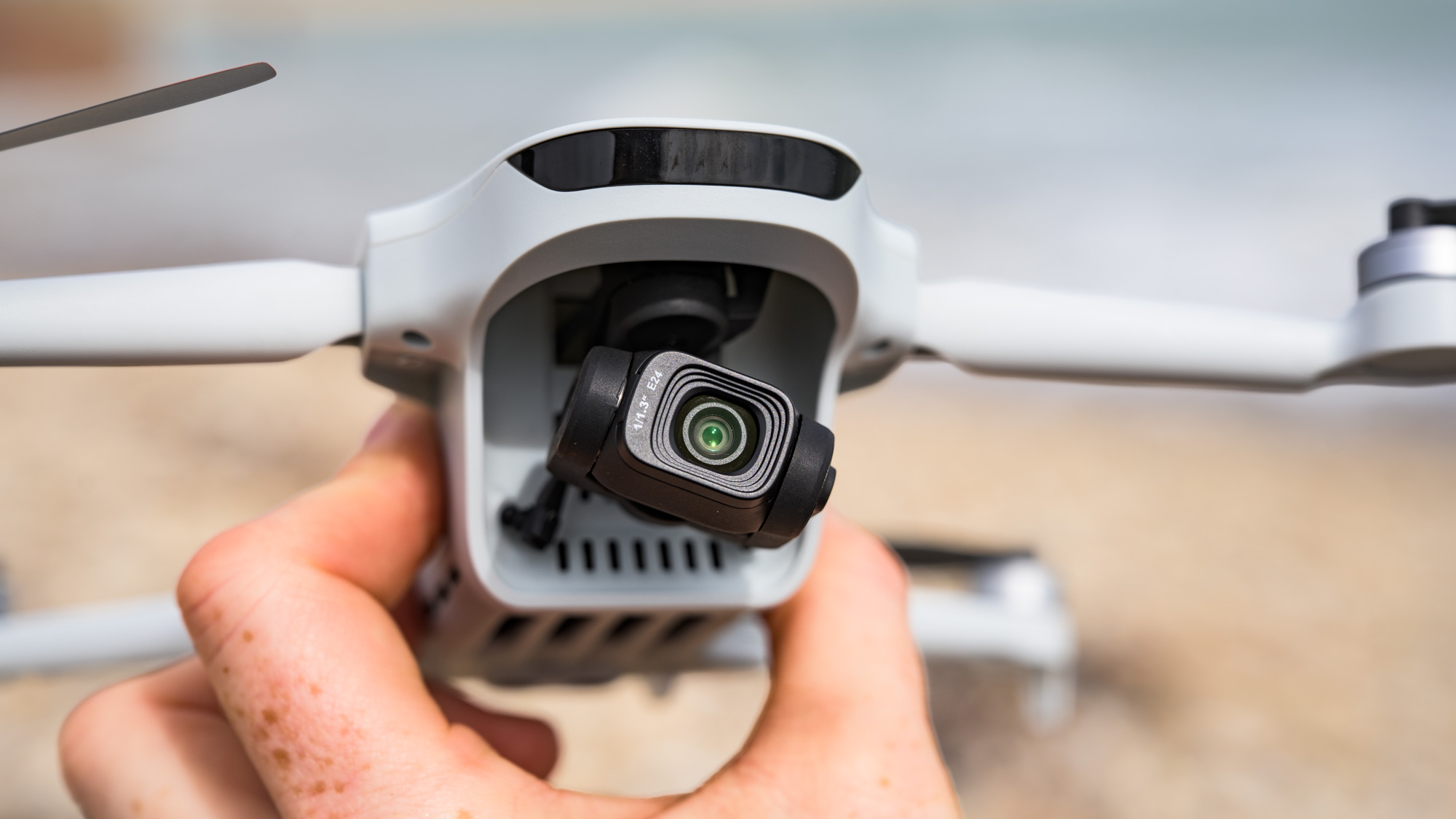
Its 3-axis gimbal camera isn't half-bad, either — being equipped with a 1/1.3-inch sensor and offering 4K video up to 60fps in standard, HDR or Log profiles, slow-motion recording, and up to 50MP stills in RAW and JPEG.
The larger sensor, higher 4K video frame rates and bitrates, plus improved battery life and transmission range are all meaningful upgrades on the Atom 2, and make the Atom 3 a compelling DJI Mini rival, especially given Potensic's competitive pricing.
Despite a few handling issues (which I'll get into below), the Atom 3 could have pinched top spot in our beginner drones guide... six months ago. The bad news for Potensic is that the DJI Lito X1 is now in the picture, raising the bar for any would-be challengers.
For practically the same money, the Lito X1 is the slightly more polished drone overall — and it features object sensing, which the Atom 3 lacks, delivering this incredibly useful feature at a new-low price point (compared to DJI's Mini 5 Pro). Ultimately, the Lito X1 gives consumers so much for the money that the fight here feels unfair.
Would I still recommend the Atom 3? Absolutely. It's way better than the Ruko U11Mini 4K, which we recently tested, and the next best thing for consumers who don't want, or can't buy, a DJI drone (US pricing is displayed on the Potensic website, suggesting it could become available there, unlike new DJI products, but currently Potensic is locked out of the US too). Ultimately, Potensic's best drone yet is a highly capable beginner option — but it remains one big step behind the DJI competition.
The Potensic Atom 3 is available now directly through Potensic's website and via Amazon in the UK. There's US pricing on the Potensic site, but the company told me the Atom 3 is not available there, while it's yet to hit stores in Australia.
Pricing varies considerably depending on the region and the bundle. In the UK, the base package costs £339.99, with the price rising to £579.99 for the Fly More Combo with RC PTD 2 bundle (which I tested), which includes two additional batteries, a charging hub, case, and the touchscreen RC PTD 2 controller in place of the standard smartphone-based remote.
US pricing starts at $429.99, while the Fly More Combo, which includes the standard smartphone-based remote, costs $549.99. At the time of writing only two of the five bundles have pricing — none of which include bundles with the touchscreen RC PTD 2 controller. However, despite pricing being on the Potensic site, the drone is not available there "due to FCC regulations", Potensic told me, and that "our team is actively working on the relevant certification to make it available in the future".
At the time of writing, the Potensic Atom 3 is not available in Australia, but Potensic does have a dedicated Australia website which is the best place to check for future availability.
DJI's Lito X1 is the Atom 3's obvious rival, and it costs from £359 at Amazon UK, so just a little extra money gets you that drone's massively useful object-sensing feature. However, like other DJI drones, the Lito X1 is not available to buy in the US.
Potensic Atom 3 | |
Camera: | 12.5MP 1/1.3-inch CMOS sensor (with 50MP mode) |
Video: | 4K 60fps |
Flight modes: | 3x speeds, 7x Quickshots, 3x AI tracking |
Storage: | MicroSD card slot, no internal storage |
Battery: | 2,590mAh / up to 40 minutes flight time |
Charger type: | USB-C / Battery Charging Hub (Fly More Combo) |
Weight: | 249g / 8.8oz approx (C0 EU class) |
Dimensions: | 148 x 91 x 62mm / 5.83 x 3.58 x 2.44 inches (folded) |
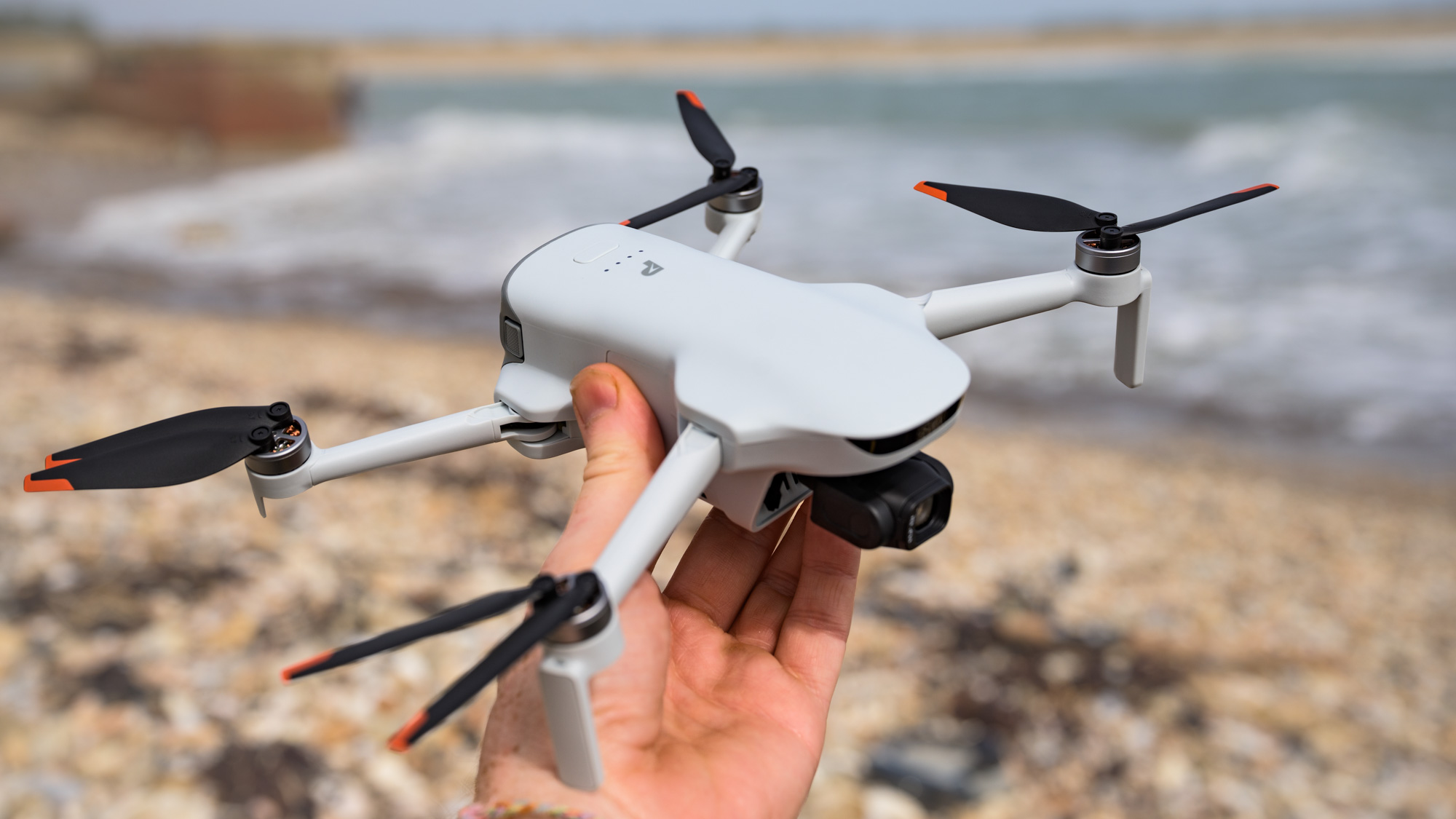
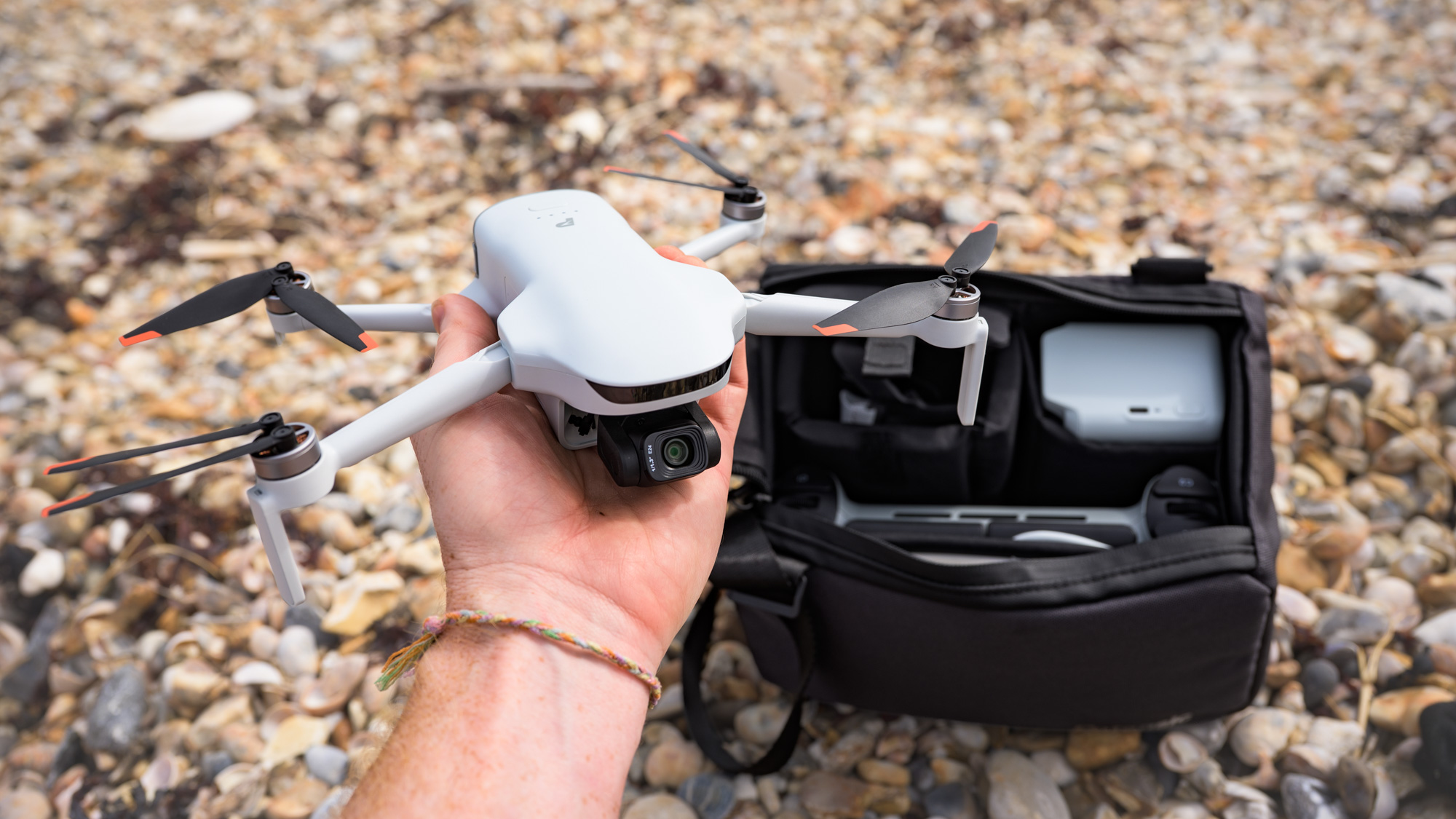
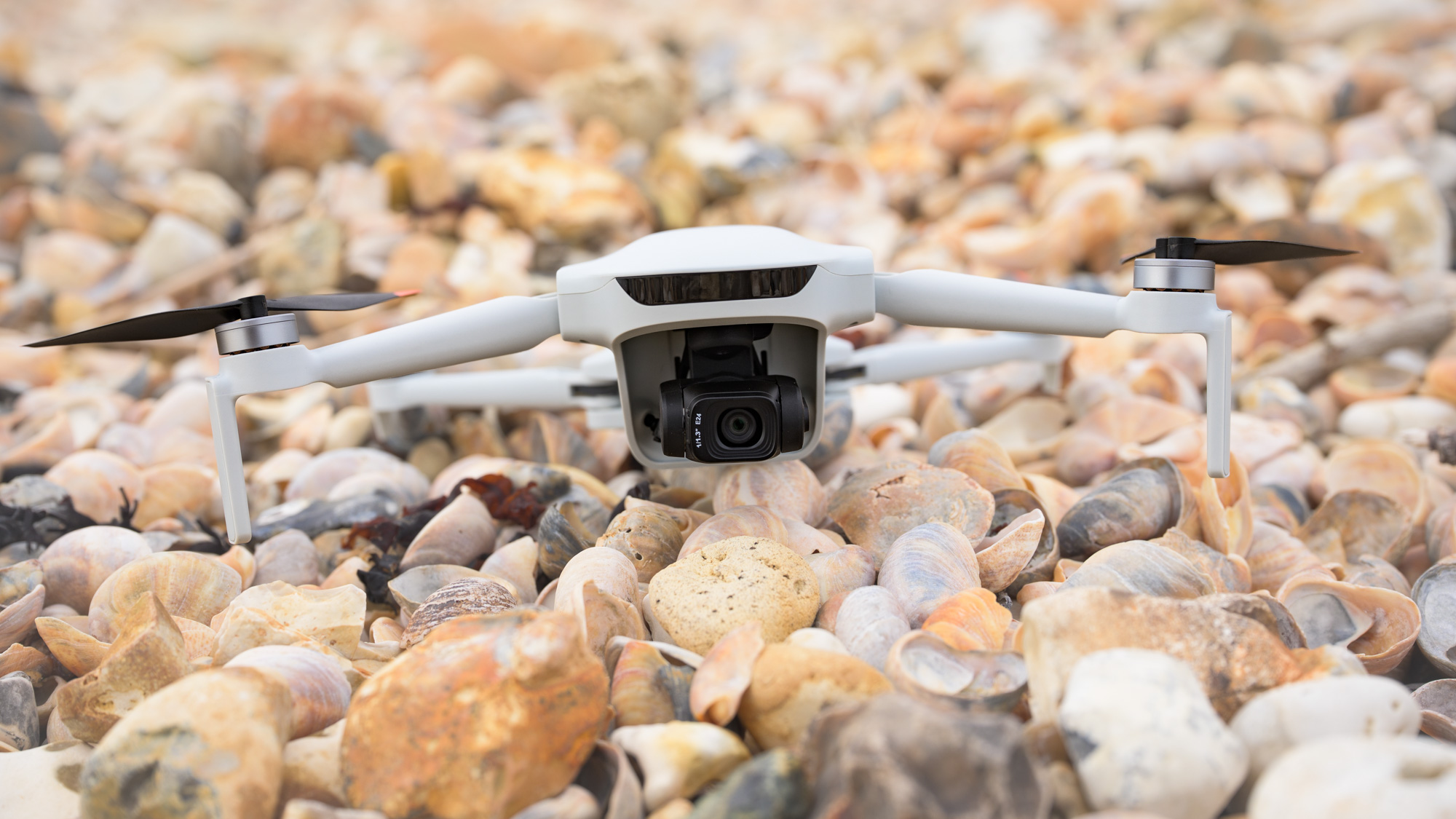
The Atom 3's hard-plastic design is strikingly similar to recent models in DJI's Mini and Lito series of sub-250g folding quadcopter drones. It's a familiar formula — the drone folds down to a coat pocket-able size and, like most beginner models, weighs under 249g. Sub-250g drones are exempt from the strictest drone registration requirements in most regions, including the UK and US.
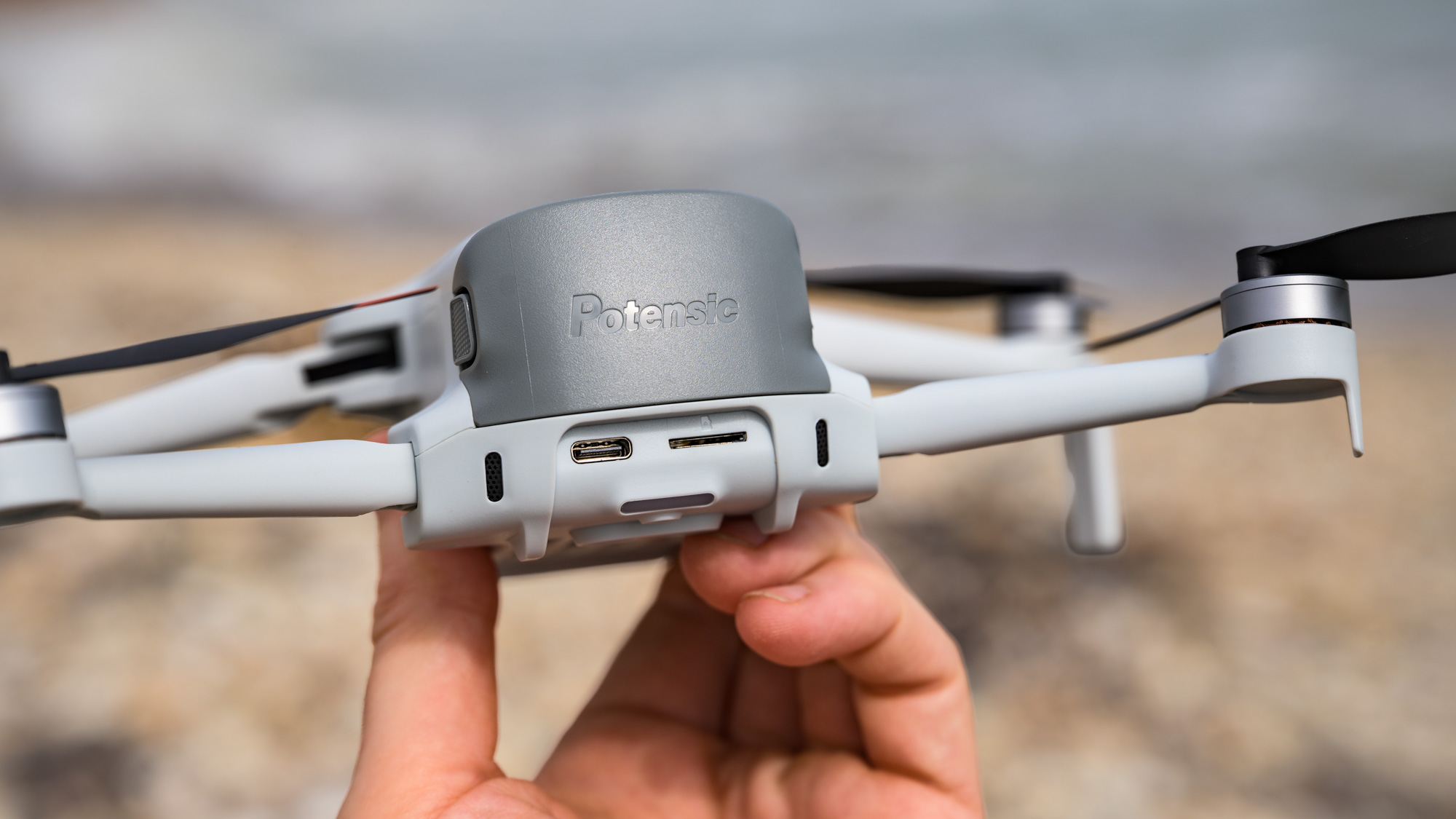
At the rear of the drone is a USB-C slot for charging the device directly, and for transferring images from the inserted microSD card. The card slot is also at the rear — there's no internal storage.
I was able to transfer files directly onto a MacBook Pro via that USB-C wired connection, but when I tried connecting the memory card directly my computer was unable to read it. Another option for file transfer is to download the desired files through the Potensic app, which is a reliable albeit slower process.
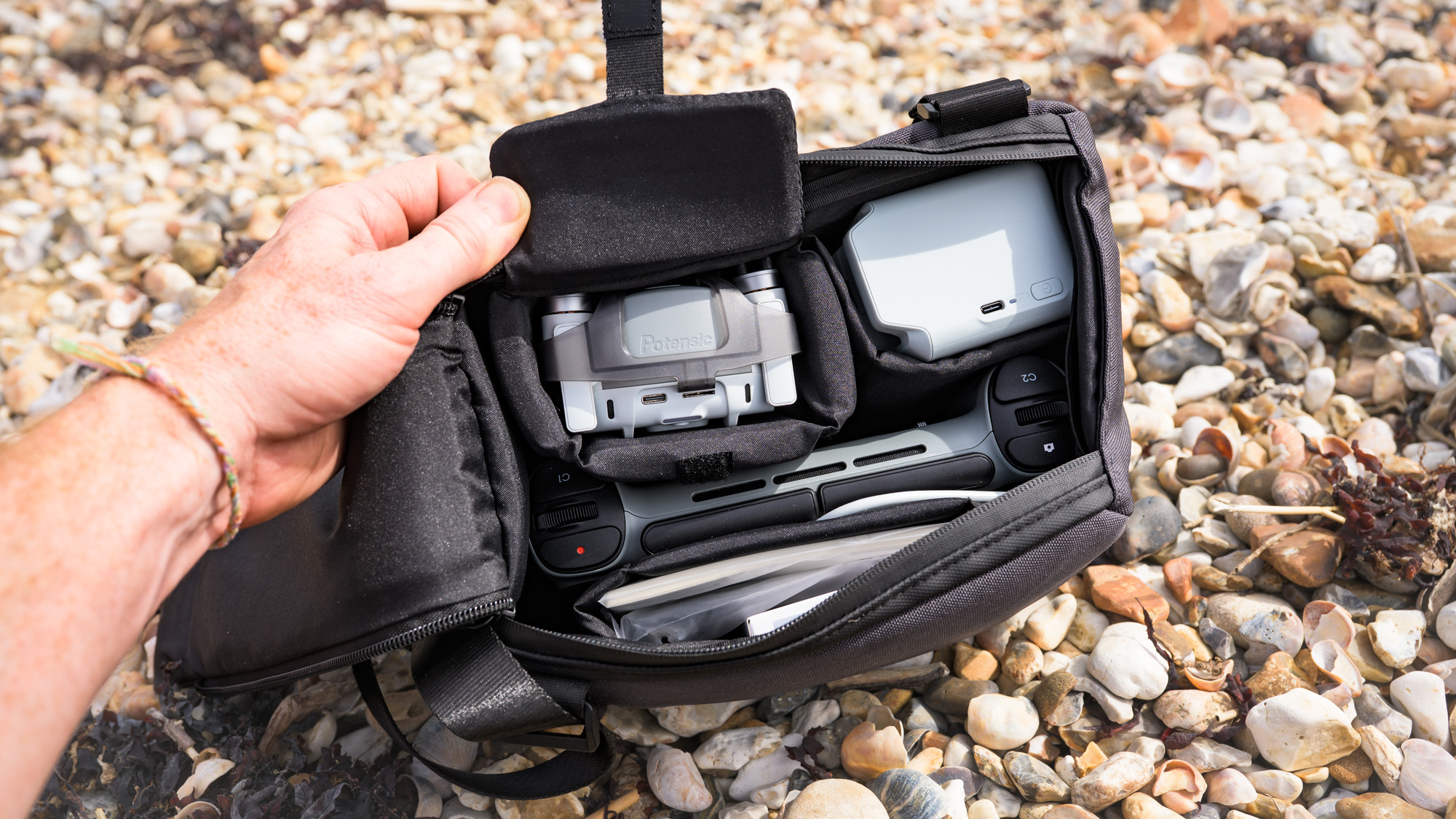
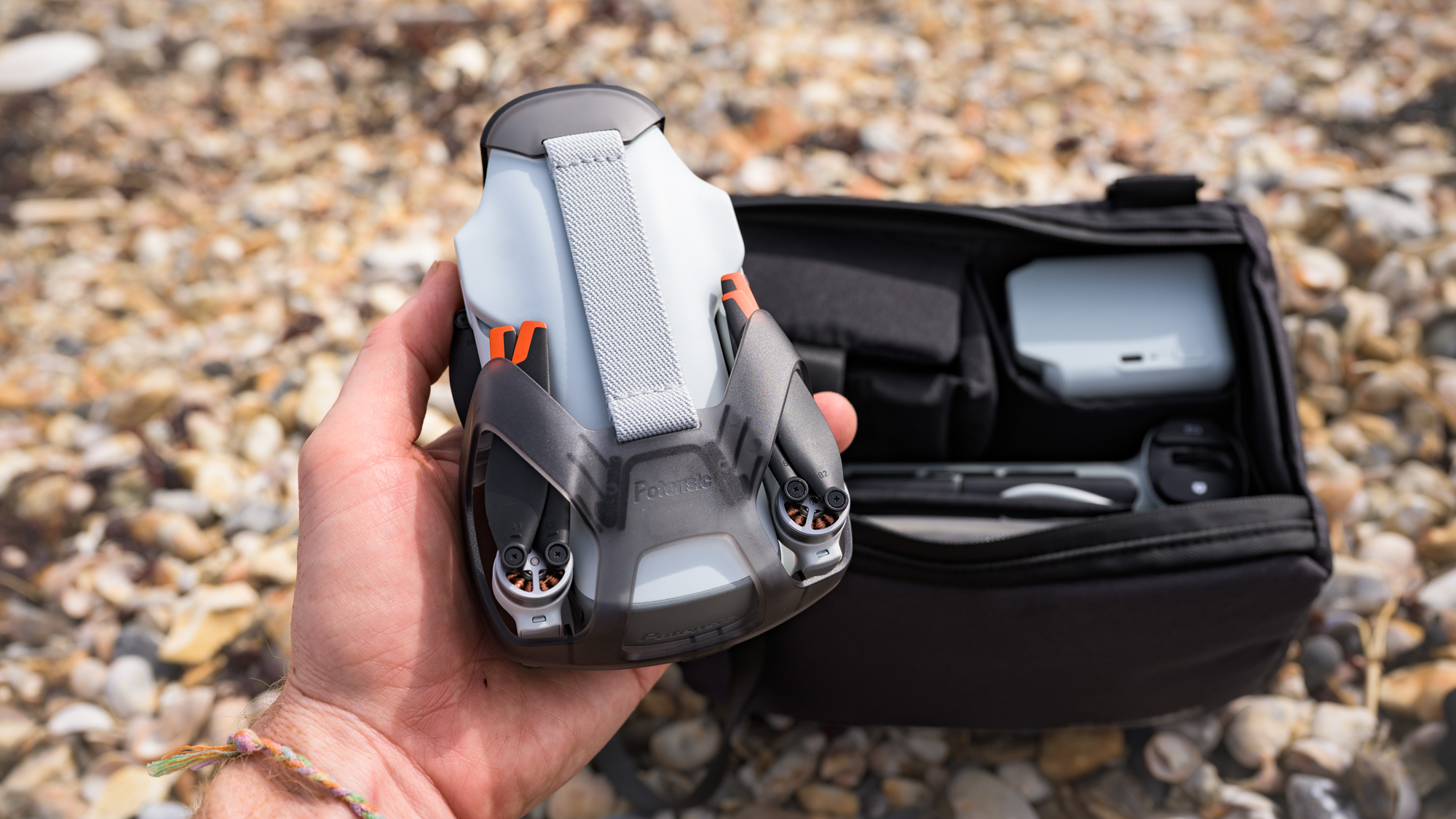
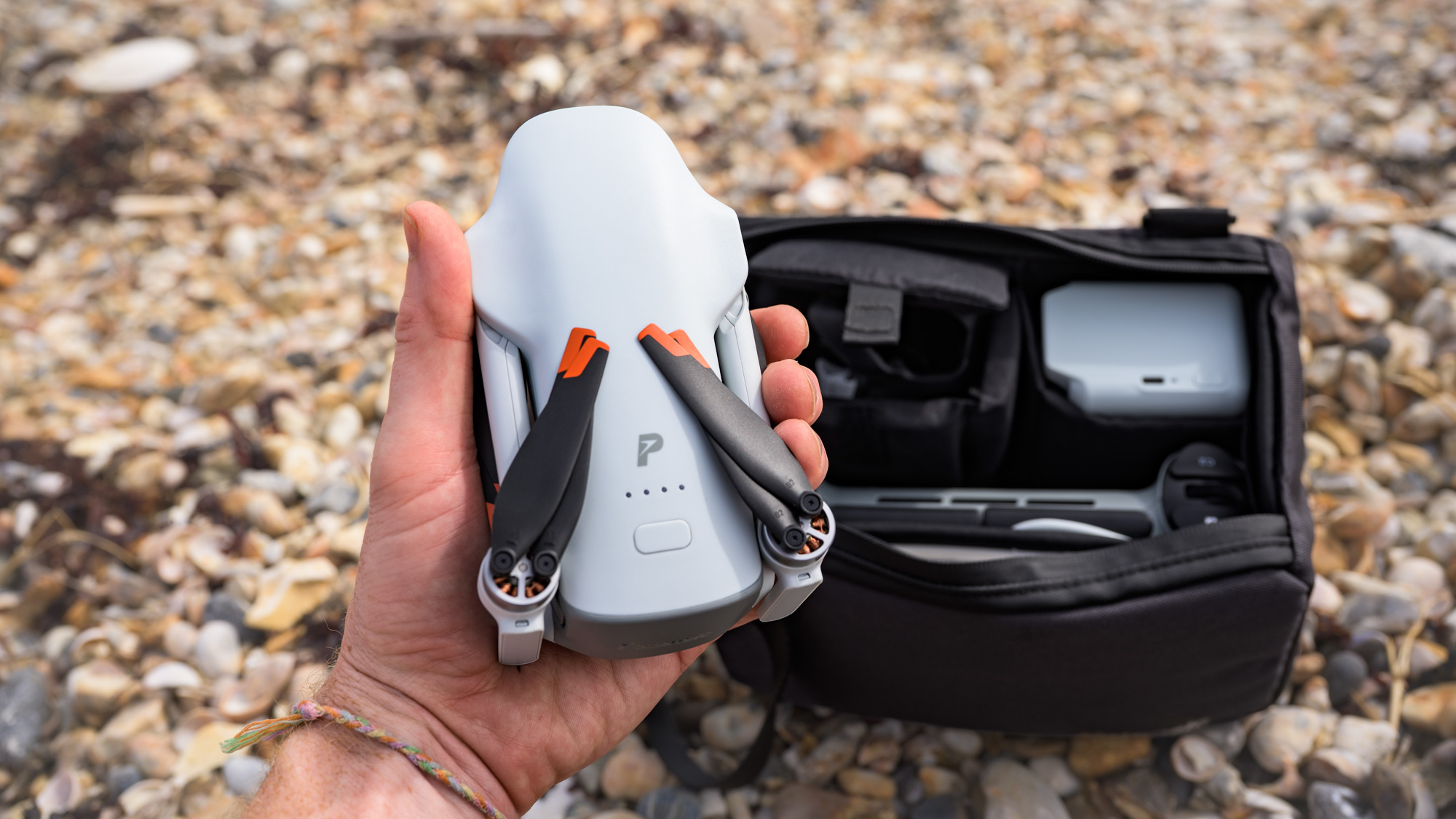
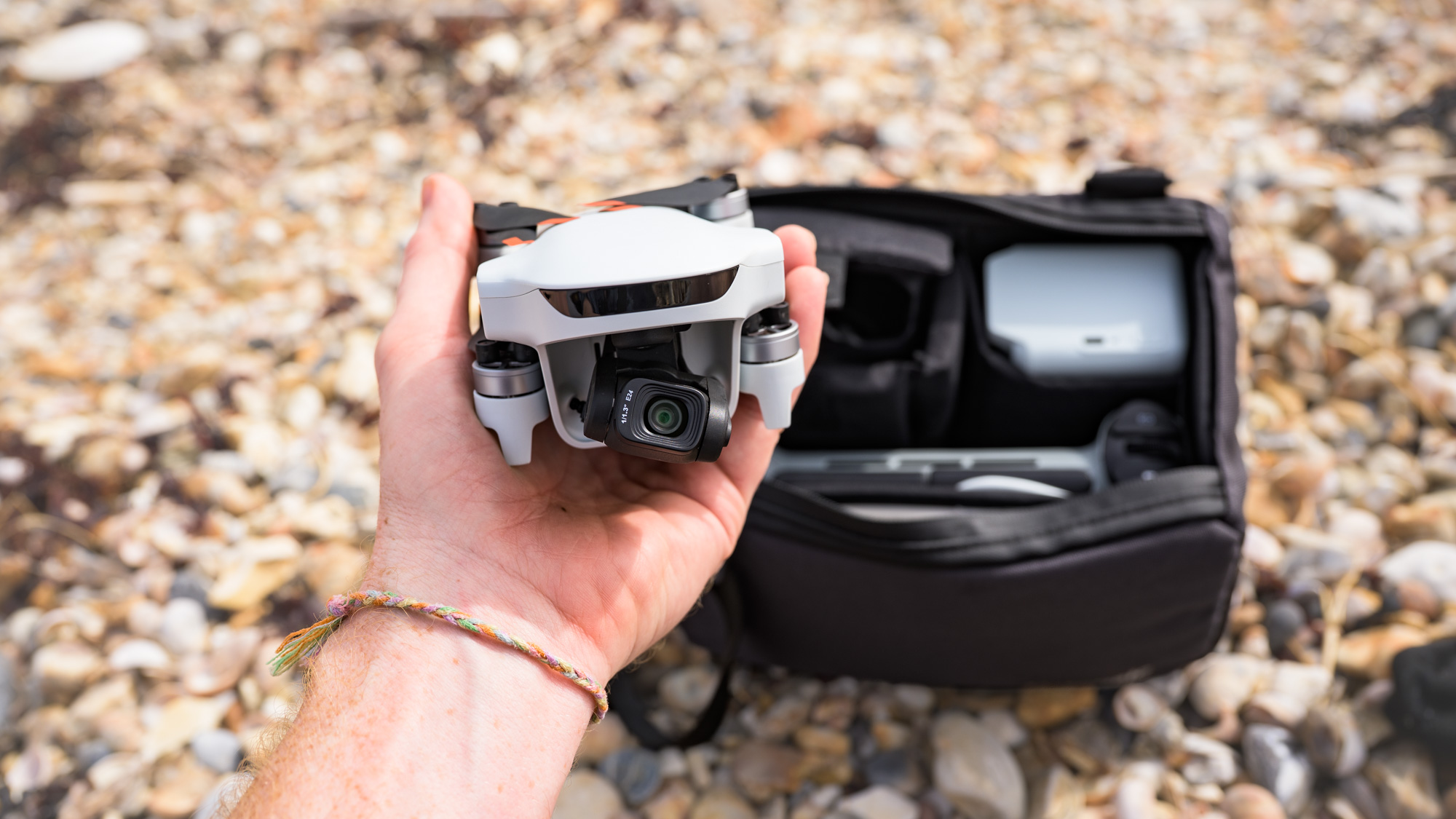
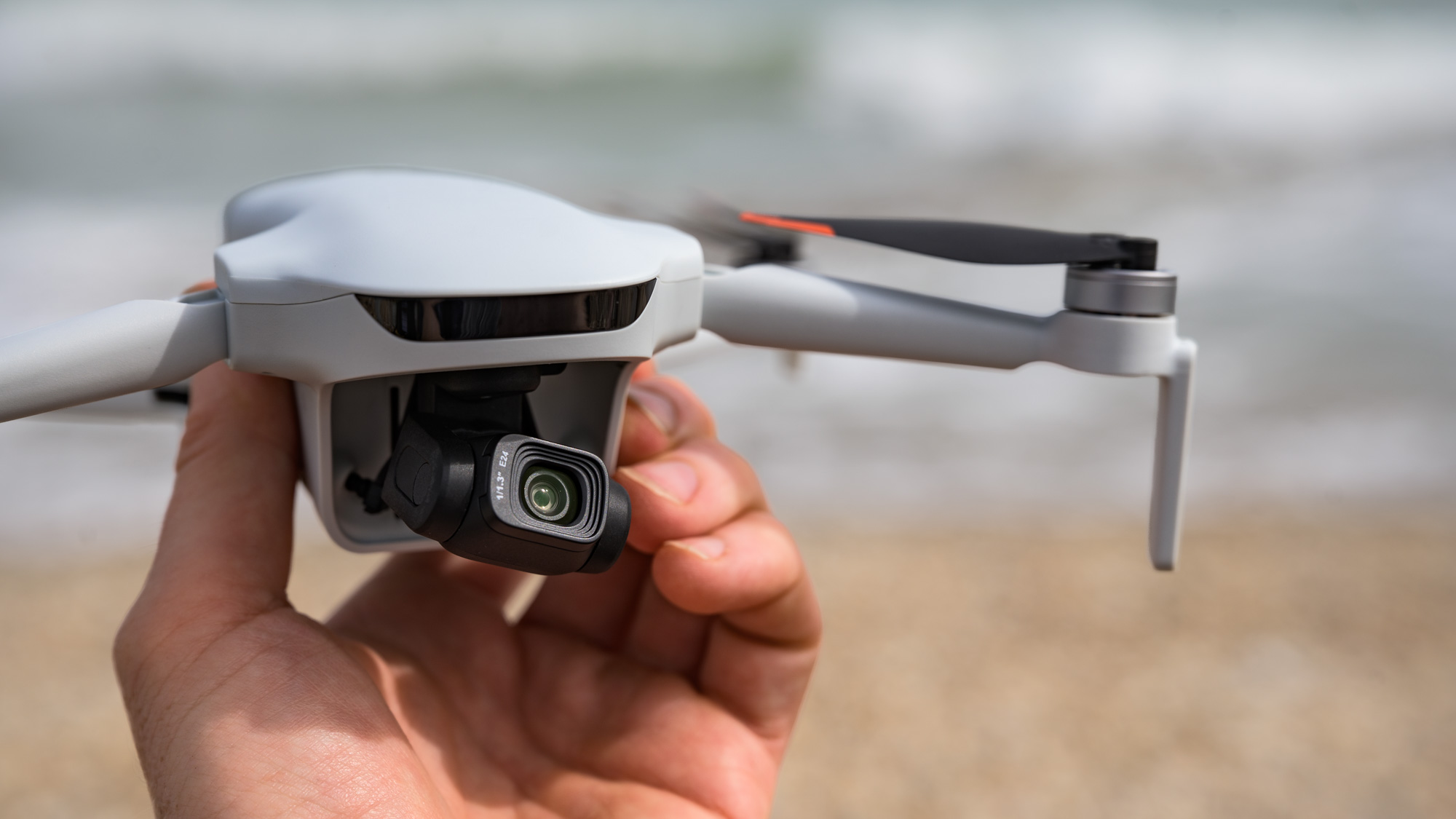
A clip-on cover ably protects the camera and gimbal mechanism when the drone isn't in use, and this is locked in place with a rear clip by stretching an elasticated band that connects the two (see above).
The Fly More Combo (with RC PTD 2 remote controller), which Potensic supplied for this review, comes with a padded zipped case that holds the drone, the charging hub with its two additional batteries, and the sizable controller. The case is notably larger than the one for the equivalent DJI Mini 4K bundle.
The touchscreen controller feels high-quality; the screen is huge, detailed, and provides a 1080p feed up to 60fps, with Potensic's latest PixSync 5.0 video transmission system boosting the range from 10km to up to 16km, and reducing latency to 150ms. In short, the on-screen feed is smooth and immersive beyond distances that you'll ever realistically fly over.
I found certain movements of the controller's joysticks a little jerky, which spoiled some of my footage, but with practice I was able to find the sweet spots of those controls for smoother moves.
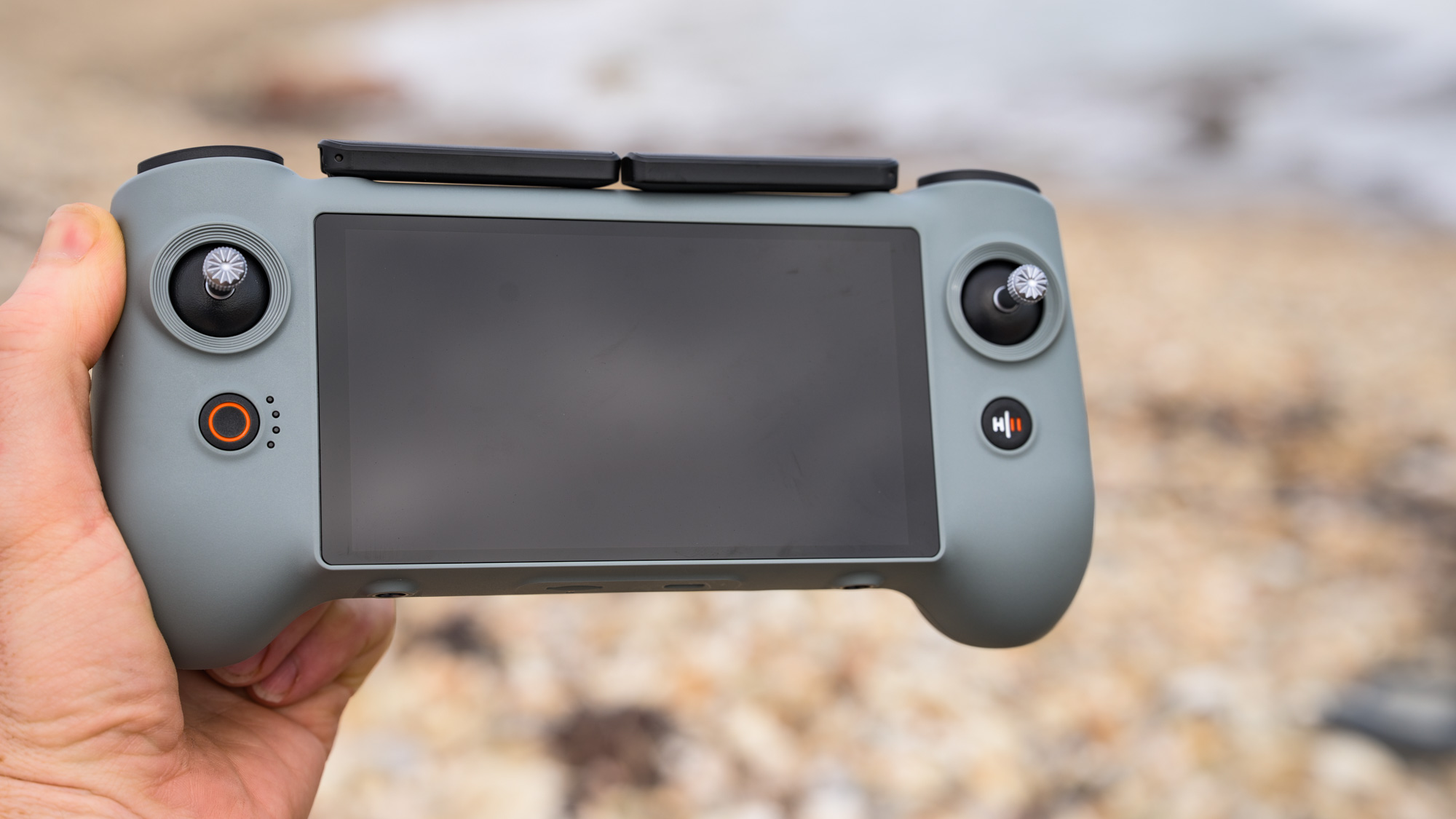
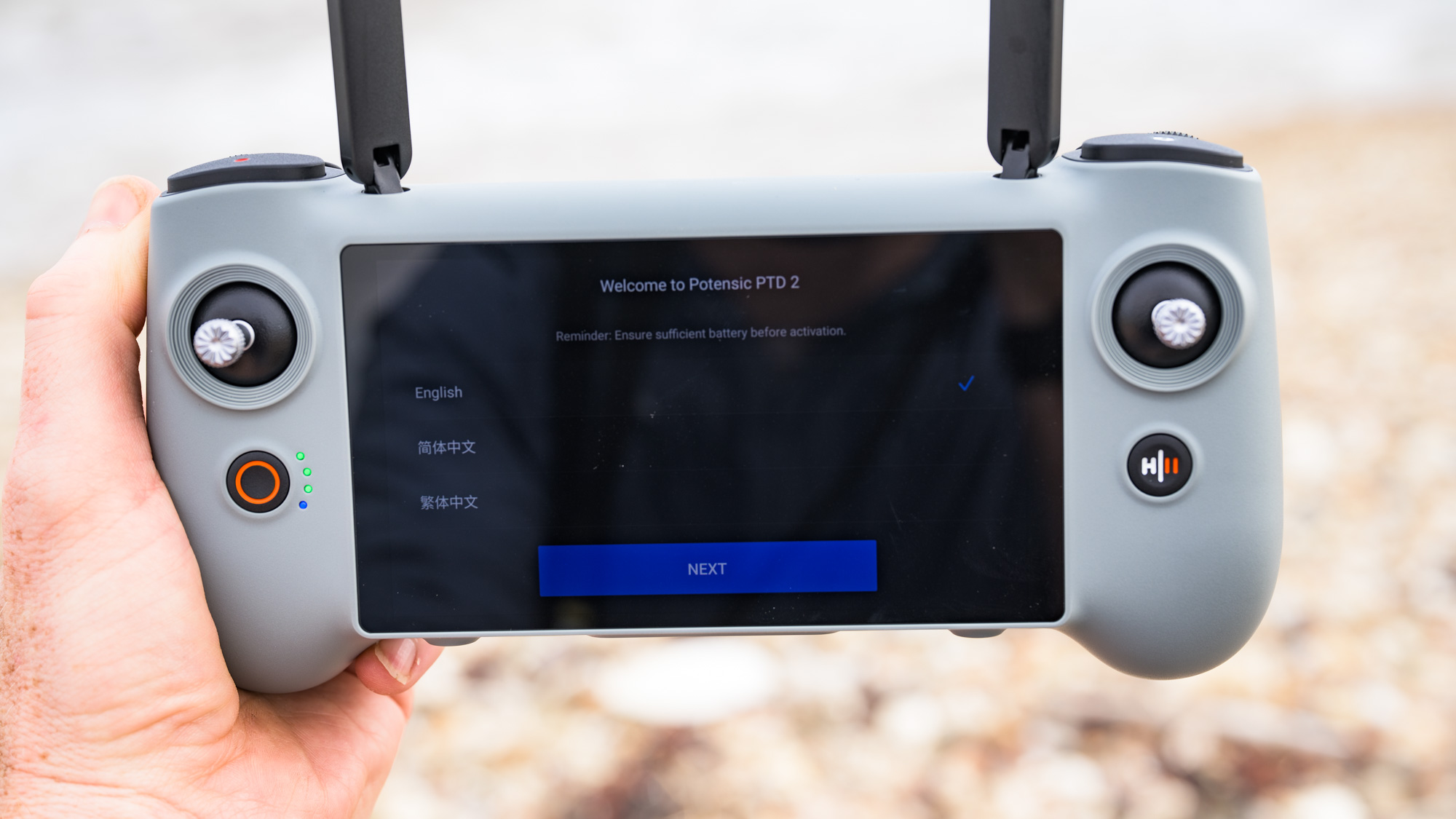
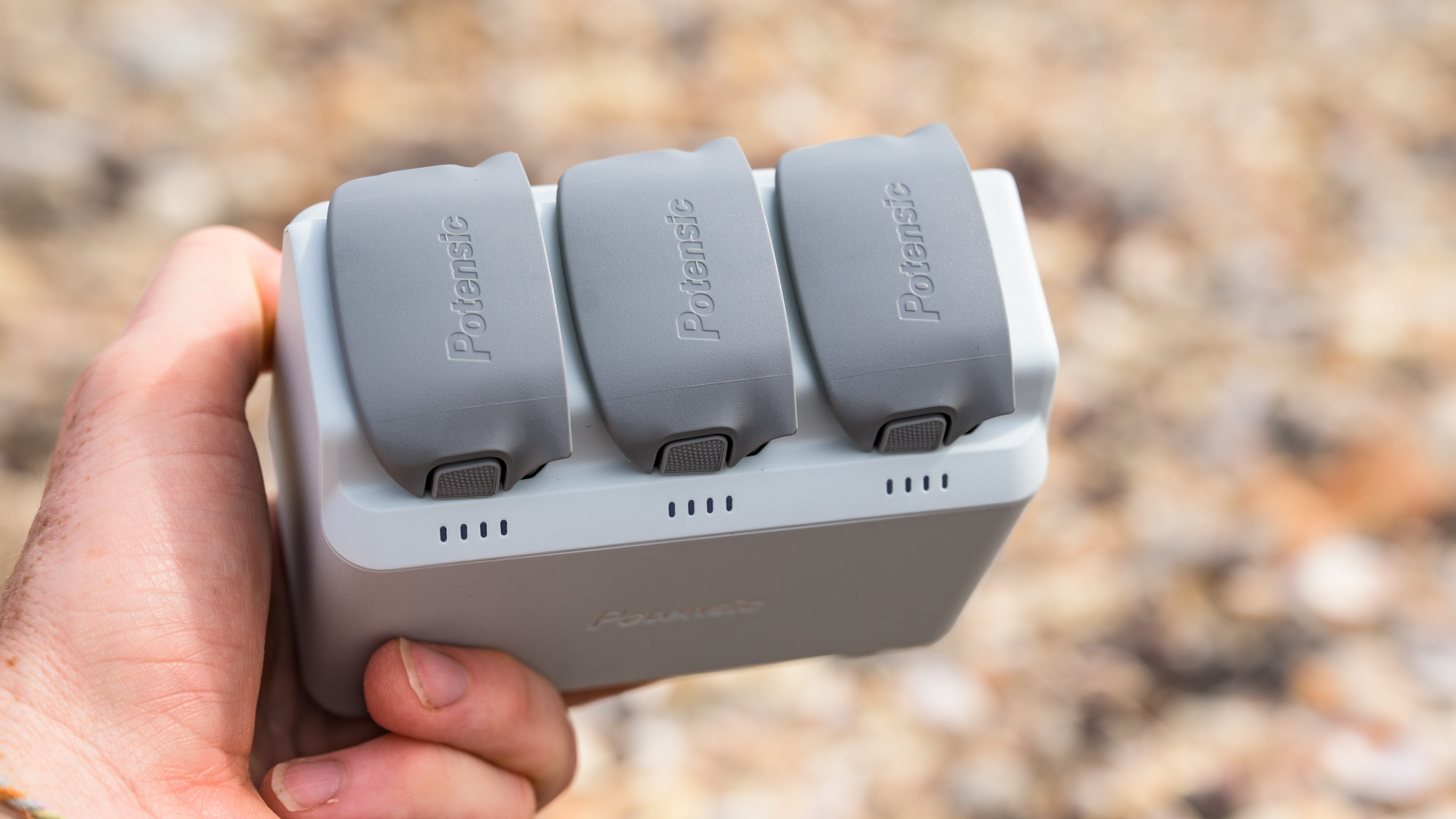
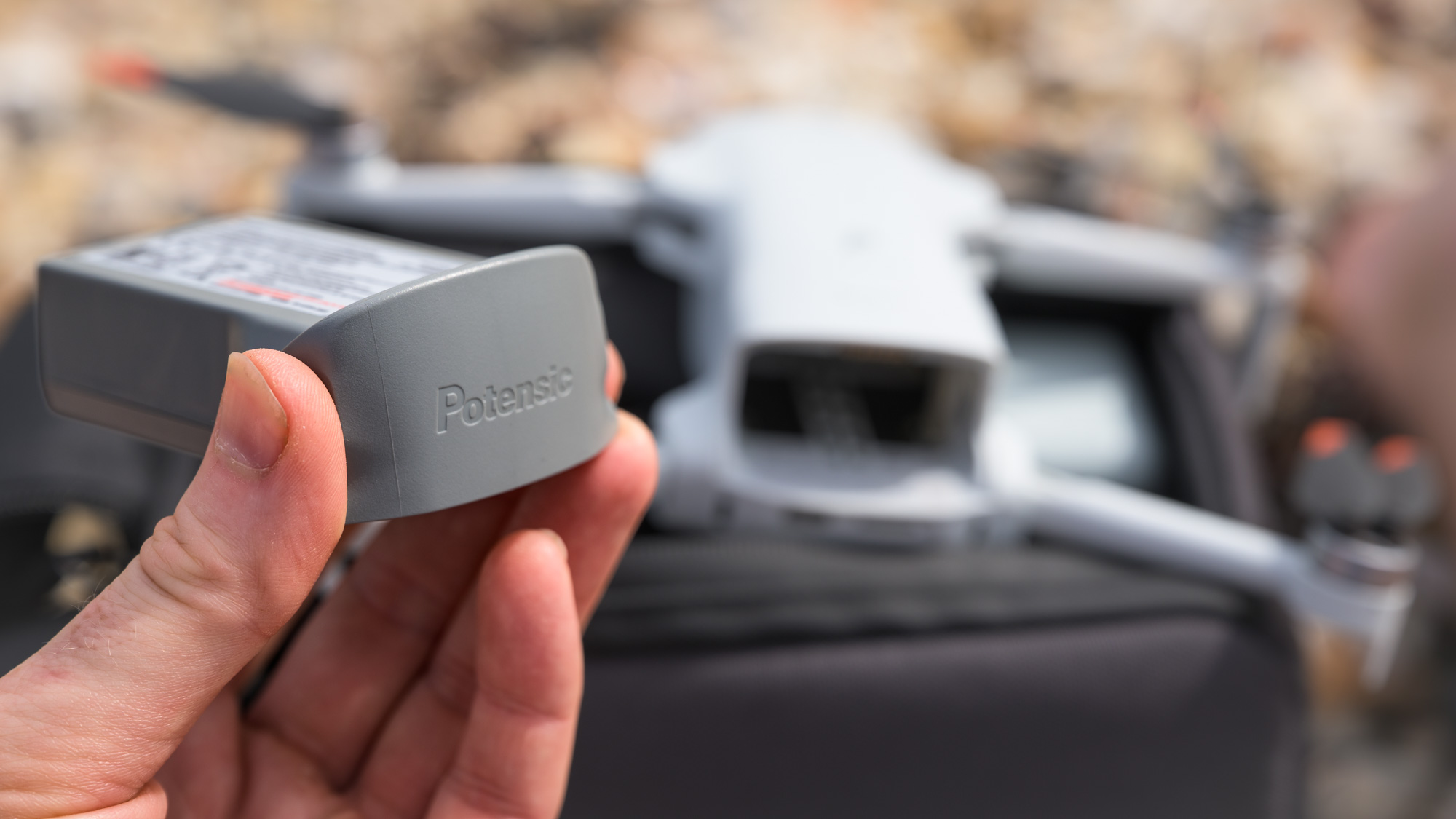
Potensic quotes a battery life of 40 minutes for the Atom 3, which is an improvement over the Atom 2, thanks to a 10% (approx) higher-capacity 2,590mAh unit, and on paper, this performance beats the comparable DJI; however, I didn't get close to this in real-world use.
The best battery performance I got during testing was more like 25 minutes on a calm day, while in windy coastal conditions I rarely, if ever, got more than 20 minutes. The drone's level 5 wind-resistance rating (19-24mph) seems fair, though — I used the Atom 3 in such conditions, and I found flight to be impressively stable and smooth, even if headwinds further drained the battery as I fought to bring the drone home when power was low.
When battery life drops to 10%, the drone automatically initiates landing (avoiding it simply dropping from the sky), so that's something to bear in mind, especially if you're flying over risky areas such as bodies of water.
The Atom 3 has downward-facing sensors for takeoff and landing, with the useful Return to Home feature, but there are no front-, side- or rear-facing sensors, like you get with pricier drones equipped with omni-directional object sensing.
Six months ago I wouldn't have expected any more from a drone at this price point, but DJI has since brought object sensing to the much more affordable Lito X1. If Potensic is to go up a level, adding this incredibly useful feature is the logical next step for the Atom series.
Return to Home (RTH) worked flawlessly, with the drone automatically updating its position at takeoff — there's also an on-screen guide indicating where the RTH position is in relation to where the drone is in the air. It's possible to update the RTH position mid-flight, say if you move to a different location during flight and want it to land at your new location.
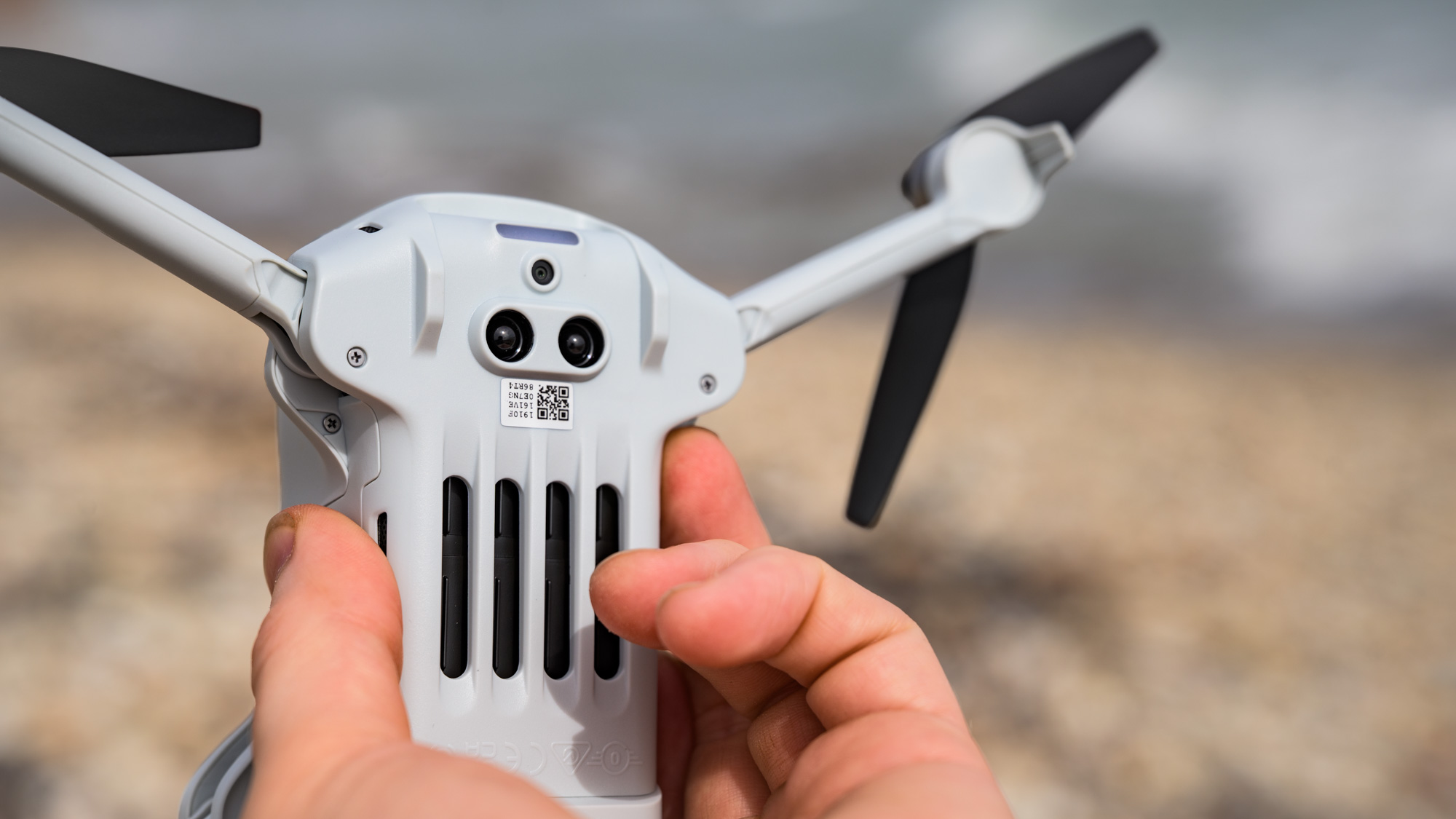
For regular flight, there are three speeds to choose from, with the Sport Mode being the quickest at 16m/s (horizontal), 5m/s ascent and 4m/s descent. It's not the quickest drone around, but it's zippy enough for beginner use.
I really did miss object sensing, given that I regularly fly in object-packed areas to capture dynamic footage, so I needed to be extra cautious about where I flew the drone. It is possible to get smooth and stable-looking footage, though, after much practice to get a feel for the controller's joysticks.
There's a good selection of DJI-style 'QuickShot' flight moves, which perform an automated move using a selected subject as the reference point. To do this, you drag a box over the subject using the controller's touchscreen (or your smartphone's screen if using the basic controller). There are seven automated moves in all, including pull-away, rocket and boomerang.
I was happy to see three tracking modes too: Follow, Parallel and Spotlight, each of which keep your subject in the center of the frame as they move. 'Follow' tracks your moving subject from behind (though remember there's no object sensing), while 'Parallel' does the same but from the side. 'Spotlight' simply keeps the subject central as they move around the frame.
The tracking modes are hamstrung by several frustrating limitations, while the omission of object sensing further limits where you can fly. For example, to initiate Follow, the angle of the camera needs to be pointed down a certain degree — in other words the drone needs to be quite high up.
For me, the most dynamic 'follow' footage would be from a lower angle. It's possible to override the limit in the app's menu, which requires checking the option to say that propellor guards are installed (whether in reality they are or are not). Even with the options selected to free up the drone for tracking from a lower altitude, I regularly found that the drone reset itself, reimposing the restriction.
I also found that the tracking functions gave up altogether in less-open areas, when the GNSS (GPS/ GLOSNASS / Galileo / BeiDou) signal was weak. One example was trying to get tracking video of myself biking in my local woods — the drone kept stopping just a second or so into sequences. I had no such issues in the same scenario when testing the DJI Mini 5 Pro (which also has omni-directional object sensing).
Those flight moves are great to have, but adding object sensing, and addressing the other limitations, would make them way more useful for dynamic footage.
Video and photo quality are an upgrade from the older Atom 2, with the Atom 3's camera using a larger 1/1.3-inch CMOS sensor that's comparable to those in the DJI Mini 4 Pro / Lito X1, rather than the Atom 2's 1/2-inch sensor. There's also a slight change to the lens — it's a wider 24mm f/2.8, where the Atom 2 uses a 26mm lens with brighter f/1.8 aperture, which somewhat counters the sensor-based advantage the Atom 3 has.
4K video recording up to 60fps can be done the easy way or the hands-on way, using the standard or detail-rich HDR profiles for ready-to-go footage, or the flat P-Log profile, which holds more detail in highlight and shadow areas, but which requires editing to taste later.
I tried all three profiles at 30fps and 60fps, and then took P-log footage to Adobe Premiere Pro for editing and compared the footage. There are incremental image quality gains when using P-Log, but on the whole I found myself happy with the quality of HDR footage, saving myself the editing hassle.
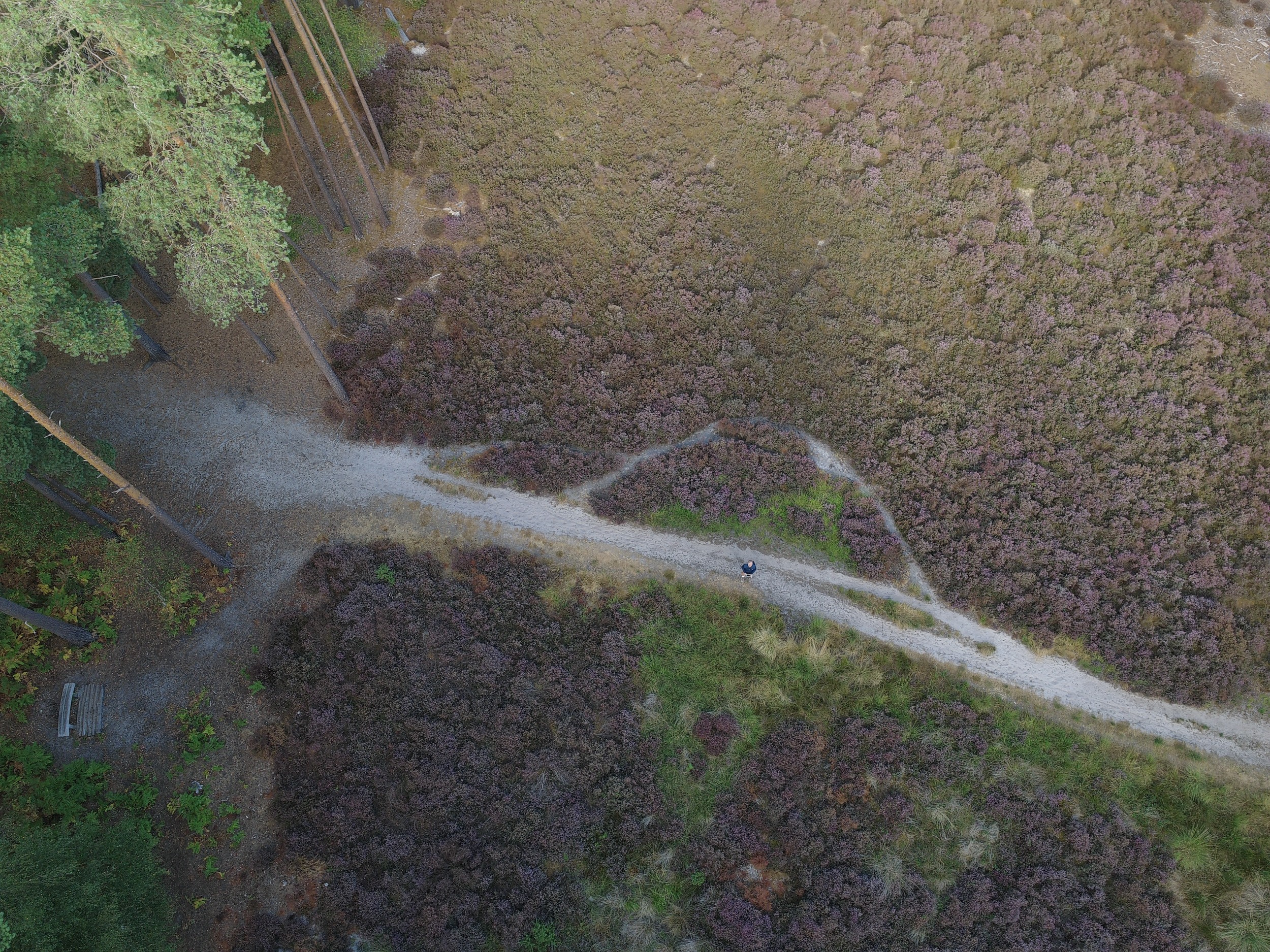
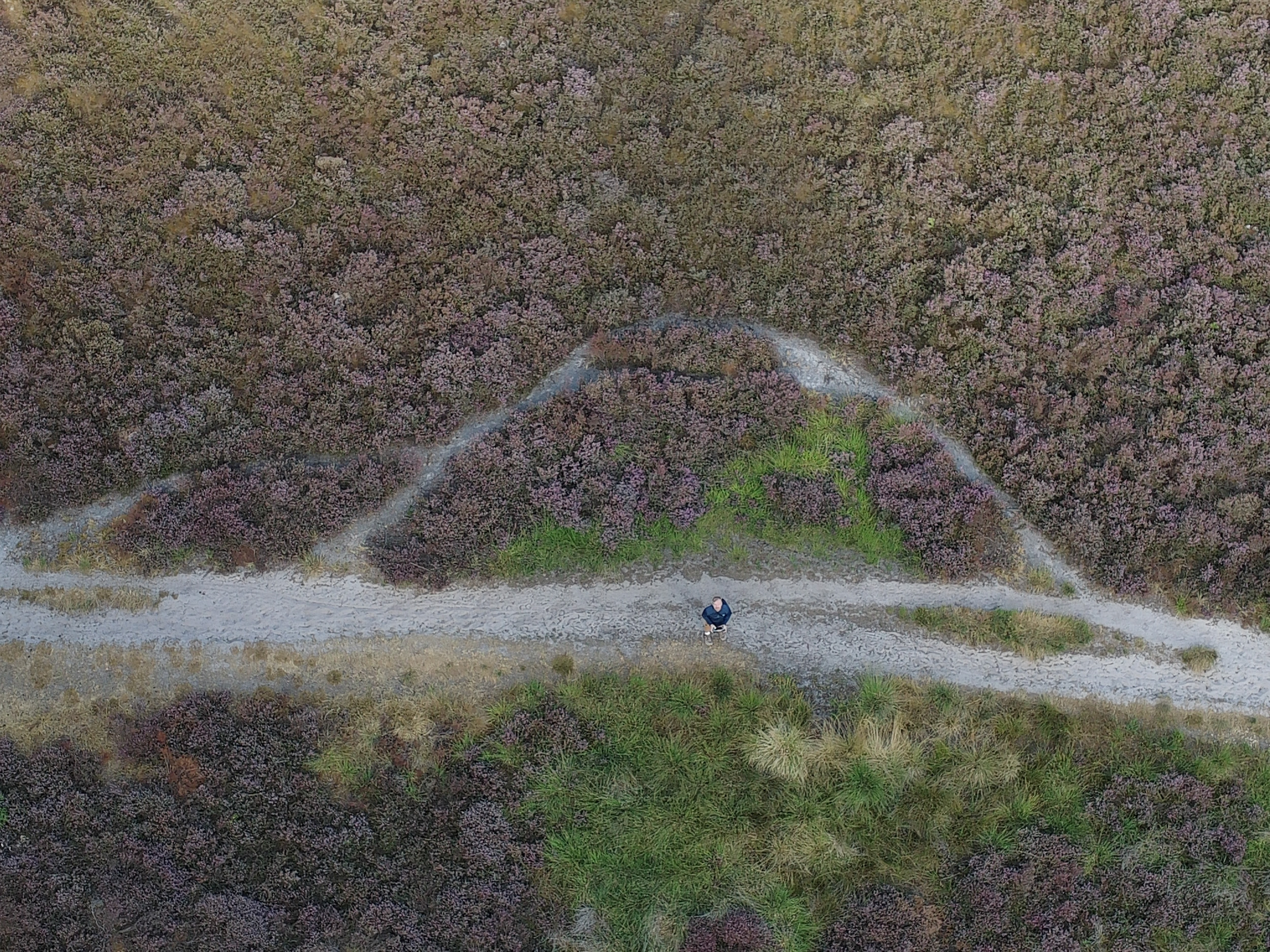




In addition to 4K video, there's slow-motion capture up to 7x, but only in 1080p HD resolution. Meanwhile, stills are reasonable: 12.5MP as standard, or 50MP in the '8K' mode, with JPEG and RAW formats available.
Where photo quality impresses is in how much tonal depth is retained, although images benefit from a little sharpening afterwards. Another option for further increasing shadow and highlight detail is the 'bracket' mode, which combines multiple photos at different brightness values into one with a wider range of tones, but the standard mode already does a good job.
Interval and burst shooting modes are also included, while a panorama mode combines multiple images into one ultra-wide perspective that covers 180 degrees, with the drone automatically capturing multiple frames one after the other.
I'd say image quality is just about on par with the DJI Lito X1 / Mini 4 Pro, and it's clearly a cut above the recent Ruko model.




Attributes | Notes | Rating |
|---|---|---|
Price | Competitively priced, but matched by the overall better DJI Lito X1. | 4/5 |
Design | DJI-like build quality, immersive touchscreen controller (optional), no internal storage | 4.5/5 |
Features and flight | Stable flying, sticky controls, no obstacle avoidance, flight modes hit with limitations | 3.5/5 |
Image and video quality | Smooth video even in windy conditions, decent 4K video quality, punchy HDR setting, and detailed stills. Digital-only zoom, though | 4.5/5 |
You're a US buyer and beginner pilot
With the Lito 1 and Lito X1 unavailable in the US, the Potensic Atom 3 gives budget-conscious American buyers another option to weigh against older DJI models like the Mini 4K.
You want attractive footage straight out of camera, plus the option of flexible editing
Attractive standard and HDR footage looks great, with no editing required, while a flat P-Log profile better enables editors to get the look they like from footage with wide dynamic range.View Deal
You plan to fly in places with lots of hazards
The Atom 3 has no obstacle-avoidance safety features whatsoever, but the similarly priced Lito X1 does. Some of its flight modes, such as Follow, didn't work for me in obstruction-filled areas such as forests, either.
You want a super-cheap 4K drone
The Atom 3 is the best DJI alternative for beginners, but the Atom 2 remains a decent buy for less, if you can live without the latest model's upgrades.
You want precise joystick control
Even the pricier RC PTD 2 controller by Potensic lacks the finesse I've experienced with DJI's alternative controller, making cinematic movements a challenge. View Deal
DJI Lito X1
DJI's Lito X1 is not available in the US, but for other regions it's the better pick over the Atom 3, for a similar price. Video and photo specs are similar, but the X1's flight modes are more polished and flight features are superior, including obstacle avoidance, which is lacking in the Atom 3. DJI has really made it tough for others to compete with the X1.
Read our in-depth DJI Lito X1 review
Potensic Atom 2
The Atom 3 is a solid upgrade over the Atom 2, with a larger sensor, high video frame-rates and 10-bit color depth with P-Log color profile. However, the Atom 2 offers a similar flying experience, and costs less.
Read our in-depth Potensic Atom 2 review
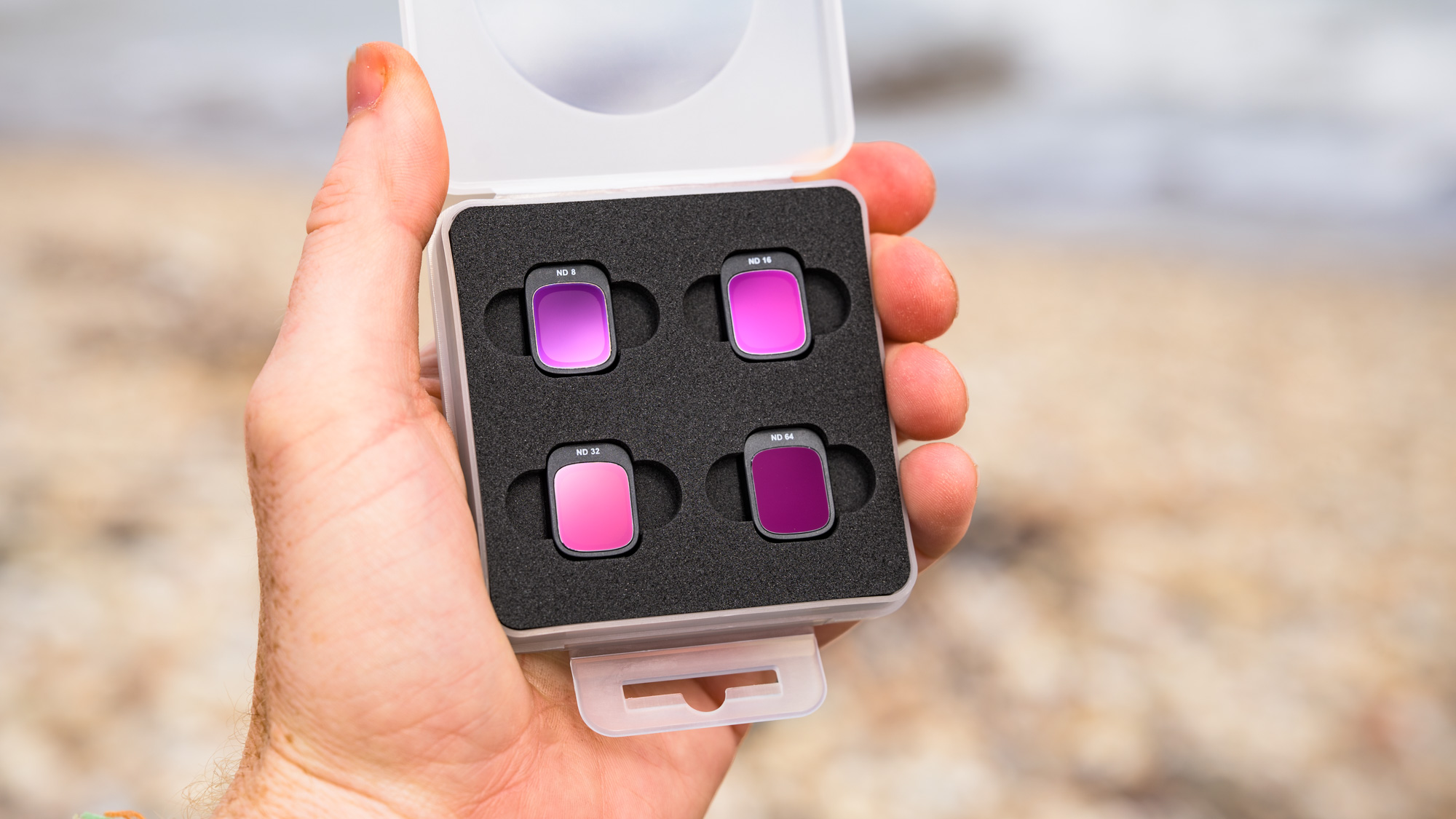
Potensic sent me the Atom 3 Fly More Combo kit with the RC PTD 2 touchscreen controller. The kit included the drone, battery hub with three batteries, controller, ND filter pack, spare propellors and a USB-C to USB-C charging cable.
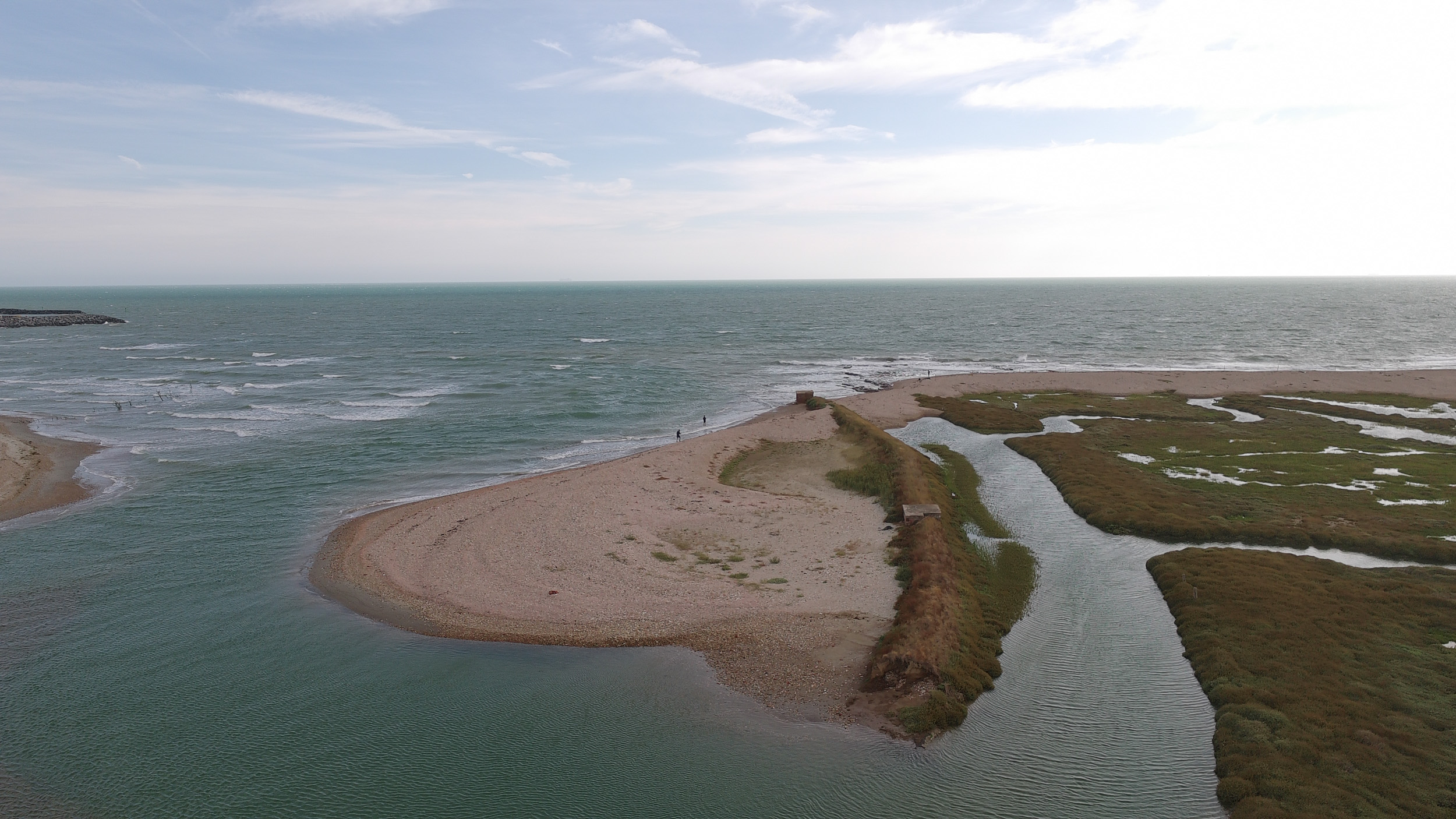
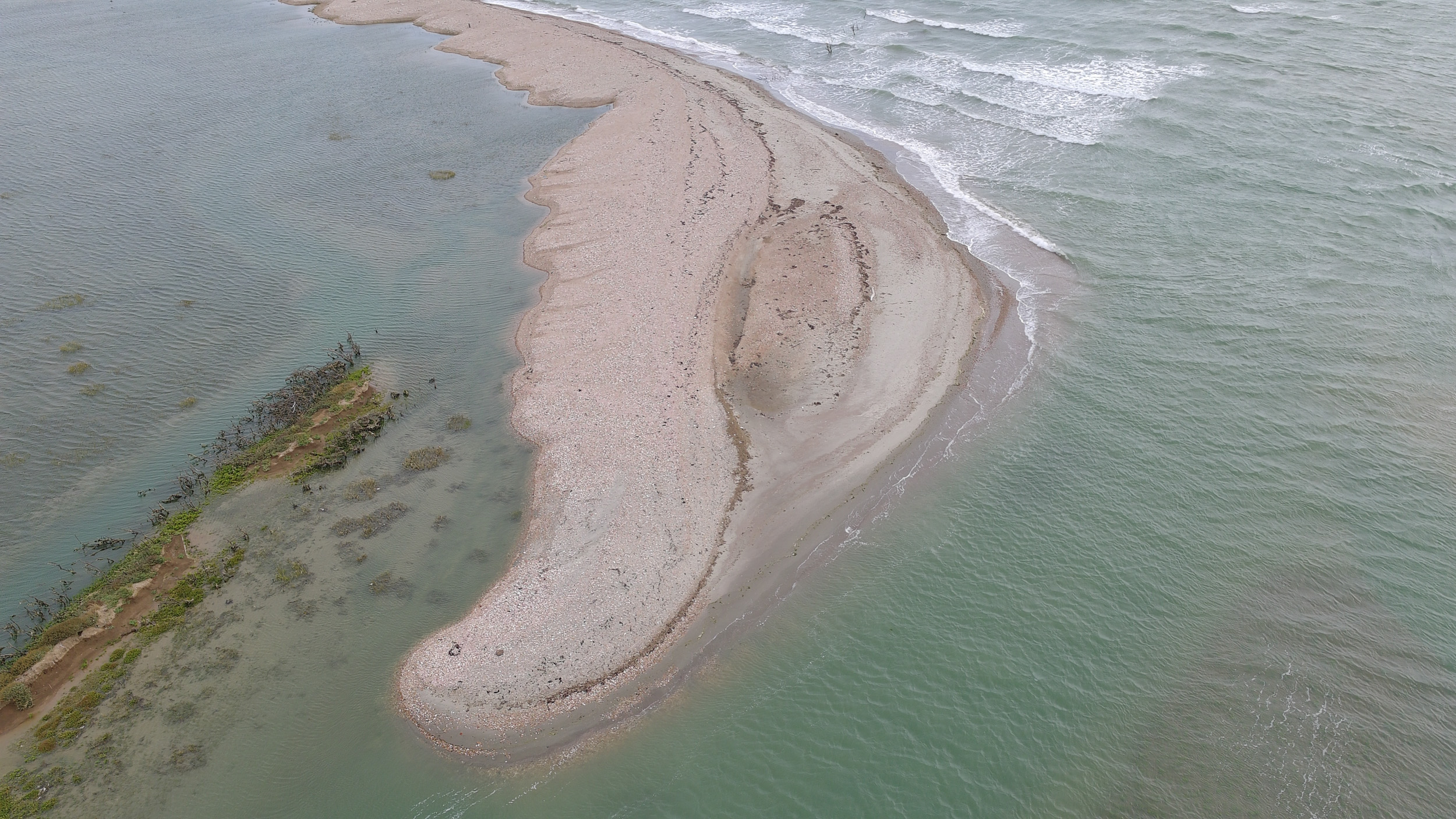
I conducted multiple flights in daylight and in low light at dawn / dusk, and in both calm and particularly windy coastal conditions. I tried the various flight settings and modes, and regularly ran the three batteries down, making notes of real flight times and flight stability.
I took the same video sequences in the various color modes; standard, HDR and P-Log, and at 30fps, 60fps and 6x slow motion, and compared the 4K footage. I also tried the various photo modes, including RAW & JPEG capture, panorama and 8K (48MP) modes. I edited photos in Adobe Camera Raw and videos in Premiere Pro.
Depois de décadas de testes e protótipos falhados, o Exército norte-americano vai receber 26 lasers anti-drone de 30 kW, num contrato de 465 milhões de dólares com a AeroVironment. Este é um marco que pode acelerar toda a indústria de armas de energia dirigida.
The post Pentágono entra na era das armas laser. Exército dos EUA assina primeiro contrato de produção appeared first on Tek Notícias.
At the MSPO international exhibition in Poland, the Ukrainian unmanned systems developer UKRSPECSYSTEMS unveiled an attack drone with an X-shaped wing for the first time. It is reported that the RAM-2X system has already proven itself to the military, but had previously remained classified due to security restrictions. To demonstrate the operation and effectiveness of […]
The post UKRSPECSYSTEMS Unveils RAM-2X for the First Time: The Strike UAV Is Already in Service with Ukraine’s Defense Forces appeared first on AERONAUT.media.
The surveillance state costs money, people!
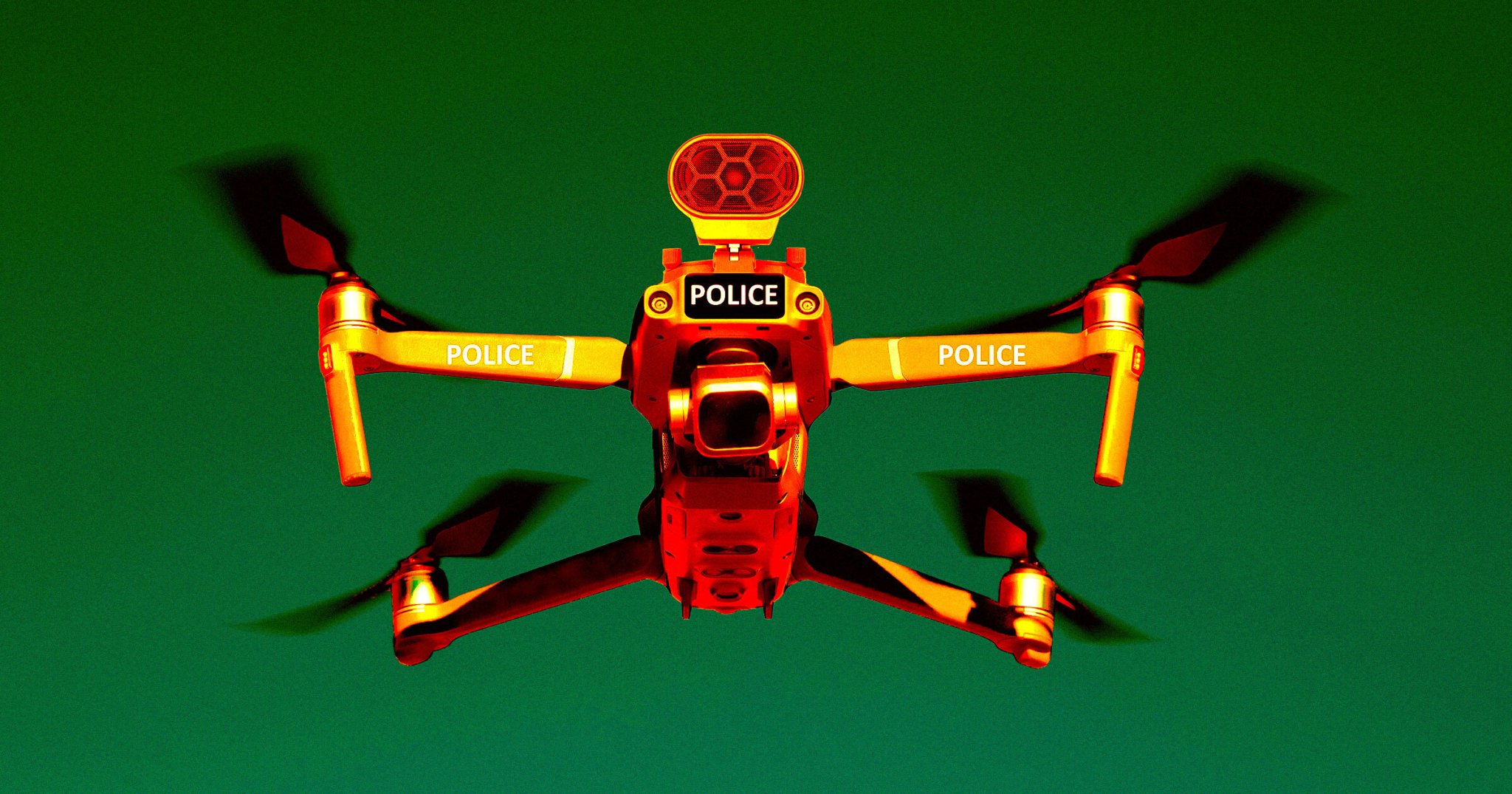
Well, tell that to president Trump. On Thursday, he slapped a 100 percent tariff — he sure loves round numbers and levying imports — on larger foreign-made drones.
Trump claimed that this “bolsters national security.” But, ironically, it could be undermining domestic security — at least according to surveillance-happy police departments who’ve gotten used to overlooking their subjects from above, according to a roundup of commentary from Ars Technica.
Speaking to the New York Times, Scott Mlakar, chief of the Lake County Drone Unit outside Cleveland, called the tariffs financially onerous and lamented that it would prevent many communities from buying them, adding that his unit uses them to hunt crime suspects at night and search for lost children.
“Most of this, in our humble opinion, is lobbying by US manufacturers to eliminate foreign competition,” he said. “This is not national security. It’s protectionism.”
The tariff is explicitly designed to target popular Chinese drones, while making exceptions or imposing much lighter tariffs on drones made from allies like Japan, Taiwan, South Korea, and the EU. In particular, these steep duties will apply to drones that use thermal imaging or weigh more than 55 pounds. In addition, the Federal Communications Commission is weighing reclassifying some drone technologies like lidar as “military grade,” Ars noted, which would restrict who can access these drones even further.
Drones have a lot of other practical uses beyond law enforcement, obviously, including monitoring wild fires and assisting rescue operations. Amid heightened backlash against Flock, though, they’ve come to be seen as another surveillance apparatus.
But weaning the US off Chinese drone tech is supposed to be good for national security, according to the Trump administration. One small problem: a single Chinese company, DJI, makes more than 70 percent of the world’s commercial drones, according to the NYT. Good luck replacing all those.
Plenty of other cops are bellyaching about the tariffs, too, extolling how irreplaceable that awesome Chinese made drones have become to their operation.
Ars spotted a Texas police officer named Jason Lee, for instance, who complained to the FCC that “there is currently no economically viable domestic replacement” for DJI drones. “More than 80 percent of state and local law-enforcement drone programs surveyed in 2024 used DJI aircraft,” he added.
“The fact that a domestic product exists does not necessarily mean it is a viable substitute,” Lee said. “A replacement must be operationally comparable, economically obtainable, supported by an adequate supply chain, and accepted by pilots who must rely on it during real-world incidents.”
More on drones: Amazon Delivery Drone Drops Package Directly Into Customer’s Swimming Pool
The post Surveillance-Happy Police In Shambles After Trump Tariffs Makes Drones Absurdly Expensive appeared first on Futurism.
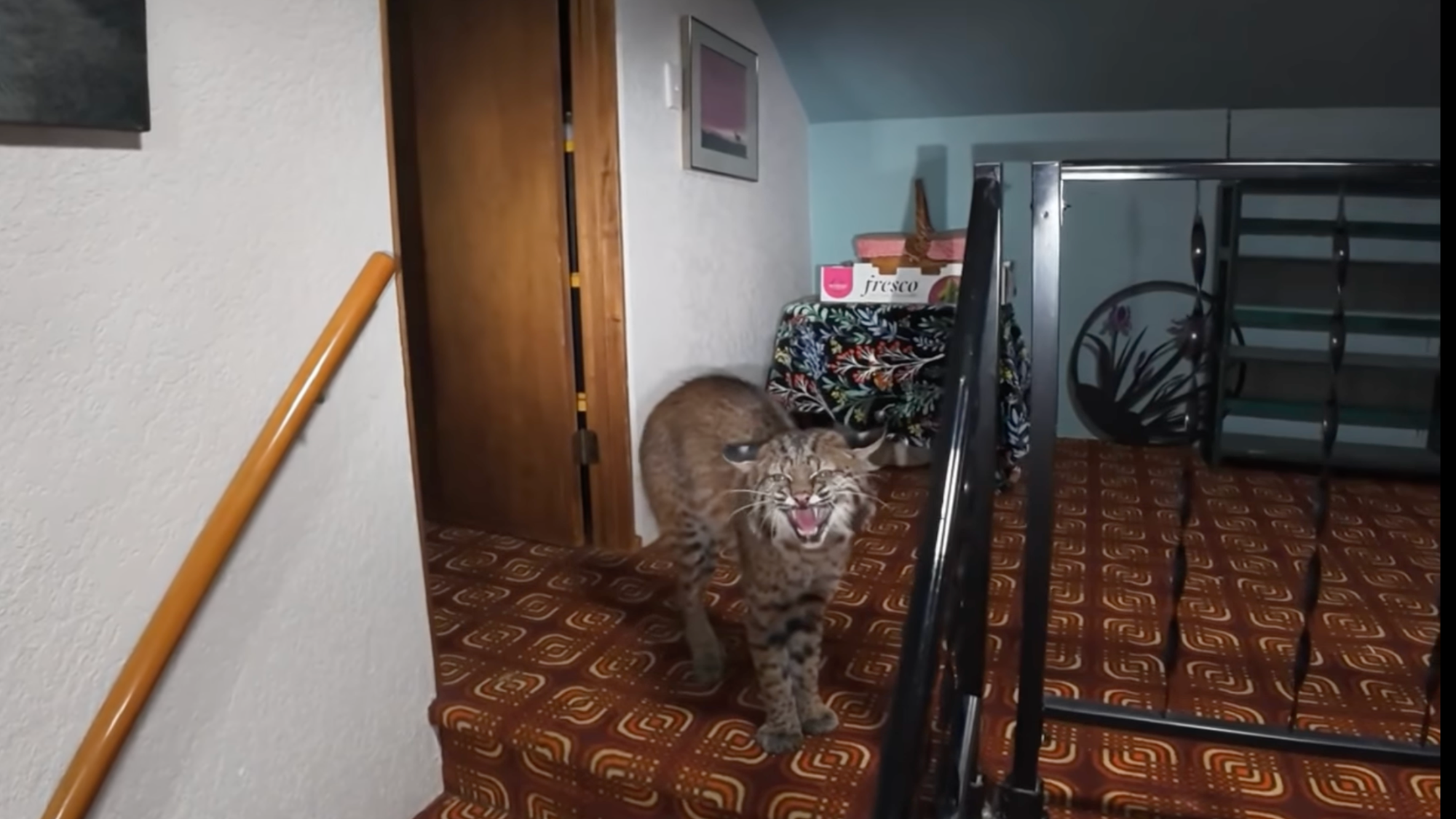
What began as a routine police response to a reported break-in turned into a brief standoff between nature and technology. Last week, law enforcement in the city of Kirkland, Washington (just northeast of Seattle) responded to a 911 call from a resident reporting loud banging inside their home. Officers arrived expecting a human intruder, but were instead greeted by a more literal cat burglar: a trapped and confused bobcat.
Not wanting to risk a claw to the face, the officers backed out and reassessed the situation. They ultimately decided to deploy a remote-controlled drone into the house, to monitor the feline intruder from a safe distance. Video captured from the drone’s perspective and released on Facebook, shows the frustrated bobcat standing by a staircase, growling and arching its back at the hovering machine. After a brief standoff with the buzzing, metal alien, the bobcat carefully retreated, sidestepping into an adjacent empty room.
Police were then able to close their door and keep the bobcat isolated until a team from the Washington Department of Fish and Wildlife arrived. Wildlife officials then sedated the cat, loaded it into a crate, and transported it to nearby Forbes Creek. The feline was then released back into the wild, startled but safe. As for how a bobcat ended up in the house in the first place, Kirkland Police believe the adventurous intruder climbed a tree and jumped through an open window, possibly lured in by the resident’s indoor cat. Both the owner and its likely shocked cat were unharmed, according to the police. Thankfully, curiosity didn’t kill this cat.
The Kirkland Police Department did not immediately respond to Popular Science’s request for comment.
The aerial deployment was made possible by a public safety drone program the Kirkland Police began in 2022. Today, they reportedly maintain five drones and have 17 FAA-licensed pilots ready to operate them. The typical use cases for those drones include search and rescue, tactical search, scene documentation, and, apparently, bobcat removal.
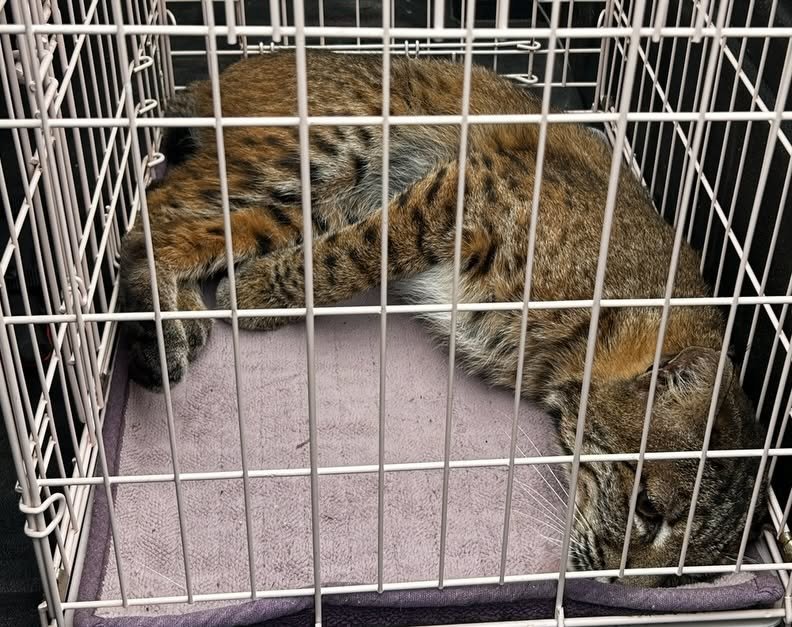
Drones and robotic dog-like quadrupeds are reshaping how local communities approach wildlife management. In Japan, authorities deploy a combination of camera-equipped drones and robotic Monster Wolves to locate and deter bears following a record spike in human-bear encounters driven by urban sprawl and declining farmland. In the United States, police in Santa Fe, New Mexico, recently used an aerial drone to track an errant bear wandering near a school. Expanded drone programs are also playing a greater role in locating lost or missing pets. Just last month, firefighters in t Florida used a remotely controlled drone to find an overly adventurous dog trapped in a storm drain.
But this increased prevalence of drones comes with other, more controversial concerns as well. Police forces around the country are ramping up “drones as first responder” programs, which civil liberty critics say could introduce unreasonable surveillance. Law enforcement around the country has already used these drones to monitor political protesters. Meanwhile, Immigration and Customs Enforcement (ICE), is reportedly interested in using Boston Dynamics’ quadruped robot “Spot” to aid in immigration operations. Private security companies like Flock and Axon are also investing heavily in aerial surveillance drones.
The post Home-intruding bobcat no match for police drone appeared first on Popular Science.
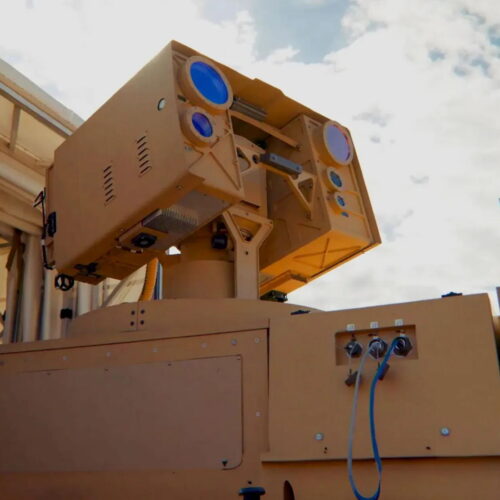
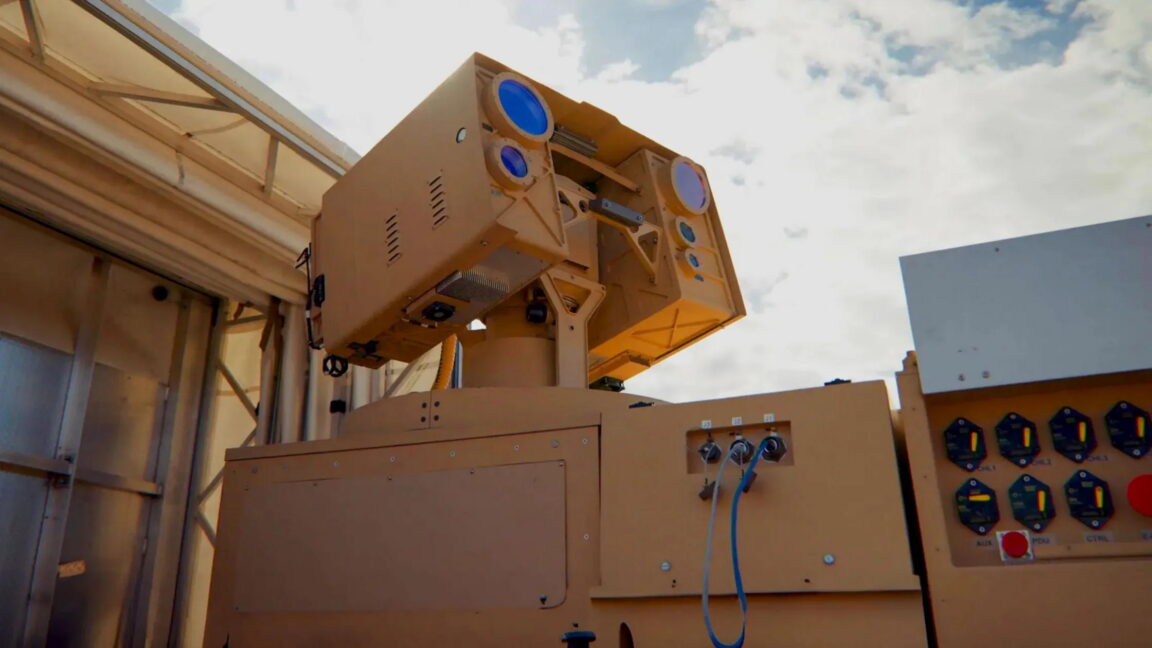
This week, the US Army used a high-energy multipurpose laser to shoot down three drones near the US-Mexico border, which official reports claimed were “posing a physical threat to US military personnel and CBP partners,” referring to Customs and Border Patrol.
The operation took place between the night of August 25 and the early morning of August 26 in the vicinity of the Rio Grande Valley in Texas and was led by the Joint Task Force Southern Border (JTF-SB), which operates under US Northern Command. Authorities confirmed that, during the operation, agents used technology derived from the Army’s High-Energy Multipurpose Laser (AMP-HEL) system, a military program focused on implementing high-energy lasers for new defense capabilities.
Available information suggests that this initiative began in September 2025, when AeroVironment, a company specializing in defense technology, delivered the first two functional prototypes of these laser-based weapons to the US Armed Forces. Two new, improved systems were delivered as the program was expanded in December of the same year. According to the manufacturer, this particular platform, called the Locust Laser Weapon System, is designed to be mounted on military vehicles, as the Army has done with the versions it has received.
© Aerovironment
This week, Romania accused Russia of sending a drone boat loaded with explosives to a vital European natural gas platform in the Black Sea. A Romanian F-16 fighter jet used its cannons to disable the surface drone so that explosive ordnance experts could blow it up safely.
On August 20, the Romanian Coast Guard first spotted the maritime drone a few hundred meters away from the Neptun Deep project’s main drilling platform, where several hundred workers were busy with the platform’s ongoing installation, Defense Minister Radu Miruță said in a Facebook post. The offshore gas project would make Romania the largest gas producer in the European Union once it starts full production in 2027.
To protect the lives of the workers and the offshore gas infrastructure, the Romanian military scrambled two F-16 fighter jets to stop the drone with cannon fire, Miruță said. Army specialists later carried out a controlled detonation, as seen in a Facebook video shared by the defense minister.
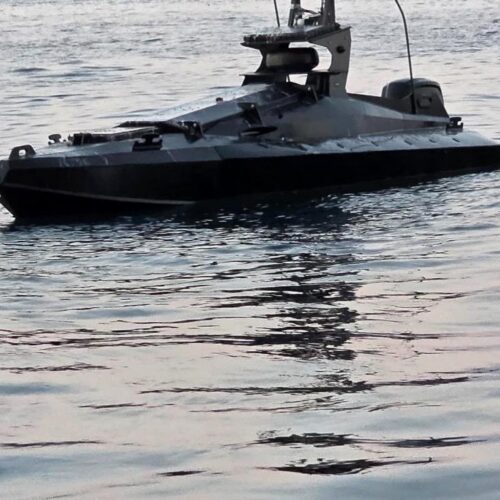
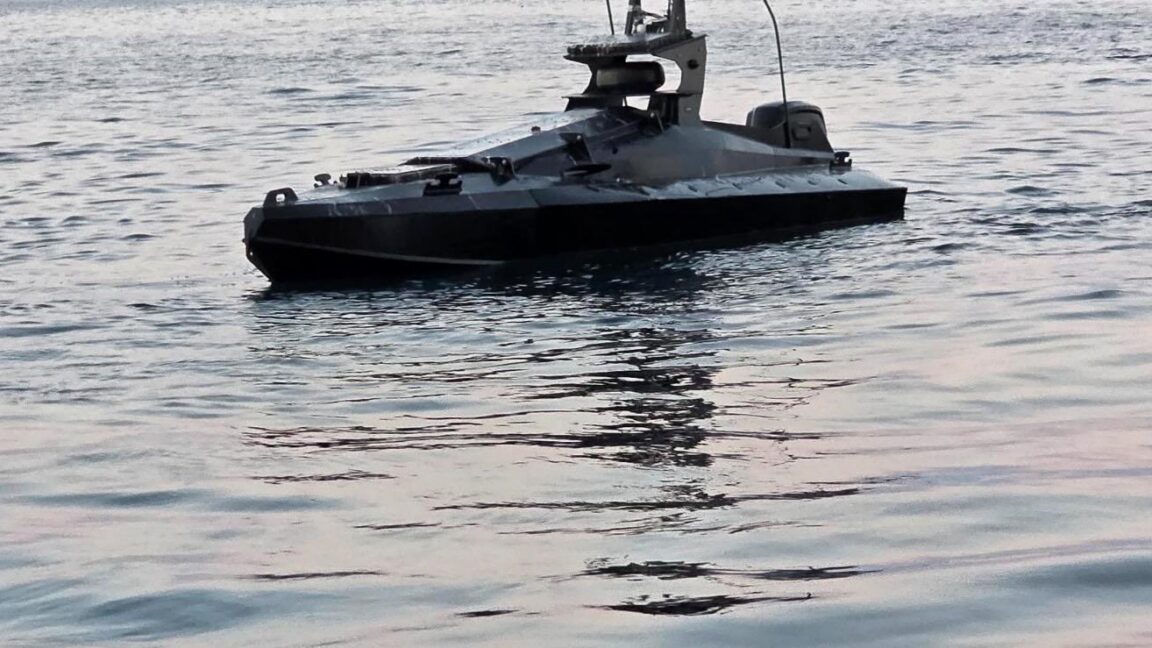
© Romanian Ministry of Defense
Amazon wants to grow its Prime Air delivery drone service sixfold to reach nearly 500 cities and towns across the United States by the end of 2026. The planned expansions from Amazon and its rivals could make the convenience of delivery drone services available to tens of millions more people in the coming months—but will also test more communities’ tolerance for increased noise from daily drone flights.
On August 19, Amazon announced it would soon launch Prime Air in the metropolitan areas of Chicago; Cleveland; Atlanta; Syracuse, New York; and Boise, Idaho, with more to come later in the year. Each Prime Air site offers delivery drone service within an area of about 175 square miles, with delivery times ranging from half an hour to an hour.
Prime Air already operates out of Amazon warehouses in 10 cities across seven states. Those include primarily suburban neighborhoods of Phoenix; Tampa; Kansas City; Omaha, Nebraska; Baton Rouge, Louisiana; Detroit; Houston; and San Antonio, Dallas, and Waco, Texas.
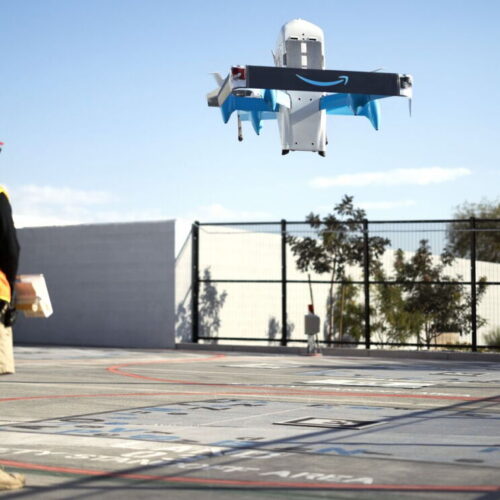
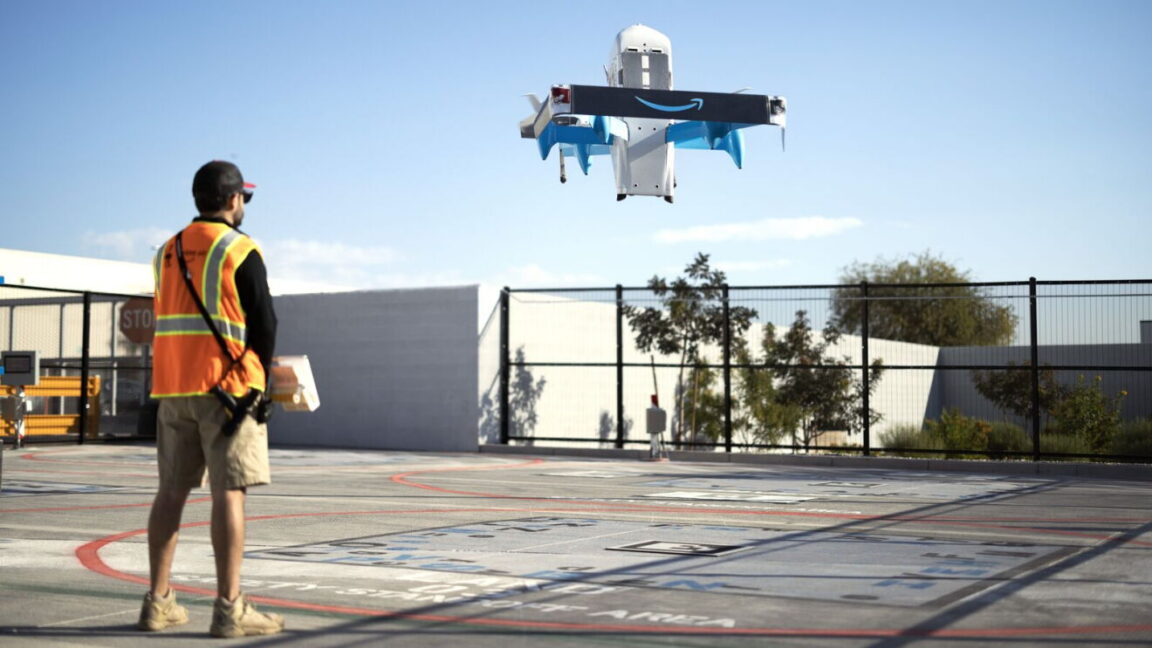
© Amazon
Using the same basic physics based on the familiar hollow tone produced by blowing across an empty bottle, researchers in Switzerland have developed a sound-powered propulsion system that can steer microrobots and even lift tiny machines.
In a new study published in Science Advances, engineers at the Swiss Federal Institute of Technology Lausanne (EPFL) demonstrated that 3D-printed cavities known as Helmholtz resonators can convert sound into directed jets of air and usable thrust.
The researchers built devices ranging from centimeters down to micrometers, used sound to propel and steer tiny boats, and created two microscopic flying machines—one microrobot lifted directly by acoustic thrust and another using rapidly spinning rotor blades. One version generated nearly five times its own weight in thrust, while another spun at up to 13,000 revolutions per minute to produce aerodynamic thrust.
The work points to a new way to power small robots without conventional motors, while also exposing the considerable engineering problems that remain before such machines can operate autonomously.
“While acoustic resonators have been extensively studied in liquids for the realization of untethered microrobots, their implementation in air remains largely unexplored,” researchers write. “The actuation scheme is compatible with even further miniaturization, pushing the boundaries of robotics and aeronautics.”
The idea behind the technology is surprisingly familiar. Blow across the top of an empty bottle and you hear a deep, hollow note created as the air trapped inside begins to vibrate.
Known as Helmholtz resonance, the effect happens because the air inside the bottle and its narrow opening behave somewhat like a mass attached to a spring. When sound at the right frequency excites a specially designed resonator, those vibrations become much stronger, forcing air rapidly through the opening. The resulting airflow can form a directional jet powerful enough to generate thrust.
The researchers set out to harness the same physics behind Helmholtz resonance as an unconventional propulsion method for microrobots.
The researchers designed tiny cavities that take advantage of the same principle. When sound hits one of these resonators at just the right frequency, the air in its narrow neck begins moving rapidly back and forth.
Because that airflow is slightly uneven as it enters and exits, it creates a small but focused jet of air. That jet produces thrust, giving the resonator enough force to help move or even lift a microrobot.
The team 3D-printed resonators ranging from centimeter to micrometer scales, designing them to respond to frequencies between roughly 200 hertz and 40 kilohertz. Experiments showed that larger cavities generally produced greater thrust, while the geometry and thickness of the resonator’s neck played a particularly important role in determining performance.
Importantly, researchers could tune different resonators to different frequencies. That means sound does more than supply power; frequency can effectively serve as a control signal.
The researchers demonstrated the concept using miniature boats equipped with acoustic resonators. One early prototype carried a resonator tuned to 1.2 kilohertz and moved only when exposed to sound at that frequency.
More advanced versions used separate resonators for propulsion and steering, allowing the researchers to guide a boat around obstacles remotely and along a figure-eight course with a mean tracking error of just 5.70 millimeters.
The team also showed that an external speaker is not always necessary. By attaching small vibration transducers directly to resonators, they could send sound through the robot’s structure itself.
This approach allowed the researchers to build a fully integrated boat equipped with its own battery, control electronics, and acoustic transducers. Bluetooth commands activated resonators tuned for propulsion and steering, with a total communication latency of about 30 milliseconds. The boat successfully traced the letters “EPFL,” navigated past obstacles, and could be steered back on course after researchers deliberately disturbed it by blowing air or physically pushing it.
However, shrinking the technology into flying microrobots provided the study’s most striking demonstration.
One microflier consisted of three microscopic resonators operating at 40 kilohertz and weighed only about 150 micrograms. Focused ultrasound caused each resonator to eject a tiny jet of air downward. Together, the three produced a thrust-to-weight ratio of approximately 4.9. The machine accelerated upward, climbed roughly 12 millimeters before settling around seven millimeters above its starting position.
A second design took a different approach. Instead of pointing the acoustic jets downward, the researchers used them to spin a rotor fitted with tiny aerodynamic blades. The entire aircraft weighed 184 micrograms.
Once exposed to ultrasound, the rotor accelerated to approximately 13,000 rpm. Its blades generated enough aerodynamic thrust for takeoff before settling to roughly 6,500 rpm while hovering.
Turning the device upside down prevented it from ascending, helping confirm that aerodynamic thrust, rather than acoustic radiation pressure alone, enabled flight.
Researchers demonstrated unconstrained flight with both microrobot designs. The direct-thrust version climbed rapidly but sometimes flipped in the air. The spinning version was more stable, apparently because its swift rotation provided a gyroscopic stabilizing effect similar to that found in helicopters and spinning discs.
Ultimately, the experiments remain proof-of-concept demonstrations rather than prototypes of free-ranging autonomous microrobots. Airborne propulsion requires external acoustic hardware capable of keeping a sufficiently strong sound field focused on a tiny moving object. That essentially limits the robot’s operating area. Putting the acoustic source onboard offers greater autonomy but might significantly increase the robot’s weight.
The current flying system also operates at a single 40-kilohertz frequency, restricting how independently its resonators can be controlled. The researchers suggest future multifrequency ultrasonic arrays could selectively activate different resonators, allowing small aircraft to steer and coordinate their movement through sound alone.
Further miniaturization is technically possible. Modern 3D nanoprinting can fabricate structures with resolutions around 700 nanometers, possibly allowing resonators only several micrometers across. However, at those scales, viscous forces become increasingly important and may dramatically reduce thrust, meaning simply shrinking the existing design may eventually stop working.
Still, the wider concept could go beyond flying machines. Researchers envision flexible structures containing many differently tuned resonators that can bend, vibrate, or change shape depending on the applied sound frequency, possibly resulting in shape-morphing microrobots and mechanical metamaterials.
“Our work extends the concept of acoustic manipulation toward active propulsion by harnessing cavity resonance to generate directional thrust and controlled motion,” the researchers write. “This approach broadens the scope of airborne acoustic actuation toward small-scale robots capable of autonomous operation in open environments.”
The recent study, “Acoustic Resonators as Wireless Actuators in Air for Small-Scale Robots,” was published in Science Advances.
Tim McMillan is a retired law enforcement executive, investigative reporter and co-founder of The Debrief. His writing typically focuses on defense, national security, the Intelligence Community and topics related to psychology. You can follow Tim on Twitter: @LtTimMcMillan. Tim can be reached by email: tim@thedebrief.org or through encrypted email: LtTimMcMillan@protonmail.com
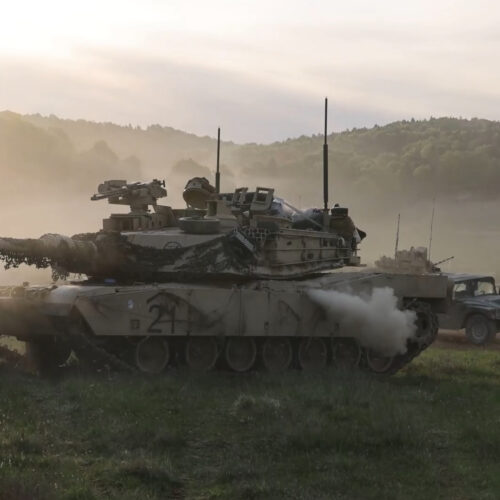
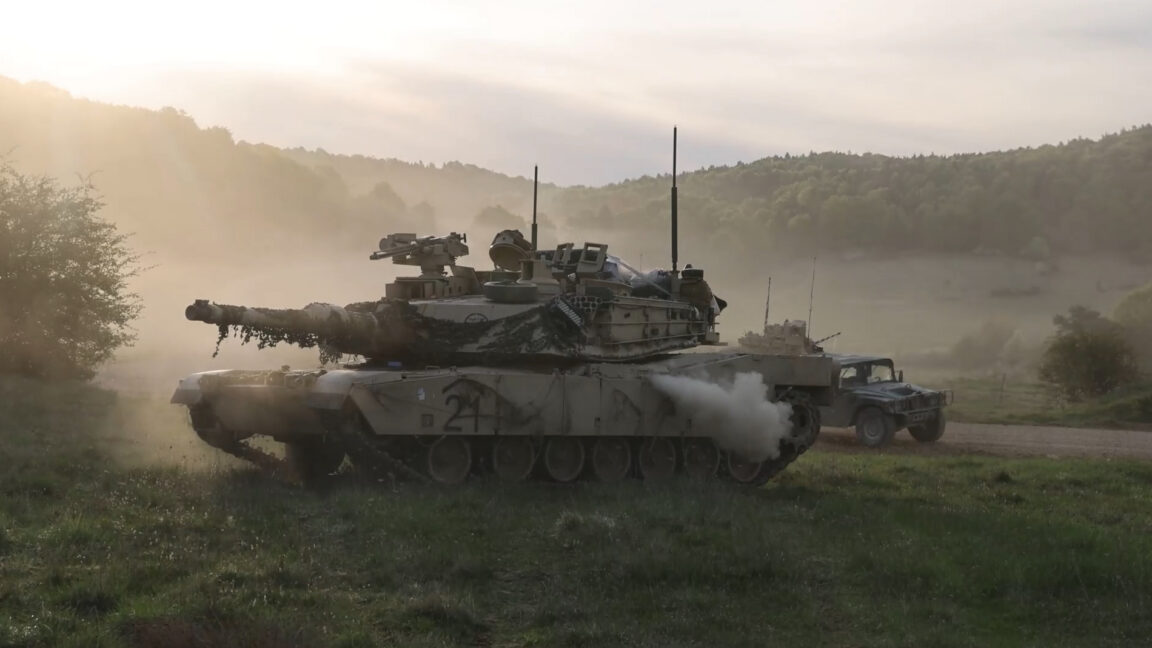
Ukrainian drone teams demolished a brigade of US Army tanks and armored vehicles during a live war game held this year—but the US soldiers were lucky enough to get “respawn” attempts while learning from the experience.
The semiannual military exercise, called Combined Resolve, gave the US military a firsthand taste of how modern drone warfare has evolved on the battlefields of Ukraine. The Ukrainian drone operators participating in the exercise were easily able to spot and destroy US armored vehicles by mimicking the actions of dropping bombs from above or moving close enough to simulate a kamikaze strike, according to US officials and a participant who spoke with The Wall Street Journal.
US armored vehicles were being destroyed so quickly that they were “respawned” and sent back into the simulated fray, a US official told The Wall Street Journal. The US troops who participated in the exercise—held in Germany from April 9 to May 10—were on rotational deployment from Fort Hood, Texas.
© Sgt. Joseph Mcdonald | US Army
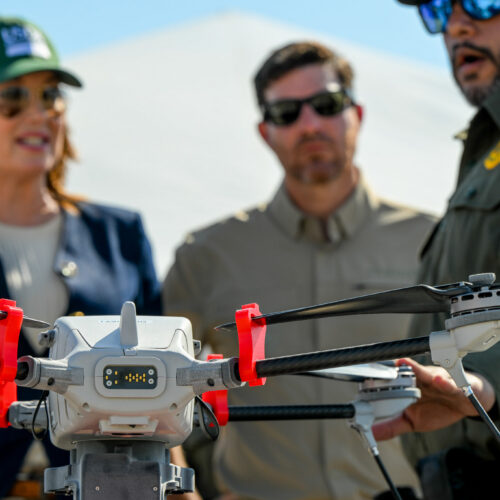
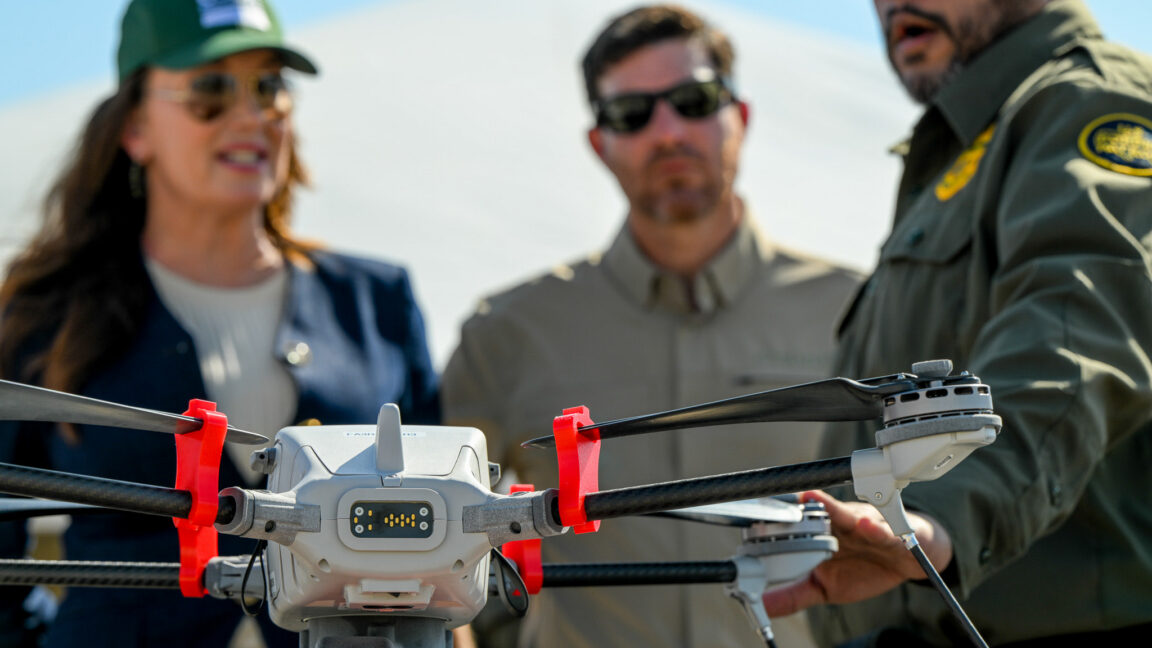
Hundreds of US government drones have switched from border surveillance to a different surveillance mission this summer—looking for signs of screwworm infestations in wild animals and livestock herds.
The flesh-eating New World Screwworm is the parasitic larva that emerges from eggs laid by flies in the open wounds or body openings of warm-blooded animals and humans, with untreated cases potentially leading to severe injury or death. Since the first screwworm cases were detected in South Texas in June, the US Department of Agriculture and US Customs and Border Protection have been conducting “one of the most extensive animal-health surveillance operations in the country,” the USDA said on August 10 in social media posts on platforms like X and Facebook.
The effort involves at least 200 drones owned by the Department of Homeland Security, which includes the Customs and Border Protection (CBP) agency. But the actual number in use "varies depending on availability and need," a USDA spokesperson told Ars.
© US Department of Agriculture
Romanian army divers used explosives to destroy two Russian-made drones found floating in the Black Sea near Romania’s largest natural gas project, according to the NATO member country’s defense minister.
Defense Minister Radu Miruță posted a Facebook video supposedly showing one of the drones being blown up in the water by explosive ordnance disposal divers of the Romanian army on August 11, as reported by Reuters and other news outlets. The drones were first spotted in the water by a ship working in the vicinity of the Neptun Deep—an offshore gas project under development in the Black Sea that will make Romania the largest gas producer in the European Union.
A Romanian Coast Guard ship that responded with army soldiers aboard found two drifting Gerbera-type drones of Russian design along with other debris. Miruță also disclosed that Romania had reached out to “Ukrainian partners who confirmed that the systems do not belong to them.”
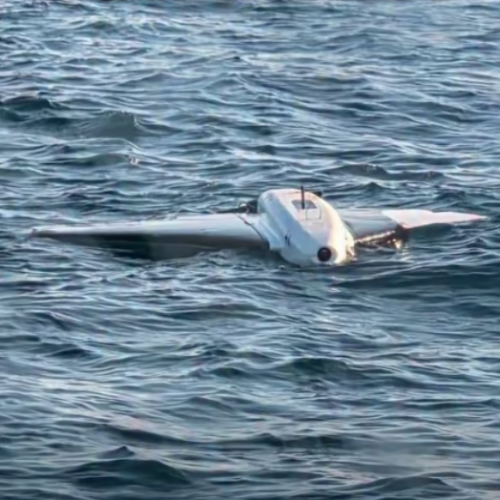
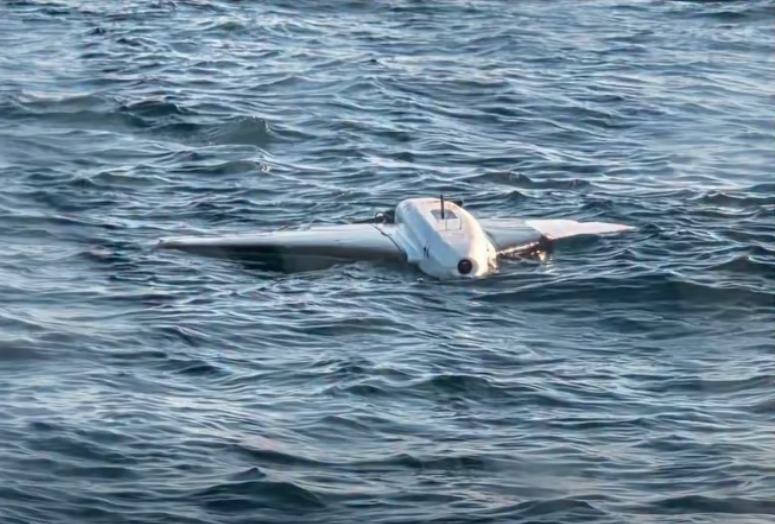
© Romanian Ministry of Defense
Através de um novo contrato com a Força Aérea Portuguesa, os drones AR5 da Tekever vão apoiar missões de longo alcance, incluindo a vigilância da Zona Económica Exclusiva (ZEE) de Portugal, podendo ser também utilizados em áreas como segurança costeira e proteção ambiental.
The post Drones AR5 da Tekever vão reforçar as missões de vigilância marítima em Portugal appeared first on Tek Notícias.
Reducing (or completely eliminating) the charge time for drones has been a continual area of research, with some advancements, such as quantum batteries showcased earlier this year, showing a lot of promise. Researchers at the Civil Aviation University of China have made a major breakthrough in laser-based OTA (Over The Air) charging that can convert energy at 38.94% efficiency.
According to a study published in Matter & Light, scientists from the Civil Aviation University of China are testing a lightweight receiver that can harvest energy from a laser beam sent from the ground. The system uses a perovskite laser cell-thermoelectric (PLC-TE) tandem device, which combines two methods of generating electricity. The perovskite layer converts laser energy into electricity, while the thermoelectric layer recovers some of the resulting heat and turns it into additional power. Its output increases as the temperature difference between the laser-facing side and the cooler side grows.
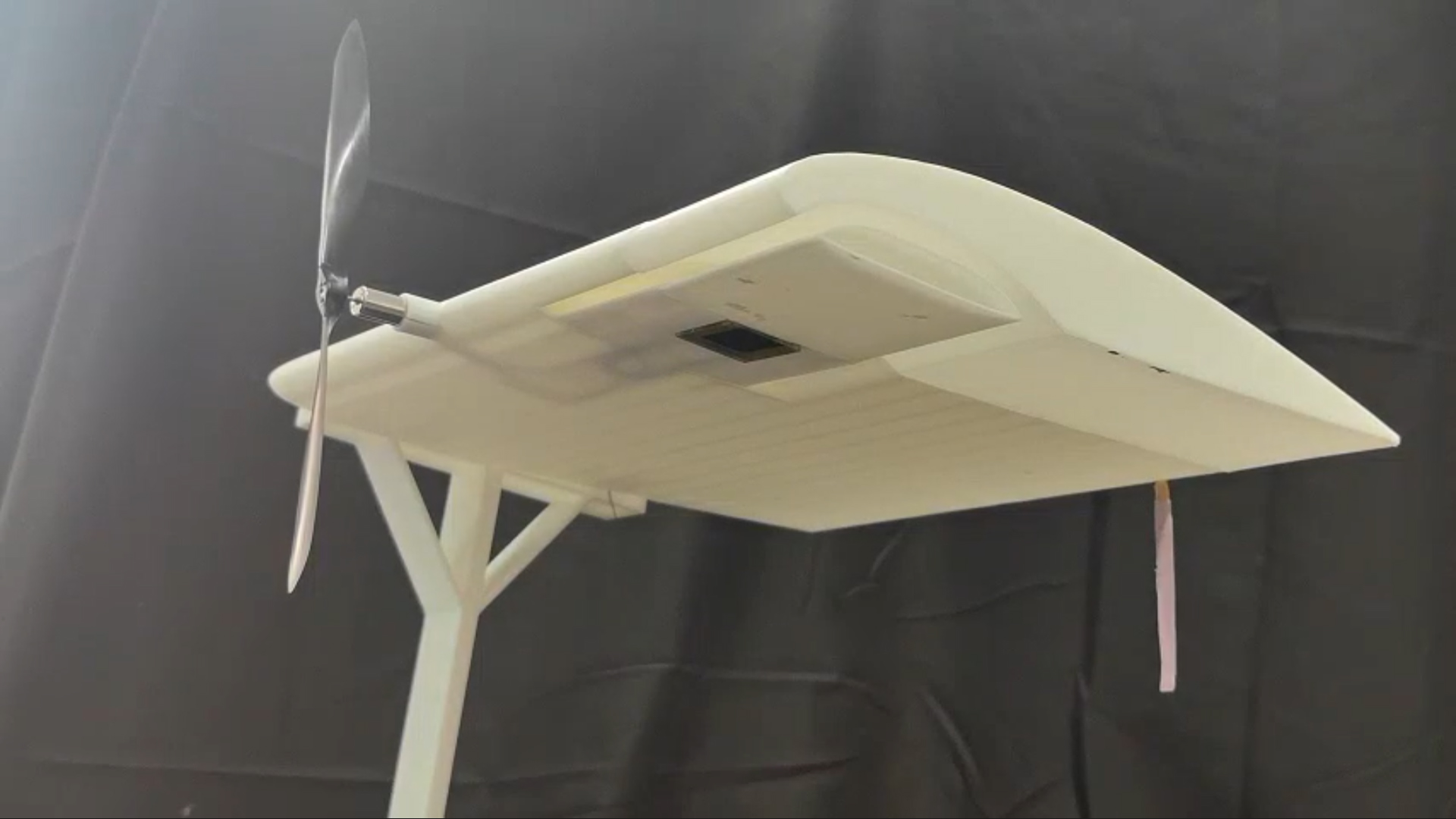
The major challenge with this setup is that intense laser beams heat up the receivers to a blistering 80 to 90 degrees Celsius, degrading efficiency and causing damage to the aircraft itself. “That was much higher than we expected and made us realize that heat buildup was a far more serious problem than we had imagined,” explained Jianhua Han, the study's senior author.
To overcome this challenge, Han's team added special nanocrystals to the receiver. As the nanocrystals are poor heat conductors, it allows them to act as a thermal barrier and protect the perovskite and thermoelectric layers. The team also added air channels to the drone's wings. As the propellers spin, airflow passes through these channels and carries excess heat away, helping to keep the system cool. The combination of nanomaterials and aerodynamic cooling resulted in a respectable 38.49% energy conversion efficiency during testing, which is one of the highest reported for this class of technology.
While the system is yet to undergo outdoor flight tests, this breakthrough alone is a significant step toward practical continuous flight for drones. As Han noted, going from 1 to 100 will require solving complex tracking and safety challenges, but this research establishes an important starting point for the future of drones and UAVs.